

A multidimensional systems biology analysis of cellular senescence in aging and disease
Open accessThe DOI matches its Crossref record; 112 of the 112 references it cites were found in a registry or an index.
Abstract
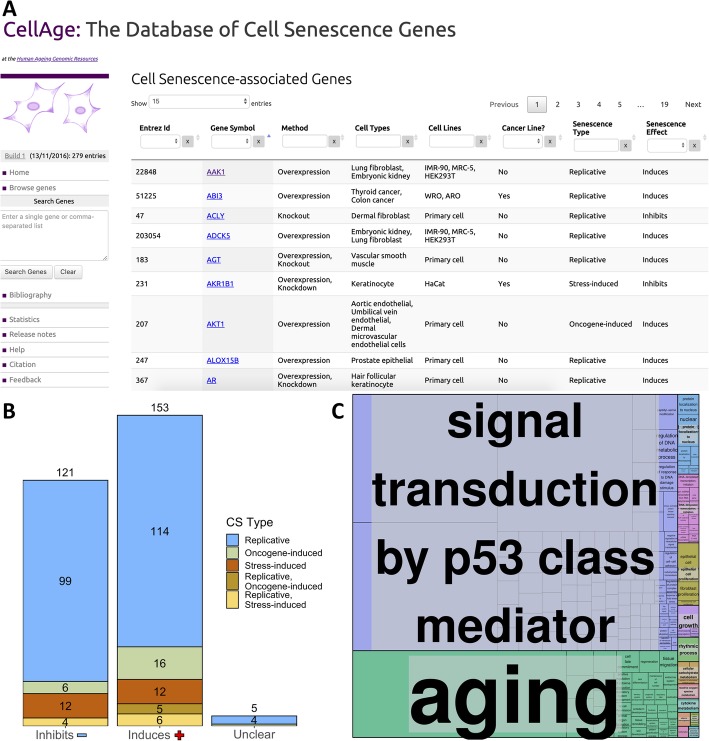
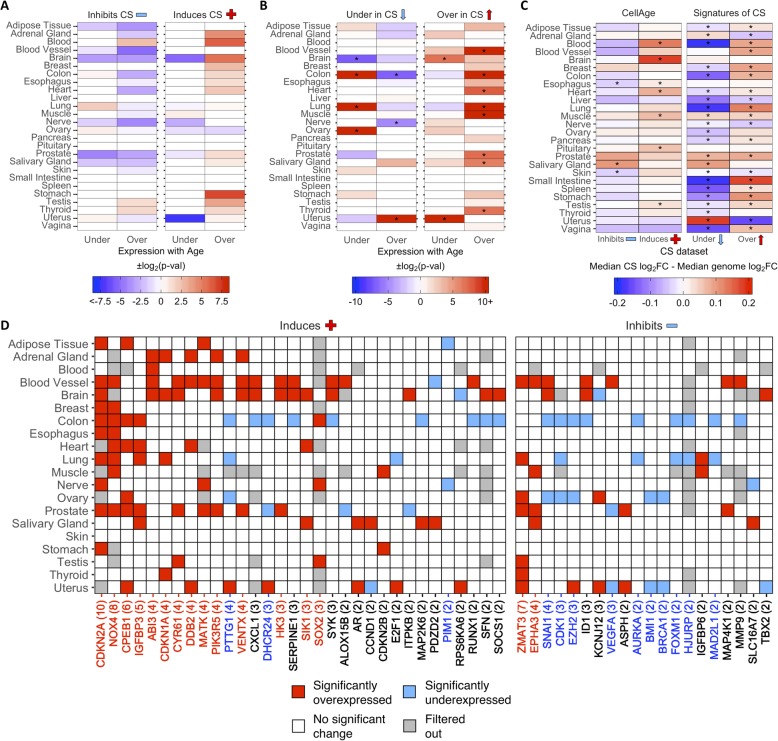
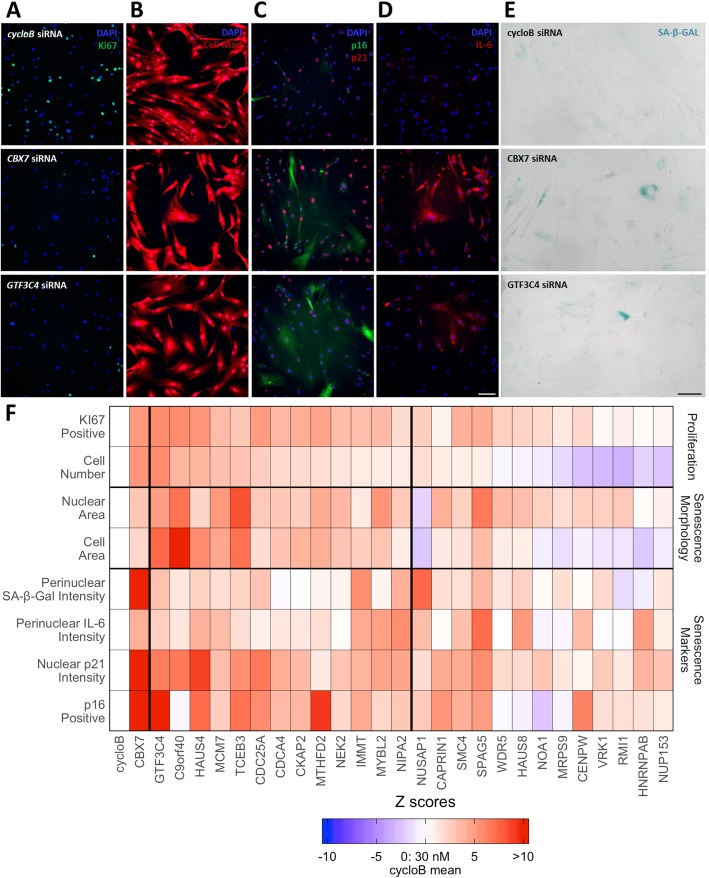
Background: Cellular senescence, a permanent state of replicative arrest in otherwise proliferating cells, is a hallmark of aging and has been linked to aging-related diseases. Many genes play a role in cellular senescence, yet a comprehensive understanding of its pathways is still lacking. Results: We develop CellAge (http://genomics.senescence.info/cells), a manually curated database of 279 human genes driving cellular senescence, and perform various integrative analyses. Genes inducing cellular senescence tend to be overexpressed with age in human tissues and are significantly overrepresented in anti-longevity and tumor-suppressor genes, while genes inhibiting cellular senescence overlap with pro-longevity and oncogenes. Furthermore, cellular senescence genes are strongly conserved in mammals but not in invertebrates. We also build cellular senescence protein-protein interaction and co-expression networks. Clusters in the networks are enriched for cell cycle and immunological processes. Network topological parameters also reveal novel potential cellular senescence regulators. Using siRNAs, we observe that all 26 candidates tested induce at least one marker of senescence with 13 genes (C9orf40, CDC25A, CDCA4, CKAP2, GTF3C4, HAUS4, IMMT, MCM7, MTHFD2, MYBL2, NEK2, NIPA2, and TCEB3) decreasing cell number, activating p16/p21, and undergoing morphological changes that resemble cellular senescence. Conclusions: Overall, our work provides a benchmark resource for researchers to study cellular senescence, and our systems biology analyses reveal new insights and gene regulators of cellular senescence.
Overview
The claims and statistics of this paper haven’t been checked yet.
Free: it reads the open-access text and checks the first 5 claims that cite a source we can check. Create a free account to check every claim.
Integrity signals
Registry
Cites
Statistics
Figures
Verification
Claims the paper makes
The claims and statistics of this paper haven’t been checked yet.
Free: it reads the open-access text and checks the first 5 claims that cite a source we can check. Create a free account to check every claim.
Claims other papers make about this one
Each is checked against this paper’s own text: does it say what the citing paper says it does?
The source backs part of the claim, not all of it — or backs it for a different population, condition or comparison.
In the citing paper
“we generated a gene set (SenMayo) consisting of 125 previously identified senescence/SASP-associated factors”
From A new gene set identifies senescent cells and predicts senescence-associated pathways across tissues (2022) · cites this paper as [50]
Experimental — accuracy not yet measuredThe cited source says what the claim attributes to it.
In the citing paper
“We then performed single-cell RNA sequencing (scRNA-seq) and used gene set enrichment analysis (GSEA) with the SenMayo11 and CellAge12 panels to identify cell clusters with increased senescence gene expression, which was reduced by ABT-737 treatment.”
From Single-cell and spatial transcriptomics map senescent vascular cells in arterial remodeling during atherosclerosis in mice (2025) · cites this paper as [12]
The cited source says what the claim attributes to it.
In the citing paper
“as well as enrichment of previously published gene sets indicative of human49 and cellular aging50 (Table 2).”
From A new gene set identifies senescent cells and predicts senescence-associated pathways across tissues (2022) · cites this paper as [50]
The cited source says what the claim attributes to it.
In the citing paper
“Using CellAge (Avelar et al, 2020) as reference gene set, the p16-associated genes were (next to Cdkn2a) Cdkn2b and Lum in 6 of the 14 datasets (Fig. 4I).”
From Distinct senotypes in p16- and p21-positive cells across human and mouse aging tissues (2025) · cites this paper as Avelar et al, 2020
The cited source says what the claim attributes to it.
In the citing paper
“Another study leveraged gene set variation analysis (GSVA) to analyze single-cell RNA-seq datasets of mouse retinas with proliferative retinopathies; it revealed that certain cell types, including astrocytes, pericytes, endothelial cells, and glial cells, showed expression of senescence-related genes from two published senescence-related gene-sets [39,40].”
From The heterogeneity of cellular senescence: insights at the single-cell level (2023) · cites this paper as [40]
Self-check
Percentages, sums and reported differences re-computed from the paper’s own numbers.
The self-check needs the paper’s full text.
Citations
Cites
R: A Language and Environment for Statistical Computing
R Core Team (2025) · doi:10.32614/r.manuals · Cited by 352,181
Hallmarks of Cancer: The Next Generation
Hanahan, D., & Weinberg, R. A. (2011) · Cell · doi:10.1016/j.cell.2011.02.013 · Cited by 66,590 · cited 1×
“Lineages where naturally important gene regulators (e.g., TP53) have alternative molecular variants or have been lost from their genomes [82, 83] can be investigated as natural knockouts [84], since they have found a different way to solve aging-related diseases like cancer [85, 86].”
BackgroundCytoscape: A software Environment for integrated models of biomolecular interaction networks
Shannon, P., Markiel, A., Ozier, O., Baliga, N. S., Wang, J. T., Ramage, D., Amin, N., Schwikowski, B., & Ideker, T. (2003) · Genome Research · doi:10.1101/gr.1239303 · Cited by 51,888 · cited 2×
“We used Cytoscape version 3.6.1 to generate networks and R version 3.3.1 to perform aspects of the statistical analysis [90, 105].”
MethodInfluentialMAFFT Multiple Sequence Alignment Software Version 7: Improvements in Performance and Usability
Katoh, K., & Standley, D. M. (2013) · Molecular Biology and Evolution · doi:10.1093/molbev/mst010 · Cited by 46,209 · cited 1×
“In order to structure the evolutionary distance for the CellAge genes between the five long-lived mammals and the others 19 mammalian species, the amino acid sequences from the 271 CellAge OrthoGroups were aligned using the L-INS-i algorithm from MAFFT v.7 [95].”
Methodlimma powers differential expression analyses for RNA-sequencing and microarray studies
Ritchie, M. E., Phipson, B., Wu, D., Hu, Y., Law, C. W., Shi, W., & Smyth, G. K. (2015) · Nucleic Acids Research · doi:10.1093/nar/gkv007 · Cited by 40,458 · cited 1×
“The randomly sorted gene expression data was then filtered for significance ( p < 0.05, moderated t -test with BH correction, absolute log 2 FC > log 2 (1.5)) [32, 103], and the CellAge accessions were extracted and overlapped across all the simulated expression data in 26 tissues from GTEx.”
MethodInfluentialSystematic and integrative analysis of large gene lists using DAVID bioinformatics resources
Huang, D. W., Sherman, B. T., & Lempicki, R. A. (2009) · Nature Protocols · doi:10.1038/nprot.2008.211 · Cited by 35,890
Wickham, H. (2016) · Use R! · doi:10.1007/978-3-319-24277-4 · Cited by 33,115
IQ-TREE: A Fast and Effective Stochastic Algorithm for Estimating Maximum-Likelihood Phylogenies
Nguyen, L.-T., Schmidt, H. A., von Haeseler, A., & Minh, B. Q. (2015) · Molecular Biology and Evolution · doi:10.1093/molbev/msu300 · Cited by 26,046 · cited 1×
“To analyze the variation of the CellAge genes in mammals, we obtained the branch lengths using log-likelihood for a fixed tree through IQ-TREE [98] for (a) the concatenated alignment (271 CellAge genes) and (b) the 22 CellAge genes conserved among the 24 mammalian species in order to understand the…”
MethodLópez-Otín, C., Blasco, M. A., Partridge, L., Serrano, M., & Kroemer, G. (2013) · Cell · doi:10.1016/j.cell.2013.05.039 · Cited by 14,982 · cited 1×
“Cellular senescence is one of the hallmarks of aging [87] and the accumulation of senescent cells in human tissues with age has been implicated as a driver of aging-related diseases.”
Backgroundggplot2: Elegant Graphics for Data Analysis
Wickham, H. (2009) · doi:10.1007/978-0-387-98141-3 · Cited by 14,447
Huang, D. W., Sherman, B. T., & Lempicki, R. A. (2009) · Nucleic Acids Research · doi:10.1093/nar/gkn923 · Cited by 14,108
RNA-Seq: a revolutionary tool for transcriptomics
Wang, Z., Gerstein, M., & Snyder, M. (2009) · Nature Reviews Genetics · doi:10.1038/nrg2484 · Cited by 13,174 · cited 1×
“There was limited overlap be-tween the microarray co-expression network and the RNA-seq co-expression network, although this is not surprising considering the higher specificity and sensitivity, and ability to detect low-abundance transcripts of RNA-seq [75].”
BackgroundCd-hit: Accelerated for clustering the next-generation sequencing data
Fu, L., Niu, B., Zhu, Z., Wu, S., & Li, W. (2012) · Bioinformatics · doi:10.1093/bioinformatics/bts565 · Cited by 11,175
The serial cultivation of human diploid cell strains
Hayflick, L., & Moorhead, P. S. (1961) · Experimental Cell Research · doi:10.1016/0014-4827(61)90192-6 · Cited by 8,508 · cited 1×
“In the 1960s, Leonard Hayflick and Paul Moorhead demonstrated that human fibroblasts reached a stable proliferative growth arrest between their fortieth and sixtieth divisions [1].”
BackgroundError and attack tolerance of complex networks
Albert, R., Jeong, H., & Barabási, A.-L. (2000) · Nature · doi:10.1038/35019019 · Cited by 7,534 · cited 1×
“A significant fit to the power law indicates the presence of a scale-free structure in the network [61, 107].”
BackgroundA biomarker that identifies senescent human cells in culture and in aging skin in vivo.
Dimri, G. P., Lee, X., Basile, G., Acosta, M., Scott, G., Roskelley, C., Medrano, E. E., Linskens, M., Rubelj, I., & Pereira-Smith, O. (1995) · Proceedings of the National Academy of Sciences · doi:10.1073/pnas.92.20.9363 · Cited by 7,477
Error and attack tolerance of complex networks
Albert, R., Jeong, H., & Barabási, A.-Ĺ. (2000) · RePEc: Research Papers in Economics · Cited by 6,460
REVIGO summarizes and visualizes long lists of gene ontology terms
Supek, F., Bošnjak, M., Škunca, N., & Šmuc, T. (2011) · PLoS ONE · doi:10.1371/journal.pone.0021800 · Cited by 6,264 · cited 3×
“Redundant GO terms were removed and the remaining GO terms were grouped into categories based on their function using the default parameters on Re-duce + Visualize Gene Ontology (REVIGO) [37].”
MethodInfluentialPicante: R tools for integrating phylogenies and ecology
Kembel, S. W., Cowan, P. D., Helmus, M. R., Cornwell, W. K., Morlon, H., Ackerly, D. D., Blomberg, S. P., & Webb, C. O. (2010) · Bioinformatics · doi:10.1093/bioinformatics/btq166 · Cited by 6,243 · cited 1×
“We used the Faith ’ s phylogenetic diversity index (PD) [99] through the “ picante ” R package [100] to calculate the evolutionary distances.”
MethodConservation evaluation and phylogenetic diversity
Faith, D. P. (1992) · Biological Conservation · doi:10.1016/0006-3207(92)91201-3 · Cited by 5,693 · cited 1×
“We used the Faith’s phylogenetic diversity index (PD) [99] through the “picante” R package [100] to calculate the evolutionary distances.”
MethodNetwork medicine: a network-based approach to human disease
Barabási, A.-L., Gulbahce, N., & Loscalzo, J. (2011) · Nature Reviews Genetics · doi:10.1038/nrg2918 · Cited by 5,034 · cited 1×
“Our recent understanding of biological networks has led to new fields, like network medicine [29].”
BackgroundInsights into the regulation of protein abundance from proteomic and transcriptomic analyses
Vogel, C., & Marcotte, E. M. (2012) · Nature Reviews Genetics · doi:10.1038/nrg3185 · Cited by 4,195 · cited 1×
“Furthermore, RNA read counts do not directly correlate to protein numbers, with previous studies reporting that only 40% of the variation in protein S22 – S27 concentration can be attributed to mRNA levels, an important aspect to consider when interpreting RNA-seq data [56].”
ResultClearance of p16Ink4a-positive senescent cells delays ageing-associated disorders
Baker, D. J., Wijshake, T., Tchkonia, T., LeBrasseur, N. K., Childs, B. G., van de Sluis, B., Kirkland, J. L., & van Deursen, J. M. (2011) · Nature · doi:10.1038/nature10600 · Cited by 3,670
WebGestalt 2019: gene set analysis toolkit with revamped UIs and APIs
Liao, Y., Wang, J., Jaehnig, E. J., Shi, Z., & Zhang, B. (2019) · Nucleic Acids Research · doi:10.1093/nar/gkz401 · Cited by 3,144 · cited 4×
“…was done via the WEB-based Gene SeT AnaLysis Toolkit (WebGestalt) for the analysis of all CellAge genes, CellAge CS regulators and overexpressed signatures of CS overexpressed in the meta-analysis of aging signatures, and for the CellAge genes overlapping with tumor suppressor and oncogenes [38].”
MethodInfluentialAging, Cellular Senescence, and Cancer
Campisi, J. (2013) · Annual Review of Physiology · doi:10.1146/annurev-physiol-030212-183653 · Cited by 2,954 · cited 1×
“By contrast, the gradual accumulation and chronic persistence of senescent cells with time promotes deleterious effects that are considered to accelerate deterioration and hyperplasia in aging [11].”
BackgroundA DNA damage checkpoint response in telomere-initiated senescence
Fagagna, F. D. D., Reaper, P. M., Clay-Farrace, L., Fiegler, H., Carr, P., von Zglinicki, T., Saretzki, G., Carter, N. P., & Jackson, S. P. (2003) · Nature · doi:10.1038/nature02118 · Cited by 2,917
Naturally occurring p16Ink4a-positive cells shorten healthy lifespan
Baker, D. J., Childs, B. G., Durik, M., Wijers, M. E., Sieben, C. J., Zhong, J., A. Saltness, R., Jeganathan, K. B., Verzosa, G. C., Pezeshki, A., et al. (2016) · Nature · doi:10.1038/nature16932 · Cited by 2,876 · cited 1×
“Mice expressing transgenic INK-ATTAC, which induces apoptosis of p16-positive senescent cells, also have increased lifespan and improved healthspan [14].”
BackgroundGeroscience: Linking Aging to Chronic Disease
Kennedy, B. K., Berger, S. L., Brunet, A., Campisi, J., Cuervo, A. M., Epel, E. S., Franceschi, C., Lithgow, G. J., Morimoto, R. I., Pessin, J. E., et al. (2014) · Cell · doi:10.1016/j.cell.2014.10.039 · Cited by 2,764
The role of senescent cells in ageing
van Deursen, J. M. (2014) · Nature · doi:10.1038/nature13193 · Cited by 2,623
Hallmarks of Cellular Senescence
Hernandez-Segura, A., Nehme, J., & Demaria, M. (2018) · Trends in Cell Biology · doi:10.1016/j.tcb.2018.02.001 · Cited by 2,605 · cited 1×
“These results are all in line with previously described hallmarks of cellular senescence [60].”
ResultA complex secretory program orchestrated by the inflammasome controls paracrine senescence
Acosta, J. C., Banito, A., Wuestefeld, T., Georgilis, A., Janich, P., Morton, J. P., Athineos, D., Kang, T.-W., Lasitschka, F., Andrulis, M., et al. (2013) · Nature Cell Biology · doi:10.1038/ncb2784 · Cited by 2,278 · cited 2×
“…— denoted as the senescence-associated secretory phenotype, or SASP — which adversely impact neighboring cells, the surrounding extracellular matrix, and other structural components, resulting in chronic inflammation, the induction of senescence in healthy cells, and vulnerable tissue [12, 13].”
BackgroundAn Essential Role for Senescent Cells in Optimal Wound Healing through Secretion of PDGF-AA
Demaria, M., Ohtani, N., Youssef, S. A., Rodier, F., Toussaint, W., Mitchell, J. R., Laberge, R.-M., Vijg, J., Van Steeg, H., Dollé, M. E. T., et al. (2014) · Developmental Cell · doi:10.1016/j.devcel.2014.11.012 · Cited by 2,045 · cited 1×
“Initially considered an evolutionary response to reduce mutation accrual and subsequent tumorigenesis, the pleiotropic nature of senescence has also been positively implicated in processes including embryogenesis [6, 7], wound healing [8], and immune clearance [9, 10].”
The essence of senescence: Figure 1.
Kuilman, T., Michaloglou, C., Mooi, W. J., & Peeper, D. S. (2010) · Genes & Development · doi:10.1101/gad.1971610 · Cited by 2,038 · cited 2×
“Such cells would enter an altered state of “ replicative senescence, ” subsisting in a non-proliferating, metabolically active phase with a distinct vacuolated morphology [2].”
BackgroundAgeing as a Risk Factor for Disease
Niccoli, T., & Partridge, L. (2012) · Current Biology · doi:10.1016/j.cub.2012.07.024 · Cited by 1,831 · cited 1×
“Considering age is the leading risk factor for ARD [47, 48], the results from GenAge support the previously tested conjecture that there are (i) at least a few genes shared by all or most ARD classes; and (ii) those genes are also related to aging in general [34].”
ResultMassively parallel single-cell RNA-seq for marker-free decomposition of tissues into cell types
Jaitin, D. A., Kenigsberg, E., Keren-Shaul, H., Elefant, N., Paul, F., Zaretsky, I., Mildner, A., Cohen, N., Jung, S., Tanay, A., et al. (2014) · Science · doi:10.1126/science.1247651 · Cited by 1,795
Interactome Networks and Human Disease
Vidal, M., Cusick, M. E., & Barabási, A.-L. (2011) · Cell · doi:10.1016/j.cell.2011.02.016 · Cited by 1,771
Senescence surveillance of pre-malignant hepatocytes limits liver cancer development
Kang, T.-W., Yevsa, T., Woller, N., Hoenicke, L., Wuestefeld, T., Dauch, D., Hohmeyer, A., Gereke, M., Rudalska, R., Potapova, A., et al. (2011) · Nature · doi:10.1038/nature10599 · Cited by 1,621 · cited 1×
“Initially considered an evolutionary response to reduce mutation accrual and subsequent tumorigenesis, the pleiotropic nature of senescence has also been positively implicated in processes including embryogenesis [6, 7], wound healing [8], and immune clearance [9, 10].”
BackgroundBaar, M. P., Brandt, R. M. C., Putavet, D. A., Klein, J. D. D., Derks, K. W. J., Bourgeois, B. R. M., Stryeck, S., Rijksen, Y., van Willigenburg, H., Feijtel, D. A., et al. (2017) · Cell · doi:10.1016/j.cell.2017.02.031 · Cited by 1,454 · cited 1×
“It is, therefore, no surprise that in recent years gerontology has heavily focused on the prevention or removal of senescent cells as a means to slow or stop aging and related pathologies [15 – 17].”
BackgroundEnsembl BioMarts: a hub for data retrieval across taxonomic space
Kinsella, R. J., Kahari, A., Haider, S., Zamora, J., Proctor, G., Spudich, G., Almeida-King, J., Staines, D., Derwent, P., Kerhornou, A., et al. (2011) · Database · doi:10.1093/database/bar030 · Cited by 1,437 · cited 2×
“…of CellAge genes with orthologues in Rhesus macaque, Rattus norvegicus, Mus musculus, Saccharomyces cerevisiae, Caenorhabditis elegans , and Drosophila melanogaster were found using Biomart version 88 by filtering for genes with “ one2one ” homology and an orthology confidence score of one [89].”
MethodProgrammed cell senescence during mammalian embryonic development
Muñoz-Espín, D., Cañamero, M., Maraver, A., Gómez-López, G., Contreras, J., Murillo-Cuesta, S., Rodríguez-Baeza, A., Varela-Nieto, I., Ruberte, J., Collado, M., et al. (2013) · Cell · doi:10.1016/j.cell.2013.10.019 · Cited by 1,428 · cited 1×
“Initially considered an evolutionary response to reduce mutation accrual and subsequent tumorigenesis, the pleiotropic nature of senescence has also been positively implicated in processes including embryogenesis [6, 7], wound healing [8], and immune clearance [9, 10].”
BackgroundHerbig, U., Jobling, W. A., Chen, B. P. C., Chen, D. J., & Sedivy, J. M. (2004) · Molecular Cell · doi:10.1016/s1097-2765(04)00256-4 · Cited by 1,344
Senescence is a developmental mechanism that contributes to embryonic growth and patterning
Storer, M., Mas, A., Robert-Moreno, A., Pecoraro, M., Ortells, M. C., Di Giacomo, V., Yosef, R., Pilpel, N., Krizhanovsky, V., Sharpe, J., et al. (2013) · Cell · doi:10.1016/j.cell.2013.10.041 · Cited by 1,186 · cited 1×
“Initially considered an evolutionary response to reduce mutation accrual and subsequent tumorigenesis, the pleiotropic nature of senescence has also been positively implicated in processes including embryogenesis [6, 7], wound healing [8], and immune clearance [9, 10].”
BackgroundLiving on a break: cellular senescence as a DNA-damage response
d'Adda di Fagagna, F. (2008) · Nature Reviews Cancer · doi:10.1038/nrc2440 · Cited by 1,170
Forging a signature of in vivo senescence
Sharpless, N. E., & Sherr, C. J. (2015) · Nature Reviews Cancer · doi:10.1038/nrc3960 · Cited by 1,104 · cited 1×
“Common senescence markers used to identify CS in vitro and in vivo include senescence-associated β - galactosidase (SA-β -gal) and p16 INK4A (p16) [21 – 23].”
BackgroundDirected elimination of senescent cells by inhibition of BCL-W and BCL-XL
Yosef, R., Pilpel, N., Tokarsky-Amiel, R., Biran, A., Ovadya, Y., Cohen, S., Vadai, E., Dassa, L., Shahar, E., Condiotti, R., et al. (2016) · Nature Communications · doi:10.1038/ncomms11190 · Cited by 1,032
Vaziri, H., & Benchimol, S. (1998) · Current Biology · doi:10.1016/s0960-9822(98)70109-5 · Cited by 1,003 · cited 1×
“Research has sought to ascertain the genetic program and prodrome underlying the development and phenotype of senescent cells [18].”
BackgroundUnmasking Transcriptional Heterogeneity in Senescent Cells
Hernandez-Segura, A., de Jong, T. V., Melov, S., Guryev, V., Campisi, J., & Demaria, M. (2017) · Current Biology · doi:10.1016/j.cub.2017.07.033 · Cited by 972 · cited 1×
“Expedited by recent advances in genomic and transcriptomic sequencing, alongside high-throughput genetic screens, a wealth of publicly available data now exists which has furthered the understanding of senescence regulation [19, 20].”
BackgroundThe Genetic Association Database
Becker, K. G., Barnes, K. C., Bright, T. J., & Wang, S. A. (2004) · Nature Genetics · doi:10.1038/ng0504-431 · Cited by 968 · cited 1×
“…769 aging-related diseases (ARDs) into 6 NIH Medical Subject Heading (MeSH) classes [44] based on data from the Genetic Association Data-base [45]: cardiovascular diseases (CVD), immune system diseases (ISD), musculoskeletal diseases (MSD), nutritional and metabolic diseases (NMD),…”
BackgroundThe BioGRID interaction database: 2017 update
Chatr-aryamontri, A., Oughtred, R., Boucher, L., Rust, J., Chang, C., Kolas, N. K., O'Donnell, L., Oster, S., Theesfeld, C., Sellam, A., et al. (2017) · Nucleic Acids Research · doi:10.1093/nar/gkw1102 · Cited by 965 · cited 1×
“…the BioGrid database of physical multi-validated protein interactions (Biology General Repository for Interaction Datasets) version 3.4.160, using CellAge proteins as seed nodes and extracting the proteins encoded by CellAge genes as well as the first-order interactors of CellAge proteins [108].”
MethodInfluentialAMAS: a fast tool for alignment manipulation and computing of summary statistics
Borowiec, M. L. (2016) · PeerJ · doi:10.7717/peerj.1660 · Cited by 894 · cited 1×
“We concatenated the amino acid alignments using the concat function from AMAS [97] for the 271 CellAge genes.”
MethodStein, G. H., Drullinger, L. F., Soulard, A., & Dulić, V. (1999) · Molecular and Cellular Biology · doi:10.1128/mcb.19.3.2109 · Cited by 868 · cited 2×
“We set out to test if candidate genes from our network analyses are indeed senescence inhibitors using a siRNA-based approach, whereby knockdowns enable the p16 and/or the p21 senescence pathway to be induced, leading to senescence [76].”
BackgroundMethodThe BioMart community portal: an innovative alternative to large, centralized data repositories
Smedley, D., Haider, S., Durinck, S., Pandini, L., Provero, P., Allen, J., Arnaiz, O., Awedh, M. H., Baldock, R., Barbiera, G., et al. (2015) · Nucleic Acids Research · doi:10.1093/nar/gkv350 · Cited by 755 · cited 1×
“Next, we looked at the conservation of CellAge genes across a number of mammalian and non-mammalian model organisms with orthologues to human CellAge genes using Ensembl BioMart (Version 96) [39] in order to understand the genetic conservation of CS processes.”
MethodHuman Ageing Genomic Resources: new and updated databases
Tacutu, R., Thornton, D., Johnson, E., Budovsky, A., Barardo, D., Craig, T., Diana, E., Lehmann, G., Toren, D., Wang, J., et al. (2018) · Nucleic Acids Research · doi:10.1093/nar/gkx1042 · Cited by 738 · cited 2×
“The networks were built starting from a list of seed nodes — all genes included in build 1 of Cel-lAge, part of the Human Ageing Genomic Resources [28].”
BackgroundMethodSelf-citationMeta-analysis of age-related gene expression profiles identifies common signatures of aging
de Magalhães, J. P., Curado, J., & Church, G. M. (2009) · Bioinformatics · doi:10.1093/bioinformatics/btp073 · Cited by 737
Secretion of vascular endothelial growth factor by primary human fibroblasts at senescence
Coppé, J.-P., Kauser, K., Campisi, J., & Beauséjour, C. M. (2006) · Journal of Biological Chemistry · doi:10.1074/jbc.m603307200 · Cited by 604 · cited 1×
“Secretion of VEGF is a component of the senescence phenotype and has been shown to contribute towards cancer progression [78].”
BackgroundPhylogenetic and Functional Assessment of Orthologs Inference Projects and Methods
Altenhoff, A. M., & Dessimoz, C. (2009) · PLoS Computational Biology · doi:10.1371/journal.pcbi.1000262 · Cited by 420 · cited 1×
“The orthologous pairs (homologous genes related by speciation events) are clustered into OrthoGroups (OG) [94]; this was done at the Centre for Genomic Research computing cluster (Linux-based) at the University of Liver-pool.”
MethodApproaches for Extracting Practical Information from Gene Co-expression Networks in Plant Biology
Aoki, K., Ogata, Y., & Shibata, D. (2007) · Plant and Cell Physiology · doi:10.1093/pcp/pcm013 · Cited by 372 · cited 1×
“The unweighted co-expression network was built applying the method of correlation threshold selection described by Aoki to the GeneFriends database of RNA-Seq co-expression version 3.1 [109].”
MethodInfluentialHow ageing processes influence cancer
de Magalhães, J. P. (2013) · Nature Reviews Cancer · doi:10.1038/nrc3497 · Cited by 367
The Origins and Evolution of the p53 Family of Genes
Belyi, V. A., Ak, P., Markert, E., Wang, H., Hu, W., Puzio-Kuter, A., & Levine, A. J. (2010) · Cold Spring Harbor Perspectives in Biology · doi:10.1101/cshperspect.a001198 · Cited by 344 · cited 1×
“Lineages where naturally important gene regulators (e.g., TP53) have alternative molecular variants or have been lost from their genomes [82, 83] can be investigated as natural knockouts [84], since they have found a different way to solve aging-related diseases like cancer [85, 86].”
BackgroundPolycomb CBX7 has a unifying role in cellular lifespan.
Gil, J., Bernard, D., Martínez, D., & Beach, D. (2004) · Nature Cell Biology · doi:10.1038/ncb1077 · Cited by 341 · cited 1×
“Knockdown of cyclo-philin B , a housekeeper, acted as a negative control [2], while knockdown of CBX7 , a potent senescence inhibitor, was included as a positive control for senescence induction [77].”
BackgroundTSGene: a web resource for tumor suppressor genes
Zhao, M., Sun, J., & Zhao, Z. (2013) · Nucleic Acids Research · doi:10.1093/nar/gks937 · Cited by 330 · cited 1×
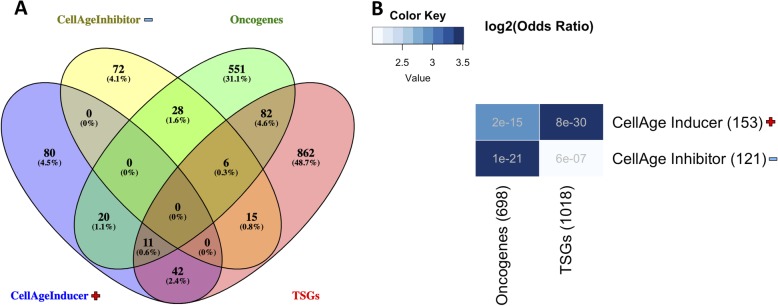
“Therefore, the CellAge senescence inducers and inhibitors of senescence were overlapped with oncogenes from the tumor-suppressor gene (TSG) data-base (TSGene 2.0) ( n = 1018) [50] and the ONGene data-base ( n = 698) [51] (Additional file 1: Table S22 – S27).”
BackgroundInfluentialComprehensive curation and analysis of global interaction networks in Saccharomyces cerevisiae
Reguly, T., Breitkreutz, A., Boucher, L., Breitkreutz, B.-J., Hon, G. C., Myers, C. L., Parsons, A., Friesen, H., Oughtred, R., Tong, A., et al. (2006) · Journal of Biology · doi:10.1186/jbiol36 · Cited by 326 · cited 1×
“The top network genes identified from the PPI network are likely to be heavily influenced by publication bias [63].”
BackgroundPhyx: phylogenetic tools for unix
Brown, J. W., Walker, J. F., & Smith, S. A. (2017) · Bioinformatics · doi:10.1093/bioinformatics/btx063 · Cited by 322 · cited 1×
“Ambiguous and missing sites were removed from the alignments using the pxclsq function from phyx [96].”
MethodStress, cell senescence and organismal ageing
de Magalhães, J. P., & Passos, J. F. (2018) · Mechanisms of Ageing and Development · doi:10.1016/j.mad.2017.07.001 · Cited by 316
When is hub gene selection better than standard meta-analysis?
Langfelder, P., Mischel, P. S., & Horvath, S. (2013) · PLoS ONE · doi:10.1371/journal.pone.0061505 · Cited by 313 · cited 1×
“However, it has also been postulated mathematically that intra-modular BC is more important than inter-modular BC [67].”
BackgroundWitkiewicz, A. K., Knudsen, K. E., Dicker, A. P., & Knudsen, E. S. (2011) · Cell Cycle · doi:10.4161/cc.10.15.16776 · Cited by 286 · cited 1×
“Furthermore, some forms of senescence are not associated with p16 expression, while p16 has been detected in non-senescent cells [3, 27].”
BackgroundONGene: A literature-based database for human oncogenes
Liu, Y., Sun, J., & Zhao, M. (2017) · Journal of Genetics and Genomics · doi:10.1016/j.jgg.2016.12.004 · Cited by 278 · cited 1×
“Therefore, the CellAge senescence inducers and inhibitors of senescence were overlapped with oncogenes from the tumor-suppressor gene (TSG) data-base (TSGene 2.0) ( n = 1018) [50] and the ONGene data-base ( n = 698) [51] (Additional file 1: Table S22 – S27).”
BackgroundInfluentialThe Genotype-Tissue Expression (GTEx) project
Lonsdale, J., Thomas, J., Salvatore, M., Phillips, R., Lo, E., Shad, S., Hasz, R., Walters, G., Garcia, F., Young, N., et al. (2013) · Nature Genetics · doi:10.1038/ng.2653 · Cited by 263
Rao, M. S., Van Vleet, T. R., Ciurlionis, R., Buck, W. R., Mittelstadt, S. W., Blomme, E. A. G., & Liguori, M. J. (2019) · Frontiers in Genetics · doi:10.3389/fgene.2018.00636 · Cited by 262 · cited 1×
“Although RNA-seq reportedly detects more DEGs including ncRNAs [58], GeneFriends [59] contains 4133 human samples, far less than the microarray database from COXPRESdb.”
BackgroundHoenicke, L., & Zender, L. (2012) · Carcinogenesis · doi:10.1093/carcin/bgs124 · Cited by 248 · cited 1×
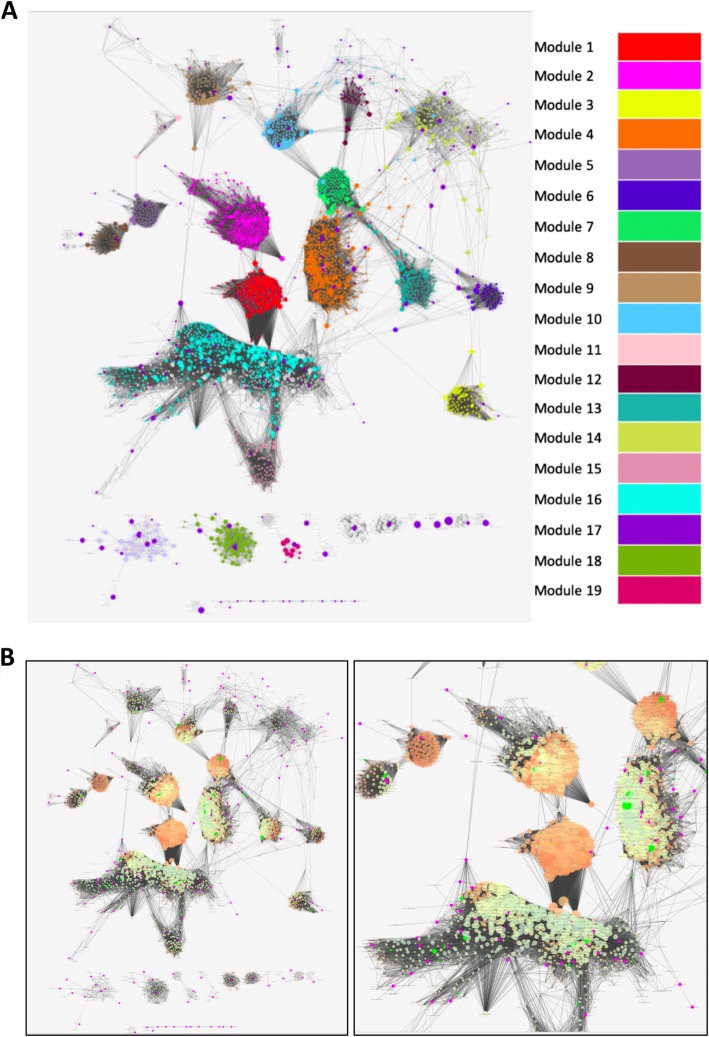
“A visual inspection showed a number of bottleneck genes between Module 1 and Module 16, consistent with the role of the immune system in clearance and surveillance of senescence cells and the secretion of immunomodulators by senescent cells [69] (Additional file 1: Table S35).”
Backgroundrentrez: An R package for the NCBI eUtils API
Winter, D. (2017) · The R Journal · doi:10.32614/rj-2017-058 · Cited by 244
Comparative genetics of longevity and cancer: insights from long-lived rodents
Gorbunova, V., Seluanov, A., Zhang, Z., Gladyshev, V. N., & Vijg, J. (2014) · Nature Reviews Genetics · doi:10.1038/nrg3728 · Cited by 236 · cited 1×
“During their evolutionary history, it is possible that long-lived species found ways to more efficiently solve problems related to the aging process [80, 81].”
BackgroundCellular senescence: Immunosurveillance and future immunotherapy
Burton, D. G. A., & Stolzing, A. (2018) · Ageing Research Reviews · doi:10.1016/j.arr.2018.02.001 · Cited by 221 · cited 1×
“Initially considered an evolutionary response to reduce mutation accrual and subsequent tumorigenesis, the pleiotropic nature of senescence has also been positively implicated in processes including embryogenesis [6, 7], wound healing [8], and immune clearance [9, 10].”
BackgroundAltenhoff, A. M., Škunca, N., Glover, N., Train, C.-M., Sueki, A., Piližota, I., Gori, K., Tomiczek, B., Müller, S., Redestig, H., et al. (2015) · Nucleic Acids Research · doi:10.1093/nar/gku1158 · Cited by 199 · cited 2×
“In order to identify the orthologs of the 279 CellAge human genes in the other 23 mammalian species, the orthology identification analysis was done using OMA standalone software v. 2.3.1 [41].”
MethodInfluentialThe DrugAge Database of Aging-Related Drugs
Barardo, D., Thornton, D., Thoppil, H., Walsh, M., Sharifi, S., Ferreira, S., Anžič, A., Fernandes, M., Monteiro, P., Grum, T., et al. (2017) · Aging Cell · doi:10.1111/acel.12585 · Cited by 173 · cited 1×
“High-quality curated datasets enable systematic computational analyses [33, 34].”
BackgroundSelf-citationThe Business of Anti-Aging Science
de Magalhães, J. P., Stevens, M., & Thornton, D. (2017) · Trends in Biotechnology · doi:10.1016/j.tibtech.2017.07.004 · Cited by 165 · cited 1×
“Indeed, pharmacological approaches targeting senescent cells, like senolytics, are a major and timely area of research that could result in human clinical applications [5, 88].”
BackgroundSelf-citationEvolutionary mutant models for human disease
Albertson, R. C., Cresko, W., Detrich, H. W., & Postlethwait, J. H. (2009) · Trends in Genetics · doi:10.1016/j.tig.2008.11.006 · Cited by 160 · cited 1×
“Lineages where naturally important gene regulators (e.g., TP53) have alternative molecular variants or have been lost from their genomes [82, 83] can be investigated as natural knockouts [84], since they have found a different way to solve aging-related diseases like cancer [85, 86].”
BackgroundYu, Y., Schleich, K., Yue, B., Ji, S., Lohneis, P., Kemper, K., Silvis, M. R., Qutob, N., van Rooijen, E., Werner-Klein, M., et al. (2018) · Cancer Cell · doi:10.1016/j.ccell.2018.01.002 · Cited by 156 · cited 1×
“We found that KDM4C and PTPN6 have been shown to regulate CS in human cell lines, and will be added to build 2 of CellAge [65, 66].”
BackgroundChatsirisupachai, K., Palmer, D., Ferreira, S., & de Magalhães, J. P. (2019) · Aging Cell · doi:10.1111/acel.13041 · Cited by 151 · cited 10×
“Indeed, we found that CDKN2A was overexpressed in 19 human tissues with age, albeit only significantly so in 10 of the tissues (Additional file 1: Table S18) [32].”
BackgroundMethodResultInfluentialSelf-citationCytoCluster: A Cytoscape Plugin for Cluster Analysis and Visualization of Biological Networks
Li, M., Li, D., Tang, Y. F., Wu, F., & Wang, J. (2017) · International Journal of Molecular Sciences · doi:10.3390/ijms18091880 · Cited by 150 · cited 2×
“Using the CytoCluster app (see Networks in Methods) [68], we found 54 clusters in the network, of which we represent the top clusters colored according to modularity (Module 1 – 16) or size (Module 17 – 19) (Fig.”
MethodInfluentialOkamura, Y., Aoki, Y., Obayashi, T., Tadaka, S., Ito, S., Narise, T., & Kinoshita, K. (2015) · Nucleic Acids Research · doi:10.1093/nar/gku1163 · Cited by 145 · cited 3×
“Finally, the microarray network was constructed using the COXPRESdb (V6), which contains 73,083 human samples and offered another degree of validation [57].”
MethodInfluentialTacutu, R., Budovsky, A., Yanai, H., & Fraifeld, V. E. (2011) · Aging · doi:10.18632/aging.100413 · Cited by 143 · cited 3×
“These results are in line with a previous analysis investigating the relationship between CS and ARD genes carried out using different datasets [53].”
BackgroundResultInfluentialSelf-citationEvolutionary perspectives on health and medicine
Stearns, S. C., Nesse, R. M., Govindaraju, D. R., & Ellison, P. T. (2010) · Proceedings of the National Academy of Sciences · doi:10.1073/pnas.0914475107 · Cited by 142 · cited 1×
“Lineages where naturally important gene regulators (e.g., TP53) have alternative molecular variants or have been lost from their genomes [82, 83] can be investigated as natural knockouts [84], since they have found a different way to solve aging-related diseases like cancer [85, 86].”
BackgroundStressing the cell cycle in senescence and aging
Chandler, H., & Peters, G. (2013) · Current Opinion in Cell Biology · doi:10.1016/j.ceb.2013.07.005 · Cited by 119 · cited 1×
“Common senescence markers used to identify CS in vitro and in vivo include senescence-associated β - galactosidase (SA-β -gal) and p16 INK4A (p16) [21 – 23].”
Backgroundrentrez: An R package for the NCBI eUtils API
Winter, D. J. (2017) · doi:10.7287/peerj.preprints.3179v2 · Cited by 116 · cited 1×
“” We used the R package called “ rentrez ” to query PubMed for the result count [91].”
MethodGeneFriends: a human RNA-seq-based gene and transcript co-expression database
van Dam, S., Craig, T., & de Magalhães, J. P. (2015) · Nucleic Acids Research · doi:10.1093/nar/gku1042 · Cited by 115 · cited 5×
“[58], GeneFriends [59] contains 4133 human samples, far less than the microarray database from COXPRESdb.”
BackgroundMethodInfluentialPalmer, D., Fabris, F., Doherty, A., Freitas, A. A., & de Magalhães, J. P. (2021) · Aging · doi:10.18632/aging.202648 · Cited by 114
The signaling hubs at the crossroad of longevity and age-related disease networks
Wolfson, M., Budovsky, A., Tăcutu, R., & Fraifeld, V. E. (2008) · The International Journal of Biochemistry & Cell Biology · doi:10.1016/j.biocel.2008.08.026 · Cited by 109 · cited 1×
“Biological networks generally have a scale-free topology in which the majority of genes (nodes) have few interactions (edges), while some have many more interactions, resulting in a power law distribution of the node degree (the number of interactions per node) [31, 54].”
BackgroundSelf-citationMedical subject headings (MeSH) terms
Dhammi, İ. K., & Kumar, S. (2014) · Indian Journal of Orthopaedics · doi:10.4103/0019-5413.139827 · Cited by 107 · cited 1×
“A previous paper [34] grouped 769 aging-related diseases (ARDs) into 6 NIH Medical Subject Heading (MeSH) classes [44] based on data from the Genetic Association Data-base [45]: cardiovascular diseases (CVD), immune system diseases (ISD), musculoskeletal diseases (MSD), nutritional and metabolic…”
MethodConnecting autophagy to senescence in pathophysiology
Young, A. R. J., & Narita, M. (2010) · Current Opinion in Cell Biology · doi:10.1016/j.ceb.2009.12.005 · Cited by 107 · cited 1×
“However, β -galactosidase activity has been detected in other cell types such as macrophages, osteoclasts, and cells undergoing autophagy [24 – 26].”
BackgroundThe Human Blood Metabolome-Transcriptome Interface
Bartel, J., Krumsiek, J., Schramm, K., Adamski, J., Gieger, C., Herder, C., Carstensen, M., Peters, A., Rathmann, W., Roden, M., et al. (2015) · PLOS Genetics · doi:10.1371/journal.pgen.1005274 · Cited by 105 · cited 1×
“Aoki initially designed this methodology for plant co-expression network analysis, but it has been successfully applied to build human networks [110].”
MethodLongevity network: Construction and implications
Budovsky, A., Abramovich, A., Cohen, R., Caspi, V. C., & Fraifeld, V. E. (2006) · Mechanisms of Ageing and Development · doi:10.1016/j.mad.2006.11.018 · Cited by 98 · cited 1×
“A previous paper used protein-protein interactions to build genetic networks identifying potential longevity genes along with links between genes and aging-related diseases [30].”
MethodSelf-citationNetwork propagation in the cytoscape cyberinfrastructure
Carlin, D. E., Demchak, B., Pratt, D., Sage, E., & Ideker, T. (2017) · PLOS Computational Biology · doi:10.1371/journal.pcbi.1005598 · Cited by 86 · cited 1×
“Network propagation was measured using the Cytoscape plugin Diffusion [106].”
MethodSystematic analysis of the gerontome reveals links between aging and age-related diseases
Fernandes, M., Wan, C., Tacutu, R., Barardo, D., Rajput, A., Wang, J., Thoppil, H., Thornton, D., Yang, C., Freitas, A., et al. (2016) · Human Molecular Genetics · doi:10.1093/hmg/ddw307 · Cited by 82 · cited 5×
“To understand how senescence is linked to the genetics of aging processes, we looked at the intersection of CellAge genes and the 869 genes in the human orthologues of model organisms ’ longevity-associated genes (LAGs) dataset, collected based on quantitative changes in lifespan [34].”
BackgroundMethodResultInfluentialSelf-citationMetabolism of benzo[a]pyrene by human mammary epithelial cells: toxicity and DNA adduct formation.
Stampfer, M. R., Bartholomew, J. C., Smith, H. S., & Bartley, J. C. (1981) · Proceedings of the National Academy of Sciences · doi:10.1073/pnas.78.10.6251 · Cited by 80 · cited 1×
“Fibroblasts were obtained from reduction mammoplasty tissue of a 16-year-old individual, donor 48 [111].”
MethodBeta-galactosidase staining on bone marrow. The osteoclast pitfall.
Kopp, H., Hooper, A. T., Shmelkov, S. V., & Rafii, S. (2007) · PubMed · doi:10.14670/hh-22.971 · Cited by 76
Bias tradeoffs in the creation and analysis of protein–protein interaction networks
Gillis, J., Ballouz, S., & Pavlidis, P. (2014) · Journal of Proteomics · doi:10.1016/j.jprot.2014.01.020 · Cited by 67
Zhang, C., Kuang, M., Li, M., Feng, L., Zhang, K., & Cheng, S. (2016) · Scientific Reports · doi:10.1038/srep34508 · Cited by 63 · cited 1×
“Furthermore, SMC4 is associated with cell cycle progression and DNA repair, two key antagonist mechanisms of cell senescence development [71, 72].”
BackgroundSafari‐Alighiarloo, N., Rezaei–Tavirani, M., Taghizadeh, M. T., Tabatabaei, S. M., & Namaki, S. (2016) · PeerJ · doi:10.7717/peerj.2775 · Cited by 60
β‐Galactosidase—An indicator of the maturational stage of mouse and human mononuclear phagocytes
Brusuker, I., Rhodes, J. M., & Goldman, R. (1982) · Journal of Cellular Physiology · doi:10.1002/jcp.1041120312 · Cited by 57
Common gene signature of cancer and longevity
Budovsky, A., Tăcutu, R., Yanai, H., Abramovich, A., Wolfson, M., & Fraifeld, V. E. (2008) · Mechanisms of Ageing and Development · doi:10.1016/j.mad.2008.04.002 · Cited by 54 · cited 1×
“Indeed, longevity-associated genes have been linked to cancer-associated genes in previous papers [46].”
BackgroundSelf-citationTools for protein-protein interaction network analysis in cancer research
Pamplona, R. S., Berenguer, A., Solé, X., Cordero, D., Crous‐Bou, M., Serra-Musach, J., Guinó, E., Pujana, M. Á., & Moreno, V. R. (2012) · Clinical & Translational Oncology · doi:10.1007/s12094-012-0755-9 · Cited by 49 · cited 1×
“It is prudent to note that centrality measures in PPI networks must be interpreted with caution due to publication bias that can be an inherent part of the network [61, 62].”
BackgroundMuramatsu, T., Kozaki, K., Imoto, S., Yamaguchi, R., Tsuda, H., Kawano, T., Fujiwara, N., Morishita, M., Miyano, S., & Inazawa, J. (2016) · Oncogene · doi:10.1038/onc.2016.71 · Cited by 44 · cited 1×
“S13) [73, 74].”
Wide‐scale comparative analysis of longevity genes and interventions
Yanai, H., Budovsky, A., Barzilay, T., Tăcutu, R., & Fraifeld, V. E. (2017) · Aging Cell · doi:10.1111/acel.12659 · Cited by 42 · cited 1×
“Interestingly, previous studies have found that longevity-associated genes (LAGs) are substantially overrepresented from bacteria to mammals and that the effect of LAG overexpression in different model organisms was mostly the same [40].”
BackgroundSelf-citationLafferty-Whyte, K., Bilsland, A., Cairney, C. J., Hanley, L., Jamieson, N. B., Zaffaroni, N., Oien, K. A., Burns, S., Roffey, J., Boyd, S. M., et al. (2010) · BMC Genomics · doi:10.1186/1471-2164-11-532 · Cited by 26 · cited 1×
“Expedited by recent advances in genomic and transcriptomic sequencing, alongside high-throughput genetic screens, a wealth of publicly available data now exists which has furthered the understanding of senescence regulation [19, 20].”
BackgroundA novel role for the condensin II complex in cellular senescence
Yokoyama, Y., Zhu, H., Zhang, R., & Noma, K.-I. (2015) · Cell Cycle · doi:10.1080/15384101.2015.1049778 · Cited by 24 · cited 1×
“SMC4 was not independently associated with senescence despite being part of the condensing II complex, which is related to cell senescence [70].”
BackgroundHas gene duplication impacted the evolution of Eutherian longevity?
Doherty, A., & de Magalhães, J. P. (2016) · Aging Cell · doi:10.1111/acel.12503 · Cited by 22 · cited 1×
“Nonetheless, evolutionary genomics in a comparative context allows us to have a more comprehensive understanding of the genetic bases in important phenotypic traits, like longevity [79].”
BackgroundDAI, B., Zhang, P., Yisong, Z., Pan, C., Meng, G., Xiao, X., WU, Z., Jia, W., Zhang, J., & Zhang, L. (2016) · Oncology Reports · doi:10.3892/or.2016.4802 · Cited by 20 · cited 1×
“S13) [73, 74].”
Wichmann, I. A., Zavala, K., Hoffmann, F. G., Vandewege, M. W., Corvalán, A. H., Amigo, J. D., Owen, G. I., & Opazo, J. C. (2016) · Gene · doi:10.1016/j.gene.2016.07.036 · Cited by 20 · cited 1×
“Lineages where naturally important gene regulators (e.g., TP53) have alternative molecular variants or have been lost from their genomes [82, 83] can be investigated as natural knockouts [84], since they have found a different way to solve aging-related diseases like cancer [85, 86].”
BackgroundSun, Z., Pan, X., Zou, Z., Ding, Q., Wu, G., & Peng, G. (2015) · Radiation Oncology · doi:10.1186/s13014-015-0445-1 · Cited by 18 · cited 1×
“We found that KDM4C and PTPN6 have been shown to regulate CS in human cell lines, and will be added to build 2 of CellAge [65, 66].”
BackgroundA Proposal to Sequence Genomes of Unique Interest for Research on Aging
de Magalhães, J. P., Sedivy, J. M., Finch, C. E., Austad, S. N., & Church, G. M. (2007) · The Journals of Gerontology Series A · doi:10.1093/gerona/62.6.583 · Cited by 10 · cited 1×
“lived species found ways to more efficiently solve problems related to the aging process [80, 81].”
BackgroundAgeing Transcriptome Meta-Analysis Reveals Similarities Between Key Mammalian TissuesPreprint
Palmer, D. H., Fabris, F., Doherty, A., et al. (2019) · bioRxiv (Cold Spring Harbor Laboratory) · doi:10.1101/815381 · Cited by 7 · cited 5×
“In another work, we performed a meta-analysis to find molecular signatures of aging derived from humans, rats, and mice [42].”
BackgroundMethodInfluential
Research works printed but not linked: 1
- Oliveros JC Venny. An interactive tool for comparing lists with Venn's diagrams 2015
Cited by
A new gene set identifies senescent cells and predicts senescence-associated pathways across tissues
Saul, D., Kosinsky, R. L., Atkinson, E. J., Doolittle, M. L., Zhang, X., LeBrasseur, N. K., Pignolo, R. J., Robbins, P. D., Niedernhofer, L. J., Ikeno, Y., et al. (2022) · Nature Communications · doi:10.1038/s41467-022-32552-1 · Cited by 1,022
Common genetic associations between age-related diseases
Dönertaş, H. M., Fabian, D. K., Fuentealba, M., Partridge, L., & Thornton, J. M. (2021) · Nature Aging · doi:10.1038/s43587-021-00051-5 · Cited by 346
Genome-wide association studies identify 137 genetic loci for DNA methylation biomarkers of aging
McCartney, D. L., Min, J. L., Richmond, R. C., Lu, A. T., Sobczyk, M. K., Davies, G., Broer, L., Guo, X., Jeong, A., Jung, J., et al. (2021) · Genome Biology · doi:10.1186/s13059-021-02398-9 · Cited by 292
The heterogeneity of cellular senescence: insights at the single-cell level
Cohn, R. L., Gasek, N. S., Kuchel, G. A., & Xu, M. (2023) · Trends in Cell Biology · doi:10.1016/j.tcb.2022.04.011 · Cited by 294
Aging of the cells: Insight into cellular senescence and detection Methods.
Mohamad Kamal, N. S., Safuan, S., Shamsuddin, S., & Foroozandeh, P. (2020) · European Journal of Cell Biology · doi:10.1016/j.ejcb.2020.151108 · Cited by 287
Metadata
- Authors
- Avelar, R. A., Ortega, J. G., Tacutu, R., Tyler, E. J., Bennett, D., Binetti, P., Budovsky, A., Chatsirisupachai, K., Johnson, E., Murray, A., Shields, S., Tejada-Martinez, D., Thornton, D., Fraifeld, V. E., Bishop, C. L., & de Magalhães, J. P.
- Affiliations
- University of Liverpool (GB)
- University of London (GB)
- Barzilai Medical Center (IL)
- Ben-Gurion University of the Negev (IL)
- Corresponding author
- Bishop, Cleo L.
- ORCID
- Venue
- Genome Biology
- Published
- 2020-04-07
- Volume
- 21
- Issue
- 1
- Pages
- 91-91
- ISSN
- 1465-6906 (ISSN-L)
- 1474-760X
- PMC
- PMC7333371
- OpenAlex
- W3014402470
- Cited by
- 399
- References
- 110
- Citations by year
- 2026: 56 · 2025: 86 · 2024: 84 · 2023: 65 · 2022: 56 · 2021: 39 · 2020: 13
- FWCI
- 26.32
- Type
- journal article
- Language
- en
- Open access
- gold
- doi.org
- Licence
- cc-by
- creativecommons.org/licenses/by/4.0 (tdm)
- creativecommons.org/licenses/by/4.0 (vor)
- Locations
- Genome biology (publishedVersion, cc-by)
- PubMed Central (publishedVersion, cc-by)
- PubMed (publishedVersion)
- DOAJ (DOAJ: Directory of Open Access Journals) (submittedVersion, cc-by-sa)
- Queen Mary Research Online (Queen Mary University of London) (submittedVersion, cc-by)
- Funders
- Wellcome Trust (104978/Z/14/Z, 208375/Z/17/Z)
- Leverhulme Trust (RPG-2016-015)
- Biotechnology and Biological Sciences Research Council (BB/R014949/1, BB/P002579/1)
- EU-Romanian Competitiveness Operational Programme (POC-A.1-A.1.1.4-E-2015)
- Consejo Nacional de Innovación, Ciencia y Tecnología (doctoral studentship N°21170433)
- Topics
- Life Sciences › Biochemistry, Genetics and Molecular Biology › Cell Biology › Telomeres, Telomerase, and Senescence
- Life Sciences › Biochemistry, Genetics and Molecular Biology › Aging › Genetics, Aging, and Longevity in Model Organisms
- Life Sciences › Biochemistry, Genetics and Molecular Biology › Molecular Biology › Single-cell and spatial transcriptomics
- Keywords
- cellular senescence, aging, age-related diseases, senescence genes, longevity genes, tumor suppressor, oncogenes, protein-protein interaction network, gene co-expression network, network topology, siRNA knockdown, gene regulatory networks
- MeSH terms
- RNA-Seq, Aging, Animals, Disease, Humans, Longevity, Organ Specificity, Gene Expression, Cellular Senescence, Evolution, Molecular, Oligonucleotide Array Sequence Analysis, Protein Interaction Mapping, Databases, Genetic, Systems Biology, Genes, Neoplasm
About these checks
Registry, retraction, Cites and statistics results are computed, not judged, with one exception: a printed reference that no index lists is read once by a model before it counts as a citation error. Claims are extracted by a model and kept only when their quote appears verbatim in the text; each cited source is then checked, with a model’s help, for whether it says what the claim relies on. Those verdicts can be wrong — read the claim’s quote and the cited source before relying on one.
Statistics and arithmetic are recomputed, not judged.
Confidence bands are shown only for fields calibrated on our annotated test set. None is calibrated yet, so no band is shown.
What counts as a claim ›How we measure confidence ›How we check this ›
Are you an author, or do you see a problem with this page? Request a review
Data sources
Bibliographic data: Semantic Scholar, OpenAlex, Crossref.
Contains information from the Semantic Scholar Academic Graph Datasets, made available under the ODC Attribution License (ODC-BY 1.0).
Semantic Scholar’s data is described in: Kinney, R., et al. (2023). The Semantic Scholar Open Data Platform. arXiv:2301.10140.
