

Universal promoter scanning by Pol II during transcription initiation in Saccharomyces cerevisiae
Open accessPublished version of a preprint
The DOI matches its Crossref record; 145 of the 145 references it cites were found in a registry or an index.
Abstract
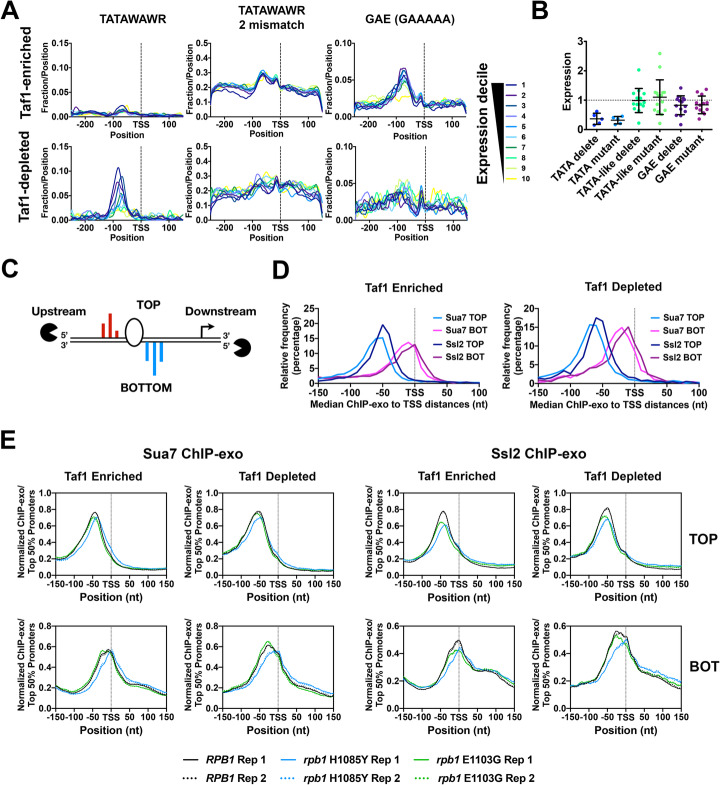
Background: The majority of eukaryotic promoters utilize multiple transcription start sites (TSSs). How multiple TSSs are specified at individual promoters across eukaryotes is not understood for most species. In Saccharomyces cerevisiae , a pre-initiation complex (PIC) comprised of Pol II and conserved general transcription factors (GTFs) assembles and opens DNA upstream of TSSs. Evidence from model promoters indicates that the PIC scans from upstream to downstream to identify TSSs. Prior results suggest that TSS distributions at promoters where scanning occurs shift in a polar fashion upon alteration in Pol II catalytic activity or GTF function. Results: To determine the extent of promoter scanning across promoter classes in S. cerevisiae , we perturb Pol II catalytic activity and GTF function and analyze their effects on TSS usage genome-wide. We find that alterations to Pol II, TFIIB, or TFIIF function widely alter the initiation landscape consistent with promoter scanning operating at all yeast promoters, regardless of promoter class. Promoter architecture, however, can determine the extent of promoter sensitivity to altered Pol II activity in ways that are predicted by a scanning model. Conclusions: Our observations coupled with previous data validate key predictions of the scanning model for Pol II initiation in yeast, which we term the shooting gallery. In this model, Pol II catalytic activity and the rate and processivity of Pol II scanning together with promoter sequence determine the distribution of TSSs and their usage.
Overview
The claims and statistics of this paper haven’t been checked yet.
Free: it reads the open-access text and checks the first 5 claims that cite a source we can check. Create a free account to check every claim.
Integrity signals
Registry
Cites
Statistics
Figures
Verification
Claims the paper makes
The claims and statistics of this paper haven’t been checked yet.
Free: it reads the open-access text and checks the first 5 claims that cite a source we can check. Create a free account to check every claim.
Claims other papers make about this one
Each is checked against this paper’s own text: does it say what the citing paper says it does?
The cited source says what the claim attributes to it.
In the citing paper
“In budding yeast, RNA Pol II speed controls the use of differential TSSs, with fast RNA Pol II mutants shifting to upstream TSSs, while slow RNA Pol II mutants shift to downstream TSSs (Kaplan et al, 2012; Braberg et al, 2013; Qiu et al, 2020).”
From RNA polymerase II speed: a key player in controlling and adapting transcriptome composition (2021) · cites this paper as Qiu et al, 2020
Self-check
Percentages, sums and reported differences re-computed from the paper’s own numbers.
The self-check needs the paper’s full text.
Citations
Cites
Moderated estimation of fold change and dispersion for RNA-seq data with DESeq2
Love, M. I., Huber, W., & Anders, S. (2014) · Genome Biology · doi:10.1186/s13059-014-0550-8 · Cited by 95,106
The Sequence Alignment/Map format and SAMtools
Li, H., Handsaker, B., Wysoker, A., Fennell, T., Ruan, J., Homer, N., Marth, G., Abecasis, G., Durbin, R., & 1000 Genome Project Data Processing Subgroup (2009) · Bioinformatics · doi:10.1093/bioinformatics/btp352 · Cited by 62,041 · cited 2×
“We used Samtools [135] to extract the alignments to build genome cover-”
MethodFast gapped-read alignment with Bowtie 2
Langmead, B., & Salzberg, S. L. (2012) · Nature Methods · doi:10.1038/nmeth.1923 · Cited by 56,400 · cited 2×
“Paired-end nucleosome reads were aligned to V64 (SacCer3) reference genome using Bowtie2 [137] allowing 1 mismatch, with only uniquely mapped alignments kept.”
MethodBEDTools: a flexible suite of utilities for comparing genomic features
Quinlan, A. R., & Hall, I. M. (2010) · Bioinformatics · doi:10.1093/bioinformatics/btq033 · Cited by 27,437
Ultrafast and memory-efficient alignment of short DNA sequences to the human genome.
Langmead, B., Trapnell, C., Pop, M., & Salzberg, S. L. (2009) · Genome Biology · doi:10.1186/gb-2009-10-3-r25 · Cited by 21,849 · cited 4×
“Sequences were with Bowtie [126] allowing 2 mismatches but only retaining uniquely mapped alignments.”
MethodInfluentialAligning sequence reads, clone sequences and assembly con*gs with BWA-MEM
Li, H. (2014) · arXiv (Cornell University) · doi:10.6084/m9.figshare.963153.v1 · Cited by 4,932 · cited 3×
“Data were aligned to yeast R641-1 with BWA-MEM [134] with low-quality reads and PCR duplicates removed by Picard (http://broadinstitute.”
MethodInfluentialOrganization and Expression of Eucaryotic Split Genes Coding for Proteins
Breathnach, R., & Chambon, P. (1981) · Annual Review of Biochemistry · doi:10.1146/annurev.bi.50.070181.002025 · Cited by 4,548 · cited 2×
“TSSs for yeast TATA promoters were found downstream and spread among multiple positions while TSSs for viral and cellular TATA promoters were found to be tightly positioned ~ 31 nt downstream of the beginning of the element [57].”
BackgroundGlobal analysis of protein expression in yeast
Ghaemmaghami, S., Huh, W.-K., Bower, K., Howson, R. W., Belle, A., Dephoure, N., O'Shea, E. K., & Weissman, J. S. (2003) · Nature · doi:10.1038/nature02046 · Cited by 3,750 · cited 3×
“amplicons obtained from the yeast TAP-tag collection [119] (Open Biosystems) and transferred into our lab strain background [120].”
MethodInfluentialdeepTools: a flexible platform for exploring deep-sequencing data
Ramírez, F., Dündar, F., Diehl, S., Grüning, B. A., & Manke, T. (2014) · Nucleic Acids Research · doi:10.1093/nar/gku365 · Cited by 3,738
Open source clustering software
de Hoon, M. J. L., Imoto, S., Nolan, J., & Miyano, S. (2004) · Bioinformatics · doi:10.1093/bioinformatics/bth078 · Cited by 3,043
Java Treeview—extensible visualization of microarray data
Saldanha, A. J. (2004) · Bioinformatics · doi:10.1093/bioinformatics/bth349 · Cited by 2,991 · cited 2×
“Heat maps were generated using Morpheus (https://software.broadinstitute.org/morpheus/) or Java TreeView [128] and Cluster [129].”
BackgroundNascent RNA Sequencing Reveals Widespread Pausing and Divergent Initiation at Human Promoters
Core, L. J., Waterfall, J. J., & Lis, J. T. (2008) · Science · doi:10.1126/science.1162228 · Cited by 2,022
A promoter-level mammalian expression atlas
The FANTOM Consortium and the RIKEN PMI and CLST (DGT) (2014) · Nature · doi:10.1038/nature13182 · Cited by 1,982
The economics of ribosome biosynthesis in yeast
Warner, J. R. (1999) · Trends in Biochemical Sciences · doi:10.1016/s0968-0004(99)01460-7 · Cited by 1,933
The Tandem Affinity Purification (TAP) Method: A General Procedure of Protein Complex Purification
Puig, O., Caspary, F., Rigaut, G., Rutz, B., Bouveret, E., Bragado-Nilsson, E., Wilm, M., & Séraphin, B. (2001) · Methods · doi:10.1006/meth.2001.1183 · Cited by 1,783 · cited 4×
“Strains used in ChIP-exo were TAPtagged [118] at target genes (SSL2, SUA7) using homologous recombination of TAP tag”
MethodInfluentialThe “initiator” as a transcription control element
Smale, S. T., & Baltimore, D. (1989) · Cell · doi:10.1016/0092-8674(89)90176-1 · Cited by 1,535 · cited 1×
“Y−1R+ 1 motifs may be additionally embedded in longer sequence motifs (the Inr element) [52, 53].”
Background[10] 5-Fluoroorotic acid as a selective agent in yeast molecular genetics
Boeke, J. D., Trueheart, J., Natsoulis, G., & Fink, G. R. (1987) · Methods in Enzymology · doi:10.1016/0076-6879(87)54076-9 · Cited by 1,368 · cited 1×
“rpo21/ rpb1 mutants were introduced to parental strains with or without chromosomal GTF locus mutation by plasmid shuffling [121], selecting for cells containing rpo21/rpb1 mutant plasmids (Leu) in the absence of the RPB1 WT plasmid (Ura), thus generating single rpo21/rpb1 mutation strain or double mutant strains comb…”
MethodA rapid and simple method for preparation of RNA from Saccharomyces cerevisiae
Schmitt, M. E., Brown, T. A., & Trumpower, B. L. (1990) · Nucleic Acids Research · doi:10.1093/nar/18.10.3091 · Cited by 1,338 · cited 1×
“Total RNA was extracted by a hot phenol-chloroform method [123], followed by on-column incubation with DNase I to remove DNA (RNeasy Mini kit, Qiagen), and processing with a RiboZero rRNA re-”
MethodMechanisms of action and regulation of ATP-dependent chromatin-remodelling complexes
Clapier, C. R., Iwasa, J., Cairns, B. R., & Peterson, C. L. (2017) · Nature Reviews Molecular Cell Biology · doi:10.1038/nrm.2017.26 · Cited by 1,305
The RNA Polymerase II Core Promoter
Smale, S. T., & Kadonaga, J. T. (2003) · Annual Review of Biochemistry · doi:10.1146/annurev.biochem.72.121801.161520 · Cited by 1,133
Construction of a set of convenient saccharomyces cerevisiae strains that are isogenic to S288C
Winston, F., Dollard, C., & Ricupero‐Hovasse, S. L. (1995) · Yeast · doi:10.1002/yea.320110107 · Cited by 941 · cited 1×
“amplicons obtained from the yeast TAP-tag collection [119] (Open Biosystems) and transferred into our lab strain background [120].”
MethodBidirectional promoters generate pervasive transcription in yeast
Xu, Z., Wei, W., Gagneur, J., Perocchi, F., Clauder-Münster, S., Camblong, J., Guffanti, E., Stutz, F., Huber, W., & Steinmetz, L. M. (2009) · Nature · doi:10.1038/nature07728 · Cited by 926
Divergent Transcription from Active Promoters
Seila, A. C., Calabrese, J. M., Levine, S. S., Yeo, G. W., Rahl, P. B., Flynn, R. A., Young, R. A., & Sharp, P. A. (2008) · Science · doi:10.1126/science.1162253 · Cited by 906
Precise Maps of RNA Polymerase Reveal How Promoters Direct Initiation and Pausing
Kwak, H., Fuda, N. J., Core, L. J., & Lis, J. T. (2013) · Science · doi:10.1126/science.1229386 · Cited by 849
A high-resolution atlas of nucleosome occupancy in yeast
Lee, W., Tillo, D., Bray, N., Morse, R. H., Davis, R. W., Hughes, T. R., & Nislow, C. (2007) · Nature Genetics · doi:10.1038/ng2117 · Cited by 829
RNA Exosome Depletion Reveals Transcription Upstream of Active Human Promoters
Preker, P., Nielsen, J., Kammler, S., Lykke-Andersen, S., Christensen, M. S., Mapendano, C. K., Schierup, M. H., & Jensen, T. H. (2008) · Science · doi:10.1126/science.1164096 · Cited by 791
Eukaryotic core promoters and the functional basis of transcription initiation
Haberle, V., & Stark, A. (2018) · Nature Reviews Molecular Cell Biology · doi:10.1038/s41580-018-0028-8 · Cited by 774
Nucleosome organization in the Drosophila genome
Mavrich, T. N., Jiang, C., Ioshikhes, I. P., Li, X., Venters, B. J., Zanton, S. J., Tomsho, L. P., Qi, J., Glaser, R. L., Schuster, S. C., et al. (2008) · Nature · doi:10.1038/nature06929 · Cited by 718
Self-citationCore, L. J., Martins, A. L., Danko, C. G., Waters, C. T., Siepel, A., & Lis, J. T. (2014) · Nature Genetics · doi:10.1038/ng.3142 · Cited by 693
Identification and Distinct Regulation of Yeast TATA Box-Containing Genes
Basehoar, A. D., Zanton, S. J., & Pugh, B. F. (2004) · Cell · doi:10.1016/s0092-8674(04)00205-3 · Cited by 683 · cited 1×
“These classes are distinguished by the presence or absence of a consensus TATA element [32, 33], presence or absence of stereotypical nucleosome organization [18], enrichment for specific transcription factor binding [14, 34, 35], enrichment for non-TATA sequence motifs [36, 37], and differential sensitivity to mutati…”
BackgroundSelf-citationThe RNA polymerase II core promoter: a key component in the regulation of gene expression
Butler, J. E. F., & Kadonaga, J. T. (2002) · Genes & Development · doi:10.1101/gad.1026202 · Cited by 647
Widespread bidirectional promoters are the major source of cryptic transcripts in yeast
Neil, H., Malabat, C., d’Aubenton-Carafa, Y., Xu, Z., Steinmetz, L. M., & Jacquier, A. (2009) · Nature · doi:10.1038/nature07747 · Cited by 604
Huisinga, K. L., & Pugh, B. F. (2004) · Molecular Cell · doi:10.1016/s1097-2765(04)00087-5 · Cited by 560 · cited 1×
“These classes are distinguished by the presence or absence of a consensus TATA element [32, 33], presence or absence of stereotypical nucleosome organization [18], enrichment for specific transcription factor binding [14, 34, 35], enrichment for non-TATA sequence motifs [36, 37], and differential sensitivity to mutati…”
BackgroundSelf-citationGenome-wide structure and organization of eukaryotic pre-initiation complexes
Rhee, H. S., & Pugh, B. F. (2012) · Nature · doi:10.1038/nature10799 · Cited by 496 · cited 32×
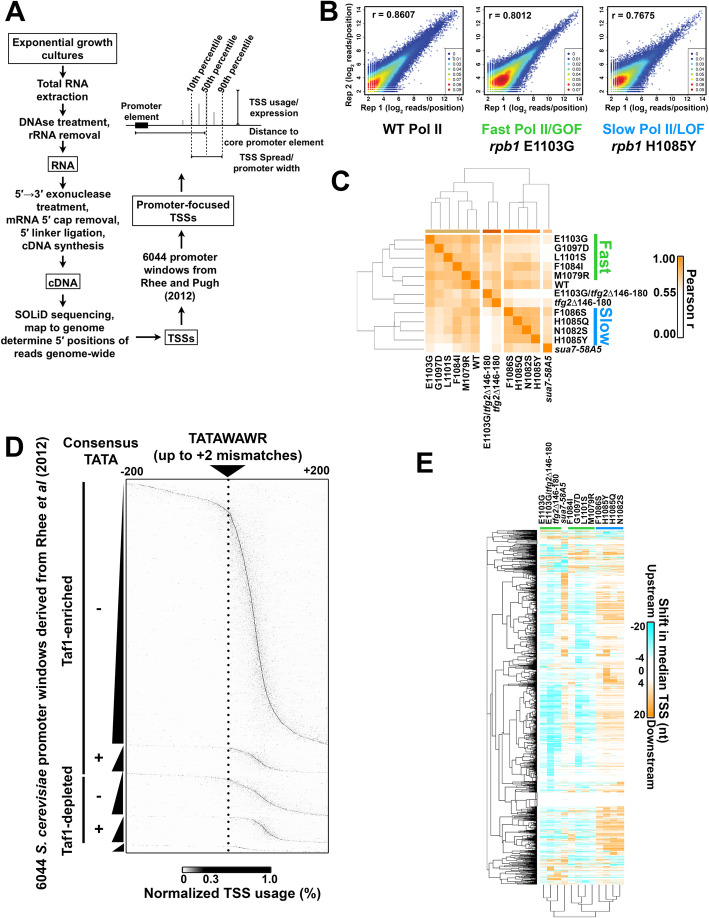
“To assess the correlation between biological replicates and different mutants, base-by-base coverage correlation between libraries was calculated for all bases genome-wide and for bases up and downstream of the promoter windows identified by [14](408 nt total width, described below).”
BackgroundMethodInfluentialSelf-citationRegulation of gene expression via the core promoter and the basal transcriptional machinery
Juven-Gershon, T., & Kadonaga, J. T. (2010) · Developmental Biology · doi:10.1016/j.ydbio.2009.08.009 · Cited by 490
Extensive transcriptional heterogeneity revealed by isoform profiling
Pelechano, V., Wei, W., & Steinmetz, L. M. (2013) · Nature · doi:10.1038/nature12121 · Cited by 451 · cited 1×
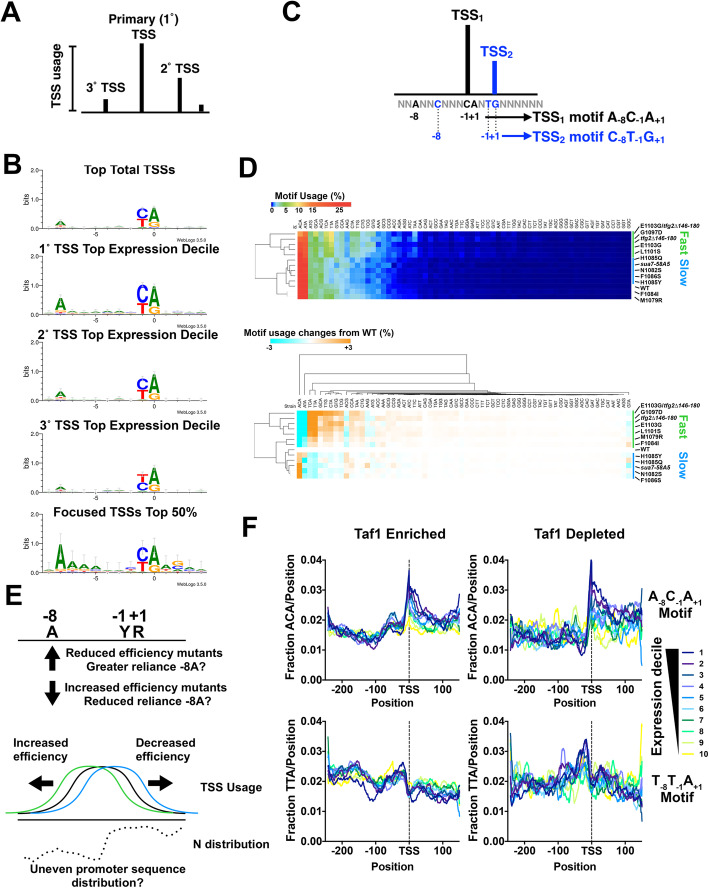
“Second, the enrichment of A−8Y−1R+ 1 TSSs and the ability of the -8A to also function as a TSS when it is part of a YR element likely underlies the prevalence for yeast TSSs to be 8 nt apart [45].”
BackgroundBinding of TBP to promoters in vivo is stimulated by activators and requires Pol II holoenzyme
Kuras, L., & Struhl, K. (1999) · Nature · doi:10.1038/21239 · Cited by 450 · cited 1×
“Crosslinked cells were pelleted, washed, and then lysed in FA lysis buffer [133] using a chilled (− 20 °C) beadbeater for 3 min.”
MethodPromoters, activator proteins, and the mechanism of transcriptional initiation in yeast
Struhl, K. (1987) · Cell · doi:10.1016/0092-8674(87)90277-7 · Cited by 443 · cited 2×
“Budding yeast and their relatives differ from other model eukaryotes in that TSSs for TATA-containing core promoters are generally dispersed and are found ~ 40–120 nt downstream from the TATA [55, 56].”
BackgroundTranscription Regulation Through Promoter-Proximal Pausing of RNA Polymerase II
Core, L. J., & Lis, J. T. (2008) · Science · doi:10.1126/science.1150843 · Cited by 405
Structural basis of transcription initiation by RNA polymerase II
Sainsbury, S., Bernecky, C., & Cramer, P. (2015) · Nature Reviews Molecular Cell Biology · doi:10.1038/nrm3952 · Cited by 401 · cited 2×
“In yeast, the initiation factor TFIIB has been proposed to “read” TSS sequences to promote recognition of appropriate TSSs, with structural evidence supporting positioning of TFIIB to read DNA sequences upstream of a TSS [11, 54].”
BackgroundTwo strategies for gene regulation by promoter nucleosomes
Tirosh, I., & Barkai, N. (2008) · Genome Research · doi:10.1101/gr.076059.108 · Cited by 389 · cited 1×
“These classes are distinguished by the presence or absence of a consensus TATA element [32, 33], presence or absence of stereotypical nucleosome organization [18], enrichment for specific transcription factor binding [14, 34, 35], enrichment for non-TATA sequence motifs [36, 37], and differential sensitivity to mutati…”
BackgroundHigh-resolution nucleosome mapping reveals transcription-dependent promoter packaging
Weiner, A., Hughes, A., Yassour, M., Rando, O. J., & Friedman, N. (2010) · Genome Research · doi:10.1101/gr.098509.109 · Cited by 379 · cited 1×
“Nucleosomes can be remodeled or be moved by transcription in yeast [15, 101], likely during initiation.”
BackgroundThe RNA polymerase II core promoter — the gateway to transcription
Juven-Gershon, T., Hsu, J.-Y., Theisen, J. W., & Kadonaga, J. T. (2008) · Current Opinion in Cell Biology · doi:10.1016/j.ceb.2008.03.003 · Cited by 367
TFIIH: when transcription met DNA repair
Compe, E., & Egly, J.-M. (2012) · Nature Reviews Molecular Cell Biology · doi:10.1038/nrm3350 · Cited by 332
Genomic Nucleosome Organization Reconstituted with Pure Proteins
Krietenstein, N., Wal, M., Watanabe, S., Park, B., Peterson, C. L., Pugh, B. F., & Korber, P. (2016) · Cell · doi:10.1016/j.cell.2016.09.045 · Cited by 273 · cited 1×
“in nucleosome remodeling at NDR promoters as asymmetrically distributed poly dA/ dT elements [94, 95].”
BackgroundSelf-citationMOLECULAR MECHANISMS OF TRANSCRIPTIONAL REGULATION IN YEAST
Struhl, K. (1989) · Annual Review of Biochemistry · doi:10.1146/annurev.bi.58.070189.005155 · Cited by 271 · cited 1×
“such as adenovirus major late led to proposals that initiation mechanisms were fundamentally different between these species [55, 103].”
BackgroundPerspectives on the RNA polymerase II core promoter
Kadonaga, J. T. (2012) · WIREs Developmental Biology · doi:10.1002/wdev.21 · Cited by 250
Kaplan, C. D., Larsson, K.-M., & Kornberg, R. D. (2008) · Molecular Cell · doi:10.1016/j.molcel.2008.04.023 · Cited by 246
Self-citationPaused RNA polymerase II inhibits new transcriptional initiation
Shao, W., & Zeitlinger, J. (2017) · Nature Genetics · doi:10.1038/ng.3867 · Cited by 239 · cited 12×
“Subsequent to the integration of regulatory information, RNA Polymerase II (Pol II) and general transcription factors (GTFs) must recognize core promoters to together initiate transcription at specific sequences, transcription start sites (TSSs).”
BackgroundInfluentialScruggs, B. S., Gilchrist, D. A., Nechaev, S., Muse, G. W., Burkholder, A., Fargo, D. C., & Adelman, K. (2015) · Molecular Cell · doi:10.1016/j.molcel.2015.04.006 · Cited by 229
Molecular mechanisms of transcriptional regulation in yeast
STRUHL, K. (1990) · Cell Biology International Reports · doi:10.1016/0309-1651(90)90128-l · Cited by 225
Genome-wide analysis of promoter architecture in Drosophila melanogaster
Hoskins, R. A., Landolin, J. M., Brown, J. B., Sandler, J. E., Takahashi, H., Lassmann, T., Yu, C., Booth, B. W., Zhang, D., Wan, K. H., et al. (2011) · Genome Research · doi:10.1101/gr.112466.110 · Cited by 225
Jiang, C., & Pugh, B. F. (2009) · Genome Biology · doi:10.1186/gb-2009-10-10-r109 · Cited by 223
Self-citationStructure and function of the initially transcribing RNA polymerase II–TFIIB complex
Sainsbury, S., Niesser, J., & Cramer, P. (2013) · Nature · doi:10.1038/nature11715 · Cited by 201 · cited 3×
“In yeast, the initiation factor TFIIB has been proposed to “read” TSS sequences to promote recognition of appropriate TSSs, with structural evidence supporting positioning of TFIIB to read DNA sequences upstream of a TSS [11, 54].”
BackgroundPinto, I., Ware, D. E., & Hampsey, M. (1992) · Cell · doi:10.1016/0092-8674(92)90040-j · Cited by 200
SAGA Is a General Cofactor for RNA Polymerase II Transcription
Baptista, T., Grünberg, S., Minoungou, N., Koster, M. J. E., Timmers, H. T. M., Hahn, S., Devys, D., & Tora, L. (2017) · Molecular Cell · doi:10.1016/j.molcel.2017.08.016 · Cited by 196 · cited 1×
“have been interpreted as both SAGA and TFIID functioning at all yeast promoters [39, 40], a distinction between the two classes seems to hold [31].”
BackgroundMapping of transcription start sites in Saccharomyces cerevisiae using 5′ SAGE
Zhang, Z., & Dietrich, F. S. (2005) · Nucleic Acids Research · doi:10.1093/nar/gki583 · Cited by 191 · cited 1×
“, the simplest TSS motif is Y− 1R+ 1 as in most eukaryotes, with the previously observed budding yeast-specific preference for A− 8 at strongest TSSs [43] (Fig.”
BackgroundA history of TFIIH: Two decades of molecular biology on a pivotal transcription/repair factor
Egly, J.-M., & Coin, F. (2011) · DNA Repair · doi:10.1016/j.dnarep.2011.04.021 · Cited by 190
Distinct Classes of Yeast Promoters Revealed by Differential TAF Recruitment
Li, X.-Y., Bhaumik, S. R., & Green, M. R. (2000) · Science · doi:10.1126/science.288.5469.1242 · Cited by 181 · cited 1×
“These classes are distinguished by the presence or absence of a consensus TATA element [32, 33], presence or absence of stereotypical nucleosome organization [18], enrichment for specific transcription factor binding [14, 34, 35], enrichment for non-TATA sequence motifs [36, 37], and differential sensitivity to mutati…”
BackgroundTwo independent transcription initiation codes overlap on vertebrate core promoters
Haberle, V., Li, N., Hadzhiev, Y., Plessy, C., Previti, C., Nepal, C., Gehrig, J., Dong, X., Akalin, A., Suzuki, A. M., et al. (2014) · Nature · doi:10.1038/nature12974 · Cited by 180 · cited 1×
“For example, in zebrafish, distinct core promoter “codes” have been described for genes that are transcribed in oocytes (maternal transcription) versus those transcribed during zygotic development (zygotic transcription) [107].”
BackgroundTAF-Containing and TAF-Independent Forms of Transcriptionally Active TBP in Vivo
Kuras, L., Kosa, P., Mencia, M., & Struhl, K. (2000) · Science · doi:10.1126/science.288.5469.1244 · Cited by 169 · cited 1×
“These classes are distinguished by the presence or absence of a consensus TATA element [32, 33], presence or absence of stereotypical nucleosome organization [18], enrichment for specific transcription factor binding [14, 34, 35], enrichment for non-TATA sequence motifs [36, 37], and differential sensitivity to mutati…”
BackgroundXia, Y., Chu, W., Qi, Q., & Xun, L. (2015) · Nucleic Acids Research · doi:10.1093/nar/gku1189 · Cited by 168
The core promoter: At the heart of gene expression
Danino, Y. M., Even, D., Ideses, D., & Juven-Gershon, T. (2015) · Biochimica et Biophysica Acta (BBA) - Gene Regulatory Mechanisms · doi:10.1016/j.bbagrm.2015.04.003 · Cited by 164
Kireeva, M. L., Nedialkov, Y. A., Cremona, G. H., Purtov, Y. A., Lubkowska, L., Malagon, F., Burton, Z. F., Strathern, J. N., & Kashlev, M. (2008) · Molecular Cell · doi:10.1016/j.molcel.2008.04.017 · Cited by 162
Warfield, L., Ramachandran, S., Baptista, T., Devys, D., Tora, L., & Hahn, S. (2017) · Molecular Cell · doi:10.1016/j.molcel.2017.08.014 · Cited by 157 · cited 2×
“have been interpreted as both SAGA and TFIID functioning at all yeast promoters [39, 40], a distinction between the two classes seems to hold [31].”
BackgroundDNA Melting on Yeast RNA Polymerase II Promoters
Giardina, C., & Lis, J. T. (1993) · Science · doi:10.1126/science.8342041 · Cited by 155 · cited 1×
“footprinting of melted DNA showed that promoter melting at two TATA promoters in yeast, GAL1 and GAL10, occurs far upstream of TSSs, at a distance downstream from TATA where melting would occur in other eukaryotes that have TSSs closer to the TATA element [58].”
BackgroundThe Role of the Transcription Bubble and TFIIB in Promoter Clearance by RNA Polymerase II
Pal, M., Ponticelli, A. S., & Luse, D. S. (2005) · Molecular Cell · doi:10.1016/j.molcel.2005.05.024 · Cited by 153
The punctilious RNA polymerase II core promoter
Vo ngoc, L., Wang, Y.-L., Kassavetis, G. A., & Kadonaga, J. T. (2017) · Genes & Development · doi:10.1101/gad.303149.117 · Cited by 147
From Structure to Systems: High-Resolution, Quantitative Genetic Analysis of RNA Polymerase II
Braberg, H., Jin, H., Moehle, E. A., Chan, Y. A., Wang, S., Shales, M., Benschop, J. J., Morris, J. H., Qiu, C., Hu, F., et al. (2013) · Cell · doi:10.1016/j.cell.2013.07.033 · Cited by 143 · cited 2×
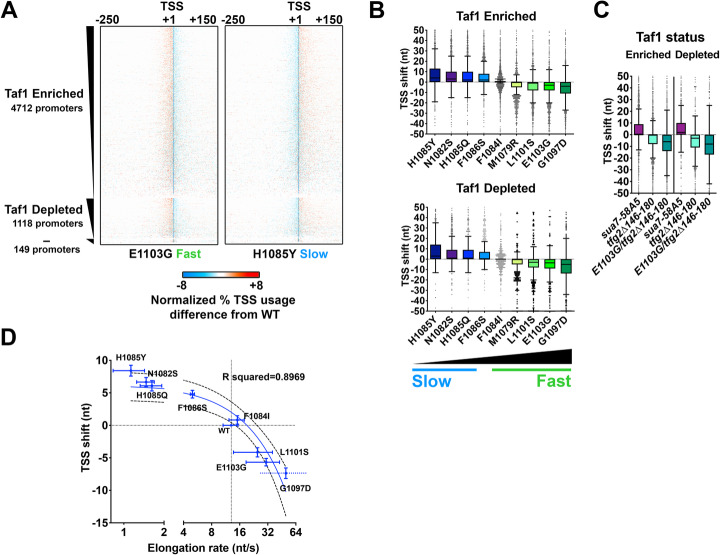
“in vitro elongation rate for Pol II mutants shows a correlation between the strength of in vivo TSS selection defect and in vitro Pol II elongation rate [81, 82] (Fig.”
BackgroundSelf-citationCore promoters in transcription: old problem, new insights
Roy, A. L., & Singer, D. S. (2015) · Trends in Biochemical Sciences · doi:10.1016/j.tibs.2015.01.007 · Cited by 139
Human Promoters Are Intrinsically Directional
Duttke, S. H. C., Lacadie, S. A., Ibrahim, M. M., Glass, C. K., Corcoran, D. L., Benner, C., Heinz, S., Kadonaga, J. T., & Ohler, U. (2015) · Molecular Cell · doi:10.1016/j.molcel.2014.12.029 · Cited by 138
Perspectives on the RNA polymerase II core promoter
Juven-Gershon, T., Hsu, J.-Y., & Kadonaga, J. T. (2006) · Biochemical Society Transactions · doi:10.1042/bst0341047 · Cited by 136
Pinto, I., Wu, W. H., Na, J. G., & Hampsey, M. (1994) · Journal of Biological Chemistry · doi:10.1016/s0021-9258(18)43851-3 · Cited by 136
Yamashita, R., Sathira, N. P., Kanai, A., Tanimoto, K., Arauchi, T., Tanaka, Y., Hashimoto, S.-I., Sugano, S., Nakai, K., & Suzuki, Y. (2011) · Genome Research · doi:10.1101/gr.110254.110 · Cited by 134
Yeast SUB1 is a suppressor of TFIIB mutations and has homology to the human co‐activator PC4.
Knaus, R., Pollock, R., & Guarente, L. (1996) · The EMBO Journal · doi:10.1002/j.1460-2075.1996.tb00544.x · Cited by 131
Nepal, C., Hadzhiev, Y., Previti, C., Haberle, V., Li, N., Takahashi, H., Suzuki, A. M. M., Sheng, Y., Abdelhamid, R. F., Anand, S., et al. (2013) · Genome Research · doi:10.1101/gr.153692.112 · Cited by 127
van Bakel, H., Tsui, K., Gebbia, M., Mnaimneh, S., Hughes, T. R., & Nislow, C. (2013) · PLoS Genetics · doi:10.1371/journal.pgen.1003479 · Cited by 124 · cited 1×
“Nucleosomal DNAs were prepared by a method described elsewhere [136] with the following modifications.”
MethodNanoRNAs Prime Transcription Initiation In Vivo
Goldman, S. R., Sharp, J. S., Vvedenskaya, I. O., Livny, J., Dove, S. L., & Nickels, B. E. (2011) · Molecular Cell · doi:10.1016/j.molcel.2011.06.005 · Cited by 119
Self-citationRossi, M. J., Lai, W., & Pugh, B. F. (2018) · Nature Communications · doi:10.1038/s41467-018-05265-7 · Cited by 114 · cited 2×
“ChIP-exo was then performed as previously described [96].”
MethodSelf-citationRole of DNA sequence in chromatin remodeling and the formation of nucleosome-free regions
Lorch, Y., Maier-Davis, B., & Kornberg, R. D. (2014) · Genes & Development · doi:10.1101/gad.250704.114 · Cited by 114 · cited 1×
“in nucleosome remodeling at NDR promoters as asymmetrically distributed poly dA/ dT elements [94, 95].”
BackgroundCore promoter sequence in yeast is a major determinant of expression level
Lubliner, S., Regev, I., Lotan-Pompan, M., Edelheit, S., Weinberger, A., & Segal, E. (2015) · Genome Research · doi:10.1101/gr.188193.114 · Cited by 113 · cited 1×
“Furthermore, the extent of T/A depletion or enrichment correlates with promoter expression level in vivo, fitting with predictions based on promoter reporter analyses [91].”
BackgroundEichner, J., Chen, H., Warfield, L., & Hahn, S. (2009) · The EMBO Journal · doi:10.1038/emboj.2009.386 · Cited by 110 · cited 1×
“a series of Pol II catalytic mutants, a TFIIB mutant (sua7-58A5) [80], and a TFIIF mutant (tfg2Δ146-180) [83].”
BackgroundPromoter architecture and the evolvability of gene expression
Tirosh, I., Barkai, N., & Verstrepen, K. J. (2009) · Journal of Biology · doi:10.1186/jbiol204 · Cited by 110
Dynamic usage of transcription start sites within core promoters
Kawaji, H., Frith, M. C., Katayama, S., Sandelin, A., Kai, C., Kawai, J., Carninci, P., & Hayashizaki, Y. (2006) · Genome biology · doi:10.1186/gb-2006-7-12-r118 · Cited by 106 · cited 1×
“Kruskal-Wallis test was employed to test how many promoters have nonidentical distribution in all libraries, as previously described [131], with post hoc Dunn’s test to test how many promoters were significantly shifted in each mutant as compared to WT.”
MethodReal-time observation of the initiation of RNA polymerase II transcription
Fazal, F. M., Meng, C. A., Murakami, K., Kornberg, R. D., & Block, S. M. (2015) · Nature · doi:10.1038/nature14882 · Cited by 105 · cited 1×
“In single molecule experiments examining putative promoter scrunching in the Pol II PIC, scrunching behavior was similar regardless of whether all NTPs (to allow initiation) were present [98].”
BackgroundPark, D., Morris, A. R., Battenhouse, A., & Iyer, V. R. (2014) · Nucleic Acids Research · doi:10.1093/nar/gkt1366 · Cited by 101
Mutations in the Saccharomyces cerevisiae RPB1 Gene Conferring Hypersensitivity to 6-Azauracil
Malagon, F., Kireeva, M. L., Shafer, B. K., Lubkowska, L., Kashlev, M., & Strathern, J. N. (2006) · Genetics · doi:10.1534/genetics.105.052415 · Cited by 99
Kaplan, C. D., Jin, H., Zhang, I. L., & Belyanin, A. (2012) · PLoS Genetics · doi:10.1371/journal.pgen.1002627 · Cited by 97 · cited 21×
“S4a) while H1085Y shows the converse (Additional file 1: Fig.”
BackgroundInfluentialSelf-citationChen, R. A.-J., Down, T. A., Stempor, P., Chen, Q. B., Egelhofer, T. A., Hillier, L. W., Jeffers, T. E., & Ahringer, J. (2013) · Genome Research · doi:10.1101/gr.153668.112 · Cited by 96
Sequence features of yeast and human core promoters that are predictive of maximal promoter activity
Lubliner, S., Keren, L., & Segal, E. (2013) · Nucleic Acids Research · doi:10.1093/nar/gkt256 · Cited by 94 · cited 7×
“Most of these windows (5945/6044) were centered on TATA/TATA-like element annotated in [14], while 99 promoters did not have annotated TATA/TATA-like element and were centered on the TFIIB ChIP-exo peak.”
BackgroundInfluentialThe RNA Polymerase II Core Promoter in Drosophila
Ngoc, L. V., Kassavetis, G. A., & Kadonaga, J. T. (2019) · Genetics · doi:10.1534/genetics.119.302021 · Cited by 94 · cited 1×
“While there have been a number of additional core promoter elements identified in other organisms, especially Drosophila melanogaster [38], we will focus on the dis-”
BackgroundDonczew, R., Warfield, L., Pacheco, D., Erijman, A., & Hahn, S. (2020) · eLife · doi:10.7554/elife.50109 · Cited by 93 · cited 2×
“have been interpreted as both SAGA and TFIID functioning at all yeast promoters [39, 40], a distinction between the two classes seems to hold [31].”
BackgroundKuehner, J. N., & Brow, D. A. (2006) · Journal of Biological Chemistry · doi:10.1074/jbc.m601937200 · Cited by 92 · cited 7×
“Schmitt ME, Brown TA, Trumpower BL.”
BackgroundResultInfluentialVo ngoc, L., Cassidy, C. J., Huang, C. Y., Duttke, S. H. C., & Kadonaga, J. T. (2017) · Genes & Development · doi:10.1101/gad.293837.116 · Cited by 91 · cited 1×
“Y−1R+ 1 motifs may be additionally embedded in longer sequence motifs (the Inr element) [52, 53].”
BackgroundPardee, T. S., Bangur, C. S., & Ponticelli, A. S. (1998) · Journal of Biological Chemistry · doi:10.1074/jbc.273.28.17859 · Cited by 90
Wu, W.-H., Pinto, I., Chen, B.-S., & Hampsey, M. (1999) · Genetics · doi:10.1093/genetics/153.2.643 · Cited by 84
Constitutive turnover of histone H2A.Z at yeast promoters requires the preinitiation complex
Tramantano, M., Sun, L., Au, C., Labuz, D., Liu, Z., Chou, M., Shen, C., & Luk, E. (2016) · eLife · doi:10.7554/elife.14243 · Cited by 84 · cited 2×
“Nucleosomes can be remodeled or be moved by transcription in yeast [15, 101], likely during initiation.”
BackgroundThe Ground State and Evolution of Promoter Region Directionality
Jin, Y., Eser, U., Struhl, K., & Churchman, L. S. (2017) · Cell · doi:10.1016/j.cell.2017.07.006 · Cited by 84
Berroteran, R. W., Ware, D. E., & Hampsey, M. (1994) · Molecular and Cellular Biology · doi:10.1128/mcb.14.1.226 · Cited by 82
Singh, A., Compe, E., May, N. L., & Egly, J. (2015) · The American Journal of Human Genetics · doi:10.1016/j.ajhg.2014.12.012 · Cited by 77
Recent insights into the structure of TFIID, its assembly, and its binding to core promoter
Patel, A. B., Greber, B. J., & Nogales, E. (2019) · Current Opinion in Structural Biology · doi:10.1016/j.sbi.2019.10.001 · Cited by 74
Pappas, D. L., & Hampsey, M. (2000) · Molecular and Cellular Biology · doi:10.1128/mcb.20.22.8343-8351.2000 · Cited by 73
Evidence that alternative transcriptional initiation is largely nonadaptive
Xu, C., Park, J., & Zhang, J. (2019) · PLoS Biology · doi:10.1371/journal.pbio.3000197 · Cited by 69 · cited 2×
“tiple TSSs, though evolution appears to restrict TSS usage at highly expressed promoters in multiple species, including budding yeast (our work, [30, 88, 90]).”
BackgroundResultHuman Gene Promoters Are Intrinsically Bidirectional
Andersson, R., Chen, Y., Core, L., Lis, J. T., Sandelin, A., & Jensen, T. H. (2015) · Molecular Cell · doi:10.1016/j.molcel.2015.10.015 · Cited by 68
Ghazy, M. A., Brodie, S. A., Ammerman, M. L., Ziegler, L. M., & Ponticelli, A. S. (2004) · Molecular and Cellular Biology · doi:10.1128/mcb.24.24.10975-10985.2004 · Cited by 67
Pervasive and dynamic transcription initiation in Saccharomyces cerevisiae
Lu, Z., & Lin, Z. (2019) · Genome Research · doi:10.1101/gr.245456.118 · Cited by 67 · cited 1×
“tiple TSSs, though evolution appears to restrict TSS usage at highly expressed promoters in multiple species, including budding yeast (our work, [30, 88, 90]).”
BackgroundPromoter Recognition: Putting TFIID on the Spot
Bhuiyan, T., & Timmers, H. T. M. (2019) · Trends in Cell Biology · doi:10.1016/j.tcb.2019.06.004 · Cited by 64 · cited 1×
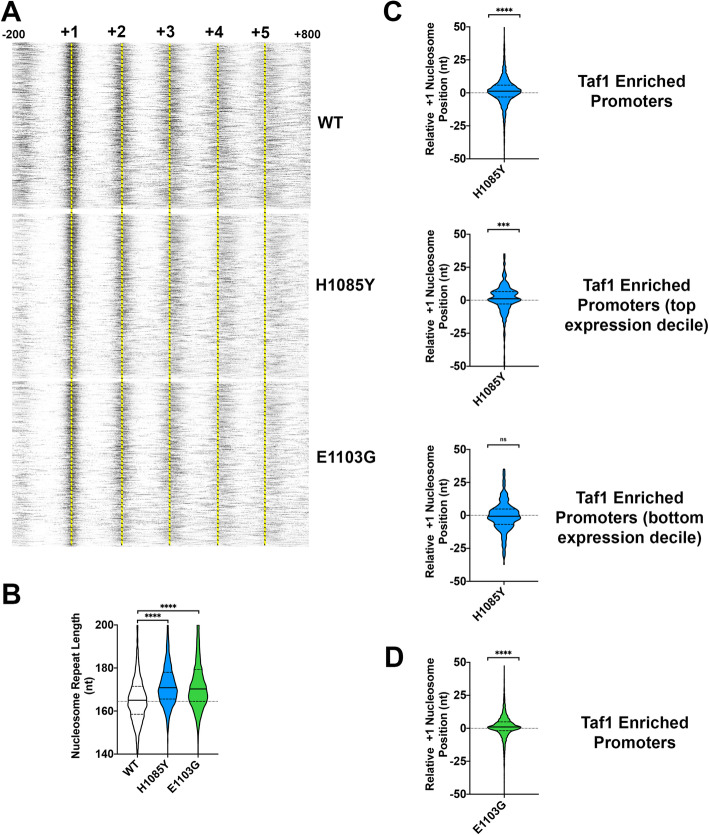
“Correlation of PIC ChIP-exo and nucleosome positions is consistent with the fact that TFIID has been found to interact with nucleosomes [100] and with the possibility that the + 1 nucleosome may be instructive for, or responsive to, PIC positioning.”
MethodSun, Z. W., & Hampsey, M. (1995) · Proceedings of the National Academy of Sciences · doi:10.1073/pnas.92.8.3127 · Cited by 63
Sun, Z. (1996) · Nucleic Acids Research · doi:10.1093/nar/24.13.2560 · Cited by 58
Faitar, S. L., Brodie, S. A., & Ponticelli, A. S. (2001) · Molecular and Cellular Biology · doi:10.1128/mcb.21.14.4427-4440.2001 · Cited by 54
A Conserved GA Element in TATA-Less RNA Polymerase II Promoters
Seizl, M., Hartmann, H., Hög, F., Kurth, F., Martin, D. E., Söding, J., & Cramer, P. (2011) · PLoS ONE · doi:10.1371/journal.pone.0027595 · Cited by 49 · cited 10×
“These classes are distinguished by the presence or absence of a consensus TATA element [32, 33], presence or absence of stereotypical nucleosome organization [18], enrichment for specific transcription factor binding [14, 34, 35], enrichment for non-TATA sequence motifs [36, 37], and differential sensitivity to mutati…”
BackgroundInfluentialMechanistic Differences in Transcription Initiation at TATA-Less and TATA-Containing Promoters
Donczew, R., & Hahn, S. (2017) · Molecular and Cellular Biology · doi:10.1128/mcb.00448-17 · Cited by 49 · cited 1×
“In contrast, more recent results have suggested modest requirement for TATAlike elements at three promoters (~ 2-fold) in an in vitro transcription system [93].”
ResultGenome-wide determinants of sequence-specific DNA binding of general regulatory factorsPreprint
Rossi, M. J., Lai, W., & Pugh, B. F. (2018) · Genome Research · doi:10.1101/gr.229518.117 · Cited by 49 · cited 1×
“Subsequent work has identified that crosslinking in ChIP-exo can have some sequence bias [97] and this sequence bias may reflect partially the stereotypical crosslinking patterns observed around TATA/TATA-like sequences.”
BackgroundSelf-citationKaplan, C. D. (2013) · Biochimica et Biophysica Acta (BBA) - Gene Regulatory Mechanisms · doi:10.1016/j.bbagrm.2012.09.007 · Cited by 47 · cited 1×
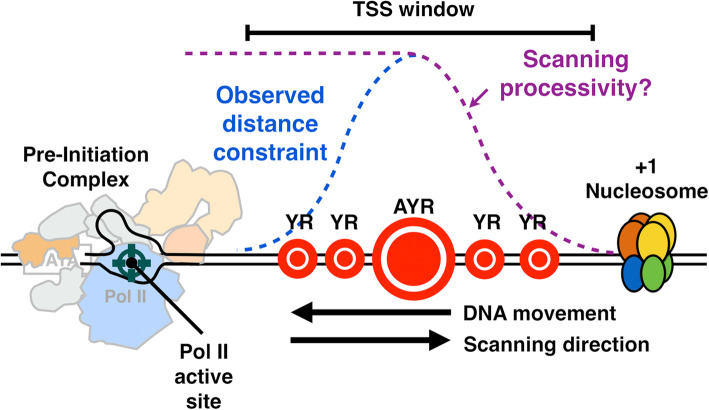
“This system is analogous to a “shooting gallery” where targets (TSSs) move relative to a fixed firing position (the Pol II active site) [105].”
BackgroundSelf-citationGenome-wide analysis of core promoter structures inSchizosaccharomyces pombewith DeepCAGE
Li, H., Hou, J., Bai, L., Hu, C., Tong, P., Kang, Y., Zhao, X., & Shao, Z. (2015) · RNA Biology · doi:10.1080/15476286.2015.1022704 · Cited by 46
Tomko, E. J., Fishburn, J., Hahn, S., & Galburt, E. A. (2017) · Nature Structural & Molecular Biology · doi:10.1038/nsmb.3500 · Cited by 45 · cited 1×
“Apparent coupling has been observed in magnetic tweezers experiments where a short unwinding event that is strictly TFIIH-dependent can be extended to a larger unwinding event by addition of NTPs, presumably reflecting Pol II transcription [99].”
BackgroundFunctions of Saccharomyces cerevisiae TFIIF during Transcription Start Site Utilization
Khaperskyy, D. A., Ammerman, M. L., Majovski, R. C., & Ponticelli, A. S. (2008) · Molecular and Cellular Biology · doi:10.1128/mcb.02272-07 · Cited by 44
Chen, B.-S., & Hampsey, M. (2004) · Molecular and Cellular Biology · doi:10.1128/mcb.24.9.3983-3991.2004 · Cited by 44
Freire-Picos, M. Á. (2005) · Nucleic Acids Research · doi:10.1093/nar/gki825 · Cited by 43
Uncoupling Promoter Opening from Start-Site Scanning
Murakami, K., Mattei, P.-J., Davis, R. E., Jin, H., Kaplan, C. D., & Kornberg, R. D. (2015) · Molecular Cell · doi:10.1016/j.molcel.2015.05.021 · Cited by 42 · cited 1×
“the core promoter in vitro, but no evidence has emerged in vivo for this mechanism [113].”
BackgroundSelf-citationWu, R., & Li, H. (2010) · Genome Research · doi:10.1101/gr.103226.109 · Cited by 40 · cited 16×
“These classes are distinguished by the presence or absence of a consensus TATA element [32, 33], presence or absence of stereotypical nucleosome organization [18], enrichment for specific transcription factor binding [14, 34, 35], enrichment for non-TATA sequence motifs [36, 37], and differential sensitivity to mutati…”
BackgroundInfluentialGleghorn, M. L., Davydova, E. K., Basu, R. S., Rothman‐Denes, L. B., & Murakami, K. S. (2011) · Proceedings of the National Academy of Sciences · doi:10.1073/pnas.1016691108 · Cited by 38 · cited 2×
“at a purine (R=A or G) just downstream from a pyrimidine (Y=C or T)—the Y−1R+ 1 motif [51].”
BackgroundFishburn, J., Galburt, E. A., & Hahn, S. (2016) · Journal of Biological Chemistry · doi:10.1074/jbc.m116.724583 · Cited by 37 · cited 1×
“or for bases called for in very early elongation) confers downstream shifts in start site usage [106].”
BackgroundHampsey, M., Na, J. G., Pinto, I., Ware, D. E., & Berroteran, R. W. (1991) · Biochimie · doi:10.1016/0300-9084(91)90177-3 · Cited by 36
High-Resolution Phenotypic Landscape of the RNA Polymerase II Trigger Loop
Qiu, C., Erinne, O. C., Dave, J. M., Cui, P., Jin, H., Muthukrishnan, N., Tang, L. K., Babu, S. G., Lam, K. C., Vandeventer, P. J., et al. (2016) · PLOS Genetics · doi:10.1371/journal.pgen.1006321 · Cited by 36 · cited 1×
“We refer to fast Pol II alleles and those genetically related to them as “gain of function” (GOF) alleles and slow Pol II alleles (and genetically related) as “loss of function” (LOF) alleles [87].”
MethodSelf-citationThe origin and evolution of a distinct mechanism of transcription initiation in yeasts
Lu, Z., & Lin, Z. (2020) · Genome Research · doi:10.1101/gr.264325.120 · Cited by 36 · cited 1×
“Budding yeast and their relatives differ from other model eukaryotes in that TSSs for TATA-containing core promoters are generally dispersed and are found ~ 40–120 nt downstream from the TATA [55, 56].”
BackgroundZhou, X., Blocker, A. W., Airoldi, E. M., & O’Shea, E. K. (2016) · eLife · doi:10.7554/elife.16970 · Cited by 32 · cited 2×
“implemented MNase analyses as described in [102].”
BackgroundWide-ranging and unexpected consequences of altered Pol II catalytic activity in vivo
Malik, I., Qiu, C., Snavely, T., & Kaplan, C. D. (2017) · Nucleic Acids Research · doi:10.1093/nar/gkx037 · Cited by 30 · cited 1×
“Northern blotting was performed essentially as described [132].”
MethodSelf-citationMajovski, R. C., Khaperskyy, D. A., Ghazy, M. A., & Ponticelli, A. S. (2005) · Journal of Biological Chemistry · doi:10.1074/jbc.m502932200 · Cited by 29
Bangur, C. S., Faitar, S. L., Folster, J. P., & Ponticelli, A. S. (1999) · Journal of Biological Chemistry · doi:10.1074/jbc.274.33.23203 · Cited by 24
Mechanism of Start Site Selection by RNA Polymerase II
Goel, S., Krishnamurthy, S., & Hampsey, M. (2011) · Journal of Biological Chemistry · doi:10.1074/jbc.m111.281576 · Cited by 24
Kamenova, I., Warfield, L., & Hahn, S. (2014) · Molecular and Cellular Biology · doi:10.1128/mcb.01685-13 · Cited by 22
Perspectives on Unidirectional versus Divergent Transcription
Duttke, S. H. C., Lacadie, S. A., Ibrahim, M. M., Glass, C. K., Corcoran, D. L., Benner, C. W., Heinz, S., Kadonaga, J. T., & Ohler, U. (2015) · Molecular Cell · doi:10.1016/j.molcel.2015.10.014 · Cited by 22
Genome-wide uniformity of human ‘open’ pre-initiation complexes
Lai, W., & Pugh, B. F. (2016) · Genome Research · doi:10.1101/gr.210955.116 · Cited by 22 · cited 12×
“Subsequent to the integration of regulatory information, RNA Polymerase II (Pol II) and general transcription factors (GTFs) must recognize core promoters to together initiate transcription at specific sequences, transcription start sites (TSSs).”
BackgroundInfluentialSelf-citationWide-ranging and unexpected consequences of altered Pol II catalytic activity in vivoPreprint
Malik, I., Qiu, C., Snavely, T. C., et al. (2016) · bioRxiv (Cold Spring Harbor Laboratory) · doi:10.1101/072785 · Cited by 22
Self-citationYeast Pol II start‐site selection: the long and the short of it
Corden, J. L. (2008) · EMBO Reports · doi:10.1038/embor.2008.192 · Cited by 16 · cited 1×
“how initiation factors collaborate to promote initiation [41, 42].”
BackgroundPreparation of cDNA Libraries for High-Throughput RNA Sequencing Analysis of RNA 5′ Ends
Vvedenskaya, I. O., Goldman, S. R., & Nickels, B. E. (2015) · Methods in molecular biology · doi:10.1007/978-1-4939-2392-2_12 · Cited by 16
Self-citationTowards a mechanistic understanding of core promoter recognition from cryo-EM studies of human TFIID
Nogales, E., Patel, A. B., & Louder, R. K. (2017) · Current Opinion in Structural Biology · doi:10.1016/j.sbi.2017.05.015 · Cited by 16
Jin, H., & Kaplan, C. D. (2015) · G3 Genes Genomes Genetics · doi:10.1534/g3.114.015180 · Cited by 15 · cited 9×
“a series of Pol II catalytic mutants, a TFIIB mutant (sua7-58A5) [80], and a TFIIF mutant (tfg2Δ146-180) [83].”
BackgroundMethodResultInfluentialSelf-citationChen, Y., & Ponticelli, A. S. (2012) · Nucleic Acids Research · doi:10.1093/nar/gks323 · Cited by 15
Correction: High-Resolution Phenotypic Landscape of the RNA Polymerase II Trigger Loop
Qiu, C., Erinne, O. C., Dave, J. M., Cui, P., Jin, H., Muthukrishnan, N., Tang, L. K., Babu, S. G., Lam, K. C., Vandeventer, P. J., et al. (2018) · PLoS Genetics · doi:10.1371/journal.pgen.1007158 · Cited by 13
Self-citationThe Pol II initiation complex: finding a place to start
Hampsey, M. (2006) · Nature Structural & Molecular Biology · doi:10.1038/nsmb0706-564 · Cited by 12 · cited 2×
“tered sequence preferences for the PIC [41].”
BackgroundSaccharomyces cerevisiae displays a stable transcription start site landscape in multiple conditions
Börlin, C. S., Cvetešić, N., Holland, P., Bergenholm, D., Siewers, V., Lenhard, B., & Nielsen, J. (2018) · FEMS Yeast Research · doi:10.1093/femsyr/foy128 · Cited by 10 · cited 1×
“Our analyses recapitulate a relationship between expression and TSS spread similar to that recently described for promoters from yeast, mouse, and human [88, 89].”
ResultPairs of promoter pairs in a web of transcription
Kaplan, C. D. (2016) · Nature Genetics · doi:10.1038/ng.3649 · Cited by 6
Self-citationThe origin and evolution of a distinct mechanism of transcription initiation in yeastsPreprint
Lu, Z., & Lin, Z. (2020) · bioRxiv (Cold Spring Harbor Laboratory) · doi:10.1101/2020.04.04.025502 · Cited by 6
Research works printed but not linked: 2
- 138. Abante J: NucSeq v1.0. v1.0 edition: Zenodo; 2016.
- 139. Qiu C, Jin H, Vvedenskaya I, Llenas JA, Zhao T, Malik I, Schwartz SL, Cui P, Čabart P, Han KH, et al: Datasets. BioProject https://trace.ncbi.nlm.nih.gov/Traces/study/?acc=PRJNA522619 Sequence Read Archive; 2020.
Cited by
RNA polymerase II speed: a key player in controlling and adapting transcriptome composition
Muniz, L., Nicolas, E., & Trouche, D. (2021) · The EMBO Journal · doi:10.15252/embj.2020105740 · Cited by 198
“In budding yeast, RNA Pol II speed controls the use of differential TSSs, with fast RNA Pol II mutants shifting to upstream TSSs, while slow RNA Pol II mutants shift to downstream TSSs (Kaplan et al , 2012; Braberg et al , 2013; Qiu et al , 2020).”
Spatiotemporal coordination of transcription preinitiation complex assembly in live cells
Nguyen, V. Q., Ranjan, A., Liu, S., Tang, X., Ling, Y. H., Wisniewski, J., Mizuguchi, G., Li, K. Y., Jou, V., Zheng, Q., et al. (2021) · Molecular Cell · doi:10.1016/j.molcel.2021.07.022 · Cited by 115
Structures of mammalian RNA polymerase II pre-initiation complexes
Aibara, S., Schilbach, S., & Cramer, P. (2021) · Nature · doi:10.1038/s41586-021-03554-8 · Cited by 114
Evolutionary Invariant of the Structure of DNA Double Helix in RNAP II Core Promoters
Melikhova, A. V., Anashkina, A. A., & Il’icheva, I. A. (2022) · International Journal of Molecular Sciences · doi:10.3390/ijms231810873 · Cited by 62
Cryo-EM structure of TFIIH/Rad4–Rad23–Rad33 in damaged DNA opening in nucleotide excision repair
van Eeuwen, T., Shim, Y., Kim, H. J., Zhao, T., Basu, S., Garcia, B. A., Kaplan, C. D., Min, J., & Murakami, K. (2021) · Nature Communications · doi:10.1038/s41467-021-23684-x · Cited by 54
Self-citation
Metadata
- Authors
- Qiu, C., Jin, H., Vvedenskaya, I., Llenas, J. A., Zhao, T., Malik, I., Visbisky, A. M., Schwartz, S. L., Cui, P., Čabart, P., Han, K. H., Lai, W. K. M., Metz, R. P., Johnson, C. D., Sze, S.-H., Pugh, B. F., Nickels, B. E., & Kaplan, C. D.
- Affiliations
- Beth Israel Deaconess Medical Center (US)
- Texas A&M University (US)
- Rutgers, The State University of New Jersey (US)
- University of Pittsburgh (US)
- Charles University (CZ)
- Pennsylvania State University (US)
- Corresponding author
- Kaplan, Craig D.
- ORCID
- Venue
- Genome Biology
- Published
- 2020-06-02
- Volume
- 21
- Issue
- 1
- Pages
- 132-132
- ISSN
- 1465-6906 (ISSN-L)
- 1474-760X
- PMC
- PMC7265651
- OpenAlex
- W3031895491
- Cited by
- 43
- References
- 140
- Citations by year
- 2026: 4 · 2025: 3 · 2024: 7 · 2023: 5 · 2022: 8 · 2021: 12 · 2020: 4
- FWCI
- 2.35
- Type
- journal article
- Language
- en
- Open access
- gold
- doi.org
- Licence
- cc-by
- creativecommons.org/licenses/by/4.0 (tdm)
- creativecommons.org/licenses/by/4.0 (vor)
- Locations
- Genome biology (publishedVersion, cc-by)
- bioRxiv (Cold Spring Harbor Laboratory) (acceptedVersion, cc-by-nc-nd)
- PubMed Central (publishedVersion, cc-by)
- PubMed (publishedVersion)
- Deep Blue (University of Michigan) (submittedVersion)
- DOAJ (DOAJ: Directory of Open Access Journals) (submittedVersion, cc-by-sa)
- Funders
- National Institute of General Medical Sciences (R01GM097260, R01GM120450, R35GM118059)
- Welch Foundation (A-1763)
- Topics
- Life Sciences › Biochemistry, Genetics and Molecular Biology › Molecular Biology › Genomics and Chromatin Dynamics
- Life Sciences › Biochemistry, Genetics and Molecular Biology › Molecular Biology › Fungal and yeast genetics research
- Life Sciences › Biochemistry, Genetics and Molecular Biology › Molecular Biology › Nuclear Structure and Function
- Keywords
- RNA polymerase II, transcription initiation, transcription start sites, Saccharomyces cerevisiae, preinitiation complex, general transcription factors, TFIIB, TFIIF, promoter architecture
- MeSH terms
- DNA Polymerase II, Models, Genetic, Promoter Regions, Genetic, Saccharomyces cerevisiae, Transcription Initiation Site, Transcription Factors, General, Transcription Initiation, Genetic
About these checks
Registry, retraction, Cites and statistics results are computed, not judged, with one exception: a printed reference that no index lists is read once by a model before it counts as a citation error. Claims are extracted by a model and kept only when their quote appears verbatim in the text; each cited source is then checked, with a model’s help, for whether it says what the claim relies on. Those verdicts can be wrong — read the claim’s quote and the cited source before relying on one.
Statistics and arithmetic are recomputed, not judged.
Confidence bands are shown only for fields calibrated on our annotated test set. None is calibrated yet, so no band is shown.
What counts as a claim ›How we measure confidence ›How we check this ›
Are you an author, or do you see a problem with this page? Request a review
Data sources
Bibliographic data: Semantic Scholar, OpenAlex, Crossref.
Contains information from the Semantic Scholar Academic Graph Datasets, made available under the ODC Attribution License (ODC-BY 1.0).
Semantic Scholar’s data is described in: Kinney, R., et al. (2023). The Semantic Scholar Open Data Platform. arXiv:2301.10140.
