

CRISPR screens identify gene targets at breast cancer risk loci
Open accessThe DOI matches its Crossref record; 77 of the 77 references it cites were found in a registry or an index.
Abstract
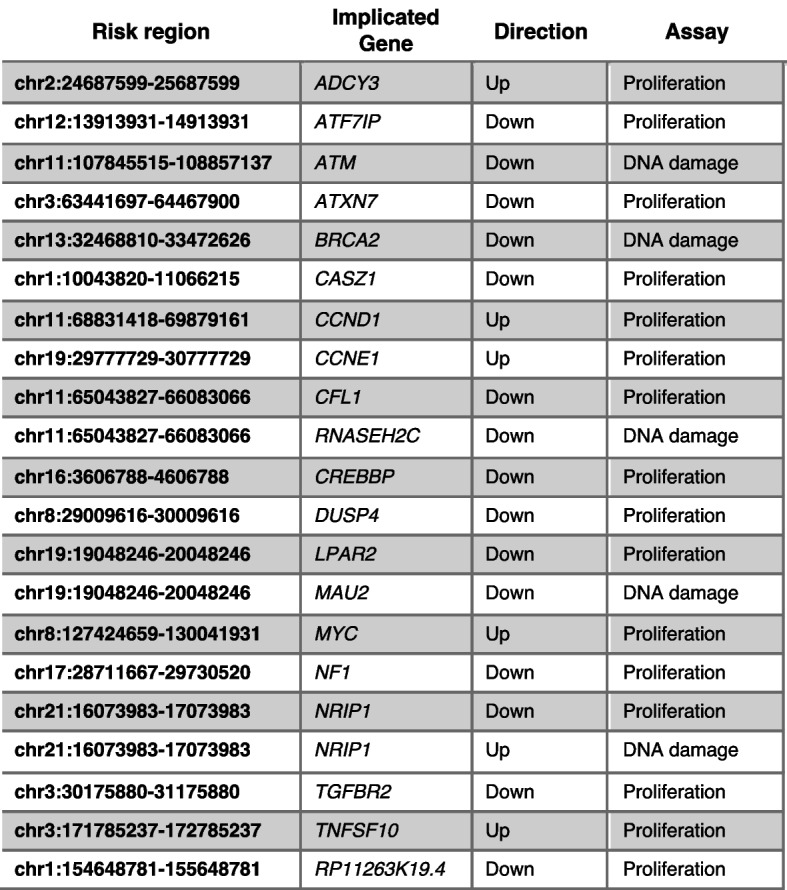
Background: Genome-wide association studies (GWAS) have identified > 200 loci associated with breast cancer risk. The majority of candidate causal variants are in non-coding regions and likely modulate cancer risk by regulating gene expression. However, pinpointing the exact target of the association, and identifying the phenotype it mediates, is a major challenge in the interpretation and translation of GWAS. Results: Here, we show that pooled CRISPR screens are highly effective at identifying GWAS target genes and defining the cancer phenotypes they mediate. Following CRISPR mediated gene activation or suppression, we measure proliferation in 2D, 3D, and in immune-deficient mice, as well as the effect on DNA repair. We perform 60 CRISPR screens and identify 20 genes predicted with high confidence to be GWAS targets that promote cancer by driving proliferation or modulating the DNA damage response in breast cells. We validate the regulation of a subset of these genes by breast cancer risk variants. Conclusions: We demonstrate that phenotypic CRISPR screens can accurately pinpoint the gene target of a risk locus. In addition to defining gene targets of risk loci associated with increased breast cancer risk, we provide a platform for identifying gene targets and phenotypes mediated by risk variants.
Overview
The claims and statistics of this paper haven’t been checked yet.
Free: it reads the open-access text and checks the first 5 claims that cite a source we can check. Create a free account to check every claim.
Integrity signals
Registry
Cites
Statistics
Figures
Verification
Claims the paper makes
The claims and statistics of this paper haven’t been checked yet.
Free: it reads the open-access text and checks the first 5 claims that cite a source we can check. Create a free account to check every claim.
Self-check
Percentages, sums and reported differences re-computed from the paper’s own numbers.
The self-check needs the paper’s full text.
Citations
Cites
Hallmarks of Cancer: The Next Generation
Hanahan, D., & Weinberg, R. A. (2011) · Cell · doi:10.1016/j.cell.2011.02.013 · Cited by 66,590 · cited 1×
“Impaired proliferation is a hallmark of cancer [13].”
BackgroundPD-1 and PD-L1 Immune Checkpoint Blockade to Treat Breast Cancer
Hartkopf, A. D., Taran, F.-A., Wallwiener, M., Walter, C. B., Krämer, B., Grischke, E.-M., & Brucker, S. Y. (2016) · Breast Care · doi:10.1159/000453569 · Cited by 30,845
Nishimura, R., Osako, T., Nishiyama, Y., Tashima, R., Nakano, M., Fujisue, M., Toyozumi, Y., & Arima, N. (2013) · Oncology · doi:10.1159/000353099 · Cited by 13,166
Comprehensive molecular portraits of human breast tumours
The Cancer Genome Atlas Network (2012) · Nature · doi:10.1038/nature11412 · Cited by 12,129
The Epithelial-Mesenchymal Transition Generates Cells with Properties of Stem Cells
Mani, S. A., Guo, W., Liao, M.-J., Eaton, E. N., Ayyanan, A., Zhou, A. Y., Brooks, M., Reinhard, F., Zhang, C. C., Shipitsin, M., et al. (2008) · Cell · doi:10.1016/j.cell.2008.03.027 · Cited by 8,672 · cited 2×
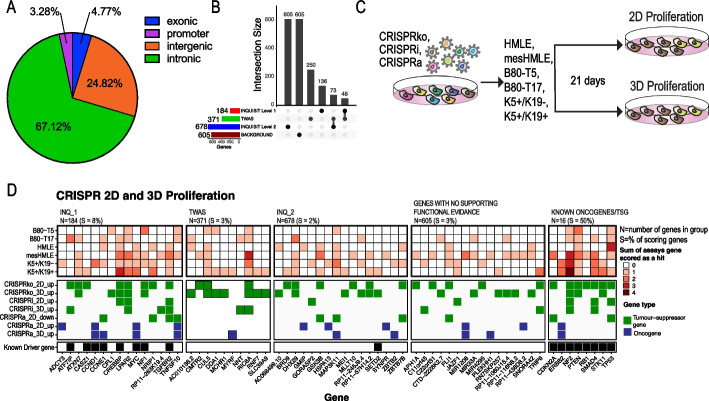
“Expression and ATAC-Seq profiling indicated that these six cell lines represent breast cells with either a luminal progenitor signature (K5 + /K19 + [17], K5 + /K19 − [17]), a mesenchymal signature (B80-T17 [18], mesHMLE [19]), or a more epithelial like signature (B80-T5 [18], HMLE [20]) (Additional file 1: Fig.”
BackgroundMassively parallel digital transcriptional profiling of single cells
Zheng, G. X. Y., Terry, J. M., Belgrader, P., Ryvkin, P., Bent, Z. W., Wilson, R., Ziraldo, S. B., Wheeler, T. D., McDermott, G. P., Zhu, J., et al. (2017) · Nature Communications · doi:10.1038/ncomms14049 · Cited by 7,353
Optimized sgRNA design to maximize activity and minimize off-target effects of CRISPR-Cas9
Doench, J. G., Fusi, N., Sullender, M., Hegde, M., Vaimberg, E. W., Donovan, K. F., Smith, I., Tothova, Z., Wilen, C., Orchard, R., et al. (2016) · Nature Biotechnology · doi:10.1038/nbt.3437 · Cited by 4,637 · cited 3×
“sgRNAs were designed using CRISPick algorithm [14].”
MethodInfluentialATAC-seq: a method for assaying chromatin accessibility genome-wide
Buenrostro, J. D., Wu, B., Chang, H. Y., & Greenleaf, W. J. (2015) · Current Protocols in Molecular Biology · doi:10.1002/0471142727.mb2129s109 · Cited by 3,289
Li, W., Xu, H., Xiao, T., Cong, L., Love, M. I., Zhang, F., Irizarry, R. A., Liu, J. S., Brown, M., & Liu, X. S. (2014) · Genome Biology · doi:10.1186/s13059-014-0554-4 · Cited by 2,684
Comprehensive Characterization of Cancer Driver Genes and Mutations
Bailey, M. H., Tokheim, C., Porta-Pardo, E., Sengupta, S., Bertrand, D., Weerasinghe, A., Colaprico, A., Wendl, M. C., Kim, J., Reardon, B., et al. (2018) · Cell · doi:10.1016/j.cell.2018.02.060 · Cited by 2,256
Landscape of somatic mutations in 560 breast cancer whole-genome sequences
Nik-Zainal, S., Davies, H., Staaf, J., Ramakrishna, M., Glodzik, D., Zou, X., Martincorena, I., Alexandrov, L. B., Martin, S., Wedge, D. C., et al. (2016) · Nature · doi:10.1038/nature17676 · Cited by 2,218
Comprehensive Molecular Portraits of Invasive Lobular Breast Cancer
Ciriello, G., Gatza, M. L., Beck, A. H., Wilkerson, M. D., Rhie, S. K., Pastore, A., Zhang, H., McLellan, M., Yau, C., Kandoth, C., et al. (2015) · Cell · doi:10.1016/j.cell.2015.09.033 · Cited by 1,858
Pereira, B., Chin, S.-F., Rueda, O. M., Vollan, H.-K. M., Provenzano, E., Bardwell, H. A., Pugh, M., Jones, L., Russell, R., Sammut, S.-J., et al. (2016) · Nature Communications · doi:10.1038/ncomms11479 · Cited by 1,717
The support of human genetic evidence for approved drug indications
Nelson, M. R., Tipney, H., Painter, J. L., Shen, J., Nicoletti, P., Shen, Y., Floratos, A., Sham, P. C., Li, M. J., Wang, J., et al. (2015) · Nature Genetics · doi:10.1038/ng.3314 · Cited by 1,666 · cited 2×
“Genetic evidence that implicates a gene in disease etiology is a strong indicator that drugs targeting the encoded protein will be effective as therapies or for risk reduction [1, 2].”
BackgroundAssociation analysis identifies 65 new breast cancer risk loci
Michailidou, K., Lindström, S., Dennis, J., Beesley, J., Hui, S., Kar, S., Lemaçon, A., Soucy, P., Glubb, D., Rostamianfar, A., et al. (2017) · Nature · doi:10.1038/nature24284 · Cited by 1,413 · cited 3×
“Following fine mapping to identify the CCVs for BC, prioritizing loci with relatively few CCVs, chromatin conformation capture (3C) and luciferase assays have been performed at 16 BC risk loci implicating regulation of TERT [40], CCND1 [41], FGFR2 [42], IGFBP5 [43], MAP3K1 [44], ESR1, RMND1 and CCDC170 [45], KLF4 [46]…”
MethodSelf-citationState-of-the-art strategies for targeting the DNA damage response in cancer
Pilié, P. G., Tang, C., Mills, G. B., & Yap, T. A. (2019) · Nature Reviews Clinical Oncology · doi:10.1038/s41571-018-0114-z · Cited by 1,189 · cited 1×
“DNA damage is a hallmark of cancer in general and in particular is deregulated in BC [32].”
BackgroundJavierre, B. M., Burren, O. S., Wilder, S. P., Kreuzhuber, R., Hill, S. M., Sewitz, S., Cairns, J., Wingett, S. W., Várnai, C., Thiecke, M. J., et al. (2016) · Cell · doi:10.1016/j.cell.2016.09.037 · Cited by 1,046
Optimized libraries for CRISPR-Cas9 genetic screens with multiple modalities
Sanson, K. R., Hanna, R. E., Hegde, M., Donovan, K. F., Strand, C., Sullender, M. E., Vaimberg, E. W., Goodale, A., Root, D. E., Piccioni, F., et al. (2018) · Nature Communications · doi:10.1038/s41467-018-07901-8 · Cited by 1,043 · cited 1×
“This is likely due to the increased sensitivity that we achieved by increasing the number of cells infected with a given sgRNA (1000 cells/ sgRNA as opposed to 300–500 cells/sgRNA typically used in whole genome screens [15]).”
BackgroundHuman breast cancer cells generated by oncogenic transformation of primary mammary epithelial cells
Elenbaas, B., Spirio, L., Koerner, F., Fleming, M. D., Zimonjic, D. B., Donaher, J. L., Popescu, N. C., Hahn, W. C., & Weinberg, R. A. (2001) · Genes & Development · doi:10.1101/gad.828901 · Cited by 878 · cited 10×
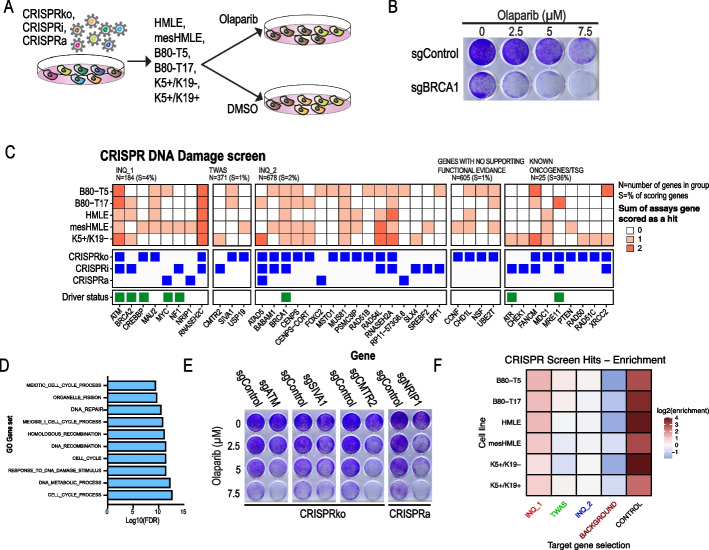
“HMLE, mesHMLE, B80-T17, K5 + /K19 − , and K5 + /K19 + cells were treated with 5 µM of olaparib, and B80-T5 cells were treated with 2.5 µM of olaparib for 14 days.”
BackgroundMethodInfluentialGenome-wide enhancer maps link risk variants to disease genes
Nasser, J., Bergman, D. T., Fulco, C. P., Guckelberger, P., Doughty, B. R., Patwardhan, T. A., Jones, T. R., Nguyen, T. H., Ulirsch, J. C., Lekschas, F., et al. (2021) · Nature · doi:10.1038/s41586-021-03446-x · Cited by 669
King, E. A., Davis, J. W., & Degner, J. F. (2019) · PLOS Genetics · doi:10.1371/journal.pgen.1008489 · Cited by 649
Systematic mapping of functional enhancer–promoter connections with CRISPR interference
Fulco, C. P., Munschauer, M., Anyoha, R., Munson, G., Grossman, S. R., Perez, E. M., Kane, M., Cleary, B., Lander, E. S., & Engreitz, J. M. (2016) · Science · doi:10.1126/science.aag2445 · Cited by 643 · cited 1×
“Previous studies showed that sgRNAs targeting enhancers are effective in suppressing the expression of the target gene [36].”
BackgroundA Genome-wide Framework for Mapping Gene Regulation via Cellular Genetic Screens
Gasperini, M., Hill, A. J., McFaline-Figueroa, J. L., Martin, B., Kim, S., Zhang, M. D., Jackson, D., Leith, A., Schreiber, J., Noble, W. S., et al. (2019) · Cell · doi:10.1016/j.cell.2018.11.029 · Cited by 613
Comprehensive Characterization of Cancer Driver Genes and Mutations
Bailey, M. H., Tokheim, C., Porta-Pardo, E., Sengupta, S., Bertrand, D., Weerasinghe, A., Colaprico, A., Wendl, M. C., Kim, J., Reardon, B., et al. (2018) · Cell · doi:10.1016/j.cell.2018.07.034 · Cited by 552
A Genetic Map of the Response to DNA Damage in Human Cells
Olivieri, M., Cho, T., Álvarez-Quilón, A., Li, K., Schellenberg, M. J., Zimmermann, M., Hustedt, N., Rossi, S. E., Adam, S., Melo, H., et al. (2020) · Cell · doi:10.1016/j.cell.2020.05.040 · Cited by 551
Study, A. C., Bojesen, S. E., Study, A. O. C., Kathleen Cuningham Foundation Consortium for Research into Familial Breast Cancer (kConFab), (GENICA), G. E. I. A. B. C., (SWE-BRCA), S. B. C. S., The Hereditary Breast and Ovarian Cancer Research Group Netherlands (HEBON), (EMBRACE), E. S. O. B. &. B. M. C., (GEMO), G. M. O. C. R. I. B. M. C., Pooley, K. A., et al. (2013) · Nature Genetics · doi:10.1038/ng.2566 · Cited by 528 · cited 3×
“Following fine mapping to identify the CCVs for BC, prioritizing loci with relatively few CCVs, chromatin conformation capture (3C) and luciferase assays have been performed at 16 BC risk loci implicating regulation of TERT [40], CCND1 [41], FGFR2 [42], IGFBP5 [43], MAP3K1 [44], ESR1, RMND1 and CCDC170 [45], KLF4”
MethodSelf-citationZhang, H., Ahearn, T. U., Lecarpentier, J., Barnes, D., Beesley, J., Qi, G., Jiang, X., O’Mara, T. A., Zhao, N., Bolla, M. K., et al. (2020) · Nature Genetics · doi:10.1038/s41588-020-0609-2 · Cited by 501
Self-citationMumbach, M. R., Satpathy, A. T., Boyle, E. A., Dai, C., Gowen, B. G., Cho, S. W., Nguyen, M. L., Rubin, A. J., Granja, J. M., Kazane, K. R., et al. (2017) · Nature Genetics · doi:10.1038/ng.3963 · Cited by 490 · cited 1×
“Current strategies to identify gene targets of non-coding GWAS variants frequently rely on functional genomics assays such as high-throughput chromatin interaction capture [6, 7] or the recently described CRISPRqtl [8].”
BackgroundRegulatory genomic circuitry of human disease loci by integrative epigenomics
Boix, C. A., James, B. T., Park, Y. P., Meuleman, W., & Kellis, M. (2021) · Nature · doi:10.1038/s41586-020-03145-z · Cited by 416
CRISPR screens in cancer spheroids identify 3D growth-specific vulnerabilities
Han, K., Pierce, S. E., Li, A., Spees, K., Anderson, G. R., Seoane, J. A., Lo, Y.-H., Dubreuil, M., Olivas, M., Kamber, R. A., et al. (2020) · Nature · doi:10.1038/s41586-020-2099-x · Cited by 311
On the design of CRISPR-based single-cell molecular screens
Hill, A. J., McFaline-Figueroa, J. L., Starita, L. M., Gasperini, M. J., Matreyek, K. A., Packer, J., Jackson, D., Shendure, J., & Trapnell, C. (2018) · Nature Methods · doi:10.1038/nmeth.4604 · Cited by 262
Collaborators, N., Wu, L., kConFab/AOCS Investigators, Shi, W., Long, J., Guo, X., Michailidou, K., Beesley, J., Bolla, M. K., Shu, X.-O., et al. (2018) · Nature Genetics · doi:10.1038/s41588-018-0132-x · Cited by 216 · cited 1×
“Furthermore, enhancers typically regulate the expression of multiple genes (“molecular pleiotropy”) [9, 10], and thus, even if enhancer activity is preserved, functional genomics assays may identify multiple candidate genes and additional experiments are needed to define the causal genes.”
BackgroundSelf-citationFrench, J. D., Ghoussaini, M., Edwards, S. L., Meyer, K. B., Michailidou, K., Ahmed, S., Khan, S., Maranian, M. J., O’Reilly, M., Hillman, K. M., et al. (2013) · The American Journal of Human Genetics · doi:10.1016/j.ajhg.2013.01.002 · Cited by 207 · cited 3×
“Following fine mapping to identify the CCVs for BC, prioritizing loci with relatively few CCVs, chromatin conformation capture (3C) and luciferase assays have been performed at 16 BC risk loci implicating regulation of TERT [40], CCND1 [41], FGFR2 [42], IGFBP5 [43], MAP3K1 [44], ESR1, RMND1 and CCDC170 [45], KLF4”
MethodSelf-citationCrebbp Loss Drives Small Cell Lung Cancer and Increases Sensitivity to HDAC Inhibition
Jia, D., Augert, A., Kim, D.-W., Eastwood, E., Wu, N., Ibrahim, A. H., Kim, K.-B., Dunn, C. T., Pillai, S. P. S., Gazdar, A. F., et al. (2018) · Cancer Discovery · doi:10.1158/2159-8290.cd-18-0385 · Cited by 192 · cited 1×
“This is consistent with reports showing that CREBBP can act as a tumor-suppressor or an oncogene in a cell type specific manner [25, 26].”
Fine-mapping of 150 breast cancer risk regions identifies 191 likely target genes
Collaborators, G. S., Fachal, L., Collaborators, E., KConFab Investigators, HEBON Investigators, ABCTB Investigators, Aschard, H., Beesley, J., Barnes, D. R., Allen, J., et al. (2020) · Nature Genetics · doi:10.1038/s41588-019-0537-1 · Cited by 174 · cited 4×
“A common mechanism of distal enhancers is to regulate gene expression through chromatin looping [3, 35].”
BackgroundMethodInfluentialSelf-citationA Genome-wide Framework for Mapping Gene Regulation via Cellular Genetic Screens
Gasperini, M. J., Hill, A. J., McFaline‐Figueroa, J. L., Martin, B., Kim, S., Zhang, M. D., Jackson, D., Leith, A., Schreiber, J. M., Noble, W. S., et al. (2019) · Cell · doi:10.1016/j.cell.2019.02.027 · Cited by 171 · cited 19×
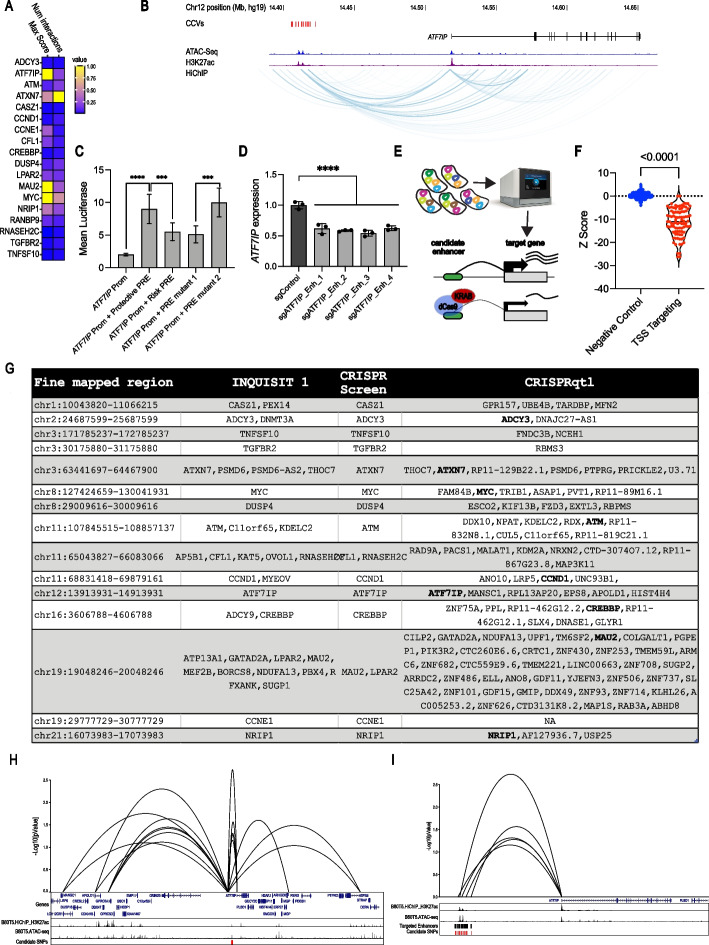
“As expected, and consistent with previous reports [8], TSS targeting sgRNAs had a dramatic effect (p < 0.”
InfluentialTargeting histone acetylation dynamics and oncogenic transcription by catalytic P300/CBP inhibition
Hogg, S. J., Motorna, O., Cluse, L. A., Johanson, T. M., Coughlan, H. D., Raviram, R., Myers, R. M., Costacurta, M., Todorovski, I., Pijpers, L., et al. (2021) · Molecular Cell · doi:10.1016/j.molcel.2021.04.015 · Cited by 170 · cited 1×
“This is consistent with reports showing that CREBBP can act as a tumor-suppressor or an oncogene in a cell type specific manner [25, 26].”
EMBRACE, Dunning, A. M., Collaborators, G. S., HEBON, kConFab Investigators, Michailidou, K., Kuchenbaecker, K. B., Thompson, D., French, J. D., Beesley, J., et al. (2016) · Nature Genetics · doi:10.1038/ng.3521 · Cited by 161 · cited 3×
“Following fine mapping to identify the CCVs for BC, prioritizing loci with relatively few CCVs, chromatin conformation capture (3C) and luciferase assays have been performed at 16 BC risk loci implicating regulation of TERT [40], CCND1 [41], FGFR2 [42], IGFBP5 [43], MAP3K1 [44], ESR1, RMND1 and CCDC170 [45], KLF4”
MethodSelf-citationThe missing link between genetic association and regulatory function
Connally, N. J., Nazeen, S., Lee, D., Shi, H., Stamatoyannopoulos, J., Chun, S., Cotsapas, C., Cassa, C. A., & Sunyaev, S. R. (2022) · eLife · doi:10.7554/elife.74970 · Cited by 158
Targeting the nucleotide salvage factor DNPH1 sensitizes BRCA -deficient cells to PARP inhibitors
Fugger, K., Bajrami, I., dos Santos, M. S., Young, S. J., Kunzelmann, S., Kelly, G. P., Hewitt, G., Patel, H., Goldstone, R. J., Carell, T., et al. (2021) · Science · doi:10.1126/science.abb4542 · Cited by 156
Ferreira, M. A. R., Gamazon, E. R., Al‐Ejeh, F., Aittomäki, K., Andrulis, I. L., Anton‐Culver, H., Arason, A., Arndt, V., Aronson, K. J., Arun, B., et al. (2019) · Nature Communications · doi:10.1038/s41467-018-08053-5 · Cited by 149 · cited 1×
“Pooled CRISPR screens are extensively used to identify genes related to a particular phenotype [11, 12] but have not been used to characterize GWAS target genes.”
BackgroundMeyer, K. B., O’Reilly, M., Michailidou, K., Carlebur, S., Edwards, S. L., French, J. D., Prathalingham, R., Dennis, J., Bolla, M. K., Wang, Q., et al. (2013) · The American Journal of Human Genetics · doi:10.1016/j.ajhg.2013.10.026 · Cited by 128 · cited 3×
“Meyer KB, O’Reilly M, Michailidou K, Carlebur S, Edwards SL, French JD, Prathalingham R, Dennis J, Bolla MK, Wang Q, et al. Fine‑scale mapping of the FGFR2 breast cancer risk locus: putative functional variants differentially bind FOXA1 and E2F1.”
MethodSelf-citationToouli, C. D., Huschtscha, L. I., Neumann, A. A., Noble, J. R., Colgin, L. M., Hukku, B., & Reddel, R. R. (2002) · Oncogene · doi:10.1038/sj.onc.1205014 · Cited by 125
Self-citationEvidence that breast cancer risk at the 2q35 locus is mediated through IGFBP5 regulation
Ghoussaini, M., Edwards, S. L., Michailidou, K., Nord, S., Cowper-Sal·lari, R., Desai, K., Kar, S., Hillman, K. M., Kaufmann, S., Glubb, D. M., et al. (2014) · Nature Communications · doi:10.1038/ncomms5999 · Cited by 117 · cited 2×
“Following fine mapping to identify the CCVs for BC, prioritizing loci with relatively few CCVs, chromatin conformation capture (3C) and luciferase assays have been performed at 16 BC risk loci implicating regulation of TERT [40], CCND1 [41], FGFR2 [42], IGFBP5 [43], MAP3K1 [44], ESR1, RMND1 and CCDC170 [45], KLF4 [46]…”
Self-citationHistone Methyltransferase SETDB1: A Common Denominator of Tumorigenesis with Therapeutic Potential
Strepkos, D., Markouli, M., Κλώνου, Α., Papavassiliou, A. G., & Piperi, C. (2021) · Cancer Research · doi:10.1158/0008-5472.can-20-2906 · Cited by 117
Complementary information derived from CRISPR Cas9 mediated gene deletion and suppression
Rosenbluh, J., Xu, H., Harrington, W., Gill, S., Wang, X., Vazquez, F., Root, D. E., Tsherniak, A., & Hahn, W. C. (2017) · Nature Communications · doi:10.1038/ncomms15403 · Cited by 114 · cited 2×
“The inconsistencies detected are likely due to CRISPRi bidirectional promoter off-target effects [16, 22].”
BackgroundMethodSelf-citationBetts, J. A., Marjaneh, M. M., Al‐Ejeh, F., Lim, Y. C., Shi, W., Sivakumaran, H., Tropée, R., Patch, A., Clark, M. B., Bartoniček, N., et al. (2017) · The American Journal of Human Genetics · doi:10.1016/j.ajhg.2017.07.007 · Cited by 106 · cited 4×
“Following fine mapping to identify the CCVs for BC, prioritizing loci with relatively few CCVs, chromatin conformation capture (3C) and luciferase assays have been performed at 16 BC risk loci implicating regulation of TERT [40], CCND1 [41], FGFR2 [42], IGFBP5 [43], MAP3K1 [44], ESR1, RMND1 and CCDC170 [45], KLF4 [46]…”
BackgroundInfluentialSelf-citationLawrenson, K., Kar, S., McCue, K., Kuchenbaecker, K. B., Michailidou, K., Tyrer, J. P., Beesley, J. M., Ramus, S. J., Li, Q., Delgado, M. K., et al. (2016) · Nature Communications · doi:10.1038/ncomms12675 · Cited by 104 · cited 2×
“Following fine mapping to identify the CCVs for BC, prioritizing loci with relatively few CCVs, chromatin conformation capture (3C) and luciferase assays have been performed at 16 BC risk loci implicating regulation of TERT [40], CCND1 [41], FGFR2 [42], IGFBP5 [43], MAP3K1 [44], ESR1, RMND1 and CCDC170 [45], KLF4 [46]…”
Self-citationGuo, X., Lin, W., Bao, J., Cai, Q., Pan, X., Bai, M., Yuan, Y., Shi, J., Sun, Y., Han, M.-R., et al. (2018) · The American Journal of Human Genetics · doi:10.1016/j.ajhg.2018.03.016 · Cited by 103 · cited 1×
“Furthermore, enhancers typically regulate the expression of multiple genes (“molecular pleiotropy”) [9, 10], and thus, even if enhancer activity is preserved, functional genomics assays may identify multiple candidate genes and additional experiments are needed to define the causal genes.”
BackgroundTranscriptome‐wide association studies accounting for colocalization using Egger regression
Barfield, R., Feng, H., Gusev, A., Wu, L., Zheng, W., Paşaniuc, B., & Kraft, P. L. (2018) · Genetic Epidemiology · doi:10.1002/gepi.22131 · Cited by 100
SCEPTRE improves calibration and sensitivity in single-cell CRISPR screen analysis
Barry, T., Wang, X., Morris, J. A., Roeder, K., & Katsevich, E. (2021) · Genome Biology · doi:10.1186/s13059-021-02545-2 · Cited by 86 · cited 2×
“To identify genes regulated by these enhancers, we used the recently described SCEPTRE algorithm [39].”
MethodCell context reveals a dual role for Maf in oncogenesis
Pouponnot, C., Sii-Felice, K., Hmitou, I., Rocques, N., Lecoin, L., Druillennec, S., Felder‐Schmittbuhl, M., & Eychène, A. (2005) · Oncogene · doi:10.1038/sj.onc.1209171 · Cited by 83
Glubb, D. M., Maranian, M. J., Michailidou, K., Pooley, K. A., Meyer, K. B., Kar, S., Carlebur, S., O’Reilly, M., Betts, J. A., Hillman, K. M., et al. (2015) · The American Journal of Human Genetics · doi:10.1016/j.ajhg.2014.11.009 · Cited by 82 · cited 3×
“2 breast cancer locus reveals at least three independent risk variants regulating MAP3K1.”
MethodSelf-citationZhao, X., Malhotra, G. K., Lele, S. M., Lele, M. S., West, W. W., Eudy, J. D., Band, H., & Band, V. (2010) · Proceedings of the National Academy of Sciences · doi:10.1073/pnas.1009030107 · Cited by 72 · cited 2×
“K5 + /K19 + cell lines are immortalized progenitor mammary stem cells [17].”
BackgroundSelf-citationRosenbluh, J., Mercer, J., Shrestha, Y., Oliver, R., Tamayo, P., Doench, J. G., Tirosh, I., Piccioni, F., Hartenian, E., Horn, H., et al. (2016) · Cell Systems · doi:10.1016/j.cels.2016.09.001 · Cited by 68
Self-citationFine-mapping identifies two additional breast cancer susceptibility loci at 9q31.2
Orr, N., Dudbridge, F., Dryden, N. H., Maguire, S. L., Novo, D., Perrakis, E., Johnson, N., Ghoussaini, M., Hopper, J. L., Southey, M. C., et al. (2015) · Human Molecular Genetics · doi:10.1093/hmg/ddv035 · Cited by 60
Self-citationHijiya, N., Tsukamoto, Y., Nakada, C., Tung Nguyen, L., Kai, T., Matsuura, K., Shibata, K., Inomata, M., Uchida, T., Tokunaga, A., et al. (2016) · Cancer Research · doi:10.1158/0008-5472.can-15-1846 · Cited by 59 · cited 2×
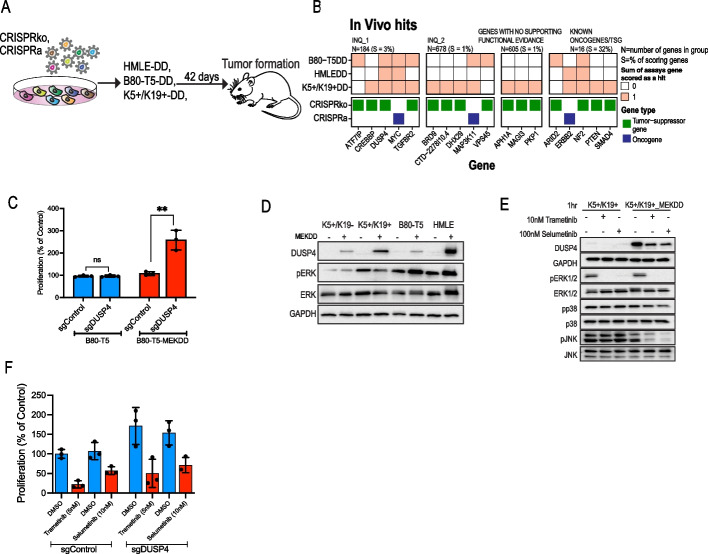
“This might be particularly relevant in triple negative BC because DUSP4 is deleted in about 50% BC, most often in this aggressive subtype [30, 31].”
BackgroundResultDarabi, H., McCue, K., Beesley, J. M., Michailidou, K., Nord, S., Kar, S., Humphreys, K., Thompson, D. J., Ghoussaini, M., Bolla, M. K., et al. (2015) · The American Journal of Human Genetics · doi:10.1016/j.ajhg.2015.05.002 · Cited by 51 · cited 3×
“Following fine mapping to identify the CCVs for BC, prioritizing loci with relatively few CCVs, chromatin conformation capture (3C) and luciferase assays have been performed at 16 BC risk loci implicating regulation of TERT [40], CCND1 [41], FGFR2 [42], IGFBP5 [43], MAP3K1 [44], ESR1, RMND1 and CCDC170 [45], KLF4 [46]…”
Self-citationChromatin interactome mapping at 139 independent breast cancer risk signals
Beesley, J. M., Sivakumaran, H., Marjaneh, M. M., Lima, L. G., Hillman, K. M., Kaufmann, S., Tuano, N., Hussein, N., Ham, S., Mukhopadhyay, P., et al. (2020) · Genome biology · doi:10.1186/s13059-019-1877-y · Cited by 51 · cited 3×
“Following fine mapping to identify the CCVs for BC, prioritizing loci with relatively few CCVs, chromatin conformation capture (3C) and luciferase assays have been performed at 16 BC risk loci implicating regulation of TERT [40], CCND1 [41], FGFR2 [42], IGFBP5 [43], MAP3K1 [44], ESR1, RMND1 and CCDC170 [45], KLF4 [46]…”
BackgroundSelf-citationH3K27ac HiChIP in prostate cell lines identifies risk genes for prostate cancer susceptibility
Giambartolomei, C., Seo, J.-H., Schwarz, T., Freund, M. K., Johnson, R., Spisák, S., Baca, S. C., Gusev, A., Mancuso, N., Paşaniuc, B., et al. (2021) · The American Journal of Human Genetics · doi:10.1016/j.ajhg.2021.11.007 · Cited by 51
Non-coding RNAs underlie genetic predisposition to breast cancer
Marjaneh, M. M., Beesley, J. M., O’Mara, T. A., Mukhopadhyay, P., Koufariotis, L. T., Kazakoff, S. H., Hussein, N., Fachal, L., Bartoniček, N., Hillman, K. M., et al. (2020) · Genome biology · doi:10.1186/s13059-019-1876-z · Cited by 49
Self-citationeQTL Colocalization Analyses Identify NTN4 as a Candidate Breast Cancer Risk Gene
Beesley, J., Sivakumaran, H., Marjaneh, M. M., Shi, W., Hillman, K. M., Kaufmann, S., Hussein, N., Kar, S., Lima, L. G., Ham, S., et al. (2020) · The American Journal of Human Genetics · doi:10.1016/j.ajhg.2020.08.006 · Cited by 49 · cited 3×
“Beesley J, Sivakumaran H, Moradi Marjaneh M, Shi W, Hillman KM, Kaufmann S, Hussein N, Kar S, Lima LG, Ham S, et al. eQTL colocalization analyses identify NTN4 as a candidate breast cancer risk gene.”
Self-citationSTXBP4 regulates APC/C-mediated p63 turnover and drives squamous cell carcinogenesis
Rokudai, S., Li, Y.-C., Otaka, Y., Fujieda, M., Owens, D. M., Christiano, A. M., Nishiyama, M., & Prives, C. L. (2018) · Proceedings of the National Academy of Sciences · doi:10.1073/pnas.1718546115 · Cited by 47
Double Agent: SPDEF Gene with Both Oncogenic and Tumor-Suppressor Functions in Breast Cancer
Ye, T., Feng, J. Y., Wan, X., Xie, D., & Liu, J. (2020) · Cancer Management and Research · doi:10.2147/cmar.s243748 · Cited by 46
Vargas, R. E., Duong, V. T., Han, H., TA, A., Chen, Y., Zhao, S., Yang, B., Seo, G., Chuc, K., Oh, S., et al. (2019) · The EMBO Journal · doi:10.15252/embj.2019102406 · Cited by 43
Gupta, A., Towers, C., Willenbrock, F. W., Brant, R., Hodgson, D., Sharpe, A. D., Smith, P. D., Cutts, A., Schuh, A., Asher, R. G., et al. (2019) · British Journal of Cancer · doi:10.1038/s41416-019-0673-5 · Cited by 41 · cited 1×
“However, consistent with previous results [28], we did not observe any change in pERK levels following suppression of DUSP4 (Additional file 1: Fig.”
ResultDavies, R. G., Liu, L., Sheng, T., Tuano, N., Chaturvedi, R., Huang, K. K., Itman, C., Mandoli, A., Qamra, A., Hu, C., et al. (2021) · Genome biology · doi:10.1186/s13059-021-02266-6 · Cited by 41 · cited 2×
“The inconsistencies detected are likely due to CRISPRi bidirectional promoter off-target effects [16, 22].”
BackgroundMethodSelf-citationMazumdar, A., Poage, G. M., Shepherd, J., Tsimelzon, A., Hartman, Z. C., Den Hollander, P., Hill, J., Zhang, Y., Chang, J., Hilsenbeck, S. G., et al. (2016) · Breast Cancer Research and Treatment · doi:10.1007/s10549-016-3892-y · Cited by 37 · cited 1×
“This might be particularly relevant in triple negative BC because DUSP4 is deleted in about 50% BC, most often in this aggressive subtype [30, 31].”
BackgroundHhex inhibits cell migration via regulating RHOA/CDC42-CFL1 axis in human lung cancer cells
Li, X., Ma, G., Guo, W., Mu, N., Wang, Y., Liu, X., & Su, L. (2021) · Cell Communication and Signaling · doi:10.1186/s12964-021-00763-6 · Cited by 35 · cited 1×
“This is consistent with the known function of CFL1 as a regulator of actin filament polymerization and cell motility [23, 24].”
BackgroundThe GATA3 X308_Splice breast cancer mutation is a hormone context-dependent oncogenic driver
Hruschka, N., Kalisz, M., Subijana, M., Graña‐Castro, O., del Caño‐Ochoa, F., Paré, L., Chernukhin, I. V., Sagrera, A., de Reyniès, A., Kloesch, B., et al. (2020) · Oncogene · doi:10.1038/s41388-020-1376-3 · Cited by 34
Chen, L., Cai, J., Huang, Y., Tan, X., Guo, Q., Lin, X., Zhu, C., Zeng, X., Liu, H., & Wu, X. (2020) · European Journal of Pharmacology · doi:10.1016/j.ejphar.2020.173100 · Cited by 30 · cited 1×
“This is consistent with the known function of CFL1 as a regulator of actin filament polymerization and cell motility [23, 24].”
BackgroundGrainyhead-like 2 as a double-edged sword in development and cancer.
He, J., Feng, C., Zhu, H., Wu, S., Jin, P., & Xu, T. (2020) · PubMed · Cited by 26
Guo, P., Xing, C., Fu, X., He, D., & Dong, J. (2019) · Journal of Cellular Biochemistry · doi:10.1002/jcb.29443 · Cited by 18
DUSP4 inhibits autophagic cell death in PTC by inhibiting JNK–BCL2–Beclin1 signaling
He, H., Zhen-shuang, D., Lin, J., Wu, W., & Yu, Y. (2021) · Biochemistry and Cell Biology · doi:10.1139/bcb-2020-0636 · Cited by 17
Baxter, J. S., Johnson, N., Tomczyk, K., Gillespie, A., Maguire, S. L., Brough, R., Fachal, L., Michailidou, K., Bolla, M. K., Wang, Q., et al. (2021) · The American Journal of Human Genetics · doi:10.1016/j.ajhg.2021.05.013 · Cited by 9
Self-citationCandidate Causal Variants at the 8p12 Breast Cancer Risk Locus Regulate DUSP4
Glubb, D. M., Shi, W., Beesley, J. M., Fachal, L., Pritchard, J.-L., McCue, K., Barnes, D. R., Antoniou, A. C., Dunning, A. M., Easton, D. F., et al. (2020) · Cancers · doi:10.3390/cancers12010170 · Cited by 7
Self-citationCandidate Causal Variants at the 8p12 Breast Cancer Risk Locus Regulate DUSP4Preprint
Glubb, D. M., Shi, W., Beesley, J., et al. (2019) · Preprints.org · doi:10.20944/preprints201911.0271.v1 · Cited by 3
Self-citation
Research works printed but not linked: 1
- Tuano NK, Beesley J, Manning M, Shi W, Perlaza-Jimenez L, Malaver-Ortega LF, Paynter J, Black D, Civitarese A, McCue K, Hatzipantelis A, Hillman K, Kaufmann S, Sivakumaran H, Polo JM, Reddel R, Vimla B, French JD, Edwards SL, Powell D, Chenevix-Trench G, Rosenbluh J. CRISPR screens identify gene targets at breast cancer risk loci. Gene Expression Omnibus (GSE219168) 2023; https://www.ncbi.nlm.nih.gov/geo/query/acc.cgi?acc=GSE219168. PMC10053147 36991492
Cited by
Wang, L., Bitar, M., Lu, X. M., Jacquelin, S., Nair, S., Sivakumaran, H., Hillman, K. M., Kaufmann, S., Ziegman, R., Casciello, F., et al. (2024) · Molecular Cancer · doi:10.1186/s12943-024-02021-y · Cited by 31
“…set included, (i) the 844 breast cancer-associated lncRNAs we previously linked with GWAS risk variants [7]; (ii) 59 annotated lncRNAs; and (iii) 935 protein-coding genes, including (with overlap) 129 estrogen-regulated genes [13], 246 breast cancer driver genes [14] and 612 essential genes [14].”
BackgroundSelf-citationBarry, T., Mason, K., Roeder, K., & Katsevich, E. (2024) · Genome Biology · doi:10.1186/s13059-024-03254-2 · Cited by 28
“For example, two recent studies lever-aged high-MOI single-cell screens to perturb blood disease [11] and cancer [35] GWAS variants (in some cases at single nucleotide resolution) and link these variants to target genes in disease-relevant cell types (both studies used SCEPTRE (high-MOI) to analyze…”
Innovating cancer drug discovery with refined phenotypic screens
Wang, Z., Hulíková, A., & Swietach, P. (2024) · Trends in Pharmacological Sciences · doi:10.1016/j.tips.2024.06.001 · Cited by 25
Identification of resistance mechanisms to small-molecule inhibition of TEAD-regulated transcription
Kulkarni, A., Mohan, V., Tang, T. T.-L., Post, L. E., Chan, Y.-C., Manning, M., Thio, N., Parker, B. L., Dawson, M. A., Rosenbluh, J., et al. (2024) · EMBO Reports · doi:10.1038/s44319-024-00217-3 · Cited by 22
“Sequencing libraries were generated using one-step PCR to amplify the integrated sequence within the construct and the addition of a sample barcode and Illumina adapters as previously described (Tuano et al, 2023).”
MethodSelf-citationEnhancer regulatory networks globally connect non-coding breast cancer loci to cancer genes
Wang, Y., Armendariz, D. A., Wang, L., Zhao, H., Xie, S., & Hon, G. C. (2025) · Genome biology · doi:10.1186/s13059-025-03474-0 · Cited by 16
Metadata
- Authors
- Tuano, N. K., Beesley, J., Manning, M., Shi, W., Perlaza-Jimenez, L., Malaver-Ortega, L. F., Paynter, J. M., Black, D., Civitarese, A., McCue, K., Hatzipantelis, A., Hillman, K., Kaufmann, S., Sivakumaran, H., Polo, J. M., Reddel, R. R., Band, V., French, J. D., Edwards, S. L., Powell, D. R., Chenevix-Trench, G., & Rosenbluh, J.
- Affiliations
- Monash University (AU)
- QIMR Berghofer Medical Research Institute (AU)
- The University of Sydney (AU)
- University of Nebraska Medical Center (US)
- Corresponding author
- Rosenbluh, Joseph
- ORCID
- Venue
- Genome Biology
- Published
- 2023-03-29
- Volume
- 24
- Issue
- 1
- Pages
- 59-59
- ISSN
- 1465-6906 (ISSN-L)
- 1474-760X
- PMC
- PMC10053147
- OpenAlex
- W4361199386
- Semantic Scholar
- c2b7728efd13e0bccdcdc5441c47472f3075c8e3
- Cited by
- 30
- References
- 77
- Citations by year
- 2026: 4 · 2025: 8 · 2024: 14 · 2023: 4
- FWCI
- 2.67
- Type
- journal article
- Language
- en
- Open access
- gold
- doi.org
- Licence
- cc-by
- creativecommons.org/licenses/by/4.0 (tdm)
- creativecommons.org/licenses/by/4.0 (vor)
- Locations
- Genome biology (publishedVersion, cc-by)
- PubMed Central (publishedVersion, cc-by)
- PubMed (publishedVersion)
- Adelaide Research & Scholarship (AR&S) (University of Adelaide) (submittedVersion, cc-by)
- DOAJ (DOAJ: Directory of Open Access Journals) (submittedVersion, cc-by-sa)
- Funders
- National Health and Medical Research Council (1194914, 1135932)
- DoD (W81XWH1910116)
- Victorian Cancer Agency (MCRF20035)
- Isabel and Roderic Allpass
- Topics
- Life Sciences › Biochemistry, Genetics and Molecular Biology › Molecular Biology › CRISPR and Genetic Engineering
- Life Sciences › Biochemistry, Genetics and Molecular Biology › Genetics › Genetic Associations and Epidemiology
- Life Sciences › Biochemistry, Genetics and Molecular Biology › Genetics › BRCA gene mutations in cancer
- Keywords
- CRISPR screen, cell proliferation, DNA damage response, DNA repair, non-coding variants, causal variants, 3D cell culture, immunodeficient mice
- MeSH terms
- Animals, Neoplasms, Phenotype, Genetic Predisposition to Disease, Polymorphism, Single Nucleotide, Mice, Genome-Wide Association Study, Clustered Regularly Interspaced Short Palindromic Repeats
About these checks
Registry, retraction, Cites and statistics results are computed, not judged, with one exception: a printed reference that no index lists is read once by a model before it counts as a citation error. Claims are extracted by a model and kept only when their quote appears verbatim in the text; each cited source is then checked, with a model’s help, for whether it says what the claim relies on. Those verdicts can be wrong — read the claim’s quote and the cited source before relying on one.
Statistics and arithmetic are recomputed, not judged.
Confidence bands are shown only for fields calibrated on our annotated test set. None is calibrated yet, so no band is shown.
What counts as a claim ›How we measure confidence ›How we check this ›
Are you an author, or do you see a problem with this page? Request a review
Data sources
Bibliographic data: Semantic Scholar, OpenAlex, Crossref.
Contains information from the Semantic Scholar Academic Graph Datasets, made available under the ODC Attribution License (ODC-BY 1.0).
Semantic Scholar’s data is described in: Kinney, R., et al. (2023). The Semantic Scholar Open Data Platform. arXiv:2301.10140.
