

A review on lignin pyrolysis: pyrolytic behavior, mechanism, and relevant upgrading for improving process efficiency
Open accessThe DOI matches its Crossref record; 337 of the 339 references it cites were found in a registry or an index, and 2 are not checked yet; 36 of the 372 sources its claims cite were checked for support.
Abstract
Through TG analysis, three main stages of lignin pyrolysis can be obtained, including water evaporation (<200 °C), primary decomposition (at 250–500 °C), and carbonization (>500 °C). Pyrolytic temperature significantly influences phenol generation and char formation.
Verified 2026-11-22 · 2 references not checked yet
Overview
CoChat Summary
## TL;DR
This review synthesizes how lignin pyrolysis proceeds in three stages and how temperature, time, lignin type, and functional groups shape gas, phenolic oil, and char formation. It also reviews upgrading routes—especially zeolite catalysis and co-pyrolysis with hydrogen-rich feedstocks—to increase aromatic hydrocarbons and improve oil quality.
## Key findings
- Lignin pyrolysis is described as three stages: initial, primary, and charring; the review states that light gases, phenolic compounds, and char with fused aromatic-ring structures are produced across these stages.
- The paper reports that in the primary stage, phenolic compounds are major products at about 400–600 °C, with a maximum phenolic yield at 450 °C in one cited study.
- In a cited example on catalytic pyrolysis with zeolites, HZSM-5 (25) gave the highest BTX selectivity at 56.56%; another zeolite modification study reports 29.3% MAHs over Co-HZSM-5.
- For other catalysts, the review reports 13.26 wt% MAHs with >98% toluene selectivity and >95% deoxygenation over biomass-Mo2C, and 11.2 wt% AHs with 94% MAHs selectivity over Nb2O5.
- Co-pyrolysis with hydrogen-rich feedstocks is presented as a way to raise aromatic hydrocarbons by increasing the feedstock H/Ceffective ratio and supplying hydrogen radicals; the paper cites improved yields and broader product distributions, including MAHs and PAHs.
## Methods
- Not an experimental paper; this is a review that synthesizes prior studies on lignin pyrolysis, lignin types, catalytic upgrading, and co-pyrolysis.
- The review draws on multiple analytical methods used in the cited literature, including TGA/TG-DTG, FTIR, GC/MS, Py-GC/MS, Raman, and NMR.
- The main analysis is qualitative synthesis of published results, organized around pyrolysis mechanism, influencing factors, catalyst effects, and product upgrading.
## Limitations
- The paper explicitly notes that the high oxygen content, acidity, and corrosiveness of lignin oils mean that further upgrading is necessary.
- It also states that lignin pyrolysis faces challenges because lignin is complex and low-reactivity, and that over 90% of lignin is burned with low efficiency while only 2% is efficiently utilized; this is a limitation of the field as described in the paper.
- The text makes evident, but does not frame as a formal limitation: many reported yields and selectivities come from different cited studies with different feedstocks, reactors, and catalysts, so direct comparison across results is constrained.
Model-written summary. Check it against the paper before relying on it.
Integrity signals
Registry
Cites
Statistics
Figures
Verification
Claims the paper makes
30 Valid · 5 Not valid · 199 Not checked · 23 Own results and interpretations
At least one cited source doesn’t support this claim or points to a different paper, and none confirmed it — see the verdicts below.
In the paper
“the yield of liquid products is proportional to the reaction temperature [157]”
§ A review on lignin pyrolysis: pyrolytic behavior, mechanism, and relevant upgrading for improving process efficiency > Lignin pyrolysis > Lignin pyrolysis mechanism
What the sources say
- Disputedcites [157] Marathe PS Westerhof RJM Kersten SRA Fast pyrolysis of lignins with different molecular weight: experiments and modelling Appl Energy 2019 236 1125 1137 10.1016/j.apenergy.2018.12.058 sourceExperimental — accuracy not yet measured
Section 5.4 (p. 9) reports that oil yield became constant above 530 °C at 500 Pa and was independent of temperature across the tested range at 10⁵ Pa. Although yield rose over part of the range at 500 Pa, the paper does not support a general proportional relationship between liquid-product yield and reaction temperature. (LLM, conf=0.90)
Checked by a reasoning model — may be wrong.
plainstates an association- Asserted: passes — The authors put it forward as true.
- Checkable: passes — It can be checked against evidence.
- Load-bearing: unclear — It is unclear whether the paper’s conclusions depend on it.
- Based: passes — The paper gives a reason why it holds.
- Disputed
The cited sources support only part of this claim — read each source’s verdict below.
In the paper
“Lignin is a promising alternative to traditional fossil resources for producing biofuels due to its aromaticity and renewability.”
- Also stated in: § Introduction · plain
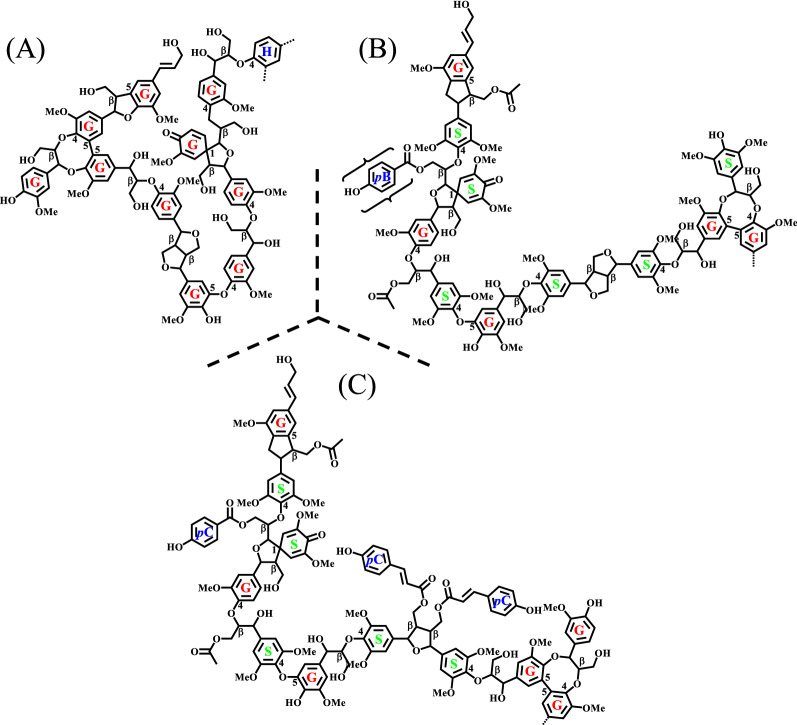
“Due to the natural aromatic polystructure, lignin (which can mainly be extracted from softwood, hardwood, and grass, and the model lignin structures is shown in Fig. 1 [1]) has been regarded as a sustainable alternative to fossil-derived resources to provide valuable biochemicals [2–7].”
§ A review on lignin pyrolysis: pyrolytic behavior, mechanism, and relevant upgrading for improving process efficiency > Abstract
What the sources say
- Not checked — no full text of the sourcecites [2] Sethupathy S Murillo Morales G Gao L Wang H Yang B Jiang J Lignin valorization: status, challenges and opportunities Bioresour Technol 2022 347 126696 10.1016/j.biortech.2022.126696 35026423 source
- Not checked — no full text of the sourcecites [3] Radhika NL Sachdeva S Kumar M Lignin depolymerization and biotransformation to industrially important chemicals/biofuels Fuel 2022 312 122935 10.1016/j.fuel.2021.122935 source
- Not checked — no full text of the sourcecites [4] Kim HU Kim JW Tran NT Limarta SO Ha J-M Park Y-K Direct conversion of lignin to high-quality biofuels by carbon dioxide-assisted hydrolysis combined with transfer hydrogenolysis over supported ruthenium catalysts Energy Convers Manag 2022 261 115607 10.1016/j.enconman.2022.115607 source
- Not checked — no full text of the sourcecites [5] Yang L Zheng T Huang C Yao J Using deep eutectic solvent pretreatment for enhanced enzymatic saccharification and lignin utilization of masson pine Renew Energy 2022 195 681 687 10.1016/j.renene.2022.06.066 source
- Not checked — no full text of the sourcecites [6] Roberto Paz Cedeno F Belon de Siqueira B Gabriel Solorzano Chavez E Ulises Miranda Roldán I Moreira Ropelato L Paul Martínez Galán J Recovery of cellulose and lignin from Eucalyptus by-product and assessment of cellulose enzymatic hydrolysis Renew Energy 2022 193 807 820 10.1016/j.renene.2022.05.027 source
- Partly supportedcites [7] Yuan Y Jiang B Chen H Wu W Wu S Jin Y Recent advances in understanding the effects of lignin structural characteristics on enzymatic hydrolysis Biotechnol Biofuels 2021 14 1 205 10.1186/s13068-021-02054-1 34670604 PMC8527784 sourceExperimental — accuracy not yet measured
The Background describes lignin as an aromatic polymer and lignocellulose as a renewable resource used to produce bioethanol in place of fossil fuels. It identifies cellulose and hemicelluloses—not lignin—as the main polysaccharides for biofuel production, and describes lignin as an obstacle to their conversion. The cited paper therefore does not support the claim that lignin itself is a promising biofuel feedstock because of its aromaticity and renewability. (LLM, conf=0.86)
plainstates a cause- Asserted: passes — The authors put it forward as true.
- Checkable: passes — It can be checked against evidence.
- Load-bearing: passes — The paper’s conclusions depend on it.
- Based: passes — The paper gives a reason why it holds.
- Also stated in: § Introduction · plain
The cited sources support only part of this claim — read each source’s verdict below.
In the paper
“Recently, catalytic pyrolysis has been applied as an efficient method for improving oil quality and stability via deoxygenation reactions with assistance of suitable catalysts [45, 46].”
§ A review on lignin pyrolysis: pyrolytic behavior, mechanism, and relevant upgrading for improving process efficiency > Introduction
What the sources say
- Not checked — no full text of the sourcecites [45] Ryu HW Lee HW Jae J Park Y-K Catalytic pyrolysis of lignin for the production of aromatic hydrocarbons: effect of magnesium oxide catalyst Energy 2019 179 669 675 10.1016/j.energy.2019.05.015 source
- Partly supportedcites [46] Zheng A Huang Z Wei G Zhao K Jiang L Zhao Z Controlling deoxygenation pathways in catalytic fast pyrolysis of biomass and its components by using metal-oxide nanocomposites iScience 2020 23 1 100814 10.1016/j.isci.2019.100814 31954322 PMC6962703 sourceExperimental — accuracy not yet measured
The Introduction (page unavailable) describes catalytic fast pyrolysis as a promising way to produce highly deoxygenated molecules and reports that catalytic pyrolysis can reduce the oxygen content of bio-oil. This supports the deoxygenation and oil-quality aspects of the claim, but the paper does not establish improved bio-oil stability; its mention of stability in Limitations of the Study concerns the catalysts, not the oil. (LLM, conf=0.84)
plainstates a cause- Asserted: passes — The authors put it forward as true.
- Checkable: passes — It can be checked against evidence.
- Load-bearing: passes — The paper’s conclusions depend on it.
- Based: passes — The paper gives a reason why it holds.
The cited sources that could be checked couldn’t confirm or dispute this claim.
In the paper
“Besides, C–O bonds are the most abundant linkages in native lignin, accounting for two-thirds or more of total linkages [9–12].”
§ A review on lignin pyrolysis: pyrolytic behavior, mechanism, and relevant upgrading for improving process efficiency > Introduction
What the sources say
- Not checked — no full text of the sourcecites [9] Li C Zhao X Wang A Huber GW Zhang T Catalytic transformation of lignin for the production of chemicals and fuels Chem Rev 2015 115 21 11559 11624 10.1021/acs.chemrev.5b00155 26479313 source
- Not checked — no full text of the sourcecites [10] Chakar FS Ragauskas AJ Review of current and future softwood kraft lignin process chemistry Ind Crop Prod 2004 20 2 131 141 10.1016/j.indcrop.2004.04.016 source
- Not checked — no full text of the sourcecites [11] Lin F Ma Y Sun Y Song Z Men X Wu Y Selective hydrodeoxygenation of lignin model compound to renewable fuel precursors using two-dimensional nanosheet Ni/HZ5-NS catalyst Renew Energy 2022 189 1278 1291 10.1016/j.renene.2022.02.097 source
- Could not verifycites [12] Umar Y Velasco O Abdelaziz OY Aboelazayem O Gadalla MA Hulteberg CP A renewable lignin-derived bio-oil for boosting the oxidation stability of biodiesel Renew Energy 2022 182 867 878 10.1016/j.renene.2021.10.061 sourceExperimental — accuracy not yet measured
The Introduction (p. 4) describes lignin as an abundant aromatic biopolymer, while the Methods (p. 7) describe its depolymerisation. Neither passage addresses which bonds predominate in native lignin or gives a fraction of total linkages; searches for “linkages,” “two-thirds,” and C–O or ether bonds found no supporting passage in our copy. (LLM, conf=0.77)
plain- Asserted: passes — The authors put it forward as true.
- Checkable: passes — It can be checked against evidence.
- Load-bearing: unclear — It is unclear whether the paper’s conclusions depend on it.
- Based: passes — The paper gives a reason why it holds.
Every source the paper cites for this claim was checked and supports it.
In the paper
“the increasing molecular weight of lignin would decrease the oil yield due to higher yields of gases and solids obtained”
§ A review on lignin pyrolysis: pyrolytic behavior, mechanism, and relevant upgrading for improving process efficiency > Lignin pyrolysis > Lignin pyrolysis mechanism
What the sources say
- Supportedcites [157] Marathe PS Westerhof RJM Kersten SRA Fast pyrolysis of lignins with different molecular weight: experiments and modelling Appl Energy 2019 236 1125 1137 10.1016/j.apenergy.2018.12.058 source
The Conclusions (p. 11) state that as lignin’s number-average molecular weight increased, oil yield decreased while char and gas yields increased. Section 5.2 (p. 8) also reports the decrease in oil yield at both tested pressures. (LLM, conf=0.94)
hedgedstates a cause- Asserted: passes — The authors put it forward as true.
- Checkable: passes — It can be checked against evidence.
- Load-bearing: unclear — It is unclear whether the paper’s conclusions depend on it.
- Based: passes — The paper gives a reason why it holds.
- Supported
133 more claims · 11 with their cited sources checked
Create a free account to see all 257 claims and to verify the 5 references still open.
- It may state two separate claims as one. 105
- Probably not a substantial claim. 29
- The quote only partly states this claim. 2
Claims other papers make about this one
Each is checked against this paper’s own text: does it say what the citing paper says it does?
The cited source doesn’t support the claim as written.
In the citing paper
“Lignin depolymerisation, initiated in the 200-400 • C zone, reached completion within this phase [91].”
From Pilot-Scale Slow Pyrolysis, Post-Heat Treatment, and Self-Heating Performance of Biochar Fuels Derived from Construction, Renovation, and Demolition (CRD) Wood Waste (2026) · cites this paper as [91]
Checked by a reasoning model — may be wrong.
Experimental — accuracy not yet measured
Citations
Cites
Items 201–339 of 339
Progress in application of the pyrolytic lignin from pyrolysis of biomass
Zhang, L., Zhang, S., Hu, X., & Gholizadeh, M. (2021) · Chemical Engineering Journal · doi:10.1016/j.cej.2021.129560 · Cited by 77 · cited 1×
“Lignin accounting for 40% of energy (higher than that of polysaccharides) has been considered as the most promising source for biochemical platform and bioenergy due to its aromatic structure [107, 108].”
BackgroundMargellou, A. G., Lazaridis, P. A., Charisteidis, I. D., Nitsos, C. K., Pappa, C. P., Fotopoulos, A. P., den Bosch, S. V., Sels, B. F., & Triantafyllidis, K. S. (2021) · Applied Catalysis A General · doi:10.1016/j.apcata.2021.118298 · Cited by 77
Sheng, Y., Ma, Z., Wang, X., & Han, Y. (2022) · Food Chemistry · doi:10.1016/j.foodchem.2021.131895 · Cited by 73
Fast pyrolysis of lignins with different molecular weight: Experiments and modelling
Marathe, P. S., Westerhof, R. J. M., & Kersten, S. R. A. (2019) · Applied Energy · doi:10.1016/j.apenergy.2018.12.058 · Cited by 71 · cited 1×
“investigated the effect of molecular weight on lignin pyrolysis, and the results demonstrate that (1) the increasing molecular weight of lignin would decrease the oil yield due to higher yields of gases and solids obtained; (2) the molecular weight of liquid products is independent to that of lignin but is associated…”
Cheng, X.-C., Guo, X.-R., Qin, Z., Wang, X.-D., Liu, H.-M., & Liu, Y.-L. (2020) · International Journal of Biological Macromolecules · doi:10.1016/j.ijbiomac.2020.08.249 · Cited by 71
Jin, T., Wang, H., Peng, J., Wu, Y., Huang, Z., Tian, X., & Ding, M. (2022) · Fuel Processing Technology · doi:10.1016/j.fuproc.2022.107201 · Cited by 71 · cited 1×
“3% over Co-HZSM-5, which is also attributed to its better inhibition of carbon deposition [288].”
BackgroundCo-pyrolysis of lignin and plastics using red clay as catalyst in a micro-pyrolyzer
Patil, V., Adhikari, S., & Cross, P. (2018) · Bioresource Technology · doi:10.1016/j.biortech.2018.09.034 · Cited by 68 · cited 1×
“The co-pyrolysis is a popular method to improve the oil quality via combination of lignin with other hydrogen-rich feedstock, such as the co-pyrolysis of lignin with plastics (a common hydrogen-rich substrate) [316, 317].”
MethodChandra, R., Singh, S., Krishna Reddy, M. M., Patel, D. K., J. Purohit, H., & Kapley, A. (2008) · The Journal of General and Applied Microbiology · doi:10.2323/jgam.54.399 · Cited by 67
Highly Stable Nb2O5–Al2O3 Composites Supported Pt Catalysts for Hydrodeoxygenation of Diphenyl Ether
Guan, W., Chen, X., Jin, S., Li, C., Tsang, C.-W., & Liang, C. (2017) · Industrial & Engineering Chemistry Research · doi:10.1021/acs.iecr.7b03736 · Cited by 67
Analysis of Liquid Products from Biomass via Flash Pyrolysis
Demirbaş, A. (2002) · Energy Sources · doi:10.1080/00908310252888718 · Cited by 66
Nishu, Li, Y., & Liu, R. (2022) · Journal of the Energy Institute · doi:10.1016/j.joei.2022.01.001 · Cited by 66 · cited 2×
“, NaOH), the pore properties and acidic sites density of zeolites are all changed, with the enhanced performance on cracking bulky oxygenates (such as phenols) to produce AHs with sharper selectivity [47, 286, 287].”
BackgroundMajeke, B. M., Collard, F., Tyhoda, L., & Görgens, J. F. (2020) · Bioresource Technology · doi:10.1016/j.biortech.2020.124152 · Cited by 66
Thermal characterization of softwood lignin modification by termite Coptotermes formosanus (Shiraki)
Ke, J., Singh, D., Yang, X., & Chen, S. (2011) · Biomass and Bioenergy · doi:10.1016/j.biombioe.2011.05.010 · Cited by 65
Dai, L., Wang, Y., Liu, Y., Ruan, R., He, C., Duan, D., Zhao, Y., Yu, Z., Jiang, L., & Wu, Q. (2019) · Energy Conversion and Management · doi:10.1016/j.enconman.2018.10.079 · Cited by 65
Fast pyrolysis of pitch pine biomass in a bubbling fluidized-bed reactor for bio-oil production
Tran, Q. K., Le, M. L., Ly, H. V., Woo, H. C., Kim, J., & Kim, S.-S. (2021) · Journal of Industrial and Engineering Chemistry · doi:10.1016/j.jiec.2021.04.005 · Cited by 65
Liu, E., Segato, F., Prade, R. A., & Wilkins, M. R. (2021) · Bioresource Technology · doi:10.1016/j.biortech.2021.125564 · Cited by 65
Effect of Ionic Liquid Treatment on Pyrolysis Products from Bamboo
Muhammad, N., Omar, W. N., Man, Z., Bustam, M. A., Rafiq, S., & Uemura, Y. (2012) · Industrial & Engineering Chemistry Research · doi:10.1021/ie2014313 · Cited by 63 · cited 1×
“Except for the nature of IL-extracted lignin, the secondary intra-particle reactions are also important factors in exothermic behaviors and thermal runway, thus having a significant effect on the kinetic mechanism and the magnitude of activation energy during pyrolysis [274, 278].”
BackgroundCorrelation of Feedstock and Bio-oil Compound Distribution
Li, J., Chen, Y., Yang, H., Zhu, D., Chen, X., Wang, X., & Chen, H. (2017) · Energy & Fuels · doi:10.1021/acs.energyfuels.7b00545 · Cited by 63 · cited 1×
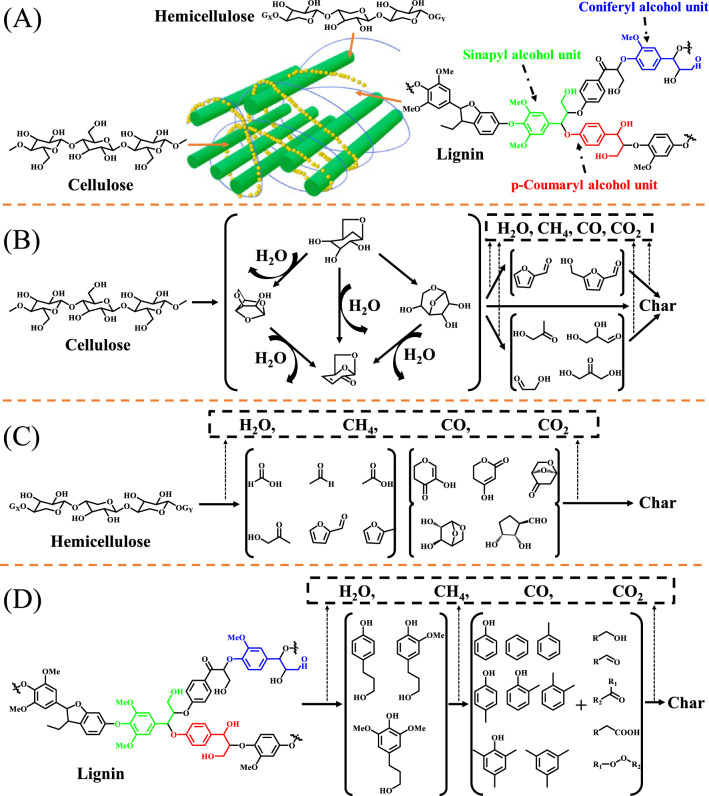
“For example, cellulosic-derived biofuels are rich in acids, furans, and ketones, which are similar to those of hemicellulose-derived ones, while lignin-derived biofuels reveal a great capacity to produce phenolic compounds [101].”
BackgroundZheng, A., Huang, Z., Wei, G., Zhao, K., Jiang, L., Zhao, Z., Tian, Y., & Li, H. (2020) · iScience · doi:10.1016/j.isci.2019.100814 · Cited by 62 · cited 1×
“Recently, catalytic pyrolysis has been applied as an efficient method for improving oil quality and stability via deoxygenation reactions with assistance of suitable catalysts [45, 46].”
MethodWang, C., Xia, S., Cui, C., Kang, S., Zheng, A., Yu, Z., & Zhao, Z. (2022) · Fuel · doi:10.1016/j.fuel.2022.125215 · Cited by 62
Pin, T. C., Nascimento, V. M., da Costa, A. C., Pu, Y., Ragauskas, A. J., & Rabelo, S. C. (2020) · Renewable Energy · doi:10.1016/j.renene.2020.07.078 · Cited by 62 · cited 1×
“Due to the high solubility of lignin (of which the mechanism is proposed to be realized by breaking H-bonds in lignin and combining the aromatic nucleus and aliphatic chain of lignin [266]), low energy consumption, environmentally friendly, solvent recycling, and low cost for synthesis [267, 268], many ILs have been u…”
MethodModel free kinetic analysis of biomass/sorbent blends for gasification purposes
Mabuda, A. I., Mamphweli, N. S., & Meyer, E. L. (2016) · Renewable and Sustainable Energy Reviews · doi:10.1016/j.rser.2015.07.038 · Cited by 61 · cited 1×
“Furthermore, heating rate is another important factor for lignin pyrolysis, indicating that the increasing heating rate would increase the reaction temperature and reduce the reaction period by accelerating pyrolysis [265, 276, 277].”
BackgroundDesulfurization of kraft lignin
Евдокимов, А. Н., Kurzin, A. V., Fedorova, O. V., Владимирович, Л. П., Kazakov, V. G., & Дмитриевна, Т. А. (2018) · Wood Science and Technology · doi:10.1007/s00226-018-1014-1 · Cited by 61 · cited 1×
“For example, many methods, such as adsorption, sodium hydroxide treatment, the oxidation of thiols and sulfides to sulfoxides and sulfones followed by organosolv extraction, direct sulfur extraction by organic solvents, recovering organic sulfur compounds by P(III)-based systems as well as elemental sulfur recovery wi…”
MethodRamakoti, B., Dhanagopal, H., Deepa, K., Rajesh, M., Ramaswamy, S., & Tamilarasan, K. (2019) · Bioresource Technology Reports · doi:10.1016/j.biteb.2019.100293 · Cited by 61 · cited 1×
“Organosolv lignin Due to the low requirement for strong acids or bases, sulfur absence, simple downstream separation, and solvent recycling, organosolv fractionation using ethanol (the most commonly used) [206–209], ethyl acetate [210], acetone [211], etc.”
MethodTao, L., Ma, X., Ye, L., Jia, J., Wang, L., Ma, P., & Liu, J. (2021) · Journal of Analytical and Applied Pyrolysis · doi:10.1016/j.jaap.2021.105267 · Cited by 60
Fast pyrolysis of Kraft lignins fractionated by ultrafiltration
Shao, L., Zhang, X., Chen, F., & Xu, F. (2017) · Journal of Analytical and Applied Pyrolysis · doi:10.1016/j.jaap.2017.11.003 · Cited by 59 · cited 2×
“, fractionations via organosolv method [135], ultrafiltration [154], and gradient acid precipitation [190]) were used for the treatment of Kraft lignin.”
BackgroundMethodThermochemical properties of lignin extracted from willow by deep eutectic solvents (DES)
Lyu, G., Wu, Q., Li, T., Jiang, W., Ji, X., & Yang, G. (2019) · Cellulose · doi:10.1007/s10570-019-02489-8 · Cited by 59 · cited 1×
“Methoxy is an important functional group in lignin, which can affect the repolymerization degree of lignin during pyrolysis [136], and also is defined as an important factor to promote the formation of char residues [137–139].”
BackgroundEffects of chemical form of sodium on the product characteristics of alkali lignin pyrolysis
Guo, D.-L., Yuan, H.-Y., Yin, X.-L., Wu, C.-Z., Wu, S.-B., & Zhou, Z.-Q. (2014) · Bioresource Technology · doi:10.1016/j.biortech.2013.10.057 · Cited by 57 · cited 2×
“investigated the effect of Na treatment on lignin char and volatiles formations during fast pyrolysis, suggesting that the Na treated lignin exhibits the increasing yields of char (due to the catalytic effect derived from Na species [197]), the enhanced gasification of lignin [198] and the highest selectivity to aroma…”
BackgroundKumar, A., Kumar, A., Kumar, J., & Bhaskar, T. (2019) · Bioresource Technology · doi:10.1016/j.biortech.2019.121822 · Cited by 57 · cited 28×
“[48] used five types of parent zeolites [HZSM-5 (25), HZSM-5 (85), Al-MCM-41, HY, and USY] in lignin pyrolysis, among which HZSM-5 (25) is the most effective one to produce AHs (BTX), showing the highest selectivity of 56.56%.”
InfluentialTan, Y. T., Chua, A. S. M., & Ngoh, G. C. (2020) · Industrial Crops and Products · doi:10.1016/j.indcrop.2020.112729 · Cited by 57
Ionic liquid and water separation by membrane distillation
Lynam, J. G., Chow, G. I., Coronella, C. J., & Hiibel, S. R. (2016) · Chemical Engineering Journal · doi:10.1016/j.cej.2015.12.028 · Cited by 56 · cited 1×
“, ethanol or H2O, which would cause the generation of impurities in recovered ILs) [260], reverse micelle method (which can extract almost pure [Mmim] and [DMP] from pretreated mixture), or membrane distillation (separating ILs and water) [261].”
MethodLuo, Z., Lu, K., Yang, Y., Li, S., & Li, G. (2019) · RSC Advances · doi:10.1039/c9ra02538c · Cited by 56 · cited 1×
“Aromatic hydrocarbons (AHs), such as monocyclic aromatic hydrocarbons (MAHs) and polycyclic aromatic hydrocarbons (PAHs), are the major products from lignin catalytic pyrolysis using zeolites, wherein naphthalene and anthracene obtained from PAHs can be directly used as fuel additives [53, 54].”
BackgroundDemethylation of a methoxy group to inhibit repolymerization during alkaline lignin pyrolysis
Ma, H., Li, T., Wu, S., & Zhang, X. (2021) · Fuel · doi:10.1016/j.fuel.2020.119394 · Cited by 56 · cited 2×
“Besides, with the enhancement of demethylation degree, the main components of demethylated lignin pyrolytic products are adjusted from methoxyphenols to H-type phenols, such as phenols, methyl phenols, and catechol [140].”
BackgroundRashid, T., Sher, F., Khan, A. S., Khalid, U., Rasheed, T., Iqbal, H. M. N., & Murugesan, T. (2021) · Fuel · doi:10.1016/j.fuel.2021.120133 · Cited by 56 · cited 3×
“used a protic ionic liquid pyridinium formate [PyFor] to extract lignin from various palm biomass, such as empty fruit bunches (EFB), palm mesocarp fiber (PMF), and palm kernel shell (PKS) [271], and three kinetic models (i.”
MethodPhenol-derived products from fast pyrolysis of organosolv lignin
Soongprasit, K., Sricharoenchaikul, V., & Atong, D. (2020) · Energy Reports · doi:10.1016/j.egyr.2020.08.040 · Cited by 55 · cited 1×
“, BG-lignin) using organosolv method (95% ethanol) and investigated its phenolic production from fast pyrolysis using Py-GC/MS technique [216].”
MethodIdentifying the primary reactions and products of fast pyrolysis of alkali lignin
Supriyanto, Usino, D. O., Ylitervo, P., Dou, J., Sipponen, M. H., & Richards, T. (2020) · Journal of Analytical and Applied Pyrolysis · doi:10.1016/j.jaap.2020.104917 · Cited by 54 · cited 2×
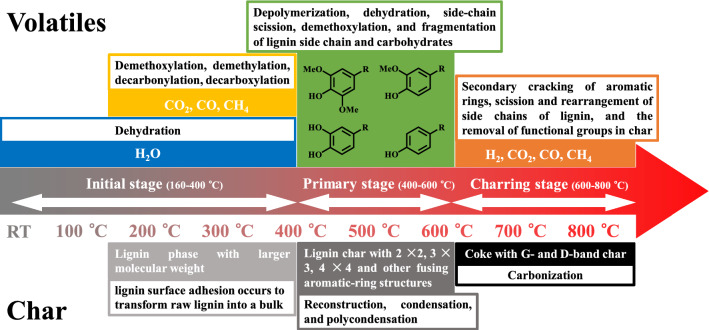
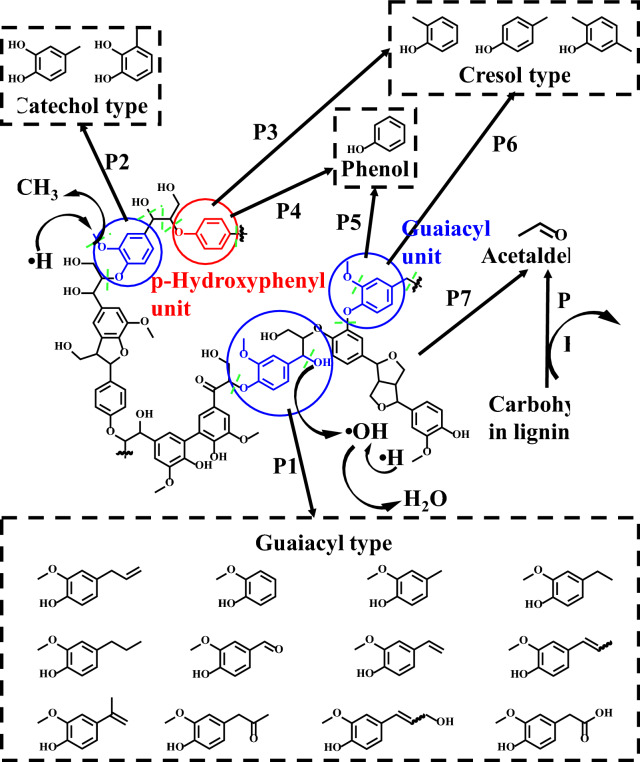
“5 Proposed reaction pathways for primary stage of lignin pyrolysis (P1: depolymerization and dehydration; P2: side-chain scission and demethylation; P3, P4: depolymerization; P5: demethoxylation; P6: side-chain scission and demethoxylation; P7: fragmentation of lignin side chains; P8: dehydration and fragmentation of…”
BackgroundDissolution and Separation of Wood Biopolymers Using Ionic Liquids
Muhammad, N., Man, Z. B., Mutalib, M. I. A., Bustam, M. A., Wilfred, C. D., Khan, A. S., Ullah, Z., Gonfa, G. H., & Nasrullah, A. (2015) · ChemBioEng Reviews · doi:10.1002/cben.201500003 · Cited by 54 · cited 1×
“Due to the high solubility of lignin (of which the mechanism is proposed to be realized by breaking H-bonds in lignin and combining the aromatic nucleus and aliphatic chain of lignin [266]), low energy consumption, environmentally friendly, solvent recycling, and low cost for synthesis [267, 268], many ILs have been u…”
MethodA comparison of the pyrolysis behavior of selected β-O-4 type lignin model compounds
Jiang, W., Wu, S., Lucia, L. A., & Chu, J. (2017) · Journal of Analytical and Applied Pyrolysis · doi:10.1016/j.jaap.2017.04.003 · Cited by 53 · cited 1×
“The pyrolysis mechanism can be summarized as (1) almost no lignin conversion happens before 200 °C due to its thermal stability, (2) aromatic side chains can be cleaved to form some light gases as the temperature increasing up to 250 °C [171], (3) from 250 to 350 °C, depolymerization and condensation exist as competin…”
BackgroundEvolution of sulfur during fast pyrolysis of sulfonated Kraft lignin
Han, T., Sophonrat, N., Evangelopoulos, P., Persson, H., Yang, W., & Jönsson, P. (2018) · Journal of Analytical and Applied Pyrolysis · doi:10.1016/j.jaap.2018.04.006 · Cited by 51 · cited 1×
“investigated the evolution of sulfur-containing compounds during Kraft lignin pyrolysis [181].”
BackgroundEnzymatic demethylation of Kraft lignin for lignin-based phenol-formaldehyde resin applications
Venkatesagowda, B., & Dekker, R. F. H. (2020) · Biomass Conversion and Biorefinery · doi:10.1007/s13399-019-00407-3 · Cited by 51 · cited 1×
“Besides, bio-treatment can also reduce the content of methoxy via enzymatic oxidation [253] and demethylation [254], thus decreasing char yield at high temperatures (e.”
BackgroundLi, S., Luo, Z., Wang, W., Lu, K., Yang, Y., & Liang, X. (2020) · Fuel · doi:10.1016/j.fuel.2019.116516 · Cited by 51 · cited 1×
“Among all phenolic compounds, G- and H-type phenols are generated by lignin side-chain fragmentation and free radical polymerization, while C-type phenols are mainly derived from side-chain fracture and thermal demethylation of other types of monophenols [232, 233].”
BackgroundChua, Y. W., Wu, H., & Yu, Y. (2021) · Proceedings of the Combustion Institute · doi:10.1016/j.proci.2020.08.014 · Cited by 51 · cited 1×
“On the other hand, some studies also focused on the enhancement of oil production and char evolution via co-pyrolysis, such as lignin–collagen [331], lignin–cellulose [123, 124], lignin–waste oil [61], lignin–oil shale [332], lignin/cellulose/sawdust-coke bottle [333], and lignin–coal [334, 335], of which the detailed…”
BackgroundSun, H., Luo, Z., Wang, W., Li, S., & Xue, S. (2021) · Energy Conversion and Management · doi:10.1016/j.enconman.2021.114753 · Cited by 51
Dissolution and fractionation of nut shells in ionic liquids
Carneiro, A. P., Rodríguez, O., & Macedo, E. A. (2016) · Bioresource Technology · doi:10.1016/j.biortech.2016.11.112 · Cited by 50 · cited 1×
“Some ILs have been used as solvents for lignocellulosic biomass pretreatment, such as 1-butyl-3-methylimidazolium chloride ([Bmin][Cl]), 1-hexyl-3-methylimidazolium chloride [Hmin][Cl], 1-octyl-3-methylimidazolium chloride ([Omin][Cl]) [262], 1-ethyl-3-methylimidazolium acetate [Emin][OAc] [263, 264], and 1-butyl-3-me…”
MethodStructure characterization and pyrolysis behavior of organosolv lignin isolated from corncob residue
Lv, X., Li, Q., Jiang, Z., Wang, Y., Li, J., & Hu, C. (2018) · Journal of Analytical and Applied Pyrolysis · doi:10.1016/j.jaap.2018.10.016 · Cited by 50
Production of phenolic chemicals from hydrolysis lignin via catalytic fast pyrolysis
Paysepar, H., Venkateswara Rao, K. T., Yuan, Z., Shui, H., & Xu, C. (2020) · Journal of Analytical and Applied Pyrolysis · doi:10.1016/j.jaap.2020.104842 · Cited by 50
Hu, C., Liu, C., Liu, Q., Zhang, H., Wu, S., & Xiao, R. (2020) · Fuel Processing Technology · doi:10.1016/j.fuproc.2020.106562 · Cited by 50
Mehta, M. J., Kulshrestha, A., Sharma, S., & Kumar, A. (2020) · Green Chemistry · doi:10.1039/d0gc03463k · Cited by 50
Li, S., Luo, Z., Wang, W., Sun, H., Xie, J., & Liang, X. (2020) · Bioresource Technology · doi:10.1016/j.biortech.2020.123853 · Cited by 49 · cited 1×
“2 wt% with extremely high selectivity of MAHs at 94% due to its efficient inhibition of PAHs and coke/char formation and effective deoxygenation ability [303].”
BackgroundLi, W., Wang, D., Zhu, Y., Chen, J., Lu, Y., Li, S., Zheng, Y., & Zheng, Z. (2020) · Biomass and Bioenergy · doi:10.1016/j.biombioe.2020.105794 · Cited by 47 · cited 1×
“Furthermore, AC has been investigated as an effective catalyst for the selective generation of phenols (the heavy components in bio-oils) [294, 295].”
BackgroundYang, H., Han, T., Shi, Z., Sun, Y., Jiang, J., Sandström, L., Jönsson, P. G., & Yang, W. (2022) · Fuel Processing Technology · doi:10.1016/j.fuproc.2021.107103 · Cited by 47 · cited 1×
“Another important factor is its efficient inhibition to tar production and char agglomeration [296].”
BackgroundYan, K., Liu, F., Chen, Q., Ke, M., Huang, X., Hu, W., Zhou, B., Zhang, X., & Yu, H. (2016) · Biotechnology for Biofuels · doi:10.1186/s13068-016-0489-y · Cited by 46
Asatryan, R., Bennadji, H., Bozzelli, J. W., Ruckenstein, E., & Khachatryan, L. (2017) · The Journal of Physical Chemistry A · doi:10.1021/acs.jpca.7b01656 · Cited by 46 · cited 1×
“In addition, cresol-type compounds can also be generated from p-hydroxyphenyl units via depolymerization (P3 and P4) [167].”
BackgroundPongchaiphol, S., Suriyachai, N., Hararak, B., Raita, M., Laosiripojana, N., & Champreda, V. (2022) · International Journal of Biological Macromolecules · doi:10.1016/j.ijbiomac.2022.07.007 · Cited by 46
Aqueous ethanol organosolv process for the valorization of Brewer’s spent grain (BSG)
Parchami, M., Agnihotri, S., & Taherzadeh, M. J. (2022) · Bioresource Technology · doi:10.1016/j.biortech.2022.127764 · Cited by 46
Pyrolysis–GC/MS of sinapyl and coniferyl alcohol
Harman-Ware, A. E., Crocker, M., Kaur, A. P., Meier, M. S., Kato, D., & Lynn, B. (2013) · Journal of Analytical and Applied Pyrolysis · doi:10.1016/j.jaap.2012.10.001 · Cited by 45 · cited 1×
“With the temperature rising, several interconversion reactions are all enhanced, such as (1) S-/G-type phenols converted to H-type ones via demethoxylation reaction of methoxy; (2) H-type phenols converted to aromatic hydrocarbons via dehydroxylation reaction [217, 218]; (3) monolignol compounds converted to hydrocarb…”
BackgroundJampa, S., Puente-Urbina, A., Ma, Z., Wongkasemjit, S., Luterbacher, J. S., & van Bokhoven, J. A. (2019) · ACS Sustainable Chemistry & Engineering · doi:10.1021/acssuschemeng.8b05498 · Cited by 45 · cited 1×
“The volatile products distribution shows that G-type phenols are the major compounds due to the nature of Kraft lignin extracted from black liquor [230, 231].”
BackgroundDu, X., Wu, S., Li, T., Yin, Y., & Zhou, J. (2022) · Fuel Processing Technology · doi:10.1016/j.fuproc.2022.107232 · Cited by 45
Pyrolysis mechanism law of β-O-4 lignin dimer model compounds: A density functional theory study
Yu, H., Wang, S., Sun, Y., Zhang, W., Li, R., & Kang, X. (2022) · Industrial Crops and Products · doi:10.1016/j.indcrop.2022.114746 · Cited by 45 · cited 1×
“For deeply understanding the pyrolysis mechanism, some studies also used ligninderived model compounds as pyrolyzed subjects, revealing that several linkages cleavage (such as Cβ–O and Cα–Cβ) occurred simultaneously [42, 43].”
MethodCH and NH bond dissociation energies of five‐ and six‐membered ring aromatic compounds
Feng, Y., Wang, J., Liu, L., & Guo, Q. (2003) · Journal of Physical Organic Chemistry · doi:10.1002/poc.679 · Cited by 44
Hydropyrolysis of lignocellulosic biomass: state of the art review
Balagurumurthy, B., & Bhaskar, T. (2014) · Biomass Conversion and Biorefinery · doi:10.1007/s13399-013-0086-2 · Cited by 43 · cited 1×
“Pyrolysis is a kind of thermochemical reaction performed in the absence of oxygen with a certain of heating rate [66], which is an efficient method for converting biomass materials into biofuels [67–71].”
MethodLignin from energy plant (Arundo donax): Pyrolysis kinetics, mechanism and pathway evaluation
Yang, J., Wang, X., Shen, B., Hu, Z., Xu, L., & Yang, S. (2020) · Renewable Energy · doi:10.1016/j.renene.2020.08.024 · Cited by 43 · cited 1×
“Pyrolytic results including the composition, carbon number and atomic ratio (C/H, C/O) of bio-oils was obtained for proposing pyrolysis mechanism and possible reaction pathway [128].”
MethodLi, T., Yin, Y., Wu, S., & Du, X. (2022) · Bioresource Technology · doi:10.1016/j.biortech.2021.126120 · Cited by 42 · cited 1×
“to modify softwood Kraft lignin (SKL) for improving the pyrolytic products distribution [229].”
BackgroundMa, C., Xie, S., Kumagai, S., Takahashi, Y., Saito, Y., Kameda, T., & Yoshioka, T. (2022) · Chemical Engineering Journal · doi:10.1016/j.cej.2021.134030 · Cited by 42
Yu, J., Luo, B., Wang, Y., Wang, S., Wu, K., Liu, C., Chu, S., & Zhang, H. (2022) · Bioresource Technology · doi:10.1016/j.biortech.2021.126640 · Cited by 42 · cited 2×
“26 wt%) with high selectivity to toluene (> 98%) and high deoxygenation ratio of > 95% [298].”
BackgroundZhang, H., Luo, B., Wu, K., Zhao, B., Yu, J., Wang, S., & Tao, Y. (2022) · Fuel · doi:10.1016/j.fuel.2022.123635 · Cited by 41
Shi, L., Yu, H., Dong, T., Kong, W., Ke, M., Ma, F., & Zhang, X. (2014) · Process Biochemistry · doi:10.1016/j.procbio.2014.03.028 · Cited by 40
Catalytic depolymerization of organosolv sugarcane bagasse lignin in cooperative ionic liquid pairs
Li, Y., Cai, Z., Liao, M., Long, J., Zhao, W., Chen, Y., & Li, X. (2017) · Catalysis Today · doi:10.1016/j.cattod.2017.04.059 · Cited by 40
Pyrolysis characteristics and volatiles formation rule of organic solvent fractionized kraft lignin
Chen, S., Cheng, H., & Wu, S. (2020) · Fuel · doi:10.1016/j.fuel.2020.117520 · Cited by 40 · cited 4×
“DES can reduce lignin molecular weight via cleaving weak bonding linkages, like β-O-4, which is conductive to improve the subsequent lignin pyrolysis efficiency [135, 228].”
BackgroundMethodInfluentialLignin Characterization and Catalytic Pyrolysis for Phenol-Rich Oil with TiO2-Based Catalysts
Dong, Z., Yang, H., Chen, P., Liu, Z., Chen, Y., Wang, L., Wang, X., & Chen, H. (2019) · Energy & Fuels · doi:10.1021/acs.energyfuels.9b02341 · Cited by 39 · cited 1×
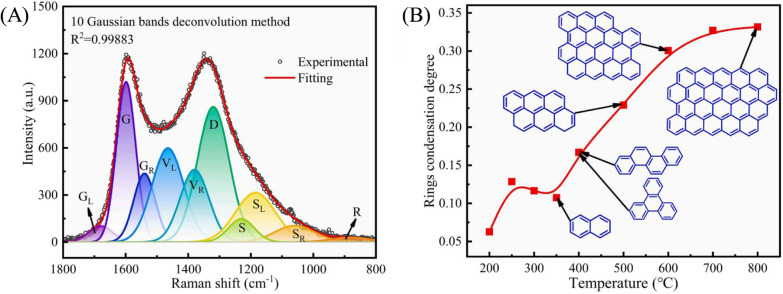
“, methoxyphenols) via linkages cleavage [172], (4) from 350 to 450 °C, the condensation reaction is enhanced, including repolymerization and condensation, to generate char with 1 × 2 and 2 × 2 fused-ring structures, (5) at 450–600 °C, demethylation, demethoxylation, and dehydrogenation reactions occur to form CH4 and…”
BackgroundYu, H., Liu, F., Ke, M., & Zhang, X. (2015) · Bioresource Technology · doi:10.1016/j.biortech.2015.03.005 · Cited by 38
Kim, J.-Y., & Choi, J. W. (2019) · Fuel · doi:10.1016/j.fuel.2018.11.116 · Cited by 38 · cited 1×
“DES can reduce lignin molecular weight via cleaving weak bonding linkages, like β-O-4, which is conductive to improve the subsequent lignin pyrolysis efficiency [135, 228].”
BackgroundEconomical concerns of lignin in the energy sector
Sharma, A., Kaur, P., Singh, G., & Arya, S. K. (2021) · Cleaner Engineering and Technology · doi:10.1016/j.clet.2021.100258 · Cited by 38 · cited 1×
“As the only renewable alternative of non-renewable fossil fuels for producing aromatic compounds, lignin can be thermally decomposed via pyrolysis technology to obtain low-molecular-weight phenolic compounds (important intermediates in biochemical platform) and to generate aromatic hydrocarbons (advanced fuel additive…”
BackgroundBai, J., Chen, X., Shao, J., Jia, C., & Wang, Q. (2019) · Journal of the Energy Institute · doi:10.1016/j.joei.2018.04.007 · Cited by 37 · cited 1×
“On the other hand, some studies also focused on the enhancement of oil production and char evolution via co-pyrolysis, such as lignin–collagen [331], lignin–cellulose [123, 124], lignin–waste oil [61], lignin–oil shale [332], lignin/cellulose/sawdust-coke bottle [333], and lignin–coal [334, 335], of which the detailed…”
BackgroundThermochemical treatment of olive mill solid waste and olive mill wastewater: Pyrolysis kinetics
Guida, M. Y., Bouaik, H., Tabal, A., Hannioui, A., Solhy, A., Barakat, A., Aboulkas, A., & El harfi, K. (2016) · Journal of Thermal Analysis and Calorimetry · doi:10.1007/s10973-015-5061-7 · Cited by 36
Biochar-based bioenergy and its environmental impact in Northwestern Ontario Canada: A review
Homagain, K., Shahi, C., Luckai, N., & Sharma, M. (2014) · Journal of Forestry Research · doi:10.1007/s11676-014-0522-6 · Cited by 36
Lignin Depolymerization to BTXs
Serrano, L., Cecilia, J. A., García-Sancho, C., & García, A. (2019) · Topics in Current Chemistry · doi:10.1007/s41061-019-0251-6 · Cited by 36 · cited 1×
“Aromatic hydrocarbons (AHs), such as monocyclic aromatic hydrocarbons (MAHs) and polycyclic aromatic hydrocarbons (PAHs), are the major products from lignin catalytic pyrolysis using zeolites, wherein naphthalene and anthracene obtained from PAHs can be directly used as fuel additives [53, 54].”
BackgroundXu, L., He, Z., Zhang, H., Wu, S., Dong, C., & Fang, Z. (2021) · Bioresource Technology · doi:10.1016/j.biortech.2020.124252 · Cited by 35
Revealing G-lignin model compounds pyrolysis behavior: β-O-4 and 5-5′ dimer and trimer
Wang, L., Yin, J., Jiang, J., Zhang, Y., Song, M., Zhang, R., Dong, Z., Yang, H., & Yu, H. (2022) · Fuel · doi:10.1016/j.fuel.2022.123531 · Cited by 35 · cited 1×
“For deeply understanding the pyrolysis mechanism, some studies also used ligninderived model compounds as pyrolyzed subjects, revealing that several linkages cleavage (such as Cβ–O and Cα–Cβ) occurred simultaneously [42, 43].”
MethodHung, C.-M., Chen, C.-W., Huang, C.-P., Yang, Y.-Y., & Dong, C.-D. (2022) · Bioresource Technology · doi:10.1016/j.biortech.2022.127246 · Cited by 35 · cited 1×
“Finally, lignin biochar with abundant functional groups (such as –OH and –OCH3) would be generated via carbonization [133].”
BackgroundYang, L., Zheng, T., Huang, C., & Yao, J. (2022) · Renewable Energy · doi:10.1016/j.renene.2022.06.066 · Cited by 35
Yang, H., Han, T., Yang, W., Sandström, L., & Jönsson, P. G. (2022) · Journal of Analytical and Applied Pyrolysis · doi:10.1016/j.jaap.2022.105536 · Cited by 35
Catalytic Fast Pyrolysis of Lignin Over Mesoporous Y Zeolite Using Py-GC/MS
Lee, H. W., Kim, T. H., Park, S. H., Jeon, J.-K., Suh, D. J., & Park, Y.-K. (2013) · Journal of Nanoscience and Nanotechnology · doi:10.1166/jnn.2013.7421 · Cited by 34
Ma, F., Huang, X., Ke, M., Shi, Q., Chen, Q., Shi, C., Zhang, J., Zhang, X., & Yu, H. (2017) · ACS Sustainable Chemistry & Engineering · doi:10.1021/acssuschemeng.7b01685 · Cited by 34 · cited 1×
“For example, oil production can be significantly improved after lignin enzymatic modification at all reaction temperatures, which is due to the decreasing content of C–C bonds in treated lignin samples [250], leading to the enhanced depolymerization of lignin structure, especially at higher temperatures.”
BackgroundKim, H. U., Kim, J. W., Tran, N. T., Limarta, S. O., Ha, J.-M., Park, Y.-K., & Jae, J. (2022) · Energy Conversion and Management · doi:10.1016/j.enconman.2022.115607 · Cited by 33
Roberto Paz Cedeno, F., Belon de Siqueira, B., Gabriel Solorzano Chavez, E., Ulises Miranda Roldán, I., Moreira Ropelato, L., Paul Martínez Galán, J., & Masarin, F. (2022) · Renewable Energy · doi:10.1016/j.renene.2022.05.027 · Cited by 33
Yang, W., Wang, X., Ni, S., Liu, X., Liu, R., Hu, C., & Dai, H. (2021) · Separation and Purification Technology · doi:10.1016/j.seppur.2021.118599 · Cited by 32 · cited 1×
“to extract aromatic monomers from lignin oils, of which the extraction efficiency was 80% [341].”
BackgroundDetermination of chemical modification of eucalypt kraft lignin after thermal treatment by Py-GC–MS
Demuner, I. F., Gomes, F. J. B., Coura, M. R., Gomes, J. S., Demuner, A. J., Carvalho, A. M. M. L., & Silva, C. M. (2021) · Journal of Analytical and Applied Pyrolysis · doi:10.1016/j.jaap.2021.105158 · Cited by 32 · cited 1×
“Results show that the thermal treatment promotes demethylation and demethoxylation [189].”
BackgroundRadical footprinting and regularity revealing during the pyrolysis of technical lignins
Fan, Y., Zhang, Z., Wang, Z., Yu, H., Kong, X., Li, P., Li, M., Xiao, R., & Liu, C. (2022) · Bioresource Technology · doi:10.1016/j.biortech.2022.127648 · Cited by 32 · cited 1×
“the proposed radical-mediated reaction processes during pyrolysis was proposed including lignin homolysis at 400–450/450–600 °C (to form active lignin radicals, such as phenolics), and radicals recombination at 600–700 °C (to generate some low-molecular-weight gases and char/ coke) [188].”
BackgroundKlemetsrud, B., Eatherton, D., & Shonnard, D. (2017) · Energy & Fuels · doi:10.1021/acs.energyfuels.6b02836 · Cited by 31
Structural changes of chars produced from fast pyrolysis of lignin at 100–300 °C
Chua, Y. W., Yu, Y., & Wu, H. (2019) · Fuel · doi:10.1016/j.fuel.2019.115754 · Cited by 31
Fan, Y., Yang, B., Zhang, B., Wu, Z., Sun, Z., & Shang, J. (2021) · Journal of the Energy Institute · doi:10.1016/j.joei.2021.04.009 · Cited by 31 · cited 1×
“On the other hand, some studies also focused on the enhancement of oil production and char evolution via co-pyrolysis, such as lignin–collagen [331], lignin–cellulose [123, 124], lignin–waste oil [61], lignin–oil shale [332], lignin/cellulose/sawdust-coke bottle [333], and lignin–coal [334, 335], of which the detailed…”
BackgroundThe role of inorganic sulfur compounds in the pyrolysis of Kraft lignin
Dondi, D., Zeffiro, A., Speltini, A., Tomasi, C., Vadivel, D., & Buttafava, A. (2014) · Journal of Analytical and Applied Pyrolysis · doi:10.1016/j.jaap.2014.02.002 · Cited by 30 · cited 1×
“that the presence of sulfates as oxidizers can increase the amount of CO2 formed at high pyrolytic temperatures (> 200 °C), higher than the theoretical value of CO2 production from carboxyl groups in lignin [182].”
BackgroundXue, S., Luo, Z., Wang, W., Li, S., Sun, H., Zhou, Q., & Liang, X. (2020) · Journal of Analytical and Applied Pyrolysis · doi:10.1016/j.jaap.2020.104884 · Cited by 30 · cited 1×
“1 mg/g [291], and double-layer metal supported core–shell (ZSM-5@MCM-41, Z@M) catalysts (Me1Z@Me2M) showed synergistic effect on the promotion of MAHs selectivity via phenols, immoderate aromatization, and polymerization inhibitions [292].”
BackgroundLi, X.-Y., Guo, T.-S., Li, M.-F., & Peng, F. (2021) · Journal of Materials Research and Technology · doi:10.1016/j.jmrt.2021.07.017 · Cited by 30 · cited 1×
“extracted lignin with ChCl-formic acid/lactic acid systems (FDES/AEDS) for the comparative investigation of lignin structure, thermal stability, and pyrolytic products distribution [236].”
MethodHigh yield production of levoglucosan via catalytic pyrolysis of cellulose at low temperature
Jiang, L., Luo, J., Xu, F., Qian, L., Wang, Y., Li, H., & Fang, Z. (2022) · Fuel · doi:10.1016/j.fuel.2022.124369 · Cited by 30 · cited 1×
“2A, cellulose is the most abundant polysaccharide in nature, which is a linear polymer of d-glucosyl surrounded by the heterogeneous polysaccharide, hemicellulose, and lignin, and connected by β-1,4-glycoside and intra/intermolecular hydrogen bonds [74].”
BackgroundSulfur contaminations inhibit depolymerization of Kraft lignin
Daniel, D., Khachatryan, L., Astete, C., Asatryan, R., Marculescu, C., & Boldor, D. (2019) · Bioresource Technology Reports · doi:10.1016/j.biteb.2019.100341 · Cited by 29 · cited 1×
“Furthermore, sulfur contaminations would also inhibit the depolymerization of Kraft lignin [184].”
BackgroundJin, T., Zhang, D., Peng, J., Wu, Y., Ma, J., Zhang, J., Tian, X. N., & Ding, M. (2022) · Fuel Processing Technology · doi:10.1016/j.fuproc.2022.107308 · Cited by 29
A renewable lignin-derived bio-oil for boosting the oxidation stability of biodiesel
Umar, Y., Velasco, O., Abdelaziz, O. Y., Aboelazayem, O., Gadalla, M. A., Hulteberg, C. P., & Saha, B. (2022) · Renewable Energy · doi:10.1016/j.renene.2021.10.061 · Cited by 27
Extraction of phenols from bio-oil aqueous fraction by hydrophobic ionic liquids
DENG, J.-J., LUO, Z.-J., WANG, C., & ZHU, X.-F. (2021) · Journal of Fuel Chemistry and Technology · doi:10.1016/s1872-5813(21)60108-1 · Cited by 27
Wan, Z., Wang, S., Li, Z., Yi, W., Zhang, A., Li, Y., & Zhang, P. (2022) · Journal of Analytical and Applied Pyrolysis · doi:10.1016/j.jaap.2022.105491 · Cited by 27
Valorisation of a lignin-rich residue via catalytic pyrolysis over ZrO2/ZSM-5 technical catalyst
Lago, A., Hernando, H., Moreno, J. M., Serrano, D. P., & Fermoso, J. (2021) · Fuel Processing Technology · doi:10.1016/j.fuproc.2021.106746 · Cited by 26 · cited 1×
“ZrO2/ZSM-5 realized the significant reduction of oxygen content from 30 to 10 wt% (with a higher share of aromatics and lower heavy components) [290], Zn-HZSM-5 improved total aromatics from 31.”
BackgroundEnzymatic treatment improves fast pyrolysis product selectivity of softwood and hardwood lignin
Wang, L., Ni, H., Zhang, J., Shi, Q., Zhang, R., Yu, H., & Li, M. (2020) · Science of The Total Environment · doi:10.1016/j.scitotenv.2020.137241 · Cited by 25 · cited 3×
“used a white-rot fungi in the bio-treatment of softwood ginkgo and hardwood poplar, where ligninolytic enzymes modified lignin structure and enhanced pyrolytic efficiency [249].”
BackgroundMethodInfluentialThermal degradation of lignins fractionated by gradient acid precipitation
Cao, X., Shao, L., Huang, W., Wang, C., Mao, J., Xu, F., & Zhang, X. (2021) · Journal of Analytical and Applied Pyrolysis · doi:10.1016/j.jaap.2021.105200 · Cited by 25 · cited 2×
“, fractionations via organosolv method [135], ultrafiltration [154], and gradient acid precipitation [190]) were used for the treatment of Kraft lignin.”
BackgroundMethodKhanh Tran, Q., Vu Ly, H., Tae Hwang, H., Kim, J., & Kim, S.-S. (2022) · Fuel · doi:10.1016/j.fuel.2022.125472 · Cited by 25
Wang, C., Ouyang, X., Su, S., Liang, X., Zhang, C., Wang, W., Yuan, Q., & Li, Q. (2016) · Enzyme and Microbial Technology · doi:10.1016/j.enzmictec.2016.07.008 · Cited by 24
Mahdavi, M., Mirmohammadi, M., Baghdadi, M., & Mahpishanian, S. (2022) · Fuel · doi:10.1016/j.fuel.2022.123600 · Cited by 24 · cited 1×
“1), wherein the later contains higher bond dissociation energies (BDE = 69–123 kcal/mol) than that of the former (BDE = 52–80 kcal/mol) [8].”
BackgroundBi, H., Ni, Z., Tian, J., Jiang, C., Sun, H., & Lin, Q. (2022) · The Science of The Total Environment · doi:10.1016/j.scitotenv.2022.153083 · Cited by 24 · cited 1×
“On the other hand, some studies also focused on the enhancement of oil production and char evolution via co-pyrolysis, such as lignin–collagen [331], lignin–cellulose [123, 124], lignin–waste oil [61], lignin–oil shale [332], lignin/cellulose/sawdust-coke bottle [333], and lignin–coal [334, 335], of which the detailed…”
BackgroundPyrolysis of lignin following ionic liquid pretreatment at low temperature
Lei, Z.-P., Hu, Z., Shui, H., Ren, S., Wang, Z., Kang, S., & Pan, C. (2015) · Fuel Processing Technology · doi:10.1016/j.fuproc.2015.06.049 · Cited by 23
Xu, D., Wang, S., Zhang, T., Peng, L., Bing, X., Zhang, L., Ma, Y., Gao, J., & Wang, Y. (2022) · Chemical Engineering Research and Design · doi:10.1016/j.cherd.2022.01.004 · Cited by 23
Wang, S., Li, Z., Yi, W., Fu, P., & Bai, X. (2022) · Industrial Crops and Products · doi:10.1016/j.indcrop.2022.114813 · Cited by 23 · cited 1×
“Mixed zeolite, like HZSM-5@Al-SBA-15, was confirmed with both pre-cracking and enhanced diffusion (AlSBA-15), and shape AHs selectivity (HZSM-5), which can improve MAHs production while inhibit PAHs generation [284, 293].”
BackgroundFast pyrolysis product distribution of biopretreated corn stalk by methanogen
Wang, T., Ye, X., Yin, J., Jin, Z., Lu, Q., Zheng, Z., & Dong, C. (2014) · Bioresource Technology · doi:10.1016/j.biortech.2014.07.074 · Cited by 22
Synergistic interaction between lignin and collagen during co-pyrolysis
Zhao, Z., Cannon, F. S., & Nieto-Delgado, C. (2019) · Carbon · doi:10.1016/j.carbon.2019.08.011 · Cited by 22 · cited 1×
“On the other hand, some studies also focused on the enhancement of oil production and char evolution via co-pyrolysis, such as lignin–collagen [331], lignin–cellulose [123, 124], lignin–waste oil [61], lignin–oil shale [332], lignin/cellulose/sawdust-coke bottle [333], and lignin–coal [334, 335], of which the detailed…”
BackgroundLu, X., Zhu, X., Guo, H., Que, H., Wang, D., Liang, D., He, T., Hu, C., Xu, C., & Gu, X. (2022) · Biomass Conversion and Biorefinery · doi:10.1007/s13399-020-00987-5 · Cited by 21
Self-citationWang, H., Han, H., Sun, E., Zhang, Y., Li, J., Chen, Y., Song, H., Zhao, H., & Kang, Y. (2019) · Journal of Analytical and Applied Pyrolysis · doi:10.1016/j.jaap.2019.05.013 · Cited by 19 · cited 3×
“2FeO3 (M = La, Ca, Sr, Ba) [307], LaTixFe1−xO3 [308], and LaTi0.”
BackgroundConversion of Kraft Lignin Over Hierarchical MFI Zeolite
Kim, S.-S., Lee, H. W., Ryoo, R., Kim, W., Park, S. H., Jeon, J.-K., & Park, Y.-K. (2014) · Journal of Nanoscience and Nanotechnology · doi:10.1166/jnn.2014.8545 · Cited by 18
Akazawa, M., Kato, Y., & Kojima, Y. (2016) · Journal of Analytical and Applied Pyrolysis · doi:10.1016/j.jaap.2016.09.006 · Cited by 18
A kinetic study of lignin pyrolysis over base catalyst during steam exploded depolymerization
Wu, Z., Zhu, X., Guo, H., Jiang, Y., & Gu, X. (2019) · Catalysis Today · doi:10.1016/j.cattod.2018.04.044 · Cited by 18
Self-citationLin, F., Ma, Y., Sun, Y., Song, Z., Men, X., Wu, Y., Zhu, Y., Gao, T., & Zhong, Y. (2022) · Renewable Energy · doi:10.1016/j.renene.2022.02.097 · Cited by 17
Novel Nonprecious Metal Loading Multi-Metal Oxide Catalysts for Lignin Depolymerization
Pu, L., Wang, X., Cao, Q., Liu, B., Liu, H., Han, Y., Sun, G., Li, Y., & Zhou, J. (2019) · Energy & Fuels · doi:10.1021/acs.energyfuels.9b01218 · Cited by 16
Feng, Y., Li, Q., Kang, G., Ji, G., Tang, Y., & Tu, J. (2016) · Journal of Chemical Technology & Biotechnology · doi:10.1002/jctb.4587 · Cited by 15 · cited 6×
“Due to the high solubility of lignin (of which the mechanism is proposed to be realized by breaking H-bonds in lignin and combining the aromatic nucleus and aliphatic chain of lignin [266]), low energy consumption, environmentally friendly, solvent recycling, and low cost for synthesis [267, 268], many ILs have been u…”
MethodInfluentialAnalytical Pyrolysis Characteristics of Enzymatic/Mild Acidolysis Lignin (EMAL)
Li, T., Lyu, G., Saeed, H. A. M., Liu, Y., Wu, Y., Yang, G., & Lucia, L. A. (2018) · BioResources · doi:10.15376/biores.13.2.4484-4496 · Cited by 15 · cited 1×
“On the other hand, a small amount of mono aromatic hydrocarbons (MAHs) can also be observed, formed via secondary reactions, such as dehydroxylation and demethoxylation at high temperatures [234].”
BackgroundLow-Temperature Deoxidization of Lignin and Its Impact on Liquid Products from Pyrolysis
Mei, Y., Zhang, S., Wang, H., Jing, S., Hou, T., & Pang, S. (2020) · Energy & Fuels · doi:10.1021/acs.energyfuels.0c00202 · Cited by 15
Wang, H., Han, H., Sun, E., Zhang, Y., Li, J., Chen, Y., Song, H. L., Zhao, H., & Kang, Y. (2019) · Journal of Rare Earths · doi:10.1016/j.jre.2019.07.001 · Cited by 15
Shimizu, S., Posoknistakul, P., Akiyama, T., Yokoyama, T., & Matsumoto, Y. (2018) · Journal of Wood Science · doi:10.1007/s10086-018-1739-3 · Cited by 14 · cited 2×
“Results show that lignin fractions with different molecular weight distributions, linkages type, functional groups content, and S/G ratio can be obtained, where lignin with more methoxy contains the stronger cracking of β aryl ether bonds [191].”
BackgroundJIANG, X.-Y., LU, Q., DONG, X.-C., HU, B., & DONG, C.-Q. (2016) · Journal of Fuel Chemistry and Technology · doi:10.1016/s1872-5813(16)30017-2 · Cited by 13 · cited 1×
“, methoxyphenols) via linkages cleavage [172], (4) from 350 to 450 °C, the condensation reaction is enhanced, including repolymerization and condensation, to generate char with 1 × 2 and 2 × 2 fused-ring structures, (5) at 450–600 °C, demethylation, demethoxylation, and dehydrogenation reactions occur to form CH4 and…”
BackgroundYu, Q., Wang, Y., Chen, X., Wang, F., Tian, X., Gao, Y., & Zhang, Q. (2021) · Journal of Cleaner Production · doi:10.1016/j.jclepro.2021.128719 · Cited by 13 · cited 1×
“Alkali lignin Alkali lignin is a byproduct obtained from paper industry, which is produced by alkaline pulping procedure for separating lignin from the alkali lignin waste containing cellulose and lignin using NaOH and Na2S, which contains a large distribution of molecular weight [192, 193].”
Wang, J., Liu, Z., Li, J., Yan, B., Tao, J., Cheng, Z., & Chen, G. (2022) · International Journal of Hydrogen Energy · doi:10.1016/j.ijhydene.2021.12.086 · Cited by 13 · cited 1×
“Lignin accounting for 40% of energy (higher than that of polysaccharides) has been considered as the most promising source for biochemical platform and bioenergy due to its aromatic structure [107, 108].”
BackgroundInfluence of calcination temperature for LaTi0.2Fe0.8O3 on catalytic pyrolysis of bagasse lignin
Wang, H., Han, H., Zhang, Y., Li, J., Chen, Y., Song, H. L., Sun, E., Zhao, H., Zhang, M., & Yuan, D. (2019) · Journal of Rare Earths · doi:10.1016/j.jre.2018.10.020 · Cited by 12
Wang, H., Han, H., Sun, E., Zhang, Y., Li, J., Chen, Y., Song, H. L., & Zhao, H. (2019) · Chinese Journal of Chemical Engineering · doi:10.1016/j.cjche.2019.01.023 · Cited by 10 · cited 2×
“Wang H, Han H, Sun E, Zhang Y, Li J, Chen Y, et al. Production of aryl oxygen-containing compounds from catalytic pyrolysis of bagasse lignin over LaTixFe1−xO3.”
Selective aromatic production from fast pyrolysis of sugarcane bagasse lignin over ZSM-5 catalyst
Soongprasit, K., Sricharoenchaikul, V., & Atong, D. (2021) · Energy Reports · doi:10.1016/j.egyr.2021.07.057 · Cited by 10
Han, H., Ge, Q., Zhang, M., Chen, Y., Wang, H., Zhang, Y., Wang, Y., Song, H. L., & Zhang, C. (2021) · Journal of Rare Earths · doi:10.1016/j.jre.2021.02.014 · Cited by 9
Zhao, B., Wu, K., ZHONG, L.-P., Gang, W. E. I., Hu, Z., Zheng, W., Ruan, H., Xin-ming, Y. A. N., Ma, Y., Wang, B., et al. (2021) · Journal of Fuel Chemistry and Technology · doi:10.1016/s1872-5813(21)60015-4 · Cited by 8
The influence of solvent on the pyrolysis of organosolv lignins extracted from willow
Wang, W., Liu, Y., Wang, Y., Liu, L., & Hu, C. (2022) · Energy Conversion and Management: X · doi:10.1016/j.ecmx.2021.100139 · Cited by 8 · cited 1×
“γ-butyrolactone-GBL fractionations) on lignin pyrolysis [220], finding that different structures of lignin separated using different organic solvents via organosolv fractionation (i.”
MethodValorization potential of technical lignins from Norway spruce (Picea abies) via pyrolysis
Ghalibaf, M., Alén, R., Hita, I., Deuss, P. J., Jan Heeres, H., & de Wild, P. (2022) · Journal of Analytical and Applied Pyrolysis · doi:10.1016/j.jaap.2022.105549 · Cited by 7 · cited 1×
“On the other hand, biorefinery economic can benefit from high-quality recovery of lignin by lowering the manufacturing price of biochemicals and biofuels [116].”
BackgroundYu, W., Lei, Z., Shui, H., Ren, S., Wang, Z., Kang, S., & Pan, C. (2017) · Coke and Chemistry · doi:10.3103/s1068364x17110072 · Cited by 5 · cited 1×
“On the other hand, IL-treated lignin sample can exhibit the improved yields of pyrolytic oils and phenolic compounds during lignin pyrolysis due to the cleavage of hydrogen, ester, and ether bonds in lignin through IL treatment [270].”
BackgroundLei, Z., Dong, L., Hu, Z., Li, Z., Yan, J., Shui, H., Kang, S., Wang, Z., Ren, S., & Pan, C. (2019) · Energy & Fuels · doi:10.1021/acs.energyfuels.9b00200 · Cited by 4 · cited 1×
“5 times compared to that of untreated lignin) [279].”
BackgroundMajeke, B. M., Collard, F., Tyhoda, L., & Görgens, J. F. (2022) · Waste and Biomass Valorization · doi:10.1007/s12649-021-01656-y · Cited by 4
Zhang, H., Luo, B., Wu, K., Wu, H., Yu, J., & Wang, S. (2022) · Applications in Energy and Combustion Science · doi:10.1016/j.jaecs.2021.100049 · Cited by 3
Research works printed but not linked: 3
- Ma Z Sun Q Ye J Yao Q Zhao C Study on the thermal degradation behaviors and kinetics of alkali lignin for production of phenolic-rich bio-oil using TGA-FTIR and Py-GC/MS J Anal Appl Pyrol 2016 117 116 124 10.1016/j.jaap.2015.12.007 · DOI · Paper page
- Brebu M Vasile C Thermal degradation of lignin—a review Cell Chem Technol 2010 44 9 353 363
- Yan K Liu F Chen Q Ke M Huang X Hu W Pyrolysis characteristics and kinetics of lignin derived from enzymatic hydrolysis residue of bamboo pretreated with white-rot fungus Biotechnol Biofuel 2016 9 1 76 10.1186/s13068-016-0489-y PMC4815148 27034714 · DOI · Paper page
Cited by
Apaydın Varol, E., & Mutlu, Ü. (2023) · Energies · doi:10.3390/en16093674 · Cited by 361
“Since it is more difficult to break down these aromatic rings during pyrolysis, lignin produces fewer amounts of condensable volatiles, and hence the bio-oil yield is the lowest among the other constituents [43,71].”
BackgroundLignins as Promising Renewable Biopolymers and Bioactive Compounds for High-Performance Materials
Vasile, C., & Baican, M. (2023) · Polymers · doi:10.3390/polym15153177 · Cited by 251
Zhang, Y., Liang, Y., Li, S., Yuan, Y., Zhang, D., Wu, Y., Xie, H., Brindhadevi, K., Pugazhendhi, A., & Xia, C. (2023) · Fuel · doi:10.1016/j.fuel.2023.128461 · Cited by 241
Verdía Barbará, P., Choudhary, H., Nakasu, P. S., Al-Ghatta, A., Han, Y., Hopson, C., Aravena, R. I., Mishra, D. K., Ovejero-Pérez, A., Simmons, B. A., et al. (2025) · Chemical Reviews · doi:10.1021/acs.chemrev.4c00754 · Cited by 181
Brienza, F., Cannella, D., Montesdeoca, D., Cybulska, I., & Debecker, D. P. (2024) · RSC Sustainability · doi:10.1039/d3su00140g · Cited by 172
Metadata
- Authors
- Lu, X., & Gu, X.
- Affiliations
- Nanjing Forestry University (CN)
- Corresponding author
- Gu, Xiaoli
- ORCID
- Venue
- Biotechnology for Biofuels and Bioproducts
- Published
- 2022-10-11
- Volume
- 15
- Issue
- 1
- Pages
- 106-106
- ISSN
- 2731-3654 (ISSN-L)
- PMC
- PMC9552425
- OpenAlex
- W4304175550
- Semantic Scholar
- 71ab39e6ab57d4e834bf76bbbc96d80fcbbbbfe8
- Cited by
- 354
- References
- 337
- Citations by year
- 2026: 152 · 2025: 114 · 2024: 60 · 2023: 26 · 2022: 2
- FWCI
- 4.50
- Type
- journal article
- Language
- en
- Open access
- gold
- doi.org
- Licence
- cc-by
- creativecommons.org/licenses/by/4.0 (tdm)
- creativecommons.org/licenses/by/4.0 (vor)
- Locations
- Biotechnology for Biofuels and Bioproducts (publishedVersion, cc-by)
- PubMed Central (publishedVersion, cc-by)
- PubMed (publishedVersion)
- DOAJ (DOAJ: Directory of Open Access Journals) (submittedVersion, cc-by-sa)
- Funders
- China Scholarship Council (202108320294)
- National Natural Science Foundation of China (21774059)
- Priority Academic Program Development of Jiangsu Higher Education Institutions
- Topics
- Physical Sciences › Energy › Fuel Technology › Thermochemical Biomass Conversion Processes
- Physical Sciences › Chemical Engineering › Process Chemistry and Technology › Lignin and Wood Chemistry
- Physical Sciences › Energy › Fuel Technology › Coal Properties and Utilization
- Keywords
- lignin pyrolysis, pyrolysis mechanism, lignin valorization, aromatic hydrocarbons, phenolic compounds, demethoxylation, decarboxylation, char formation, co-pyrolysis, pyrolysis temperature, lignin functional groups, biofuel additives, lignin-derived compounds
About these checks
Registry, retraction, Cites and statistics results are computed, not judged, with one exception: a printed reference that no index lists is read once by a model before it counts as a citation error. Claims are extracted by a model and kept only when their quote appears verbatim in the text; each cited source is then checked, with a model’s help, for whether it says what the claim relies on. Those verdicts can be wrong — read the claim’s quote and the cited source before relying on one.
The claim verdicts this report counts are experimental: their accuracy is not yet measured.
A language model drew the claims from the paper on 2026-09-30, under version 3 of the claim definition (model deepseek-v4.1-flash, prompt extract-v3).
A second model labelled each claim on 2026-09-30 (model jev-1.13-20260917, definition revision gold-guideline-v0.2).
Cited sources are checked with a language model’s help (gpt-6-sol).
Statistics and arithmetic are recomputed, not judged.
Confidence bands are shown only for fields calibrated on our annotated test set. None is calibrated yet, so no band is shown.
What counts as a claim ›How we measure confidence ›How we check this ›
Are you an author, or do you see a problem with this page? Request a review
Data sources
Bibliographic data: Semantic Scholar, OpenAlex, Crossref.
Contains information from the Semantic Scholar Academic Graph Datasets, made available under the ODC Attribution License (ODC-BY 1.0).
Semantic Scholar’s data is described in: Kinney, R., et al. (2023). The Semantic Scholar Open Data Platform. arXiv:2301.10140.
