

Advances in the delivery of RNA therapeutics: from concept to clinical reality
Open accessThe DOI matches its Crossref record; 157 of the 157 references it cites were found in a registry or an index.
Abstract
The rapid expansion of the available genomic data continues to greatly impact biomedical science and medicine. Fulfilling the clinical potential of genetic discoveries requires the development of therapeutics that can specifically modulate the expression of disease-relevant genes. RNA-based drugs, including short interfering RNAs and antisense oligonucleotides, are particularly promising examples of this newer class of biologics. For over two decades, researchers have been trying to overcome major challenges for utilizing such RNAs in a therapeutic context, including intracellular delivery, stability, and immune response activation. This research is finally beginning to bear fruit as the first RNA drugs gain FDA approval and more advance to the final phases of clinical trials. Furthermore, the recent advent of CRISPR, an RNA-guided gene-editing technology, as well as new strides in the delivery of messenger RNA transcribed in vitro, have triggered a major expansion of the RNA-therapeutics field. In this review, we discuss the challenges for clinical translation of RNA-based therapeutics, with an emphasis on recent advances in delivery technologies, and present an overview of the applications of RNA-based drugs for modulation of gene/protein expression and genome editing that are currently being investigated both in the laboratory as well as in the clinic.
Overview
The claims and statistics of this paper haven’t been checked yet.
Free: it reads the open-access text and checks the first 5 claims that cite a source we can check. Create a free account to check every claim.
Integrity signals
Registry
Cites
Statistics
Figures
Verification
Claims the paper makes
The claims and statistics of this paper haven’t been checked yet.
Free: it reads the open-access text and checks the first 5 claims that cite a source we can check. Create a free account to check every claim.
Claims other papers make about this one
Each is checked against this paper’s own text: does it say what the citing paper says it does?
The cited source doesn’t support the claim as written.
In the citing paper
“These strategies have yielded modest improvements in RNA stability10, 13–16, and thus alternative approaches to RNA stabilization, such as circularization, are desirable.”
From Engineering circular RNA for potent and stable translation in eukaryotic cells (2018) · cites this paper as [10]
Checked by a reasoning model — may be wrong.
Experimental — accuracy not yet measuredThe source backs part of the claim, not all of it — or backs it for a different population, condition or comparison.
In the citing paper
“For this reason, circularization may allow for the stabilization of mRNAs that generally suffer from short half lives10, 11 and may therefore improve the overall efficacy of exogenous mRNA in a variety of applications12.”
From Engineering circular RNA for potent and stable translation in eukaryotic cells (2018) · cites this paper as [10]
Experimental — accuracy not yet measuredThe source backs part of the claim, not all of it — or backs it for a different population, condition or comparison.
In the citing paper
“Cell internalization and endosome escape are necessary for the delivery of nucleic acid medications into the cytoplasm (small interfering RNA and mRNA) or nucleus (ASOs, DNA, CRISPR) in order for them to work.310”
From Smart nanoparticles for cancer therapy (2023) · cites this paper as [310]
Experimental — accuracy not yet measuredThe source backs part of the claim, not all of it — or backs it for a different population, condition or comparison.
In the citing paper
“Messenger RNA (mRNA) has emerged as a promising therapeutic molecule with numerous clinical applications in treating central nervous system disorders, tumors, COVID-19, and other diseases.”
From Exosome for mRNA delivery: Strategies and therapeutic applications (2024) · cites this paper as [2]
Experimental — accuracy not yet measuredThe source backs part of the claim, not all of it — or backs it for a different population, condition or comparison.
In the citing paper
“RNA vaccines, for example, have exhibited encouraging results in both infection therapy and cancer immunotherapy.[6, 7, 11–15]”
From RNA delivery biomaterials for the treatment of genetic and rare diseases (2019) · cites this paper as [6]
Experimental — accuracy not yet measured
5 more claims about this paper
Create a free account to see every claim other papers make about this one.
Self-check
Percentages, sums and reported differences re-computed from the paper’s own numbers.
The self-check needs the paper’s full text.
Citations
Cites
A Programmable Dual-RNA–Guided DNA Endonuclease in Adaptive Bacterial Immunity
Jinek, M., Chylinski, K., Fonfara, I., Hauer, M., Doudna, J. A., & Charpentier, E. (2012) · Science · doi:10.1126/science.1225829 · Cited by 17,116 · cited 1×
“The discovery of RNAguided DNA endonucleases such as Cas9 associated with CRISPR (clustered regularly interspaced short palindromic repeats), elements composing the prokaryotic adaptive immune system [121], equipped scientists with an easy-to-use and efficient platform to alter genomic information [122].”
BackgroundPotent and specific genetic interference by double-stranded RNA in Caenorhabditis elegans
Fire, A., Xu, S., Montgomery, M. K., Kostas, S. A., Driver, S. E., & Mello, C. C. (1998) · Nature · doi:10.1038/35888 · Cited by 15,429 · cited 1×
“The use of RNAs to selectively downregulate proteins experienced a paradigm shift following the discovery of siRNA by Fire and colleagues [56].”
BackgroundMultiplex Genome Engineering Using CRISPR/Cas Systems
Cong, L., Ran, F. A., Cox, D., Lin, S., Barretto, R., Habib, N., Hsu, P. D., Wu, X., Jiang, W., Marraffini, L. A., et al. (2013) · Science · doi:10.1126/science.1231143 · Cited by 15,339 · cited 1×
“A combination of DSBs can also be used to edit multiple loci by employing different sgRNAs [125, 126].”
BackgroundThe new frontier of genome engineering with CRISPR-Cas9
Doudna, J. A., & Charpentier, E. (2014) · Science · doi:10.1126/science.1258096 · Cited by 7,062 · cited 1×
“So-called CRISPR–Cas systems rely on Watson–Crick base-pairing between a single guide RNA (sgRNA) and a corresponding DNA target site followed by a distinct protospacer-adjacent motif (PAM), a 3–5-nucleotide DNA sequence required for binding of Cas9 and cleavage of the target sequence, in order to introduce a double-s…”
BackgroundBoussif, O., Lezoualc'h, F., Zanta, M. A., Mergny, M. D., Scherman, D., Demeneix, B., & Behr, J. P. (1995) · Proceedings of the National Academy of Sciences · doi:10.1073/pnas.92.16.7297 · Cited by 6,247 · cited 1×
“Synthetic polymers such as poly-Llysine [17], polyamidoamine [18], and polyethyleneimine [19], as well as naturally occurring polymers such as chitosan [20], have all been applied to RNA delivery, with varying levels of success.”
BackgroundCpf1 Is a Single RNA-Guided Endonuclease of a Class 2 CRISPR-Cas System
Zetsche, B., Gootenberg, J. S., Abudayyeh, O. O., Slaymaker, I. M., Makarova, K. S., Essletzbichler, P., Volz, S. E., Joung, J., van der Oost, J., Regev, A., et al. (2015) · Cell · doi:10.1016/j.cell.2015.09.038 · Cited by 4,761 · cited 1×
“(AsCpf1), with the capability to edit the genome of mammalian cells have been discovered recently [143, 144].”
BackgroundComing of age: ten years of next-generation sequencing technologies
Goodwin, S., McPherson, J. D., & McCombie, W. R. (2016) · Nature Reviews Genetics · doi:10.1038/nrg.2016.49 · Cited by 4,352 · cited 1×
“Thanks to advances in next-generation sequencing technology, scientists have been able to identify the genetic roots of many common diseases [1].”
BackgroundDirect Gene Transfer into Mouse Muscle in Vivo
Wolff, J. A., Malone, R. W., Williams, P., Chong, W., Acsadi, G., Jani, A., & Felgner, P. L. (1990) · Science · doi:10.1126/science.1690918 · Cited by 4,173 · cited 1×
“Although it has been known since 1990 that nucleic acids can be used to modulate protein production in vivo [9], therapeutic RNA delivery has been limited by a number of factors.”
BackgroundHopkins, A. L., & Groom, C. R. (2002) · Nature Reviews Drug Discovery · doi:10.1038/nrd892 · Cited by 3,305 · cited 1×
“However, the proteins that might possess such binding pockets have been estimated to account for only 2–5% of the protein-coding human genome [8].”
BackgroundNon-viral vectors for gene-based therapy
Yin, H., Kanasty, R. L., Eltoukhy, A. A., Vegas, A. J., Dorkin, J. R., & Anderson, D. G. (2014) · Nature Reviews Genetics · doi:10.1038/nrg3763 · Cited by 3,123 · cited 1×
“As with their use in protein modulation, nanoparticles for gene editing have demonstrated high loading capacity for nucleic acid cargos, ability to modify payload bio-distribution and pharmacokinetics through active targeting and formulation, as well as simplicity of manufacturing with a high level of control over the…”
BackgroundSelf-citation
Research works printed but not linked: 3
- Behr J The proton sponge: a trick to enter cells the viruses did not exploit Int J Chem 1997 2 34 6
- Manoharan M GalNAc-siRNA with enhanced stabilization chemistry: ESC-GalNAc-siRNA 2014
- Wolinetz CD Emerging biotechnologies and the role of the NIH RAC 2016
Cited by
Items 301–400 of 681
mRNA-Enhanced Cell Therapy and Cardiovascular Regeneration
Chanda, P. K., Sukhovershin, R. A., & Cooke, J. P. (2021) · Cells · doi:10.3390/cells10010187 · Cited by 32
Naito, M., Chaya, H., Toh, K., Kim, B. S., Hayashi, K., Fukushima, S., Nagata, T., Yokota, T., Kataoka, K., & Miyata, K. (2021) · Journal of Controlled Release · doi:10.1016/j.jconrel.2021.01.001 · Cited by 32
Khanna, N., Chatterji, T., Singh, S., & Pandey, S. (2023) · Journal of Drug Delivery Science and Technology · doi:10.1016/j.jddst.2023.104958 · Cited by 31
Devi, S., Singh, S. D., Joga, R., Patil, S. Y., Devi, V. M., Dushantrao, S. C., Dwivedi, F., Kumar, G., Jindal, D. K., Singh, C., et al. (2024) · European Journal of Pharmaceutics and Biopharmaceutics · doi:10.1016/j.ejpb.2024.114323 · Cited by 29
Tay, D. J. T., Song, Y., Peng, B., Toh, T. B., Hooi, L., Toh, D. K., Hong, H., Tang, S. J., Han, J., Gan, W. L., et al. (2021) · Molecular Therapy · doi:10.1016/j.ymthe.2021.05.008 · Cited by 29
Utilization and Potential of RNA-Based Therapies in Cardiovascular Disease
Robinson, E. L., & Port, J. D. (2022) · JACC Basic to Translational Science · doi:10.1016/j.jacbts.2022.02.003 · Cited by 31
Shafie, A., Ashour, A. A., Anwar, S., Anjum, F., & Hassan, M. I. (2024) · Archives of Pharmacal Research · doi:10.1007/s12272-024-01499-w · Cited by 31
Polyamidoamine Dendrimers: Brain-Targeted Drug Delivery Systems in Glioma Therapy
Yan, X., & Chen, Q. (2024) · Polymers · doi:10.3390/polym16142022 · Cited by 28
Cholic acid-based mixed micelles as siRNA delivery agents for gene therapy
Cunningham, A. J., Gibson, V. P., Banquy, X., Zhu, X. X., & Chain, J. L. (2020) · International Journal of Pharmaceutics · doi:10.1016/j.ijpharm.2020.119078 · Cited by 28
Nanomaterial Strategies for Delivery of Therapeutic Cargoes
Ledesma, F., Ozcan, B., Sun, X., Medina, S. M., & Landry, M. P. (2021) · Advanced Functional Materials · doi:10.1002/adfm.202107174 · Cited by 29
Clinical implications of tristetraprolin (TTP) modulation in the treatment of inflammatory diseases
Snyder, B. L., & Blackshear, P. J. (2022) · Pharmacology & Therapeutics · doi:10.1016/j.pharmthera.2022.108198 · Cited by 34
Sui, B., Liu, J., Zheng, C., Dang, L., Ji, C., Cao, Y., Zhang, K., Liu, L., Dang, M., Zhang, L., et al. (2022) · International Journal of Oral Science · doi:10.1038/s41368-022-00193-1 · Cited by 31
Oral Delivery of Nucleic Acid Therapies for Local and Systemic Action
Kumari, N., Siddhanta, K., Panja, S., Joshi, V., Jogdeo, C. M., Kapoor, E., Khan, R. I., Kollala, S. S., Kumar, B., Sil, D., et al. (2022) · Pharmaceutical Research · doi:10.1007/s11095-022-03415-7 · Cited by 28
“NAs like siRNA and messenger RNA (mRNA) need to be delivered to the cytoplasm of the cell, whereas ASOs, DNA and CRISPR need to be delivered to its nucleus thus requiring cell internalization and precise intracellular trafficking [9].”
BackgroundMagaña, J. R., Guerra‐Rebollo, M., Borrós, S., & Fornaguera, C. (2024) · Drug Delivery and Translational Research · doi:10.1007/s13346-024-01585-y · Cited by 30
“Each HFF model has its own unique characteristics and applicability more research is still required to confirm the change in the preparation method does not change the pBAE nanoparticle formulations [88, 89].”
Lara, L. I., Fenner, S., Ratcliffe, S. J., Isidro‐Llobet, A., Hann, M. M., Bax, B. D., & Osheroff, N. (2018) · Nucleic Acids Research · doi:10.1093/nar/gky072 · Cited by 28
“The development of oligonucleotide-based therapeutics has been challenging (69).”
BackgroundpH-Sensitive Polymers as Dynamic Mediators of Barriers to Nucleic Acid Delivery
Peeler, D. J., Sellers, D. L., & Pun, S. H. (2018) · Bioconjugate Chemistry · doi:10.1021/acs.bioconjchem.8b00695 · Cited by 30
RNA Interference Therapeutics for Chronic Hepatitis B: Progress, Challenges, and Future Prospects
Sneller, L., Lin, C. Y., Price, A. S., Kottilil, S., & Chua, J. V. (2024) · Microorganisms · doi:10.3390/microorganisms12030599 · Cited by 30
“Lentiviral vectors have demonstrated successful delivery of HBV-targeting RNAi activators to hepatocytes, inhibiting HBV replication markers without toxicity in neonatal HBV transgenic mice [45].”
BackgroundmRNA vaccines: immunogenicity and quality characteristics
Quan, Y., Yang, H., Li, W., & Li, L. X. (2025) · Journal of Nanobiotechnology · doi:10.1186/s12951-025-03800-5 · Cited by 33
“Exogenous RNA can also be detected by the innate immune system, triggering immune responses [222].”
Use of Nanoparticles in Delivery of Nucleic Acids for Melanoma Treatment
Obeid, M. A., Aljabali, A. A. A., Rezigue, M. M., Amawi, H. A., Alyamani, H., Abdeljaber, S. N., & Ferro, V. A. (2021) · Methods in molecular biology · doi:10.1007/978-1-0716-1205-7_41 · Cited by 30
Irie, A., Sato, K., Kuwahara, H., Wada, T., & Shibasaki, F. (2020) · Scientific Reports · doi:10.1038/s41598-020-71896-w · Cited by 29
Quantitative Measurement of Cytosolic and Nuclear Penetration of Oligonucleotide Therapeutics
Deprey, K. L., Batistatou, N., Debets, M. F., Godfrey, J., VanderWall, K. B., Miles, R. R., Shehaj, L., Guo, J., Andreucci, A., Pachamuthu, K., et al. (2022) · ACS Chemical Biology · doi:10.1021/acschembio.1c00830 · Cited by 28
Therapeutic applications of group I intron‐based trans‐splicing ribozymes
Lee, C. H., Han, S. R., & Lee, S. (2018) · Wiley Interdisciplinary Reviews - RNA · doi:10.1002/wrna.1466 · Cited by 33
“In contrast to most RNA targeting approaches, including ASOs, siRNAs, and trans-cleaving ribozymes, which only eliminate target transcripts in cells, trans-splicing ribozymes allow RNA editing by eliminating and simultaneously repairing or reprograming target RNA without directly changing the sequence or transcription…”
BackgroundBasiri, B., Xie, F., Wu, B., Humphreys, S. C., Lade, J. M., Thayer, M. B., Yamaguchi, P., Florio, M., & Rock, B. M. (2020) · Molecular Therapy — Nucleic Acids · doi:10.1016/j.omtn.2020.07.012 · Cited by 28
“In theory, the generic nature of siRNA mechanism of action allows for targeting virtually any nucleic acid sequence, including disease targets that are usually deemed “undruggable”.(6) Most approved drugs on the market generally fall within two major structural classes: small molecules and protein therapeutics.”
BackgroundBeyond Sequencing: Prioritizing and Delivering Neoantigens for Cancer Vaccines
Roesler, A. S., & Anderson, K. S. (2021) · Methods in molecular biology · doi:10.1007/978-1-0716-1884-4_35 · Cited by 27
Current Status of Messenger RNA Delivery Systems
Stanton, M. G. (2018) · Nucleic Acid Therapeutics · doi:10.1089/nat.2018.0726 · Cited by 28
Oliveira, A. C., Fernandes, J., Gonçalves, A., Gomes, A. C., & Oliveira, M. E. C. D. R. (2018) · Current Drug Targets · doi:10.2174/1389450119666180703145410 · Cited by 27
Nano-ghosts: Novel biomimetic nano-vesicles for the delivery of antisense oligonucleotides
Oieni, J., Lolli, A., D’Atri, D., Kops, N., Yayon, A., van Osch, G. J. V. M., & Machluf, M. (2021) · Journal of Controlled Release · doi:10.1016/j.jconrel.2021.03.018 · Cited by 27
Vizirianakis, I. S., Miliotou, Α. N., Mystridis, G. A., Andriotis, E. G., Andreadis, I. I., Papadopoulou, L. C., & Fatouros, D. G. (2019) · Expert Review of Precision Medicine and Drug Development · doi:10.1080/23808993.2019.1605828 · Cited by 28
In Situ Reprogramming of Immune Cells Using Synthetic Nanomaterials
Nie, S., Qin, Y., Ou, L., Chen, X. S., & Li, L. (2024) · Advanced Materials · doi:10.1002/adma.202310168 · Cited by 25
Use of microRNAs as Diagnostic, Prognostic, and Therapeutic Tools for Glioblastoma
Valle‐García, D., de la Cruz, V. P., Flores, I., Salazar, A., Pineda, B., & Meza‐Sosa, K. F. (2024) · International Journal of Molecular Sciences · doi:10.3390/ijms25052464 · Cited by 28
“The advantages and disadvantages of such strategies have been reviewed extensively elsewhere [178,179] but we would like to point out a few of them.”
BackgroundDjemaa, S. B., Munnier, E., Chourpa, I., Allard-Vannier, É., & David, S. (2019) · International Journal of Pharmaceutics · doi:10.1016/j.ijpharm.2019.06.023 · Cited by 25
Liu, Y., Long, T., Zhang, N., Qiao, B., Yang, Q., Luo, Y., Cao, J., Luo, J., Yuan, D., Sun, Y., et al. (2020) · ACS Biomaterials Science & Engineering · doi:10.1021/acsbiomaterials.0c00330 · Cited by 25
Mukherjee, A., MacDonald, K. D., Kim, J., Henderson, M. I., Eygeris, Y., & Sahay, G. (2020) · Science Advances · doi:10.1126/sciadv.abc5911 · Cited by 27
Elkhalifa, D. H., Rayan, M., Negmeldin, A. T., Elhissi, A. M. A., & Khalil, A. A. (2021) · Biomedicine & Pharmacotherapy · doi:10.1016/j.biopha.2021.112385 · Cited by 24
Exosome-mediated aptamer S58 reduces fibrosis in a rat glaucoma filtration surgery model
Lin, Q., Leng, Y., Zhu, X., Tang, M., Lin, Y., Luo, W., Jiang, B., Chen, X., & Xie, L. (2022) · International Journal of Ophthalmology · doi:10.18240/ijo.2022.05.02 · Cited by 25
Gelatin Nanoparticles for Complexation and Enhanced Cellular Delivery of mRNA
Andrée, L., Egberink, R. O., Dodemont, J., Besheli, N. H., Yang, F., Brock, R. E., & Leeuwenburgh, S. C. G. (2022) · Nanomaterials · doi:10.3390/nano12193423 · Cited by 24
“However, for the complexation of mRNA, positive charges would be required as well, which would in part be compensated by mRNA binding [30].”
BackgroundDevelopment of polypeptide-based materials toward messenger RNA delivery
Zhao, B., Zhang, X., Bickle, M. S., Fu, S., Li, Q., & Zhang, F. (2024) · Nanoscale · doi:10.1039/d3nr05635j · Cited by 25
Zhou, M., Jiang, N., Fan, J., Fu, S., Luo, H., Su, P., Zhang, M., Shi, H., Zeng, J., Huang, Y., et al. (2019) · Journal of Controlled Release · doi:10.1016/j.jconrel.2019.08.010 · Cited by 24
Linck-Paulus, L., Hellerbrand, C., Bosserhoff, A., & Dietrich, P. (2020) · Cells · doi:10.3390/cells9010114 · Cited by 34
“Furthermore, caused by their negative charge, siRNAs or miRNAs can hardly pass the cell membrane [282].”
BackgroundPandey, M., Ojha, D., Bansal, S., Rode, A. B., & Chawla, G. (2021) · Molecular Aspects of Medicine · doi:10.1016/j.mam.2021.101003 · Cited by 23
mRNA-Based Approaches to Treating Liver Diseases
Cacicedo, M. L., Limeres, M. J., & Gehring, S. (2022) · Cells · doi:10.3390/cells11203328 · Cited by 25
“Repeated mRNA–LNP administration is required to sustain therapeutic protein levels and treat chronic metabolic diseases and carries a risk of toxicity [49].”
BackgroundChallenging cancer targets for aptamer delivery
de Franciscis, V. (2017) · Biochimie · doi:10.1016/j.biochi.2017.09.014 · Cited by 24
Functional star polymers as reagents for efficient nucleic acids delivery into HT-1080 cells
Fus-Kujawa, A., Teper, P., Botor, M., Klarzyńska, K., Sieroń, Ł., Verbelen, B., Smet, M., Sieroń, A. L., Mendrek, B., & Kowalczuk, A. (2020) · International Journal of Polymeric Materials · doi:10.1080/00914037.2020.1716227 · Cited by 23
Salt gradient and ion-pair mediated anion exchange of intact messenger ribonucleic acids
Fekete, S., Yang, H., Wyndham, K. D., & Lauber, M. A. (2022) · Journal of Chromatography Open · doi:10.1016/j.jcoa.2022.100031 · Cited by 22
Rad, I. J., Chapman, L., Tupally, K. R., Veidt, M., Alsadiq, H., Sullivan, R., & Parekh, H. S. (2023) · Theranostics · doi:10.7150/thno.82884 · Cited by 23
“Importantly, ocular electrophysiology assessments utilise similar methods between humans and animals [174], and diseases with retinal pathologies such as AMD, Alzheimer’s disease, Huntington’s disease and Neuronal Ceroid Lipofuscinosis all present similar electrophysiology profiles between humans and animals [175].”
BackgroundUnraveling Therapeutic Opportunities and the Diagnostic Potential of microRNAs for Human Lung Cancer
Sweef, O., Zaabout, E., Bakheet, A., Halawa, M. R., Gad, I., Akela, M. A., Tousson, E., Abdelghany, A., & Furuta, S. (2023) · Pharmaceutics · doi:10.3390/pharmaceutics15082061 · Cited by 26
“Nanocarriers can also be designed to possess other advantageous properties, such as enhanced cellular uptake and triggered release, further optimizing the therapeutic potential of miRNA-based treatments for lung cancer [74].”
BackgroundKrishna, M. S., Wang, Z., Zheng, L., Bowry, J., Ong, A. A. L., Mu, Y., Prabakaran, M., & Chen, G. (2019) · Biochemistry · doi:10.1021/acs.biochem.9b00608 · Cited by 24
Ghosh, G. C., Bandyopadhyay, D., Ghosh, R. K., Mondal, S., & Herzog, E. (2018) · The American Journal of Cardiology · doi:10.1016/j.amjcard.2018.06.023 · Cited by 21
The therapeutic and diagnostic potential of regulatory noncoding RNAs in medulloblastoma
Joshi, P. K., Katsushima, K., Zhou, R., Meoded, A., Stapleton, S. L., Jallo, G. I., Raabe, E. H., Eberhart, C. G., & Perera, R. J. (2019) · Neuro-Oncology Advances · doi:10.1093/noajnl/vdz023 · Cited by 23
Moyo, N. A., Wee, E. G., Korber, B., Bahl, K., Falcone, S., Himansu, S., Wong, A. L., Dey, A., Feinberg, M. B., & Hanke, T. (2020) · Vaccines · doi:10.3390/vaccines8030360 · Cited by 24
“With a strong safety profile and potent efficacy demonstrated in animal models, mRNA has the potential to transform the field of human vaccines due to its numerous advantages including streamlined manufacturing, which in turn provides a possibility of greatly expedited iterative design optimization in humans [19,20].”
BackgroundDesigning biomaterials for the delivery of RNA therapeutics to stimulate bone healing
Andrée, L., Yang, F., Brock, R. E., & Leeuwenburgh, S. C. G. (2021) · Materials Today Bio · doi:10.1016/j.mtbio.2021.100105 · Cited by 24
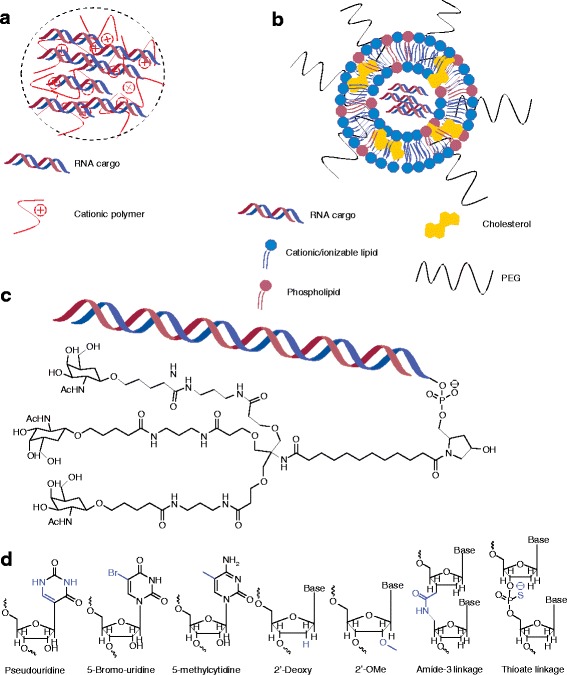
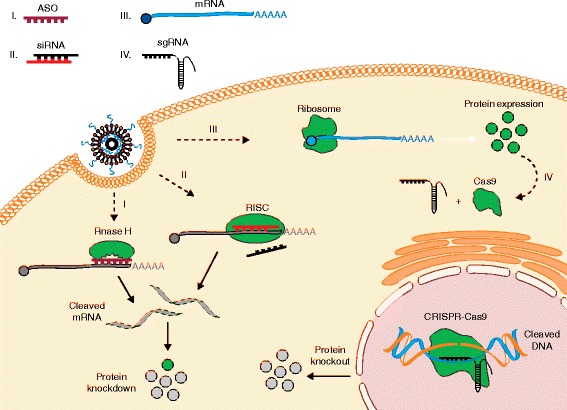
“mRNA associates with ribosomes to induce translation, leading to protein production [21] (Fig.”
BackgroundInfluentialPhysical Intracellular Delivery Based on Microfluidic Technology
Ji, C., Song, Y., Fan, Z., Liu, L., Sun, Y., Yang, R., Ma, C., Cai, Y., Miao, D., Huang, C., et al. (2025) · Small · doi:10.1002/smll.202504048 · Cited by 24
Lipid nanoparticle technology-mediated therapeutic gene manipulation in the eyes
Wang, T., Yu, T., Liu, Q., Sung, T., & Higuchi, A. (2024) · Molecular Therapy — Nucleic Acids · doi:10.1016/j.omtn.2024.102236 · Cited by 22
“126 This approach is particularly advantageous in scenarios where the transient presence of the protein is desired.”
BackgroundNoncoding RNAs in Calcific Aortic Valve Disease: A Review of Recent Studies
Ni, W.-J., Wu, Y.-Z., Ma, D.-H., & Leng, X.-M. (2018) · Journal of Cardiovascular Pharmacology · doi:10.1097/fjc.0000000000000569 · Cited by 43
Photomodulating Gene Expression by Using Caged siRNAs with Single‐Aptamer Modification
Zhang, L., Chen, C., Fan, X., & Tang, X. (2018) · ChemBioChem · doi:10.1002/cbic.201700623 · Cited by 20
The therapeutic potential of RNA regulation in neurological disorders
Roovers, J., Jonghe, P. D., & Weckhuysen, S. (2018) · Expert Opinion on Therapeutic Targets · doi:10.1080/14728222.2018.1542429 · Cited by 21
“Several delivery strategies have been developed, including different chemical modifications and conjugations, or delivery via nanoparticles, viral vectors, or via administration of naked RNA (excellently reviewed in [5,11] and [4]).”
BackgroundLong Noncoding RNAs of the Arterial Wall as Therapeutic Agents and Targets in Atherosclerosis
Holdt, L. M., Kohlmaier, A., & Teupser, D. (2019) · Thrombosis and Haemostasis · doi:10.1055/s-0039-1692680 · Cited by 20
Stojceski, F., Grasso, G., Pallante, L., & Danani, A. (2020) · ACS Omega · doi:10.1021/acsomega.9b03908 · Cited by 20
Chaudhary, S., Singh, A., Kumar, P., & Kaushik, M. (2021) · Journal of Biochemical and Molecular Toxicology · doi:10.1002/jbt.22784 · Cited by 21
Synthetic mRNA expressed Cas13a mitigates RNA virus infectionsPreprint
Bawage, S. S., Tiwari, P. M., & Santangelo, P. J. (2018) · bioRxiv (Cold Spring Harbor Laboratory) · doi:10.1101/370460 · Cited by 20
Antibody-oligonucleotide conjugates in cancer therapy: Potential and Promise
Meng, Q., Yang, M., Xing, F., Xie, Z., Hao, Y., Jiang, P. X., & Xiao, B. (2025) · Critical Reviews in Oncology/Hematology · doi:10.1016/j.critrevonc.2025.104858 · Cited by 21
Thanki, K., Papai, S., Lokras, A. G., Rose, F., Falkenberg, E., Franzyk, H., & Foged, C. (2019) · Pharmaceutical Research · doi:10.1007/s11095-018-2566-3 · Cited by 19
Interparticle Interactions in Dilute Solutions of Polyelectrolyte Complex Micelles
Wu, H., Ting, J., Weiss, T. M., & Tirrell, M. (2019) · ACS Macro Letters · doi:10.1021/acsmacrolett.9b00226 · Cited by 20
The Present and Future of Novel Protein Degradation Technology
Xia, L., Liu, W., Song, Y., Zhu, H., & Duan, Y. (2019) · Current Topics in Medicinal Chemistry · doi:10.2174/1568026619666191011162955 · Cited by 20
Berk, C., Civenni, G., Wang, Y., Steuer, C., Catapano, C. V., & Hall, J. (2021) · Nucleic Acid Therapeutics · doi:10.1089/nat.2020.0852 · Cited by 19
“While several nanoparticle or polymer based formulations have been developed to facilitate endosomal escape [49], nuclease stability during endosomal trafficking is required for the administration of oligonucleotides formulated in PBS and has been identified as a key determinant of the in vivo…”
Novel nanocarriers for silencing anti-phagocytosis CD47 marker in acute myeloid leukemia cells
Hassan, E. M., & Zou, S. (2022) · Colloids and Surfaces B Biointerfaces · doi:10.1016/j.colsurfb.2022.112609 · Cited by 19
Javadi, H., Lotfi, A. S., Hosseinkhani, S., Mehrani, H. A., Amani, J., Soheili, Z., Hojati, Z., & Kamali, M. (2018) · Artificial Cells Nanomedicine and Biotechnology · doi:10.1080/21691401.2018.1468770 · Cited by 19
“It should be pointed out for therapeutic application of siRNA and microRNA, we must overcome challenges such as intracellular delivery, instability under physiological condition, and immune response activation [49,50].”
BackgroundNakamura, K., Aihara, K., & Ishida, T. (2022) · Biological and Pharmaceutical Bulletin · doi:10.1248/bpb.b21-01016 · Cited by 20
Customizable Lipid Nanoparticle Materials for the Delivery of siRNAs and mRNAs
Fenton, O. S., Kauffman, K. J., McClellan, R. L., Kaczmarek, J. C., Zeng, M. D., Andresen, J. L., Rhym, L. H., Heartlein, M. W., DeRosa, F., & Anderson, D. G. (2018) · Angewandte Chemie · doi:10.1002/ange.201809056 · Cited by 18
Self-citationCurrent status of nucleic acid therapy and its new progress in cancer treatment
Lou, W., Zhang, L., & Wang, J. (2024) · International Immunopharmacology · doi:10.1016/j.intimp.2024.113157 · Cited by 22
Inflammatory bowel disease: new therapies from antisense oligonucleotides
Marafini, I., & Monteleone, G. (2018) · Annals of Medicine · doi:10.1080/07853890.2018.1490025 · Cited by 19
“targeting of both upstream open reading frames on mRNAs and endogenous antisense transcripts themselves, modulation of mRNA nonsense-mediated decay pathways) [14].”
BackgroundThe Landscape of microRNAs in βCell: Between Phenotype Maintenance and Protection
Grieco, G. E., Brusco, N., Licata, G., Fignani, D., Formichi, C., Nigi, L., Sebastiani, G., & Dotta, F. (2021) · International Journal of Molecular Sciences · doi:10.3390/ijms22020803 · Cited by 19
Biological therapeutic modalities
Chhabra, M. (2021) · Elsevier eBooks · doi:10.1016/b978-0-12-821972-0.00015-0 · Cited by 26
Advances in mRNA nanomedicines for malignant brain tumor therapy
Deng, T., Hasan, I., Roy, S., Liu, Y., Zhang, B., & Guo, B. (2022) · Smart Materials in Medicine · doi:10.1016/j.smaim.2022.11.001 · Cited by 19
Technological challenges in the preclinical development of an HIV nanovaccine candidate
Dacoba, T. G., Ruiz-Gatón, L., Benito, A., Klein, M., Dupin, D., Luo, M., Menta, M., Teijeiro‐Osorio, D., Loinaz, I., Alonso, M. J., et al. (2020) · Drug Delivery and Translational Research · doi:10.1007/s13346-020-00721-8 · Cited by 18
Sharifnia, Z., Bandehpour, M., Kazemi, B., & Zarghami, N. (2019) · Iranian Biomedical Journal · doi:10.29252/ibj.23.1.57 · Cited by 19
Scott, T. P., & Nel, L. H. (2021) · Viruses · doi:10.3390/v13050881 · Cited by 18
“Commonly, naked, modified siRNAs have been used with great success, with multiple naked siRNAs in clinical trials [32].”
BackgroundMethodA novel aptamer-based small RNA delivery platform and its application to cancer therapy
Tanno, T., Zhang, P., Bailey, C. M., Wang, Y., Ittiprasert, W., Devenport, M., Zheng, P., & Liu, Y. (2022) · Genes & Diseases · doi:10.1016/j.gendis.2022.05.004 · Cited by 18
“The rapid expansion of available genetic data greatly contributes to identifying the genetic roots of many diseases, such as cancers, virus infections, Parkinson’s disease, Alzheimer’s disease and inherited diseases.(1) In order to fulfill the clinical potential of these genetic discoveries, we need to accelerate the…”
BackgroundThe Promising Role of Non-Coding RNAs as Biomarkers and Therapeutic Targets for Leukemia
Ghazimoradi, M. H., Karimpour-Fard, N., & Babashah, S. (2023) · Genes · doi:10.3390/genes14010131 · Cited by 18
RNA nanotechnology: A new chapter in targeted therapy
Lv, T., Meng, Y., Liu, Y., Han, Y., Xin, H., Peng, X., & Huang, J. (2023) · Colloids and Surfaces B Biointerfaces · doi:10.1016/j.colsurfb.2023.113533 · Cited by 20
Harisa, G. I., Faris, T. M., Sherif, A. Y., Alzhrani, R. F., Alanazi, S. A., Kohaf, N. A., & Alanazi, F. K. (2023) · International Journal of Biological Macromolecules · doi:10.1016/j.ijbiomac.2023.127055 · Cited by 18
Mohanty, P., Panda, P., Acharya, R. K., Pande, B., Bhaskar, L. V., & Verma, H. K. (2023) · World Journal of Virology · doi:10.5501/wjv.v12.i5.242 · Cited by 22
Guagliardo, R., Merckx, P., Zamborlin, A., Backer, L. D., Echaide, M., Pérez‐Gil, J., Smedt, S. C. D., & Raemdonck, K. (2019) · Pharmaceutics · doi:10.3390/pharmaceutics11090431 · Cited by 20
“Once they reached the cytosol, small interfering RNAs (siRNAs) activate the RNAi machinery, leading to post-transcriptional gene silencing through sequence-specific degradation of mRNA [2,3].”
BackgroundCalix[4]arene Polyamine Triazoles: Synthesis, Aggregation and DNA Binding
Бурилов, В. А., Makarov, E., Mironova, D. A., Sultanova, E. D., Bilyukova, I., Akyol, K., Evtugyn, V. G., Islamov, D. R., Usachev, K. S., Mukhametzyanov, T. A., et al. (2022) · International Journal of Molecular Sciences · doi:10.3390/ijms232314889 · Cited by 17
“calix[4]arene with a free lower rim, like alkyl-substituted butyl calix[4]arene, forms stable submicron”
BackgroundMethodInfluentialWhat is the future of cancer care? A technology foresight assessment of experts’ expectations
Cabral, B. P., Fonseca, M. D. G. D., & Mota, F. B. (2018) · Economics of Innovation and New Technology · doi:10.1080/10438599.2018.1549788 · Cited by 17
Matrix stiffness regulates lipid nanoparticle-mRNA delivery in cell-laden hydrogels
Athirasala, A., Patel, S., Menezes, P. P., Kim, J., Tahayeri, A., Sahay, G., & Bertassoni, L. E. (2022) · Nanomedicine: Nanotechnology, Biology and Medicine · doi:10.1016/j.nano.2022.102550 · Cited by 16
RNA – A choice of potential drug delivery system
Govindharaj, P., Harini, K., Pallavi, P., Gowtham, P., Girigoswami, K., & Girigoswami, A. (2022) · International Journal of Polymeric Materials · doi:10.1080/00914037.2022.2058946 · Cited by 17
“These naked RNAs, when administered, show immune responses similar to that of pathogens, which in turn results in rapid clearance from the circulation([58]).”
BackgroundThe current perspective and opportunities of small nucleic acid‐based therapeutics
Chen, Y., Li, Y., Li, C., Zhang, D., Liu, Y., Zhang, J., Guan, S., Ding, X., & Xiao, Q. (2024) · Drug Development Research · doi:10.1002/ddr.22164 · Cited by 16
“With RNA ‐ based drugs entering the phase III/registration clinical stage, the turning point of RNA ‐ based drugs is fast approaching (Kaczmarek et al., 2017).”
BackgroundBranching in poly(amine-co-ester) polyplexes impacts mRNA transfection
Shin, K., Suh, H., Suberi, A., Whang, C., Ene, M., Grundler, J., Grun, M. K., & Saltzman, W. M. (2024) · Biomaterials · doi:10.1016/j.biomaterials.2024.122692 · Cited by 17
“Clicking” Gene Therapeutics: A Successful Union of Chemistry and Biomedicine for New Solutions
Astakhova, K., Ray, R. M., Taskova, M., Uhd, J., Carstens, A., & Morris, K. V. (2018) · Molecular Pharmaceutics · doi:10.1021/acs.molpharmaceut.7b00765 · Cited by 19
Gurnani, P., Blakney, A. K., Yeow, J., Bouton, C. R., Shattock, R. J., Stevens, M. M., & Alexander, C. (2020) · Polymer Chemistry · doi:10.1039/d0py00912a · Cited by 19
In Vitro Evaluation of a Nanoparticle-Based mRNA Delivery System for Cells in the Joint
Sturm, L., Faustini, B., Menzel, U., Häckel, S., Albers, C. E., Plank, C., Rip, J., Alini, M., Traweger, A., Grad, S., et al. (2021) · Biomedicines · doi:10.3390/biomedicines9070794 · Cited by 18
Delivery strategies of RNA therapeutics to leukocytes
Tarab‐Ravski, D., Stotsky‐Oterin, L., & Peer, D. (2022) · Journal of Controlled Release · doi:10.1016/j.jconrel.2022.01.016 · Cited by 17
MiR-128-3p – a gray eminence of the human central nervous system
Kiel, K., Król, S. K., Bronisz, A., & Godlewski, J. (2024) · Molecular Therapy Nucleic Acids · doi:10.1016/j.omtn.2024.102141 · Cited by 15
Maziec, K., Baliga-Gil, A., & Kierzek, E. (2025) · Molecular Therapy — Nucleic Acids · doi:10.1016/j.omtn.2025.102572 · Cited by 15
“134 The efficiency of endosomal escape of RNA from the engineered nanoparticles is primarily determined by the structural characteristics of the ionizable lipids.”
mRNA vaccines and SiRNAs targeting cancer immunotherapy: challenges and opportunities
Lv, Z., & Dai, Y. (2025) · Discover Oncology · doi:10.1007/s12672-025-03070-5 · Cited by 20
Horie, N., Kumagai, S., Kotobuki, Y., Yamaguchi, T., & Obika, S. (2018) · Organic & Biomolecular Chemistry · doi:10.1039/c8ob01307a · Cited by 15
Hayashi, Y., & Jono, H. (2018) · Biological and Pharmaceutical Bulletin · doi:10.1248/bpb.b18-00625 · Cited by 17
Genetic circuitry for personalized human cell therapy
Tölle, F., Stücheli, P., & Fussenegger, M. (2019) · Current Opinion in Biotechnology · doi:10.1016/j.copbio.2019.02.003 · Cited by 17
Emerging Therapeutic RNAs for the Targeting of Cancer Associated Fibroblasts
Santana-Viera, L., Ibba, M. L., Rotoli, D., Catuogno, S., & Esposito, C. L. (2020) · Cancers · doi:10.3390/cancers12061365 · Cited by 15
“Examples of this technique includes the conjugation of N-acetylgalactosamine (GalNAc) for liver targeting, as well as the use of specific antibodies and aptamers [115,116].”
Background
Metadata
- Authors
- Kaczmarek, J. C., Kowalski, P. S., & Anderson, D. G.
- Affiliations
- Koch Institute for Integrative Cancer Research At MIT (US)
- Harvard University (US)
- Corresponding author
- Anderson, Daniel G.
- Venue
- Genome Medicine
- Published
- 2017-06-27
- Volume
- 9
- Issue
- 1
- Pages
- 60-60
- ISSN
- 1756-994X (ISSN-L)
- PMC
- PMC5485616
- OpenAlex
- W2630192492
- Cited by
- 656
- References
- 157
- Citations by year
- 2026: 43 · 2025: 48 · 2024: 65 · 2023: 60 · 2022: 77 · 2021: 90 · 2020: 73 · 2019: 87 · 2018: 104 · 2017: 8
- FWCI
- 6.96
- Type
- journal article
- Language
- en
- Open access
- gold
- doi.org
- Licence
- cc-by
- creativecommons.org/licenses/by/4.0/ (tdm)
- creativecommons.org/licenses/by/4.0/ (vor)
- Locations
- Genome Medicine (publishedVersion, cc-by)
- Europe PMC (PubMed Central) (publishedVersion, cc-by)
- PubMed Central (publishedVersion, cc-by)
- PubMed (publishedVersion)
- DOAJ (DOAJ: Directory of Open Access Journals) (submittedVersion, cc-by-sa)
- DSpace@MIT (Massachusetts Institute of Technology) (submittedVersion, cc-by-nc)
- BioMed Central eBooks
- Funders
- National Cancer Institute (P30-CA14051)
- JDRF (3-PDF-2017-383-A-N)
- Topics
- Life Sciences › Biochemistry, Genetics and Molecular Biology › Molecular Biology › RNA Interference and Gene Delivery
- Life Sciences › Biochemistry, Genetics and Molecular Biology › Molecular Biology › RNA Research and Splicing
- Life Sciences › Biochemistry, Genetics and Molecular Biology › Molecular Biology › RNA and protein synthesis mechanisms
- Keywords
- RNA therapeutics, RNA delivery, siRNA, antisense oligonucleotides, mRNA therapeutics, CRISPR, genome editing, RNA stability, immune response, clinical translation, gene expression modulation
- MeSH terms
- Gene Editing, Humans, Genetic Therapy, Oligonucleotides, Antisense, RNA, Small Interfering
About these checks
Registry, retraction, Cites and statistics results are computed, not judged, with one exception: a printed reference that no index lists is read once by a model before it counts as a citation error. Claims are extracted by a model and kept only when their quote appears verbatim in the text; each cited source is then checked, with a model’s help, for whether it says what the claim relies on. Those verdicts can be wrong — read the claim’s quote and the cited source before relying on one.
Statistics and arithmetic are recomputed, not judged.
Confidence bands are shown only for fields calibrated on our annotated test set. None is calibrated yet, so no band is shown.
What counts as a claim ›How we measure confidence ›How we check this ›
Are you an author, or do you see a problem with this page? Request a review
Data sources
Bibliographic data: Semantic Scholar, OpenAlex, Crossref.
Contains information from the Semantic Scholar Academic Graph Datasets, made available under the ODC Attribution License (ODC-BY 1.0).
Semantic Scholar’s data is described in: Kinney, R., et al. (2023). The Semantic Scholar Open Data Platform. arXiv:2301.10140.
