

Advances in the delivery of RNA therapeutics: from concept to clinical reality
Open accessThe DOI matches its Crossref record; 157 of the 157 references it cites were found in a registry or an index.
Abstract
The rapid expansion of the available genomic data continues to greatly impact biomedical science and medicine. Fulfilling the clinical potential of genetic discoveries requires the development of therapeutics that can specifically modulate the expression of disease-relevant genes. RNA-based drugs, including short interfering RNAs and antisense oligonucleotides, are particularly promising examples of this newer class of biologics. For over two decades, researchers have been trying to overcome major challenges for utilizing such RNAs in a therapeutic context, including intracellular delivery, stability, and immune response activation. This research is finally beginning to bear fruit as the first RNA drugs gain FDA approval and more advance to the final phases of clinical trials. Furthermore, the recent advent of CRISPR, an RNA-guided gene-editing technology, as well as new strides in the delivery of messenger RNA transcribed in vitro, have triggered a major expansion of the RNA-therapeutics field. In this review, we discuss the challenges for clinical translation of RNA-based therapeutics, with an emphasis on recent advances in delivery technologies, and present an overview of the applications of RNA-based drugs for modulation of gene/protein expression and genome editing that are currently being investigated both in the laboratory as well as in the clinic.
Overview
The claims and statistics of this paper haven’t been checked yet.
Free: it reads the open-access text and checks the first 5 claims that cite a source we can check. Create a free account to check every claim.
Integrity signals
Registry
Cites
Statistics
Figures
Verification
Claims the paper makes
The claims and statistics of this paper haven’t been checked yet.
Free: it reads the open-access text and checks the first 5 claims that cite a source we can check. Create a free account to check every claim.
Claims other papers make about this one
Each is checked against this paper’s own text: does it say what the citing paper says it does?
The cited source doesn’t support the claim as written.
In the citing paper
“These strategies have yielded modest improvements in RNA stability10, 13–16, and thus alternative approaches to RNA stabilization, such as circularization, are desirable.”
From Engineering circular RNA for potent and stable translation in eukaryotic cells (2018) · cites this paper as [10]
Checked by a reasoning model — may be wrong.
Experimental — accuracy not yet measuredThe source backs part of the claim, not all of it — or backs it for a different population, condition or comparison.
In the citing paper
“For this reason, circularization may allow for the stabilization of mRNAs that generally suffer from short half lives10, 11 and may therefore improve the overall efficacy of exogenous mRNA in a variety of applications12.”
From Engineering circular RNA for potent and stable translation in eukaryotic cells (2018) · cites this paper as [10]
Experimental — accuracy not yet measuredThe source backs part of the claim, not all of it — or backs it for a different population, condition or comparison.
In the citing paper
“Cell internalization and endosome escape are necessary for the delivery of nucleic acid medications into the cytoplasm (small interfering RNA and mRNA) or nucleus (ASOs, DNA, CRISPR) in order for them to work.310”
From Smart nanoparticles for cancer therapy (2023) · cites this paper as [310]
Experimental — accuracy not yet measuredThe source backs part of the claim, not all of it — or backs it for a different population, condition or comparison.
In the citing paper
“Messenger RNA (mRNA) has emerged as a promising therapeutic molecule with numerous clinical applications in treating central nervous system disorders, tumors, COVID-19, and other diseases.”
From Exosome for mRNA delivery: Strategies and therapeutic applications (2024) · cites this paper as [2]
Experimental — accuracy not yet measuredThe source backs part of the claim, not all of it — or backs it for a different population, condition or comparison.
In the citing paper
“RNA vaccines, for example, have exhibited encouraging results in both infection therapy and cancer immunotherapy.[6, 7, 11–15]”
From RNA delivery biomaterials for the treatment of genetic and rare diseases (2019) · cites this paper as [6]
Experimental — accuracy not yet measured
5 more claims about this paper
Create a free account to see every claim other papers make about this one.
Self-check
Percentages, sums and reported differences re-computed from the paper’s own numbers.
The self-check needs the paper’s full text.
Citations
Cites
A Programmable Dual-RNA–Guided DNA Endonuclease in Adaptive Bacterial Immunity
Jinek, M., Chylinski, K., Fonfara, I., Hauer, M., Doudna, J. A., & Charpentier, E. (2012) · Science · doi:10.1126/science.1225829 · Cited by 17,116 · cited 1×
“The discovery of RNAguided DNA endonucleases such as Cas9 associated with CRISPR (clustered regularly interspaced short palindromic repeats), elements composing the prokaryotic adaptive immune system [121], equipped scientists with an easy-to-use and efficient platform to alter genomic information [122].”
BackgroundPotent and specific genetic interference by double-stranded RNA in Caenorhabditis elegans
Fire, A., Xu, S., Montgomery, M. K., Kostas, S. A., Driver, S. E., & Mello, C. C. (1998) · Nature · doi:10.1038/35888 · Cited by 15,429 · cited 1×
“The use of RNAs to selectively downregulate proteins experienced a paradigm shift following the discovery of siRNA by Fire and colleagues [56].”
BackgroundMultiplex Genome Engineering Using CRISPR/Cas Systems
Cong, L., Ran, F. A., Cox, D., Lin, S., Barretto, R., Habib, N., Hsu, P. D., Wu, X., Jiang, W., Marraffini, L. A., et al. (2013) · Science · doi:10.1126/science.1231143 · Cited by 15,339 · cited 1×
“A combination of DSBs can also be used to edit multiple loci by employing different sgRNAs [125, 126].”
BackgroundThe new frontier of genome engineering with CRISPR-Cas9
Doudna, J. A., & Charpentier, E. (2014) · Science · doi:10.1126/science.1258096 · Cited by 7,062 · cited 1×
“So-called CRISPR–Cas systems rely on Watson–Crick base-pairing between a single guide RNA (sgRNA) and a corresponding DNA target site followed by a distinct protospacer-adjacent motif (PAM), a 3–5-nucleotide DNA sequence required for binding of Cas9 and cleavage of the target sequence, in order to introduce a double-s…”
BackgroundBoussif, O., Lezoualc'h, F., Zanta, M. A., Mergny, M. D., Scherman, D., Demeneix, B., & Behr, J. P. (1995) · Proceedings of the National Academy of Sciences · doi:10.1073/pnas.92.16.7297 · Cited by 6,247 · cited 1×
“Synthetic polymers such as poly-Llysine [17], polyamidoamine [18], and polyethyleneimine [19], as well as naturally occurring polymers such as chitosan [20], have all been applied to RNA delivery, with varying levels of success.”
BackgroundCpf1 Is a Single RNA-Guided Endonuclease of a Class 2 CRISPR-Cas System
Zetsche, B., Gootenberg, J. S., Abudayyeh, O. O., Slaymaker, I. M., Makarova, K. S., Essletzbichler, P., Volz, S. E., Joung, J., van der Oost, J., Regev, A., et al. (2015) · Cell · doi:10.1016/j.cell.2015.09.038 · Cited by 4,761 · cited 1×
“(AsCpf1), with the capability to edit the genome of mammalian cells have been discovered recently [143, 144].”
BackgroundComing of age: ten years of next-generation sequencing technologies
Goodwin, S., McPherson, J. D., & McCombie, W. R. (2016) · Nature Reviews Genetics · doi:10.1038/nrg.2016.49 · Cited by 4,352 · cited 1×
“Thanks to advances in next-generation sequencing technology, scientists have been able to identify the genetic roots of many common diseases [1].”
BackgroundDirect Gene Transfer into Mouse Muscle in Vivo
Wolff, J. A., Malone, R. W., Williams, P., Chong, W., Acsadi, G., Jani, A., & Felgner, P. L. (1990) · Science · doi:10.1126/science.1690918 · Cited by 4,173 · cited 1×
“Although it has been known since 1990 that nucleic acids can be used to modulate protein production in vivo [9], therapeutic RNA delivery has been limited by a number of factors.”
BackgroundHopkins, A. L., & Groom, C. R. (2002) · Nature Reviews Drug Discovery · doi:10.1038/nrd892 · Cited by 3,305 · cited 1×
“However, the proteins that might possess such binding pockets have been estimated to account for only 2–5% of the protein-coding human genome [8].”
BackgroundNon-viral vectors for gene-based therapy
Yin, H., Kanasty, R. L., Eltoukhy, A. A., Vegas, A. J., Dorkin, J. R., & Anderson, D. G. (2014) · Nature Reviews Genetics · doi:10.1038/nrg3763 · Cited by 3,123 · cited 1×
“As with their use in protein modulation, nanoparticles for gene editing have demonstrated high loading capacity for nucleic acid cargos, ability to modify payload bio-distribution and pharmacokinetics through active targeting and formulation, as well as simplicity of manufacturing with a high level of control over the…”
BackgroundSelf-citationKarikó, K., Buckstein, M., Ni, H., & Weissman, D. (2005) · Immunity · doi:10.1016/j.immuni.2005.06.008 · Cited by 2,728 · cited 1×
“Additionally, immune responses generated by naked mRNA can be beneficial for vaccination purposes [101, 102].”
BackgroundHigh-fidelity CRISPR-Cas9 nucleases with no detectable genome-wide off-target effects
Kleinstiver, B. P., Pattanayak, V., Prew, M. S., Tsai, S. Q., Nguyen, N. T., Zheng, Z., & Joung, J. K. (2016) · Nature · doi:10.1038/nature16526 · Cited by 2,673
Design and development of polymers for gene delivery
Pack, D. W., Hoffman, A. S., Pun, S., & Stayton, P. S. (2005) · Nature Reviews Drug Discovery · doi:10.1038/nrd1775 · Cited by 2,568
mRNA-based therapeutics--developing a new class of drugs
Sahin, U., Karikó, K., & Türeci, Ö. (2014) · Nature Reviews Drug Discovery · doi:10.1038/nrd4278 · Cited by 2,474 · cited 3×
“Similarly, engineering 3′ and 5′ untranslated regions (UTRs), which contain sequences responsible for recruiting RNA-binding proteins (RBPs) and miRNAs, can enhance the level of protein product [53, 94].”
BackgroundRationally engineered Cas9 nucleases with improved specificity
Slaymaker, I. M., Gao, L., Zetsche, B., Scott, D. A., Yan, W. X., & Zhang, F. (2016) · Science · doi:10.1126/science.aad5227 · Cited by 2,414 · cited 1×
“Furthermore, improved types of spCas9, such as high-fidelity spCas9-HF1 [141] or enhanced-specificity eSpCas9 [142], have been engineered by introducing specific mutations into spCas9 based on interactions between a spCas9–gRNA complex and DNA.”
BackgroundTherapeutic silencing of an endogenous gene by systemic administration of modified siRNAs
Soutschek, J., Akinc, A., Bramlage, B., Charisse, K., Constien, R., Donoghue, M., Elbashir, S., Geick, A., Hadwiger, P., Harborth, J., et al. (2004) · Nature · doi:10.1038/nature03121 · Cited by 2,183 · cited 1×
“Equally important for effective nucleic acid delivery are chemical modifications made to the RNA itself, which can impart degradation resistance to the RNA [44] and render them unrecognizable by the immune system [45].”
BackgroundSahay, G., Alakhova, D. Y., & Kabanov, A. V. (2010) · Journal of Controlled Release · doi:10.1016/j.jconrel.2010.01.036 · Cited by 2,181 · cited 1×
“Naked, singlestranded RNA is prone to nuclease degradation, can activate the immune system, and is too large and negatively charged to passively cross the cell membrane—and must, therefore, be provided with additional means of cellular entry and escape from endosomes, which transport extracellular nanoparticles into t…”
BackgroundImproving CRISPR-Cas nuclease specificity using truncated guide RNAs
Fu, Y., Sander, J. D., Reyon, D., Cascio, V. M., & Joung, J. K. (2014) · Nature Biotechnology · doi:10.1038/nbt.2808 · Cited by 1,993 · cited 1×
“In particular, sgRNAs shorter than 20 nucleotides and containing 5′ mismatches have shown fewer off-target effects [138, 139], whereas chemically synthesized sgRNAs bearing base modifications at the 5′ and 3′ ends have demonstrated increased on-target efficacy [140].”
BackgroundSystemic RNA delivery to dendritic cells exploits antiviral defence for cancer immunotherapy
Kranz, L. M., Diken, M., Haas, H., Kreiter, S., Loquai, C., Reuter, K. C., Meng, M., Fritz, D., Vascotto, F., Hefesha, H., et al. (2016) · Nature · doi:10.1038/nature18300 · Cited by 1,819 · cited 1×
“In addition, direct intradermal and systemic administration of LNP-formulated mRNAs coding for tumor-specific antigens is currently being investigated in the clinic for induction of T-cell immune responses [100, 110, 111].”
BackgroundDelivery materials for siRNA therapeutics
Kanasty, R., Dorkin, J. R., Vegas, A., & Anderson, D. (2013) · Nature Materials · doi:10.1038/nmat3765 · Cited by 1,800 · cited 1×
“This ionizable behavior is thought to enhance efficacy through helping with endosomal escape [26] and reducing toxicity [27] as compared with particles that remain cationic at physiological pH.”
BackgroundSelf-citationOvercoming the challenges in administering biopharmaceuticals: Formulation and delivery strategies
Mitragotri, S., Burke, P. A., & Langer, R. (2014) · Nature Reviews Drug Discovery · doi:10.1038/nrd4363 · Cited by 1,702 · cited 1×
“This approach can address formulation and delivery challenges encountered with protein-based drugs, especially those aimed at intracellular targets [87].”
BackgroundZuris, J. A., Thompson, D. B., Shu, Y., Guilinger, J. P., Bessen, J. L., Hu, J. H., Maeder, M. L., Joung, J. K., Chen, Z.-Y., & Liu, D. R. (2015) · Nature Biotechnology · doi:10.1038/nbt.3081 · Cited by 1,460 · cited 1×
“Off-target effects can be also limited by decreasing the cellular presence of spCas9 through conditions favoring transient over long-lasting expression, which can be accomplished by optimizing the delivery method [140, 145].”
BackgroundGene silencing in mammals by small interfering RNAs
McManus, M. T., & Sharp, P. A. (2002) · Nature Reviews Genetics · doi:10.1038/nrg908 · Cited by 1,399
Therapeutic genome editing: prospects and challenges
Cox, D. B. T., Platt, R. J., & Zhang, F. (2015) · Nature Medicine · doi:10.1038/nm.3793 · Cited by 1,336 · cited 2×
“By contrast, therapeutic gene editing entails replacement or alteration of gene expression by introducing site-specific modifications into the genome of cells, including correction of deleterious or introduction of protective mutations [117].”
BackgroundCRISPRscan: designing highly efficient sgRNAs for CRISPR-Cas9 targeting in vivo
Moreno-Mateos, M. A., Vejnar, C. E., Beaudoin, J.-D., Fernandez, J. P., Mis, E. K., Khokha, M. K., & Giraldez, A. J. (2015) · Nature Methods · doi:10.1038/nmeth.3543 · Cited by 1,290 · cited 1×
“In particular, sgRNAs shorter than 20 nucleotides and containing 5′ mismatches have shown fewer off-target effects [138, 139], whereas chemically synthesized sgRNAs bearing base modifications at the 5′ and 3′ ends have demonstrated increased on-target efficacy [140].”
BackgroundPotent and persistent in vivo anti-HBV activity of chemically modified siRNAs
Morrissey, D. V., Lockridge, J. A., Shaw, L., Blanchard, K., Jensen, K., Breen, W., Hartsough, K., Machemer, L., Radka, S., Jadhav, V., et al. (2005) · Nature Biotechnology · doi:10.1038/nbt1122 · Cited by 1,168 · cited 2×
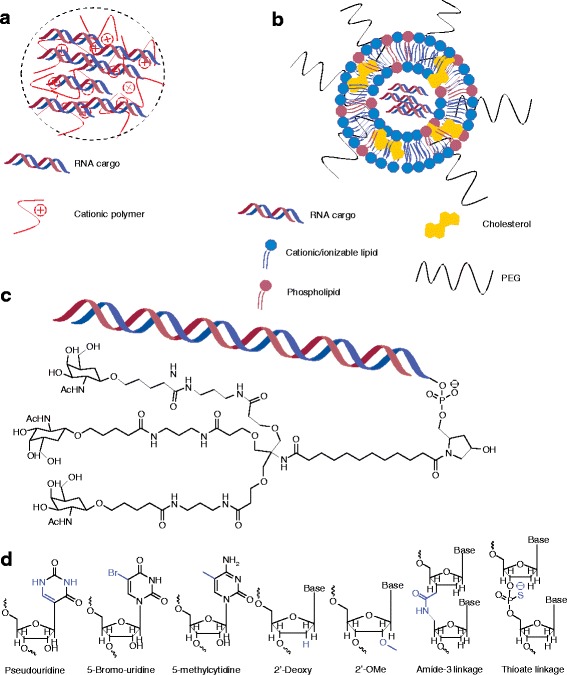
“RNAs can be modified by means of chemical alterations to the ribose sugar (of particular importance is the 2′ position [45, 46]), the phosphate linkage and the individual bases (Fig.”
BackgroundA combinatorial library of lipid-like materials for delivery of RNAi therapeutics
Akinc, A., Zumbuehl, A., Goldberg, M., Leshchiner, E. S., Busini, V., Hossain, N., Bacallado, S. A., Nguyen, D. N., Fuller, J., Alvarez, R., et al. (2008) · Nature Biotechnology · doi:10.1038/nbt1402 · Cited by 1,150
Self-citationIn vivo genome editing via CRISPR/Cas9 mediated homology-independent targeted integration
Suzuki, K., Tsunekawa, Y., Hernandez-Benitez, R., Wu, J., Zhu, J., Kim, E. J., Hatanaka, F., Yamamoto, M., Araoka, T., Li, Z., et al. (2016) · Nature · doi:10.1038/nature20565 · Cited by 1,150 · cited 1×
“Recently, other methods of gene editing with CRISPR–Cas9, called homology-independent targeted integration (HITI), have been developed, which exploit the NHEJ repair mechanism for gene knock-ins [150].”
MethodIn vivo genome editing improves muscle function in a mouse model of Duchenne muscular dystrophy
Nelson, C. E., Hakim, C. H., Ousterout, D. G., Thakore, P. I., Moreb, E. A., Rivera, R. M. C., Madhavan, S., Pan, X., Ran, F. A., Yan, W. X., et al. (2016) · Science · doi:10.1126/science.aad5143 · Cited by 1,144
Nair, J. K., Willoughby, J. L. S., Chan, A., Charisse, K., Alam, M. R., Wang, Q., Hoekstra, M., Kandasamy, P., Kel’in, A. V., Milstein, S., et al. (2014) · Journal of the American Chemical Society · doi:10.1021/ja505986a · Cited by 1,141 · cited 2×
“c Chemical structure of a tertiary conjugate between N-acetylgalactosamine (GalNAc) and RNA that is currently in clinical trials [38].”
BackgroundOvercoming cellular barriers for RNA therapeutics
Dowdy, S. F. (2017) · Nature Biotechnology · doi:10.1038/nbt.3802 · Cited by 1,139 · cited 1×
“Despite the plethora of carriers studied for other types of RNA drugs, mRNA molecules are significantly larger (600– 10,000 kDa) than the previously discussed siRNAs (~14 kDa) and ASOs (4–10 kDa), which poses an additional challenge for delivery of mRNA therapeutics [99].”
BackgroundRichardson, C. D., Ray, G. J., DeWitt, M. A., Curie, G. L., & Corn, J. E. (2016) · Nature Biotechnology · doi:10.1038/nbt.3481 · Cited by 1,098 · cited 1×
“The efficiency of correction by HDR can be significantly improved by designing an asymmetric single-stranded DNA template that anneals to the non-target DNA strand, which is the first to be released from the Cas9–DNA complex [146].”
BackgroundChemically modified guide RNAs enhance CRISPR-Cas genome editing in human primary cells
Hendel, A., Bak, R. O., Clark, J. T., Kennedy, A. B., Ryan, D. E., Roy, S., Steinfeld, I., Lunstad, B. D., Kaiser, R. J., Wilkens, A. B., et al. (2015) · Nature Biotechnology · doi:10.1038/nbt.3290 · Cited by 1,090 · cited 2×
“Off-target effects can be also limited by decreasing the cellular presence of spCas9 through conditions favoring transient over long-lasting expression, which can be accomplished by optimizing the delivery method [140, 145].”
BackgroundCodon Optimality Is a Major Determinant of mRNA Stability
Presnyak, V., Alhusaini, N., Chen, Y.-H., Martin, S., Morris, N., Kline, N., Olson, S., Weinberg, D., Baker, K. E., Graveley, B. R., et al. (2015) · Cell · doi:10.1016/j.cell.2015.02.029 · Cited by 1,078 · cited 1×
“Replacing rare codons within mRNA protein-coding sequences with synonymous frequently occurring codons, so-called codon optimization, also facilitates better efficacy of protein synthesis and limits mRNA destabilization by rare codons, thus preventing accelerated degradation of the transcript [92, 93].”
BackgroundIn vivo gene editing in dystrophic mouse muscle and muscle stem cells
Tabebordbar, M., Zhu, K., Cheng, J. K. W., Chew, W. L., Widrick, J. J., Yan, W. X., Maesner, C., Wu, E. Y., Xiao, R., Ran, F. A., et al. (2016) · Science · doi:10.1126/science.aad5177 · Cited by 1,046
CRISPR-Based Technologies for the Manipulation of Eukaryotic Genomes
Komor, A. C., Badran, A. H., & Liu, D. R. (2017) · Cell · doi:10.1016/j.cell.2016.10.044 · Cited by 1,013 · cited 11×
“Despite positive outcomes, these studies have revealed limitations of the CRISPR–Cas9 system relevant for clinical translation, including (1) imperfect DNA-targeting specificity leading to off-target effects [135], (2) low efficiency of genome editing using HDR [136], and (3) challenging delivery of CRISPR–Cas9 compon…”
BackgroundInfluentialSafety and efficacy of RNAi therapy for transthyretin amyloidosis
Coelho, T., Adams, D., Silva, A., Lozeron, P., Hawkins, P. N., Mant, T., Perez, J., Chiesa, J., Warrington, S., Tranter, E., et al. (2013) · New England Journal of Medicine · doi:10.1056/nejmoa1208760 · Cited by 971 · cited 1×
“Their most advanced drug, also one of the most advanced siRNA therapeutics, patisiran, is a LNP containing siRNA against mutant transthyretin for the treatment of transthyretin amyloidosis [58].”
BackgroundLipid-like materials for low-dose, in vivo gene silencing
Love, K. T., Mahon, K. P., Levins, C. G., Whitehead, K. A., Querbes, W., Dorkin, J. R., Qin, J., Cantley, W., Qin, L. L., Racie, T., et al. (2010) · Proceedings of the National Academy of Sciences · doi:10.1073/pnas.0910603106 · Cited by 969
Self-citationGenome editing with Cas9 in adult mice corrects a disease mutation and phenotype
Yin, H., Xue, W., Chen, S., Bogorad, R. L., Benedetti, E., Grompe, M., Koteliansky, V., Sharp, P. A., Jacks, T., & Anderson, D. G. (2014) · Nature Biotechnology · doi:10.1038/nbt.2884 · Cited by 951 · cited 2×
“4%) previously reported for the same disease [130].”
BackgroundMethodSelf-citationLong, C., Amoasii, L., Mireault, A. A., McAnally, J. R., Li, H., Sanchez-Ortiz, E., Bhattacharyya, S., Shelton, J. M., Bassel-Duby, R., & Olson, E. N. (2016) · Science · doi:10.1126/science.aad5725 · Cited by 937
Sequence- and target-independent angiogenesis suppression by siRNA via TLR3
Kleinman, M. E., Yamada, K., Takeda, A., Chandrasekaran, V., Nozaki, M., Baffi, J. Z., Albuquerque, R. J. C., Yamasaki, S., Itaya, M., Pan, Y., et al. (2008) · Nature · doi:10.1038/nature06765 · Cited by 929 · cited 1×
“However, there is concern that the positive effects of such treatments might in some cases be mediated by the induction of non-specific and immunological mechanisms such as siRNA binding to toll-like receptors [65].”
BackgroundMultiplex gene editing by CRISPR–Cpf1 using a single crRNA array
Zetsche, B., Heidenreich, M., Mohanraju, P., Fedorova, I., Kneppers, J., DeGennaro, E. M., Winblad, N., Choudhury, S. R., Abudayyeh, O. O., Gootenberg, J. S., et al. (2017) · Nature Biotechnology · doi:10.1038/nbt.3737 · Cited by 926
Raal, F. J., Santos, R. D., Blom, D. J., Marais, A. D., Charng, M.-J., Cromwell, W. C., Lachmann, R. H., Gaudet, D., Tan, J. L., Chasan-Taber, S., et al. (2010) · The Lancet · doi:10.1016/s0140-6736(10)60284-x · Cited by 924 · cited 1×
“injected subcutaneously and targets mRNA encoding apolipoprotein B for the treatment of hypercholesterolemia [75, 76].”
BackgroundDegradable poly (β-amino esters): synthesis, characterization, and self-assembly with plasmid DNA
Lynn, D. M., & Langer, R. (2000) · Journal of the American Chemical Society · doi:10.1021/ja0015388 · Cited by 924 · cited 1×
“Poly(β-amino esters), in particular, have gained widespread use in DNA delivery owing to their ease of synthesis and biodegradability [21], but have also proved to be capable of effecting delivery of short interfering RNA (siRNA) [22–24] and mRNA [25].”
BackgroundTherapeutic in vivo gene transfer for genetic disease using AAV: Progress and challenges
Mingozzi, F., & High, K. A. (2011) · Nature Reviews Genetics · doi:10.1038/nrg2988 · Cited by 893 · cited 1×
“AAVs are most widely used for gene therapy clinical trials due to their ability to transduce different cell types and tissues and their low risk of genomic integration and low immunogenicity [153].”
BackgroundIn vitro and ex vivo strategies for intracellular delivery
Stewart, M. P., Sharei, A., Ding, X., Sahay, G., Langer, R., & Jensen, K. F. (2016) · Nature · doi:10.1038/nature19764 · Cited by 885 · cited 1×
“These macromolecules are not able to spontaneously enter the cells, relying on the use of delivery vehicles such as viral vectors, nanoparticles, or physical and mechanical delivery methods like nucleofection, cell squeezing, or lipofection that utilize electric field, mechanical force, or cationic lipids for temporar…”
BackgroundZika virus protection by a single low-dose nucleoside-modified mRNA vaccination
Pardi, N., Hogan, M. J., Pelc, R. S., Muramatsu, H., Andersen, H., DeMaso, C. R., Dowd, K. A., Sutherland, L. L., Scearce, R. M., Parks, R., et al. (2017) · Nature · doi:10.1038/nature21428 · Cited by 884 · cited 1×
“Lipid-nanoparticle-encapsulated mRNAs encoding pre-membrane and envelope glycoproteins of Zika virus have recently been reported to elicit potent and durable neutralizing antibody responses in mice and non-human primates against the virus after intradermal administration [107].”
BackgroundYin, H., Song, C.-Q., Dorkin, J. R., Zhu, L. J., Li, Y., Wu, Q., Park, A., Yang, J., Suresh, S., Bizhanova, A., et al. (2016) · Nature Biotechnology · doi:10.1038/nbt.3471 · Cited by 876 · cited 2×
“To date, nanoparticle-mediated delivery of spCas9 mRNA has been used in combination with AAVs encoding a sgRNA and a repair template to induce repair of the Fah gene in a hereditary tyrosinemia in adult animals [131].”
MethodSelf-citationsiRNA function in RNAi: A chemical modification analysis
CHIU, Y.-L., & RANA, T. M. (2003) · RNA · doi:10.1261/rna.5103703 · Cited by 860
The Streptococcus thermophilus CRISPR/Cas system provides immunity in Escherichia coli
Sapranauskas, R., Gasiunas, G., Fremaux, C., Barrangou, R., Horvath, P., & Siksnys, V. (2011) · Nucleic Acids Research · doi:10.1093/nar/gkr606 · Cited by 834 · cited 1×
“The discovery of RNAguided DNA endonucleases such as Cas9 associated with CRISPR (clustered regularly interspaced short palindromic repeats), elements composing the prokaryotic adaptive immune system [121], equipped scientists with an easy-to-use and efficient platform to alter genomic information [122].”
BackgroundEteplirsen for the treatment of Duchenne muscular dystrophy
Mendell, J. R., Rodino‐Klapac, L. R., Sahenk, Z., Roush, K., Bird, L., Lowes, L. P., Alfano, L., Gomez, A. M., Lewis, S., Kota, J., et al. (2013) · Annals of Neurology · doi:10.1002/ana.23982 · Cited by 817
Knocking down disease: a progress report on siRNA therapeutics
Wittrup, A., & Lieberman, J. (2015) · Nature Reviews Genetics · doi:10.1038/nrg3978 · Cited by 804 · cited 1×
“RNAs can be modified by means of chemical alterations to the ribose sugar (of particular importance is the 2′ position [45, 46]), the phosphate linkage and the individual bases (Fig.”
BackgroundKauffman, K. J., Dorkin, J. R., Yang, J. H., Heartlein, M. W., DeRosa, F., Mir, F. F., Fenton, O. S., & Anderson, D. G. (2015) · Nano Letters · doi:10.1021/acs.nanolett.5b02497 · Cited by 796 · cited 2×
“As such, one laboratory has pioneered the use of semi-automated high-throughput synthesis methods to create libraries of chemically diverse lipids and lipid-like materials for RNA delivery [31–35], resulting in highly potent nanoparticles capable of delivering a variety of RNA types to both the liver [32, 36, 37] and…”
BackgroundMethodSelf-citationRouet, P., Smih, F., & Jasin, M. (1994) · Molecular and Cellular Biology · doi:10.1128/mcb.14.12.8096 · Cited by 791 · cited 1×
“NHEJ results in stochastic insertions and deletions (‘indels’) causing permanent gene knockout, whereas HDR occurs in the presence of a DNA template containing homology to regions flanking the DSB site, leading to incorporation of desired changes encoded in the repair template into the genome [124].”
BackgroundEngineering adeno-associated viruses for clinical gene therapy
Kotterman, M. A., & Schaffer, D. V. (2014) · Nature Reviews Genetics · doi:10.1038/nrg3742 · Cited by 761 · cited 1×
“For viral RNA delivery, there has been a great deal of interest in engineering adenoassociated viruses to carry nucleic acid cargo [11]—however, this section will focus mainly on the development of non-viral materials (Table 1).”
BackgroundThirty years of Alzheimer's disease genetics: the implications of systematic meta-analyses
Bertram, L., & Tanzi, R. E. (2008) · Nature Reviews Neuroscience · doi:10.1038/nrn2494 · Cited by 747 · cited 1×
“Diseases such as cancer [2], Parkinson’s [3], rheumatoid arthritis [4], and Alzheimer’s [5] have all had many of their genetic components revealed, bringing us closer than ever to ‘personalized medicine’ [6].”
BackgroundExpression of therapeutic proteins after delivery of chemically modified mRNA in mice
Kormann, M. S. D., Hasenpusch, G., Aneja, M. K., Nica, G., Flemmer, A. W., Herber-Jonat, S., Huppmann, M., Mays, L. E., Illenyi, M., Schams, A., et al. (2011) · Nature Biotechnology · doi:10.1038/nbt.1733 · Cited by 733 · cited 1×
“Lung delivery of surfactant protein B (SP-B) mRNA protected mice from respiratory failure [114], whereas myocardial injection of RNAiMAX-formulated mRNA, encoding human vascular endothelial growth factor A (VEGF-A), improved heart regeneration after myocardial infarction in mice [115].”
BackgroundLipid Nanoparticle Assisted mRNA Delivery for Potent Cancer Immunotherapy
Oberli, M. A., Reichmuth, A. M., Dorkin, J. R., Mitchell, M. J., Fenton, O. S., Jaklenec, A., Anderson, D. G., Langer, R., & Blankschtein, D. (2017) · Nano Letters · doi:10.1021/acs.nanolett.6b03329 · Cited by 719 · cited 1×
“In addition, direct intradermal and systemic administration of LNP-formulated mRNAs coding for tumor-specific antigens is currently being investigated in the clinic for induction of T-cell immune responses [100, 110, 111].”
BackgroundSelf-citationAndries, O., Mc Cafferty, S., De Smedt, S. C., Weiss, R., Sanders, N. N., & Kitada, T. (2015) · Journal of Controlled Release · doi:10.1016/j.jconrel.2015.08.051 · Cited by 701 · cited 1×
“Some of the previously discussed RNA base modifications such as N1-methyl-pseudouridine have not only been instrumental in masking mRNA immune-stimulatory activity but have also been shown to increase mRNA translation by enhancing translation initiation [96, 97].”
BackgroundExploring the Genomes of Cancer Cells: Progress and Promise
Stratton, M. R. (2011) · Science · doi:10.1126/science.1204040 · Cited by 693
Zangi, L., Lui, K. O., von Gise, A., Ma, Q., Ebina, W., Ptaszek, L. M., Später, D., Xu, H., Tabebordbar, M., Gorbatov, R., et al. (2013) · Nature Biotechnology · doi:10.1038/nbt.2682 · Cited by 646 · cited 1×
“Lung delivery of surfactant protein B (SP-B) mRNA protected mice from respiratory failure [114], whereas myocardial injection of RNAiMAX-formulated mRNA, encoding human vascular endothelial growth factor A (VEGF-A), improved heart regeneration after myocardial infarction in mice [115].”
BackgroundHoltkamp, S., Kreiter, S., Selmi, A., Simon, P., Koslowski, M., Huber, C., Türeci, O., & Sahin, U. (2006) · Blood · doi:10.1182/blood-2006-04-015024 · Cited by 625 · cited 1×
“Similarly, engineering 3′ and 5′ untranslated regions (UTRs), which contain sequences responsible for recruiting RNA-binding proteins (RBPs) and miRNAs, can enhance the level of protein product [53, 94].”
BackgroundEfficient delivery of genome-editing proteins using bioreducible lipid nanoparticles
Wang, M., Zuris, J. A., Meng, F., Rees, H., Sun, S., Deng, P., Han, Y., Gao, X., Pouli, D., Wu, Q., et al. (2016) · Proceedings of the National Academy of Sciences · doi:10.1073/pnas.1520244113 · Cited by 624 · cited 5×
“Four ASOs have been clinically approved, all of which are chemically modified and used without a delivery vehicle, representing the only RNA drugs for protein modulation to be cleared by the FDA so far.”
BackgroundInfluentialA Multifunctional AAV-CRISPR-Cas9 and Its Host Response
Chew, W. L., Tabebordbar, M., Cheng, J. K. W., Mali, P., Wu, E. Y., Ng, A. H. M., Zhu, K., Wagers, A. J., & Church, G. M. (2016) · Nature Methods · doi:10.1038/nmeth.3993 · Cited by 617 · cited 1×
“Noteworthy is that a host immune response to AAV-CRISPR–Cas9 has been observed in mice, elicited by Cas9 immunogenicity and possibly aggravated by its prolonged expression [154].”
BackgroundThe RNA-induced Silencing Complex: A Versatile Gene-silencing Machine
Pratt, A. J., & MacRae, I. J. (2009) · Journal of Biological Chemistry · doi:10.1074/jbc.r900012200 · Cited by 602 · cited 5×
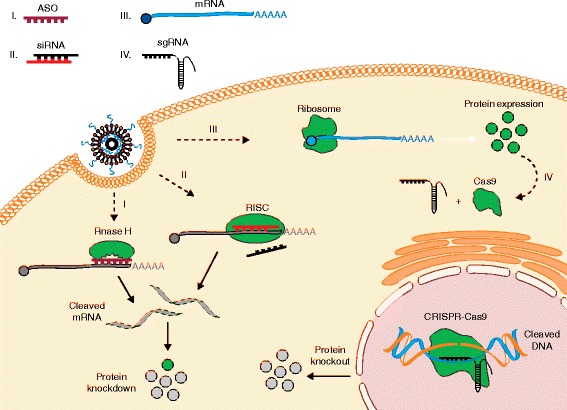
“(II) Short interfering RNA (siRNA) is recognized by the RNA-induced silencing complex (RISC), which, guided by an antisense strand of the siRNA, specifically binds and cleaves target mRNA.”
BackgroundInfluentialIn vivo endothelial siRNA delivery using polymeric nanoparticles with low molecular weight
Dahlman, J. E., Barnes, C., Khan, O. F., Thiriot, A., Jhunjunwala, S., Shaw, T. E., Xing, Y., Sager, H. B., Sahay, G., Speciner, L., et al. (2014) · Nature Nanotechnology · doi:10.1038/nnano.2014.84 · Cited by 592 · cited 1×
“As such, one laboratory has pioneered the use of semi-automated high-throughput synthesis methods to create libraries of chemically diverse lipids and lipid-like materials for RNA delivery [31–35], resulting in highly potent nanoparticles capable of delivering a variety of RNA types to both the liver [32, 36, 37] and…”
MethodSelf-citationRNA Interference in Vitro and in Vivo Using a Novel Chitosan/siRNA Nanoparticle System
Howard, K. A., Rahbek, U. L., Liu, X., Damgaard, C. K., Glud, S. Z., Andersen, M. Ø., Hovgaard, M. B., Schmitz, A., Nyengaard, J. R., Besenbacher, F., et al. (2006) · Molecular Therapy · doi:10.1016/j.ymthe.2006.04.010 · Cited by 585 · cited 1×
“Synthetic polymers such as poly-Llysine [17], polyamidoamine [18], and polyethyleneimine [19], as well as naturally occurring polymers such as chitosan [20], have all been applied to RNA delivery, with varying levels of success.”
BackgroundCellular uptake and trafficking of antisense oligonucleotides
Crooke, S. T., Wang, S., Vickers, T. A., Shen, W., & Liang, X.-H. (2017) · Nature Biotechnology · doi:10.1038/nbt.3779 · Cited by 582 · cited 1×
“An additional utility of ASOs is their ability to enter cells without the use of a transfection reagent, although this uptake does not always lead to therapeutic action [71].”
BackgroundDirect cytosolic delivery of CRISPR/Cas9-ribonucleoprotein for efficient gene editing
Mout, R., Ray, M., Yesilbag Tonga, G., Lee, Y.-W., Tay, T., Sasaki, K., & Rotello, V. M. (2017) · ACS Nano · doi:10.1021/acsnano.6b07600 · Cited by 579 · cited 1×
“Lipid and polypeptide nanoparticles have also been used to deliver RNA–protein complex of Cas9 and sgRNAs, which is another promising strategy to ensure the transient cellular presence of Cas9, significantly reducing off-target effects [158, 159].”
BackgroundTherapeutic reduction of ataxin-2 extends lifespan and reduces pathology in TDP-43 mice
Becker, L. A., Huang, B., Bieri, G., Ma, R., Knowles, D. A., Jafar-Nejad, P., Messing, J., Kim, H. J., Soriano, A., Auburger, G., et al. (2017) · Nature · doi:10.1038/nature22038 · Cited by 571 · cited 1×
“Optimism from such approvals and clinical studies has also led researchers to continue investigation of ASOs to treat diseases such as amyotrophic lateral sclerosis (ALS) [77] and spinocerebellar ataxia [78].”
BackgroundThess, A., Grund, S., Mui, B. L., Hope, M. J., Baumhof, P., Fotin-Mleczek, M., & Schlake, T. (2015) · Molecular Therapy · doi:10.1038/mt.2015.103 · Cited by 556 · cited 2×
“Similarly, LNPs formulated with mRNA encoding erythropoietin (Epo) have been shown to elicit a systemic physiological response in large animals, including pigs and nonhuman primates [93].”
BackgroundA dual AAV system enables the Cas9-mediated correction of a metabolic liver disease in newborn mice
Yang, Y., Wang, L., Bell, P., McMenamin, D., He, Z., White, J., Yu, H., Xu, C., Morizono, H., Musunuru, K., et al. (2016) · Nature Biotechnology · doi:10.1038/nbt.3469 · Cited by 556 · cited 1×
“Direct in vivo delivery of spCas9 to diseased cells has recently been used to correct mutations in genes in animal models of Duchenne muscular dystrophy (mdx) [127–129], hereditary tyrosynemia type I (fah) [130, 131], and lethal metabolic liver disease (oct) [132] and to reduce blood cholesterol in chimeric mice with…”
MethodMiller, J. B., Zhang, S., Kos, P., Xiong, H., Zhou, K., Perelman, S. S., Zhu, H., & Siegwart, D. J. (2017) · Angewandte Chemie International Edition · doi:10.1002/anie.201610209 · Cited by 540 · cited 1×
“Recently, a study described the synthesis and development of zwitterionic amino lipids, composed of a sulfobetaine head group and a polyamine linker with hydrophobic tails, that were used to formulate nanoparticles capable of simultaneous in vivo delivery of Cas9 mRNA and sgLoxP to induce expression of floxed tdTomato…”
BackgroundZhang, Y., Wang, Z., & Gemeinhart, R. A. (2013) · Journal of Controlled Release · doi:10.1016/j.jconrel.2013.09.015 · Cited by 535 · cited 1×
“It is also worth noting that a rare subset of microRNAs is thought to enhance protein production, and that targeting of genesuppressing microRNAs using ASOs could also be used to increase protein production [81].”
BackgroundRNA-directed gene editing specifically eradicates latent and prevents new HIV-1 infection
Hu, W., Kaminski, R., Yang, F., Zhang, Y., Cosentino, L., Li, F., Luo, B., Alvarez-Carbonell, D., Garcia-Mesa, Y., Karn, J., et al. (2014) · Proceedings of the National Academy of Sciences · doi:10.1073/pnas.1405186111 · Cited by 527 · cited 1×
“While the majority of current gene editing efforts are focused on treatment of monogenic disorders, caused by deleterious changes in a single gene, the expansion of gene editing and delivery tools makes the treatment of complex polygenic diseases such as cardiovascular diseases [118] and antiviral therapies [119], as…”
BackgroundPermanent Alteration of PCSK9 With In Vivo CRISPR-Cas9 Genome Editing
Ding, Q., Strong, A., Patel, K. M., Ng, S.-L., Gosis, B. S., Regan, S. N., Cowan, C. A., Rader, D. J., & Musunuru, K. (2014) · Circulation Research · doi:10.1161/circresaha.115.304351 · Cited by 522 · cited 1×
“Direct in vivo delivery of spCas9 to diseased cells has recently been used to correct mutations in genes in animal models of Duchenne muscular dystrophy (mdx) [127–129], hereditary tyrosynemia type I (fah) [130, 131], and lethal metabolic liver disease (oct) [132] and to reduce blood cholesterol in chimeric mice with…”
MethodAnderson, D. G., Lynn, D. M., & Langer, R. (2003) · Angewandte Chemie International Edition · doi:10.1002/anie.200351244 · Cited by 504 · cited 1×
“Given their high degree of chemical flexibility, polymers are commonly used materials for nanoparticle-based delivery [12].”
BackgroundSelf-citationThe complexity of miRNA-mediated repression
Wilczynska, A., & Bushell, M. (2015) · Cell Death & Differentiation · doi:10.1038/cdd.2014.112 · Cited by 500 · cited 1×
“Chemical modification of miRNA mimics in particular, however, might prove challenging owing to the complex nature of miRNA-induced gene regulation [86].”
BackgroundLipopeptide nanoparticles for potent and selective siRNA delivery in rodents and nonhuman primates
Dong, Y., Love, K. T., Dorkin, J. R., Sirirungruang, S., Zhang, Y., Chen, D., Bogorad, R. L., Yin, H., Chen, Y., Vegas, A. J., et al. (2014) · Proceedings of the National Academy of Sciences · doi:10.1073/pnas.1322937111 · Cited by 488 · cited 1×
“As such, one laboratory has pioneered the use of semi-automated high-throughput synthesis methods to create libraries of chemically diverse lipids and lipid-like materials for RNA delivery [31–35], resulting in highly potent nanoparticles capable of delivering a variety of RNA types to both the liver [32, 36, 37] and…”
MethodSelf-citationPetsch, B., Schnee, M., Vogel, A. B., Lange, E., Hoffmann, B., Voss, D., Schlake, T., Thess, A., Kallen, K.-J., Stitz, L., et al. (2012) · Nature Biotechnology · doi:10.1038/nbt.2436 · Cited by 464 · cited 1×
“Additionally, immune responses generated by naked mRNA can be beneficial for vaccination purposes [101, 102].”
BackgroundChemical Modification of siRNAs for In Vivo Use
Behlke, M. A. (2008) · Oligonucleotides · doi:10.1089/oli.2008.0164 · Cited by 454
Editing the epigenome: technologies for programmable transcription and epigenetic modulation
Thakore, P. I., Black, J. B., Hilton, I. B., & Gersbach, C. A. (2016) · Nature Methods · doi:10.1038/nmeth.3733 · Cited by 451 · cited 1×
“While the majority of current gene editing efforts are focused on treatment of monogenic disorders, caused by deleterious changes in a single gene, the expansion of gene editing and delivery tools makes the treatment of complex polygenic diseases such as cardiovascular diseases [118] and antiviral therapies [119], as…”
BackgroundLipid‐based nanotherapeutics for siRNA delivery
Schroeder, A., Levins, C. G., Cortez, C., Langer, R., & Anderson, D. G. (2010) · Journal of Internal Medicine · doi:10.1111/j.1365-2796.2009.02189.x · Cited by 447 · cited 1×
“This ionizable behavior is thought to enhance efficacy through helping with endosomal escape [26] and reducing toxicity [27] as compared with particles that remain cationic at physiological pH.”
BackgroundSelf-citationCornerstones of CRISPR–Cas in drug discovery and therapy
Fellmann, C., Gowen, B. G., Lin, P.-C., Doudna, J. A., & Corn, J. E. (2017) · Nature Reviews Drug Discovery · doi:10.1038/nrd.2016.238 · Cited by 443 · cited 1×
“Ex vivo editing with spCas9 has been applied to human hematopoietic stem cells in order to correct sickle cell anemia caused by mutation in the gene encoding βglobin, as well as to deplete T cells of expression of CCR5 to trigger anti-HIV protection or to deplete PD-1 to boost anti-cancer therapy [134].”
BackgroundChen, D., Love, K. T., Chen, Y., Eltoukhy, A. A., Kastrup, C., Sahay, G., Jeon, A., Dong, Y., Whitehead, K. A., & Anderson, D. G. (2012) · Journal of the American Chemical Society · doi:10.1021/ja301621z · Cited by 424 · cited 1×
“Optimizing the formulation of lipid nanoparticles (LNPs) by addition of other hydrophobic moieties, such as cholesterol and PEG-lipid, in addition to an ionizable/cationic lipid, enhances nanoparticle stability and can significantly enhance efficacy of RNA delivery [30].”
BackgroundSelf-citationRS-1 enhances CRISPR/Cas9- and TALEN-mediated knock-in efficiency
Song, J., Yang, D., Xu, J., Zhu, T., Chen, Y. E., & Zhang, J. (2016) · Nature Communications · doi:10.1038/ncomms10548 · Cited by 422 · cited 1×
“Alternatively, HDR can be enhanced by agonists of proteins crucially involved in homologous recombination such as Rad51 [149].”
BackgroundChahal, J. S., Khan, O. F., Cooper, C. L., McPartlan, J. S., Tsosie, J. K., Tilley, L. D., Sidik, S. M., Lourido, S., Langer, R., Bavari, S., et al. (2016) · Proceedings of the National Academy of Sciences · doi:10.1073/pnas.1600299113 · Cited by 414 · cited 1×
“In a recent study, replicon vaccines formulated into nanoparticles comprising repeatedly branched dendrimer (tree-like) molecules have generated protective immunity against a broad spectrum of lethal pathogens, including Zika, Ebola and influenza viruses [106].”
BackgroundSelf-citationRehman, Z. U., Hoekstra, D., & Zuhorn, I. S. (2013) · ACS Nano · doi:10.1021/nn3049494 · Cited by 395 · cited 1×
“4), thought to lead to an ion imbalance that results in endosomal rupture [14, 15], although this so-called ‘proton sponge’ hypothesis has yet to be rigorously demonstrated for various materials [16].”
BackgroundSystems medicine: the future of medical genomics and healthcare
Auffray, C., Chen, Z., & Hood, L. (2009) · Genome Medicine · doi:10.1186/gm2 · Cited by 387 · cited 1×
“Diseases such as cancer [2], Parkinson’s [3], rheumatoid arthritis [4], and Alzheimer’s [5] have all had many of their genetic components revealed, bringing us closer than ever to ‘personalized medicine’ [6].”
BackgroundBramsen, J. B., Laursen, M. B., Nielsen, A. F., Hansen, T. B., Bus, C., Langkjær, N., Babu, B. R., Højland, T., Abramov, M., Van Aerschot, A., et al. (2009) · Nucleic Acids Research · doi:10.1093/nar/gkp106 · Cited by 369
Verdine, G. L., & Walensky, L. D. (2007) · Clinical Cancer Research · doi:10.1158/1078-0432.ccr-07-2184 · Cited by 361 · cited 2×
“However, the size and stability of proteins limit their utility towards many potential disease targets [7].”
BackgroundMicroRNA therapeutics: Discovering novel targets and developing specific therapy
Bansal, P., Christopher, A., Kaur, R., Kaur, G., Kaur, A., & Gupta, V. (2016) · Perspectives in Clinical Research · doi:10.4103/2229-3485.179431 · Cited by 360 · cited 1×
“Endogenous microRNAs are non-coding RNAs that act as key regulators for a variety of cellular pathways, and are often downregulated in diseases [79].”
BackgroundPardi, N., Secreto, A. J., Shan, X., Debonera, F., Glover, J., Yi, Y., Muramatsu, H., Ni, H., Mui, B. L., Tam, Y. K., et al. (2017) · Nature Communications · doi:10.1038/ncomms14630 · Cited by 352 · cited 1×
“humanized mice against HIV-1 challenge [108].”
Moschos, S. A., Jones, S. W., Perry, M. M., Williams, A. E., Erjefalt, J. S., Turner, J. J., Barnes, P. J., Sproat, B. S., Gait, M. J., & Lindsay, M. A. (2007) · Bioconjugate Chemistry · doi:10.1021/bc070077d · Cited by 350 · cited 1×
“Other conjugates, such as cholesterol [40], vitamin E [41], antibodies [42], and cell-penetrating peptides [43], have been explored in the past, although none but the specialized triantennary GalNAc–siRNA conjugate has gained any clinical traction (Table 2), suggesting the need for additional work on the design of con…”
BackgroundSteroid and lipid conjugates of siRNAs to enhance cellular uptake and gene silencing in liver cells
Lorenz, C., Hadwiger, P., John, M., Vornlocher, H.-P., & Unverzagt, C. (2004) · Bioorganic & Medicinal Chemistry Letters · doi:10.1016/j.bmcl.2004.07.018 · Cited by 338 · cited 1×
“Other conjugates, such as cholesterol [40], vitamin E [41], antibodies [42], and cell-penetrating peptides [43], have been explored in the past, although none but the specialized triantennary GalNAc–siRNA conjugate has gained any clinical traction (Table 2), suggesting the need for additional work on the design of con…”
BackgroundGolan, T., Khvalevsky, E. Z., Hubert, A., Gabai, R. M., Hen, N., Segal, A., Domb, A., Harari, G., David, E. B., Raskin, S., et al. (2015) · Oncotarget · doi:10.18632/oncotarget.4183 · Cited by 336 · cited 1×
“An intriguing use of naked siRNA is Silenseed’s siG12D LODER, which encapsulates siRNA targeted against the KRAS oncoprotein in an implantable and degradable polymeric matrix for the treatment of pancreatic cancer [63, 64].”
BackgroundPolymer–Lipid Nanoparticles for Systemic Delivery of mRNA to the Lungs
Kaczmarek, J. C., Patel, A. K., Kauffman, K. J., Fenton, O. S., Webber, M. J., Heartlein, M. W., DeRosa, F., & Anderson, D. G. (2016) · Angewandte Chemie International Edition · doi:10.1002/anie.201608450 · Cited by 334 · cited 1×
“Poly(β-amino esters), in particular, have gained widespread use in DNA delivery owing to their ease of synthesis and biodegradability [21], but have also proved to be capable of effecting delivery of short interfering RNA (siRNA) [22–24] and mRNA [25].”
BackgroundSelf-citationDevelopment of Lipidoid–siRNA Formulations for Systemic Delivery to the Liver
Akinc, A., Goldberg, M., Qin, J., Dorkin, J. R., Gamba-Vitalo, C., Maier, M., Jayaprakash, K. N., Jayaraman, M., Rajeev, K. G., Manoharan, M., et al. (2009) · Molecular Therapy · doi:10.1038/mt.2009.36 · Cited by 323
Self-citationSuhr, O. B., Coelho, T., Buades, J., Pouget, J., Conceicao, I., Berk, J., Schmidt, H., Waddington-Cruz, M., Campistol, J. M., Bettencourt, B. R., et al. (2015) · Orphanet Journal of Rare Diseases · doi:10.1186/s13023-015-0326-6 · Cited by 321
Antisense oligonucleotide therapy for spinocerebellar ataxia type 2
Scoles, D. R., Meera, P., Schneider, M. D., Paul, S., Dansithong, W., Figueroa, K. P., Hung, G., Rigo, F., Bennett, C. F., Otis, T. S., et al. (2017) · Nature · doi:10.1038/nature22044 · Cited by 319
Efficient In Vivo Delivery of siRNA to the Liver by Conjugation of α-Tocopherol
Nishina, K., Unno, T., Uno, Y., Kubodera, T., Kanouchi, T., Mizusawa, H., & Yokota, T. (2008) · Molecular Therapy · doi:10.1038/mt.2008.14 · Cited by 312 · cited 1×
“Other conjugates, such as cholesterol [40], vitamin E [41], antibodies [42], and cell-penetrating peptides [43], have been explored in the past, although none but the specialized triantennary GalNAc–siRNA conjugate has gained any clinical traction (Table 2), suggesting the need for additional work on the design of con…”
BackgroundMethods for Optimizing CRISPR-Cas9 Genome Editing Specificity
Tycko, J., Myer, V. E., & Hsu, P. D. (2016) · Molecular Cell · doi:10.1016/j.molcel.2016.07.004 · Cited by 305 · cited 1×
“Despite positive outcomes, these studies have revealed limitations of the CRISPR–Cas9 system relevant for clinical translation, including (1) imperfect DNA-targeting specificity leading to off-target effects [135], (2) low efficiency of genome editing using HDR [136], and (3) challenging delivery of”
BackgroundSystemic delivery of factor IX messenger RNA for protein replacement therapy
Ramaswamy, S., Tonnu, N., Tachikawa, K., Limphong, P., Vega, J. B., Karmali, P. P., Chivukula, P., & Verma, I. M. (2017) · Proceedings of the National Academy of Sciences · doi:10.1073/pnas.1619653114 · Cited by 301 · cited 1×
“Therapeutically relevant amounts of human FIX (hFIX) protein were reached and sustained physiological activity for 4–9 days upon a single intravenous dose of hFIX mRNA-loaded LNPs in mice with hemophilia B [112, 113].”
BackgroundDelivering the promise of miRNA cancer therapeutics
Pereira, D. M., Rodrigues, P. M., Borralho, P. M., & Rodrigues, C. M. P. (2013) · Drug Discovery Today · doi:10.1016/j.drudis.2012.10.002 · Cited by 288 · cited 1×
“Thus, exogenous microRNAs, or microRNA mimics, delivered therapeutically could be used to knockdown several proteins simultaneously, which is particularly useful in diseases such as cancer where having a single disease-relevant target is rare [80].”
BackgroundPositional Effect of Chemical Modifications on Short Interference RNA Activity in Mammalian Cells
Prakash, T. P., Allerson, C. R., Dande, P., Vickers, T. A., Sioufi, N., Jarres, R., Baker, B. F., Swayze, E. E., Griffey, R. H., & Bhat, B. (2005) · Journal of Medicinal Chemistry · doi:10.1021/jm050044o · Cited by 285
Overcoming the Innate Immune Response to Small Interfering RNA
Judge, A., & MacLachlan, I. (2008) · Human Gene Therapy · doi:10.1089/hum.2007.179 · Cited by 284 · cited 1×
“RNAs delivered through nanoparticles, discussed later, are also typically modified in order to avoid recognition by endosomally expressed pattern recognition receptors [51].”
BackgroundSafety of antisense oligonucleotide and siRNA-based therapeutics
Chi, X., Gatti, P., & Papoian, T. (2017) · Drug Discovery Today · doi:10.1016/j.drudis.2017.01.013 · Cited by 280 · cited 1×
“Despite recent setbacks surrounding withdrawal of Alnylams’s siRNA–GalNac conjugate [160] and Curevac’s first mRNA vaccine [100] from clinical trials, nucleic acid-based therapeutics continue to progress, as highlighted by the approval of four ASOs by the FDA [159] and more RNA candidate drugs with improved chemical m…”
BackgroundSvitkin, Y. V., Cheng, Y. M., Chakraborty, T., Presnyak, V., John, M., & Sonenberg, N. (2017) · Nucleic Acids Research · doi:10.1093/nar/gkx135 · Cited by 278 · cited 1×
“Some of the previously discussed RNA base modifications such as N1-methyl-pseudouridine have not only been instrumental in masking mRNA immune-stimulatory activity but have also been shown to increase mRNA translation by enhancing translation initiation [96, 97].”
BackgroundFrom the RNA world to the clinic
Sullenger, B. A., & Nair, S. (2016) · Science · doi:10.1126/science.aad8709 · Cited by 274 · cited 1×
“The majority of approaches tested in clinical trials employ adoptive-transfer of DCs transfected with mRNAs coding for tumor-specific antigens (TSAs) and immunomodulation of T cells with mRNAs expressing chimeric antigen receptors (CARs) or TSAs [109].”
BackgroundOrthogonal gene knockout and activation with a catalytically active Cas9 nuclease
Dahlman, J. E., Abudayyeh, O. O., Joung, J., Gootenberg, J. S., Zhang, F., & Konermann, S. (2015) · Nature Biotechnology · doi:10.1038/nbt.3390 · Cited by 272 · cited 1×
“A combination of DSBs can also be used to edit multiple loci by employing different sgRNAs [125, 126].”
BackgroundNovel “anti-reverse” cap analogs with superior translational properties
JEMIELITY, J., FOWLER, T., ZUBEREK, J., STEPINSKI, J., LEWDOROWICZ, M., NIEDZWIECKA, A., STOLARSKI, R., DARZYNKIEWICZ, E., & RHOADS, R. E. (2003) · RNA · doi:10.1261/rna.5430403 · Cited by 263 · cited 1×
“Incorporation of cap analogs such as ARCA (anti-reverse cap analogs) and poly(A) tail of 120–150 bp into in vitro transcribed (IVT) mRNAs has markedly improved expression of the encoded proteins and mRNA stability [89, 90].”
BackgroundPharmacological inhibition of DNA-PK stimulates Cas9-mediated genome editing
Robert, F., Barbeau, M., Éthier, S., Dostie, J., & Pelletier, J. (2015) · Genome Medicine · doi:10.1186/s13073-015-0215-6 · Cited by 255 · cited 1×
“In addition, a number of studies have reported better HDR efficacy by using CRISPR–Cas9 in combination with small-molecule inhibitors of NHEJ, such as DNA ligase IV or DNA-dependent protein kinase inhibitors [147, 148].”
BackgroundBioinspired Alkenyl Amino Alcohol Ionizable Lipid Materials for Highly Potent In Vivo mRNA Delivery
Fenton, O. S., Kauffman, K. J., McClellan, R. L., Appel, E. A., Dorkin, J. R., Tibbitt, M. W., Heartlein, M. W., DeRosa, F., Langer, R., & Anderson, D. G. (2016) · Advanced Materials · doi:10.1002/adma.201505822 · Cited by 252 · cited 2×
“As such, one laboratory has pioneered the use of semi-automated high-throughput synthesis methods to create libraries of chemically diverse lipids and lipid-like materials for RNA delivery [31–35], resulting in highly potent nanoparticles capable of delivering a variety of RNA types to both the liver [32, 36, 37] and…”
BackgroundMethodSelf-citationRNA therapeutics: RNAi and antisense mechanisms and clinical applications
Chery, J. (2016) · Postdoc Journal · doi:10.14304/surya.jpr.v4n7.5 · Cited by 240 · cited 1×
“The ASOs, however, inhibit protein production through a variety of mechanisms, such as sterically blocking ribosome attachment or eliciting RNase-H activation [68].”
BackgroundmRNA as gene therapeutic: How to control protein expression
Tavernier, G., Andries, O., Demeester, J., Sanders, N. N., De Smedt, S. C., & Rejman, J. (2011) · Journal of Controlled Release · doi:10.1016/j.jconrel.2010.10.020 · Cited by 232
Mammalian synthetic circuits with RNA binding proteins for RNA-only delivery
Wroblewska, L., Kitada, T., Endo, K., Siciliano, V., Stillo, B., Saito, H., & Weiss, R. (2015) · Nature Biotechnology · doi:10.1038/nbt.3301 · Cited by 222
Liang, X.-H., Shen, W., Sun, H., Migawa, M. T., Vickers, T. A., & Crooke, S. T. (2016) · Nature Biotechnology · doi:10.1038/nbt.3589 · Cited by 212
Chemical and structural effects of base modifications in messenger RNA
Harcourt, E. M., Kietrys, A. M., & Kool, E. T. (2017) · Nature · doi:10.1038/nature21351 · Cited by 204 · cited 1×
“In addition to their observed effects on protein translation, base modifications and codon optimization affect the secondary structure of mRNA, which in turn influences its translation [98].”
BackgroundKauffman, K. J., Mir, F. F., Jhunjhunwala, S., Kaczmarek, J. C., Hurtado, J. E., Yang, J. H., Webber, M. J., Kowalski, P. S., Heartlein, M. W., DeRosa, F., et al. (2016) · Biomaterials · doi:10.1016/j.biomaterials.2016.09.006 · Cited by 190 · cited 1×
“Indeed, recent studies have shown that base modification of mRNA can actually decrease potency in certain situations [54], whereas chemical modification in siRNAs is almost ubiquitously applied for in vivo use [55].”
BackgroundSelf-citationImportance of nucleotide sequence and chemical modifications of antisense oligonucleotides
Agrawal, S. (1999) · Biochimica et Biophysica Acta (BBA) - Gene Structure and Expression · doi:10.1016/s0167-4781(99)00141-4 · Cited by 179 · cited 1×
“Like siRNA, ASOs are designed to block protein translation through Watson– Crick base-pairing with the target mRNA [66] and can be modified to improve stability [67].”
BackgroundGenetics and genomics of Parkinson’s disease
Lin, M. K., & Farrer, M. J. (2014) · Genome Medicine · doi:10.1186/gm566 · Cited by 179 · cited 1×
“Diseases such as cancer [2], Parkinson’s [3], rheumatoid arthritis [4], and Alzheimer’s [5] have all had many of their genetic components revealed, bringing us closer than ever to ‘personalized medicine’ [6].”
BackgroundNucleic acid vaccines: prospects for non-viral delivery of mRNA vaccines
Deering, R. P., Kommareddy, S., Ulmer, J. B., Brito, L. A., & Geall, A. J. (2014) · Expert Opinion on Drug Delivery · doi:10.1517/17425247.2014.901308 · Cited by 176 · cited 1×
“Another RNA vaccination approach is the use of selfamplifying mRNA replicons that have been developed to extend the duration and magnitude of antigen expression as well as boost the immune response [104, 105].”
BackgroundMissing pieces in understanding the intracellular trafficking of polycation/DNA complexes
Won, Y.-Y., Sharma, R., & Konieczny, S. F. (2009) · Journal of Controlled Release · doi:10.1016/j.jconrel.2009.06.031 · Cited by 170 · cited 1×
“4), thought to lead to an ion imbalance that results in endosomal rupture [14, 15], although this so-called ‘proton sponge’ hypothesis has yet to be rigorously demonstrated for various materials [16].”
BackgroundMockey, M., Gonçalves, C., Dupuy, F. P., Lemoine, F. M., Pichon, C., & Midoux, P. (2006) · Biochemical and Biophysical Research Communications · doi:10.1016/j.bbrc.2005.12.105 · Cited by 165 · cited 1×
“Incorporation of cap analogs such as ARCA (anti-reverse cap analogs) and poly(A) tail of 120–150 bp into in vitro transcribed (IVT) mRNAs has markedly improved expression of the encoded proteins and mRNA stability [89, 90].”
BackgroundFomivirsen: Clinical Pharmacology and Potential Drug Interactions
Geary, R. S., Henry, S. P., & Grillone, L. R. (2002) · Clinical Pharmacokinetics · doi:10.2165/00003088-200241040-00002 · Cited by 160
Therapeutic efficacy in a hemophilia B model using a biosynthetic mRNA liver depot system
DeRosa, F., Guild, B., Karve, S., Smith, L., Love, K., Dorkin, J. R., Kauffman, K. J., Zhang, J., Yahalom, B., Anderson, D. G., et al. (2016) · Gene Therapy · doi:10.1038/gt.2016.46 · Cited by 159 · cited 1×
“Therapeutically relevant amounts of human FIX (hFIX) protein were reached and sustained physiological activity for 4–9 days upon a single intravenous dose of hFIX mRNA-loaded LNPs in mice with hemophilia B [112, 113].”
BackgroundSelf-citationMerki, E., Graham, M. J., Mullick, A. E., Miller, E. R., Crooke, R. M., Pitas, R. E., Witztum, J. L., & Tsimikas, S. (2008) · Circulation · doi:10.1161/circulationaha.108.786822 · Cited by 156 · cited 1×
“injected subcutaneously and targets mRNA encoding apolipoprotein B for the treatment of hypercholesterolemia [75, 76].”
BackgroundEffects of Chemically Modified Messenger RNA on Protein Expression
Li, B., Luo, X., & Dong, Y. (2016) · Bioconjugate Chemistry · doi:10.1021/acs.bioconjchem.6b00090 · Cited by 154
Desigaux, L., Sainlos, M., Lambert, O., Chevre, R., Letrou-Bonneval, E., Vigneron, J.-P., Lehn, P., Lehn, J.-M., & Pitard, B. (2007) · Proceedings of the National Academy of Sciences · doi:10.1073/pnas.0707431104 · Cited by 146 · cited 1×
“1b), driven by a combination of electrostatic interactions with RNA and hydrophobic interactions [28, 29].”
BackgroundIn vivo genome editing using nuclease-encoding mRNA corrects SP-B deficiency
Mahiny, A. J., Dewerth, A., Mays, L. E., Alkhaled, M., Mothes, B., Malaeksefat, E., Loretz, B., Rottenberger, J., Brosch, D. M., Reautschnig, P., et al. (2015) · Nature Biotechnology · doi:10.1038/nbt.3241 · Cited by 139 · cited 1×
“with an AAV6-expressing donor template, resulted in correction of the gene encoding surfactant protein B in mice with SP-B deficiency and extended their survival [156].”
BackgroundAntisense-Oligonucleotide Therapy
Askari, F. K., & McDonnell, W. M. (1996) · New England Journal of Medicine · doi:10.1056/nejm199602013340508 · Cited by 124 · cited 1×
“Like siRNA, ASOs are designed to block protein translation through Watson– Crick base-pairing with the target mRNA [66] and can be modified to improve stability [67].”
BackgroundAllard, S. D., Keersmaecker, B. D., de Goede, A. L., Verschuren, E. J., Koetsveld, J., Reedijk, M. L., Wylock, C., Bel, A. V. D., Vandeloo, J., Pistoor, F. H. M., et al. (2011) · Clinical Immunology · doi:10.1016/j.clim.2011.10.010 · Cited by 121 · cited 1×
“Immunization against infectious diseases using ex vivo mRNA-transfected dendritic cells (DCs) is now being pursued in clinical trials and has demonstrated good safety profiles and ability to induce antigen-specific T-cell responses [103].”
BackgroundTsutsumi, T., Hirayama, F., Uekama, K., & Arima, H. (2007) · Journal of Controlled Release · doi:10.1016/j.jconrel.2007.03.013 · Cited by 121 · cited 1×
“Synthetic polymers such as poly-Llysine [17], polyamidoamine [18], and polyethyleneimine [19], as well as naturally occurring polymers such as chitosan [20], have all been applied to RNA delivery, with varying levels of success.”
BackgroundTzeng, S. Y., Hung, B. P., Grayson, W. L., & Green, J. J. (2012) · Biomaterials · doi:10.1016/j.biomaterials.2012.07.036 · Cited by 104
Disposition and Pharmacology of a GalNAc3-conjugated ASO Targeting Human Lipoprotein (a) in Mice
Yu, R. Z., Graham, M. J., Post, N., Riney, S., Zanardi, T., Hall, S., Burkey, J., Shemesh, C. S., Prakash, T. P., Seth, P. P., et al. (2016) · Molecular Therapy - Nucleic Acids · doi:10.1038/mtna.2016.26 · Cited by 96 · cited 1×
“Unlike many nanoparticles, which are given intravenously, GalNAc conjugates are typically dosed subcutaneously and have shown an ability to rapidly enter systemic circulation and target the liver [39].”
BackgroundInhibition of nonhomologous end joining to increase the specificity of CRISPR/Cas9 genome editing
Vartak, S. V., & Raghavan, S. C. (2015) · The FEBS Journal · doi:10.1111/febs.13416 · Cited by 92 · cited 1×
“In addition, a number of studies have reported better HDR efficacy by using CRISPR–Cas9 in combination with small-molecule inhibitors of NHEJ, such as DNA ligase IV or DNA-dependent protein kinase inhibitors [147, 148].”
BackgroundRecent innovations in mRNA vaccines
Ulmer, J. B., & Geall, A. J. (2016) · Current Opinion in Immunology · doi:10.1016/j.coi.2016.05.008 · Cited by 91 · cited 2×
“Another RNA vaccination approach is the use of selfamplifying mRNA replicons that have been developed to extend the duration and magnitude of antigen expression as well as boost the immune response [104, 105].”
BackgroundGuo, J., Cheng, W. P., Gu, J., Ding, C., Qu, X., Yang, Z., & O’Driscoll, C. (2012) · European Journal of Pharmaceutical Sciences · doi:10.1016/j.ejps.2011.11.024 · Cited by 88 · cited 1×
“Synthetic polymers such as poly-Llysine [17], polyamidoamine [18], and polyethyleneimine [19], as well as naturally occurring polymers such as chitosan [20], have all been applied to RNA delivery, with varying levels of success.”
BackgroundDosta, P., Segovia, N., Cascante, A., Ramos, V., & Borrós, S. (2015) · Acta Biomaterialia · doi:10.1016/j.actbio.2015.03.029 · Cited by 81
Inhaler technique and patient's preference for dry powder inhaler devices
Lavorini, F., & Fontana, G. A. (2014) · Expert Opinion on Drug Delivery · doi:10.1517/17425247.2014.846907 · Cited by 80
A bioreducible linear poly(β-amino ester) for siRNA delivery
Kozielski, K., Tzeng, S. Y., & Green, J. J. (2013) · Chemical Communications · doi:10.1039/c3cc40718g · Cited by 79
Antibody-Mediated Targeting of siRNA via the Human Insulin Receptor Using Avidin−Biotin Technology
Xia, C.-F., Boado, R. J., & Pardridge, W. M. (2009) · Molecular Pharmaceutics · doi:10.1021/mp800194y · Cited by 79 · cited 1×
“Other conjugates, such as cholesterol [40], vitamin E [41], antibodies [42], and cell-penetrating peptides [43], have been explored in the past, although none but the specialized triantennary GalNAc–siRNA conjugate has gained any clinical traction (Table 2), suggesting the need for additional work on the design of con…”
BackgroundCRISPR-Cas9 gene editing: Delivery aspects and therapeutic potential
Blenke, E. O., Evers, M. J. W., Mastrobattista, E., & John van der, O. O. S. T. (2016) · Journal of Controlled Release · doi:10.1016/j.jconrel.2016.08.002 · Cited by 65 · cited 1×
“The latter are primarily suited for therapeutic ex vivo gene editing, while viral vectors and nanoparticles are mainly used for in vivo gene therapy [152].”
BackgroundStrenkowska, M., Grzela, R., Majewski, M., Wnek, K., Kowalska, J., Lukaszewicz, M., Zuberek, J., Darzynkiewicz, E., Kuhn, A. N., Sahin, U., et al. (2016) · Nucleic Acids Research · doi:10.1093/nar/gkw896 · Cited by 62 · cited 1×
“New types of cap analogs, such as 1,2-dithiodiphosphate-modified caps, with resistance against RNA decapping complex, can further improve the efficiency of RNA translation [91].”
BackgroundLi, R., Wu, Y., Zhi, Y., Yang, X., Li, Y., Xua, F., & Du, J. (2016) · Advanced Materials · doi:10.1002/adma.201602319 · Cited by 54 · cited 1×
“Examples include the use of LNPs to treat a mouse model of colorectal cancer [82], and polymeric nanoparticles to deliver microRNA to the heart to treat fibrosis [83].”
BackgroundAlnylam terminates revusiran program, stock plunges
Garber, K. (2016) · Nature Biotechnology · doi:10.1038/nbt1216-1213 · Cited by 53 · cited 1×
“Despite Alnylam’s recent decision to discontinue development of revusiran, a GalNAc–siRNA conjugate drug that also treats transthyretin amyloidosis [61], the company has several more GalNAc conjugates in its pipeline that utilize a newer ‘enhanced stabilization chemistry’ [62] that could address the issues that led to…”
BackgroundRedefining Biology via Enzyme Engineering
Kvajo, M. (2017) · Cell · doi:10.1016/j.cell.2016.12.043 · Cited by 47
DeFrancesco, L. (2017) · Nature Biotechnology · doi:10.1038/nbt.3812 · Cited by 44
Young, C. S., & Pyle, A. D. (2016) · Cell · doi:10.1016/j.cell.2016.10.050 · Cited by 37 · cited 1×
“They can also promote exon skipping (a form of RNA splicing which leaves out faulty exons), which allows for the deletion of faulty sequences within proteins [69], and, in some cases, can even lead to protein upregulation, which could be used therapeutically in diseases where certain genes are repressed [70].”
BackgroundEteplirsen for the treatment of duchenne muscular dystrophy. Ann Neurol
Mendell, J. R., Klapac, L. R. R., Sahenk, Z., et al. (2013) · Cited by 31
Therapeutic genome engineering via CRISPR ‐Cas systems
Moreno, A. M., & Mali, P. (2017) · WIREs Systems Biology and Medicine · doi:10.1002/wsbm.1380 · Cited by 30 · cited 10×
“AAVs are most widely used for gene therapy clinical trials due to their ability to transduce different cell types and tissues and their low risk of genomic integration and low immunogenicity [153].”
MethodInfluentialGenome Editing for the Study of Cardiovascular Diseases
Chadwick, A. C., & Musunuru, K. (2017) · Current Cardiology Reports · doi:10.1007/s11886-017-0830-5 · Cited by 30 · cited 1×
“While the majority of current gene editing efforts are focused on treatment of monogenic disorders, caused by deleterious changes in a single gene, the expansion of gene editing and delivery tools makes the treatment of complex polygenic diseases such as cardiovascular diseases [118] and antiviral therapies [119], as…”
BackgroundBeg, M. S., Borad, M. J., Sachdev, J. C., Hong, D. S., Smith, S., Bader, A., Stoudemire, J., Kim, S., & Brenner, A. J. (2014) · Cancer Research · doi:10.1158/1538-7445.am2014-ct327 · Cited by 29 · cited 1×
“The first microRNA mimic therapy to enter clinical trials was MRX-34—a liposomal-encapsulated microRNA mimic from Mirna Therapeutics meant to treat a variety of cancers [84].”
MethodLeus, N. G. J., Morselt, H. W. M., Zwiers, P. J., Kowalski, P. S., Ruiters, M. H. J., Molema, G., & Kamps, J. A. A. M. (2014) · International Journal of Pharmaceutics · doi:10.1016/j.ijpharm.2014.04.041 · Cited by 26 · cited 1×
“1b), driven by a combination of electrostatic interactions with RNA and hydrophobic interactions [28, 29].”
BackgroundSelf-citationSpinal muscular atrophy approval boosts antisense drugs
Dolgin, E. (2017) · Nature Biotechnology · doi:10.1038/nbt0217-99 · Cited by 23 · cited 1×
“The most recent, Spinraza (nusinersen), is injected intrathecally to treat spinal muscular atrophy [72].”
BackgroundMerhautová, J., Vychytilova‐Faltejskova, P., Demlová, R., & Slabý, O. (2016) · Physiological Research · doi:10.33549/physiolres.933546 · Cited by 14 · cited 1×
“Examples include the use of LNPs to treat a mouse model of colorectal cancer [82], and polymeric nanoparticles to deliver microRNA to the heart to treat fibrosis [83].”
BackgroundFunctional genomics and rheumatoid arthritis: where have we been and where should we go?
Jarvis, J. N., & Frank, M. B. (2010) · Genome Medicine · doi:10.1186/gm165 · Cited by 13 · cited 1×
“Diseases such as cancer [2], Parkinson’s [3], rheumatoid arthritis [4], and Alzheimer’s [5] have all had many of their genetic components revealed, bringing us closer than ever to ‘personalized medicine’ [6].”
Background
Research works printed but not linked: 3
- Behr J The proton sponge: a trick to enter cells the viruses did not exploit Int J Chem 1997 2 34 6
- Manoharan M GalNAc-siRNA with enhanced stabilization chemistry: ESC-GalNAc-siRNA 2014
- Wolinetz CD Emerging biotechnologies and the role of the NIH RAC 2016
Cited by
The evolution of commercial drug delivery technologies
Vargason, A. M., Anselmo, A. C., & Mitragotri, S. (2021) · Nature Biomedical Engineering · doi:10.1038/s41551-021-00698-w · Cited by 1,361
Delivering the Messenger: Advances in Technologies for Therapeutic mRNA Delivery
Kowalski, P. S., Rudra, A., Miao, L., & Anderson, D. G. (2019) · Molecular Therapy · doi:10.1016/j.ymthe.2019.02.012 · Cited by 1,127
Self-citationSmart nanoparticles for cancer therapy
Sun, L., Liu, H., Ye, Y., Lei, Y., Islam, R., Tan, S., Tong, R., Miao, Y.-B., & Cai, L. (2023) · Signal Transduction and Targeted Therapy · doi:10.1038/s41392-023-01642-x · Cited by 1,073
“310 Therefore, chemists have creatively modi fi ed nucleic acid bases, sugar rings, 3 ‘ and 5 ’ ends.”
BackgroundAdvances in Biomaterials for Drug Delivery
Fenton, O. S., Olafson, K. N., Pillai, P. S., Mitchell, M. J., & Langer, R. (2018) · Advanced Materials · doi:10.1002/adma.201705328 · Cited by 855
Engineering circular RNA for potent and stable translation in eukaryotic cells
Wesselhoeft, R. A., Kowalski, P. S., & Anderson, D. G. (2018) · Nature Communications · doi:10.1038/s41467-018-05096-6 · Cited by 853
Self-citation
Metadata
- Authors
- Kaczmarek, J. C., Kowalski, P. S., & Anderson, D. G.
- Affiliations
- Koch Institute for Integrative Cancer Research At MIT (US)
- Harvard University (US)
- Corresponding author
- Anderson, Daniel G.
- Venue
- Genome Medicine
- Published
- 2017-06-27
- Volume
- 9
- Issue
- 1
- Pages
- 60-60
- ISSN
- 1756-994X (ISSN-L)
- PMC
- PMC5485616
- OpenAlex
- W2630192492
- Cited by
- 656
- References
- 157
- Citations by year
- 2026: 43 · 2025: 48 · 2024: 65 · 2023: 60 · 2022: 77 · 2021: 90 · 2020: 73 · 2019: 87 · 2018: 104 · 2017: 8
- FWCI
- 6.96
- Type
- journal article
- Language
- en
- Open access
- gold
- doi.org
- Licence
- cc-by
- creativecommons.org/licenses/by/4.0/ (tdm)
- creativecommons.org/licenses/by/4.0/ (vor)
- Locations
- Genome Medicine (publishedVersion, cc-by)
- Europe PMC (PubMed Central) (publishedVersion, cc-by)
- PubMed Central (publishedVersion, cc-by)
- PubMed (publishedVersion)
- DOAJ (DOAJ: Directory of Open Access Journals) (submittedVersion, cc-by-sa)
- DSpace@MIT (Massachusetts Institute of Technology) (submittedVersion, cc-by-nc)
- BioMed Central eBooks
- Funders
- National Cancer Institute (P30-CA14051)
- JDRF (3-PDF-2017-383-A-N)
- Topics
- Life Sciences › Biochemistry, Genetics and Molecular Biology › Molecular Biology › RNA Interference and Gene Delivery
- Life Sciences › Biochemistry, Genetics and Molecular Biology › Molecular Biology › RNA Research and Splicing
- Life Sciences › Biochemistry, Genetics and Molecular Biology › Molecular Biology › RNA and protein synthesis mechanisms
- Keywords
- RNA therapeutics, RNA delivery, siRNA, antisense oligonucleotides, mRNA therapeutics, CRISPR, genome editing, RNA stability, immune response, clinical translation, gene expression modulation
- MeSH terms
- Gene Editing, Humans, Genetic Therapy, Oligonucleotides, Antisense, RNA, Small Interfering
About these checks
Registry, retraction, Cites and statistics results are computed, not judged, with one exception: a printed reference that no index lists is read once by a model before it counts as a citation error. Claims are extracted by a model and kept only when their quote appears verbatim in the text; each cited source is then checked, with a model’s help, for whether it says what the claim relies on. Those verdicts can be wrong — read the claim’s quote and the cited source before relying on one.
Statistics and arithmetic are recomputed, not judged.
Confidence bands are shown only for fields calibrated on our annotated test set. None is calibrated yet, so no band is shown.
What counts as a claim ›How we measure confidence ›How we check this ›
Are you an author, or do you see a problem with this page? Request a review
Data sources
Bibliographic data: Semantic Scholar, OpenAlex, Crossref.
Contains information from the Semantic Scholar Academic Graph Datasets, made available under the ODC Attribution License (ODC-BY 1.0).
Semantic Scholar’s data is described in: Kinney, R., et al. (2023). The Semantic Scholar Open Data Platform. arXiv:2301.10140.
