

The DOI matches its Crossref record; 143 of the 144 references it cites were found in a registry or an index.
A primer on the use of mouse models for identifying direct sex chromosome effects that cause sex differences in non-gonadal tissues
Open accessAbstract
In animals with heteromorphic sex chromosomes, all sex differences originate from the sex chromosomes, which are the only factors that are consistently different in male and female zygotes. In mammals, the imbalance in Y gene expression, specifically the presence vs. absence of Sry , initiates the differentiation of testes in males, setting up lifelong sex differences in the level of gonadal hormones, which in turn cause many sex differences in the phenotype of non-gonadal tissues. The inherent imbalance in the expression of X and Y genes, or in the epigenetic impact of X and Y chromosomes, also has the potential to contribute directly to the sexual differentiation of non-gonadal cells. Here, we review the research strategies to identify the X and Y genes or chromosomal regions that cause direct, sexually differentiating effects on non-gonadal cells. Some mouse models are useful for separating the effects of sex chromosomes from those of gonadal hormones. Once direct “sex chromosome effects” are detected in these models, further studies are required to narrow down the list of candidate X and/or Y genes and then to identify the sexually differentiating genes themselves. Logical approaches to the search for these genes are reviewed here.
Overview
The claims and statistics of this paper haven’t been checked yet.
Run the check — free, no account needed. It reads the open-access text and checks the sources it cites.
Integrity signals
Registry
Cites
Statistics
Figures
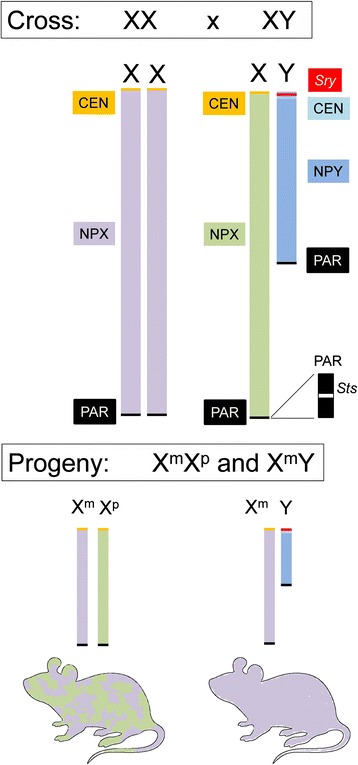
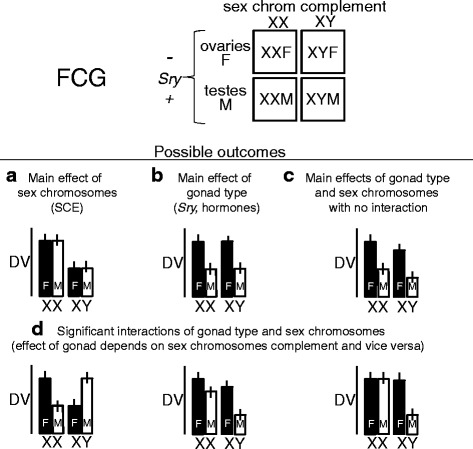
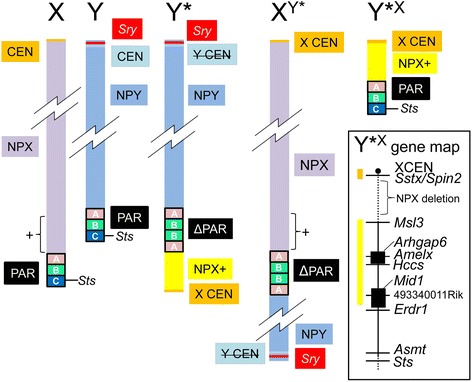
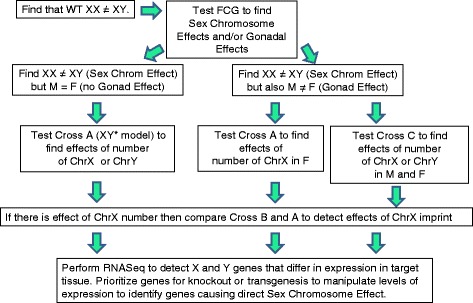
Verification
Claims the paper makes
The claims and statistics of this paper haven’t been checked yet.
Run the check — free, no account needed. It reads the open-access text and checks the sources it cites.
Claims other papers make about this one
Each is checked against this paper’s own text: does it say what the citing paper says it does?
The cited source says what the claim attributes to it.
In the citing paper
“the four core genotypes mouse model which incorporates mice with four different combinations of gonads and sex chromosomes [66, 67], has helped identify the influence of sex chromosomes on physical traits, such as obesity and food intake [68, 69].”
From Integrating Transwomen and Female Athletes with Differences of Sex Development (DSD) into Elite Competition: The FIMS 2021 Consensus Statement (2021) · cites this paper as [67]
Self-check
Percentages, sums and reported differences re-computed from the paper’s own numbers.
The self-check needs the paper’s full text.
Citations
Cites
Analysis of Relative Gene Expression Data Using Real-Time Quantitative PCR and the 2−ΔΔCT Method
Livak, K. J., & Schmittgen, T. D. (2001) · Methods · doi:10.1006/meth.2001.1262 · Cited by 180,860
Mutation of the mouse klotho gene leads to a syndrome resembling ageing
Kuro-o, M., Matsumura, Y., Aizawa, H., Kawaguchi, H., Suga, T., Utsugi, T., Ohyama, Y., Kurabayashi, M., Kaname, T., Kume, E., et al. (1997) · Nature · doi:10.1038/36285 · Cited by 3,837
Wang, H., Yang, H., Shivalila, C. S., Dawlaty, M. M., Cheng, A. W., Zhang, F., & Jaenisch, R. (2013) · Cell · doi:10.1016/j.cell.2013.04.025 · Cited by 3,495
Sinclair, A. H., Berta, P., Palmer, M. S., Hawkins, J. R., Griffiths, B. L., Smith, M. J., Foster, J. W., Frischauf, A., Lovell-Badge, R. H., & Goodfellow, P. N. (1990) · Nature · doi:10.1038/346240a0 · Cited by 3,234
Male development of chromosomally female mice transgenic for Sry
Koopman, P. A., Gubbay, J., Vivian, N., Goodfellow, P. N., & Lovell-Badge, R. H. (1991) · Nature · doi:10.1038/351117a0 · Cited by 2,193
The male-specific region of the human Y chromosome is a mosaic of discrete sequence classes
Skaletsky, H., Kuroda-Kawaguchi, T., Minx, P. J., Cordum, H. S., Hillier, L., Brown, L. G., Repping, S., Pyntikova, T., Ali, J., Bieri, T. A., et al. (2003) · Nature · doi:10.1038/nature01722 · Cited by 2,148
Gubbay, J., Collignon, J., Koopman, P. A., Capel, B., Economou, A., Münsterberg, A., Vivian, N., Goodfellow, P. N., & Lovell-Badge, R. H. (1990) · Nature · doi:10.1038/346245a0 · Cited by 1,675
Myogenin, a factor regulating myogenesis, has a domain homologous to MyoD
Wright, W. E., Sassoon, D. A., & Lin, V. K. (1989) · Cell · doi:10.1016/0092-8674(89)90583-7 · Cited by 1,261
Four Evolutionary Strata on the Human X Chromosome
Lahn, B. T., & Page, D. C. (1999) · Science · doi:10.1126/science.286.5441.964 · Cited by 1,010
The degeneration of Y chromosomes
Charlesworth, B., & Charlesworth, D. (2000) · Philosophical Transactions of the Royal Society B Biological Sciences · doi:10.1098/rstb.2000.0717 · Cited by 931
Strategies and Methods for Research on Sex Differences in Brain and Behavior
Becker, J. B., Arnold, A. P., Berkley, K. J., Blaustein, J. D., Eckel, L. A., Hampson, E., Herman, J. P., Marts, S. A., Sadée, W., Steiner, M. S., et al. (2004) · Endocrinology · doi:10.1210/en.2004-1142 · Cited by 833
Self-citationEpigenetic Dynamics of Imprinted X Inactivation During Early Mouse Development
Okamoto, I., Otte, A. P., Allis, C. D., Reinberg, D., & Heard, É. (2003) · Science · doi:10.1126/science.1092727 · Cited by 804
Sex Determination and Gonadal Development in Mammals
Wilhelm, D., Palmer, S. J., & Koopman, P. A. (2007) · Physiological Reviews · doi:10.1152/physrev.00009.2006 · Cited by 683
X-Inactivation, Imprinting, and Long Noncoding RNAs in Health and Disease
Lee, J. T., & Bartolomei, M. S. (2013) · Cell · doi:10.1016/j.cell.2013.02.016 · Cited by 674
Mammalian Y chromosomes retain widely expressed dosage-sensitive regulators
Bellott, D. W., Hughes, J. F., Skaletsky, H., Brown, L. G., Pyntikova, T., Cho, T.-J., Koutseva, N., Zaghlul, S., Graves, T., Rock, S., et al. (2014) · Nature · doi:10.1038/nature13206 · Cited by 658
Arnold, A. P. (2009) · Hormones and Behavior · doi:10.1016/j.yhbeh.2009.03.011 · Cited by 625
Self-citationSex Chromosome Specialization and Degeneration in Mammals
Graves, J. A. M. (2006) · Cell · doi:10.1016/j.cell.2006.02.024 · Cited by 591
Arnold, A. P., & Chen, X. (2009) · Frontiers in Neuroendocrinology · doi:10.1016/j.yfrne.2008.11.001 · Cited by 587
Self-citationOrigins and functional evolution of Y chromosomes across mammals
Cortez, D., Marín, R. M., Toledo‐Flores, D., Froidevaux, L., Liechti, A., Waters, P. D., Grützner, F., & Kaessmann, H. (2014) · Nature · doi:10.1038/nature13151 · Cited by 544
Reactivation of the Paternal X Chromosome in Early Mouse Embryos
Mak, W., Nesterova, T. B., de Napoles, M., Appanah, R., Yamanaka, S., Otte, A. P., & Brockdorff, N. (2004) · Science · doi:10.1126/science.1092674 · Cited by 532
De Vries, G. J., Rissman, E. F., Simerly, R. B., Yang, L.-Y., Scordalakes, E. M., Auger, C. J., Swain, A., Lovell-Badge, R., Burgoyne, P. S., & Arnold, A. P. (2002) · The Journal of Neuroscience · doi:10.1523/jneurosci.22-20-09005.2002 · Cited by 509
Self-citationMinireview: sex differences in adult and developing brains: compensation, compensation, compensation
De Vries, G. J. (2004) · Endocrinology · doi:10.1210/en.2003-1504 · Cited by 486
A role for sex chromosome complement in the female bias in autoimmune disease
Smith-Bouvier, D. L., Divekar, A., Manda, S. V., Du, S., Tiwari-Woodruff, S. K., King, J. K., Arnold, A. P., Singh, R. R., & Voskuhl, R. R. (2008) · The Journal of Experimental Medicine · doi:10.1084/jem.20070850 · Cited by 398
Self-citationGenetic homology and crossing over in the X and Y chromosomes of mammals
Burgoyne, P. S. (1982) · Human Genetics · doi:10.1007/bf00274192 · Cited by 386
Self-citationThe origin and function of the mammalian Y chromosome and Y‐borne genes – an evolving understanding
Graves, J. A. M. (1995) · BioEssays · doi:10.1002/bies.950170407 · Cited by 375
Sex chromosomes and brain gender
Arnold, A. P. (2004) · Nature Reviews Neuroscience · doi:10.1038/nrn1494 · Cited by 368
Self-citationAn azoospermic man with a de novo point mutation in the Y-chromosomal gene USP9Y
Sun, C., Skaletsky, H., Birren, B. W., Devon, K. L., Tang, Z., Silber, S. J., Oates, R. D., & Page, D. C. (1999) · Nature Genetics · doi:10.1038/70539 · Cited by 364
Dosage compensation is less effective in birds than in mammals
Itoh, Y., Melamed, E., Yang, X., Kampf, K., Wang, S. S.-M., Yehya, N., van Nas, A., Replogle, K. L., Band, M. R., Clayton, D. F., et al. (2007) · Journal of Biology · doi:10.1186/jbiol53 · Cited by 355
Self-citationGlobal survey of escape from X inactivation by RNA-sequencing in mouse
Yang, F., Babak, T., Shendure, J., & Disteche, C. M. (2010) · Genome Research · doi:10.1101/gr.103200.109 · Cited by 350
Steroidogenic Factor 1: an Essential Mediator of Endocrine Development
Parker, K. L. (2002) · Recent Progress in Hormone Research · doi:10.1210/rp.57.1.19 · Cited by 346
Soh, Y. Q. S., Alföldi, J., Pyntikova, T., Brown, L. G., Graves, T., Minx, P. J., Fulton, R. S., Kremitzki, C. L., Koutseva, N., Mueller, J. L., et al. (2014) · Cell · doi:10.1016/j.cell.2014.09.052 · Cited by 338
The Number of X Chromosomes Causes Sex Differences in Adiposity in Mice
Chen, X., McClusky, R., Chen, J., Beaven, S. W., Tontonoz, P., Arnold, A. P., & Reue, K. (2012) · PLoS Genetics · doi:10.1371/journal.pgen.1002709 · Cited by 326
Self-citationUTX and UTY Demonstrate Histone Demethylase-Independent Function in Mouse Embryonic Development
Shpargel, K. B., Sengoku, T., Yokoyama, S., & Magnuson, T. (2012) · PLoS Genetics · doi:10.1371/journal.pgen.1002964 · Cited by 320
X chromosome regulation: diverse patterns in development, tissues and disease
Deng, X., Berletch, J. B., Nguyen, D. K., & Distèche, C. M. (2014) · Nature Reviews Genetics · doi:10.1038/nrg3687 · Cited by 316
A Mouse Geneticist’s Practical Guide to CRISPR Applications
Singh, P., Schimenti, J. C., & Bolcun‐Filas, E. (2014) · Genetics · doi:10.1534/genetics.114.169771 · Cited by 312
Escape from X Inactivation Varies in Mouse Tissues
Berletch, J. B., Ma, W., Yang, F., Shendure, J., Noble, W. S., Distèche, C. M., & Deng, X. (2015) · PLoS Genetics · doi:10.1371/journal.pgen.1005079 · Cited by 307
A gradient of sex linkage in the pseudoautosomal region of the human sex chromosomes
Rouyer, F., Simmler, M., Johnsson, C., Vergnaud, G., Cooke, H. J., & Weissenbach, J. (1986) · Nature · doi:10.1038/319291a0 · Cited by 297
Knockout Mice Lacking Steroidogenic Factor 1 Are a Novel Genetic Model of Hypothalamic Obesity
Majdič, G., Young, M. J., Gómez-Sánchez, E. P., Anderson, P., Szczepaniak, L. S., Dobbins, R. L., McGarry, J., & Parker, K. L. (2002) · Endocrinology · doi:10.1210/endo.143.2.8652 · Cited by 289
Sex differences in sex chromosome gene expression in mouse brain
Xu, J. (2002) · Human Molecular Genetics · doi:10.1093/hmg/11.12.1409 · Cited by 269
Sex Chromosome Complement and Gonadal Sex Influence Aggressive and Parental Behaviors in Mice
Gatewood, J. D., Wills, A., Shetty, S. R. J., Xu, J., Arnold, A. P., Burgoyne, P. S., & Rissman, E. F. (2006) · Journal of Neuroscience · doi:10.1523/jneurosci.3743-05.2006 · Cited by 253
Self-citationPolymorphic Y Chromosomes Harbor Cryptic Variation with Manifold Functional Consequences
Lemos, B., Araripe, L. O., & Hartl, D. L. (2008) · Science · doi:10.1126/science.1148861 · Cited by 249
Hook, E. B., & Warburton, D. (2014) · Human Genetics · doi:10.1007/s00439-014-1420-x · Cited by 235
Evidence that Meiotic Sex Chromosome Inactivation Is Essential for Male Fertility
Royo, H., Polikiewicz, G., Mahadevaiah, S. K., Prosser, H. M., Mitchell, M., Bradley, A., de Rooij, D. G., Burgoyne, P. S., & Turner, J. M. A. (2010) · Current Biology · doi:10.1016/j.cub.2010.11.010 · Cited by 235
Self-citationMahadevaiah, S. K. (1998) · Human Molecular Genetics · doi:10.1093/hmg/7.4.715 · Cited by 228
Dosage Compensation of the Sex Chromosomes
Distèche, C. M. (2012) · Annual Review of Genetics · doi:10.1146/annurev-genet-110711-155454 · Cited by 224
Wu, H., Luo, J., Yu, H. M., Rattner, A., Mo, A., Wang, Y., Smallwood, P. M., Avigdor, B. E., Wheelan, S. J., & Nathans, J. (2014) · Neuron · doi:10.1016/j.neuron.2013.10.051 · Cited by 211
Genetic conflict reflected in tissue-specific maps of genomic imprinting in human and mouse
Babak, T., DeVeale, B., Tsang, E. K., Zhou, Y., Li, X., Smith, K. S., Kukurba, K., Zhang, R., Li, J. B., van der Kooy, D., et al. (2015) · Nature Genetics · doi:10.1038/ng.3274 · Cited by 211
Brown, G. M., Furlong, R. A., Sargent, C. A., Erickson, R. P., Longepied, G., Mitchell, M. J., Jones, M. H., Hargreave, T. B., Cooke, H. J., & Affara, N. A. (1998) · Human Molecular Genetics · doi:10.1093/hmg/7.1.97 · Cited by 210
Davies, W., Isles, A. R., Smith, R., Karunadasa, D. K., Burrmann, D., Humby, T., Ojarikre, O. A., Biggin, C., Skuse, D., Burgoyne, P. S., et al. (2005) · Nature Genetics · doi:10.1038/ng1577 · Cited by 192
Self-citationAn H–YDb epitope is encoded by a novel mouse Y chromosome gene
Greenfield, A., Scott, D. M., Pennisi, D. J., Ehrmann, I. E., Ellis, P., Cooper, L. T., Simpson, E., & Koopman, P. A. (1996) · Nature Genetics · doi:10.1038/ng1296-474 · Cited by 181
A Genetic Basis for a Postmeiotic X Versus Y Chromosome Intragenomic Conflict in the Mouse
Cocquet, J., Ellis, P. J. I., Mahadevaiah, S. K., Affara, N. A., Vaiman, D., & Burgoyne, P. S. (2012) · PLoS Genetics · doi:10.1371/journal.pgen.1002900 · Cited by 174
Self-citationSex-Specific Differences in Expression of Histone DemethylasesUtxandUtyin Mouse Brain and Neurons
Xu, J., Deng, X., Watkins, R., & Distèche, C. M. (2008) · Journal of Neuroscience · doi:10.1523/jneurosci.5382-07.2008 · Cited by 173
Lemos, B., Branco, A. T., & Hartl, D. L. (2010) · Proceedings of the National Academy of Sciences · doi:10.1073/pnas.1010383107 · Cited by 173
The Multicopy Gene Sly Represses the Sex Chromosomes in the Male Mouse Germline after Meiosis
Cocquet, J., Ellis, P. J. I., Yamauchi, Y., Mahadevaiah, S. K., Affara, N. A., Ward, M. A., & Burgoyne, P. S. (2009) · PLoS Biology · doi:10.1371/journal.pbio.1000244 · Cited by 168
Self-citationThe genetic basis of XX-XY differences present before gonadal sex differentiation in the mouse
Burgoyne, P. S., Thornhill, A. R., Boudrean, S. K., Darling, S. M., Bishop, C. E., & Evans, E. P. (1995) · Philosophical Transactions of the Royal Society of London. Series B: Biological Sciences · doi:10.1098/rstb.1995.0159 · Cited by 168
Self-citationEpigenetic regulation of autosomal gene expression by sex chromosomes
Wijchers, P. J., & Festenstein, R. (2011) · Trends in Genetics · doi:10.1016/j.tig.2011.01.004 · Cited by 165
A Yin-Yang Effect between Sex Chromosome Complement and Sex Hormones on the Immune Response
Palaszynski, K. M., Smith, D. L., Kamrava, S., Burgoyne, P. S., Arnold, A. P., & Voskuhl, R. R. (2005) · Endocrinology · doi:10.1210/en.2005-0284 · Cited by 163
Self-citationA Y-chromosomal effect on blastocyst cell number in mice
Burgoyne, P. S. (1993) · Development · doi:10.1242/dev.117.1.341 · Cited by 160
Self-citationA Y-encoded subunit of the translation initiation factor Eif2 is essential for mouse spermatogenesis
Mazeyrat, S., Saut, N., Grigoriev, V., Mahadevaiah, S. K., Ojarikre, O. A., Rattigan, Á., Bishop, C. E., Eicher, E. M., Mitchell, M. J., & Burgoyne, P. S. (2001) · Nature Genetics · doi:10.1038/ng717 · Cited by 156
Self-citationMitchell, M. J., Woods, D., Tucker, P. K., Opp, J. S., & Bishop, C. E. (1991) · Nature · doi:10.1038/354483a0 · Cited by 154
Why females are mosaics, x-chromosome inactivation, and sex differences in disease
Migeon, B. R. (2007) · Gender Medicine · doi:10.1016/s1550-8579(07)80024-6 · Cited by 152
Identification of a cluster of X-linked imprinted genes in mice
Raefski, A. S., & O’Neill, M. J. (2005) · Nature Genetics · doi:10.1038/ng1567 · Cited by 151
X-linkage of steroid sulphatase in the mouse is evidence for a functional Y-linked allele
Keitges, E. A., Rivest, M., SINISCALCO, M., & Gartler, S. M. (1985) · Nature · doi:10.1038/315226a0 · Cited by 146
Kay, G. F., Ashworth, A., Penny, G. D., Dunlop, M. M., Swift, S., Brockdorff, N., & Rastant, S. (1991) · Nature · doi:10.1038/354486a0 · Cited by 140
Manwani, B., Bentivegna, K., Benashski, S. E., Venna, V. R., Xu, Y., Arnold, A. P., & McCullough, L. D. (2014) · Journal of Cerebral Blood Flow & Metabolism · doi:10.1038/jcbfm.2014.186 · Cited by 138
Self-citationEicher, E. M., Hale, D. W., Hunt, P. A., Lee, B. K., Tucker, P. K., King, T. R., Eppig, J. T., & Washburn, L. L. (2008) · Cytogenetics and Cell Genetics · doi:10.1159/000133152 · Cited by 137
Wijchers, P. J., Yandım, C., Panousopoulou, E., Ahmad, M., Harker, N., Saveliev, A., Burgoyne, P. S., & Festenstein, R. (2010) · Developmental Cell · doi:10.1016/j.devcel.2010.08.005 · Cited by 137
Self-citationA paternally imprinted X chromosome retards the development of the early mouse embryo
Thornhill, A. R., & Burgoyne, P. S. (1993) · Development · doi:10.1242/dev.118.1.171 · Cited by 134
Self-citationX and Y Chromosome Complement Influence Adiposity and Metabolism in Mice
Chen, X., McClusky, R., Itoh, Y., Reue, K., & Arnold, A. P. (2013) · Endocrinology · doi:10.1210/en.2012-2098 · Cited by 133
Self-citationAgoulnik, A. I., Mitchell, M. J., Lerner, J. L., Woods, D., & Bishop, C. E. (1994) · Human Molecular Genetics · doi:10.1093/hmg/3.6.873 · Cited by 132
Du, S., Itoh, N., Askarinam, S., Hill, H., Arnold, A. P., & Voskuhl, R. R. (2014) · Proceedings of the National Academy of Sciences · doi:10.1073/pnas.1307091111 · Cited by 131
Self-citationSex-Specific Expression of the X-Linked Histone Demethylase Gene Jarid1c in Brain
Xu, J., Deng, X., & Distèche, C. M. (2008) · PLoS ONE · doi:10.1371/journal.pone.0002553 · Cited by 121
The ontogenesis of the steroidogenic tissues
Morohashi, K. (1997) · Genes to Cells · doi:10.1046/j.1365-2443.1997.1060304.x · Cited by 121
The importance of having two X chromosomes
Arnold, A. P., Reue, K., Eghbali, M., Vilain, E., Chen, X., Ghahramani, N., Itoh, Y., Li, J., Link, J. C., Ngun, T., et al. (2016) · Philosophical Transactions of the Royal Society B: Biological Sciences · doi:10.1098/rstb.2015.0113 · Cited by 114
Self-citationStroke sensitivity in the aged: sex chromosome complement vs. gonadal hormones
McCullough, L. D., Mirza, M. A., Xu, Y., Bentivegna, K., Steffens, E. B., Ritzel, R. M., & Liu, F. (2016) · Aging · doi:10.18632/aging.100997 · Cited by 114
TALEN-mediated editing of the mouse Y chromosome
Wang, H., Hu, Y., Markoulaki, S., Welstead, G. G., Cheng, A. W., Shivalila, C., Pyntikova, T., Dadon, D. B., Voytas, D. F., Bogdanove, A. J., et al. (2013) · Nature Biotechnology · doi:10.1038/nbt.2595 · Cited by 113
Itoh, Y., Mackie, R., Kampf, K., Domadia, S., Brown, J. D., O’Neill, R., & Arnold, A. P. (2015) · BMC Research Notes · doi:10.1186/s13104-015-0986-2 · Cited by 109
Self-citationFins, limbs, and tails: outgrowths and axial patterning in vertebrate evolution
Coates, M. I., & Cohn, M. J. (1998) · BioEssays · doi:10.1002/(sici)1521-1878(199805)20:5 · Cited by 107
Self-citationLi, J., Chen, X., McClusky, R., Ruiz-Sundstrom, M., Itoh, Y., Umar, S., Arnold, A. P., & Eghbali, M. (2014) · Cardiovascular Research · doi:10.1093/cvr/cvu064 · Cited by 106
Self-citationCapel, B., Rasberry, C., Dyson, J., Bishop, C. E., Simpson, E., Vivian, N., Lovell-Badge, R. H., Rastan, S., & Cattanach, B. M. (1993) · Nature Genetics · doi:10.1038/ng1193-301 · Cited by 104
Mazeyrat, S., Saut, N., Sargent, C. A., Grimmond, S. M., Longepied, G., Ehrmann, I. E., Ellis, P. S., Greenfield, A., Affara, N. A., & Mitchell, M. J. (1998) · Human Molecular Genetics · doi:10.1093/hmg/7.11.1713 · Cited by 99
Corre, C., Friedel, M., Vousden, D. A., Metcalf, A., Spring, S., Qiu, L. R., Lerch, J. P., & Palmert, M. R. (2016) · Brain Structure and Function · doi:10.1007/s00429-014-0952-0 · Cited by 98
Arnold, A. P. (2014) · Experimental Neurology · doi:10.1016/j.expneurol.2014.01.021 · Cited by 94
Self-citationAre females more variable than males in gene expression? Meta-analysis of microarray datasets
Itoh, Y., & Arnold, A. P. (2015) · Biology of Sex Differences · doi:10.1186/s13293-015-0036-8 · Cited by 92
Self-citationManda, S. V., Itoh, N., Gold, S. M., Lawson, G. W., & Voskuhl, R. R. (2012) · Annals of the Rheumatic Diseases · doi:10.1136/annrheumdis-2011-201246 · Cited by 92
Chen, X., Watkins, R., Délot, E. C., Reliene, R., Schiestl, R. H., Burgoyne, P. S., & Arnold, A. P. (2007) · Developmental Neurobiology · doi:10.1002/dneu.20581 · Cited by 90
Self-citationEhrmann, I. E., Ellis, P. S., Mazeyrat, S., Duthie, S. M., Brockdorff, N., Mattéi, M., Gavin, M. A., Affara, N. A., Brown, G. M., Simpson, E., et al. (1998) · Human Molecular Genetics · doi:10.1093/hmg/7.11.1725 · Cited by 90
Sex chromosome-to-autosome transposition events counter Y-chromosome gene loss in mammals
Hughes, J. F., Skaletsky, H., Koutseva, N., Pyntikova, T., & Page, D. C. (2015) · Genome biology · doi:10.1186/s13059-015-0667-4 · Cited by 87
Cloning and expression of the mouse pseudoautosomal steroid sulphatase gene (Sts)
SALIDO, E. C., Li, X. M., Yen, P. H., Martín, N., Mohandas, T. K., & Shapiro, L. J. (1996) · Nature Genetics · doi:10.1038/ng0596-83 · Cited by 85
Retarded development of XO conceptuses during early pregnancy in the mouse
Burgoyne, P. S., Tam, P. P. L., & Evans, E. P. (1983) · Reproduction · doi:10.1530/jrf.0.0680387 · Cited by 83
Self-citationNoncanonical Genomic Imprinting Effects in Offspring
Bonthuis, P. J., Huang, W.-C., Hörndli, C. S., Ferris, E., Cheng, T., & Gregg, C. J. (2015) · Cell Reports · doi:10.1016/j.celrep.2015.07.017 · Cited by 81
The Y* rearrangement in mice: new insights into a perplexing PAR
Burgoyne, P. S., Mahadevaiah, S. K., Perry, J. K., Palmer, S. J., & Ashworth, A. (1998) · Cytogenetic and Genome Research · doi:10.1159/000014954 · Cited by 80
Self-citationX chromosome number causes sex differences in gene expression in adult mouse striatum
Chen, X., Grisham, W., & Arnold, A. P. (2009) · European Journal of Neuroscience · doi:10.1111/j.1460-9568.2009.06610.x · Cited by 79
Self-citationA gene spans the pseudoautosomal boundary in mice
Palmer, S., Perry, J. K., Kipling, D., & Ashworth, A. (1997) · Proceedings of the National Academy of Sciences · doi:10.1073/pnas.94.22.12030 · Cited by 72
An RBM homologue maps to the mouse Y chromosome and is expressed in germ cells
Elliott, D. J. (1996) · Human Molecular Genetics · doi:10.1093/hmg/5.7.869 · Cited by 72
Sex differences in brain developing in the presence or absence of gonads
Büdefeld, T., Grgurevič, N., Tobet, S. A., & Majdič, G. (2008) · Developmental Neurobiology · doi:10.1002/dneu.20638 · Cited by 71
Females Are Mosaics: X Inactivation and Sex Differences in Disease
Migeon, B. R. (2007) · Cited by 71
Cell‐autonomous sex determination outside of the gonad
Arnold, A. P., Chen, X., Link, J. C., Itoh, Y., & Reue, K. (2013) · Developmental Dynamics · doi:10.1002/dvdy.23936 · Cited by 70
Self-citationSex chromosome complement affects social interactions in mice
McPhie-Lalmansingh, A. A., Tejada, L. D., WEAVER, J., & Rissman, E. F. (2008) · Hormones and Behavior · doi:10.1016/j.yhbeh.2008.05.016 · Cited by 67
Migeon, B. R. (2007) · doi:10.1093/oso/9780195188127.001.0001 · Cited by 66
Chen, X., Wang, L., Loh, D. H., Colwell, C. S., Taché, Y., Reue, K., & Arnold, A. P. (2015) · Hormones and Behavior · doi:10.1016/j.yhbeh.2015.07.020 · Cited by 64
Self-citationSexually dimorphic expression of the X-linked gene Eif2s3x mRNA but not protein in mouse brain
Xu, J., Watkins, R., & Arnold, A. P. (2005) · Gene Expression Patterns · doi:10.1016/j.modgep.2005.06.011 · Cited by 64
Self-citationTdy -negative XY, XXY and XYY female mice: breeding data and synaptonemal complex analysis
Mahadevaiah, S. K., Lovell-Badge, R. H., & Burgoyne, P. S. (1993) · Reproduction · doi:10.1530/jrf.0.0970151 · Cited by 63
Self-citationEllis, P. J. I., Bacon, J., & Affara, N. A. (2011) · Human Molecular Genetics · doi:10.1093/hmg/ddr204 · Cited by 63
Burgoyne, P. S., & Biggers, J. D. (1976) · Developmental Biology · doi:10.1016/0012-1606(76)90126-3 · Cited by 62
Self-citationSpermatogenesis‐specific association of SMCY and MSH5
Akimoto, C., Kitagawa, H., Μatsumoto, T., & Kato, S. (2008) · Genes to Cells · doi:10.1111/j.1365-2443.2008.01193.x · Cited by 62
Evolutionary Mechanisms in Sex Determination
Wachtel, S. S. (1988) · Medical Entomology and Zoology · Cited by 61
Mouse model systems to study sex chromosome genes and behavior: Relevance to humans
Cox, K. H., Bonthuis, P. J., & Rissman, E. F. (2014) · Frontiers in Neuroendocrinology · doi:10.1016/j.yfrne.2013.12.004 · Cited by 60
Sexual differentiation in the developing mouse brain: contributions of sex chromosome genes
Wolstenholme, J. T., Rissman, E. F., & Bekiranov, S. (2012) · Genes Brain & Behavior · doi:10.1111/gbb.12010 · Cited by 59
Lopes, A. M., Burgoyne, P. S., Ojarikre, A., Bauer, J., Sargent, C. A., Amorim, A., & Affara, N. A. (2010) · BMC Genomics · doi:10.1186/1471-2164-11-82 · Cited by 57
Self-citationVernet, N., Mahadevaiah, S. K., Ojarikre, O. A., Longepied, G., Prosser, H. M., Bradley, A., Mitchell, M. J., & Burgoyne, P. S. (2011) · Current Biology · doi:10.1016/j.cub.2011.03.057 · Cited by 56
Self-citationWagner, C. K., Xu, J., Pfau, J. L., Quadros, P. S., Vries, G. J. D., & Arnold, A. P. (2003) · Endocrinology · doi:10.1210/en.2003-1219 · Cited by 55
Self-citationEffects of Sex Chromosome Dosage on Placental Size in Mice1
Ishikawa, H., Rattigan, Á., Fundele, R. H., & Burgoyne, P. S. (2003) · Biology of Reproduction · doi:10.1095/biolreprod.102.012641 · Cited by 55
Self-citationTouré, A., Grigoriev, V., Mahadevaiah, S. K., Rattigan, Á., Ojarikre, O. A., & Burgoyne, P. S. (2003) · Genomics · doi:10.1016/s0888-7543(03)00216-7 · Cited by 52
Self-citationSex chromosomes: Mammalian X and Y crossover
Burgoyne, P. S. (1986) · Nature · doi:10.1038/319258a0 · Cited by 51
Self-citationDecarpentrie, F., Vernet, N., Mahadevaiah, S. K., Longepied, G., Streichemberger, E., Aknin-Seifer, I. E., Ojarikre, O. A., Burgoyne, P. S., Metzler‐Guillemain, C., & Mitchell, M. J. (2012) · Human Molecular Genetics · doi:10.1093/hmg/dds088 · Cited by 49
Self-citationSexually dimorphic expression of Usp9x is related to sex chromosome complement in adult mouse brain
Xu, J., Taya, S., Kaibuchi, K., & Arnold, A. P. (2005) · European Journal of Neuroscience · doi:10.1111/j.1460-9568.2005.04134.x · Cited by 48
Self-citationSex Chromosome Complement Affects Nociception and Analgesia in Newborn Mice
Gioiosa, L., Chen, X., Watkins, R., Umeda, E. A., & Arnold, A. P. (2008) · Journal of Pain · doi:10.1016/j.jpain.2008.06.001 · Cited by 48
Self-citationVernet, N., Mahadevaiah, S. K., Yamauchi, Y., Decarpentrie, F., Mitchell, M. J., Ward, M. A., & Burgoyne, P. S. (2014) · PLoS Genetics · doi:10.1371/journal.pgen.1004444 · Cited by 46
Self-citationSurvival of XO mouse fetuses: effect of parental origin of the X chromosome or uterine environment?
Hunt, P. A. (1991) · Development · doi:10.1242/dev.111.4.1137 · Cited by 46
Grgurevič, N., Büdefeld, T., Rissman, E. F., Tobet, S. A., & Majdič, G. (2008) · Behavioral Neuroscience · doi:10.1037/0735-7044.122.4.876 · Cited by 44
Jamieson, R. V., Tan, S., & Tam, P. (1998) · Developmental Biology · doi:10.1006/dbio.1998.8972 · Cited by 44
Burgoyne, P. S., & Evans, E. P. (2000) · Cytogenetic and Genome Research · doi:10.1159/000056819 · Cited by 41
Self-citationDreumont, N., Bourgeois, C. F., Lejeune, F., Liu, Y., Ehrmann, I. E., Elliott, D. J., & Stévenin, J. (2009) · Journal of Cell Science · doi:10.1242/jcs.055889 · Cited by 41
Lane, P. W., & Davisson, M. T. (1990) · Journal of Heredity · doi:10.1093/oxfordjournals.jhered.a110923 · Cited by 41
Trent, S., Dean, R., Veit, B., Cassano, T., Bedse, G., Ojarikre, O. A., Humby, T., & Davies, W. (2012) · Psychoneuroendocrinology · doi:10.1016/j.psyneuen.2012.12.002 · Cited by 40
Kipling, D., SALIDO, E. C., Shapiro, L. J., & Cooke, H. J. (1996) · Nature Genetics · doi:10.1038/ng0596-78 · Cited by 34
Koehler, K. E., Millie, E. A., Cherry, J. P., Burgoyne, P. S., Evans, E. P., Hunt, P. A., & Hassold, T. J. (2002) · Genetics · doi:10.1093/genetics/162.3.1367 · Cited by 32
Self-citationMatsubara, Y., Kato, T., Kashimada, K., Tanaka, H., Zhou, Z., Ichinose, S., Mizutani, S., Morio, T., Chiba, T., Ito, Y., et al. (2015) · Stem Cells and Development · doi:10.1089/scd.2014.0466 · Cited by 31
Neural Growth Hormone Implicated in Body Weight Sex Differences
Bonthuis, P. J., & Rissman, E. F. (2013) · Endocrinology · doi:10.1210/en.2013-1234 · Cited by 27
Trent, S., Fry, J. P., Ojarikre, O. A., & Davies, W. (2014) · Molecular Autism · doi:10.1186/2040-2392-5-21 · Cited by 27
The Sry Gene and Sex Determination in Mammals
Capel, B., & Lovell-Badge, R. H. (1993) · Advances in developmental biology · doi:10.1016/s1566-3116(08)60025-0 · Cited by 26
Yamauchi, Y., Riel, J. M., Ruthig, V. A., & Ward, M. A. (2015) · PLoS Genetics · doi:10.1371/journal.pgen.1005476 · Cited by 26
Vernet, N., Szot, M., Mahadevaiah, S. K., Ellis, P. J. I., Decarpentrie, F., Ojarikre, O. A., Rattigan, Á., Taketo, T., & Burgoyne, P. S. (2014) · Development · doi:10.1242/dev.091165 · Cited by 24
Self-citationKopsida, E., Lynn, P. M. Y., Humby, T., Wilkinson, L. S., & Davies, W. (2013) · PLoS ONE · doi:10.1371/journal.pone.0073699 · Cited by 24
Vernet, N., Mahadevaiah, S. K., Decarpentrie, F., Longepied, G., de Rooij, D. G., Burgoyne, P. S., & Mitchell, M. J. (2016) · PLoS ONE · doi:10.1371/journal.pone.0145398 · Cited by 21
Self-citationSpermatogenic failure in male mice with four sex chromosomes
Rodríguez, T. A., & Burgoyne, P. S. (2001) · Chromosoma · doi:10.1007/s004120100134 · Cited by 18
Self-citationHolásková, I., Franko, J., Goodman, R. L., Arnold, A. P., & Schafer, R. (2015) · American Journal of Reproductive Immunology · doi:10.1111/aji.12378 · Cited by 18
Self-citationViability, development and incidence of chromosome anomalies of preimplantation embryos from XO mice
Banzai, M., Omoe, K., Ishikawa, H., & Endo, A. (2008) · Cytogenetics and Cell Genetics · doi:10.1159/000134050 · Cited by 15
Laval, S. H., Reed, V., Blair, H. J., & Boyd, Y. (1997) · Mammalian Genome · doi:10.1007/s003359900538 · Cited by 14
Mansir, A., & Justine, J. (1998) · Molecular Reproduction and Development · doi:10.1002/(sici)1098-2795(199802)49:2 · Cited by 14
The single active X in human cells: evolutionary tinkering personified
Migeon, B. R. (2011) · Human Genetics · doi:10.1007/s00439-011-1016-7 · Cited by 13
Lue, Y., Wang, C., Liu, P. Y., Erkkilä, K., & Swerdloff, R. S. (2010) · PubMed · Cited by 12
Cited by
Sorted by citations
Oyola, M. G., & Handa, R. J. (2017) · Stress · doi:10.1080/10253890.2017.1369523 · Cited by 710
“For a detailed review on the direct influence of sex chromosomes on brain sexual differentiation see Arnold (2017) and Burgoyne and Arnold (2016).”
BackgroundVertebrate sex determination: evolutionary plasticity of a fundamental switch
Capel, B. (2017) · Nature Reviews Genetics · doi:10.1038/nrg.2017.60 · Cited by 521
Sexual Dimorphism in Innate Immunity: The Role of Sex Hormones and Epigenetics
Shepherd, R., Cheung, A. S., Pang, K. C., Saffery, R., & Novakovic, B. (2021) · Frontiers in Immunology · doi:10.3389/fimmu.2020.604000 · Cited by 322
The role of sex in the genomics of human complex traits
Khramtsova, E. A., Davis, L. K., & Stranger, B. E. (2019) · Nature Reviews Genetics · doi:10.1038/s41576-018-0083-1 · Cited by 303
A Guide for the Design of Pre-clinical Studies on Sex Differences in Metabolism
Mauvais‐Jarvis, F., Arnold, A. P., & Reue, K. (2017) · Cell Metabolism · doi:10.1016/j.cmet.2017.04.033 · Cited by 284
Self-citation
Metadata
- Authors
- Burgoyne, P. S., & Arnold, A. P.
- Affiliations
- National Institute for Medical Research (GB)
- University of California, Los Angeles (US)
- Corresponding author
- Arnold, Arthur P.
- Venue
- Biology of Sex Differences
- Published
- 2016-12
- Volume
- 7
- Issue
- 1
- Pages
- 68-68
- ISSN
- 2042-6410 (ISSN-L)
- PMC
- PMC5154145
- OpenAlex
- W2563939294
- Cited by
- 154
- References
- 144
- Citations by year
- 2026: 17 · 2025: 11 · 2024: 34 · 2023: 14 · 2022: 23 · 2021: 17 · 2020: 14 · 2019: 7 · 2018: 9 · 2017: 8
- FWCI
- 1.07
- Type
- journal article
- Language
- en
- Open access
- gold
- doi.org
- Licence
- Locations
- Biology of Sex Differences (publishedVersion, cc-by)
- PubMed Central (publishedVersion, cc-by)
- PubMed (publishedVersion)
- Figshare (submittedVersion, cc-by)
- The Francis Crick Institute (cc-by)
- Funders
- UK Medical Research Council (U117532009)
- NIMH (MH59268)
- National Institute on Deafness and Other Communication Disorders (DC000217)
- National Institute of Neurological Disorders and Stroke (NS045966, NS043196,)
- NIDDK (DK083561)
- National Institute of Child Health and Human Development (HD076125)
- National Heart, Lung, and Blood Institute (HL119886, HL131182)
- Topics
- Life Sciences › Biochemistry, Genetics and Molecular Biology › Genetics › Genetic and Clinical Aspects of Sex Determination and Chromosomal Abnormalities
- Health Sciences › Medicine › Endocrinology, Diabetes and Metabolism › Sexual Differentiation and Disorders
- Health Sciences › Medicine › Public Health, Environmental and Occupational Health › Sex and Gender in Healthcare
- Keywords
- sex differences, mouse model, SRY, Y chromosome, X chromosome, gonadal hormones, sexual differentiation, candidate gene identification, sex chromosome inactivation
About these checks
Registry, retraction, Cites and statistics results are computed, not judged, with one exception: a printed reference that no index lists is read once by a model before it counts as a citation error. Claims are extracted by a model and kept only when their quote appears verbatim in the text; each cited source is then checked, with a model’s help, for whether it says what the claim relies on. Those verdicts can be wrong — read the claim’s quote and the cited source before relying on one.
Statistics and arithmetic are recomputed, not judged.
Confidence bands are shown only for fields calibrated on our annotated test set. None is calibrated yet, so no band is shown.
What counts as a claim ›How we measure confidence ›How we check this ›
Are you an author, or do you see a problem with this page? Request a review
