

Self-reported race/ethnicity in the age of genomic research: its potential impact on understanding health disparities
Open accessThe DOI matches its Crossref record; 115 of the 115 references it cites were found in a registry or an index.
Abstract
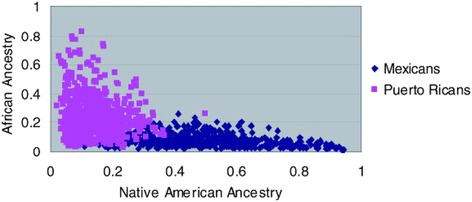
This review explores the limitations of self-reported race, ethnicity, and genetic ancestry in biomedical research. Various terminologies are used to classify human differences in genomic research including race, ethnicity, and ancestry. Although race and ethnicity are related, race refers to a person's physical appearance, such as skin color and eye color. Ethnicity, on the other hand, refers to communality in cultural heritage, language, social practice, traditions, and geopolitical factors. Genetic ancestry inferred using ancestry informative markers (AIMs) is based on genetic/genomic data. Phenotype-based race/ethnicity information and data computed using AIMs often disagree. For example, self-reporting African Americans can have drastically different levels of African or European ancestry. Genetic analysis of individual ancestry shows that some self-identified African Americans have up to 99% of European ancestry, whereas some self-identified European Americans have substantial admixture from African ancestry. Similarly, African ancestry in the Latino population varies between 3% in Mexican Americans to 16% in Puerto Ricans. The implication of this is that, in African American or Latino populations, self-reported ancestry may not be as accurate as direct assessment of individual genomic information in predicting treatment outcomes. To better understand human genetic variation in the context of health disparities, we suggest using "ancestry" (or biogeographical ancestry) to describe actual genetic variation, "race" to describe health disparity in societies characterized by racial categories, and "ethnicity" to describe traditions, lifestyle, diet, and values. We also suggest using ancestry informative markers for precise characterization of individuals' biological ancestry. Understanding the sources of human genetic variation and the causes of health disparities could lead to interventions that would improve the health of all individuals.
Overview
The claims and statistics of this paper haven’t been checked yet.
Free: it reads the open-access text and checks the first 5 claims that cite a source we can check. Create a free account to check every claim.
Integrity signals
Registry
Cites
Statistics
Figures
Verification
Claims the paper makes
The claims and statistics of this paper haven’t been checked yet.
Free: it reads the open-access text and checks the first 5 claims that cite a source we can check. Create a free account to check every claim.
Claims other papers make about this one
Each is checked against this paper’s own text: does it say what the citing paper says it does?
The cited source says what the claim attributes to it.
In the citing paper
“Of note, race can be considered as a social construct rather than a biological construct114,134, as race is a socially derived label that can either be self-reported or assigned and might not justify any biological or genetic differences between populations135,136.”
From A global view of hypertensive disorders and diabetes mellitus during pregnancy (2022) · cites this paper as [136]
Self-check
Percentages, sums and reported differences re-computed from the paper’s own numbers.
The self-check needs the paper’s full text.
Citations
Cites
Inference of Population Structure Using Multilocus Genotype Data
Pritchard, J. K., Stephens, M., & Donnelly, P. (2000) · Genetics · doi:10.1093/genetics/155.2.945 · Cited by 33,908
Initial sequencing and analysis of the human genome
International Human Genome Sequencing Consortium, Whitehead Institute for Biomedical Research, C. F. G. R., Lander, E. S., Linton, L. M., Birren, B., Nusbaum, C., Zody, M. C., Baldwin, J., Devon, K., Dewar, K., et al. (2001) · Nature · doi:10.1038/35057062 · Cited by 24,216 · cited 1×
“The human genome is composed of over three billion bases of DNA and contains between 25,000 and 30,000 protein-coding genes [1].”
An integrated map of genetic variation from 1,092 human genomes
The 1000 Genomes Project Consortium (2012) · Nature · doi:10.1038/nature11632 · Cited by 7,711 · cited 1×
“Because of their sheer number, SNPs are the major sources of genetic and phenotypic diversity, accounting for 95% of all known sequence variations [5].”
THE GENETICAL STRUCTURE OF POPULATIONS
WRIGHT, S. (1949) · Annals of Eugenics · doi:10.1111/j.1469-1809.1949.tb02451.x · Cited by 6,753
Integrating common and rare genetic variation in diverse human populations
The International HapMap 3 Consortium (2010) · Nature · doi:10.1038/nature09298 · Cited by 3,026 · cited 1×
“Large consortium-based next-generation sequencing studies such as the NIH/HLBI GO Exome Sequencing Project, the Consortium on Asthma among African ancestry Populations in the Americas (CAAPA), and the 1000 Genomes Project are currently using next-generation whole exome and whole genome sequencing studies to provide di…”
The Apportionment of Human Diversity
Lewontin, R. C. (1972) · Evolutionary Biology · doi:10.1007/978-1-4684-9063-3_14 · Cited by 2,472 · cited 1×
“Several studies including ours showed that genetic diversity in humans is higher between individuals of the same race (~85%) than between races (~15%) [4,24].”
Identification of Asthma Phenotypes Using Cluster Analysis in the Severe Asthma Research Program
Moore, W. C., Meyers, D. A., Wenzel, S. E., Teague, W. G., Li, H., Li, X., D'Agostino, R., Castro, M., Curran-Everett, D., Fitzpatrick, A. M., et al. (2010) · American Journal of Respiratory and Critical Care Medicine · doi:10.1164/rccm.200906-0896oc · Cited by 2,129 · cited 1×
“A recent study by the NHBLI-SARP caseonly cohort indicated the predictive role of PFT in asthma severity [60,61].”
Prescribing Personalized Nutrition for Cardiovascular Health: Are We Ready?
Juma, S., Imrhan, V., Vijayagopal, P., & Prasad, C. (2014) · Lifestyle Genomics · doi:10.1159/000370213 · Cited by 1,891
The Diploid Genome Sequence of an Individual Human
Levy, S., Sutton, G., Ng, P. C., Feuk, L., Halpern, A. L., Walenz, B. P., Axelrod, N., Huang, J., Kirkness, E. F., Denisov, G., et al. (2007) · PLoS Biology · doi:10.1371/journal.pbio.0050254 · Cited by 1,778 · cited 1×
“(569,000 and 481,000, respectively) [25-27].”
Whole-Genome Patterns of Common DNA Variation in Three Human Populations
Hinds, D. A., Stuve, L. L., Nilsen, G. B., Halperin, E., Eskin, E., Ballinger, D. G., Frazer, K. A., & Cox, D. R. (2005) · Science · doi:10.1126/science.1105436 · Cited by 1,170
Cited by
Items 101–200 of 472
A Transdisciplinary Approach to Understand the Epigenetic Basis of Race/Ethnicity Health Disparities
Salas, L. A., Peres, L. C., Thayer, Z. M., Smith, R. W. A., Guo, Y., Chung, W., Si, J., & Liang, L. (2021) · Epigenomics · doi:10.2217/epi-2020-0080 · Cited by 40
Ramachandran, H. J., Wu, X. V., Kowitlawakul, Y., & Wang, W. (2016) · Heart & Lung · doi:10.1016/j.hrtlng.2016.02.004 · Cited by 43
Nugent, A., Conatser, K. R., Turner, L. L., Nugent, J. T., Sarino, E. M., & Ricks‐Santi, L. J. (2019) · Genetics in Medicine · doi:10.1038/s41436-019-0558-2 · Cited by 38
Use of Race in Kidney Research and Medicine: Concepts, Principles, and Practice
Mohottige, D., Boulware, L. E., Ford, C. L., Jones, C., & Norris, K. C. (2022) · Clinical Journal of the American Society of Nephrology · doi:10.2215/cjn.04890421 · Cited by 38
Problemas emocionais e uso de medicamentos psicotrópicos: uma abordagem da desigualdade racial
Fernandes, C. S. E., Lima, M. G., & Barros, M. B. D. A. (2020) · Ciência & Saúde Coletiva · doi:10.1590/1413-81232020255.33362019 · Cited by 36
Race and prostate cancer: genomic landscape
Gallo, C. A., Owiredu, J. N., Weinstein, I., Lewicki, P., Basourakos, S. P., Vince, R., Awamlh, B. A. H. A., Schumacher, F. R., Spratt, D. E., Barbieri, C. E., et al. (2022) · Nature Reviews Urology · doi:10.1038/s41585-022-00622-0 · Cited by 37
Racial and Ethnic Disparities in Anemia and Severe Maternal Morbidity
Igbinosa, I. I., Leonard, S. A., Noelette, F., Davies-Balch, S., Carmichael, S. L., Main, E. K., & Lyell, D. J. (2023) · Obstetrics and Gynecology · doi:10.1097/aog.0000000000005325 · Cited by 38
Inclusion of diverse populations in genomic research and health services: Genomix workshop report
Mathew, S., Barwell, J., Khan, N., Lynch, E., Parker, M. J., & Qureshi, N. (2017) · Journal of Community Genetics · doi:10.1007/s12687-017-0317-5 · Cited by 39
Epidemiology of Sarcoidosis in U.S. Veterans from 2003 to 2019
Seedahmed, M. I., Baugh, A. D., Albirair, M. T., Luo, Y., Chen, J., McCulloch, C. E., Whooley, M. A., Koth, L. L., & Arjomandi, M. (2023) · Annals of the American Thoracic Society · doi:10.1513/annalsats.202206-515oc · Cited by 36
“Likemany previous studies, we found an increased disease risk among our Black participants (51).”
Lazorwitz, A. M., Aquilante, C. L., Sheeder, J. L., Guiahi, M., & Teal, S. B. (2019) · Contraception · doi:10.1016/j.contraception.2019.03.045 · Cited by 34
“Mexican Americans have been found to have up to 3% African ancestry as compared to Puerto Ricans who have up to 16% African ancestry [17].”
BackgroundResultVariation of ApoL1 Testing Practices for Living Kidney Donors
McIntosh, T. J., Mohan, S., Sawinski, D. L., Iltis, A. S., & DuBois, J. M. (2019) · Progress in Transplantation · doi:10.1177/1526924819892917 · Cited by 34
“Taken together, both selfidentified and clinician-identified race are unreliable substitutions for assessing genetic ancestry to identify which candidates are likely to benefit from ApoL1 testing.(21) This leads to our first research question (RQ):”
BackgroundThompson, A. B., Sutcliffe, E. G., Arvai, K. J., Roberts, M. E., Susswein, L. R., Marshall, M. L., Torene, R. I., Postula, K. J. V., Hruska, K. S., & Bai, S. (2022) · Familial Cancer · doi:10.1007/s10689-021-00285-7 · Cited by 34
“Haplotype SNP analysis was not performed, and misattribution of ancestry has been described [34].”
BackgroundHow does race/ethnicity influence pharmacological response to asthma therapies?
Cazzola, M., Calzetta, L., Matera, M. G., Hanania, N. A., & Rogliani, P. (2018) · Expert Opinion on Drug Metabolism & Toxicology · doi:10.1080/17425255.2018.1449833 · Cited by 33
“However, race is a crude proxy to genetic ancestry and falls short of explaining the variation in response to medication [38].”
BackgroundImmune Cell Metabolism in Systemic Lupus Erythematosus
Choi, S., Titov, A. A., Sivakumar, R., Li, W., & Morel, L. M. (2016) · Current Rheumatology Reports · doi:10.1007/s11926-016-0615-7 · Cited by 39
Biological variables influencing the estimation of reference limits
Özcürümez, M. K., & Haeckel, R. (2018) · Scandinavian Journal of Clinical and Laboratory Investigation · doi:10.1080/00365513.2018.1471617 · Cited by 33
“In case of unknown or polygenetic influences, race and ethnicity may be a confounder for existing socio-environmental differences between recruited subgroups [125].”
BackgroundGockley, A. A., Joseph, N. T., Melamed, A., Sun, S. Y., Goodwin, B., Bernstein, M. R., GOLDSTEIN, D. P., Berkowitz, R. S., & Horowitz, N. S. (2016) · American Journal of Obstetrics and Gynecology · doi:10.1016/j.ajog.2016.04.019 · Cited by 31
Ancestry: How Researchers Use It, and What They Mean by It
Dauda, B., Molina, S. J., Allen, D. S., Fuentes, A., Ghosh, N., Mauro, M., Neale, B. M., Panofsky, A. L., Sohail, M., Zhang, S., et al. (2022) · Frontiers in Genetics · doi:10.2139/ssrn.4219080 · Cited by 37
Race and nutrition in the New World: Colonial shadows in the age of epigenetics
Baedke, J., & Delgado, A. N. (2019) · Studies in History and Philosophy of Science Part C Studies in History and Philosophy of Biological and Biomedical Sciences · doi:10.1016/j.shpsc.2019.03.004 · Cited by 34
Parchem, J. G., Gupta, M., Chen, H.-Y., Wagner, S., Figueroa, H. M., & Chauhan, S. P. (2020) · Obstetrics and Gynecology · doi:10.1097/aog.0000000000003730 · Cited by 31
Herd, P., Mills, M. C., & Dowd, J. B. (2021) · Journal of Health and Social Behavior · doi:10.1177/00221465211018682 · Cited by 35
Baye, T. M., Qin, K., Beck, A. F., Ding, L., Huang, B., & Kahn, R. S. (2021) · Journal of Allergy and Clinical Immunology · doi:10.1016/j.jaci.2021.05.046 · Cited by 31
Moynihan, K. M., Dorste, A., Alizadeh, F., Phelps, K. B., Barreto, J. A., Kolwaite, A. R., Merlocco, A. C., Barbaro, R. P., Chan, T., & Thiagarajan, R. R. (2023) · Critical Care Medicine · doi:10.1097/ccm.0000000000005866 · Cited by 31
Karamperis, K., Katz, S., Melograna, F., Ganau, F. P., Steen, K. V., Patrinos, G. P., & Lao, Ó. (2024) · iScience · doi:10.1016/j.isci.2024.110916 · Cited by 31
Race and Ethnicity of Infants Enrolled in Neonatal Clinical Trials: A Systematic Review
Lyle, A. N. J., Shaikh, H., Oslin, E., Gray, M. M., & Weiss, E. M. (2023) · JAMA Network Open · doi:10.1001/jamanetworkopen.2023.48882 · Cited by 29
Ancestry‐specific hereditary cancer panel yields: Moving toward more personalized risk assessment
Roberts, M. E., Susswein, L. R., Cheng, W. J., Carter, N. J., Carter, A. C., Klein, R. T., Hruska, K. S., & Marshall, M. L. (2020) · Journal of Genetic Counseling · doi:10.1002/jgc4.1257 · Cited by 29
Fault Lines: A primer on race, science and society
Jansen, J., & Walters, C. (2020) · African Sun Media eBooks · doi:10.18820/9781928480495 · Cited by 28
Racial Disparities in Sports Cardiology: A Review
Krishnan, S., Guseh, J. S., Chukumerije, M. T., Grant, A. J., Dean, P. N., Hsu, J. J., Husaini, M., Phelan, D. M. J., Shah, A. B., Stewart, K., et al. (2024) · JAMA Cardiology · doi:10.1001/jamacardio.2024.1899 · Cited by 29
Davis, M. B., & Newman, L. A. (2017) · Surgical Oncology Clinics of North America · doi:10.1016/j.soc.2017.07.009 · Cited by 28
Association of genetic ancestry with molecular tumor profiles in colorectal cancer
Rhead, B., Hein, D., Pouliot, Y., Guinney, J., Vega, F. M. D. L., & Sanford, N. N. (2024) · Genome Medicine · doi:10.1186/s13073-024-01373-w · Cited by 30
“Furthermore, race and ethnicity categories may not capture shared ancestry well in highly admixed groups such as Black and Hispanic/Latino patients [16].”
BackgroundMcKay, R. R., Gold, T. M., Zarif, J. C., Chowdhury-Paulino, I. M., Friedant, A., Gerke, T. A., Grant, M. P. S., Hawthorne, K., Heath, E. I., Huang, F. W., et al. (2021) · JCO Global Oncology · doi:10.1200/go.20.00571 · Cited by 28
“to dissect the contribution of genetics to health disparities from nongenetic factors.(10)”
BackgroundMa, T. M., Romero, T., Nickols, N. G., Rettig, M. B., Garraway, I. P., Roach, M., Michalski, J. M., Pisansky, T. M., Lee, W. R., Jones, C. U., et al. (2021) · JAMA Network Open · doi:10.1001/jamanetworkopen.2021.39769 · Cited by 27
Chan, M. H.-M., Merrill, S. M., Konwar, C., & Kobor, M. S. (2023) · Discover Social Science and Health · doi:10.1007/s44155-023-00039-z · Cited by 28
“Specifically, race is commonly defined by physical traits, including skin color and hair texture, while ethnicity is a more complex and multidimensional construct reflecting cultural and historical background, including shared language, norms, traditions, values, diet, and geographical origin [10, 11].”
BackgroundMethodDewey, C., Veach, P. M., LeRoy, B. S., & Redlinger‐Grosse, K. (2021) · Journal of Genetic Counseling · doi:10.1002/jgc4.1521 · Cited by 26
“In this paper, race is defined as a perceived biological differences (e.g., physical characteristics such as skin color), while ethnicity refers to identified shared culture based on factors such as beliefs, traditions, and geography (Mersha & Abebe, 2015).”
BackgroundCayer, D. M., Nazor, K. L., & Schork, N. J. (2016) · Human Molecular Genetics · doi:10.1093/hmg/ddw214 · Cited by 29
Effect of Race on Echocardiographic Measures of Cardiac Structure and Function
Labounty, T. M., Bach, D. S., Bossone, E., & Kolias, T. J. (2019) · The American Journal of Cardiology · doi:10.1016/j.amjcard.2019.05.049 · Cited by 26
Guzmán-Castañeda, S. J., Ortega-Vega, E. L., de la Cuesta‐Zuluaga, J., Velásquez-Mejía, E. P., Rojas, W., Bedoya, G., & Escobar, J. S. (2019) · Gut Microbes · doi:10.1080/19490976.2019.1634416 · Cited by 31
Butters, A., Semsarian, C. R., Bagnall, R. D., Yeates, L., Stafford, F., Burns, C., Semsarian, C., & Ingles, J. (2021) · Circulation Heart Failure · doi:10.1161/circheartfailure.120.007537 · Cited by 26
An About Face: Diverse Representation in Games
Passmore, C. J., & Mandryk, R. L. (2018) · Annual Symposium on Computer-Human Interaction in Play · doi:10.1145/3242671.3242711 · Cited by 33
“Demonstrated in genomic [85,87,96], psychophysiological [54,110,119], and cosmetic surgical studies [36,83,125], ethnically-unique similarities in jawline, ears, nose, and eye dimensions are somewhat predictive of ethnic heritage (as normalizations); however, these prototypicalities guarantee nothing of lived identity.”
Racial and ethnic disparities in genetic testing for hearing loss: a systematic review and synthesis
Rouse, S. L., Florentine, M. M., Taketa, E., & Chan, D. K. (2021) · Human Genetics · doi:10.1007/s00439-021-02335-7 · Cited by 25
Li, J., Markowitz, R. H. G., Brooks, A., Mallott, E. K., Leigh, B. A., Olszewski, T., Zare, H., Bagheri, M., Smith, H., Friese, K. A., et al. (2022) · PLoS Biology · doi:10.1371/journal.pbio.3001758 · Cited by 26
Machine learning in metastatic cancer research: Potentials, possibilities, and prospects
Petinrin, O. O., Saeed, F., Toseef, M., Liu, Z., Basurra, S. S., Muyide, I. O., Li, X., Lin, Q., & Wong, K. (2023) · Computational and Structural Biotechnology Journal · doi:10.1016/j.csbj.2023.03.046 · Cited by 27
“However, it is also widely understood that, in terms of genetics, biologically distinct categories do not exist amongst humans [132,133].”
Backgroundvan Herpt, T. T. W., Lemmers, R. F. H., van Hoek, M., Langendonk, J. G., Erdtsieck, R. J., Bravenboer, B., Lucas, A. E. M., Mulder, M. T., Haak, H. R., Lieverse, A. G., et al. (2017) · Diabetology & Metabolic Syndrome · doi:10.1186/s13098-017-0245-x · Cited by 30
“Self-reported Caucasian mono-ethnicity in two generations results in a very limited risk of misclassifying genetic admixtures [57, 58].”
BackgroundZhang, Y. (2017) · International Journal for Equity in Health · doi:10.1186/s12939-017-0552-8 · Cited by 25
A biocultural approach to psychiatric illnesses
Shattuck, E. C. (2019) · Psychopharmacology · doi:10.1007/s00213-019-5178-7 · Cited by 26
James, J. E., Riddle, L. S., Koenig, B. A., & Joseph, G. (2021) · PLoS ONE · doi:10.1371/journal.pone.0258571 · Cited by 26
“Ancestry and self-reported race often match and the majority of people in WISDOM don’t see their risk shift dramatically due to PRS [64,65].”
BackgroundHarding, K., Baye, T. M., Webb, F. J., Vassalotti, J. A., & Nicholas, S. B. (2017) · American Journal of Nephrology · doi:10.1159/000479479 · Cited by 23
Luzum, J. A., Peterson, E. L., Li, J., She, R., Gui, H., Liu, B., Spertus, J. A., Pinto, Y. M., Williams, L. K., Sabbah, H. N., et al. (2018) · Journal of the American Heart Association · doi:10.1161/jaha.117.007956 · Cited by 23
“treatment differences that can confound estimates of treatment benefit.(17) Moreover, it is imperfectly linked to genetic From the Department of Clinical Pharmacy, University of Michigan College of Pharmacy, Ann Arbor, MI (J.”
BackgroundDiessner, B. J., Weigel, B. J., Murugan, P. J., Zhang, L., Poynter, J. N., & Spector, L. G. (2020) · Cancer Epidemiology Biomarkers & Prevention · doi:10.1158/1055-9965.epi-20-0520 · Cited by 23
“Wenote, however, that racial and ethnic categories are imperfect measures of genomic ancestry (53), and that other social, cultural, or lifestyle factors which are unaccounted for by area-level SES may have confounded our observations.”
BackgroundGovender, P., Fashoto, S. G., Maharaj, L., Adeleke, M. A., Mbunge, E., Olamijuwon, J. O., Akinnuwesi, B. A., & Okpeku, M. (2022) · PLoS ONE · doi:10.1371/journal.pone.0263790 · Cited by 87
“MtDNA represents only an exceedingly small segment of the complex mosaic of a human’s genetic ancestry and suggests that the ability to infer genetic relatedness would be limited [8].”
BackgroundHigher native Peruvian genetic ancestry proportion is associated with tuberculosis progression risk
Asgari, S., Luo, Y., Huang, C.-C., Zhang, Z., Calderon, R. I., Jiménez, J., Yataco, R. M., Contreras, C. C., Galea, J. T., Lecca, L. W., et al. (2022) · Cell Genomics · doi:10.1016/j.xgen.2022.100151 · Cited by 29
“First, our study uses genetic data to quantitatively assign genetic ancestry, whereas previous studies used self-reported ancestry, which is often a poor proxy for genetic ancestry in admixed populations 13,15 and thus can lead to misclassification of participants.”
Optimal strategies for learning multi-ancestry polygenic scores vary across traits
Lehmann, B., Mackintosh, M. E., McVean, G., & Holmes, C. C. (2023) · Nature Communications · doi:10.1038/s41467-023-38930-7 · Cited by 24
Race, pigmentation, and the human skin barrier—considerations for dermal absorption studies
Salminen, A. T., Manga, P., & Camacho, L. (2023) · Frontiers in Toxicology · doi:10.3389/ftox.2023.1271833 · Cited by 23
Robinson, A., Takyi, C., Chan, H. K. Y., & Lau, W. M. (2023) · International Journal of Clinical Pharmacy · doi:10.1007/s11096-023-01665-y · Cited by 22
Ethnicity and Workplace Bullying
Bergbom, B., & Vartia, M. A.-L. (2021) · Handbooks of Workplace Bullying, Emotional Abuse and Harassment/Handbooks of workplace bullying, emotional abuse and harassment · doi:10.1007/978-981-13-0218-3_14 · Cited by 25
Opportunities and challenges for biomarker discovery using electronic health record data
Singhal, P., Tan, A. L. M., Drivas, T. G., Johnson, K. B., Ritchie, M. D., & Beaulieu-Jones, B. K. (2023) · Trends in Molecular Medicine · doi:10.1016/j.molmed.2023.06.006 · Cited by 21
Wu, K. C., Cao, S., Weaver, C. M., King, N. J., Patel, S., Kingman, H., Sellmeyer, D. E., McCauley, K. E., Li, D., Lynch, S. V., et al. (2021) · The Journal of Clinical Endocrinology & Metabolism · doi:10.1210/clinem/dgab883 · Cited by 22
The Convergence of Radiology and Genomics: Advancing Breast Cancer Diagnosis with Radiogenomics
Demetriou, D., Lockhat, Z. I., Brzozowski, L., Saini, K. S., Dlamini, Z., & Hull, R. (2024) · Cancers · doi:10.3390/cancers16051076 · Cited by 24
Bonnemaijer, P. W. M., Cook, C., Nag, A., Hammond, C. J., van Duijn, C. M., Lemij, H. G., Klaver, C. C. W., & Thiadens, A. A. H. J. (2017) · Investigative Ophthalmology & Visual Science · doi:10.1167/iovs.17-21716 · Cited by 21
“Recent advances in genome-wide genotyping that allow the inference of BGA can set aside the use of proxy methods, such as self-reported ethnicity/race.(71) The high degree of admixture in our study population also is a valuable asset of the study, since it enabled detailed evaluation of the differences in CCT and IOP…”
A Research Agenda for Communication Scholars in the Precision Medicine Era
Scherr, C. L., Dean, M., Clayton, M. F., Hesse, B. W., Silk, K. J., Street, R. L., & Krieger, J. L. R. (2017) · Journal of Health Communication · doi:10.1080/10810730.2017.1363324 · Cited by 21
“Additionally, separating ancestry (derived from genomic information) from race/ ethnicity (culturally derived information) may improve understandings of socioeconomic contributions such as occupation, segregation, and environment (Mersha & Abebe, 2015).”
BackgroundTosco‐Herrera, E., Muñoz‐Barrera, A., Jáspez, D., Rubio‐Rodríguez, L. A., Mendoza‐Alvarez, A., Rodriguez‐Perez, H., Jou, J., Iñigo‐Campos, A., Corrales, A., Ciuffreda, L., et al. (2022) · Human Mutation · doi:10.1002/humu.24459 · Cited by 20
“Regarding the latter, the performance in recognizing causal variants may vary for other ancestries due to database bias (Mersha & Abebe, 2015).”
BackgroundBias and Diversity in Synthetic-based Face Recognition
Huber, M., Luu, A. T., Boutros, F., Kuijper, A., & Damer, N. (2024) · IEEE Winter Conference on Applications of Computer Vision · doi:10.1109/wacv57701.2024.00610 · Cited by 34
“This is especially important as studies have shown that there are gaps between self-reported and genomic ancestry ethnicity [44], self-reported and observed ethnicity [57] and biases and errors in human age estimation [18,32,69].”
BackgroundLuk, A. O. Y., Fan, Y., Fan, B., Chow, E. W. K., & Tony, C. K. O. (2025) · Diabetologia · doi:10.1007/s00125-025-06482-8 · Cited by 19
“Yet, racial and ethnic groupings can be arbitrary and lack biological basis, as shown by studies revealing discordant genetic ancestral markers [95, 96].”
Cardiovascular Disease Risk Varies by Birth Month in Canines
Boland, M. R., Kraus, M. S., Dziuk, E., & Gelzer, A. R. (2018) · Scientific Reports · doi:10.1038/s41598-018-25199-w · Cited by 18
Applying an equity lens to pharmacogenetic research and translation to under‐represented populations
Luczak, T. S., Stenehjem, D. D., & Brown, J. T. (2021) · Clinical and Translational Science · doi:10.1111/cts.13110 · Cited by 21
The prevalence of refractive errors in college students in Israel
Shneor, E., Doron, R., Ostrin, L. A., & Gordon‐Shaag, A. (2021) · Journal of Optometry · doi:10.1016/j.optom.2021.09.001 · Cited by 21
“The term ethnicity refers to communality in cultural heritage, language, social practice, traditions, and geopolitical factors.(26) Ethnicity includes health factors such as lifestyle, diet, and values.”
BackgroundCraniofacial Growth Analysis of Individuals With and Without Cleft Lip and Palate in Colombia
Téllez-Conti, C., Mora, I., Díaz‐Báez, D., Ocampo-Arias, I. J., Jiménez-Luna, N. E., Niño-Paz, J. C., & González-Carrera, M. C. (2021) · The Cleft Palate-Craniofacial Journal · doi:10.1177/10556656211013690 · Cited by 17
“Ethnic identity may not necessarily be a good approximation to an individual’s genetic history (Mersha & Abebe, 2015; Ruderman et al., 2020).”
BackgroundEvidence-Based Assessment for Attention-Deficit/Hyperactivity Disorder
Eng, A. G., Bansal, P. S., Goh, P. K., Nirjar, U., Petersen, M. K., & Martel, M. M. (2023) · Assessment · doi:10.1177/10731911221149957 · Cited by 19
Vishnu, A., Belbin, G. M., Wojcik, G. L., Böttinger, E. P., Gignoux, C. R., Kenny, E. E., & Loos, R. J. F. (2019) · American Journal of Clinical Nutrition · doi:10.1093/ajcn/nqz098 · Cited by 17
“For example, individuals from Mexico and Puerto Rico may both self-report (or be classified) as HL in the United States, but have a vastly different genetic ancestry (7).”
BackgroundDisparities Among Leading Publishers of Arthroplasty Research
Xu, R. F., Varady, N. H., & Chen, A. F. (2020) · The Journal of Arthroplasty · doi:10.1016/j.arth.2020.11.014 · Cited by 17
Seneviratne, C., Gorelick, D. A., Lynch, K. G., Brown, C. H., Romer, D., Pond, T., Kampman, K. M., & Kranzler, H. R. (2022) · Alcoholism Clinical and Experimental Research · doi:10.1111/acer.14932 · Cited by 18
Belleau, P., Deschênes, A., Chambwe, N., Tuveson, D. A., & Krasnitz, A. (2022) · Cancer Research · doi:10.1158/0008-5472.can-22-0682 · Cited by 18
“Finally, a selfdeclaring patient is often given a choice from a small number of broad racial or ethnic categories, which fail to capture complete ancestral information, especially in cases of mixed ancestry (13).”
BackgroundAn expanded pharmacogenomics warfarin dosing table with utility in generalised dosing guidance
Shahabi, P., Scheinfeldt, L., Lynch, D., Schmidlen, T., Perreault, S., Keller, M., Kasper, R. S., Wawak, L., Jarvis, J. P., Gerry, N. P., et al. (2016) · Thrombosis and Haemostasis · doi:10.1160/th15-12-0955 · Cited by 17
“CYP2C9*5, *6, *8, *11 and *14) on the performance of the genotype-guided dosing algorithms will therefore depend on the ancestral composition of the study cohorts (42–44), which may not be accurately captured by self-reported race/ethnicity (45).”
BackgroundLe, M. T., Shumate, C., Hoyt, A. T., Wilkinson, A. V., & Canfield, M. A. (2019) · Birth Defects Research · doi:10.1002/bdr2.1543 · Cited by 17
Asthma management experiences of Australians who are native Arabic speakers
Alzayer, R., Chaar, B. B., Basheti, I. A., & Saini, B. (2017) · Journal of Asthma · doi:10.1080/02770903.2017.1362702 · Cited by 16
“Data suggest that people with the Gly 16 allele have a heightened initial response to β2 agonists but this responsiveness deteriorates upon prolonged exposure [7,8].”
BackgroundCooley, S., Paul, R. H., Fennema‐Notestine, C., Morgan, E. E., Vaida, F., Deng, Q., Chen, J. A., Letendre, S. L., Ellis, R. J., Clifford, D. B., et al. (2016) · Journal of NeuroVirology · doi:10.1007/s13365-016-0434-7 · Cited by 16
“Demographic and clinical characteristics of the participants are listed in Table 1.”
BackgroundChallenges of the heterogeneous nutrition response: interpreting the group mean
Drew, J. E. (2019) · Proceedings of The Nutrition Society · doi:10.1017/s002966511900096x · Cited by 15
SNVstory: inferring genetic ancestry from genome sequencing data
Bollas, A., Rajkovic, A., Ceyhan, D., Gaither, J., Mardis, E. R., & White, P. (2024) · BMC Bioinformatics · doi:10.1186/s12859-024-05703-y · Cited by 18
Conti-Ramsden, F. I., de Marvao, A., & Chappell, L. C. (2025) · Reproduction · doi:10.1530/rep-25-0049 · Cited by 17
Davis, C. M., & Jones, B. L. (2022) · Archives of Pediatrics and Adolescent Medicine · doi:10.1001/jamapediatrics.2022.0139 · Cited by 15
Peres, L. C., Colin, C., Sinha, S., Marks, J. R., Conejo-Garcia, J. R., Alberg, A. J., Bandera, E. V., Berchuck, A., Bondy, M. L., Christensen, B. C., et al. (2022) · Cancer Epidemiology Biomarkers & Prevention · doi:10.1158/1055-9965.epi-21-1334 · Cited by 17
Race and Survival in Unrelated Hematopoietic Cell Transplantation
Morishima, Y., Morishima, S., Stevenson, P., Kodera, Y., Horowitz, M. M., McKallor, C., Malkki, M., Spellman, S. R., Gooley, T. A., & Petersdorf, E. W. (2022) · Transplantation and Cellular Therapy · doi:10.1016/j.jtct.2022.03.026 · Cited by 15
Saltzman, R., Zucker, I. J., Campbell, K., Gandhi, D. A., Otiono, K., Weber, A., Masterson, T. A., & Ramasamy, R. (2022) · Contemporary Clinical Trials Communications · doi:10.1016/j.conctc.2022.100986 · Cited by 15
“diet, environment, sociocultural) across racial and ethnic lineages [6,7].”
BackgroundMedical geneticists, genetic diseases and services in Brazil in the age of personalized medicine
Bonilla, C., Sortica, V. A., Schüler‐Faccini, L., Matijasevich, A., & Scheffer, M. C. (2022) · Personalized Medicine · doi:10.2217/pme-2021-0153 · Cited by 15
Lovejoy, L. A., Shriver, C. D., Haricharan, S., & Ellsworth, R. E. (2023) · International Journal of Environmental Research and Public Health · doi:10.3390/ijerph20042903 · Cited by 16
Franasiak, J. M., Olcha, M., Shastri, S. M., Molinaro, T. A., Congdon, H., Treff, N. R., & Scott, R. T. (2016) · Human Reproduction · doi:10.1093/humrep/dew195 · Cited by 15
“Genetic ancestry is determined by identifying a set of single nucleotide polymorphisms (SNPs) called ancestry informative markers (AIMs) (Mersha and Abebe, 2015).”
BackgroundNewman, L. A., & Carpten, J. D. (2018) · JAMA Surgery · doi:10.1001/jamasurg.2017.5080 · Cited by 15
“The Fixity of Whiteness”: Genetic Admixture and the Legacy of the One-Drop Rule
Liz, J. (2018) · Critical Philosophy of Race · doi:10.5325/critphilrace.6.2.0239 · Cited by 15
Race, Genetic Admixture, and Cognitive Performance in the Cuban Population
Llibre‐Guerra, J. J., Li, Y., Allen, I. E., Llíbre-Guerra, J. C., Salgado, A. M. R., Peñalver, A. I., Almirall‐Sánchez, A., Yokoyama, J. S., Grinberg, L. T., Valcour, V., et al. (2021) · The Journals of Gerontology Series A · doi:10.1093/gerona/glab063 · Cited by 15
Cancer microenvironment and genomics: evolution in process
Leong, S. P. L., Witz, I. P., Sagi‐Assif, O., Izraely, S., Sleeman, J. P., Piening, B., Fox, B. A., Bifulco, C. B., Martini, R. N., Newman, L. A., et al. (2021) · Clinical & Experimental Metastasis · doi:10.1007/s10585-021-10097-9 · Cited by 17
“MBM Brain metastasis ANGPTL4 Angiopoietin-like 4 CysC Cystatin C CLDN1 Claudin-1 DTCs Disseminated tumor cells ECM Extracellular matrix MM Malignant melanoma bHLH Helix-loop-helix CPI Checkpoint inhibitors IO Immunoncology TAMPP T-cell activation marker proficiency panel ROI Regions of interest CNN Convolutional neura…”
BackgroundGenetics of Chronic Kidney Disease in Low-Resource Settings
Ilori, T. O., Watanabe, A., Ng, K. H., Solarin, A. U., Sinha, A. P., & Gbadegesin, R. (2022) · Seminars in Nephrology · doi:10.1016/j.semnephrol.2023.151314 · Cited by 14
Validity of European-centric cardiometabolic polygenic scores in multi-ancestry populations
Topriceanu, C., Chaturvedi, N., Mathur, R., & Garfield, V. (2024) · European Journal of Human Genetics · doi:10.1038/s41431-023-01517-3 · Cited by 15
Pereira, J. L., de Souza, C. A., Neyra, J. E. M., Leite, J. M. R. S., Cerqueira, A., Mingroni‐Netto, R. C., Soler, J. M. P., Rogero, M. M., Sarti, F. M., & Fisberg, R. M. (2024) · Genes · doi:10.3390/genes15070917 · Cited by 14
“This approach may lead to the inclusion of individuals with vastly different levels of population ancestry in the same group, particularly among those of multiracial backgrounds, making the categorization challenging [2,14].”
BackgroundEnsuring privacy in face recognition: a survey on data generation, inference and storage
Sun, Z., & Liu, Z. (2025) · Discover Applied Sciences · doi:10.1007/s42452-025-06987-2 · Cited by 20
“For instance, differences between self-identified race and observed race have been noted [81], and biases in age estimation have been reported [82].”
Bakkum, M. J., Verdonk, P., Thomas, G., van Rosse, F., Okorie, M., Papaioannidou, P., Likić, R., Sanz, E. J., Christiaens, T., Costa, J. N., et al. (2022) · Clinical Pharmacology & Therapeutics · doi:10.1002/cpt.2786 · Cited by 17
“Genomic research has confirmed that social definitions of race are not supported by genetic data.(25,33) Because of concerns that ethnic differences affect the safety, efficacy, and/or dosing of medicines, some governing medical bodies require racial data for drug authorization.”
BackgroundUsing whole genome scores to compare three clinical phenotyping methods in complex diseases
Song, W., Huang, H., Zhang, C., Bates, D. W., & Wright, A. T. (2018) · Scientific Reports · doi:10.1038/s41598-018-29634-w · Cited by 14
Lim, T. S. T., Koh, C. T., Savige, J., Ng, A. Y. J., Ng, J. L., Chin, H.-L. L., Lim, W. K., Chan, G. C., Yeo, S. C., Leow, E. H., et al. (2025) · Scientific Reports · doi:10.1038/s41598-025-92520-9 · Cited by 16
“Due to cryptic admixture, discordance between self-reported and genetically-inferred ancestry have been previously described 79 .”
Herring, B., Bonner, A., Guenter, R. E., Vickers, S. M., Yates, C. C., Lee, G., Dhall, D., Chen, H., & Rose, J. B. (2022) · Cancer Research Communications · doi:10.1158/2767-9764.crc-22-0093 · Cited by 13
“However, when SRR data are available they can be inaccurate and incomplete, potentially leading to spurious associations between racial groups and genomic features (54).”
BackgroundMontes‐Rodríguez, I. M., Soto‐Salgado, M., Torres‐Cintrón, C. R., Tomassini-Fernandini, J. C., Suarez, E. L., Clavell, L. A., & Cadilla, C. L. (2023) · Cancer Epidemiology Biomarkers & Prevention · doi:10.1158/1055-9965.epi-22-1227 · Cited by 13
Tshabalala, M., Ingram, C., Schlaphoff, T., Borrill, V., Christoffels, A. G., & Pepper, M. S. (2018) · Journal of Immunology Research · doi:10.1155/2018/2031571 · Cited by 13
“Self-reported ethnicity was not considered for analysis in this study owing to redundancy and simplicity of this classification as previously discussed [41, 42].”
MethodTambur, A. R., Audry, B., Glotz, D., & Jacquelinet, C. (2022) · American Journal of Transplantation · doi:10.1016/j.ajt.2022.08.001 · Cited by 13
Metadata
- Authors
- Mersha, T. B., & Abebe, T.
- Affiliations
- University of Northern Iowa (US)
- Venue
- Human Genomics
- Published
- 2015-01-07
- Volume
- 9
- Issue
- 1
- Pages
- 1-1
- ISSN
- 1473-9542 (ISSN-L)
- 1479-7364
- PMC
- PMC4307746
- OpenAlex
- W2113129492
- Cited by
- 450
- References
- 115
- Citations by year
- 2026: 18 · 2025: 49 · 2024: 55 · 2023: 51 · 2022: 56 · 2021: 42 · 2020: 41 · 2019: 39 · 2018: 39 · 2017: 29 · 2016: 22 · 2015: 6
- FWCI
- 22.00
- Type
- journal article
- Language
- en
- Update notices
- correction (2021-06-15)
- Open access
- gold
- doi.org
- Licence
- cc-by
- creativecommons.org/licenses/by/4.0 (tdm)
- creativecommons.org/licenses/by/4.0 (vor)
- Locations
- Human Genomics (publishedVersion, cc-by)
- Europe PMC (PubMed Central) (publishedVersion, cc-by)
- PubMed Central (publishedVersion, cc-by)
- PubMed (publishedVersion)
- UNI ScholarWorks (University of Northern Iowa) (submittedVersion, cc-by)
- UNI ScholarWorks (University of Northern Iowa) (submittedVersion)
- Funders
- National Institutes of Health
- National Heart, Lung, and Blood Institute (K01HL103165)
- Topics
- Social Sciences › Anthropology › Race, Genetics, and Society
- Life Sciences › Biochemistry, Genetics and Molecular Biology › Genetics › Forensic and Genetic Research
- Life Sciences › Biochemistry, Genetics and Molecular Biology › Genetics › Genetic Associations and Epidemiology
- Keywords
- self-reported race, self-reported ethnicity, genetic ancestry, ancestry informative markers, health disparities, African Americans, Latino population, admixture, biogeographical ancestry, human genetic variation, genomic research
- MeSH terms
- Ethnicity, Genetic Markers, Humans, Phenotype, Genomics, Biomedical Research, Racial Groups, Self Report
About these checks
Registry, retraction, Cites and statistics results are computed, not judged, with one exception: a printed reference that no index lists is read once by a model before it counts as a citation error. Claims are extracted by a model and kept only when their quote appears verbatim in the text; each cited source is then checked, with a model’s help, for whether it says what the claim relies on. Those verdicts can be wrong — read the claim’s quote and the cited source before relying on one.
Statistics and arithmetic are recomputed, not judged.
Confidence bands are shown only for fields calibrated on our annotated test set. None is calibrated yet, so no band is shown.
What counts as a claim ›How we measure confidence ›How we check this ›
Are you an author, or do you see a problem with this page? Request a review
Data sources
Bibliographic data: Semantic Scholar, OpenAlex, Crossref.
Contains information from the Semantic Scholar Academic Graph Datasets, made available under the ODC Attribution License (ODC-BY 1.0).
Semantic Scholar’s data is described in: Kinney, R., et al. (2023). The Semantic Scholar Open Data Platform. arXiv:2301.10140.
