

Self-reported race/ethnicity in the age of genomic research: its potential impact on understanding health disparities
Open accessThe DOI matches its Crossref record; 115 of the 115 references it cites were found in a registry or an index.
Abstract
This review explores the limitations of self-reported race, ethnicity, and genetic ancestry in biomedical research. Various terminologies are used to classify human differences in genomic research including race, ethnicity, and ancestry. Although race and ethnicity are related, race refers to a person's physical appearance, such as skin color and eye color. Ethnicity, on the other hand, refers to communality in cultural heritage, language, social practice, traditions, and geopolitical factors. Genetic ancestry inferred using ancestry informative markers (AIMs) is based on genetic/genomic data. Phenotype-based race/ethnicity information and data computed using AIMs often disagree. For example, self-reporting African Americans can have drastically different levels of African or European ancestry. Genetic analysis of individual ancestry shows that some self-identified African Americans have up to 99% of European ancestry, whereas some self-identified European Americans have substantial admixture from African ancestry. Similarly, African ancestry in the Latino population varies between 3% in Mexican Americans to 16% in Puerto Ricans. The implication of this is that, in African American or Latino populations, self-reported ancestry may not be as accurate as direct assessment of individual genomic information in predicting treatment outcomes. To better understand human genetic variation in the context of health disparities, we suggest using "ancestry" (or biogeographical ancestry) to describe actual genetic variation, "race" to describe health disparity in societies characterized by racial categories, and "ethnicity" to describe traditions, lifestyle, diet, and values. We also suggest using ancestry informative markers for precise characterization of individuals' biological ancestry. Understanding the sources of human genetic variation and the causes of health disparities could lead to interventions that would improve the health of all individuals.
Overview
The claims and statistics of this paper haven’t been checked yet.
Free: it reads the open-access text and checks the first 5 claims that cite a source we can check. Create a free account to check every claim.
Integrity signals
Registry
Cites
Statistics
Figures
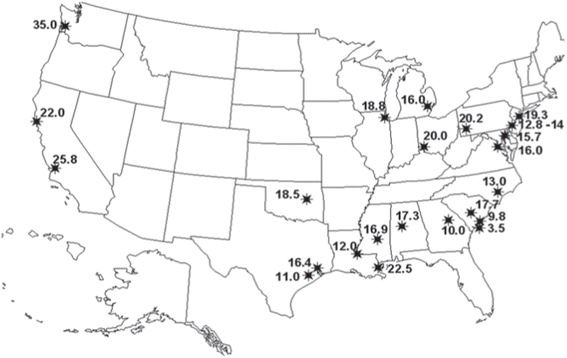
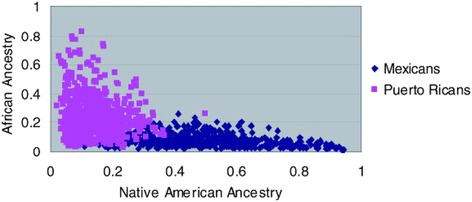
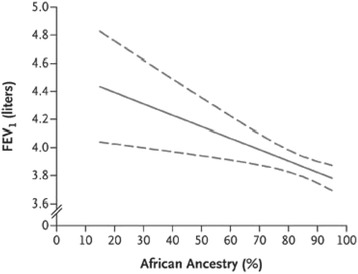
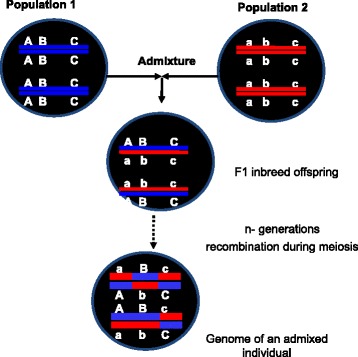
Verification
Claims the paper makes
The claims and statistics of this paper haven’t been checked yet.
Free: it reads the open-access text and checks the first 5 claims that cite a source we can check. Create a free account to check every claim.
Claims other papers make about this one
Each is checked against this paper’s own text: does it say what the citing paper says it does?
The cited source says what the claim attributes to it.
In the citing paper
“Of note, race can be considered as a social construct rather than a biological construct114,134, as race is a socially derived label that can either be self-reported or assigned and might not justify any biological or genetic differences between populations135,136.”
From A global view of hypertensive disorders and diabetes mellitus during pregnancy (2022) · cites this paper as [136]
Self-check
Percentages, sums and reported differences re-computed from the paper’s own numbers.
The self-check needs the paper’s full text.
Citations
Cites
Inference of Population Structure Using Multilocus Genotype Data
Pritchard, J. K., Stephens, M., & Donnelly, P. (2000) · Genetics · doi:10.1093/genetics/155.2.945 · Cited by 33,908
Initial sequencing and analysis of the human genome
International Human Genome Sequencing Consortium, Whitehead Institute for Biomedical Research, C. F. G. R., Lander, E. S., Linton, L. M., Birren, B., Nusbaum, C., Zody, M. C., Baldwin, J., Devon, K., Dewar, K., et al. (2001) · Nature · doi:10.1038/35057062 · Cited by 24,216 · cited 1×
“The human genome is composed of over three billion bases of DNA and contains between 25,000 and 30,000 protein-coding genes [1].”
An integrated map of genetic variation from 1,092 human genomes
The 1000 Genomes Project Consortium (2012) · Nature · doi:10.1038/nature11632 · Cited by 7,711 · cited 1×
“Because of their sheer number, SNPs are the major sources of genetic and phenotypic diversity, accounting for 95% of all known sequence variations [5].”
THE GENETICAL STRUCTURE OF POPULATIONS
WRIGHT, S. (1949) · Annals of Eugenics · doi:10.1111/j.1469-1809.1949.tb02451.x · Cited by 6,753
Integrating common and rare genetic variation in diverse human populations
The International HapMap 3 Consortium (2010) · Nature · doi:10.1038/nature09298 · Cited by 3,026 · cited 1×
“Large consortium-based next-generation sequencing studies such as the NIH/HLBI GO Exome Sequencing Project, the Consortium on Asthma among African ancestry Populations in the Americas (CAAPA), and the 1000 Genomes Project are currently using next-generation whole exome and whole genome sequencing studies to provide di…”
The Apportionment of Human Diversity
Lewontin, R. C. (1972) · Evolutionary Biology · doi:10.1007/978-1-4684-9063-3_14 · Cited by 2,472 · cited 1×
“Several studies including ours showed that genetic diversity in humans is higher between individuals of the same race (~85%) than between races (~15%) [4,24].”
Identification of Asthma Phenotypes Using Cluster Analysis in the Severe Asthma Research Program
Moore, W. C., Meyers, D. A., Wenzel, S. E., Teague, W. G., Li, H., Li, X., D'Agostino, R., Castro, M., Curran-Everett, D., Fitzpatrick, A. M., et al. (2010) · American Journal of Respiratory and Critical Care Medicine · doi:10.1164/rccm.200906-0896oc · Cited by 2,129 · cited 1×
“A recent study by the NHBLI-SARP caseonly cohort indicated the predictive role of PFT in asthma severity [60,61].”
Prescribing Personalized Nutrition for Cardiovascular Health: Are We Ready?
Juma, S., Imrhan, V., Vijayagopal, P., & Prasad, C. (2014) · Lifestyle Genomics · doi:10.1159/000370213 · Cited by 1,891
The Diploid Genome Sequence of an Individual Human
Levy, S., Sutton, G., Ng, P. C., Feuk, L., Halpern, A. L., Walenz, B. P., Axelrod, N., Huang, J., Kirkness, E. F., Denisov, G., et al. (2007) · PLoS Biology · doi:10.1371/journal.pbio.0050254 · Cited by 1,778 · cited 1×
“(569,000 and 481,000, respectively) [25-27].”
Whole-Genome Patterns of Common DNA Variation in Three Human Populations
Hinds, D. A., Stuve, L. L., Nilsen, G. B., Halperin, E., Eskin, E., Ballinger, D. G., Frazer, K. A., & Cox, D. R. (2005) · Science · doi:10.1126/science.1105436 · Cited by 1,170
Cited by
Items 201–300 of 472
Olcha, M., Franasiak, J. M., Shastri, S. M., Molinaro, T. A., Congdon, H., Treff, N. R., & Scott, R. T. (2016) · Fertility and Sterility · doi:10.1016/j.fertnstert.2016.03.052 · Cited by 13
¿De qué me ves cara?: Narrativas de herencia, genética e identidad inscritas en la apariencia
Delgado, A. N., Deister, V. G., & Beltrán, C. L. (2017) · AIBR Revista de Antropologia Iberoamericana · doi:10.11156/aibr.v12i3.68194 · Cited by 17
Mitchell, K. A., & Williams, H. (2019) · Urologic Oncology Seminars and Original Investigations · doi:10.1016/j.urolonc.2019.04.024 · Cited by 13
Relationship between West African ancestry with lung cancer risk and survival in African Americans
Mitchell, K. A., Shah‐Williams, E., Bowman, E. D., Zingone, A., Nichols, N., Pine, S. R., Kittles, R. A., & Ryan, B. M. (2019) · Cancer Causes & Control · doi:10.1007/s10552-019-01212-z · Cited by 13
Interethnic differences in the Prevalence of Main Cardiovascular Pharmacogenetic Biomarkers
Mirzaev, K. B., Abdullaev, S. P., Akmalova, K. A., Sozaeva, J., Гришина, Е. А., Shuev, G. N., Болиева, Л. З., Sozaeva, M., Zhuchkova, S. M., Gimaldinova, N. E., et al. (2020) · Pharmacogenomics · doi:10.2217/pgs-2020-0005 · Cited by 14
McKenna, B. G., Mekawi, Y., Katrinli, Ş., Carter, S. E., Stevens, J. S., Powers, A. D., Smith, A. K., & Michopoulos, V. (2021) · PubMed · doi:10.1097/psy.0000000000001007 · Cited by 12
Variation in the basal immune state and implications for disease
Souquette, A. H., & Thomas, P. G. (2024) · eLife · doi:10.7554/elife.90091 · Cited by 13
“Ethnicity is defined by social and cultural norms, whereas race is determined by physical characteristics ( Mersha and Abebe, 2015 ).”
BackgroundMullany, S., Marshall, H. N., Díaz‐Torres, S., Berry, E. C., Schmidt, J. M., Thomson, D., Qassim, A., To, M., Dimasi, D. P., Kuot, A., et al. (2022) · Ophthalmology Science · doi:10.1016/j.xops.2022.100159 · Cited by 12
Grant, A., Roy‐Gagnon, M., Bastasic, J., Talekar, A., Miller, G., Li, G., & Freeman, E. E. (2024) · Heliyon · doi:10.1016/j.heliyon.2024.e28611 · Cited by 13
“Because self-reported race and ethnicity may not accurately reflect ancestry [21], especially in those with mixed ancestry, we conducted additional analyses instead using genetic markers of ancestry.”
MethodErickson, P. A., Gardner, L. D., Loffredo, C. A., George, D. M. S., Bowman, E. D., Deepak, J., Mitchell, K. A., Meaney, C. L., LANGENBERG, P. W., Bernat, D. H., et al. (2018) · Cancer Epidemiology Biomarkers & Prevention · doi:10.1158/1055-9965.epi-18-0366 · Cited by 13
“In theUnited States, racial differences in lung cancer risk and survival are observed between African Americans (AA) and European Americans (EA; refs.”
BackgroundInfluentialPhenome-Wide Scan Finds Potential Orofacial Risk Markers for Cancer
Bezamat, M., Harrison, B., Zhou, Y., Glickman, K. M., Telles, V., Guirguis, C. A., Modesto, A. M., & Vieira, A. R. (2020) · Scientific Reports · doi:10.1038/s41598-020-61654-3 · Cited by 13
Wali, R. K., Momi, N., Cruz, M. D., Calderwood, A. H., Stypula‐Cyrus, Y., Almassalha, L. M., Chhaparia, A., Weber, C. R., Radosevich, A. J., Tiwari, A. K., et al. (2016) · Cancer Prevention Research · doi:10.1158/1940-6207.capr-16-0054 · Cited by 11
Datta, S., Sherva, R., Cruz, M. D., Long, M. T., Roy, P., Backman, V., Chowdhury, S., & Roy, H. K. (2018) · Neoplasia · doi:10.1016/j.neo.2018.01.003 · Cited by 11
Adejare, A. A., Gautam, Y., Madzia, J., & Baye, T. M. (2020) · Journal of Asthma · doi:10.1080/02770903.2020.1838539 · Cited by 12
“Firstly, the patients ’ race in EHRs is self-reported, which ignore the possibility that individuals have mixed racial ancestry and group individual in a single racial category (43).”
BackgroundMorton, M. E., & Sandage, M. J. (2022) · Journal of Speech Language and Hearing Research · doi:10.1044/2022_jslhr-22-00141 · Cited by 11
Su, A. Y., Vinogradsky, A., Wang, A. S., Ning, Y., Abrahams, E., Bacchetta, M. D., Kurlansky, P. A., Rosenzweig, E. B., & Takeda, K. (2022) · European Journal of Cardio-Thoracic Surgery · doi:10.1093/ejcts/ezac364 · Cited by 11
Stites, S. D., & Coe, N. B. (2023) · Journal of Alzheimer s Disease · doi:10.3233/jad-220507 · Cited by 11
“This appears in the scientific literature as researchers sometimes use genetic ancestry data interchangeably with self-report questions about racial identity [23, 24], likely because the convergence between ancestry data and self-report can be high, upwards to 95% [21].”
Verbalizing visual characterizations of race in the audio description of Netflix
Tair, S. A., Haider, A. S., & Alkhawaldeh, M. (2023) · British Journal of Visual Impairment · doi:10.1177/02646196231203594 · Cited by 11
“In addition, some view race and ethnicity as separate concepts; for example, Mersha and Abebe (2015) distinguished between race and ethnicity by relating race to a person’s physical features and ethnicity with factors such as their heritage and background.”
Moynihan, K. M., Sharma, M., Mehta, A., Lillie, J., Ziegenfuss, M. D., Festa, M., Chan, T., & Thiagarajan, R. R. (2024) · ASAIO Journal · doi:10.1097/mat.0000000000002206 · Cited by 11
“13 It could be argued that self-identified race and lived experiences predominate driving prehospital disparities while in the hospital, how the providers perceive the patient’s race may be more important.”
BackgroundRacial-ethnic differences in chronic kidney disease-mineral bone disorder in youth on dialysis
Laster, M. L., Soohoo, M., Streja, E., Elashoff, R. M., Jernigan, S. M., Langman, C. B., Norris, K. C., Salusky, I. B., & Kalantar‐Zadeh, K. (2018) · Pediatric Nephrology · doi:10.1007/s00467-018-4048-6 · Cited by 11
Demographic representation in clinical trials for cell-based therapy
Saltzman, R., Jayaweera, D. T., Caceres, L. V., Tovar, J. A., Vidro-Casiano, M., Karakeshishyan, V., Soto, J., Khan, A., Mitrani, R. D., Schulman, I. H., et al. (2021) · Contemporary Clinical Trials Communications · doi:10.1016/j.conctc.2021.100702 · Cited by 11
“Pharmacokinetics and pharmacodynamics are greatly influenced by age [3,4], ancestry [5,6], and sex [7–9].”
BackgroundMitochondrial DNA haplogroup, genetic ancestry, and susceptibility to Ewing sarcoma
Kaneva, K., Schurr, T. G., Tatarinova, T. V., Buckley, J. D., Merkurjev, D., Tříska, P., Liu, X., Done, J., Maglinte, D. T., Deapen, D., et al. (2022) · Mitochondrion · doi:10.1016/j.mito.2022.09.002 · Cited by 11
“These findings highlight the fact that self-reported race can be discordant from genetic ancestry determined from sequence data (Mersha and Abebe, 2015).”
BackgroundInfluentialFerdinand, K. C., SEMAN, L. J., & Salsali, A. (2017) · Current Medical Research and Opinion · doi:10.1080/03007995.2017.1405800 · Cited by 11
Peres, L. C., Risch, H. A., Terry, K. L., Webb, P. M., Goodman, M. T., Wu, A. H., Alberg, A. J., Bandera, E. V., Barnholtz‐Sloan, J. S., Bondy, M. L., et al. (2018) · International Journal of Epidemiology · doi:10.1093/ije/dyy054 · Cited by 11
Wang, Q., Wang, B.-Y., Williams, S., & Xie, H. (2024) · International Journal of Molecular Sciences · doi:10.3390/ijms252413303 · Cited by 11
Gutta, R., Teslow, E. A., Jaeger, E., Stoppler, M. C., Chao, C. Y., Rous, F. A., Potguari, B., & Gadgeel, S. M. (2025) · Clinical Lung Cancer · doi:10.1016/j.cllc.2025.02.008 · Cited by 10
Masrouri, S., Tabnak, P., Chevli, P. A., Mirzai, S., Slipczuk, L. N., Vasu, S., Lima, J. A. C., & Shapiro, M. D. (2025) · European Journal of Preventive Cardiology · doi:10.1093/eurjpc/zwaf163 · Cited by 10
“74 Additionally, as CMR was performed only once, whether a myocardial scar was present at enrolment or developed during follow-up is unclear.”
Electrocardiographic P-wave parameters and lifetime atrial fibrillation risk: A multicohort study
Segar, M. W., Lambeth, K. D., Rosenblatt, A., Paisley, R., Rasekh, A., Molina-Razavi, J. E., Razavi, M., Pandey, A., & Saeed, M. (2025) · Heart Rhythm · doi:10.1016/j.hrthm.2025.03.2004 · Cited by 10
Lipoprotein(a) and Its Role in Peripheral Arterial Disease: A Narrative Review
Mwipatayi, B. P., Dodd, J. E., Bazlee, A. H. A., Stratford, G., Lee, B., Mori, T. A., Watts, G. F., Armari, E., Wong, J., & Schlaich, M. P. (2025) · Vascular Health and Risk Management · doi:10.2147/vhrm.s555127 · Cited by 10
“107 In a cohort of 2,229 African American and non-Hispanic White individuals, Khawaja et al 108 reported an inverse association between Lp(a) levels and the ABPI (a common bedside measure of PAD severity), with a stronger relationship in African American participants.”
Alizadeh, F., Gauvreau, K., Barreto, J. A., Hall, M., Bucholz, E. M., Nathan, M., Newburger, J. W., Vitali, S. H., Thiagarajan, R. R., Chan, T., et al. (2024) · Critical Care Medicine · doi:10.1097/ccm.0000000000006358 · Cited by 10
“However, after adjustment for illness severity and complications measures, the relationship between race and mortality was no longer significant, supporting that racial disparities are related to institutional/systemic factors (18, 19, 21, 47).”
Alternative Digit Ratios and Their Relationship to Prostate Cancer
Stolten, M. D., Ledet, E. M., Dotiwala, A. K., Luk, E., & Sartor, O. A. (2015) · Clinical Genitourinary Cancer · doi:10.1016/j.clgc.2015.11.005 · Cited by 10
Comparison of Genetic and Self-Identified Ancestry in Modeling Intracerebral Hemorrhage Risk
Marini, S., Lena, U. K., Crawford, K. M., Moomaw, C. J., Testai, F. D., Kittner, S. J., James, M. L., Woo, D., Langefeld, C. D., Rosand, J. M., et al. (2018) · Frontiers in Neurology · doi:10.3389/fneur.2018.00514 · Cited by 10
“We hypothesized that AIMs can provide value in capturing risk exposures that vary within and between ancestral populations only partially captured by SIRE (19).”
BackgroundMartini, R. N., Gebregzabher, E. H., Newman, L., & Davis, M. B. (2022) · Cancer Discovery · doi:10.1158/2159-8290.cd-22-0278 · Cited by 12
Ahmad, P., & Siqueira, W. L. (2023) · Journal of Dentistry · doi:10.1016/j.jdent.2023.104804 · Cited by 13
UPS-indel: a Universal Positioning System for Indels
Hasan, M. S., Wu, X., Watson, L. T., Li, Z., & Zhang, L. (2017) · Scientific Reports · doi:10.1038/s41598-017-14400-1 · Cited by 10
Clementz, L., McNamara, M., Burt, N., Sparks, M., & Singh, M. K. (2017) · Academic Medicine · doi:10.1097/acm.0000000000001631 · Cited by 10
Cheung, H. N., Habibi, M., Ho, W. S., Zibetti, M. R., Li, S. T. K., Stella, W. Y. C., & Williams, J. M. (2024) · BMC Psychiatry · doi:10.1186/s12888-024-06161-9 · Cited by 9
“Evidence also suggests that self-classifications of ethnicity (such as white/European and Asian) often accurately reflect individuals’ ancestral origins [36].”
BackgroundTafur, A. J., Brenner, B., Rodríguez, P. D., Torrecillas, L. G., Pedrajas, J. M., Mazzolai, L., Montenegro, A. C., Tirado, R., Sánchez, A. V., Monréal, M., et al. (2025) · Thrombosis and Haemostasis · doi:10.1055/a-2615-4591 · Cited by 10
“26 In addition, this study did not incorporate ethnicity as a construct, a decision taken given the inherent variability and cultural speci fi city of ethnicity across geographic regions.”
Framework for standardized genetic testing recommendations for chronic kidney disease in Ontario
Du, A., Lemay, K., Bagga, A., Bhola, P. T., Brown, P. A., Colaiacovo, S., Charames, G. S., Lemaire, M. J., Lanktree, M. B., Schenkel, L. C., et al. (2025) · Genetics in Medicine Open · doi:10.1016/j.gimo.2025.103442 · Cited by 10
Chronic nicotine exposure alters sperm small RNA content in C57BL/6J mouse model
Zeid, D., & Gould, T. J. (2023) · Developmental Psychobiology · doi:10.1002/dev.22367 · Cited by 10
Haskins, I. N., Wang, B., Bernot, J. P., Cauley, E. S., Horvath, A., Marks, J. H., Lee, N. H., & Agarwal, S. (2021) · Surgery · doi:10.1016/j.surg.2021.03.031 · Cited by 9
Capturing discrete latent structures: choose LDs over PCs
Alexander, T. A., Irizarry, R. A., & Bravo, H. C. (2021) · Biostatistics · doi:10.1093/biostatistics/kxab030 · Cited by 9
Noubiap, J. J., Tang, J. J., Dewland, T. A., & Marcus, G. M. (2024) · European Heart Journal - Quality of Care and Clinical Outcomes · doi:10.1093/ehjqcco/qcae022 · Cited by 9
Antenatal haemoglobin A1c centiles: does one size fit all?
Hughes, R. C. E., Williman, J. A., & Gullam, J. (2017) · Australian and New Zealand Journal of Obstetrics and Gynaecology · doi:10.1111/ajo.12738 · Cited by 9
Vigneswaran, H. T., Mittelstaedt, L., Crippa, A., Eklund, M., Vidal, A. C., Freedland, S. J., & Abern, M. R. (2021) · Prostate Cancer and Prostatic Diseases · doi:10.1038/s41391-021-00425-1 · Cited by 9
Capule, F. R., Tragulpiankit, P., Mahasirimongkol, S., Wichukchinda, N., Jittikoon, J., Alentajan-Aleta, L. T., Barit, J. J. G., Casanova-Gutierrez, J., Cabral‐Lim, L., Reyes, J. P. B., et al. (2018) · BMJ Case Reports · doi:10.1136/bcr-2018-225028 · Cited by 9
HLA-A Locus is Associated With Sepsis and Septic Shock After Traumatic Injury
Horn, D. L., Mindrinos, M., Anderson, K., Krishnakumar, S., Wang, C., Li, M., Hollenbach, J., & O’Keefe, G. E. (2022) · Annals of Surgery · doi:10.1097/sla.0000000000003932 · Cited by 8
Looking at cancer health disparities without the colored lenses.
Khan, M. A., Patel, G. K., Srivastava, S. K., Carter, J. E., Pierce, J. Y., Rocconi, R. P., Singh, S., & Singh, A. P. (2019) · PubMed · doi:10.9777/chd.2019.1004 · Cited by 8
“Indeed, genetic analyses have suggested that some of the self-reported African Americans have up to 99% of European ancestry(Mersha and Abebe, 2015).”
Page, M. M., Ellis, K. L., Chan, D. C., Pang, J., Hooper, A. J., Bell, D. A., Burnett, J. R., Moses, E. K., & Watts, G. F. (2022) · Journal of clinical lipidology · doi:10.1016/j.jacl.2022.05.065 · Cited by 8
The Association of Prescribed Opioids and Incident Cardiovascular Disease
Sung, M., Eden, S., Becker, W. C., Crystal, S., Duncan, M. S., Gordon, K. S., Kerns, R. D., Kundu, S., Freiberg, M. S., So‐Armah, K., et al. (2023) · Journal of Pain · doi:10.1016/j.jpain.2023.11.019 · Cited by 8
Racial differences in length of stay and readmission for asthma in the all of us research program
Correa-Agudelo, E., Gautam, Y., Mendy, A., & Baye, T. M. (2024) · Journal of Translational Medicine · doi:10.1186/s12967-023-04826-9 · Cited by 8
“As such, it should be considered solely as a sociopolitical construct, rather than a marker of biological differences [35].”
BackgroundShould we use expanded carrier screening in gamete donation?
Capalbo, A., Pla, J., Janssens, S., Accoe, D., Pennings, G., & Mertes, H. (2024) · Fertility and Sterility · doi:10.1016/j.fertnstert.2024.05.157 · Cited by 8
Lim, A., Pasini, M., Yun, S., Gill, J., & Koirala, B. (2024) · Journal of Psychiatric Research · doi:10.1016/j.jpsychires.2024.08.027 · Cited by 9
Mitochondrial alterations may underlie race-specific differences in cancer risk and outcome
Beebe‐Dimmer, J., & Cooney, K. A. (2019) · Journal of Clinical Investigation · doi:10.1172/jci128707 · Cited by 8
“In addition, individuals typically report their race based on skin color rather than ancestry, thereby creating an opportunity for misclassification (10).”
BackgroundAssociations of biogeographic ancestry with hypertension traits
Keaton, J. M., Hellwege, J. N., Giri, A., Torstenson, E. S., Kovesdy, C. P., Sun, Y. V., Wilson, P. W. F., O’Donnell, C. J., Edwards, T. L., Hung, A. M., et al. (2021) · Journal of Hypertension · doi:10.1097/hjh.0000000000002701 · Cited by 8
“Any study of genetic ancestry must carefully consider environment, socioeconomic status, and culture to effectively distinguish genetic and nongenetic effects [39].”
BackgroundIntegrated drivers of basal and acute immunity in diverse human populations
Souquette, A. H., Allen, E. K., Oshansky, C. M., Rampersaud, E., Walker, E. V., Tang, L., Wong, S., Jeevan, T., Shi, L., Pounds, S. B., et al. (2026) · Cell Reports Medicine · doi:10.1016/j.xcrm.2026.102690 · Cited by 10
“26,27 For the immunogenomic SNP panel, we examined common SNPs in functional regions of genes encoding the 41 cytokines in our assay and in 3 transcription factors important in initiating antiviral immunity, namely, IRF3, IRF7, and all 3 subunits of nuclear fac- tor-κ B (detailed description of…”
Evaluating and sharing global genetic ancestry in biomedical datasets
Harismendy, O., Kim, J., Xu, X., & Lucila Ohno-machado, A. (2018) · Journal of the American Medical Informatics Association · doi:10.1093/jamia/ocy194 · Cited by 9
Future Preventive Gene Therapy of Polygenic Diseases from a Population Genetics Perspective
Oliynyk, R. T. (2019) · International Journal of Molecular Sciences · doi:10.3390/ijms20205013 · Cited by 9
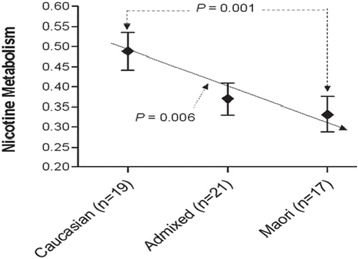
“Examples include differences in nicotine metabolism between Maori and European populations [41], differences in type 2 diabetes (T2D) risk between European American and African American populations [73], and differences in atrial fibrillation risk among a variety of populations [74], with prevalence usually differing…”
BackgroundSack, C. S., & Goss, C. H. (2016) · American Journal of Respiratory and Critical Care Medicine · doi:10.1164/rccm.201601-0138ed · Cited by 8
“epigenetic effects cluster with ancestral background (8).”
Baglaenko, Y., Wagner, C. A., Bhoj, V. G., Brodin, P., Gershwin, M. E., Graham, D. B., Invernizzi, P., Kídd, K. K., Korsunsky, I., Levy, M., et al. (2023) · Cambridge Prisms Precision Medicine · doi:10.1017/pcm.2023.14 · Cited by 7
“…it ’ s important to note the potential inaccuracy or lack of specification between self-reported and genetic-driven subgroups which may contribute to interpretation problems as ethnicity may be more predictive of differences due to disparities than genetic background (Mersha and Abebe, 2015).”
BackgroundPaving a Path to Equity in Cardiorenal Care
Mohottige, D. (2024) · Seminars in Nephrology · doi:10.1016/j.semnephrol.2024.151519 · Cited by 8
Association of genetic ancestry with pre-eclampsia in multi-ethnic cohorts of pregnant women
Conti-Ramsden, F. I., de Marvao, A., Gill, C. A., Chappell, L. C., Myers, J., Vuckovic, D., Dehghan, A., & Hysi, P. G. (2024) · Pregnancy Hypertension · doi:10.1016/j.preghy.2024.101162 · Cited by 7
D’Souza, D. P., Bik, L., Giwa, O. D., Cohen, S., Barazany, H. L., Siegal, T., & Frenkel‐Morgenstern, M. (2024) · Nucleic Acids Research · doi:10.1093/nar/gkae1126 · Cited by 8
A general framework for branch length estimation in Ancestral Recombination Graphs
Deng, Y. K., DeWitt, W. S., Song, Y. S., & Nielsen, R. (2025) · Proceedings of the National Academy of Sciences · doi:10.1073/pnas.2504461122 · Cited by 7
Lovejoy, L. A., Rummel, S. K., Turner, C., Shriver, C. D., & Ellsworth, R. E. (2020) · Familial Cancer · doi:10.1007/s10689-020-00213-1 · Cited by 7
James, D., & Bonam, C. M. (2022) · Journal of Applied Social Psychology · doi:10.1111/jasp.12932 · Cited by 8
Akinlolu, A. (2016) · Sub-Saharan African Journal of Medicine · doi:10.4103/2384-5147.176320 · Cited by 7
Facial biometrics of Yorubas of Nigeria using Akinlolu-Raji image-processing algorithm
Akinlolu, A. (2016) · Journal of Medical Sciences · doi:10.4103/1011-4564.181520 · Cited by 8
Is prostate cancer stage migration continuing for black men in the PSA era?
Dobbs, R. W., Greenwald, D. T., Wadhwa, H., Freeman, V. L., & Abern, M. R. (2017) · Prostate Cancer and Prostatic Diseases · doi:10.1038/pcan.2016.68 · Cited by 7
African ancestry is associated with cluster-based childhood asthma subphenotypes
Ding, L., Li, D., Wathen, M. J., Altaye, M., & Baye, T. M. (2018) · BMC Medical Genomics · doi:10.1186/s12920-018-0367-5 · Cited by 7
“Studies have shown that people with the same self-reported race could have drastically different levels of genetic ancestry, and self-reported race may not be as accurate as direct assessment of genetic ancestry in predicting treatment outcomes [33].”
Effect of multi-ethnicity and ancestry on prevalence of allergic disease
Kim, J. T., Kim, H. S., Chun, Y. H., Yoon, J., & Kim, H. H. (2018) · Journal of Microbiology Immunology and Infection · doi:10.1016/j.jmii.2018.10.004 · Cited by 8
Bridging Barriers: Engaging Ethnic Minorities in Cardiovascular Research
Bacour, N., Grewal, S., Ploem, M. C., Suurmond, J., Klautz, R. J. M., & Grewal, N. (2025) · Healthcare · doi:10.3390/healthcare13111217 · Cited by 7
“…than other groups [15,16], but also to consider differences between populations that arise from traditions, migration history, lifestyle, diet, and values, where an ethnic minority status may also influence access to healthcare, health literacy, socioeconomic factors, and health outcomes [16,17].”
Mertès, P., Hopkins, P. M., & Tacquard, C. A. (2021) · British Journal of Anaesthesia · doi:10.1016/j.bja.2021.09.017 · Cited by 6
Tschirgi, M. L., Liaquat, K., Kumar, M. M., & Wilson, K. (2023) · Journal of Genetic Counseling · doi:10.1002/jgc4.1730 · Cited by 6
Exploring patterns of alcohol use and alcohol use disorder among Asian Americans with a finer lens
Zhang, H., Ruan, W. J., Chou, S. P., Saha, T. D., Fan, A. Z., Huang, B., & White, A. M. (2024) · Drug and Alcohol Dependence · doi:10.1016/j.drugalcdep.2024.111120 · Cited by 6
Genetic predictors for bacterial vaginosis in women living with and at risk for HIV infection
Murphy, K., Shi, Q., Hoover, D. R., Adimora, A. A., Alcaide, M. L., Brockmann, S., Daubert, E. M., Duggal, P., Merenstein, D. J., Dionne, J. A., et al. (2024) · American Journal of Reproductive Immunology · doi:10.1111/aji.13845 · Cited by 6
Inclusive Laboratory Reference Intervals and Clinical Studies to Reduce Health Disparities
Rytz, C. L., & Ahmed, S. B. (2024) · Clinics in Laboratory Medicine · doi:10.1016/j.cll.2024.07.008 · Cited by 7
Cheung, H. N., Williams, J. M., Chan, Y. S., & Chan, S. W. Y. (2022) · Journal of Affective Disorders · doi:10.1016/j.jad.2022.04.035 · Cited by 6
Pain perception genes, asthma, and oral health: A reverse genetics study
Lisboa, R. D. O., Sekula, R. F., Bezamat, M., Deeley, K. B., da Silva, L. C. S., & Vieira, A. R. (2022) · PLoS ONE · doi:10.1371/journal.pone.0277036 · Cited by 6
“have European ancestry and some self-identified European Americans have substantial admixture from African ancestry [46].”
BackgroundAu, L. E., Arnold, C. D., Ritchie, L. D., Lin, S. K., & Frongillo, E. A. (2023) · Journal of Nutrition · doi:10.1016/j.tjnut.2023.10.010 · Cited by 7
Sprague, J. E., Freiermuth, C. E., Lambert, J., Braun, R. S., Frey, J. A., Bachmann, D., Bischof, J. J., Beaumont, L., Lyons, M. S., Pantalon, M. V., et al. (2024) · The Pharmacogenomics Journal · doi:10.1038/s41397-024-00337-y · Cited by 6
“…or European individuals although further work needs to be done in larger populations of these patients. reviewing the article; gave fi nal approval of the to be published; agreed on the journal to which the article has been submitted; and agree to be accountable for all aspects of the work.”
BackgroundRoberts, C. A. (2020) · Bioarchaeology and social theory · doi:10.1007/978-3-030-53417-2_19 · Cited by 9
Pharmacogenomics and Clinical Cultural Competency: Pathway to Overcome the Limitations of Race
Peddi, A. N., Chan, A. R., & Roman, Y. M. (2022) · Pharmacogenomics · doi:10.2217/pgs-2022-0009 · Cited by 6
Correa-Agudelo, E., Ding, L., Beck, A. F., Kahn, R. S., & Baye, T. M. (2024) · The Journal of Allergy and Clinical Immunology In Practice · doi:10.1016/j.jaip.2024.07.009 · Cited by 6
Malinowska, J. K., & Żuradzki, T. (2017) · The American Journal of Bioethics · doi:10.1080/15265161.2017.1353181 · Cited by 6
A Step Towards Understanding Disparities – Linking Race, Ancestry, Epigenetics and Pain
Chidambaran, V., & Baye, T. M. (2021) · Epigenomics · doi:10.2217/epi-2021-0354 · Cited by 6
Influence of COMT (rs4680) and OPRM1 (rs1799971) on Cancer Pain, Opioid Dose, and Adverse Effects
Wong, A. K. Y., Klepstad, P., Somogyi, A. A., Vogrin, S., Rubio, J. P., Le, B. H. C., & Philip, J. A. M. (2024) · Journal of Palliative Medicine · doi:10.1089/jpm.2024.0112 · Cited by 5
Chiam, T. L., Perkins, H., Hughes, T. E., Palmer, L. J., & Higgins, D. (2025) · Archives of Oral Biology · doi:10.1016/j.archoralbio.2025.106275 · Cited by 5
Insights from the Biorepository and Integrative Genomics pediatric resource
Buonaiuto, S., Marsico, F. L., Mohammed, A., Chinthala, L. K., Amos-Abanyie, E. K., Baras, A., Abecasis, G. R., Ferrando, A., Coppola, G., Deubler, A., et al. (2025) · Nature Communications · doi:10.1038/s41467-025-59375-0 · Cited by 6
“With relevance to disease mapping, our study highlights how self-identi fi ed racial categories often fail to align with genetic ancestry, as seen in other studies 59 .”
Out of sight, out of mind: underrepresentation of racialized faculty in Canadian psychology
Faber, S. C., Strauss, D., Dasgupta, A., & Williams, M. T. (2025) · Academia Mental Health and Well-Being · doi:10.20935/mhealthwellb7762 · Cited by 5
Jackson, L. E., Delaney, K., Bobo, J., Grant, C. W., Hassett, L. C., Wang, L., Weinshilboum, R. M., Croarkin, P. E., Moyer, A. M., Gentry, M. T., et al. (2025) · Clinical and Translational Science · doi:10.1111/cts.70256 · Cited by 5
“This paper also relied on primarily self-reported race and ethnicity rather than genetic ancestry [31].”
Frangione, E., Chung, M., Casalino, S., MacDonald, G., Chowdhary, S., Mighton, C. E., Faghfoury, H., Bombard, Y., Strug, L. J., Pugh, T. J., et al. (2022) · Current Protocols · doi:10.1002/cpz1.534 · Cited by 5
Duncan, A., Nousome, D., Ricks, R., Kuo, H., Ravindranath, L., Dobi, A. L., Cullen, J., Srivastava, S. K., Chesnut, G. T., Petrovics, G., et al. (2023) · Biomedicines · doi:10.3390/biomedicines11051404 · Cited by 5
“The limitations of this study include selfreported race [54] and the limited generalizability of our study cohort compared to other US cohorts.”
ResultAlkon‐Meadows, T., Hernández-Nieto, C., Jackson-Bey, T., Cacchione, T. A., Lee, J. J., Luna-Rojas, M. R., Gounko, D., Copperman, A. B., & Büyük, E. (2024) · Journal of Assisted Reproduction and Genetics · doi:10.1007/s10815-024-03039-3 · Cited by 5
“In addition, the study relies on self-reported racial background, which has been shown that people self-identify differently over time [31–33], which makes this data susceptible to confounding and misclassification.”
Ojagbemi, A., Chiliza, B., Bello, T., Asmal, L., Esan, O., Emsley, R. A., & Gureje, O. (2018) · Transcultural Psychiatry · doi:10.1177/1363461518786167 · Cited by 5
“Recent advances in high-resolution genome-wide techniques have allowed for better empirical characterization of the bio-geographical ancestry (BGA) of individuals and samples for bio-medical research (Mersha & Abebe, 2015; Rotimi & Jorde, 2010).”
BackgroundDisparities in Mental Health and Well-Being Among Black and Latinx Patients With Kidney Disease
Eneanya, N. D., Tiako, M. J. N., Novick, T. K., Norton, J. M., & Cervantes, L. (2021) · Seminars in Nephrology · doi:10.1016/j.semnephrol.2021.10.008 · Cited by 5
Nogel, M. (2024) · Forensic Science International Digital Investigation · doi:10.1016/j.fsidi.2024.301696 · Cited by 8
Inflammatory reactivity is unrelated to childhood adversity or provoked modulation of nociception
Bedwell, G. J., Mqadi, L., Kamerman, P. R., Hutchinson, M. R., Parker, R., & Madden, V. J. (2025) · Pain · doi:10.1097/j.pain.0000000000003658 · Cited by 5
“We did not collect self-report data on participants’ ethnicity and ancestry because self-reported ethnicity is a poor proxy for genetic ancestry [43].”
Midya, A., Tirumani, S. H., Bittencourt, L. K., Azamat, S., Balakrishnan, S., Hiremath, A., Wido, S., Fu, P., Ponsky, L. E., Madabhushi, A., et al. (2025) · JU Open Plus · doi:10.1097/ju9.0000000000000310 · Cited by 5
“29 (2 ) A small sample size and a single institutional cohort was leveraged in this study.”
Vigneswaran, H. T., Discacciati, A., Gann, P. H., Grönberg, H., Eklund, M., & Abern, M. R. (2020) · Prostate Cancer and Prostatic Diseases · doi:10.1038/s41391-020-0250-2 · Cited by 5
“Furthermore, literature suggests there may be a marked disagreement between self-reported ethnicity and objective, ancestry informative markers (AIM) [16].”
BackgroundInfluential
Metadata
- Authors
- Mersha, T. B., & Abebe, T.
- Affiliations
- University of Northern Iowa (US)
- Venue
- Human Genomics
- Published
- 2015-01-07
- Volume
- 9
- Issue
- 1
- Pages
- 1-1
- ISSN
- 1473-9542 (ISSN-L)
- 1479-7364
- PMC
- PMC4307746
- OpenAlex
- W2113129492
- Cited by
- 450
- References
- 115
- Citations by year
- 2026: 18 · 2025: 49 · 2024: 55 · 2023: 51 · 2022: 56 · 2021: 42 · 2020: 41 · 2019: 39 · 2018: 39 · 2017: 29 · 2016: 22 · 2015: 6
- FWCI
- 22.00
- Type
- journal article
- Language
- en
- Update notices
- correction (2021-06-15)
- Open access
- gold
- doi.org
- Licence
- cc-by
- creativecommons.org/licenses/by/4.0 (tdm)
- creativecommons.org/licenses/by/4.0 (vor)
- Locations
- Human Genomics (publishedVersion, cc-by)
- Europe PMC (PubMed Central) (publishedVersion, cc-by)
- PubMed Central (publishedVersion, cc-by)
- PubMed (publishedVersion)
- UNI ScholarWorks (University of Northern Iowa) (submittedVersion, cc-by)
- UNI ScholarWorks (University of Northern Iowa) (submittedVersion)
- Funders
- National Institutes of Health
- National Heart, Lung, and Blood Institute (K01HL103165)
- Topics
- Social Sciences › Anthropology › Race, Genetics, and Society
- Life Sciences › Biochemistry, Genetics and Molecular Biology › Genetics › Forensic and Genetic Research
- Life Sciences › Biochemistry, Genetics and Molecular Biology › Genetics › Genetic Associations and Epidemiology
- Keywords
- self-reported race, self-reported ethnicity, genetic ancestry, ancestry informative markers, health disparities, African Americans, Latino population, admixture, biogeographical ancestry, human genetic variation, genomic research
- MeSH terms
- Ethnicity, Genetic Markers, Humans, Phenotype, Genomics, Biomedical Research, Racial Groups, Self Report
About these checks
Registry, retraction, Cites and statistics results are computed, not judged, with one exception: a printed reference that no index lists is read once by a model before it counts as a citation error. Claims are extracted by a model and kept only when their quote appears verbatim in the text; each cited source is then checked, with a model’s help, for whether it says what the claim relies on. Those verdicts can be wrong — read the claim’s quote and the cited source before relying on one.
Statistics and arithmetic are recomputed, not judged.
Confidence bands are shown only for fields calibrated on our annotated test set. None is calibrated yet, so no band is shown.
What counts as a claim ›How we measure confidence ›How we check this ›
Are you an author, or do you see a problem with this page? Request a review
Data sources
Bibliographic data: Semantic Scholar, OpenAlex, Crossref.
Contains information from the Semantic Scholar Academic Graph Datasets, made available under the ODC Attribution License (ODC-BY 1.0).
Semantic Scholar’s data is described in: Kinney, R., et al. (2023). The Semantic Scholar Open Data Platform. arXiv:2301.10140.
