

Self-reported race/ethnicity in the age of genomic research: its potential impact on understanding health disparities
Open accessThe DOI matches its Crossref record; 115 of the 115 references it cites were found in a registry or an index.
Abstract
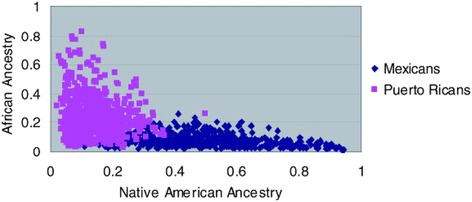
This review explores the limitations of self-reported race, ethnicity, and genetic ancestry in biomedical research. Various terminologies are used to classify human differences in genomic research including race, ethnicity, and ancestry. Although race and ethnicity are related, race refers to a person's physical appearance, such as skin color and eye color. Ethnicity, on the other hand, refers to communality in cultural heritage, language, social practice, traditions, and geopolitical factors. Genetic ancestry inferred using ancestry informative markers (AIMs) is based on genetic/genomic data. Phenotype-based race/ethnicity information and data computed using AIMs often disagree. For example, self-reporting African Americans can have drastically different levels of African or European ancestry. Genetic analysis of individual ancestry shows that some self-identified African Americans have up to 99% of European ancestry, whereas some self-identified European Americans have substantial admixture from African ancestry. Similarly, African ancestry in the Latino population varies between 3% in Mexican Americans to 16% in Puerto Ricans. The implication of this is that, in African American or Latino populations, self-reported ancestry may not be as accurate as direct assessment of individual genomic information in predicting treatment outcomes. To better understand human genetic variation in the context of health disparities, we suggest using "ancestry" (or biogeographical ancestry) to describe actual genetic variation, "race" to describe health disparity in societies characterized by racial categories, and "ethnicity" to describe traditions, lifestyle, diet, and values. We also suggest using ancestry informative markers for precise characterization of individuals' biological ancestry. Understanding the sources of human genetic variation and the causes of health disparities could lead to interventions that would improve the health of all individuals.
Overview
The claims and statistics of this paper haven’t been checked yet.
Free: it reads the open-access text and checks the first 5 claims that cite a source we can check. Create a free account to check every claim.
Integrity signals
Registry
Cites
Statistics
Figures
Verification
Claims the paper makes
The claims and statistics of this paper haven’t been checked yet.
Free: it reads the open-access text and checks the first 5 claims that cite a source we can check. Create a free account to check every claim.
Claims other papers make about this one
Each is checked against this paper’s own text: does it say what the citing paper says it does?
The cited source says what the claim attributes to it.
In the citing paper
“Of note, race can be considered as a social construct rather than a biological construct114,134, as race is a socially derived label that can either be self-reported or assigned and might not justify any biological or genetic differences between populations135,136.”
From A global view of hypertensive disorders and diabetes mellitus during pregnancy (2022) · cites this paper as [136]
Self-check
Percentages, sums and reported differences re-computed from the paper’s own numbers.
The self-check needs the paper’s full text.
Citations
Cites
Inference of Population Structure Using Multilocus Genotype Data
Pritchard, J. K., Stephens, M., & Donnelly, P. (2000) · Genetics · doi:10.1093/genetics/155.2.945 · Cited by 33,908
Initial sequencing and analysis of the human genome
International Human Genome Sequencing Consortium, Whitehead Institute for Biomedical Research, C. F. G. R., Lander, E. S., Linton, L. M., Birren, B., Nusbaum, C., Zody, M. C., Baldwin, J., Devon, K., Dewar, K., et al. (2001) · Nature · doi:10.1038/35057062 · Cited by 24,216 · cited 1×
“The human genome is composed of over three billion bases of DNA and contains between 25,000 and 30,000 protein-coding genes [1].”
An integrated map of genetic variation from 1,092 human genomes
The 1000 Genomes Project Consortium (2012) · Nature · doi:10.1038/nature11632 · Cited by 7,711 · cited 1×
“Because of their sheer number, SNPs are the major sources of genetic and phenotypic diversity, accounting for 95% of all known sequence variations [5].”
THE GENETICAL STRUCTURE OF POPULATIONS
WRIGHT, S. (1949) · Annals of Eugenics · doi:10.1111/j.1469-1809.1949.tb02451.x · Cited by 6,753
Integrating common and rare genetic variation in diverse human populations
The International HapMap 3 Consortium (2010) · Nature · doi:10.1038/nature09298 · Cited by 3,026 · cited 1×
“Large consortium-based next-generation sequencing studies such as the NIH/HLBI GO Exome Sequencing Project, the Consortium on Asthma among African ancestry Populations in the Americas (CAAPA), and the 1000 Genomes Project are currently using next-generation whole exome and whole genome sequencing studies to provide di…”
The Apportionment of Human Diversity
Lewontin, R. C. (1972) · Evolutionary Biology · doi:10.1007/978-1-4684-9063-3_14 · Cited by 2,472 · cited 1×
“Several studies including ours showed that genetic diversity in humans is higher between individuals of the same race (~85%) than between races (~15%) [4,24].”
Identification of Asthma Phenotypes Using Cluster Analysis in the Severe Asthma Research Program
Moore, W. C., Meyers, D. A., Wenzel, S. E., Teague, W. G., Li, H., Li, X., D'Agostino, R., Castro, M., Curran-Everett, D., Fitzpatrick, A. M., et al. (2010) · American Journal of Respiratory and Critical Care Medicine · doi:10.1164/rccm.200906-0896oc · Cited by 2,129 · cited 1×
“A recent study by the NHBLI-SARP caseonly cohort indicated the predictive role of PFT in asthma severity [60,61].”
Prescribing Personalized Nutrition for Cardiovascular Health: Are We Ready?
Juma, S., Imrhan, V., Vijayagopal, P., & Prasad, C. (2014) · Lifestyle Genomics · doi:10.1159/000370213 · Cited by 1,891
The Diploid Genome Sequence of an Individual Human
Levy, S., Sutton, G., Ng, P. C., Feuk, L., Halpern, A. L., Walenz, B. P., Axelrod, N., Huang, J., Kirkness, E. F., Denisov, G., et al. (2007) · PLoS Biology · doi:10.1371/journal.pbio.0050254 · Cited by 1,778 · cited 1×
“(569,000 and 481,000, respectively) [25-27].”
Whole-Genome Patterns of Common DNA Variation in Three Human Populations
Hinds, D. A., Stuve, L. L., Nilsen, G. B., Halperin, E., Eskin, E., Ballinger, D. G., Frazer, K. A., & Cox, D. R. (2005) · Science · doi:10.1126/science.1105436 · Cited by 1,170
Cited by
Cancer health disparities in racial/ethnic minorities in the United States
Zavala, V. A., Bracci, P. M., Carethers, J. M., Carvajal-Carmona, L., Coggins, N. B., Cruz-Correa, M. R., Davis, M., de Smith, A. J., Dutil, J., Figueiredo, J. C., et al. (2021) · British Journal of Cancer · doi:10.1038/s41416-020-01038-6 · Cited by 912
Peterson, R. E., Kuchenbaecker, K., Walters, R. K., Chen, C.-Y., Popejoy, A. B., Periyasamy, S., Lam, M., Iyegbe, C., Strawbridge, R. J., Brick, L., et al. (2019) · Cell · doi:10.1016/j.cell.2019.08.051 · Cited by 797
“For extensive discussion in the context of genomics, including recommendations from professional organizations see: (Banda et al., 2015; Mersha and Abebe, 2015; Race, Ethnicity, and Genetics Working Group, 2005).”
Structure, function, and genetics of lipoprotein (a)
Schmidt, K., Noureen, A., Kronenberg, F., & Utermann, G. (2016) · Journal of Lipid Research · doi:10.1194/jlr.r067314 · Cited by 638
“Genetic studies in African Americans can be complicated by the fact that they represent an admixed population, with substantial contribution of European and Asian ancestry to their gene pool (reviewed in (225)).”
From race-based to race-conscious medicine: how anti-racist uprisings call us to act
Cerdeña, J. P., Plaisime, M. V., & Tsai, J. (2020) · The Lancet · doi:10.1016/s0140-6736(20)32076-6 · Cited by 430
The Burden of Cardiovascular Diseases Among US States, 1990-2016
Global Burden of Cardiovascular Diseases Collaboration, Roth, G. A., Johnson, C. O., Abate, K. H., Abd-Allah, F., Ahmed, M., Alam, K., Alam, T., Alvis-Guzman, N., Ansari, H., et al. (2018) · JAMA Cardiology · doi:10.1001/jamacardio.2018.0385 · Cited by 389
“differed for various regions of the country, suggesting effect modification by local factors.(33,34) The addition of race-”
Privé, F., Aschard, H., Carmi, S., Folkersen, L., Hoggart, C., O’Reilly, P. F., & Vilhjálmsson, B. J. (2022) · The American Journal of Human Genetics · doi:10.1016/j.ajhg.2021.11.008 · Cited by 375
Social Determinants of Racial Disparities in CKD
Norton, J. M., Moxey-Mims, M. M., Eggers, P. W., Narva, A. S., Star, R. A., Kimmel, P. L., & Rodgers, G. P. (2016) · Journal of the American Society of Nephrology · doi:10.1681/asn.2016010027 · Cited by 345
A global view of hypertensive disorders and diabetes mellitus during pregnancy
Jiang, L., Tang, K., Magee, L. A., von Dadelszen, P., Ekeroma, A., Li, X., Zhang, E., & Bhutta, Z. A. (2022) · Nature Reviews Endocrinology · doi:10.1038/s41574-022-00734-y · Cited by 314
Gut microbiota diversity across ethnicities in the United States
Brooks, A. W., Priya, S., Blekhman, R., & Bordenstein, S. R. (2018) · PLOS Biology · doi:10.1371/journal.pbio.2006842 · Cited by 304
Health Disparities and Triple-Negative Breast Cancer in African American Women: A Review
Newman, L. A., & Kaljee, L. M. (2017) · JAMA Surgery · doi:10.1001/jamasurg.2017.0005 · Cited by 304
Johnson, J. D., & Louis, J. M. (2022) · American Journal of Obstetrics and Gynecology · doi:10.1016/j.ajog.2020.07.038 · Cited by 238
“Finally, although ethnicity in medical research has traditionally been a dichotomy of Hispanic and non-Hispanic,(19) ethnicity has also been described as attributable to one’s culture, language, country of origin, or traditions, which can leave out populations of interest when these categories are defined by investiga…”
BackgroundThe global human gut microbiome: genes, lifestyles, and diet
Parizadeh, M., & Arrieta, M.-C. (2023) · Trends in Molecular Medicine · doi:10.1016/j.molmed.2023.07.002 · Cited by 184
Ancestral origin of ApoE ε4 Alzheimer disease risk in Puerto Rican and African American populations
Rajabli, F., Feliciano, B. E., Celis, K., Hamilton-Nelson, K. L., Whitehead, P. L., Adams, L. D., Bussies, P. L., Manrique, C. P., Rodriguez, A., Rodriguez, V., et al. (2018) · PLOS Genetics · doi:10.1371/journal.pgen.1007791 · Cited by 206
Use of race, ethnicity, and ancestry data in health research
Lu, C., Ahmed, R., Lamri, A., & Anand, S. S. (2022) · PLOS Global Public Health · doi:10.1371/journal.pgph.0001060 · Cited by 158
“when addressing a social science or health services research question) [89].”
BackgroundNational population‐based estimates for major birth defects, 2016–2020
Stallings, E. B., Isenburg, J. L., Rutkowski, R. E., Kirby, R. S., Nembhard, W. N., Sandidge, T., Villavicencio, S., Nguyen, H. H., McMahon, D. M., Nestoridi, E., et al. (2024) · Birth Defects Research · doi:10.1002/bdr2.2301 · Cited by 163
“Additionally, doubts have been raised regarding the reliability of self-reported race/ethnicity and whether self-reported racial/ethnic data correlates with differences in actual biological ancestry (Mersha & Abebe, 2015).”
BackgroundGuintivano, J., Sullivan, P. F., Stuebe, A. M., Penders, T., Thorp, J., Rubinow, D. R., & Meltzer-Brody, S. (2018) · Psychological Medicine · doi:10.1017/s0033291717002641 · Cited by 159
“This may be due to using self-reported race, which refers to a person’s physical characteristics, and ethnicity, which refers to belonging to cultural, linguistic, or societal groups (Fujimura & Rajagopalan, 2011; Mersha & Abebe, 2015).”
Prakash, O., Hossain, F. M., Danos, D., Lassak, A., Scribner, R. A., & Miele, L. (2020) · Frontiers in Public Health · doi:10.3389/fpubh.2020.576964 · Cited by 180
Assari, S., & Mistry, R. (2018) · International Journal of Environmental Research and Public Health · doi:10.3390/ijerph15040763 · Cited by 162
“Self-identified race, conceptualized as a social construct, was measured [43].”
Backgroundrs641738C>T near MBOAT7 is associated with liver fat, ALT and fibrosis in NAFLD: A meta-analysis
Teo, K., Abeysekera, K. W. M., Adams, L., Aigner, E., Anstee, Q. M., Banales, J. M., Banerjee, R., Basu, P., Berg, T., Bhatnagar, P., et al. (2021) · Journal of Hepatology · doi:10.1016/j.jhep.2020.08.027 · Cited by 152
Standardized Biogeographic Grouping System for Annotating Populations in Pharmacogenetic Research
Huddart, R., Fohner, A. E., Whirl‐Carrillo, M., Wojcik, G. L., Gignoux, C. R., Popejoy, A. B., Bustamante, C. D., Altman, R. B., & Klein, T. E. (2018) · Clinical Pharmacology & Therapeutics · doi:10.1002/cpt.1322 · Cited by 154
Race and ethnicity on MS presentation and disease course
Amezcua, L., & McCauley, J. L. (2020) · Multiple Sclerosis Journal · doi:10.1177/1352458519887328 · Cited by 154
Passini, F. S., Jaeger, P. K., Saab, A. S., Hanlon, S. L., Chittim, N. A., Arlt, M., Ferrari, K. D., Haenni, D., Caprara, S., Bollhalder, M., et al. (2021) · Nature Biomedical Engineering · doi:10.1038/s41551-021-00716-x · Cited by 151
Perspective: Design and Conduct of Human Nutrition Randomized Controlled Trials
Lichtenstein, A. H., Petersen, K. S., Barger, K., Hansen, K. E., Anderson, C. A. M., Baer, D. J., Lampe, J. W., Rasmussen, H., & Matthan, N. R. (2020) · Advances in Nutrition · doi:10.1093/advances/nmaa109 · Cited by 151
“If the specific aims of the protocol requires a certain race or ethnicity, that information is often based on self-report (34, 35).”
BackgroundHiam, D., Moreno-Asso, A., Teede, H. J., Laven, J. S. E., Stepto, N. K., Moran, L. J., & Gibson-Helm, M. (2019) · Journal of Clinical Medicine · doi:10.3390/jcm8101606 · Cited by 126
“Many studies used the term “race/ethnicity” which is not appropriate in a genetic study, as commonly used ethnicity terms including Caucasian, Asian, White, African, or Latino are poor predictors of human genetic variation or similarity [58,79].”
BackgroundStructural racism in precision medicine: leaving no one behind
Geneviève, L. D., Martani, A., Shaw, D., Elger, B. S., & Wangmo, T. (2020) · BMC Medical Ethics · doi:10.1186/s12910-020-0457-8 · Cited by 125
Confronting Racism in Pain Research: A Call to Action
Moraís, C. A., Aroke, E. N., Letzen, J. E., Campbell, C. M., Hood, A., Janevic, M. R., Mathur, V. A., Merriwether, E. N., Goodin, B. R., Booker, S. Q., et al. (2022) · Journal of Pain · doi:10.1016/j.jpain.2022.01.009 · Cited by 130
Bush, N. R., Edgar, R. D., Park, M., MacIsaac, J. L., McEwen, L. M., Adler, N. E., Essex, M. J., Kobor, M. S., & Boyce, W. T. (2018) · Epigenomics · doi:10.2217/epi-2018-0042 · Cited by 132
Inherited DNA-Repair Defects in Colorectal Cancer
AlDubayan, S. H., Giannakis, M., Moore, N. D., Han, G. C., Reardon, B. M., Hamada, T., Mu, X. J., Nishihara, R., Qian, Z., Liu, L., et al. (2018) · The American Journal of Human Genetics · doi:10.1016/j.ajhg.2018.01.018 · Cited by 134
Changing How Race Is Portrayed in Medical Education: Recommendations From Medical Students
Nieblas-Bedolla, E., Christophers, B., Nkinsi, N. T., Schumann, P. D., & Stein, E. (2020) · Academic Medicine · doi:10.1097/acm.0000000000003496 · Cited by 113
Deters, K. D., Napolioni, V., Sperling, R. A., Greicius, M. D., Mayeux, R., Hohman, T., & Mormino, E. C. (2021) · Neurology · doi:10.1212/wnl.0000000000011599 · Cited by 115
“Nevertheless, examination of genetic ancestry is an approach that allows quantification of genetic loci that have specific allele frequencies based on geographical origin.(40) Previous studies have shown that NHB individuals in the United States have admixed genetic African and European ancestry.”
BackgroundMinhas, A., Ogunwole, S. M., Vaught, A. “. J., Wu, P., Mamas, M. A., Gulati, M., Zhao, D., Hays, A. G., & Michos, E. D. (2021) · Hypertension · doi:10.1161/hypertensionaha.121.17104 · Cited by 122
Beesley, L. J., Salvatore, M., Fritsche, L. G., Pandit, A., Rao, A., Brummett, C., Willer, C. J., Lisabeth, L. D., & Mukherjee, B. (2020) · Statistics in Medicine · doi:10.1002/sim.8445 · Cited by 104
Maglo, K. N., Mersha, T. B., & Martin, L. J. (2016) · Frontiers in Genetics · doi:10.3389/fgene.2016.00022 · Cited by 106
“Thus it is crucial for researchers and clinicians to understand the issues surrounding the biological status and biomedical significance of the concept of race (Maglo, 2010, 2012; Mersha and Abebe, 2015).”
BackgroundNeben, C. L., Zimmer, A. D., Stedden, W., van den Akker, J., O'Connor, R., Chan, R. C., Chen, E. Y., Tan, Z., Leon, A., Ji, J., et al. (2019) · Journal of Molecular Diagnostics · doi:10.1016/j.jmoldx.2019.03.001 · Cited by 108
Fitzpatrick, A. M., Gillespie, S. E., Mauger, D. T., Phillips, B. R., Bleecker, E. R., Israel, E., Meyers, D. A., Moore, W. C., Sorkness, R. L., Wenzel, S. E., et al. (2019) · Journal of Allergy and Clinical Immunology · doi:10.1016/j.jaci.2018.11.022 · Cited by 101
Effects of Race and Sex on Features of Eosinophilic Esophagitis
Moawad, F. J., Dellon, E. S., Achem, S. R., Ljuldjuraj, T., GREEN, D. J., Maydonovitch, C. L., Brizuela, D., Gupta, S. K., & Chehade, M. (2015) · Clinical Gastroenterology and Hepatology · doi:10.1016/j.cgh.2015.08.034 · Cited by 95
“1–600] vs 13 months [0–425]; P < .”
Dong, T. S., Guan, M., Mayer, E. A., Stains, J., Liu, X. C., Vora, P. P., Jacobs, J. P., Lagishetty, V., Chang, L., Barry, R. L., et al. (2022) · Gut Microbes · doi:10.1080/19490976.2022.2051999 · Cited by 96
“The self-identification method used for collecting racial data may also not adequately account for the multidimensional construct of race, which may contribute to within-group heterogeneity.(69) Future studies incorporating metagenomic methods to detect human genetic variants seen with race may help account for this e…”
MethodAncestry, Socioeconomic Status, and Age-Related Cataract in Asians
Chua, J., Koh, J. Y., Tan, A. G., Zhao, W., Lamoureux, E. L., Mitchell, P. L. R., Wang, J. J., Wong, T. Y., & Cheng, C. (2015) · Ophthalmology · doi:10.1016/j.ophtha.2015.06.052 · Cited by 103
Caldito, N. G., Saidha, S., Sotirchos, E. S., Dewey, B. E., Cowley, N. J., Glaister, J., Fitzgerald, K. C., Al-Louzi, O., Nguyen, J., Rothman, A., et al. (2018) · Brain · doi:10.1093/brain/awy245 · Cited by 87
Hahn, J. A., Murnane, P. M., Vittinghoff, E., Muyindike, W. R., Emenyonu, N. I., Fatch, R., Chamie, G., Haberer, J. E., Francis, J. M., Kapiga, S., et al. (2021) · Alcoholism: Clinical and Experimental Research · doi:10.1111/acer.14611 · Cited by 87
Kaseniit, K. E., Haque, I. S., Goldberg, J. D., SHULMAN, L. P., & Muzzey, D. (2020) · Genetics in Medicine · doi:10.1038/s41436-020-0869-3 · Cited by 92
Gross, A. S., Harry, A., Clifton, C. S., & Pasqua, O. E. D. (2022) · British Journal of Clinical Pharmacology · doi:10.1111/bcp.15242 · Cited by 94
“used in clinical trials and clinical practice can vary significantly, creating a barrier to the pooling of results across studies or extrapolation to additional patient populations.(7,8)”
MethodThe Genomics of Colorectal Cancer in Populations with African and European Ancestry
Myer, P. A., Lee, J. K., Madison, R. W., Pradhan, K., Newberg, J. Y., Isasi, C. R., Klempner, S. J., Frampton, G. M., Ross, J. S., Venstrom, J. M., et al. (2022) · Cancer Discovery · doi:10.1158/2159-8290.cd-21-0813 · Cited by 94
“59 KRASG12 other 827 (18) 4,420 (15) <0.”
How Multiple Sclerosis Symptoms Vary by Age, Sex, and Race/Ethnicity
Kister, I., Bacon, T. E., & Cutter, G. (2021) · Neurology Clinical Practice · doi:10.1212/cpj.0000000000001105 · Cited by 90
“One limitation of our study is that the racial self-identification does not reveal the extent of genetic admixtures in patients’ ancestry(30) and may even conflict with the genetic data.(31) One can overcome this limitation using ancestry informative genetic markers, but this approach is not feasible in a retrospectiv…”
BackgroundSutherland, K., Keenan, B. T., Bittencourt, L., Chen, N., Gíslason, Þ., Leinwand, S. E., Magalang, U. J., Maislin, G., Mazzotti, D. R., McArdle, N., et al. (2019) · Journal of Clinical Sleep Medicine · doi:10.5664/jcsm.7730 · Cited by 86
Ethnicity/Race and Age-Specific Variations of Serum AMH in Women—A Review
Kotlyar, A. M., & Seifer, D. B. (2021) · Frontiers in Endocrinology · doi:10.3389/fendo.2020.593216 · Cited by 82
“Determining ancestry via AIMs does have limitations which include the limited reference dataset of singlenucleotide polymorphisms that are used to identify genetic ethnicity (21).”
BackgroundLim, A. C., Barnes, L. L., Weissberger, G. H., Lamar, M., Nguyen, A. L., Fenton, L. E., Herrera, J., & Han, S. D. (2023) · Communications Medicine · doi:10.1038/s43856-023-00333-6 · Cited by 90
Age at menopause onset and risk of cardiovascular disease around the world
Khoudary, S. R. E. (2020) · Maturitas · doi:10.1016/j.maturitas.2020.06.007 · Cited by 86
Arora, K. S., Tran, T. N., Kemel, Y. M., Mehine, M. M., Liu, Y. L., Nandakumar, S., Smith, S. A., Brannon, A. R., Ostrovnaya, I., Stopsack, K. H., et al. (2022) · Cancer Discovery · doi:10.1158/2159-8290.cd-22-0312 · Cited by 82
Sabatello, M., & Appelbaum, P. S. (2017) · Hastings Center Report · doi:10.1002/hast.736 · Cited by 79
Smith, A. C., Woerner, J. I., Perera, R., Haeny, A. M., & Cox, J. M. (2021) · Journal of Racial and Ethnic Health Disparities · doi:10.1007/s40615-021-01080-x · Cited by 81
Distributive justice, diversity, and inclusion in precision medicine: what will success look like?
Cohn, E. G., Henderson, G. E., & Appelbaum, P. S. (2016) · Genetics in Medicine · doi:10.1038/gim.2016.92 · Cited by 81
Accurate ethnicity prediction from placental DNA methylation data
Yuan, V., Price, E. M., Del Gobbo, G., Mostafavi, S., Cox, B., Binder, A. M., Michels, K. B., Marsit, C., & Robinson, W. P. (2019) · Epigenetics & Chromatin · doi:10.1186/s13072-019-0296-3 · Cited by 70
Parent, J., Parade, S. H., Laumann, L. E., Ridout, K. K., Yang, B.-Z., Marsit, C. J., Seifer, R., & Tyrka, A. R. (2017) · Development and Psychopathology · doi:10.1017/s0954579417001298 · Cited by 72
An Interactive Resource to Probe Genetic Diversity and Estimated Ancestry in Cancer Cell Lines
Dutil, J., Chen, Z., Monteiro, Á. N. A., Teer, J. K., & Eschrich, S. A. (2019) · Cancer Research · doi:10.1158/0008-5472.can-18-2747 · Cited by 77
“What appears as inconsistencies in self-report and genetic data may result from individuals having limited knowledge of their ancestral origins, or culturally identifying to an ethnic group that is not representative of one’s admixture proportions (18).”
BackgroundResolving the etiology of atopic disorders by using genetic analysis of racial ancestry
Gupta, J., Johansson, E., Bernstein, J. A., Chakraborty, R., Hershey, G. K. K., Rothenberg, M. E., & Baye, T. M. (2016) · Journal of Allergy and Clinical Immunology · doi:10.1016/j.jaci.2016.02.045 · Cited by 76
Muddaluru, V., Valenta, R., Vrtala, S., Schlederer, T., Hindley, J. P., Hickey, P., Larché, M., & Tonti, E. (2021) · Allergy · doi:10.1111/all.14749 · Cited by 72
The social, economic, political, and genetic value of race and ethnicity in 2020
Baye, T. M., & Beck, A. F. (2020) · Human Genomics · doi:10.1186/s40246-020-00284-2 · Cited by 72
Influence of ethnicity on population reference values for biochemical markers
Tahmasebi, H., Trajcevski, K. E., Higgins, V., & Adeli, K. (2018) · Critical Reviews in Clinical Laboratory Sciences · doi:10.1080/10408363.2018.1476455 · Cited by 69
Zhang, F., & Finkelstein, J. (2019) · Pharmacogenomics and Personalized Medicine · doi:10.2147/pgpm.s207449 · Cited by 74
Bogin, B. A., Varea, C., Hermanussen, M., & Scheffler, C. (2018) · American Journal of Physical Anthropology · doi:10.1002/ajpa.23357 · Cited by 79
Race, ethnicity, and racism in the nutrition literature: an update for 2020
Duggan, C., Kurpad, A. V., Stanford, F. C., Sunguya, B. F., & Wells, J. C. K. (2020) · American Journal of Clinical Nutrition · doi:10.1093/ajcn/nqaa341 · Cited by 68
“, skin color, facial and hair features, among others) (17), there is a mistaken tendency to see “racial” characteristics as biological features of a person or population.”
BackgroundUnderstanding the Interplay Between Health Disparities and Epigenomics
Mancilla, V. J., Peeri, N. C., Silzer, T., Basha, R., Felini, M., Jones, H. P., Phillips, N., Tao, M.-H., Thyagarajan, S., & Vishwanatha, J. K. (2020) · Frontiers in Genetics · doi:10.3389/fgene.2020.00903 · Cited by 59
“The study found that children with asthma who were exposed to chronic stress that was comparable to children without asthma displayed increased glucocorticoid receptor and β2-adrenergic receptor gene expression (Miller and Chen, 2006).”
BackgroundMettelman, R. C., Souquette, A. H., de Velde, L.-A. V., Vegesana, K., Allen, E. K., Kackos, C. M., Trifkovic, S., DeBeauchamp, J., Wilson, T. L., James, D. G. S., et al. (2023) · Nature Immunology · doi:10.1038/s41590-023-01590-2 · Cited by 66
Evaluating genetic ancestry and self-reported ethnicity in the context of carrier screening
Shraga, R., Yarnall, S., Elango, S., Manoharan, A. P., Rodriguez, S. A., Bristow, S. L., Kumar, N., Niknazar, M., Hoffman, D. I., Ghadir, S., et al. (2017) · BMC Genetics · doi:10.1186/s12863-017-0570-y · Cited by 62
“This genetic heterogeneity means that self-reported ethnicity may not give a complete picture of genetic composition [9].”
Geographic and Racial Disparities in Infant Hearing Loss
Lantos, P. M., Panayotti, G. M. M., Barber, X., Raynor, E. M., Tucci, D. L., Hoffman, K., Permar, S. R., Jackson, P., Hughes, B. L., Kind, A., et al. (2018) · Otolaryngology · doi:10.1177/0194599818803305 · Cited by 61
Greater genetic diversity is needed in human pluripotent stem cell models
Ghosh, S. D., Nehme, R., & Barrett, L. E. (2022) · Nature Communications · doi:10.1038/s41467-022-34940-z · Cited by 61
Newman, L. A. (2014) · Surgical Oncology Clinics of North America · doi:10.1016/j.soc.2014.03.014 · Cited by 63
Disparities in Cardiovascular Care and Outcomes for Women From Racial/Ethnic Minority Backgrounds
Balla, S., Gomez, S. E., & Rodríguez, F. (2020) · Current Treatment Options in Cardiovascular Medicine · doi:10.1007/s11936-020-00869-z · Cited by 60
Impact of Genetic Ancestry on Outcomes in ECOG-ACRIN-5103
Schneider, B. P., Shen, F., Jiang, G., O’Neill, A., Radovich, M., Li, L., Gardner, L., Lai, D., Foroud, T., Sparano, J. A., et al. (2017) · JCO Precision Oncology · doi:10.1200/po.17.00059 · Cited by 57
Editorial: The Complexity of Reporting Race and Ethnicity in Orthopaedic Research
Leopold, S. S., Beadling, L., Calabro, A. M., Dobbs, M. B., Gebhardt, M. C., Gioe, T. J., Manner, P. A., Porcher, R., Rimnac, C. M., & Wongworawat, M. D. (2018) · Clinical Orthopaedics and Related Research · doi:10.1007/s11999.0000000000000259 · Cited by 56
Galasso, I. (2023) · The American Journal of Bioethics · doi:10.1080/15265161.2023.2180108 · Cited by 57
“…concern for medical research being dispro-portionally grounded on data from individuals of European ancestry, to the detriment of the robustness of the research and of the extensive and equitable applicability of the results (Mersha and Abebe 2015; Cohn, Henderson, and Appelbaum 2017; Wonkam 2021).”
BackgroundStrike, L. T., Couvy‐Duchesne, B., Hansell, N. K., Cuéllar-Partida, G., Medland, S. E., & Wright, M. J. (2015) · Neuropsychology Review · doi:10.1007/s11065-015-9281-1 · Cited by 56
Black Patients Matter in Neurology: Race, Racism, and Race-Based Neurodisparities
Robbins, N. M., Charleston, L. I., Saadi, A., Thayer, Z. M., Codrington, W. U., III, Landry, A., Bernat, J. L., & Hamilton, R. H. (2022) · Neurology · doi:10.1212/wnl.0000000000200830 · Cited by 54
Pediatric Nonalcoholic Fatty Liver Disease in New York City: An Autopsy Study
Fernandes, D. M., Pantangi, V., Azam, M. J., Salomao, M. A., Iuga, A. C., Lefkowitch, J. H., Gill, J. R., Morotti, R. A., Lavine, J. E., & Mencin, A. (2018) · The Journal of Pediatrics · doi:10.1016/j.jpeds.2018.04.047 · Cited by 54
Popejoy, A. B. (2019) · Pharmacogenomics and Personalized Medicine · doi:10.2147/pgpm.s179742 · Cited by 60
“35 Both of these concepts are culture-and context-speci fi c, and are intricately tied to historical, political and hierarchical power dynamics, which reinforce institutional and structural inequalities, racism, and discrimination.”
BackgroundRacialising genetic risk: assumptions, realities, and recommendations
Cerdeña, J. P., Grubbs, V., & Non, A. L. (2022) · The Lancet · doi:10.1016/s0140-6736(22)02040-2 · Cited by 52
Applicability of two commonly used bone age assessment methods to twenty-first century UK children
Alshamrani, K. A., & Offiah, A. C. (2019) · European Radiology · doi:10.1007/s00330-019-06300-x · Cited by 51
The prevalence and distribution of the amyloidogenic transthyretin ( TTR ) V122I allele in Africa
Jacobson, D. R., Alexander, A. A., Tagoe, C. E., Garvey, W. T., Williams, S. M., Tishkoff, S., Modiano, D., Sirima, S. B., Kalidi, I., Toure, A., et al. (2016) · Molecular Genetics & Genomic Medicine · doi:10.1002/mgg3.231 · Cited by 51
“1) (P = 0.0001) (two-tailed Z test).”
BackgroundInfluentialGenomic landscape of lung adenocarcinomas in different races
Shi, H., Seegobin, K., Heng, F., Zhou, K., Chen, R., Qin, H., Manochakian, R., Zhao, Y., & Lou, Y. (2022) · Frontiers in Oncology · doi:10.3389/fonc.2022.946625 · Cited by 50
Mauro, M., Allen, D. S., Dauda, B., Molina, S. J., Neale, B. M., & Lewis, A. C. F. (2022) · The American Journal of Human Genetics · doi:10.1016/j.ajhg.2022.11.001 · Cited by 51
Martini, R., Newman, L., & Davis, M. (2022) · Clinical & Experimental Metastasis · doi:10.1007/s10585-021-10087-x · Cited by 46
“In the US, while west African ancestry is predominant among individuals who self-identify as AA [68, 69], varying levels of geographic ancestry from African, European and Native American groups are unpredictable in each individual.”
BackgroundPeres, L. C., Risch, H., Terry, K. L., Webb, P. M., Goodman, M. T., Wu, A. H., Alberg, A. J., Bandera, E. V., Barnholtz-Sloan, J., Bondy, M. L., et al. (2018) · International Journal of Epidemiology · doi:10.1093/ije/dyx252 · Cited by 47
“Yes 1705 (19) 2273 (17) 70 (16) 54 (10) 310 (34) 273 (22) 66 (10) 57 (7)”
APOL1 Genetic Testing in Living Kidney Transplant Donors
Mohan, S., Iltis, A. S., Sawinski, D. L., & DuBois, J. M. (2019) · American Journal of Kidney Diseases · doi:10.1053/j.ajkd.2019.02.007 · Cited by 46
“(23, 24) Thus, self-identified race or clinician-identified race may be unreliable proxies for assessing genetic ancestry to identify candidates most likely to benefit from APOL1 testing, especially in parts of the country with large immigrant populations.(25, 26) As a result, people who might benefit from information…”
BackgroundAlzheimer's Disease Sequencing Project release 4 whole genome sequencing dataset
Leung, Y. Y., Lee, W., Kuzma, A. B., Nicaretta, H. I., Valladares, O., Gangadharan, P., Qu, L., Zhao, Y., Ren, Y., Cheng, P., et al. (2025) · Alzheimer s & Dementia · doi:10.1002/alz.70237 · Cited by 47
The distinct impacts of race and genetic ancestry on health
Rebbeck, T. R., Mahal, B. A. V., Maxwell, K. N., Garraway, I. P., & Yamoah, K. (2022) · Nature Medicine · doi:10.1038/s41591-022-01796-1 · Cited by 48
Racial Disparities in Glaucoma: From Epidemiology to Pathophysiology.
Siegfried, C. J., & Shui, Y. (2022) · PubMed Central · Cited by 58
Minority Representation in Migraine Treatment Trials
Robbins, N. M., & Bernat, J. L. (2017) · Headache The Journal of Head and Face Pain · doi:10.1111/head.13018 · Cited by 45
Retshabile, G., Mlotshwa, B., Williams, L., Mwesigwa, S., Mboowa, G., Huang, Z., Rustagi, N., Swaminathan, S., Katagirya, E., Kyobe, S., et al. (2018) · The American Journal of Human Genetics · doi:10.1016/j.ajhg.2018.03.010 · Cited by 46
Correa-Agudelo, E., Ding, L., Beck, A. F., Brokamp, C., Altaye, M., Kahn, R. S., & Baye, T. M. (2022) · Journal of Allergy and Clinical Immunology · doi:10.1016/j.jaci.2022.07.024 · Cited by 41
Racism, colonialism and the implications for nursing scholarship: A discussion paper
Kimani, R. W. (2023) · Journal of Advanced Nursing · doi:10.1111/jan.15634 · Cited by 42
Representation of Race and Ethnicity in the Contemporary US Health Cohort All of Us Research Program
Kathiresan, N., Cho, S. M. J., Bhattacharya, R., Truong, B. M. T., Hornsby, W., & Natarajan, P. (2023) · JAMA Cardiology · doi:10.1001/jamacardio.2023.2411 · Cited by 42
Mapping asthma-associated variants in admixed populations
Baye, T. M. (2015) · Frontiers in Genetics · doi:10.3389/fgene.2015.00292 · Cited by 43
“AM can be particularly useful when mapping rare risk alleles from admixed populations that have important frequency differences between ancestral populations (Mersha and Abebe, 2015).”
BackgroundInfluentialKahn, J. M., Cole, P. D., Blonquist, T. M., Stevenson, K. E., Jin, Z., Barrera, S., Davila, R., Roberts, E., Neuberg, D. S., Athale, U. H., et al. (2017) · Pediatric Blood & Cancer · doi:10.1002/pbc.26871 · Cited by 43
Health Disparities: A Life Course Health Development Perspective and Future Research Directions
Larson, K., Russ, S. A., Kahn, R. S., Flores, G., Goodman, E., Cheng, T. L., & Halfon, N. (2017) · Springer eBooks · doi:10.1007/978-3-319-47143-3_20 · Cited by 44
“…approaches to categorizing race/ethnicity may need reconsideration with growing diversity and racial mixing, and many have noted the limitation that selfreported race/ethnicity should not be used as a proxy for genetic ancestry in biological studies (Eisenhower et al. 2014; Mersha and Abebe 2015).”
BackgroundSchaefer, G. O., Tai, E. S., & Sun, S. H.-L. (2019) · Asian Bioethics Review · doi:10.1007/s41649-019-00094-2 · Cited by 40
“While it is not possible to cleanly map concepts of race and ethnicity onto genetic or biological reality, there are also clearly loose correlations among race, ethnicity and genetics (Mersha and Abebe 2015).”
BackgroundEthnicity and ERG frequency in prostate cancer
Sedarsky, J., Degon, M., Srivastava, S. K., & Dobi, A. (2017) · Nature Reviews Urology · doi:10.1038/nrurol.2017.140 · Cited by 41
Ostrom, Q. T., Egan, K. M., Nabors, B., Gerke, T. A., Thompson, R. C., Olson, J. J., LaRocca, R. V., Chowdhary, S. A., Eckel‐Passow, J. E., Armstrong, G., et al. (2019) · International Journal of Cancer · doi:10.1002/ijc.32318 · Cited by 45
Disease-Associated Genetic Variation in Human Mitochondrial Protein Import
Nicolas, É., Tricarico, R., Savage, M. J., Golemis, E. A., & Hall, M. J. (2019) · The American Journal of Human Genetics · doi:10.1016/j.ajhg.2019.03.019 · Cited by 39
Diessner, B. J., Weigel, B. J., Murugan, P. J., Zhang, L., Poynter, J. N., & Spector, L. G. (2020) · JAMA Network Open · doi:10.1001/jamanetworkopen.2020.11087 · Cited by 38
Metadata
- Authors
- Mersha, T. B., & Abebe, T.
- Affiliations
- University of Northern Iowa (US)
- Venue
- Human Genomics
- Published
- 2015-01-07
- Volume
- 9
- Issue
- 1
- Pages
- 1-1
- ISSN
- 1473-9542 (ISSN-L)
- 1479-7364
- PMC
- PMC4307746
- OpenAlex
- W2113129492
- Cited by
- 450
- References
- 115
- Citations by year
- 2026: 18 · 2025: 49 · 2024: 55 · 2023: 51 · 2022: 56 · 2021: 42 · 2020: 41 · 2019: 39 · 2018: 39 · 2017: 29 · 2016: 22 · 2015: 6
- FWCI
- 22.00
- Type
- journal article
- Language
- en
- Update notices
- correction (2021-06-15)
- Open access
- gold
- doi.org
- Licence
- cc-by
- creativecommons.org/licenses/by/4.0 (tdm)
- creativecommons.org/licenses/by/4.0 (vor)
- Locations
- Human Genomics (publishedVersion, cc-by)
- Europe PMC (PubMed Central) (publishedVersion, cc-by)
- PubMed Central (publishedVersion, cc-by)
- PubMed (publishedVersion)
- UNI ScholarWorks (University of Northern Iowa) (submittedVersion, cc-by)
- UNI ScholarWorks (University of Northern Iowa) (submittedVersion)
- Funders
- National Institutes of Health
- National Heart, Lung, and Blood Institute (K01HL103165)
- Topics
- Social Sciences › Anthropology › Race, Genetics, and Society
- Life Sciences › Biochemistry, Genetics and Molecular Biology › Genetics › Forensic and Genetic Research
- Life Sciences › Biochemistry, Genetics and Molecular Biology › Genetics › Genetic Associations and Epidemiology
- Keywords
- self-reported race, self-reported ethnicity, genetic ancestry, ancestry informative markers, health disparities, African Americans, Latino population, admixture, biogeographical ancestry, human genetic variation, genomic research
- MeSH terms
- Ethnicity, Genetic Markers, Humans, Phenotype, Genomics, Biomedical Research, Racial Groups, Self Report
About these checks
Registry, retraction, Cites and statistics results are computed, not judged, with one exception: a printed reference that no index lists is read once by a model before it counts as a citation error. Claims are extracted by a model and kept only when their quote appears verbatim in the text; each cited source is then checked, with a model’s help, for whether it says what the claim relies on. Those verdicts can be wrong — read the claim’s quote and the cited source before relying on one.
Statistics and arithmetic are recomputed, not judged.
Confidence bands are shown only for fields calibrated on our annotated test set. None is calibrated yet, so no band is shown.
What counts as a claim ›How we measure confidence ›How we check this ›
Are you an author, or do you see a problem with this page? Request a review
Data sources
Bibliographic data: Semantic Scholar, OpenAlex, Crossref.
Contains information from the Semantic Scholar Academic Graph Datasets, made available under the ODC Attribution License (ODC-BY 1.0).
Semantic Scholar’s data is described in: Kinney, R., et al. (2023). The Semantic Scholar Open Data Platform. arXiv:2301.10140.
