

Combination immunotherapy with α-CTLA-4 and α-PD-L1 antibody blockade prevents immune escape and leads to complete control of metastatic osteosarcoma
Open accessThe DOI matches its Crossref record; 49 of the 49 references it cites were found in a registry or an index.
Abstract
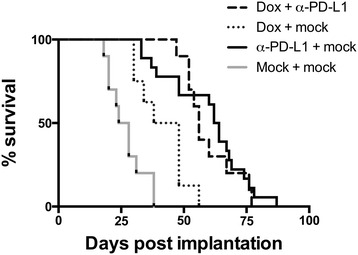
BACKGROUND: Osteosarcoma is one of the most common bone cancers in children. Most patients with metastatic osteosarcoma die of pulmonary disease and limited curative therapeutic options exist for such patients. We have previously shown that PD-1 limits the efficacy of CTL to mediate immune control of metastatic osteosarcoma in the K7M2 mouse model of pulmonary metastatic disease and that blockade of PD-1/PD-L1 interactions can partially improve survival outcomes by enhancing the function of osteosarcoma-specific CTL. However, PD-1/PD-L1 blockade-treated mice eventually succumb to disease due to selection of PD-L1 mAb-resistant tumor cells. We investigated the mechanism of tumor cell resistance after blockade, and additional combinational therapies to combat resistance. METHODS: We used an implantable model of metastatic osteosarcoma, and evaluated survival using a Log-rank test. Cellular analysis of the tumor was done post-mortem with flow cytometry staining, and evaluated using a T-test to compare treatment groups. RESULTS: We show here that T cells infiltrating PD-L1 antibody-resistant tumors upregulate additional inhibitory receptors, notably CTLA-4, which impair their ability to mediate tumor rejection. Based on these results we have tested combination immunotherapy with α-CTLA-4 and α-PD-L1 antibody blockade in the K7M2 mouse model of metastatic osteosarcoma and show that this results in complete control of tumors in a majority of mice as well as immunity to further tumor inoculation. CONCLUSIONS: Thus, combinational immunotherapy approaches to block additional inhibitory pathways in patients with metastatic osteosarcoma may provide new strategies to enhance tumor clearance and resistance to disease.
Overview
The claims and statistics of this paper haven’t been checked yet.
Free: it reads the open-access text and checks the first 5 claims that cite a source we can check. Create a free account to check every claim.
Integrity signals
Registry
Cites
Statistics
Figures
Verification
Claims the paper makes
The claims and statistics of this paper haven’t been checked yet.
Free: it reads the open-access text and checks the first 5 claims that cite a source we can check. Create a free account to check every claim.
Claims other papers make about this one
Each is checked against this paper’s own text: does it say what the citing paper says it does?
The source backs part of the claim, not all of it — or backs it for a different population, condition or comparison.
In the citing paper
“A study demonstrated that anti-PD-L1 treatment for metastatic osteosarcoma upregulate additional inhibitory receptors including CTLA-4, which contributed to the resistance of anti-PD-L1 therapy.”
From Advances on immunotherapy for osteosarcoma (2024) · cites this paper as [152]
Experimental — accuracy not yet measuredThe cited source says what the claim attributes to it.
In the citing paper
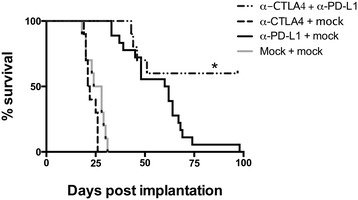
“a combination therapy of anti-PD-L1 with anti-CTLA-4 antibody completely controlled metastatic osteosarcoma in an osteosarcoma mouse model [152].”
From Advances on immunotherapy for osteosarcoma (2024) · cites this paper as [152]
Self-check
Percentages, sums and reported differences re-computed from the paper’s own numbers.
The self-check needs the paper’s full text.
Citations
Cites
PD-1 and PD-L1 Immune Checkpoint Blockade to Treat Breast Cancer
Hartkopf, A. D., Taran, F.-A., Wallwiener, M., Walter, C. B., Krämer, B., Grischke, E.-M., & Brucker, S. Y. (2016) · Breast Care · doi:10.1159/000453569 · Cited by 30,845
Adverse Renal Effects of Immune Checkpoint Inhibitors: A Narrative Review
Wanchoo, R., Karam, S., Uppal, N. N., Barta, V. S., Deray, G., Devoe, C., Launay-Vacher, V., Jhaveri, K. D., & on behalf of Cancer and Kidney International Network Workgroup on Immune Checkpoint Inhibitors (2017) · American Journal of Nephrology · doi:10.1159/000455014 · Cited by 15,256
Improved Survival with Ipilimumab in Patients with Metastatic Melanoma
Hodi, F. S., O'Day, S. J., McDermott, D. F., Weber, R. W., Sosman, J. A., Haanen, J. B., Gonzalez, R., Robert, C., Schadendorf, D., Hassel, J. C., et al. (2010) · New England Journal of Medicine · doi:10.1056/nejmoa1003466 · Cited by 15,155 · cited 1×
“Alternative immune checkpoint controls (CTLA-4, PD-1, LAG-3, TIM-3) on T cells provide tumors with several options for avoiding tumorreactive immune responses [31-36,28].”
BackgroundSafety, activity, and immune correlates of anti–PD-1 antibody in cancer
Topalian, S. L., Hodi, F. S., Brahmer, J. R., Gettinger, S. N., Smith, D. C., McDermott, D. F., Powderly, J. D., Carvajal, R. D., Sosman, J. A., Atkins, M. B., et al. (2012) · New England Journal of Medicine · doi:10.1056/nejmoa1200690 · Cited by 12,628 · cited 1×
“Alternative immune checkpoint controls (CTLA-4, PD-1, LAG-3, TIM-3) on T cells provide tumors with several options for avoiding tumorreactive immune responses [31-36,28].”
BackgroundTumor-associated B7-H1 promotes T-cell apoptosis: A potential mechanism of immune evasion
Dong, H., Strome, S. E., Salomao, D. R., Tamura, H., Hirano, F., Flies, D. B., Roche, P. C., Lu, J., Zhu, G., Tamada, K., et al. (2002) · Nature Medicine · doi:10.1038/nm730 · Cited by 5,025
Nivolumab plus Ipilimumab in Advanced Melanoma
Wolchok, J. D., Kluger, H., Callahan, M. K., Postow, M. A., Rizvi, N. A., Lesokhin, A. M., Segal, N. H., Ariyan, C. E., Gordon, R.-A., Reed, K., et al. (2013) · New England Journal of Medicine · doi:10.1056/nejmoa1302369 · Cited by 4,230 · cited 1×
“In humans, ipilimumab (α-CTLA-4) and nivolumab (αPD-1) mAb combinational blockade has shown promise in clinical trials against advanced melanoma with 40-50% of patients achieving objective responses and a reduction in tumor burden [10].”
BackgroundIwai, Y., Ishida, M., Tanaka, Y., Okazaki, T., Honjo, T., & Minato, N. (2002) · Proceedings of the National Academy of Sciences · doi:10.1073/pnas.192461099 · Cited by 3,203 · cited 1×
“Alternative immune checkpoint controls (CTLA-4, PD-1, LAG-3, TIM-3) on T cells provide tumors with several options for avoiding tumorreactive immune responses [31-36,28].”
BackgroundBrahmer, J. R., Drake, C. G., Wollner, I., Powderly, J. D., Picus, J., Sharfman, W. H., Stankevich, E., Pons, A., Salay, T. M., McMiller, T. L., et al. (2010) · Journal of Clinical Oncology · doi:10.1200/jco.2009.26.7609 · Cited by 2,961 · cited 1×
“Alternative immune checkpoint controls (CTLA-4, PD-1, LAG-3, TIM-3) on T cells provide tumors with several options for avoiding tumorreactive immune responses [31-36,28].”
BackgroundIFNγ and lymphocytes prevent primary tumour development and shape tumour immunogenicity
Shankaran, V., Ikeda, H., Bruce, A. T., White, J. M., Swanson, P. E., Old, L. J., & Schreiber, R. D. (2001) · Nature · doi:10.1038/35074122 · Cited by 2,896 · cited 1×
“Accumulating evidence suggests that although the immune system identifies and eliminates pre-cancerous and cancerous cells, tumors still develop in immune competent individuals due to ineffective elimination, resulting in an equilibrium phase of tumor development [22-25].”
BackgroundCTLA-4 can function as a negative regulator of T cell activation
Walunas, T. L., Lenschow, D. J., Bakker, C. Y., Linsley, P. S., Freeman, G. J., Green, J. M., Thompson, C. B., & Bluestone, J. A. (1994) · Immunity · doi:10.1016/1074-7613(94)90071-x · Cited by 2,222 · cited 1×
“Supernatant from UC10-4F10-11 hybridoma cells [43]”
Cited by
Enhanced Cancer Immunotherapy by Microneedle Patch-Assisted Delivery of Anti-PD1 Antibody
Wang, C., Ye, Y., Hochu, G. M., Sadeghifar, H., & Gu, Z. (2016) · Nano Letters · doi:10.1021/acs.nanolett.5b05030 · Cited by 784
Current and future therapeutic approaches for osteosarcoma
Harrison, D. J., Geller, D. S., Gill, J. D., Lewis, V. O., & Gorlick, R. (2018) · Expert Review of Anticancer Therapy · doi:10.1080/14737140.2018.1413939 · Cited by 689
Engineered probiotics for local tumor delivery of checkpoint blockade nanobodies
Gurbatri, C. R., Lia, I., Vincent, R., Coker, C., Castro, S., Treuting, P. M., Hinchliffe, T. E., Arpaia, N., & Danino, T. (2020) · Science Translational Medicine · doi:10.1126/scitranslmed.aax0876 · Cited by 647
“Clinically, anti-CTLA-4 mAbs are frequently used in combination with anti-PD-L1 mAbs (40, 41).”
BackgroundSaha, D., Martuza, R. L., & Rabkin, S. D. (2017) · Cancer Cell · doi:10.1016/j.ccell.2017.07.006 · Cited by 591
“Dual blockade of two immune checkpoints has been much more efficacious than monotherapy in preclinical tumor models (Curran et al., 2010; Lussier et al., 2015), including in a VSV vaccine study for glioma (Cockle et al., 2016), and in clinical trials, although it was associated with more frequent…”
BackgroundImmunotherapy for osteosarcoma: Fundamental mechanism, rationale, and recent breakthroughs
Chen, C., Xie, L., Ren, T., Huang, Y., Xu, J., & Guo, W. (2021) · Cancer Letters · doi:10.1016/j.canlet.2020.12.024 · Cited by 569
Lindsey, B. A., Markel, J. E., & Kleinerman, E. S. (2017) · Rheumatology and Therapy · doi:10.1007/s40744-016-0050-2 · Cited by 487
“Interestingly, combined blockade of PD-L1 and CTLA-4 has been shown not only to completely eliminate metastatic osteosarcoma in murine models but also to induce immunity to further inoculation [193, 194].”
BackgroundAdvances on immunotherapy for osteosarcoma
Yu, S., & Yao, X. (2024) · Molecular Cancer · doi:10.1186/s12943-024-02105-9 · Cited by 270
Li, Y., Liang, L., Dai, W., Cai, G., Xu, Y., Li, X., Li, Q., & Cai, S. (2016) · Molecular Cancer · doi:10.1186/s12943-016-0539-x · Cited by 270
Future directions in the treatment of osteosarcoma
Bishop, M. W., Janeway, K. A., & Gorlick, R. (2016) · Current Opinion in Pediatrics · doi:10.1097/mop.0000000000000298 · Cited by 268
Koirala, P., Roth, M. E., Gill, J., Piperdi, S., Chinai, J. M., Geller, D. S., Hoang, B. H., Park, A., Fremed, M. A., Zang, X., et al. (2016) · Scientific Reports · doi:10.1038/srep30093 · Cited by 267
Osteosarcoma: A comprehensive review of management and treatment strategies
Jafari, F., Javdansirat, S., Sanaie, S., Naseri, A., Shamekh, A., Rostamzadeh, D., & Dolati, S. (2020) · Annals of Diagnostic Pathology · doi:10.1016/j.anndiagpath.2020.151654 · Cited by 250
Darb-Esfahani, S., Kunze, C. A., Kulbe, H., Sehouli, J., Wienert, S., Lindner, J., Budczies, J., Bockmayr, M., Dietel, M., Denkert, C., et al. (2016) · Oncotarget · doi:10.18632/oncotarget.6429 · Cited by 244
“for breast cancer, NSCLC, renal cell carcinoma (for meta-analysis see [26]), osteosarcoma, [27] or advanced melanoma.”
BackgroundNovel Insights and Therapeutic Interventions for Pediatric Osteosarcoma
Kager, L., Tamamyan, G., & Bielack, S. (2017) · Future Oncology · doi:10.2217/fon-2016-0261 · Cited by 242
Osteosarcoma: Accelerating Progress Makes for a Hopeful Future
Saraf, A. J., Fenger, J. M., & Roberts, R. D. (2018) · Frontiers in Oncology · doi:10.3389/fonc.2018.00004 · Cited by 237
Managing the immune microenvironment of osteosarcoma: the outlook for osteosarcoma treatment
Tian, H., Cao, J., Li, B., Nice, E. C., Mao, H., Zhang, Y., & Huang, C. (2023) · Bone Research · doi:10.1038/s41413-023-00246-z · Cited by 232
“For example, the combination of α-PD-L1 and α-CTLA-4 antibody blockade leads to enhanced suppression of osteosarcoma metastasis and maintains osteosarcoma immunological surveillance in mouse models.(368) In a clinical trial, approximately 30% of cancer patients were alive with a median of 13.”
BackgroundResultMasucci, G. V., Cesano, A., Hawtin, R., Janetzki, S., Zhang, J., Kirsch, I., Dobbin, K. K., Alvarez, J., Robbins, P. B., Selvan, S. R., et al. (2016) · Journal for ImmunoTherapy of Cancer · doi:10.1186/s40425-016-0178-1 · Cited by 202
“A wave of recent clinical trial results has highlighted the potential for combination therapies that include these immunomodulating agents [13 – 17].”
BackgroundChen, X., Pan, X., Zhang, W., Guo, H., Cheng, S., He, Q., Yang, B., & Ding, L. (2020) · Acta Pharmaceutica Sinica B · doi:10.1016/j.apsb.2019.09.006 · Cited by 197
Evolving Roles for Targeting CTLA-4 in Cancer Immunotherapy
Zhao, Y., Yang, W., Huang, Y., Cui, R., Li, X., & Li, B. (2018) · Cellular Physiology and Biochemistry · doi:10.1159/000490025 · Cited by 179
Advances in immune checkpoint inhibitors for bone sarcoma therapy
Thanindratarn, P., Dean, D. C., Nelson, S. D., Hornicek, F. J., & Duan, Z. (2019) · Journal of Bone Oncology · doi:10.1016/j.jbo.2019.100221 · Cited by 165
“This was markedly better than the 0% long-term disease-free survival seen in the mice receiving anti-PD-L1 blockade monotherapy [57].”
BackgroundMatrix-binding checkpoint immunotherapies enhance antitumor efficacy and reduce adverse events
Ishihara, J., Fukunaga, K., Ishihara, A., Larsson, H. M., Potin, L., Hosseinchi, P., Galliverti, G., Swartz, M. A., & Hubbell, J. A. (2017) · Science Translational Medicine · doi:10.1126/scitranslmed.aan0401 · Cited by 157
Immunotherapy for osteosarcoma: Where do we go from here?
Wedekind, M. F., Wagner, L. M., & Cripe, T. P. (2018) · Pediatric Blood & Cancer · doi:10.1002/pbc.27227 · Cited by 173
Zheng, B., Ren, T., Huang, Y., Sun, K., Wang, S., Bao, X., Liu, K., & Guo, W. (2018) · Journal of Hematology & Oncology · doi:10.1186/s13045-018-0560-1 · Cited by 151
“Similarly, a recent study reported that PD-L1 and PD-1 expression in tumor-invasive margins was significantly higher in metastatic synovial sarcoma than in primary synovial sarcoma and that PD-1 expression in the tumor-invasive margin was negatively associated with progression-free survival [27].”
InfluentialCombination Approaches with Immune-Checkpoint Blockade in Cancer Therapy
Swart, M., Verbrugge, I., & Beltman, J. B. (2016) · Frontiers in Oncology · doi:10.3389/fonc.2016.00233 · Cited by 139
Roberts, R. D., Lizardo, M. M., Reed, D. R., Hingorani, P., Glover, J., Allen‐Rhoades, W., Fan, T., Khanna, C., Sweet‐Cordero, E. A., Cash, T., et al. (2019) · Cancer · doi:10.1002/cncr.32351 · Cited by 127
Self-citationCurrent and Emerging Targets in Immunotherapy for Osteosarcoma
Miwa, S., Shirai, T., Yamamoto, N., Hayashi, K., Takeuchi, A., Igarashi, K., & Tsuchiya, H. (2019) · Journal of Oncology · doi:10.1155/2019/7035045 · Cited by 122
“CTLA-4 and programmed death receptor1 (PD-1), the main inhibitory receptors expressed on T cells, have been considered as an important part in immune suppression induced by tumor cells, and these molecules are thought to be candidates as new therapeutic targets in various types of advanced malignancies [60].”
BackgroundInfluentialKostine, M., Cleven, A. H. G., de Miranda, N. F. C. C., Italiano, A., Cleton-Jansen, A., & Bovée, J. V. M. G. (2016) · Modern Pathology · doi:10.1038/modpathol.2016.108 · Cited by 130
Advances in sarcoma diagnostics and treatment
Dancsok, A. R., Asleh-Aburaya, K., & Nielsen, T. O. (2017) · Oncotarget · doi:10.18632/oncotarget.12548 · Cited by 118
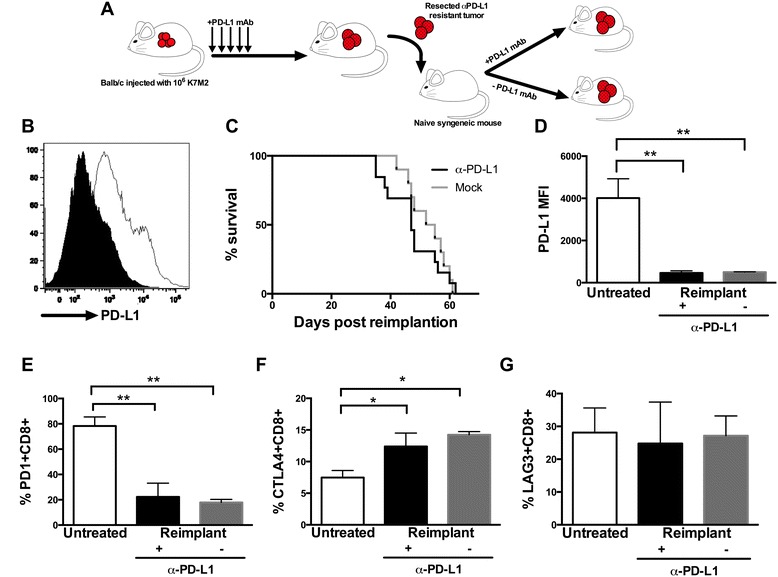
“However, in a follow-up study [148], they noted that xenografts quickly become resistant to PD-L1 blockade through the up-regulation of additional checkpoints, including CTLA-4.”
BackgroundLi, Y., He, M., Zhou, Y., Yang, C., Wei, S., Bian, X., Christopher, O., & Xie, L. (2019) · Frontiers in Pharmacology · doi:10.3389/fphar.2019.00139 · Cited by 114
Shi, L. Z., Fu, T., Guan, B., Chen, J., Blando, J. M., Allison, J. P., Xiong, L., Subudhi, S. K., Gao, J., & Sharma, P. (2016) · Nature Communications · doi:10.1038/ncomms12335 · Cited by 111
Sundara, Y. T., Kostine, M., Cleven, A. H. G., Bovée, J. V. M. G., Schilham, M. W., & Cleton-Jansen, A.-M. (2017) · Cancer Immunology, Immunotherapy · doi:10.1007/s00262-016-1925-3 · Cited by 111
Immune checkpoints in osteosarcoma: Recent advances and therapeutic potential
Yang, W., Tang, F., Tu, C., Hornicek, F. J., Duan, Z., & Min, L. (2022) · Cancer Letters · doi:10.1016/j.canlet.2022.215887 · Cited by 114
Jiang, K., Li, J., Zhang, J., Wang, L., Zhang, Q., Ge, J., Guo, Y., Wang, B., Huang, Y., Yang, T., et al. (2019) · International Immunopharmacology · doi:10.1016/j.intimp.2019.105818 · Cited by 111
Pediatric Cancer Immunotherapy: Opportunities and Challenges
Wedekind, M. F., Denton, N. L., Chen, C., & Cripe, T. P. (2018) · Pediatric Drugs · doi:10.1007/s40272-018-0297-x · Cited by 121
“Combination therapy in preclinical metastatic osteosarcoma models resulted in 50% of treated mice experiencing complete protection from metastasis and T-cell memory against tumor rechallenge [138].”
BackgroundPD-L1 Is Expressed and Promotes the Expansion of Regulatory T Cells in Acute Myeloid Leukemia
Dong, Y., Han, Y., Huang, Y., Jiang, S., Huang, Z., Chen, R., Yu, Z., Kang, Y., & Zhang, S. (2020) · Frontiers in Immunology · doi:10.3389/fimmu.2020.01710 · Cited by 103
“According to the methods previously reported (23), these mice were administrated intraperitoneally with 7.”
MethodAlemohammad, H., Najafzadeh, B., Asadzadeh, Z., Baghbanzadeh, A., Ghorbaninezhad, F., Najafzadeh, A., Safarpour, H., Bernardini, R., Brunetti, O., Sonnessa, M., et al. (2022) · Biomedicine & Pharmacotherapy · doi:10.1016/j.biopha.2021.112516 · Cited by 92
Fan, T. M., Roberts, R. D., & Lizardo, M. M. (2020) · Frontiers in Oncology · doi:10.3389/fonc.2020.00013 · Cited by 90
Ratti, C., Botti, L., Cancila, V., Galvan, S., Torselli, I., Garofalo, C., Manara, M. C., Bongiovanni, L., Valenti, C. F., Burocchi, A., et al. (2017) · Clinical Cancer Research · doi:10.1158/1078-0432.ccr-16-3186 · Cited by 90
“In a subsequent study, the authors reported that combining anti-PD-1 with anti-CTLA-4 antibody prevents tumor immune escape and leads to better disease control (30).”
BackgroundA tumor microenvironment-based prognostic index for osteosarcoma
Wu, C., Gong, S., Duan, Y., Deng, C., Kallendrusch, S., Berninghausen, L. K., Osterhoff, G., & Schopow, N. (2023) · Journal of Biomedical Science · doi:10.1186/s12929-023-00917-3 · Cited by 107
“However, the combination of anti-PD-L1 and anti-CTLA-4 therapy showed objective responses and clinical benefits on PFS in metastatic osteosarcoma [72, 73].”
BackgroundHe, X., Lin, H., Li, Y., & Li, B. (2017) · Cancer Biology & Therapy · doi:10.1080/15384047.2016.1276136 · Cited by 96
Ren, T., Zheng, B., Huang, Y., Wang, S., Bao, X., Liu, K., & Guo, W. (2019) · Cell Death and Disease · doi:10.1038/s41419-019-1497-1 · Cited by 85
Zheng, F., Dang, J., Zhang, H., Xu, F., Ba, D., Zhang, B., Cheng, F., Chang, A. E., Wicha, M. S., & Li, Q. (2018) · Journal of Immunotherapy · doi:10.1097/cji.0000000000000242 · Cited by 85
Takahashi, Y., Yasui, T., Minami, K., Tamari, K., Hayashi, K., Otani, K., Seo, Y., Isohashi, F., Koizumi, M., & Ogawa, K. (2019) · Oncotarget · doi:10.18632/oncotarget.26551 · Cited by 79
Innate Immune Cells: A Potential and Promising Cell Population for Treating Osteosarcoma
Wang, Z., Wang, Z., Li, B., Wang, S., Chen, T., & Ye, Z. (2019) · Frontiers in Immunology · doi:10.3389/fimmu.2019.01114 · Cited by 76
News on immune checkpoint inhibitors as immunotherapy strategies in adult and pediatric solid tumors
Melaiu, O., Lucarini, V., Giovannoni, R., Fruci, D., & Gemignani, F. (2020) · Seminars in Cancer Biology · doi:10.1016/j.semcancer.2020.07.001 · Cited by 79
Zhang, W., Shi, L., Zhao, Z., Du, P., Ye, X., Li, D., Cai, Z., Han, J., & Cai, J. (2019) · Cancer Chemotherapy and Pharmacology · doi:10.1007/s00280-019-03800-x · Cited by 84
Anti-CD166/4-1BB chimeric antigen receptor T cell therapy for the treatment of osteosarcoma
Wang, Y., Yu, W., Zhu, J., Wang, J., Xia, K., Liang, C., & Tao, H. (2019) · Journal of Experimental & Clinical Cancer Research · doi:10.1186/s13046-019-1147-6 · Cited by 75
Lorenzo-Sanz, L., & Muñoz, P. (2019) · Cancer Microenvironment · doi:10.1007/s12307-019-00232-2 · Cited by 86
T-Cell-Based Immunotherapy for Osteosarcoma: Challenges and Opportunities
Wang, Z., Li, B., Ren, Y., & Ye, Z. (2016) · Frontiers in Immunology · doi:10.3389/fimmu.2016.00353 · Cited by 73
“To prevent immune-escape and obtain complete control of a carcinoma, combination immunotherapy of CTLA-4 and PD-L1 blockades was investigated in animal models of metastatic osteosarcoma (133).”
BackgroundTargeting signaling pathways in osteosarcoma: Mechanisms and clinical studies
Ji, Z., Shen, J., Lan, Y., Yi, Q., & Liu, H. (2023) · MedComm · doi:10.1002/mco2.308 · Cited by 82
Wang, S., Li, H., Li, B., Xie, T., Zhu, T., Sun, L., Ren, H., & Ye, Z. (2016) · International Immunopharmacology · doi:10.1016/j.intimp.2016.05.016 · Cited by 70
Yu, L., Zhang, J., & Li, Y. (2022) · Frontiers in Immunology · doi:10.3389/fimmu.2022.871076 · Cited by 73
Yu, D., Liu, X., Han, G., Liu, Y., Zhao, X., Wang, D., Bian, X., Gu, T., & Wen, L. (2019) · Cell Communication and Signaling · doi:10.1186/s12964-019-0490-8 · Cited by 65
PD1 blockade enhances cytotoxicity of in vitro expanded natural killer cells towards myeloma cells
Guo, Y., Feng, X., Jiang, Y. Z., Shi, X., Xing, X., Liu, X., Li, N., Fadeel, B., & Zheng, C. (2016) · Oncotarget · doi:10.18632/oncotarget.10235 · Cited by 64
Osteogenic Sarcoma: Systemic Chemotherapy Options for Localized Disease
Harrison, D. J., & Schwartz, C. L. (2017) · Current Treatment Options in Oncology · doi:10.1007/s11864-017-0464-2 · Cited by 71
Huang, X., Zhang, W., Zhang, Z., Shi, D., Wu, F., Zhong, B., & Shao, Z. (2018) · Journal of Cancer · doi:10.7150/jca.25011 · Cited by 67
“Preclinical data demonstrated the benefit of combination therapy targeting both PD-L1 and CTLA-4 in a mouse model of metastatic osteosarcoma [28].”
BackgroundPrognostic value of programmed death-ligand 1 (PD-L1) expression in ovarian clear cell carcinoma
Zhu, J., Wen, H., Bi, R., Wu, Y., & Wu, X. (2017) · Journal of Gynecologic Oncology · doi:10.3802/jgo.2017.28.e77 · Cited by 62
“Multiple different tumors expressing PD-L1, including NSCLC [25], RCC [26], osteosarcoma [27], and advanced MEL [28], presented a relatively poor prognostic outcomes.”
BackgroundBone sarcomas in the immunotherapy era
Heymann, M., Schiavone, K., & Heymann, D. (2020) · British Journal of Pharmacology · doi:10.1111/bph.14999 · Cited by 63
Novel Immunotherapies for Osteosarcoma
Lu, Y., Zhang, J., Chen, Y., Kang, Y., Liao, Z., He, Y., & Zhang, C. (2022) · Frontiers in Oncology · doi:10.3389/fonc.2022.830546 · Cited by 67
“They combined CTLA-4 with a PD-1 ICI in the K7M2 murine model of metastatic OS and the tumors were completely under control inmost of subjects as expected (109).”
BackgroundJi, X., Wang, E., & Tian, F. (2017) · Biochemical and Biophysical Research Communications · doi:10.1016/j.bbrc.2017.11.120 · Cited by 57
Progress and Opportunities for Immune Therapeutics in Osteosarcoma
Lettieri, C. K., Appel, N., Labban, N., Lussier, D. M., Blattman, J. N., & Hingorani, P. (2016) · Immunotherapy · doi:10.2217/imt-2016-0048 · Cited by 56
Self-citationGuan, Y., Zhang, R., Peng, Z., Dong, D., Wei, G., & Wang, Y. (2017) · Journal of bone oncology · doi:10.1016/j.jbo.2017.10.002 · Cited by 54
“Most osteosarcomas are detected at the end of long bone in adolescence when they are rapidly growing [1,2].”
BackgroundMethodRole of the HDAC6/STAT3 pathway in regulating PD-L1 expression in osteosarcoma cell lines
Keremu, A., Aimaiti, A., Liang, Z., & Zou, X. (2018) · Cancer Chemotherapy and Pharmacology · doi:10.1007/s00280-018-3721-6 · Cited by 54
Takahashi, Y., Yasui, T., Tamari, K., Minami, K., Otani, K., Isohashi, F., Seo, Y., Kambe, R., Koizumi, M., & Ogawa, K. (2017) · PLoS ONE · doi:10.1371/journal.pone.0189697 · Cited by 55
Animal Models in Microbeam Radiation Therapy: A Scoping Review
Fernández-Palomo, C., Fazzari, J., Trappetti, V., Smyth, L. M. L., Janka, H., Laissue, J. A., & Djonov, V. (2020) · Cancers · doi:10.3390/cancers12030527 · Cited by 58
New Strategies in Sarcoma: Linking Genomic and Immunotherapy Approaches to Molecular Subtype
Lim, J. L., Poulin, N., & Nielsen, T. O. (2015) · Clinical Cancer Research · doi:10.1158/1078-0432.ccr-15-0831 · Cited by 49
“Because these agents modify inhibitory signals in previously activated, antigen-specific T cells, as single agents they may be most effective in highly mutated tumor subtypes with the most neoantigen production, as shown, for example, in animal models of osteosarcoma (51).”
BackgroundPD-L1 expression in papillary renal cell carcinoma
Motoshima, T., Komohara, Y., Ma, C., Dewi, A. K., Noguchi, H., Yamada, S., Nakayama, T., Kitada, S., Kawano, Y., Takahashi, W., et al. (2017) · BMC Urology · doi:10.1186/s12894-016-0195-x · Cited by 49
“Some clinical trials demonstrated that combination therapy using anti-CTLA-4 antibody and anti-PD-1 antibody produced significant anti-cancer effects [11].”
BackgroundSynergy of Immune Checkpoint Blockade with a Novel Synthetic Consensus DNA Vaccine Targeting TERT
Duperret, E. K., Wise, M. C., Trautz, A., Villarreal, D. O., Ferraro, B., Walters, J. N., Yan, J., Khan, A. S., Masteller, E. L., Humeau, L. M. P. F., et al. (2017) · Molecular Therapy · doi:10.1016/j.ymthe.2017.11.010 · Cited by 46
Mohanty, S., Aghighi, M., Yerneni, K., Theruvath, J. L., & Daldrup-Link, H. E. (2019) · Molecular Oncology · doi:10.1002/1878-0261.12556 · Cited by 48
“On the other hand, combining doxorubicin with PD-L1 inhibitors showed a minimal survival advantage over PD-L1-monotherapy in K7M2 osteosarcoma model (Lussier et al., 2015).”
BackgroundPrognostic Impact of PD‐1 and Tim‐3 Expression in Tumor Tissue in Stage I‐III Colorectal Cancer
Kuai, W., Xu, X., Yan, J., Zhao, W., Li, Y., Wang, B., Yuan, N., Li, Z., & Jia, Y. (2020) · BioMed Research International · doi:10.1155/2020/5294043 · Cited by 46
Immunotherapies for pediatric cancer: current landscape and future perspectives
Hutzen, B., Paudel, S. N., Naeimi Kararoudi, M., Cassady, K. A., Lee, D. A., & Cripe, T. P. (2019) · Cancer and Metastasis Reviews · doi:10.1007/s10555-019-09819-z · Cited by 44
“Preclinical data also suggest that tumors can develop compensatory mechanisms to circumvent immunotherapy if treatment is limited to a single approach [66, 67].”
BackgroundImmune checkpoint inhibitors in osteosarcoma: A hopeful and challenging future
Zhang, Z., Tan, X., Jiang, Z., Wang, H., & Yuan, H. (2022) · Frontiers in Pharmacology · doi:10.3389/fphar.2022.1031527 · Cited by 55
Research progress of PD-1/PD-L1 immunotherapy in gastrointestinal tumors
Sun, J., Zheng, Y., Mamun, M., Li, X., Chen, X., & Gao, Y. (2020) · Biomedicine & Pharmacotherapy · doi:10.1016/j.biopha.2020.110504 · Cited by 51
Wu, Y. C., Shi, H. M., Jiang, M., Qiu, M., Jia, K., Cao, T., Shang, Y., Shi, L., Jiang, K., & Wu, H. (2017) · International Journal of Cancer · doi:10.1002/ijc.31012 · Cited by 46
A new era in cancer treatment: harnessing ZIF-8 nanoparticles for PD-1 inhibitor delivery
Rastin, F., Oryani, M. A., Iranpour, S., Javid, H., Hashemzadeh, A., & Karimi‐Shahri, M. (2024) · Journal of Materials Chemistry B · doi:10.1039/d3tb02471g · Cited by 44
Profiling targetable immune checkpoints in osteosarcoma
McEachron, T. A., Triche, T. J., Sorenson, L., Parham, D. M., & Carpten, J. D. (2018) · OncoImmunology · doi:10.1080/2162402x.2018.1475873 · Cited by 44
Synergistic antitumor effect of anti‐PD‐L1 combined with oxaliplatin on a mouse tumor model
Golchin, S., Alimohammadi, R., Rostami‐Nejad, M., & Jalali, S. A. (2019) · Journal of Cellular Physiology · doi:10.1002/jcp.28585 · Cited by 44
“Lussier et al. (2015) reported that survival in a mouse metastatic osteosarcoma model was greater following treatment with doxorubicin plus anti‐PD‐L1 than with doxorubicin alone, although combining therapy with doxorubicin showed no significant difference in survival in comparison with anti‐PD‐L1…”
ResultApproaches to Enhance Natural Killer Cell-Based Immunotherapy for Pediatric Solid Tumors
Quamine, A. E., Olsen, M. R., Cho, M. M., & Capitini, C. M. (2021) · Cancers · doi:10.3390/cancers13112796 · Cited by 39
Promise and Challenges of T Cell Immunotherapy for Osteosarcoma
Park, J. A., & Cheung, N. V. (2023) · International Journal of Molecular Sciences · doi:10.3390/ijms241512520 · Cited by 51
“Although the combination of two ICIs acting through different mechanisms, such as anti-CTLA4 and anti-PD-1, has shown synergy in preclinical models of osteosarcoma as well as in those of melanoma [40,45], such combinations have had mixed response so far in bone sarcomas.”
BackgroundKiany, S., Huang, G., & Kleinerman, E. S. (2017) · OncoImmunology · doi:10.1080/2162402x.2017.1333214 · Cited by 38
Markel, J., Noore, J., Emery, E. J., Bobnar, H. J., Kleinerman, E. S., & Lindsey, B. A. (2018) · Sarcoma · doi:10.1155/2018/8694397 · Cited by 40
“Still, these data offer a possible explanation for why combination therapies including α-PD-L1 therapy are more effective [61], as it appears to neutralize many of the immunological effects induced by malignancy.”
BackgroundResultChristie, J. D., Appel, N., Canter, H., Achi, J. G., Elliott, N. M., de Matos, A. L., Franco, L. S., Kilbourne, J. A., Lowe, K. M., Rahman, M. M., et al. (2021) · Molecular Therapy — Oncolytics · doi:10.1016/j.omto.2021.07.014 · Cited by 39
“ICI treatments BALB/cJ animals were inoculated with K7M2-Lucmurine tumor cells as previously described in Lussier et al.(19,20) At the treatment start date, tumor-bearing animals were treated with ICI: either anti-PD-L1 (Bio X Cell 10F.”
BackgroundMethodSelf-citationTargeting Tumor-Associated Macrophages in the Pediatric Sarcoma Tumor Microenvironment
Koo, J., Hayashi, M., Verneris, M. R., & Lee‐Sherick, A. B. (2020) · Frontiers in Oncology · doi:10.3389/fonc.2020.581107 · Cited by 39
Riccardo, F., Tarone, L., Iussich, S., Giacobino, D., Arigoni, M., Sammartano, F., Morello, E. M., Martano, M., Gattino, F., Maria, R. D., et al. (2019) · Therapeutic Advances in Medical Oncology · doi:10.1177/1758835919855491 · Cited by 36
Duan, X. L., Guo, J. P., Li, F., Xiu, C., & Wang, H. (2020) · Future Oncology · doi:10.2217/fon-2019-0725 · Cited by 30
Immunosuppressive Tumor Microenvironment of Osteosarcoma
Taylor, A. M., Sheng, J., Ng, P. K. S., Harder, J. M., Kumar, P., Ahn, J. Y., Cao, Y., Dzis, A. M., Jillette, N., Goodspeed, A. E., et al. (2025) · Cancers · doi:10.3390/cancers17132117 · Cited by 45
“Anti-PD-L1 and anti-CTLA4 treatment also controlled OS tumor growth in a mouse model [4].”
Pereira‐Silva, M., Alvarez‐Lorenzo, C., Concheiro, Á., Paiva‐Santos, A. C., Veiga, F., & Figueiras, A. (2020) · European Journal of Pharmaceutics and Biopharmaceutics · doi:10.1016/j.ejpb.2019.10.013 · Cited by 32
T cell exhaustion drives osteosarcoma pathogenesis
Sun, C.-Y., Zhang, Z., Tao, L., Xu, F.-F., Li, H.-Y., Zhang, H.-Y., & Liu, W. (2021) · Annals of Translational Medicine · doi:10.21037/atm-21-3928 · Cited by 29
Advances and challenges in the treatment of osteosarcoma
Wang, X., Zhu, K., Hu, J., & Zhang, C. (2025) · Progress in Biophysics and Molecular Biology · doi:10.1016/j.pbiomolbio.2025.07.001 · Cited by 38
Kos, Š., Lopes, A., Préat, V., Čemažar, M., Tratar, U. L., Učakar, B., Vanvarenberg, K., Serša, G., & Vandermeulen, G. (2019) · PLoS ONE · doi:10.1371/journal.pone.0217762 · Cited by 34
Stat3 inhibitor abrogates the expression of PD-1 ligands on lymphoma cell lines
Ma, C., Horlad, H., Pan, C., Yano, H., Ohnishi, K., Fujiwara, Y., Matsuoka, M., Lee, A., Niidome, T., Yamanaka, R., et al. (2017) · Journal of the Japan Society of the Reticuloendothelial System · doi:10.3960/jslrt.17006 · Cited by 28
NK cell and macrophages confer prognosis and reflect immune status in osteosarcoma
Yang, X., Zhang, W., & Xu, P. (2018) · Journal of Cellular Biochemistry · doi:10.1002/jcb.28167 · Cited by 30
“And excitingly, a combination therapy of anti‐cytotoxic T-lymphocyte-associated protein 4 (CTLA‐4) and anti‐ programmed cell death protein 1 (PD‐1) was tested in a preclinical model of OS and resulted in complete regression.(7,8) Activated and expanded natural killer (NK) cells would target osteosarcoma tumor‐initiati…”
BackgroundFc Effector Function of Immune Checkpoint Blocking Antibodies in Oncology
Martineau, R., Susini, S., & Marabelle, A. (2024) · Immunological Reviews · doi:10.1111/imr.13427 · Cited by 33
Advanced 3D Magnetic Scaffolds for Tumor-Related Bone Defects
Cojocaru, F.-D., Bălan, V., & Vereștiuc, L. (2022) · International Journal of Molecular Sciences · doi:10.3390/ijms232416190 · Cited by 28
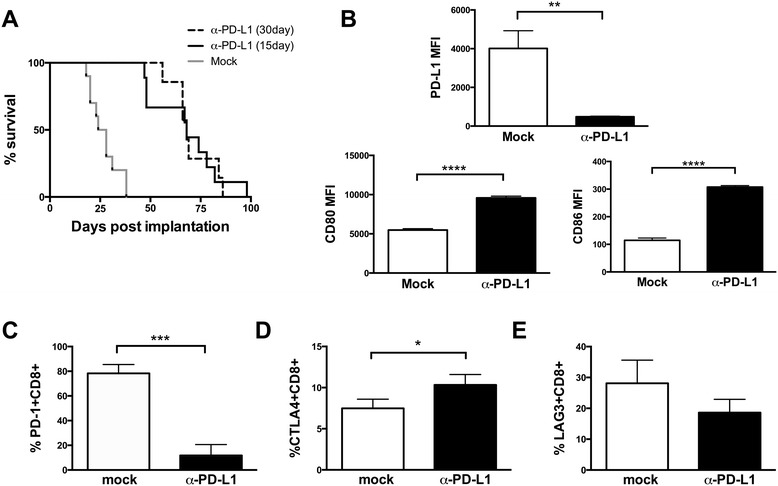
“For instance, preclinical murine metastatic models proved to be able to downregulate PD-L1, and upregulate CD80 and CD86 when treated with PD-1 blockade alone, whereas blocking both CTLA4 (inhibitory receptor) and PD-L1 determined a complete control of tumor spread in 50% of animals with osteosarcoma [79,80].”
BackgroundGrisez, B. T., Ray, J. J., Bostian, P. A., Markel, J., & Lindsey, B. A. (2018) · Journal of Orthopaedic Research® · doi:10.1002/jor.23868 · Cited by 26
“Studies recapitulated in immunocompromised animals,(8-10,21-23) by inducing tumorigenesis via intravenous or subcutaneous cell injection, or use of a transfection method with antigenic vectors do not exploit these essential principles.(24-25)”
miR-135a Reduces Osteosarcoma Pulmonary Metastasis by Targeting Both BMI1 and KLF4
Chen, C., Mao, X., Cheng, C., Jiao, Y., Zhou, Y., Ren, T., Wu, Z., Lv, Z., Sun, X., & Guo, W. (2021) · Frontiers in Oncology · doi:10.3389/fonc.2021.620295 · Cited by 26
“Although several anticarcinogens have been applied clinically, the prognosis for metastatic and recurrent OS has remained stagnant over the last few decades (7).”
BackgroundEvaluation of HLA-G, HLA-E, and PD-L1 proteins in oral osteosarcomas
Arantes, D. A. C., Gonçalves, A. S., Jham, B. C., Duarte, E. C. B., de Paula, É. C., de Paula, H. M., Mendonça, E. F., & Batista, A. C. (2016) · Oral Surgery Oral Medicine Oral Pathology and Oral Radiology · doi:10.1016/j.oooo.2016.12.002 · Cited by 30
Lopes, A., Vanvarenberg, K., Kos, Š., Lucas, S., Colau, D., den Eynde, B. J. V., Préat, V., & Vandermeulen, G. (2018) · Scientific Reports · doi:10.1038/s41598-018-33933-7 · Cited by 30
Promising Therapeutic Strategies for Hematologic Malignancies: Innovations and Potential
Lica, J. J., Pradhan, B., Safi, K., Jakóbkiewicz‐Banecka, J., & Hellmann, A. (2024) · Molecules · doi:10.3390/molecules29174280 · Cited by 32
“Monoclonal antibodies have the potential to greatly reduce toxicity, decrease the size of solid tumors, block advanced cancers and metastases, and increase patient survival rates [63].”
BackgroundImmunotherapy in Pediatric Solid Tumors—A Systematic Review
Marayati, R., Quinn, C. H., & Beierle, E. A. (2019) · Cancers · doi:10.3390/cancers11122022 · Cited by 30
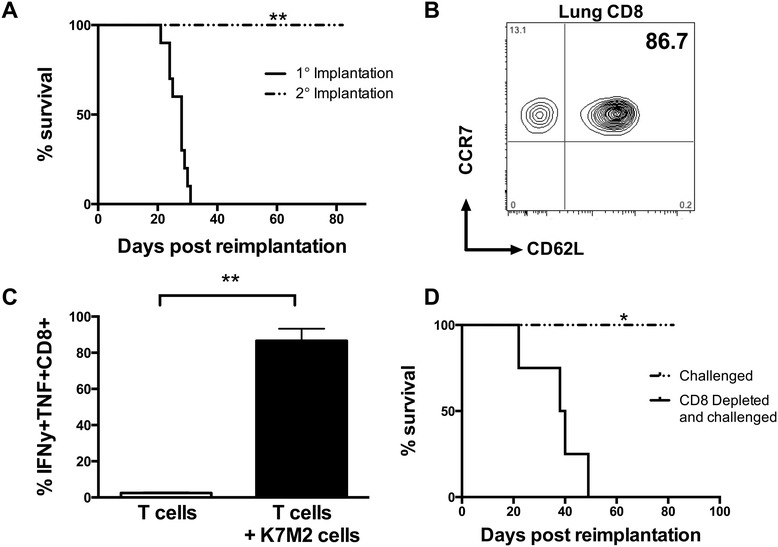
“Furthermore, combination therapy of PD-1/CTLA-4 signaling blockade resulted in complete protection from metastasis in 50% of treated mice as well as in T cell memory protection against future tumor inoculation [46].”
BackgroundYing, H., Li, Z., Li, M.-P., & Liu, W. (2023) · Frontiers in Endocrinology · doi:10.3389/fendo.2023.1217669 · Cited by 30
Metadata
- Authors
- Lussier, D. M., Johnson, J. L., Hingorani, P., & Blattman, J. N.
- Affiliations
- Arizona State University (US)
- Phoenix Children's Hospital (US)
- Corresponding author
- Blattman, Joseph N
- Venue
- Journal for ImmunoTherapy of Cancer
- Publisher
- BMJ
- Published
- 2015-05-19
- Volume
- 3
- Issue
- 1
- Pages
- 21-21
- ISSN
- 2051-1426 (ISSN-L)
- PMC
- PMC4437699
- OpenAlex
- W1543079591
- Semantic Scholar
- 26bb66eb72941dcfe89fc7943d90e10b7f2174d3
- Cited by
- 206
- References
- 49
- Citations by year
- 2026: 8 · 2025: 21 · 2024: 16 · 2023: 18 · 2022: 14 · 2021: 13 · 2020: 24 · 2019: 28 · 2018: 17 · 2017: 21 · 2016: 21 · 2015: 5
- FWCI
- 9.32
- Type
- journal article
- Language
- en
- Open access
- gold
- doi.org
- Locations
- Journal for ImmunoTherapy of Cancer (publishedVersion, cc-by)
- PubMed Central (publishedVersion, cc-by)
- PubMed (publishedVersion)
- Arizona State University Library Digital Repository (Arizona State University) (submittedVersion)
- Funders
- Hyundai Hope On Wheels (0000-0003-2504-9663)
- Topics
- Health Sciences › Medicine › Oncology › Cancer Immunotherapy and Biomarkers
- Health Sciences › Medicine › Oncology › Sarcoma Diagnosis and Treatment
- Life Sciences › Immunology and Microbiology › Immunology › Immunotherapy and Immune Responses
- Keywords
- metastatic osteosarcoma, combination immunotherapy, CTLA-4 blockade, PD-L1 blockade, PD-1/PD-L1 pathway, immune evasion, lung metastasis, tumor-infiltrating T cells, cancer immunotherapy
About these checks
Registry, retraction, Cites and statistics results are computed, not judged, with one exception: a printed reference that no index lists is read once by a model before it counts as a citation error. Claims are extracted by a model and kept only when their quote appears verbatim in the text; each cited source is then checked, with a model’s help, for whether it says what the claim relies on. Those verdicts can be wrong — read the claim’s quote and the cited source before relying on one.
Statistics and arithmetic are recomputed, not judged.
Confidence bands are shown only for fields calibrated on our annotated test set. None is calibrated yet, so no band is shown.
What counts as a claim ›How we measure confidence ›How we check this ›
Are you an author, or do you see a problem with this page? Request a review
Data sources
Bibliographic data: Semantic Scholar, OpenAlex, Crossref.
Contains information from the Semantic Scholar Academic Graph Datasets, made available under the ODC Attribution License (ODC-BY 1.0).
Semantic Scholar’s data is described in: Kinney, R., et al. (2023). The Semantic Scholar Open Data Platform. arXiv:2301.10140.
