

Marine microplastics as vectors of major ocean pollutants and its hazards to the marine ecosystem and humans
Open accessThe DOI matches its Crossref record; 304 of the 304 references it cites were found in a registry or an index.
Abstract
Microplastic pollutes water, land, air, and groundwater environments not only visually but also ecologically for plants, animals, and humans. Microplastic has been reported to act as vectors by sorbing pollutants and contributing to the bioaccumulation of pollutants, particularly in marine ecosystems, organisms, and subsequently food webs. The inevitable exposure of microplastic to humans emphasises the need to review the potential effects, exposure pathways, and toxicity of microplastic toward human health. Therefore, this review was aimed to reveal the risks of pollutant sorption and bioaccumulation by microplastic toward humans, as well as the dominant types of pollutants sorbed by microplastic, and the types of pollutants that are bioaccumulated by microplastic in the living organisms of the marine ecosystem. The possible factors influencing the sorption and bioaccumulation of pollutants by microplastic in marine ecosystems were also reviewed. The review also revealed the prevailing types of microplastic, abundance of microplastic, and geographical distribution of microplastic in the aquatic environment globally. The literature review revealed that microplastic characteristics, chemical interactions, and water properties played a role in the sorption of pollutants by microplastic. The evidence of microplastic posing a direct medical threat to humans is still lacking albeit substantial literature has reported the health hazards of microplastic-associated monomers, additives, and pollutants. This review recommends future research on the existing knowledge gaps in microplastic research, which include the toxicity of microplastic, particularly to humans, as well as the factors influencing the sorption and bioaccumulation of pollutants by microplastic.
Overview
The claims and statistics of this paper haven’t been checked yet.
Free: it reads the open-access text and checks the first 5 claims that cite a source we can check. Create a free account to check every claim.
Integrity signals
Registry
Cites
Statistics
Figures
Verification
Claims the paper makes
The claims and statistics of this paper haven’t been checked yet.
Free: it reads the open-access text and checks the first 5 claims that cite a source we can check. Create a free account to check every claim.
Claims other papers make about this one
Each is checked against this paper’s own text: does it say what the citing paper says it does?
The source backs part of the claim, not all of it — or backs it for a different population, condition or comparison.
In the citing paper
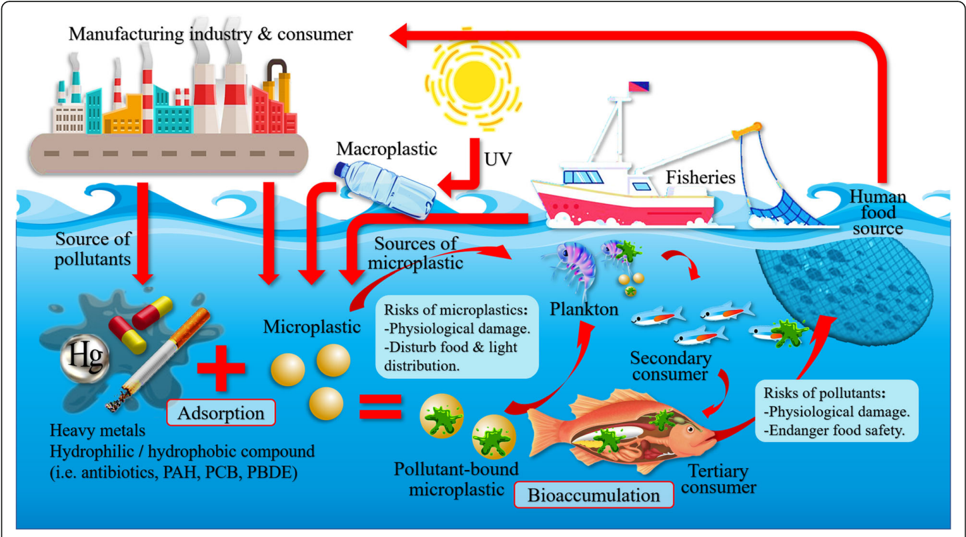
“MPs have been shown to act as a major vector for chemical contami nation, and, as DEHP is lipophilic, MPs have the potential to promote its concentration, distribution and persistence within the marine environ ment (Amelia et al., 2021; Ye et al., 2020).”
From Trophic transfer of polyester microfibres across a multi-level marine food web. (2025) · cites this paper as Amelia et al., 2021
Experimental — accuracy not yet measuredThe source backs part of the claim, not all of it — or backs it for a different population, condition or comparison.
In the citing paper
“MPs have been shown to act as a major vector for chemical contami nation, and, as DEHP is lipophilic, MPs have the potential to promote its concentration, distribution and persistence within the marine environ ment (Amelia et al., 2021; Ye et al., 2020).”
From Trophic transfer of polyester microfibres across a multi-level marine food web. (2025) · cites this paper as Amelia et al., 2021
Experimental — accuracy not yet measured
Self-check
Percentages, sums and reported differences re-computed from the paper’s own numbers.
The self-check needs the paper’s full text.
Citations
Cites
1 retracted
Yu, F., Yang, C., Zhu, Z., Bai, X., & Ma, J. (2019) · Science of The Total Environment · doi:10.1016/j.scitotenv.2019.133643 · Cited by 737 · cited 5×
“Microplastic is a ubiquitous occurrence in terrestrial, freshwater, and marine environments (Yu et al. 2019a).”
BackgroundInfluentialRetractedPlastic waste inputs from land into the ocean
Jambeck, J. R., Geyer, R., Wilcox, C., Siegler, T. R., Perryman, M., Andrady, A., Narayan, R., & Law, K. L. (2015) · Science · doi:10.1126/science.1260352 · Cited by 13,163 · cited 2×
“7 million metric tons entering the ocean in 2010 (Jambeck et al. 2015).”
BackgroundInfluentialMicroplastics in the marine environment
Andrady, A. L. (2011) · Marine Pollution Bulletin · doi:10.1016/j.marpolbul.2011.05.030 · Cited by 8,105 · cited 1×
“The fragmentation of larger plastic in the environment is caused by chemical (e.g. photolysis, hydrolysis, and thermal), mechanical (e.g. abrasion), and biological (e.g. bacteria and fungi) degradation (Andrady 2011; Ivleva et al. 2017).”
BackgroundMicroplastics as contaminants in the marine environment: A review
Cole, M., Lindeque, P., Halsband, C., & Galloway, T. S. (2011) · Marine Pollution Bulletin · doi:10.1016/j.marpolbul.2011.09.025 · Cited by 6,023 · cited 1×
“Other than this, ingested microplastic that is excreted along with faecal matter can alter the density and sinking velocity of the latter, which is an important food source, hence interrupting the normal pattern of food distribution for other marine organisms (Cole et al. 2011, 2016).”
BackgroundThe Physical Impacts of Microplastics on Marine Organisms: A Review
Wright, S. L., Thompson, R. C., & Galloway, T. S. (2013) · Environmental Pollution · doi:10.1016/j.envpol.2013.02.031 · Cited by 4,524 · cited 3×
“Ingested microplastic is transferred throughout the food web, driving increasing concerns about the threats to aquatic biota (Betts 2008; Wright et al. 2013a).”
BackgroundHorton, A. A., Walton, A., Spurgeon, D. J., Lahive, E., & Svendsen, C. (2017) · Science of The Total Environment · doi:10.1016/j.scitotenv.2017.01.190 · Cited by 3,756 · cited 4×
“Microplastic can accumulate and pose hazards in marine ecosystems and organisms (Guzzetti et al. 2018; Horton et al. 2017).”
BackgroundInfluentialPlastic and Human Health: A Micro Issue?
Wright, S. L., & Kelly, F. J. (2017) · Environmental Science & Technology · doi:10.1021/acs.est.7b00423 · Cited by 3,413 · cited 3×
“Based on the abundances observed, it was estimated that Chinese shellfish consumers could be exposed to 100,000 microplastics each year (Wright and Kelly 2017).”
BackgroundLife in the “plastisphere”: microbial communities on plastic marine debris
Zettler, E. R., Mincer, T. J., & Amaral-Zettler, L. A. (2013) · Environmental Science & Technology · doi:10.1021/es401288x · Cited by 3,368 · cited 1×
“…transport pathogens and release plasticizers or additives, microplastic can sorb and desorb and, hence, bioaccumulate quantitatively more toxic pollutants because of the larger ratio of the surface area to the volume of the microplastic (Avio et al. 2017; Zettler et al. 2013; Teuten et al. 2009).”
BackgroundA bacterium that degrades and assimilates poly(ethylene terephthalate)
Yoshida, S., Hiraga, K., Takehana, T., Taniguchi, I., Yamaji, H., Maeda, Y., Toyohara, K., Miyamoto, K., Kimura, Y., & Oda, K. (2016) · Science · doi:10.1126/science.aad6359 · Cited by 3,367 · cited 1×
“…(PS), and polylactic acid (PLA), showed adhesion, colonisation, and damage by the associated bacterial and fungal strains, for example Aspergillus flavus (Auta et al. 2018; Kim et al. 2017a; Mohan et al. 2016; Paco et al. 2017; Devi et al. 2015; Uscategui et al. 2016; Yoshida et al. 2016).”
BackgroundPlastics, the environment and human health: current consensus and future trends
Thompson, R. C., Moore, C. J., vom Saal, F. S., & Swan, S. H. (2009) · Philosophical Transactions of the Royal Society B: Biological Sciences · doi:10.1098/rstb.2009.0053 · Cited by 3,032 · cited 1×
“…monomers, and additives in microplastic are POP and EDC that have been detected in the human body in a higher amount than expected by gut exposure, indicating substance introduction via other possible routes (Galloway 2015; Koelmans et al. 2016; Thompson et al. 2009; Vethaak and Leslie 2016).”
Background
Research works printed but not linked: 4
- Neufeld L, Stassen F, Sheppard R, Gilman T (2016) The new plastics economy - rethinking the future of plastics. World economic forum, Ellen MacArthur Foundation, McKinsey & Company http://www.ellenmacarthurfoundation. org/publications
- Ogonowski M, Wenman V, Danielsson S, Gorokhova E (2017) Ingested microplastic is not correlated to HOC concentrations in Baltic Sea herring. CEST [internet]. Rhodes, Greece
- PlasticsEurope (2017) Plastics -the facts 2017. An analysis of European plastics production, demand and waste data. PlasticsEurope Retrieved from https:// www.plasticseurope.org/en/resources/publications/274-plastics-facts-2017 Accessed on 17 August 2020
- PlasticsEurope (2019) Plastics -the facts 2019. An analysis of European plastics production, demand and waste data. PlasticsEurope Retrieved from https:// www.plasticseurope.org/en/resources/publications/1804-plastics-facts-2019 Accessed on 17 August 2020
Cited by
Items 201–300 of 694
The genus Artemia, the nanoplastics, the microplastics, and their toxic effects: a review
Serrão, C., & Marques‐Santos, L. F. (2023) · Environmental Science and Pollution Research · doi:10.1007/s11356-023-27868-4 · Cited by 21
“Among them, we can highlight contaminants such as metals, POPs, and other nanomaterials (Mato et al. 2001; Holmes et al. 2012; Amelia et al. 2021; Thiagarajan et al. 2021).”
BackgroundHassan, I., Sethupathi, S., Bashir, M. J. K., Munusamy, Y., & Chan, C. W. (2024) · Journal of environmental chemical engineering · doi:10.1016/j.jece.2024.112305 · Cited by 20
Kawsar, M. A., Munny, F. J., Saif, U. M., Harun‐Al‐Rashid, A., Rahman, M., Barman, S. K., Adikari, D., Alam, M. T., Kunda, M., & Pandıt, D. (2024) · Journal of Hazardous Materials Advances · doi:10.1016/j.hazadv.2024.100430 · Cited by 27
Zhao, Z., Zheng, X., Li, Y., Han, Z., Tang, Y., Hu, T., & Lin, T. (2025) · Journal of Hazardous Materials · doi:10.1016/j.jhazmat.2025.137344 · Cited by 22
Guerrini, F., Mari, L., & Casagrandi, R. (2022) · Environmental Research Letters · doi:10.1088/1748-9326/ac4fd9 · Cited by 22
Bioaccumulation and trophic transfer of microplastics in oceanic food webs
Nikhil, V. G., Abisha, C., Raghavan, R., Ali, P. H. A., Ranjeet, K., & Varghese, G. K. (2025) · Marine Pollution Bulletin · doi:10.1016/j.marpolbul.2025.119113 · Cited by 21
Effect of Meso-, Micro-, and Nano-Plastic Waste on the Benthos
Anani, O. A., Adetunji, C. O., Anani, G. A., Olomukoro, J. O., Imoobe, T. O., Enuneku, A. A., & Tongo, I. (2022) · Springer eBooks · doi:10.1007/978-981-16-5403-9_12 · Cited by 23
Panda, A., Dyadyura, K., Valíček, J., Harničárová, M., Kušnerová, M., Ivakhniuk, T., Hrebenyk, L. I., Сапронов, О. О., Соценко, В. В., Воробйов, П. О., et al. (2022) · Polymers · doi:10.3390/polym14163275 · Cited by 19
Microbial community shifts induced by plastic and zinc as substitutes of tire abrasion
Sieber, G., Beißer, D., Rothenberger, J. L., Shah, M., Schumann, M., Sures, B., & Boenigk, J. (2022) · Scientific Reports · doi:10.1038/s41598-022-22906-6 · Cited by 21
A review of microplastic threat mitigation in Asian lentic environments
Sadia, M. R., Hasan, M., Islam, A. R. M. T., Jion, M. M. M. F., Masud, M. A. A., Rahman, M. N., Peu, S. D., Das, A., Bari, A. B. M. M., Islam, M. S., et al. (2023) · Journal of Contaminant Hydrology · doi:10.1016/j.jconhyd.2023.104284 · Cited by 20
Accumulation of microplastics in bivalves within the Chandragiri River in South-Western India
Radhakrishnan, N. K. K., Sangeetha, J., Alabhai, J. M., & Jayasree, P. (2024) · Anthropocene Coasts · doi:10.1007/s44218-024-00038-w · Cited by 22
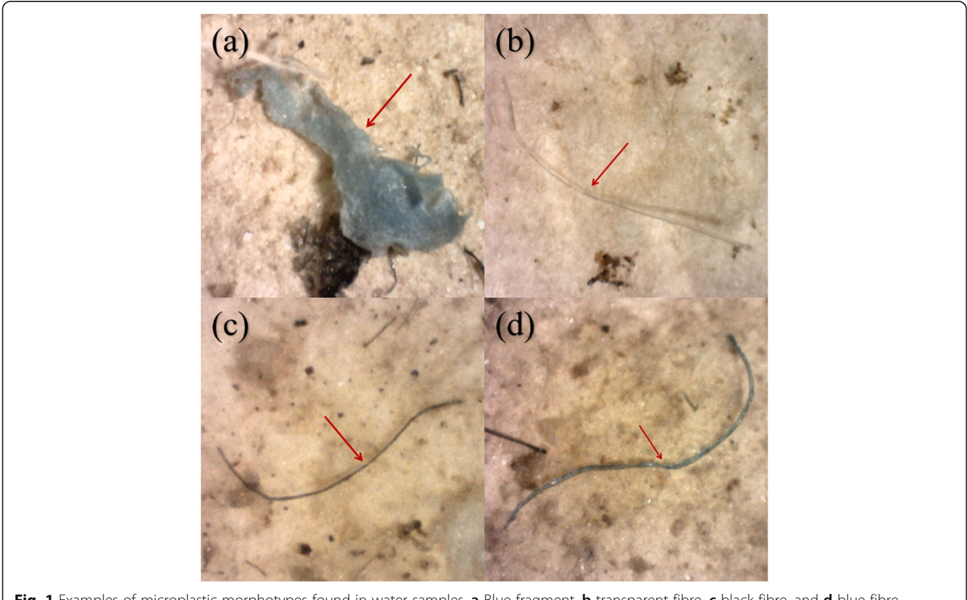
“Microplastics were classified into four morphometric types – beads, fibres, films, and fragments (Amelia et al. 2021) – based on their shapes and sizes.”
Vass, M., Ramasamy, K. P., & Andersson, A. (2024) · Environmental Microbiology · doi:10.1111/1462-2920.16618 · Cited by 20
“Studies targeting plastic-associated microeukar-yotes, however, have been largely overlooked (Amelia et al., 2021), or had a mere explorative focus (Davidov et al., 2020).”
BackgroundSubcellular toxicity assessments of microplastics released from food containers
Xia, Y., & Wang, W. (2025) · Journal of Hazardous Materials · doi:10.1016/j.jhazmat.2025.137541 · Cited by 20
Shekhar, S., & Sarkar, S. (2025) · Chemosphere · doi:10.1016/j.chemosphere.2025.144256 · Cited by 20
Qin, Y., Wang, Z., Fei, Y., Wang, D., Liu, W., Hanikai, D., Liu, J., Zhou, J., & Liu, D. (2025) · Journal of Analytical and Applied Pyrolysis · doi:10.1016/j.jaap.2025.107459 · Cited by 23
Talbot, R., Cárdenas-Calle, M., Mair, J. M., López, F. I. L., Cárdenas, G., Pernía, B., Hartl, M. G. J., & Uyaguari, M. (2022) · Microplastics · doi:10.3390/microplastics1040045 · Cited by 18
“MP morphotypes consist of fibres, particles, beads, pellets, films and Styrofoam [5].”
Ningrum, P. T., Negoro, A. H. S., Indahyani, D. E., Kusnadi, K., & Nurdiansyah, Y. (2023) · Jurnal Ilmiah Perikanan dan Kelautan · doi:10.20473/jipk.v15i1.34888 · Cited by 21
Raju, M. P., Veerasingam, S., Suneel, V., Saha, M., Rathore, C., Naik, A., Suneetha, P., & Ramakrishna, S. S. V. S. (2023) · Environmental Science and Pollution Research · doi:10.1007/s11356-023-27100-3 · Cited by 19
Lozano-Bilbao, E., Espinosa, J. M. L., Thorne-Bazarra, T., Hardisson, A., Paz, S., González‐Weller, D., Rubio, C., & Gutiérrez, A. J. (2023) · Marine Pollution Bulletin · doi:10.1016/j.marpolbul.2023.115538 · Cited by 18
Eliminating waste with waste: transforming spent coffee grounds into microrobots for water treatment
Singh, A. K., Basireddy, T., & Moran, J. L. (2023) · Nanoscale · doi:10.1039/d3nr03592a · Cited by 19
Nazir, A., Hussain, S. M., Riyaz, M., & Zargar, M. A. (2024) · Water Air & Soil Pollution · doi:10.1007/s11270-024-06901-3 · Cited by 24
“In India, the majority of investigations concerning microplastic pollution have been centered on marine environments (Amelia et al., 2021; Eriksen et al., 2014; Karthik et al., 2018; Vidyasakar et al., 2020).”
Kanlayaprasit, S., Saeliw, T., Thongkorn, S., Panjabud, P., Kasitipradit, K., Lertpeerapan, P., Songsritaya, K., Yuwattana, W., Jantheang, T., Jindatip, D., et al. (2024) · Biology of Sex Differences · doi:10.1186/s13293-024-00614-2 · Cited by 19
Rades, M., Poschet, G., Gegner, H. M., Wilke, T., & Reichert, J. (2024) · Marine Pollution Bulletin · doi:10.1016/j.marpolbul.2024.116631 · Cited by 18
da Silva, L. F., Nobre, C. R., Moreno, B. B., Pereira, C. D. S., Abessa, D. M. D. S., Choueri, R. B., Gusso‐Choueri, P. K., & César, A. (2022) · Marine Pollution Bulletin · doi:10.1016/j.marpolbul.2022.113469 · Cited by 18
Muns‐Pujadas, L., Dallarés, S., Constenla, M., Padrós, F., Carreras-Colom, E., Grelaud, M., Carrassón, M., & Soler‐Membrives, A. (2023) · Marine Environmental Research · doi:10.1016/j.marenvres.2023.105921 · Cited by 18
Samal, A., & Das, N. (2023) · Environmental Science and Pollution Research · doi:10.1007/s11356-023-28253-x · Cited by 20
“The primary polymers of pollutants involve are microplastic, such as polypropylene (PP), polyethylene (PE), polyethylene terephthalate (PET), polystyrene (PS), and polyurethane (PU), which are found by the researchers on the water bodies (Yuan et al. 2022b; Vanapalli et al. 2021; Yuan et al. 2022a; Gazal and Gheewala…”
BackgroundMulti‐Module Micro/Nanorobots for Biomedical and Environmental Remediation Applications
Zhu, B., Salehi, A., Xu, L., Yuan, W., & Yu, T. (2025) · Advanced Intelligent Systems · doi:10.1002/aisy.202400779 · Cited by 18
Tansel, B. (2025) · Marine Pollution Bulletin · doi:10.1016/j.marpolbul.2025.118666 · Cited by 21
Marine pollution: the global challenge of ocean contaminants and mitigation efforts
Wijesinghe, S. M. K., Karunarathna, B. G. H. D., Kumarawansha, W. K. M. G., Liyanage, K. L. A. A. R., Pahathkumbura, P. H. M. S. R., Rajawardhana, A. G. M. I., Samaranayake, W. M. N. K., Sawmiya, M. I. F., Wetthasinghe, K. S., & Ratnayake, A. S. (2026) · Anthropocene Coasts · doi:10.1007/s44218-025-00107-8 · Cited by 21
“In addition, microplastics serve as routes for persistent organic pollutants, further exacerbating their toxic effects (Amelia et al. 2021).”
Transition to bio-based plastic packaging reveals complex climate–biodiversity trade-offs
Erradhouani, B., Coma, V., Sonnemann, G., & Loubet, P. (2026) · Nature Communications · doi:10.1038/s41467-026-69016-9 · Cited by 20
“…rates were taken from Afshar et al. 2 , and methane and CO 2 emissions were then derived from the assumptions of Benavides et al. 30 , which specify the share of polymer carbon degraded, the fraction of methane oxidized, and the resulting atmospheric releases (Supplementary Tables 10 and 11).”
Wang, Q., Ren, F., & Li, R. (2023) · Marine Policy · doi:10.1016/j.marpol.2023.105723 · Cited by 18
Ahn, H. M., Park, J., Lee, H., Lee, C., Chun, H., & Kim, K. B. (2024) · RSC Advances · doi:10.1039/d3ra07382c · Cited by 18
Bouzekry, A., Mghili, B., Mancuso, M., Bouadil, O., Bottari, T., & Aksissou, M. (2024) · Environments · doi:10.3390/environments11040083 · Cited by 18
Singh, P., Varshney, G., & Kaur, R. (2024) · Journal of Environmental Science and Health Part C · doi:10.1080/26896583.2024.2370715 · Cited by 18
Vered, G., & Shenkar, N. (2022) · Environmental Pollution · doi:10.1016/j.envpol.2022.120285 · Cited by 17
The state of microplastic pollution in México: a review and evolving perspectives
Caro-Martínez, D. M., Niño‐Torres, C. A., Charruau, P., Osten, J. R., Castelblanco‐Martínez, D. N., Mendoza, L. M. R., Martínez, Ó. F., & Blanco‐Parra, M. D. P. (2025) · The Science of The Total Environment · doi:10.1016/j.scitotenv.2025.179772 · Cited by 16
Ali, A. A. M., Anuar, S. T., Azmi, A. A., Yusof, K. M. K. K., Khalik, W. M. A. W. M., & Ibrahim, Y. S. (2025) · Marine Pollution Bulletin · doi:10.1016/j.marpolbul.2025.118382 · Cited by 17
Self-citationOn the logic of remote detection of plastic litter in the aquatic environments: A revisit
Hu, C. (2025) · Remote Sensing of Environment · doi:10.1016/j.rse.2025.114911 · Cited by 16
Moon, D., Wang, H. H., & Hao, N. (2023) · Economic Analysis and Policy · doi:10.1016/j.eap.2023.03.009 · Cited by 20
Efendy, M., Amir, N., Mahasin, M. Z., Wahyu, F. M., Aroua, M. K., & Gozan, M. (2024) · Regional Studies in Marine Science · doi:10.1016/j.rsma.2024.103803 · Cited by 16
Lee, H. L., Lee, V. S., Muin, M. A., Akib, N. A. M., Gew, L. T., Lim, T. H., Othman, R., Su’ait, M. S., Tang, W. K., Yeoh, Y. S., et al. (2024) · Pure and Applied Chemistry · doi:10.1515/pac-2024-0233 · Cited by 23
Goddijn‐Murphy, L., Woolf, D. K., & James, N. A. (2025) · Marine Pollution Bulletin · doi:10.1016/j.marpolbul.2025.117528 · Cited by 17
Jung, Y., & Kim, I. Y. (2025) · Bulletin of the Korean Chemical Society · doi:10.1002/bkcs.70004 · Cited by 16
Microplastics interaction with bisphenol A: Adsorption, desorption, and in vitro biological effects
Saraceni, A., Schiavo, V., Mognetti, B., Cottone, E., Trianni, A., Beccari, F., Catalano, F., Geddo, F., Merlo, G. R., Gallo, M. P., et al. (2025) · The Science of The Total Environment · doi:10.1016/j.scitotenv.2025.179971 · Cited by 16
DNA attachment to polymeric, soft and quantum materials: mechanisms and applications
Zandieh, M., Lee, J. H., & Liu, J. (2025) · Chemical Science · doi:10.1039/d5sc03552j · Cited by 17
Kikuchi, J., & Yamada, S. (2021) · RSC Advances · doi:10.1039/d1ra03008f · Cited by 16
Unveiling the hidden impacts: A comprehensive review of microplastic effects on marine bivalves
Chen, Z., Fan, S., Guo, W., Hu, M., Lee, J., & Wang, Y. (2025) · Aquatic Toxicology · doi:10.1016/j.aquatox.2025.107657 · Cited by 17
Belesov, A. V., Rezviy, T. V., Pokryshkin, S. A., Lakhmanov, D. E., Чухчин, Д. Г., & Kozhevnikov, A. Y. (2022) · Journal of Marine Science and Engineering · doi:10.3390/jmse10101485 · Cited by 15
Meng, F., Tan, L., Cai, P., & Wang, J. (2023) · Aquatic Toxicology · doi:10.1016/j.aquatox.2023.106810 · Cited by 15
Sun, T., Timoneda, A., Banavar, A., & Ovissipour, R. (2024) · Frontiers in Food Science and Technology · doi:10.3389/frfst.2024.1309884 · Cited by 17
Facchino, M., Pietrelli, L., Menegoni, P., Capocelli, M., Limiti, E., Trombetta, M., Basoli, F., & Falco, M. D. (2025) · ChemPlusChem · doi:10.1002/cplu.202400736 · Cited by 16
Insights into Chemical Recycling and Upgrading Strategies for Polyolefin-Based Plastics
Lu, M., Wang, S., Su, M., Weng, Z., Zheng, J., Gupta, N. K., Cai, K., Shou, Z., & Ke, Q. (2025) · Industrial & Engineering Chemistry Research · doi:10.1021/acs.iecr.5c00110 · Cited by 18
Miccoli, A., Mancini, E., Saraceni, P. R., Ventura, G. D., Scapigliati, G., & Picchietti, S. (2021) · The Science of The Total Environment · doi:10.1016/j.scitotenv.2021.152618 · Cited by 15
A comparison of current analytical methods for detecting particulate matter and micro/nanoplastics
Thomas, C., Spatayeva, T., Yu, D., Loh, A., Yim, U. H., & Yoon, J. (2024) · Applied Physics Reviews · doi:10.1063/5.0153106 · Cited by 15
Arctic threads: Microplastic fibres in Chukchi and Beaufort sea sediments
Dhineka, K., Mishra, P., Ikenoue, T., Nakajima, R., Itoh, M., Sambandam, M., Kaviarasan, T., & Marigoudar, S. R. (2024) · Marine Pollution Bulletin · doi:10.1016/j.marpolbul.2024.116954 · Cited by 15
Dey, U., Chell, S., Mondal, M., Das, K., Raj, D., Pandey, G., Meraj, G., Kumar, P., Almazroui, M., & Verma, S. (2024) · Earth Systems and Environment · doi:10.1007/s41748-024-00485-y · Cited by 15
“…by different organisms vary significantly depending on some factors like, type of the species, their morphology and physiology as well as colour, density, mobility, morphology, and size of the MPs (Ory et al. 2017; Peters et al. 2017; Cheung et al. 2018; Kokalj et al. 2018; Amelia et al. 2021).”
InfluentialCloux, S., Pérez, P., de Pablo, H., & Pérez-Muñuzuri, V. (2024) · Marine Pollution Bulletin · doi:10.1016/j.marpolbul.2024.117110 · Cited by 15
Saikumar, S., Mani, R., Ganesan, S., & Ganesan, M. (2024) · Aquatic Toxicology · doi:10.1016/j.aquatox.2024.107141 · Cited by 14
Irnidayanti, Y., Soegianto, A., Ramdhany, F. A., Afifudin, A. F. M., Payus, C. M., & Hartl, M. G. J. (2025) · Marine Pollution Bulletin · doi:10.1016/j.marpolbul.2025.117818 · Cited by 16
Adjama, I., & Dave, H. (2025) · The Science of The Total Environment · doi:10.1016/j.scitotenv.2025.179201 · Cited by 16
Comparison of tetracycline adsorption on UV-aged degradable and non-degradable microplastics
Fu, S., Gao, S., Zheng, X., & Chen, L. (2025) · Colloids and Surfaces A Physicochemical and Engineering Aspects · doi:10.1016/j.colsurfa.2025.136949 · Cited by 15
Bernard, N. R., Métian, M., Oberhaensli, F. R., Sznaider, F., Ruberto, L. A. M., Vodopivez, C. L., Cormack, W. P. M., & Hernandez, C. A. (2025) · Marine Pollution Bulletin · doi:10.1016/j.marpolbul.2025.118534 · Cited by 14
A review of microplastics pollution in dams globally: Consequences and future outlook
Abdipour, H., Asgari, G., & Shokoohi, R. (2025) · Journal of Contaminant Hydrology · doi:10.1016/j.jconhyd.2025.104730 · Cited by 15
Al-Jandal, N. J., Alkhubaizi, A., Saeed, T., & Hajeyah, M. (2022) · International Journal of Environmental Research and Public Health · doi:10.3390/ijerph192316027 · Cited by 14
Impacts and Threats of Marine Litter in African Seas
Arabi, S., Neehaul, Y., & Sparks, C. A. J. (2022) · Springer eBooks · doi:10.1007/978-3-031-08626-7_3 · Cited by 18
Yamada, S., Tsuboi, Y., Yokoyama, D., & Kikuchi, J. (2023) · Journal of Magnetic Resonance · doi:10.1016/j.jmr.2023.107438 · Cited by 16
Shalumon, C. S., & Ratanatamskul, C. (2023) · Scientific Reports · doi:10.1038/s41598-023-41457-y · Cited by 16
Rahmayanti, R., Adji, B. K., & Nugroho, A. P. (2022) · Environment and Natural Resources Journal · doi:10.32526/ennrj/20/202100200 · Cited by 16
“It is known that the two polymers have a lower density than water, so they are more commonly found on the surface of the water (Amelia et al., 2021; Andrady, 2011).”
BackgroundBogevik, A. S. S., Puvanendran, V., Vorkamp, K., Burgerhout, E., Hansen, Ø. J., Fernández-Míguez, M., Krasnov, A., Afanasyev, S., Høst, V., & Ytteborg, E. (2023) · International Journal of Molecular Sciences · doi:10.3390/ijms241210326 · Cited by 13
Pleskytė, S., Uogintė, I., Burbulytė, A., & Byčenkienė, S. (2023) · Water Environment Research · doi:10.1002/wer.10958 · Cited by 13
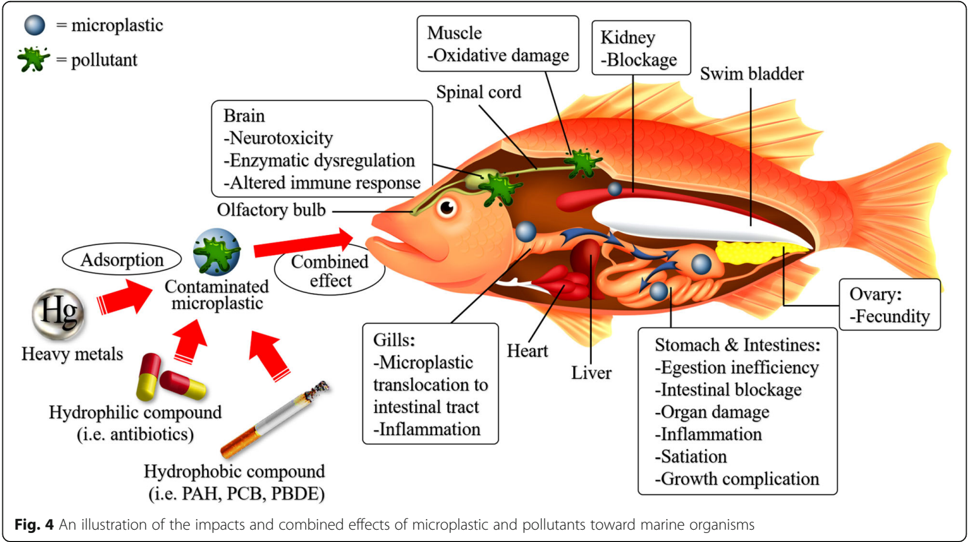
“The toxicity of MPs to the human organism has been linked to oxidative stress, inflammation, cytotoxicity, carcinogenicity, and mutagenicity (Wright & Kelly, 2017; Amelia et al., 2021).”
Limonta, G., Panti, C., Fossi, M. C., Nardi, F., & Baini, M. (2024) · Journal of Hazardous Materials · doi:10.1016/j.jhazmat.2024.133819 · Cited by 13
Al-Abedi, H. J., Smith, J. D., Al-Rubaye, H., Shakor, Z. M., Erdem, A., & Ani, P. C. (2024) · Biofuels · doi:10.1080/17597269.2024.2349984 · Cited by 13
Pereira-Pinto, E., Paredes, E., Santos-Echeandía, J., Campillo, J. A., León, V. M., & Bellas, J. (2024) · The Science of The Total Environment · doi:10.1016/j.scitotenv.2024.173791 · Cited by 15
“Microplastics are particulate pollutants with unique characteristics, including a large specific surface area, hydrophobic surface, and a wide range of adsorption sites (Amelia et al., 2021; Tourinho et al., 2019).”
InfluentialA Study on the Distribution of Microplastics in the South Coast of Korea and Gwangyang Bay
Min, B.-K., Cho, C., Cheon, H. S., Soh, H. Y., & Cho, H.-S. (2024) · Microplastics · doi:10.3390/microplastics3030022 · Cited by 14
Al-Darraji, A., Oluwoye, I., Lagat, C., Tanaka, S., & Barifcani, A. (2024) · Environmental Science Processes & Impacts · doi:10.1039/d4em00122b · Cited by 14
Trilla-Prieto, N., Berrojalbiz, N., Iriarte, J., Fuentes‐Lema, A., Sobrino, C., Vila‐Costa, M., Jiménez, B., & Dachs, J. (2025) · Environmental Science & Technology · doi:10.1021/acs.est.4c12555 · Cited by 13
Microplastic pellets in Arctic marine sediments: a common source or a common process?
Collard, F., Hallanger, I. G., Philipp, C., Herzke, D., Schmidt, N., Hotvedt, Å., Galtung, K., Rydningen, T. A., Litti, L., Gentili, G., et al. (2025) · Environmental Research · doi:10.1016/j.envres.2025.121770 · Cited by 14
Margenat, H., Guasch, H., Roux, G. L., Vila‐Gispert, A., Cornejo, D., Chouache, L., Martí, E., Sonke, J. E., Zrelli, R. B. E., Laffont, L., et al. (2023) · Environmental Research · doi:10.1016/j.envres.2023.117760 · Cited by 13
Microplastics impede larval urchin selective feeding
Ng, P. L., Kinn-Gurzo, S. S., & Chan, K. Y. K. (2022) · The Science of The Total Environment · doi:10.1016/j.scitotenv.2022.155770 · Cited by 15
Thammatorn, W., & Palić, D. (2022) · Applied Sciences · doi:10.3390/app12105135 · Cited by 16
Ouheddou, M., Abelouah, M. R., Ben-Haddad, M., Hajji, S., Laaraj, N. E., Akhouchal, I., Barra, I., Rangel-Buitrago, N. G., Agnaou, M., & Alla, A. A. (2024) · Marine Pollution Bulletin · doi:10.1016/j.marpolbul.2024.117334 · Cited by 13
Microplastics in bays: Transport processes and numerical models
Senathirajah, K., & Pattiaratchi, C. B. (2025) · The Science of The Total Environment · doi:10.1016/j.scitotenv.2025.179995 · Cited by 12
Recent perspectives of microplastic analysis from sampling to characterization
Mahmud, F., Roy, H., Wasif, M. M., Mahmud, A., Saikat, M. N., Haque, A., López‐Maldonado, E. A., Baki, A. B. M., & Islam, M. S. (2025) · Sustainable Chemistry for the Environment · doi:10.1016/j.scenv.2025.100290 · Cited by 13
Sanitary waste and microplastic pollution in the Euro-Mediterranean region: challenges and solutions
Ray, S., Dey, S., Digal, A. K., Yadav, K. K., & Das, A. P. (2025) · Euro-Mediterranean Journal for Environmental Integration · doi:10.1007/s41207-025-00879-y · Cited by 12
“…can have a major effect on phytoplankton populations; in fact, some data show that microplastic pollution may harm up to 60% of some species (Amelia et al. 2021; Nanthini devi et al. 2022 (PDF) Impact of Microplastic in Marine Environment and Human Health , n.d. 2025; Yarahmadi et al. 2024).”
Doussiemo, D. R. B., Dupont, A., Jafari, M., Mauries, S., Frenette, M., & Perreault, F. (2026) · Environmental Science & Technology · doi:10.1021/acs.est.5c13752 · Cited by 13
Zhang, Y., Dong, Z., Deng, Z., Shi, S., Tang, C., & Hu, X. (2023) · Environmental Science Nano · doi:10.1039/d3en00344b · Cited by 14
Bellasi, A., Binda, G., Boldrocchi, G., Pozzi, A., & Bettinetti, R. (2022) · Applied Sciences · doi:10.3390/app12115388 · Cited by 13
Verma, C. R., Pise, M., Hýsek, Š., Żółtowska‐Aksamitowska, S., Kumkar, P., Kalous, L., & Gosavi, S. M. (2024) · Thalassas An International Journal of Marine Sciences · doi:10.1007/s41208-024-00710-5 · Cited by 12
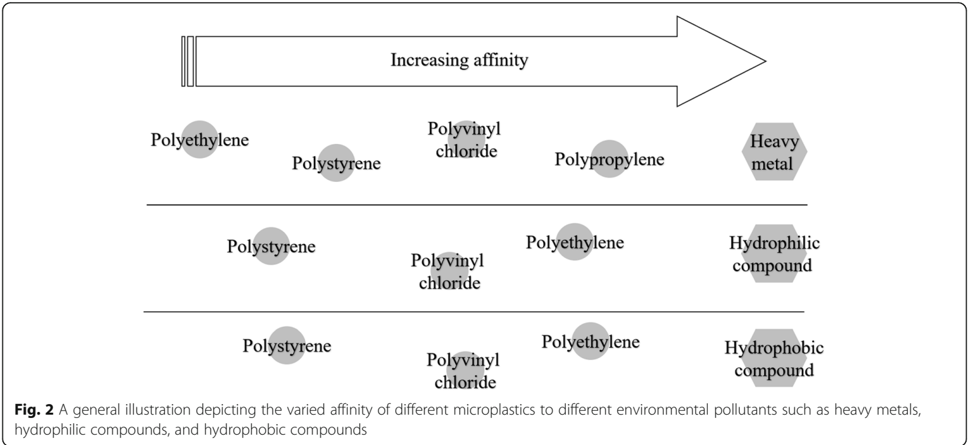
“Specifically, PE exhibits the highest affinity for heavy metals, while PS shows the highest affinity for hydro - philic and hydrophobic chemicals (Amelia et al. 2021).”
Advanced protein nanobiosensors to in-situ detect hazardous material in the environment
Ly, N. H., Aminabhavi, T. M., Vasseghian, Y., & Joo, S. (2024) · Journal of Environmental Management · doi:10.1016/j.jenvman.2024.121727 · Cited by 11
The effects of estuarine outflows on coastal marine ecosystems in New South Wales, Australia
Rasmussen, J. A., Ingleton, T., Bennett, W. W., Pearson, R. M., McAneney, C. A., Foulsham, E., Hanslow, D. J., Scanes, P., & Connolly, R. M. (2024) · Marine Pollution Bulletin · doi:10.1016/j.marpolbul.2024.116915 · Cited by 14
Xiao, J., Yang, X., Zhang, Z., Wang, M., Yang, Z., & Zhang, X. (2024) · Water Air & Soil Pollution · doi:10.1007/s11270-024-07518-2 · Cited by 12
“…surface area, hydrophobicity, and adsorption rates mean they readily adsorb pollutants such as metals, organic matter, and microorganisms in the environment, and at the same time, they can change the retention and homing tendency of these pollutants in the environment (Amelia et al., 2021).”
Zhang, Z., Cui, M., Wang, H., Yuan, W., Liu, Z., Gao, H., Guan, X., Chen, X., Xie, L., He, Y., et al. (2025) · Environmental Pollution · doi:10.1016/j.envpol.2025.125771 · Cited by 11
Accumulation of microplastic in edible marine species from North Kerala, India
Alabhai, J. M., Pramath, H. P., Hanumanaika, R. N., & Sangeetha, J. (2025) · Environmental Monitoring and Assessment · doi:10.1007/s10661-025-14048-9 · Cited by 11
“Microplastic fragment ingestion can be caused by accidental ingestion or mistaken as food particles (Amelia et al., 2021).”
Wu, L., Zhou, X., Lai, C., Ma, M., Qin, L., & Wang, W. (2026) · Molecules · doi:10.3390/molecules31111852 · Cited by 12
“Studies have shown that increased salinity reduces the solubility of hydrocarbon organic compounds (HOCs) through a salting-out effect, thereby enhancing the partitioning of hydrophobic organic pollutants into MPs [47,48].”
Why Microplastics Are Exceptional Contaminants?
Saad, D. (2023) · Environmental sciences · doi:10.5772/intechopen.109173 · Cited by 11
Moorchilot, V. S., Aravind, U. K., & Aravindakumar, C. T. (2023) · Air Quality Atmosphere & Health · doi:10.1007/s11869-023-01455-5 · Cited by 15
“MPs have a high affinity for these hazardous hydrophobic compounds (Amelia et al. 2021), and thus can act as vectors for their transport.”
Influence of UV exposure time and simulated marine environment on different microplastic degradation
da Silva, L. F., Soroldoni, S., Kessler, F., Fernandes, A. N., & Pinho, G. L. L. (2023) · Environmental Science and Pollution Research · doi:10.1007/s11356-023-30925-7 · Cited by 12
“…can also contribute to the toxicity of plastic debris on marine organism due to the possible leaching of additives and potential estrogenic and endocrine disruptors (Kedzierski et al. 2018; Gewert et al. 2021), besides can act as a pollutant vector in the marine environment (Amelia et al. 2021).”
Zheng, Q., Wu, H., Yan, L., Zhang, Y., & Wang, J. (2024) · The Science of The Total Environment · doi:10.1016/j.scitotenv.2024.170366 · Cited by 11
Occurrence of microplastics in the sediments of Baseco Port area at Manila Bay, Philippines
Castro, L. J. A., Monsada, A. M., & Cruz, K. D. (2021) · IOP Conference Series Earth and Environmental Science · doi:10.1088/1755-1315/958/1/012009 · Cited by 11
Benzo(a)pyrene and Gut Microbiome Crosstalk: Health Risk Implications
Mauliasari, I. R., Lee, H. J., Koo, S. Y., Hitayezu, E., Kieu, A. N. T., Lee, S., & Hyun, K. (2024) · Toxics · doi:10.3390/toxics12120938 · Cited by 11
“MPs can have varying binding affinity to B(a)P depending on the MP types, such as polystyrene, polyethylene, and polypropylene, and their sizes [121].”
Metadata
- Authors
- Amelia, T. S. M., Khalik, W. M. A. W. M., Ong, M. C., Shao, Y. T., Pan, H.-J., & Bhubalan, K.
- Affiliations
- Universiti Malaysia Terengganu (MY)
- National Taiwan Ocean University (TW)
- Corresponding author
- Shao, Yi Ta
- Pan, Hui-Juan
- Bhubalan, Kesaven
- ORCID
- Venue
- Progress in Earth and Planetary Science
- Published
- 2021-01-22
- Volume
- 8
- Issue
- 1
- ISSN
- 2197-4284 (ISSN-L)
- OpenAlex
- W3165321398
- Cited by
- 641
- References
- 304
- Citations by year
- 2026: 113 · 2025: 160 · 2024: 133 · 2023: 117 · 2022: 90 · 2021: 28
- FWCI
- 22.82
- Type
- journal article
- Language
- en
- Open access
- gold
- doi.org
- Licence
- cc-by
- creativecommons.org/licenses/by/4.0 (tdm)
- creativecommons.org/licenses/by/4.0 (vor)
- Locations
- Progress in Earth and Planetary Science (publishedVersion, cc-by)
- DOAJ (DOAJ: Directory of Open Access Journals) (submittedVersion, cc-by-sa)
- Greater South Information System
- Funders
- Ministry of Science and Technology, Taiwan (MOST109-2621-M019-001)
- Universiti Malaysia Terengganu (55193/1)
- Topics
- Physical Sciences › Environmental Science › Pollution › Microplastics and Plastic Pollution
- Physical Sciences › Environmental Science › Health, Toxicology and Mutagenesis › Environmental Toxicology and Ecotoxicology
- Physical Sciences › Environmental Science › Pollution › Pharmaceutical and Antibiotic Environmental Impacts
- Keywords
- marine microplastics, pollutant sorption, bioaccumulation, human health risk, polymer additives, food webs, exposure pathways, microplastic distribution, microplastic toxicity
About these checks
Registry, retraction, Cites and statistics results are computed, not judged, with one exception: a printed reference that no index lists is read once by a model before it counts as a citation error. Claims are extracted by a model and kept only when their quote appears verbatim in the text; each cited source is then checked, with a model’s help, for whether it says what the claim relies on. Those verdicts can be wrong — read the claim’s quote and the cited source before relying on one.
Statistics and arithmetic are recomputed, not judged.
Confidence bands are shown only for fields calibrated on our annotated test set. None is calibrated yet, so no band is shown.
What counts as a claim ›How we measure confidence ›How we check this ›
Are you an author, or do you see a problem with this page? Request a review
Data sources
Bibliographic data: Semantic Scholar, OpenAlex, Crossref.
Contains information from the Semantic Scholar Academic Graph Datasets, made available under the ODC Attribution License (ODC-BY 1.0).
Semantic Scholar’s data is described in: Kinney, R., et al. (2023). The Semantic Scholar Open Data Platform. arXiv:2301.10140.
