

Thematic review series: Adipocyte Biology. Adipocyte stress: the endoplasmic reticulum and metabolic disease
Open accessThe DOI matches its Crossref record; 87 of the 89 references it cites were found in a registry or an index.
Abstract
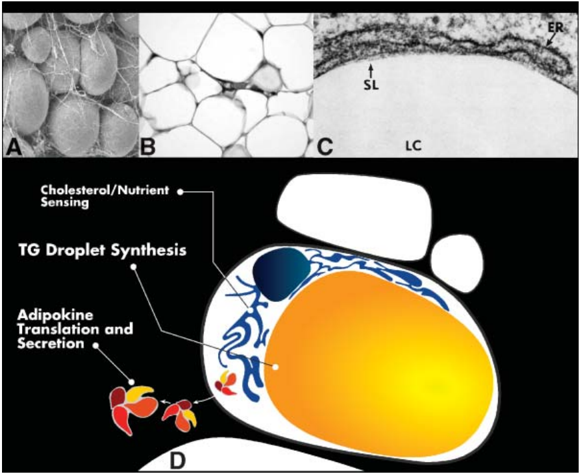
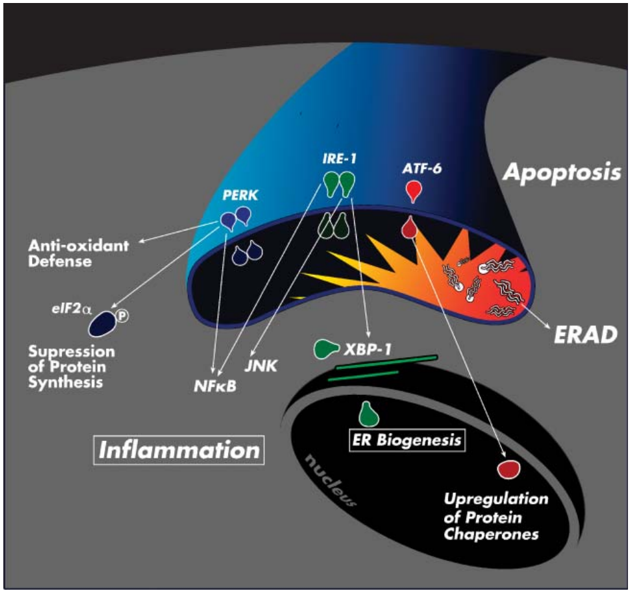
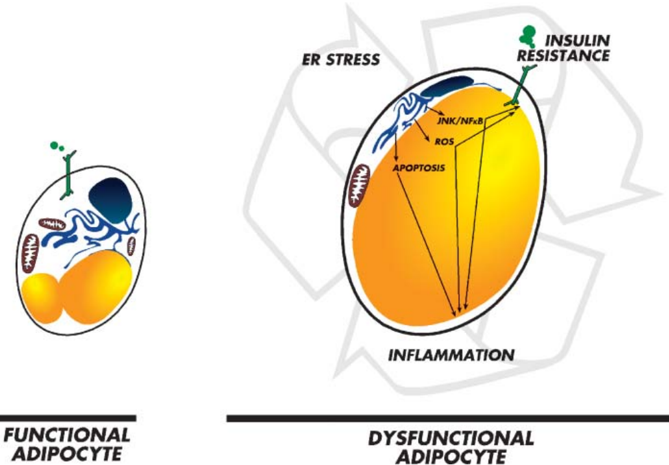
In the context of obesity and its related maladies, the adipocyte plays a central role in the balance, or imbalance, of metabolic homeostasis. An obese, hypertrophic adipocyte is challenged by many insults, including surplus energy, inflammation, insulin resistance, and considerable stress to various organelles. The endoplasmic reticulum (ER) is one such vital organelle that demonstrates significant signs of stress and dysfunction in obesity and insulin resistance. Under normal conditions, the ER must function in the unique and trying environment of the adipocyte, adapting to meet the demands of increased protein synthesis and secretion, energy storage in the form of triglyceride droplet formation, and nutrient sensing that are particular to the differentiated fat cell. When nutrients are in pathological excess, the ER is overwhelmed and the unfolded protein response (UPR) is activated. Remarkably, the consequences of UPR activation have been causally linked to the development of insulin resistance through a multitude of possible mechanisms, including c-jun N-terminal kinase activation, inflammation, and oxidative stress. This review will focus on the function of the ER under normal conditions in the adipocyte and the pathological effects of a stressed ER contributing to adipocyte dysfunction and a thwarted metabolic homeostasis.
Overview
The claims and statistics of this paper haven’t been checked yet.
Free: it reads the open-access text and checks the first 5 claims that cite a source we can check. Create a free account to check every claim.
Integrity signals
Registry
Cites
Statistics
Figures
Verification
Claims the paper makes
The claims and statistics of this paper haven’t been checked yet.
Free: it reads the open-access text and checks the first 5 claims that cite a source we can check. Create a free account to check every claim.
Claims other papers make about this one
Each is checked against this paper’s own text: does it say what the citing paper says it does?
The source backs part of the claim, not all of it — or backs it for a different population, condition or comparison.
In the citing paper
“The UPR also leads to increased IKKβ and proinflammatory cytokine expression (e.g., Il6, Tnfa, and Ccl2) (94,96,98).”
From Insulin sensitivity: Modulation by nutrients and inflammation (2008) · cites this paper as [94]
Experimental — accuracy not yet measured
Self-check
Percentages, sums and reported differences re-computed from the paper’s own numbers.
The self-check needs the paper’s full text.
Citations
Cites
Inflammation and metabolic disorders
Hotamisligil, G. S. (2006) · Nature · doi:10.1038/nature05485 · Cited by 9,199 · cited 5×
“One locus that has emerged as a central mediator of this dysfunction is cellular inflammation (3).”
InfluentialAdipose Expression of Tumor Necrosis Factor-α: Direct Role in Obesity-Linked Insulin Resistance
Hotamisligil, G. S., Shargill, N. S., & Spiegelman, B. M. (1993) · Science · doi:10.1126/science.7678183 · Cited by 7,518 · cited 1×
“Many of these pro-inflammatory mediators have been shown to be detrimental to proper insulin signaling, and inhibition of obesity-induced inflammation can improve insulin sensitivity in mice and humans [4-7].”
TOR signaling in growth and metabolism
Wullschleger, S., Loewith, R., & Hall, M. N. (2006) · Cell · doi:10.1016/j.cell.2006.01.016 · Cited by 5,787 · cited 1×
“The nutrient-responsive mammalian target of rapamycin (mTOR) pathway upregulates protein synthesis, which would naturally increase protein translation and folding in the ER (32).”
Increased oxidative stress in obesity and its impact on metabolic syndrome
Furukawa, S., Fujita, T., Shimabukuro, M., Iwaki, M., Yamada, Y., Nakajima, Y., Nakayama, O., Makishima, M., Matsuda, M., & Shimomura, I. (2004) · Journal of Clinical Investigation · doi:10.1172/jci21625 · Cited by 5,508 · cited 1×
“This is relevant given recent evidence of an increase in oxidative stress markers in the adipose tissue of obese/insulin-resistant mice and humans (79), and in cultured adipocytes ROS have been shown to cause insulin resistance (80).”
Inflammation and insulin resistance
Shoelson, S. E. (2006) · Journal of Clinical Investigation · doi:10.1172/jci29069 · Cited by 4,769
Inflammation, stress, and diabetes
Wellen, K. E., & Hotamisligil, G. S. (2005) · Journal of Clinical Investigation · doi:10.1172/jci25102 · Cited by 4,143 · cited 1×
“to be present in obese adipose tissue and causative for insulin resistance (3, 4, 7).”
Endoplasmic Reticulum Stress Links Obesity, Insulin Action, and Type 2 Diabetes
Özcan, U., Cao, Q., Yilmaz, E., Lee, A.-H., Iwakoshi, N. N., Özdelen, E., Tuncman, G., Görgün, C., Glimcher, L. H., & Hotamisligil, G. S. (2004) · Science · doi:10.1126/science.1103160 · Cited by 3,844 · cited 6×
“Indeed, in adipose tissue of mice fed a high-fat diet for 16 weeks, indicators of ER stress such as PERK phosphorylation and JNK activity are significantly increased compared with mice fed a regular diet (11).”
InfluentialA central role for JNK in obesity and insulin resistance
Hirosumi, J., Tuncman, G., Chang, L., Görgün, C. Z., Uysal, K. T., Maeda, K., Karin, M., & Hotamisligil, G. S. (2002) · Nature · doi:10.1038/nature01137 · Cited by 3,359 · cited 2×
“such as liver, muscle, and adipose tissues (42).”
Adipocytokines: mediators linking adipose tissue, inflammation and immunity
Tilg, H., & Moschen, A. R. (2006) · Nature Reviews Immunology · doi:10.1038/nri1937 · Cited by 3,188 · cited 1×
“Many abundant adipokines, such as leptin, adiponectin, RBP4, and even the fatty acid binding protein ap2, are found at high concentrations in serum (16, 17).”
Urano, F., Wang, X., Bertolotti, A., Zhang, Y., Chung, P., Harding, H. P., & Ron, D. (2000) · Science · doi:10.1126/science.287.5453.664 · Cited by 2,988 · cited 1×
“ER stress-induced IRE-1a phosphorylation leads to the recruitment of tumor necrosis factor receptor-associated factor 2 (TRAF2) and apoptosis signal-regulating kinase 1 (ASK1) to the cytosolic leaflet of the ERmembrane (40, 41).”
Cited by
Items 301–400 of 624
Hwang, S., Li, X., Lee, J.-Y., & Chang, H. W. (2012) · Biochemical and Biophysical Research Communications · doi:10.1016/j.bbrc.2012.01.038 · Cited by 29
Chen, J., Yang, Y., Yang, Y., Dai, Z., Kim, I. H., Wu, G., & Wu, Z. (2021) · Journal of Nutrition · doi:10.1093/jn/nxab058 · Cited by 29
Camargo, A., Rangel-Zúñiga, O. A., Peña‐Orihuela, P. J., Marín, C., Pérez‐Martínez, P., Delgado‐Lista, J., Gutierrez-Mariscal, F. M., Malagón, M. M., Roche, H. M., Tinahones, F. J., et al. (2012) · The Journal of Nutritional Biochemistry · doi:10.1016/j.jnutbio.2012.06.014 · Cited by 32
“Notably, although both HSPA1A and PDIA3 belong to protein families associated with endoplasmic reticulum stress (HSP70 and PDI), these isoforms seem to respond to oxidative stress rather than to ER stress, which is also related to oxidative stress [46], and this supports the notion that unfolded protein response fulfi…”
BackgroundLu, Y., Luo, Z., Zhou, H., Shi, Y., Zhu, Y., Guo, X., Huang, J., Zhang, J., Liu, X., Wang, S., et al. (2024) · Nature Communications · doi:10.1038/s41467-023-44416-3 · Cited by 28
Roles of hydroxyeicosatetraenoic acids in diabetes (HETEs and diabetes)
Dong, L., Wang, H., Chen, K., & Li, Y. (2022) · Biomedicine & Pharmacotherapy · doi:10.1016/j.biopha.2022.113981 · Cited by 28
Hypoadiponectinaemia in diabetes mellitus type 2: molecular mechanisms and clinical significance
Su, H., Lau, W. B., & Ma, X. (2011) · Clinical and Experimental Pharmacology and Physiology · doi:10.1111/j.1440-1681.2011.05606.x · Cited by 31
Relationship between energy dense diets and white adipose tissue inflammation in metabolic syndrome
Alemany, M. (2012) · Nutrition Research · doi:10.1016/j.nutres.2012.11.013 · Cited by 34
Miranda, M., Escoté, X., Ceperuelo‐Mallafré, V., Megía, A., Caubet, E., Näf, S., Gómez, J. M., González‐Clemente, J. M., Vicente, V., & Vendrell, J. J. (2010) · International Journal of Obesity · doi:10.1038/ijo.2009.290 · Cited by 29
Seo, Y., Kim, K., Koh, E., Choi, J., & Lee, B.-Y. (2017) · Phytomedicine · doi:10.1016/j.phymed.2017.05.009 · Cited by 28
Mechanisms of obesity and related pathologies: Transcriptional control of adipose tissue development
Vernochet, C., Peres, S. B., & Farmer, S. R. (2009) · FEBS Journal · doi:10.1111/j.1742-4658.2009.07302.x · Cited by 32
Sun, L., Lǚ, K., Liu, H., Wang, H., Li, X., Yang, C., Li, L., & Wang, J. (2013) · Molecular and Cellular Biochemistry · doi:10.1007/s11010-013-1581-2 · Cited by 29
Sohi, G., Revesz, A., & Hardy, D. B. (2013) · Metabolism · doi:10.1016/j.metabol.2013.05.002 · Cited by 30
“[32] Gregor MF, Hotamisligil GS.”
BackgroundChien, C., Hung, Y., Shieh, Y., Hsieh, C., Lu, C., Lin, F., Su, S., & Lee, C.-H. (2017) · PLoS ONE · doi:10.1371/journal.pone.0179963 · Cited by 27
Ramos-López, O., Riezu‐Boj, J. I., Milagro, F. I., & Martínez, J. A. (2017) · Molecular Genetics and Metabolism · doi:10.1016/j.ymgme.2017.11.011 · Cited by 27
“In the adipocyte, ER also regulates energy storage and nutrient sensing [2].”
BackgroundBehera, S., Kapadia, B. B., Kain, V., Alamuru-Yellapragada, N. P., Murunikkara, V., Kumar, S. T., Babu, P. P., Seshadri, S., Shivarudraiah, P., Hiriyan, J., et al. (2018) · Biochimica et Biophysica Acta (BBA) - Molecular Basis of Disease · doi:10.1016/j.bbadis.2018.02.019 · Cited by 27
Wang, S., & Peng, D. (2012) · Lipids in Health and Disease · doi:10.1186/1476-511x-11-131 · Cited by 33
“Sterol regulatory element-binding protein 2 (SREBP2), which preferentially controls expression of many cholesterogenic genes, is attributable to the sensing of cholesterol requirement and act as a feedback mechanism to maintain sterol homeostasis [61].”
BackgroundTranscription factors and cognate signalling cascades in the regulation of autophagy
Chandra, V., Bhagyaraj, E., Parkesh, R., & Gupta, P. (2016) · Biological Reviews · doi:10.1111/brv.12177 · Cited by 26
“SREBP-2 is important for maintaining sterol homeostasis (Gregor & Hotamisligil, 2007).”
BackgroundCornejo, P.-J., Vergoni, B., Ohanna, M., Angot, B., Gonzalez, T., Jager, J., Tanti, J., & Cormont, M. (2022) · Cells · doi:10.3390/cells11162581 · Cited by 29
“These stresses induce adipocyte insulin resistance [5,6] and several studies have shown that a disruption of insulin signaling in adipocytes causes whole body glucose intolerance and systemic insulin resistance [1].”
BackgroundEssential role of methyl donors in animal productivity
Cronjé, P. B. (2016) · Animal Production Science · doi:10.1071/an15729 · Cited by 32
la Tijera, F. H., & Servín-Caamaño, A. I. (2015) · World Journal of Hepatology · doi:10.4254/wjh.v7.i10.1297 · Cited by 29
Muramatsu‐Kato, K., Itoh, H., Kohmura‐Kobayashi, Y., Ferdous, U. J., Tamura, N., Yaguchi, C., Uchida, T., Suzuki, K., Hashimoto, K., Suganami, T., et al. (2015) · Scientific Reports · doi:10.1038/srep16867 · Cited by 27
Role of charge-reversal in the hemo/immuno-compatibility of polycationic gene delivery systems
Yang, Q., Liu, S., Liu, X., Liu, Z., Xue, W., & Zhang, Y. (2019) · Acta Biomaterialia · doi:10.1016/j.actbio.2019.06.043 · Cited by 26
Qin, W., Zhang, X., Yang, L., Xu, L., Zhang, Z., Wu, J., & Wang, Y. (2015) · Environmental Toxicology and Pharmacology · doi:10.1016/j.etap.2015.05.002 · Cited by 26
“The SREBP-1c isoform present in the majority of tissues, including liver tissue, is preferentially responsible for the regulation of target genes involved in fatty acid biosynthesis and cholesterol metabolism pathways (Gregor and Hotamisligil, 2007).”
BackgroundWhy Does Obesity Increase the Risk for Cardiovascular Disease?
Boden, G. H., & Salehi, S. (2013) · Current Pharmaceutical Design · doi:10.2174/1381612811319320003 · Cited by 30
Binayi, F., Moslemi, M., Khodagholi, F., Hedayati, M., & Zardooz, H. (2020) · Archives of Physiology and Biochemistry · doi:10.1080/13813455.2020.1808997 · Cited by 27
“Therefore, the increased content and metabolism of TG and cholesterol in adipocytes can lead to adipocyte ER stress (Gregor and Hotamisligil 2007; Aguilar and Fernandez 2014; Chen et al. 2016).”
BackgroundYang, Y., Shang, J., & Liu, H. (2013) · Chinese Medical Journal · doi:10.3760/cma.j.issn.0366-6999.20130602 · Cited by 25
“ER stress is implicated in several diseases associated with increased levels of apoptosis.(41,50,51) TUDCA, a widely used ER stress inhibitor, regulates ER-stress pathway by reducing calcium efflux and activation of caspase12, TUDCA could also enhances enzyme secretion of pancreatic acini,(52) The depression in cardio…”
BackgroundLi, S., Li, J., Zhao, Y., Zhang, Q., & Wang, Q. (2017) · Fish & Shellfish Immunology · doi:10.1016/j.fsi.2017.09.050 · Cited by 25
Radwan, E., Bakr, M. H., Taha, S., Sayed, S. A., Farrag, A. A. M., & Ali, M. (2020) · Journal of Molecular and Cellular Cardiology · doi:10.1016/j.yjmcc.2020.04.020 · Cited by 26
Morada, M., Pendyala, L., Wu, G., Merali, S., & Yarlett, N. (2013) · Journal of Biological Chemistry · doi:10.1074/jbc.m113.459735 · Cited by 25
“ER stress has recently been shown to play important roles in normal physiology and in disease states (32).”
BackgroundYang, H., Ou-Yang, K., He, Y., Wang, X., Wang, L., Yang, Q., Li, D., & Li, L. (2024) · Aquatic Toxicology · doi:10.1016/j.aquatox.2024.107015 · Cited by 24
Hepatic PTP1B Deficiency: The Promise of a Treatment for Metabolic Syndrome?
Bence, K. K. (2010) · PubMed · Cited by 28
Jain, M., Choi, A. O., Neibert, K. D., & Maysinger, D. (2009) · Nanomedicine · doi:10.2217/nnm.09.3 · Cited by 31
Atherothrombotic risk in obesity
Vera, R. H., Vilahur, G., & Badimón, L. (2013) · Hämostaseologie · doi:10.5482/hamo-13-07-0034 · Cited by 27
“Moreover, excessive intracellular lipid levels also produce endoplasmic reticulum (ER) and mitochondrial stress (19, 22) as excessive demands to the ER alter protein folding, lipid-droplet formation, and cholesterol sensing, increase lactate levels, and activate the unfolded protein response (UPR) and processing of ex…”
BackgroundRiera‐Heredia, N., Lutfi, E., Sánchez-Moya, A., Gutiérrez, J., Capilla, E., & Navarro, I. (2020) · International Journal of Molecular Sciences · doi:10.3390/ijms21051623 · Cited by 25
Minard, A. Y., Wong, M. K. L., Chaudhuri, R., Tan, S., Humphrey, S. J., Parker, B. L., Yang, J. Y. H., Laybutt, D. R., Cooney, G. J., Coster, A. C. F., et al. (2016) · Journal of Biological Chemistry · doi:10.1074/jbc.m116.741140 · Cited by 26
Impact of visceral fat on the prognosis of coronavirus disease 2019: an observational cohort study
Ogata, H., Mori, M., Jingushi, Y., Matsuzaki, H., Katahira, K., Ishimatsu, A., Enokizu‐Ogawa, A., Taguchi, K., Moriwaki, A., & Yoshida, M. (2021) · BMC Infectious Diseases · doi:10.1186/s12879-021-06958-z · Cited by 25
Bays, H. E., Jones, P. H., Jacobson, T. A., Cohen, D. E., Orringer, C. E., Kothari, S. N., Azagury, D. E., Morton, J. M., Nguyen, N. T., Westman, E. C., et al. (2015) · Journal of clinical lipidology · doi:10.1016/j.jacl.2015.12.003 · Cited by 27
Sphingolipids and Metabolic Disease
Cowart, L. A. (2011) · Advances in experimental medicine and biology · doi:10.1007/978-1-4614-0650-1 · Cited by 23
Stress of endoplasmic reticulum modulates differentiation and lipogenesis of human adipocytes
Koc, M., Mayerová, V., Kračmerová, J., Mairal, A., Mališová, L., Štich, V., Langin, D., & Rossmeislová, L. (2015) · Biochemical and Biophysical Research Communications · doi:10.1016/j.bbrc.2015.03.090 · Cited by 25
Yamaoka‐Tojo, M., Tojo, T., & Izumi, T. (2008) · Current Vascular Pharmacology · doi:10.2174/157016108785909698 · Cited by 23
Mališová, L., Kováčová, Z., Koc, M., Kračmerová, J., Štich, V., & Rossmeislová, L. (2013) · PLoS ONE · doi:10.1371/journal.pone.0082086 · Cited by 22
“Even though the exact molecular insult leading to such adipocyte dysfunction is not clear, it appears that the nutrient overload creating excessive demands on the endoplasmic reticulum (ER) could be an important if not central contributor [3,4].”
BackgroundWu, D., Ren, Z., Pae, M., Han, S. N., & Meydani, S. N. (2013) · BioFactors · doi:10.1002/biof.1075 · Cited by 23
“Oxidative stress and inflammation, which are both closely associated with aging, are known to increase in the adipose tissue of obese animals and together, they play a key role in developing insulin resistance [20–22].”
BackgroundSághy, T., Köröskényi, K., Hegedűs, K., Antal, M., Bankó, C., Bacsó, Z., Papp, A., Stienstra, R., & Szondy, Z. (2019) · Cell Death and Disease · doi:10.1038/s41419-019-1677-z · Cited by 22
Lira, M. E., Loomis, A. K., Paciga, S. A., Lloyd, D. B., & Thompson, J. F. (2008) · Journal of Lipid Research · doi:10.1194/jlr.m800078-jlr200 · Cited by 22
Kim, M., Aydemir, T. B., & Cousins, R. J. (2016) · Journal of Nutrition · doi:10.3945/jn.116.237495 · Cited by 25
Esteves, C. L., Kelly, V., Bégay, V., Man, T. Y., Morton, N. M., Leutz, A., Seckl, J. R., & Chapman, K. E. (2012) · PLoS ONE · doi:10.1371/journal.pone.0037953 · Cited by 26
“mTOR may contribute to the ER stress response as well [39].”
BackgroundPark, C. Y., Kim, D.-U., Seo, M. K., Kim, J., Choe, H., Kim, J.-H., Hong, J. P., Lee, Y. J., Heo, Y., Kim, H. J., et al. (2023) · Journal of Nutrition · doi:10.1016/j.tjnut.2023.01.018 · Cited by 21
Zhou, Q. G., Fu, X., Xu, G., Cao, W., Liu, H. F., Nie, J., Liang, M., & Hou, F. F. (2012) · American Journal of Physiology-Heart and Circulatory Physiology · doi:10.1152/ajpheart.00407.2012 · Cited by 21
“ER stress has also been linked to metabolic insulin resistance (15).”
BackgroundInfluentialA chromatin immunoprecipitation (ChIP) protocol for use in whole human adipose tissue
Haim, Y., Tarnovscki, T., Bashari, D., & Rudich, A. (2013) · American Journal of Physiology-Endocrinology and Metabolism · doi:10.1152/ajpendo.00598.2012 · Cited by 22
“AT dysfunction is observed in obesity and diabetes mellitus (6, 7, 23), two health problems that are reaching epidemic proportions.”
BackgroundER Stress and β-Cell Pathogenesis of Type 1 and Type 2 Diabetes and Islet Transplantation
Kataoka, H. U., & Noguchi, H. (2013) · Cell Medicine · doi:10.3727/215517913x666512 · Cited by 22
Reeds, D. N., Pietka, T., Yarasheski, K. E., Cade, W. T., Patterson, B. W., Okunade, A. L., Abumrad, N. A., & Klein, S. (2017) · Obesity · doi:10.1002/oby.21793 · Cited by 22
“Data from studies conducted in rodent models and in human subjects suggest that ER stress and unfolded protein response pathways are increased in the setting of obesity and hyperinsulinemia and could be involved in the pathogenesis of insulin resistance (36,37).”
BackgroundIyengar, N. M., Zhou, X. K., Mendieta, H., Giri, D. D., El-Hely, O., Winston, L. A., Falcone, D. J., Wang, H., Meng, L., Landa, J., et al. (2021) · Cancer Prevention Research · doi:10.1158/1940-6207.capr-20-0507 · Cited by 22
“The adipocyte appears to be stressed or die secondary to hypoxia and possibly endoplasmic reticulum stress (27).”
BackgroundDisruption of endoplasmic reticulum homeostasis exacerbates liver injury in clinically ketotic cows
Shi, Z., Song, Y., Gao, X., Loor, J. J., Aboragah, A. A., Yu, H., Fang, Z., Zhu, Y., Du, X., Li, X., et al. (2021) · Journal of Dairy Science · doi:10.3168/jds.2021-20238 · Cited by 21
Bharmal, S. H., Kimita, W., Ko, J., & Petrov, M. S. (2021) · Cytokine · doi:10.1016/j.cyto.2021.155768 · Cited by 21
Proteostasis Strategies for Restoring α1-Antitrypsin Deficiency
Bouchecareilh, M., Conkright, J. J., & Balch, W. E. (2010) · Proceedings of the American Thoracic Society · doi:10.1513/pats.201001-016aw · Cited by 22
The Role of Obesity in the Etiology and Carcinogenesis of Endometrial Cancer
Marin, A.-G., Filipescu, A. G., & Petca, A. T. (2024) · Cureus · doi:10.7759/cureus.59219 · Cited by 25
Immunology of Normal Pregnancy and Preeclampsia
Redman, C. W. G., Sargent, I. L., & Roberts, J. M. (2009) · Elsevier eBooks · doi:10.1016/b978-0-12-374213-1.00008-2 · Cited by 28
Chen, L., Wang, T., Chen, G., Wang, N., Gui, L., Dai, F., Fang, Z., Zhang, Q., & Lu, Y. (2017) · Endocrine · doi:10.1007/s12020-016-1212-2 · Cited by 20
Free fatty acids, cardiovascular mortality, and cardiometabolic stress
Mozaffarian, D. (2007) · European Heart Journal · doi:10.1093/eurheartj/ehm451 · Cited by 22
Functional ion channels and cell proliferation in 3T3‐L1 preadipocytes
Zhang, X., Zhang, Y., Sun, H., Jin, M., & Li, G. (2011) · Journal of Cellular Physiology · doi:10.1002/jcp.22925 · Cited by 19
Mansego, M. L., de Marco, G., Ivorra, C., López‐Izquierdo, R., Morcillo, S., Rojo‐Martínez, G., González-Albert, V., Martínez, F., Soriguer, F., Martín-Escudero, J. C., et al. (2015) · Journal of Translational Medicine · doi:10.1186/s12967-015-0652-4 · Cited by 20
“It is known that OS can increase adipocyte hypertrophy, cellular stress, cytokine and adipokine secretion, and the degradation of many proteins involved in metabolic regulation [11].”
BackgroundChen, Y., Zhang, B., Cao, S., Huang, W., Liu, N., & Yang, W. (2018) · Bioscience Reports · doi:10.1042/bsr20180800 · Cited by 19
ADAMTS5 promotes murine adipogenesis and visceral adipose tissue expansion
Bauters, D., Scroyen, I., Deprez-Poulain, R. F., & LIJNEN, H. R. (2016) · Thrombosis and Haemostasis · doi:10.1160/th16-01-0015 · Cited by 19
“Stressed adipocytes recruit macrophages into adipose tissues, leading to secretion of pro-inflammatory cytokines resulting in further enhanced stress and adipocyte death (41).”
BackgroundSu, Y., Li, H., Xu, C., Wang, X., Xie, J., Qin, J. G., Chen, L., & Li, E. (2018) · Environmental Pollution · doi:10.1016/j.envpol.2018.07.046 · Cited by 19
Islam, M. T., Henson, G. D., Machin, D. R., Bramwell, R. C., Donato, A. J., & Lesniewski, L. A. (2020) · Experimental Gerontology · doi:10.1016/j.exger.2020.111126 · Cited by 18
d’Aiello, A., Bonanni, A., Vinci, R., Pedicino, D., Severino, A., Vita, A. D., Filomia, S., Brecciaroli, M., & Liuzzo, G. (2023) · International Journal of Molecular Sciences · doi:10.3390/ijms24108643 · Cited by 19
“This process promotes both the synthesis of endoplasmic reticulum‐resident chaperone proteins, which encourages protein folding and the protein‐degradation mechanism components to achieve new endoplasmic reticulum homeostasis [23].”
BackgroundCaveolin-1 regulates the anti-atherogenic properties of macrophages
Pavlides, S., Gutiérrez-Pajares, J. L., Katiyar, S., Jasmin, J.-F., Mercier, I., Walters, R., Pavlides, C., Pestell, R. G., Lisanti, M. P., & Frank, P. G. (2014) · Cell and Tissue Research · doi:10.1007/s00441-014-2008-4 · Cited by 18
Šrámková, V., Koc, M., Krauzová, E., Kračmerová, J., Šiklová, M., Elkalaf, M., Langin, D., Štich, V., & Rossmeislová, L. (2019) · Journal of Physiology and Biochemistry · doi:10.1007/s13105-019-00676-6 · Cited by 19
Wang, Y., Jiang, Z., Chen, M., Wu, M., Guo, H., Sun, L., Wang, H., Zhang, S., Wang, T., & Zhang, L. (2014) · Chinese Journal of Natural Medicines · doi:10.1016/s1875-5364(14)60072-8 · Cited by 18
Liu, F., Cui, Y., Ge, P., Luan, J. Y., Zhou, X., & Han, J. (2015) · Drug Discoveries & Therapeutics · doi:10.5582/ddt.2015.01008 · Cited by 18
“It was also discovered that TUDCA could decrease the lipid content of adipocytes and reduce body mass in obese humans by attenuation of ER stress (31,32) and prevent both the maturation of adipocytes from preadipocytes and weight gain in ob/ob mice by decreasing ER stress (33,34).”
BackgroundEndoplasmic reticulum stress in HepG2 cells inhibits apolipoprotein A-I secretion
Naem, E., Haas, M. J., Wong, N. C. W., & Mooradian, A. D. (2012) · Life Sciences · doi:10.1016/j.lfs.2012.11.001 · Cited by 18
“…exposed to several forms and degrees of stress, including oxidative stress, pro-inflammatory stress, and ER stress (Matsuzawa-Nagata et al., 2008; Kammoun et al., 2009; Fiorentino et al., 2010) that may contribute to the hypoalphalipoproteinemia in these conditions (Gregor and Hotamisligil, 2007).”
BackgroundBiological Activities of Receptor-interacting Protein 140 in Adipocytes and Metabolic Diseases
Ho, P., & Wei, L. (2012) · Current Diabetes Reviews · doi:10.2174/157339912803529922 · Cited by 19
“Increase in ET-1 and intracellular DAG activates PKCe, initiating the signaling pathway to stimulate nuclear export of RIP140.”
BackgroundInfluentialA lipidomic study: Nobiletin ameliorates hepatic steatosis through regulation of lipid alternation
Yang, X., Sun, L., Feng, D., Deng, Y., & Liao, W. (2023) · The Journal of Nutritional Biochemistry · doi:10.1016/j.jnutbio.2023.109353 · Cited by 17
Damned If You Do, Damned If You Don’t: The Conundrum of Adipose Tissue Vascularization
Yilmaz, M., & Hotamışlıgil, G. S. (2013) · Cell Metabolism · doi:10.1016/j.cmet.2012.12.014 · Cited by 22
“Impaired vascularization may contribute to metabolic perturbations as a result of the stress, inflammatory responses, and dysregulation of adipocytokine production in hypoxic adipose tissue (Gregor and Hotamisligil, 2007).”
BackgroundProteomic Analysis, Immune Dysregulation, and Pathway Interconnections with Obesity
Garrison, C. B., Lastwika, K. J., Zhang, Y., Li, C. I., & Lampe, P. D. (2016) · Journal of Proteome Research · doi:10.1021/acs.jproteome.6b00611 · Cited by 18
Bardet-Biedl syndrome obesity: BBS4 regulates cellular ER stress in early adipogenesis
Anosov, M., & Birk, R. Z. (2019) · Molecular Genetics and Metabolism · doi:10.1016/j.ymgme.2019.03.006 · Cited by 18
Selenoprotein S regulates adipogenesis through IRE1α-XBP1 pathway
Men, L., Yao, J., Yu, S., Yu, L., Cui, S., Jin, S. K., Zhang, G., Ren, D., & Du, J. (2019) · Journal of Endocrinology · doi:10.1530/joe-19-0292 · Cited by 17
“In obese rodent and human models, some studies have demonstrated that ER stress and related signaling pathways activation are the most common and important cellular mechanism underlying obesity and insulin resistance (Gregor & Hotamisligil 2007, Zha & Zhou 2012).”
BackgroundChen, Y.-C., Zeng, X., He, Y., Liu, H., Wang, B., Zhou, H., Chen, J., Liu, P., Gu, L., Ye, J., et al. (2015) · ACS Chemical Biology · doi:10.1021/acschembio.5b00242 · Cited by 17
Mihai, A. D., & Schröder, M. (2015) · Adipocyte · doi:10.4161/21623945.2014.989728 · Cited by 20
Role of gut microbiota in the development of non-alcoholic fatty liver disease
Wang, X., Xia, J., & Jiang, C. (2019) · Liver Research · doi:10.1016/j.livres.2019.01.006 · Cited by 18
McCaffrey, J. M., & Ibdah, J. A. (2025) · Nutrients · doi:10.3390/nu17182972 · Cited by 19
“A continuous inter-organ crosstalk between adipose tissue and the gut may also contribute to MASLD development [121].”
Obesity and type 2 diabetes as chronic inflammation: how does the cytokine evidence align?
Bhatia, K., Gupta, V. K., & Upadhyay, S. K. (2026) · Frontiers in Endocrinology · doi:10.3389/fendo.2026.1721206 · Cited by 19
“Free fatty acids (FFAs) released from adipocytes initiate unfolded protein response (UPR) via JNK activation and induce in fl ammation and oxidative stress that contributes to IR (6).”
Zhu, Y., Chen, Y., Li, C., Ding, X., Xu, G.-Y., Hu, L.-L., Hou, F. F., & Zhou, Q. (2014) · Acta Pharmacologica Sinica · doi:10.1038/aps.2013.177 · Cited by 16
Wang, M., Chen, X., Zheng, Z., Yu, S., Zhou, B., Liu, Y., Liu, D., Chen, Y., & Qian, X. (2019) · Molecular and Cellular Biochemistry · doi:10.1007/s11010-019-03627-3 · Cited by 16
Nuclear Receptors Resolve Endoplasmic Reticulum Stress to Improve Hepatic Insulin Resistance
Lee, J. M. (2017) · Diabetes & Metabolism Journal · doi:10.4093/dmj.2017.41.1.10 · Cited by 20
“The ER is also a major cellular compartment of lipid biosynthesis including cholesterol, phospholipids, triglycerides, and sterols, for the assembly of very low density lipoprotein (VLDL) in hepatocytes [5], and for lipid droplet formation in adipocytes [6].”
BackgroundEffect of High Glucose Levels on White Adipose Cells and Adipokines—Fuel for the Fire
Sorisky, A. (2017) · International Journal of Molecular Sciences · doi:10.3390/ijms18050944 · Cited by 16
Wu, P., Chen, L., Cheng, J. R., Pan, Y., Zhu, X., Chu, W., & Zhang, J. (2022) · Journal of Fish Biology · doi:10.1111/jfb.15081 · Cited by 16
Essential roles of four-carbon backbone chemicals in the control of metabolism
Chriett, S., & Pirola, L. (2015) · World Journal of Biological Chemistry · doi:10.4331/wjbc.v6.i3.223 · Cited by 17
Effect of Regular Circus Physical Exercises on Lymphocytes in Overweight Children
Momesso, C. M., Sato, F. T., Cury‐Boaventura, M. F., Guirado-Rodrigues, S. H., Caçula, K. G., Santos, C. C. G., Hatanaka, E., de Oliveira, H. H., Santos, V. C., Murata, G. M., et al. (2015) · PLoS ONE · doi:10.1371/journal.pone.0120262 · Cited by 15
“However, most of these studies were conducted in animals or adult people [45, 46].”
BackgroundLiu, C., Yang, J., Huang, S., Chiang, J., Chen, M., Huang, L., HA, H.-Y., Fushiya, S., & Kuo, S. (2012) · Oncology Reports · doi:10.3892/or.2012.2166 · Cited by 15
“ER has several biological functions including protein folding, protein trafficking and regulation of the intracellular calcium concentration in apoptosis (15,19,20).”
BackgroundHampe, L., Xu, C., Harris, P. W. R., Chen, J., Liu, M. R., Middleditch, M., Radjainia, M., Wang, Y., & MITRA, A. K. (2017) · British Journal of Pharmacology · doi:10.1111/bph.14050 · Cited by 15
“Under stress conditions, overload of the unfolded proteins in ER leads to an up-regulation of chaperones including ERp44 (Gregor and Hotamisligil, 2007; Wang et al., 2007; Liu and Liu, 2014).”
BackgroundVega-Martín, E., González‐Blázquez, R., Manzano-Lista, F. J., Martín-Ramos, M., García-Prieto, C. F., Viana, M., Rubio, M. Á., Calle‐Pascual, A. L., Lionetti, L., Somoza, B., et al. (2020) · The Journal of Nutritional Biochemistry · doi:10.1016/j.jnutbio.2020.108342 · Cited by 15
Influence of dietary fatty acids on differentiation of human stromal vascular fraction preadipocytes
Polus, A., Kieć‐Wilk, B., Raźny, U., Gielicz, A., Schmitz, G., & Dembinska-Kiec, A. (2015) · Biochimica et Biophysica Acta (BBA) - Molecular and Cell Biology of Lipids · doi:10.1016/j.bbalip.2015.05.002 · Cited by 15
The Epidemic of Type 2 Diabetes Mellitus: Its Links to Obesity, Insulin Resistance, and Lipotoxicity
Cusi, K. J. (2009) · Humana Press eBooks · doi:10.1007/978-1-59745-260-1_1 · Cited by 19
Suppression of Adipogenesis by Pathogenic Seipin Mutant Is Associated with Inflammatory Response
Qiu, W., Wee, K., Takeda, K., Lim, X., Sugii, S., Radda, G. K., & Han, W. (2013) · PLoS ONE · doi:10.1371/journal.pone.0057874 · Cited by 15
“UPR/ER stress response leads to activation and secretion of adipocytokines such as TNFa and IL6 in both adipose tissue and the 3T3-L1 cells [54,55,56].”
BackgroundInflammation and ER stress differentially regulate STAMP2 expression and localization in adipocytes
Sikkeland, J., Lindstad, T., Nenseth, H. Z., Dezitter, X., Qu, S., Muhumed, R. M., Ertunc, M. E., Gregor, M. F., & Saatcioglu, F. (2019) · Metabolism · doi:10.1016/j.metabol.2019.01.014 · Cited by 15
Self-citationKotańska, M., Dziubina, A., Szafarz, M., Mika, K., Reguła, K., Bednarski, M., Zygmunt, M., Drabczyńska, A., Sapa, J., & Kieć‐Kononowicz, K. (2020) · PLoS ONE · doi:10.1371/journal.pone.0229806 · Cited by 15
“Different theories point to the role of hypoxia of adipocytes [11], cellular stress during obesity development [12], and elevated glucose level, all generating large amounts of free oxygen radicals in adipocytes and stimulating pro-inflammatory cytokines secretion [13, 14].”
BackgroundRenzi, G., Vlassakev, I., Hansen, M., Higos, R., Lecoutre, S., Elmastas, M., Hodek, O., Möritz, T., Alaeddine, L. M., Frendo‐Cumbo, S., et al. (2024) · Molecular Metabolism · doi:10.1016/j.molmet.2024.102082 · Cited by 16
Esquivel-Campos, A. L., Pérez‐Ramos, J., Cisneros, J., Herrera, I., Rivera-Rosales, R. M., Montaño, M., & Ramos, C. (2014) · Toxicology Mechanisms and Methods · doi:10.3109/15376516.2014.956911 · Cited by 15
“…with the combined S/T exposure is relevant because this cytokine plays a role as a central regulator of macrophage function, in which the majority of macrophages that accumulate in obese adipose tissue are M1 type, which is crucial for obesity (Gregor & Hotamisligil, 2007; Lumeng et al., 2007).”
BackgroundPanico, G., Fasciolo, G., Migliaccio, V., Matteis, R. D., Lionetti, L., Napolitano, G., Agnisola, C., Venditti, P., & Lombardi, A. (2023) · Antioxidants · doi:10.3390/antiox12071471 · Cited by 14
Metadata
- Authors
- Gregor, M. F., & Hotamisligil, G. S.
- Affiliations
- Harvard University (US)
- ORCID
- Gregor, Margaret F.
- Venue
- Journal of Lipid Research
- Publisher
- Elsevier BV
- Published
- 2007-09
- Volume
- 48
- Issue
- 9
- Pages
- 1905-1914
- ISSN
- 0022-2275 (ISSN-L)
- OpenAlex
- W2138485536
- Cited by
- 586
- References
- 89
- Citations by year
- 2026: 9 · 2025: 12 · 2024: 20 · 2023: 11 · 2022: 16 · 2021: 25 · 2020: 21 · 2019: 26 · 2018: 21 · 2017: 26 · 2016: 26 · 2015: 34 · 2014: 37 · 2013: 56 · 2012: 52
- FWCI
- 3.44
- Type
- journal article
- Language
- en
- Open access
- hybrid
- doi.org
- Licence
- cc-by
- www.elsevier.com/tdm/userlicense/1.0/ (tdm)
- creativecommons.org/licenses/by/4.0/ (vor, 4794 d)
- Locations
- Journal of Lipid Research (publishedVersion, cc-by)
- PubMed (publishedVersion)
- DOAJ (DOAJ: Directory of Open Access Journals) (submittedVersion, cc-by-sa)
- Funders
- National Institute of Diabetes and Digestive and Kidney Diseases (T90DK070078)
- Topics
- Life Sciences › Biochemistry, Genetics and Molecular Biology › Cell Biology › Endoplasmic Reticulum Stress and Disease
- Health Sciences › Medicine › Endocrinology, Diabetes and Metabolism › Adipokines, Inflammation, and Metabolic Diseases
- Health Sciences › Medicine › Physiology (medical) › Adipose Tissue and Metabolism
- Keywords
- endoplasmic reticulum stress, unfolded protein response, insulin resistance, obesity, metabolic homeostasis, c-Jun N-terminal kinase, inflammation, oxidative stress, adipocyte dysfunction, nutrient sensing
- MeSH terms
- Animals, Cholesterol, Endoplasmic Reticulum, Humans, Inflammation, Metabolic Diseases, Obesity, Phenylbutyrates, Proteins, Stress, Physiological, Taurochenodeoxycholic Acid, Protein Folding, Adipocytes, Lipid Metabolism
About these checks
Registry, retraction, Cites and statistics results are computed, not judged, with one exception: a printed reference that no index lists is read once by a model before it counts as a citation error. Claims are extracted by a model and kept only when their quote appears verbatim in the text; each cited source is then checked, with a model’s help, for whether it says what the claim relies on. Those verdicts can be wrong — read the claim’s quote and the cited source before relying on one.
Statistics and arithmetic are recomputed, not judged.
Confidence bands are shown only for fields calibrated on our annotated test set. None is calibrated yet, so no band is shown.
What counts as a claim ›How we measure confidence ›How we check this ›
Are you an author, or do you see a problem with this page? Request a review
Data sources
Bibliographic data: Semantic Scholar, OpenAlex, Crossref.
Contains information from the Semantic Scholar Academic Graph Datasets, made available under the ODC Attribution License (ODC-BY 1.0).
Semantic Scholar’s data is described in: Kinney, R., et al. (2023). The Semantic Scholar Open Data Platform. arXiv:2301.10140.
