

Thematic review series: Adipocyte Biology. Adipocyte stress: the endoplasmic reticulum and metabolic disease
Open accessThe DOI matches its Crossref record; 87 of the 89 references it cites were found in a registry or an index.
Abstract
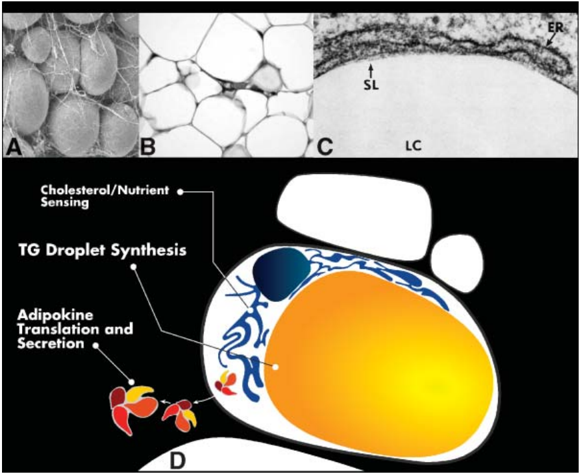
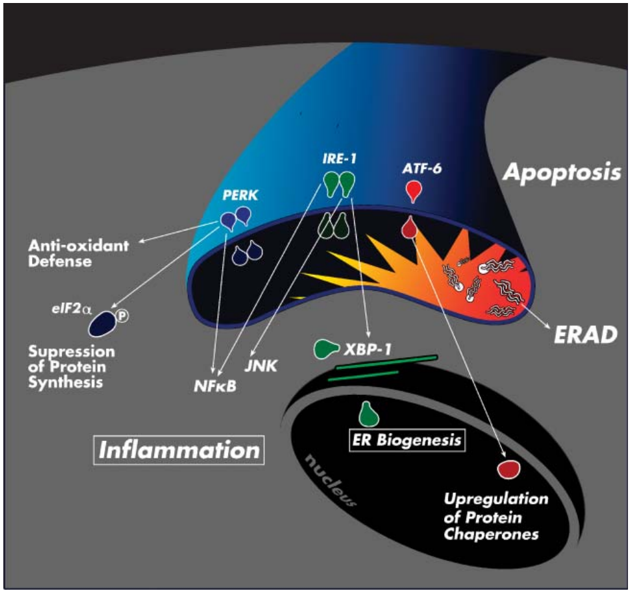
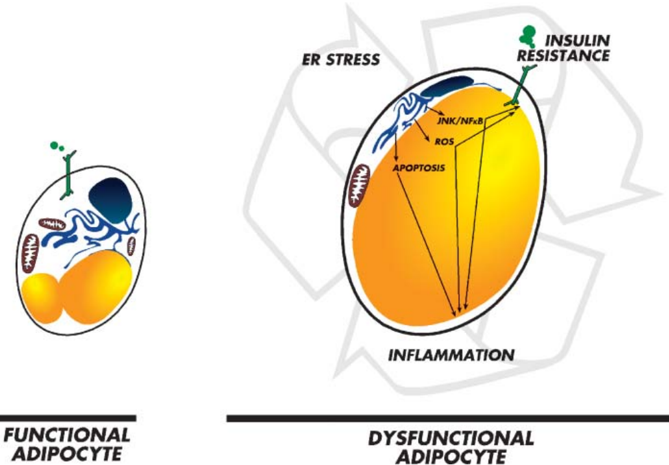
In the context of obesity and its related maladies, the adipocyte plays a central role in the balance, or imbalance, of metabolic homeostasis. An obese, hypertrophic adipocyte is challenged by many insults, including surplus energy, inflammation, insulin resistance, and considerable stress to various organelles. The endoplasmic reticulum (ER) is one such vital organelle that demonstrates significant signs of stress and dysfunction in obesity and insulin resistance. Under normal conditions, the ER must function in the unique and trying environment of the adipocyte, adapting to meet the demands of increased protein synthesis and secretion, energy storage in the form of triglyceride droplet formation, and nutrient sensing that are particular to the differentiated fat cell. When nutrients are in pathological excess, the ER is overwhelmed and the unfolded protein response (UPR) is activated. Remarkably, the consequences of UPR activation have been causally linked to the development of insulin resistance through a multitude of possible mechanisms, including c-jun N-terminal kinase activation, inflammation, and oxidative stress. This review will focus on the function of the ER under normal conditions in the adipocyte and the pathological effects of a stressed ER contributing to adipocyte dysfunction and a thwarted metabolic homeostasis.
Overview
The claims and statistics of this paper haven’t been checked yet.
Free: it reads the open-access text and checks the first 5 claims that cite a source we can check. Create a free account to check every claim.
Integrity signals
Registry
Cites
Statistics
Figures
Verification
Claims the paper makes
The claims and statistics of this paper haven’t been checked yet.
Free: it reads the open-access text and checks the first 5 claims that cite a source we can check. Create a free account to check every claim.
Claims other papers make about this one
Each is checked against this paper’s own text: does it say what the citing paper says it does?
The source backs part of the claim, not all of it — or backs it for a different population, condition or comparison.
In the citing paper
“The UPR also leads to increased IKKβ and proinflammatory cytokine expression (e.g., Il6, Tnfa, and Ccl2) (94,96,98).”
From Insulin sensitivity: Modulation by nutrients and inflammation (2008) · cites this paper as [94]
Experimental — accuracy not yet measured
Self-check
Percentages, sums and reported differences re-computed from the paper’s own numbers.
The self-check needs the paper’s full text.
Citations
Cites
Inflammation and metabolic disorders
Hotamisligil, G. S. (2006) · Nature · doi:10.1038/nature05485 · Cited by 9,199 · cited 5×
“One locus that has emerged as a central mediator of this dysfunction is cellular inflammation (3).”
InfluentialAdipose Expression of Tumor Necrosis Factor-α: Direct Role in Obesity-Linked Insulin Resistance
Hotamisligil, G. S., Shargill, N. S., & Spiegelman, B. M. (1993) · Science · doi:10.1126/science.7678183 · Cited by 7,518 · cited 1×
“Many of these pro-inflammatory mediators have been shown to be detrimental to proper insulin signaling, and inhibition of obesity-induced inflammation can improve insulin sensitivity in mice and humans [4-7].”
TOR signaling in growth and metabolism
Wullschleger, S., Loewith, R., & Hall, M. N. (2006) · Cell · doi:10.1016/j.cell.2006.01.016 · Cited by 5,787 · cited 1×
“The nutrient-responsive mammalian target of rapamycin (mTOR) pathway upregulates protein synthesis, which would naturally increase protein translation and folding in the ER (32).”
Increased oxidative stress in obesity and its impact on metabolic syndrome
Furukawa, S., Fujita, T., Shimabukuro, M., Iwaki, M., Yamada, Y., Nakajima, Y., Nakayama, O., Makishima, M., Matsuda, M., & Shimomura, I. (2004) · Journal of Clinical Investigation · doi:10.1172/jci21625 · Cited by 5,508 · cited 1×
“This is relevant given recent evidence of an increase in oxidative stress markers in the adipose tissue of obese/insulin-resistant mice and humans (79), and in cultured adipocytes ROS have been shown to cause insulin resistance (80).”
Inflammation and insulin resistance
Shoelson, S. E. (2006) · Journal of Clinical Investigation · doi:10.1172/jci29069 · Cited by 4,769
Inflammation, stress, and diabetes
Wellen, K. E., & Hotamisligil, G. S. (2005) · Journal of Clinical Investigation · doi:10.1172/jci25102 · Cited by 4,143 · cited 1×
“to be present in obese adipose tissue and causative for insulin resistance (3, 4, 7).”
Endoplasmic Reticulum Stress Links Obesity, Insulin Action, and Type 2 Diabetes
Özcan, U., Cao, Q., Yilmaz, E., Lee, A.-H., Iwakoshi, N. N., Özdelen, E., Tuncman, G., Görgün, C., Glimcher, L. H., & Hotamisligil, G. S. (2004) · Science · doi:10.1126/science.1103160 · Cited by 3,844 · cited 6×
“Indeed, in adipose tissue of mice fed a high-fat diet for 16 weeks, indicators of ER stress such as PERK phosphorylation and JNK activity are significantly increased compared with mice fed a regular diet (11).”
InfluentialA central role for JNK in obesity and insulin resistance
Hirosumi, J., Tuncman, G., Chang, L., Görgün, C. Z., Uysal, K. T., Maeda, K., Karin, M., & Hotamisligil, G. S. (2002) · Nature · doi:10.1038/nature01137 · Cited by 3,359 · cited 2×
“such as liver, muscle, and adipose tissues (42).”
Adipocytokines: mediators linking adipose tissue, inflammation and immunity
Tilg, H., & Moschen, A. R. (2006) · Nature Reviews Immunology · doi:10.1038/nri1937 · Cited by 3,188 · cited 1×
“Many abundant adipokines, such as leptin, adiponectin, RBP4, and even the fatty acid binding protein ap2, are found at high concentrations in serum (16, 17).”
Urano, F., Wang, X., Bertolotti, A., Zhang, Y., Chung, P., Harding, H. P., & Ron, D. (2000) · Science · doi:10.1126/science.287.5453.664 · Cited by 2,988 · cited 1×
“ER stress-induced IRE-1a phosphorylation leads to the recruitment of tumor necrosis factor receptor-associated factor 2 (TRAF2) and apoptosis signal-regulating kinase 1 (ASK1) to the cytosolic leaflet of the ERmembrane (40, 41).”
Cited by
Items 101–200 of 624
Inflammatory Concepts of Obesity
Rocha, V. Z., & Folco, E. J. E. (2011) · International Journal of Inflammation · doi:10.4061/2011/529061 · Cited by 153
Poulsen, M. M., Fjeldborg, K., Ørnstrup, M. J., Kjær, T. N., Nøhr, M. K., & Pedersen, S. B. (2015) · Biochimica et Biophysica Acta (BBA) - Molecular Basis of Disease · doi:10.1016/j.bbadis.2014.12.024 · Cited by 146
Obesity as a Risk Factor for Severe COVID-19 and Complications: A Review
Demeulemeester, F., de Punder, K., van Heijningen, M., & van Doesburg, F. (2021) · Cells · doi:10.3390/cells10040933 · Cited by 149
Gold, P. W., Licinio, J., & Pavlatou, M. G. (2012) · Molecular Psychiatry · doi:10.1038/mp.2012.167 · Cited by 145
Hypoxia and the endocrine and signalling role of white adipose tissue
Trayhurn, P., Wang, B., & Wood, I. (2008) · Archives of Physiology and Biochemistry · doi:10.1080/13813450802306602 · Cited by 127
Lipolysis Response to Endoplasmic Reticulum Stress in Adipose Cells
Deng, J., Liu, S., Zou, L., Xu, C., Geng, B., & Xu, G. (2012) · Journal of Biological Chemistry · doi:10.1074/jbc.m111.299115 · Cited by 122
Advances in adipose tissue metabolism
Lafontan, M. (2008) · International Journal of Obesity · doi:10.1038/ijo.2008.237 · Cited by 177
Is fat so bad? Modulation of endoplasmic reticulum stress by lipid droplet formation
Hapala, I., Marza, E., & Ferreira, T. (2011) · Biology of the Cell · doi:10.1042/bc20100144 · Cited by 125
“and cell death, when present in increased amounts in macrophages (Gregor and Hotamisligil, 2007).”
BackgroundBetrapally, N. S., Gillevet, P. M., & Bajaj, J. S. (2016) · Gastroenterology · doi:10.1053/j.gastro.2016.02.073 · Cited by 123
ER stress and hormetic regulation of the aging process
Salminen, A., & Kaarniranta, K. (2010) · Ageing Research Reviews · doi:10.1016/j.arr.2010.04.003 · Cited by 132
Shared pathways for neuroprogression and somatoprogression in neuropsychiatric disorders
Morris, G., Puri, B. K., Walker, A. J., Maes, M., Carvalho, A. F., Bortolasci, C. C., Walder, K., & Berk, M. (2019) · Neuroscience & Biobehavioral Reviews · doi:10.1016/j.neubiorev.2019.09.025 · Cited by 113
Riek, A. E., Oh, J., Sprague, J. E., Timpson, A., de las Fuentes, L., Bernal-Mizrachi, L., Schechtman, K. B., & Bernal-Mizrachi, C. (2012) · Journal of Biological Chemistry · doi:10.1074/jbc.m112.386912 · Cited by 120
“ER stress plays a key role in the development of diabetes and vascular complications (25, 43, 50).”
BackgroundWesthofen, P., Watzka, M., Marinova, M., Hass, M. D. S., Kirfel, G., Müller, J., Bevans, C. G., Müller, C. R., & Oldenburg, J. (2011) · Journal of Biological Chemistry · doi:10.1074/jbc.m110.210971 · Cited by 128
Obesity and breast cancer: A case of inflamed adipose tissue
Kolb, R., & Zhang, W. (2020) · Cancers · doi:10.3390/cancers12061686 · Cited by 119
Endoplasmic reticulum: nutrient sensor in physiology and pathology
Mandl, J., Mészáros, T., Bánhegyi, G., Hunyady, L., & Csala, M. (2009) · Trends in Endocrinology and Metabolism · doi:10.1016/j.tem.2009.01.003 · Cited by 125
“This observation provides a possible link between obesity and type 2 diabetes because the enlargement of fat stores in adipose tissue is associated with elevated glucose and free fatty acid levels in the circulation, which causes a threat of a vicious cycle because hyperglycemia and hyper-fatty acidemia induce ER stre…”
Autophagy regulates inflammation in adipocytes
Yoshizaki, T., 楠知里, Kondo, M., Yasuda, M., Kume, S., Morino, K., Sekine, O., Ugi, S., Uzu, T., Nishio, Y., et al. (2011) · Biochemical and Biophysical Research Communications · doi:10.1016/j.bbrc.2011.11.114 · Cited by 124
Mechanisms of obesity-induced metabolic and vascular dysfunctions
Caldwell, R. W. (2019) · Frontiers in bioscience · doi:10.2741/4758 · Cited by 122
Non-Alcoholic Fatty Liver Disease: From Pathogenesis to Clinical Impact
Caturano, A., Acierno, C., Nevola, R., Pafundi, P. C., Galiero, R., Rinaldi, L., Salvatore, T., Adinolfi, L. E., & Sasso, F. C. (2021) · Processes · doi:10.3390/pr9010135 · Cited by 104
“Adipocyte hypertrophy secondary to visceral obesity and IR causes an imbalance in the production of adipokines, which, in turn, affects the adipose tissue and the liver [57,58].”
BackgroundER stress and inflammation crosstalk in obesity
Ajoolabady, A., Lebeaupin, C., Wu, N. N., Kaufman, R. J., & Ren, J. T. (2022) · Medicinal Research Reviews · doi:10.1002/med.21921 · Cited by 115
“The ER is a eukaryotic organelle serving as the site for protein synthesis, folding, maturation, and trafficking of correctly folded proteins in collaboration with the Golgi apparatus.(14) ER also communicates with other intracellular organelles such as mitochondria, phagosomes, lysosomes, and nucleus, as well as the…”
BackgroundLiu, H.-Y., Hong, T., Wen, G.-B., Han, J., Zuo, D., Liu, Z., & Cao, W. (2009) · American Journal of Physiology-Endocrinology and Metabolism · doi:10.1152/ajpendo.00374.2009 · Cited by 115
Panzhinskiy, E., Ren, J. T., & Nair, S. (2013) · PLoS ONE · doi:10.1371/journal.pone.0077228 · Cited by 119
“While the role of ER stress in pathogenesis of obesity associated insulin resistance and inflammation has been widely studied in pancreatic beta-cells, hepatocytes, and adipocytes [19–22], knowledge regarding ER stress activation in skeletal muscle are rather limited and controversial.”
BackgroundRetractedPCSK9 as a therapeutic target of dyslipidemia
Seidah, N. G. (2009) · Expert Opinion on Therapeutic Targets · doi:10.1517/14728220802600715 · Cited by 110
“Furthermore, accumulation of proPCSK9 in the ER may also cause problems, as reported for many monogenic diseases such as endocrinopathies [84] , adipocyte stress [85] and the autosomal recessive Robinow syndrome [86] .”
BackgroundBhuvaneswari, S., Yogalakshmi, B., Sreeja, S., & Anuradha, C. V. (2013) · Cell Stress and Chaperones · doi:10.1007/s12192-013-0443-x · Cited by 119
“The accumulation of misfolded proteins in the ER triggers an adaptive response known as the unfolded protein response (UPR) (Shoelson et al. 2003; Gregor and Hotamisligil 2007).”
BackgroundUpdate on the adverse effects of microcystins on the liver
Shi, L., Du, X., Liu, H., Chen, X., Ya, M., Wang, R., Tian, Z., Zhang, S., Guo, H., & Zhang, H. (2021) · Environmental Research · doi:10.1016/j.envres.2021.110890 · Cited by 112
Agouni, A., Mody, N., Owen, C., Czopek, A., Zimmer, D., Bentires-Alj, M., Bence, K. K., & Delibegović, M. (2011) · Biochemical Journal · doi:10.1042/bj20110373 · Cited by 107
“This complex cellular response is mediated initially by three molecules, PKR-like ER kinase (PERK), activated transcription factor 6 (ATF6), and Inositol-requiring enzyme 1 (IRE1) [2, 3].”
BackgroundChronic inflammation role in the obesity-diabetes association: a case-cohort study
Luft, V. C., Schmidt, M. I., Pankow, J. S., Couper, D., Ballantyne, C. M., Young, J. H., & Duncan, B. B. (2013) · Diabetology & Metabolic Syndrome · doi:10.1186/1758-5996-5-31 · Cited by 98
“ER stress is an early consequence of nutrient excess and a cause for the development of inflammation and insulin resistance [24-28].”
BackgroundAbushamat, L. A., Shah, P. A., Eckel, R. H., Harrison, S. A., & Barb, D. (2024) · Clinical Gastroenterology and Hepatology · doi:10.1016/j.cgh.2024.01.032 · Cited by 92
Hormones and cytokines in childhood obesity
Arslan, N., Erdur, B., & Aydin, A. (2010) · Indian Pediatrics · doi:10.1007/s13312-010-0142-y · Cited by 131
The evolution of the adipose tissue: A neglected enigma
Ottaviani, E., Malagoli, D., & Franceschi, C. (2011) · General and Comparative Endocrinology · doi:10.1016/j.ygcen.2011.06.018 · Cited by 100
Blüher, M., Bashan, N., Shai, I., Harman-Boehm, I., Tarnovscki, T., Avinaoch, E., Stumvoll, M., Dietrich, A., Klöting, N., & Rudich, A. (2009) · The Journal of Clinical Endocrinology & Metabolism · doi:10.1210/jc.2009-0002 · Cited by 99
Persistent organic pollutants, mitochondrial dysfunction, and metabolic syndrome
Lim, S. K., Cho, Y. M., Park, K. S., & Lee, H. K. (2010) · Annals of the New York Academy of Sciences · doi:10.1111/j.1749-6632.2010.05622.x · Cited by 104
Matar, D. B., Zhra, M., Nassar, W. K., Altemyatt, H., Naureen, A., Abotouk, N., Elahi, M. A., & Aljada, A. (2025) · Frontiers in Endocrinology · doi:10.3389/fendo.2025.1592683 · Cited by 106
“In AT, obesity induces pronounced ER stress that fundamentally disrupts metabolic homeostasis through multiple tissue-speci fi c mechanisms (80, 98).”
Liu, H.-Y., Cao, S. Y., Hong, T., Han, J., Liu, Z., & Cao, W. (2009) · Journal of Biological Chemistry · doi:10.1074/jbc.m109.016675 · Cited by 91
Hwang, S., Jeong, Y., Li, X., Kim, Y. D., Lu, Y., Chang, Y., Lee, I., & Chang, H. W. (2013) · British Journal of Pharmacology · doi:10.1111/bph.12124 · Cited by 90
“Endoplasmic reticulum (ER) stress has been shown to contribute to insulin resistance associated with obesity in experimental models (Ozcan et al., 2004; Gregor and Hotamisligil, 2007).”
BackgroundHafizi Abu Bakar, M., Kian Kai, C., Wan Hassan, W. N., Sarmidi, M. R., Yaakob, H., & Zaman Huri, H. (2015) · Diabetes/Metabolism Research and Reviews · doi:10.1002/dmrr.2601 · Cited by 91
Miyagawa, K., Oe, S., Honma, Y., Izumi, H., Baba, R., & Harada, M. (2016) · American Journal Of Pathology · doi:10.1016/j.ajpath.2016.03.003 · Cited by 92
Liver innate immune cells and insulin resistance: the multiple facets of Kupffer cells
Jager, J., Aparicio‐Vergara, M., & Aouadi, M. (2016) · Journal of Internal Medicine · doi:10.1111/joim.12483 · Cited by 90
Cholesterol imbalance in adipocytes: a possible mechanism of adipocytes dysfunction in obesity
Yu, B. ‐., Zhao, S. ‐., & Hu, J. ‐. (2010) · Obesity Reviews · doi:10.1111/j.1467-789x.2009.00699.x · Cited by 87
Redox Control of Endoplasmic Reticulum Function
Csala, M., Margittai, É., & Bánhegyi, G. (2009) · Antioxidants and Redox Signaling · doi:10.1089/ars.2009.2529 · Cited by 99
New insights into adipose tissue dysfunction in insulin resistance
Mlinar, B., & Marc, J. (2011) · Clinical Chemistry and Laboratory Medicine (CCLM) · doi:10.1515/cclm.2011.697 · Cited by 102
Endoplasmic Reticulum Stress: Another Link Between Obesity and Insulin Resistance/Inflammation?
Boden, G. (2009) · Diabetes · doi:10.2337/db08-1746 · Cited by 86
Endoplasmic reticulum stress related molecular mechanisms in nonalcoholic steatohepatitis
Bozaykut, P., Şahin, A., Karademir-Yilmaz, B., & Özer, N. K. (2016) · Mechanisms of Ageing and Development · doi:10.1016/j.mad.2016.07.001 · Cited by 95
Kennedy, A. J., Overman, A., LaPoint, K., Hopkins, R. G., West, T., Chuang, C., Martinez, K., Bell, D., & McIntosh, M. (2008) · Journal of Lipid Research · doi:10.1194/jlr.m800258-jlr200 · Cited by 94
Dyslipidemia related to antiretroviral therapy.
Estrada, E., & Portilla, J. (2011) · PubMed · Cited by 98
The proteostasis boundary in misfolding diseases of membrane traffic
Hutt, D. M., Powers, E. T., & Balch, W. E. (2009) · FEBS Letters · doi:10.1016/j.febslet.2009.07.014 · Cited by 84
“Here, a high-fat diet, a lack of exercise, and genetic factors strongly impact the ability of the PN to maintain the function of β-cells in the pancreas in response to excessive insulin demand [4,68,69].”
BackgroundHassan, R. H., Hainault, I., Vilquin, J., Samama, C. M., Lasnier, F., Ferré, P., Foufelle, F., & Hajduch, É. (2011) · Diabetologia · doi:10.1007/s00125-011-2328-9 · Cited by 94
“Although a direct role of ER stress in the pathogenesis of diabetes and obesity has been demonstrated in both liver and adipose cells [19, 20, 22, 23, 25], much less information is available in skeletal muscle.”
BackgroundEndoplasmic Reticulum Stress and Obesity
Yılmaz, E. (2017) · Advances in experimental medicine and biology · doi:10.1007/978-3-319-48382-5_11 · Cited by 86
Oxidative Stress and Adipocyte Biology: Focus on the Role of AGEs
Boyer, F., Baraka-Vidot, J., Guérin-Dubourg, A., Rondeau, P., Essop, M. F., & Bourdon, E. (2015) · Oxidative Medicine and Cellular Longevity · doi:10.1155/2015/534873 · Cited by 87
From chronic overfeeding to hepatic injury: Role of endoplasmic reticulum stress and inflammation
Mollica, M. P., Lionetti, L., Putti, R., Cavaliere, G., Gaita, M., & Barletta, A. (2011) · Nutrition Metabolism and Cardiovascular Diseases · doi:10.1016/j.numecd.2010.10.012 · Cited by 93
Phenylbutyric Acid: Simple Structure - Multiple Effects
Kusaczuk, M., Bartoszewicz, M., & Cechowska‐Pasko, M. (2015) · Current Pharmaceutical Design · doi:10.2174/1381612821666150105160059 · Cited by 88
Mechanisms of adiponectin regulation and use as a pharmacological target
Phillips, S. A., & Kung, J. (2010) · Current Opinion in Pharmacology · doi:10.1016/j.coph.2010.08.002 · Cited by 90
Rubio‐Aliaga, I., de Roos, B., Sailer, M., McLoughlin, G. A., Boekschoten, M. V., van Erk, M., Bachmair, E., van Schothorst, E. M., Keijer, J., Coort, S. L., et al. (2011) · Physiological Genomics · doi:10.1152/physiolgenomics.00179.2010 · Cited by 85
Chen, Y., Wu, Z., Zhao, S., & Xiang, R. (2016) · Scientific Reports · doi:10.1038/srep27486 · Cited by 80
Kushner, I., Samols, D. R., & Magrey, M. (2010) · Arthritis Care & Research · doi:10.1002/acr.20052 · Cited by 93
“A thorough review of the molecular mechanisms of the UPR is beyond the scope of this article, but several excellent reviews have been published (15,16).”
BackgroundObesity associated disease risk: the role of inherent differences and location of adipose depots
Hill, J. H., Solt, C., & Foster, M. T. (2018) · Hormone Molecular Biology and Clinical Investigation · doi:10.1515/hmbci-2018-0012 · Cited by 79
PCR arrays identify metallothionein-3 as a highly hypoxia-inducible gene in human adipocytes
Wang, B., Wood, I. S., & Trayhurn, P. (2008) · Biochemical and Biophysical Research Communications · doi:10.1016/j.bbrc.2008.01.036 · Cited by 77
YAP and TAZ protect against white adipocyte cell death during obesity
Wang, L., Wang, S., Shi, Y. X., Li, R., Günther, S., Ong, Y. T., Potente, M., Yuan, Z., Liu, E., & Offermanns, S. (2020) · Nature Communications · doi:10.1038/s41467-020-19229-3 · Cited by 82
Gerges, S. H., Wahdan, S. A., Elsherbiny, D. A., & El‐Demerdash, E. (2021) · Life Sciences · doi:10.1016/j.lfs.2021.119220 · Cited by 84
Genetic determinants and molecular pathways in the pathogenesis of Type 2 diabetes
Jin, W., & Patti, M.-E. (2009) · Clinical Science · doi:10.1042/cs20080090 · Cited by 78
Obesity and endoplasmic reticulum (ER) stresses
Tripathi, Y. B., & Pandey, V. (2012) · Frontiers in Immunology · doi:10.3389/fimmu.2012.00240 · Cited by 82
Mutual interaction between iron homeostasis and obesity pathogenesis
Nikonorov, A. А., Геннадиевна, С. М., Tinkov, A. A., & Skalny, A. V. (2014) · Journal of Trace Elements in Medicine and Biology · doi:10.1016/j.jtemb.2014.05.005 · Cited by 85
IRE1α controls cyclin A1 expression and promotes cell proliferation through XBP-1
Thorpe, J. A., & Schwarze, S. R. (2009) · Cell Stress and Chaperones · doi:10.1007/s12192-009-0163-4 · Cited by 84
“Pathological excesses of nutrients are known to stimulate an ESR (Gregor and Hotamisligil 2007) and mice haploinsufficient for Xbp-1 have an increase in adipose tissue compared to wild-type mice (Ozcan et al. 2004).”
BackgroundPandurangan, M., Kothandam, R., & Kim, D. H. (2014) · Applied Biochemistry and Biotechnology · doi:10.1007/s12010-014-1231-5 · Cited by 77
Rath, E., & Haller, D. (2011) · European Journal of Nutrition · doi:10.1007/s00394-011-0197-0 · Cited by 76
“The family of SREBP transcription factors is resident in the ER and is crucial for the regulation of genes involved in cholesterol metabolism or lipid synthesis [ 99 ].”
BackgroundEarly Hepatic Insulin Resistance in Mice: A Metabolomics Analysis
Li, L. O., Hu, Y.-F., Wang, L. H.-C., Mitchell, M. W., Berger, A., & Coleman, R. (2010) · Molecular Endocrinology · doi:10.1210/me.2009-0152 · Cited by 78
Fat Cell and Fatty Acid Turnover in Obesity
Engin, A. (2017) · Advances in experimental medicine and biology · doi:10.1007/978-3-319-48382-5_6 · Cited by 79
A microarray analysis of the hypoxia-induced modulation of gene expression in human adipocytes
Mazzatti, D., Lim, F.-L., O’Hara, A., Wood, I. S., & Trayhurn, P. (2012) · Archives of Physiology and Biochemistry · doi:10.3109/13813455.2012.654611 · Cited by 73
“Various proposals have been advanced as to why inflammation occurs in adipose tissue in obesity, such as endoplasmic reticulum stress (Gregor & Hotamisligil, 2007; Ozcan et al., 2004), and, as we have suggested, a response to local hypoxia (Trayhurn & Wood, 2004; Trayhurn et al., 2008).”
BackgroundEndoplasmic reticulum stress: bridging inflammation and obesity-associated adipose tissue
Ma, K., Zhang, Y., Zhao, J., Zhou, L., & Li, M. (2024) · Frontiers in Immunology · doi:10.3389/fimmu.2024.1381227 · Cited by 86
“Additionally, the ER interacts with the Golgi apparatus, mitochondria, lysosomes, phagosomes, and the cell nucleus (7).”
BackgroundGlial cells and energy balance
Argente-Arizón, P., Guerra-Cantera, S., García‐Segura, L. M., Argente, J., & Chowen, J. A. (2016) · Journal of Molecular Endocrinology · doi:10.1530/jme-16-0182 · Cited by 78
“2010) in addition to endoplasmic reticulum (ER) stress (Gregor & Hotamisligil 2007).”
BackgroundXu, L., Spinas, G. A., & Niessen, M. (2010) · Hormone and Metabolic Research · doi:10.1055/s-0030-1255034 · Cited by 66
Nickelson, K. J., Stromsdorfer, K. L., Pickering, R. T., Liu, T.-W., Ortinau, L. C., Keating, A. F., & Perfield, J. W. (2012) · Experimental Diabetes Research · doi:10.1155/2012/859395 · Cited by 63
Cruz-Garcia, L., Sánchez-Gurmaches, J., Bouraoui, L., Saera-Vila, A., Pérez‐Sánchez, J., Gutiérrez, J., & Navarro, I. (2010) · Comparative Biochemistry and Physiology Part A Molecular & Integrative Physiology · doi:10.1016/j.cbpa.2010.11.024 · Cited by 80
A novel function of lipid droplets in regulating longevity
Goldberg, A. A., Bourque, S. D., Kyryakov, P., Boukh‐Viner, T., Gregg, C., Beach, A., Burstein, M. T., Machkalyan, G., Richard, V. R., Rampersad, S., et al. (2009) · Biochemical Society Transactions · doi:10.1042/bst0371050 · Cited by 77
Donato, A. J., Henson, G. D., Hart, C. R., Layec, G., Trinity, J. D., Bramwell, R. C., Enz, R. A., Morgan, R. G., Reihl, K. D., Hazra, S., et al. (2014) · The Journal of Physiology · doi:10.1113/jphysiol.2014.274175 · Cited by 69
“…appropriate and co-ordinated development of the vascular system (Rupnick et al. 2002) and inadequate vascularity may contribute to tissue hypoxia, oxidative stress and inflammation that can lead to metabolic dysfunction (Gregor & Hotamisligil, 2007; Zhang et al. 2011; Yilmaz & Hotamisligil, 2013).”
BackgroundVendrell, J., Maymó-Masip, E., Tinahones, F., García-España, A., Megia, A., Caubet, E., García-Fuentes, E., & Chacón, M. R. (2010) · The Journal of Clinical Endocrinology & Metabolism · doi:10.1210/jc.2009-2481 · Cited by 66
Glucotoxicity and pancreatic proteomics
Brunner, Y., Schvartz, D., Priego‐Capote, F., Couté, Y., & Sanchez, J. (2008) · Journal of Proteomics · doi:10.1016/j.jprot.2008.10.002 · Cited by 74
Reduced mitochondrial function in obesity-associated fatty liver: SIRT3 takes on the fat
Choudhury, M., Jonscher, K. R., & Friedman, J. E. (2011) · Aging · doi:10.18632/aging.100289 · Cited by 69
Sell, H., & Eckel, J. (2009) · Proceedings of The Nutrition Society · doi:10.1017/s0029665109990218 · Cited by 85
Prostek, A., Gajewska, M., Kamola, D., & Bałasińska, B. (2014) · Lipids in Health and Disease · doi:10.1186/1476-511x-13-3 · Cited by 71
“It is assumed that hypoxia [11] or endoplasmic reticulum stress (ER stress) [12] can play role in development of this anomaly.”
BackgroundWang, N., Liu, Y., Ma, Y., & Wen, D. (2018) · The Journal of Nutritional Biochemistry · doi:10.1016/j.jnutbio.2018.03.018 · Cited by 72
Todorčević, M., Škugor, S., Krasnov, A., & Ruyter, B. (2010) · BMC Genomics · doi:10.1186/1471-2164-11-39 · Cited by 74
“Enhanced secretion may impose an additional load on the ER actively engaged in lipid droplet synthesis [ 55 ].”
BackgroundHypercholesterolemia Induces Adipose Dysfunction in Conditions of Obesity and Nonobesity
Aguilar, D., & Fernández, M. L. (2014) · Advances in Nutrition · doi:10.3945/an.114.005934 · Cited by 71
Yeh, K.-Y., Lai, C., Lin, C.-Y., Hsu, C.-C., Lo, C.-P., & Her, G. M. (2017) · Scientific Reports · doi:10.1038/s41598-017-16587-9 · Cited by 70
Ducluzeau, P., Priou, M., Weitheimer, M., Flamment, M., Duluc, L., Iacobazi, F., Soleti, R., Simard, G., Durand, A., Rieusset, J., et al. (2011) · Journal of Physiology and Biochemistry · doi:10.1007/s13105-011-0074-6 · Cited by 72
“Mitochondrial ROS have been clearly demonstrated to be able to inhibit proliferation and differentiation of preadipocytes [13, 38].”
BackgroundWang, Q., Dong, Z., Liu, X., Song, X., Song, Q., Shang, Q., Jiang, Y., Guo, C., & Zhang, L. (2013) · Diabetes · doi:10.2337/db13-0097 · Cited by 63
Nguyen, A., Tao, H., Metrione, M., & Hajri, T. (2014) · Journal of Biological Chemistry · doi:10.1074/jbc.m113.515320 · Cited by 65
“Activated M1 macrophages in turn produce pro-inflammatory cytokines and chemokines that exacerbate adipocyte inflammation (6).”
BackgroundKhan, R., Raza, S. H. A., Junjvlieke, Z., Xiaoyu, W., Garcia, M., Elnour, I. E., Hongbao, W., & Linsen, Z. (2019) · International Journal of Molecular Sciences · doi:10.3390/ijms20184338 · Cited by 67
“The interaction of the CEBPγ with the CEBPβ causes cell proliferation and inhibition of cell senescence [67].”
BackgroundAdipose Tissue and Ceramide Biosynthesis in the Pathogenesis of Obesity
Samad, F., Badeanlou, L., Shah, C., & Yang, G. (2011) · Advances in experimental medicine and biology · doi:10.1007/978-1-4614-0650-1_5 · Cited by 70
Mitochondria‐Mediated Pathogenesis and Therapeutics for Non‐Alcoholic Fatty Liver Disease
Li, Z., Li, Y., Zhang, H., Guo, J., Lam, C. W. K., Wang, C., & Zhang, W. (2019) · Molecular Nutrition & Food Research · doi:10.1002/mnfr.201900043 · Cited by 68
Flavonoids Alleviating Insulin Resistance through Inhibition of Inflammatory Signaling
Ren, N., Kim, E.-H., Li, B., Pan, H., Tong, T., Yang, C. S., & Tu, Y. (2019) · Journal of Agricultural and Food Chemistry · doi:10.1021/acs.jafc.8b05348 · Cited by 66
Obesity and oocyte quality: significant implications for ART and emerging mechanistic insights
Gonzalez, M. B., Robker, R. L., & Rose, R. (2021) · Biology of Reproduction · doi:10.1093/biolre/ioab228 · Cited by 74
IRE-1 and HSP-4 Contribute to Energy Homeostasis via Fasting-Induced Lipases in C. elegans
Jo, H., Shim, J., Lee, J. H., Lee, J., & Kim, J. B. (2009) · Cell Metabolism · doi:10.1016/j.cmet.2009.04.004 · Cited by 71
Diabetes as a disease of endoplasmic reticulum stress
Thomas, S. E., Dalton, L. E., Daly, M., Malzer, E., & Marciniak, S. J. (2010) · Diabetes/Metabolism Research and Reviews · doi:10.1002/dmrr.1132 · Cited by 66
“Some cell types respond to nutrient excess by increasing ER protein synthesis thus increasing ER client load, notably the adipocyte [118].”
BackgroundSakurai, T., Kitadate, K., Nishioka, H., Fujii, H., Kizaki, T., Kondoh, Y., Izawa, T., Ishida, H., Radak, Z. O., & Ohno, H. (2009) · The Journal of Nutritional Biochemistry · doi:10.1016/j.jnutbio.2008.10.003 · Cited by 62
Fructose, Glucocorticoids and Adipose Tissue: Implications for the Metabolic Syndrome
Legeza, B., Marcolongo, P., Gamberucci, A., Varga, V., Bánhegyi, G., Benedetti, A., & Odermatt, A. (2017) · Nutrients · doi:10.3390/nu9050426 · Cited by 68
“In the adipose tissue, ER-stress induction also plays an important role in the pathomechanism of impaired differentiation processes [99].”
BackgroundMetabolic syndrome and hidradenitis suppurativa: epidemiological, molecular, and therapeutic aspects
Mintoff, D., Benhadou, F., Pace, N. P., & Frew, J. W. (2021) · International Journal of Dermatology · doi:10.1111/ijd.15910 · Cited by 67
Gao, J., Ishigaki, Y., Yamada, T., Kondo, K., Yamaguchi, S., Imai, J., Uno, K., Hasegawa, Y., Sawada, S., Ishihara, H., et al. (2011) · Circulation · doi:10.1161/circulationaha.110.014050 · Cited by 60
Fatty acids increase adiponectin secretion through both classical and exosome pathways
DeClercq, V., d’Eon, B., & McLeod, R. S. (2015) · Biochimica et Biophysica Acta (BBA) - Molecular and Cell Biology of Lipids · doi:10.1016/j.bbalip.2015.04.005 · Cited by 66
Frizzell, N., Thomas, S. A., Carson, J. A., & Baynes, J. W. (2012) · Biochemical Journal · doi:10.1042/bj20112142 · Cited by 58
Bays, H. E., Jones, P. H., Jacobson, T. A., Cohen, D. E., Orringer, C. E., Kothari, S. N., Azagury, D. E., Morton, J. M., Nguyen, N. T., Westman, E. C., et al. (2015) · Journal of clinical lipidology · doi:10.1016/j.jacl.2015.12.002 · Cited by 67
Metadata
- Authors
- Gregor, M. F., & Hotamisligil, G. S.
- Affiliations
- Harvard University (US)
- ORCID
- Gregor, Margaret F.
- Venue
- Journal of Lipid Research
- Publisher
- Elsevier BV
- Published
- 2007-09
- Volume
- 48
- Issue
- 9
- Pages
- 1905-1914
- ISSN
- 0022-2275 (ISSN-L)
- OpenAlex
- W2138485536
- Cited by
- 586
- References
- 89
- Citations by year
- 2026: 9 · 2025: 12 · 2024: 20 · 2023: 11 · 2022: 16 · 2021: 25 · 2020: 21 · 2019: 26 · 2018: 21 · 2017: 26 · 2016: 26 · 2015: 34 · 2014: 37 · 2013: 56 · 2012: 52
- FWCI
- 3.44
- Type
- journal article
- Language
- en
- Open access
- hybrid
- doi.org
- Licence
- cc-by
- www.elsevier.com/tdm/userlicense/1.0/ (tdm)
- creativecommons.org/licenses/by/4.0/ (vor, 4794 d)
- Locations
- Journal of Lipid Research (publishedVersion, cc-by)
- PubMed (publishedVersion)
- DOAJ (DOAJ: Directory of Open Access Journals) (submittedVersion, cc-by-sa)
- Funders
- National Institute of Diabetes and Digestive and Kidney Diseases (T90DK070078)
- Topics
- Life Sciences › Biochemistry, Genetics and Molecular Biology › Cell Biology › Endoplasmic Reticulum Stress and Disease
- Health Sciences › Medicine › Endocrinology, Diabetes and Metabolism › Adipokines, Inflammation, and Metabolic Diseases
- Health Sciences › Medicine › Physiology (medical) › Adipose Tissue and Metabolism
- Keywords
- endoplasmic reticulum stress, unfolded protein response, insulin resistance, obesity, metabolic homeostasis, c-Jun N-terminal kinase, inflammation, oxidative stress, adipocyte dysfunction, nutrient sensing
- MeSH terms
- Animals, Cholesterol, Endoplasmic Reticulum, Humans, Inflammation, Metabolic Diseases, Obesity, Phenylbutyrates, Proteins, Stress, Physiological, Taurochenodeoxycholic Acid, Protein Folding, Adipocytes, Lipid Metabolism
About these checks
Registry, retraction, Cites and statistics results are computed, not judged, with one exception: a printed reference that no index lists is read once by a model before it counts as a citation error. Claims are extracted by a model and kept only when their quote appears verbatim in the text; each cited source is then checked, with a model’s help, for whether it says what the claim relies on. Those verdicts can be wrong — read the claim’s quote and the cited source before relying on one.
Statistics and arithmetic are recomputed, not judged.
Confidence bands are shown only for fields calibrated on our annotated test set. None is calibrated yet, so no band is shown.
What counts as a claim ›How we measure confidence ›How we check this ›
Are you an author, or do you see a problem with this page? Request a review
Data sources
Bibliographic data: Semantic Scholar, OpenAlex, Crossref.
Contains information from the Semantic Scholar Academic Graph Datasets, made available under the ODC Attribution License (ODC-BY 1.0).
Semantic Scholar’s data is described in: Kinney, R., et al. (2023). The Semantic Scholar Open Data Platform. arXiv:2301.10140.
