

A/T/N: An unbiased descriptive classification scheme for Alzheimer disease biomarkers
Open accessThe DOI matches its Crossref record; 63 of the 63 references it cites were found in a registry or an index.
Abstract
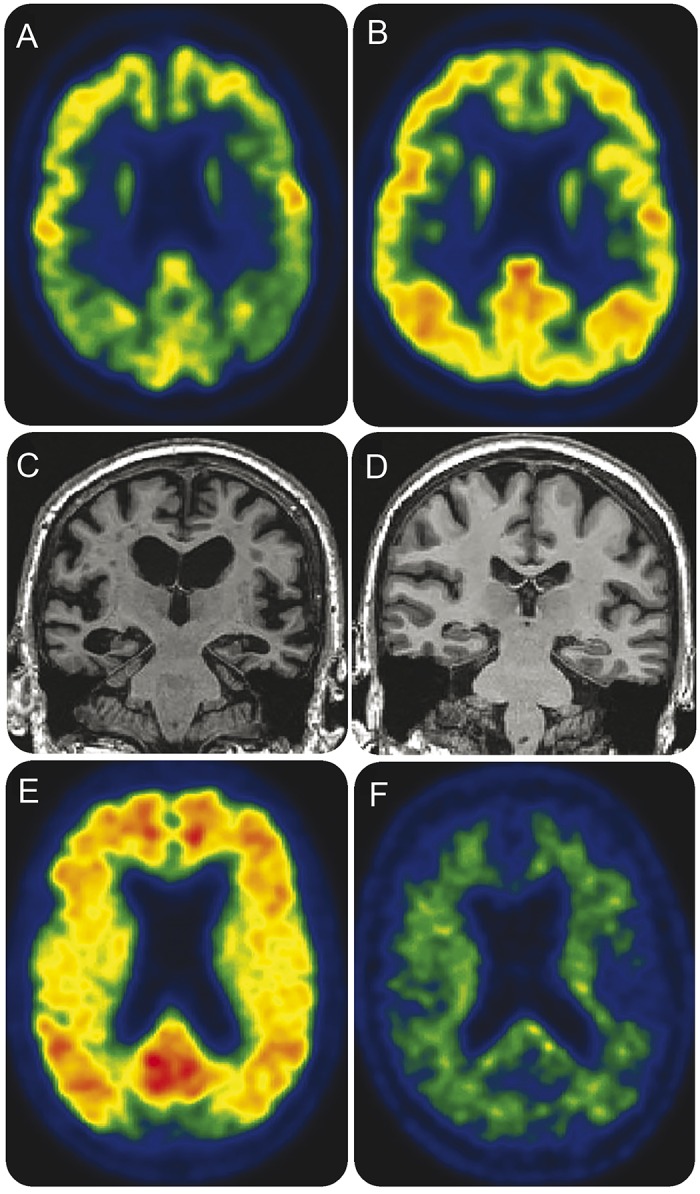
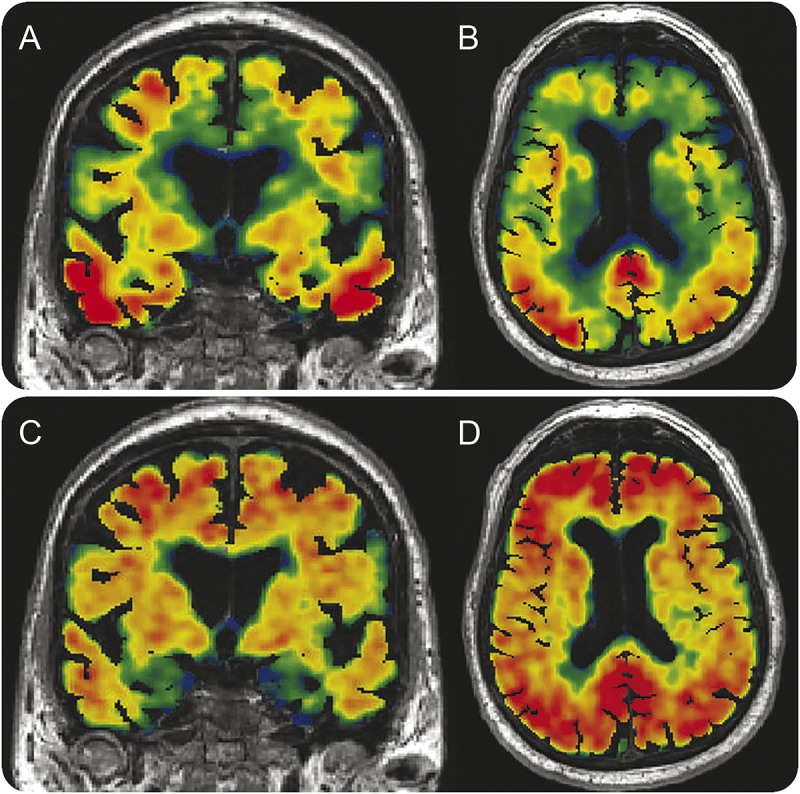
Biomarkers have become an essential component of Alzheimer disease (AD) research and because of the pervasiveness of AD pathology in the elderly, the same biomarkers are used in cognitive aging research. A number of current issues suggest that an unbiased descriptive classification scheme for these biomarkers would be useful. We propose the "A/T/N" system in which 7 major AD biomarkers are divided into 3 binary categories based on the nature of the pathophysiology that each measures. "A" refers to the value of a β-amyloid biomarker (amyloid PET or CSF Aβ42); "T," the value of a tau biomarker (CSF phospho tau, or tau PET); and "N," biomarkers of neurodegeneration or neuronal injury ([(18)F]-fluorodeoxyglucose-PET, structural MRI, or CSF total tau). Each biomarker category is rated as positive or negative. An individual score might appear as A+/T+/N-, or A+/T-/N-, etc. The A/T/N system includes the new modality tau PET. It is agnostic to the temporal ordering of mechanisms underlying AD pathogenesis. It includes all individuals in any population regardless of the mix of biomarker findings and therefore is suited to population studies of cognitive aging. It does not specify disease labels and thus is not a diagnostic classification system. It is a descriptive system for categorizing multidomain biomarker findings at the individual person level in a format that is easy to understand and use. Given the present lack of consensus among AD specialists on terminology across the clinically normal to dementia spectrum, a biomarker classification scheme will have broadest acceptance if it is independent from any one clinically defined diagnostic scheme.
Overview
The claims and statistics of this paper haven’t been checked yet.
Free: it reads the open-access text and checks the first 5 claims that cite a source we can check. Create a free account to check every claim.
Integrity signals
Registry
Cites
Statistics
Figures
Verification
Claims the paper makes
The claims and statistics of this paper haven’t been checked yet.
Free: it reads the open-access text and checks the first 5 claims that cite a source we can check. Create a free account to check every claim.
Claims other papers make about this one
Each is checked against this paper’s own text: does it say what the citing paper says it does?
The source backs part of the claim, not all of it — or backs it for a different population, condition or comparison.
In the citing paper
“Second, patients received diagnoses based on established clinical criteria only,37,38 without testing for ATN biomarkers in AD such as the deposition of amyloid-β and tau proteins established via Positron Emission Tomography, CSF, or plasma in AD.94, 95, 96, 97”
From Altered spatiotemporal brain dynamics of interoception in behavioural-variant frontotemporal dementia (2025) · cites this paper as [94]
Experimental — accuracy not yet measuredThe source backs part of the claim, not all of it — or backs it for a different population, condition or comparison.
In the citing paper
“Brain imaging along with cerebrospinal fluid (CSF) biomarkers have helped to establish the ATN (A = amyloid, T = tau, N = neurodegeneration) framework for the diagnosis of AD which is being used to define the presence of AD pathology at preclinical and prodromal stages [8].”
From The use of neuroimaging techniques in the early and differential diagnosis of dementia (2023) · cites this paper as [8]
Experimental — accuracy not yet measuredThe source backs part of the claim, not all of it — or backs it for a different population, condition or comparison.
In the citing paper
“Structural imaging with computerised tomography (CT) or MRI is widely used in clinical practice and recommended by several diagnostic and research guidelines for the assessment and diagnosis of people with dementia [8, 9].”
From The use of neuroimaging techniques in the early and differential diagnosis of dementia (2023) · cites this paper as [8]
Experimental — accuracy not yet measuredThe source backs part of the claim, not all of it — or backs it for a different population, condition or comparison.
In the citing paper
“AD is characterized by the aggregation of Aβ and p‐tau [53].”
From Gliovascular alterations in sporadic and familial Alzheimer's disease: APOE3 Christchurch homozygote glioprotection (2023) · cites this paper as [53]
Experimental — accuracy not yet measuredThe cited source says what the claim attributes to it.
In the citing paper
“Notably, P(AD) was consistently higher in Aβ, tau, and FDG PET positive groups, demonstrating that our framework’s diagnostic process aligns well with the current amyloid, tau, and neurodegeneration (ATN) criteria for AD diagnosis53.”
From AI-based differential diagnosis of dementia etiologies on multimodal data (2024) · cites this paper as [53]
1 more claim about this paper
Create a free account to see every claim other papers make about this one.
Self-check
Percentages, sums and reported differences re-computed from the paper’s own numbers.
The self-check needs the paper’s full text.
Citations
Cites
McKhann, G. M., Knopman, D. S., Chertkow, H., Hyman, B. T., Jack, C. R., Kawas, C. H., Klunk, W. E., Koroshetz, W. J., Manly, J. J., Mayeux, R., et al. (2011) · Alzheimer's & Dementia · doi:10.1016/j.jalz.2011.03.005 · Cited by 18,657
Self-citationAmyloid oligomers exacerbate tau pathology in a mouse model of tauopathy
Selenica, M.-L. B., Brownlow, M., Jimenez, J. P., Lee, D. C., Pena, G., Dickey, C. A., Gordon, M. N., & Morgan, D. (2013) · Neurodegenerative Diseases · doi:10.1159/000337230 · Cited by 10,359
Albert, M. S., DeKosky, S. T., Dickson, D., Dubois, B., Feldman, H. H., Fox, N. C., Gamst, A., Holtzman, D. M., Jagust, W. J., Petersen, R. C., et al. (2011) · Alzheimer's & Dementia · doi:10.1016/j.jalz.2011.03.008 · Cited by 10,152
Self-citationSperling, R. A., Aisen, P. S., Beckett, L. A., Bennett, D. A., Craft, S., Fagan, A. M., Iwatsubo, T., Jack, C. R., Kaye, J., Montine, T. J., et al. (2011) · Alzheimer's & Dementia · doi:10.1016/j.jalz.2011.03.003 · Cited by 7,155
Self-citationA Randomized Trial of Intensive versus Standard Blood-Pressure Control
The SPRINT Research Group (2015) · New England Journal of Medicine · doi:10.1056/nejmoa1511939 · Cited by 6,325
Imaging brain amyloid in Alzheimer's disease with Pittsburgh Compound‐B
Klunk, W. E., Engler, H., Nordberg, A., Wang, Y., Blomqvist, G., Holt, D. P., Bergström, M., Savitcheva, I., Huang, G., Estrada, S., et al. (2004) · Annals of Neurology · doi:10.1002/ana.20009 · Cited by 4,496
Research criteria for the diagnosis of Alzheimer's disease: revising the NINCDS–ADRDA criteria
Dubois, B., Feldman, H. H., Jacova, C., DeKosky, S. T., Barberger-Gateau, P., Cummings, J., Delacourte, A., Galasko, D., Gauthier, S., Jicha, G., et al. (2007) · The Lancet Neurology · doi:10.1016/s1474-4422(07)70178-3 · Cited by 4,411
Self-citationAdvancing research diagnostic criteria for Alzheimer's disease: the IWG-2 criteria
Dubois, B., Feldman, H. H., Jacova, C., Hampel, H., Molinuevo, J. L., Blennow, K., DeKosky, S. T., Gauthier, S., Selkoe, D., Bateman, R., et al. (2014) · The Lancet Neurology · doi:10.1016/s1474-4422(14)70090-0 · Cited by 3,321
Self-citation(2003) · Journal of Hypertension · doi:10.1097/00004872-200311000-00002 · Cited by 2,672 · cited 1×
“are continuously, not bimodally, distributed—blood pressure, for example.(50) This has not prevented medicine from identifying a cutpoint and designating those above hypertensive and those below normotensive.”
BackgroundAlbert, M. S., DeKosky, S. T., Dickson, D., Dubois, B., Feldman, H. H., Fox, N. C., Gamst, A., Holtzman, D. M., Jagust, W. J., Petersen, R. C., et al. (2013) · Focus · doi:10.1176/appi.focus.11.1.96 · Cited by 2,621
Self-citation
Cited by
Items 101–200 of 1,010
Lussier, F. Z., Pascoal, T. A., Chamoun, M., Therriault, J., Tissot, C., Savard, M., Kang, M. S., Mathotaarachchi, S., Benedet, A. L., Parsons, M., et al. (2020) · Alzheimer's & Dementia · doi:10.1002/alz.12007 · Cited by 166
It's complicated: The relationship between sleep and Alzheimer's disease in humans
Lucey, B. P. (2020) · Neurobiology of Disease · doi:10.1016/j.nbd.2020.105031 · Cited by 168
Weissberger, G. H., Strong, J. V., Stefanidis, K. B., Summers, M. J., Bondi, M. W., & Stricker, N. H. (2017) · Neuropsychology Review · doi:10.1007/s11065-017-9360-6 · Cited by 150
“In addition, the the BA/T/N^ (amyloid, tau, and neurodegeneration/neuronal injury) system is a recently proposed AD descriptive biomarker classification scheme (Jack et al. 2016), and it does not include cognition.”
BackgroundDiffuse axonal injury predicts neurodegeneration after moderate–severe traumatic brain injury
Graham, N. S. N., Jolly, A., Zimmerman, K., Bourke, N. J., Scott, G., Cole, J. H., Schott, J. M., & Sharp, D. J. (2020) · Brain · doi:10.1093/brain/awaa316 · Cited by 162
Plasma MTBR-tau243 biomarker identifies tau tangle pathology in Alzheimer’s disease
Horie, K., Salvadó, G., Koppisetti, R. K., Janelidze, S., Barthélemy, N. R., He, Y., Sato, C., Gordon, B. A., Jiang, H., Benzinger, T. L. S., et al. (2025) · Nature Medicine · doi:10.1038/s41591-025-03617-7 · Cited by 182
“Furthermore, CSF MTBR-tau243 was recently adopted as the fluid biomarker representing insoluble tau aggregate pathology (T 2 ) by commonly used A/T/(N) (amyloid/tau/(neurodegeneration)) criteria for AD 19,36,37 .”
Fluid Biomarkers for Synaptic Dysfunction and Loss
Camporesi, E., Nilsson, J., Brinkmalm, A., Becker, B., Ashton, N. J., Blennow, K., & Zetterberg, H. (2020) · Biomarker Insights · doi:10.1177/1177271920950319 · Cited by 165
Self-citationA Pilot Study of Exenatide Actions in Alzheimer’s Disease
Mullins, R. J., Mustapic, M., Chia, C. W., Carlson, O., Gulyani, S., Tran, J., Li, Y., Mattson, M. P., Resnick, S., Egan, J. M., et al. (2019) · Current Alzheimer Research · doi:10.2174/1567205016666190913155950 · Cited by 157
A multiomics approach to heterogeneity in Alzheimer’s disease: focused review and roadmap
Badhwar, A., McFall, G. P., Sapkota, S., Black, S. E., Chertkow, H., Duchesne, S., Masellis, M., Li, L., Dixon, R. A., & Bellec, P. (2020) · Brain · doi:10.1093/brain/awz384 · Cited by 165
The foundation and architecture of precision medicine in neurology and psychiatry
Hampel, H., Gao, P., Cummings, J., Toschi, N., Thompson, P. M., Hu, Y., Cho, M., & Vergallo, A. (2023) · Trends in Neurosciences · doi:10.1016/j.tins.2022.12.004 · Cited by 143
“This has led to the conceptualization of a symptom-agnostic, biomarker-based classification system called the Amyloid-β/Tau/Neurodegeneration [AT(N)] system, which stratifies individuals upon core pathophysiological changes in AD [154].”
Self-citationGupta, Y., Lama, R. K., Kwon, G.-R., & Initiative, A. D. N. (2019) · Frontiers in Computational Neuroscience · doi:10.3389/fncom.2019.00072 · Cited by 155
“Recently, Jack et al. (2016, 2018) proposed the A/T/N system, as shown in Table 1, in which seven major AD biomarkers are divided into three binary categories based on the nature of the pathophysiology that each subject exhibits.”
BackgroundRetinal pathological features and proteome signatures of Alzheimer’s disease
Koronyo, Y., Rentsendorj, A., Mirzaei, N., Regis, G. C., Sheyn, J., Shi, H., Barrón, E., Cook‐Wiens, G., Rodriguez, A., Medeiros, R., et al. (2023) · Acta Neuropathologica · doi:10.1007/s00401-023-02548-2 · Cited by 169
“4), which were modified from the latest NIA-AA’s in vivo A/T/N biomarker classification scheme for AD [49].”
BackgroundMethodSleep-disordered breathing and the risk of Alzheimer's disease
Liguori, C., Maestri, M., Spanetta, M., Placidi, F., Bonanni, E., Mercuri, N. B., & Guarnieri, B. (2020) · Sleep Medicine Reviews · doi:10.1016/j.smrv.2020.101375 · Cited by 165
Dementia in Latin America: Paving the way toward a regional action plan
Parra, M. A., Baez, S., Sedeño, L., Gonzalez Campo, C., Santamaría‐García, H., Aprahamian, I., Bertolucci, P. H., Bustin, J., Camargos Bicalho, M. A., Cano‐Gutierrez, C., et al. (2021) · Alzheimer's & Dementia · doi:10.1002/alz.12202 · Cited by 147
Pathak, N., Vimal, S. K., Tandon, I., Agrawal, L., Cao, H., & Bhattacharyya, S. (2021) · Metabolic Brain Disease · doi:10.1007/s11011-021-00800-w · Cited by 189
Blood-Based Biomarkers for Alzheimer’s Disease Diagnosis and Progression: An Overview
Varesi, A., Carrara, A., Pires, V. G., Floris, V., Pierella, E., Savioli, G., Prasad, S., Esposito, C., Ricevuti, G., Chirumbolo, S., et al. (2022) · Cells · doi:10.3390/cells11081367 · Cited by 139
“In 2018, the National Institute on Aging (NIA) and the Alzheimer’s Association (AA) proposed a new clinically unbiased classification system of the disease based on the presence (or absence) of three processes: amyloidosis, tauopathy, and neurodegeneration (ATN classification); detectable by examination of the CSF, an…”
BackgroundOttoy, J., Niemantsverdriet, E., Verhaeghe, J., De Roeck, E., Struyfs, H., Somers, C., wyffels, L., Ceyssens, S., Van Mossevelde, S., Van den Bossche, T., et al. (2019) · NeuroImage: Clinical · doi:10.1016/j.nicl.2019.101771 · Cited by 151
Biomarker-Based Prediction of Longitudinal Tau Positron Emission Tomography in Alzheimer Disease
Leuzy, A., Smith, R., Cullen, N. C., Strandberg, O., Vogel, J. W., Binette, A. P., Borroni, E., Janelidze, S., Ohlsson, T., Jögi, J., et al. (2022) · JAMA Neurology · doi:10.1001/jamaneurol.2021.4654 · Cited by 149
Alzheimer's disease: The right drug, the right time
Golde, T. E., DeKosky, S. T., & Galasko, D. (2018) · Science · doi:10.1126/science.aau0437 · Cited by 147
Functional network integrity presages cognitive decline in preclinical Alzheimer disease
Buckley, R. F., Schultz, A. P., Hedden, T., Papp, K. V., Hanseeuw, B. J., Marshall, G., Sepulcre, J., Smith, E. E., Rentz, D. M., Johnson, K. A., et al. (2017) · Neurology · doi:10.1212/wnl.0000000000004059 · Cited by 142
“It is now widely accepted that supplementing Ab status with a marker of neurodegeneration or tau burden is likely a critical step in achieving this end.(1,2) In the current study, we focused on the ability of resting-state functional connectivity (rs-fcMRI) to provide evidence of early intrinsic network disconnectivit…”
BackgroundSelf-citationKnopman, D. S., Haeberlein, S. B., Carrillo, M. C., Hendrix, J. A., Kerchner, G., Margolin, R., Maruff, P., Miller, D. S., Tong, G., Tome, M. B., et al. (2018) · Alzheimer's & Dementia · doi:10.1016/j.jalz.2018.03.002 · Cited by 143
“[8] Jack CR Jr, Bennett DA, Blennow K, Carrillo MC, Feldman HH,”
BackgroundMethodInfluentialSelf-citationSleep disturbances and dementia risk: a multicenter study
Sindi, S., Kåreholt, I., Johansson, L., Skoog, J., Sjöberg, L., Wang, H., Johansson, B., Fratiglioni, L., Soininen, H., Solomon, A., et al. (2018) · Alzheimer's & Dementia · doi:10.1016/j.jalz.2018.05.012 · Cited by 144
β-Amyloid and tau biomarkers and clinical phenotype in dementia with Lewy bodies
Ferreira, D., Przybelski, S. A., Lesnick, T. G., Lemstra, A. W., Londos, E., Blanc, F., Nedelska, Z., Schwarz, C. G., Graff-Radford, J., Senjem, M. L., et al. (2020) · Neurology · doi:10.1212/wnl.0000000000010943 · Cited by 132
Self-citationAssociations between [ 18 F]AV1451 tau PET and CSF measures of tau pathology in a clinical sample
La Joie, R., Bejanin, A., Fagan, A. M., Ayakta, N., Baker, S. L., Bourakova, V., Boxer, A. L., Cha, J., Karydas, A., Jerome, G., et al. (2018) · Neurology · doi:10.1212/wnl.0000000000004860 · Cited by 141
“The applications of biomarkers in clinical and research criteria(1,2) have been predicated on the notion that imaging and CSF biomarkers can be used interchangeably to detect these pathophysiologic processes in individual patients.(3) Indeed, previous studies have demonstrated good agreement between CSF Aβ42 and Aβspe…”
BackgroundMethodResultInfluentialSelf-citationCummings, J. (2019) · Alzheimer's & Dementia · doi:10.1016/j.jalz.2018.05.006 · Cited by 140
Mitochondrial Dysfunction in Alzheimer’s Disease: A Biomarker of the Future?
Bell, S. M., Barnes, K., De Marco, M., Shaw, P. J., Ferraiuolo, L., Blackburn, D. J., Venneri, A., & Mortiboys, H. (2021) · Biomedicines · doi:10.3390/biomedicines9010063 · Cited by 136
Cerebrospinal Fluid Biomarkers for Early and Differential Alzheimer’s Disease Diagnosis
Bjerke, M., & Engelborghs, S. (2018) · Journal of Alzheimer’s Disease · doi:10.3233/jad-170680 · Cited by 132
Markers of neuroinflammation associated with Alzheimer’s disease pathology in older adults
Popp, J., Oikonomidi, A., Tautvydaitė, D., Dayon, L., Bacher, M., Migliavacca, E., Henry, H., Kirkland, R., Severin, I., Wojcik, J., et al. (2017) · Brain, Behavior, and Immunity · doi:10.1016/j.bbi.2017.01.020 · Cited by 136
Mueller, K. D., Koscik, R. L., Hermann, B. P., Johnson, S. C., & Turkstra, L. S. (2018) · Frontiers in Aging Neuroscience · doi:10.3389/fnagi.2017.00437 · Cited by 128
“Thus one cannot conclude from these results alone that our method of connected language analysis would be a sensitive tool for detecting decline in persons with known preclinical AD, which in research can now be characterized by the presence of beta-amyloid, tau protein accumulation, and neurodegeneration, evidenced b…”
MethodPathological Influences on Clinical Heterogeneity in Lewy Body Diseases
Coughlin, D. G., Hurtig, H. I., & Irwin, D. J. (2020) · Movement Disorders · doi:10.1002/mds.27867 · Cited by 124
Galasko, D., Xiao, M., Xu, D., Smirnov, D., Salmon, D. P., Dewit, N., Vanbrabant, J., Jacobs, D., Vanderstichele, H., Vanmechelen, E., et al. (2019) · Alzheimer's & Dementia: Translational Research & Clinical Interventions · doi:10.1016/j.trci.2019.11.002 · Cited by 133
“A recently proposed research framework emphasizes biomarkers for amyloid, tau, and neurodegeneration (A,T,N) for diagnosis and staging of Alzheimer’s Disease (AD) [1,2].”
BackgroundOssenkoppele, R., Reimand, J., Smith, R., Leuzy, A., Strandberg, O., Palmqvist, S., Stomrud, E., Zetterberg, H., Initiative, T. A. D. N., Scheltens, P., et al. (2021) · EMBO Molecular Medicine · doi:10.15252/emmm.202114398 · Cited by 130
Self-citationHall, B., Mak, E., Cervenka, S., Aigbirhio, F. I., Rowe, J. B., & O’Brien, J. T. (2017) · Ageing Research Reviews · doi:10.1016/j.arr.2017.03.002 · Cited by 132
Farrell, M. E., Jiang, S., Schultz, A. P., Properzi, M. J., Price, J. C., Becker, J. A., Jacobs, H. I. L., Hanseeuw, B. J., Rentz, D. M., Villemagne, V. L., et al. (2021) · Neurology · doi:10.1212/wnl.0000000000011214 · Cited by 128
Self-citationWhen Does Alzheimer′s Disease Really Start? The Role of Biomarkers
Lloret, A., Esteve, D., Lloret, M.-A., Cervera-Ferri, A., Lopez, B., Nepomuceno, M., & Monllor, P. (2019) · International Journal of Molecular Sciences · doi:10.3390/ijms20225536 · Cited by 131
““A” refers to the value of a β-amyloid biomarker (amyloid PET or CSF Aβ42), “T” to the value of a tau biomarker (CSF p-tau, or tau PET), and “N” to biomarkers of neurodegeneration or neuronal injury (18FDG–PET, structural MRI, or CSF total-tau) [114].”
BackgroundPatterns of atrophy in pathologically confirmed dementias: a voxelwise analysis
Harper, L., Bouwman, F., Burton, E. J., Barkhof, F., Scheltens, P., O’Brien, J. T., Fox, N. C., Ridgway, G. R., & Schott, J. M. (2017) · Journal of Neurology, Neurosurgery & Psychiatry · doi:10.1136/jnnp-2016-314978 · Cited by 129
Self-citationKirmess, K. M., Meyer, M. R., Holubasch, M. S., Knapik, S. S., Hu, Y., Jackson, E. N., Harpstrite, S. E., Verghese, P. B., West, T., Fogelman, I., et al. (2021) · Clinica Chimica Acta · doi:10.1016/j.cca.2021.05.011 · Cited by 128
Preventing amyotrophic lateral sclerosis: insights from pre-symptomatic neurodegenerative diseases
Benatar, M. G., Wuu, J., McHutchison, C. A., Postuma, R. B., Boeve, B. F., Petersen, R. C., Ross, C. A., Rosen, H. J., Arias, J. J., Fradette, S., et al. (2021) · Brain · doi:10.1093/brain/awab404 · Cited by 135
Self-citationDisease staging of Alzheimer’s disease using a CSF-based biomarker model
Salvadó, G., Horie, K., Barthélemy, N. R., Vogel, J. W., Pichet Binette, A., Chen, C. D., Aschenbrenner, A. J., Gordon, B. A., Benzinger, T. L. S., Holtzman, D. M., et al. (2024) · Nature Aging · doi:10.1038/s43587-024-00599-y · Cited by 113
“In addition, we expect that it may have an influence on the update of the A/T/(N) criteria 57 .”
BackgroundMethodHampel, H., Toschi, N., Baldacci, F., Zetterberg, H., Blennow, K., Kilimann, I., Teipel, S. J., Cavedo, E., Melo dos Santos, A., Epelbaum, S., et al. (2018) · Alzheimer's & Dementia · doi:10.1016/j.jalz.2017.11.015 · Cited by 129
“In other relevant contexts of use, they may complement and enhance the developing biomarker-guided detection and diagnostic algorithm to identify AD patients at various disease stages in the clinic, as established in recently refined international diagnostic criteria [20,21], and for clinical trials (as biomarker-stra…”
Self-citationDubois, B., López-Arrieta, J., Lipschitz, S., Doskas, T., Spiru, L., Moroz, S., Venger, O., Vermersch, P., Moussy, A., Mansfield, C. D., et al. (2023) · Alzheimer's Research & Therapy · doi:10.1186/s13195-023-01169-x · Cited by 107
Self-citationNilotinib Effects on Safety, Tolerability, and Biomarkers in Alzheimer’s Disease
Turner, R. S., Hebron, M. L., Lawler, A., Mundel, E. E., Yusuf, N., Starr, J. N., Anjum, M., Pagan, F., Torres‐Yaghi, Y., Shi, W., et al. (2020) · Annals of Neurology · doi:10.1002/ana.25775 · Cited by 126
Utilizing the Centiloid scale in cross-sectional and longitudinal PiB PET studies
Su, Y., Flores, S., Hornbeck, R. C., Speidel, B., Vlassenko, A. G., Gordon, B. A., Koeppe, R. A., Klunk, W. E., Xiong, C., Morris, J. C., et al. (2018) · NeuroImage: Clinical · doi:10.1016/j.nicl.2018.04.022 · Cited by 126
“…into normal or abnormal based on a threshold for clinical diagnosis/staging of AD (Jack et al., 2011; Sperling et al., 2011), as eligibility criteria for clinical trials (Hampel et al., 2015; Sperling et al., 2014), and to facilitate research (Jack et al., 2016; Vlassenko et al., 2016).”
BackgroundAPP/Aβ structural diversity and Alzheimer's disease pathogenesis
Roher, A. E., Kokjohn, T. A., Clarke, S. G., Sierks, M. R., Maarouf, C. L., Serrano, G. E., Sabbagh, M., & Beach, T. G. (2017) · Neurochemistry International · doi:10.1016/j.neuint.2017.08.007 · Cited by 135
Alosco, M. L., Tripodis, Y., Fritts, N. G., Heslegrave, A., Baugh, C. M., Conneely, S., Mariani, M., Martin, B. M., Frank, S., Mez, J., et al. (2018) · Alzheimer's & Dementia · doi:10.1016/j.jalz.2018.05.004 · Cited by 121
Self-citationBarkhof, F., Fox, N. C., de Bastos-Leite, A. J., & Scheltens, P. (2011) · Springer eBooks · doi:10.1007/978-3-319-30081-8_10 · Cited by 128
Self-citationAlzheimer's disease: The next frontier—Special Report 2017
Karlawish, J., Jack, C. R., Rocca, W. A., Snyder, H. M., & Carrillo, M. C. (2017) · Alzheimer's & Dementia · doi:10.1016/j.jalz.2017.02.006 · Cited by 113
Self-citationPrevalence of preclinical Alzheimer disease: Comparison of current classification systems
Kern, S., Zetterberg, H., Kern, J., Zettergren, A., Waern, M., Höglund, K., Andreasson, U., Wetterberg, H., Börjesson-Hanson, A., Blennow, K., et al. (2018) · Neurology · doi:10.1212/wnl.0000000000005476 · Cited by 120
“The most recent, the A/T/N system, was introduced in 2016.(16) The consensus group–defined criteria for preclinical AD (Dubois criteria)(17) came in 2016, the International Working Group-2 (IWG-2) criteria(7) in 2014, and the National Institute on Aging–Alzheimer’s Association (NIA-AA) criteria(18,19) in 2011.”
BackgroundSelf-citationXie, L., Wisse, L. E. M., Pluta, J., de Flores, R., Piskin, V., Manjón, J. V., Wang, H., Das, S. R., Ding, S., Wolk, D. A., et al. (2019) · Human Brain Mapping · doi:10.1002/hbm.24607 · Cited by 121
Early diagnosis and treatment of Alzheimer’s disease: new definitions and challenges
Pais, M. V., Martinez, L. D., Ribeiro, O. G., Loureiro, J. C., Fernandez, R., Valiengo, L. D. C. L., Canineu, P. R., Stella, F., Talib, L. L., Radanovic, M., et al. (2020) · Brazilian Journal of Psychiatry · doi:10.1590/1516-4446-2019-0735 · Cited by 145
Staging of Alzheimer's disease: past, present, and future perspectives
Therriault, J., Zimmer, E. R., Benedet, A. L., Pascoal, T. A., Gauthier, S., & Rosa-Neto, P. (2022) · Trends in Molecular Medicine · doi:10.1016/j.molmed.2022.05.008 · Cited by 113
Tau‐PET uptake: Regional variation in average SUVR and impact of amyloid deposition
Vemuri, P., Lowe, V. J., Knopman, D. S., Senjem, M. L., Kemp, B. J., Schwarz, C. G., Przybelski, S. A., Machulda, M. M., Petersen, R. C., & Jack, C. R. (2017) · Alzheimer's & Dementia: Diagnosis, Assessment & Disease Monitoring · doi:10.1016/j.dadm.2016.12.010 · Cited by 117
“Methods: We identified 490 individuals (70 between 30–49 years as a reference group and 420 cognitively normal between 50–95 years of age) with tau-PET and amyloid PET scans from the Mayo Clinic Study of Aging.”
MethodSelf-citationTau Accumulation in Clinically Normal Older Adults Is Associated with Hippocampal Hyperactivity
Huijbers, W., Schultz, A. P., Papp, K. V., LaPoint, M. R., Hanseeuw, B., Chhatwal, J. P., Hedden, T., Johnson, K. A., & Sperling, R. A. (2019) · The Journal of Neuroscience · doi:10.1523/jneurosci.1397-18.2018 · Cited by 117
Self-citationBiomarkers for Alzheimer’s Disease in the Current State: A Narrative Review
Gunes, S., Aizawa, Y., Sugashi, T., Sugimoto, M., & Rodrigues, P. P. (2022) · International Journal of Molecular Sciences · doi:10.3390/ijms23094962 · Cited by 112
“The following β a yloid deposition, pathologic tau, and neurodegeneration (ATN) guidelines for AD diagnosis that combine both CSF and imaging biomarkers have been proposed by the National Institute on Aging-Alzheimer’s Association [37].”
BackgroundRutledge, J., Lehallier, B., Zarifkar, P., Losada, P. M., Shahid, M., Western, D., Gorijala, P., Ryman, S. G., Yutsis, M. V., Deutsch, G. K., et al. (2024) · Acta Neuropathologica · doi:10.1007/s00401-024-02706-0 · Cited by 125
“The total sample numbers are summed across the rows and columns, providing information on the total number of samples run with each assay and biofluid [18].”
An, J., Kim, K., Lim, H. J., Kim, H. Y., Shin, J. W., Park, I., Cho, I., Kim, H. Y., Kim, S., McLean, C., et al. (2024) · Nature Communications · doi:10.1038/s41467-024-44818-x · Cited by 126
“6a) 64 .”
Dhiman, K., Blennow, K., Zetterberg, H., Martins, R. N., & Gupta, V. B. (2019) · Cellular and Molecular Life Sciences · doi:10.1007/s00018-019-03040-5 · Cited by 126
Self-citationHammond, T. C., Xing, X., Wang, C., Ma, D., Nho, K., Crane, P. K., Elahi, F., Ziegler, D. A., Liang, G., Cheng, Q., et al. (2020) · Communications Biology · doi:10.1038/s42003-020-1079-x · Cited by 106
Wolfsgruber, S., Polcher, A., Koppara, A., Kleineidam, L., Frölich, L., Peters, O., Hüll, M., Rüther, E., Wiltfang, J., Maier, W., et al. (2017) · Journal of Alzheimer's Disease · doi:10.3233/jad-161252 · Cited by 114
The implications of different approaches to define AT(N) in Alzheimer disease
Mattsson-Carlgren, N., Leuzy, A., Janelidze, S., Palmqvist, S., Stomrud, E., Strandberg, O., Smith, R., & Hansson, O. (2020) · Neurology · doi:10.1212/wnl.0000000000009485 · Cited by 114
Yang, Z., Nasrallah, I. M., Shou, H., Wen, J., Doshi, J., Habes, M., Erus, G., Abdulkadir, A., Resnick, S. M., Albert, M. S., et al. (2021) · Nature Communications · doi:10.1038/s41467-021-26703-z · Cited by 100
“With the growing utilization of the AT(N) framework 29 , these patterns provide a means to quantify neurodegeneration into a few informative categories rather than as a binary measure.”
BackgroundSelf-citationVeitch, D. P., Weiner, M. W., Miller, M., Aisen, P. S., Ashford, M. A., Beckett, L. A., Green, R. C., Harvey, D., Jack, C. R., Jagust, W., et al. (2024) · Alzheimer's & Dementia · doi:10.1002/alz.13449 · Cited by 113
Self-citationFDG-PET in tau-negative amnestic dementia resembles that of autopsy-proven hippocampal sclerosis
Botha, H., Mantyh, W. G., Murray, M. E., Knopman, D. S., Przybelski, S. A., Wiste, H. J., Graff-Radford, J., Josephs, K. A., Schwarz, C. G., Kremers, W. K., et al. (2018) · Brain · doi:10.1093/brain/awy049 · Cited by 115
Self-citationSilverberg, N. B., Elliott, C. L., Ryan, L. M., Masliah, E., & Hodes, R. J. (2018) · Alzheimer s & Dementia · doi:10.1016/j.jalz.2018.03.004 · Cited by 115
“[23], the 2018 NIA-AAworkgroup was chargedwith the task of unifying and updating the 2011 recommendations in a manner that would be consistent with current understanding of the AD continuum.”
MethodNogueras-Ortiz, C. J., Mahairaki, V., Delgado-Peraza, F., Das, D., Avgerinos, K., Eren, E., Hentschel, M., Goetzl, E. J., Mattson, M. P., & Kapogiannis, D. (2020) · Cells · doi:10.3390/cells9071618 · Cited by 106
“Moreover, upon review of individual cases, the individuals used for this study qualify as Amyloid + /Tau + /Neurodegeneration + according to the A/T/N framework [36].”
MethodFišar, Z. (2022) · Biomolecules · doi:10.3390/biom12111676 · Cited by 107
“The AT(N) system, a classification scheme based on measuring biomarkers of amyloid pathology, tau pathology, and neurodegeneration, is proposed for clinical practice [92].”
MethodMendes, A. J., Ribaldi, F., Lathuiliere, A., Ashton, N. J., Janelidze, S., Zetterberg, H., Scheffler, M., Assal, F., Garibotto, V., Blennow, K., et al. (2024) · Journal of Neurology · doi:10.1007/s00415-023-12148-5 · Cited by 106
“The main pathological hallmarks of Alzheimer’s disease (AD) are amyloid plaques, neurofibrillary tangles, and neurodegeneration [1].”
Self-citationCognitively unimpaired adults’ reactions to disclosure of amyloid PET scan results
Largent, E. A., Harkins, K., van Dyck, C. H., Hachey, S., Sankar, P., & Karlawish, J. (2020) · PLOS ONE · doi:10.1371/journal.pone.0229137 · Cited by 108
“Alzheimer’s disease (AD) is being reconceptualized as a disease that begins in a preclinical stage characterized by the presence of AD biomarkers in the absence of cognitive impairment.[1][2] An estimated 46.”
BackgroundCruchaga, C., Western, D., Timsina, J., Wang, L., Wang, C., Yang, C., Ali, M., Beric, A., Gorijala, P., Kohlfeld, P., et al. (2023) · doi:10.21203/rs.3.rs-2814616/v1 · Cited by 112
Western, D., Timsina, J., Wang, L., Wang, C., Yang, C., Phillips, B., Wang, Y., Liu, M., Ali, M., Beric, A., et al. (2024) · Nature Genetics · doi:10.1038/s41588-024-01972-8 · Cited by 111
“3a and Supplementary Table 27), all of them trans .”
Farrell, M. E., Kennedy, K. M., Rodrigue, K. M., Wig, G., Bischof, G. N., Rieck, J. R., Chen, X., Festini, S. B., Devous, M. D., & Park, D. C. (2017) · JAMA Neurology · doi:10.1001/jamaneurol.2017.0892 · Cited by 101
Evolution of Alzheimer's Disease Cerebrospinal Fluid Biomarkers in Early Parkinson's Disease
Irwin, D. J., Fedler, J. K., Coffey, C. S., Caspell‐Garcia, C., Kang, J., Simuni, T., Foroud, T., Toga, A. W., Tanner, C. M., Kieburtz, K. D., et al. (2020) · Annals of Neurology · doi:10.1002/ana.25811 · Cited by 116
Alosco, M. L., Tripodis, Y., Jarnagin, J., Baugh, C. M., Martin, B., Chaisson, C. E., Estochen, N., Song, L., Cantu, R. C., Jeromin, A., et al. (2017) · Alzheimer's & Dementia: Diagnosis, Assessment & Disease Monitoring · doi:10.1016/j.dadm.2016.11.003 · Cited by 99
“Published by Elsevier Inc. on behalf of the Alzheimer’s Association.”
InfluentialAβ-amyloid and Tau Imaging in Dementia
Villemagne, V. L., Doré, V., Bourgeat, P., Burnham, S. C., Laws, S., Salvado, O., Masters, C. L., & Rowe, C. C. (2017) · Seminars in Nuclear Medicine · doi:10.1053/j.semnuclmed.2016.09.006 · Cited by 110
Sex-specific genetic predictors of Alzheimer’s disease biomarkers
(ADNI), A. D. N. I., Deming, Y., The Alzheimer Disease Genetics Consortium (ADGC), Dumitrescu, L., Barnes, L. L., Thambisetty, M., Kunkle, B., Gifford, K. A., Bush, W. S., Chibnik, L. B., et al. (2018) · Acta Neuropathologica · doi:10.1007/s00401-018-1881-4 · Cited by 110
Self-citationSuárez‐Calvet, M., Capell, A., Araque Caballero, M. Á., Morenas‐Rodríguez, E., Fellerer, K., Franzmeier, N., Kleinberger, G., Eren, E., Deming, Y., Piccio, L., et al. (2018) · EMBO Molecular Medicine · doi:10.15252/emmm.201809712 · Cited by 109
“Finally, in our study we applied an unbiased approach to classify the participants of ADNI, based on biomarker profile (A/T/N) and cognition (C), which made us independent of different diagnostic schemes in different centres (Jack et al, 2016a).”
MethodResultInfluentialAlawode, D. O. T., Heslegrave, A. J., Ashton, N. J., Karikari, T. K., Simrén, J., Montoliu‐Gaya, L., Pannee, J., O´Connor, A., Weston, P. S. J., Lantero‐Rodriguez, J., et al. (2021) · Journal of Internal Medicine · doi:10.1111/joim.13332 · Cited by 104
Self-citationA Potential Link Between Visceral Obesity and Risk of Alzheimer’s Disease
Al-Kuraishy, H. M., Al-Gareeb, A. I., Alsayegh, A. A., Hakami, Z. H., Khamjan, N. A., Saad, H. M., Batiha, G. E., & WAARD, M. M. D. (2022) · Neurochemical Research · doi:10.1007/s11064-022-03817-4 · Cited by 113
“As well, brain biopsy and brain positron emission tomography were used in the diagnosis of AD but with conflicting findings [4].”
BackgroundMethodATN profiles among cognitively normal individuals and longitudinal cognitive outcomes
Soldan, A., Pettigrew, C., Fagan, A. M., Schindler, S. E., Moghekar, A., Fowler, C., Li, Q.-X., Collins, S. J., Carlsson, C., Asthana, S., et al. (2019) · Neurology · doi:10.1212/wnl.0000000000007248 · Cited by 104
A phase II study repurposing atomoxetine for neuroprotection in mild cognitive impairment
Levey, A. I., Qiu, D., Zhao, L., Hu, W. T., Duong, D. M., Higginbotham, L., Dammer, E. B., Seyfried, N. T., Wingo, T. S., Hales, C. M., et al. (2022) · Brain · doi:10.1093/brain/awab452 · Cited by 98
Precision psychiatry roadmap: towards a biology-informed framework for mental disorders
Kas, M. J., Penninx, B. W. J. H., Knudsen, G. M., Cuthbert, B. N., Falkai, P., Sachs, G. S., Ressler, K. J., Bałkowiec-Iskra, E., Butlen‐Ducuing, F., Leboyer, M., et al. (2025) · Molecular Psychiatry · doi:10.1038/s41380-025-03070-5 · Cited by 123
“Findings have now led to the A β , tau, and neurodegeneration (ATN) framework, which assigned biomarkers to mechanistic groups based on the pathogenic entity [32].”
Huggins, C. J., Escudero, J., Parra, M. A., Scally, B., Anghinah, R., Vitória Lacerda De Araújo, A., Basile, L. F., & Abasolo, D. (2021) · Journal of Neural Engineering · doi:10.1088/1741-2552/ac05d8 · Cited by 105
A brief history of “Alzheimer disease”: Multiple meanings separated by a common name
Knopman, D. S., Petersen, R. C., & Jack, C. R. (2019) · Neurology · doi:10.1212/wnl.0000000000007583 · Cited by 98
Self-citationA Statement of the MDS on Biological Definition, Staging, and Classification of Parkinson's Disease
Cardoso, F., Goetz, C. G., Mestre, T., Sampaio, C., Adler, C. H., Berg, D., Bloem, B. R., Burn, D. J., Fitts, M. S., Gasser, T., et al. (2023) · Movement Disorders · doi:10.1002/mds.29683 · Cited by 110
“15 Although debated, this disease is currently de fi ned by a biological pro fi le with three established biomarkers that were originally part of the diagnostic criteria and then integrated into the disease de fi nition and classi fi cation.”
BackgroundMenopause Status Moderates Sex Differences in Tau Burden: A Framingham PET Study
Buckley, R. F., O'Donnell, A., McGrath, E. R., Jacobs, H. I. L., Lois, C., Satizabal, C. L., Ghosh, S., Rubinstein, Z. B., Murabito, J. M., Sperling, R. A., et al. (2022) · Annals of Neurology · doi:10.1002/ana.26382 · Cited by 98
Self-citationLi, H., Liu, C.-C., Zheng, H., & Huang, T. Y. (2018) · Translational Neurodegeneration · doi:10.1186/s40035-018-0139-3 · Cited by 103
“gies, or a combination of both [255, 256], which neces-”
BackgroundSpeech and language markers of neurodegeneration: a call for global equity
García, A. M., de Leon, J., Tee, B. L., Blasi, D. E., & Gorno-Tempini, M. L. (2023) · Brain · doi:10.1093/brain/awad253 · Cited by 102
Long-term prognosis and educational determinants of brain network decline in older adult individuals
Chan, M. Y., Han, L., Carreno, C. A., Zhang, Z., Rodriguez, R. M., LaRose, M., Hassenstab, J., & Wig, G. S. (2021) · Nature Aging · doi:10.1038/s43587-021-00125-4 · Cited by 92
Alzheimer disease pathology and the cerebrospinal fluid proteome
Dayon, L., Núñez Galindo, A., Wojcik, J., Cominetti, O., Corthésy, J., Oikonomidi, A., Henry, H., Kussmann, M., Migliavacca, E., Severin, I., et al. (2018) · Alzheimer's Research & Therapy · doi:10.1186/s13195-018-0397-4 · Cited by 101
“Unbiased classification based on markers of cerebral amyloid and tau pathology and neuronal injury has been proposed for use across the clinical stages [7].”
BackgroundArterial spin labeling versus 18F-FDG-PET to identify mild cognitive impairment
Dolui, S., Li, Z., Nasrallah, I. M., Detre, J. A., & Wolk, D. A. (2019) · NeuroImage Clinical · doi:10.1016/j.nicl.2019.102146 · Cited by 106
“The recent framework for a biomarker definition of Alzheimer's Disease (AD) reflects an increased emphasis on linking the disease to its biological substrate rather than clinical syndrome (Jack et al., 2018; 2016).”
Neural substrates of cognitive reserve in Alzheimer's disease spectrum and normal aging
Lee, D. H., Lee, P., Seo, S. W., Roh, J. H., Oh, M., Oh, J. S., Oh, S. J., Kim, J. S., & Jeong, Y. (2018) · NeuroImage · doi:10.1016/j.neuroimage.2018.11.053 · Cited by 105
“In this respect, Aβ, tau, and cortical atrophy are primary components of AD pathology (Jack et al., 2016).”
Detection of Alzheimer's disease amyloid beta 1‐42, p‐tau, and t‐tau assays
van Harten, A. C., Wiste, H. J., Weigand, S. D., Mielke, M. M., Kremers, W. K., Eichenlaub, U., Dyer, R. B., Algeciras‐Schimnich, A., Knopman, D. S., Jack, C. R., et al. (2021) · Alzheimer s & Dementia · doi:10.1002/alz.12406 · Cited by 103
Self-citationAlzheimer’s disease – the journey of a healthy brain into organ failure
Golde, T. E. (2022) · Molecular Neurodegeneration · doi:10.1186/s13024-022-00523-1 · Cited by 88
Plasma p‐tau immunoassays in clinical research for Alzheimer's disease
Teunissen, C. E., Kolster, R., Triana‐Baltzer, G., Janelidze, S., Zetterberg, H., & Kolb, H. C. (2024) · Alzheimer s & Dementia · doi:10.1002/alz.14397 · Cited by 103
Potential New Approaches for Diagnosis of Alzheimer's Disease and Related Dementias
Turner, R. S., Stubbs, T., Davies, D. A., & Albensi, B. C. (2020) · Frontiers in Neurology · doi:10.3389/fneur.2020.00496 · Cited by 94
“A/T/N System Some leading investigators propose that 7 biomarkers may be grouped into 3 categories based on their pathophysiology—the so-called A/T/N system (6) where “A” refers to Aβ/amyloid based markers, “T” to tau/neurofibrillary pathology, and “N” to neurodegenerative or neuronal injury markers.”
BackgroundA review of the application of deep learning in the detection of Alzheimer's disease
Gao, S., & Lima, D. (2021) · International Journal of Cognitive Computing in Engineering · doi:10.1016/j.ijcce.2021.12.002 · Cited by 122
Alosco, M. L., Mariani, M. L., Adler, C. H., Balcer, L. J., Bernick, C. B., Au, R., Banks, S. J., Barr, W., Bouix, S., Cantu, R. C., et al. (2021) · Alzheimer s Research & Therapy · doi:10.1186/s13195-021-00872-x · Cited by 108
Self-citationExtracellular vesicle biomarkers for cognitive impairment in Parkinson’s disease
Blommer, J., Pitcher, T., Mustapic, M., Eren, E., Yao, P. J., Vreones, M. P., Pucha, K. A., Dalrymple-Alford, J., Shoorangiz, R., Meissner, W. G., et al. (2023) · Brain · doi:10.1093/brain/awac258 · Cited by 92
Lesions without symptoms: understanding resilience to Alzheimer disease neuropathological changes
Gómez-Isla, T., & Frosch, M. P. (2022) · Nature Reviews Neurology · doi:10.1038/s41582-022-00642-9 · Cited by 96
Noh, M., Kwon, H. S., Kwon, M., Nahm, M., Jin, H. K., Bae, J., & Kim, S. H. (2025) · Molecular Neurodegeneration · doi:10.1186/s13024-025-00867-4 · Cited by 97
“The general concept of biomarkers and conventional fluid biomarkers (e.g., Aβ and tau) [20, 21], will be briefly described.”
Microbiota-gut-brain axis and toll-like receptors in Alzheimer’s disease
Lin, C., Zhao, S., Zhu, Y., Fan, Z., Wang, J., Zhang, B., & Chen, Y. (2019) · Computational and Structural Biotechnology Journal · doi:10.1016/j.csbj.2019.09.008 · Cited by 89
“The biomarker framework has been established for clinical diagnosis, including amyloid b-42 (Ab42) level, total tau and phosphorylated tau (p-Tau) level in cerebrospinal fluid (CSF), positron emission tomography (PET) amyloid imaging, Fluorodeoxyglucose (FDG) uptake on PET and structural magnetic resonance imaging (MR…”
Background
Metadata
- Authors
- Jack, C. R., Bennett, D. A., Blennow, K., Carrillo, M. C., Feldman, H. H., Frisoni, G. B., Hampel, H., Jagust, W. J., Johnson, K. A., Knopman, D. S., Petersen, R. C., Scheltens, P., Sperling, R. A., & Dubois, B.
- Affiliations
- Rush University Medical Center (US)
- From the Departments of Radiology (C.R.J.) and Neurology (D.S.K., R.C.P.), Mayo Clinic, Rochester, MN; Rush Alzheimer's Disease Center (D.A.B.), Rush University Medical Center, Chicago, IL; Clinical Neurochemistry Lab (K.B.), Department of Neuroscience and Physiology, University of Gothenburg, Mölndal Hospital, Sahlgrenska University Hospital, Mölndal, Sweden; Alzheimer's Association (M.C.C.), Chicago, IL; Division of Neurology (H.H.F.), UBC Hospital Clinic for Alzheimer's Disease and Related...
- Corresponding author
- Jack, Clifford R.
- ORCID
- Venue
- Neurology
- Published
- 2016-08-02
- Volume
- 87
- Issue
- 5
- Pages
- 539-547
- ISSN
- 0028-3878 (ISSN-L)
- 1526-632X
- PMC
- PMC4970664
- OpenAlex
- W2473313434
- Semantic Scholar
- cd9ccf982c82017b2a5e237b3a0f3332e2499e10
- Cited by
- 1,864
- References
- 63
- Citations by year
- 2026: 187 · 2025: 215 · 2024: 272 · 2023: 226 · 2022: 230 · 2021: 205 · 2020: 197 · 2019: 137 · 2018: 118 · 2017: 65 · 2016: 8
- FWCI
- 15.66
- Type
- journal article
- Language
- en
- Open access
- hybrid
- doi.org
- Licence
- cc-by-nc-nd
- Locations
- Neurology (publishedVersion, cc-by-nc-nd)
- Europe PMC (PubMed Central) (publishedVersion, cc-by-nc-nd)
- PubMed Central (publishedVersion, cc-by-nc-nd)
- PubMed (publishedVersion)
- Pure Amsterdam UMC (publishedVersion)
- Amsterdam UMC (VU Amsterdam) - Institutional Repository (publishedVersion)
- Archive ouverte UNIGE (University of Geneva) (publishedVersion)
- Digital Access to Scholarship at Harvard (DASH) (Harvard University) (submittedVersion, cc-by)
- eScholarship (California Digital Library) (submittedVersion, cc-by-nc)
- Archive ouverte UNIGE (University of Geneva) (submittedVersion, cc-by)
- Data Archiving and Networked Services (DANS) (submittedVersion)
- Funders
- National Institutes of Health (5u01ag024904-10)
- National Institute on Aging (U01-AG-024904, R01AG043392, P50AG005131, U01AG006786, K24AG035007, R01AG011378, R01AG037551, R01AG041851, P01AG036694)
- National Heart, Lung, and Blood Institute (U01HL096917)
- Topics
- Health Sciences › Medicine › Psychiatry and Mental health › Dementia and Cognitive Impairment Research
- Life Sciences › Neuroscience › Cellular and Molecular Neuroscience › Alzheimer's disease research and treatments
- Health Sciences › Medicine › Oncology › Cancer-related cognitive impairment studies
- Keywords
- Alzheimer's disease, biomarkers, amyloid PET, CSF amyloid-beta 42, tau PET, FDG-PET, neurodegeneration, cognitive aging
- MeSH terms
- Alzheimer Disease, Brain, Humans, Nerve Degeneration, Peptide Fragments, Biomarkers, Amyloid beta-Peptides, tau Proteins, Neuroimaging
About these checks
Registry, retraction, Cites and statistics results are computed, not judged, with one exception: a printed reference that no index lists is read once by a model before it counts as a citation error. Claims are extracted by a model and kept only when their quote appears verbatim in the text; each cited source is then checked, with a model’s help, for whether it says what the claim relies on. Those verdicts can be wrong — read the claim’s quote and the cited source before relying on one.
Statistics and arithmetic are recomputed, not judged.
Confidence bands are shown only for fields calibrated on our annotated test set. None is calibrated yet, so no band is shown.
What counts as a claim ›How we measure confidence ›How we check this ›
Are you an author, or do you see a problem with this page? Request a review
Data sources
Bibliographic data: Semantic Scholar, OpenAlex, Crossref.
Contains information from the Semantic Scholar Academic Graph Datasets, made available under the ODC Attribution License (ODC-BY 1.0).
Semantic Scholar’s data is described in: Kinney, R., et al. (2023). The Semantic Scholar Open Data Platform. arXiv:2301.10140.
