

Nine-year prospective efficacy and safety of brain-responsive neurostimulation for focal epilepsy
Open accessThe DOI matches its Crossref record; 47 of the 49 references it cites were found in a registry or an index.
Abstract
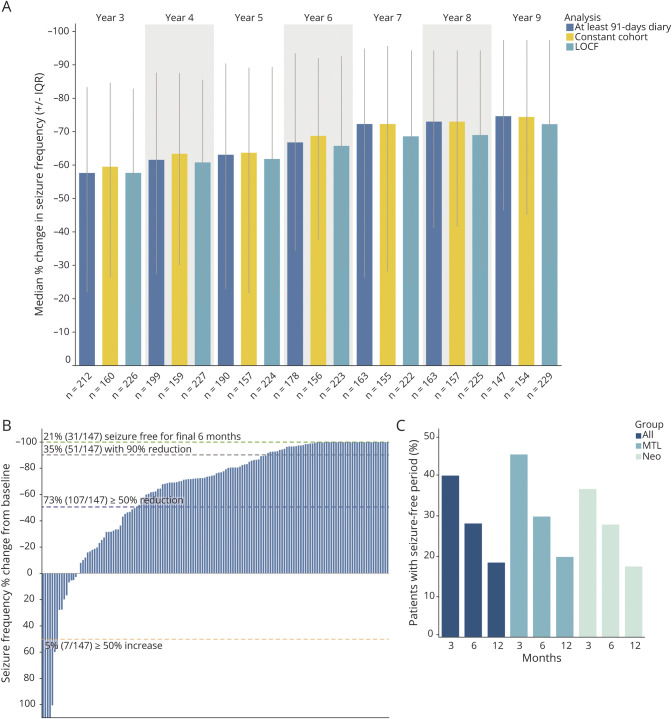
ObjectiveTo prospectively evaluate safety and efficacy of brain-responsive neurostimulation in adults with medically intractable focal onset seizures (FOS) over 9 years. MethodsAdults treated with brain-responsive neurostimulation in 2-year feasibility or randomized controlled trials were enrolled in a long-term prospective open label trial (LTT) to assess safety, efficacy, and quality of life (QOL) over an additional 7 years. Safety was assessed as adverse events (AEs), efficacy as median percent change in seizure frequency and responder rate, and QOL with the Quality of Life in Epilepsy (QOLIE-89) inventory. ResultsOf 256 patients treated in the initial trials, 230 participated in the LTT. At 9 years, the median percent reduction in seizure frequency was 75% (p < 0.0001, Wilcoxon signed rank), responder rate was 73%, and 35% had a ≥90% reduction in seizure frequency. We found that 18.4% (47 of 256) experienced ≥1 year of seizure freedom, with 62% (29 of 47) seizure-free at the last follow-up and an average seizure-free period of 3.2 years (range 1.04–9.6 years). Overall QOL and epilepsy-targeted and cognitive domains of QOLIE-89 remained significantly improved (p < 0.05). There were no serious AEs related to stimulation, and the sudden unexplained death in epilepsy (SUDEP) rate was significantly lower than predefined comparators (p < 0.05, 1-tailed χ2). ConclusionsAdjunctive brain-responsive neurostimulation provides significant and sustained reductions in the frequency of FOS with improved QOL. Stimulation was well tolerated; implantation-related AEs were typical of other neurostimulation devices; and SUDEP rates were low. Classification of evidenceThis study provides Class IV evidence that brain-responsive neurostimulation significantly reduces focal seizures with acceptable safety over 9 years.
Overview
The claims and statistics of this paper haven’t been checked yet.
Free: it reads the open-access text and checks the first 5 claims that cite a source we can check. Create a free account to check every claim.
Integrity signals
Registry
Cites
Statistics
Figures
Verification
Claims the paper makes
The claims and statistics of this paper haven’t been checked yet.
Free: it reads the open-access text and checks the first 5 claims that cite a source we can check. Create a free account to check every claim.
Claims other papers make about this one
Each is checked against this paper’s own text: does it say what the citing paper says it does?
The source backs part of the claim, not all of it — or backs it for a different population, condition or comparison.
In the citing paper
“Previously, data on the long-term safety and stability of ECoG primarily came from its application in epilepsy82,90–92, including the paddle-style surface strip electrodes with the Neuropace responsive neurostimulation system, which has demonstrated safety and signal stability for at least 9 years92.”
From The speech neuroprosthesis (2024) · cites this paper as [92]
Experimental — accuracy not yet measured
Self-check
Percentages, sums and reported differences re-computed from the paper’s own numbers.
The self-check needs the paper’s full text.
Citations
Cites
A Randomized, Controlled Trial of Surgery for Temporal-Lobe Epilepsy
Wiebe, S., Blume, W. T., Girvin, J. P., & Eliasziw, M. (2001) · New England Journal of Medicine · doi:10.1056/nejm200108023450501 · Cited by 3,525
Electrical stimulation of the anterior nucleus of thalamus for treatment of refractory epilepsy
Fisher, R., Salanova, V., Witt, T., Worth, R., Henry, T., Gross, R., Oommen, K., Osorio, I., Nazzaro, J., Labar, D., et al. (2010) · Epilepsia · doi:10.1111/j.1528-1167.2010.02536.x · Cited by 1,918 · cited 2×
“This compares favorably to other neurostimulation therapies that use a pectorally implanted pulse generator such as VNS(28) and DBS for Parkinson disease(24) or epilepsy.(6,7)”
BackgroundSelf-citationDalgleish, T. (2004) · Nature Reviews Neuroscience · doi:10.1038/nrn1432 · Cited by 1,849
Weaver, F. M. (2009) · JAMA · doi:10.1001/jama.2008.929 · Cited by 1,525
Responsive cortical stimulation for the treatment of medically intractable partial epilepsy
Morrell, M. J. (2011) · Neurology · doi:10.1212/wnl.0b013e3182302056 · Cited by 1,282
Self-citationDevinsky, O., & Pacia, S. (1993) · Neurologic Clinics · doi:10.1016/s0733-8619(18)30132-4 · Cited by 1,175
Engel, J., Wiebe, S., French, J., Sperling, M., Williamson, P., Spencer, D., Gumnit, R., Zahn, C., Westbrook, E., & Enos, B. (2003) · Neurology · doi:10.1212/01.wnl.0000055086.35806.2d · Cited by 904
Self-citationLong-term efficacy and safety of thalamic stimulation for drug-resistant partial epilepsy
Salanova, V., Witt, T., Worth, R., Henry, T. R., Gross, R. E., Nazzaro, J. M., Labar, D., Sperling, M. R., Sharan, A., Sandok, E., et al. (2015) · Neurology · doi:10.1212/wnl.0000000000001334 · Cited by 821
Self-citationChronic epilepsy and cognition: A longitudinal study in temporal lobe epilepsy
Helmstaedter, C., Kurthen, M., Lux, S., Reuber, M., & Elger, C. E. (2003) · Annals of Neurology · doi:10.1002/ana.10692 · Cited by 717
Heck, C. N., King‐Stephens, D., Massey, A. D., Nair, D. R., Jobst, B. C., Barkley, G. L., Salanova, V., Cole, A. J., Smith, M. C., Gwinn, R. P., et al. (2014) · Epilepsia · doi:10.1111/epi.12534 · Cited by 651
Self-citation
Research works printed but not linked: 1
- RNS System User Manual (RNS-300M). Mountain View: NeuroPace, Inc; 2018.
Cited by
Items 101–200 of 491
Cole, E. R., Grogan, D. P., Laxpati, N. G., Fernandez, A. M., Skelton, H. M., Isbaine, F., Gutekunst, C., & Gross, R. E. (2022) · Epilepsia · doi:10.1111/epi.17326 · Cited by 28
Self-citationKarakas, C., Houck, K. M., Handoko, M., Trandafir, C., Coorg, R. K., Haneef, Z., Riviello, J. J., Weiner, H. L., Curry, D. J., & Ali, I. (2023) · Pediatric Neurology · doi:10.1016/j.pediatrneurol.2023.05.008 · Cited by 27
Signatures of Electrical Stimulation Driven Network Interactions in the Human Limbic System
Valencia, G. O., Gregg, N. M., Worrell, G. A., Huang, H., Lundstrom, B. N., Brinkmann, B. H., Attia, T. P., Gompel, J. J. V., Bernstein, M. A., In, M., et al. (2023) · Journal of Neuroscience · doi:10.1523/jneurosci.2201-22.2023 · Cited by 30
Self-citationCharlebois, C. M., Anderson, D. N., Smith, E. H., Davis, T. S., Newman, B. J., Peters, A. Y., Arain, A. M., Dorval, A. D., Rolston, J. D., & Butson, C. R. (2024) · Epilepsia · doi:10.1111/epi.17938 · Cited by 29
Closed-Loop Neuromodulation and Self-Perception in Clinical Treatment of Refractory Epilepsy
Haeusermann, T., Lechner, C. R., Fong, K. C., Sideman, A. B., Jaworska, A., Chiong, W., & Dohan, D. P. (2021) · AJOB Neuroscience · doi:10.1080/21507740.2021.1958100 · Cited by 32
“In clinical trials and openlabel follow-up studies, median seizure reduction was 44% at 1 year, 53% at 2 years, 66% at 6 years and 75% at 9 years (Bergey et al. 2015; Nair et al. 2020).”
BackgroundEmerging Trends in Neuromodulation for Treatment of Drug-Resistant Epilepsy
Abouelleil, M. A., Deshpande, N., & Ali, R. (2022) · Frontiers in Pain Research · doi:10.3389/fpain.2022.839463 · Cited by 29
Direct electrical brain stimulation of human memory: lessons learnt and future perspectives
Kucewicz, M. T., Worrell, G. A., & Axmacher, N. (2022) · Brain · doi:10.1093/brain/awac435 · Cited by 29
“91,92 In this case, however, DES was targeted at the pathophysiological activities of epilepsy, hence the effects on memory and cognition could have been a secondary indirect effect such as in another large study of continuous DES of the anterior nucleus of the thalamus.”
Self-citationStimulation to probe, excite, and inhibit the epileptic brain
Frauscher, B., Bartoloméi, F., Baud, M. O., Smith, R. J., Worrell, G. A., & Lundstrom, B. N. (2023) · Epilepsia · doi:10.1111/epi.17640 · Cited by 37
“52 Although there are certainly electrographic examples of aborting spontaneous human seizures with RNS, this seems to be the exception.”
BackgroundSelf-citationJiao, D., Xu, L., Gu, Z., Yan, H., Shen, D., & Gu, X. (2024) · Neural Regeneration Research · doi:10.4103/nrr.nrr-d-23-01444 · Cited by 34
“Through inhibition of the production of local epileptic seizure activity, DBS can also prevent the spread of epileptic seizures (Nair et al., 2020).”
BackgroundSheikh, S. R., McKee, Z. A., Ghosn, S., Jeong, K., Kattan, M. W., Burgess, R. C., Jehi, L. E., & Saab, C. Y. (2024) · Scientific Reports · doi:10.1038/s41598-024-72249-7 · Cited by 28
Toniolo, S., Romoli, M., & Sen, A. (2022) · Neurologic Clinics · doi:10.1016/j.ncl.2022.03.014 · Cited by 25
Seizure forecasting: Where do we stand?
Andrzejak, R. G., Zaveri, H. P., Schulze‐Bonhage, A., Leguia, M. G., Stacey, W. C., Richardson, M. P., Kuhlmann, L., & Lehnertz, K. (2023) · Epilepsia · doi:10.1111/epi.17546 · Cited by 35
“Using the Neurovista 8 and the Neuropace 33 devices, researchers found multidien (multiday, from days to months) variations of the inter-ictal epileptiform activity.”
MethodCharacteristics of ictal thalamic EEG in pediatric-onset neocortical focal epilepsy
Edmonds, B. D., Miyakoshi, M., Remore, L. G., Ahn, S. S., Phillips, H. W., Daida, A., Salamon, N., Bari, A., Sankar, R., Matsumoto, J. H., et al. (2023) · Clinical Neurophysiology · doi:10.1016/j.clinph.2023.07.007 · Cited by 26
Loring, D. W., Jarosiewicz, B., Meador, K. J., Kanner, A. M., Skarpaas, T. L., & Morrell, M. J. (2021) · Epilepsy & Behavior · doi:10.1016/j.yebeh.2021.107868 · Cited by 24
Self-citationGraph theoretical measures of fast ripples support the epileptic network hypothesis
Weiss, S. A., Pastore, T., Orosz, I., Rubinstein, D., Gorniak, R., Waldman, Z., Fried, I., Wu, C., Sharan, A. D., Slezak, D. F., et al. (2022) · Brain Communications · doi:10.1093/braincomms/fcac101 · Cited by 27
Self-citationPrecision medicine in epilepsy
McGinn, R. J., Stein, E. L. V., Stromberg, J. E. S., & Li, Y. (2022) · Progress in molecular biology and translational science · doi:10.1016/bs.pmbts.2022.04.001 · Cited by 28
Systematic Review and Meta-Analysis of Responsive Neurostimulation in Epilepsy
Kusyk, D. M., Meinert, J., Stabingas, K., Yin, Y., & Whiting, A. C. (2022) · World Neurosurgery · doi:10.1016/j.wneu.2022.07.147 · Cited by 28
Obaïd, S., Chen, J., Ibrahim, G. M., Bouthillier, A., Dimentberg, E., Surbeck, W., Guadagno, E., Brunette‐Clément, T., Shlobin, N. A., Shulkin, A., et al. (2022) · Epilepsia Open · doi:10.1002/epi4.12663 · Cited by 32
Responsive Neurostimulation for Seizure Control: Current Status and Future Directions
Boddeti, U., McAfee, D., Khan, A. U., Bachani, M., & Ksendzovsky, A. (2022) · Biomedicines · doi:10.3390/biomedicines10112677 · Cited by 30
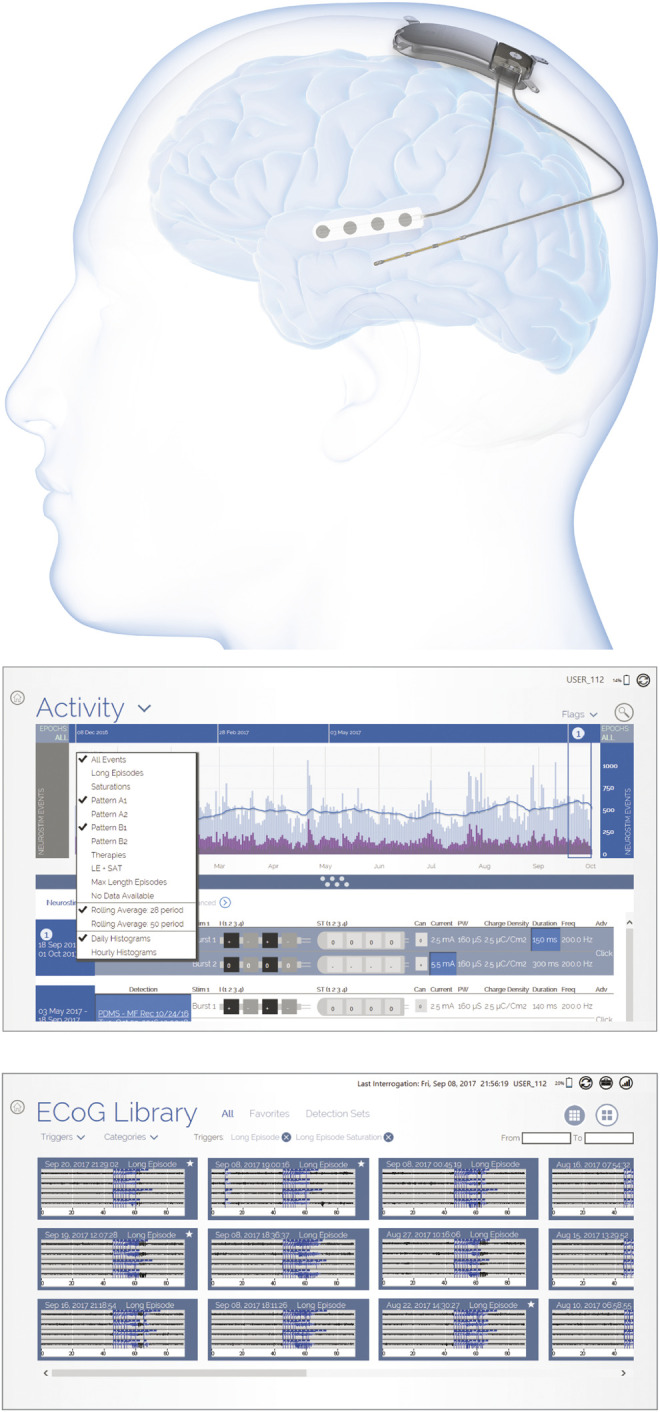
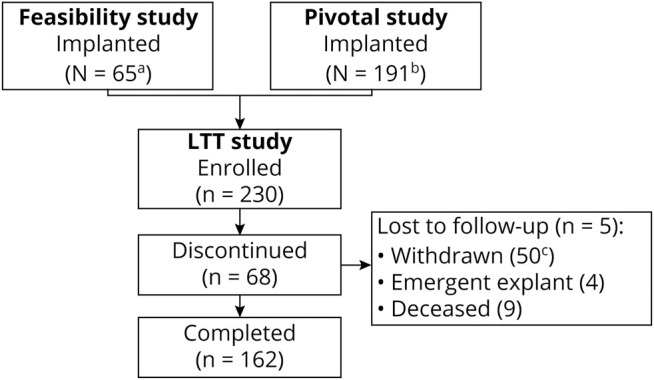
“After completion of the feasibility and pivotal studies, an open-label long-term treatment (LTT) study continued to follow patients who were implanted with the RNS device, either in the feasibility study or in the pivotal study, and looked at outcomes for an additional 7 years [44].”
BackgroundMethodInfluentialClosed-Loop Brain Stimulation and Paradigm Shifts in Epilepsy Surgery
Richardson, R. M. (2022) · Neurologic Clinics · doi:10.1016/j.ncl.2021.12.002 · Cited by 25
“12,17 The benefit-versus-risk profile of intracranial neuromodulation is impressive.”
BackgroundBarth, K. J., Sun, J., Chiang, C., Qiao, S., Wang, C., Rahimpour, S., Trumpis, M., Duraivel, S., Dubey, A., Wingel, K., et al. (2023) · Epilepsia · doi:10.1111/epi.17642 · Cited by 27
Constantino, A. C., Sisterson, N. D., Zaher, N., Urban, A., Richardson, R. M., & Kokkinos, V. (2021) · Frontiers in Neurology · doi:10.3389/fneur.2021.603868 · Cited by 23
“Improvements in accuracy of seizure detection can also identify potential breakthrough seizures early enough for the physician to adjust and adapt the treatment strategy and achieve better seizure control, reducing thereby the risk of life-threatening emergencies such as status epilepticus and sudden unexpected death…”
BackgroundChen, B., Lundstrom, B. N., Crepeau, A. Z., Dacpano, L., Lopez-Chiriboga, A. S., Tatum, W. O., Freund, B. E., & Feyissa, A. M. (2022) · Epilepsy Research · doi:10.1016/j.eplepsyres.2022.106974 · Cited by 23
Self-citationHartnett, S. M., Greiner, H. M., Arya, R., Tenney, J. R., Aungaroon, G., Holland, K. D., Leach, J. L., Air, E. L., Skoch, J. M., & Mangano, F. T. (2022) · Journal of Neurosurgery Pediatrics · doi:10.3171/2022.7.peds2281 · Cited by 27
The thalamus: Structure, function, and neurotherapeutics
Marcuse, L. V., Langan, M. T., Hof, P. R., Panov, F. E., Sáez, I., Shahed, J. J., Figee, M., Mayberg, H., Yoo, J. Y., Ghatan, S., et al. (2025) · Neurotherapeutics · doi:10.1016/j.neurot.2025.e00550 · Cited by 37
“Further the device ef fi cacy improved with time with a 75 % medium reduction at 9 years [62,63].”
Safety and Management of Implanted Epilepsy Devices for Imaging and Surgery
Lundstrom, B. N., Lin, C., Starnes, D., Middlebrooks, E. H., Tatum, W. O., Grewal, S. S., Crepeau, A. Z., Gregg, N. M., Miller, K. J., Gompel, J. J. V., et al. (2022) · Mayo Clinic Proceedings · doi:10.1016/j.mayocp.2022.06.012 · Cited by 24
“Results for DBS and RNS show an approximate 50% reduction in seizures after 1 year for at least one-half of patients, with VNS typically considered to be somewhat less efficacious.(4,7,17) For all these devices, seizure reduction tends to improve over time.”
BackgroundSelf-citationThe burden of chronic drug-refractory focal onset epilepsy: Can it be prevented?
Ben‐Menachem, E., Schmitz, B., Kälviäinen, R. K., Thomas, R. H., & Klein, P. (2023) · Epilepsy & Behavior · doi:10.1016/j.yebeh.2023.109435 · Cited by 25
“Neuromodulation was found to be effective, especially for patients who are drug-resistant and not suitable for surgery, and safe as compared with medical treatment alone [71,72].”
BackgroundInfluentialSeizure Cycles under Pharmacotherapy
Friedrichs‐Maeder, C., Proix, T., Tcheng, T. K., Skarpaas, T. L., Rao, V. R., & Baud, M. O. (2024) · Annals of Neurology · doi:10.1002/ana.26878 · Cited by 23
“13,22 According to the 2017 International League against Epilepsy classi fi cation, we considered complex partial and generalized tonic – clonic seizures as the disabling seizures with impaired awareness studied here.”
BackgroundMethodSelf-citationThe role of neuromodulation in the management of drug-resistant epilepsy
Salama, H. Z., Salama, A., Oscher, L., Jallo, G. I., & Shimony, N. (2024) · Neurological Sciences · doi:10.1007/s10072-024-07513-9 · Cited by 25
“Out of the 256 patients who initially participated in the feasibility and pivotal trials, 230 patients enrolled in the 7-year prospective open-label trials, and 162 completed all 9 years of follow-up [12].”
InfluentialOn brain stimulation in epilepsy
Trevelyan, A. J., Marks, V. S., Graham, R., Denison, T., Jackson, A., & Smith, E. H. (2025) · Brain · doi:10.1093/brain/awae385 · Cited by 24
“12,18,19 In summary, ‘neuroversion’ of seizures has yet to be convincingly demonstrated using any clinically available device, suggesting that clinical benefits arise primarily from neuromodulation.”
Palliative Epilepsy Surgery Procedures in Children
Matern, T., DeCarlo, R., Ciliberto, M. A., & Singh, R. K. R. (2021) · Seminars in Pediatric Neurology · doi:10.1016/j.spen.2021.100912 · Cited by 22
Vansteensel, M. J., Branco, M. P., Leinders, S., Freudenburg, Z. V., Schippers, A., Geukes, S. H., Gaytant, M. A., Gosselaar, P. H., Aarnoutse, E. J., & Ramsey, N. F. (2022) · Neurorehabilitation and neural repair · doi:10.1177/15459683221125788 · Cited by 23
Martínez, S., Veirano, F., Constandinou, T. G., & Silveira, F. (2022) · IEEE Transactions on Biomedical Circuits and Systems · doi:10.1109/tbcas.2022.3228895 · Cited by 22
Feasibility study of microburst VNS therapy in drug-resistant focal and generalized epilepsy
Drees, C., Afra, P., Verner, R., Kaye, L. C., Keith, A., Jiang, M., Szaflarski, J. P., Nichol, K. E., McDermott, D., Brown, M., et al. (2024) · Brain stimulation · doi:10.1016/j.brs.2024.03.010 · Cited by 23
Self-citationMohanty, D., Houck, K. M., Trandafir, C., Haneef, Z., Karakas, C., Lee, S., Curry, D. J., Riviello, J. J., & Ali, I. (2024) · Journal of Neurosurgery Pediatrics · doi:10.3171/2024.2.peds23531 · Cited by 23
McDermott, D. S., Mirro, E. A., Fetrow, K., Burdette, D. E., Chen, S. H., Hopp, J. L., Masel, T., Johnson, E. A., Elefant, F. M. K., Le, S. T., et al. (2021) · Epilepsia Open · doi:10.1002/epi4.12481 · Cited by 20
Kassiri, H., Muneeb, A., Salahi, R., & Dabbaghian, A. (2024) · IEEE Transactions on Biomedical Circuits and Systems · doi:10.1109/tbcas.2024.3456825 · Cited by 28
Shi, J., Lu, D., Wei, P., Yang, Y., Dong, H., Lei, J., Sander, J. W. A. S., Shan, Y., & Zhao, G. (2024) · World Neurosurgery · doi:10.1016/j.wneu.2024.09.084 · Cited by 20
Cost‐effectiveness analysis of responsive neurostimulation for drug‐resistant focal onset epilepsy
Youngerman, B. E., Mahajan, U. V., Dyster, T. G., Srinivasan, S., Halpern, C. H., McKhann, G. M., & Sheth, S. A. (2021) · Epilepsia · doi:10.1111/epi.17049 · Cited by 21
Self-citationEffects of central nervous system electrical stimulation on non-neuronal cells
Williams, N. P., Kushwah, N. S., Dhawan, V., Zheng, X. S., & Cui, X. T. (2022) · Frontiers in Neuroscience · doi:10.3389/fnins.2022.967491 · Cited by 20
Jones, D. R., Dallman, A., Harrop, C., Whitten, A., Pritchett, J., Lecavalier, L., Bodfish, J. W., & Boyd, B. A. (2022) · Journal of Autism and Developmental Disorders · doi:10.1007/s10803-021-04965-2 · Cited by 18
Tsai, C., Chang, S.-F., & Chang, H. C. (2022) · BMC Complementary Medicine and Therapies · doi:10.1186/s12906-022-03562-9 · Cited by 18
“The US Food and Drug Administration– approved responsive neurostimulation (RNS) system (NeuroPace), a closed-loop detection treatment system [5, 6], could substantially reduce focal-onset seizures and improve patients’ quality of life [7].”
BackgroundBrown, M., Sillau, S., McDermott, D., Ernst, L. D. L., Spencer, D. C., Englot, D. J., González, H. F. J., Datta, P., Karakis, I., Becker, D. A., et al. (2022) · Epilepsy & Behavior · doi:10.1016/j.yebeh.2022.108653 · Cited by 20
“To date, there are limited data on the safety and effectiveness of concurrent VNS and RNS therapy because participants in the clinical RNS trials had to have VNS explanted to be eligible [1].”
Self-citationTager, D., Panjeti-Moore, D., Yang, J. C., Rivera‐Cruz, A., Loring, D. W., Staikova, E., Block, C. K., Bullinger, K. L., Rodríguez, A., Cabaniss, B. T., et al. (2023) · Epilepsy & Behavior · doi:10.1016/j.yebeh.2023.109207 · Cited by 21
Self-citationElectrode Development for Epilepsy Diagnosis and Treatment
Paulk, A. C., Salami, P., Zelmann, R., & Cash, S. S. (2023) · Neurosurgery Clinics of North America · doi:10.1016/j.nec.2023.09.003 · Cited by 18
Self-citationChen, Z., Yang, K., Wang, N., Yang, L., Yang, Z., Xu, L., Wang, J., & Zhang, L. (2025) · Neurology and Therapy · doi:10.1007/s40120-025-00710-4 · Cited by 24
“The adaptability of RNS to changing brain activity patterns makes it a powerful tool in epilepsy management [36, 37].”
Responsive neurostimulation for focal motor status epilepticus
Yang, J. C., Harid, N. M., Nascimento, F. A., Kokkinos, V., Shaughnessy, A., Lam, A. D., Westover, M. B., Leslie‐Mazwi, T. M., Hochberg, L. R., Rosenthal, E. S., et al. (2021) · Annals of Clinical and Translational Neurology · doi:10.1002/acn3.51318 · Cited by 18
“occurring, which has been suggested in long-term data in RNS patients.(30,31) There are several limitations to our single case, which required intensive investigation prior to RNS placement.”
BackgroundSelf-citationChronobiology of epilepsy and sudden unexpected death in epilepsy
Kreitlow, B. L., Li, W. H. C., & Buchanan, G. F. (2022) · Frontiers in Neuroscience · doi:10.3389/fnins.2022.936104 · Cited by 22
Levy, A. S., Bystrom, L. L., Brown, E. C., Fajardo, M., & Wang, S. (2023) · Clinical Neurology and Neurosurgery · doi:10.1016/j.clineuro.2023.108012 · Cited by 18
Cole, E. R., Connolly, M. J., Ghetiya, M., Sendi, M. S. E., Kashlan, A. D., Eggers, T. E., & Gross, R. E. (2024) · Journal of Neural Engineering · doi:10.1088/1741-2552/ad6cf3 · Cited by 18
Self-citationInterictal waking and sleep electrophysiological properties of the thalamus in focal epilepsies
Biagioni, T., Fratello, M., Garnier, E. M., Lagarde, S., Carron, R., Villalon, S. M., Lambert, I., Marchi, A., Makhalova, J., Trébuchon, A., et al. (2025) · Brain Communications · doi:10.1093/braincomms/fcaf102 · Cited by 17
“DBS 17 is indeed a potential treatment, associated or not with Responsive Neurostimulation, 18 for patients with drug-resistant epilepsy when resective epilepsy surgery is pre-cluded.”
Surgical Treatments for Epilepsy
Culler, G. W., & Jobst, B. C. (2022) · CONTINUUM Lifelong Learning in Neurology · doi:10.1212/con.0000000000001106 · Cited by 21
Self-citationSurgery procedures in temporal lobe epilepsies
Mathon, B., & Clémenceau, S. (2022) · Handbook of clinical neurology · doi:10.1016/b978-0-12-823493-8.00007-9 · Cited by 19
Slama, K., Yahyaouy, A., Riffi, J., Mahraz, M. A., & Tairi, H. (2025) · Visual Computing for Industry Biomedicine and Art · doi:10.1186/s42492-025-00208-8 · Cited by 23
“…epilepsy encompasses a range of seizure disorders, including generalized epilepsy [2, 3], which affects consciousness and involves both hemispheres of the brain, and partial (focal) epilepsy [4, 5], where seizures originate in a specific brain region, potentially impairing consciousness or not.”
Neuromodulation in Pediatric Epilepsy
Ali, I., & Houck, K. M. (2021) · Neurologic Clinics · doi:10.1016/j.ncl.2021.04.003 · Cited by 15
Vincent, T., Li, Q., Zhang, L., Stokes, M. E., Danielson, V., Murphy, J., Barion, F., Lam, S. K., Lassagne, R., & Berger, A. (2022) · Journal of Medical Economics · doi:10.1080/13696998.2022.2148680 · Cited by 15
Fisher, L. E., & Lempka, S. F. (2023) · Annual Review of Biomedical Engineering · doi:10.1146/annurev-bioeng-111022-121637 · Cited by 16
Importance of timing optimization for closed-loop applications of vagus nerve stimulation
Mylavarapu, R. V., Kanumuri, V. V., Vaccari, J. P. D. R., Misra, A., McMillan, D. W., & Ganzer, P. D. (2023) · Bioelectronic Medicine · doi:10.1186/s42234-023-00110-9 · Cited by 17
Expert and deep learning model identification of iEEG seizures and seizure onset times
Desai, S. A., Afzal, M. F., Barry, W., Kuo, J. T. W., Benard, S. W., Traner, C. B., Tcheng, T. K., Seale, C. G., & Morrell, M. J. (2023) · Frontiers in Neuroscience · doi:10.3389/fnins.2023.1156838 · Cited by 16
Self-citationBiological rhythms and epilepsy treatment
Næsgaard, J. A. R., Gjerstad, L., Heuser, K., & Taubøll, E. (2023) · Frontiers in Neurology · doi:10.3389/fneur.2023.1153975 · Cited by 15
State-dependent effects of responsive neurostimulation depend on seizure localization
Chiang, S., Khambhati, A. N., Tcheng, T. K., Loftman, A. P., Hasulak, N. R., Mirro, E. A., Morrell, M. J., & Rao, V. R. (2024) · Brain · doi:10.1093/brain/awae240 · Cited by 18
“3,6,21,39,40 The magnitude of the regression inter-cepts for acute risk state transitions (which reflects the baseline rate of transitions in the absence of stimulation), relative to the magnitude of the coefficients for RNS System stimulation parameters, suggests a strong baseline effect of hourly…”
Self-citationZawar, I., Krishnan, B., Mackow, M., Alexopoulos, A. V., Nair, D. R., & Punia, V. (2021) · Epilepsia Open · doi:10.1002/epi4.12541 · Cited by 16
Self-citationModulation of the thalamus by microburst vagus nerve stimulation: a feasibility study protocol
Verner, R., Szaflarski, J. P., Allendorfer, J. B., Vonck, K. E. J., Giannicola, G., & Microburst Study Group (2023) · Frontiers in Neurology · doi:10.3389/fneur.2023.1169161 · Cited by 15
Salami, P., Paulk, A. C., Soper, D. J., Bourdillon, P., Hadar, P., Alamoudi, O., Sisterson, N. D., Richardson, R. M., Pati, S. B. B., & Cash, S. S. (2025) · Communications Medicine · doi:10.1038/s43856-025-00920-9 · Cited by 18
“For the RNS to be effective, seizures fi rst need to be detected by the device 8,12,47 – 53 , but this requires determining thalamic involvement during intracranial monitoring, when not all nuclei can be targeted simultaneously 54 .”
Self-citationNext-Generation Bioelectric Medicine: Harnessing the Therapeutic Potential of Neural Implants
Lee, S. K., Jeakins, G. S., Tukiainen, A., Hewage, E., & Armitage, O. E. (2020) · Bioelectricity · doi:10.1089/bioe.2020.0044 · Cited by 15
Responsive Neurostimulation for People With Drug-Resistant Epilepsy and Autism Spectrum Disorder
Fields, M. C., Marsh, C., Eka, O., Johnson, E. A., Marcuse, L. V., Kwon, C.-S., Young, J. J., LaVega-Talbott, M., Kurukumbi, M., Allmen, G. V., et al. (2023) · Journal of Clinical Neurophysiology · doi:10.1097/wnp.0000000000000939 · Cited by 16
Ni, X.-J., Zhong, H., Liu, Y., Lin, H., & Gu, Z. (2022) · Frontiers in Neurology · doi:10.3389/fneur.2022.1023832 · Cited by 17
Emerging technologies and strategies in epilepsy surgery: toward personalised medicine
Yardi, R., Englot, D. J., Wu, C., Davis, K. A., Baxendale, S., Tripathi, M., & Jehi, L. E. (2025) · The Lancet Neurology · doi:10.1016/s1474-4422(25)00380-1 · Cited by 13
Nowakowska, M., Üçal, M., Charalambous, M., Bhatti, S. F. M., Denison, T., Meller, S., Worrell, G. A., Potschka, H., & Volk, H. A. (2022) · Frontiers in Veterinary Science · doi:10.3389/fvets.2022.889561 · Cited by 19
Self-citationRavasio, C. R., Kondabolu, K., Zhou, S. L., Lowet, E., Antonio, E. S., Mount, R. A., Bhogal, S. K., & Han, X. (2025) · Communications Biology · doi:10.1038/s42003-024-07447-0 · Cited by 13
“Figures 3, 4).”
Pregnancy outcomes of refractory epilepsy patients treated with Brain–responsive neurostimulation
Li, Y., Eliashiv, D. E., LaHue, S. C., Rao, V. R., Martini, M. L., Panov, F. E., Oster, J. M., Yoshii-Contreras, J., Skidmore, C. T., Kalayjian, L. A., et al. (2020) · Epilepsy Research · doi:10.1016/j.eplepsyres.2020.106532 · Cited by 15
Self-citationQuantifying a frequency modulation response biomarker in responsive neurostimulation
Venkatesh, P., Sneider, D., Danish, M., Sisterson, N. D., Zaher, N., Urban, A., Grover, P., Richardson, R. M., & Kokkinos, V. (2021) · Journal of Neural Engineering · doi:10.1088/1741-2552/abed82 · Cited by 14
Neurostimulation for Generalized Epilepsy
Warren, A. E. L., Tobochnik, S. D., Chua, M. M. J., Singh, H., Stamm, M. A., & Rolston, J. D. (2023) · Neurosurgery Clinics of North America · doi:10.1016/j.nec.2023.08.001 · Cited by 14
Chan, J. L., Carpentier, A. V., Middlebrooks, E. H., Okun, M. S., & Wong, J. K. (2023) · Expert Review of Neurotherapeutics · doi:10.1080/14737175.2023.2289573 · Cited by 15
“…guided by electrophysiological symptom biomarkers are being developed for use in movement disorders [125] and responsive neurostimulation is used to treat drug-resistant focal epilepsy by delivering stimulation when epileptogenic activity is detected by continuously recording electrodes [126].”
BackgroundNeurostimulation targeting the epileptic focus: Current understanding and perspectives for treatment
Schulze‐Bonhage, A., Nitsche, M. A., Rotter, S., Focke, N. K. N., & Rao, V. R. (2024) · Seizure · doi:10.1016/j.seizure.2024.03.001 · Cited by 12
“…seizure reduction of 37.9% in the whole active treatment group was significantly higher than in a sham stimulation control group [7], and median seizure reduction of those patients continuing treatment increased to 44 % after one year, 53 % after two years [66], and up to 75 % after 9 years [4].”
InfluentialRole of Neuromodulation for Treatment of Drug-Resistant Epilepsy
Tripathi, M., Parihar, J., Agrawal, M., Samala, R., & Chandra, P. (2020) · Neurology India · doi:10.4103/0028-3886.302476 · Cited by 15
Desai, S. A., Tcheng, T. K., & Morrell, M. J. (2022) · Frontiers in Big Data · doi:10.3389/fdata.2022.840508 · Cited by 12
“Data for this study were obtained from the NeuroPace R© RNS R© System clinical trials (Nair et al., 2020).”
BackgroundMethodInfluentialSelf-citationThalamic neuromodulation in epilepsy: A primer for emerging circuit-based therapies
Zheng, B., Liu, D. D., Theyel, B. B., Abdulrazeq, H., Kimata, A. R., Lauro, P. M., & Asaad, W. F. (2023) · Expert Review of Neurotherapeutics · doi:10.1080/14737175.2023.2176752 · Cited by 12
“responsive cortical stimulation[174,175], there have not yet been large clinical trials of RNS targeting the thalamus.”
Ghaith, A. K., El-Hajj, V. G., Sanchez-Garavito, J. E., Zamanian, C., Ghanem, M., Bon‐Nieves, A. A., Chen, B., Drees, C. N., Miller, D. A., Parker, J. J., et al. (2024) · Neurosurgery · doi:10.1227/neu.0000000000002811 · Cited by 12
“5,7,8 The preferred treatment modality depends on further workup to determine the seizure onset zone, along with meticulous planning after discussion with the patient and a multidisciplinary team of neuropsychologists, neuroradiologists, epileptologists, and the epilepsy surgeon.”
BackgroundSelf-citationLi, Q., Shan, Y., Wei, P., & Zhao, G. (2024) · Frontiers in Human Neuroscience · doi:10.3389/fnhum.2024.1429223 · Cited by 11
“It corresponded with the results of several studies (Salanova et al., 2015; Geller et al., 2017; Nair et al., 2020; Alcala-Zermeno et al., 2022).”
BackgroundResultInfluentialAperiodic activity as a biomarker of seizures and neuromodulation
Satzer, D. I., Kaye, L. C., Ojemann, S. G., Kramer, D. R., & Thompson, J. A. (2025) · Brain stimulation · doi:10.1016/j.brs.2025.03.022 · Cited by 14
“Both DBS and RNS have been found to reduce seizure frequency, improve quality of life, and lower risk of sudden unexplained death in epilepsy [1,2].”
Two‐year outcomes of epicranial focal cortex stimulation in pharmacoresistant focal epilepsy
Schulze‐Bonhage, A., Hirsch, M., Knake, S., Mertens, A., Rademacher, M., Kaufmann, E., Kegele, J., Jenkner, C., Coenen, V. A., Glaser, M. B., et al. (2025) · Epilepsia · doi:10.1111/epi.18448 · Cited by 14
Yang, Y., Wei, P., Shi, J., Mao, Y. Q., Zhang, J., Lei, D., Yang, Z., Song, S., Qian, R., Li, W., et al. (2024) · Chinese Medical Journal · doi:10.1097/cm9.0000000000003292 · Cited by 13
“[9,23] However, patients who have previously undergone epileptic focus resection surgery may achieve better therapeutic outcomes in the later stages of responsive neurostimulation.”
InfluentialKoutsouras, G. W., & Hall, W. A. (2023) · Translational Pediatrics · doi:10.21037/tp-22-200 · Cited by 16
Termination of seizures by ictal transcranial focal cortex stimulation
Hirsch, M., Coenen, V. A., & Schulze‐Bonhage, A. (2023) · Epilepsia Open · doi:10.1002/epi4.12728 · Cited by 10
Acharya, G., Davis, K. A., & Nozari, E. (2024) · Communications Biology · doi:10.1038/s42003-024-06859-2 · Cited by 14
“seizures, as well as long-term benefits such as the 9 modification of cortical excitability via neuroplastic-1 ity [1, 2].”
BackgroundInnovative treatments for epilepsy: Venom peptides, cannabinoids, and neurostimulation
de Lima, L. S., Loyola, V., Bicca, J. V. M. L., Faro, L., Vale, C. L. C., Denucci, B. L., & Mortari, M. R. (2022) · Journal of Neuroscience Research · doi:10.1002/jnr.25114 · Cited by 11
Cortical stimulation in pharmacoresistant focal epilepsies
Ellrich, J. (2020) · Bioelectronic Medicine · doi:10.1186/s42234-020-00054-4 · Cited by 11
“With RNS, depression and memory impairment are reported in 25 and 12.5%, respectively (Nair et al. 2020).”
BackgroundInfluentialSwartwood, S. M., Bollo, R. J., Sweney, M., Wilson, C. A., Karamian, A. G. S., Kaur, H., Orton, K., Baker, M. J., & Espinoza, A. C. (2024) · Pediatric Neurology · doi:10.1016/j.pediatrneurol.2024.10.002 · Cited by 12
Intracranial neuromodulation for pediatric drug-resistant epilepsy: early institutional experience
Uchitel, J., Lui, A., Knowles, J. K., Parker, J. J., Phillips, H. W., Halpern, C. H., Grant, G. A., Buch, V., Hyslop, A. E., & Kumar, K. K. (2025) · Frontiers in Surgery · doi:10.3389/fsurg.2025.1569360 · Cited by 11
Málaga, M., Modiano, Y. A., & Haneef, Z. (2025) · Epilepsia · doi:10.1111/epi.18505 · Cited by 12
“2,6 11 Moreover, although RNS provides neuro-stimulation by disrupting seizure propagation with electrical stimuli, it may also have neuromodulatory effects, modifying brain networks and possibly providing some restoration of normal functioning.”
Epilepsy Surgery in the Last 10 Years: Advancements and Controversies
Gonzalez-Martinez, J. A. (2025) · Epiliepsy currents/Epilepsy currents · doi:10.1177/15357597251344166 · Cited by 9
“59 These results have been pivotal in reinforcing the potential of RNS for patients with multifocal epilepsy, whose seizures are otherwise dif fi cult to control using traditional treatments.”
Eliashiv, D. E., Rao, V. R., Jobst, B. C., Szaflarski, J. P., Rolston, J. D., Kaye, L. C., Ganguly, T. M., Bullinger, K. L., Dugan, P. C., Burdette, D. E., et al. (2026) · Neurology · doi:10.1212/wnl.0000000000214875 · Cited by 10
“4,9,16 Because SUDEP a rare event, the System prospective clinical trials, including this study.”
Self-citationOptimizing the surgical management of MRI‐negative epilepsy in the neuromodulation era
McGrath, H., Mandel, M., Sandhu, M. R. S., Lamsam, L. A., Adenu‐Mensah, N., Farooque, P., Spencer, D. D., & Damisah, E. C. (2022) · Epilepsia Open · doi:10.1002/epi4.12578 · Cited by 11
Self-citationNeurostimulation devices for children: lessons learned
Piper, R. J., Fleming, J. E., Valentín, A., Kaliakatsos, M., & Tisdall, M. M. (2022) · The Lancet Child & Adolescent Health · doi:10.1016/s2352-4642(22)00123-7 · Cited by 11
Evans, K., Stamas, N., Li, Q., Vincent, T., Zhang, L., Danielson, V., Lam, S. K., Lassagne, R., & Berger, A. (2023) · Epilepsy & Behavior · doi:10.1016/j.yebeh.2023.109288 · Cited by 9
Closing the loop and raising the bar: Automated control systems in neuromodulation
Su, P. P., Arle, J. E., & Poree, L. R. (2023) · Pain Practice · doi:10.1111/papr.13290 · Cited by 10
“22,23 The closed- loop-controlled SCS system has also demonstrated safety and superior efficacy over open-loop SCS in a double-blind randomized controlled trial.”
BackgroundGuan, Z., Liu, Q., Wang, Y., Xiao, F., & Zhao, G. (2024) · Medicine Plus · doi:10.1016/j.medp.2024.100047 · Cited by 9
Choo, S. H., Park, H. R., Lee, S., Lee, J.-I., Joo, E. Y., Seo, D., Hong, S. B., & Shon, Y. M. (2024) · Seizure · doi:10.1016/j.seizure.2024.11.018 · Cited by 9
Weiss, S. A., Rubinstein, D., Stern, J. M., Eliashiv, D., Fried, I., Wu, C., Sharan, A. D., Engel, J., Staba, R. J., & Sperling, M. R. (2023) · Epilepsia · doi:10.1111/epi.17582 · Cited by 9
Self-citation
Metadata
- Authors
- Nair, D. R., Laxer, K. D., Weber, P. B., Murro, A. M., Park, Y. D., Barkley, G. L., Smith, B. J., Gwinn, R. P., Doherty, M. J., Noe, K. H., Zimmerman, R. S., Bergey, G. K., Anderson, W. S., Heck, C., Liu, C. Y., Lee, R. W., Sadler, T., Duckrow, R. B., Hirsch, L. J., Wharen, R. E., Tatum, W., Srinivasan, S., McKhann, G. M., Agostini, M. A., Alexopoulos, A. V., Jobst, B. C., Roberts, D. W., Salanova, V., Witt, T. C., Cash, S. S., Cole, A. J., Worrell, G. A., Lundstrom, B. N., Edwards, J. C., Halford, J. J., Spencer, D. C., Ernst, L., Skidmore, C. T., Sperling, M. R., Miller, I., Geller, E. B., Berg, M. J., Fessler, A. J., Rutecki, P., Goldman, A. M., Mizrahi, E. M., Gross, R. E., Shields, D. C., Schwartz, T. H., Labar, D. R., Fountain, N. B., Elias, W. J., Olejniczak, P. W., Villemarette-Pittman, N. R., Eisenschenk, S., Roper, S. N., Boggs, J. G., Courtney, T. A., Sun, F. T., Seale, C. G., Miller, K. L., Skarpaas, T. L., Morrell, M. J., & Study, O. B. O. T. R. S. L.
- Affiliations
- Cleveland Clinic (US)
- Corresponding author
- Morrell, Martha J.
- ORCID
- Nair, Dileep R.
- Laxer, Kenneth D.
- Gwinn, Ryder P.
- Doherty, Michael J.
- Noe, Katherine H.
- Zimmerman, Richard S.
- Bergey, Gregory K.
- Anderson, William S.
- Liu, Charles Y.
- Lee, Ricky W.
- Hirsch, Lawrence J.
- Wharen, Robert E.
- Tatum, William
- McKhann, Guy M.
- Alexopoulos, Andreas V.
- Jobst, Barbara C.
- Roberts, David W.
- Salanova, Vicenta
- Cash, Sydney S.
- Cole, Andrew J.
- Worrell, Gregory A.
- Lundstrom, Brian N.
- Edwards, Jonathan C.
- Halford, Jonathan J.
- Spencer, David C.
- Ernst, Lia
- Skidmore, Christopher T.
- Sperling, Michael R.
- Miller, Ian
- Rutecki, Paul
- Goldman, Alica M.
- Gross, Robert E.
- Shields, Donald C.
- Schwartz, Theodore H.
- Fountain, Nathan B.
- Villemarette-Pittman, Nicole R.
- Eisenschenk, Stephan
- Roper, Steven N.
- Boggs, Jane G.
- Seale, Cairn G.
- Skarpaas, Tara L.
- Morrell, Martha J.
- Venue
- Neurology
- Published
- 2020-09
- Volume
- 95
- Issue
- 9
- Pages
- e1244-e1256
- ISSN
- 0028-3878 (ISSN-L)
- 1526-632X
- PMC
- PMC7538230
- OpenAlex
- W3044132865
- Semantic Scholar
- 547079eede15c79fc8e9c5ecf806d09dc4419025
- Cited by
- 490
- References
- 49
- Citations by year
- 2026: 65 · 2025: 100 · 2024: 87 · 2023: 93 · 2022: 84 · 2021: 45 · 2020: 15
- FWCI
- 43.23
- Type
- journal article
- Language
- en
- Open access
- hybrid
- doi.org
- Licence
- cc-by-nc-nd
- Locations
- Neurology (publishedVersion, cc-by-nc-nd)
- PubMed Central (publishedVersion, cc-by-nc-nd)
- PubMed (publishedVersion)
- Digital Commons-TMC (Texas Medical Center) (submittedVersion)
- Funders
- National Science Foundation
- U.S. Department of Defense
- American Epilepsy Society
- Epilepsy Foundation
- Citizens United for Research in Epilepsy
- Pfizer
- Brigham and Women's Hospital
- Massachusetts General Hospital
- Yale University
- Biogen
- Emory University
- George Washington University
- Wake Forest University
- Cleveland Clinic
- Cleveland Clinic Foundation
- Johns Hopkins University
- University of Rochester
- Dartmouth College
- Boston Scientific Corporation
- Thomas Jefferson University
- Rush University
- University of South Carolina
- Sunovion
- Dravet Syndrome Foundation
- DUSA Pharmaceuticals
- Augusta University
- Zogenix
- Ultragenyx Pharmaceutical
- GW Pharmaceuticals
- Acorda Therapeutics
- Sage Therapeutics
- Adamas Pharmaceuticals
- Boston Pharmaceuticals
- SK Life Science
- NeuroPace
- Upsher-Smith
- Martin Family Foundation
- University of Oxford
- Carl Zeiss Meditec AG
- Eisai
- H. Lundbeck A/S
- Epilepsy Society
- National Institutes of Health (UL1TR001863)
- Centers for Disease Control and Prevention
- U.S. Food and Drug Administration
- Genentech
- St. Jude Medical
- Weill Cornell Medical College
- School of Medicine, Emory University
- Advanced Research Projects Agency
- Audrey and Theodor Geisel School of Medicine at Dartmouth
- Medical Center, University of Rochester
- School of Medicine, Indiana University
- UCB US
- Greenwich Biosciences
- National Cancer Institute (P30CA023108)
- National Center for Advancing Translational Sciences
- UCB Pharma
- Medical Research and Materiel Command
- Topics
- Health Sciences › Medicine › Clinical Neurology › Epilepsy research and treatment
- Life Sciences › Neuroscience › Neurology › Vagus Nerve Stimulation Research
- Health Sciences › Medicine › Clinical Neurology › Deep Brain Stimulation and Movement Disorders
- Keywords
- focal epilepsy, drug-resistant epilepsy, focal seizures, seizure frequency reduction, seizure freedom, quality of life, sudden unexpected death in epilepsy, long-term safety, adjunctive therapy
- MeSH terms
- Drug Resistant Epilepsy, Sudden Unexpected Death in Epilepsy, Adolescent, Adult, Aged, Depressive Disorder, Electric Stimulation Therapy, Epilepsies, Partial, Female, Follow-Up Studies, Humans, Male, Memory Disorders, Middle Aged, Prospective Studies, Quality of Life, Status Epilepticus, Suicide, Randomized Controlled Trials as Topic, Prosthesis-Related Infections, Treatment Outcome, Intracranial Hemorrhages, Young Adult, Implantable Neurostimulators
About these checks
Registry, retraction, Cites and statistics results are computed, not judged, with one exception: a printed reference that no index lists is read once by a model before it counts as a citation error. Claims are extracted by a model and kept only when their quote appears verbatim in the text; each cited source is then checked, with a model’s help, for whether it says what the claim relies on. Those verdicts can be wrong — read the claim’s quote and the cited source before relying on one.
Statistics and arithmetic are recomputed, not judged.
Confidence bands are shown only for fields calibrated on our annotated test set. None is calibrated yet, so no band is shown.
What counts as a claim ›How we measure confidence ›How we check this ›
Are you an author, or do you see a problem with this page? Request a review
Data sources
Bibliographic data: Semantic Scholar, OpenAlex, Crossref.
Contains information from the Semantic Scholar Academic Graph Datasets, made available under the ODC Attribution License (ODC-BY 1.0).
Semantic Scholar’s data is described in: Kinney, R., et al. (2023). The Semantic Scholar Open Data Platform. arXiv:2301.10140.
