

The DOI matches its Crossref record; 83 of the 84 references it cites were found in a registry or an index.
mTOR inhibitors in cancer therapy
Open accessAbstract
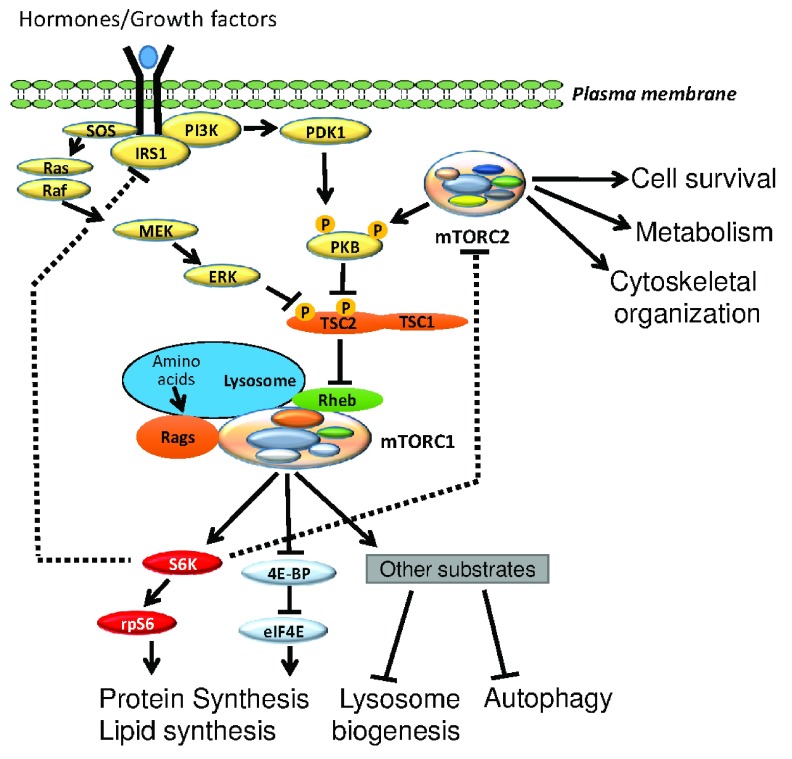
The mammalian target of rapamycin, mTOR, plays key roles in cell growth and proliferation, acting at the catalytic subunit of two protein kinase complexes: mTOR complexes 1 and 2 (mTORC1/2). mTORC1 signaling is switched on by several oncogenic signaling pathways and is accordingly hyperactive in the majority of cancers. Inhibiting mTORC1 signaling has therefore attracted great attention as an anti-cancer therapy. However, progress in using inhibitors of mTOR signaling as therapeutic agents in oncology has been limited by a number of factors, including the fact that the classic mTOR inhibitor, rapamycin, inhibits only some of the effects of mTOR; the existence of several feedback loops; and the crucial importance of mTOR in normal physiology.
Overview
The claims and statistics of this paper haven’t been checked yet.
Run the check — free, no account needed. It reads the open-access text and checks the sources it cites.
Integrity signals
Registry
Cites
Statistics
Figures
Verification
Claims the paper makes
The claims and statistics of this paper haven’t been checked yet.
Run the check — free, no account needed. It reads the open-access text and checks the sources it cites.
Claims other papers make about this one
Each is checked against this paper’s own text: does it say what the citing paper says it does?
In the citing paper
“Rapamycin can also prolong the life cycle of many species as diverse as worms and mice, and its signaling system has been implicated as the master regulator of cellular growth and metabolism.”
From Metformin, the Aspirin of the 21st Century: Its Role in Gestational Diabetes Mellitus, Prevention of Preeclampsia and Cancer, and the Promotion of Longevity (2017) · cites this paper as [236]
In the citing paper
“A family of molecules that are the mechanistic target of the rapamycin (mTOR) complex has been attributed a major role in the biology of cell metabolism, growth, longevity, and even preterm birth(230–236).”
From Metformin, the Aspirin of the 21st Century: Its Role in Gestational Diabetes Mellitus, Prevention of Preeclampsia and Cancer, and the Promotion of Longevity (2017) · cites this paper as [236]
Self-check
Percentages, sums and reported differences re-computed from the paper’s own numbers.
The self-check needs the paper’s full text.
Citations
Cites
Repertoires of Autophagy in the Pathogenesis of Ocular Diseases
Li, Y., Jiang, Q. L., Cao, G.-F., Yao, J., & Yan, B. (2015) · Cellular Physiology and Biochemistry · doi:10.1159/000373980 · Cited by 16,351
Phosphorylation and regulation of Akt/PKB by the rictor-mTOR complex
Sarbassov, D. D., Guertin, D. A., Ali, S. M., & Sabatini, D. M. (2005) · Science · doi:10.1126/science.1106148 · Cited by 6,216 · cited 6×
“DI, dual mammalian target of rapamycin/phosphoinositide 3-kinase inhibitor; HCC, hepatocellular carcinoma; MBC, metastatic breast cancer; mTOR, mammalian target of rapamycin; NSCLC, non-small cell lung cancer; PI3K, phosphoinositide 3-kinase; pNET, pancreatic neuroendocrine tumor; RCC, renal cell carcinoma. shows effe…”
BackgroundInfluentialShapiro, A. M. J., Lakey, J. R. T., Ryan, E. A., Korbutt, G. S., Toth, E., Warnock, G. L., Kneteman, N. M., & Rajotte, R. V. (2000) · New England Journal of Medicine · doi:10.1056/nejm200007273430401 · Cited by 5,237
mTOR: from growth signal integration to cancer, diabetes and ageing
Zoncu, R., Efeyan, A., & Sabatini, D. M. (2011) · Nature Reviews Molecular Cell Biology · doi:10.1038/nrm3025 · Cited by 3,941 · cited 2×
“DI XL765 Phase I/II (5) Sanofi-Aventis, Exelixis Glioblastoma multiforme/NSCLC/ MBC 39”
BackgroundOtto Warburg's contributions to current concepts of cancer metabolism
Koppenol, W. H., Bounds, P. L., & Dang, C. V. (2011) · Nature Reviews Cancer · doi:10.1038/nrc3038 · Cited by 3,427
Prolonged Rapamycin Treatment Inhibits mTORC2 Assembly and Akt/PKB
Sarbassov, D. D., Ali, S. M., Sengupta, S., Sheen, J.-H., Hsu, P. P., Bagley, A. F., Markhard, A. L., & Sabatini, D. M. (2006) · Molecular Cell · doi:10.1016/j.molcel.2006.03.029 · Cited by 2,365 · cited 3×
“Although rapamycin is a highly selective inhibitor against mTOR, it does not completely inhibit all of the activities of mTORC1 28 and will inhibit mTORC2 in only some types of cells upon prolonged treatment 29 .”
BackgroundInfluentialCOSMIC: mining complete cancer genomes in the Catalogue of Somatic Mutations in Cancer
Forbes, S. A., Bindal, N., Bamford, S., Cole, C., Kok, C. Y., Beare, D., Jia, M., Shepherd, R., Leung, K., Menzies, A., et al. (2011) · Nucleic Acids Research · doi:10.1093/nar/gkq929 · Cited by 2,278 · cited 1×
“Given the many oncogenic pathways—and oncogenes or tumor suppressors—linked to mTOR signaling, it is estimated that mTORC1 function is hyperactivated in up to 70% of all human tumors 18 .”
BackgroundMTOR: a pharmacologic target for autophagy regulation
Kim, Y. C., & Guan, K.-L. (2015) · Journal of Clinical Investigation · doi:10.1172/jci73939 · Cited by 2,126 · cited 1×
“DI GSK2126458 Phase I/II (3) GlaxoSmithKline Advanced solid tumors, lymphoma 38”
BackgroundThoreen, C. C., Kang, S. A., Chang, J. W., Liu, Q., Zhang, J., Gao, Y., Reichling, L. J., Sim, T., Sabatini, D. M., & Gray, N. S. (2009) · Journal of Biological Chemistry · doi:10.1074/jbc.m900301200 · Cited by 1,803
Vézina, C., KUDELSKI, A., & Sehgal, S. N. (1975) · The Journal of Antibiotics · doi:10.7164/antibiotics.28.721 · Cited by 1,691
Cited by
Sorted by citations
Items 101–200 of 268
Kim, S. W., Kim, H.-I., Thapa, B., Nuwormegbe, S. A., & Lee, K. (2019) · Investigative Ophthalmology & Visual Science · doi:10.1167/iovs.18-25376 · Cited by 34
Wang, C., Liu, E., Li, W. J., Cui, J., & Li, T. (2018) · Frontiers in Pharmacology · doi:10.3389/fphar.2018.01362 · Cited by 30
“mTOR is an oncogene and constitutively activated PI3K/Akt signaling pathway was observed in almost every types of tumors (Populo et al., 2012; Xie et al., 2016; Wang et al., 2017) including NSCLC (Gridelli et al.”
BackgroundZulkipli, N. N., Zakaria, R., Long, I., Abdullah, S. F., Muhammad, E. F., Wahab, H. A., & Sasongko, T. H. (2020) · Molecules · doi:10.3390/molecules25173991 · Cited by 32
“More importantly, mTOR is one of the critical signaling hubs that are responsible for cancer cell growth [8] and ageing [9–11].”
BackgroundThe quest to develop an effective therapy for neuroblastoma
Bhoopathi, P., Mannangatti, P., Emdad, L., Das, S. K., & Fisher, P. B. (2021) · Journal of Cellular Physiology · doi:10.1002/jcp.30384 · Cited by 30
“This study indicated that combining advanced ATP competitive mTOR in- hibitors with this therapeutic protocol resulted in improved out- comes (Waetzig et al., 2021; Xie et al., 2016).”
BackgroundWang, H., Huang, F., Zhang, Z., Wang, P., Luo, Y., Li, H., Li, N., Wang, J., Zhou, J., Wang, Y., et al. (2019) · International Journal of Biological Sciences · doi:10.7150/ijbs.32489 · Cited by 29
“The observation that mTORC2 activity was essential for RAD001-induced SGK3 activation may explain why the ATP-competitive mTOR kinase inhibitors, which have capacity to inhibit both mTORC1 and mTORC2, exhibit much greater repression on 4EBP1 phosphorylation than rapamycin or its analogs(38).”
BackgroundmTOR Signaling Pathway in Cancer Targets Photodynamic Therapy In Vitro
Ayuk, S. M., & Abrahamse, H. (2019) · Cells · doi:10.3390/cells8050431 · Cited by 30
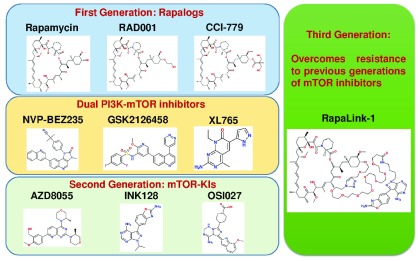
“Rapalink is the third-generation inhibitors designed to curb resistance mutations in both the rapalog and ATP-competitive inhibitors.”
BackgroundÖzateş, N. P., Söğütlü, F., Lermioǧlu, F., Demir, B., Gündüz, C., Shademan, B., & Avci, Ç. B. (2020) · Life Sciences · doi:10.1016/j.lfs.2020.118643 · Cited by 30
The genomics and epigenetics of olfactory neuroblastoma: A systematic review
Kaur, R. P., Izumchenko, E., Blakaj, D. M., Mladkova, N., Lechner, M., Beaumont, T., Floudas, C. S., Gallia, G. L., & London, N. R. (2021) · Laryngoscope Investigative Otolaryngology · doi:10.1002/lio2.597 · Cited by 29
“Inhibitors of these pathways have been used in various cancers including breast, head and neck, lymphoma, and lung cancer.(32,33)”
MethodmTOR signalling: jack-of-all-trades
Hiani, Y. E., Egom, E. E. A., & Dong, X. (2018) · Biochemistry and Cell Biology · doi:10.1139/bcb-2018-0004 · Cited by 30
CSNK2 suppresses autophagy by activating FLN-NHL-containing TRIM proteins
Hoenigsperger, H., Koepke, L., Acharya, D., Hunszinger, V., Freisem, D., Grenzner, A., Wiese, S., Kirchhoff, F., Gack, M. U., & Sparrer, K. M. J. (2023) · Autophagy · doi:10.1080/15548627.2023.2281128 · Cited by 30
“For example, targeting MTOR using rapamycin or its derivatives is a clinically approved treat-CONTACT ment against cancer [5].”
BackgroundNanotechnology-Based Targeting of mTOR Signaling in Cancer
Yoon, M. (2020) · International Journal of Nanomedicine · doi:10.2147/ijn.s254574 · Cited by 35
Dissecting the biology of mTORC1 beyond rapamycin
Yang, G., Francis, D., Krycer, J. R., Larance, M., Zhang, Z., Novotny, C. J., Díaz‐Vegas, A., Shokat, K. M., & James, D. E. (2021) · Science Signaling · doi:10.1126/scisignal.abe0161 · Cited by 29
“However, treat-ment with rapamycin and rapalogs has only achieved modest effects in major solid tumors in the clinic ( 42 ) and produced negative side effects, including hyperglycemia, hyperlipidemia, insulin resistance, and hypertension ( 43 , 44 ).”
Application of Astaxanthin and its Lipid Stability in Bakery Product
AL-Tarifi, B. Y., Mahmood, A., Assaw, S., & Sheikh, H. I. (2020) · Current Research in Nutrition and Food Science Journal · doi:10.12944/crnfsj.8.3.24 · Cited by 28
Treatment Landscape of Relapsed/Refractory Mantle Cell Lymphoma: An Updated Review
Al-Mansour, M. M. (2022) · Clinical Lymphoma Myeloma & Leukemia · doi:10.1016/j.clml.2022.07.017 · Cited by 28
McDermott, J. H., Hickson, N., Banerjee, I., Murray, P. G., Ram, D., Metcalfe, K., Clayton‐Smith, J., & Douzgou, S. (2017) · Clinical Genetics · doi:10.1111/cge.13145 · Cited by 26
“The most established of these agents inhibit the mammalian target of rapamycin (mTOR), a downstream effector of AKT used in the treatment of several cancers.(6) One of the most frequently observed side effects of mTOR inhibitors (mTORi) is hyperglycaemia which occurs in up to 50% of patients.”
BackgroundmTOR Signaling and Neural Stem Cells: The Tuberous Sclerosis Complex Model
Polchi, A., Magini, A., Meo, D. D., Tancini, B., & Emiliani, C. (2018) · International Journal of Molecular Sciences · doi:10.3390/ijms19051474 · Cited by 29
“reported that because 4E-BP1 is ne of the critical substrate through which mTORC1 co trols cell proliferation, the inef ica y of rapamyci to inhibit its phosphorylatio likely contributes to its reduced efficiency as an anti-hyperplastic agent [139].”
BackgroundRevisiting mTOR inhibitors as anticancer agents
Teng, Q., Ashar, Y. V., Gupta, P., Gadee, E., Fan, Y., Reznik, S. E., Wurpel, J. N. D., & Chen, Z. (2019) · Drug Discovery Today · doi:10.1016/j.drudis.2019.05.030 · Cited by 28
Reciprocal signaling between mTORC1 and MNK2 controls cell growth and oncogenesis
Xie, J., Shen, K., Jones, A. T., Yang, J., Tee, A. R., Shen, M. H., Yu, M., Irani, S., Wong, D., Merrett, J. E., et al. (2020) · Cellular and Molecular Life Sciences · doi:10.1007/s00018-020-03491-1 · Cited by 27
“Rapamycin and its analogues, which interfere with substrate access to the active site of mTORC1, have been tested clinically to treat a number of cancers [20].”
BackgroundDeb, B., Sengupta, P., Sambath, J., & Kumar, P. (2020) · Biomolecules · doi:10.3390/biom10020237 · Cited by 25
“Several families of kinases, such as tyrosine kinases [14], cycle-dependent kinases [15–17], aurora kinases [17,18], mTOR [19], and mitogen-activated protein kinases [20] already have FDA approved inhibitors, which are at different phases of clinical trials.”
BackgroundBreast cancer and its therapeutic targets: A comprehensive review
Singh, A., Mishra, R., & Mazumder, A. (2023) · Chemical Biology & Drug Design · doi:10.1111/cbdd.14384 · Cited by 25
Malvi, P., Chava, S., Cai, G., Hu, K., Zhu, L. J., Edwards, Y. J. K., Green, M. R., Gupta, R., & Wajapeyee, N. (2023) · Cell Reports Medicine · doi:10.1016/j.xcrm.2023.101285 · Cited by 24
“27 Notably, the mTOR pathway can be pharmacologically targeted, and several mTOR inhibitors have been evaluated in clinical trials to treat various cancer types, 80,81 supporting the driver role of this pathway in cancer.”
BackgroundWaetzig, R., Matthes, M., Leister, J., Penkivech, G., Heise, T., Corbacioglu, S., & Sommer, G. (2020) · International Journal of Medical Sciences · doi:10.7150/ijms.48393 · Cited by 23
“The limited success of Rapamycin as an anticancer drug led to the development of ATP competitive mTOR inhibitors such as Torin-2 [30,31].”
BackgroundThe Role of Non-Coding RNAs in the Regulation of the Proto-Oncogene MYC in Different Types of Cancer
Stasevich, E. M., Murashko, M. M., Zinevich, L. S., Демин, Д. Э., & Schwartz, A. M. (2021) · Biomedicines · doi:10.3390/biomedicines9080921 · Cited by 24
Eukaryotic response to hypothermia in relation to integrated stress responses
Adjirackor, N. A., Harvey, K. E., & Harvey, S. C. (2020) · Cell Stress and Chaperones · doi:10.1007/s12192-020-01135-8 · Cited by 23
Small-Molecule Protein Kinases Inhibitors and the Risk of Fungal Infections
Bechman, K., Galloway, J. B., & Winthrop, K. L. (2019) · Current Fungal Infection Reports · doi:10.1007/s12281-019-00350-w · Cited by 22
Boff, M. O., Xavier, F. A. C., Diz, F. M., Gonçalves, J. B., Ferreira, L. O., Zambeli, J., Pazzin, D. B., Previato, T. T. R., Erwig, H. S., Gonçalves, J. I. B., et al. (2025) · Cells · doi:10.3390/cells14090662 · Cited by 25
Dutta, N., Pemmaraju, D. B., Ghosh, S., Ali, A., Mondal, A., Majumder, C., Nelson, V. K., Mandal, S. C., Misra, A. K., Rengan, A. K., et al. (2021) · Journal of Ethnopharmacology · doi:10.1016/j.jep.2021.114666 · Cited by 21
Mapping of mTOR drug targets: Featured platforms for anti-cancer drug discovery
Shams, R. S., Ito, Y., & Miyatake, H. (2021) · Pharmacology & Therapeutics · doi:10.1016/j.pharmthera.2021.108012 · Cited by 22
Ragni, M., Ruocco, C., Tedesco, L., Carruba, M. O., Valerio, A., & Nisoli, E. (2022) · Molecular Metabolism · doi:10.1016/j.molmet.2022.101478 · Cited by 21
Dengue activates mTORC2 signaling to counteract apoptosis and maximize viral replication
Carter, C. C., Mast, F. D., Olivier, J. P., Bourgeois, N. M., Kaushansky, A., & Aitchison, J. D. (2022) · Frontiers in Cellular and Infection Microbiology · doi:10.3389/fcimb.2022.979996 · Cited by 21
Zolotovskaia, M., Sorokin, M., Garazha, A., Borisov, N., & Buzdin, A. A. (2019) · Methods in molecular biology · doi:10.1007/978-1-0716-0138-9_16 · Cited by 20
Sonis, S. T., Andreotta, P., & Lyng, G. (2016) · Oral Diseases · doi:10.1111/odi.12616 · Cited by 20
Cancer: Linking Powerhouses to Suicidal Bags
Martínez-Carreres, L., Nasrallah, A., & Fajas, L. (2017) · Frontiers in Oncology · doi:10.3389/fonc.2017.00204 · Cited by 21
“, some mTOR inhibitors are already in clinical trials for treating cancer (165).”
BackgroundYadav, S., Pandey, S. K., Goel, Y., Temre, M. K., & Singh, S. M. (2019) · Frontiers in Pharmacology · doi:10.3389/fphar.2019.00728 · Cited by 19
Anti-Diabetic Drugs: Cure or Risk Factors for Cancer?
Laskar, J., Bhattacharjee, K., Sengupta, M., & Choudhury, Y. (2018) · Pathology & Oncology Research · doi:10.1007/s12253-018-0402-z · Cited by 20
EGFR/c-Met and mTOR signaling are predictors of survival in non-small cell lung cancer
Crees, Z. D., Shearrow, C., Lin, L. Y.-C., Girard, J., Arasi, K., Bhoraskar, A., Berei, J., Eckburg, A., Anderson, A. D., Garcia, C., et al. (2020) · Therapeutic Advances in Medical Oncology · doi:10.1177/1758835920953731 · Cited by 19
Research Progresses of Targeted Therapy and Immunotherapy for Hepatocellular Carcinoma
Wang, T., Zhang, Q., Wang, N., Liu, Z., Zhang, B., & Zhao, Y. (2020) · Current Medicinal Chemistry · doi:10.2174/0929867327666201013162144 · Cited by 19
Deciphering novel chemotherapy and its impact on dentistry
King, R., Zebic, L., & Patel, V. (2020) · BDJ · doi:10.1038/s41415-020-1365-5 · Cited by 19
Regulation of mRNA Translation by Hormone Receptors in Breast and Prostate Cancer
Xie, J., Kusnadi, E. P., Furic, L., & Selth, L. A. (2021) · Cancers · doi:10.3390/cancers13133254 · Cited by 18
Fan, B., Sun, Y., Liu, S.-Y., Che, L., & Li, G. (2017) · International Journal of Molecular Sciences · doi:10.3390/ijms18010201 · Cited by 18
Epigenetic Agents in Combined Anticancer Therapy
Kejík, Z., Jakubek, M., Kaplánek, R., Králová, J., Mikula, I., Pavel Martasek, E., & Král, V. (2018) · Future Medicinal Chemistry · doi:10.4155/fmc-2017-0203 · Cited by 18
circRNA MYLK Accelerates Cervical Cancer via Up-Regulation of RHEB and Activation of mTOR Signaling
Chen, R., Mao, L., Shi, R., Wang, W., & Cheng, J. (2020) · Cancer Management and Research · doi:10.2147/cmar.s238172 · Cited by 18
Chen, L., Zhang, J., Tan, Z., Shen, L. F., Zhou, R., & Zhang, Y. Y. (2021) · Aging · doi:10.18632/aging.202584 · Cited by 20
“Rapamycin and its analogs (rapalogs) inhibit cell growth, which is a key mechanism underlying its effectiveness in cancer treatment [1, 2].”
InfluentialThe effect of protein mutations on drug binding suggests ensuing personalised drug selection
Wan, S., Kumar, D., Ilyin, V., Homsi, U. A., Sher, G., Knuth, A. K., & Coveney, P. V. (2021) · Scientific Reports · doi:10.1038/s41598-021-92785-w · Cited by 18
mTOR‐dependent immunometabolism as Achilles' heel of anticancer therapy
Braun, C., & Weichhart, T. (2021) · European Journal of Immunology · doi:10.1002/eji.202149270 · Cited by 18
Fleyshman, D. I., Wakshlag, J. J., Huson, H. J., Loftus, J. P., Olby, N. J., Brodsky, L., Gudkov, A. V., & Andrianova, E. L. (2021) · Aging · doi:10.18632/aging.203600 · Cited by 18
Parada, C. A., de Oliveira, I. P., Gewehr, M. C. F., Machado‐Neto, J. A., Lima, K., Eichler, R. A. D. S., Lopes, L. R., Bechara, L. R. G., Ferreira, J. C. B., Festuccia, W. T., et al. (2022) · Cells · doi:10.3390/cells11030385 · Cited by 17
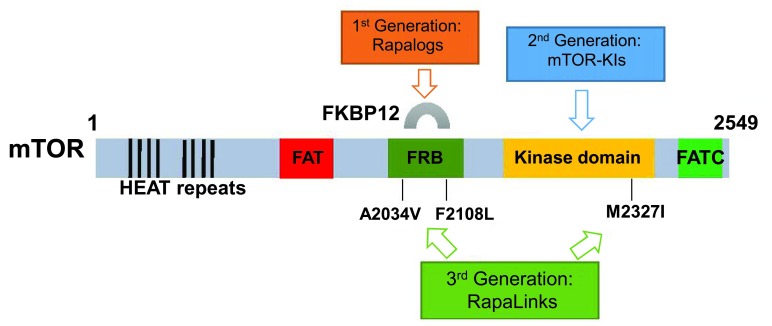
“Rapamycin induces the formation of the FKBP–rapamycin–FRB complex, resulting in the inhibition of some of the effects of mTORC1 [41] by restricting substrate access to the mTORC1 serine/threonineprotein kinase site [48].”
BackgroundWalter, D. M., Gladstein, A. C., Doerig, K. R., Natesan, R., Baskaran, S. G., Gudiel, A. A., Adler, K. M., Acosta, J., Wallace, D. C., Asangani, I. A., et al. (2023) · Communications Biology · doi:10.1038/s42003-023-04618-3 · Cited by 17
“For the quantification of protein translation, mice were injected intraperitoneally (IP) with 200 μl of a 10 mM solution of OP-Puro dissolved in PBS as previously described[24].”
MethodSmall molecules bind human mTOR protein and inhibit mTORC1 specifically
Allen, S. A., Tomilov, A. A., & Cortopassi, G. A. (2018) · Biochemical Pharmacology · doi:10.1016/j.bcp.2018.07.013 · Cited by 17
Hau, A. M., Gupta, S., Leivo, M. Z., Nakashima, K., Macías, J., Zhou, W., Hodge, A., Wulfkuhle, J., Conkright, B., Bhuvaneshwar, K., et al. (2019) · American Journal Of Pathology · doi:10.1016/j.ajpath.2019.05.010 · Cited by 17
Genomic variation as a marker of response to neoadjuvant therapy in locally advanced rectal cancer
Douglas, J. K., Callahan, R. E., Hothem, Z. A., Cousineau, C. S., Kawak, S., Thibodeau, B. J., Bergeron, S., Li, W., Peeples, C., & Wasvary, H. J. (2020) · Molecular & Cellular Oncology · doi:10.1080/23723556.2020.1716618 · Cited by 17
“This pathway has been heavily implicated in many cancer types,(70) and several inhibitors of MTOR are in clinical use, including everolimus, temsirolimus, and zotarolimus, with varying degrees of success.(71,72) PMS2 (PMS1 homolog 2, mismatch repair system endonuclease) interacts with MUT1 to form the MutL-α heterodim…”
BackgroundTargeting cancer via ribosome biogenesis: the cachexia perspective
Figueiredo, V. C., & McCarthy, J. J. (2021) · Cellular and Molecular Life Sciences · doi:10.1007/s00018-021-03888-6 · Cited by 19
“Thus, drugs that inhibit Akt (such MK-2206 [69, 70], and mTOR (rapamycin and other rapalogs) [71, 72] have also been used to treat cancer (Fig.”
BackgroundBaquero, P., Dawson, A., & Helgason, G. V. (2018) · FEBS Journal · doi:10.1111/febs.14659 · Cited by 18
Alam, M. M., Shima, H., Matsuo, Y., Long, N. C., Matsumoto, M., Ishii, Y., Sato, N., Sugiyama, T., Nobuta, R., Hashimoto, S., et al. (2022) · Journal of Biological Chemistry · doi:10.1016/j.jbc.2022.102084 · Cited by 16
Yang, F., Sun, S., Wang, C., Haas, M., Yeo, S. K., & Guan, J. (2020) · British Journal of Cancer · doi:10.1038/s41416-020-0839-1 · Cited by 16
The Lysosome in Malignant Melanoma: Biology, Function and Therapeutic Applications
Hsu, C., Lee, K., Chiu, Y., Huang, K.-C., Wang, G., Chen, L.-P., Liao, K., & Lin, C. (2022) · Cells · doi:10.3390/cells11091492 · Cited by 15
Tumour Immunotherapy and Applications of Immunological Products: A Review of Literature
Oli, A. N., Adejumo, S. A., Rowaiye, A. B., Ogidigo, J. O., Hampton‐Marcell, J., & Ibeanu, G. C. (2024) · Journal of Immunology Research · doi:10.1155/2024/8481761 · Cited by 17
“Inhibitors targeting this pathway, such as rapamycin (an mTOR inhibitor), have been explored as potential cancer therapies [46].”
BackgroundIdentification of mTOR inhibitor-resistant genes in cutaneous squamous cell carcinoma
Yu, S., Lee, D. C., Baek, S. W., Cho, D. Y., Choi, J. G., & Kang, J. (2018) · Cancer Management and Research · doi:10.2147/cmar.s174966 · Cited by 16
“Many other mTOR inhibitors are being developed for clinical and preclinical studies.(28) Recently, an Australian skin cancer trial showed that cutaneous SCC occurred at a significantly lower rate in the sirolimus group of transplant patients over a 2-year observation period.”
BackgroundmTOR-coordinated Post-Transcriptional Gene Regulations: from Fundamental to Pathogenic Insights
Yeh, H.-S., & Yong, J. (2020) · Journal of Lipid and Atherosclerosis · doi:10.12997/jla.2020.9.1.8 · Cited by 15
Siniprasad, P., Nair, B., Balasubramaniam, V., Sadanandan, P., Namboori, P. K., & Nath, L. R. (2020) · Letters in Drug Design & Discovery · doi:10.2174/1570180817999200623115703 · Cited by 15
Nanodelivery Systems Face Challenges and Limitations in Bone Diseases Management
Giordano, F., Lenna, S., Rampado, R., Brozovich, A., Hirase, T., Tognon, M. G., Martini, F., Agostini, M., Yustein, J. T., & Taraballi, F. (2021) · Advanced Therapeutics · doi:10.1002/adtp.202100152 · Cited by 17
NMR in integrated biophysical drug discovery for RAS: past, present, and future
Marshall, C. B., KleinJan, F., Gebregiworgis, T., Lee, K., Fang, Z., Eves, B. J., Liu, N. F., Gasmi-Seabrook, G. M. C., Enomoto, M., & Ikura, M. (2020) · Journal of Biomolecular NMR · doi:10.1007/s10858-020-00338-6 · Cited by 15
“Structural similarity between PI3K and mTOR kinase domains facilitated the development of dual pan-PI3K/mTOR ATPcompetitive inhibitors such as dactolisib (Xie et al. 2016), which may help counteract the release of negative feedback loops involving both PI3K and mTOR.”
BackgroundWang, Y., Zhang, M., Wang, Z., Guo, W., & Yang, D. (2020) · Molecular Carcinogenesis · doi:10.1002/mc.23248 · Cited by 14
“Previous studies also showed that drug resistance exists in patients who treated with rapamycin derivatives and other types of mTOR inhibitors.[41, 42] To overcome mTOR inhibitors’ drug”
BackgroundDas, A., Matada, G. S. P., Dhiwar, P. S., Raghavendra, N. M., Abbas, N., Singh, E., Ghara, A., & Shenoy, G. P. (2022) · Computational Toxicology · doi:10.1016/j.comtox.2022.100257 · Cited by 13
Moonmuang, S., Tantraworasin, A., Orrapin, S., Udomruk, S., Chewaskulyong, B., Pruksakorn, D., & Chaiyawat, P. (2023) · International Journal of Molecular Sciences · doi:10.3390/ijms24054827 · Cited by 12
“The mTOR inhibitors, including everolimus, have been approved for cancer treatment including neuroendocrine tumors and, as a combination therapy, HER2-positive breast cancer, as well as certain tuberous sclerosis complex-related tumors [96].”
BackgroundShao, L. W., Liu, C., Wang, S., Liu, J., Wang, L., Lv, L., & Zou, Y. (2018) · Oncology Letters · doi:10.3892/ol.2018.9022 · Cited by 12
“…mitigation of emboli formation, accompanied with extensive The AKT/mTOR signaling pathway is frequently aberrantly activated in human lung cancer (29), and transmits upstream proliferation signals via a phosphorylation cascade, eventually stimulating the transcription of effectors down-stream.”
GSK3β suppression inhibits MCL1 protein synthesis in human acute myeloid leukemia cells
Lee, Y., Shi, Y., Wang, L., Chiou, J., Huang, C., & Chang, L. (2020) · Journal of Cellular Physiology · doi:10.1002/jcp.29884 · Cited by 12
“Although advances in genomics and molecular biology have improved the understanding of molecular pathogenesis of AML, standard therapy for AML exhibits limited progress (Watts & Nimer, 2018; X. Yang & Wang, 2018).”
BackgroundKapuy, O., Makk‐Merczel, K., & Szarka, A. (2021) · Biomolecules · doi:10.3390/biom11050652 · Cited by 13
“In addition, the mTOR pathway also enhances aerobic glycolysis by upregulating PKM2 via c-Myc induction [28], suggesting that inhibition of the mTOR pathway by pharmacological components (such as RapaLinks [29]) might have therapeutic importance in cancer treatment.”
BackgroundLeeksma, A. C., Derks, I. A. M., Garrick, B., Jongejan, A., Colombo, M., Bloedjes, T. A., Trowe, T., Leisten, J. C., Howarth, M., Malek, M., et al. (2022) · Molecular Oncology · doi:10.1002/1878-0261.13343 · Cited by 11
Ghalavand, M., Moradi‐Chaleshtori, M., Dorostkar, R., Mohammadi‐Yeganeh, S., & Hashemi, S. M. (2023) · Biotechnology and Applied Biochemistry · doi:10.1002/bab.2473 · Cited by 11
Defective Protein Catabolism in Atherosclerotic Vascular Inflammation
Miyazaki, T., & Miyazaki, A. (2017) · Frontiers in Cardiovascular Medicine · doi:10.3389/fcvm.2017.00079 · Cited by 11
Tumor Microenvironment Modulates Immunological Outcomes of Myeloid Cells with mTORC1 Disruption
Ding, C., Sun, X., Wu, C., Hu, X., Zhang, H., & Yan, J. (2019) · The Journal of Immunology · doi:10.4049/jimmunol.1801112 · Cited by 14
Nayeem, N., Sauma, S., Ahad, A., Rameau, R. D., Kebadze, S., Bazett, M., Park, B., Casaccia, P., Prabha, S., Hubbard, K., et al. (2024) · ACS Pharmacology & Translational Science · doi:10.1021/acsptsci.4c00020 · Cited by 10
Lee, H. J., Shin, D., Song, J. S., Park, J. Y., Kim, S. Y., Hwang, C., Na, J., Lee, J. H., Kim, J. Y., Park, S. W., et al. (2021) · American Journal Of Pathology · doi:10.1016/j.ajpath.2021.07.007 · Cited by 10
Translational Regulation in Hepatocellular Carcinogenesis
Bračič, S., Schatz, C., & Haybaeck, J. (2021) · Drug Design Development and Therapy · doi:10.2147/dddt.s255582 · Cited by 10
Cell-cell interactions that drive tumorigenesis in Drosophila
Enomoto, M., & Igaki, T. (2022) · Fly · doi:10.1080/19336934.2022.2148828 · Cited by 10
Rodríguez, M. H., Sánchez, P. I. M., Pérez, M. E. M., Cruz, E. R., Jiménez, E. M., Nicolás‐Vázquez, M. I., & Ruvalcaba, R. M. (2019) · Archives of Biochemistry and Biophysics · doi:10.1016/j.abb.2019.05.002 · Cited by 10
Lu, Y., Zhang, E. Y., Liu, J., & Yu, J. J. (2020) · Orphanet Journal of Rare Diseases · doi:10.1186/s13023-020-01490-w · Cited by 10
“Rapamycin (sirolimus) acts by forming complex with the intracellular binding protein FK506-binding protein (FKBP121), such complex in turn binds to the FKBP12rapamycin binding (FRB) domain of the mTORC1 molecule to inhibit mTORC1 activity [38, 39].”
BackgroundYu, P.-C., Huang, C.-H., Kuo, C., Liang, P., Wang, L. H.-C., Pan, M. Y.-C., Chang, S., Chao, T., Ieong, S., Fang, J., et al. (2022) · Pharmaceutics · doi:10.3390/pharmaceutics14010176 · Cited by 10
“In recent years, numerous studies revealed that sirolimus has therapeutic effects on many types of cancer [53].”
BackgroundLi, Y., Wang, C., Wu, X., Tian, H., Jiang, S., Xu, T., Liu, Z., Sun, J., & Qi, X. (2020) · European Journal of Immunology · doi:10.1002/eji.201948415 · Cited by 10
Pinto, D. O., DeMarino, C., Vo, T. T., Cowen, M., Kim, Y., Pleet, M. L., Barclay, R. A., Hooten, N. N., Evans, M. K., Heredia, A., et al. (2020) · Viruses · doi:10.3390/v12080885 · Cited by 10
“The mTOR complexes can be pharmacologically inhibited by mTORi to promote the autophagy pathway and have been approved for use in the treatment of cancer [79,85,86].”
BackgroundWillemse, L., Terburgh, K., & Louw, R. (2023) · Metabolomics · doi:10.1007/s11306-023-02006-w · Cited by 9
“Accordingly, administration of the potent mTOR inhibitor, rapamycin, has been reported to prevent epilepsy, disrupt tumour metabolism as well as impair mitochondrial disease progression in various animal models (Johnson et al., 2013; Xie et al., 2016; Zeng et al., 2008).”
BackgroundMujawar, A., Dimri, S., Palkina, K. A., Markina, N. M., Sarkisyan, K. S., Balakireva, A. V., Yampolsky, I. V., & De, A. (2024) · Heliyon · doi:10.1016/j.heliyon.2024.e25553 · Cited by 9
“For further validation of the TFFH sensor specificity, we introduced two point mutations: A2034V and F2108L in the rapamycin-binding site of FRB domain using site-directed mutagenesis [24,25].”
MethodXie, J., Poi, S. P. D., Humphrey, S. J., Hein, L. K., Bruning, J. B., Pan, W., Selth, L. A., Sargeant, T. J., & Proud, C. G. (2021) · Cellular and Molecular Life Sciences · doi:10.1007/s00018-021-03825-7 · Cited by 9
“As hyperactive mTORC1 signalling occurs in multiple cancers [31], we hypothesised that Rheb mutants that drive hyperactive mTORC1 signalling may be oncogenic”
BackgroundOverview of Current and Future Adjuvant Therapy for High-Risk Localized Renal Cell Carcinoma
Nandagopal, L., Naik, G., & Sonpavde, G. (2018) · Current Treatment Options in Oncology · doi:10.1007/s11864-018-0522-4 · Cited by 9
Hu, S., Zhao, Z., & Yan, H. (2019) · Bioorganic Chemistry · doi:10.1016/j.bioorg.2019.103232 · Cited by 9
COX-2 Promotes Metastasis and Predicts Prognosis in Gastric Cancer via Regulating mTOR
Xiang, L., Wang, W., Zhou, Z., Lv, M., Li, T., Ni, T., Deng, J., Masatara, S., Liu, Y., & Zhou, Y. (2020) · Biomarkers in Medicine · doi:10.2217/bmm-2019-0357 · Cited by 9
Kim, L. C., Rhee, C. H., & Chen, J. (2020) · Molecular Cancer Research · doi:10.1158/1541-7786.mcr-20-0262 · Cited by 9
“However, only mTORC1specific inhibitors (rapamycin analogues) or mTOR kinase inhibitors that block the activity of both complexes are available (33).”
BackgroundBaskarapantula, S. S., Kumar, V. S., Changdar, P., Chakraborty, D., Nayak, Y., Spada, A. R. L., Bennett, C. L., & Dastidar, S. G. (2025) · Molecular Neurobiology · doi:10.1007/s12035-025-05553-6 · Cited by 8
“These inhibitors cannot completely inhibit mTORC1 and weakly inhibit the mTORC2 complex [238, 242, 244].”
Dual role of autophagy for advancements from conventional to new delivery systems in cancer
Mehta, P., & Shende, P. K. (2023) · Biochimica et Biophysica Acta (BBA) - General Subjects · doi:10.1016/j.bbagen.2023.130430 · Cited by 8
Pharmacological effects of mTORC1/C2 inhibitor in a preclinical model of NASH progression
Arora, M., Pavlíková, Z., Kučera, T., Kozlík, P., Šopin, T., Vacı́k, T., Ľupták, M., Duda, M., Slanař, O., & Canová, N. K. (2023) · Biomedicine & Pharmacotherapy · doi:10.1016/j.biopha.2023.115447 · Cited by 9
Impact of Dysfunctional Protein Catabolism on Macrophage Cholesterol Handling
Miyazaki, T., & Miyazaki, A. (2018) · Current Medicinal Chemistry · doi:10.2174/0929867325666180326165234 · Cited by 8
Surendra Nath Sehgal: A pioneer in rapamycin discovery
Samanta, D. (2017) · Indian Journal of Cancer · doi:10.4103/ijc.ijc_84_18 · Cited by 8
Lei, H.-W., Cai, J., Li, C., Yang, F., Wan-qing, S., Wang, L., & Feng, Y.-Y. (2018) · Annals of Hepatology · doi:10.5604/01.3001.0012.0948 · Cited by 8
Ahmed, A. R., Candeo, A., D’Abrantes, S., Needham, S. R., Yadav, R. B., Botchway, S. W., & Parker, A. W. (2020) · Journal of Photochemistry and Photobiology B Biology · doi:10.1016/j.jphotobiol.2020.112055 · Cited by 8
“It is reported that mTOR is hyperactivated in almost 70% of all human cancers [17].”
BackgroundHanna, R. M., Yanny, B., Arman, F., Barsoum, M., Mikhail, M., Baghdadi, M. A., Rastogi, A., Wallace, W. D., & Saab, S. (2019) · Saudi Journal of Kidney Diseases and Transplantation · doi:10.4103/1319-2442.265481 · Cited by 7
Targeting mTORC1 Activity to Improve Efficacy of Radioligand Therapy in Cancer
Grzmil, M., Wiesmann, F., Schibli, R., & Béhé, M. P. (2022) · Cancers · doi:10.3390/cancers15010017 · Cited by 9
“PTEN antagonizes PI3K activity via the regulation of a second messenger in the plasma membrane, which recruits phosphoinositide-dependent kinase 1 (PDK1) required for AKT activation [37].”
BackgroundInfluentialModulator of the PI3K/Akt oncogenic pathway affects mTOR complex 2 in human adenocarcinoma cells
Curless, B. P., Uko, N. E., & Matesic, D. F. (2018) · Investigational New Drugs · doi:10.1007/s10637-018-0705-7 · Cited by 7
“[44] The results from these third-generation mTOR inhibitors remain to be elucidated.”
BackgroundDevelopment of ErbB2-Targeting Liposomes for Enhancing Drug Delivery to ErbB2-Positive Breast Cancer
Ueno, S., Kim, M. W., Lee, G., Park, Y. I., Niidome, T., & Lee, A. (2020) · Pharmaceutics · doi:10.3390/pharmaceutics12060585 · Cited by 7
The 3.2Å resolution structure of human mTORC2Preprint
Scaiola, A., Mangia, F., Imseng, S., Boehringer, D., Berneiser, K., Shimobayashi, M., Stuttfeld, E., Hall, M. N., Ban, N., & Maier, T. (2020) · bioRxiv (Cold Spring Harbor Laboratory) · doi:10.1101/2020.04.10.029835 · Cited by 8
Metadata
- Authors
- Xie, J., Wang, X., & Proud, C. G.
- Affiliations
- South Australian Health and Medical Research Institute (AU)
- Corresponding author
- Proud, Christopher G.
- Venue
- F1000Research
- Publisher
- F1000 Research Ltd
- Published
- 2016-08-25
- Volume
- 5
- Pages
- 2078
- ISSN
- 2046-1402 (ISSN-L)
- PMC
- PMC5007757
- OpenAlex
- W2517175971
- Cited by
- 266
- References
- 84
- Citations by year
- 2026: 8 · 2025: 14 · 2024: 9 · 2023: 21 · 2022: 31 · 2021: 36 · 2020: 49 · 2019: 32 · 2018: 37 · 2017: 28 · 2016: 1
- FWCI
- 2.96
- Type
- journal article
- Language
- en
- Open access
- gold
- doi.org
- Locations
- F1000Research (publishedVersion, cc-by)
- Europe PMC (PubMed Central) (publishedVersion, cc-by)
- PubMed Central (publishedVersion, cc-by)
- PubMed (publishedVersion)
- DOAJ (DOAJ: Directory of Open Access Journals) (submittedVersion, cc-by-sa)
- Topics
- Life Sciences › Biochemistry, Genetics and Molecular Biology › Molecular Biology › PI3K/AKT/mTOR signaling in cancer
- Health Sciences › Medicine › Oncology › Advanced Breast Cancer Therapies
- Life Sciences › Biochemistry, Genetics and Molecular Biology › Molecular Biology › Metabolism, Diabetes, and Cancer
- Keywords
- mTOR inhibitors, mammalian target of rapamycin, mTORC1, mTORC2, rapamycin, cancer therapy, cell growth and proliferation, oncogenic signaling, feedback loops, drug resistance
About these checks
Registry, retraction, Cites and statistics results are computed, not judged, with one exception: a printed reference that no index lists is read once by a model before it counts as a citation error. Claims are extracted by a model and kept only when their quote appears verbatim in the text; each cited source is then checked, with a model’s help, for whether it says what the claim relies on. Those verdicts can be wrong — read the claim’s quote and the cited source before relying on one.
Statistics and arithmetic are recomputed, not judged.
Confidence bands are shown only for fields calibrated on our annotated test set. None is calibrated yet, so no band is shown.
What counts as a claim ›How we measure confidence ›How we check this ›
Are you an author, or do you see a problem with this page? Request a review
