

The DOI matches its Crossref record; 83 of the 84 references it cites were found in a registry or an index.
mTOR inhibitors in cancer therapy
Open accessAbstract
The mammalian target of rapamycin, mTOR, plays key roles in cell growth and proliferation, acting at the catalytic subunit of two protein kinase complexes: mTOR complexes 1 and 2 (mTORC1/2). mTORC1 signaling is switched on by several oncogenic signaling pathways and is accordingly hyperactive in the majority of cancers. Inhibiting mTORC1 signaling has therefore attracted great attention as an anti-cancer therapy. However, progress in using inhibitors of mTOR signaling as therapeutic agents in oncology has been limited by a number of factors, including the fact that the classic mTOR inhibitor, rapamycin, inhibits only some of the effects of mTOR; the existence of several feedback loops; and the crucial importance of mTOR in normal physiology.
Overview
The claims and statistics of this paper haven’t been checked yet.
Run the check — free, no account needed. It reads the open-access text and checks the sources it cites.
Integrity signals
Registry
Cites
Statistics
Figures
Verification
Claims the paper makes
The claims and statistics of this paper haven’t been checked yet.
Run the check — free, no account needed. It reads the open-access text and checks the sources it cites.
Claims other papers make about this one
Each is checked against this paper’s own text: does it say what the citing paper says it does?
In the citing paper
“Rapamycin can also prolong the life cycle of many species as diverse as worms and mice, and its signaling system has been implicated as the master regulator of cellular growth and metabolism.”
From Metformin, the Aspirin of the 21st Century: Its Role in Gestational Diabetes Mellitus, Prevention of Preeclampsia and Cancer, and the Promotion of Longevity (2017) · cites this paper as [236]
In the citing paper
“A family of molecules that are the mechanistic target of the rapamycin (mTOR) complex has been attributed a major role in the biology of cell metabolism, growth, longevity, and even preterm birth(230–236).”
From Metformin, the Aspirin of the 21st Century: Its Role in Gestational Diabetes Mellitus, Prevention of Preeclampsia and Cancer, and the Promotion of Longevity (2017) · cites this paper as [236]
Self-check
Percentages, sums and reported differences re-computed from the paper’s own numbers.
The self-check needs the paper’s full text.
Citations
Cites
Repertoires of Autophagy in the Pathogenesis of Ocular Diseases
Li, Y., Jiang, Q. L., Cao, G.-F., Yao, J., & Yan, B. (2015) · Cellular Physiology and Biochemistry · doi:10.1159/000373980 · Cited by 16,351
Phosphorylation and regulation of Akt/PKB by the rictor-mTOR complex
Sarbassov, D. D., Guertin, D. A., Ali, S. M., & Sabatini, D. M. (2005) · Science · doi:10.1126/science.1106148 · Cited by 6,216 · cited 6×
“DI, dual mammalian target of rapamycin/phosphoinositide 3-kinase inhibitor; HCC, hepatocellular carcinoma; MBC, metastatic breast cancer; mTOR, mammalian target of rapamycin; NSCLC, non-small cell lung cancer; PI3K, phosphoinositide 3-kinase; pNET, pancreatic neuroendocrine tumor; RCC, renal cell carcinoma. shows effe…”
BackgroundInfluentialShapiro, A. M. J., Lakey, J. R. T., Ryan, E. A., Korbutt, G. S., Toth, E., Warnock, G. L., Kneteman, N. M., & Rajotte, R. V. (2000) · New England Journal of Medicine · doi:10.1056/nejm200007273430401 · Cited by 5,237
mTOR: from growth signal integration to cancer, diabetes and ageing
Zoncu, R., Efeyan, A., & Sabatini, D. M. (2011) · Nature Reviews Molecular Cell Biology · doi:10.1038/nrm3025 · Cited by 3,941 · cited 2×
“DI XL765 Phase I/II (5) Sanofi-Aventis, Exelixis Glioblastoma multiforme/NSCLC/ MBC 39”
BackgroundOtto Warburg's contributions to current concepts of cancer metabolism
Koppenol, W. H., Bounds, P. L., & Dang, C. V. (2011) · Nature Reviews Cancer · doi:10.1038/nrc3038 · Cited by 3,427
Prolonged Rapamycin Treatment Inhibits mTORC2 Assembly and Akt/PKB
Sarbassov, D. D., Ali, S. M., Sengupta, S., Sheen, J.-H., Hsu, P. P., Bagley, A. F., Markhard, A. L., & Sabatini, D. M. (2006) · Molecular Cell · doi:10.1016/j.molcel.2006.03.029 · Cited by 2,365 · cited 3×
“Although rapamycin is a highly selective inhibitor against mTOR, it does not completely inhibit all of the activities of mTORC1 28 and will inhibit mTORC2 in only some types of cells upon prolonged treatment 29 .”
BackgroundInfluentialCOSMIC: mining complete cancer genomes in the Catalogue of Somatic Mutations in Cancer
Forbes, S. A., Bindal, N., Bamford, S., Cole, C., Kok, C. Y., Beare, D., Jia, M., Shepherd, R., Leung, K., Menzies, A., et al. (2011) · Nucleic Acids Research · doi:10.1093/nar/gkq929 · Cited by 2,278 · cited 1×
“Given the many oncogenic pathways—and oncogenes or tumor suppressors—linked to mTOR signaling, it is estimated that mTORC1 function is hyperactivated in up to 70% of all human tumors 18 .”
BackgroundMTOR: a pharmacologic target for autophagy regulation
Kim, Y. C., & Guan, K.-L. (2015) · Journal of Clinical Investigation · doi:10.1172/jci73939 · Cited by 2,126 · cited 1×
“DI GSK2126458 Phase I/II (3) GlaxoSmithKline Advanced solid tumors, lymphoma 38”
BackgroundThoreen, C. C., Kang, S. A., Chang, J. W., Liu, Q., Zhang, J., Gao, Y., Reichling, L. J., Sim, T., Sabatini, D. M., & Gray, N. S. (2009) · Journal of Biological Chemistry · doi:10.1074/jbc.m900301200 · Cited by 1,803
Vézina, C., KUDELSKI, A., & Sehgal, S. N. (1975) · The Journal of Antibiotics · doi:10.7164/antibiotics.28.721 · Cited by 1,691
Five-Year Follow-Up After Clinical Islet Transplantation
Ryan, E. A., Paty, B. W., Senior, P. A., Bigam, D., Alfadhli, E., Kneteman, N. M., Lakey, J. R. T., & Shapiro, A. M. J. (2005) · Diabetes · doi:10.2337/diabetes.54.7.2060 · Cited by 1,641 · cited 1×
“…islet transplantations 52 , yet a follow-up study 5 years later has demonstrated that only approximately 10% of the recipients remained insulin independent 53 , likely owing to the fact that mTOR inhibitors would induce pancreatic β -cell death 54,55 as a result of the inhibition of mTORC2 56 .”
BackgroundEngelman, J. A., Chen, L., Tan, X., Crosby, K., Guimaraes, A. R., Upadhyay, R., Maira, M., McNamara, K., Perera, S. A., Song, Y., et al. (2008) · Nature Medicine · doi:10.1038/nm.1890 · Cited by 1,330 · cited 1×
“Not only does the dual mTOR/PI3K inhibitor NVP-BEZ235 exert potent anti-tumor activity in vivo but its effect can be further enhanced by the combination with inhibitors against other mitogenic pathways, such as the MEK/ERK inhibitors 36,37 .”
BackgroundThe translational landscape of mTOR signalling steers cancer initiation and metastasis
Hsieh, A. C., Liu, Y., Edlind, M. P., Ingolia, N. T., Janes, M. R., Sher, A., Shi, E. Y., Stumpf, C. R., Christensen, C., Bonham, M. J., et al. (2012) · Nature · doi:10.1038/nature10912 · Cited by 1,313 · cited 1×
“INK128 (later renamed MLN0128) is a PP242 derivative developed by Intellikine 44 and has been, or is being, tested in 25 clinical trials, according to ClinicalTrials.gov (Table 1).”
Rapamycin: one drug, many effects
Li, J., Kim, S. G., & Blenis, J. (2014) · Cell Metabolism · doi:10.1016/j.cmet.2014.01.001 · Cited by 1,287 · cited 2×
“26 .”
BackgroundAkt signalling in health and disease
Hers, I., Vincent, E. E., & Tavaré, J. M. (2011) · Cellular Signalling · doi:10.1016/j.cellsig.2011.05.004 · Cited by 1,268 · cited 1×
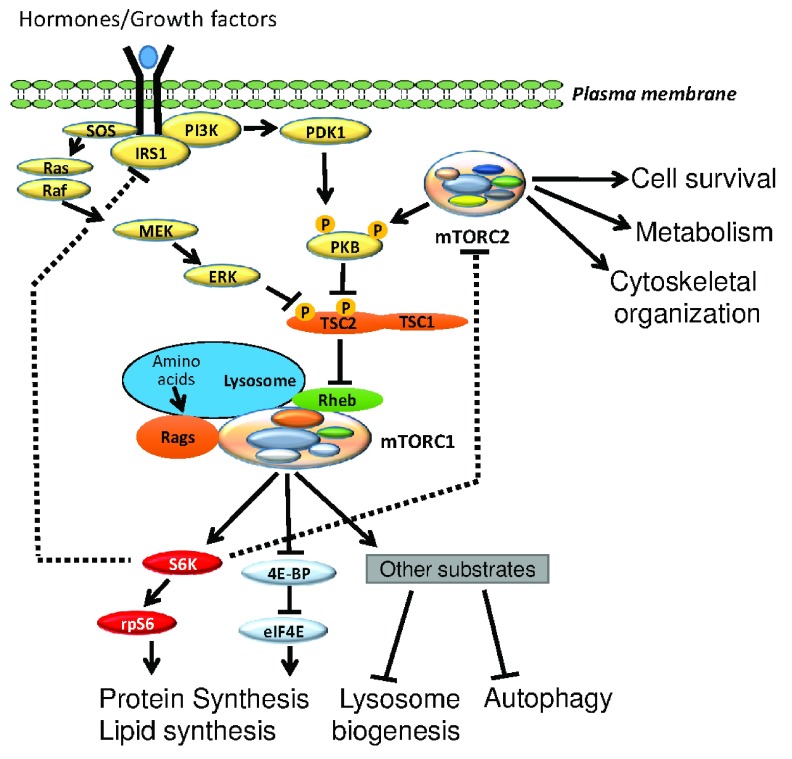
“…the production of ribosomes 9,10 . mTORC2 has distinct substrates from mTORC1 11 , which include AKT (PKB) 12 , a protein kinase that is involved in anabolic signaling (for example, in the activation of mTORC1 13–15 and in cell survival 16 ), and SGK1, whose function is rather less well understood.”
BackgroundMaira, S.-M., Stauffer, F., Brueggen, J., Furet, P., Schnell, C., Fritsch, C., Brachmann, S., Chène, P., De Pover, A., Schoemaker, K., et al. (2008) · Molecular Cancer Therapeutics · doi:10.1158/1535-7163.mct-08-0017 · Cited by 1,134
Active-Site Inhibitors of mTOR Target Rapamycin-Resistant Outputs of mTORC1 and mTORC2
Feldman, M. E., Apsel, B., Uotila, A., Loewith, R., Knight, Z. A., Ruggero, D., & Shokat, K. M. (2009) · PLoS Biology · doi:10.1371/journal.pbio.1000038 · Cited by 1,111 · cited 4×
“As a classic indication of complete mTORC1 inhibition, the phosphorylation of the rapamycin-resistant sites in 4E-BP1 (Thr37/Thr46) is effectively blocked by PP242 42 .”
BackgroundInfluentialMaking new contacts: the mTOR network in metabolism and signalling crosstalk
Shimobayashi, M., & Hall, M. N. (2014) · Nature Reviews Molecular Cell Biology · doi:10.1038/nrm3757 · Cited by 1,053 · cited 1×
“Each plays key roles in cellular regulation 1,2 . mTORC1 drives multiple anabolic pathways, including protein synthesis, ribosome production, lipogenesis, and nucleotide synthesis, all of which are important for cell and tissue growth 1 . mTORC1 also suppresses a key catabolic process, autophagy 3…”
BackgroundSehgal, S. N., BAKER, H., & Vézina, C. (1975) · The Journal of Antibiotics · doi:10.7164/antibiotics.28.727 · Cited by 974
Amino acid signalling upstream of mTOR
Jewell, J. L., Russell, R. C., & Guan, K.-L. (2013) · Nature Reviews Molecular Cell Biology · doi:10.1038/nrm3522 · Cited by 894 · cited 1×
“…activities or subcellular localization 3 . mTORC1 signaling is activated by several oncogenic pathways, including the Ras/Raf/MEK/ ERK pathway and the phosphoinositide 3-kinase (PI3K)/AKT (PKB) pathway (Figure 1), and by the intracellular availability of energy (ATP) and essential amino acids 4,5 .”
BackgroundHenske, E. P., Jóźwiak, S., Kingswood, J. C., Sampson, J. R., & Thiele, E. A. (2016) · Nature Reviews Disease Primers · doi:10.1038/nrdp.2016.35 · Cited by 886
Phosphorylation of the Translational Repressor PHAS-I by the Mammalian Target of Rapamycin
Brunn, G. J., Hudson, C. C., Sekulić, A., Williams, J. M., Hosoi, H., Houghton, P. J., Lawrence, J. C., & Abraham, R. T. (1997) · Science · doi:10.1126/science.277.5322.99 · Cited by 846 · cited 2×
“They are phosphorylated by mTORC1 and this induces their release from eIF4E, thereby alleviating such inhibition 7 .”
BackgroundChoo, A. Y., Yoon, S.-O., Kim, S. G., Roux, P. P., & Blenis, J. (2008) · Proceedings of the National Academy of Sciences · doi:10.1073/pnas.0809136105 · Cited by 829 · cited 1×
“The data suggest that its effect on mTORC1 activity affects mainly weaker mTORC1 substrates, such as the protein kinase termed ribosomal protein rpS6 kinase, whereas it has only a limited, if any, effect on other, better substrates such as the eIF4E-binding protein 4E-BP1 19 .”
BackgroundChresta, C. M., Davies, B. R., Hickson, I., Harding, T., Cosulich, S., Critchlow, S. E., Vincent, J. P., Ellston, R., Jones, D., Sini, P., et al. (2010) · Cancer Research · doi:10.1158/0008-5472.can-09-1751 · Cited by 812 · cited 1×
“Indeed, AZD8055 is shown to activate autophagic flux in a variety of cancer cells 50,57,58 and the inhibition of autophagy was able to reverse the paradoxical cytoprotective effect of AZD8055 on colon carcinoma cells 57 .”
BackgroundDrosophila S6 kinase: a regulator of cell size.
Montagne, J., Stewart, M. J., Stocker, H., Hafen, E., Kozma, S., & Thomas, G. (1999) · Science · doi:10.1126/science.285.5436.2126 · Cited by 785
mTORC1-Mediated Cell Proliferation, But Not Cell Growth, Controlled by the 4E-BPs
Dowling, R. J. O., Topisirović, I., Alain, T., Bidinosti, M., Fonseca, B. D., Petroulakis, E., Wang, X., Larsson, O. S., Selvaraj, A., Liu, Y., et al. (2010) · Science · doi:10.1126/science.1187532 · Cited by 733 · cited 1×
“4E-BP1 is the substrate through which mTORC1 controls cell proliferation 23 , so the resistance of its phosphorylation to rapamycin likely contributes to the poor efficiency of rapamycin as an anti-hyperplastic agent.”
BackgroundDisruption of the p70s6k/p85s6k gene reveals a small mouse phenotype and a new functional S6 kinase
Shima, H., Pende, M., Chen, Y., Fumagalli, S., THOMAS, G. V., & Kozma, S. C. (1998) · The EMBO Journal · doi:10.1093/emboj/17.22.6649 · Cited by 636
Moerke, N. J., Aktaş, H., Chen, H., Cantel, S., Reibarkh, M., Fahmy, A., Gross, J. D., Degterev, A., Yuan, J., Chorev, M., et al. (2007) · Cell · doi:10.1016/j.cell.2006.11.046 · Cited by 580 · cited 1×
“Alternative ways of impairing eIF4E function may be effective in such settings; possibilities include the use of anti-sense RNAs against its mRNA 61 , and blocking its binding to its partner eIF4G 62 .”
BackgroundBywater, M. J., Poortinga, G., Sanij, E., Hein, N., Peck, A., Cullinane, C. M., Wall, M., Cluse, L. A., Drygin, D., Anderes, K. L., et al. (2012) · Cancer Cell · doi:10.1016/j.ccr.2012.05.019 · Cited by 561 · cited 1×
“Bywater et al . have developed an inhibitor of Pol I, CX-5461 70 , which, when used in combination with everolimus, extended the survival of mice with myc-driven lymphoma 71 .”
MethodThe mechanistic target of rapamycin: the grand conducTOR of metabolism and aging
Kennedy, B. K., & Lamming, D. W. (2016) · Cell Metabolism · doi:10.1016/j.cmet.2016.05.009 · Cited by 544 · cited 1×
“2nd OSI027 Phase I/II (1) OSI Pharmaceuticals Advanced solid tumors/lymphoma 82”
BackgroundSDZ RAD, A NEW RAPAMYCIN DERIVATIVE
Schüler, W., Sedrani, R. C., Cottens, S., berlin, B. H., Schulz, M., Schuurman, H., Zenke, G., Zerwes, H., & Schreier, M. H. (1997) · Transplantation · doi:10.1097/00007890-199707150-00008 · Cited by 534 · cited 1×
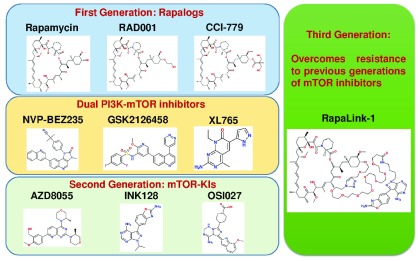
“For example, RAD001 (everolimus) 32,33 , developed by Novartis as an immuno-suppressive and anti-cancer drug (Table 1), is a hydroxyethyl ether-derivative.”
BackgroundHannan, K. M., Brandenburger, Y., Jenkins, A., Sharkey, K., Cavanaugh, A. H., Rothblum, L. I., Moss, T., Poortinga, G., McArthur, G. A., Pearson, R. B., et al. (2003) · Molecular and Cellular Biology · doi:10.1128/mcb.23.23.8862-8877.2003 · Cited by 489 · cited 1×
“This almost certainly reflects a role for S6K1 in controlling ribosome biogenesis 67,68 , a key process for cell growth control, although additional events may also be involved.”
BackgroundOvercoming mTOR resistance mutations with a new-generation mTOR inhibitor
Rodrik-Outmezguine, V. S., Okaniwa, M., Yao, Z., Novotny, C. J., McWhirter, C., Banaji, A., Won, H., Wong, W., Berger, M., de Stanchina, E., et al. (2016) · Nature · doi:10.1038/nature17963 · Cited by 479
Ku-0063794 is a specific inhibitor of the mammalian target of rapamycin (mTOR)
García‐Martínez, J. M., Moran, J., Clarke, R. G., Gray, A., Cosulich, S. C., Chresta, C. M., & Alessi, D. R. (2009) · Biochemical Journal · doi:10.1042/bj20090489 · Cited by 473 · cited 1×
“Ku-0063794 and Ku-0068650 47,48 , developed by KuDOS Pharmaceuticals (now part of AstraZeneca), are also examples of early ATP-competitive mTOR inhibitors which exhibit great anti-proliferative potential against cancer cells in vitro .”
BackgroundGrabiner, B. C., Nardi, V., Birsoy, K., Possemato, R., Shen, K., Sinha, S., Jordan, A. C., Beck, A. H., & Sabatini, D. M. (2014) · Cancer Discovery · doi:10.1158/2159-8290.cd-13-0929 · Cited by 470
Targeted polypharmacology: discovery of dual inhibitors of tyrosine and phosphoinositide kinases
Apsel, B., Blair, J. A., González, B., Nazif, T. M., Feldman, M. E., Aizenstein, B., Hoffman, R., Williams, R. L., Shokat, K. M., & Knight, Z. A. (2008) · Nature Chemical Biology · doi:10.1038/nchembio.117 · Cited by 460 · cited 4×
“As a classic indication of complete mTORC1 inhibition, the phosphorylation of the rapamycin-resistant sites in 4E-BP1 (Thr37/Thr46) is effectively blocked by PP242 42 .”
BackgroundInfluentialmTORC1-Activated S6K1 Phosphorylates Rictor on Threonine 1135 and Regulates mTORC2 Signaling
Julien, L.-A., Carriere, A., Moreau, J., & Roux, P. P. (2009) · Molecular and Cellular Biology · doi:10.1128/mcb.00601-09 · Cited by 452 · cited 1×
“Also, S6K can phosphorylate Rictor and thereby impair mTORC2 function, an effect that should be reversed by rapamycin 30,31 .”
BackgroundmTOR Kinase Inhibition Causes Feedback-Dependent Biphasic Regulation of AKT Signaling
Rodrik-Outmezguine, V. S., Chandarlapaty, S., Pagano, N. C., Poulikakos, P. I., Scaltriti, M., Moskatel, E., Baselga, J., Guichard, S., & Rosen, N. (2011) · Cancer Discovery · doi:10.1158/2159-8290.cd-11-0085 · Cited by 442 · cited 1×
“2nd INK128/MLN0128 Phase I/II (25) Intellikine Advanced solid tumors/multiple myeloma/Waldenstrom macroglobulinemia 44”
BackgroundHsieh, A. C., Costa, M., Zollo, O., Davis, C., Feldman, M. E., Testa, J. R., Meyuhas, O., Shokat, K. M., & Ruggero, D. (2010) · Cancer Cell · doi:10.1016/j.ccr.2010.01.021 · Cited by 434
Dynamic Adipocyte Phosphoproteome Reveals that Akt Directly Regulates mTORC2
Humphrey, S. J., Yang, G., Yang, P., Fazakerley, D. J., Stöckli, J., Yang, J. Y. H., & James, D. E. (2013) · Cell Metabolism · doi:10.1016/j.cmet.2013.04.010 · Cited by 412 · cited 1×
“…the production of ribosomes 9,10 . mTORC2 has distinct substrates from mTORC1 11 , which include AKT (PKB) 12 , a protein kinase that is involved in anabolic signaling (for example, in the activation of mTORC1 13–15 and in cell survival 16 ), and SGK1, whose function is rather less well understood.”
BackgroundRegulation and function of the RSK family of protein kinases
Roméo, Y., Zhang, X., & Roux, P. P. (2011) · Biochemical Journal · doi:10.1042/bj20110289 · Cited by 392
Discovery of GSK2126458, a Highly Potent Inhibitor of PI3K and the Mammalian Target of Rapamycin
Knight, S. D., Adams, N. D., Burgess, J. L., Chaudhari, A. M., Darcy, M. G., Donatelli, C. A., Luengo, J. I., Newlander, K. A., Parrish, C. A., Ridgers, L. H., et al. (2010) · ACS Medicinal Chemistry Letters · doi:10.1021/ml900028r · Cited by 378 · cited 1×
“Other examples from this class of inhibitors include GSK2126458 from GlaxoSmithKline 38 , XL765 from Sanofi-Aventis and Exelixis 39 , and SF1126 from Semafore 40 .”
BackgroundStructure of the Human mTOR Complex I and Its Implications for Rapamycin Inhibition
Yip, C. K., Murata, K., Walz, T., Sabatini, D. M., & Kang, S. A. (2010) · Molecular Cell · doi:10.1016/j.molcel.2010.05.017 · Cited by 372 · cited 1×
“20 , which showed that rapamycin treatment results in destabilization of the hollow lozenge-shaped mTORC1 dimer, a recent high-resolution cryo-electron microscopy study from Aylett et al .”
BackgroundYu, K., Toral‐Barza, L., Shi, C., Zhang, W., Lucas, J., Shor, B., Kim, J., Verheijen, J. C., Curran, K. J., Malwitz, D. J., et al. (2009) · Cancer Research · doi:10.1158/0008-5472.can-09-0299 · Cited by 344 · cited 1×
“Wyeth-Ayerst (now part of Pfizer) developed a series of dual mTORC1/2 inhibitors via high-throughput screening based on the parent compound WAY-001 and subsequently named them WAY-600, WYE-687, and WYE-354 49 .”
BackgroundArchitecture of human mTOR complex 1
Aylett, C. H. S., Sauer, E., Imseng, S., Boehringer, D., Hall, M. N., Ban, N., & Maier, T. (2016) · Science · doi:10.1126/science.aaa3870 · Cited by 344 · cited 1×
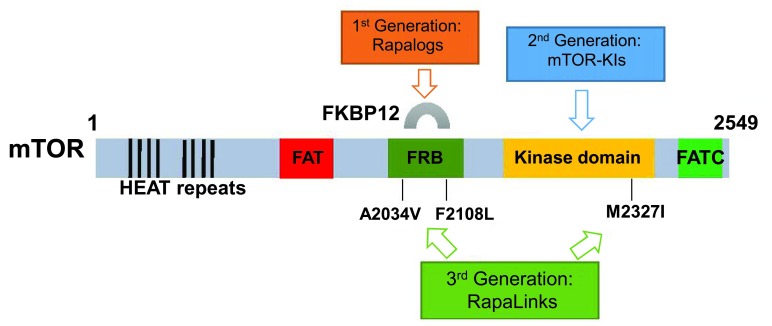
“21 showed that the binding of rapamycin-FKBP12 to mTOR does not destabilize the mTORC1 dimer but rather reduces the access to the active site cleft from a width of 20 to 10 Å, implying that the FKBP12-rapamycin binding (FRB) domain acts as a gatekeeper of the active substrate binding site…”
BackgroundRibosomal protein S6 kinase activity controls the ribosome biogenesis transcriptional program
Chauvin, C., Koka, V., Nouschi, A., Mieulet, V., Hoareau‐Aveilla, C., Dreazen, A., Cagnard, N., Carpentier, W., Kiss, T., Meyuhas, O., et al. (2013) · Oncogene · doi:10.1038/onc.2012.606 · Cited by 310
A Positive Feedback Loop between Akt and mTORC2 via SIN1 Phosphorylation
Yang, G., Murashige, D., Humphrey, S. J., & James, D. E. (2015) · Cell Reports · doi:10.1016/j.celrep.2015.07.016 · Cited by 297 · cited 1×
“…the production of ribosomes 9,10 . mTORC2 has distinct substrates from mTORC1 11 , which include AKT (PKB) 12 , a protein kinase that is involved in anabolic signaling (for example, in the activation of mTORC1 13–15 and in cell survival 16 ), and SGK1, whose function is rather less well understood.”
BackgroundWagle, N., Grabiner, B. C., Allen, E. M. V., Hodis, E., Jacobus, S. J., Supko, J. G., Stewart, M. L., Choueiri, T. K., Gandhi, L., Cleary, J. M., et al. (2014) · Cancer Discovery · doi:10.1158/2159-8290.cd-13-0353 · Cited by 282 · cited 2×
“A final issue compromising the efficacy of mTOR inhibitors is that a wide range 72–76 of clinically relevant mutations in mTOR can increase the catalytic activity of mTOR and thus both mTORC1 and mTORC2, thereby reducing the effectiveness of such compounds toward the first two generations of mTOR…”
BackgroundGarlich, J. R., De, P. K. R., Dey, N., Su, J. D., Peng, X., Miller, A., Murali, R., Lu, Y., Mills, G. B., Kundra, V., et al. (2008) · Cancer Research · doi:10.1158/0008-5472.can-07-0669 · Cited by 280 · cited 1×
“Other examples from this class of inhibitors include GSK2126458 from GlaxoSmithKline 38 , XL765 from Sanofi-Aventis and Exelixis 39 , and SF1126 from Semafore 40 .”
BackgroundRaynaud, F. I., Eccles, S. A., Patel, S. K., Alix, S., Box, G., Chuckowree, I., Folkes, A. J., Gowan, S. M., Brandon, A. D. H., Stefano, F. D., et al. (2009) · Molecular Cancer Therapeutics · doi:10.1158/1535-7163.mct-08-1200 · Cited by 273 · cited 1×
“The first inhibitors that came out from this group of compounds were PI103 and its derivatives, named PI450 and PI620, which show further improvements to the pharmacokinetic properties of the parent molecule 34 .”
BackgroundRapamycin inhibits mTORC1, but not completely
Thoreen, C. C., & Sabatini, D. M. (2009) · Autophagy · doi:10.4161/auto.5.5.8504 · Cited by 268
Geoerger, B., Kerr, K., Tang, C. B., Fung, K., Powell, B., Sutton, L. N., Phillips∥, P. C., & Janss, A. J. (2001) · PubMed · Cited by 261
mTORC1 signaling controls multiple steps in ribosome biogenesis
Iadevaia, V., Liu, R., & Proud, C. G. (2014) · Seminars in Cell & Developmental Biology · doi:10.1016/j.semcdb.2014.08.004 · Cited by 248
SDZ RAD, A NEW RAPAMYCIN DERIVATIVE
Schuurman, H., Cottens, S., Fuchs, S., Joergensen, J., Meerloo, T., Sedrani, R. C., Tanner, M., Zenke, G., & Schüler, W. (1997) · Transplantation · doi:10.1097/00007890-199707150-00007 · Cited by 248 · cited 1×
“For example, RAD001 (everolimus) 32,33 , developed by Novartis as an immuno-suppressive and anti-cancer drug (Table 1), is a hydroxyethyl ether-derivative.”
BackgroundSiddiqui, N., & Sonenberg, N. (2015) · Biochemical Society Transactions · doi:10.1042/bst20150126 · Cited by 225
Single amino-acid changes that confer constitutive activation of mTOR are discovered in human cancer
Sato, T., Nakashima, A., Guo, L., Coffman, K., & Tamanoi, F. (2010) · Oncogene · doi:10.1038/onc.2010.28 · Cited by 223
Characterization of Torin2, an ATP-Competitive Inhibitor of mTOR, ATM, and ATR
Liu, Q., Xu, C., Kirubakaran, S., Zhang, X., Hur, W., Liu, Y., Kwiatkowski, N. P., Wang, J., Westover, K. D., Gao, P., et al. (2013) · Cancer Research · doi:10.1158/0008-5472.can-12-1702 · Cited by 219
Pike, K. G., Malagu, K., Hummersone, M., Menear, K. A., Duggan, H. M. E., Gomez, S., Martin, N. M. B., Ruston, L., Pass, S. L., & Pass, M. (2013) · Bioorganic & Medicinal Chemistry Letters · doi:10.1016/j.bmcl.2013.01.019 · Cited by 214 · cited 1×
“Moreover, AZD8055 and AZD2014 50,51 are two orally bioavailable compounds derived from the Ku compounds.”
BackgroundCarayol, N., Vakana, E., Sassano, A., Kaur, S., Goussetis, D. J., Glaser, H., Druker, B. J., Donato, N. J., Altman, J. K., Barr, S. M., et al. (2010) · Proceedings of the National Academy of Sciences · doi:10.1073/pnas.1005114107 · Cited by 179
The dual mTORC1 and mTORC2 inhibitor AZD8055 has anti-tumor activity in acute myeloid leukemia
Willems, L., Chapuis, N., Puissant, A., Maciel, T. T., Green, A. S., Jacque, N., Vignon, C., Park, S., Guichard, S. M., Hérault, O., et al. (2011) · Leukemia · doi:10.1038/leu.2011.339 · Cited by 172
Rapamycin (AY-22,989), a new antifungal antibiotic. III. In vitro and in vivo evaluation.
BAKER, H., SIDOROWICZ, A., Sehgal, S. N., & Vézina, C. (1978) · The Journal of Antibiotics · doi:10.7164/antibiotics.31.539 · Cited by 168
Rapamycin Has a Deleterious Effect on MIN-6 Cells and Rat and Human Islets
Bell, E., Cao, X., Moibi, J. A., Greene, S. R., Young, R., Trucco, M. M., Gao, Z., Matschinsky, F. M., Deng, S., Markman, J. F., et al. (2003) · Diabetes · doi:10.2337/diabetes.52.11.2731 · Cited by 165
eIF4E/4E-BP Ratio Predicts the Efficacy of mTOR Targeted Therapies
Alain, T., Morita, M., Fonseca, B. D., Yanagiya, A., Siddiqui, N., Bhat, M., Zammit, D., Marcus, V., Metrakos, P. P., Voyer, L.-A., et al. (2012) · Cancer Research · doi:10.1158/0008-5472.can-12-2395 · Cited by 165 · cited 1×
“One of the key targets for control by mTORC1, eIF4E, is often expressed at high levels in tumors 8 ; if its levels exceed those of its mTORC1-regulated inhibitors, 4E-BPs, then inhibition of mTORC1 will not be effective in restricting eIF4E function 60 .”
BackgroundGaubitz, C., Prouteau, M., Kuśmider, B., & Loewith, R. (2016) · Trends in Biochemical Sciences · doi:10.1016/j.tibs.2016.04.001 · Cited by 163 · cited 1×
“…other links from mTORC1 to the activation of protein synthesis and to the production of ribosomes 9,10 . mTORC2 has distinct substrates from mTORC1 11 , which include AKT (PKB) 12 , a protein kinase that is involved in anabolic signaling (for example, in the activation of mTORC1 13–15 and in cell…”
BackgroundSirolimus Is Associated With Reduced Islet Engraftment and Impaired β-Cell Function
Zhang, N., Su, D., Qu, S., Tse, T. E., Bottino, R., Balamurugan, A. N., Xu, J., Bromberg, J. S., & Dong, H. H. (2006) · Diabetes · doi:10.2337/db06-0173 · Cited by 158
mTORC1 signalling and mRNA translation
Proud, C. G. (2009) · Biochemical Society Transactions · doi:10.1042/bst0370227 · Cited by 133 · cited 1×
“There are two genes in mammals, often termed S6K1 and S6K2 , each of which gives rise to two protein isoforms 63 .”
BackgroundDevlin, J. R., Hannan, K. M., Hein, N., Cullinane, C. M., Kusnadi, E. P., Ng, P. Y., George, A. J., Shortt, J., Bywater, M. J., Poortinga, G., et al. (2015) · Cancer Discovery · doi:10.1158/2159-8290.cd-14-0673 · Cited by 126 · cited 1×
“Bywater et al . have developed an inhibitor of Pol I, CX-5461 70 , which, when used in combination with everolimus, extended the survival of mice with myc-driven lymphoma 71 .”
MethodLiu, R., & Proud, C. G. (2016) · Acta Pharmacologica Sinica · doi:10.1038/aps.2015.123 · Cited by 117 · cited 1×
“Inhibition of mTORC1 will also activate its downstream effector, eukaryotic elongation factor 2 kinase (eEF2K), which can promote cell survival 27 .”
BackgroundRapamycin (AY-22,989), a new antifungal antibiotic. IV. Mechanism of action.
Singh, K., Sun, S., & Vézina, C. (1979) · The Journal of Antibiotics · doi:10.7164/antibiotics.32.630 · Cited by 95
Huang, S., Yang, Z. J., Yu, C., & Sinicrope, F. A. (2011) · Journal of Biological Chemistry · doi:10.1074/jbc.m111.297432 · Cited by 93 · cited 1×
“Indeed, AZD8055 is shown to activate autophagic flux in a variety of cancer cells 50,57,58 and the inhibition of autophagy was able to reverse the paradoxical cytoprotective effect of AZD8055 on colon carcinoma cells 57 .”
BackgroundIadevaia, V., Huo, Y., Zhang, Z., Foster, L. J., & Proud, C. G. (2012) · Biochemical Society Transactions · doi:10.1042/bst20110682 · Cited by 93
Yu, P., Laird, A., Du, X., Wu, J., Won, K., Yamaguchi, T., Hsu, P. P., Qian, F., Jaeger, C. T., Zhang, W., et al. (2014) · Molecular Cancer Therapeutics · doi:10.1158/1535-7163.mct-13-0709 · Cited by 82 · cited 1×
“Other examples from this class of inhibitors include GSK2126458 from GlaxoSmithKline 38 , XL765 from Sanofi-Aventis and Exelixis 39 , and SF1126 from Semafore 40 .”
BackgroundMalagu, K., Duggan, H. M. E., Menear, K. A., Hummersone, M., Gomez, S., Bailey, C., Edwards, P., Drzewiecki, J., Leroux, F. R., Quesada, M. J., et al. (2009) · Bioorganic & Medicinal Chemistry Letters · doi:10.1016/j.bmcl.2009.08.038 · Cited by 81 · cited 1×
“Ku-0063794 and Ku-0068650 47,48 , developed by KuDOS Pharmaceuticals (now part of AstraZeneca), are also examples of early ATP-competitive mTOR inhibitors which exhibit great anti-proliferative potential against cancer cells in vitro .”
BackgroundVertical Targeting of the Phosphatidylinositol-3 Kinase Pathway as a Strategy for Treating Melanoma
Aziz, S. A., Jilaveanu, L. B., Zito, C. R., Camp, R. L., Rimm, D. L., Conrad, P. J., & Kluger, H. M. (2010) · Clinical Cancer Research · doi:10.1158/1078-0432.ccr-10-1490 · Cited by 80 · cited 1×
“Not only does the dual mTOR/PI3K inhibitor NVP-BEZ235 exert potent anti-tumor activity in vivo but its effect can be further enhanced by the combination with inhibitors against other mitogenic pathways, such as the MEK/ERK inhibitors 36,37 .”
BackgroundPoint mutations of the mTOR-RHEB pathway in renal cell carcinoma
Ghosh, A. P., Marshall, C. B., Coric, T., Shim, E., Kirkman, R. L., Ballestas, M. E., Ikura, M., Bjornsti, M., & Sudarshan, S. (2015) · Oncotarget · doi:10.18632/oncotarget.4963 · Cited by 78 · cited 2×
“A final issue compromising the efficacy of mTOR inhibitors is that a wide range 72–76 of clinically relevant mutations in mTOR can increase the catalytic activity of mTOR and thus both mTORC1 and mTORC2, thereby reducing the effectiveness of such compounds toward the first two generations of mTOR…”
BackgroundBarlow, A. D., Xie, J., Moore, C. E., Campbell, S. C., Shaw, J., Nicholson, M. L., & Herbert, T. P. (2012) · Diabetologia · doi:10.1007/s00125-012-2475-7 · Cited by 78 · cited 2×
“…islet transplantations 52 , yet a follow-up study 5 years later has demonstrated that only approximately 10% of the recipients remained insulin independent 53 , likely owing to the fact that mTOR inhibitors would induce pancreatic β -cell death 54,55 as a result of the inhibition of mTORC2 56 .”
BackgroundSignaling crosstalk between the mTOR complexes
Xie, J., & Proud, C. G. (2014) · Translation · doi:10.4161/trla.28174 · Cited by 60
The SIN1-PH Domain Connects mTORC2 to PI3K
Yuan, H., & Guan, K. (2015) · Cancer Discovery · doi:10.1158/2159-8290.cd-15-1125 · Cited by 57 · cited 1×
“It may be linked to the PI3K pathway 17 , which is frequently dysregulated in cancer, for example, by loss of the tumor suppressor protein PTEN (phosphatase and tensin homolog).”
BackgroundRosner, M., Fuchs, C., Siegel, N., Valli, A., & Hengstschläger, M. (2009) · Human Molecular Genetics · doi:10.1093/hmg/ddp271 · Cited by 55
Rapamycin induces transactivation of the EGFR and increases cell survival
Chaturvedi, D., Gao, X., Cohen, M. S., Taunton, J., & Patel, T. B. (2009) · Oncogene · doi:10.1038/onc.2008.490 · Cited by 52 · cited 1×
“…F2108L ) confer resistance to rapalogs (first generation), and a kinase domain mutation (mTOR M2327I ) renders resistance to mTOR-KIs (second generation). mTOR, mammalian target of rapamycin. various feedback loops which, for example, promote activation of the oncogenic PI3K/Akt pathway 24,25 .”
BackgroundDiffering effects of rapamycin and mTOR kinase inhibitors on protein synthesis
Huo, Y., Iadevaia, V., & Proud, C. G. (2011) · Biochemical Society Transactions · doi:10.1042/bst0390446 · Cited by 47
Structural insights of mTOR complex 1
Yuan, H., & Guan, K. (2016) · Cell Research · doi:10.1038/cr.2016.10 · Cited by 38 · cited 1×
“DI NVP-BEZ235 (dactolisib) Phase I/II (22) Novartis MBC/pNET 35”
Jacobson, B. A., Thumma, S. C., Jay-Dixon, J., Patel, M. R., Kroening, K. D., Kratzke, M. G., Etchison, R. G., Konicek, B. W., Graff, J. R., & Kratzke, R. A. (2013) · PLoS ONE · doi:10.1371/journal.pone.0081669 · Cited by 37 · cited 1×
“Alternative ways of impairing eIF4E function may be effective in such settings; possibilities include the use of anti-sense RNAs against its mRNA 61 , and blocking its binding to its partner eIF4G 62 .”
Background
Cited by
Sorted by citations
Hallmarks of Cellular Senescence
Hernandez-Segura, A., Nehme, J., & Demaria, M. (2018) · Trends in Cell Biology · doi:10.1016/j.tcb.2018.02.001 · Cited by 2,605
“Interestingly, major life-extending compounds, such as rapamycin, resveratrol, and metformin, have been shown with variable degree of confidence to reduce the SASP [97,159].”
PI3K/AKT/mTOR signaling transduction pathway and targeted therapies in cancer
Glaviano, A., Foo, A. S. C., Lam, H. Y., Yap, K. C. H., Jacot, W., Jones, R. H., Eng, H., Nair, M. G., Makvandi, P., Geoerger, B., et al. (2023) · Molecular Cancer · doi:10.1186/s12943-023-01827-6 · Cited by 2,138
PI3K/Akt/mTOR inhibitors in cancer: At the bench and bedside
Alzahrani, A. S. (2019) · Seminars in Cancer Biology · doi:10.1016/j.semcancer.2019.07.009 · Cited by 1,056
Gastric cancer: a comprehensive review of current and future treatment strategies
Sexton, R. E., Hallak, M. N. A., Diab, M., & Azmi, A. S. (2020) · Cancer and Metastasis Reviews · doi:10.1007/s10555-020-09925-3 · Cited by 813
The role of ubiquitination in tumorigenesis and targeted drug discovery
Deng, L., Meng, T., Chen, L., Wei, W., & Wang, P. (2020) · Signal Transduction and Targeted Therapy · doi:10.1038/s41392-020-0107-0 · Cited by 744
Metadata
- Authors
- Xie, J., Wang, X., & Proud, C. G.
- Affiliations
- South Australian Health and Medical Research Institute (AU)
- Corresponding author
- Proud, Christopher G.
- Venue
- F1000Research
- Publisher
- F1000 Research Ltd
- Published
- 2016-08-25
- Volume
- 5
- Pages
- 2078
- ISSN
- 2046-1402 (ISSN-L)
- PMC
- PMC5007757
- OpenAlex
- W2517175971
- Cited by
- 266
- References
- 84
- Citations by year
- 2026: 8 · 2025: 14 · 2024: 9 · 2023: 21 · 2022: 31 · 2021: 36 · 2020: 49 · 2019: 32 · 2018: 37 · 2017: 28 · 2016: 1
- FWCI
- 2.96
- Type
- journal article
- Language
- en
- Open access
- gold
- doi.org
- Locations
- F1000Research (publishedVersion, cc-by)
- Europe PMC (PubMed Central) (publishedVersion, cc-by)
- PubMed Central (publishedVersion, cc-by)
- PubMed (publishedVersion)
- DOAJ (DOAJ: Directory of Open Access Journals) (submittedVersion, cc-by-sa)
- Topics
- Life Sciences › Biochemistry, Genetics and Molecular Biology › Molecular Biology › PI3K/AKT/mTOR signaling in cancer
- Health Sciences › Medicine › Oncology › Advanced Breast Cancer Therapies
- Life Sciences › Biochemistry, Genetics and Molecular Biology › Molecular Biology › Metabolism, Diabetes, and Cancer
- Keywords
- mTOR inhibitors, mammalian target of rapamycin, mTORC1, mTORC2, rapamycin, cancer therapy, cell growth and proliferation, oncogenic signaling, feedback loops, drug resistance
About these checks
Registry, retraction, Cites and statistics results are computed, not judged, with one exception: a printed reference that no index lists is read once by a model before it counts as a citation error. Claims are extracted by a model and kept only when their quote appears verbatim in the text; each cited source is then checked, with a model’s help, for whether it says what the claim relies on. Those verdicts can be wrong — read the claim’s quote and the cited source before relying on one.
Statistics and arithmetic are recomputed, not judged.
Confidence bands are shown only for fields calibrated on our annotated test set. None is calibrated yet, so no band is shown.
What counts as a claim ›How we measure confidence ›How we check this ›
Are you an author, or do you see a problem with this page? Request a review
