

The DOI matches its Crossref record; 83 of the 84 references it cites were found in a registry or an index.
mTOR inhibitors in cancer therapy
Open accessAbstract
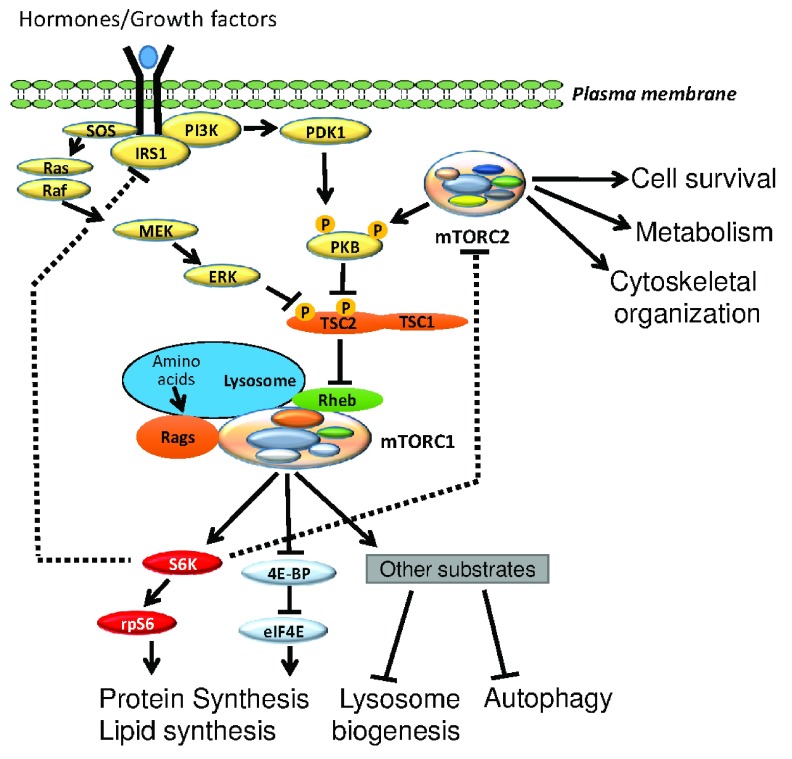
The mammalian target of rapamycin, mTOR, plays key roles in cell growth and proliferation, acting at the catalytic subunit of two protein kinase complexes: mTOR complexes 1 and 2 (mTORC1/2). mTORC1 signaling is switched on by several oncogenic signaling pathways and is accordingly hyperactive in the majority of cancers. Inhibiting mTORC1 signaling has therefore attracted great attention as an anti-cancer therapy. However, progress in using inhibitors of mTOR signaling as therapeutic agents in oncology has been limited by a number of factors, including the fact that the classic mTOR inhibitor, rapamycin, inhibits only some of the effects of mTOR; the existence of several feedback loops; and the crucial importance of mTOR in normal physiology.
Overview
The claims and statistics of this paper haven’t been checked yet.
Run the check — free, no account needed. It reads the open-access text and checks the sources it cites.
Integrity signals
Registry
Cites
Statistics
Figures
Verification
Claims the paper makes
The claims and statistics of this paper haven’t been checked yet.
Run the check — free, no account needed. It reads the open-access text and checks the sources it cites.
Claims other papers make about this one
Each is checked against this paper’s own text: does it say what the citing paper says it does?
In the citing paper
“Rapamycin can also prolong the life cycle of many species as diverse as worms and mice, and its signaling system has been implicated as the master regulator of cellular growth and metabolism.”
From Metformin, the Aspirin of the 21st Century: Its Role in Gestational Diabetes Mellitus, Prevention of Preeclampsia and Cancer, and the Promotion of Longevity (2017) · cites this paper as [236]
In the citing paper
“A family of molecules that are the mechanistic target of the rapamycin (mTOR) complex has been attributed a major role in the biology of cell metabolism, growth, longevity, and even preterm birth(230–236).”
From Metformin, the Aspirin of the 21st Century: Its Role in Gestational Diabetes Mellitus, Prevention of Preeclampsia and Cancer, and the Promotion of Longevity (2017) · cites this paper as [236]
Self-check
Percentages, sums and reported differences re-computed from the paper’s own numbers.
The self-check needs the paper’s full text.
Citations
Cites
Repertoires of Autophagy in the Pathogenesis of Ocular Diseases
Li, Y., Jiang, Q. L., Cao, G.-F., Yao, J., & Yan, B. (2015) · Cellular Physiology and Biochemistry · doi:10.1159/000373980 · Cited by 16,351
Phosphorylation and regulation of Akt/PKB by the rictor-mTOR complex
Sarbassov, D. D., Guertin, D. A., Ali, S. M., & Sabatini, D. M. (2005) · Science · doi:10.1126/science.1106148 · Cited by 6,216 · cited 6×
“DI, dual mammalian target of rapamycin/phosphoinositide 3-kinase inhibitor; HCC, hepatocellular carcinoma; MBC, metastatic breast cancer; mTOR, mammalian target of rapamycin; NSCLC, non-small cell lung cancer; PI3K, phosphoinositide 3-kinase; pNET, pancreatic neuroendocrine tumor; RCC, renal cell carcinoma. shows effe…”
BackgroundInfluentialShapiro, A. M. J., Lakey, J. R. T., Ryan, E. A., Korbutt, G. S., Toth, E., Warnock, G. L., Kneteman, N. M., & Rajotte, R. V. (2000) · New England Journal of Medicine · doi:10.1056/nejm200007273430401 · Cited by 5,237
mTOR: from growth signal integration to cancer, diabetes and ageing
Zoncu, R., Efeyan, A., & Sabatini, D. M. (2011) · Nature Reviews Molecular Cell Biology · doi:10.1038/nrm3025 · Cited by 3,941 · cited 2×
“DI XL765 Phase I/II (5) Sanofi-Aventis, Exelixis Glioblastoma multiforme/NSCLC/ MBC 39”
BackgroundOtto Warburg's contributions to current concepts of cancer metabolism
Koppenol, W. H., Bounds, P. L., & Dang, C. V. (2011) · Nature Reviews Cancer · doi:10.1038/nrc3038 · Cited by 3,427
Prolonged Rapamycin Treatment Inhibits mTORC2 Assembly and Akt/PKB
Sarbassov, D. D., Ali, S. M., Sengupta, S., Sheen, J.-H., Hsu, P. P., Bagley, A. F., Markhard, A. L., & Sabatini, D. M. (2006) · Molecular Cell · doi:10.1016/j.molcel.2006.03.029 · Cited by 2,365 · cited 3×
“Although rapamycin is a highly selective inhibitor against mTOR, it does not completely inhibit all of the activities of mTORC1 28 and will inhibit mTORC2 in only some types of cells upon prolonged treatment 29 .”
BackgroundInfluentialCOSMIC: mining complete cancer genomes in the Catalogue of Somatic Mutations in Cancer
Forbes, S. A., Bindal, N., Bamford, S., Cole, C., Kok, C. Y., Beare, D., Jia, M., Shepherd, R., Leung, K., Menzies, A., et al. (2011) · Nucleic Acids Research · doi:10.1093/nar/gkq929 · Cited by 2,278 · cited 1×
“Given the many oncogenic pathways—and oncogenes or tumor suppressors—linked to mTOR signaling, it is estimated that mTORC1 function is hyperactivated in up to 70% of all human tumors 18 .”
BackgroundMTOR: a pharmacologic target for autophagy regulation
Kim, Y. C., & Guan, K.-L. (2015) · Journal of Clinical Investigation · doi:10.1172/jci73939 · Cited by 2,126 · cited 1×
“DI GSK2126458 Phase I/II (3) GlaxoSmithKline Advanced solid tumors, lymphoma 38”
BackgroundThoreen, C. C., Kang, S. A., Chang, J. W., Liu, Q., Zhang, J., Gao, Y., Reichling, L. J., Sim, T., Sabatini, D. M., & Gray, N. S. (2009) · Journal of Biological Chemistry · doi:10.1074/jbc.m900301200 · Cited by 1,803
Vézina, C., KUDELSKI, A., & Sehgal, S. N. (1975) · The Journal of Antibiotics · doi:10.7164/antibiotics.28.721 · Cited by 1,691
Cited by
Sorted by citations
Hallmarks of Cellular Senescence
Hernandez-Segura, A., Nehme, J., & Demaria, M. (2018) · Trends in Cell Biology · doi:10.1016/j.tcb.2018.02.001 · Cited by 2,605
“Interestingly, major life-extending compounds, such as rapamycin, resveratrol, and metformin, have been shown with variable degree of confidence to reduce the SASP [97,159].”
PI3K/AKT/mTOR signaling transduction pathway and targeted therapies in cancer
Glaviano, A., Foo, A. S. C., Lam, H. Y., Yap, K. C. H., Jacot, W., Jones, R. H., Eng, H., Nair, M. G., Makvandi, P., Geoerger, B., et al. (2023) · Molecular Cancer · doi:10.1186/s12943-023-01827-6 · Cited by 2,138
PI3K/Akt/mTOR inhibitors in cancer: At the bench and bedside
Alzahrani, A. S. (2019) · Seminars in Cancer Biology · doi:10.1016/j.semcancer.2019.07.009 · Cited by 1,056
Gastric cancer: a comprehensive review of current and future treatment strategies
Sexton, R. E., Hallak, M. N. A., Diab, M., & Azmi, A. S. (2020) · Cancer and Metastasis Reviews · doi:10.1007/s10555-020-09925-3 · Cited by 813
The role of ubiquitination in tumorigenesis and targeted drug discovery
Deng, L., Meng, T., Chen, L., Wei, W., & Wang, P. (2020) · Signal Transduction and Targeted Therapy · doi:10.1038/s41392-020-0107-0 · Cited by 744
Autophagy: The spotlight for cellular stress responses
Ravanan, P., Florance, I., & Talwar, P. (2017) · Life Sciences · doi:10.1016/j.lfs.2017.08.029 · Cited by 595
Pathway Based Analysis of Mutation Data Is Efficient for Scoring Target Cancer Drugs
Zolotovskaia, M., Sorokin, M., Emelianova, A. A., Borisov, N., Kuzmin, D., Borger, P., Garazha, A., & Buzdin, A. A. (2019) · Frontiers in Pharmacology · doi:10.3389/fphar.2019.00001 · Cited by 531
“, 2010), mTOR inhibitors (Xie et al., 2016), hormone receptors (Ko and Balk, 2004), proteasomal components (Kisselev et al.”
BackgroundTumor Angiogenesis and Anti-Angiogenic Strategies for Cancer Treatment
Teleanu, R. I., Chircov, C., Grumezescu, A. M., & Teleanu, D. M. (2019) · Journal of Clinical Medicine · doi:10.3390/jcm9010084 · Cited by 523
Almansour, N. M. (2022) · Frontiers in Molecular Biosciences · doi:10.3389/fmolb.2022.836417 · Cited by 435
“(Xie et al., 2016; Medina et al., 2020). and improving free survival rate of TNBC patients (Reis-Filho and Tutt, 2008; Yu and Di, 2017).”
InfluentialModulating Glycolysis to Improve Cancer Therapy
Chelakkot, C., Chelakkot, V. S., Shin, Y. K., & Song, K. (2023) · International Journal of Molecular Sciences · doi:10.3390/ijms24032606 · Cited by 387
“Owing to their inhibitory effects, several rapamycin analogs have been approved for treating cancers [231,232].”
BackgroundThe intracellular signalosome of PD-L1 in cancer cells
Escors, D., Gato, M., Zuazo, M., Arasanz, H., García-Granda, M. J., Vera, R., & Kochan, G. T. (2018) · Signal Transduction and Targeted Therapy · doi:10.1038/s41392-018-0022-9 · Cited by 308
Signaling pathways in cancer metabolism: mechanisms and therapeutic targets
You, M., Xie, Z., Zhang, N., Zhang, Y., Xiao, D., Liu, S., Zhuang, W., Li, L., & Tao, Y. (2023) · Signal Transduction and Targeted Therapy · doi:10.1038/s41392-023-01442-3 · Cited by 317
“Of all 97 human cancers, mTORC1 is considered to be up-regulated by approximately 70%.(121) It has newly been reported to relate to acute myeloid leukemia,(317) subependymal giant cell astrocytoma,(318) triple-negative breast cancer(319) and pancreatic tumor.”
BackgroundHombach‐Klonisch, S., Mehrpour, M., Shojaei, S., Harlos, C. H., Pitz, M. W., Hamaï, A., Siemianowicz, K., Likus, W., Wiecheć, E., Toyota, B. D., et al. (2017) · Pharmacology & Therapeutics · doi:10.1016/j.pharmthera.2017.10.017 · Cited by 298
Romero, R., Erez, O., Hüttemann, M., Maymon, E., Panaitescu, B., Conde-Agudelo, A., Pacora, P., Yoon, B. H., & Grossman, L. I. (2017) · American Journal of Obstetrics and Gynecology · doi:10.1016/j.ajog.2017.06.003 · Cited by 253
The mTORC1/4E-BP1 axis represents a critical signaling node during fibrogenesis
Woodcock, H. V., Eley, J. D., Guillotin, D., Platé, M., Nanthakumar, C. B., Martufi, M., Peace, S., Joberty, G., Poeckel, D., Good, R. B., et al. (2019) · Nature Communications · doi:10.1038/s41467-018-07858-8 · Cited by 224
Recent advances and limitations of mTOR inhibitors in the treatment of cancer
Ali, E. S., Mitra, K., Akter, S., Ramproshad, S., Mondal, B., Khan, I. N., Islam, M. T., Sharifi‐Rad, J., Călina, D. C., & Cho, W. C. S. (2022) · Cancer Cell International · doi:10.1186/s12935-022-02706-8 · Cited by 228
“Though rapamycin does not directly interact with mTORC2, attaching with mTOR in a complex form with FKBP12, it can indirectly affect mTORC2 [114].”
BackgroundMetabolite sensing and signaling in cell metabolism
Wang, Y.-P., & Lei, Q. (2018) · Signal Transduction and Targeted Therapy · doi:10.1038/s41392-018-0024-7 · Cited by 208
The Translational Regulation in mTOR Pathway
Yang, M., Lu, Y., Piao, W., & Jin, H. (2022) · Biomolecules · doi:10.3390/biom12060802 · Cited by 217
“Therefore, so much attention has been devoted to understanding mTOR signaling pathway and to developing therapies that target this pathway [27].”
BackgroundNeuroinflammatory targets and treatments for epilepsy validated in experimental models
Aronica, E., Bauer, S., Bozzi, Y., Caleo, M., Dingledine, R. J., Gorter, J. A., Henshall, D. C., Kaufer, D., Koh, S., Löscher, W., et al. (2017) · Epilepsia · doi:10.1111/epi.13783 · Cited by 194
Cicenas, J., Žalytė, E., Bairoch, A., & Gaudet, P. (2018) · Cancers · doi:10.3390/cancers10030063 · Cited by 176
Urfer, S. R., Kaeberlein, T. L., Mailheau, S., Bergman, P. J., Creevy, K. E., Promislow, D. E. L., & Kaeberlein, M. (2017) · GeroScience · doi:10.1007/s11357-017-9972-z · Cited by 158
“Rapamycin is also used clinically for some rare forms of cancer (Xie et al. 2016), to treat tuberous sclerosis complex, and in cardiac stents, to prevent restenosis (Kaeberlein 2013).”
BackgroundAdebayo Michael, A. O., Ko, S., Tao, J., Moghe, A., Yang, H., Xu, M., Russell, J. O., Pradhan-Sundd, T., Liu, S., Singh, S., et al. (2019) · Cell Metabolism · doi:10.1016/j.cmet.2019.01.002 · Cited by 155
“New second and third generation mTORC1 inhibitors with greater potency may be more efficacious (Xie et al., 2016).”
BackgroundmTOR Cross-Talk in Cancer and Potential for Combination Therapy
Conciatori, F., Ciuffreda, L., Bazzichetto, C., Falcone, I., Pilotto, S., Bria, E., Cognetti, F., & Milella, M. (2018) · Cancers · doi:10.3390/cancers10010023 · Cited by 145
“Given the many oncogenes or tumor suppressors linked to mTOR signaling, it is estimated that mTORC1 function might be hyperactivated in up to 70% of all human tumors; much less information is available for mTORC2, although its link to PI3K/Phosphatase and tensin homolog on chromosome 10 (PTEN) suggests that it is also…”
BackgroundPathogenesis and Current Treatment of Osteosarcoma: Perspectives for Future Therapies
Rathore, R., & Tine, B. A. V. (2021) · Journal of Clinical Medicine · doi:10.3390/jcm10061182 · Cited by 129
Zhitomirsky, B., Yunaev, A., Kreiserman, R., Kaplan, A., Stark, M., & Assaraf, Y. G. (2018) · Cell Death and Disease · doi:10.1038/s41419-018-1227-0 · Cited by 125
Harnessing the therapeutic potential of anticancer drugs through amorphous solid dispersions
Gala, U., Miller, D. A., & Williams, R. O. (2019) · Biochimica et Biophysica Acta (BBA) - Reviews on Cancer · doi:10.1016/j.bbcan.2019.188319 · Cited by 123
AlRowis, R., Aldawood, A., Alotaibi, M. D., Alnasser, E., AlSaif, I., Aljaber, A., & Natto, Z. S. (2022) · The Saudi Dental Journal · doi:10.1016/j.sdentj.2022.01.003 · Cited by 116
“…described MRONJ development in patients undergoing raloxifene therapy, but the patient also has a history of oral bisphosphonate (Bennardo et al., 2020b; King et al., 2019; Bindakhil and Mupparapu, 2018; Ebker et al., 2013; Fusco et al., 2016; Kim et al., 2013; Baur et al., 2015; Xie et al., 2016).”
Wright, S. C. E., Vasilevski, N., Serra, V., Rodon, J. A., & Eichhorn, P. J. A. (2021) · Cancers · doi:10.3390/cancers13071538 · Cited by 116
“There are currently two types of inhibitors in this category: allosteric mTORC1 inhibitors or the ATP‐competitive catalytic mTOR inhibitors [59].”
BackgroundFaes, S., Demartines, N., & Dormond, O. (2017) · Oxidative Medicine and Cellular Longevity · doi:10.1155/2017/1726078 · Cited by 104
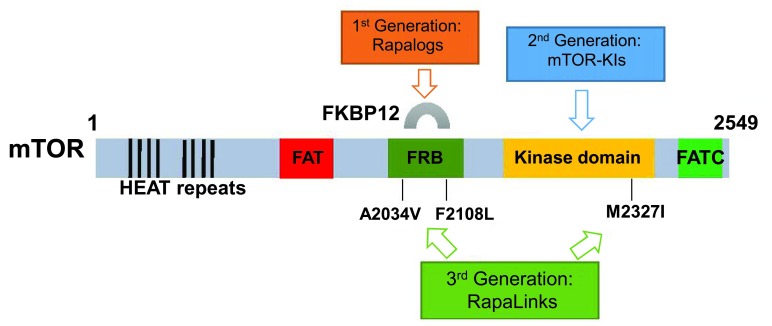
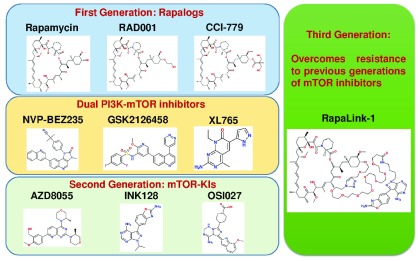
“By now, three generations of mTORC1 inhibitors have been developed [26].”
BackgroundThe 3.2-Å resolution structure of human mTORC2
Scaiola, A., Mangia, F., Imseng, S., Boehringer, D., Berneiser, K., Shimobayashi, M., Stuttfeld, E., Hall, M. N., Ban, N., & Maier, T. (2020) · Science Advances · doi:10.1126/sciadv.abc1251 · Cited by 105
“…proliferation ( 4 ) by phosphoryl ating the AGC family kinases: AKT, PKC, and SGK ( 1 , 4 , 11 – 13 ). mTORC2 also promotes tumorigenesis via up-regulation of lipid biosynthesis ( 14 ). mTOR inhibitors played a major role in the elucidation of mTOR signaling and are used in cancer treatment ( 15 ).”
Medication-related osteonecrosis of the jaw unrelated to bisphosphonates and denosumab—a review
King, R., Tanna, N., & Patel, V. (2018) · Oral Surgery Oral Medicine Oral Pathology and Oral Radiology · doi:10.1016/j.oooo.2018.11.012 · Cited by 104
Tumor reactive stroma in cholangiocarcinoma: The fuel behind cancer aggressiveness
Brivio, S., Cadamuro, M., Strazzabosco, M., & Fabris, L. (2017) · World Journal of Hepatology · doi:10.4254/wjh.v9.i9.455 · Cited by 98
Transcription and Translation Inhibitors in Cancer Treatment
Laham-Karam, N., Pinto, G., Poso, A., & Kokkonen, P. (2020) · Frontiers in Chemistry · doi:10.3389/fchem.2020.00276 · Cited by 93
“However, since mTOR signaling is essential for cell viability, blocking both mTOR complexes causes mTOR kinase inhibitors to have more severe side effects than rapamycin or rapalogs (Xie et al., 2016).”
BackgroundUnderstanding Breast cancer: from conventional therapies to repurposed drugs
Costa, B., Amorim, I., Gärtner, F., & Vale, N. (2020) · European Journal of Pharmaceutical Sciences · doi:10.1016/j.ejps.2020.105401 · Cited by 98
Controversies around the function of LARP1
Berman, A. J., Thoreen, C. C., Dedeić, Z., Chettle, J., Roux, P. P., & Blagden, S. P. (2020) · RNA Biology · doi:10.1080/15476286.2020.1733787 · Cited by 83
The mixed blessing of AMPK signaling in Cancer treatments
Sadria, M., Seo, D., & Layton, A. T. (2022) · BMC Cancer · doi:10.1186/s12885-022-09211-1 · Cited by 86
Targeting the Lysosome for Cancer Therapy
Towers, C. G., & Thorburn, A. M. (2017) · Cancer Discovery · doi:10.1158/2159-8290.cd-17-0996 · Cited by 81
Vaklavas, C., Blume, S. W., & Grizzle, W. E. (2017) · Frontiers in Oncology · doi:10.3389/fonc.2017.00158 · Cited by 71
“Each complex has distinct substrates and, accordingly, regulates different cellular processes (161).”
BackgroundThe cholangiocyte primary cilium in health and disease
Mansini, A. P., Peixoto, E., Thelen, K. M., Gaspari, C. I., Jin, S., & Gradilone, S. A. (2017) · Biochimica et Biophysica Acta (BBA) - Molecular Basis of Disease · doi:10.1016/j.bbadis.2017.06.006 · Cited by 73
Reproductive Longevity and Aging: Geroscience Approaches to Maintain Long-Term Ovarian Fitness
Llarena, N. C., & Hine, C. (2020) · The Journals of Gerontology Series A · doi:10.1093/gerona/glaa204 · Cited by 68
Zhang, C., Duan, Y., Xia, M., Dong, Y., Chen, Y., Zheng, L., Chai, S., Zhang, Q., Wei, Z., Liu, N., et al. (2019) · Clinical Cancer Research · doi:10.1158/1078-0432.ccr-19-0733 · Cited by 69
Leclercq-Cohen, G., Steinhoff, N., Haegel, H., Marco, D. D., Bacac, M., & Klein, C. (2022) · OncoImmunology · doi:10.1080/2162402x.2022.2083479 · Cited by 70
“metabolism, cancer cell migration, and suppression of autophagy, resulting in tumor growth and progression.(110,111) Esfahani et al.”
BackgroundAutophagy-nutrient sensing pathways in diabetic complications
Parmar, U. M., Jalgaonkar, M. P., Kulkarni, Y. A., & Oza, M. J. (2022) · Pharmacological Research · doi:10.1016/j.phrs.2022.106408 · Cited by 69
Tsuji, T., Sapinoso, L. M., Tran, T., Gaffney, B., Wong, L. M., Sankar, S., Raymon, H. K., Mortensen, D. S., & Xu, S. (2017) · Oncotarget · doi:10.18632/oncotarget.20342 · Cited by 66
“Rapamycin analogs (rapalogs) temsirolimus and everolimus have been approved by FDA for treatment of different indications including renal cell carcinoma (RCC), pancreatic neuroendocrine tumors, certain TSC-related tumors and, as part of a combination therapy, hormone-positive, HER2-negative breast cancer [5].”
BackgroundTargeting mTOR as a Cancer Therapy: Recent Advances in Natural Bioactive Compounds and Immunotherapy
Bouyahya, A., Allam, A. E., Aboulaghras, S., Bakrim, S., Menyiy, N. E., Alshahrani, M. M., Awadh, A. A. A., Benali, T., Lee, L., Omari, N. E., et al. (2022) · Cancers · doi:10.3390/cancers14225520 · Cited by 67
The Complex Roles of Mechanistic Target of Rapamycin in Adipocytes and Beyond
Lee, P. L., Jung, S. M., & Guertin, D. A. (2017) · Trends in Endocrinology and Metabolism · doi:10.1016/j.tem.2017.01.004 · Cited by 66
Aberrant regulation of autophagy in mammalian diseases
Xie, W. D., & Zhou, J. Y. (2018) · Biology Letters · doi:10.1098/rsbl.2017.0540 · Cited by 66
Decanoic acid inhibits mTORC1 activity independent of glucose and insulin signaling
Warren, E. C., Dooves, S., Lugarà, E., Damstra‐Oddy, J., Schaf, J., Heine, V. M., Walker, M. C., & Williams, R. S. B. (2020) · Proceedings of the National Academy of Sciences · doi:10.1073/pnas.2008980117 · Cited by 66
“Inhibition of mTORC1 has been proposed to lead to increased autophagy and the clearance of misfolded proteins in neurodegenerative disorders (8), the decrease of cell proliferation in cancers (9), and reduced stress response and improved mitochondrial function credited with increasing longevity (10).”
BackgroundAutophagy in cancer: a complex relationship
Wilde, L. R., Tanson, K., Curry, J., & Martinez‐Outschoorn, U. (2018) · Biochemical Journal · doi:10.1042/bcj20170847 · Cited by 62
Rapamycin targets STAT3 and impacts c-Myc to suppress tumor growth
Sun, L., Yan, Y., Lu, H., Li, J., Wang, Z., Wang, K., Wang, L., Li, Y., Jiang, H., & Zhang, Y. (2021) · Cell chemical biology · doi:10.1016/j.chembiol.2021.10.006 · Cited by 61
Health Benefits of Anti-aging Drugs
Piskovatska, V., Strilbytska, O. M., Koliada, A. K., Vaiserman, A. M., & Lushchak, O. V. (2019) · Sub-cellular biochemistry/Subcellular biochemistry · doi:10.1007/978-981-13-3681-2_13 · Cited by 62
Mechanisms of resistance to mTOR inhibitors
Formisano, L., Napolitano, F., Rosa, R., D’Amato, V., Servetto, A., Marciano, R., Placido, P. D., Bianco, C., & Bianco, R. (2020) · Critical Reviews in Oncology/Hematology · doi:10.1016/j.critrevonc.2020.102886 · Cited by 58
Tang, Y., Zhu, L., Yu, L., Yu, J., Wang, J., Zeng, X., Hu, K.-X., Liu, J., & Xu, J. (2017) · BioMed Research International · doi:10.1155/2017/5905384 · Cited by 60
“These aspects would be important to provide a more in-depth understanding of the nature of metformin use [45].”
The lysosomal GPCR-like protein GPR137B regulates Rag and mTORC1 localization and activity
Gan, L., Seki, A., Shen, K., Iyer, H., Han, K., Hayer, A., Wollman, R., Ge, X., Lin, J. R., Dey, G., et al. (2019) · Nature Cell Biology · doi:10.1038/s41556-019-0321-6 · Cited by 53
Allemailem, K. S., Almatroudi, A., Alrumaihi, F., Almatroodi, S. A., Alkurbi, M. O., Basfar, G. T., Rahmani, A. H., & Khan, A. A. (2021) · International Journal of Nanomedicine · doi:10.2147/ijn.s321343 · Cited by 53
Emerging Role of mTOR Signaling‐Related miRNAs in Cardiovascular Diseases
Samidurai, A., Kukreja, R. C., & Das, A. (2018) · Oxidative Medicine and Cellular Longevity · doi:10.1155/2018/6141902 · Cited by 51
Nagy, T., Fisi, V., Frank, D., Kátai, E., Nagy, Z., & Miseta, A. (2019) · Cells · doi:10.3390/cells8090999 · Cited by 54
“Inhibitors of mTOR are used in anti-cancer therapies and as immunosuppressants [88,89], and mTOR has been associated with the regulation of multiple elements of the cell cycle signaling including cyclins and p21 [90,91].”
BackgroundContemporary mTOR inhibitor scaffolds to diseases breakdown: A patent review (2015–2021)
Olekšák, P., Nepovimová, E., Chrienová, Ž., Musílek, K., Patočka, J., & Kuča, K. (2022) · European Journal of Medicinal Chemistry · doi:10.1016/j.ejmech.2022.114498 · Cited by 53
Fan, C.-S., Chen, W.-S., Chen, L.-L., Chen, C.-C., Hsu, Y.-T., Chua, K. V., Wang, H., & Huang, T. (2017) · Oncotarget · doi:10.18632/oncotarget.23578 · Cited by 51
Spigolon, G., & Fisone, G. (2018) · Journal of Neural Transmission · doi:10.1007/s00702-018-1847-7 · Cited by 52
Ohata, H., Shiokawa, D., Obata, Y., Sato, A., Sakai, H., Fukami, M., Hara, W., Taniguchi, H., Ono, M., Nakagama, H., et al. (2019) · Cell Reports · doi:10.1016/j.celrep.2019.06.085 · Cited by 50
Therapeutic Use of mTOR Inhibitors in Renal Diseases: Advances, Drawbacks, and Challenges
Viana, S. D., Reis, F., & Alves, R. (2018) · Oxidative Medicine and Cellular Longevity · doi:10.1155/2018/3693625 · Cited by 48
“Since mTORC1 and mTORC2 control events intimately related to cell growth and survival, rapalogues have been extensively studied in the oncology field, with several works conducted to analyze the effectiveness of these class of molecules alone and/or in combination with standard chemotherapy in the treatment of several…”
BackgroundInfluentialCombined Active Humoral and Cellular Immunization Approaches for the Treatment of Synucleinopathies
Rockenstein, E. M., Ostroff, G. R., Dikengil, F., Rus, F., Mante, M., Florio, J. B., Adame, A., Trinh, I., Kim, C., Overk, C., et al. (2017) · Journal of Neuroscience · doi:10.1523/jneurosci.1170-17.2017 · Cited by 53
Xu, Z., Hu, J., Cao, H., Pilo, M. G., Cigliano, A., Shao, Z., Xu, M. M., Ribback, S., Dombrowski, F., Calvisi, D. F., et al. (2018) · Experimental & Molecular Medicine · doi:10.1038/emm.2017.158 · Cited by 49
Combining mTOR Inhibitors and T Cell-Based Immunotherapies in Cancer Treatment
Hage, A., & Dormond, O. (2021) · Cancers · doi:10.3390/cancers13061359 · Cited by 51
mTOR signaling-related MicroRNAs and Cancer involvement
Wang, P., Liu, X., Lei, D., ZHANG, X.-J., & Ma, Z. (2018) · Journal of Cancer · doi:10.7150/jca.22119 · Cited by 48
“Through targeting genes directly or indirectly, miRNAs are involved in mTORC1 and further influence cell phenotype, including proliferation, metastasis, cell cycle and apoptosis[11-15] (Figure 2).”
BackgroundNew Insights into the Role of Autophagy in Tumor Immune Microenvironment
Li, C., Liao, W., Wu, M., & Chu, P. (2017) · International Journal of Molecular Sciences · doi:10.3390/ijms18071566 · Cited by 49
“However, progress in using inhibitors of mTOR signaling as therapeutic agents in oncology has been limited by a number of factors, including the fact that the classic mTOR inhibitor (rapamycin) inhibits only some of the effects of mTOR, the existence of several feedback loops, and the crucial importance of mTOR in nor…”
BackgroundFaes, S., Santoro, T., Demartines, N., & Dormond, O. (2017) · Cancers · doi:10.3390/cancers9110152 · Cited by 48
“Three different types of chemical inhibitors of mTOR have been tested in various cancer models (Figure 1) [9,10].”
BackgroundCentronuclear myopathies under attack: A plethora of therapeutic targets
Tasfaout, H., Cowling, B. S., & Laporte, J. (2018) · Journal of Neuromuscular Diseases · doi:10.3233/jnd-180309 · Cited by 51
“As drugs affecting these pathways are in clinical development for different diseases [129], it may benefit the field of centronuclear myopathies.”
BackgroundmTOR Pathway in Gastroenteropancreatic Neuroendocrine Tumor (GEP-NETs)
Zanini, S., Renzi, S., Giovinazzo, F., & Bermano, G. (2020) · Frontiers in Endocrinology · doi:10.3389/fendo.2020.562505 · Cited by 49
Zhang, S., Wang, M., Li, Q., & Zhu, P. (2017) · Cancer Biomarkers · doi:10.3233/cbm-170620 · Cited by 46
RetractedMechanistic/mammalian target of rapamycin: Recent pathological aspects and inhibitors
Abdel‐Maksoud, M. S., El–Gamal, M. I., Benhalilou, D. R., Ashraf, S., Mohammed, S. A., & Oh, C. (2018) · Medicinal Research Reviews · doi:10.1002/med.21535 · Cited by 45
Patidar, K., Panwar, U., Vuree, S., Sweta, J., Sandhu, M. K., Nayarisseri, A., & Singh, S. K. (2019) · Asian Pacific Journal of Cancer Prevention · doi:10.31557/apjcp.2019.20.4.1229 · Cited by 45
Rapamycin: Drug Repurposing in SARS-CoV-2 Infection
Patočka, J., Kuča, K., Olekšák, P., Nepovimová, E., Vališ, M., Novotný, M., & Klímová, B. (2021) · Pharmaceuticals · doi:10.3390/ph14030217 · Cited by 44
“It should be considered for experimental validations [16,17].”
BackgroundSachan, R., Kundu, A. B., Jeon, Y., Choi, W. S., Yoon, K., Kim, I. S., Kwak, J. H., & Kim, H. S. (2018) · Phytomedicine · doi:10.1016/j.phymed.2018.10.012 · Cited by 43
Ciocan, C. A., Jurj, A. M., Buse, M., Gulei, D., Braicu, C., Ráduly, L., Cojocneanu, R., Pruteanu, L.-L., Iuga, C. A., Coza, O. F., et al. (2019) · International Journal of Molecular Sciences · doi:10.3390/ijms20102576 · Cited by 43
“Sirolimus inhibits mammalian target of rapamycin (mTOR); a protein kinase and member of the phosphatidylinositol 3-kinase family which are involved in survival; cell growth and proliferation [95].”
BackgroundCelastrol induces ubiquitin-dependent degradation of mTOR in breast cancer cells
Li, X., Guangbei, Z., Yao, X., Wang, N., Hu, R., Kong, Q., Zhou, D., Long, L., Cai, J., & Zhou, W. (2018) · OncoTargets and Therapy · doi:10.2147/ott.s187315 · Cited by 43
“Because it is frequently dysregulated in tumor cells, mTOR signaling has emerged as an attractive target for cancer treatment.(4,5) A series of inhibitors targeting the correspondence: Weiying Zhou college of Pharmacy, chongqing Medical University, 1 Yixueyuan road, Yuzhong District, chongqing 400016, P.”
BackgroundChen, Y. X., Yuan, X., Zhang, W., Tang, M., Zheng, L., Wang, F., Yan, W., Yang, S., Wei, Y., He, J., et al. (2019) · Journal of Medicinal Chemistry · doi:10.1021/acs.jmedchem.8b01825 · Cited by 42
Harnessing the Co-vulnerabilities of Amino Acid-Restricted Cancers
Pathria, G., & Ronai, Z. A. (2021) · Cell Metabolism · doi:10.1016/j.cmet.2020.12.009 · Cited by 41
“A number of mTOR inhibitors, including rapalogs and ATP competitive inhibitors are being evaluated in pre-clinical studies and clinical trials for multiple indications (Xie et al., 2016) and may present opportunities for combination with amino acid restriction approaches.”
BackgroundHou, J., He, Z., Liu, T., Chen, D., Wang, B., Wen, Q., & Zheng, X. (2022) · Frontiers in Oncology · doi:10.3389/fonc.2022.755053 · Cited by 48
“Mammalian target of rapamycin (mTOR) is another important effector in PI3K pathway and plays critical roles in cancer cell growth (56).”
BackgroundRegulation of mTOR, Metabolic Fitness, and Effector Functions by Cytokines in Natural Killer Cells
Viel, S., Besson, L., Marotel, M., Walzer, T., & Marçais, A. (2017) · Cancers · doi:10.3390/cancers9100132 · Cited by 38
“The pharmacological arsenal to inhibit mTOR is by contrast very rich and diverse [77].”
BackgroundMacropinocytosis and autophagy crosstalk in nutrient scavenging
Florey, O., & Overholtzer, M. (2018) · Philosophical Transactions of the Royal Society B Biological Sciences · doi:10.1098/rstb.2018.0154 · Cited by 39
Li, X., Wang, J., Lin, W., Yuan, Q., Lu, Y., Wang, H., Chen, L., Chen, L., Dai, P., Long, H., et al. (2022) · Molecular Cancer · doi:10.1186/s12943-022-01600-1 · Cited by 38
“However, the clinical application of mTORC1 inhibitors has achieved limited success due to certain factors, including drug resistance [7], the existence of several feedback loops [8], and tissue toxicity.”
BackgroundHan, Y., Li, C.-W., Hsu, J.-M., Hsu, J. L., Chan, L.-C., Tan, X., & He, G. (2019) · PubMed Central · Cited by 38
Hekmatara, M., Baladehi, M. H., Ji, Y., & Xu, J. (2021) · Analytical Chemistry · doi:10.1021/acs.analchem.0c03925 · Cited by 38
Immune checkpoint inhibitors for solid organ transplant recipients: clinical updates
Kawashima, S., Joachim, K., Abdelrahim, M., Abudayyeh, A., Jhaveri, K. D., & Murakami, N. (2022) · Korean Journal of Transplantation · doi:10.4285/kjt.22.0013 · Cited by 39
Li, Q., Xia, X., Ji, J., Ma, J., Tao, L., Mo, L., & Chen, W. (2017) · Oncotarget · doi:10.18632/oncotarget.16834 · Cited by 37
Roles of Diffusion Dynamics in Stem Cell Signaling and Three-Dimensional Tissue Development
McMurtrey, R. J. (2017) · Stem Cells and Development · doi:10.1089/scd.2017.0066 · Cited by 37
MERTK mediated novel site Akt phosphorylation alleviates SAV1 suppression
Jiang, Y., Zhang, Y., Leung, J. Y., Fan, C., Popov, K. I., Su, S., Qian, J., Wang, X., Holtzhausen, A., Ubil, E., et al. (2019) · Nature Communications · doi:10.1038/s41467-019-09233-7 · Cited by 39
Targeting kinases with thymoquinone: a molecular approach to cancer therapeutics
Afrose, S. S., Junaid, M., Akter, Y., Tania, M., Zheng, M., & Khan, M. A. (2020) · Drug Discovery Today · doi:10.1016/j.drudis.2020.07.019 · Cited by 37
How can we turn the PI3K/AKT/mTOR pathway down? Insights into inhibition and treatment of cancer
Afify, S. M., Oo, A. K. K., Hassan, G., Seno, A., & Seno, M. (2021) · Expert Review of Anticancer Therapy · doi:10.1080/14737140.2021.1918001 · Cited by 36
“the second- and third-generation rapalogs, they are still on clinical trial, and only rapamycin and the first-generation rapalogs have been approved, and are being clinically used mainly to prevent allograft rejection [106,107].”
BackgroundThe MAP kinase-interacting kinases (MNKs) as targets in oncology
Xie, J., Merrett, J. E., Jensen, K. B., & Proud, C. G. (2019) · Expert Opinion on Therapeutic Targets · doi:10.1080/14728222.2019.1571043 · Cited by 35
“, mTOR [47], eIF4E and most subunits of eIF3 [7]) results in lethality; therefore, pharmacological targeting of these proteins, such as mTOR (reviewed in [48]),”
BackgroundYang, K., Wei, M., Yang, Z., Fu, Z., Xu, R., Cheng, C., Chen, X., Chen, S., Dammer, E. B., & Le, W. (2020) · Cellular Oncology · doi:10.1007/s13402-020-00550-4 · Cited by 35
Arterial wall fibrosis in Takayasu arteritis and its potential for therapeutic modulation
Misra, D. P., Singh, K., Sharma, A., & Agarwal, V. (2023) · Frontiers in Immunology · doi:10.3389/fimmu.2023.1174249 · Cited by 37
“Sirolimus and everolimus are mTORC1 inhibitors commonly used in clinical practice (40).”
BackgroundEades, C. P., & Armstrong-James, D. P. H. (2018) · Medical Mycology · doi:10.1093/mmy/myy136 · Cited by 35
Forrest, W. F., Alicke, B., Mayba, O., Osinska, M., Jakubczak, M., Piątkowski, P., Choniawko, L., Starr, A., & Gould, S. E. (2020) · Cancer Research · doi:10.1158/0008-5472.can-20-0342 · Cited by 34
“GDC-0084 is a dual inhibitor of PI3K (36) and mTOR (37).”
BackgroundDuval, A. P., Jeanneret, C., Santoro, T., & Dormond, O. (2018) · International Journal of Molecular Sciences · doi:10.3390/ijms19082225 · Cited by 37
Therapeutics and Research Related to Glioblastoma: Advancements and Future Targets
Chavda, V. K., Patel, V., Yadav, D., Shah, J., Patel, S. S., & Jin, J. (2020) · Current Drug Metabolism · doi:10.2174/1389200221666200408083950 · Cited by 33
Marash, I., Leibman‐Markus, M., Gupta, R., Avni, A., & Bar, M. (2022) · Molecular Plant Pathology · doi:10.1111/mpp.13207 · Cited by 33
“Rapamycin's limited success as an anticancer drug led to the development of ATP competitive mTOR inhibitors, such as Torin2 (Xie et al., 2016; Zoncu et al., 2011), which is a specific chemical inhibitor of TOR, commonly used in plant research (Li et al., 2017a).”
BackgroundThe mTOR Pathway Regulates PKM2 to Affect Glycolysis in Esophageal Squamous Cell Carcinoma
He, X., Yiru, Y., Shui-sheng, S., Keyan, C., Yan, Z., Shanglin, C., Yuan, W., Dongming, C., Wangliang, Z., Bai, X., et al. (2018) · Technology in Cancer Research & Treatment · doi:10.1177/1533033818780063 · Cited by 33
Metadata
- Authors
- Xie, J., Wang, X., & Proud, C. G.
- Affiliations
- South Australian Health and Medical Research Institute (AU)
- Corresponding author
- Proud, Christopher G.
- Venue
- F1000Research
- Publisher
- F1000 Research Ltd
- Published
- 2016-08-25
- Volume
- 5
- Pages
- 2078
- ISSN
- 2046-1402 (ISSN-L)
- PMC
- PMC5007757
- OpenAlex
- W2517175971
- Cited by
- 266
- References
- 84
- Citations by year
- 2026: 8 · 2025: 14 · 2024: 9 · 2023: 21 · 2022: 31 · 2021: 36 · 2020: 49 · 2019: 32 · 2018: 37 · 2017: 28 · 2016: 1
- FWCI
- 2.96
- Type
- journal article
- Language
- en
- Open access
- gold
- doi.org
- Locations
- F1000Research (publishedVersion, cc-by)
- Europe PMC (PubMed Central) (publishedVersion, cc-by)
- PubMed Central (publishedVersion, cc-by)
- PubMed (publishedVersion)
- DOAJ (DOAJ: Directory of Open Access Journals) (submittedVersion, cc-by-sa)
- Topics
- Life Sciences › Biochemistry, Genetics and Molecular Biology › Molecular Biology › PI3K/AKT/mTOR signaling in cancer
- Health Sciences › Medicine › Oncology › Advanced Breast Cancer Therapies
- Life Sciences › Biochemistry, Genetics and Molecular Biology › Molecular Biology › Metabolism, Diabetes, and Cancer
- Keywords
- mTOR inhibitors, mammalian target of rapamycin, mTORC1, mTORC2, rapamycin, cancer therapy, cell growth and proliferation, oncogenic signaling, feedback loops, drug resistance
About these checks
Registry, retraction, Cites and statistics results are computed, not judged, with one exception: a printed reference that no index lists is read once by a model before it counts as a citation error. Claims are extracted by a model and kept only when their quote appears verbatim in the text; each cited source is then checked, with a model’s help, for whether it says what the claim relies on. Those verdicts can be wrong — read the claim’s quote and the cited source before relying on one.
Statistics and arithmetic are recomputed, not judged.
Confidence bands are shown only for fields calibrated on our annotated test set. None is calibrated yet, so no band is shown.
What counts as a claim ›How we measure confidence ›How we check this ›
Are you an author, or do you see a problem with this page? Request a review
