

The DOI matches its Crossref record; 36 of the 37 references it cites were found in a registry or an index.
Genome-Wide Meta-Analysis Identifies Regions on 7p21 (AHR) and 15q24 (CYP1A2) As Determinants of Habitual Caffeine Consumption
Open accessAbstract
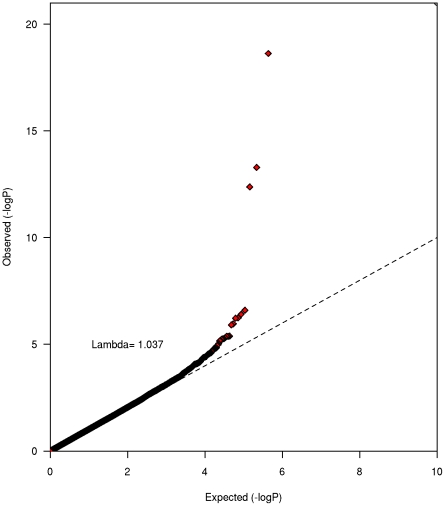
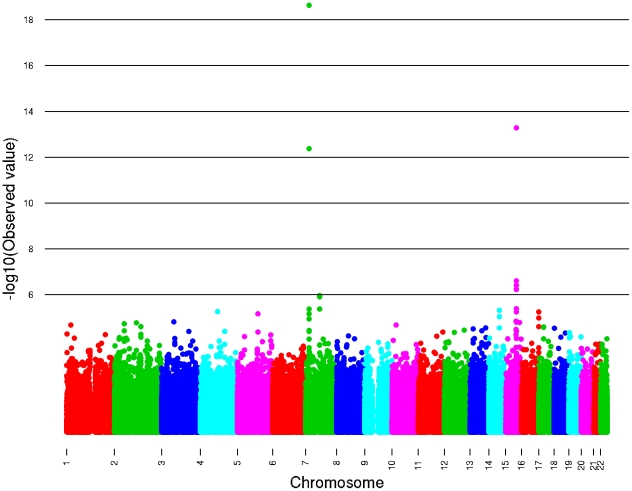
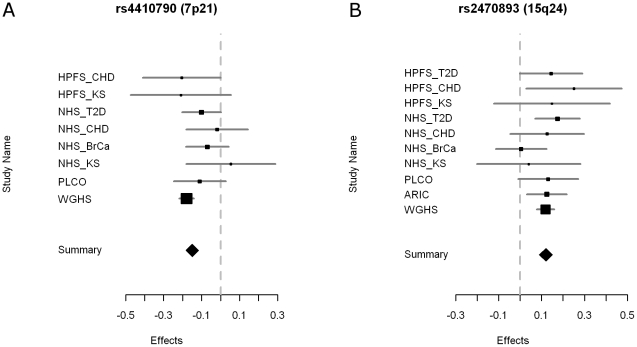
We report the first genome-wide association study of habitual caffeine intake. We included 47,341 individuals of European descent based on five population-based studies within the United States. In a meta-analysis adjusted for age, sex, smoking, and eigenvectors of population variation, two loci achieved genome-wide significance: 7p21 (P = 2.4 × 10(-19)), near AHR, and 15q24 (P = 5.2 × 10(-14)), between CYP1A1 and CYP1A2. Both the AHR and CYP1A2 genes are biologically plausible candidates as CYP1A2 metabolizes caffeine and AHR regulates CYP1A2.
Overview
The claims and statistics of this paper haven’t been checked yet.
Run the check — free, no account needed. It reads the open-access text and checks the sources it cites.
Integrity signals
Registry
Cites
Statistics
Figures
Verification
Claims the paper makes
The claims and statistics of this paper haven’t been checked yet.
Run the check — free, no account needed. It reads the open-access text and checks the sources it cites.
Claims other papers make about this one
Each is checked against this paper’s own text: does it say what the citing paper says it does?
In the citing paper
“Recently, a genome-wide association study (GWAS) found a highly significant association between a variant on CYP1A2 and coffee intake48.”
From Long-Term Coffee Consumption and Risk of Cardiovascular Disease: A Systematic Review and a Dose–Response Meta-Analysis of Prospective Cohort Studies (2014) · cites this paper as [48]
In the citing paper
“However, this variant explains only a very small population variance.”
From Long-Term Coffee Consumption and Risk of Cardiovascular Disease: A Systematic Review and a Dose–Response Meta-Analysis of Prospective Cohort Studies (2014) · cites this paper as [48]
Self-check
Percentages, sums and reported differences re-computed from the paper’s own numbers.
The self-check needs the paper’s full text.
Citations
Cites
KEGG: Kyoto Encyclopedia of Genes and Genomes
Kanehisa, M. (2000) · Nucleic Acids Research · doi:10.1093/nar/28.1.27 · Cited by 37,077
KEGG: Kyoto Encyclopedia of Genes and Genomes
Ogata, H., Goto, S., Sato, K., Fujibuchi, W., Bono, H., & Kanehisa, M. (1999) · Nucleic Acids Research · doi:10.1093/nar/27.1.29 · Cited by 31,232
Willett, W. C. (1998) · doi:10.1093/acprof:oso/9780195122978.001.0001 · Cited by 4,541
Reproducibility and validity of a semiquantitative food frequency questionnaire
WILLETT, W. C., SAMPSON, L., STAMPFER, M. J., ROSNER, B., BAIN, C., WITSCHI, J., HENNEKENS, C. H., & SPEIZER, F. E. (1985) · American Journal of Epidemiology · doi:10.1093/oxfordjournals.aje.a114086 · Cited by 4,274
Fredholm, B. B., Bättig, K., Holmén, J., Nehlig, A., & Zvartau, E. E. (1999) · Pharmacological Reviews · doi:10.1016/s0031-6997(24)01396-6 · Cited by 2,624 · cited 6×
“We further conducted 21 candidate gene analyses and found significant gene-based associations (Bonferroni corrected for the total number of human genes) between CYP2C9 (P = 0.023), and ADORA2A (P = 0.011) and caffeine intake in addition to CYP1A2 and AHR (Table 4).”
InfluentialA new multipoint method for genome-wide association studies by imputation of genotypes
Marchini, J., Howie, B., Myers, S., McVean, G., & Donnelly, P. (2007) · Nature Genetics · doi:10.1038/ng2088 · Cited by 2,609
Denison, M. S., & Nagy, S. R. (2003) · Annual Review of Pharmacology and Toxicology · doi:10.1146/annurev.pharmtox.43.100901.135828 · Cited by 1,895
Subar, A. F., Thompson, F. E., Kipnis, V., Midthune, D., Hurwitz, P. E., McNutt, S., McIntosh, A., & Rosenfeld, S. (2001) · American Journal of Epidemiology · doi:10.1093/aje/154.12.1089 · Cited by 1,401
Self-citationThe Molecular Receptive Ranges of Human TAS2R Bitter Taste Receptors
Meyerhof, W., Batram, C., Kühn, C., Brockhoff, A., Chudoba, E., Bufe, B., Appendino, G., & Behrens, M. (2009) · Chemical Senses · doi:10.1093/chemse/bjp092 · Cited by 1,146
Genome-wide meta-analyses identify multiple loci associated with smoking behavior
The Tobacco and Genetics Consortium (2010) · Nature Genetics · doi:10.1038/ng.571 · Cited by 1,098
Self-citation
Research works printed but not linked: 1
- Y Li, 2006, Mach 1.0: Rapid haplotype reconstruction and missing genotype inference., Am J Hum Genet, S79, 2290
Cited by
Sorted by citations
Zanger, U. M., & Schwab, M. (2013) · Pharmacology & Therapeutics · doi:10.1016/j.pharmthera.2012.12.007 · Cited by 4,169
“Several genome-wide association studies (GWAS) and GWAS meta-analyses involving many thousands of subjects identified SNPs in the regulatory region of the CYP1A locus (rs2472304, rs2472297) as well as SNPs in the AhR gene regulatory region (rs4410790, rs6968865) along with genes related to addictive behavior to be ass…”
BackgroundInternational society of sports nutrition position stand: caffeine and performance
Goldstein, E. R., Ziegenfuss, T., Kalman, D., Kreider, R., Campbell, B., Wilborn, C., Taylor, L., Willoughby, D., Stout, J., Graves, B. S., et al. (2010) · Journal of the International Society of Sports Nutrition · doi:10.1186/1550-2783-7-5 · Cited by 686
International Society of Sports Nutrition Position Stand: Caffeine and Exercise Performance
Guest, N. S., VanDusseldorp, T. A., Nelson, M. T., Grgic, J., Schoenfeld, B. J., Jenkins, N. D. M., Arent, S. M., Antonio, J., Stout, J. R., Trexler, E. T., et al. (2021) · Journal of the International Society of Sports Nutrition · doi:10.1186/s12970-020-00383-4 · Cited by 665
Interindividual Differences in Caffeine Metabolism and Factors Driving Caffeine Consumption
Nehlig, A. (2018) · Pharmacological Reviews · doi:10.1124/pr.117.014407 · Cited by 632
Sugar-Sweetened Beverages and Genetic Risk of Obesity
Qi, Q., Chu, A. Y., Kang, J., Jensen, M. K., Curhan, G. C., Pasquale, L. R., Ridker, P. M., Hunter, D. J., Willett, W. C., Rimm, E. B., et al. (2012) · New England Journal of Medicine · doi:10.1056/nejmoa1203039 · Cited by 609
Self-citationDing, M., Bhupathiraju, S. N., Satija, A., van Dam, R. M., & Hu, F. B. (2014) · Circulation · doi:10.1161/circulationaha.113.005925 · Cited by 565
“Recently, a genome-wide association study found a highly significant association between a variant of CYP1A2 and coffee intake.(48) However, this variant explains only a very small population variance.”
Self-citationWikoff, D. S., Welsh, B. T., Henderson, R. G., Brorby, G. P., Britt, J. K., Myers, E. F., Goldberger, J. J., Lieberman, H. R., O’Brien, C. P., Peck, J. D., et al. (2017) · Food and Chemical Toxicology · doi:10.1016/j.fct.2017.04.002 · Cited by 470
Selecting instruments for Mendelian randomization in the wake of genome-wide association studies.
Swerdlow, D. I., Kuchenbaecker, K. B., Shah, S., Sofat, R., Holmes, M. V., White, J., Mindell, J. S., Kivimaki, M., Brunner, E. J., Whittaker, J. C., et al. (2016) · International Journal of Epidemiology · doi:10.1093/ije/dyw088 · Cited by 387
Qi, Q., Chu, A. Y., Kang, J. H., Huang, J., Rose, L. M., Jensen, M. K., Liang, L., Curhan, G. C., Pasquale, L. R., Wiggs, J. L., et al. (2014) · BMJ · doi:10.1136/bmj.g1610 · Cited by 311
Self-citationGenome-wide meta-analysis identifies six novel loci associated with habitual coffee consumption
Cornelis, M. C., Byrne, E. M., Esko, T., Nalls, M. A., Ganna, A., Paynter, N. P., Monda, K. L., Amin, N., Fischer, K., Renström, F., et al. (2014) · Molecular Psychiatry · doi:10.1038/mp.2014.107 · Cited by 291
Self-citationSim, S. C., Kacevska, M., & Ingelman‐Sundberg, M. (2012) · The Pharmacogenomics Journal · doi:10.1038/tpj.2012.45 · Cited by 242
Caffeine Consumption through Coffee: Content in the Beverage, Metabolism, Health Benefits and Risks
DePaula, J., & Farah, A. (2019) · Beverages · doi:10.3390/beverages5020037 · Cited by 258
Caffeine Use Disorder: A Comprehensive Review and Research Agenda
Meredith, S. E., Juliano, L. M., Hughes, J. R., & Griffiths, R. R. (2013) · Journal of Caffeine Research · doi:10.1089/jcr.2013.0016 · Cited by 230
Pickering, C., & Kiely, J. (2017) · Sports Medicine · doi:10.1007/s40279-017-0776-1 · Cited by 228
“For example, habitual caffeine use is a highly complex trait, but genome-wide association studies have found single nucleotide polymorphisms (SNPs) associated with this behaviour [37].”
BackgroundNordestgaard, A. T., Thomsen, M., & Nordestgaard, B. G. (2015) · International Journal of Epidemiology · doi:10.1093/ije/dyv083 · Cited by 189
Genetic variation in metabolic phenotypes: study designs and applications
Suhre, K., & Gieger, C. (2012) · Nature Reviews Genetics · doi:10.1038/nrg3314 · Cited by 199
Cytochrome P450 in Pharmacogenetics: An Update
Tornio, A., & Backman, J. T. (2018) · Advances in pharmacology · doi:10.1016/bs.apha.2018.04.007 · Cited by 182
Do initial responses to drugs predict future use or abuse?
de Wit, H., & Phillips, T. J. (2012) · Neuroscience & Biobehavioral Reviews · doi:10.1016/j.neubiorev.2012.04.005 · Cited by 172
Wang, T., Heianza, Y., Sun, D., Huang, T., Ma, W., Rimm, E. B., Manson, J. E., Hu, F. B., Willett, W. C., & Qi, L. (2018) · BMJ · doi:10.1136/bmj.j5644 · Cited by 178
Self-citationThe effect of caffeine on energy balance
Harpaz, E., Tamir, S., Weinstein, A., & Weinstein, Y. (2016) · Journal of Basic and Clinical Physiology and Pharmacology · doi:10.1515/jbcpp-2016-0090 · Cited by 161
Genomic analysis of diet composition finds novel loci and associations with health and lifestyle
Meddens, S. F. W., de Vlaming, R., Bowers, P., Burik, C. A. P., Linnér, R. K., Lee, C. W., Okbay, A., Turley, P., Rietveld, C. A., Fontana, M. A., et al. (2020) · Molecular Psychiatry · doi:10.1038/s41380-020-0697-5 · Cited by 165
Disclosure of genetic information and change in dietary intake: a randomized controlled trial
Nielsen, D. E., & El-Sohemy, A. (2014) · PLoS ONE · doi:10.1371/journal.pone.0112665 · Cited by 157
Opioid Addiction, Genetic Susceptibility, and Medical Treatments: A Review
Wang, S.-C., Chen, Y., Lee, C.-H., & Cheng, C.-M. (2019) · International Journal of Molecular Sciences · doi:10.3390/ijms20174294 · Cited by 156
Impact of Gene–Environment Interactions on Cancer Development
Mbemi, A. T., Khanna, S. S., Njiki, S., Yedjou, C. G., & Tchounwou, P. B. (2020) · International Journal of Environmental Research and Public Health · doi:10.3390/ijerph17218089 · Cited by 166
Guengerich, F. P. (2015) · Springer eBooks · doi:10.1007/978-3-319-12108-6_9 · Cited by 159
G = E: What GWAS Can Tell Us about the Environment
Gage, S. H., Davey Smith, G., Ware, J. J., Flint, J., & Munafò, M. R. (2016) · PLOS Genetics · doi:10.1371/journal.pgen.1005765 · Cited by 132
“Nevertheless, this situation is rapidly changing—for example, there are now several variants that have been shown to be associated with caffeine consumption [26].”
BackgroundPalmer, R. H. C., Brick, L. A. D., Nugent, N. R., Bidwell, L. C., McGeary, J. E., Knopik, V. S., & Keller, M. C. (2014) · Addiction · doi:10.1111/add.12815 · Cited by 152
“Unfortunately, molecular genetic studies have had limited success identifying individual genetic variants that are common across multiple substances of abuse (1-10).”
BackgroundKarhunen, V., Bakker, M. K., Ruigrok, Y. M., Gill, D., & Larsson, S. C. (2021) · Journal of the American Heart Association · doi:10.1161/jaha.121.022277 · Cited by 143
Thorn, C. F., Aklillu, E., Klein, T. E., & Altman, R. B. (2011) · Pharmacogenetics and Genomics · doi:10.1097/fpc.0b013e32834c6efd · Cited by 141
“associated variants in the regulatory region of CYP1A2 (rs2472304 and rs2472297) and in its regulator AHR (rs4410790 and rs6968865) [14,15].”
BackgroundkConFab Investigators, Amin, N., Byrne, E. M., Johnson, J., Chenevix‐Trench, G., Walter, S., Nolte, I. M., Vink, J. M., Rawal, R., Mangino, M., et al. (2011) · Molecular Psychiatry · doi:10.1038/mp.2011.101 · Cited by 139
Qi, Q., Li, Y., Chomistek, A. K., Kang, J. H., Curhan, G. C., Pasquale, L. R., Willett, W. C., Rimm, E. B., Hu, F. B., & Qi, L. (2012) · Circulation · doi:10.1161/circulationaha.112.098061 · Cited by 140
Self-citationWhat Should We Do about Habitual Caffeine Use in Athletes?
Pickering, C., & Kiely, J. (2019) · Sports Medicine · doi:10.1007/s40279-018-0980-7 · Cited by 127
The Pathophysiological Role of CoA
Czumaj, A., Szrok-Jurga, S., Hebanowska, A., Turyn, J., Świerczyński, J., Śledziński, T., & Stelmańska, E. (2020) · International Journal of Molecular Sciences · doi:10.3390/ijms21239057 · Cited by 128
Thorn, C. F., Aklillu, E., McDonagh, E. M., Klein, T. E., & Altman, R. B. (2012) · Pharmacogenetics and Genomics · doi:10.1097/fpc.0b013e3283505d5e · Cited by 124
The Medicinal Chemistry of Caffeine
Faudone, G., Arifi, S., & Merk, D. (2021) · Journal of Medicinal Chemistry · doi:10.1021/acs.jmedchem.1c00261 · Cited by 133
GWAS of 165,084 Japanese individuals identified nine loci associated with dietary habits
Matoba, N., Akiyama, M., Ishigaki, K., Kanai, M., Takahashi, A., Momozawa, Y., Ikegawa, S., Ikeda, M., Iwata, N., Hirata, M., et al. (2020) · Nature Human Behaviour · doi:10.1038/s41562-019-0805-1 · Cited by 117
Cornelis, M. C., Rimm, E. B., Curhan, G. C., Kraft, P. L., Hunter, D. J., Hu, F. B., & van Dam, R. M. (2013) · Obesity · doi:10.1002/oby.20592 · Cited by 124
“Details pertaining to study design have been reported elsewhere (21).”
BackgroundMethodSelf-citationCoffee and Caffeine Consumption and Risk of Kidney Stones: A Mendelian Randomization Study
Yuan, S., & Larsson, S. C. (2021) · American Journal of Kidney Diseases · doi:10.1053/j.ajkd.2021.04.018 · Cited by 122
“13,32 In conclusion, this MR study provides genetic evidence in support of causal inverse associations of coffee and caffeine consumption with kidney stones.”
BackgroundHealth Effects of Coffee: Mechanism Unraveled?
Kolb, H., Kempf, K., & Martin, S. (2020) · Nutrients · doi:10.3390/nu12061842 · Cited by 105
Human bitter perception correlates with bitter receptor messenger RNA expression in taste cells
Lipchock, S. V., Mennella, J. A., Spielman, A. I., & Reed, D. R. (2013) · American Journal of Clinical Nutrition · doi:10.3945/ajcn.113.066688 · Cited by 105
“There have been reports of a common genetic factor for PROP and caffeine (32); however, a genomewide association study of habitual caffeine intake found no association with TAS2R38 SNPs (33).”
BackgroundLow, but not high, dose caffeine is a readily available probe for adenosine actions
Fredholm, B. B., Yang, J., & Wang, Y.-Q. (2016) · Molecular Aspects of Medicine · doi:10.1016/j.mam.2016.11.011 · Cited by 99
Josse, A. R., Costa, L. A. D., Campos, H., & El‐Sohemy, A. (2012) · American Journal of Clinical Nutrition · doi:10.3945/ajcn.112.038794 · Cited by 101
“SNPs, single nucleotide polymorphisms. at K A IN A N U N IV E R S IT Y on January 12, 2015 ajcn.nutrition.org D ow nloaded from gene approach, we investigated 4 SNPs that were shown in recent GWASs to be the strongest predictors of caffeine and coffee consumption in more than 40,000 subjects from 14 different cohorts…”
BackgroundResultInfluentialMendelian Randomization Studies of Coffee and Caffeine Consumption
Cornelis, M. C., & Munafo, M. R. (2018) · Nutrients · doi:10.3390/nu10101343 · Cited by 89
Self-citationHeavier smoking increases coffee consumption: findings from a Mendelian randomization analysis
Bjørngaard, J. H., Nordestgaard, A. T., Taylor, A. E., Treur, J. L., Gabrielsen, M. E., Munafo, M. R., Nordestgaard, B. G., Åsvold, B. O., Romundstad, P., & Smith, G. D. (2017) · International Journal of Epidemiology · doi:10.1093/ije/dyx147 · Cited by 96
“To put the magnitude of the smoking heaviness effect reported here into context, the size of the association between rs16969968 and coffee consumption in current smokers is similar to that observed for the most strongly associated SNPs identified in GWAS of coffee consumption.(19,21,34) Lack of association of rs169699…”
ResultThe aryl hydrocarbon receptor in the crossroad of signalling networks with therapeutic value
Román, Á., Carvajal-González, J. M., Merino, J. M., Mulero‐Navarro, S., & Fernández‐Salguero, P. M. (2017) · Pharmacology & Therapeutics · doi:10.1016/j.pharmthera.2017.12.003 · Cited by 89
Low birthweight and risk of type 2 diabetes: a Mendelian randomisation study
Wang, T., Huang, T., Li, Y., Zheng, Y., Manson, J. E., Hu, F. B., & Qi, L. (2016) · Diabetologia · doi:10.1007/s00125-016-4019-z · Cited by 85
Self-citationThe Role of Genetics in Moderating the Inter-Individual Differences in the Ergogenicity of Caffeine
Southward, K., Rutherfurd-Markwick, K., Badenhorst, C., & Ali, A. (2018) · Nutrients · doi:10.3390/nu10101352 · Cited by 81
“While CYP1A2 and ADORA2A remain the most researched genes with regards to the ergogenicity of caffeine, AHR (aryl hydrocarbon receptor) has been shown to affect caffeine metabolism through detecting polycyclic hydrocarbons such as those found in roasted coffee and induces the transcription of CYP1A2 in the liver [69,7…”
BackgroundCoffee Consumption and Incident Tachyarrhythmias
Kim, E., Hoffmann, T. J., Nah, G., Vittinghoff, E., Delling, F. N., & Marcus, G. M. (2021) · JAMA Internal Medicine · doi:10.1001/jamainternmed.2021.3616 · Cited by 81
Nordestgaard, A. T., & Nordestgaard, B. G. (2016) · International Journal of Epidemiology · doi:10.1093/ije/dyw325 · Cited by 84
Coffee and Lower Risk of Type 2 Diabetes: Arguments for a Causal Relationship
Kolb, H., Martin, S., & Kempf, K. (2021) · Nutrients · doi:10.3390/nu13041144 · Cited by 86
“, about 40 mg caffeine [12] which may be too small to account for different diabetes risk.”
BackgroundAcute Effects of Coffee Consumption on Health among Ambulatory Adults
Marcus, G. M., Rosenthal, D. G., Nah, G., Vittinghoff, E., Fang, C., Ogomori, K., Joyce, S., Yιlmaz, D., Yang, V. B., Kessedjian, T., et al. (2023) · New England Journal of Medicine · doi:10.1056/nejmoa2204737 · Cited by 76
Guessous, I., Dobrinas, M., Kutalik, Z., Pruijm, M., Ehret, G., Maillard, M., Bergmann, S., Beckmann, J. S., Cusi, D., Rizzi, F., et al. (2012) · Human Molecular Genetics · doi:10.1093/hmg/dds137 · Cited by 70
Impact of Genetic Variability on Physiological Responses to Caffeine in Humans: A Systematic Review
Fulton, J. L., Dinas, P. C., Carrillo, A. E., Edsall, J. R., Ryan, E. J., & Ryan, E. J. (2018) · Nutrients · doi:10.3390/nu10101373 · Cited by 76
“Cornelis [27] Cross-sectional 47,341 individuals of European descent Two loci-7p21 (p = 2.”
BackgroundResultInfluentialKwok, M. K., Leung, G. M., & Schooling, C. M. (2016) · Scientific Reports · doi:10.1038/srep36500 · Cited by 70
Carman, A. J., Dacks, P. A., Lane, R. F., Shineman, D. W., & Fillit, H. M. (2014) · The journal of nutrition health & aging · doi:10.1007/s12603-014-0021-7 · Cited by 75
Pirastu, N., Kooyman, M., Traglia, M., Robino, A., Willems, S. M., Pistis, G., D’Adamo, P., Amin, N., D’Eustacchio, A., Navarini, L., et al. (2014) · PLoS ONE · doi:10.1371/journal.pone.0092065 · Cited by 67
Cornelis, M. C., Kacprowski, T., Menni, C., Gustafsson, S., Pivin, E., Adamski, J., Artati, A., Eap, C. B., Ehret, G., Friedrich, N., et al. (2016) · Human Molecular Genetics · doi:10.1093/hmg/ddw334 · Cited by 175
Self-citationBlood Pressure in Relation to Coffee and Caffeine Consumption
Guessous, I., Eap, C. B., & Bochud, M. (2014) · Current Hypertension Reports · doi:10.1007/s11906-014-0468-2 · Cited by 69
Sources of Interindividual Variability
Thummel, K. E., & Lin, Y. S. (2014) · Methods in molecular biology · doi:10.1007/978-1-62703-758-7_17 · Cited by 65
Systems Epidemiology: A New Direction in Nutrition and Metabolic Disease Research
Cornelis, M. C., & Hu, F. B. (2013) · Current Nutrition Reports · doi:10.1007/s13668-013-0052-4 · Cited by 64
Self-citationDoepker, C. L., Franke, K. S., Myers, E. F., Goldberger, J. J., Lieberman, H. R., O’Brien, C. P., Peck, J. D., Tenenbein, M., Weaver, C. M., & Wikoff, D. S. (2018) · Nutrients · doi:10.3390/nu10101536 · Cited by 58
“Further research will likely continue in the area of interindividual sensitivity and consumption practices, as related to genetic makeup [37].”
BackgroundCornelis, M. C., & van Dam, R. M. (2020) · Journal of Nutrition · doi:10.1093/jn/nxaa212 · Cited by 58
Self-citationHow Natural Genetic Variation Shapes Behavior
Niepoth, N., & Bendesky, A. (2020) · Annual Review of Genomics and Human Genetics · doi:10.1146/annurev-genom-111219-080427 · Cited by 61
“(a) Polymorphisms in ADH1B and ALDH2 affect the rate at which alcohol is metabolized in the liver, affecting alcohol dependence (23, 96); noncoding single-nucleotide polymorphisms (SNPs) near the caffeine-metabolizing-enzyme gene CYP1A2 are associated with increased coffee drinking and caffeine consumption (28); and c…”
BackgroundYoshikawa, M., Yamashiro, K., Miyake, M., Oishi, M., Akagi-Kurashige, Y., Kumagai, K., Nakata, I., Nakanishi, H., Oishi, A., Gotoh, N., et al. (2014) · Investigative Ophthalmology & Visual Science · doi:10.1167/iovs.14-15105 · Cited by 57
“This software provides powerful information on whether multiple risk variants exist within a gene.(29,30)”
Galinsky, K. J., Loh, P., Mallick, S., Patterson, N. J., & Price, A. L. (2016) · The American Journal of Human Genetics · doi:10.1016/j.ajhg.2016.09.014 · Cited by 55
Ledda, M., Kutalik, Z., Destito, M. C. S., de Souza, M. M., Cirillo, C. A., Zamboni, A., Martin, N., Morya, E., Sameshima, K., Beckmann, J. S., et al. (2013) · Human Molecular Genetics · doi:10.1093/hmg/ddt404 · Cited by 55
“We thank the authors of the GWAS of caffeine consumption (19), especially Marilyn Cornelis, for kindly providing results for the association between our top locus and caffeine consumption.”
Wang, T., Huang, T., Kang, J. H., Zheng, Y., Jensen, M. K., Wiggs, J. L., Pasquale, L. R., Fuchs, C. S., Campos, H., Rimm, E. B., et al. (2017) · BMC Medicine · doi:10.1186/s12916-017-0862-0 · Cited by 60
Self-citationGenetic susceptibility to caffeine intake and metabolism: a systematic review
Low, J. J.-L., Tan, B. J., Yi, L., Zhou, Z., & Tan, E. (2024) · Journal of Translational Medicine · doi:10.1186/s12967-024-05737-z · Cited by 70
CYP1A2 and coffee intake and the modifying effect of sex, age, and smoking
Rodenburg, E. M., Eijgelsheim, M., Geleijnse, J. M., Amin, N., van Duijn, C. M., Albert Hofman, D., Uitterlinden, A. G., Stricker, B. H. C., & Visser, L. E. (2012) · American Journal of Clinical Nutrition · doi:10.3945/ajcn.111.027102 · Cited by 54
Pharmacogenetics of Olanzapine Metabolism
Söderberg, M. M., & Dahl, M. (2013) · Pharmacogenomics · doi:10.2217/pgs.13.120 · Cited by 50
Improving fruit and vegetable intake attenuates the genetic association with long-term weight gain
Wang, T., Heianza, Y., Sun, D., Zheng, Y., Huang, T., Ma, W., Rimm, E. B., Manson, J. E., Hu, F. B., Willett, W. C., et al. (2019) · American Journal of Clinical Nutrition · doi:10.1093/ajcn/nqz136 · Cited by 50
Self-citationErblang, M., Drogou, C., Gomez-Mérino, D., Metlaine, A., Boland, A., Deleuze, J., Thomas, C., Sauvet, F., & Chennaoui, M. (2019) · Genes · doi:10.3390/genes10121021 · Cited by 52
“com/health/caffeine/AN01211) were assigned to each and an approximate daily intake was obtained [44].”
MethodMcMahon, G., Taylor, A. E., Davey Smith, G., & Munafò, M. R. (2014) · PLoS ONE · doi:10.1371/journal.pone.0103448 · Cited by 49
Revisiting mendelian randomization studies of the effect of body mass index on depression
Walter, S., Kubzansky, L. D., Koenen, K. C., Liang, L., Tchetgen, E. J. T., Cornelis, M. C., Chang, S., Rimm, E. B., Kawachi, I. I., & Glymour, M. M. (2015) · American Journal of Medical Genetics Part B Neuropsychiatric Genetics · doi:10.1002/ajmg.b.32286 · Cited by 47
Self-citationPoole, R. L., & Tordoff, M. G. (2017) · Journal of Caffeine Research · doi:10.1089/jcr.2016.0030 · Cited by 54
“73 Whether or not caffeine’s bitterness can be partly attributed to its ability to antagonize A2B receptors remains unknown.”
Sleep Pharmacogenetics: Personalized Sleep-Wake Therapy
Holst, S. C., Valomon, A., & Landolt, H. (2015) · The Annual Review of Pharmacology and Toxicology · doi:10.1146/annurev-pharmtox-010715-103801 · Cited by 48
“Genetic variation of ADORA2A is an important determinant of wake promotion by caffeine (125, 126).”
InfluentialHuang, T., Zheng, Y., Qi, Q., Xu, M., Ley, S. H., Li, Y., Kang, J. H., Wiggs, J. L., Pasquale, L. R., Chan, A. T., et al. (2015) · Diabetes · doi:10.2337/db15-0264 · Cited by 52
Self-citationDenden, S., Bouden, B., Khelil, A. H., Chibani, J. B., & Hamdaoui, M. H. (2016) · Genetics and Molecular Research · doi:10.4238/gmr.15027487 · Cited by 48
“The following papers were excluded: four GWAS (Cornelis et al., 2011; Sulem et al., 2011; Amin et al., 2012; Rodenburg et al., 2012); four studies lacking coffee intake analysis (Sachse et al., 1999; Basvi et al., 2007; Ghotbi et al., 2007; Gunes et al., 2009); eight studies not providing coffee…”
BackgroundInfluentialSaid, M. A., van de Vegte, Y. J., Verweij, N., & van der Harst, P. (2020) · Journal of the American Heart Association · doi:10.1161/jaha.120.016808 · Cited by 47
“Combined caffeine 0 (0-0) 33 (15-60) 96 (90-120) 159 (150-180) 230 (210-240) 285 (270-300) 345 (330-360) 450 (420-540)”
InfluentialPolymorphic Variants of Cytochrome P450
Daly, A. K. (2015) · Advances in pharmacology · doi:10.1016/bs.apha.2015.03.001 · Cited by 45
Chang, S.-C., Glymour, M. M., Rewak, M., Cornelis, M. C., Walter, S., Koenen, K. C., Kawachi, I. I., Liang, L., Tchetgen, E. J. T., & Kubzansky, L. D. (2013) · Psychoneuroendocrinology · doi:10.1016/j.psyneuen.2013.09.024 · Cited by 47
“Genotyping and quality control have been detailed elsewhere (Cornelis et al., 2011).”
BackgroundSelf-citationNakagawa‐Senda, H., Hachiya, T., Shimizu, A., Hosono, S., Oze, I., Watanabe, M., Matsuo, K., Ito, H. M., Hara, M., Nishida, Y., et al. (2018) · Scientific Reports · doi:10.1038/s41598-018-19914-w · Cited by 43
Coffee Consumption Is Associated with DNA Methylation Levels of Human Blood
Chuang, Y.-H., Quach, A., Absher, D., Assimes, T., Horvath, S., & Ritz, B. (2017) · European Journal of Human Genetics · doi:10.1038/ejhg.2016.175 · Cited by 40
Lowcock, E. C., Cotterchio, M., Anderson, L. N., Boucher, B. A., & El‐Sohemy, A. (2013) · Nutrition and Cancer · doi:10.1080/01635581.2013.768348 · Cited by 40
Li, M., Li, Y., Weeks, O., Mijatovic, V., Teumer, A., Huffman, J. E., Tromp, G., Fuchsberger, C., Gorski, M., Lyytikäinen, L., et al. (2016) · Journal of the American Society of Nephrology · doi:10.1681/asn.2016020131 · Cited by 43
Self-citationToward systems epidemiology of coffee and health
Cornelis, M. C. (2014) · Current Opinion in Lipidology · doi:10.1097/mol.0000000000000143 · Cited by 39
“Two studies identified significant associations upstream of AHR [61,62], and all three identified associations mapping to the CYP1A1–CYP1A2 bidirectional promoter.”
BackgroundMethodInfluentialSelf-citationFast Association Tests for Genes with FAST
Chanda, P., Huang, H., Arking, D. E., & Bader, J. S. (2013) · PLoS ONE · doi:10.1371/journal.pone.0068585 · Cited by 38
Matthaei, J., Tzvetkov, M. V., Strube, J., Sehrt, D. B., Sachse-Seeboth, C., Hjelmborg, J., Möller, S., Halekoh, U., Hofmann, U., Schwab, M. G., et al. (2016) · Clinical Pharmacology & Therapeutics · doi:10.1002/cpt.444 · Cited by 38
Huang, T., Wang, T., Heianza, Y., Zheng, Y., Sun, D., Kang, J. H., Pasquale, L. R., Rimm, E. B., Manson, J. E., Hu, F. B., et al. (2018) · American Journal of Clinical Nutrition · doi:10.1093/ajcn/nqy238 · Cited by 39
Self-citationCoffee consumption and incidence of lung cancer in the NIH-AARP Diet and Health Study
Guertin, K. A., Freedman, N. D., Loftfield, E., Graubard, B. I., Caporaso, N. E., & Sinha, R. R. (2015) · International Journal of Epidemiology · doi:10.1093/ije/dyv104 · Cited by 37
Self-citationPolygenic risk score: use in migraine research
Chalmer, M. A., Esserlind, A.-L., Olesen, J., & Hansen, T. F. (2018) · The Journal of Headache and Pain · doi:10.1186/s10194-018-0856-0 · Cited by 40
“Chang et al. [52] 6989 cases (NHS) 3 of the 4 NHS-GWAS [53] substudies were used as training sets PRS was estimated by 3 different approaches: internal whole-genome scoring and two external PRS weighting algorithms from independent samples.”
MethodKapellou, A., King, A., Graham, C., Pilić, L., & Mavrommatis, Y. (2023) · Nutrition Reviews · doi:10.1093/nutrit/nuad029 · Cited by 41
Jankun, J. (2011) · International Journal of Molecular Medicine · doi:10.3892/ijmm.2011.810 · Cited by 35
“Very recently, Cornelis et al (60) reported the a genome-wide association study of habitual caffeine intake on large number (>47,000) individuals within the United States.”
Caffeine Consumption Contributes to Skin Intrinsic Fluorescence in Type 1 Diabetes
Eny, K. M., Orchard, T. J., Miller, R. G., Maynard, J., Grant, D. M., Costacou, T., Cleary, P. A., Braffett, B. H., & Paterson, A. D. (2015) · Diabetes Technology & Therapeutics · doi:10.1089/dia.2015.0017 · Cited by 33
“Furthermore, a candidate gene approach reported no nominal association of 32 single nucleotdie polymorphisms in NAT2 with caffeine intake using gene-based tests.(30) On the other hand, NAT2 has been associated with 1-methylxanthine:4-acetamidobutanoate, reflecting metabolites of caffeine metabolism in a GWAS of serum…”
Taylor, A. E., Smith, G. D., & Munafo, M. R. (2017) · Addiction · doi:10.1111/add.13975 · Cited by 33
“We also created a genetic risk score using only variants in or near the strongest two loci, AHR (rs4410790) and CYP1A1/2 (rs2470893), which have been identified in multiple GWAS studies of coffee consumption [1,2] and a score with four SNPs from loci that reached genome-wide significance in the European discovery samp…”
MethodResultGenetic determinants of liking and intake of coffee and other bitter foods and beverages
Cornelis, M. C., & van Dam, R. M. (2021) · Scientific Reports · doi:10.1038/s41598-021-03153-7 · Cited by 34
Self-citationGenetic Polymorphisms Affecting Drug Metabolism
Daly, A. K. (2012) · Advances in pharmacology · doi:10.1016/b978-0-12-398339-8.00004-5 · Cited by 33
Liu, G., Jiang, Y., Chen, X., Zhang, R., Ma, G., Feng, R., Zhang, L., Liao, M., Miao, Y., Chen, Z., et al. (2013) · PLoS ONE · doi:10.1371/journal.pone.0075951 · Cited by 31
“05/17,787 (number of autosomal genes)] [30].”
Pirastu, N., Kooyman, M., Robino, A., van der Spek, A., Navarini, L., Amin, N., Karssen, L. C., van Duijn, C. M., & Gasparini, P. (2016) · Scientific Reports · doi:10.1038/srep31590 · Cited by 31
Genomic analysis of diet composition finds novel loci and associations with health and lifestylePreprint
Meddens, S. F. W., de Vlaming, R., Bowers, P., Burik, C. A. P., Linnér, R. K., Lee, C. W., Okbay, A., Turley, P., Rietveld, C. A., Fontana, M. A., et al. (2018) · bioRxiv (Cold Spring Harbor Laboratory) · doi:10.1101/383406 · Cited by 32
Metadata
- Authors
- Cornelis, M. C., Monda, K. L., Yu, K., Paynter, N., Azzato, E. M., Bennett, S. N., Berndt, S. I., Boerwinkle, E., Chanock, S., Chatterjee, N., Couper, D., Curhan, G., Heiss, G., Hu, F. B., Hunter, D. J., Jacobs, K., Jensen, M. K., Kraft, P., Landi, M. T., Nettleton, J. A., Purdue, M. P., Rajaraman, P., Rimm, E. B., Rose, L. M., Rothman, N., Silverman, D., Stolzenberg-Solomon, R., Subar, A., Yeager, M., Chasman, D. I., van Dam, R. M., & Caporaso, N. E.
- Affiliations
- Harvard University (US)
- University of North Carolina at Chapel Hill (US)
- National Institutes of Health (US)
- Brigham and Women's Hospital (US)
- University of Washington (US)
- The University of Texas Health Science Center at Houston (US)
- National University of Singapore (SG)
- Corresponding author
- Chasman, Daniel I.
- van Dam, Rob M.
- Caporaso, Neil E.
- ORCID
- Cornelis, Marilyn C.
- Yu, Kai
- Paynter, Nina
- Azzato, Elizabeth M.
- Berndt, Sonja I.
- Boerwinkle, Eric
- Chanock, Stephen
- Chatterjee, Nilanjan
- Couper, David
- Curhan, Gary
- Heiss, Gerardo
- Hu, Frank B.
- Jacobs, Kevin
- Jensen, Majken K.
- Kraft, Peter
- Landi, Maria Teresa
- Purdue, Mark P.
- Rajaraman, Preetha
- Rimm, Eric B.
- Rose, Lynda M.
- Rothman, Nathaniel
- Silverman, Debra
- Yeager, Meredith
- Chasman, Daniel I.
- van Dam, Rob M.
- Caporaso, Neil E.
- Venue
- PLoS Genetics
- Publisher
- Public Library of Science (PLoS)
- Published
- 2011-04-07
- Volume
- 7
- Issue
- 4
- Pages
- e1002033
- ISSN
- 1553-7390 (ISSN-L)
- 1553-7404
- PMC
- PMC3071630
- OpenAlex
- W2147245308
- Cited by
- 228
- References
- 37
- Citations by year
- 2026: 8 · 2025: 8 · 2024: 10 · 2023: 10 · 2022: 8 · 2021: 13 · 2020: 21 · 2019: 15 · 2018: 20 · 2017: 15 · 2016: 21 · 2015: 15 · 2014: 20 · 2013: 18 · 2012: 18
- FWCI
- 14.76
- Type
- journal article
- Language
- en
- Open access
- gold
- doi.org
- Licence
- Locations
- PLoS Genetics (publishedVersion, public-domain)
- Europe PMC (PubMed Central) (publishedVersion, public-domain)
- PubMed Central (publishedVersion, public-domain)
- PubMed (publishedVersion)
- Carolina Digital Repository (University of North Carolina at Chapel Hill) (submittedVersion)
- Digital Access to Scholarship at Harvard (DASH) (Harvard University) (submittedVersion, cc-by)
- National University of Singapore (submittedVersion)
- RePEc: Research Papers in Economics (submittedVersion)
- DOAJ (DOAJ: Directory of Open Access Journals) (submittedVersion, cc-by-sa)
- Figshare (submittedVersion, cc-by)
- UNC Libraries
- Funders
- U.S. Department of Health and Human Services (R01HL086694, U10AA008401, U01HG004438, R01HL087641, R01HL59367, U01HG004729)
- Donald W. Reynolds Foundation
- Amgen
- Division of Cancer Prevention, National Cancer Institute (CA55075)
- Johns Hopkins University (N01-HC-55020, HHSN268200782096C, U01HG004438)
- Broad Institute
- Fondation Leducq
- National Institutes of Health (HSN268200625226C, n01hc55021-47-0-1, n01hc55020-39-0-0, n01hc55016-37-0-0, n01hc055022-024, 5u01hg004423-02, n01hc55019-35-0-1, 5p01dk070756-05, n01hc55018-38-0-1, 5r01hl043851-10, HHSN268200782096C, N01-HC55020, N01-HC-55021, N01-HC-55019, N01-HC-55022, N01-HC55016, N01-HC55018, CA55075, CA54281, CA63464, N01-HC-55015, HL69757, n01hc55015-48-0-1)
- U.S. Public Health Service (AHG006033)
- Canadian Institutes of Health Research (U10AA008401, CA63464, CA54281)
- National Institute on Alcohol Abuse and Alcoholism (HHSN268200782096C, U10AA008401)
- National Heart, Lung, and Blood Institute (N01-HC55022, HC-55016, N01 HC055016, N01-HC-55018, R01HL087641, R01HL59367 and R01HL086694, HL043851, N01 HC 55020, R01‐HL043851, HC-55021, HC-55018, N01 HC 55019, R01 HL-59367, U19HL069757, HC-55022, N01 HC055020, R01HL035464, HC-55019, N01-HC, N01 HC055018, HC-55015, U01HL069757, HC-55020, N01-HC55016, R01HL087641, N01 HC055022, HL 69757, R01HL059367, HL35464, HHSN268200782096C, N01 HC055019, CA55075, N01‐HC‐55015, N01-HC55021, CA047988, N01 HC055021, N01 HC055015, R01HL086694)
- National Institute on Drug Abuse (01DA013423, R01DA013423, HHSN268200782096C)
- National Human Genome Research Institute (U01HG004735, U01-HG004423, U01HG004726, U01HG04424, U01HG004422, U01HG004738, U01HG004399, U01HG004402, U01HG004728, U01HG004415, U01HG004446, U01HG004729, U01HG004424, U01HG004438, U01HG004436, 01HG004735, HHSN268200782096C)
- National Cancer Institute (R01CA040356, CA63464, CA136792, U01CA063464, CA-55075, R37CA054281, CA-40356, CA98233, P01CA087969, R01CA054281, P01CA089392, CA 047988, R01CA063464, CA 54281, U01 CA 98233, P01CA055075, U01CA098233, R01CA047988, U01CA136792, Z01CP010200)
- National Institute of Diabetes and Digestive and Kidney Diseases (P01-DK-070756, R01DK058845, N01-HC-55016, N01-HC-55018, N01-HC-55021, N01-HC-55020, N01-HC-55015, 5P01DK070756, N01-HC-55019, N01-HC-55022)
- National Institute of Dental and Craniofacial Research (U01DE018993, U01DE018903, HHSN268200782096C)
- National Center for Research Resources (UL1RR025005)
- Topics
- Health Sciences › Medicine › Pharmacology (medical) › Coffee research and impacts
- Life Sciences › Biochemistry, Genetics and Molecular Biology › Genetics › Genetic Associations and Epidemiology
- Life Sciences › Biochemistry, Genetics and Molecular Biology › Genetics › Genetic Mapping and Diversity in Plants and Animals
- Keywords
- habitual caffeine consumption, caffeine consumption, CYP1A1, caffeine metabolism, gene expression regulation
- MeSH terms
- Adult, Aged, Caffeine, Chromosomes, Human, Pair 15, Chromosomes, Human, Pair 7, Drinking Behavior, Female, Genotype, Humans, Male, Middle Aged, Quality Control, Sex Factors, United States, Receptors, Aryl Hydrocarbon, Cytochrome P-450 CYP1A2, Polymorphism, Single Nucleotide, White People, Genome-Wide Association Study
About these checks
Registry, retraction, Cites and statistics results are computed, not judged, with one exception: a printed reference that no index lists is read once by a model before it counts as a citation error. Claims are extracted by a model and kept only when their quote appears verbatim in the text; each cited source is then checked, with a model’s help, for whether it says what the claim relies on. Those verdicts can be wrong — read the claim’s quote and the cited source before relying on one.
Statistics and arithmetic are recomputed, not judged.
Confidence bands are shown only for fields calibrated on our annotated test set. None is calibrated yet, so no band is shown.
What counts as a claim ›How we measure confidence ›How we check this ›
Are you an author, or do you see a problem with this page? Request a review
