

The DOI matches its Crossref record; 56 of the 59 references it cites were found in a registry or an index.
An Immune Basis for Lung Parenchymal Destruction in Chronic Obstructive Pulmonary Disease and Emphysema
Open accessAbstract
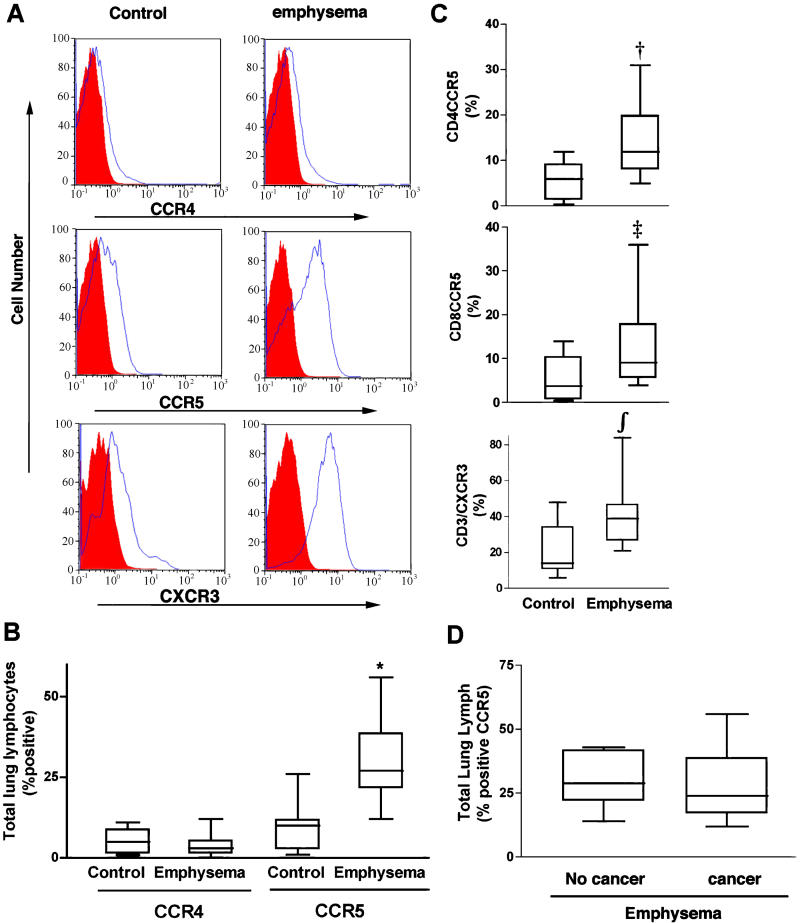
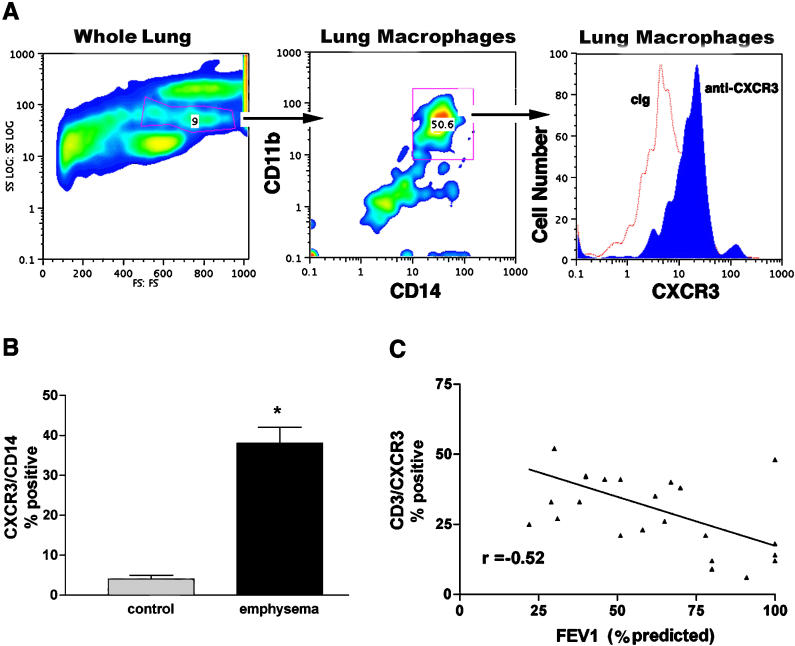
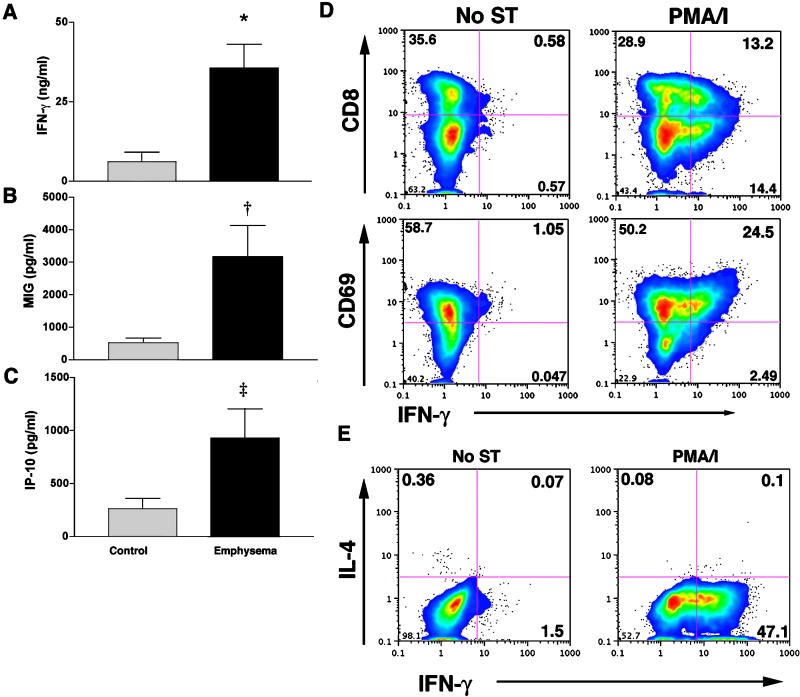
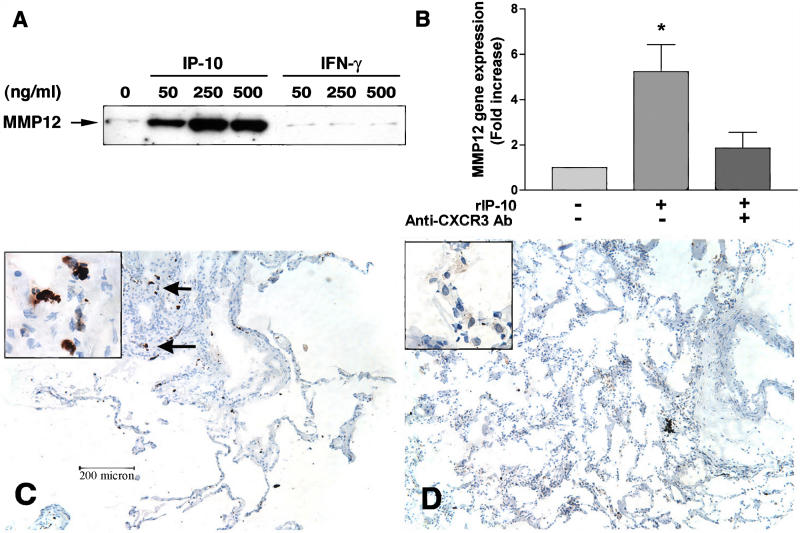
BACKGROUND: Chronic obstructive pulmonary disease and emphysema are a frequent result of long-term smoking, but the exact mechanisms, specifically which types of cells are associated with the lung destruction, are unclear. METHODS AND FINDINGS: We studied different subsets of lymphocytes taken from portions of human lungs removed surgically to find out which lymphocytes were the most frequent, which cell-surface markers these lymphocytes expressed, and whether the lymphocytes secreted any specific factors that could be associated with disease. We found that loss of lung function in patients with chronic obstructive pulmonary disease and emphysema was associated with a high percentage of CD4+ and CD8+ T lymphocytes that expressed chemokine receptors CCR5 and CXCR3 (both markers of T helper 1 cells), but not CCR3 or CCR4 (markers of T helper 2 cells). Lung lymphocytes in patients with chronic obstructive pulmonary disease and emphysema secrete more interferon gamma--often associated with T helper 1 cells--and interferon-inducible protein 10 and monokine induced by interferon, both of which bind to CXCR3 and are involved in attracting T helper 1 cells. In response to interferon-inducible protein 10 and monokine induced by interferon, but not interferon gamma, lung macrophages secreted macrophage metalloelastase (matrix metalloproteinase-12), a potent elastin-degrading enzyme that causes tissue destruction and which has been linked to emphysema. CONCLUSIONS: These data suggest that Th1 lymphoctytes in the lungs of people with smoking-related damage drive progression of emphysema through CXCR3 ligands, interferon-inducible protein 10, and monokine induced by interferon.
Overview
The claims and statistics of this paper haven’t been checked yet.
Run the check — free, no account needed. It reads the open-access text and checks the sources it cites.
Integrity signals
Registry
Cites
Statistics
Figures
Verification
Claims the paper makes
The claims and statistics of this paper haven’t been checked yet.
Run the check — free, no account needed. It reads the open-access text and checks the sources it cites.
Claims other papers make about this one
Each is checked against this paper’s own text: does it say what the citing paper says it does?
In the citing paper
“Specifically, macrophages, which can produce multiple proinflammatory cytokines and secrete MMPs, are the most abundant cell type in the BAL fluid of COPD patients, and increased numbers correlate with disease severity (85, 86, 104).”
From Aging and Lung Disease (2020) · cites this paper as [85]
In the citing paper
“Impaired phagocytosis and clearance of cellular debris by airway macrophages in COPD result in persistent inflammation (85, 104).”
From Aging and Lung Disease (2020) · cites this paper as [85]
Self-check
Percentages, sums and reported differences re-computed from the paper’s own numbers.
The self-check needs the paper’s full text.
Citations
Cites
Vestbo, J., Hurd, S. S., Agustí, A. G., Jones, P. W., Vogelmeier, C., Anzueto, A., Barnes, P. J., Fabbri, L. M., Martinez, F. J., Nishimura, M., et al. (2013) · American Journal of Respiratory and Critical Care Medicine · doi:10.1164/rccm.201204-0596pp · Cited by 15,983
PAUWELS, R. A., Buist, A. S., CALVERLEY, P. M. A., Jenkins, C. R., & Hurd, S. S. (2001) · American Journal of Respiratory and Critical Care Medicine · doi:10.1164/ajrccm.163.5.2101039 · Cited by 6,572 · cited 1×
“COPD was diagnosed according to the criteria recommended by the National Institutes of Health/World Health Organization workshop summary [31].”
MethodHow Matrix Metalloproteinases Regulate Cell Behavior
Sternlicht, M. D., & Werb, Z. (2001) · Annual Review of Cell and Developmental Biology · doi:10.1146/annurev.cellbio.17.1.463 · Cited by 3,959 · cited 1×
“Cytokines and chemokines are substrates for MMPs, but they also regulate expression of MMPs under pathological conditions [47,48].”
BackgroundZlotnik, A., & Yoshie, O. (2000) · Immunity · doi:10.1016/s1074-7613(00)80165-x · Cited by 3,923 · cited 1×
“Interferon-inducible protein 10 (IP10), monokine induced by interferon gamma (MIG), and interferon-inducible T cell alpha chemoattractant (I-TAC) are three known ligands for CXCR3 produced by normal and injured epithelial cells and T cells that are required for homing of Th1 cells [27,28,29].”
BackgroundChronic Obstructive Pulmonary Disease
Flavin, K., Morkane, C. M., & Marsh, S. (2018) · Cambridge University Press eBooks · doi:10.1017/9781108233712.025 · Cited by 2,687
Anthonisen, N. R. (1994) · JAMA · doi:10.1001/jama.272.19.1497 · Cited by 1,960
Requirement for IL-13 Independently of IL-4 in Experimental Asthma
Grünig, G., Warnock, M. L., Wakil, A. E., Venkayya, R., Brombacher, F., Rennick, D. M., Sheppard, D., Mohrs, M., Donaldson, D. D., Locksley, R. M., et al. (1998) · Science · doi:10.1126/science.282.5397.2261 · Cited by 1,845
Self-citationRequirement for Macrophage Elastase for Cigarette Smoke-Induced Emphysema in Mice
Hautamaki, R. D., Kobayashi, D. K., Senior, R. M., & Shapiro, S. D. (1997) · Science · doi:10.1126/science.277.5334.2002 · Cited by 1,470 · cited 1×
“MMP12 deficiency has been shown to protect mice against emphysema after chronic exposure to cigarette smoke, implying that MMP12 may be the key proteinase in the development of emphysema in this species [49,50].”
BackgroundChronic Obstructive Pulmonary Disease
Barnes, P. J. (2000) · New England Journal of Medicine · doi:10.1056/nejm200007273430407 · Cited by 1,078
Cole, K. E., Strick, C. A., Paradis, T. J., Ogborne, K. T., Loetscher, M., Gladue, R. P., Lin, W., Boyd, J. G., Moser, B., Wood, D. E., et al. (1998) · The Journal of Experimental Medicine · doi:10.1084/jem.187.12.2009 · Cited by 870 · cited 1×
“]. In addition to T cells, a wide variety of other inflammatory cells have been shown to express distinct chemokine receptors that are critical for their homing, suggesting a universal mechanism for regulating immune responses. Interferon-inducible protein 10 (IP-10), monokine induced by interferon gamma (MIG), and in…”
Background
Research works printed but not linked: 3
- Kay, 1997, Ciba Found Symp, 206, 56
- Anthonisen, 1994, JAMA, 272, 1497, 10.1001/jama.1994.03520190043033 · DOI
- Fiocchi, 1985, Acta Chir Scand Suppl, 525, 11
Cited by
Sorted by citations
Items 201–300 of 484
Koth, L. L., Cambier, C. J., Ellwanger, A., Solon, M., Hou, L., Lanier, L. L., Abram, C. L., Hamerman, J. A., & Woodruff, P. G. (2010) · The Journal of Immunology · doi:10.4049/jimmunol.0901171 · Cited by 34
Increased intraepithelial T-cells in stable COPD
Löfdahl, M., Roos-Engstrand, E., Pourazar, J., Bucht, A., Dahlén, B., Elmberger, G., Blomberg, A., & Sköld, C. M. (2008) · Respiratory Medicine · doi:10.1016/j.rmed.2008.06.013 · Cited by 34
Meghraoui, A., Pierre, A., Sellami, M., Audonnet, S., Lemaire, F., & Naour, R. L. (2017) · American Journal of Physiology-Lung Cellular and Molecular Physiology · doi:10.1152/ajplung.00465.2016 · Cited by 33
“Integrated in the pathophysiological mechanisms of COPD, our results highlight an additional EP deleterious role in the generation and maintenance of the persistent inflammation observed in COPD patients.”
BackgroundResultInfluentialImmunomodulatory basis of antioxidant therapy and its future prospects: an appraisal
Ajith, Y., Dimri, U., Dixit, S. K., Singh, S. K., Gopalakrishnan, A., Madhesh, E., Rajesh, J. B., & Sangeetha, S. (2017) · Inflammopharmacology · doi:10.1007/s10787-017-0393-5 · Cited by 33
Immune Trait Shifts in Association With Tobacco Smoking: A Study in Healthy Women
Piaggeschi, G., Rolla, S., Rossi, N., Brusa, D., Naccarati, A., Couvreur, S., Spector, T. D., Roederer, M., Mangino, M., Cordero, F., et al. (2021) · Frontiers in Immunology · doi:10.3389/fimmu.2021.637974 · Cited by 33
“This decline is consistent with continuous pathophysiological abnormalities, including inflammatory, infective, and immunity abnormalities of the lung in both COPD patients and healthy individuals (9, 47, 48).”
BackgroundAlveolar Macrophage Recruitment and Activation by Chronic Second Hand Smoke Exposure in Mice
Woodruff, P. G., Ellwanger, A., Solon, M., Cambier, C. J., Pinkerton, K. E., & Koth, L. L. (2009) · COPD Journal of Chronic Obstructive Pulmonary Disease · doi:10.1080/15412550902751738 · Cited by 32
Biswas, M., Suvarna, R., Vimal Krishnan, S., Devasia, T., Belle, V. S., & Prabhu, K. (2022) · F1000Research · doi:10.12688/f1000research.123245.1 · Cited by 31
“A study reported the presence of fully activated forms of both CD4 andCD8 T lymphocytesmanifesting a predominant Th1/cytotoxic phenotype resulting in an exaggerated expression of proinflammatory and tissue injury cytokines.(150)”
BackgroundGu, B., Choi, J. C.-B., Shen, Y. H., Song, L., Scheurer, M. E., Luong, A., Rodríguez, A., Woodruff, P. G., Koth, L. L., Corry, D. B., et al. (2019) · Journal of the American Heart Association · doi:10.1161/jaha.118.011671 · Cited by 31
“12,19 Therefore, we next examined whether members of the endogenous enzymes that can target elastin molecules are elevated in the plasma of TAA/TAD smokers, and if there was an association with airway obstruction.”
Self-citationRole of LTB4in the pathogenesis of elastase-induced murine pulmonary emphysema
Shim, Y. M., Paige, M. A., Hanna, H., Kim, S. H., Burdick, M. D., & Strieter, R. M. (2010) · American Journal of Physiology-Lung Cellular and Molecular Physiology · doi:10.1152/ajplung.00116.2010 · Cited by 31
“In the past, neutrophils have been mostly described as a causative leukocyte in the pathogenesis of pulmonary emphysema (16, 19, 31, 41, 42).”
BackgroundIL-18 associated with lung lymphoid aggregates drives IFNγ production in severe COPD
Briend, E., Ferguson, G. J., Mori, M., Damera, G., Stephenson, K. E., Karp, N. A., Sethi, S., Ward, C. K., Sleeman, M. A., Erjefalt, J. S., et al. (2017) · Respiratory Research · doi:10.1186/s12931-017-0641-7 · Cited by 31
“interferon response to stimulation ex-vivo [5, 23, 24], and where IFNγ levels have been measured in sputum, they are consistent with those reported here [12].”
ResultLung inflammation in COPD: why does it matter?
Oh, J. Y., & Sin, D. D. (2012) · F1000 Medicine Reports · doi:10.3410/m4-23 · Cited by 30
“Some have postulated that lymphocytes (especially T lymphocytes) play a pivotal role by inducing “auto-immunity” [11,12].”
BackgroundPulmonary macrophages and their different roles in health and disease
Melo, E. M., de Oliveira, V. L. S., Boff, D., & Galvão, I. (2021) · The International Journal of Biochemistry & Cell Biology · doi:10.1016/j.biocel.2021.106095 · Cited by 33
Zhang, Z., Cheng, X., Li, Y., Cui, W., Zhou, W., Gao, J., & Yao, H. (2017) · Journal of Cellular Physiology · doi:10.1002/jcp.25844 · Cited by 30
“There are many inflammation cells including increased numbers of neutrophils, macrophages, T-lymphocytes and B-lymphocytes in lung interstitium in COPD patients (Barnes, 2004; Grumelli et al., 2004; Hogg et al., 2004; Brusselle, Joos, & Bracke, 2011), which involves in the innate and adaptive immunity responses.”
BackgroundCigarette Smoke–Induced CXCR3 Receptor Up-Regulation Mediates Endothelial Apoptosis
Green, L. A., Petrusca, D. N., Gangaraju, R., Gianaris, T., Schweitzer, K. S., Wang, L., Justice, M. J., Petrache, I., & Clauss, M. A. (2012) · American Journal of Respiratory Cell and Molecular Biology · doi:10.1165/rcmb.2012-0132oc · Cited by 29
Self-citationRenukaradhya, G. J., Manickam, C., Khatri, M., Rauf, A., Li, X., Tsuji, M., Rajashekara, G., & Dwivedi, V. (2010) · Journal of Clinical Immunology · doi:10.1007/s10875-010-9476-4 · Cited by 29
“Frozen lung sections (3 μm) were immunostained as described previously [33].”
MethodEffect of incremental exercise on airway and systemic inflammation in patients with COPD
Davidson, W. J., Verity, W. S., Traves, S. L., Leigh, R., Ford, G. T., & Eves, N. D. (2012) · Journal of Applied Physiology · doi:10.1152/japplphysiol.01615.2011 · Cited by 29
Qiu, S., Duan, M., Liang, Y., Tang, H., Liu, G., Zhang, L., & Yang, C. (2016) · Frontiers in Immunology · doi:10.3389/fimmu.2016.00553 · Cited by 29
“Lung single-cell suspensions were isolated by modifying established protocols, using a combination of mechanical fragmentation, enzyme digestion, and centrifugation procedures, as described previously (8, 24).”
MethodShapiro, S. D. (2005) · New England Journal of Medicine · doi:10.1056/nejme058044 · Cited by 29
Fang, Z., Wang, Z.-N., Chen, Z., Peng, Y., Fu, Y., Yang, Y., Han, H., Teng, Y., Zhou, W., Xu, D., et al. (2024) · Respiratory Research · doi:10.1186/s12931-023-02623-y · Cited by 28
“Third, in addition to T2-driven inflammation, increased number of CD8 + T-lymphocytes and Th1-driven inflammatory response has been shown to play important roles in the pathogenesis of COPD [56, 57].”
BackgroundWang, D., Li, S., Yang, Z., Yu, C., Wu, P.-F., Yang, Y., Zhang, R., Li, Q., Yang, J., Li, H., et al. (2024) · Clinical and Translational Medicine · doi:10.1002/ctm2.1786 · Cited by 29
“12 Recent advancements have been made with elucidating the immune microenvironment in LSCC tumours that coexist with COPD.”
BackgroundChen, K.-Y., Wu, S., Liu, J., & Lee, K.-Y. (2019) · Medicine · doi:10.1097/md.0000000000018035 · Cited by 28
“To clarify the potential protective benefit of influenza vaccination on occurrence of lung cancer in Taiwanese patients with COPD, we performed a population-based cohort study using reimbursement claims from Taiwan’s National Health Insurance Research Database (NHIRD).”
BackgroundInfluentialHuman type II pneumocyte chemotactic responses to CXCR3 activation are mediated by splice variant A
Ji, R., Lee, C. M., Gonzales, L. W., Yang, Y., Aksoy, M. O., Wang, P., Brailoiu, E., Dun, N. J., Hurford, M. T., & Kelsen, S. G. (2008) · American Journal of Physiology-Lung Cellular and Molecular Physiology · doi:10.1152/ajplung.00388.2007 · Cited by 28
“Chemotactic responses of cultured human fetal pneumocytes to I-TAC, Mig, and IP-10.”
InfluentialKim, K. H., Song, H., Ahn, K., Oh, S., Sadikot, R. T., & Joo, M. (2016) · Journal of Ethnopharmacology · doi:10.1016/j.jep.2016.05.004 · Cited by 27
CD8 chemokine receptors in chronic obstructive pulmonary disease
Smyth, L. J. C., Starkey, C., Gordon, F., Vestbo, J., & Singh, D. (2008) · Clinical & Experimental Immunology · doi:10.1111/j.1365-2249.2008.03729.x · Cited by 27
Generation and Immune Regulation of CD4+CD25-Foxp3) T Cells in Chronic Obstructive Pulmonary Disease
Wu, J.-H., Zhou, M., Jin, Y., Meng, Z.-J., Xiong, X.-Z., Sun, S.-W., Miao, S.-Y., Han, H.-L., & Tao, X.-N. (2019) · Frontiers in Immunology · doi:10.3389/fimmu.2019.00220 · Cited by 26
“COPD is not only characterized by mainly Th1-mediated type 1 inflammation (3, 8) but also by the imbalance between the anti-inflammatory subsets and the proinflammatory subsets of Tregs (7), which may play an important role in COPD progression.”
BackgroundVaughan, A., Stevanović, S., Jafari, M., Rahman, M. M., Bowman, R., Fong, K. M., Ristovski, Z., & Yang, I. A. (2018) · Environmental Research · doi:10.1016/j.envres.2018.12.035 · Cited by 26
Li, Q., Sun, J., Cao, Y., Liu, B., Li, L., Mohammadtursun, N., Zhang, H., Dong, J., & Wu, J. (2019) · Biomedicine & Pharmacotherapy · doi:10.1016/j.biopha.2019.109735 · Cited by 26
Hedgehog interacting protein–expressing lung fibroblasts suppress lymphocytic inflammation in mice
Yun, J. H., Lee, C., Liu, T., Liu, S., Kim, E. Y., Xu, S., Curtis, J. L., Pinello, L., Bowler, R. P., Silverman, E. K., et al. (2021) · JCI Insight · doi:10.1172/jci.insight.144575 · Cited by 28
“Interestingly, IFN-γ recruits inflammatory cells into COPD lungs through upregulation of CXCR3 (28), which also showed increased expression along with CXCL10 in Hhip+/– lungs at 10 months of age (13).”
BackgroundPlant-Derived Natural Products as Lead Agents against Common Respiratory Diseases
Oriola, A. O., & Oyedeji, A. O. (2022) · Molecules · doi:10.3390/molecules27103054 · Cited by 26
“Risk Factors and Epidemiology Respiratory diseases (RDs) are illnesses that affect the organs and tissues in the lungs and airways, limiting gas exchange and breathing [26].”
BackgroundTsoumakidou, M., Bouloukaki, I., Koutala, H., Kouvidi, K., Mitrouska, I., Zakynthinos, S. G., Tzanakis, Ν., Jeffery, P. K., & Siafakas, N. M. (2009) · International Archives of Allergy and Immunology · doi:10.1159/000226240 · Cited by 26
“Lung T lymphocytes in patients with COPD secrete more interferon-γ, which is associated with the type 1 immune response [”
BackgroundPathogenic mechanism of second hand smoke induced inflammation and COPD
Birru, R. L., & Di, Y. P. (2012) · Frontiers in Physiology · doi:10.3389/fphys.2012.00348 · Cited by 26
Tsoumakidou, M., & Siafakas, N. M. (2006) · Respiratory Research · doi:10.1186/1465-9921-7-80 · Cited by 26
“Evidence favouring participation of the adaptive immune response in COPD includes the several reports of increased numbers of Tlymphocytes, specifically CD8+ve T-cells with a "type 1"profile [68-71].”
BackgroundKnobloch, J., Chikosi, S.-J., Yanik, S. D., Rupp, J., Jungck, D., & Koch, A. (2015) · American Journal of Physiology-Lung Cellular and Molecular Physiology · doi:10.1152/ajplung.00367.2014 · Cited by 26
Triplette, M., Attia, E. F., Akgün, K. M., Campo, M., Rodriguez‐Barradas, M. C., Pipavath, S. N. J., Shahrir, S., Wongtrakool, C., Goetz, M. B., Kim, J. M., et al. (2016) · JAIDS Journal of Acquired Immune Deficiency Syndromes · doi:10.1097/qai.0000000000001133 · Cited by 26
“The reasons for this remain unclear, but may be related to chronic inflammation that persists despite viremia suppression with ART and relative immunosuppression.(12,15) Radiographic emphysema can be reflected by the significantly lower diffusion capacity (DLCO) seen in HIV, but there is also a higher burden of respir…”
BackgroundCorleis, B., Cho, J. L., Gates, S. J., Linder, A. H., Dickey, A. K., Lisanti-Park, A. C., Schiff, A. E., Ghebremichael, M. S., Kohli, P., Winkler, T., et al. (2021) · American Journal of Respiratory Cell and Molecular Biology · doi:10.1165/rcmb.2021-0168oc · Cited by 24
Wu, Y., Li, E., Knight, M., Adeniyi-Ipadeola, G. O., Song, L., Burns, A. R., Gazzinelli-Guimarães, A. C., Fujiwara, R. T., Bottazzi, M. E., & Weatherhead, J. E. (2021) · PLoS neglected tropical diseases · doi:10.1371/journal.pntd.0010050 · Cited by 25
“Ascaris larval migration induces chronic expression of MMP12 from alveolar and interstitial macrophages Because Ascaris larval migration induced a chronic COPD-like phenotype (Fig 2), we hypothesized that expression of endogenous proteinases, especially elastases, linked to the development of emphysema[28,29] might al…”
BackgroundSelf-citationCurrent Concepts in Mechanisms of Emphysema
Wright, J. R., & Churg, A. (2007) · Toxicologic Pathology · doi:10.1080/01926230601059951 · Cited by 25
“It is intriguing that increases in T cell numbers appear to be associated with increases in MMP-12 release ( Grumelli et al., 2004 ).”
BackgroundInfluentialBazett, M., Biala, A. K., Huff, R. D., Zeglinski, M. R., Hansbro, P. M., Bosiljcic, M., Gunn, H., Kalyan, S., & Hirota, J. A. (2017) · Respiratory Research · doi:10.1186/s12931-017-0577-y · Cited by 24
“In COPD patients, the inflammatory immune response is altered, and often involves increased cytokines, including IFN-γ, CXCL9 (MIG), CXCL10 (IP-10), and CCL5 (RANTES) [14–16].”
BackgroundInfluentialImmune Modulation in Lung Cancer: Current Concepts and Future Strategies
Gaissmaier, L., & Christopoulos, P. (2020) · Respiration · doi:10.1159/000510385 · Cited by 24
The role of miRNAs in alveolar epithelial cells in emphysema
Hayek, H., Kośmider, B., & Bahmed, K. (2021) · Biomedicine & Pharmacotherapy · doi:10.1016/j.biopha.2021.112216 · Cited by 26
Ruwanpura, S. M., McLeod, L., Brooks, G. D., Bozinovski, S., Vlahos, R., Longano, A., Bardin, P. G., Anderson, G. P., & Jenkins, B. J. (2014) · Respirology · doi:10.1111/resp.12243 · Cited by 24
Čužić, S., Bosnar, M., Kramarić, M. D., Ferenčić, Ž., Marković, D., Glojnarić, I., & Haber, V. E. (2012) · Toxicologic Pathology · doi:10.1177/0192623312448937 · Cited by 24
“Decreased lung function, measured as FEV1 and emphysema in COPD patients, has been linked to increased levels of sputum neutrophils (Stanescu et al. 1996) as well as to a Th1-response (Grumelli et al. 2004), suggesting that lung tissue damage may be driven by innate and adaptive immune responses.”
BackgroundImmune and Genetic Mechanisms in COPD: Possible Targets for Therapeutic Interventions
Tzortzaki, E. G., Papi, A. A., Neofytou, E., Soulitzis, N., & Siafakas, N. M. (2013) · Current Drug Targets · doi:10.2174/1389450111314020002 · Cited by 24
Gaucherand, L., Falk, B. A., Evanko, S. P., Workman, G. A., Chan, C. K., & Wight, T. N. (2016) · Journal of Cellular Biochemistry · doi:10.1002/jcb.25842 · Cited by 24
“In many inflammatory diseases, activated T cells can be found in the tissue in close contact with stromal cells in most inflammatory diseases, such as chronic obstructive pulmonary disease [Saetta et al., 1998; Turato et al., 2002; Grumelli et al., 2004], asthma [Del Prete et al.”
BackgroundHuman T cells stimulate fibroblast-mediated degradation of extracellular matrix in vitro
Mikko, M., Fredriksson, K., Wahlström, J., Eriksson, P. O., Grünewald, J., & Sköld, C. M. (2007) · Clinical & Experimental Immunology · doi:10.1111/j.1365-2249.2007.03565.x · Cited by 24
Chronic Obstructive Pulmonary Disease (COPD)
Barnes, P. J. (2012) · Chemical biology · doi:10.1002/9781118435762.ch13 · Cited by 24
CD46 Protects against Chronic Obstructive Pulmonary Disease
Grumelli, S., Lu, B., Peterson, L. E., Maeno, T., & Gerard, C. J. (2011) · PLoS ONE · doi:10.1371/journal.pone.0018785 · Cited by 23
“After reports of CXCR3 positive T cells indicating a T helper 1 (Th1) type of immune response [4] we found CXCR3 on macrophages [5] and showed that cross-talk among T cells and macrophages through the binding of interferon gamma (INFc) inducible protein 10 (IP10), secreted by T cells, to the CXCR3 receptor on macropha…”
Self-citationGuideline for the management of upper respiratory tract infections.
Brink, A. J., Cotton, M. F., Feldman, C. H., Geffen, L., Hendson, W., Hockman, M., Maartens, G., Madhi, S. A., Mutua-Mpungu, M., & Swingler, G. H. (2004) · PubMed · Cited by 23
Wang, X., Zhang, D., Higham, A., Wolosianka, S., Gai, X., Zhou, L., Petersen, H. V., Pinto-Plata, V., Divo, M. J., Silverman, E. K., et al. (2020) · Respiratory Research · doi:10.1186/s12931-020-01446-5 · Cited by 22
Asakura, T., Ishii, M., Namkoong, H., Suzuki, S., Kagawa, S., Yagi, K., Komiya, T., Hashimoto, T., Okamori, S., Kamata, H., et al. (2018) · Mucosal Immunology · doi:10.1038/s41385-018-0077-5 · Cited by 22
Tang, Y., Guan, Y., Liu, Y., Sun, J., Xu, L., & Jiang, Y. (2013) · Journal of Interferon & Cytokine Research · doi:10.1089/jir.2013.0063 · Cited by 21
Chen, F., Wu, W., Jin, L., Millman, A., Palma, M., El-Naccache, D. W., Lothstein, K. E., Dong, C., Edelblum, K. L., & Gause, W. C. (2018) · Cell Reports · doi:10.1016/j.celrep.2018.11.038 · Cited by 20
“It is increasingly recognized that the immune system may play a causative role in the development of emphysema (Grumelli et al., 2004; Taraseviciene-Stewart and Voelkel, 2008) and that IL-17A may be particularly important in driving the destruction of elastin-containing alveolar walls (Lu et al.,…”
Cell-specific drug targeting in the lung
Abed, S., Turner, R. A., Serniuck, N. J., Tat, V., Naiel, S., Hayat, A. I., Mekhael, O., Vierhout, M., Ask, K., & Rullo, A. F. (2021) · Biochemical Pharmacology · doi:10.1016/j.bcp.2021.114577 · Cited by 21
Khodayari, N., Oshins, R. A., Mehrad, B., Lascano, J. E., Qiang, X., West, J., Holliday, L. S., Lee, J., Wiesemann, G. S., Eydgahi, S., et al. (2022) · Respiratory Research · doi:10.1186/s12931-022-02161-z · Cited by 21
“Lung parenchymal 433 destruction is a key feature of COPD and is a direct result of activated alveolar macrophages (37).”
BackgroundNew immune pathways from chronic post‐viral lung disease
Benoît, L. A., & Holtzman, M. J. (2010) · Annals of the New York Academy of Sciences · doi:10.1111/j.1749-6632.2009.05136.x · Cited by 20
Khabour, O. F., Alzoubi, K. H., Thiab, T. M. A., Al-Husein, B. A., Eissenberg, T., & Shihadeh, A. (2015) · Inhalation Toxicology · doi:10.3109/08958378.2015.1085471 · Cited by 21
“Inflammatory response is mediated by the release of chemokines, cytokines, interferones, and enzymes such as metalloproteinases (MMPs) (Grumelli et al., 2004; Morris et al., 2008; Segura-Valdez et al., 2000).”
BackgroundHeterogeneity of Lung Mononuclear Phagocytes in Chronic Obstructive Pulmonary Disease
Lee, J. S. (2012) · Journal of Innate Immunity · doi:10.1159/000337434 · Cited by 21
Thitithanyanont, A., Engering, A. J., Uiprasertkul, M., Ekchariyawat, P., Wiboon-ut, S., Kraivong, R., Limsalakpetch, A., Kum-Arb, U., Yongvanitchit, K., Sa‐Ard‐Iam, N., et al. (2010) · Biochemical and Biophysical Research Communications · doi:10.1016/j.bbrc.2010.07.017 · Cited by 21
“Other immune cells, including PDCs, mast cells, infiltrated lung macrophages, and infiltrated lung neutrophils also express CXCR3 [21–24], suggesting that IP-10 may involve in trafficking of these cells to the inflamed lung.”
BackgroundQiu, S., Kuang, L., Tang, Q., Duan, M., Bai, J., He, Z., Zhang, J., Li, M., Deng, J., Liu, G., et al. (2017) · Clinical Immunology · doi:10.1016/j.clim.2017.11.003 · Cited by 21
Lemaire, F., Audonnet, S., Perotin, J., Gaudry, P., Dury, S., Ancel, J., Lebargy, F., Antonicelli, F. D., Deslée, G., & Naour, R. L. (2021) · Respiratory Research · doi:10.1186/s12931-020-01609-4 · Cited by 20
“Indeed, while studies showed predominance of type 1 cytokines expressed by CD4+ (T helper (Th) 1) and CD8+ T lymphocytes (T cytotoxic (Tc) 1) [5, 8, 11, 12], others described either a Th2/Tc2 [13, 14] or a Th17/Tc17 [12, 15, 16] profile in the airways, peripheral blood, and/or the broncho-alveolar lavages (BAL) of COP…”
BackgroundPark, J., Shin, I.-S., Ha, U., Oh, S., Kim, J., & Ahn, K. (2015) · Infection and Immunity · doi:10.1128/iai.00619-15 · Cited by 20
“Therapies for chronic respiratory inflammation are currently limited to pharmacologic bronchodilation to relieve dyspnea, antibiotics for intercurrent respiratory tract infection, and vaccination against prominent respiratory pathogens (44); thus, our findings provide genuine hope that future therapies may be capable…”
BackgroundThe effects of BAFF on T lymphocytes in chronic obstructive pulmonary disease
Gao, S., Chen, J., Xie, J., & Wang, J. (2020) · Respiratory Research · doi:10.1186/s12931-020-01333-z · Cited by 20
Role of Proteases in Inflammatory Lung Diseases
Chakraborty, K., & Bhattacharyya, A. (2013) · Springer eBooks · doi:10.1007/978-1-4614-9233-7_21 · Cited by 20
“This CXCL9 can upregulate the expression of MMP-12 in pulmonary macrophages [ 115 ] , providing a mechanism for chronic and progressive destruction of lung parenchyma that is seen in emphysema.”
Pulmonary Emphysema: When More is Less
Morris, D. G., & Sheppard, D. (2006) · Physiology · doi:10.1152/physiol.00027.2006 · Cited by 20
“The chronic inflammatory infiltration of the lungs in patients with emphysema is comprised of macrophages, polymorphonuclear leukocytes, and lymphocytes, of which most are CD8+ T cells and B lymphocytes (12, 19, 43).”
BackgroundLethbridge, M. W., Kemeny, D. M., Ratoff, J. C., O'Connor, B. J., Hawrylowicz, C. M., & Corrigan, C. J. (2010) · Clinical & Experimental Immunology · doi:10.1111/j.1365-2249.2010.04198.x · Cited by 19
Matera, M. G., Calzetta, L., Annibale, R., Russo, F. P., & Cazzola, M. (2021) · Expert Review of Clinical Pharmacology · doi:10.1080/17512433.2021.1925537 · Cited by 19
“Correlations between the levels of unstimulated mRNA transcripts in lung CD4 T cells and specific COPD phenotypes have been identified [24].”
BackgroundChen, G., Mu, Q., & Meng, Z. (2023) · International Journal of COPD · doi:10.2147/copd.s426215 · Cited by 19
Role of Th17 Cell and Autoimmunity in Chronic Obstructive Pulmonary Disease
Hong, S. C., & Lee, S. (2010) · Immune Network · doi:10.4110/in.2010.10.4.109 · Cited by 19
Jaques, J. A. D. S., Rezer, J. F. P., Ruchel, J. B., Becker, L. V., da Rosa, C. S., Souza, V. D. C. G., da Luz, S. C. A., Gutierres, J. M., Gonçalves, J. F., Morsch, V. M., et al. (2011) · Biomedicine & Preventive Nutrition · doi:10.1016/j.bionut.2011.02.003 · Cited by 19
Odler, B., Cseh, Á., Constantin, T., Fekete, G., Losonczy, G., Tamási, L., Benke, K., Szilveszter, B., & Müller, V. (2016) · The Clinical Respiratory Journal · doi:10.1111/crj.12446 · Cited by 19
“Th1 lymphocytes are increased in emphysematic COPD lungs (40).”
BackgroundKuang, L., Deng, T., Wang, Q. L., Qiu, S., Liang, Y., He, Z., Zhang, J., Bai, J., Li, M., Deng, J., et al. (2016) · American Journal of Physiology-Lung Cellular and Molecular Physiology · doi:10.1152/ajplung.00002.2016 · Cited by 19
Cigarette Smoke and DNA Cleavage Promote Lung Inflammation and Emphysema.
Kheradmand, F., You, R., Gu, B. H., & Corry, D. (2017) · Europe PMC (PubMed Central) · Cited by 19
Self-citationCunto, G. D., Lunghi, B., Bartalesi, B., Cavarra, E., Fineschi, S., Ulivieri, C., Lungarella, G., & Lucattelli, M. (2016) · American Journal Of Pathology · doi:10.1016/j.ajpath.2016.03.002 · Cited by 18
Murine Model of Chronic Respiratory Inflammation
Lugade, A. A., Bogner, P. N., & Thanavala, Y. M. (2011) · Advances in experimental medicine and biology · doi:10.1007/978-1-4419-5632-3_11 · Cited by 18
“Although alveolar macrophages are unable to secrete pro-inflammatory cytokines that clear pathogens, CS exposure promotes the production of reactive oxygen species (ROS) and proteolytic enzymes such as matrix metalloproteinases from the alveolar macrophage which then promote detrimental inflammation in the lung that l…”
BackgroundMatsuda, A. (2008) · International Journal of COPD · doi:10.2147/copd.s3981 · Cited by 18
To reg or not to reg: that is the question in COPD
Baraldo, S., & Saetta, M. P. (2008) · European Respiratory Journal · doi:10.1183/09031936.00000608 · Cited by 18
“The interaction between CXCL10 and CXCR3 induces the release of matrix metalloproteinase (MMP)-12 [ 12 ] from macrophages and, similarly, type 1 inflammation determines upregulation of other metalloproteinases, such as MMP-2 and -9 [13–15].”
BackgroundInteractions between the lung microbiome and host immunity in chronic obstructive pulmonary disease
Zhu, Y., & Chang, D. (2023) · Chronic Diseases and Translational Medicine · doi:10.1002/cdt3.66 · Cited by 16
Immunological basis of reversible and fixed airways disease
Tubby, C., Harrison, T. W., Todd, I., & Fairclough, L. C. (2011) · Clinical Science · doi:10.1042/cs20110062 · Cited by 17
A mucoactive drug carbocisteine ameliorates steroid resistance in rat COPD model
Song, Y. J., Yu, P., Lu, J., Lu, H., Zhu, L., Yu, Z., Chen, H., & Cui, Y. (2016) · Pulmonary Pharmacology & Therapeutics · doi:10.1016/j.pupt.2016.06.003 · Cited by 17
Plasma cytokine profile on admission related to aetiology in community‐acquired pneumonia
Burgmeijer, E. H., Duijkers, R., Lutter, R., Bonten, M. J. M., Schweitzer, V. A., & Boersma, W. G. (2019) · The Clinical Respiratory Journal · doi:10.1111/crj.13062 · Cited by 17
Chen, Y., Kumar, R. K., Thomas, P. S., & Herbert, C. A. (2019) · Mediators of Inflammation · doi:10.1155/2019/7281462 · Cited by 17
“The Th1/17-biased inflammatory milieu is an important characteristic of COPD, which may alter the airway epithelial cell responses to environmental stimuli, including viruses and bacteria [6, 7].”
BackgroundLeukocyte navigation mechanisms as targets in airway diseases
Medina‐Tato, D. A., Watson, M., & Ward, S. G. (2006) · Drug Discovery Today · doi:10.1016/j.drudis.2006.08.008 · Cited by 17
Fernandes, J. R., Pinto, T. N. C., Piemonte, L. L., Arruda, L. B., da Silva, C. C. B. M., Carvalho, C. R. F., Carvalho‐Pinto, R. M., Duarte, A. J. S., & Benard, G. (2021) · Mechanisms of Ageing and Development · doi:10.1016/j.mad.2021.111501 · Cited by 16
“It is well established that COPD patients have an inflammatory microenvironment (48, 49, 63-65).”
BackgroundCurrent Perspectives on Biological Therapy for COPD
Yadav, A. K., Gu, W., Zhang, T., Xu, X., & Yu, L. (2023) · COPD Journal of Chronic Obstructive Pulmonary Disease · doi:10.1080/15412555.2023.2187210 · Cited by 16
“…which is generated by CD8+ cytotoxic T cells in patients with COPD, and CXCL10 (a ligand for CXCR3) increases the synthesis of a significant amount of matrix metalloproteinase-12 (MMP12) by macrophages, which is crucial for the destruction of lung tissue and the onset of emphysema [60] (Figure 1).”
BackgroundRoberts, M. E. P., Higgs, B. W., Brohawn, P. Z., Pilataxi, F., Guo, X., Kuziora, M. A., Bowler, R. P., & White, W. I. (2015) · Chronic Obstructive Pulmonary Diseases Journal of the COPD Foundation · doi:10.15326/jcopdf.2.4.2015.0131 · Cited by 17
Nie, L., Xiang, R., Liu, Y., Zhou, W., Jiang, L., Lu, B., Pang, B., Cheng, D., & Gao, J. (2008) · Acta Pharmacologica Sinica · doi:10.1111/j.1745-7254.2008.00899.x · Cited by 16
Airway remodeling in chronic obstructive pulmonary disease: characteristics and opportunities
Pan, M., & Zhou, X. (2025) · Frontiers in Medicine · doi:10.3389/fmed.2025.1556868 · Cited by 15
“When AM encounters IFN-inducible protein-10 and IFN-γ -induced cytokines, they can release MMP-12, accelerating tissue deterioration and elastic degradation (72).”
Effect of lipoteichoic acid on IL-2 and IL-5 release from T lymphocytes in asthma and COPD
Mat, Z., Grensemann, B., Yakin, Y., Knobloch, J., & Koch, A. (2012) · International Immunopharmacology · doi:10.1016/j.intimp.2012.04.005 · Cited by 13
“TH2 cells have a major role in systemic inflammation in asthma and, although to a much lesser extent, also in smoking-induced COPD [12,14,39].”
BackgroundYu, M., Liu, X., Wang, J., & Xu, Y. (2013) · Chinese Medical Journal · doi:10.3760/cma.j.issn.0366-6999.20123217 · Cited by 15
Loss of Peripheral Tolerance in Emphysema. Phenotypes, Exacerbations, and Disease Progression
Bhavani, S. V., Yuan, X., You, R., Shan, M., Corry, D. B., & Kheradmand, F. (2015) · Annals of the American Thoracic Society · doi:10.1513/annalsats.201503-115aw · Cited by 15
Self-citationNie, L., Wu, W., Lu, Z., Zhu, G., & Liu, J. (2015) · Inflammation · doi:10.1007/s10753-015-0276-0 · Cited by 15
“Several studies suggest that CXCR3, together with CXCL10, helps recruit T cells into the airways and lung parenchyma in ALI [2, 13, 14].”
Revealing the clinical effect and biological mechanism of acupuncture in COPD: A review
Shi, F., Cao, J., Zhou, D., Wang, X., Yang, H., Liu, T., Chen, Z., Zeng, J., Du, S., Yang, L., et al. (2023) · Biomedicine & Pharmacotherapy · doi:10.1016/j.biopha.2023.115926 · Cited by 15
Charles, P. C., Alder, B. D., Hilliard, E., Schisler, J. C., Lineberger, R. E., Parker, J. S., Mapara, S., Wu, S., Portbury, A. L., Patterson, C., et al. (2008) · BMC Medical Genomics · doi:10.1186/1755-8794-1-38 · Cited by 14
“Previous studies have found a strong correlation between the parenchymal destruction associated with end-stage emphysema and the presence of interferon and interferon-inducible genes in the lung [ 60 ].”
BackgroundResultMitra, A., Vishweswaraiah, S., Thimraj, T. A., Maheswarappa, M., Chaya, S. K., Lokesh, K. S., Siddaiah, J. B., Ganguly, K., & Mahesh, P. A. (2018) · International Journal of Inflammation · doi:10.1155/2018/2027856 · Cited by 15
“IFN-γ orchestrates the infiltration of Th1 and Tc1 cells in the COPD lungs through the upregulation of the chemokine receptor, CXCchemokine receptor (CXCR) 3, on these cells and the release of the CXCR3-activating chemokines [51].”
BackgroundIL-18 and IL-12 synergy induces matrix degrading enzymes in the lung
Cero, F. T., Hillestad, V., Løberg, E. M., Christensen, G., Larsen, K., & Skjønsberg, O. H. (2012) · Experimental Lung Research · doi:10.3109/01902148.2012.716903 · Cited by 14
“Macrophages, which express both IL-18 and IL-12, also have the ability to produce several of the other mediators described in the present study, that is, IFN-γ , TNF-α and MMP12, MMP9, and cathepsin S [17, 48, 49].”
BackgroundInfluentialHoughton, A. M., Mouded, M., & Shapiro, S. D. (2011) · Springer eBooks · doi:10.1007/978-3-642-16861-1_9 · Cited by 14
Kheradmand, F., Shan, M., & Corry, D. B. (2009) · American Journal of Respiratory and Critical Care Medicine · doi:10.1164/rccm.200909-1391ed · Cited by 14
Self-citationBoudoussier, A., Larrouture, I., Henrot, P., Veillon, R., Bardel, C., Chautemps, C., Caumont, C., Schilfarth, P., Duruisseaux, M., & Zysman, M. (2025) · Scientific Reports · doi:10.1038/s41598-025-02251-0 · Cited by 16
“Among patients with more severe stages of COPD, an overactive immune system may act as a barrier to cancer development 16 .”
Yu, W., Ye, T., Ding, J., Huang, Y., Yang, P., Qin, X., & Cuntai, Z. (2021) · Frontiers in Pharmacology · doi:10.3389/fphar.2021.551839 · Cited by 13
“The loss of lung function in patients with COPD and emphysema is associated with a high percentage of CD4 and CD8 T lymphocytes that express receptors CCR5 and CXCR3, but not CCR3 or CCR4 (both markers of T helper one cells) (Grumelli et al., 2004).”
BackgroundA Novel Animal Model of Emphysema Induced by Anti-Elastin Autoimmunity
Gu, B., Sprouse, M. L., Madison, M. C., Hong, M. J., Yuan, X., Tung, H.-Y., Landers, C. T., Song, L., Corry, D. B., Bettini, M., et al. (2019) · The Journal of Immunology · doi:10.4049/jimmunol.1900113 · Cited by 13
Self-citation
Metadata
- Authors
- Grumelli, S., Corry, D. B., Song, L.-Z., Song, L., Green, L., Huh, J., Hacken, J., Espada, R., Bag, R., Lewis, D. E., & Kheradmand, F.
- Affiliations
- Baylor College of Medicine (US)
- Michael E. DeBakey VA Medical Center (US)
- Corresponding author
- Kheradmand, Farrah
- Venue
- PLoS Medicine
- Publisher
- Public Library of Science (PLoS)
- Published
- 2004-10-19
- Volume
- 1
- Issue
- 1
- Pages
- e8
- ISSN
- 1549-1277 (ISSN-L)
- 1549-1676
- PMC
- PMC523885
- OpenAlex
- W2108679807
- Cited by
- 484
- References
- 59
- Citations by year
- 2026: 6 · 2025: 12 · 2024: 21 · 2023: 12 · 2022: 11 · 2021: 21 · 2020: 14 · 2019: 22 · 2018: 16 · 2017: 25 · 2016: 21 · 2015: 28 · 2014: 15 · 2013: 29 · 2012: 31
- FWCI
- 19.11
- Type
- journal article
- Language
- en
- Open access
- gold
- doi.org
- Locations
- PLoS Medicine (publishedVersion, cc-by)
- PubMed Central (publishedVersion, cc-by)
- PubMed (publishedVersion)
- DOAJ (DOAJ: Directory of Open Access Journals) (submittedVersion, cc-by-sa)
- Funders
- U.S. Public Health Service (69585, 64061, 72419)
- National Institute of Allergy and Infectious Diseases (P30AI036211, AI 36211)
- Topics
- Health Sciences › Medicine › Pulmonary and Respiratory Medicine › Chronic Obstructive Pulmonary Disease (COPD) Research
- Health Sciences › Medicine › Pulmonary and Respiratory Medicine › Asthma and respiratory diseases
- Health Sciences › Medicine › Surgery › Transplantation: Methods and Outcomes
- Keywords
- chronic obstructive pulmonary disease, emphysema, Th1 cells, CXCR3, CCR5, interferon-gamma, CXCL10, macrophage metalloelastase, matrix metalloproteinase-12, elastin degradation, smoking, lung lymphocytes, chemokine receptors
- MeSH terms
- Aged, Female, Humans, Male, Middle Aged, Pulmonary Emphysema, Smoking, Tomography, X-Ray Computed, Lymphocyte Subsets, Cytokines, Macrophages, Alveolar, Th1 Cells, Disease Progression, Receptors, Chemokine, Chemokines, CXC, Pulmonary Disease, Chronic Obstructive, Chemokine CXCL10, Receptors, CXCR3
About these checks
Registry, retraction, Cites and statistics results are computed, not judged, with one exception: a printed reference that no index lists is read once by a model before it counts as a citation error. Claims are extracted by a model and kept only when their quote appears verbatim in the text; each cited source is then checked, with a model’s help, for whether it says what the claim relies on. Those verdicts can be wrong — read the claim’s quote and the cited source before relying on one.
Statistics and arithmetic are recomputed, not judged.
Confidence bands are shown only for fields calibrated on our annotated test set. None is calibrated yet, so no band is shown.
What counts as a claim ›How we measure confidence ›How we check this ›
Are you an author, or do you see a problem with this page? Request a review
