

The DOI matches its Crossref record; 28 of the 28 references it cites were found in a registry or an index.
Acquired Resistance of Lung Adenocarcinomas to Gefitinib or Erlotinib Is Associated with a Second Mutation in the EGFR Kinase Domain
Open accessAbstract
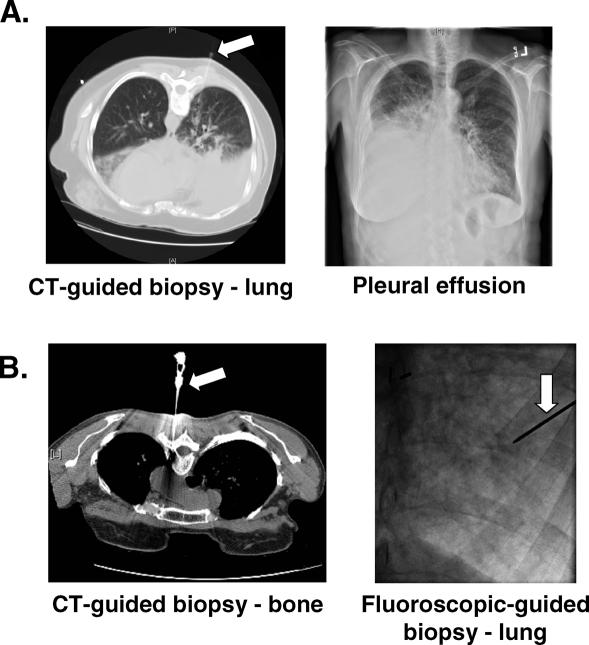
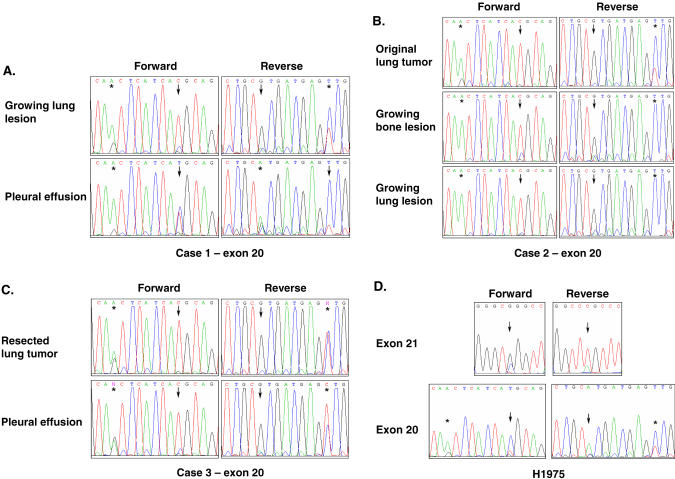
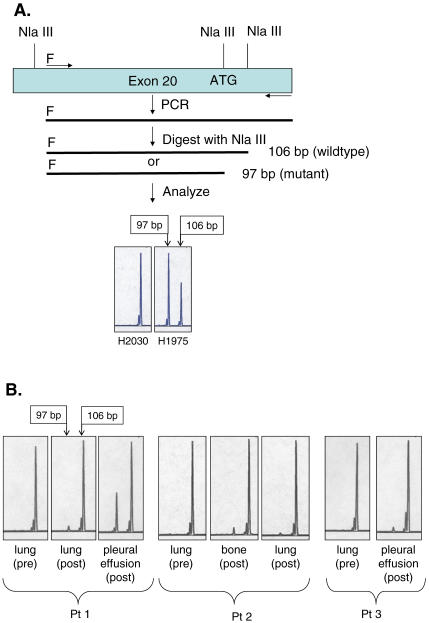
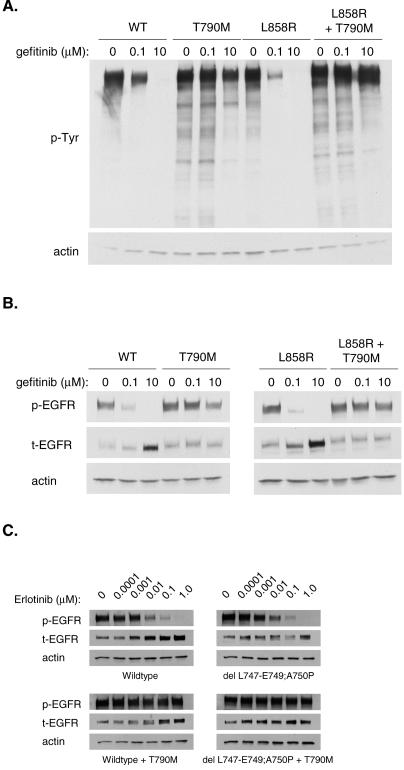
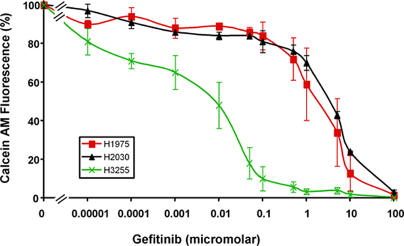
BACKGROUND: Lung adenocarcinomas from patients who respond to the tyrosine kinase inhibitors gefitinib (Iressa) or erlotinib (Tarceva) usually harbor somatic gain-of-function mutations in exons encoding the kinase domain of the epidermal growth factor receptor (EGFR). Despite initial responses, patients eventually progress by unknown mechanisms of "acquired" resistance. METHODS AND FINDINGS: We show that in two of five patients with acquired resistance to gefitinib or erlotinib, progressing tumors contain, in addition to a primary drug-sensitive mutation in EGFR, a secondary mutation in exon 20, which leads to substitution of methionine for threonine at position 790 (T790M) in the kinase domain. Tumor cells from a sixth patient with a drug-sensitive EGFR mutation whose tumor progressed on adjuvant gefitinib after complete resection also contained the T790M mutation. This mutation was not detected in untreated tumor samples. Moreover, no tumors with acquired resistance had KRAS mutations, which have been associated with primary resistance to these drugs. Biochemical analyses of transfected cells and growth inhibition studies with lung cancer cell lines demonstrate that the T790M mutation confers resistance to EGFR mutants usually sensitive to either gefitinib or erlotinib. Interestingly, a mutation analogous to T790M has been observed in other kinases with acquired resistance to another kinase inhibitor, imatinib (Gleevec). CONCLUSION: In patients with tumors bearing gefitinib- or erlotinib-sensitive EGFR mutations, resistant subclones containing an additional EGFR mutation emerge in the presence of drug. This observation should help guide the search for more effective therapy against a specific subset of lung cancers.
Overview
The claims and statistics of this paper haven’t been checked yet.
Run the check — free, no account needed. It reads the open-access text and checks the sources it cites.
Integrity signals
Registry
Cites
Statistics
Figures
Verification
Claims the paper makes
The claims and statistics of this paper haven’t been checked yet.
Run the check — free, no account needed. It reads the open-access text and checks the sources it cites.
Claims other papers make about this one
Each is checked against this paper’s own text: does it say what the citing paper says it does?
The cited source says what the claim attributes to it.
In the citing paper
“H1975 cells harbor activating EGFR mutations [17]”
From Clathrin adapters AP-1 and GGA2 support expression of epidermal growth factor receptor for cell growth (2021) · cites this paper as [17]
In the citing paper
“However, it is now well established that acquisition of a second mutation in EGFR, resulting in substitution of threonine at the “gatekeeper” amino acid 790 to methionine (T790M) is the most common resistance mechanism and is detected in tumor cells from more than 50% of patients after disease progression (20, 21).”
From AZD9291, an Irreversible EGFR TKI, Overcomes T790M-Mediated Resistance to EGFR Inhibitors in Lung Cancer (2014) · cites this paper as [21]
In the citing paper
“This mutation leads to the substitution of threonine by methionine at position 790, which encodes part of the kinase domain of the receptor and results in increased affinity for ATP, causing resistance to competitive inhibition by reversible EGFR TKIs such as gefitinib and erlotinib [121,122].”
From Metastatic non-small-cell lung cancer: ESMO Clinical Practice Guidelines for diagnosis, treatment and follow-up (2016) · cites this paper as [121]
In the citing paper
“In EGFR mutant lung cancer, the most common mechanism of acquired resistance to EGFR inhibitors is the development of a mutation in the gatekeeper residue of EGFR, T790M (Kobayashi et al., 2005; Pao et al., 2005).”
From ERBB Receptors: From Oncogene Discovery to Basic Science to Mechanism-Based Cancer Therapeutics (2014) · cites this paper as Pao et al., 2005
In the citing paper
“Accordingly, cell growth was suppressed by the depletion of AP-1 in a non-cancer cell line, ARPE-19, and a NSCLC-derived cancer cell line, H1975, which harbors activating EGFR mutations [17].”
From Clathrin adapters AP-1 and GGA2 support expression of epidermal growth factor receptor for cell growth (2021) · cites this paper as [17]
In the citing paper
“H1975 cells harbor activating EGFR mutations [17], and as such, these results suggest the involvement of AP-1 in EGFR-dependent cell growth.”
From Clathrin adapters AP-1 and GGA2 support expression of epidermal growth factor receptor for cell growth (2021) · cites this paper as [17]
Self-check
Percentages, sums and reported differences re-computed from the paper’s own numbers.
The self-check needs the paper’s full text.
Citations
Cites
Lynch, T. J., Bell, D. W., Sordella, R., Gurubhagavatula, S., Okimoto, R. A., Brannigan, B. W., Harris, P. L., Haserlat, S. M., Supko, J. G., Haluska, F. G., et al. (2004) · New England Journal of Medicine · doi:10.1056/nejmoa040938 · Cited by 11,486
EGFR Mutations in Lung Cancer: Correlation with Clinical Response to Gefitinib Therapy
Paez, J. G., Jänne, P. A., Lee, J. C., Tracy, S., Greulich, H., Gabriel, S., Herman, P., Kaye, F. J., Lindeman, N., Boggon, T. J., et al. (2004) · Science · doi:10.1126/science.1099314 · Cited by 9,368 · cited 13×
“PCR products were ligated into plasmids using the TOPO TA-cloning kit (Invitrogen, Carlsbad, California, United States), as per manufacturer’s instructions.”
BackgroundInfluentialPao, W., Miller, V., Zakowski, M., Doherty, J., Politi, K., Sarkaria, I., Singh, B., Heelan, R., Rusch, V., Fulton, L., et al. (2004) · Proceedings of the National Academy of Sciences · doi:10.1073/pnas.0405220101 · Cited by 4,338 · cited 17×
“PCR products were ligated into plasmids using the TOPO TA-cloning kit (Invitrogen, Carlsbad, California, United States), as per manufacturer’s instructions.”
BackgroundMethodInfluentialSelf-citationClinical Resistance to STI-571 Cancer Therapy Caused by BCR-ABL Gene Mutation or Amplification
Gorre, M. E., Mohammed, M., Ellwood, K., Hsu, N., Paquette, R., Rao, P. N., & Sawyers, C. L. (2001) · Science · doi:10.1126/science.1062538 · Cited by 3,104 · cited 3×
“For example, in CML, a commonly found mutation is a CfiT single nucleotide change that replaces threonine with isoleucine at position 315 (T315I) in the ABL kinase domain [9,10,11].”
BackgroundResultShigematsu, H., Lin, L., Takahashi, T., Nomura, M., Suzuki, M., Wistuba, I. I., Fong, K. M., Lee, H., Toyooka, S., Shimizu, N., et al. (2005) · JNCI Journal of the National Cancer Institute · doi:10.1093/jnci/dji055 · Cited by 2,377
Overriding Imatinib Resistance with a Novel ABL Kinase Inhibitor
Shah, N. P., Tran, C., Lee, F. Y., Chen, P., Norris, D. J., & Sawyers, C. L. (2004) · Science · doi:10.1126/science.1099480 · Cited by 1,804 · cited 2×
“The new drugs bind to ABL in an ‘‘open’’ conformation, as opposed to imatinib, which binds ABL in a ‘‘closed’’ conformation [12,13].”
BackgroundCools, J., DeAngelo, D. J., Gotlib, J. R., Stover, E. H., Legare, R. D., Cortes, J. E., Kutok, J. L., Clark, J., Galinsky, I. A., Griffin, J. D., et al. (2003) · New England Journal of Medicine · doi:10.1056/nejmoa025217 · Cited by 1,714 · cited 5×
“These results differ from those of acquired resistance mutation in CML [10], GIST [15,27], and HES [16].”
BackgroundResultInfluentialShah, N. P., Nicoll, J. M., Nagar, B., Gorre, M. E., PAQUETTE, R. L., Kuriyan, J., & Sawyers, C. L. (2002) · Cancer Cell · doi:10.1016/s1535-6108(02)00096-x · Cited by 1,614 · cited 3×
“It is also possible that EGFR amplification itself plays a role in acquired resistance, since imatinib-resistant clones have been shown to lack resistance mutations but contain amplified copies of BCR-ABL [11,28].”
BackgroundGefitinib-Sensitizing EGFR Mutations in Lung Cancer Activate Anti-Apoptotic Pathways
Sordella, R., Bell, D. W., Haber, D. A., & Settleman, J. E. (2004) · Science · doi:10.1126/science.1101637 · Cited by 1,605 · cited 3×
“This scenario could explain the seemingly contradictory report by others who found the H1975 cell line to be highly sensitive to gefitinib [18]; our H1975 cells could represent a subclone that emerged over time.”
BackgroundResultStamos, J. L., Sliwkowski, M. X., & Eigenbrot, C. W. (2002) · Journal of Biological Chemistry · doi:10.1074/jbc.m207135200 · Cited by 1,594 · cited 1×
“From analysis of the crystal structure of the EGFR kinase domain bound to erlotinib, it is has been shown that the wild-type threonine residue at position 790 is located in the hydrophobic ATP-binding pocket of the catalytic region, where it forms a critical hydrogen bond with the drug [”
Background
Research works printed but not linked: 2
- Krug, 2001, Proc Am Soc Clin Oncol, 20, 1328
- Daub, 2004, Nat Rev Cancer, 3, 1001
Cited by
Sorted by citations
Items 901–1,000 of 1,023
Giovannetti, E., Zucali, P. A., Peters, G. J., Cortesi, F., D’Incecco, A., Smit, E. F., Falcone, A., Burgers, J. A., Santoro, A., Danesi, R., et al. (2010) · Molecular Cancer Therapeutics · doi:10.1158/1535-7163.mct-09-0665 · Cited by 74
Pharmacogenomics: from bedside to clinical practice
Marsh, S., & McLeod, H. L. (2006) · Human Molecular Genetics · doi:10.1093/hmg/ddl087 · Cited by 74
Hu, S., Fu, W., Li, T., Yuan, Q., Wang, F., Lv, G., Lv, Y., Fan, X., Shen, Y., Lin, F., et al. (2017) · Science Translational Medicine · doi:10.1126/scitranslmed.aag0339 · Cited by 72
“Moreover, patients inevitably developed resistance to these EGFR inhibitors (12, 13).”
BackgroundSambrooks, C. L., Baro, M., Quijano, A., Narayan, A., Cui, W., Greninger, P., Egan, R. K., Patel, A. A., Benes, C. H., Saltzman, W. M., et al. (2018) · Cancer Research · doi:10.1158/0008-5472.can-18-0505 · Cited by 74
“Mechanisms of therapeutic resistance include secondary (T790M) and tertiary kinase domain mutations (C797S) that prevent TKI access to the kinase active site (6-8).”
BackgroundSequist, L. V. D. (2007) · The Oncologist · doi:10.1634/theoncologist.12-3-325 · Cited by 74
Nishino, M., Cardarella, S., Dahlberg, S. E., Jackman, D. M., Ramaiya, N. H., Hatabu, H., Rabin, M. S., Janne, P. A., & Johnson, B. E. (2012) · Lung Cancer · doi:10.1016/j.lungcan.2012.11.007 · Cited by 74
Bai, X., Zhang, X., Yang, S., An, S., Chen, Z., Su, J., Xie, Z., Gou, L.-Y., & Wu, Y.-L. L. C. (2016) · PLoS ONE · doi:10.1371/journal.pone.0149370 · Cited by 72
Ruiz, M. I. G., Floor, K., Rijmen, F., Grünberg, K., Rodríguez, J. A., & Giaccone, G. (2007) · Analytical Cellular Pathology · doi:10.1155/2007/568205 · Cited by 73
“Although several approaches for analyzing EGFR and K-ras mutations have been described [1,9,16,20], the most commonly used approach is direct sequencing of PCR-amplified DNA from tumor specimens.”
MethodGenetic and epigenetic changes in lung carcinoma and their clinical implications
Wen, J., Fu, J., Zhang, W., & Guo, M. (2011) · Modern Pathology · doi:10.1038/modpathol.2011.46 · Cited by 77
Biochemical Mechanisms of Resistance to Small-Molecule Protein Kinase Inhibitors
Krishnamurty, R., & Maly, D. J. (2010) · ACS Chemical Biology · doi:10.1021/cb9002656 · Cited by 72
“This resistance mutation has been identified in almost 50% of cases of acquired resistance, making it a significant target of research towards more effective therapies (81).”
BackgroundAdvances on EGFR mutation for lung cancer.
Metro, G., & Crinò, L. (2012) · Europe PMC (PubMed Central) · doi:10.3978/j.issn.2218-6751.2011.12.01 · Cited by 73
Primary and acquired resistance to anti-EGFR targeted drugs in cancer therapy
Morgillo, F., Bareschino, M. A., Bianco, R., Tortora, G., & Ciardiello, F. (2007) · Differentiation · doi:10.1111/j.1432-0436.2007.00200.x · Cited by 75
Biomarkers in Lung Adenocarcinoma: A Decade of Progress
Sholl, L. M. (2014) · Archives of Pathology & Laboratory Medicine · doi:10.5858/arpa.2014-0128-ra · Cited by 75
Rexer, B. N., Ghosh, R., Narasanna, A., Estrada, M. V., Chakrabarty, A., Song, Y., Engelman, J. A., & Arteaga, C. L. (2013) · Clinical Cancer Research · doi:10.1158/1078-0432.ccr-13-1038 · Cited by 73
“In this study, a T798M substitution in HER2, analogous to the gatekeeper EGFR (17), ABL (14), and cKIT (15) mutations, conferred the strongest resistance to lapatinib (24).”
Ji, W., Choi, C., Rho, J. K., Jang, S. J., Park, Y. S., Chun, S., Kim, W. S., Lee, J., Kim, S., Lee, D. H., et al. (2013) · BMC Cancer · doi:10.1186/1471-2407-13-606 · Cited by 72
Abourbeh, G., Dissoki, S., Jacobson, O., Litchi, A., Ben-Daniel, R., Laki, D., Levitzki, A., & Mishani, E. (2007) · Nuclear Medicine and Biology · doi:10.1016/j.nucmedbio.2006.10.012 · Cited by 71
“Furthermore, in the current study, we demonstrated that phosphorylation of EGFR in NCIH1975 NSCLC cells, which harbor both L858R and T790M mutations in the receptor, was inhibited following incubation with ML04 [59].”
BackgroundZhang, J., Iwanaga, K., Choi, K. C., Wislez, M., Raso, M. G., Wei, W., Wistuba, I. I., & Kurie, J. M. (2008) · Cancer Prevention Research · doi:10.1158/1940-6207.capr-08-0014 · Cited by 74
Targeting EGFR T790M mutation in NSCLC: From biology to evaluation and treatment
Passaro, A., Guerini‐Rocco, E., Pochesci, A., Vacirca, D., Spitaleri, G., Catania, C., Rappa, A., Barberis, M. C. P., & de Marinis, F. (2017) · Pharmacological Research · doi:10.1016/j.phrs.2017.01.003 · Cited by 73
Jakobsen, K. R., Demuth, C., Madsen, A. T., Hussmann, D., Vad‐Nielsen, J., Nielsen, A. L., & Sørensen, B. S. (2017) · Oncogenesis · doi:10.1038/oncsis.2017.17 · Cited by 72
Bone biopsy protocol for advanced prostate cancer in the era of precision medicine
Sailer, V., Schiffman, M. H., Kossaï, M., Cyrta, J., Beg, S., Sullivan, B., Pua, B. B., Lee, K. S., Talenfeld, A. D., Nanus, D. M., et al. (2017) · Cancer · doi:10.1002/cncr.31173 · Cited by 73
Ahronian, L. G., & Corcoran, R. B. (2017) · Genome Medicine · doi:10.1186/s13073-017-0431-3 · Cited by 67
Drug Resistance Mechanisms in Non-Small Cell Lung Carcinoma
Wangari‐Talbot, J., & Hopper-Borge, E. A. (2013) · Journal of cancer research updates · doi:10.6000/1929-2279.2013.02.04.5 · Cited by 80
“This T790M mutation is analogous to the gatekeeper residue T3151 in BCR-ABL kinase that is associated with acquired resistance to gleevec and imatinib in chronic myelogenous leukemia [96].”
BackgroundInfluentialZhang, X., Maity, T. K., ROSS, K. E., Qi, Y. A., Cultraro, C. M., Bahta, M., Pitts, S. C., Keswani, M., Gao, S., Nguyen, K. D. P., et al. (2021) · Cancer Research · doi:10.1158/0008-5472.can-20-2435 · Cited by 72
Ferroptosis and Tumor Drug Resistance: Current Status and Major Challenges
Nie, Z., Chen, M., Gao, Y., Huang, D., Cao, H., Peng, Y., Guo, N., Wang, F., & Zhang, S. (2022) · Frontiers in Pharmacology · doi:10.3389/fphar.2022.879317 · Cited by 83
“This part of the cells can turn into the state of “persistence” to escape the efficacy of drugs and serve as “seeds” from which drug-resistant clones evolve (Kobayashi et al., 2005; Pao et al., 2005; Bean et al., 2007; Yun et al., 2008; Wang et al., 2015; Flinders et al., 2016; Hata et al., 2016; Li et al., 2016).”
BackgroundEGFR mutation status in brain metastases of non-small cell lung carcinoma
Burel‐Vandenbos, F., Ambrosetti, D., Coutts, M., & Pédeutour, F. (2012) · Journal of Neuro-Oncology · doi:10.1007/s11060-012-0990-5 · Cited by 72
Varley, K. E., Mutch, D. G., Edmonston, T. B., Goodfellow, P. J., & Mitra, R. D. (2009) · Nucleic Acids Research · doi:10.1093/nar/gkp457 · Cited by 72
Targeting Non-Catalytic Cysteine Residues Through Structure-Guided Drug Discovery
Hallenbeck, K. K., Turner, D., Renslo, A. R., & Arkin, M. R. (2016) · Current Topics in Medicinal Chemistry · doi:10.2174/1568026616666160719163839 · Cited by 73
Drug-biomarker co-development in oncology – 20 years and counting
Twomey, J. D., Brahme, N. N., & Zhang, B. (2017) · Drug Resistance Updates · doi:10.1016/j.drup.2017.02.002 · Cited by 75
Adaptive stress signaling in targeted cancer therapy resistance
Pazarentzos, E., & Bivona, T. G. (2015) · Oncogene · doi:10.1038/onc.2015.26 · Cited by 73
Label-Free Surface Protein Profiling of Extracellular Vesicles by an Electrokinetic Sensor
Cavallaro, S., Horák, J., Hååg, P., Gupta, D., Stiller, C., Sahu, S. S., Görgens, A., Gatty, H. K., Viktorsson, K., Andaloussi, S. E., et al. (2019) · ACS Sensors · doi:10.1021/acssensors.9b00418 · Cited by 71
Biswas, A. K., Han, S., Tai, Y., Ma, W., Coker, C., Quinn, S. A., Shakri, A. R., Zhong, T. J., Scholze, H., Lagos, G. G., et al. (2022) · Cancer Discovery · doi:10.1158/2159-8290.cd-21-0910 · Cited by 70
Self-citationBalko, J. M., Potti, A., Saunders, C. P., Stromberg, A. J., Haura, E. B., & Black, E. P. (2006) · BMC Genomics · doi:10.1186/1471-2164-7-289 · Cited by 71
“We performed direct DNA sequencing to identify mutations in EGFR exons 18–21 as well as K-Ras exons 1 and 2 in the UKY-29 cells as previously described [22, 23 ].”
BackgroundMethodInfluentialA Type-II Kinase Inhibitor Capable of Inhibiting the T315I “Gatekeeper” Mutant of Bcr-Abl
Choi, H. G., Ren, P., Adrián, F., Sun, F., Lee, H. S., Wang, X., Ding, Q., Zhang, G., Xie, Y., Zhang, J., et al. (2010) · Journal of Medicinal Chemistry · doi:10.1021/jm901808w · Cited by 71
Kharbanda, A., Rajabi, H. N., Jin, C., Tchaicha, J. H., Kikuchi, E., Wong, K., & Kufe, D. W. (2014) · Clinical Cancer Research · doi:10.1158/1078-0432.ccr-13-3168 · Cited by 70
“ciated with the acquisition of a secondary T790Mmutation in the EGFR TK domain that alters interaction of reversible TKIs with the ATP-binding pocket (3, 4).”
BackgroundEck, M. J., & Manley, P. W. (2009) · Current Opinion in Cell Biology · doi:10.1016/j.ceb.2009.01.014 · Cited by 73
Targeting EGFR in non-small-cell lung cancer: Lessons, experiences, strategies
Stella, G. M., Luisetti, M., Inghilleri, S., Cemmi, F., Scabini, R., Zorzetto, M., & Pozzi, E. (2011) · Respiratory Medicine · doi:10.1016/j.rmed.2011.10.015 · Cited by 73
Duex, J. E., Comeau, L., Sorkin, A. D., Purow, B. W., & Kefas, B. A. (2011) · Journal of Biological Chemistry · doi:10.1074/jbc.m111.222760 · Cited by 72
Ushiki, A., Koizumi, T., Kobayashi, N., Kanda, S., Yasuo, M., Yamamoto, H., Kubo, K., Aoyagi, D., & Nakayama, J. (2009) · Japanese Journal of Clinical Oncology · doi:10.1093/jjco/hyn155 · Cited by 71
“On the other hand, recent studies have shown that the threonine-to-methionine substitution at amino acid position 790 (T790M) in exon 20 is related to gefitinib resistance (4,7, 8 ).”
BackgroundYoon, Y., Kim, H., Han, S., Hur, H.-S., Oh, D. Y., Im, S., Bang, Y., & Kim, T. (2009) · Molecular Cancer Therapeutics · doi:10.1158/1535-7163.mct-09-0300 · Cited by 73
Pu, D., Hao, L., Fang, W., Akin, D., Feng, Z., Yan, Q., Li, Y., Yan, Z., Xu, L., Dong, G., et al. (2016) · Thoracic Cancer · doi:10.1111/1759-7714.12350 · Cited by 71
Chakrabarti, S., & Michor, F. (2017) · Cancer Research · doi:10.1158/0008-5472.can-16-2871 · Cited by 71
Monica, S. L., Minari, R., Cretella, D., Flammini, L., Fumarola, C., Bonelli, M. A., Cavazzoni, A., Digiacomo, G., Galetti, M., Madeddu, D., et al. (2019) · Journal of Experimental & Clinical Cancer Research · doi:10.1186/s13046-019-1240-x · Cited by 70
Yu, Z., Boggon, T. J., Kobayashi, S. S., Jin, C., Ma, P. C., Dowlati, A., Kern, J. A., Tenen, D. G., & Halmos, B. (2007) · Cancer Research · doi:10.1158/0008-5472.can-07-1248 · Cited by 71
“NIH-H1975 lung adenocarcinoma cells, which contain mutant EGFR-L858R-T790M (10), were propagated in RPMI 1640 supplemented with 10% fetal bovine serum (FBS) and 100 units/mL penicillin.”
BackgroundMethodInfluentialLiu, B., Bernard, B. D., & Wu, J. H. (2006) · Proteins Structure Function and Bioinformatics · doi:10.1002/prot.21111 · Cited by 71
Kawahara, A., Azuma, K., Sumi, A., Taira, T., Nakashima, K., Aikawa, E., Abe, H., Yamaguchi, T., Takamori, S., Akiba, J., et al. (2011) · Lung Cancer · doi:10.1016/j.lungcan.2011.02.002 · Cited by 70
Romaniello, D., Mazzeo, L., Mancini, M., Marrocco, I., Noronha, A., Kreitman, M., Srivastava, S., Ghosh, S., Lindzen, M., Salame, T., et al. (2018) · Clinical Cancer Research · doi:10.1158/1078-0432.ccr-18-0450 · Cited by 70
“The most common mechanism (>50%) of acquired resistance involves a second site mutation, T790M (2-5).”
BackgroundEGFR inhibition in the treatment of non‐small cell lung cancer
Gerber, D. E. (2008) · Drug Development Research · doi:10.1002/ddr.20268 · Cited by 70
Sharma, S., Singh, J., Ojha, R., Singh, H., Kaur, M., Bedi, P. M. S., & Nepali, K. (2016) · European Journal of Medicinal Chemistry · doi:10.1016/j.ejmech.2016.02.018 · Cited by 70
Ma, X., Lv, X., & Zhang, J. (2017) · European Journal of Medicinal Chemistry · doi:10.1016/j.ejmech.2017.11.049 · Cited by 71
A Structural View on Medicinal Chemistry Strategies against Drug Resistance
Agnello, S., Brand, M., Chellat, M. F., Gazzola, S., & Riedl, R. (2018) · Angewandte Chemie International Edition · doi:10.1002/anie.201802416 · Cited by 73
Isobe, K., Hata, Y., Tochigi, N., Kaburaki, K., Kobayashi, H., Makino, T., Otsuka, H., Sato, F., Ishida, F., Kikuchi, N., et al. (2014) · Journal of Thoracic Oncology · doi:10.1097/jto.0000000000000125 · Cited by 70
Arnedos, M., Soria, J., André, F., & Tursz, T. (2014) · Cancer Treatment Reviews · doi:10.1016/j.ctrv.2014.07.002 · Cited by 71
A Secondary Mutation in BRAF Confers Resistance to RAF Inhibition in a BRAF V600E-Mutant Brain Tumor
Wang, J., Yao, Z., Jonsson, P., Allen, A. N., Qin, A. C. R., Uddin, S., Dunkel, I. J., Petriccione, M., Manova, K., Haque, S. S., et al. (2018) · Cancer Discovery · doi:10.1158/2159-8290.cd-17-1263 · Cited by 69
Șandor, A., Ionuţ, I. A., Marc, G., Oniga, I., Eniu, D. T., & Oniga, O. (2023) · Pharmaceuticals · doi:10.3390/ph16040534 · Cited by 79
Hong, Z., Cao, X., Li, N., Zhang, Y., Lan, L., Zhou, Y., Pan, X., Shen, L., Yin, Z., & Luo, L. (2014) · British Journal of Pharmacology · doi:10.1111/bph.12610 · Cited by 69
“The DNA sequence of the EGF receptor gene in patients with acquired resistance reveals the presence of a second point mutation, resulting in threonine-to-methionine amino acid change at position 790 (T790M) of the EGF receptor (Kobayashi et al., 2005; Pao et al., 2005).”
BackgroundMolecular oncology of lung cancer
Toyooka, S., Mitsudomi, T., Soh, J., Aokage, K., Yamane, M., Oto, T., Kiura, K., & Miyoshi, S. (2011) · General Thoracic and Cardiovascular Surgery · doi:10.1007/s11748-010-0743-3 · Cited by 69
BH3-only protein silencing contributes to acquired resistance to PLX4720 in human melanoma
Shao, Y., & Aplin, A. E. (2012) · Cell Death and Differentiation · doi:10.1038/cdd.2012.94 · Cited by 72
Singh, P., & Bast, F. (2014) · Medicinal Chemistry Research · doi:10.1007/s00044-014-1090-1 · Cited by 69
Circulating Tumor Cells in Lung Cancer
Young, R., Pailler, E., Billiot, F., Drusch, F., Barthelemy, A., Oulhen, M., Besse, B., Soria, J., Farace, F., & Vielh, P. R. (2012) · Acta Cytologica · doi:10.1159/000345182 · Cited by 72
Gefitinib in non-small cell lung cancer
Tamura, K., & Fukuoka, M. (2005) · Expert Opinion on Pharmacotherapy · doi:10.1517/14656566.6.6.985 · Cited by 69
“Two recent reports [51,52] have also suggested that acquired resistant to gefitinib correlates a secondary mutation in EGFR kinase domain, resulting in threonine to methionin amino acid change at position 790 (T790M).”
BackgroundPersonalized Targeted Therapy for Lung Cancer
Wu, K., House, L. K., Liu, W., & Cho, W. C. S. (2012) · International Journal of Molecular Sciences · doi:10.3390/ijms130911471 · Cited by 71
Arteaga, C. L. (2007) · Nature Medicine · doi:10.1038/nm0607-675 · Cited by 69
Gilmer, T. M., Cable, L., Alligood, K. J., Rusnak, D. W., Spehar, G. M., Gallagher, K. T., Woldu, E., Carter, H. L., Truesdale, A. T., Shewchuk, L. M., et al. (2008) · Cancer Research · doi:10.1158/0008-5472.can-07-2404 · Cited by 70
Next-Generation Covalent Irreversible Kinase Inhibitors in NSCLC: Focus on Afatinib
Hirsh, V. (2015) · BioDrugs · doi:10.1007/s40259-015-0130-9 · Cited by 72
The population dynamics of cancer: a Darwinian perspective
Vineis, P., & Berwick, M. (2006) · International Journal of Epidemiology · doi:10.1093/ije/dyl185 · Cited by 69
Lee, T., Jeong, E., Kim, S. Y., Kim, H.-R., & Kim, C. H. (2014) · International Journal of Cancer · doi:10.1002/ijc.29320 · Cited by 68
Zhu, X., Jiang, H., Li, J., Ji, X., & Fei, Z. (2016) · Medical Science Monitor · doi:10.12659/msm.898558 · Cited by 68
Tumor Heterogeneity and Therapeutic Resistance
Lovly, C. M., Salama, A. K. S., & Salgia, R. (2016) · American Society of Clinical Oncology Educational Book · doi:10.1200/edbk_158808 · Cited by 74
Pawara, R. H., Ahmad, I., Nayak, D., Wagh, S. S., Wadkar, A. R., Ansari, A., Belamkar, S., Surana, S. J., Kundu, C. N., Patil, C., et al. (2021) · Bioorganic Chemistry · doi:10.1016/j.bioorg.2021.105234 · Cited by 69
The role of anti-EGFR therapies in EGFR-TKI-resistant advanced non-small cell lung cancer
Ciardiello, F., Hirsch, F. R., Pirker, R., Felip, E., Valencia, C., & Smit, E. F. (2023) · Cancer Treatment Reviews · doi:10.1016/j.ctrv.2023.102664 · Cited by 72
Yano, S., Takeuchi, S., Nakagawa, T., & Yamada, T. (2012) · Cancer Science · doi:10.1111/j.1349-7006.2012.02279.x · Cited by 68
“Major mechanisms for resistance to molecular targeted drugs in lung cancer Known mechanisms for resistance to targeted drugs include gene mutations produced at the drug’s binding site (gatekeeper mutations, such as EGFR-T790M and ALK-L1196M) (20-22), activation of bypass signals via receptors other than the target rec…”
BackgroundCretella, D., Saccani, F., Quaini, F., Frati, C., Lagrasta, C. A., Bonelli, M. A., Caffarra, C., Cavazzoni, A., Fumarola, C., Galetti, M., et al. (2014) · Molecular Cancer · doi:10.1186/1476-4598-13-143 · Cited by 66
Okamoto, K., Okamoto, I., Hatashita, E., Kuwata, K., Yamaguchi, H., Kita, A., Yamanaka, K., Ono, M., & Nakagawa, K. (2011) · Molecular Cancer Therapeutics · doi:10.1158/1535-7163.mct-11-0638 · Cited by 68
“To date, several major mechanisms of such acquired resistance, including secondary mutation of EGFR, amplification of MET, and overexpression of hepatocyte growth factor, have been identified, and the development of pharmaceutical agents that target these mechanisms is under way (3-7).”
Nakanishi, Y., Walter, K., Spoerke, J. M., O'Brien, C. L., Huw, L. Y., Hampton, G. M., & Lackner, M. R. (2016) · Cancer Research · doi:10.1158/0008-5472.can-15-2201 · Cited by 69
“EGFR inhibitor binding with EGFR and confers resistance (40).”
BackgroundInoue, A., Yoshida, K., Morita, S., Imamura, F., Seto, T., Okamoto, I., Nakagawa, K., Yamamoto, N., Muto, S., & Fukuoka, M. (2016) · Japanese Journal of Clinical Oncology · doi:10.1093/jjco/hyw014 · Cited by 69
Park, J. H., Choi, Y. J., Kim, S. Y., Lee, J., Sung, K. J., Park, S., Kim, W. S., Song, J. S., Choi, C., Sung, Y. H., et al. (2016) · Oncotarget · doi:10.18632/oncotarget.8013 · Cited by 69
Wang, D., Qian, G., Zhang, H., Magliocca, K. R., Nannapaneni, S., Amin, A. R. M. R., Rossi, M., Patel, M. R., El‐Deiry, M. W., Wadsworth, J. T., et al. (2016) · Clinical Cancer Research · doi:10.1158/1078-0432.ccr-16-0558 · Cited by 68
Liquid Biopsy: From Basic Research to Clinical Practice
Macías, M., Alegre, E., Díaz‐Lagares, Á., Patiño‐García, A., Perez‐Gracia, J. L., Sanmamed, M. F., López‐López, R., Varo, N., & González, Á. (2017) · Advances in clinical chemistry · doi:10.1016/bs.acc.2017.10.003 · Cited by 71
Jurišić, V., Obradović, J., Pavlović, S., & Djordjević, N. (2018) · Analytical Cellular Pathology · doi:10.1155/2018/6192187 · Cited by 67
“Others, such as T790M, usually emerge later during the treatment, causing secondary resistance to TKI therapy [67].”
BackgroundIn-Depth Analysis Shows Synergy between Erlotinib and miR-34a
Zhao, J. Y., Kelnar, K., & Bader, A. G. (2014) · PLoS ONE · doi:10.1371/journal.pone.0089105 · Cited by 67
“Primary and secondary resistance has been associated with activating KRAS mutations that may co-exist with EGFR mutations despite the fact that KRAS and EGFR mutations appeared to be predominantly mutually exclusive [5,6], an acquisition of a second mutation in the catalytic domain of EGFR (usually T790M) [7], an ampl…”
BackgroundTabara, K., Kanda, R., Sonoda, K., Kubo, T., Murakami, Y., Kawahara, A., Azuma, K., Abe, H., Kage, M., Yoshinaga, A., et al. (2012) · PLoS ONE · doi:10.1371/journal.pone.0041017 · Cited by 70
Genetically informed lung cancer medicine
Pao, W. J., Iafrate, A. J., & Su, Z. (2010) · The Journal of Pathology · doi:10.1002/path.2788 · Cited by 69
Self-citationSchneider, M. R., & Yarden, Y. (2015) · Oncogene · doi:10.1038/onc.2015.372 · Cited by 69
Sequencing and phasing cancer mutations in lung cancers using a long-read portable sequencer
Suzuki, A., Suzuki, M., Mizushima‐Sugano, J., Frith, M. C., Makałowski, W., Kohno, T., Sugano, S., Tsuchihara, K., & Suzuki, Y. (2017) · DNA Research · doi:10.1093/dnares/dsx027 · Cited by 65
Control of cell metabolism by the epidermal growth factor receptor
Orofiamma, L. A., Vural, D., & Antonescu, C. N. (2022) · Biochimica et Biophysica Acta (BBA) - Molecular Cell Research · doi:10.1016/j.bbamcr.2022.119359 · Cited by 73
Oncogenic drivers, targeted therapies, and acquired resistance in non-small-cell lung cancer
Gower, A., Wang, Y., & Giaccone, G. (2014) · Journal of Molecular Medicine · doi:10.1007/s00109-014-1165-y · Cited by 68
Martin, A. P., Miller, A. V., Emad, L., Rahmani, M., Walker, T. D., Mitchell, C., Hagan, M. P., Park, M. A., Yacoub, A., Fisher, P. B., et al. (2008) · Molecular Pharmacology · doi:10.1124/mol.108.047365 · Cited by 65
“…radio-/chemosensitizing effects of ERBB1 receptor inhibitors has been noted primarily with the development of mutations in the tyrosine kinase domain, rendering the receptor tyrosine kinase insensitive to the ATP binding site “competitive inhibitor” drug (Kobayashi et al., 2005; Pao et al., 2005).”
BackgroundWeisberg, E., Choi, H. G., Ray, A., Barrett, R., Zhang, J., Sim, T., Zhou, W., Seeliger, M. A., Cameron, M. D., Azam, M., et al. (2010) · Blood · doi:10.1182/blood-2009-11-251751 · Cited by 68
Recent advances of novel targeted therapy in non-small cell lung cancer
Katzel, J. A., Fanucchi, M. P., & Li, Z. (2009) · Journal of Hematology & Oncology · doi:10.1186/1756-8722-2-2 · Cited by 70
“In approximately 50% of patients who initially respond to TKIs but later relapse, the T790M mutation in exon 20 of the EGFR gene occurs as a single secondary event [78,79].”
BackgroundBeyond Histology: Translating Tumor Genotypes into Clinically Effective Targeted Therapies
Meador, C. B., Micheel, C., Levy, M. A., Lovly, C. M., Horn, L., Warner, J. L., Johnson, D. B., Zhao, Z., Anderson, I. A., Sosman, J. A., et al. (2014) · Clinical Cancer Research · doi:10.1158/1078-0432.ccr-13-1591 · Cited by 68
“The EGFR T790M mutation (exon 20) is present in 50% of EGFR-mutant tumors with acquired resistance to first-generation TKIs (erlotinib and gefitinib) and may be a biomarker of sensitivity to third-generation TKIs such as C0-1686 and AZD9291 (27–29).”
BackgroundSelf-citationIchihara, E., Ohashi, K., Takigawa, N., Osawa, M., Ogino, A., Tanimoto, M., & Kiura, K. (2009) · Cancer Research · doi:10.1158/0008-5472.can-08-4204 · Cited by 67
Takashina, T., Kinoshita, I., Kikuchi, J., Shimizu, Y., Sakakibara‐Konishi, J., Oizumi, S., Nishimura, M., & Dosaka‐Akita, H. (2016) · Cancer Science · doi:10.1111/cas.12957 · Cited by 70
Li, L., Wang, Y., Jiao, L., Lin, C., Lu, C., Zhang, K., Hu, C., Ye, J., Zhang, D., Wu, H., et al. (2019) · Cancer Letters · doi:10.1016/j.canlet.2019.03.027 · Cited by 67
Min, T., Park, H.-J., Ha, K., Chi, G., Choi, Y. H., & Park, S. (2019) · International Journal of Oncology · doi:10.3892/ijo.2019.4799 · Cited by 67
Bunn, P. A., Dziadziuszko, R., Varella‐Garcia, M., Franklin, W. A., Witta, S. E., Kelly, K. L., & Hirsch, F. R. (2006) · Clinical Cancer Research · doi:10.1158/1078-0432.ccr-06-0261 · Cited by 67
The current status of targeted therapy for non‐small cell lung cancer
Francis, H., & Solomon, B. (2009) · Internal Medicine Journal · doi:10.1111/j.1445-5994.2009.02141.x · Cited by 66
Overcoming drug resistance to receptor tyrosine kinase inhibitors: Learning from lung cancer
Kuwano, M., Sonoda, K., Murakami, Y., Watari, K., & Ono, M. (2016) · Pharmacology & Therapeutics · doi:10.1016/j.pharmthera.2016.03.002 · Cited by 66
“Concerning the underlying mechanisms, significant survival benefits were observed with erlotinib therapy in patients with EGFR FISH positivity (21% of all patients examined) as well as those with the WT KRAS (Cappuzzo et al., 2005a; Pao et al., 2005b; Zhu et al., 2008).”
BackgroundPawara, R. H., Ahmad, I., Surana, S. J., & Patel, H. (2021) · In Silico Pharmacology · doi:10.1007/s40203-021-00113-x · Cited by 69
“However, a single point acquired drug resistance of threonine790-to-methionine790 (T790M) is often found in around 50% of patients with EGFR alteration, significantly restricting the effectiveness of these medications in clinical usage (Kobayashi et al. 2005; Shaikh et al. 2021; Engelman and Jänne 2008; Pao et al. 200…”
BackgroundBrugger, W., & Thomas, M. (2012) · Lung Cancer · doi:10.1016/j.lungcan.2011.12.014 · Cited by 66
Maity, T. K., Venugopalan, A., Linnoila, I., Cultraro, C. M., Giannakou, A., Nemati, R., Zhang, X., Webster, J. D., Ritt, D., Ghosal, S., et al. (2015) · Cancer Discovery · doi:10.1158/2159-8290.cd-14-0750 · Cited by 73
Self-citation
Metadata
- Authors
- Pao, W., Miller, V. A., Politi, K. A., Riely, G. J., Somwar, R., Zakowski, M. F., Kris, M. G., & Varmus, H.
- Affiliations
- Memorial Sloan Kettering Cancer Center (US)
- Corresponding author
- Pao, William
- ORCID
- Venue
- PLoS Medicine
- Publisher
- Public Library of Science (PLoS)
- Published
- 2005-02-22
- Volume
- 2
- Issue
- 3
- Pages
- e73
- ISSN
- 1549-1277 (ISSN-L)
- 1549-1676
- PMC
- PMC549606
- OpenAlex
- W2002937040
- Cited by
- 3,527
- References
- 28
- Citations by year
- 2026: 45 · 2025: 61 · 2024: 59 · 2023: 139 · 2022: 104 · 2021: 116 · 2020: 140 · 2019: 154 · 2018: 203 · 2017: 221 · 2016: 232 · 2015: 255 · 2014: 246 · 2013: 272 · 2012: 222
- FWCI
- 134.24
- Type
- journal article
- Language
- en
- Open access
- gold
- doi.org
- Locations
- PLoS Medicine (publishedVersion, cc-by)
- Europe PMC (PubMed Central) (publishedVersion, cc-by)
- PubMed Central (publishedVersion, cc-by)
- PubMed (publishedVersion)
- DOAJ (DOAJ: Directory of Open Access Journals) (submittedVersion, cc-by-sa)
- Figshare (submittedVersion, cc-by)
- Funders
- American Cancer Society
- CHEST Foundation
- LUNGevity Foundation
- AstraZeneca
- Memorial Sloan-Kettering Cancer Center
- Washington University in St. Louis
- National Institutes of Health
- Genentech
- Canadian Institutes of Health Research
- National Cancer Institute (T 32 CA09207, T32CA009207)
- Topics
- Health Sciences › Medicine › Pulmonary and Respiratory Medicine › Lung Cancer Treatments and Mutations
- Health Sciences › Medicine › Oncology › HER2/EGFR in Cancer Research
- Life Sciences › Biochemistry, Genetics and Molecular Biology › Cancer Research › Cancer Genomics and Diagnostics
- Keywords
- lung adenocarcinoma, gefitinib, erlotinib, acquired drug resistance, EGFR mutation, T790M mutation, EGFR kinase domain, tyrosine kinase inhibitors, KRAS mutation, imatinib resistance
- MeSH terms
- Erlotinib Hydrochloride, Gefitinib, Adenocarcinoma, Antineoplastic Agents, Carcinoma, Non-Small-Cell Lung, DNA Mutational Analysis, Exons, Female, Humans, Lung Neoplasms, Middle Aged, Quinazolines, Tumor Cells, Cultured, Point Mutation, Disease Progression, Drug Resistance, Neoplasm, Reverse Transcriptase Polymerase Chain Reaction, ErbB Receptors
About these checks
Registry, retraction, Cites and statistics results are computed, not judged, with one exception: a printed reference that no index lists is read once by a model before it counts as a citation error. Claims are extracted by a model and kept only when their quote appears verbatim in the text; each cited source is then checked, with a model’s help, for whether it says what the claim relies on. Those verdicts can be wrong — read the claim’s quote and the cited source before relying on one.
Statistics and arithmetic are recomputed, not judged.
Confidence bands are shown only for fields calibrated on our annotated test set. None is calibrated yet, so no band is shown.
What counts as a claim ›How we measure confidence ›How we check this ›
Are you an author, or do you see a problem with this page? Request a review
