

The DOI matches its Crossref record; 28 of the 28 references it cites were found in a registry or an index.
Acquired Resistance of Lung Adenocarcinomas to Gefitinib or Erlotinib Is Associated with a Second Mutation in the EGFR Kinase Domain
Open accessAbstract
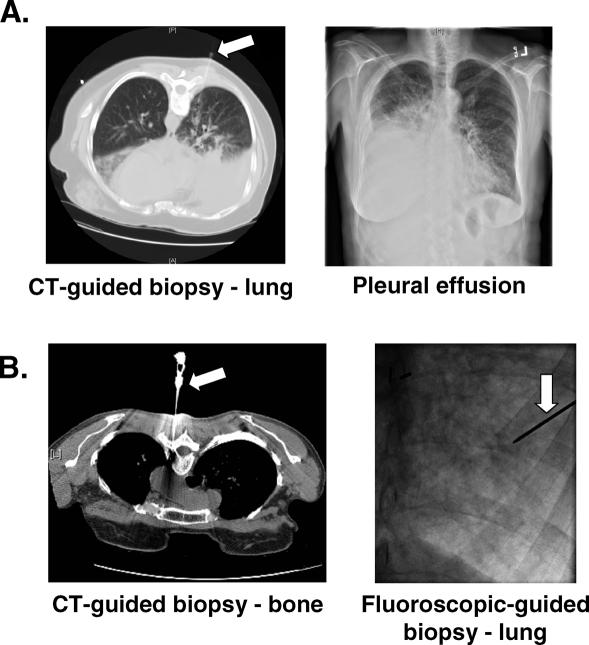
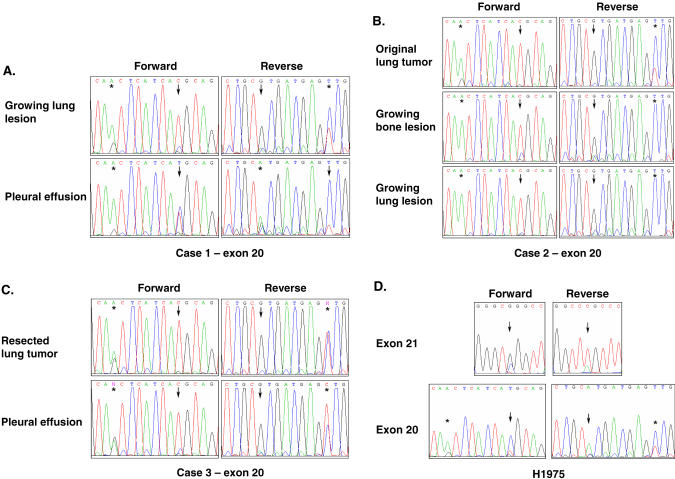
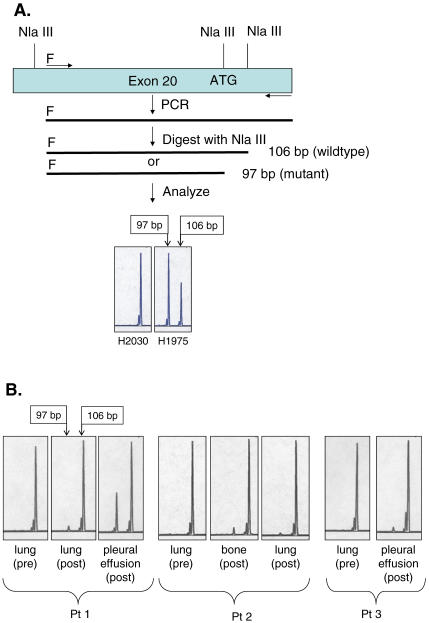
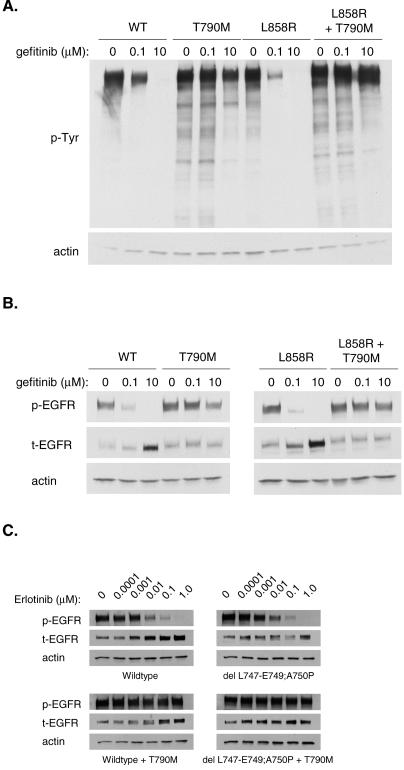
BACKGROUND: Lung adenocarcinomas from patients who respond to the tyrosine kinase inhibitors gefitinib (Iressa) or erlotinib (Tarceva) usually harbor somatic gain-of-function mutations in exons encoding the kinase domain of the epidermal growth factor receptor (EGFR). Despite initial responses, patients eventually progress by unknown mechanisms of "acquired" resistance. METHODS AND FINDINGS: We show that in two of five patients with acquired resistance to gefitinib or erlotinib, progressing tumors contain, in addition to a primary drug-sensitive mutation in EGFR, a secondary mutation in exon 20, which leads to substitution of methionine for threonine at position 790 (T790M) in the kinase domain. Tumor cells from a sixth patient with a drug-sensitive EGFR mutation whose tumor progressed on adjuvant gefitinib after complete resection also contained the T790M mutation. This mutation was not detected in untreated tumor samples. Moreover, no tumors with acquired resistance had KRAS mutations, which have been associated with primary resistance to these drugs. Biochemical analyses of transfected cells and growth inhibition studies with lung cancer cell lines demonstrate that the T790M mutation confers resistance to EGFR mutants usually sensitive to either gefitinib or erlotinib. Interestingly, a mutation analogous to T790M has been observed in other kinases with acquired resistance to another kinase inhibitor, imatinib (Gleevec). CONCLUSION: In patients with tumors bearing gefitinib- or erlotinib-sensitive EGFR mutations, resistant subclones containing an additional EGFR mutation emerge in the presence of drug. This observation should help guide the search for more effective therapy against a specific subset of lung cancers.
Overview
The claims and statistics of this paper haven’t been checked yet.
Run the check — free, no account needed. It reads the open-access text and checks the sources it cites.
Integrity signals
Registry
Cites
Statistics
Figures
Verification
Claims the paper makes
The claims and statistics of this paper haven’t been checked yet.
Run the check — free, no account needed. It reads the open-access text and checks the sources it cites.
Claims other papers make about this one
Each is checked against this paper’s own text: does it say what the citing paper says it does?
The cited source says what the claim attributes to it.
In the citing paper
“H1975 cells harbor activating EGFR mutations [17]”
From Clathrin adapters AP-1 and GGA2 support expression of epidermal growth factor receptor for cell growth (2021) · cites this paper as [17]
In the citing paper
“However, it is now well established that acquisition of a second mutation in EGFR, resulting in substitution of threonine at the “gatekeeper” amino acid 790 to methionine (T790M) is the most common resistance mechanism and is detected in tumor cells from more than 50% of patients after disease progression (20, 21).”
From AZD9291, an Irreversible EGFR TKI, Overcomes T790M-Mediated Resistance to EGFR Inhibitors in Lung Cancer (2014) · cites this paper as [21]
In the citing paper
“This mutation leads to the substitution of threonine by methionine at position 790, which encodes part of the kinase domain of the receptor and results in increased affinity for ATP, causing resistance to competitive inhibition by reversible EGFR TKIs such as gefitinib and erlotinib [121,122].”
From Metastatic non-small-cell lung cancer: ESMO Clinical Practice Guidelines for diagnosis, treatment and follow-up (2016) · cites this paper as [121]
In the citing paper
“In EGFR mutant lung cancer, the most common mechanism of acquired resistance to EGFR inhibitors is the development of a mutation in the gatekeeper residue of EGFR, T790M (Kobayashi et al., 2005; Pao et al., 2005).”
From ERBB Receptors: From Oncogene Discovery to Basic Science to Mechanism-Based Cancer Therapeutics (2014) · cites this paper as Pao et al., 2005
In the citing paper
“Accordingly, cell growth was suppressed by the depletion of AP-1 in a non-cancer cell line, ARPE-19, and a NSCLC-derived cancer cell line, H1975, which harbors activating EGFR mutations [17].”
From Clathrin adapters AP-1 and GGA2 support expression of epidermal growth factor receptor for cell growth (2021) · cites this paper as [17]
In the citing paper
“H1975 cells harbor activating EGFR mutations [17], and as such, these results suggest the involvement of AP-1 in EGFR-dependent cell growth.”
From Clathrin adapters AP-1 and GGA2 support expression of epidermal growth factor receptor for cell growth (2021) · cites this paper as [17]
Self-check
Percentages, sums and reported differences re-computed from the paper’s own numbers.
The self-check needs the paper’s full text.
Citations
Cites
Lynch, T. J., Bell, D. W., Sordella, R., Gurubhagavatula, S., Okimoto, R. A., Brannigan, B. W., Harris, P. L., Haserlat, S. M., Supko, J. G., Haluska, F. G., et al. (2004) · New England Journal of Medicine · doi:10.1056/nejmoa040938 · Cited by 11,486
EGFR Mutations in Lung Cancer: Correlation with Clinical Response to Gefitinib Therapy
Paez, J. G., Jänne, P. A., Lee, J. C., Tracy, S., Greulich, H., Gabriel, S., Herman, P., Kaye, F. J., Lindeman, N., Boggon, T. J., et al. (2004) · Science · doi:10.1126/science.1099314 · Cited by 9,368 · cited 13×
“PCR products were ligated into plasmids using the TOPO TA-cloning kit (Invitrogen, Carlsbad, California, United States), as per manufacturer’s instructions.”
BackgroundInfluentialPao, W., Miller, V., Zakowski, M., Doherty, J., Politi, K., Sarkaria, I., Singh, B., Heelan, R., Rusch, V., Fulton, L., et al. (2004) · Proceedings of the National Academy of Sciences · doi:10.1073/pnas.0405220101 · Cited by 4,338 · cited 17×
“PCR products were ligated into plasmids using the TOPO TA-cloning kit (Invitrogen, Carlsbad, California, United States), as per manufacturer’s instructions.”
BackgroundMethodInfluentialSelf-citationClinical Resistance to STI-571 Cancer Therapy Caused by BCR-ABL Gene Mutation or Amplification
Gorre, M. E., Mohammed, M., Ellwood, K., Hsu, N., Paquette, R., Rao, P. N., & Sawyers, C. L. (2001) · Science · doi:10.1126/science.1062538 · Cited by 3,104 · cited 3×
“For example, in CML, a commonly found mutation is a CfiT single nucleotide change that replaces threonine with isoleucine at position 315 (T315I) in the ABL kinase domain [9,10,11].”
BackgroundResultShigematsu, H., Lin, L., Takahashi, T., Nomura, M., Suzuki, M., Wistuba, I. I., Fong, K. M., Lee, H., Toyooka, S., Shimizu, N., et al. (2005) · JNCI Journal of the National Cancer Institute · doi:10.1093/jnci/dji055 · Cited by 2,377
Overriding Imatinib Resistance with a Novel ABL Kinase Inhibitor
Shah, N. P., Tran, C., Lee, F. Y., Chen, P., Norris, D. J., & Sawyers, C. L. (2004) · Science · doi:10.1126/science.1099480 · Cited by 1,804 · cited 2×
“The new drugs bind to ABL in an ‘‘open’’ conformation, as opposed to imatinib, which binds ABL in a ‘‘closed’’ conformation [12,13].”
BackgroundCools, J., DeAngelo, D. J., Gotlib, J. R., Stover, E. H., Legare, R. D., Cortes, J. E., Kutok, J. L., Clark, J., Galinsky, I. A., Griffin, J. D., et al. (2003) · New England Journal of Medicine · doi:10.1056/nejmoa025217 · Cited by 1,714 · cited 5×
“These results differ from those of acquired resistance mutation in CML [10], GIST [15,27], and HES [16].”
BackgroundResultInfluentialShah, N. P., Nicoll, J. M., Nagar, B., Gorre, M. E., PAQUETTE, R. L., Kuriyan, J., & Sawyers, C. L. (2002) · Cancer Cell · doi:10.1016/s1535-6108(02)00096-x · Cited by 1,614 · cited 3×
“It is also possible that EGFR amplification itself plays a role in acquired resistance, since imatinib-resistant clones have been shown to lack resistance mutations but contain amplified copies of BCR-ABL [11,28].”
BackgroundGefitinib-Sensitizing EGFR Mutations in Lung Cancer Activate Anti-Apoptotic Pathways
Sordella, R., Bell, D. W., Haber, D. A., & Settleman, J. E. (2004) · Science · doi:10.1126/science.1101637 · Cited by 1,605 · cited 3×
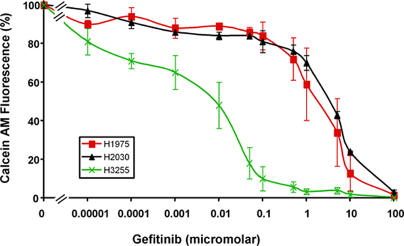
“This scenario could explain the seemingly contradictory report by others who found the H1975 cell line to be highly sensitive to gefitinib [18]; our H1975 cells could represent a subclone that emerged over time.”
BackgroundResultStamos, J. L., Sliwkowski, M. X., & Eigenbrot, C. W. (2002) · Journal of Biological Chemistry · doi:10.1074/jbc.m207135200 · Cited by 1,594 · cited 1×
“From analysis of the crystal structure of the EGFR kinase domain bound to erlotinib, it is has been shown that the wild-type threonine residue at position 790 is located in the hydrophobic ATP-binding pocket of the catalytic region, where it forms a critical hydrogen bond with the drug [”
Background
Research works printed but not linked: 2
- Krug, 2001, Proc Am Soc Clin Oncol, 20, 1328
- Daub, 2004, Nat Rev Cancer, 3, 1001
Cited by
Sorted by citations
Items 301–400 of 1,023
Hsp90, an unlikely ally in the war on cancer
Barrott, J. J., & Haystead, T. (2013) · FEBS Journal · doi:10.1111/febs.12147 · Cited by 225
Haber, D. A., Gray, N. S., & Baselga, J. M. (2011) · Cell · doi:10.1016/j.cell.2011.03.026 · Cited by 219
“…attributed to numerous mechanisms, including the appearance of additional or ‘‘second site’’ mutations within drugbinding sites (Kobayashi et al., 2005; Pao et al., 2005; Talpaz et al., 2006; Zhou et al., 2009), the activation of parallel signaling pathways (Engelman et al., 2007), or even the…”
BackgroundLi, T., Ling, Y., Goldman, I. D., & Perez-Soler, R. (2007) · Clinical Cancer Research · doi:10.1158/1078-0432.ccr-06-2923 · Cited by 214
A rapid and sensitive enzymatic method for epidermal growth factor receptor mutation screening
Jänne, P. A., Borras, A. M., Kuang, Y., Rogers, A. M., Joshi, V. A., Liyanage, H., Lindeman, N., Lee, J. C., Halmos, B., Maher, E. A., et al. (2006) · Clinical Cancer Research · doi:10.1158/1078-0432.ccr-05-2047 · Cited by 214
Clarke, J. L., Pao, W., Wu, N., Miller, V. A., & Lassman, A. B. (2010) · Journal of Neuro-Oncology · doi:10.1007/s11060-010-0128-6 · Cited by 214
Self-citationAcquired RAS or EGFR mutations and duration of response to EGFR blockade in colorectal cancer
Van Emburgh, B. O., Arena, S., Siravegna, G., Lazzari, L., Crisafulli, G., Corti, G., Mussolin, B., Baldi, F., Buscarino, M., Bartolini, A., et al. (2016) · Nature Communications · doi:10.1038/ncomms13665 · Cited by 214
Lai, C.-J., Bao, R., Tao, X., Wang, J., Atoyan, R., Qu, H., Wang, D.-G., Yin, L., Samson, M., Forrester, J. S., et al. (2010) · Cancer Research · doi:10.1158/0008-5472.can-09-3360 · Cited by 217
Cappuzzo, F., Ligorio, C., Janne, P. A., Toschi, L., Rossi, E., Trisolini, R., Paioli, D., Tisch, A. H., Magrini, E., Finocchiaro, G., et al. (2007) · Journal of Clinical Oncology · doi:10.1200/jco.2006.09.4300 · Cited by 210
Precision medicine in non-small cell lung cancer: Current applications and future directions
Yang, S., Schultheis, A. M., Yu, H. A., Mandelker, D. L., Ladanyi, M., & Büttner, R. (2020) · Seminars in Cancer Biology · doi:10.1016/j.semcancer.2020.07.009 · Cited by 220
The Ascension of Targeted Covalent Inhibitors
Singh, J. (2022) · Journal of Medicinal Chemistry · doi:10.1021/acs.jmedchem.1c02134 · Cited by 214
Predictive and prognostic molecular markers for cancer medicine
Mehta, S. Y., Shelling, A. N., Muthukaruppan, A., Lasham, A., Blenkiron, C., Laking, G. R., & Print, C. G. (2010) · Therapeutic Advances in Medical Oncology · doi:10.1177/1758834009360519 · Cited by 213
“Although not always practical, studies involving re-biopsies have been dramatically successful—for example the identification of lung cancer patients who have acquired EGFR kinase domain mutations during gefitinib treatment [Pao et al. 2005].”
BackgroundKohsaka, S., Nagano, M., Ueno, T., Suehara, Y., Hayashi, T., Shimada, N., Takahashi, K., Suzuki, K., Takamochi, K., Takahashi, F., et al. (2017) · Science Translational Medicine · doi:10.1126/scitranslmed.aan6566 · Cited by 210
“The main mechanism underlying resistance to gefitinib/erlotinib is the acquisition of the T790M mutation in EGFR (16, 17), which can be overcome by the third-generationEGFRTKI osimertinib (18), but such efficacy is further bypassed by C797 compound mutations (19).”
BackgroundMolecular biology of lung cancer: Clinical implications
Fong, K. M., & Minna, J. D. (2002) · Clinics in Chest Medicine · doi:10.1016/s0272-5231(03)00062-5 · Cited by 211
Combined EGFR/MEK Inhibition Prevents the Emergence of Resistance in EGFR -Mutant Lung Cancer
Tricker, E. M., Xu, C., Uddin, S., Capelletti, M., Ercan, D., Ogino, A., Pratilas, C. A., Rosen, N. X., Gray, N. S., Wong, K., et al. (2015) · Cancer Discovery · doi:10.1158/2159-8290.cd-15-0063 · Cited by 220
“The most common mechanism (detected in 60% of patients) is a secondary mutation in EGFR itself (EGFR T790M) (3-5).”
Chan, W. W., Wise, S., Kaufman, M. D., Ahn, Y. M., Ensinger, C. L., Haack, T., Hood, M. M., Jones, J. L., Lord, J., Lu, W., et al. (2011) · Cancer Cell · doi:10.1016/j.ccr.2011.03.003 · Cited by 214
“Mutation of gatekeeper residues in epidermal growth factor receptor and c-KIT also leads to resistance to TKIs, including gefitinib and erlotinib in lung cancer (Pao et al., 2005), and imatinib in gastrointestinal stromal tumors (Wardelmann et al., 2005).”
BackgroundJohn, T., Liu, G., & Tsao, M. (2009) · Oncogene · doi:10.1038/onc.2009.197 · Cited by 211
Sang, J., Acquaviva, J., Friedland, J. C., Smith, D. L., Sequeira, M., Zhang, C., Jiang, Q., Xue, L., Lovly, C. M., Jimenez, J.-P., et al. (2013) · Cancer Discovery · doi:10.1158/2159-8290.cd-12-0440 · Cited by 209
Terai, H., Soejima, K., Yasuda, H., Nakayama, S., Hamamoto, J., Arai, D., Ishioka, K., Ohgino, K., Ikemura, S., Sato, T., et al. (2013) · Molecular Cancer Research · doi:10.1158/1541-7786.mcr-12-0652 · Cited by 211
“One is a second mutation in the EGFR gene itself, EGFR T790M in exon 20 of EGFR (8, 9), and the other is amplification of theMET oncogene (10–12), accounting for approximately 50% and 5% to 20% of acquired resistance to EGFR-TKIs, respectively (8–11, 13).”
BackgroundSmith, C. C., Zhang, C., Lin, K. C., Lasater, E. A., Zhang, Y., Massi, E., Damon, L. E., Pendleton, M., Bashir, A., Sebra, R., et al. (2015) · Cancer Discovery · doi:10.1158/2159-8290.cd-15-0060 · Cited by 203
Godin-Heymann, N., Ulkus, L., Brannigan, B. W., McDermott, U., Lamb, J. A., Maheswaran, S., Settleman, J. E., & Haber, D. A. (2008) · Molecular Cancer Therapeutics · doi:10.1158/1535-7163.mct-07-2387 · Cited by 209
Tovar, V., Cornellà, H., Moeini, A., Vidal, S. J., Hoshida, Y., Sia, D., Peix, J., Cabellos, L., Alsinet, C., Torrecilla, S., et al. (2015) · Gut · doi:10.1136/gutjnl-2015-309501 · Cited by 204
Leer, A. M., Moro‐Sibilot, D., Melis, A., Salameire, D., Lefebvre, C., Ceccaldi, F., de Fraipont, F., Brambilla, E. M., & Lantuéjoul, S. (2011) · Journal of Thoracic Oncology · doi:10.1097/jto.0b013e3182381535 · Cited by 204
“Specimens (10 cases) were either surgical lung resections or surgical pleural (5), lymph node (4), or pericardial (1) biopsies; 9 specimens were bronchial (7) or liver (2) small biopsies.”
BackgroundInsights into the Aberrant Activity of Mutant EGFR Kinase Domain and Drug Recognition
Gajiwala, K. S., Feng, J., Ferre, R. A., Ryan, K., Brodsky, O., Weinrich, S. L., Kath, J. C., & Stewart, A. (2012) · Structure · doi:10.1016/j.str.2012.11.014 · Cited by 204
“Structure 21, 20 T790M, of the gatekeeper residue in the kinase domain (Pao et al., 2005; Sharma et al., 2007).”
BackgroundSuda, K., Murakami, I., Katayama, T., Tomizawa, K., Osada, H., Sekido, Y., Maehara, Y., Yatabe, Y., & Mitsudomi, T. (2010) · Clinical Cancer Research · doi:10.1158/1078-0432.ccr-10-1371 · Cited by 206
Wu, Q., Qian, W., Sun, X., & Jiang, S. (2022) · Journal of Hematology & Oncology · doi:10.1186/s13045-022-01362-9 · Cited by 208
Song, L.-X., Morris, M., Bagui, T., Lee, F., Jove, R., & Haura, E. (2006) · Cancer Research · doi:10.1158/0008-5472.can-05-4620 · Cited by 215
Kobayashi, Y., Togashi, Y., Yatabe, Y., Mizuuchi, H., Jangchul, P., Kondo, C., Shimoji, M., Sato, K., Suda, K., Tomizawa, K., et al. (2015) · Clinical Cancer Research · doi:10.1158/1078-0432.ccr-15-1046 · Cited by 203
Epidermal growth factor receptor and angiogenesis: Opportunities for combined anticancer strategies
van Cruijsen, H., Giaccone, G., & Hoekman, K. (2005) · International Journal of Cancer · doi:10.1002/ijc.21479 · Cited by 202
Reduced NF1 Expression Confers Resistance to EGFR Inhibition in Lung Cancer
de Bruin, E. C., Cowell, C., Warne, P. H., Jiang, M. Z., Saunders, R. E., Melnick, M. A., Gettinger, S. N., Walther, Z., Wurtz, A., Heynen, G. J. J. E., et al. (2014) · Cancer Discovery · doi:10.1158/2159-8290.cd-13-0741 · Cited by 201
“One of the first resistance mechanisms identified in tumors in treated patients was a secondary mutation (T790M) in the EGFR gene (3, 5, 6), which enhances the affinity of EGFR for ATP and reduces binding of the inhibitor (5, 7-9) and accounts for about 50-60% of cases (5, 6, 10-12).”
Self-citationShah, N., Wang, P., Wongvipat, J., Karthaus, W. R., Abida, W. M., Armenia, J., Rockowitz, S., Drier, Y., Bernstein, B., Long, H. W., et al. (2017) · eLife · doi:10.7554/elife.27861 · Cited by 207
“This is best exemplified by kinase inhibitors, where relapse occurs through clonal expansion of tumor cells harboring a specific, irreversible mutation in the relevant kinase target (Gorre et al., 2002; Shah et al., 2002; Pao et al., 2005).”
BackgroundTamura, K., Okamoto, I., Kashii, T., Negoro, S., Hirashima, T., Kudoh, S., Ichinose, Y., Ebi, N., Shibata, K., Nishimura, T., et al. (2008) · British Journal of Cancer · doi:10.1038/sj.bjc.6604249 · Cited by 201
“An EGFR registrant mutation in exon 20, which was reported by Pao et al (2005) was also examined using PCR and the previously reported primers.”
BackgroundMethodPanitumumab monotherapy in patients with previously treated metastatic colorectal cancer
Hecht, J. R., Patnaik, A., Berlin, J. D., Venook, A. P., Malik, I. A., Tchekmedyian, S., Navale, L., Amado, R. G., & Meropol, N. J. (2007) · Cancer · doi:10.1002/cncr.22915 · Cited by 203
Su, H. C., Bodenstein, C., Dumont, R. A., Seimbille, Y., Dubinett, S. M., Phelps, M. E., Herschman, H. R., Czernin, J. G., & Weber, W. (2006) · Clinical Cancer Research · doi:10.1158/1078-0432.ccr-06-0368 · Cited by 202
Structure-guided development of affinity probes for tyrosine kinases using chemical genetics
Blair, J. A., Rauh, D., Kung, C. K.-H., Yun, C., Fan, Q.-W., Rode, H. B., Zhang, C., Eck, M. J., Weiss, W. A., & Shokat, K. M. (2007) · Nature Chemical Biology · doi:10.1038/nchembio866 · Cited by 204
“Two reversible quinazoline-based drugs, erlotinib and gefitinib, show clinical activity in non-small-cell lung cancers driven by EGFR, yet patients develop drug resistance through selection for mutations in the drug binding site of EGF”
BackgroundErlotinib for Frontline Treatment of Advanced Non–Small Cell Lung Cancer: a Phase II Study
Giaccone, G., Ruiz, M. I. G., Chevalier, T. L., Thatcher, N., Smit, E. F., Rodríguez, J. A., Janne, P. A., Oulid-Aïssa, D., & Soria, J. (2006) · Clinical Cancer Research · doi:10.1158/1078-0432.ccr-06-0260 · Cited by 199
New molecularly targeted therapies for lung cancer
Sun, S., Schiller, J. H., Spinola, M., & Minna, J. D. (2007) · Journal of Clinical Investigation · doi:10.1172/jci31809 · Cited by 202
Nishino, M., Jackman, D. M., Hatabu, H., Yeap, B. Y., Cioffredi, L., Yap, J. T., Janne, P. A., Johnson, B. E., & den Abbeele, A. D. V. (2010) · American Journal of Roentgenology · doi:10.2214/ajr.09.3928 · Cited by 203
Chia, P. L., John, T., Dobrovic, A., & Mitchell, P. L. R. (2014) · Clinical Epidemiology · doi:10.2147/clep.s69718 · Cited by 203
“75,76 The presence of T790M gatekeeper resistance resulting in failure of treatment accounts for about 50% of secondary resistance 77 with other mechanisms including activation of bypass mechanisms such as amplification of the MET proto-oncogene and transformation into small-cell lung cancer.”
Cancer biomarker discovery and translation: proteomics and beyond
Hristova, V. A., & Chan, D. W. (2018) · Expert Review of Proteomics · doi:10.1080/14789450.2019.1559062 · Cited by 203
“For example, NGS testing performed in NSCLC patients can detect the low frequency EGFR T490M mutant, which is resistant to gefitinib and erlotinib therapy, and can guide medical decisions [38,39].”
BackgroundByeon, H. K., Ku, M., & Yang, J. (2019) · Experimental & Molecular Medicine · doi:10.1038/s12276-018-0202-2 · Cited by 199
Nakajima, T., Yasufuku, K., Suzuki, M., Hiroshima, K., Kubo, R., Mohammed, S., Miyagi, Y., Matsukuma, S., Sekine, Y., & Fujisawa, T. (2007) · CHEST Journal · doi:10.1378/chest.07-0095 · Cited by 198
Cheng, M., Yu, X., Lu, K. J., Xie, L., Wang, L., Meng, F., Han, X., Chen, X., Liu, J., Xiong, Y., et al. (2020) · Journal of Medicinal Chemistry · doi:10.1021/acs.jmedchem.9b01566 · Cited by 197
EGFR-mutated lung cancer: a paradigm of molecular oncology
Zhang, Z., Stiegler, A. L., Boggon, T. J., Kobayashi, S., & Halmos, B. (2010) · Oncotarget · doi:10.18632/oncotarget.186 · Cited by 197
Drugging Ras GTPase: a comprehensive mechanistic and signaling structural view
Lu, S., Jang, H., Gu, S., Zhang, J., & Nussinov, R. (2016) · Chemical Society Reviews · doi:10.1039/c5cs00911a · Cited by 188
Ogino, A., Kitao, H., Hirano, S., Uchida, A., Ishiai, M., Kozuki, T., Takigawa, N., Takata, M., Kiura, K., & Tanimoto, M. (2007) · Cancer Research · doi:10.1158/0008-5472.can-07-0681 · Cited by 194
Minguet, J., Smith, K. H., & Bramlage, P. (2015) · International Journal of Cancer · doi:10.1002/ijc.29915 · Cited by 198
Tumor VEGF:VEGFR2 autocrine feed-forward loop triggers angiogenesis in lung cancer
Chatterjee, S., Heukamp, L. C., Siobal, M., Schöttle, J., Wieczorek, C. M., Peifer, M., Frasca, D., Koker, M., König, K., Meder, L., et al. (2013) · Journal of Clinical Investigation · doi:10.1172/jci65385 · Cited by 195
Sørensen, B. S., Wu, L., Wei, W., Tsai, J., Weber, B., Nexø, E., & Meldgaard, P. (2014) · Cancer · doi:10.1002/cncr.28964 · Cited by 194
Tumor Evolution as a Therapeutic Target
Amirouchene-Angelozzi, N., Swanton, C., & Bardelli, A. (2017) · Cancer Discovery · doi:10.1158/2159-8290.cd-17-0343 · Cited by 197
“For example, in lung adenocarcinoma bearing activating exon 19 deletions or L858R mutations, the emergence of EGFR mutation T790M is the most common mechanism of resistance to EGFR inhibitors erlotinib and gefitinib (55) and the identification of the T790M allele in pre-treatment samples has been associated with short…”
BackgroundPrimary Patient-Derived Cancer Cells and Their Potential for Personalized Cancer Patient Care
Kodack, D. P., Farago, A. F., Dastur, A., Held, M. A., Dardaei, L., Friboulet, L., von Flotow, F., Damon, L. J., Lee, D., Parks, M. K., et al. (2017) · Cell Reports · doi:10.1016/j.celrep.2017.11.051 · Cited by 196
“Genetic analysis of the patients’ biopsies revealed a T790M mutation in EGFR, an acquired resistance mechanism (Kobayashi et al., 2005; Pao et al., 2005); therefore, the patients were prescribed a third-generation inhibitor, either rociletinib or osimertinib, known to inhibit the gatekeeper residue…”
Mulloy, R., Ferrand, A., Kim, Y., Sordella, R., Bell, D. W., Haber, D. A., Anderson, K. S., & Settleman, J. (2007) · Cancer Research · doi:10.1158/0008-5472.can-06-4293 · Cited by 192
The CTC-Chip: An Exciting New Tool to Detect Circulating Tumor Cells in Lung Cancer Patients
Sequist, L. V. D., Nagrath, S., Toner, M., Haber, D. A., & Lynch, T. J. (2009) · Journal of Thoracic Oncology · doi:10.1097/jto.0b013e3181989565 · Cited by 194
Huang, W., Chen, Y., Li, L., WEI, Y., Hsu, S.-C., Tsai, S.-L., Chiu, P.-C., Huang, W., Wang, Y., Chen, C., et al. (2011) · Journal of Biological Chemistry · doi:10.1074/jbc.m111.240796 · Cited by 188
Nan, X., Xie, C., Yu, X., & Liu, J. (2017) · Oncotarget · doi:10.18632/oncotarget.20095 · Cited by 203
Prognostic and Predictive Biomarkers: Tools in Personalized Oncology
Nalejska, E., Mączyńska, E., & Lewandowska, M. A. (2014) · Molecular Diagnosis & Therapy · doi:10.1007/s40291-013-0077-9 · Cited by 202
Jiang, J., Greulich, H. E., Janne, P. A., Sellers, W. R., Meyerson, M. M., & Griffin, J. D. (2005) · Cancer Research · doi:10.1158/0008-5472.can-05-1829 · Cited by 188
“The dramatic responses to gefitinib and erlotinib of lung adenocarcinomas harboring EGFR mutations (10–12), as well as the finding that secondary mutations in the EGFR kinase domain cause resistance to gefitinib (14, 15 ), indicate that mutated EGFR appears to be their major target.”
BackgroundOncogenic mutant forms of EGFR: Lessons in signal transduction and targets for cancer therapy
Pines, G., Köstler, W. J., & Yarden, Y. (2010) · FEBS Letters · doi:10.1016/j.febslet.2010.04.019 · Cited by 199
Eno, M. S., Brubaker, J. D., Campbell, J. E., Savi, C. D., Guzi, T. J., Williams, B. D., Wilson, D. P., Wilson, K. J., Brooijmans, N., Kim, J., et al. (2022) · Journal of Medicinal Chemistry · doi:10.1021/acs.jmedchem.2c00704 · Cited by 198
Benedettini, E., Sholl, L. M., Peyton, M., Reilly, J. F., Ware, C. M., Davis, L. J., Vena, N., Bailey, D., Yeap, B. Y., Fiorentino, M., et al. (2010) · American Journal Of Pathology · doi:10.2353/ajpath.2010.090863 · Cited by 188
Dual MET–EGFR combinatorial inhibition against T790M-EGFR-mediated erlotinib-resistant lung cancer
Tang, Z., Du, R., Jiang, S., Wu, C., Barkauskas, D. S., Richey, J. S., Molter, J. P., Lam, M., Flask, C. A., Gerson, S. L., et al. (2008) · British Journal of Cancer · doi:10.1038/sj.bjc.6604559 · Cited by 188
“At least half of the acquired resistance to EGFR-TKI in advanced NSCLC patients is thought to be mediated by the ‘gatekeeper’ mutation T790M in exon 20 of EGFR (Kobayashi et al, 2005a; Pao et al, 2005).”
BackgroundInfluentialLung Cancer in the Era of Precision Medicine
Politi, K. A., & Herbst, R. S. (2015) · Clinical Cancer Research · doi:10.1158/1078-0432.ccr-14-2748 · Cited by 190
Self-citationChung, J.-H., Rho, J. K., Xu, X., Lee, J. S., Yoon, H. I., Lee, C. T., Choi, Y. J., Kim, H.-R., Kim, C. H., & Lee, J. C. (2010) · Lung Cancer · doi:10.1016/j.lungcan.2010.11.011 · Cited by 186
Zhang, Z., Kobayashi, S. S., Borczuk, A., Leidner, R. S., LaFramboise, T., Levine, A. D., & Halmos, B. (2010) · Carcinogenesis · doi:10.1093/carcin/bgq020 · Cited by 194
Unleashing the power of inhibitors of oncogenic kinases through BH3 mimetics
Cragg, M. S., Harris, C., Strasser, A., & Scott, C. L. (2009) · Nature Reviews Cancer · doi:10.1038/nrc2615 · Cited by 185
“, such as the T790M mutation in EGFR, which confers resistance to gefitinib and erlotini”
BackgroundEvolution of platinum resistance in high-grade serous ovarian cancer
Cooke, S. L., & Brenton, J. D. (2011) · The Lancet Oncology · doi:10.1016/s1470-2045(11)70123-1 · Cited by 213
A Rapid, Sensitive Assay to Detect EGFR Mutation in Small Biopsy Specimens from Lung Cancer
Yatabe, Y., Hida, T., Horio, Y., Kosaka, T., Takahashi, T., & Mitsudomi, T. (2006) · Journal of Molecular Diagnostics · doi:10.2353/jmoldx.2006.050104 · Cited by 186
Okabe, T., Okamoto, I., Tamura, K., Terashima, M., Yoshida, T., Satoh, T., Takada, M., Fukuoka, M., & Nakagawa, K. (2007) · Cancer Research · doi:10.1158/0008-5472.can-06-3339 · Cited by 186
“In addition to the L858R mutation in exon 21 of EGFR , H1975 cells contain the T790M mutation in exon 20, which has been shown to confer resistance to EGFR-TKIs (38, 39).”
BackgroundInfluentialAurora kinases: shining lights on the therapeutic horizon?
Andrews, P. D. (2005) · Oncogene · doi:10.1038/sj.onc.1208752 · Cited by 183
Ou, S.-H. I. (2012) · Critical Reviews in Oncology/Hematology · doi:10.1016/j.critrevonc.2011.11.010 · Cited by 182
A Neutralizing RNA Aptamer against EGFR Causes Selective Apoptotic Cell Death
Esposito, C. L., Passaro, D., Longobardo, I., Condorelli, G., Marotta, P., Affuso, A., de Franciscis, V., & Cerchia, L. (2011) · PLoS ONE · doi:10.1371/journal.pone.0024071 · Cited by 182
“Despite clinical success, patients who initially respond to EGFR inhibitors may subsequently become refractory [10,11], thus the attention has been directed towards alternative strategies, including the use of combined therapeutic protocols [10,11].”
BackgroundWhich drug, and when, for patients with BRAF-mutant melanoma?
Jang, S., & Atkins, M. B. (2013) · The Lancet Oncology · doi:10.1016/s1470-2045(12)70539-9 · Cited by 182
Precision Oncology: The UC San Diego Moores Cancer Center PREDICT Experience
Schwaederle, M. C., Parker, B. A., Schwab, R. B., Daniels, G. A., Piccioni, D. E., Kesari, S., Helsten, T. L., Bazhenova, L. A., Romero, J., Fanta, P. T., et al. (2016) · Molecular Cancer Therapeutics · doi:10.1158/1535-7163.mct-15-0795 · Cited by 184
Detection of Solid Tumor Molecular Residual Disease (MRD) Using Circulating Tumor DNA (ctDNA)
Chin, R.-I., Chen, K., Usmani, A., Chua, C., Harris, P. K., Binkley, M. S., Azad, T. D., Dudley, J. C., & Chaudhuri, A. A. (2019) · Molecular Diagnosis & Therapy · doi:10.1007/s40291-019-00390-5 · Cited by 191
Effects of oncogenic mutations on the conformational free-energy landscape of EGFR kinase
Sutto, L., & Gervasio, F. L. (2013) · Proceedings of the National Academy of Sciences · doi:10.1073/pnas.1221953110 · Cited by 181
“One of the most frequent resistance mutations is the T790M, in which the so-called “gatekeeper” threonine at position 790 is mutated to methionine (17, 24).”
BackgroundSawai, A., Chandarlapaty, S., Greulich, H. E., Gönen, M., Ye, Q., Arteaga, C. L., Sellers, W. R., Rosen, N. X., & Solit, D. B. (2008) · Cancer Research · doi:10.1158/0008-5472.can-07-1570 · Cited by 179
The EGFR T790M Mutation in Acquired Resistance to an Irreversible Second-Generation EGFR Inhibitor
Kim, Y.-W., Ko, J., Cui, Z.-Y., Abolhoda, A., Ahn, J. S., Ou, S.-H., Ahn, M., & Park, K. (2012) · Molecular Cancer Therapeutics · doi:10.1158/1535-7163.mct-11-0750 · Cited by 179
Acquired MET D1228V Mutation and Resistance to MET Inhibition in Lung Cancer
Bahcall, M., Sim, T., Paweletz, C. P., Patel, J. D., Alden, R. S., Kuang, Y., Sacher, A. G., Kim, N. D., Lydon, C., Awad, M. M., et al. (2016) · Cancer Discovery · doi:10.1158/2159-8290.cd-16-0686 · Cited by 183
Hata, A., Katakami, N., Yoshioka, H., Takeshita, J., Tanaka, K., Nanjo, S., Fujita, S., Kaji, R., Imai, Y., Monden, K., et al. (2013) · Cancer · doi:10.1002/cncr.28364 · Cited by 178
Resistance to HER2-directed antibodies and tyrosine kinase inhibitors
Garrett, J. T., & Arteaga, C. L. (2011) · Cancer Biology & Therapy · doi:10.4161/cbt.11.9.15045 · Cited by 188
Digital PCR analysis of circulating nucleic acids
Hudecova, I. (2015) · Clinical Biochemistry · doi:10.1016/j.clinbiochem.2015.03.015 · Cited by 181
Song, L., Rawal, B., Nemeth, J. A., & Haura, E. B. (2011) · Molecular Cancer Therapeutics · doi:10.1158/1535-7163.mct-10-0502 · Cited by 184
“H1975, a gefitinib-resistant EGFR mutant (L858R and T790M) cell line, was exposed to increasing concentrations of P6 for 24hours, after which whole cell lysates and nuclear extracts were collected for immunoblot analysis and EMSA analysis, respectively (21).”
MethodNilsson, M. B., Sun, H., Robichaux, J., Pfeifer, M., McDermott, U., Travers, J., Diao, L., Xi, Y., Tong, P., Shen, L., et al. (2020) · Science Translational Medicine · doi:10.1126/scitranslmed.aaz4589 · Cited by 177
“The most frequently observed resistance mechanisms are the emergence of secondary T790M mutations and MET amplification (8, 14, 24, 45).”
BackgroundEGFRMutation Conferring Primary Resistance to Gefitinib in Non–Small-Cell Lung Cancer
Shih, J., Gow, C., & Yang, P. (2005) · New England Journal of Medicine · doi:10.1056/nejm200507143530217 · Cited by 177
Clinical implications of the mechanism of epidermal growth factor receptor inhibitors
Marshall, J. L. (2006) · Cancer · doi:10.1002/cncr.22133 · Cited by 178
Targeted covalent drugs of the kinase family
Singh, J., Petter, R. C., & Kluge, A. F. (2010) · Current Opinion in Chemical Biology · doi:10.1016/j.cbpa.2010.06.168 · Cited by 177
Nukaga, S., Yasuda, H., Tsuchihara, K., Hamamoto, J., Masuzawa, K., Kawada, I., Naoki, K., Matsumoto, S., Mimaki, S., Ikemura, S., et al. (2017) · Cancer Research · doi:10.1158/0008-5472.can-16-2359 · Cited by 182
“Multiple mechanisms of acquired resistance to first and second generation EGFR-TKIs have been identified to date—including the EGFR T790M gatekeeper mutation(17,18), transformation to small cell lung cancer (SCLC)(19,20), and adaptive bypass pathway activation through the MET(21), AXL(22) and FGFR1(23) axes.”
BackgroundSu, Z., Dias-Santagata, D., Duke, M., Hutchinson, K., Lin, Y.-L., Borger, D. R., Chung, C. H., Massion, P. P., Vnencak-Jones, C. L., Iafrate, A. J., et al. (2011) · The Journal of Molecular Diagnostics · doi:10.1016/j.jmoldx.2010.11.010 · Cited by 176
Self-citationShah, R. N. H., & Lester, J. F. (2019) · Clinical Lung Cancer · doi:10.1016/j.cllc.2019.12.003 · Cited by 183
Biomarker-Driven Early Clinical Trials in Oncology
Tan, D. S. W., THOMAS, G. V., Garrett, M. D., Banerji, U., Bono, J. S. D., Kaye, S. B., & Workman, P. (2009) · The Cancer Journal · doi:10.1097/ppo.0b013e3181bd0445 · Cited by 173
New Perspectives, Opportunities, and Challenges in Exploring the Human Protein Kinome
Wilson, L., Linley, A. J., Hammond, D. E., Hood, F. E., Coulson, J. M., MacEwan, D. J., Ross, S. J., Slupsky, J. R., Smith, P. D., Eyers, P. A., et al. (2017) · Cancer Research · doi:10.1158/0008-5472.can-17-2291 · Cited by 178
Effects of Erlotinib in EGFR Mutated Non-Small Cell Lung Cancers with Resistance to Gefitinib
Costa, D. B., Nguyen, K.-S. H., Cho, B. C., Sequist, L. V., Jackman, D. M., Riely, G. J., Yeap, B. Y., Halmos, B., Kim, J. H., Jänne, P. A., et al. (2008) · Clinical Cancer Research · doi:10.1158/1078-0432.ccr-08-1455 · Cited by 171
Self-citationKancha, R. K., von Bubnoff, N., Peschel, C., & Duyster, J. (2009) · Clinical Cancer Research · doi:10.1158/1078-0432.ccr-08-1757 · Cited by 168
Taking aim at Mer and Axl receptor tyrosine kinases as novel therapeutic targets in solid tumors
Linger, R. M. A., Keating, A. K., Earp, H. S., & Graham, D. K. (2010) · Expert Opinion on Therapeutic Targets · doi:10.1517/14728222.2010.515980 · Cited by 171
“For example, mutation of BCR--ABL or EGFR causes resistance to imatinib in CML [99] and erlotinib/gefitinib in NSCLC [100,101], respectively.”
BackgroundConverting Cancer Therapies into Cures: Lessons from Infectious Diseases
Glickman, M. S., & Sawyers, C. L. (2012) · Cell · doi:10.1016/j.cell.2012.02.015 · Cited by 171
Advances in the preclinical testing of cancer therapeutic hypotheses
Caponigro, G., & Sellers, W. R. (2011) · Nature Reviews Drug Discovery · doi:10.1038/nrd3385 · Cited by 165
“Such mutations were initially identified through the study of samples taken from patients with relapsed diseas”
BackgroundSensitization of Drug Resistant Cancer Cells: A Matter of Combination Therapy
Leary, M., Heerboth, S. A., LAPINSKA, K., & Sarkar, S. (2018) · Cancers · doi:10.3390/cancers10120483 · Cited by 171
“Both mutations will act to restore downstream activity of PIP3 [24,25].”
BackgroundMutations of the epidermal growth factor receptor in non-small cell lung cancer – Search and destroy
Chan, S. K., Gullick, W. J., & Hill, M. E. (2005) · European Journal of Cancer · doi:10.1016/j.ejca.2005.07.031 · Cited by 165
Choi, H., Sheng, J., Gao, D., Li, F., Durrans, A., Ryu, S., Lee, S. B., Narula, N., Rafii, S., Elemento, O., et al. (2015) · Cell Reports · doi:10.1016/j.celrep.2015.01.040 · Cited by 168
“Even in these patients, acquired resistance is a major impediment to a durable therapeutic response (Choi et al., 2010; Pao et al., 2005).”
BackgroundBuonato, J. M., & Lazzara, M. J. (2013) · Cancer Research · doi:10.1158/0008-5472.can-12-4721 · Cited by 163
Kinase Domain Mutations in Cancer: Implications for Small Molecule Drug Design Strategies
Bikker, J. A., Brooijmans, N., Wissner, A., & Mansour, T. S. (2009) · Journal of Medicinal Chemistry · doi:10.1021/jm8010542 · Cited by 167
Metadata
- Authors
- Pao, W., Miller, V. A., Politi, K. A., Riely, G. J., Somwar, R., Zakowski, M. F., Kris, M. G., & Varmus, H.
- Affiliations
- Memorial Sloan Kettering Cancer Center (US)
- Corresponding author
- Pao, William
- ORCID
- Venue
- PLoS Medicine
- Publisher
- Public Library of Science (PLoS)
- Published
- 2005-02-22
- Volume
- 2
- Issue
- 3
- Pages
- e73
- ISSN
- 1549-1277 (ISSN-L)
- 1549-1676
- PMC
- PMC549606
- OpenAlex
- W2002937040
- Cited by
- 3,527
- References
- 28
- Citations by year
- 2026: 45 · 2025: 61 · 2024: 59 · 2023: 139 · 2022: 104 · 2021: 116 · 2020: 140 · 2019: 154 · 2018: 203 · 2017: 221 · 2016: 232 · 2015: 255 · 2014: 246 · 2013: 272 · 2012: 222
- FWCI
- 134.24
- Type
- journal article
- Language
- en
- Open access
- gold
- doi.org
- Locations
- PLoS Medicine (publishedVersion, cc-by)
- Europe PMC (PubMed Central) (publishedVersion, cc-by)
- PubMed Central (publishedVersion, cc-by)
- PubMed (publishedVersion)
- DOAJ (DOAJ: Directory of Open Access Journals) (submittedVersion, cc-by-sa)
- Figshare (submittedVersion, cc-by)
- Funders
- American Cancer Society
- CHEST Foundation
- LUNGevity Foundation
- AstraZeneca
- Memorial Sloan-Kettering Cancer Center
- Washington University in St. Louis
- National Institutes of Health
- Genentech
- Canadian Institutes of Health Research
- National Cancer Institute (T 32 CA09207, T32CA009207)
- Topics
- Health Sciences › Medicine › Pulmonary and Respiratory Medicine › Lung Cancer Treatments and Mutations
- Health Sciences › Medicine › Oncology › HER2/EGFR in Cancer Research
- Life Sciences › Biochemistry, Genetics and Molecular Biology › Cancer Research › Cancer Genomics and Diagnostics
- Keywords
- lung adenocarcinoma, gefitinib, erlotinib, acquired drug resistance, EGFR mutation, T790M mutation, EGFR kinase domain, tyrosine kinase inhibitors, KRAS mutation, imatinib resistance
- MeSH terms
- Erlotinib Hydrochloride, Gefitinib, Adenocarcinoma, Antineoplastic Agents, Carcinoma, Non-Small-Cell Lung, DNA Mutational Analysis, Exons, Female, Humans, Lung Neoplasms, Middle Aged, Quinazolines, Tumor Cells, Cultured, Point Mutation, Disease Progression, Drug Resistance, Neoplasm, Reverse Transcriptase Polymerase Chain Reaction, ErbB Receptors
About these checks
Registry, retraction, Cites and statistics results are computed, not judged, with one exception: a printed reference that no index lists is read once by a model before it counts as a citation error. Claims are extracted by a model and kept only when their quote appears verbatim in the text; each cited source is then checked, with a model’s help, for whether it says what the claim relies on. Those verdicts can be wrong — read the claim’s quote and the cited source before relying on one.
Statistics and arithmetic are recomputed, not judged.
Confidence bands are shown only for fields calibrated on our annotated test set. None is calibrated yet, so no band is shown.
What counts as a claim ›How we measure confidence ›How we check this ›
Are you an author, or do you see a problem with this page? Request a review
