

The DOI matches its Crossref record; 28 of the 28 references it cites were found in a registry or an index.
Acquired Resistance of Lung Adenocarcinomas to Gefitinib or Erlotinib Is Associated with a Second Mutation in the EGFR Kinase Domain
Open accessAbstract
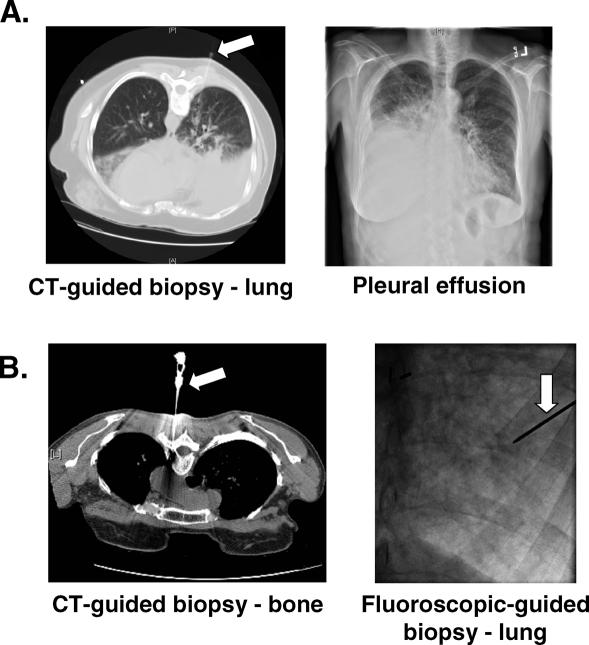
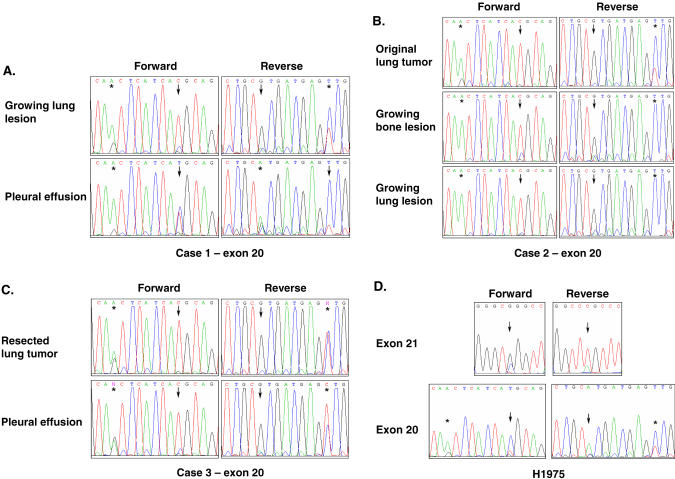
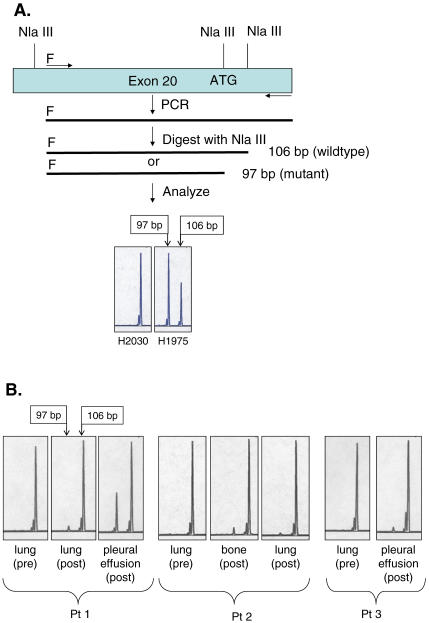
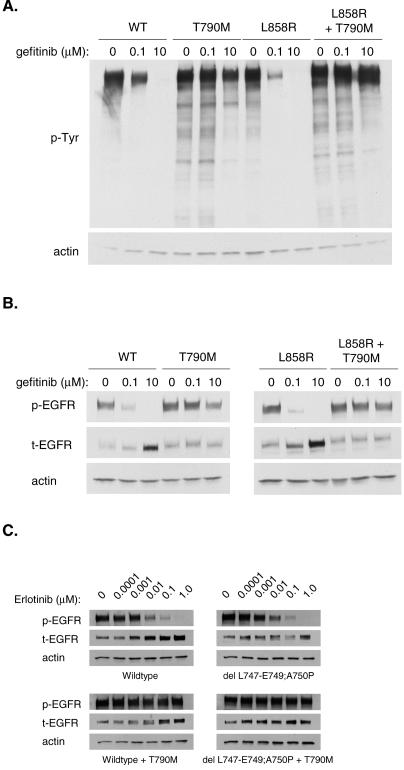
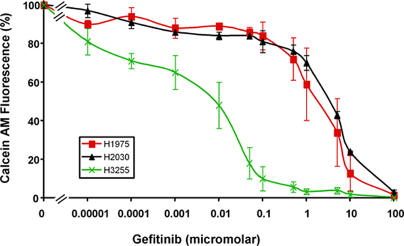
BACKGROUND: Lung adenocarcinomas from patients who respond to the tyrosine kinase inhibitors gefitinib (Iressa) or erlotinib (Tarceva) usually harbor somatic gain-of-function mutations in exons encoding the kinase domain of the epidermal growth factor receptor (EGFR). Despite initial responses, patients eventually progress by unknown mechanisms of "acquired" resistance. METHODS AND FINDINGS: We show that in two of five patients with acquired resistance to gefitinib or erlotinib, progressing tumors contain, in addition to a primary drug-sensitive mutation in EGFR, a secondary mutation in exon 20, which leads to substitution of methionine for threonine at position 790 (T790M) in the kinase domain. Tumor cells from a sixth patient with a drug-sensitive EGFR mutation whose tumor progressed on adjuvant gefitinib after complete resection also contained the T790M mutation. This mutation was not detected in untreated tumor samples. Moreover, no tumors with acquired resistance had KRAS mutations, which have been associated with primary resistance to these drugs. Biochemical analyses of transfected cells and growth inhibition studies with lung cancer cell lines demonstrate that the T790M mutation confers resistance to EGFR mutants usually sensitive to either gefitinib or erlotinib. Interestingly, a mutation analogous to T790M has been observed in other kinases with acquired resistance to another kinase inhibitor, imatinib (Gleevec). CONCLUSION: In patients with tumors bearing gefitinib- or erlotinib-sensitive EGFR mutations, resistant subclones containing an additional EGFR mutation emerge in the presence of drug. This observation should help guide the search for more effective therapy against a specific subset of lung cancers.
Overview
The claims and statistics of this paper haven’t been checked yet.
Run the check — free, no account needed. It reads the open-access text and checks the sources it cites.
Integrity signals
Registry
Cites
Statistics
Figures
Verification
Claims the paper makes
The claims and statistics of this paper haven’t been checked yet.
Run the check — free, no account needed. It reads the open-access text and checks the sources it cites.
Claims other papers make about this one
Each is checked against this paper’s own text: does it say what the citing paper says it does?
The cited source says what the claim attributes to it.
In the citing paper
“H1975 cells harbor activating EGFR mutations [17]”
From Clathrin adapters AP-1 and GGA2 support expression of epidermal growth factor receptor for cell growth (2021) · cites this paper as [17]
In the citing paper
“However, it is now well established that acquisition of a second mutation in EGFR, resulting in substitution of threonine at the “gatekeeper” amino acid 790 to methionine (T790M) is the most common resistance mechanism and is detected in tumor cells from more than 50% of patients after disease progression (20, 21).”
From AZD9291, an Irreversible EGFR TKI, Overcomes T790M-Mediated Resistance to EGFR Inhibitors in Lung Cancer (2014) · cites this paper as [21]
In the citing paper
“This mutation leads to the substitution of threonine by methionine at position 790, which encodes part of the kinase domain of the receptor and results in increased affinity for ATP, causing resistance to competitive inhibition by reversible EGFR TKIs such as gefitinib and erlotinib [121,122].”
From Metastatic non-small-cell lung cancer: ESMO Clinical Practice Guidelines for diagnosis, treatment and follow-up (2016) · cites this paper as [121]
In the citing paper
“In EGFR mutant lung cancer, the most common mechanism of acquired resistance to EGFR inhibitors is the development of a mutation in the gatekeeper residue of EGFR, T790M (Kobayashi et al., 2005; Pao et al., 2005).”
From ERBB Receptors: From Oncogene Discovery to Basic Science to Mechanism-Based Cancer Therapeutics (2014) · cites this paper as Pao et al., 2005
In the citing paper
“Accordingly, cell growth was suppressed by the depletion of AP-1 in a non-cancer cell line, ARPE-19, and a NSCLC-derived cancer cell line, H1975, which harbors activating EGFR mutations [17].”
From Clathrin adapters AP-1 and GGA2 support expression of epidermal growth factor receptor for cell growth (2021) · cites this paper as [17]
In the citing paper
“H1975 cells harbor activating EGFR mutations [17], and as such, these results suggest the involvement of AP-1 in EGFR-dependent cell growth.”
From Clathrin adapters AP-1 and GGA2 support expression of epidermal growth factor receptor for cell growth (2021) · cites this paper as [17]
Self-check
Percentages, sums and reported differences re-computed from the paper’s own numbers.
The self-check needs the paper’s full text.
Citations
Cites
Lynch, T. J., Bell, D. W., Sordella, R., Gurubhagavatula, S., Okimoto, R. A., Brannigan, B. W., Harris, P. L., Haserlat, S. M., Supko, J. G., Haluska, F. G., et al. (2004) · New England Journal of Medicine · doi:10.1056/nejmoa040938 · Cited by 11,486
EGFR Mutations in Lung Cancer: Correlation with Clinical Response to Gefitinib Therapy
Paez, J. G., Jänne, P. A., Lee, J. C., Tracy, S., Greulich, H., Gabriel, S., Herman, P., Kaye, F. J., Lindeman, N., Boggon, T. J., et al. (2004) · Science · doi:10.1126/science.1099314 · Cited by 9,368 · cited 13×
“PCR products were ligated into plasmids using the TOPO TA-cloning kit (Invitrogen, Carlsbad, California, United States), as per manufacturer’s instructions.”
BackgroundInfluentialPao, W., Miller, V., Zakowski, M., Doherty, J., Politi, K., Sarkaria, I., Singh, B., Heelan, R., Rusch, V., Fulton, L., et al. (2004) · Proceedings of the National Academy of Sciences · doi:10.1073/pnas.0405220101 · Cited by 4,338 · cited 17×
“PCR products were ligated into plasmids using the TOPO TA-cloning kit (Invitrogen, Carlsbad, California, United States), as per manufacturer’s instructions.”
BackgroundMethodInfluentialSelf-citationClinical Resistance to STI-571 Cancer Therapy Caused by BCR-ABL Gene Mutation or Amplification
Gorre, M. E., Mohammed, M., Ellwood, K., Hsu, N., Paquette, R., Rao, P. N., & Sawyers, C. L. (2001) · Science · doi:10.1126/science.1062538 · Cited by 3,104 · cited 3×
“For example, in CML, a commonly found mutation is a CfiT single nucleotide change that replaces threonine with isoleucine at position 315 (T315I) in the ABL kinase domain [9,10,11].”
BackgroundResultShigematsu, H., Lin, L., Takahashi, T., Nomura, M., Suzuki, M., Wistuba, I. I., Fong, K. M., Lee, H., Toyooka, S., Shimizu, N., et al. (2005) · JNCI Journal of the National Cancer Institute · doi:10.1093/jnci/dji055 · Cited by 2,377
Overriding Imatinib Resistance with a Novel ABL Kinase Inhibitor
Shah, N. P., Tran, C., Lee, F. Y., Chen, P., Norris, D. J., & Sawyers, C. L. (2004) · Science · doi:10.1126/science.1099480 · Cited by 1,804 · cited 2×
“The new drugs bind to ABL in an ‘‘open’’ conformation, as opposed to imatinib, which binds ABL in a ‘‘closed’’ conformation [12,13].”
BackgroundCools, J., DeAngelo, D. J., Gotlib, J. R., Stover, E. H., Legare, R. D., Cortes, J. E., Kutok, J. L., Clark, J., Galinsky, I. A., Griffin, J. D., et al. (2003) · New England Journal of Medicine · doi:10.1056/nejmoa025217 · Cited by 1,714 · cited 5×
“These results differ from those of acquired resistance mutation in CML [10], GIST [15,27], and HES [16].”
BackgroundResultInfluentialShah, N. P., Nicoll, J. M., Nagar, B., Gorre, M. E., PAQUETTE, R. L., Kuriyan, J., & Sawyers, C. L. (2002) · Cancer Cell · doi:10.1016/s1535-6108(02)00096-x · Cited by 1,614 · cited 3×
“It is also possible that EGFR amplification itself plays a role in acquired resistance, since imatinib-resistant clones have been shown to lack resistance mutations but contain amplified copies of BCR-ABL [11,28].”
BackgroundGefitinib-Sensitizing EGFR Mutations in Lung Cancer Activate Anti-Apoptotic Pathways
Sordella, R., Bell, D. W., Haber, D. A., & Settleman, J. E. (2004) · Science · doi:10.1126/science.1101637 · Cited by 1,605 · cited 3×
“This scenario could explain the seemingly contradictory report by others who found the H1975 cell line to be highly sensitive to gefitinib [18]; our H1975 cells could represent a subclone that emerged over time.”
BackgroundResultStamos, J. L., Sliwkowski, M. X., & Eigenbrot, C. W. (2002) · Journal of Biological Chemistry · doi:10.1074/jbc.m207135200 · Cited by 1,594 · cited 1×
“From analysis of the crystal structure of the EGFR kinase domain bound to erlotinib, it is has been shown that the wild-type threonine residue at position 790 is located in the hydrophobic ATP-binding pocket of the catalytic region, where it forms a critical hydrogen bond with the drug [”
Background
Research works printed but not linked: 2
- Krug, 2001, Proc Am Soc Clin Oncol, 20, 1328
- Daub, 2004, Nat Rev Cancer, 3, 1001
Cited by
Sorted by citations
Items 801–900 of 1,023
EGFR inhibitors: what have we learned from the treatment of lung cancer?
Giaccone, G., & Rodríguez, J. A. (2005) · Nature Clinical Practice Oncology · doi:10.1038/ncponc0341 · Cited by 83
Dynamics of targeted cancer therapy
Božić, I., Allen, B., & Nowak, M. A. (2012) · Trends in Molecular Medicine · doi:10.1016/j.molmed.2012.04.006 · Cited by 86
“This resistance is often caused by a single genetic alteration in tumor cells, arising either before or during treatment [8, 9].”
Erlotinib at a Dose of 25 mg Daily for Non-small Cell Lung Cancers with EGFR Mutations
Yeo, W.-L., Riely, G. J., Yeap, B. Y., Lau, M. W., Warner, J. L., Bodio, K., Huberman, M. S., Kris, M. G., Tenen, D. G., Pao, W. J., et al. (2010) · Journal of Thoracic Oncology · doi:10.1097/jto.0b013e3181dd1386 · Cited by 82
Self-citationNoronha, V., Prabhash, K., Thavamani, A., Chougule, A., Purandare, N. C., Joshi, A., Sharma, R., Desai, S. R., Jambekar, N., Dutt, A., et al. (2013) · PLoS ONE · doi:10.1371/journal.pone.0061561 · Cited by 85
“An additional mutation in EGFR exon 20 is known to be responsible for acquired resistance to this therapy [4].”
BackgroundOnitsuka, T., Uramoto, H., Ono, K., Takenoyama, M., Hanagiri, T., Oyama, T., Izumi, H., Kohno, K., & Yasumoto, K. (2010) · Journal of Thoracic Oncology · doi:10.1097/jto.0b013e3181d0a4db · Cited by 83
“Negative 171 61 (36) 110 15 (9) 156 — — 8 (5) 163 93 (54) 78”
InfluentialPharmacogenomics Steps Toward Personalized Medicine
Xie, H., & Frueh, F. W. (2005) · Personalized Medicine · doi:10.2217/17410541.2.4.325 · Cited by 86
“In fact, in the case of NSCLC, the T790M mutation in EGFR (that exhibits reduced inhibition by the drug [77–79]) accounts for only a small fraction of cells within the recurrent tumor from some, but not all, patients with drug resistance [78,90].”
BackgroundFan, W., Tang, Z., Yin, L., Morrison, B., Hafez-Khayyata, S., Fu, P., Huang, H., Bagai, R. K., Jiang, S., Kresak, A. M., et al. (2011) · Cancer Research · doi:10.1158/0008-5472.can-10-2668 · Cited by 83
“Majority of the reported studies investigating mechanisms of tumor resistance centered on late time window after chronic exposure to TKIs at escalating dosing concentrations when secondary resistant clones ultimately arose and propagated from the parental drug-sensitive cell populations.”
InfluentialLeung, E. L., Fan, X., Wong, M. P., Jiang, Z., Liu, Z., Yao, X., Lu, L., Zhou, Y., Yau, L.-F., Tin, V. P., et al. (2015) · Antioxidants and Redox Signaling · doi:10.1089/ars.2015.6420 · Cited by 84
Luke, J. J., & Hodi, F. S. (2013) · The Oncologist · doi:10.1634/theoncologist.2012-0391 · Cited by 84
Cell-free DNA and next-generation sequencing in the service of personalized medicine for lung cancer
Bennett, C. W., Berchem, G., Kim, Y. J., & El‐Khoury, V. (2016) · Oncotarget · doi:10.18632/oncotarget.11717 · Cited by 83
Chemical strategies to overcome resistance against targeted anticancer therapeutics
Pisa, R., & Kapoor, T. M. (2020) · Nature Chemical Biology · doi:10.1038/s41589-020-0596-8 · Cited by 84
EGFR kinase domain mutations – functional impact and relevance for lung cancer therapy
Irmer, D. J., Funk, J. O., & Blaukat, A. (2007) · Oncogene · doi:10.1038/sj.onc.1210383 · Cited by 83
Jiang, R., Jin, Z., Liu, Z., Sun, L., Wang, L., & Li, K. (2011) · Molecular Diagnosis & Therapy · doi:10.1007/bf03256470 · Cited by 83
Germline EGFR T790M Mutation Found in Multiple Members of a Familial Cohort
Yu, H. A., Arcila, M. E., Fleischut, M. H., Stadler, Z. K., Ladanyi, M., Berger, M. F., Robson, M. E., & Riely, G. J. (2014) · Journal of Thoracic Oncology · doi:10.1097/jto.0000000000000052 · Cited by 82
Self-citationWu, C., Hsu, H., Liu, H., Chang, J. W., Chen, Y., Hsieh, W.-Y., Hsieh, J., Hsieh, M., Chen, Y., & Huang, S. (2008) · Cancer · doi:10.1002/cncr.23925 · Cited by 82
“and from East Asian regions; those changes included a second-site point EGFR mutation of T790M and c-Met amplifications.(39-44) However, those changes”
BackgroundRexer, B. N., Engelman, J. A., & Arteaga, C. L. (2009) · Cell Cycle · doi:10.4161/cc.8.1.7324 · Cited by 84
Emerging Roles of SIRT1 in Cancer Drug Resistance
Wang, Z., & Chen, W. (2013) · Genes & Cancer · doi:10.1177/1947601912473826 · Cited by 87
Zhang, W. C., Wells, J. M., Chow, K.-H., Huang, H., Yuan, M., Saxena, T., Melnick, M. A., Politi, K. A., Asara, J. M., Costa, D. B., et al. (2019) · Nature Metabolism · doi:10.1038/s42255-019-0052-9 · Cited by 84
“For example, a majority of tumours from EGFR-mutant non-small cell lung cancer (NSCLC) patients acquired resistance mutations such as EGFR T790M or EGFR C797S when the patients were treated with EGFR tyrosine kinase inhibitors (TKIs), gefitinib or erlotinib and osimertinib, respectively 4,5 .”
Self-citationLohinai, Z., Hoda, M. A., Fábián, K., Ostoros, G., Rásó, E., Barbai, T., Tı́már, J., Kovalszky, I., Cserepes, M., Rózsás, A., et al. (2015) · Journal of Thoracic Oncology · doi:10.1097/jto.0000000000000492 · Cited by 79
Targeted Therapies for Non–Small Cell Lung Cancer: An Evolving Landscape
Pal, S. K., Figlin, R. A., & Reckamp, K. L. (2010) · Molecular Cancer Therapeutics · doi:10.1158/1535-7163.mct-10-0239 · Cited by 81
“As noted in Table 1, mutations in EGFR that confer decreased sensitivity to gefitinib or erlotinib represent an important criterion; for instance, EGFR mutation at T790M has been implicated in 50 to 60% of patients with resistance to erlotinib (80, 116, 117).”
BackgroundAggarwal, C., Davis, C. W., Mick, R., Thompson, J. C., Ahmed, S., Jeffries, S., Bagley, S. J., Gabriel, P. E., Evans, T. L., Bauml, J. M., et al. (2018) · JCO Precision Oncology · doi:10.1200/po.18.00107 · Cited by 79
Petrek, H. E., & Yu, A. (2019) · Pharmacology Research & Perspectives · doi:10.1002/prp2.528 · Cited by 82
Yokouchi, H., Yamazaki, K., Kinoshita, I., Konishi, J., Asahina, H., Sukoh, N., Harada, M., Akie, K., Ogura, S., Ishida, T., et al. (2007) · BMC Cancer · doi:10.1186/1471-2407-7-51 · Cited by 85
Greshock, J. D., Nathanson, K. L., Martin, A., Zhang, L., Coukos, G., Weber, B. L., & Zaks, T. Z. (2007) · Cancer Research · doi:10.1158/0008-5472.can-06-3674 · Cited by 80
“Moreover, genetically determined in vivo secondary drug resistance arising from additional mutations [e.g., secondary KIT mutations associated with acquired imatinib resistance (3) or EGFR mutations with acquired gefitinib resistance (4, 5 )] can be accurately modeled in cell lines.”
BackgroundEpidermal Growth Factor ReceptorMutation Testing in the Care of Lung Cancer Patients
Sequist, L. V. D., Joshi, V. A., Janne, P. A., Bell, D. W., Fidias, P. M., Lindeman, N. I., Louis, D. N., Lee, J. C., Mark, E. J., Longtine, J., et al. (2006) · Clinical Cancer Research · doi:10.1158/1078-0432.ccr-06-0099 · Cited by 81
Johns, T., Perera, R., Vernes, S., Vitali, A., Cao, D., Cavenee, W., Scott, A., & Furnari, F. (2007) · Clinical Cancer Research · doi:10.1158/1078-0432.ccr-06-1453 · Cited by 80
Integrating cancer genomic data into electronic health records
Warner, J. L., Jain, S. K., & Levy, M. A. (2016) · Genome Medicine · doi:10.1186/s13073-016-0371-3 · Cited by 84
Sigma1 Pharmacology in the Context of Cancer
Kim, F. J., & Maher, C. M. (2017) · Handbook of experimental pharmacology · doi:10.1007/164_2017_38 · Cited by 81
Yoshimura, N., Kudoh, S., Kimura, T., Mitsuoka, S., Matsuura, K., Hirata, K., Matsui, K., Negoro, S., Nakagawa, K., & Fukuoka, M. (2005) · Lung Cancer · doi:10.1016/j.lungcan.2005.10.006 · Cited by 81
Nakagawa, T., Takeuchi, S., Yamada, T., Nanjo, S., Ishikawa, D., Sano, T., Kita, K., Nakamura, T., Matsumoto, K., Suda, K., et al. (2012) · Molecular Cancer Therapeutics · doi:10.1158/1535-7163.mct-12-0195 · Cited by 82
“Gatekeeper mutations, including the T315I mutation in Abl associated with resistance to imatinib (23), the L1196M mutation in ALK associated with resistance to crizotinib (24), and the T790M mutation in EGFR associated with resistance to gefitinib and erlotinib (5), are common mechanisms by which tumor cells acquire r…”
BackgroundMolecular Predictors of EGFR-TKI Sensitivity in Advanced Non–small Cell Lung Cancer
Zhang, X., & Chang, A. Y. (2008) · International Journal of Medical Sciences · doi:10.7150/ijms.5.209 · Cited by 79
Novel therapeutic targets in non-small cell lung cancer
Alamgeer, M., Ganju, V., & Watkins, D. N. (2013) · Current Opinion in Pharmacology · doi:10.1016/j.coph.2013.03.010 · Cited by 84
Chen, S., Zhao, J., Cui, L., & Liu, Y. (2016) · Clinical & Translational Oncology · doi:10.1007/s12094-016-1534-9 · Cited by 79
Meng, F., Wang, F., Wang, L., Wong, S. C. C., Cho, W. C. S., & Chan, L. (2016) · Frontiers in Genetics · doi:10.3389/fgene.2016.00197 · Cited by 79
Targeting Autophagy for Overcoming Resistance to Anti-EGFR Treatments
Kwon, Y., Kim, M.-S., Jung, H. S., Kim, Y., & Jeoung, D. (2019) · Cancers · doi:10.3390/cancers11091374 · Cited by 82
“Point mutations in exon 18 [47,48], exon 20 [49], and exon 21 [50] are associated with sensitivity to EGFR-TKIs (Figure 2).”
Kubota, K., Nishiwaki, Y., Tamura, T., Nakagawa, K., Matsui, K., Watanabe, K., Hida, T., Kawahara, M., Katakami, N., Takeda, K., et al. (2008) · Journal of Thoracic Oncology · doi:10.1097/jto.0b013e31818d6702 · Cited by 80
Yang, S., Qu, S., Perez-Tores, M., Sawai, A., Rosen, N. X., Solit, D. B., & Arteaga, C. L. (2006) · Cancer Research · doi:10.1158/0008-5472.can-06-1042 · Cited by 81
“predicted (15) and reported (16), the molecular mechanism of”
Everolimus restores gefitinib sensitivity in resistant non-small cell lung cancer cell lines
Monica, S. L., Galetti, M., Alfieri, R. R., Cavazzoni, A., Ardizzoni, A., Tiseo, M., Capelletti, M., Goldoni, M., Tagliaferri, S., Mutti, A., et al. (2009) · Biochemical Pharmacology · doi:10.1016/j.bcp.2009.04.033 · Cited by 80
“The H1975 cell line carrying the L858R and T790M mutations was resistant to gefitinib [7]; the H1650 cell line, despite harboring a delE746_A750 activating mutation in the exon 19 of the EGFR gene, was resistant to gefitinib and erlotinib as previously reported [28–30]; K-RAS mutations were found in four of the tested…”
BackgroundResultNestin regulates proliferation, migration, invasion and stemness of lung adenocarcinoma
NARITA, K., Matsuda, Y., Seike, M., Naito, Z., Gemma, A., & Ishiwata, T. (2014) · International Journal of Oncology · doi:10.3892/ijo.2014.2278 · Cited by 81
Cha, M. Y., Lee, K., Kim, M., Song, J. Y., Lee, K. H., Park, J., Chae, Y. J., Kim, Y. H., Suh, K. H., Lee, G. S., et al. (2011) · International Journal of Cancer · doi:10.1002/ijc.26276 · Cited by 80
High T790M detection rate in TKI-naive NSCLC with EGFR sensitive mutation: truth or artifact?
Ye, X., Zhu, Z.-Z., Zhong, L., Lu, Y., Sun, Y., Yin, X., Yang, Z., Zhu, G., & Ji, Q. (2013) · Journal of Thoracic Oncology · doi:10.1097/jto.0b013e31829f691f · Cited by 79
Miyazawa, H., Tanaka, T., Nagai, Y., Matsuoka, M., Huqun, Sutani, A., Udagawa, K., Zhang, J., Hirama, T., Murayama, Y., et al. (2008) · Cancer Science · doi:10.1111/j.1349-7006.2007.00706.x · Cited by 79
Lin, L., & Bivona, T. G. (2012) · Chemotherapy Research and Practice · doi:10.1155/2012/817297 · Cited by 85
“Approximately 50% of patients with EGFR mutant lung cancers who develop acquired resistance to EGFR TKIs have a second-site mutation T790M in the threonine gatekeeper residue that coexists with a primary EGFR activating mutation [38, 39].”
BackgroundHamblin, A. D., Wordsworth, S., Fermont, J. M., Page, S., Kaur, K., Camps, C., Kaisaki, P. J., Gupta, A., Talbot, D. C., Middleton, M. R., et al. (2017) · PLoS Medicine · doi:10.1371/journal.pmed.1002230 · Cited by 80
Chen, M. C., Chen, C. H., Wang, J.-C., Tsai, A.-C., Liou, J.-P., Pan, S.-L., & Teng, C.-M. (2013) · Cell Death and Disease · doi:10.1038/cddis.2013.330 · Cited by 80
Stinchcombe, T. E., Morris, D. E., Lee, C. B., Moore, D. T., Hayes, D. N., Halle, J. S., Rivera, M. P., Rosenman, J. G., & Socinski, M. A. (2008) · Journal of Thoracic Oncology · doi:10.1097/jto.0b013e3181653cf4 · Cited by 79
Okamoto, K., Okamoto, I., Okamoto, W., Tanaka, K., Takezawa, K., Kuwata, K., Yamaguchi, H., Nishio, K., & Nakagawa, K. (2010) · Cancer Research · doi:10.1158/0008-5472.can-10-2438 · Cited by 79
Hung, M., Chen, I., Lin, P.-Y., Lung, J.-H., Li, Y., Lin, Y., Yang, C., & Tsai, Y. (2016) · Oncology Letters · doi:10.3892/ol.2016.5287 · Cited by 81
“EGFR activation has been shown to be associated with the stimulation of tumor angiogenesis, and angiogenesis is essential to growth, proliferation and metastasis of cancer cells (7-14).”
InfluentialYang, Q., Chen, W., Yu-feng, X., Lv, X., Zhang, M., & Jiang, H. (2018) · Toxicology and Applied Pharmacology · doi:10.1016/j.taap.2018.07.031 · Cited by 79
Clinicopathologic characteristics of EGFR, KRAS, and ALK alterations in 6,595 lung cancers
Lee, B., Lee, T., Lee, S.-H., Choi, Y.-L., & Han, J. (2016) · Oncotarget · doi:10.18632/oncotarget.8074 · Cited by 78
“The T790M mutation is the most common cause of EGFR-targeted therapy resistance[49].”
BackgroundChen, H., & Cheng, X. (2014) · OncoTargets and Therapy · doi:10.2147/ott.s66502 · Cited by 81
“109,112,118,119 EGFR of lung cancer cells with both TKI-sensitive mutations and T790M mutation regain affinity to ATP at the hydrophobic pocket, hence abrogating competitive inhibition of the receptor by gefitinib and erlotinib.”
Kawamura, T., Hata, A., Takeshita, J., Fujita, S., Hayashi, M., Tomii, K., & Katakami, N. (2015) · Cancer Chemotherapy and Pharmacology · doi:10.1007/s00280-015-2759-y · Cited by 77
Sakai, K., Horiike, A., Irwin, D. L., Kudo, K., Fujita, Y., Tanimoto, A., Sakatani, T., Saito, R., Kaburaki, K., Yanagitani, N., et al. (2013) · Cancer Science · doi:10.1111/cas.12211 · Cited by 78
Understanding Drug Sensitivity and Tackling Resistance in Cancer
Tyner, J. W., Haderk, F., Kumaraswamy, A., Baughn, L. B., Ness, B. V., Liu, S., Marathe, H., Alumkal, J. J., Bivona, T. G., Chan, K. S., et al. (2022) · Cancer Research · doi:10.1158/0008-5472.can-21-3695 · Cited by 81
Guercio, B. J., Sarfaty, M., Teo, M. Y., Ratna, N., Düzgöl, C., Funt, S. A., Lee, C., Aggen, D. H., Regazzi, A. M., Chen, Z., et al. (2023) · Clinical Cancer Research · doi:10.1158/1078-0432.ccr-23-1283 · Cited by 81
Heat Shock Protein 90 Inhibition in Lung Cancer
Shimamura, T., & Shapiro, G. I. (2008) · Journal of Thoracic Oncology · doi:10.1097/jto.0b013e318174ea3a · Cited by 79
Sakurada, A., Shepherd, F. A., & Tsao, M. (2006) · Clinical Lung Cancer · doi:10.3816/clc.2006.s.005 · Cited by 78
Tan, D. S. W., Gerlinger, M., Teh, B. T., & Swanton, C. (2010) · European Journal of Cancer · doi:10.1016/j.ejca.2010.03.019 · Cited by 79
Jiang, S., Yamashita, K., Yamamoto, M., Chun-ji, P., Umezawa, A., Saegusa, M., Yoshida, T., Katagiri, M., Masuda, N., Hayakawa, K., et al. (2008) · International Journal of Cancer · doi:10.1002/ijc.23868 · Cited by 75
Takezawa, K., Okamoto, I., Tanizaki, J., Kuwata, K., Yamaguchi, H., Fukuoka, M., Nishio, K., & Nakagawa, K. (2010) · Molecular Cancer Therapeutics · doi:10.1158/1535-7163.mct-09-1009 · Cited by 78
Ioannou, N., Dalgleish, A. G., Seddon, A. M., Mackintosh, D., Gürtler, U., Solca, F., & Modjtahedi, H. (2011) · British Journal of Cancer · doi:10.1038/bjc.2011.396 · Cited by 78
“For example, in glioblastoma and non-small-cell lung carcinoma (NSCLC) patients the presence of EGFRvIII or T790M EGFR was found to be associated with resistance to treatment with gefitinib and erlotinib, respectively (Learn et al, 2004; Kobayashi et al, 2005; Pao et al, 2005).”
BackgroundQuantitative Prediction of Fold Resistance for Inhibitors of EGFR
Balius, T. E., & Rizzo, R. C. (2009) · Biochemistry · doi:10.1021/bi900729a · Cited by 78
“A T790M resistance-mutation is commonly observed in patients treated with erlotinib and gefitinib for those tumors which also harbor the primary cancer causing point mutation at position L858Ror exon 19 deletions (30).”
Hashida, S., Yamamoto, H., Shien, K., Miyoshi, Y., Ohtsuka, T., Suzawa, K., Watanabe, M., Maki, Y., Soh, J., Asano, H., et al. (2015) · Cancer Science · doi:10.1111/cas.12749 · Cited by 79
Axl-altered microRNAs regulate tumorigenicity and gefitinib resistance in lung cancer
Wang, Y., Xia, H., Zhuang, Z., Miao, L., Chen, X., & Cai, H. (2014) · Cell Death and Disease · doi:10.1038/cddis.2014.186 · Cited by 77
Jiang, T., & Zhou, C. (2014) · Europe PMC (PubMed Central) · doi:10.3978/j.issn.2218-6751.2014.08.02 · Cited by 77
Имянитов, Е. Н., Kuligina, E. S., Соколенко, А. П., Suspitsin, E. N., Yanus, G. A., Iyevleva, A. G., Ivantsov, A. O., & Алексахина, С. Н. (2023) · World Journal of Clinical Oncology · doi:10.5306/wjco.v14.i2.40 · Cited by 82
Targeted Inhibitors of EGFR: Structure, Biology, Biomarkers, and Clinical Applications
Shaban, N., Kamashev, D., Emelianova, A., & Buzdin, A. A. (2023) · Cells · doi:10.3390/cells13010047 · Cited by 88
“For example, the T790M missense mutation in exon 20 of EGFR that is connected with acquired treatment resistance is found in ~60% of lung adenocarcinoma patients [99].”
BackgroundBae, S. Y., Hong, J., Lee, H., Park, H. J., & Lee, S. K. (2015) · Oncotarget · doi:10.18632/oncotarget.3380 · Cited by 76
Epidermal growth factor receptor mutations in lung cancers
Yatabe, Y., & Mitsudomi, T. (2007) · Pathology International · doi:10.1111/j.1440-1827.2007.02098.x · Cited by 77
Xu, Y., Liu, H., Chen, J., & Zhou, Q. (2010) · Cancer Biology & Therapy · doi:10.4161/cbt.9.8.11881 · Cited by 79
“To test this hypothesis under conditions of EGFR gene amplification, Pao et al.(39) developed a PCR restriction fragment length polymorphism assay that independently confirms the presence or absence of the T790M mutation due to the lack of sensitivity of direct sequencing in this case.”
MethodThe ErbB kinase domain: Structural perspectives into kinase activation and inhibition
Bose, R., & Zhang, X. (2008) · Experimental Cell Research · doi:10.1016/j.yexcr.2008.07.031 · Cited by 78
“The major lung cancer-derived mutants of ERBB2 are oncogenic and are associated with sensitivity to the irreversible EGFR/ERBB2 inhibitor HKI-272.”
BackgroundInfluentialDual mechanisms of action of the 5-benzylidene-hydantoin UPR1024 on lung cancer cell lines
Cavazzoni, A., Alfieri, R. R., Carmi, C., Zuliani, V., Galetti, M., Fumarola, C., Frazzi, R., Bonelli, M. A., Bordi, F., Lodola, A., et al. (2008) · Molecular Cancer Therapeutics · doi:10.1158/1535-7163.mct-07-0477 · Cited by 77
Protein Kinases as Targets for Cancer Treatment
Giamas, G., Stebbing, J., Vorgias, C. E., & Knippschild, U. (2007) · Pharmacogenomics · doi:10.2217/14622416.8.8.1005 · Cited by 80
“With Iressa and Tarceva treatment, typical remissions in drug-responsive NSCLC patients only last for 4–6 months, suggesting that secondary drug resistance often develops rapidly in that setting [41,42].”
BackgroundWu, S., Chang, Y., Hsu, Y.-C., Wu, J., Yang, C.-H., Yu, C., Tsai, M., Shih, J., & Yang, P. (2008) · The Oncologist · doi:10.1634/theoncologist.2008-0093 · Cited by 77
Li, L., Jiang, L., Wang, Y., Zhao, Y., Zhang, X., Wu, G., Zhou, X., Sun, J., Bai, J., Ren, B., et al. (2019) · Clinical Cancer Research · doi:10.1158/1078-0432.ccr-19-0437 · Cited by 76
“The advent of targeted therapy has revolutionized non–small cell lung cancer (NSCLC) management, however, a considerable percentage of patients still succumb to disease progression due to de novo or acquired resistance (1, 2).”
Backgroundβ-Adrenergic Signaling in Lung Cancer: A Potential Role for Beta-Blockers
Nilsson, M. B., Le, X., & Heymach, J. V. (2019) · Journal of Neuroimmune Pharmacology · doi:10.1007/s11481-019-09891-w · Cited by 79
“Resistance to EGFR TKIs can be mediated by secondary EGFR mutations (i.e. T790 M) (Kobayashi et al. 2005; Pao et al. 2005) or through EGFRindependent mechanisms.”
BackgroundNakamura, T., Sueoka‐Aragane, N., Iwanaga, K., Sato, A., Komiya, K., Kobayashi, N., Hayashi, S., Hosomi, T., Hirai, M., Sueoka, E., et al. (2012) · Journal of Thoracic Oncology · doi:10.1097/jto.0b013e31825f2821 · Cited by 74
Towards Structural Systems Pharmacology to Study Complex Diseases and Personalized Medicine
Xie, L., Ge, X., Tan, H., Xie, L., Zhang, Y., Hart, T. D., Yang, X., & Bourne, P. E. (2014) · PLoS Computational Biology · doi:10.1371/journal.pcbi.1003554 · Cited by 75
Tam, I. Y. S., Leung, E. L., Tin, V. P., Chua, D. T.-T., Sihoe, A. D., Cheng, L., Chung, L.-P., & Wong, M. P. (2009) · Molecular Cancer Therapeutics · doi:10.1158/1535-7163.mct-08-1219 · Cited by 76
“Concomitant T790M and L858R mutations confer gefitinib resistance in NSCLC patients (17, 18).”
BackgroundImaging of EGFR and EGFR Tyrosine Kinase Overexpression in Tumors by Nuclear Medicine Modalities
Mishani, E., Abourbeh, G., Eiblmaier, M., & Anderson, C. J. (2008) · Current Pharmaceutical Design · doi:10.2174/138161208786404326 · Cited by 76
“However, similarly to imatinib, patients who initially responded to these treatments have occasionally developed therapy resistance due to acquired secondary mutation in the EGFR [68], thus, necessitating the acquisition of further clinical and experimental data so as to better predict response to such therapies.”
BackgroundMonica, S. L., Madeddu, D., Tiseo, M., Vivo, V., Galetti, M., Cretella, D., Bonelli, M. A., Fumarola, C., Cavazzoni, A., Falco, A., et al. (2016) · Journal of Thoracic Oncology · doi:10.1016/j.jtho.2016.03.006 · Cited by 75
Han, C., Huang, Z., Zheng, C., Wan, L., Zhang, L., Peng, S., Ding, K., Ji, H., Tian, J., & Zhang, Y. (2013) · Journal of Medicinal Chemistry · doi:10.1021/jm400463q · Cited by 76
Isozaki, H., Takigawa, N., & Kiura, K. (2015) · Cancers · doi:10.3390/cancers7020763 · Cited by 76
Langer, C. J., Mok, T. S. K., & Postmus, P. E. (2012) · Cancer Treatment Reviews · doi:10.1016/j.ctrv.2012.05.003 · Cited by 75
Coelho, M. A., Li, S., Pane, L. S., Firth, M. A., Ciotta, G., Wrigley, J. D. J., Cuomo, M. E., Maresca, M., & Taylor, B. (2018) · BMC Biology · doi:10.1186/s12915-018-0617-1 · Cited by 75
Oligosaccharyltransferase: A Gatekeeper of Health and Tumor Progression
Harada, Y., Ohkawa, Y., Kizuka, Y., & Taniguchi, N. (2019) · International Journal of Molecular Sciences · doi:10.3390/ijms20236074 · Cited by 76
Epidermal Growth Factor Receptor: Key to Selective Intracellular Delivery
Rosenkranz, A. A., & Slastnikova, T. A. (2020) · Biochemistry (Moscow) · doi:10.1134/s0006297920090011 · Cited by 76
Parakh, S., Ernst, M., & Poh, A. R. (2021) · Cancers · doi:10.3390/cancers13246228 · Cited by 77
EGFR T790M resistance mutation in non small-cell lung carcinoma
Denis, M. G., Vallée, A., & Théoleyre, S. (2015) · Clinica Chimica Acta · doi:10.1016/j.cca.2015.01.039 · Cited by 76
EGFR mutations as a prognostic and predictive marker in non-small-cell lung cancer
Wang, Z., & Fang, S. (2014) · Drug Design Development and Therapy · doi:10.2147/dddt.s69690 · Cited by 80
Ju, L., Zhou, C., Li, W., & Yan, L. (2010) · Journal of Cellular Biochemistry · doi:10.1002/jcb.22888 · Cited by 75
“A secondary mutation of EGFR gene in exon 20 (T790M) and c-Met gene amplification have been found to be related with acquired resistance to EGFR TKIs in NSCLC [Kobayashi et al., 2005; Kwak et al., 2005; Onitsuka et al., 2005].”
BackgroundMolecular Imaging of Biomarkers in Breast Cancer
Ulaner, G. A., Riedl, C. C., Dickler, M. N., Jhaveri, K. L., Pandit-Taskar, N. D., & Weber, W. (2016) · Journal of Nuclear Medicine · doi:10.2967/jnumed.115.157909 · Cited by 75
Nakamura, T., Sueoka‐Aragane, N., Iwanaga, K., Sato, A., Komiya, K., Abe, T., Ureshino, N., Hayashi, S., Hosomi, T., Hirai, M., et al. (2011) · Journal of Thoracic Oncology · doi:10.1097/jto.0b013e31822956e8 · Cited by 74
Cetuximab for treating non-small cell lung cancer
Mazzarella, L., Guida, A., & Curigliano, G. (2018) · Expert Opinion on Biological Therapy · doi:10.1080/14712598.2018.1452906 · Cited by 79
“Based on the laboratory finding that NSCLC with acquired resistance to erlotinib and gefitinib remain dependent on EGFR for growth [82,83], several labs began testing combina-”
BackgroundJoseph, N. A., Chiou, S.-H., Lung, Z., Yang, C.-L., Lin, T., Chang, H.-W., Sun, H. S., Gupta, S. K., Yen, L., Wang, S.-D., et al. (2018) · Journal of Hematology & Oncology · doi:10.1186/s13045-018-0557-9 · Cited by 74
“Moreover, continuous exposure of tumor cells to TKIs transpires extra EGFR mutations and drug resistance [27], suggesting nuclear events of DNA sequence alteration and gene activation.”
BackgroundMao, J., Wu, D., Pérez‐Losada, J., Jiang, T., Li, Q., Neve, R. M., Gray, J. W., Cai, W., & Balmain, A. (2007) · Cancer Cell · doi:10.1016/j.ccr.2006.11.025 · Cited by 73
“One of the challenges that will have to be faced during development of these approaches is acquisition of drug resistance by treated tumor cells, either through additional mutations in the target gene (Pao et al., 2005; Kobayashi et al., 2005; Sawyers, 2005) or by rewiring of signaling pathways that allows escape from…”
BackgroundHuang, M.-H., Lee, J., Chang, Y., Tsai, H.-H., Lin, Y., Lin, A. M.-Y., & Yang, J. C. (2012) · Molecular Oncology · doi:10.1016/j.molonc.2012.09.002 · Cited by 74
Riely, G. J. (2008) · Journal of Thoracic Oncology · doi:10.1097/jto.0b013e318174e96e · Cited by 74
Self-citationOkamoto, W., Okamoto, I., Tanaka, K., Hatashita, E., Yamada, Y., Kuwata, K., Yamaguchi, H., Arao, T., Nishio, K., Fukuoka, M., et al. (2010) · Molecular Cancer Therapeutics · doi:10.1158/1535-7163.mct-10-0481 · Cited by 74
Bunney, T. D., Wan, S., Thiyagarajan, N., Sutto, L., Williams, S. V., Ashford, P., Koss, H., Knowles, M. A., Gervasio, F. L., Coveney, P. V., et al. (2015) · EBioMedicine · doi:10.1016/j.ebiom.2015.02.009 · Cited by 76
“…fusion in chronic myelogenous leukaemia (Gorre et al., 2001; Shah et al., 2002), EGFR in nonsmall cell lung cancer (Kobayashi et al., 2005; Pao et al., 2005), platelet-derived growth factor receptor (PDGFR) in hypereosinophilic syndrome (Cools et al., 2003), KIT in gastrointestinal…”
Metadata
- Authors
- Pao, W., Miller, V. A., Politi, K. A., Riely, G. J., Somwar, R., Zakowski, M. F., Kris, M. G., & Varmus, H.
- Affiliations
- Memorial Sloan Kettering Cancer Center (US)
- Corresponding author
- Pao, William
- ORCID
- Venue
- PLoS Medicine
- Publisher
- Public Library of Science (PLoS)
- Published
- 2005-02-22
- Volume
- 2
- Issue
- 3
- Pages
- e73
- ISSN
- 1549-1277 (ISSN-L)
- 1549-1676
- PMC
- PMC549606
- OpenAlex
- W2002937040
- Cited by
- 3,527
- References
- 28
- Citations by year
- 2026: 45 · 2025: 61 · 2024: 59 · 2023: 139 · 2022: 104 · 2021: 116 · 2020: 140 · 2019: 154 · 2018: 203 · 2017: 221 · 2016: 232 · 2015: 255 · 2014: 246 · 2013: 272 · 2012: 222
- FWCI
- 134.24
- Type
- journal article
- Language
- en
- Open access
- gold
- doi.org
- Locations
- PLoS Medicine (publishedVersion, cc-by)
- Europe PMC (PubMed Central) (publishedVersion, cc-by)
- PubMed Central (publishedVersion, cc-by)
- PubMed (publishedVersion)
- DOAJ (DOAJ: Directory of Open Access Journals) (submittedVersion, cc-by-sa)
- Figshare (submittedVersion, cc-by)
- Funders
- American Cancer Society
- CHEST Foundation
- LUNGevity Foundation
- AstraZeneca
- Memorial Sloan-Kettering Cancer Center
- Washington University in St. Louis
- National Institutes of Health
- Genentech
- Canadian Institutes of Health Research
- National Cancer Institute (T 32 CA09207, T32CA009207)
- Topics
- Health Sciences › Medicine › Pulmonary and Respiratory Medicine › Lung Cancer Treatments and Mutations
- Health Sciences › Medicine › Oncology › HER2/EGFR in Cancer Research
- Life Sciences › Biochemistry, Genetics and Molecular Biology › Cancer Research › Cancer Genomics and Diagnostics
- Keywords
- lung adenocarcinoma, gefitinib, erlotinib, acquired drug resistance, EGFR mutation, T790M mutation, EGFR kinase domain, tyrosine kinase inhibitors, KRAS mutation, imatinib resistance
- MeSH terms
- Erlotinib Hydrochloride, Gefitinib, Adenocarcinoma, Antineoplastic Agents, Carcinoma, Non-Small-Cell Lung, DNA Mutational Analysis, Exons, Female, Humans, Lung Neoplasms, Middle Aged, Quinazolines, Tumor Cells, Cultured, Point Mutation, Disease Progression, Drug Resistance, Neoplasm, Reverse Transcriptase Polymerase Chain Reaction, ErbB Receptors
About these checks
Registry, retraction, Cites and statistics results are computed, not judged, with one exception: a printed reference that no index lists is read once by a model before it counts as a citation error. Claims are extracted by a model and kept only when their quote appears verbatim in the text; each cited source is then checked, with a model’s help, for whether it says what the claim relies on. Those verdicts can be wrong — read the claim’s quote and the cited source before relying on one.
Statistics and arithmetic are recomputed, not judged.
Confidence bands are shown only for fields calibrated on our annotated test set. None is calibrated yet, so no band is shown.
What counts as a claim ›How we measure confidence ›How we check this ›
Are you an author, or do you see a problem with this page? Request a review
