

The DOI matches its Crossref record; 28 of the 28 references it cites were found in a registry or an index.
Acquired Resistance of Lung Adenocarcinomas to Gefitinib or Erlotinib Is Associated with a Second Mutation in the EGFR Kinase Domain
Open accessAbstract
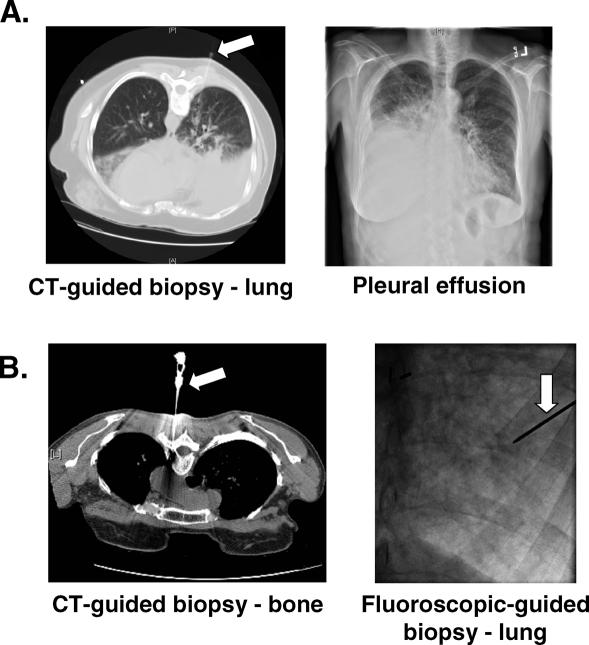
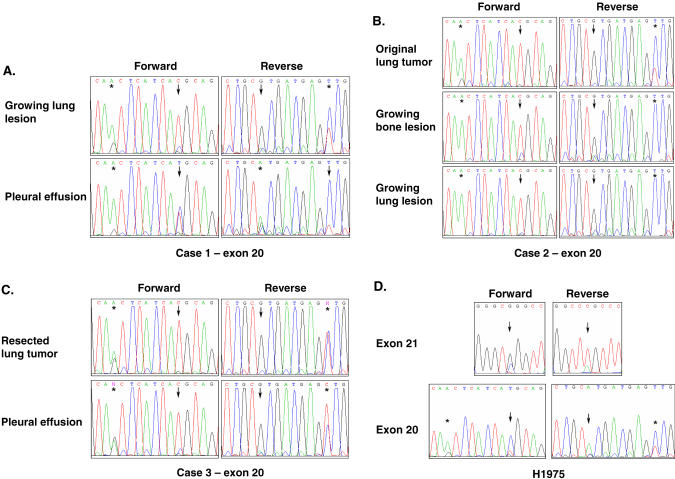
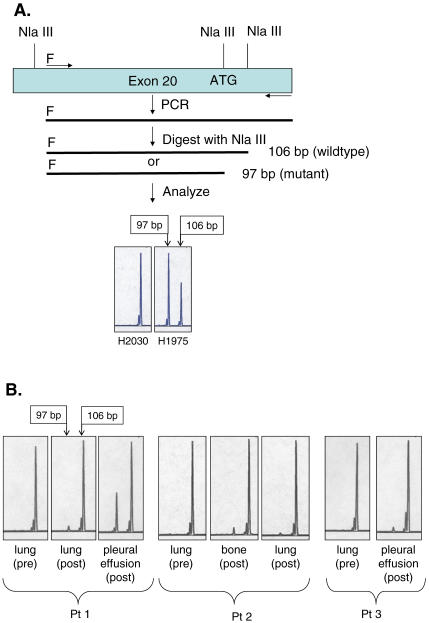
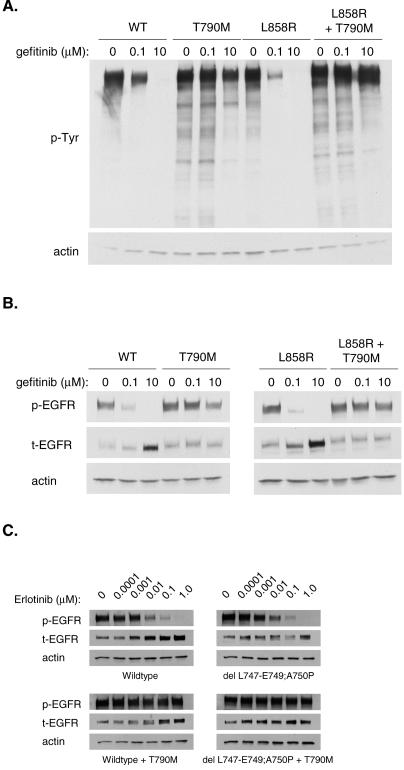
BACKGROUND: Lung adenocarcinomas from patients who respond to the tyrosine kinase inhibitors gefitinib (Iressa) or erlotinib (Tarceva) usually harbor somatic gain-of-function mutations in exons encoding the kinase domain of the epidermal growth factor receptor (EGFR). Despite initial responses, patients eventually progress by unknown mechanisms of "acquired" resistance. METHODS AND FINDINGS: We show that in two of five patients with acquired resistance to gefitinib or erlotinib, progressing tumors contain, in addition to a primary drug-sensitive mutation in EGFR, a secondary mutation in exon 20, which leads to substitution of methionine for threonine at position 790 (T790M) in the kinase domain. Tumor cells from a sixth patient with a drug-sensitive EGFR mutation whose tumor progressed on adjuvant gefitinib after complete resection also contained the T790M mutation. This mutation was not detected in untreated tumor samples. Moreover, no tumors with acquired resistance had KRAS mutations, which have been associated with primary resistance to these drugs. Biochemical analyses of transfected cells and growth inhibition studies with lung cancer cell lines demonstrate that the T790M mutation confers resistance to EGFR mutants usually sensitive to either gefitinib or erlotinib. Interestingly, a mutation analogous to T790M has been observed in other kinases with acquired resistance to another kinase inhibitor, imatinib (Gleevec). CONCLUSION: In patients with tumors bearing gefitinib- or erlotinib-sensitive EGFR mutations, resistant subclones containing an additional EGFR mutation emerge in the presence of drug. This observation should help guide the search for more effective therapy against a specific subset of lung cancers.
Overview
The claims and statistics of this paper haven’t been checked yet.
Run the check — free, no account needed. It reads the open-access text and checks the sources it cites.
Integrity signals
Registry
Cites
Statistics
Figures
Verification
Claims the paper makes
The claims and statistics of this paper haven’t been checked yet.
Run the check — free, no account needed. It reads the open-access text and checks the sources it cites.
Claims other papers make about this one
Each is checked against this paper’s own text: does it say what the citing paper says it does?
The cited source says what the claim attributes to it.
In the citing paper
“H1975 cells harbor activating EGFR mutations [17]”
From Clathrin adapters AP-1 and GGA2 support expression of epidermal growth factor receptor for cell growth (2021) · cites this paper as [17]
In the citing paper
“However, it is now well established that acquisition of a second mutation in EGFR, resulting in substitution of threonine at the “gatekeeper” amino acid 790 to methionine (T790M) is the most common resistance mechanism and is detected in tumor cells from more than 50% of patients after disease progression (20, 21).”
From AZD9291, an Irreversible EGFR TKI, Overcomes T790M-Mediated Resistance to EGFR Inhibitors in Lung Cancer (2014) · cites this paper as [21]
In the citing paper
“This mutation leads to the substitution of threonine by methionine at position 790, which encodes part of the kinase domain of the receptor and results in increased affinity for ATP, causing resistance to competitive inhibition by reversible EGFR TKIs such as gefitinib and erlotinib [121,122].”
From Metastatic non-small-cell lung cancer: ESMO Clinical Practice Guidelines for diagnosis, treatment and follow-up (2016) · cites this paper as [121]
In the citing paper
“In EGFR mutant lung cancer, the most common mechanism of acquired resistance to EGFR inhibitors is the development of a mutation in the gatekeeper residue of EGFR, T790M (Kobayashi et al., 2005; Pao et al., 2005).”
From ERBB Receptors: From Oncogene Discovery to Basic Science to Mechanism-Based Cancer Therapeutics (2014) · cites this paper as Pao et al., 2005
In the citing paper
“Accordingly, cell growth was suppressed by the depletion of AP-1 in a non-cancer cell line, ARPE-19, and a NSCLC-derived cancer cell line, H1975, which harbors activating EGFR mutations [17].”
From Clathrin adapters AP-1 and GGA2 support expression of epidermal growth factor receptor for cell growth (2021) · cites this paper as [17]
In the citing paper
“H1975 cells harbor activating EGFR mutations [17], and as such, these results suggest the involvement of AP-1 in EGFR-dependent cell growth.”
From Clathrin adapters AP-1 and GGA2 support expression of epidermal growth factor receptor for cell growth (2021) · cites this paper as [17]
Self-check
Percentages, sums and reported differences re-computed from the paper’s own numbers.
The self-check needs the paper’s full text.
Citations
Cites
Lynch, T. J., Bell, D. W., Sordella, R., Gurubhagavatula, S., Okimoto, R. A., Brannigan, B. W., Harris, P. L., Haserlat, S. M., Supko, J. G., Haluska, F. G., et al. (2004) · New England Journal of Medicine · doi:10.1056/nejmoa040938 · Cited by 11,486
EGFR Mutations in Lung Cancer: Correlation with Clinical Response to Gefitinib Therapy
Paez, J. G., Jänne, P. A., Lee, J. C., Tracy, S., Greulich, H., Gabriel, S., Herman, P., Kaye, F. J., Lindeman, N., Boggon, T. J., et al. (2004) · Science · doi:10.1126/science.1099314 · Cited by 9,368 · cited 13×
“PCR products were ligated into plasmids using the TOPO TA-cloning kit (Invitrogen, Carlsbad, California, United States), as per manufacturer’s instructions.”
BackgroundInfluentialPao, W., Miller, V., Zakowski, M., Doherty, J., Politi, K., Sarkaria, I., Singh, B., Heelan, R., Rusch, V., Fulton, L., et al. (2004) · Proceedings of the National Academy of Sciences · doi:10.1073/pnas.0405220101 · Cited by 4,338 · cited 17×
“PCR products were ligated into plasmids using the TOPO TA-cloning kit (Invitrogen, Carlsbad, California, United States), as per manufacturer’s instructions.”
BackgroundMethodInfluentialSelf-citationClinical Resistance to STI-571 Cancer Therapy Caused by BCR-ABL Gene Mutation or Amplification
Gorre, M. E., Mohammed, M., Ellwood, K., Hsu, N., Paquette, R., Rao, P. N., & Sawyers, C. L. (2001) · Science · doi:10.1126/science.1062538 · Cited by 3,104 · cited 3×
“For example, in CML, a commonly found mutation is a CfiT single nucleotide change that replaces threonine with isoleucine at position 315 (T315I) in the ABL kinase domain [9,10,11].”
BackgroundResultShigematsu, H., Lin, L., Takahashi, T., Nomura, M., Suzuki, M., Wistuba, I. I., Fong, K. M., Lee, H., Toyooka, S., Shimizu, N., et al. (2005) · JNCI Journal of the National Cancer Institute · doi:10.1093/jnci/dji055 · Cited by 2,377
Overriding Imatinib Resistance with a Novel ABL Kinase Inhibitor
Shah, N. P., Tran, C., Lee, F. Y., Chen, P., Norris, D. J., & Sawyers, C. L. (2004) · Science · doi:10.1126/science.1099480 · Cited by 1,804 · cited 2×
“The new drugs bind to ABL in an ‘‘open’’ conformation, as opposed to imatinib, which binds ABL in a ‘‘closed’’ conformation [12,13].”
BackgroundCools, J., DeAngelo, D. J., Gotlib, J. R., Stover, E. H., Legare, R. D., Cortes, J. E., Kutok, J. L., Clark, J., Galinsky, I. A., Griffin, J. D., et al. (2003) · New England Journal of Medicine · doi:10.1056/nejmoa025217 · Cited by 1,714 · cited 5×
“These results differ from those of acquired resistance mutation in CML [10], GIST [15,27], and HES [16].”
BackgroundResultInfluentialShah, N. P., Nicoll, J. M., Nagar, B., Gorre, M. E., PAQUETTE, R. L., Kuriyan, J., & Sawyers, C. L. (2002) · Cancer Cell · doi:10.1016/s1535-6108(02)00096-x · Cited by 1,614 · cited 3×
“It is also possible that EGFR amplification itself plays a role in acquired resistance, since imatinib-resistant clones have been shown to lack resistance mutations but contain amplified copies of BCR-ABL [11,28].”
BackgroundGefitinib-Sensitizing EGFR Mutations in Lung Cancer Activate Anti-Apoptotic Pathways
Sordella, R., Bell, D. W., Haber, D. A., & Settleman, J. E. (2004) · Science · doi:10.1126/science.1101637 · Cited by 1,605 · cited 3×
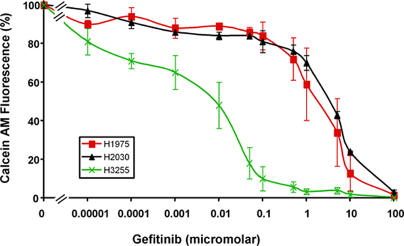
“This scenario could explain the seemingly contradictory report by others who found the H1975 cell line to be highly sensitive to gefitinib [18]; our H1975 cells could represent a subclone that emerged over time.”
BackgroundResultStamos, J. L., Sliwkowski, M. X., & Eigenbrot, C. W. (2002) · Journal of Biological Chemistry · doi:10.1074/jbc.m207135200 · Cited by 1,594 · cited 1×
“From analysis of the crystal structure of the EGFR kinase domain bound to erlotinib, it is has been shown that the wild-type threonine residue at position 790 is located in the hydrophobic ATP-binding pocket of the catalytic region, where it forms a critical hydrogen bond with the drug [”
Background
Research works printed but not linked: 2
- Krug, 2001, Proc Am Soc Clin Oncol, 20, 1328
- Daub, 2004, Nat Rev Cancer, 3, 1001
Cited by
Sorted by citations
Items 701–800 of 1,023
Li, W., Ren, S., Li, J., Li, A., Fan, L., Li, X., Zhao, C., He, Y., Gao, G., Chen, X., et al. (2014) · Lung Cancer · doi:10.1016/j.lungcan.2014.03.011 · Cited by 95
Benz, M., Herrmann, K., Walter, F., Garon, E. B., Reckamp, K. L., Figlin, R. A., Phelps, M. E., Weber, W., Czernin, J. G., & Allen-Auerbach, M. (2011) · Journal of Nuclear Medicine · doi:10.2967/jnumed.111.095257 · Cited by 95
“Sex Male 6 (27) Female 16 (73) Presentation status Primary 7 (32) Recurrent or residual 15 (68) Histology Adenocarcinoma 17 (77) Squamous cell carcinoma 3 (14) Not otherwise specified 1 (4.”
BackgroundGirard, N., Lou, E., Azzoli, C. G., Reddy, R., Robson, M. E., Harlan, M., Orlow, I., Yatabe, Y., Nafa, K., Ladanyi, M., et al. (2010) · Clinical Cancer Research · doi:10.1158/1078-0432.ccr-09-2437 · Cited by 94
“To illustrate the power of this approach, we used these samples, plus additional samples from sources at two academic institutions, to assess the frequency in never smokers of three germ line variants reported to be associated with genetic susceptibility to lung cancer in never smokers: the allele that leads to the su…”
BackgroundMethodSelf-citationA New View of Pathway-Driven Drug Resistance in Tumor Proliferation
Nussinov, R., Tsai, C., & Jang, H. (2017) · Trends in Pharmacological Sciences · doi:10.1016/j.tips.2017.02.001 · Cited by 94
Proteasome-associated deubiquitinases and cancer
Mofers, A., Pellegrini, P., Linder, S. T., & D’Arcy, P. (2017) · Cancer and Metastasis Reviews · doi:10.1007/s10555-017-9697-6 · Cited by 101
“commonly acquires mutations after treatment with this class of inhibitors [115], spurring the research for alternative methods of targeting this pathway.”
Acquired Resistance to Drugs Targeting Tyrosine Kinases
Rosenzweig, S. A. (2018) · Advances in cancer research · doi:10.1016/bs.acr.2018.02.003 · Cited by 93
Cho, B. C., Felip, E., Hayashi, H., Thomas, M., Lu, S., Besse, B., Sun, T., Martinez, M., Sethi, S. N., Shreeve, S. M., et al. (2022) · Future Oncology · doi:10.2217/fon-2021-0923 · Cited by 95
Neurofibromin and suppression of tumorigenesis: beyond the GAP
Mo, J., Moye, S. L., McKay, R. M., & Le, L. Q. (2022) · Oncogene · doi:10.1038/s41388-021-02156-y · Cited by 95
Mahller, Y. Y., Vaikunth, S. S., Currier, M. A., Miller, S. J., Ripberger, M. C., Hsu, Y., Mehrian‐Shai, R., Collins, M. H., Crombleholme, T. M., Ratner, N., et al. (2007) · Molecular Therapy · doi:10.1038/sj.mt.6300038 · Cited by 94
Survival of lung adenocarcinoma patients with malignant pleural effusion
Wu, S., Yu, C., Tsai, M., Liao, W., Yang, C.-H., Jan, I., Yang, P., & Shih, J. (2012) · European Respiratory Journal · doi:10.1183/09031936.00069812 · Cited by 96
Treatment of BRAF-Mutant Melanoma: The Role of Vemurafenib and Other Therapies
Jang, S., & Atkins, M. B. (2013) · Clinical Pharmacology & Therapeutics · doi:10.1038/clpt.2013.197 · Cited by 98
The emerging role of microRNAs in resistance to lung cancer treatments
MacDonagh, L., Gray, S. G., Finn, S. P., Cuffe, S. D., O'Byrne, K. J., & Barr, M. P. (2014) · Cancer Treatment Reviews · doi:10.1016/j.ctrv.2014.12.009 · Cited by 92
Arena, S., Siravegna, G., Mussolin, B., Kearns, J. D., Wolf, B. B., Misale, S., Lazzari, L., Bertotti, A., Trusolino, L., Adjei, A. A., et al. (2016) · Science Translational Medicine · doi:10.1126/scitranslmed.aad5640 · Cited by 93
“Examples include BCR-ABL variants resistant to imatinib(26-28), mutations of ALK and ROS1 insensitive to crizotinib(29-31), and EGFR mutations, which confer resistance to tyrosine kinase inhibitors erlotinib and gefitinib(32, 33).”
BackgroundWright, N. A., & Goss, G. D. (2019) · Translational Lung Cancer Research · doi:10.21037/tlcr.2019.06.01 · Cited by 95
A data-independent acquisition-based global phosphoproteomics system enables deep profiling
Kitata, R. B., Choong, W.-K., Tsai, C.-F., Lin, P.-Y., Chen, B.-S., Chang, Y.-C., Nesvizhskii, A. I., Sung, T.-Y., & Chen, Y. (2021) · Nature Communications · doi:10.1038/s41467-021-22759-z · Cited by 94
Chhouri, H., Alexandre, D., & Grumolato, L. (2023) · Cancers · doi:10.3390/cancers15020504 · Cited by 103
“The most common mechanism of acquired resistance to first generation, reversible EGFR-TKIs is the emergence of the T790M gatekeeper mutation in the ATP binding pocket of EGFR, occurring in 50–60% of the patients that relapse after an initial response to gefitinib or erlotinib [27,28].”
BackgroundNangia, V., Siddiqui, F. M., Caenepeel, S., Timonina, D., Bilton, S. J., Phan, N., Gomez-Caraballo, M., Archibald, H. L., Li, C., Fraser, C., et al. (2018) · Cancer Discovery · doi:10.1158/2159-8290.cd-18-0277 · Cited by 94
Wang, D., Song, Y., Zhu, Z., Li, X.-L., Zou, Y. W., Yang, H.-T., Wang, J., Yao, P., Pan, R., Yang, C. J., et al. (2014) · Biochemical and Biophysical Research Communications · doi:10.1016/j.bbrc.2014.09.023 · Cited by 92
“Patients receiving these treatments often show primary or acquired resistance to the inhibitors [6–8].”
Pan, C.-X., Zhang, H., Tepper, C. G., Lin, T., Davis, R. R., Keck, J., Ghosh, P., Gill, P. S., Airhart, S. D., Bult, C., et al. (2015) · PLoS ONE · doi:10.1371/journal.pone.0134346 · Cited by 94
“Biopsies of resistant tumor specimens have been used to elucidate the mechanisms of secondary resistance [39].”
Turning liabilities into opportunities: Off-target based drug repurposing in cancer
Palve, V. C., Liao, Y., Rix, L. L. R., & Rix, U. (2020) · Seminars in Cancer Biology · doi:10.1016/j.semcancer.2020.02.003 · Cited by 96
Mechanisms of resistance to small molecule kinase inhibition in the treatment of solid tumors
Rubin, B. P., & Duensing, A. U. (2006) · Laboratory Investigation · doi:10.1038/labinvest.3700466 · Cited by 93
Engelman, J. A., & Cantley, L. C. (2006) · Clinical Cancer Research · doi:10.1158/1078-0432.ccr-06-0795 · Cited by 92
Riese, D. J., Gallo, R. M., & Settleman, J. E. (2007) · BioEssays · doi:10.1002/bies.20582 · Cited by 93
“Indeed, relative to wild-type EGFR, the EGFR T766M mutant displays marked resistance to inhibition of tyrosine phosphorylation by gefitinib or erlotinib.(49) This model is supported by the observation that the T766M mutant retains sensitivity to the irreversible EGFR tyrosine kinase inhibitors CL-387,785 and HKI-272,…”
BackgroundPark, K., & Goto, K. (2006) · Current Medical Research and Opinion · doi:10.1185/030079906x89847 · Cited by 92
Epithelial Mesenchymal Transition in Aggressive Lung Cancers
Mittal, V. (2015) · Advances in experimental medicine and biology · doi:10.1007/978-3-319-24932-2_3 · Cited by 93
Sellmann, C., Doerner, A., Knuehl, C., Rasche, N., Sood, V. D., Krah, S., Rhiel, L., Messemer, A., Wesolowski, J. S., Schuette, M., et al. (2016) · Journal of Biological Chemistry · doi:10.1074/jbc.m116.753491 · Cited by 93
Treatment-Induced Mutagenesis and Selective Pressures Sculpt Cancer EvolutionPreprint
Venkatesan, S., Swanton, C., Taylor, B. S., & Costello, J. (2017) · Cold Spring Harbor Perspectives in Medicine · doi:10.1101/cshperspect.a026617 · Cited by 94
“Secondary mutations of EGFR occur in more than half of the patients and involve the selection of the EGFR T790M mutation during treatment (Kobayashi et al. 2005; Pao et al. 2005).”
BackgroundNotch3-dependent β-catenin signaling mediates EGFR TKI drug persistence in EGFR mutant NSCLC
Arasada, R. R., Shilo, K., Yamada, T., Zhang, J., Yano, S., Ghanem, R., Wang, W., Takeuchi, S., Fukuda, K., Katakami, N., et al. (2018) · Nature Communications · doi:10.1038/s41467-018-05626-2 · Cited by 93
Therapeutic value of EGFR inhibition in CRC and NSCLC: 15 years of clinical evidence
Troiani, T., Napolitano, S., Della Corte, C. M., Martini, G., Martinelli, E., Morgillo, F., & Ciardiello, F. (2016) · ESMO Open · doi:10.1136/esmoopen-2016-000088 · Cited by 104
Peled, N., Wynes, M. W., Ikeda, N., Ohira, T., Yoshida, K., Qian, J., Ilouze, M., Brenner, R. M., Kato, Y., Mascaux, C., et al. (2013) · Cellular Oncology · doi:10.1007/s13402-013-0133-9 · Cited by 93
Circular RNAs in drug resistant tumors
Hua, X., Sun, Y., Chen, J., Wu, Y., Sha, J., Han, S., & Zhu, X. (2019) · Biomedicine & Pharmacotherapy · doi:10.1016/j.biopha.2019.109233 · Cited by 90
Hashem, H. E., Amr, A. E. E., Nossier, E. S., Anwar, M. M., & Azmy, E. M. (2022) · ACS Omega · doi:10.1021/acsomega.1c06836 · Cited by 91
Tortora, G., Bianco, R., Daniele, G., Ciardiello, F., McCubrey, J. A., Ricciardi, M. R., Ciuffreda, L., Cognetti, F., Tafuri, A., & Milella, M. (2007) · Drug Resistance Updates · doi:10.1016/j.drup.2007.03.003 · Cited by 91
“N IH -PA Author M anuscript N IH -PA Author M anuscript N IH -PA Author M anuscript (Kobayashi et al., 2005; Pao et al., 2005a).”
BackgroundJohnson, M. L., Riely, G. J., Rizvi, N. A., Azzoli, C. G., Kris, M. G., Sima, C. S., Ginsberg, M. S., Pao, W. J., & Miller, V. A. (2011) · Journal of Thoracic Oncology · doi:10.1097/jto.0b013e3182161508 · Cited by 91
Self-citationSmith, G. D., Chadwick, B. E., Willmore‐Payne, C., & Bentz, J. S. (2007) · Journal of Clinical Pathology · doi:10.1136/jcp.2007.051425 · Cited by 90
Noncovalent Wild-type–Sparing Inhibitors of EGFR T790M
Lee, H.-J., Schaefer, G., Heffron, T. P., Shao, L., Ye, X., Sideris, S., Malek, S., Chan, E., Merchant, M., La, H., et al. (2013) · Cancer Discovery · doi:10.1158/2159-8290.cd-12-0357 · Cited by 90
Self-citationEGFR: The Paradigm of an Oncogene-Driven Lung Cancer
Riely, G. J., & Yu, H. A. (2015) · Clinical Cancer Research · doi:10.1158/1078-0432.ccr-14-3154 · Cited by 91
“Initial focused sequencing analysis of biopsy specimens from patients with acquired resistance looking for secondarymutations (built upon the identification of gatekeeper mutations in the BCR–ABL fusion oncogene in patients who had become resistant to imatinib) led to the identification of EGFR T790M as a secondary mu…”
BackgroundSelf-citationFontana, D., Ceccon, M., Gambacorti-Passerini, C. B., & Mologni, L. (2015) · Cancer Medicine · doi:10.1002/cam4.413 · Cited by 94
Sugio, K., Uramoto, H., Onitsuka, T., Mizukami, M., Ichiki, Y., Sugaya, M., Yasuda, M., Takenoyama, M., Oyama, T., Hanagiri, T., et al. (2008) · Lung Cancer · doi:10.1016/j.lungcan.2008.09.010 · Cited by 89
Vázquez‐Martín, A., Cufí, S., Oliveras‐Ferraros, C., Torres-Garcia, V. Z., Corominas-Faja, B., Cuyàs, E., Bonavia, R., Visa, J., Martı́n-Castillo, B., Barrajón‐Catalán, E., et al. (2013) · Scientific Reports · doi:10.1038/srep02560 · Cited by 93
Drug Resistance to EGFR Inhibitors in Lung Cancer
Tetsu, O., Hangauer, M. J., Phuchareon, J., Eisele, D. W., & McCormick, F. P. (2016) · Chemotherapy · doi:10.1159/000443368 · Cited by 88
Melatonin and cancer: From the promotion of genomic stability to use in cancer treatment
Farhood, B., Goradel, N. H., Mortezaee, K., Khanlarkhani, N., Najafi, M., & Sahebkar, A. (2018) · Journal of Cellular Physiology · doi:10.1002/jcp.27391 · Cited by 94
“For example, mutations in EGFR in NSCLC cells causes resistance to EGFR tyrosine kinase inhibitors like gefitinib and erlotinib (Pao et al., 2005).”
BackgroundCostea, T., Vlad, O., Miclea, L. C., Ganea, C., Szöllõsi, J., & Mocanu, M. (2020) · International Journal of Molecular Sciences · doi:10.3390/ijms21020401 · Cited by 93
Gazdar, A. F. (2010) · Cancer and Metastasis Reviews · doi:10.1007/s10555-010-9201-z · Cited by 99
Zhu, Y., He, W., Gao, X., Li, B., Mei, C., Xu, R., & Chen, H. (2015) · Scientific Reports · doi:10.1038/srep17730 · Cited by 91
“As EGFR TKIs, erlotinib and Gef show similar anti-tumour activity in NSCLC patients harbouring EGFR mutation 39 .”
Aljakouch, K., Lechtonen, T., Yosef, H. K., Hammoud, M. K., Alsaidi, W., Kötting, C., Mügge, C., Kourist, R., El‐Mashtoly, S. F., & Gerwert, K. B. (2018) · Angewandte Chemie International Edition · doi:10.1002/anie.201803394 · Cited by 89
Translating genomic information into clinical medicine: Lung cancer as a paradigmPreprint
Levy, M. A., Lovly, C. M., & Pao, W. J. (2012) · Genome Research · doi:10.1101/gr.131128.111 · Cited by 89
“Although a handful of genes (i.e., KRAS, NRAS, PTEN) were shown to be mutated in lung cancers prior to 2001, most tumor-specific gene alterations have been identified since that time (Fig.”
BackgroundInfluentialSelf-citationCell signaling and cancer: a mechanistic insight into drug resistance
Panda, M., & Biswal, B. K. (2019) · Molecular Biology Reports · doi:10.1007/s11033-019-04958-6 · Cited by 89
Bai, H., Wang, Z., Wang, Y., Zhuo, M., Zhou, Q., Duan, J., Yang, L., Wu, M., An, T., Zhao, J., et al. (2013) · PLoS ONE · doi:10.1371/journal.pone.0054170 · Cited by 89
Zucali, P. A., Ruiz, M. I. G., Giovannetti, E., Destro, A., Varella‐Garcia, M., Floor, K., Ceresoli, G. L., Rodríguez, J. A., Garassino, I. M. G., Comoglio, P. M., et al. (2008) · Annals of Oncology · doi:10.1093/annonc/mdn240 · Cited by 89
Differential Subcellular Localization Regulates Oncogenic Signaling by ROS1 Kinase Fusion Proteins
Neel, D. S., Allegakoen, D. V., Olivas, V. R., Mayekar, M. K., Hemmati, G., Chatterjee, N., Blakely, C. M., McCoach, C. E., Rotow, J. K., Le, A. T., et al. (2018) · Cancer Research · doi:10.1158/0008-5472.can-18-1492 · Cited by 90
Pérez-Torres, M., Guix, M., González, A., & Arteaga, C. L. (2006) · Journal of Biological Chemistry · doi:10.1074/jbc.m607958200 · Cited by 89
Advances in Treatment of Lung Cancer With Targeted Therapy
Cagle, P. T., & Chirieac, L. R. (2012) · Archives of Pathology & Laboratory Medicine · doi:10.5858/arpa.2011-0618-ra · Cited by 89
Targeting epidermal growth factor receptor: Central signaling kinase in lung cancer
Yoshida, T., Zhang, G., & Haura, E. B. (2010) · Biochemical Pharmacology · doi:10.1016/j.bcp.2010.05.014 · Cited by 92
Inhibition of the T790M Gatekeeper Mutant of the Epidermal Growth Factor Receptor by EXEL-7647
Gendreau, S. B., Ventura, R., Keast, P., Laird, A., Yakes, F. M., Zhang, W., Bentzien, F., Cancilla, B., Lutman, J., Chu, F., et al. (2007) · Clinical Cancer Research · doi:10.1158/1078-0432.ccr-06-2590 · Cited by 90
Heymach, J. V., Nilsson, M. B., Blumenschein, G., Papadimitrakopoulou, V. A., & Herbst, R. S. (2006) · Clinical Cancer Research · doi:10.1158/1078-0432.ccr-06-0286 · Cited by 88
“pocket within the EGFR tyrosine kinase domain (8, 9).”
BackgroundToyokawa, G., & Seto, T. (2015) · Oncology Research and Treatment · doi:10.1159/000430852 · Cited by 93
de Biase, D., Visani, M., Malapelle, U., Simonato, F., Cesari, V., Bellevicine, C., Pession, A., Troncone, G., Fassina, A., & Tallini, G. (2013) · PLoS ONE · doi:10.1371/journal.pone.0083607 · Cited by 89
“exon 20, can also develop in small tumor cell sublclones and need to be identified [1,2,8,12-23].”
BackgroundManagement and Future Directions in Non-Small Cell Lung Cancer with Known Activating Mutations
Gerber, D. E., Gandhi, L., & Costa, D. B. (2014) · American Society of Clinical Oncology Educational Book · doi:10.14694/edbook_am.2014.34.e353 · Cited by 89
Tanimoto, A., Takeuchi, S., Arai, S., Fukuda, K., Yamada, T., Roca, X., Ong, S. T., & Yano, S. (2016) · Clinical Cancer Research · doi:10.1158/1078-0432.ccr-16-2271 · Cited by 90
“EGFR-T790M is the most frequent resistance mechanism detected in patients with EGFRmutated NSCLC who are refractory to reversible EGFR-TKI treatment (4).”
BackgroundXu, X., Mao, L., Xu, W., Tang, W., Zhang, X., Xi, B., Xu, R., Fang, X., Liu, J., Fang, C., et al. (2016) · Molecular Cancer Therapeutics · doi:10.1158/1535-7163.mct-16-0281 · Cited by 87
“Respiratory, thoracic, and mediastinal disorders Cough 1(25) 0 (0) 2(40) 0 (0) 2(29) 0 (0) 0 (0) 0 (0) 2(33) 0 (0) 7 (28) 0 (0) Haemoptysis 1(25) 0 (0) 2(40) 0 (0) 0 (0) 0 (0) 0 (0) 0 (0) 0 (0) 0 (0) 3 (12) 0 (0)”
BackgroundInfluentialRole of imaging in the era of precision medicine
Giardino, A., Gupta, S., Olson, E., Sepulveda, K., Lenchik, L., Ivanidze, J., Rakow-Penner, R., Patel, M. J., Subramaniam, R. M., & Ganeshan, D. (2017) · Academic Radiology · doi:10.1016/j.acra.2016.11.021 · Cited by 87
Reguart, N., Rosell, R., Cardenal, F., Cardona, A. F., Isla, D., Palmero, R., Morán, T., Rolfo, C. D., Pallarès, M. C., Insa, A., et al. (2014) · Lung Cancer · doi:10.1016/j.lungcan.2014.02.011 · Cited by 88
Kawamura, T., Kenmotsu, H., Taira, T., Omori, S., Nakashima, K., Wakuda, K., Ono, A., Naito, T., Murakami, H., Mori, K. P., et al. (2016) · Cancer Science · doi:10.1111/cas.12963 · Cited by 87
Grugan, K. D., Dorn, K., Jarantow, S. W., Bushey, B. S., Pardinas, J. R., Laquerre, S. G., Moores, S. L., & Chiu, M. L. (2016) · mAbs · doi:10.1080/19420862.2016.1249079 · Cited by 92
Epithelial membrane protein-1 is a biomarker of gefitinib resistance
Jain, A., Tindell, C., Laux, I., Hunter, J. B., Curran, J. A., Galkin, A., Afar, D., Aronson, N., Shak, S., Natale, R. B., et al. (2005) · Proceedings of the National Academy of Sciences · doi:10.1073/pnas.0502113102 · Cited by 87
Marks, J. L., McLellan, M. D., Zakowski, M. F., Lash, A., Kasai, Y., Broderick, S., Sarkaria, I. S., Ceppa, D. P., Singh, B., Miner, T. L., et al. (2007) · PLoS ONE · doi:10.1371/journal.pone.0000426 · Cited by 87
Self-citationMenezes, D. L. D., Taverna, P., Jensen, M. R., Abrams, T. J., Stuart, D. D., Yu, G. K., Duhl, D. M. J., Machajewski, T. D., Sellers, W. R., Pryer, N., et al. (2012) · Molecular Cancer Therapeutics · doi:10.1158/1535-7163.mct-11-0667 · Cited by 90
“NVP-HSP990 was equally efficacious in EGFR WT and mutant (gefitinib resistant) NSCLC models, suggesting clinical use in cancers resistant to targeted therapies (30).”
BackgroundNew paradigms in clonal evolution: punctuated equilibrium in cancer
Cross, W. C. H., Graham, T. A., & Wright, N. A. (2016) · The Journal of Pathology · doi:10.1002/path.4757 · Cited by 88
Allele-dependent variation in the relative cellular potency of distinct EGFR inhibitors
Yuza, Y., Glatt, K. A., Jiang, J., Greulich, H., Minami, Y., Woo, M. S., Shimamura, T., Shapiro, G. I., Lee, J. C., Ji, H., et al. (2007) · Cancer Biology & Therapy · doi:10.4161/cbt.6.5.4003 · Cited by 88
Non-invasive approaches to monitor EGFR-TKI treatment in non-small-cell lung cancer
Sun, W., Yuan, X., Tian, Y., Wu, H. K., Xu, H., Hu, G., & Wu, K. (2015) · Journal of Hematology & Oncology · doi:10.1186/s13045-015-0193-6 · Cited by 86
Leone, A., Roca, M. S., Ciardiello, C., Terranova-Barberio, M., Vitagliano, C., Ciliberto, G., Mancini, R., Gennaro, E. D., Bruzzese, F., & Budillon, A. (2015) · Free Radical Biology and Medicine · doi:10.1016/j.freeradbiomed.2015.07.155 · Cited by 84
Shimizu, T., LoRusso, P. M., Papadopoulos, K. P., Patnaik, A., Beeram, M., Smith, L. S., Rasco, D. W., Mays, T. A., Chambers, G., Ma, A., et al. (2014) · Clinical Cancer Research · doi:10.1158/1078-0432.ccr-14-0570 · Cited by 85
Targeting the FOXO1/KLF6 axis regulates EGFR signaling and treatment response
Sangodkar, J., Dhawan, N. S., Melville, H., Singh, V. J., Yuan, E., Rana, H. Q., Izadmehr, S., Farrington, C. C., Mazhar, S., Katz, S., et al. (2012) · Journal of Clinical Investigation · doi:10.1172/jci62058 · Cited by 86
Self-citationErlotinib resistance in mouse models of epidermal growth factor receptor-induced lung adenocarcinoma
Politi, K. A., Fan, P., Shen, R., Zakowski, M. F., & VARMUS, H. E. (2009) · Disease Models & Mechanisms · doi:10.1242/dmm.003681 · Cited by 86
“This preclinical mouse model, therefore, recapitulates the molecular changes responsible for resistance to TKIs in human tumors and holds promise for the discovery of additional mechanisms of drug resistance in lung cancer. by greater than 90%.”
BackgroundResultInfluentialSelf-citationOpportunities and challenges in combination gene cancer therapy
Nastiuk, K. L., & Krolewski, J. J. (2016) · Advanced Drug Delivery Reviews · doi:10.1016/j.addr.2015.12.005 · Cited by 85
Unexpected Off-Targets and Paradoxical Pathway Activation by Kinase Inhibitors
Hantschel, O. D. (2014) · ACS Chemical Biology · doi:10.1021/cb500886n · Cited by 87
The Impact of Microenvironmental Heterogeneity on the Evolution of Drug Resistance in Cancer Cells
Mumenthaler, S. M., Foo, J., Choi, N. C., Heise, N., Leder, K., Agus, D. B., Pao, W. J., Michor, F., & Mallick, P. (2015) · Cancer Informatics · doi:10.4137/cin.s19338 · Cited by 83
Self-citationShahabi, S., Kumaran, V., Castillo, J., Cong, Z., Nandagopal, G., Mullen, D. J., Alvarado, A., Correa, M. R., Saizan, A., Goel, R., et al. (2019) · Cancer Research · doi:10.1158/0008-5472.can-18-2034 · Cited by 85
Lung cancer in Spain: information from the Thoracic Tumors Registry (TTR study)
Provencio, M., Carcereny, E., Rodríguez‐Abreu, D., Castro, R. L., Guirado, M., Camps, C., Bosch‐Barrera, J., García‐Campelo, R., Granados, A. L. O., González-Larriba, J. L., et al. (2019) · Translational Lung Cancer Research · doi:10.21037/tlcr.2019.08.05 · Cited by 83
Sheng, M., Wang, F., Zhao, Y., Li, S., Wang, X., Shou, T., Luo, Y., & Tang, W. (2015) · European Journal of Clinical Pharmacology · doi:10.1007/s00228-015-1966-0 · Cited by 85
“Another interpretation was that T790M mutation, which was associated with acquired resistance to EGFR-TKIs, might occur more frequently in L858Rmutation comparedwith exon 19 deletion [47, 48].”
BackgroundLi, H., Schmid‐Bindert, G., Wang, D., Zhao, Y. F., Yang, X., Su, B., & Zhou, C. (2011) · Advances in Medical Sciences · doi:10.2478/v10039-011-0043-x · Cited by 85
Challenges of detecting EGFR T790M in gefitinib/erlotinib-resistant tumours
Janne, P. A. (2008) · Lung Cancer · doi:10.1016/s0169-5002(08)70099-0 · Cited by 86
Evolution of resistance to anti-cancer therapy during general dosing schedules
Foo, J., & Michor, F. (2009) · Journal of Theoretical Biology · doi:10.1016/j.jtbi.2009.11.022 · Cited by 83
“However, almost all patients eventually develop ‘acquired’ resistance which has been associated with a secondary point mutation (T790M) in the kinase domain of EGFR or amplification of MET (Pao et al., 2005; Engelmann et al., 2007).”
Regression of Drug-Resistant Lung Cancer by the Combination of Rosiglitazone and Carboplatin
Girnun, G. D., Chen, L., Silvaggi, J. M., Drapkin, R., Chirieac, L. R., Padera, R. F., Upadhyay, R., Vafai, S. B., Weissleder, R., Mahmood, U., et al. (2008) · Clinical Cancer Research · doi:10.1158/1078-0432.ccr-08-1128 · Cited by 86
“Many of these tumors develop resistance to EGFR inhibition due to the development of a secondary mutation (16,18,37).”
Zhou, Y., Rideout, W. M., Zi, T., Bressel, A., Reddypalli, S., Rancourt, R. C., Woo, J.-K., Horner, J. W., Chin, L., Chiu, M. I., et al. (2009) · Nature Biotechnology · doi:10.1038/nbt.1595 · Cited by 83
Juchum, M., Günther, M., Döring, E., Sievers‐Engler, A., Lämmerhofer, M., & Laufer, S. (2017) · Journal of Medicinal Chemistry · doi:10.1021/acs.jmedchem.7b00178 · Cited by 84
Foo, J., Chmielecki, J., Pao, W. J., & Michor, F. (2012) · Journal of Thoracic Oncology · doi:10.1097/jto.0b013e31826146ee · Cited by 85
“2012;7: 1583–1593) Erlotinib (Tarceva; OSI Pharmaceuticals, Farmingdale, NY) is an orally active selective inhibitor of the epidermal growth factor receptor (EGFR) tyrosine kinase.1 More than 70% of patients with non–small-cell lung cancer (NSCLC) harboring specific mutations in the EGFR kinase domain exhibit a radiog…”
BackgroundSelf-citationSamadder, N. J., Kuwada, S. K., Boucher, K. M., Byrne, K. R., Kanth, P., Samowitz, W. S., Jones, D. A., Tavtigian, S. V., Westover, M., Berry, T., et al. (2018) · JAMA Oncology · doi:10.1001/jamaoncol.2017.5431 · Cited by 84
Hsu, S., Cheng, K., Mgbeahuruike, M. O., Lin, Y., Wu, C., Wang, H., Yen, C., Chiu, C., & Sheu, S. (2021) · International Journal of Molecular Sciences · doi:10.3390/ijms22179453 · Cited by 83
Lin, X., Ye, R., Li, Z., Zhang, B., Huang, Y., Du, J., Wang, B., Meng, H., Xian, H., Zhang, X., et al. (2022) · Drug Resistance Updates · doi:10.1016/j.drup.2022.100908 · Cited by 84
Mechanisms of resistance to tyrosine kinase inhibitor‐targeted therapy and overcoming strategies
Ou, X., Gao, G., Habaz, I. A., & Wang, Y. (2024) · MedComm · doi:10.1002/mco2.694 · Cited by 104
“55,57,204,221,222 Unlike the analogous L1196M gatekeeper mutation in the ALK kinase domain mentioned above, which introduces a steric impediment for crizotinib binding, 126 EGFR T790M only modestly affects gefitinib or erlotinib binding.”
BackgroundWang, W., Li, Q., Takeuchi, S., Yamada, T., Koizumi, H., Nakamura, T., Matsumoto, K., Mukaida, N., Nishioka, Y., Sone, S., et al. (2012) · Clinical Cancer Research · doi:10.1158/1078-0432.ccr-11-1171 · Cited by 86
Advances in Target Therapy for Lung Cancer
Mitsudomi, T. (2009) · Japanese Journal of Clinical Oncology · doi:10.1093/jjco/hyp174 · Cited by 84
Gandara, D. R., Li, T., Lara, P. N., Kelly, K. L., Riess, J. W., Redman, M. W., & Mack, P. C. (2013) · Clinical Lung Cancer · doi:10.1016/j.cllc.2013.10.001 · Cited by 85
Masuda, C., Yanagisawa, M., Yorozu, K., Kurasawa, M., Furugaki, K., Ishikura, N., Iwai, T., Sugimoto, M., & Yamamoto, K. (2017) · International Journal of Oncology · doi:10.3892/ijo.2017.4036 · Cited by 87
“It is known that almost all patients eventually acquire resistance to EGFR-TKIs within a few years (4), and with this B901L xenograft model we successfully established a model that could replicate this acquired resistance to erlotinib by prolonged treatment.”
Alidousty, C., Brandes, D., Heydt, C., Wagener‐Ryczek, S., Wittersheim, M., Schäfer, S. C., Holz, B., Merkelbach‐Bruse, S., Büttner, R., Fassunke, J., et al. (2017) · Journal of Molecular Diagnostics · doi:10.1016/j.jmoldx.2017.06.004 · Cited by 83
Masood, A., Kancha, R. K., & Subramanian, J. (2019) · Seminars in Oncology · doi:10.1053/j.seminoncol.2019.08.004 · Cited by 86
Zhai, X., Ward, R. A., Doig, P. C., & Argyrou, A. (2020) · Biochemistry · doi:10.1021/acs.biochem.0c00104 · Cited by 84
A Gatekeeper Residue for NEDD8-Activating Enzyme Inhibition by MLN4924
Toth, J. I., Yang, L., Dahl, R. S., & Petroski, M. D. (2012) · Cell Reports · doi:10.1016/j.celrep.2012.02.006 · Cited by 84
“…inhibitor imatinib (Gleevec) and the epidermal growth factor receptor (EGFR) inhibitors gefi- tinib (Iressa), and erlotinib (Tarceva) (Bell et al., 2005; Cools et al., 2003; Kobayashi et al., 2005; Pao et al., 2005; Shah et al., 2002, 2004; Tamborini et al., 2004, 2006; von Bubnoff et al., 2005).”
Metadata
- Authors
- Pao, W., Miller, V. A., Politi, K. A., Riely, G. J., Somwar, R., Zakowski, M. F., Kris, M. G., & Varmus, H.
- Affiliations
- Memorial Sloan Kettering Cancer Center (US)
- Corresponding author
- Pao, William
- ORCID
- Venue
- PLoS Medicine
- Publisher
- Public Library of Science (PLoS)
- Published
- 2005-02-22
- Volume
- 2
- Issue
- 3
- Pages
- e73
- ISSN
- 1549-1277 (ISSN-L)
- 1549-1676
- PMC
- PMC549606
- OpenAlex
- W2002937040
- Cited by
- 3,527
- References
- 28
- Citations by year
- 2026: 45 · 2025: 61 · 2024: 59 · 2023: 139 · 2022: 104 · 2021: 116 · 2020: 140 · 2019: 154 · 2018: 203 · 2017: 221 · 2016: 232 · 2015: 255 · 2014: 246 · 2013: 272 · 2012: 222
- FWCI
- 134.24
- Type
- journal article
- Language
- en
- Open access
- gold
- doi.org
- Locations
- PLoS Medicine (publishedVersion, cc-by)
- Europe PMC (PubMed Central) (publishedVersion, cc-by)
- PubMed Central (publishedVersion, cc-by)
- PubMed (publishedVersion)
- DOAJ (DOAJ: Directory of Open Access Journals) (submittedVersion, cc-by-sa)
- Figshare (submittedVersion, cc-by)
- Funders
- American Cancer Society
- CHEST Foundation
- LUNGevity Foundation
- AstraZeneca
- Memorial Sloan-Kettering Cancer Center
- Washington University in St. Louis
- National Institutes of Health
- Genentech
- Canadian Institutes of Health Research
- National Cancer Institute (T 32 CA09207, T32CA009207)
- Topics
- Health Sciences › Medicine › Pulmonary and Respiratory Medicine › Lung Cancer Treatments and Mutations
- Health Sciences › Medicine › Oncology › HER2/EGFR in Cancer Research
- Life Sciences › Biochemistry, Genetics and Molecular Biology › Cancer Research › Cancer Genomics and Diagnostics
- Keywords
- lung adenocarcinoma, gefitinib, erlotinib, acquired drug resistance, EGFR mutation, T790M mutation, EGFR kinase domain, tyrosine kinase inhibitors, KRAS mutation, imatinib resistance
- MeSH terms
- Erlotinib Hydrochloride, Gefitinib, Adenocarcinoma, Antineoplastic Agents, Carcinoma, Non-Small-Cell Lung, DNA Mutational Analysis, Exons, Female, Humans, Lung Neoplasms, Middle Aged, Quinazolines, Tumor Cells, Cultured, Point Mutation, Disease Progression, Drug Resistance, Neoplasm, Reverse Transcriptase Polymerase Chain Reaction, ErbB Receptors
About these checks
Registry, retraction, Cites and statistics results are computed, not judged, with one exception: a printed reference that no index lists is read once by a model before it counts as a citation error. Claims are extracted by a model and kept only when their quote appears verbatim in the text; each cited source is then checked, with a model’s help, for whether it says what the claim relies on. Those verdicts can be wrong — read the claim’s quote and the cited source before relying on one.
Statistics and arithmetic are recomputed, not judged.
Confidence bands are shown only for fields calibrated on our annotated test set. None is calibrated yet, so no band is shown.
What counts as a claim ›How we measure confidence ›How we check this ›
Are you an author, or do you see a problem with this page? Request a review
