

The Effectiveness of Mobile-Health Technologies to Improve Health Care Service Delivery Processes: A Systematic Review and Meta-Analysis
Open accessThe DOI matches its Crossref record; 69 of the 70 references it cites were found in a registry or an index.
Abstract
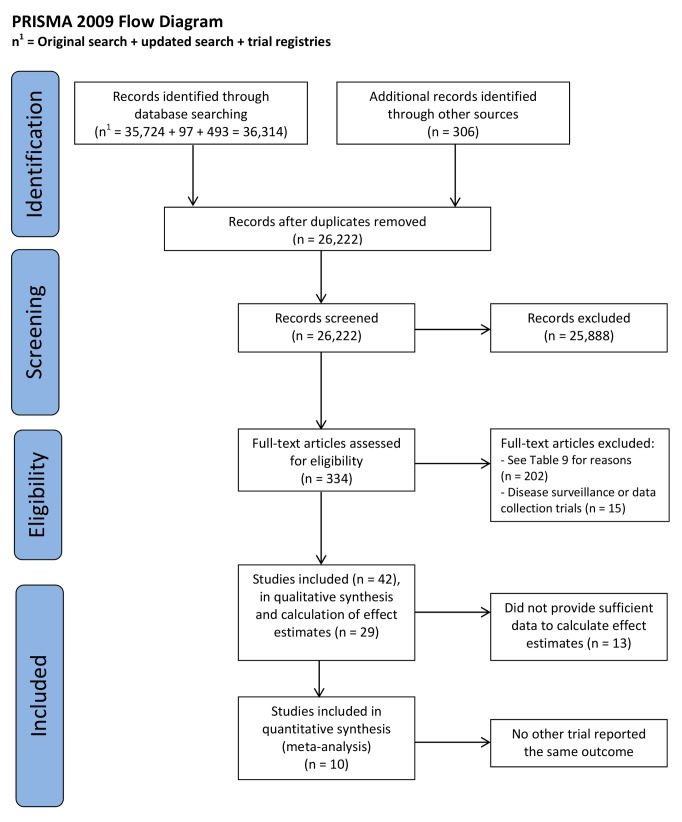
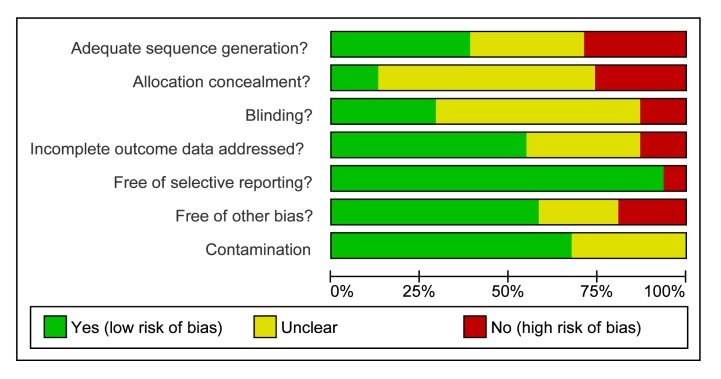
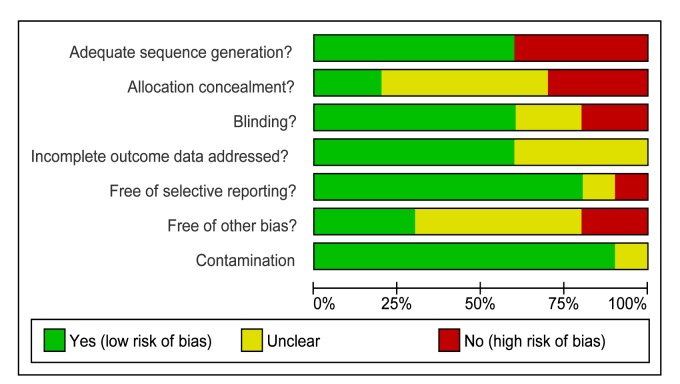
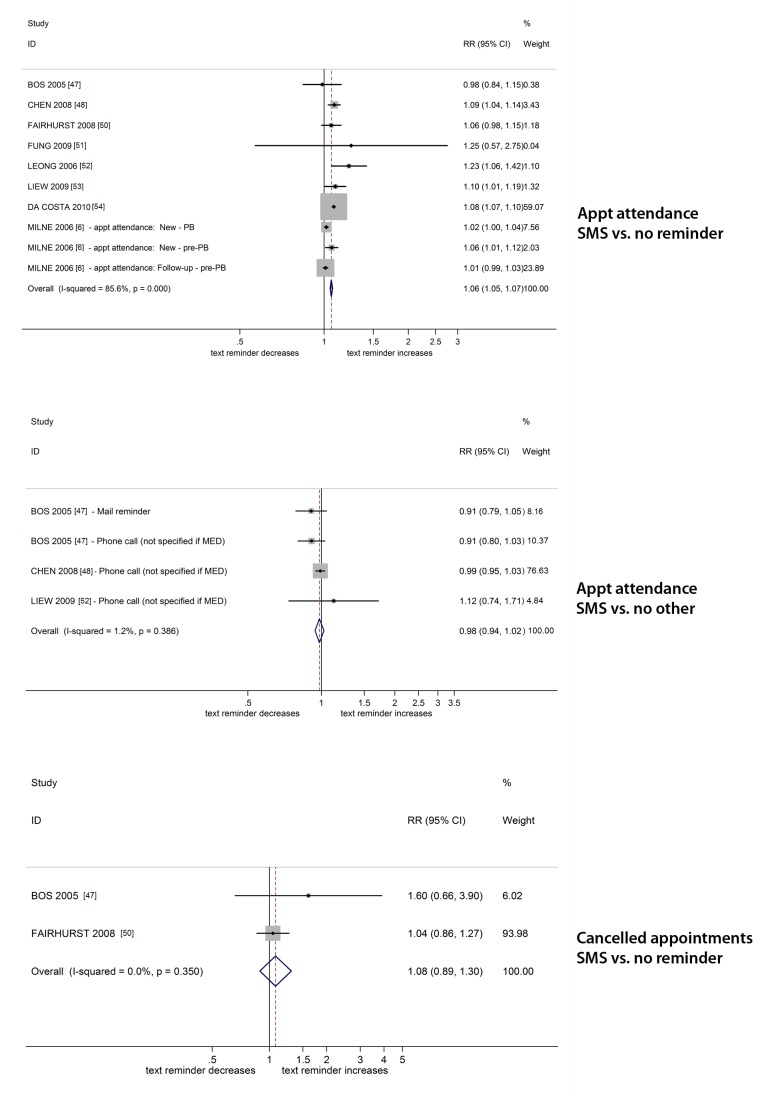
BACKGROUND: Mobile health interventions could have beneficial effects on health care delivery processes. We aimed to conduct a systematic review of controlled trials of mobile technology interventions to improve health care delivery processes. METHODS AND FINDINGS: We searched for all controlled trials of mobile technology based health interventions using MEDLINE, EMBASE, PsycINFO, Global Health, Web of Science, Cochrane Library, UK NHS HTA (Jan 1990-Sept 2010). Two authors independently extracted data on allocation concealment, allocation sequence, blinding, completeness of follow-up, and measures of effect. We calculated effect estimates and we used random effects meta-analysis to give pooled estimates. We identified 42 trials. None of the trials had low risk of bias. Seven trials of health care provider support reported 25 outcomes regarding appropriate disease management, of which 11 showed statistically significant benefits. One trial reported a statistically significant improvement in nurse/surgeon communication using mobile phones. Two trials reported statistically significant reductions in correct diagnoses using mobile technology photos compared to gold standard. The pooled effect on appointment attendance using text message (short message service or SMS) reminders versus no reminder was increased, with a relative risk (RR) of 1.06 (95% CI 1.05-1.07, I(2) = 6%). The pooled effects on the number of cancelled appointments was not significantly increased RR 1.08 (95% CI 0.89-1.30). There was no difference in attendance using SMS reminders versus other reminders (RR 0.98, 95% CI 0.94-1.02, respectively). To address the limitation of the older search, we also reviewed more recent literature. CONCLUSIONS: The results for health care provider support interventions on diagnosis and management outcomes are generally consistent with modest benefits. Trials using mobile technology-based photos reported reductions in correct diagnoses when compared to the gold standard. SMS appointment reminders have modest benefits and may be appropriate for implementation. High quality trials measuring clinical outcomes are needed. Please see later in the article for the Editors' Summary.
Overview
The claims and statistics of this paper haven’t been checked yet.
Free: it reads the open-access text and checks the first 5 claims that cite a source we can check. Create a free account to check every claim.
Integrity signals
Registry
Cites
Statistics
Figures
Verification
Claims the paper makes
The claims and statistics of this paper haven’t been checked yet.
Free: it reads the open-access text and checks the first 5 claims that cite a source we can check. Create a free account to check every claim.
Claims other papers make about this one
Each is checked against this paper’s own text: does it say what the citing paper says it does?
The source backs part of the claim, not all of it — or backs it for a different population, condition or comparison.
In the citing paper
“As per our knowledge, there has been no robust impact analysis of the m-health intervention from India [21].”
From Impact of m‐health application used by community health volunteers on improving utilisation of maternal, new‐born and child health care services in a rural area of Uttar Pradesh, India (2017) · cites this paper as [21]
Experimental — accuracy not yet measuredThe source backs part of the claim, not all of it — or backs it for a different population, condition or comparison.
In the citing paper
“Although low-cost mobile devices provide new and potentially transformative opportunities for all those working to improve health outcomes, nevertheless, to date, there is little evidence on mHealth interventions that have been implemented in LMICs and assessed in terms of specific outcomes.”
From Assessing the impact of mHealth interventions in low- and middle-income countries – what has been shown to work? (2014) · cites this paper as [7]
Experimental — accuracy not yet measuredIn the citing paper
“Another review, focused on the impact of SMS interventions, found that text messaging increased adherence to antiretroviral treatment with reductions in viral load and biochemically verified smoking cessation, yet these effects were “small and of borderline clinical importance” [9].”
From Impact of mHealth chronic disease management on treatment adherence and patient outcomes: a systematic review (2015) · cites this paper as [9]
In the citing paper
“The reported impact of mHealth interventions is mixed, with studies showing modest benefits for some clinical diagnosis and management support outcomes [9,10].”
From Impact of mHealth chronic disease management on treatment adherence and patient outcomes: a systematic review (2015) · cites this paper as [9]
In the citing paper
“One of the ways to generate demand is through quality counselling of pregnant women [21] and use of m-health with its associated audio visual support for improving the quality of counselling delivered through ASHAs.”
4 more claims about this paper
Create a free account to see every claim other papers make about this one.
Self-check
Percentages, sums and reported differences re-computed from the paper’s own numbers.
The self-check needs the paper’s full text.
Citations
Cites
Pharmacological interventions for somatoform disorders in adults
Kleinstäuber, M., Witthöft, M., Steffanowski, A., van Marwijk, H., Hiller, W., & Lambert, M. J. (2014) · Cochrane Database of Systematic Reviews · doi:10.1002/14651858.cd010628.pub2 · Cited by 11,335
Cochrane Handbook for Systematic Reviews of Interventions Version 5.0.1. The Cochrane Collaboration
Higgins, J. P. T., Green, S. R., & Higgins, J. P. T. (2008) · Cited by 7,259
Assessing the quality of controlled clinical trials
Jüni, P., Altman, D. G., & Egger, M. (2001) · BMJ · doi:10.1136/bmj.323.7303.42 · Cited by 3,309 · cited 1×
“Factors influencing heterogeneity of effect estimates include low trial quality, in particular inadequate allocation concealment [60], participant factors such as demographics or disease status, the setting (hospital, primary care), the intervention features (components, intensity, timing), the…”
Free, C., Phillips, G., Galli, L., Watson, L., Felix, L., Edwards, P., Patel, V., & Haines, A. (2013) · PLoS Medicine · doi:10.1371/journal.pmed.1001362 · Cited by 1,766 · cited 3×
“Other trials identified are reported elsewhere [13].”
InfluentialSelf-citationHealthcare via Cell Phones: A Systematic Review
Krishna, S., Boren, S. A., & Balas, E. A. (2009) · Telemedicine and e-Health · doi:10.1089/tmj.2008.0099 · Cited by 882 · cited 3×
“The review expands and updates the findings of earlier systematic reviews that focussed on specific devices, and/or specific functions, and/or specific health topics [8,11,58].”
Research Approaches to Mobile Use in the Developing World: A Review of the Literature
Donner, J. (2008) · The Information Society · doi:10.1080/01972240802019970 · Cited by 743 · cited 1×
“In low-income countries, mobile communication technology is the fastest growing sector of the communications industry and geographical coverage is high [4–7].”
Early Diagnosis of Cutaneous Melanoma: Revisiting the ABCD Criteria
Abbasi, N. R., Shaw, H. M., Rigel, D. S., Friedman, R. J., McCarthy, W. H., Osman, I., Kopf, A. W., & Polsky, D. (2004) · JAMA · doi:10.1001/jama.292.22.2771 · Cited by 668
Mobile phone messaging reminders for attendance at healthcare appointments
Gurol-Urganci, I., de Jongh, T., Vodopivec-Jamsek, V., Atun, R., & Car, J. (2013) · Cochrane Database of Systematic Reviews · doi:10.1002/14651858.cd007458.pub3 · Cited by 594 · cited 1×
“and Car that text messages can reduce missed appointments [8,59].”
Free, C., Phillips, G., Felix, L., Galli, L., Patel, V., & Edwards, P. (2010) · BMC Research Notes · doi:10.1186/1756-0500-3-250 · Cited by 539 · cited 1×
“We adhered to our published plan of investigation as outlined in the study protocol [12].”
Self-citationZurovac, D., Sudoi, R. K., Akhwale, W. S., Ndiritu, M., Hamer, D. H., Rowe, A. K., & Snow, R. W. (2011) · The Lancet · doi:10.1016/s0140-6736(11)60783-6 · Cited by 403 · cited 3×
“One high quality trial published since our literature search was completed shows benefits in adherence to malaria treatment guidelines [61].”
Influential
Research works printed but not linked: 4
- International Telecommunications Union (2010) The world in 2010: ICT facts and figures. International Telecommunication Union
- Ofcom (2009) The consumer experience: telecoms, internet and digital broadcasting 2009. Evaluation report
- McLeod TG, McNaughton DA, Hanson GJ, Borrud A (2006) Teaching geriatric functional assessment to internal medicine residents: A randomized trial of a personal digital assistant - Based tool. Journal of General Internal Medicine 21: 134– 135.16336621
- India adds 13.45 mn mobile users in Feb: TRAI. The Economic Times India
Cited by
Items 501–600 of 1,000
Policy, practice and regulatory issues in mobile technology treatment for forensic clients
Ross, S. (2018) · European Journal of Probation · doi:10.1177/2066220318761382 · Cited by 15
“One of the key features of mobile applications is their availability to the user anywhere there is mobile connectivity (Chan et al., 2016; Free et al., 2013b).”
BackgroundCarroll, A. J., Jaffe, A. E., Stanton, K., Guille, C., Lazenby, G. B., Soper, D. E., Gilmore, A. K., & Holland‐Carter, L. (2019) · Journal of Clinical Psychology in Medical Settings · doi:10.1007/s10880-019-09684-6 · Cited by 16
“Despite evidence that mHealth technologies are effective for delivering behavioral health services and are well utilized in primary care settings (Free et al., 2013; Price et al., 2014; Staeheli, Aseltine, Schilling, Anderson, & Gould, 2017), little research has been conducted to examine the effectiveness of mHealth a…”
BackgroundmHealth as a health system strengthening tool in China
Tian, M., Zhang, X., & Zhang, J. (2020) · International Journal of Nursing Sciences · doi:10.1016/j.ijnss.2020.07.001 · Cited by 15
Backman, C., Harley, A., Kuziemsky, C. E., Mercer, J. G., & Peyton, L. (2020) · JMIR Formative Research · doi:10.2196/18169 · Cited by 17
“Comparison With Previous Research The use of web-based or mobile applications to assist patients during the transition between acute and subacute care is limited [27].”
BackgroundAteudjieu, J., Stoll, B., Nguefack‐Tsague, G., Tchangou, C., & Genton, B. (2014) · Vaccine · doi:10.1016/j.vaccine.2014.08.012 · Cited by 18
Ward, V. C., Abdalla, S. I. A., Raheel, H., Weng, Y., Godfrey, A., Dutt, P., Mitra, R., Sastry, P., Chamberlain, S., Shannon, M., et al. (2021) · BMJ Global Health · doi:10.1136/bmjgh-2021-005538 · Cited by 17
“For instance, assessments should address whether digital health tools are more effective than paper-based visualisation tools, particularly for supporting less educated or marginalised groups; or when and for what topics digitally facilitated communication is superior to direct- to-beneficiary…”
BackgroundJo, Y., LeFevre, A. E., Ali, H., Mehra, S., Alland, K., Shaikh, S., Haque, R., Pak, E. S., Chowdhury, M. K., & Labrique, A. B. (2021) · BMJ Open · doi:10.1136/bmjopen-2020-042553 · Cited by 15
Lin‐Hi, N., Haensse, L., Hollands, L., & Blumberg, I. (2023) · Journal of Decision System · doi:10.1080/12460125.2023.2171390 · Cited by 17
“Important goals of health technologies are enhancing health care delivery, improving health, and preventing diseases (Free et al., 2013; Timmermans & Kaufman, 2020; Zeeb et al., 2020).”
BackgroundSingh, K., & Walters, M. R. (2024) · PLOS Digital Health · doi:10.1371/journal.pdig.0000403 · Cited by 18
Schroeder, T., Kamalakkannan, A., Seaman, K. L., Nguyen, A., Siette, J., Gewald, H., & Georgiou, A. (2024) · International Journal of Medical Informatics · doi:10.1016/j.ijmedinf.2024.105502 · Cited by 15
Selective Trust: Understanding Human-AI Partnerships in Personal Health Decision-Making Process
van Arum, S., Genç, H. U., Reidsma, D., & Karahanoğlu, A. (2025) · CHI Conference on Human Factors in Computing Systems · doi:10.1145/3706598.3713462 · Cited by 31
“Early studies on personal informatics [2, 28, 57] emphasised the potential of personal health technology to empower individuals by providing detailed insights into their health behaviours.”
Les outils du sevrage tabagique en 2018
Abdul-Kader, J., Airagnes, G., d’Almeida, S., Limosin, F., & Faou, A.-L. L. (2018) · Revue de Pneumologie Clinique · doi:10.1016/j.pneumo.2018.03.004 · Cited by 21
Wang, Y., McGuire, T., Hollingworth, S., Dong, Y., & van Driel, M. (2019) · International Journal of Infectious Diseases · doi:10.1016/j.ijid.2019.10.016 · Cited by 15
“To be effective, a CPG needs to be disseminated and implemented with newer and emerging methods such as smartphone apps (Free et al., 2013) or a digital platform for rapid review (Siemieniuk et al.”
MethodPromoting Behavioral Change in Mobile Health Interventions for Older Adults: A Scoping Review
Zaslavsky, O., Roopsawang, I., & Chen, A. (2019) · Research in Gerontological Nursing · doi:10.3928/19404921-20191031-01 · Cited by 15
“In addition, there have been reviews of mHealth interventions focused generally on health behavior changes in younger and mixed demographics (Fedele, Cushing, Fritz, Amaro, & Ortega, 2017; Free et al., 2013; Payne, Lister, West, & Bernhardt, 2015; Zhao, Freeman, & Li, 2016).”
BackgroundEnd-of-Life Care Mobile App for Intensive-Care Unit Nurses: A Quasi-Experimental Study
Yang, J.-H., & Shin, G. (2021) · International Journal of Environmental Research and Public Health · doi:10.3390/ijerph18031253 · Cited by 16
“Thus, the intervention using a mobile application is often regarded to have high efficiency and efficacy [18].”
Background“Who needs an app? Fertility patients’ use of a novel mobile health app”
Miner, S. A., Gelgoot, E. N., Lahuec, A., Wunderlich, S., Safo, D., Brochu, F., Dawadi, S., Robins, S., Bernadette, S., O’Connell, L., et al. (2022) · Digital Health · doi:10.1177/20552076221102248 · Cited by 19
“mHealth apps have been shown to be effective at delivering health care information and improving patients’ experiences.(18,19) The present study assessed the feasibility of a mHealth app (Infotility/Infotilité), developed by our research team, which provided infertility-related information and support to address the u…”
BackgroundA Review of m-Health in Medical Imaging
Perera, C. M., & Chakrabarti, R. (2015) · Telemedicine Journal and e-Health · doi:10.1089/tmj.2013.0330 · Cited by 18
“48,49 Limitations included the lack of objective clinical outcomes and the heterogeneity between reported outcomes amongst studies with similar interventions.”
The potential of eHealth in otorhinolaryngology—head and neck surgery: patients’ perspectives
Holderried, M., Ernst, C., Holderried, F., Rieger, M. A., Blumenstock, G., & Tropitzsch, A. S. (2017) · European Archives of Oto-Rhino-Laryngology · doi:10.1007/s00405-017-4567-y · Cited by 14
Awareness and use of systematic literature reviews and meta‐analyses by ministerial policy analysts
Bédard, P., & Ouimet, M. (2017) · Canadian Public Administration · doi:10.1111/capa.12215 · Cited by 17
Finette, B. A., McLaughlin, M., Scarpino, S. V., Canning, J., Grunauer, M., Terán, E., Bahamonde, M., Quizhpe, E., Shah, R., Swedberg, E., et al. (2019) · American Journal of Tropical Medicine and Hygiene · doi:10.4269/ajtmh.18-0869 · Cited by 15
“antenatal services and immunizations by FLW has been demonstrated; unfortunately, such improvements have been difficult to sustain because of technical issues, lack of effective monitoring and supervision, social barriers, poor service/ connection, low perceived usefulness of the intervention, and feeling of an increa…”
BackgroundInternet-Based Unobtrusive Tele-Monitoring System for Sleep and Respiration
Choi, A., Noh, S., & Shin, H. (2020) · IEEE Access · doi:10.1109/access.2020.2989336 · Cited by 16
van Velthoven, M. H., & powell, J. A. (2017) · Digital Health · doi:10.1177/2055207617701342 · Cited by 16
“However, the current state of evidence for mobile health interventions, including health apps, is relatively immature as the clinical effectiveness of many health apps has not been established yet and cost-effectiveness information is mostly nonexistent.(32) 34 Mobile health lacks tailored standards for evaluation, no…”
BackgroundMohan, D., Bashingwa, J. J. H., Scott, K., Arora, S., Rahul, S., Mulder, N., Chamberlain, S., & LeFevre, A. E. (2022) · BMJ Global Health · doi:10.1136/bmjgh-2022-009395 · Cited by 15
Baumann, H., Singh, B., Staiano, A. E., Gough, C., Ahmed, M., Fiedler, J., Timm, I., Wunsch, K., Button, A., Yin, Z., et al. (2025) · Frontiers in Digital Health · doi:10.3389/fdgth.2025.1593677 · Cited by 18
Johansen, S. K., Kanstrup, A. M., Haseli, K., Stenmo, V. H., Thomsen, J. L., & Rathleff, M. S. (2023) · JMIR Human Factors · doi:10.2196/44462 · Cited by 14
Technological innovations and health performance: Effects and transmission channels
Kahouli, B., Omri, A., & Afi, H. (2024) · Technological Forecasting and Social Change · doi:10.1016/j.techfore.2024.123450 · Cited by 16
Sekandi, J. N., Buregyeya, E., Zalwango, S. K., Nakkonde, D., Kaggwa, P., Quach, T. H. T., Asiimwe, D., Atuyambe, L. M., & Dobbin, K. K. (2024) · JMIR mhealth and uhealth · doi:10.2196/57991 · Cited by 13
“There is increased utility and effectiveness of accessible mobile technologies in enhancing the monitoring of patients with chronic diseases, which can be attributed to the affordability and reliability of smartphones in both high-and low-income settings [45,46].”
Qiu, S. S., Ye, J. F., You, F., Liu, M., & Zhao, X. (2025) · Digital Health · doi:10.1177/20552076241313160 · Cited by 16
“23,29,30 As a subset of health literacy, 31 eHealth literacy focuses explicitly on individuals ’ skills and knowledge in utilizing technology-based health tools to access health information and make informed decisions.”
Nene, H. J. S. (2014) · Journal of Oral Hygiene & Health · doi:10.4172/2332-0702.1000152 · Cited by 21
“For the category of communication between health services and consumers, SMS reminders have modest benefits in increasing clinic attendance and appear similar in their effects to other forms of reminder [15].”
BackgroundValidação e utilização de novas tecnologias na saúde e educação: uma revisão integrativa
Penha, J. R. L., Fernandes, F. A., de Oliveira, C. C., de Oliveira, R. D., & Barros, E. F. (2018) · Revista Interdisciplinar de Promoção da Saúde · doi:10.17058/rips.v1i3.12580 · Cited by 31
Use of mobile applications in the management of overweight and obesity in primary and secondary care
Alnuaimi, A., Rawaf, S., Hassounah, S., & Chehab, M. A. H. (2019) · JRSM Open · doi:10.1177/2054270419843826 · Cited by 16
“Similarly, earlier research has highlighted the role of mobile technology in the future of public health promotion, indicating that the social mix of the product, price and the convenience of mobile devices enable health care professionals to offer their services at any time and place.(8) Research on the use of mobile…”
BackgroundAlkhalifah, T. (2022) · International Journal of E-Services and Mobile Applications · doi:10.4018/ijesma.295963 · Cited by 16
“Free et al. (2013) identified three categories of healthcare services that can be delivered through mHealth: (1) promotion services concerned with diagnosing and managing conditions; (2) prevention services focused on condition monitoring and intervention, as well as achieving better treatment…”
BackgroundFactors affecting doctor’s recommendation for mobile health services
Hu, X., Fang, H., & Wang, P. (2022) · Digital Health · doi:10.1177/20552076221125976 · Cited by 16
“58 That is, there are three interested parties in mHealth services, the mHealth service provider, the doctors, and the patient.”
BackgroundStraw, C., Antelo, V. S., Kohler, R. E., Paolino, M., Viswanath, K., & Arrossi, S. (2023) · BMC Health Services Research · doi:10.1186/s12913-023-09022-5 · Cited by 17
Factors influencing mHealth acceptance among elderly people in Bangladesh
Sorwar, G., & Hoque, M. R. (2015) · Cross Connect (Southern Cross University) · Cited by 13
Esdar, M., Hübner, U., Liebe, J.-D., Hüsers, J., & Thye, J. (2016) · International Journal of Medical Informatics · doi:10.1016/j.ijmedinf.2016.10.011 · Cited by 22
Giordani, P., Perna, S., Bianchi, A., Pizzulli, A., Tripodi, S., & Matricardi, P. M. (2020) · PLoS ONE · doi:10.1371/journal.pone.0242197 · Cited by 13
“Therefore, mobile devices might represent valuable tools in providing health care even to population in remote areas or with limited access to health care infrastructure by giving advices and taking recommendations for patients at low cost [2, 3].”
BackgroundOloveze, A. O., Ugwu, P. A., Okeke, V. C., Chukwuoyims, K., & Ahaiwe, E. O. (2022) · Health Economics and Management Review · doi:10.21272/hem.2022.3-02 · Cited by 17
Krishnasamy, C., Ong, S. Y., Yock, Y., Lim, I., Rees, R. W., & Car, J. (2016) · Systematic Reviews · doi:10.1186/s13643-016-0354-x · Cited by 20
“For example, a meta-analysis by Free and colleagues [13] included seven randomised controlled trials (RCTs) and investigated the educational outcomes associated with the use of personal digital assistants (PDAs) and portable media players in medical and nursing education.”
MethodIs TAVR Ready for the Global Aging Population?
Bergmann, T., Sengupta, P. P., & Narula, J. (2017) · Global Heart · doi:10.1016/j.gheart.2017.02.002 · Cited by 14
Han, H. J., Mendu, S., Jaworski, B. K., Owen, J. E., & Abdullah, S. (2023) · JMIR Formative Research · doi:10.2196/45894 · Cited by 14
MacPherson, M., & Kapadia, S. (2023) · BMC Digital Health · doi:10.1186/s44247-023-00033-0 · Cited by 14
Wu, T., Fan, B., Cai, X., Li, R., Wang, Q., & Deng, Z. (2024) · Information & Management · doi:10.1016/j.im.2024.104008 · Cited by 14
Wagner, N., Ouédraogo, D., Artavia-Mora, L., Bedi, A. S., & Thiombiano, B. A. (2016) · JMIR Research Protocols · doi:10.2196/resprot.5823 · Cited by 16
Brusk, J. J., & Bensley, R. J. (2016) · JMIR Research Protocols · doi:10.2196/resprot.6608 · Cited by 15
“…handheld video gaming consoles, and tablets screened from over 26,000 possible studies for inclusion concluded that the overall impact and effectiveness of the applications did not address mobile access as a potential barrier and critical design consideration for online health interventions [26].”
Farmer, A. A., Bobrow, K., Leon, N., Williams, N., Phiri, E., Namadingo, H., Cooper, S., Prince, J., Crampin, A. C., Besada, D., et al. (2019) · JMIR Research Protocols · doi:10.2196/12377 · Cited by 13
“Interventions delivered by short message service (SMS) text messaging have been effective in increasing adherence to antiretroviral therapy and other conditions [9,10].”
BackgroundLatomme, J., Morgan, P. J., Craemer, M. D., Brondeel, R., Verloigne, M., & Cardon, G. (2021) · International Journal of Environmental Research and Public Health · doi:10.3390/ijerph18041830 · Cited by 15
Manfaat Penggunaan Mobile Health (m-Health) Dalam Pencatatan dan Pelaporan Kesehatan Ibu
Permatasari, A. D., Trihandini, I., BaharuddinNur, R., & Kurniawan, R. (2021) · Jurnal Biostatistik Kependudukan dan Informatika Kesehatan · doi:10.51181/bikfokes.v1i2.4810 · Cited by 13
Nuruddin, R., Vadsaria, K., Mohammed, N., & Sayani, S. (2021) · JMIR Research Protocols · doi:10.2196/31611 · Cited by 14
Palozzi, G., & Antonucci, G. (2022) · BMC Health Services Research · doi:10.1186/s12913-022-07637-8 · Cited by 15
“A new frontier to promote PASA might be mobile (m)-health [18], which is a system that improves healthcare service delivery processes through the use of various apps, as well as the basic utilities of mobile or wireless devices [19, 20].”
BackgroundValidity and reliability of the Chinese version of the Normalization MeAsure Development(NoMAD)
Jiang, M., Wáng, Q., Finch, T. L., She, D., Zhou, Y., Chung, Y. F., Chen, J., & Han, L. (2022) · BMC Health Services Research · doi:10.1186/s12913-022-08737-1 · Cited by 14
“Fortunately, with the evolution of information technology, mobile health (mHealth) has been increasingly used in clinical practice [28, 29].”
BackgroundHuang, J., Chan, S. C., Ko, S., Tong, E. L. H., Cheung, C. S. K., Wong, W. N., Cheung, N. T., & Wong, M. C. S. (2023) · npj Digital Medicine · doi:10.1038/s41746-023-00807-w · Cited by 15
“…of chronic diseases and long-term health conditions 3 , digital communication through eHealth applications allows patients and healthcare providers to liaise and exchange crucial information for monitoring their physical and mental well-being, as well as informing healthcare decisions 4 – 8 .”
Venkatesh, K. K., Joseph, J. J., Swoboda, C. M., Strouse, R., Hoseus, J., Baker, C., Summerfield, T. L. S., Bartholomew, A. B. C., Buccilla, L., Pan, X. J., et al. (2023) · BMJ Open · doi:10.1136/bmjopen-2023-074657 · Cited by 13
Szakacs-Simon, P., Moraru, S.-A., & Perniu, L. M. (2013) · IEEE International Conference on Computational Cybernetics (ICCC) · doi:10.1109/icccyb.2013.6617624 · Cited by 12
Detecting Depression Using Voice Signal Extracted by Chatbots: A Feasibility Study
Roniotis, A., & Tsiknakis, M. (2018) · Lecture notes of the Institute for Computer Sciences, Social Informatics and Telecommunications Engineering · doi:10.1007/978-3-319-76908-0_37 · Cited by 15
Can we understand and improve poorer cancer survival in rural-dwellers?
Murchie, P., Adam, R., Wood, R., & Fielding, S. (2019) · BJGP Open · doi:10.3399/bjgpopen19x101646 · Cited by 12
“Effective interventions to promote geographical cancer equality will also likely utilise digital technologies, and some evidence already exists that rural health care delivery can be improved by technology.(11)”
BackgroundA Bibliometric Analysis on No-Show Research: Status, Hotspots, Trends and Outlook
Wang, C., Wu, R., Deng, L., Chen, Y., Li, Y., & Wan, Y. (2020) · Sustainability · doi:10.3390/su12103997 · Cited by 14
Patel, S. A., Vashist, K., Jarhyan, P., Sharma, H., Gupta, P., Jindal, D., Venkateshmurthy, N. S., Pfadenhauer, L. M., Mohan, S., & Tandon, N. (2021) · BMC Health Services Research · doi:10.1186/s12913-021-06999-9 · Cited by 16
The use of mobile technology in health libraries: a summary of a UK ‐based survey
Chamberlain, D., Elcock, M., & Puligari, P. (2015) · Health Information & Libraries Journal · doi:10.1111/hir.12116 · Cited by 12
Smart Technology in Lung Disease Clinical Trials
Geller, N. L., Kim, D., & Tian, X. (2015) · CHEST Journal · doi:10.1378/chest.15-1314 · Cited by 14
Use of a Point-of-Care Tool to Improve Nurse Practitioner BRCA Knowledge
Smania, M. A. (2016) · Clinical journal of oncology nursing · doi:10.1188/16.cjon.327-331 · Cited by 12
“Although MHT applications have not been tested specifically in the area of risk assessment, they have been helpful in other areas of clinical practice, particularly with clinical decisions (Free et al., 2013; Mosa et al., 2012).”
BackgroundPeterson, K., McCleery, E., Anderson, J., Waldrip, K., & Helfand, M. (2015) · Europe PMC (PubMed Central) · Cited by 16
Tarzia, L., May, C. R., & Hegarty, K. L. (2016) · BMC Women s Health · doi:10.1186/s12905-016-0352-0 · Cited by 17
Carter, H. E., Wallis, S., McGowan, K., Graves, N., Pitt, R., Coffey, S., Phillips, R., & Parcell, M. (2023) · BMJ Open · doi:10.1136/bmjopen-2022-066016 · Cited by 11
Patient-clinician digital health interventions for the hip fracture population: a scoping review
Backman, C., Papp, S., Harley, A., Skidmore, B., Green, M., Shah, S., Berdusco, R., Poitras, S., Beaulé, P. E., & French-Merkley, V. (2023) · BMC Health Services Research · doi:10.1186/s12913-023-09784-y · Cited by 11
“With the increased accessibility to technology, patient-clinician digital health interventions are becoming a more viable option to help hip fracture patients and their caregivers as they navigate the modern health care system for their post-hip fracture surgery care [2].”
BackgroundMarcotte, L. M., Langevin, R., Hempstead, B. H., Ganguly, A., Lyon, A. R., Weiner, B. J., Akinsoto, N., Houston, P. L., Fang, V., & Hsieh, G. (2024) · Implementation Science Communications · doi:10.1186/s43058-024-00569-w · Cited by 12
“Mobile technology interventions using short message service (SMS) text are accessible to individuals across a range of sociodemographic factors and have been shown to be effective in primary care behavioral and disease management interventions [50].”
BackgroundHayashi, C., Tanemura, N., Taniguchi, M., Okano, T., Toyoda, H., Mashino, S., & Ogata, S. (2025) · npj Digital Medicine · doi:10.1038/s41746-025-01873-y · Cited by 11
Jones, D., Skrepnik, N. V., Toselli, R. M., & Leroy, B. (2016) · JMIR Research Protocols · doi:10.2196/resprot.5940 · Cited by 14
“They can also provide individual level support for both health care providers (eg, education) and consumers (eg, appointment or medication reminders or test result notifications) [17].”
BackgroundBackman, C., Harley, A., Peyton, L., Kuziemsky, C. E., Mercer, J. G., Monahan, M. A., Schmidt, S., Singh, H., & Gravelle, D. (2018) · JMIR Research Protocols · doi:10.2196/11031 · Cited by 15
“The use of mobile health (mHealth) apps has grown significantly, specifically in supporting the management of individual chronic diseases [20]. mHealth apps have been designed and implemented in diabetes [21,22], cardiovascular disease [23], and chronic obstructive pulmonary disease [24] to better…”
BackgroundAmorim, A. B., Coombs, D., Richards, B. L., Maher, C. G., & Machado, G. C. (2020) · JMIR mhealth and uhealth · doi:10.2196/22732 · Cited by 11
“Although several recent clinical trials have used mobile technology, such as SMS text messaging, to collect outcomes [22], this study is the first to report the recruitment and response rates when using this approach to recruit patients with LBP and collect outcomes in an ED setting.”
Khati, A., Wickersham, J. A., Rosen, A. O., Luces, J. R., Copenhaver, N., Jeri‐Wahrhaftig, A., Halim, M. A. A., Azwa, I., Gautam, K., Ooi, K. H., et al. (2022) · JMIR Formative Research · doi:10.2196/42939 · Cited by 16
Patient compliance to dietary recommendations: tips and tricks to improve compliance rates
Karagöz, M. A., & Sarıca, K. (2023) · World Journal of Urology · doi:10.1007/s00345-023-04318-x · Cited by 11
A scale to measure the perceived quality of mHealth by elderly patients with hypertension in China
Guo, M., & Lyu, L. (2023) · BMC Health Services Research · doi:10.1186/s12913-023-09357-z · Cited by 18
“Mobile health (mHealth) is the use of mobile technologies to improve health care processes and outcomes [5].”
BackgroundGill, C. J., Le, N. B., Halim, N., Chi, C. T. H., Nguyen, V., Bonawitz, R. E., Hoang, P. V., Nguyen, H. L., Huong, P. T. T., Williams, A. L., et al. (2018) · BMJ Global Health · doi:10.1136/bmjgh-2017-000632 · Cited by 11
do Prado, L. S., Carpentier, C., Préau, M., Schott, A., & Dima, A. L. (2019) · JMIR mhealth and uhealth · doi:10.2196/13494 · Cited by 18
“As mHealth develops worldwide, evaluations of app content and format are increasingly common and necessary to inform policy discussions on achieving the potential of mHealth to improve public health [21].”
Malik, S. H., Moloney, C., Koledova, E. B., Reston, J., & Weinman, J. A. (2020) · Journal of Medical Internet Research · doi:10.2196/18157 · Cited by 12
“Messaging interventions have been shown to improve adherence to medications across a wide variety of clinical applications including asthma, antiretroviral treatments, and schizophrenia, in both adult and pediatric populations [22,24,25].”
BackgroundAn Image-Based Mobile Health App for Postdrainage Monitoring: Usability Study
Liao, C., Wu, Y.-T., Cheng, C., Ooyang, C.-H., Kang, S., Fu, C.-Y., Hsu, Y.-P., Hsieh, C., & Chen, C.-C. (2020) · Journal of Medical Internet Research · doi:10.2196/17686 · Cited by 15
“As the ownership of mobile devices has become more common [17], patients and their caregivers are increasingly willing to use technology to access health care [18,19].”
BackgroundUnderstanding Sociotechnical Implications of Mobile Health Deployments in India, Kenya, and Zimbabwe
Kumar, N., Brunette, W., Dell, N. L., Perrier, T., Kolko, B. E., Borriello, G., & Anderson, R. (2015) · Information Technologies and International Development · Cited by 19
Kerrigan, A. R., Kaonga, N., Tang, A., Jordan, M. R., & Hong, S. Y. (2018) · AIDS Care · doi:10.1080/09540121.2018.1549723 · Cited by 12
“Amongst the ways that mHealth has been used, SMS is appealing due to its low-cost and ease of customization (Free et al., 2013). mHealth has been used to support health systems strengthening across multiple diseases.”
BackgroundMohan, D., Bashingwa, J. J. H., Dane, P., Chamberlain, S., Tiffin, N., & LeFevre, A. E. (2019) · JMIR Research Protocols · doi:10.2196/11456 · Cited by 11
“Evidence gathering on the effectiveness of digital health solutions is a growing field [14].”
Step, M. M., Smith, J. M., Kratz, J., Briggs, J., & Avery, A. (2019) · JMIR Formative Research · doi:10.2196/13495 · Cited by 12
Adde, L., Åberg, K. B., Fjørtoft, T., Grunewaldt, K. H., Lade, R., Osland, S., Piegsa, F., Sandstrøm, P. G., Støen, R. Ø., Størvold, G. V., et al. (2024) · BMC Pediatrics · doi:10.1186/s12887-024-04927-4 · Cited by 11
“Evidence of improvements in health care delivery processes using SMS communication supports our approach implementing remote GMA using an SMS based communication with parents for more widespread use of GMA as recommended in international guidelines [34, 35].”
MethodNaeem, S. B., Faiola, A. J., Ur-Rehman, A., & Boulos, M. N. K. (2024) · Information · doi:10.3390/info15100636 · Cited by 10
Duan, J., Chen, X., Fan, D., Jiang, H., Zhang, X., Zhang, W., Liu, Z., & Lu, H. (2025) · JMIR mhealth and uhealth · doi:10.2196/57645 · Cited by 10
“…of information engineers, using electronic information or communication technologies to provide health care services and information to patients. eHealth includes forms of applications such as telemedicine, mobile health (mHealth), electronic testing devices, and social media software [19].”
Weerasinghe, M. C., Senerath, U., Godakandage, S. S. P., Jayawickrama, H., Wickramasinghe, A., Siriwardena, I., Nimalan, S., Dibley, M. J., & Alam, A. (2016) · The Qualitative Report · doi:10.46743/2160-3715/2016.2321 · Cited by 11
Chhoun, P., Kaplan, K. C., Wieten, C. W., Jelveh, I., Lienemann, M., Tuot, S., Yi, S., & Brody, C. (2019) · mHealth · doi:10.21037/mhealth.2019.07.02 · Cited by 11
“Recent studies have demonstrated success in utilizing mHealth interventions in developing countries, to collect health data (1,2), increase access to health knowledge (3,4), and to increase medication adherence (5,6).”
BackgroundQuantity and quality of sleep in young players of a professional football club
Merayo, A., Gallego, J. M., Sans, O., Capdevila, L., Iranzo, Á., Sugimoto, D., & Rodas, G. (2021) · Science and Medicine in Football · doi:10.1080/24733938.2021.1962541 · Cited by 15
“These so-called mHealth technologies involve medical and public health monitoring using mobile devices and have proven to be valid and reliable methodologies (Kushida et al. 2001; Free et al. 2013).”
BackgroundMobile health intervention for promotion of eye health literacy
Sharma, I. P., Chaudhry, M., Sharma, D., & Kaiti, R. (2021) · PLOS Global Public Health · doi:10.1371/journal.pgph.0000025 · Cited by 13
“It allows the intervention to claim an individual’s attention at the most convenient time by allowing temporal synchronization of the intervention delivery [30].”
BackgroundGutiérrez, N. B., Ramallo, H. R., González, M. F., & Martín, L. A. (2022) · JMIR mhealth and uhealth · doi:10.2196/35851 · Cited by 12
“Similarly, among the 18 apps evaluated in this review, none assessed the clinical impact of the intervention through clinical trials; this finding is common among studies that evaluate health apps, with authors often stating the need for studies that assess the efficacy of health apps [23-25,37,61,62].”
BackgroundNgo, A. D., Nguyen, V. T. T., Phan, H., Pham, V., Ngo, C., Nguyen, L. P., & Ha, T. (2023) · mHealth · doi:10.21037/mhealth-22-41 · Cited by 11
Holderried, T. A. W., Hecker, K., Reh, L., Kirschner, M., Walter, J., Brossart, P., & Holderried, M. (2023) · PLoS ONE · doi:10.1371/journal.pone.0280723 · Cited by 14
Digital Media and Islamic Jurisprudence: Exploring Legal Adaptations and Challenges
houl, M. A. A. A., Alqudah, M. T. S., & Almomani, M. A.-A. (2024) · Pakistan Journal of Criminology · doi:10.62271/pjc.16.2.1031.1046 · Cited by 10
Mobile Health Devices for Aging Population Groups: A Review Study
Klímová, B. (2016) · Lecture notes in computer science · doi:10.1007/978-3-319-44215-0_24 · Cited by 10
Talisuna, A. O. (2014) · Journal of Clinical Trials · doi:10.4172/2167-0870.1000217 · Cited by 10
“Mobile phone short messaging services (SMS) could improve the delivery of health services in Africa and their role has been investigated in health information reporting, provider performance, drug and diagnostic stock management and patient adherence to treatment for chronic diseases such as HIV/AIDs [17-25].”
BackgroundCo-MEAL: Cost-Optimal Multi-Expert Active Learning Architecture for Mobile Health Monitoring
Saeedi, R., Sasani, K., & Gebremedhin, A. H. (2017) · ACM International Conference on Bioinformatics, Computational Biology, and Health Informatics (ACM-BCB) · doi:10.1145/3107411.3107430 · Cited by 11
Cohen, S. A., Scherr, C. L., & Nixon, D. M. (2018) · Journal of Genetic Counseling · doi:10.1007/s10897-018-0224-x · Cited by 12
“Features like appointment reminders demonstrated modest benefits (Coughlin et al. 2016; Ernsting et al. 2017; Free et al. 2013).”
BackgroundClaborn, K., Meier, E. M., Miller, M. B., Leavens, E. L. S., Brett, E. I., & Leffingwell, T. R. (2018) · Translational Behavioral Medicine · doi:10.1093/tbm/ibx025 · Cited by 10
Media messaging in diagnosis of acute CXR pathology: an interobserver study among residents
Handelman, G. S., Rogers, A. C., Babiker, Z., Lee, M. J., & McMonagle, M. P. (2018) · Internal and Emergency Medicine · doi:10.1007/s11739-018-1859-1 · Cited by 10
Chen, K. (2018) · Lecture notes in computer science · doi:10.1007/978-3-319-92034-4_2 · Cited by 13
Zhou, S., Levinson, A. H., Zhang, X., Portz, J. D., Moore, S. L., Gore, M. O., Ford, K. L., Li, Q., & Bull, S. S. (2020) · Health Promotion Practice · doi:10.1177/1524839920942214 · Cited by 12
“…adherence, access to and delivery of health services, self-management of chronic diseases, physical activity, eating habits, and smoking quit rates; and reduce deaths and hospitalization, asthma symptoms, and depressive symptoms (Free et al., 2013; Krishna et al., 2009; Marcolino et al., 2018).”
Background
Metadata
- Authors
- Free, C., Phillips, G., Watson, L., Galli, L., Felix, L., Edwards, P., Patel, V., & Haines, A.
- Affiliations
- London School of Hygiene & Tropical Medicine (GB)
- University of Warwick (GB)
- Imperial College London (GB)
- Corresponding author
- Free, Caroline
- Venue
- PLoS Medicine
- Publisher
- Public Library of Science (PLoS)
- Published
- 2013-01-15
- Volume
- 10
- Issue
- 1
- Pages
- e1001363
- ISSN
- 1549-1277 (ISSN-L)
- 1549-1676
- PMC
- PMC3566926
- OpenAlex
- W1977977041
- Cited by
- 1,187
- References
- 70
- Citations by year
- 2026: 71 · 2025: 72 · 2024: 91 · 2023: 55 · 2022: 61 · 2021: 97 · 2020: 102 · 2019: 104 · 2018: 125 · 2017: 94 · 2016: 115 · 2015: 87 · 2014: 80 · 2013: 31
- FWCI
- 12.56
- Type
- journal article
- Language
- en
- Open access
- gold
- doi.org
- Locations
- PLoS Medicine (publishedVersion, cc-by)
- Europe PMC (PubMed Central) (publishedVersion, cc-by)
- PubMed Central (publishedVersion, cc-by)
- PubMed (publishedVersion)
- Research Explorer (The University of Manchester) (publishedVersion, other-oa)
- LSHTM Research Online (London School of Hygiene and Tropical Medicine) (acceptedVersion)
- DOAJ (DOAJ: Directory of Open Access Journals) (submittedVersion, cc-by-sa)
- Figshare (submittedVersion, cc-by)
- Funders
- Wellcome Trust (091834)
- National Institute for Health and Care Research
- Topics
- Health Sciences › Health Professions › General Health Professions › Mobile Health and mHealth Applications
- Health Sciences › Medicine › Public Health, Environmental and Occupational Health › Telemedicine and Telehealth Implementation
- Physical Sciences › Computer Science › Information Systems › Mobile Learning in Education
- Keywords
- mobile health, health care delivery, healthcare provider support, appointment attendance, appointment cancellation, diagnostic accuracy, disease management
- MeSH terms
- Clinical Trials as Topic, Communication, Health Personnel, Health Services, Humans, Bias, Treatment Outcome, Telemedicine, Disease Management, Biomedical Technology
About these checks
Registry, retraction, Cites and statistics results are computed, not judged, with one exception: a printed reference that no index lists is read once by a model before it counts as a citation error. Claims are extracted by a model and kept only when their quote appears verbatim in the text; each cited source is then checked, with a model’s help, for whether it says what the claim relies on. Those verdicts can be wrong — read the claim’s quote and the cited source before relying on one.
Statistics and arithmetic are recomputed, not judged.
Confidence bands are shown only for fields calibrated on our annotated test set. None is calibrated yet, so no band is shown.
What counts as a claim ›How we measure confidence ›How we check this ›
Are you an author, or do you see a problem with this page? Request a review
Data sources
Bibliographic data: Semantic Scholar, OpenAlex, Crossref.
Contains information from the Semantic Scholar Academic Graph Datasets, made available under the ODC Attribution License (ODC-BY 1.0).
Semantic Scholar’s data is described in: Kinney, R., et al. (2023). The Semantic Scholar Open Data Platform. arXiv:2301.10140.
