

The Effectiveness of Mobile-Health Technologies to Improve Health Care Service Delivery Processes: A Systematic Review and Meta-Analysis
Open accessThe DOI matches its Crossref record; 69 of the 70 references it cites were found in a registry or an index.
Abstract
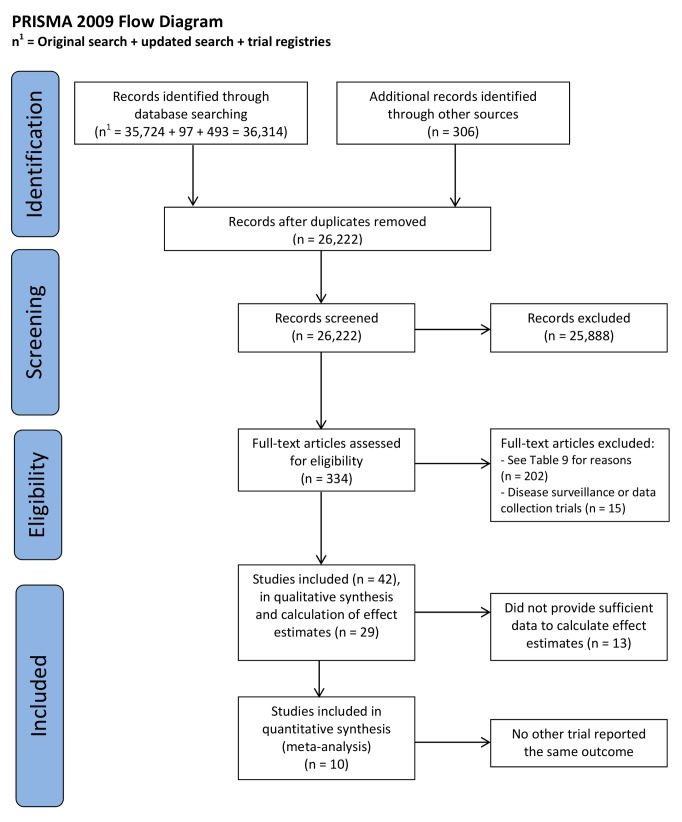
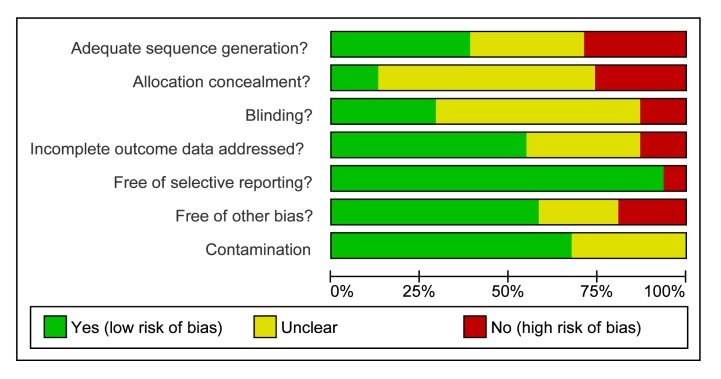
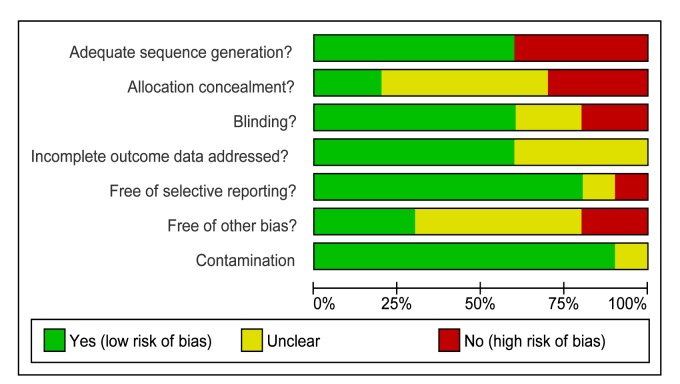
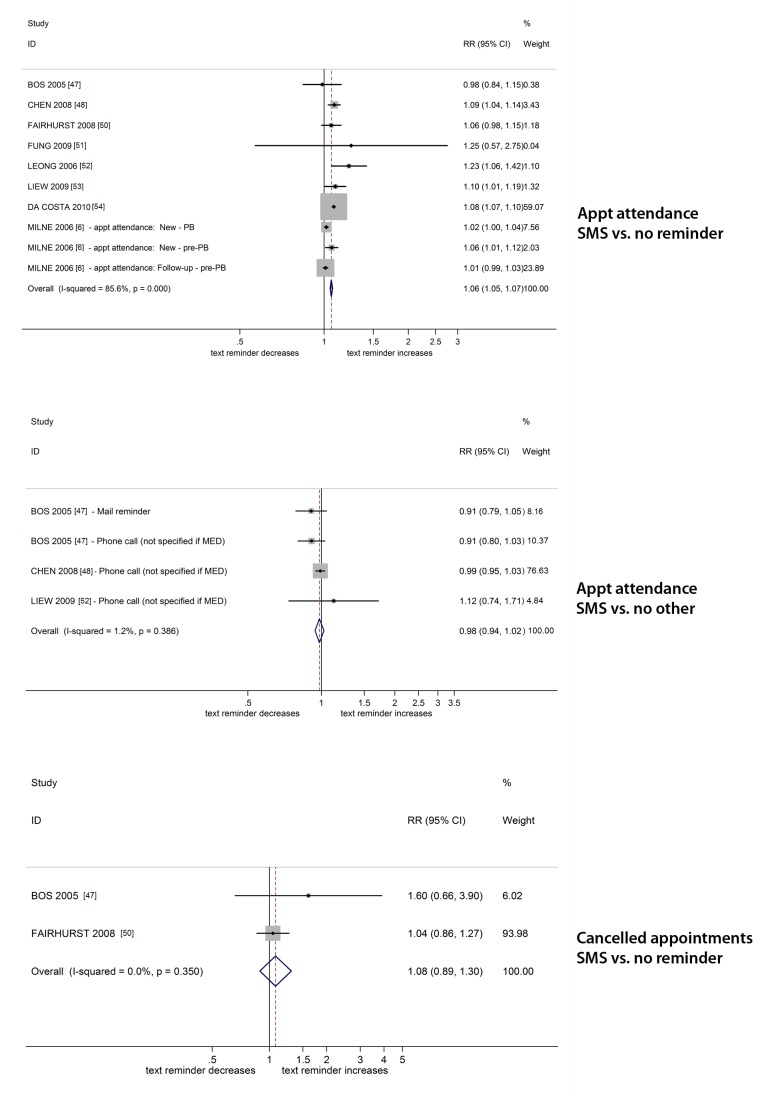
BACKGROUND: Mobile health interventions could have beneficial effects on health care delivery processes. We aimed to conduct a systematic review of controlled trials of mobile technology interventions to improve health care delivery processes. METHODS AND FINDINGS: We searched for all controlled trials of mobile technology based health interventions using MEDLINE, EMBASE, PsycINFO, Global Health, Web of Science, Cochrane Library, UK NHS HTA (Jan 1990-Sept 2010). Two authors independently extracted data on allocation concealment, allocation sequence, blinding, completeness of follow-up, and measures of effect. We calculated effect estimates and we used random effects meta-analysis to give pooled estimates. We identified 42 trials. None of the trials had low risk of bias. Seven trials of health care provider support reported 25 outcomes regarding appropriate disease management, of which 11 showed statistically significant benefits. One trial reported a statistically significant improvement in nurse/surgeon communication using mobile phones. Two trials reported statistically significant reductions in correct diagnoses using mobile technology photos compared to gold standard. The pooled effect on appointment attendance using text message (short message service or SMS) reminders versus no reminder was increased, with a relative risk (RR) of 1.06 (95% CI 1.05-1.07, I(2) = 6%). The pooled effects on the number of cancelled appointments was not significantly increased RR 1.08 (95% CI 0.89-1.30). There was no difference in attendance using SMS reminders versus other reminders (RR 0.98, 95% CI 0.94-1.02, respectively). To address the limitation of the older search, we also reviewed more recent literature. CONCLUSIONS: The results for health care provider support interventions on diagnosis and management outcomes are generally consistent with modest benefits. Trials using mobile technology-based photos reported reductions in correct diagnoses when compared to the gold standard. SMS appointment reminders have modest benefits and may be appropriate for implementation. High quality trials measuring clinical outcomes are needed. Please see later in the article for the Editors' Summary.
Overview
The claims and statistics of this paper haven’t been checked yet.
Free: it reads the open-access text and checks the first 5 claims that cite a source we can check. Create a free account to check every claim.
Integrity signals
Registry
Cites
Statistics
Figures
Verification
Claims the paper makes
The claims and statistics of this paper haven’t been checked yet.
Free: it reads the open-access text and checks the first 5 claims that cite a source we can check. Create a free account to check every claim.
Claims other papers make about this one
Each is checked against this paper’s own text: does it say what the citing paper says it does?
The source backs part of the claim, not all of it — or backs it for a different population, condition or comparison.
In the citing paper
“As per our knowledge, there has been no robust impact analysis of the m-health intervention from India [21].”
From Impact of m‐health application used by community health volunteers on improving utilisation of maternal, new‐born and child health care services in a rural area of Uttar Pradesh, India (2017) · cites this paper as [21]
Experimental — accuracy not yet measuredThe source backs part of the claim, not all of it — or backs it for a different population, condition or comparison.
In the citing paper
“Although low-cost mobile devices provide new and potentially transformative opportunities for all those working to improve health outcomes, nevertheless, to date, there is little evidence on mHealth interventions that have been implemented in LMICs and assessed in terms of specific outcomes.”
From Assessing the impact of mHealth interventions in low- and middle-income countries – what has been shown to work? (2014) · cites this paper as [7]
Experimental — accuracy not yet measuredIn the citing paper
“Another review, focused on the impact of SMS interventions, found that text messaging increased adherence to antiretroviral treatment with reductions in viral load and biochemically verified smoking cessation, yet these effects were “small and of borderline clinical importance” [9].”
From Impact of mHealth chronic disease management on treatment adherence and patient outcomes: a systematic review (2015) · cites this paper as [9]
In the citing paper
“The reported impact of mHealth interventions is mixed, with studies showing modest benefits for some clinical diagnosis and management support outcomes [9,10].”
From Impact of mHealth chronic disease management on treatment adherence and patient outcomes: a systematic review (2015) · cites this paper as [9]
In the citing paper
“One of the ways to generate demand is through quality counselling of pregnant women [21] and use of m-health with its associated audio visual support for improving the quality of counselling delivered through ASHAs.”
4 more claims about this paper
Create a free account to see every claim other papers make about this one.
Self-check
Percentages, sums and reported differences re-computed from the paper’s own numbers.
The self-check needs the paper’s full text.
Citations
Cites
Pharmacological interventions for somatoform disorders in adults
Kleinstäuber, M., Witthöft, M., Steffanowski, A., van Marwijk, H., Hiller, W., & Lambert, M. J. (2014) · Cochrane Database of Systematic Reviews · doi:10.1002/14651858.cd010628.pub2 · Cited by 11,335
Cochrane Handbook for Systematic Reviews of Interventions Version 5.0.1. The Cochrane Collaboration
Higgins, J. P. T., Green, S. R., & Higgins, J. P. T. (2008) · Cited by 7,259
Assessing the quality of controlled clinical trials
Jüni, P., Altman, D. G., & Egger, M. (2001) · BMJ · doi:10.1136/bmj.323.7303.42 · Cited by 3,309 · cited 1×
“Factors influencing heterogeneity of effect estimates include low trial quality, in particular inadequate allocation concealment [60], participant factors such as demographics or disease status, the setting (hospital, primary care), the intervention features (components, intensity, timing), the…”
Free, C., Phillips, G., Galli, L., Watson, L., Felix, L., Edwards, P., Patel, V., & Haines, A. (2013) · PLoS Medicine · doi:10.1371/journal.pmed.1001362 · Cited by 1,766 · cited 3×
“Other trials identified are reported elsewhere [13].”
InfluentialSelf-citationHealthcare via Cell Phones: A Systematic Review
Krishna, S., Boren, S. A., & Balas, E. A. (2009) · Telemedicine and e-Health · doi:10.1089/tmj.2008.0099 · Cited by 882 · cited 3×
“The review expands and updates the findings of earlier systematic reviews that focussed on specific devices, and/or specific functions, and/or specific health topics [8,11,58].”
Research Approaches to Mobile Use in the Developing World: A Review of the Literature
Donner, J. (2008) · The Information Society · doi:10.1080/01972240802019970 · Cited by 743 · cited 1×
“In low-income countries, mobile communication technology is the fastest growing sector of the communications industry and geographical coverage is high [4–7].”
Early Diagnosis of Cutaneous Melanoma: Revisiting the ABCD Criteria
Abbasi, N. R., Shaw, H. M., Rigel, D. S., Friedman, R. J., McCarthy, W. H., Osman, I., Kopf, A. W., & Polsky, D. (2004) · JAMA · doi:10.1001/jama.292.22.2771 · Cited by 668
Mobile phone messaging reminders for attendance at healthcare appointments
Gurol-Urganci, I., de Jongh, T., Vodopivec-Jamsek, V., Atun, R., & Car, J. (2013) · Cochrane Database of Systematic Reviews · doi:10.1002/14651858.cd007458.pub3 · Cited by 594 · cited 1×
“and Car that text messages can reduce missed appointments [8,59].”
Free, C., Phillips, G., Felix, L., Galli, L., Patel, V., & Edwards, P. (2010) · BMC Research Notes · doi:10.1186/1756-0500-3-250 · Cited by 539 · cited 1×
“We adhered to our published plan of investigation as outlined in the study protocol [12].”
Self-citationZurovac, D., Sudoi, R. K., Akhwale, W. S., Ndiritu, M., Hamer, D. H., Rowe, A. K., & Snow, R. W. (2011) · The Lancet · doi:10.1016/s0140-6736(11)60783-6 · Cited by 403 · cited 3×
“One high quality trial published since our literature search was completed shows benefits in adherence to malaria treatment guidelines [61].”
Influential
Research works printed but not linked: 4
- International Telecommunications Union (2010) The world in 2010: ICT facts and figures. International Telecommunication Union
- Ofcom (2009) The consumer experience: telecoms, internet and digital broadcasting 2009. Evaluation report
- McLeod TG, McNaughton DA, Hanson GJ, Borrud A (2006) Teaching geriatric functional assessment to internal medicine residents: A randomized trial of a personal digital assistant - Based tool. Journal of General Internal Medicine 21: 134– 135.16336621
- India adds 13.45 mn mobile users in Feb: TRAI. The Economic Times India
Cited by
Items 601–700 of 1,000
Du, J., Zeng, D., Li, Z., Liu, J., Lv, M., Chen, L., Zhang, D., & Ji, S. (2021) · International Journal of Intelligent Systems · doi:10.1002/int.22697 · Cited by 11
“Specifically, the representation vectors of all hospital visits of the patient are first chronologically input into a LSTM, and then it will generate a hidden vector hj at each time slot based on the current hospital visit representation vector fj and the previous hidden vector hj−1 according to Equation (8), where LS…”
MethodAre digital interventions for smoking cessation in pregnancy effective? A systematic review protocol
Griffiths, S. E., Brown, K., Fulton, E. A., Tombor, I., & Naughton, F. (2016) · Systematic Reviews · doi:10.1186/s13643-016-0390-6 · Cited by 13
“The technological features of digital interventions make them relatively easy to tailor to the needs of the individual [36], which is likely to contribute to the effectiveness of interventions to aid smoking cessation in pregnancy [19, 20, 37, 38].”
BackgroundLes leçons apprises des principales études sur les objets connectés en télémédecine et santé mobile
Simon, P. (2017) · European Research in Telemedicine / La Recherche Européenne en Télémédecine · doi:10.1016/j.eurtel.2017.06.003 · Cited by 16
Deerochanawong, C., Bajpai, S., Dwipayana, I. M. P., Hussein, Z. B., Mabunay, M. A., Rosales, R., Tsai, S., & Tsang, M. W. (2017) · Diabetes Therapy · doi:10.1007/s13300-017-0322-z · Cited by 11
“increasingly being used to deliver health services [58].”
BackgroundDavis, E. C., Arana, E. T., Creel, J. S., Ibarra, S. C., Lechuga, J., Norman, R. A., Parks, H. R., Qasim, A., Watkins, D. Y., & Kash, B. A. (2018) · European journal of training and development · doi:10.1108/ejtd-06-2016-0042 · Cited by 15
“Mobile clinics can also help in diagnosis and management of health conditions, by using similar mHealth technology that CHWs use (Free et al., 2013).”
BackgroundIntegration of Mobile Health Applications in Health Information Technology Initiatives
Ng, Y. C., Alexander, S. L., & Frith, K. H. (2018) · CIN Computers Informatics Nursing · doi:10.1097/cin.0000000000000445 · Cited by 10
“15 The use of branching logic also enables HCPs to send automatic customized responses to users that are triggered by the closed-ended responses.”
BackgroundHochstatter, K. R., Gustafson, D. H., Landucci, G., Pe‐Romashko, K., Maus, A., Shah, D. V., Taylor, Q. A., Gill, E., Miller, R., Krechel, S., et al. (2019) · JMIR Research Protocols · doi:10.2196/12620 · Cited by 11
“Health related smartphone applications have increased in popularity for a variety of conditions [14-16], and there is a growing evidence base suggesting that they may have a role in supporting addiction treatment.”
Gwyther, H., van Velsen, L., Shaw, R. L., D’Avanzo, B., Bujnowska–Fedak, M. M., Kurpas, D., Szwamel, K., Klooster, J. W. J. R. V. '., & Holland, C. (2019) · BMC Medical Informatics and Decision Making · doi:10.1186/s12911-019-0828-6 · Cited by 14
Vasudevan, L., Schroeder, K., Raveendran, Y., Goel, K., Makarushka, C., Masalu, N., & Zullig, L. L. (2020) · BMC Cancer · doi:10.1186/s12885-020-6611-3 · Cited by 12
Siswati, T., Sitasari, A., Paramashanti, B. A., Tjaronosari, T., Nurhidayat, N., Wijanarka, A., & Waris, L. (2024) · Public Health of Indonesia · doi:10.36685/phi.v10i1.756 · Cited by 9
“Lastly, the mHealth application that accommodates child health services is likely to be used (Free et al., 2013).”
BackgroundSidamo, N. B., Kerbo, A. A., Gidebo, K. D., & Wado, Y. D. (2024) · Frontiers in Public Health · doi:10.3389/fpubh.2024.1364058 · Cited by 9
Kilfoy, A., Zaffino, I., McAtee, E., Panesar, P., Cleverley, K., Phạm, Q., Chu, C. H., & Jibb, L. (2025) · BMC Pediatrics · doi:10.1186/s12887-025-05656-y · Cited by 15
Wood, K. V., Frings, D., Flood, C., & Thomas, N. (2025) · Digital Health · doi:10.1177/20552076251321016 · Cited by 9
“9 Furthermore, the use of AI-driven reminders reduces the number of unnecessary messages, focusing resources where they are most needed, which can contribute to long-term cost savings for healthcare systems.”
Finnish social and health care professionals’ perspective of the future
Hopia, H., & Hakala, A. (2015) · International Journal of Healthcare · doi:10.5430/ijh.v2n1p12 · Cited by 10
“According to a number of researchers, monitoring of symptoms and health will become routine in the near future.[9] Monitoring people’s day-to-day lives may also include risks, as Mittelstand[10] points out.”
BackgroundOnline HIV information seeking and pre-exposure prophylaxis awareness among people who use drugs
Ranjit, Y. S., Shrestha, R., Copenhaver, M., & Altice, F. L. (2019) · Journal of Substance Abuse Treatment · doi:10.1016/j.jsat.2019.12.010 · Cited by 12
“Many health programs have adopted this tool for health outcomes such as improving health services, motivating participation in physical activities, or improving maternal and child health (Direito, Carraça, Rawstorn, Whittaker, & Maddison, 2016; Free et al., 2013; Nurmatov et al., 2014).”
MethodSMS reminders to improve outpatient attendance for public dental services: A retrospective study
Stormon, N., Sexton, C. T., Chen, C., Hsu, E., Chen, P., & McGowan, K. (2021) · Health & Social Care in the Community · doi:10.1111/hsc.13663 · Cited by 9
Irani, L., Verma, S., Mathur, R., Verma, R. K., Mohan, D., Dhar, D., Seth, A., Chaudhuri, I., Chaudhury, M. R., Purthy, A., et al. (2022) · BMJ Open · doi:10.1136/bmjopen-2021-052336 · Cited by 9
Utilisation des objets connectés en recherche clinique
Dhainaut, J.-F., Huot, L., Pomar, V. B., Dubray, C., Augé, P., Barthélémy, P., Belghiti, J., Bureau, S., Cassagnes, J., Deblois, S., et al. (2017) · Therapies · doi:10.1016/j.therap.2017.11.002 · Cited by 12
Universidad, C. E. S., Palacios-Barahona, U., Hernández-Rendón, M., Universidad, C. E. S., Gaviria, A., Universidad, C. E. S., Guerra-Herrera, A. C., Social, M. D. S. Y. P., Valencia-Díaz, E., Ramos‐Castaneda, J. A., et al. (2018) · CES Medicina · doi:10.21615/cesmedicina.32.1.2 · Cited by 10
Rasche, P., Mertens, A., Miron‐Shatz, T., Berzon, C., Schlick, C. M., Jahn, M., & Becker, S. (2018) · PLoS ONE · doi:10.1371/journal.pone.0197455 · Cited by 11
Saeedi, R., Sasani, K., & Gebremedhin, A. H. (2020) · Sensors · doi:10.3390/s20071932 · Cited by 10
Scherr, T., Moore, C. P., Thuma, P. E., & Wright, D. W. (2020) · JMIR mhealth and uhealth · doi:10.2196/18413 · Cited by 9
“These solutions, which can range from simple SMS text message appointment reminders [7,8] to more sophisticated approaches such as mobile phone–based clinical-grade electrocardiograms [9], have broad uses and can be tailored to address many scenarios and user groups [5,6,10].”
BackgroundSAS Mobile Application for Diagnosis of Obstructive Sleep Apnea Utilizing Machine Learning Models
Haberfeld, C., Sheta, A. F., Hossain, M. S., Turabieh, H., & Surani, S. (2020) · IEEE Annual Ubiquitous Computing, Electronics & Mobile Communication Conference (UEMCON) · doi:10.1109/uemcon51285.2020.9298041 · Cited by 11
“With smartphones being small but powerful computers in their own right, research [8] and [16] has looked into using this power for new medical uses.”
BackgroundOsahon, P. T., Mote, L. A., & Ntaji, V. I. (2021) · Tropical Journal of Pharmaceutical Research · doi:10.4314/tjpr.v19i12.28 · Cited by 13
“In recent years, digital health technologies of various forms have been incorporated into the healthcare delivery system to improve healthcare outcomes [10, 11].”
BackgroundSillice, M. A., DUNSIGER, S. I., Jennings, E., Lantini, R., & Bock, B. C. (2018) · mHealth · doi:10.21037/mhealth.2018.09.06 · Cited by 12
“≤High school 98 [11] 17 [12] 19 [18] 96 [10] 62 [12] 53 [10] 63 [12] 52 [15]”
Wang, Z., Chen, S., Chen, J., Xu, C., Chen, Z., Zhuang, W., Li, X., Zhao, M., & Haifeng, J. (2018) · Frontiers in Psychiatry · doi:10.3389/fpsyt.2018.00556 · Cited by 9
Mechael, P., Kaonga, N., Chandrasekharan, S., Muthuperumal, P., Peter, J., Ganju, A., & Murthy, N. (2019) · JMIR mhealth and uhealth · doi:10.2196/14668 · Cited by 11
“Several systematic reviews highlight the lack of rigorous experimental and quasi-experimental trials; they also cite the lack of research measuring health outcomes as a key challenge to the advancement of the field of mHealth [4-9].”
BackgroundThe use of mobile devices and applications for health information: A survey of Croatian students
Kim, S. U., Martinović, I., & Katavić, S. S. (2019) · Journal of Librarianship and Information Science · doi:10.1177/0961000619880937 · Cited by 10
“Mobile interventions are known to be effective at changing health behaviours (Free et al., 2013).”
BackgroundFölster, S. (2017) · Global Health Action · doi:10.1080/16549716.2017.1336006 · Cited by 10
Han, H. J., Mendu, S., Jaworski, B. K., Owen, J. E., & Abdullah, S. (2024) · Digital Health · doi:10.1177/20552076241286133 · Cited by 10
“10 However, these technologies also face challenges such as low engagement rates 11 and a lack of user-friendliness.”
BackgroundGartrell, K., Brennan, C. W., Wallen, G. R., Liu, F., Smith, K. G., & Fontelo, P. A. (2018) · BMC Medical Informatics and Decision Making · doi:10.1186/s12911-018-0607-9 · Cited by 8
“…mobile decision support tools, 1) improve compliance to clinical treatment guidelines [16]; 2) increase access to health information at the point of care [17] and in screening, diagnosis, and referrals [18]; 3) improve patient documentation and efficiency [17]; and 4) decrease medical errors [19].”
BackgroundMwase, I., Hutchins, M., Cameron, A., Ware, M., Nakanwagi, J. F., Nakabembe, E., Mutabazi, M., Chamberlain, J., & Barageine, J. K. (2019) · Public Health · doi:10.1016/j.puhe.2019.09.015 · Cited by 10
Motamed‐Jahromi, M., Eshghi, F., Dadgar, F., Nejadsadeghi, E., Meshkani, Z. S., Jalali, T., & Dehghani, S. L. (2022) · Shiraz E-Medical Journal · doi:10.5812/semj-114324 · Cited by 9
“stated smartphones and apps have promising and exciting roles in enhancing medical education, patient care, and communication (14).”
BackgroundTamí‐Maury, I., Klaff, R., Hussin, A., Smith, N. G., Chang, S., McNeill, L. H., Reitzel, L. R., Shete, S. S., & Abroms, L. C. (2022) · JMIR Research Protocols · doi:10.2196/42553 · Cited by 9
Application of the ConNECT Framework to achieve digital health equity
Nair, U. S., Kue, J., Athilingam, P. R., Rodriguez, C. S., & Menon, U. (2023) · Nursing Outlook · doi:10.1016/j.outlook.2023.101991 · Cited by 8
Krasteva, V., Iliev, I. T., & Tabakov, S. D. (2024) · Sensors · doi:10.3390/s24061883 · Cited by 8
“In the diagnostic site, the cardiologist receives a message on a mobile device about the incoming record, and can later download and analyze it at their convenience.”
BackgroundMahreen, Z., Zainuldin, N. A. B., & Zhang, M. W. (2024) · Singapore Medical Journal · doi:10.4103/singaporemedj.smj-2024-165 · Cited by 9
Revolutionizing Diet and Fitness Tracking with AI: A User-Centric Approach to Nutrition and Wellness
Jaiswal, A., Solanki, A., Tomar, A., Bhaduria, S., & Khatter, H. (2025) · International Conference on Computational Intelligence, Communication Technology and Networking (CICTN) · doi:10.1109/cictn64563.2025.10932496 · Cited by 8
Design and Implementation of Behavioral Informatics Interventions
Laranjo, L., Lau, A. Y. S., & Coiera, E. W. (2017) · Health informatics · doi:10.1007/978-3-319-51732-2_2 · Cited by 8
Design and evaluation of the StartingTogether App for home visits in preventive child health care
Henkemans, O. B., Keij, M., Grootjen, M., Kamphuis, M., & Dijkshoorn, A. (2018) · BMC Nursing · doi:10.1186/s12912-018-0310-2 · Cited by 11
“Also, they can contribute to the effectiveness of health care delivery services [15] and enhance the efficacy of health care interventions, for example by increasing adherence to guidelines, enhancing health surveillance, reducing medication errors or decreasing rates of redundant of inappropriate care [16].”
BackgroundHooper, M. W., Miller, D. B., Saldívar, E., Mitchell, C. K., Johnson, L., Burns, M., & Huang, M.-C. (2021) · Psychology of Addictive Behaviors · doi:10.1037/adb0000691 · Cited by 9
Public Health in the Twenty-First Century: The Role of Advanced Technologies
Rubens, M., Ramamoorthy, V., Saxena, A., & Shehadeh, N. (2014) · Frontiers in Public Health · doi:10.3389/fpubh.2014.00224 · Cited by 8
Feldacker, C., Chicumbe, S., Dgedge, M., César, F., Augusto, G., Robertson, M., Mbofana, F., & O’Malley, G. (2015) · Human Resources for Health · doi:10.1186/s12960-015-0011-9 · Cited by 12
“Although internet access is low among all TMGs (<20%), creating opportunities for continuing education for TMGs, potentially using mHealth initiatives on mobile phones [24], might prove appropriate to improve the quality of care provided by TMGs in the future.”
BackgroundHarshe, D. G., Karia, S., Rajani, S., Bharati, A. S., Sousa, A. D., Shah, N. H., & Mishra, P. (2017) · International Journal of Medicine and Public Health · doi:10.5530/ijmedph.2017.1.9 · Cited by 8
mHealth, Health, and Mobility: A Culture-Centered Interrogation
Dutta, M. J., Kaur‐Gill, S., Tan, N. Q. P., & Lam, C. (2017) · Mobile communication in Asia · doi:10.1007/978-94-024-1251-2_6 · Cited by 15
“These include inconsistencies in the kinds of smartphones used by community healthcare workers that lead to poor imaging of the condition, which in turn, causes difficulties in assessing and diagnosing patients (Asgary et al., 2016; Free et al., 2013).”
BackgroundBotha, A., Weiss, M. S., & Herselman, M. E. (2018) · International Conference on Artificial Intelligence, Big Data, Computing and Data Communication Systems (icABCD) · doi:10.1109/icabcd.2018.8465427 · Cited by 10
“Human Capital Development x x x x x [55, 56]”
BackgroundImpact of mHealth service: An understanding of TreCLifeStyle mobile app in Trentino province, Italy
Rahman, A., Jahan, Y., & Fahad, H. (2019) · International Journal of Healthcare Management · doi:10.1080/20479700.2019.1603337 · Cited by 8
Perceptions and needs regarding technologies in nursing homes: An exploratory study
Bourbonnais, A., Rousseau, J., Lalonde, M.-H., Meunier, J., Lapierre, N., & Gagnon, M. (2019) · Health Informatics Journal · doi:10.1177/1460458219889499 · Cited by 9
Alsehani, F. N. (2026) · Sustainability · doi:10.3390/su18031461 · Cited by 12
Davis, K. E., Klingenberg, A., Massey‐Stokes, M., Habiba, N. M., Gautam, R., Warren, C. A., & Yeatts, P. E. (2023) · mHealth · doi:10.21037/mhealth-22-31 · Cited by 10
Shams‐Vahdati, N., Vahdati, S. S., & Samad‐Soltani, T. (2024) · Health Science Reports · doi:10.1002/hsr2.1931 · Cited by 8
“41 Experts in focus groups emphasized the importance of sharing information accurately and quickly, which can be addressed by developing mobile ‐ based applications that allow real ‐ time information sharing among healthcare professionals.”
BackgroundKolanu, N. D., Syeda, Z. R., Joshi, N., Singh, P., & Erukulla, M. (2024) · Cureus · doi:10.7759/cureus.57742 · Cited by 14
“The integration of digital health tools, including mobile applications and wearable devices, provides novel avenues for monitoring patient adherence and offering real-time feedback and support [43].”
BackgroundDuong, A. H., Nguyen, T. D., Duong, G. H., & Tran, T. T. B. (2024) · International Journal of Information Technology · doi:10.1007/s41870-024-02182-5 · Cited by 8
Coleman, A., & Iyawa, G. E. (2015) · International Science and Technology Journal of Namibia · Cited by 9
The utility of mHealth in Medical Imaging
Perera, C. M., & Chakrabarti, R. (2013) · Journal of Mobile Technology in Medicine · doi:10.7309/jmtm.2.3.2 · Cited by 7
Varma, D. S., Hart, M. W., McIntyre, D. S., Kwiatkowski, E. K., & Cottler, L. B. (2016) · JMIR Research Protocols · doi:10.2196/resprot.5854 · Cited by 9
“Text messaging interventions for smoking cessation and for effective health care service delivery processes were also found to be effective [16,17].”
Mobile Supply Chain Management: Moving Where?
Barata, J., & da Cunha, P. R. (2016) · Portuguese National Funding Agency for Science, Research and Technology (RCAAP Project by FCT) · Cited by 9
Quesada–López, C., Jensen, M., Zúñiga, G., Chinnock, A., & Jenkins, M. (2016) · IEEE Central America and Panama Convention (CONCAPAN) · doi:10.1109/concapan.2016.7942368 · Cited by 7
Assessment of mHealth Interventions: Need for New Studies, Methods, and Guidelines for Study Designs
Ologeanu‐Taddei, R. (2020) · JMIR Medical Informatics · doi:10.2196/21874 · Cited by 10
“Nevertheless, the focus on RCT methods leads to the black boxing of mHealth interventions [2], which means that the technology is considered as a homogeneous device or as a pharmaceutical substance.”
BackgroundSuffoletto, B. P., Goldstein, T. R., & Brent, D. A. (2021) · JMIR Formative Research · doi:10.2196/30580 · Cited by 7
Gupta, A., Agrawal, R., Gupt, A., Guleri, R., Bajpayee, D., Joshi, N., Sarin, E., Gupta, S. K., & Kumar, H. (2021) · Journal of Family Medicine and Primary Care · doi:10.4103/jfmpc.jfmpc_466_21 · Cited by 14
“Our finding on the SMS reminders echoes other studies that text messaging reminders increase attendance at healthcare appointments.[11]”
BackgroundA Study on Online Intervention for Early Childhood Eating Disorders during COVID-19
Cimino, S., Almenara, C. A., & Cerniglia, L. (2022) · International Journal of Environmental Research and Public Health · doi:10.3390/ijerph19063696 · Cited by 7
“It is now widely demonstrated that advances in technology significantly facilitate the data collection and intervention processes [1].”
BackgroundMenon, J. C., John, D., Sreedevi, A., Janakiram, C., Akshaya, R., Sumithra, S., Aravind, M. S., Numpeli, M., Gopal, B. K., Renjini, B. A., et al. (2024) · Trials · doi:10.1186/s13063-024-08244-0 · Cited by 7
“Studies have also identified the use of mobile technology by health workers in resource-limited settings for health delivery improvement [17].”
BackgroundFotso, J. C., Robinson, A. L., Noordam, A. C., & Crawford, J. (2015) · African Population Studies · doi:10.11564/29-1-713 · Cited by 8
“Existing mHealth interventions for MNCH in LMICs tend to fall under three broad objectives: Stimulating demand for healthy behaviors among pregnant women and mothers; strengthening human resource capacity for health care delivery; and transforming health system capacity (mHealth Alliance, 2012b; Lemaire, 2011).”
BackgroundMethodInfluentialText 2 treat – using SMS to recall clients for treatment
Bailey, S. M., Scalley, B., & Gilles, M. T. (2014) · International Journal of STD & AIDS · doi:10.1177/0956462414530108 · Cited by 7
“SMS has been increasingly utilised in healthcare for client communication such as appointment reminders.(1,2) Sending an SMS is quick, cheap and requires minimal resources, resulting in improved worker efficiency and reduced costs.”
BackgroundMethodEncouraging Innovation in Teen Pregnancy Prevention Programs
Wilson, K. L., Garney, W. R., Hays, C. N., Nelon, J. L., Farmer, J., & McLeroy, K. R. (2017) · Creative Education · doi:10.4236/ce.2017.82023 · Cited by 8
Gross, I., Langer, Y., Pasternak, Y., Ahmad, W. A., Eventov‐Friedman, S., & Koplewitz, B. Z. (2018) · Acta Paediatrica · doi:10.1111/apa.14444 · Cited by 7
“opment of numerous applications geared specifically to medical professionals, allowing access to electronic medical records and professional literature and providing disciplinespecific training and education (1,2).”
BackgroundBonawitz, R. E., Bird, L., Le, N. B., Nguyen, V., Halim, N., Williams, A. L., Sabin, L., & Gill, C. J. (2019) · mHealth · doi:10.21037/mhealth.2019.02.01 · Cited by 7
“Multiple pilot studies have employed novel mobile applications to send SMS messages delivered via mobile phone as a training tool for healthcare workers, with mixed success (4-10).”
BackgroundCommercially Available Smartphone-Based Personalized Mobile Healthcare Technologies
Vashist, S. K., & Luong, J. H. T. (2019) · Springer eBooks · doi:10.1007/978-3-030-11416-9_3 · Cited by 9
Kongsofla, M. D., Ghezeljeh, T. N., Saeidi, A., Peyravi, H., & Kiaroosta, N. (2019) · مجله طب جانباز · doi:10.29252/ijwph.11.3.125 · Cited by 7
Labrague, L. J., Galabay, J. R., Anastacio, A. L., McEnroe–Petitte, D. M., & Tsaras, K. (2020) · Scandinavian Journal of Caring Sciences · doi:10.1111/scs.12849 · Cited by 13
Patient Interest in Video Integration for After-Hours Telemedicine
Sankaran, J., Menachery, S. M., & Bradshaw, R. D. (2020) · The Journal of the American Board of Family Medicine · doi:10.3122/jabfm.2020.05.190362 · Cited by 9
Usability and Usefulness of a Mobile Heath App for HIV Prevention among Adolescents in Indonesia
Lindayani, L., Permana, B., Darmawati, I., & Taryudi, T. (2021) · Creative Nursing · doi:10.1891/crnr-d-20-00092 · Cited by 7
“However, there is limited evidence of the efficacy of mHealth apps (de la Vega & Miró, 2014; Overdijkink et al., 2018) or of the best ways to develop mHealth (Badawy & Kuhns, 2017; Free et al., 2013; Majeed-Ariss et al., 2015; Tamrat & Kachnowski, 2012; Tripp et al., 2014).”
BackgroundmHealth Innovation in Asia: Grassroots Challenges and Practical Interventions
Baulch, E., Watkins, J., & Tariq, A. (2017) · Mobile communication in Asia · doi:10.1007/978-94-024-1251-2 · Cited by 10
“International Telecommunication Union. Retrieved from http://www.itu.int/ en/ITU-D/Statistics/Pages/stat/default.aspx. Accessed July 4, 2017. Khatun, F., Heywood, A. E., Ray, P. K., Bhuiya, A., & Liaw, S. (2016). Community readiness for adopting mHealth in rural Bangladesh: A qualitative exploration.”
Rouf, A. S., Grech, A. L., & Allman-Farinelli, M. A. (2017) · Critical Reviews in Food Science and Nutrition · doi:10.1080/10408398.2017.1336508 · Cited by 9
“Three studies had duration of one month or less (Gerend and Shepherd, 2013; Koszewski et al., 1990; Peterson et al., 2010).”
BackgroundMethodInfluentialDriscoll, C. A. H., Gurmu, S., Azeem, A., & El‐Metwally, D. (2018) · Healthcare · doi:10.1016/j.hjdsi.2018.07.001 · Cited by 7
Who Breathes the Smoke: Technologies for Community-Based Natural Resource Management
Ziegler, M. (2019) · Workshop on Computing within Limits (LIMITS) · doi:10.1145/3338103.3338107 · Cited by 7
“However, early ICT4D health projects tended overwhelmingly to be short-lived, disconnected, expensive pilots with disappointing results [36].”
BackgroundMarkwei, M. T., & Goje, O. (2021) · Women s Health · doi:10.1177/17455065211013262 · Cited by 8
Edward, A., Kagaruki, G. B., Manase, F., Appel, L. J., & Matsushita, K. (2022) · BMC Health Services Research · doi:10.1186/s12913-022-08064-5 · Cited by 6
“For example, the application of mobile technologies in healthcare delivery has shown improvements in physician diagnosis and patient outcomes for several health conditions [22].”
BackgroundLattice-Based Revocable IBEET Scheme for Mobile Cloud Computing
Wang, H., Liao, Y., Zhang, Z., Dong, Y., & Zhou, S. (2025) · IEEE Transactions on Cloud Computing · doi:10.1109/tcc.2025.3570332 · Cited by 6
“RIBEET has broad applications in mobile cloud computing, such as mobile health services (MHS) [17], [18], [19].”
Enhancing Surgical Precision: A Systematic Review of Wearable Medical Devices for Assisted Surgery
Sakly, H., Guetari, R., Kraïem, N., Alasbali, N. A., & Algarni, A. (2025) · Journal of Medical Systems · doi:10.1007/s10916-025-02222-y · Cited by 10
“Another example involves a hand-held device equipped with sensors that capture real-time range-of-motion data: offering objective feedback in clinical set - tings [30–31].”
Validity of using mobile phone surveys to evaluate community health worker program in Mali
Chen, X., Mohan, D., Maïga, A., Frost, E., Coulibaly, D., Basil, L., Gueye, B. Y., Guindo, M. T., Keïta, A. S., Keïta, H. D., et al. (2021) · BMC Medical Research Methodology · doi:10.1186/s12874-021-01317-7 · Cited by 7
He, J., Wang, W., Ning, P., Cheng, P., Li, J., Ming, Z., Yuan, S., Yang, L., Wu, Y., Zong, H., et al. (2021) · BMC Public Health · doi:10.1186/s12889-021-12156-y · Cited by 6
“Mobile health (mHealth) interventions offer a solution that thoroughly overcomes many barriers of traditional interventions and have tremendous potential to deliver evidencebased interventions to rural citizens timely, broadly, conveniently, and efficiently, greatly boosting the accessibility and availability of healt…”
BackgroundDevelopment and usability of an app-based instrument of participation in children with disabilities
Kang, L.-J., Lin, P.-Y., Granlund, M., Chen, C., Sung, W.-H., & Chiu, Y.-L. (2022) · Scandinavian Journal of Occupational Therapy · doi:10.1080/11038128.2022.2083014 · Cited by 6
“The development of electronic instruments is a novel research priority in the fields of rehabilitation sciences and information technology [37].”
BackgroundMahimbo, A., Tiwari, P., Abdi, I., Seale, H., Charania, N. A., & Heywood, A. E. (2023) · Discover Health Systems · doi:10.1007/s44250-023-00043-9 · Cited by 6
“Implementation of recall and reminder systems in clinical practice is essential for ensuring continuity of care and may result in better clinical outcomes [41].”
BackgroundNgumbau, N. M., Unger, J. A., Wandika, B., Atieno, C., Beima‐Sofie, K., Dettinger, J. C., Nzove, E. M., Harrington, E. K., Karume, A. K., Osborn, L., et al. (2024) · PLoS ONE · doi:10.1371/journal.pone.0300642 · Cited by 7
Digital health technologies for metabolic disorders in older adults: a scoping review protocol
Huynh, P., Fleisch, E., Brändle, M., Kowatsch, T., & Jovanova, M. (2024) · BMJ Open · doi:10.1136/bmjopen-2024-085797 · Cited by 6
Kim, Y. I., Park, I. J., Ro, J.-S., Lee, J. L., Kim, C. W., Yoon, Y. S., Lim, S., Yu, C. S., Lee, Y., Tak, Y. W., et al. (2025) · npj Digital Medicine · doi:10.1038/s41746-025-01716-w · Cited by 9
“To date, systematic reviews have shown that the wide range of digital healthcare platforms has not been extensively evaluated; thus, the values or demerits of such applications are inconclusive 23,24 .”
International Health Security: A Summative Assessment by ACAIM Consensus Group
Le, N. K., Garg, M., Izurieta, R., Garg, S., Papadimos, T. J., Arquilla, B., Miller, A. C., Khan, A. M., Worlton, T. J., Firstenberg, M. S., et al. (2021) · IntechOpen eBooks · doi:10.5772/intechopen.93214 · Cited by 8
Mørkrid, K., Bogale, B., Abbas, E., Khader, K. A., Ward, I. A., Attalh, A., Awwad, T., Baniode, M., Frost, K. S., Frost, M. J., et al. (2021) · Trials · doi:10.1186/s13063-020-04980-1 · Cited by 7
Holst, C., Tschirhart, N., Ngowi, B. J., Noll, J., & Winkler, A. S. (2021) · Health Promotion International · doi:10.1093/heapro/daab187 · Cited by 6
Bharat, R., Uzaina, U., Yadav, T., Niranjan, S., & Kurade, P. (2023) · Indian Pediatrics · doi:10.1007/s13312-023-2840-1 · Cited by 11
Ziegenfuss, J. Y., Asche, S. E., Dehmer, S. P., Reams, M., Grossman, E. S., & Solberg, L. I. (2024) · American Journal of Medical Quality · doi:10.1097/jmq.0000000000000174 · Cited by 7
Bendtsen, M., & Bendtsen, P. (2013) · Journal of Software Engineering and Applications · doi:10.4236/jsea.2013.610a003 · Cited by 6
“So far, only a few inconclusive attempts have been made in order to evaluate the feasibility and effectiveness of SMS interventions in comparison to other means of communicating such as email and apps [23].”
BackgroundApp Usage Factor: A Simple Metric to Compare the Population Impact of Mobile Medical Apps
Lewis, T., & Wyatt, J. C. (2015) · Journal of Medical Internet Research · doi:10.2196/jmir.4284 · Cited by 6
“Furthermore, this metric forms part of the overall estimate of risk and potential for harm or benefit posed by a mobile medical app [2].”
m-Health in Coronary Disease Preventive Care
Santo, K., Chalmers, J. P., Chow, C. K., & Redfern, J. (2015) · Journal of Cardiology and Therapy · doi:10.17554/j.issn.2309-6861.2015.02.98 · Cited by 6
Legal, ethical and practical considerations of smartphone use in orthopaedics
Nabulyato, W. M., Jeyaseelan, L. A., Malagelada, F., & Heaton, S. (2016) · Bulletin of The Royal College of Surgeons of England · doi:10.1308/rcsbull.2016.252 · Cited by 6
Key Factors for Innovative Developments on Health Sensor-Based System
Peláez, M. D., López-Medina, M. Á., Espinilla, M., & Medina-Quero, J. (2017) · Lecture notes in computer science · doi:10.1007/978-3-319-56154-7_59 · Cited by 6
“In this way, mobile technologies [10] has been demonstrated to be effective for changing health behaviors [11], for example, increasing exercise time, knowledge of health or weight loss in patients [12].”
BackgroundpainApp – mobiles Schmerzmonitoring in der häuslichen Versorgung
Ewers, A., & Gnass, I. (2018) · Der Schmerz · doi:10.1007/s00482-018-0313-7 · Cited by 6
Gebreyohannes, Y., Gebrie, S. A., Ararso, D., Deribe, F. M., Tefera, M. H., & Sudhakar, M. (2017) · The JBI Database of Systematic Reviews and Implementation Reports · doi:10.11124/jbisrir-2016-003111 · Cited by 7
“Mobile health interventions can be used to provide varying functions: educational information, support, reminders, emergency response and monitoring.(14,15) Mobile health applications can also support the health sector to improve limited access to quality care, especially in rural and underserved communities, includin…”
Background
Metadata
- Authors
- Free, C., Phillips, G., Watson, L., Galli, L., Felix, L., Edwards, P., Patel, V., & Haines, A.
- Affiliations
- London School of Hygiene & Tropical Medicine (GB)
- University of Warwick (GB)
- Imperial College London (GB)
- Corresponding author
- Free, Caroline
- Venue
- PLoS Medicine
- Publisher
- Public Library of Science (PLoS)
- Published
- 2013-01-15
- Volume
- 10
- Issue
- 1
- Pages
- e1001363
- ISSN
- 1549-1277 (ISSN-L)
- 1549-1676
- PMC
- PMC3566926
- OpenAlex
- W1977977041
- Cited by
- 1,187
- References
- 70
- Citations by year
- 2026: 71 · 2025: 72 · 2024: 91 · 2023: 55 · 2022: 61 · 2021: 97 · 2020: 102 · 2019: 104 · 2018: 125 · 2017: 94 · 2016: 115 · 2015: 87 · 2014: 80 · 2013: 31
- FWCI
- 12.56
- Type
- journal article
- Language
- en
- Open access
- gold
- doi.org
- Locations
- PLoS Medicine (publishedVersion, cc-by)
- Europe PMC (PubMed Central) (publishedVersion, cc-by)
- PubMed Central (publishedVersion, cc-by)
- PubMed (publishedVersion)
- Research Explorer (The University of Manchester) (publishedVersion, other-oa)
- LSHTM Research Online (London School of Hygiene and Tropical Medicine) (acceptedVersion)
- DOAJ (DOAJ: Directory of Open Access Journals) (submittedVersion, cc-by-sa)
- Figshare (submittedVersion, cc-by)
- Funders
- Wellcome Trust (091834)
- National Institute for Health and Care Research
- Topics
- Health Sciences › Health Professions › General Health Professions › Mobile Health and mHealth Applications
- Health Sciences › Medicine › Public Health, Environmental and Occupational Health › Telemedicine and Telehealth Implementation
- Physical Sciences › Computer Science › Information Systems › Mobile Learning in Education
- Keywords
- mobile health, health care delivery, healthcare provider support, appointment attendance, appointment cancellation, diagnostic accuracy, disease management
- MeSH terms
- Clinical Trials as Topic, Communication, Health Personnel, Health Services, Humans, Bias, Treatment Outcome, Telemedicine, Disease Management, Biomedical Technology
About these checks
Registry, retraction, Cites and statistics results are computed, not judged, with one exception: a printed reference that no index lists is read once by a model before it counts as a citation error. Claims are extracted by a model and kept only when their quote appears verbatim in the text; each cited source is then checked, with a model’s help, for whether it says what the claim relies on. Those verdicts can be wrong — read the claim’s quote and the cited source before relying on one.
Statistics and arithmetic are recomputed, not judged.
Confidence bands are shown only for fields calibrated on our annotated test set. None is calibrated yet, so no band is shown.
What counts as a claim ›How we measure confidence ›How we check this ›
Are you an author, or do you see a problem with this page? Request a review
Data sources
Bibliographic data: Semantic Scholar, OpenAlex, Crossref.
Contains information from the Semantic Scholar Academic Graph Datasets, made available under the ODC Attribution License (ODC-BY 1.0).
Semantic Scholar’s data is described in: Kinney, R., et al. (2023). The Semantic Scholar Open Data Platform. arXiv:2301.10140.
