

The Effectiveness of Mobile-Health Technologies to Improve Health Care Service Delivery Processes: A Systematic Review and Meta-Analysis
Open accessThe DOI matches its Crossref record; 69 of the 70 references it cites were found in a registry or an index.
Abstract
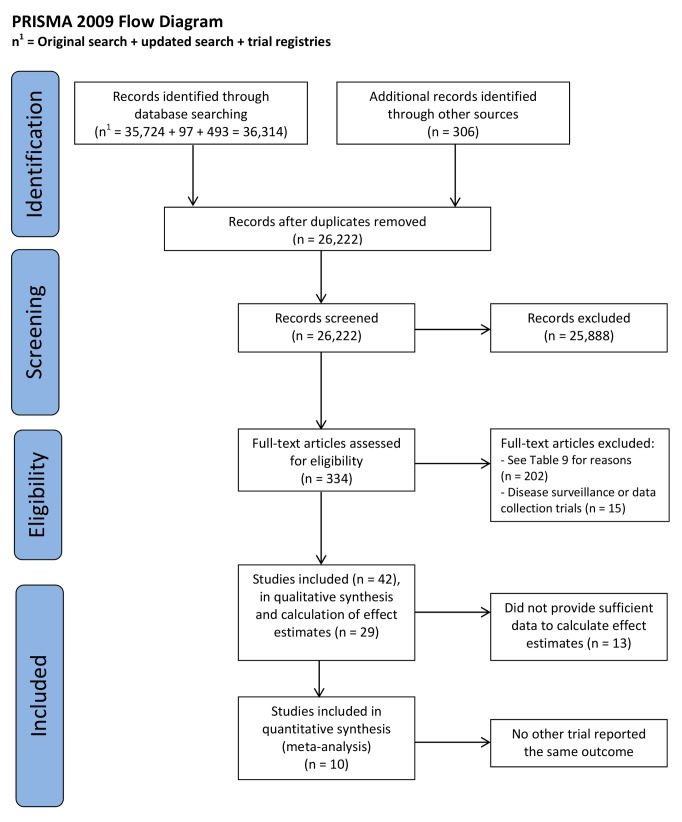
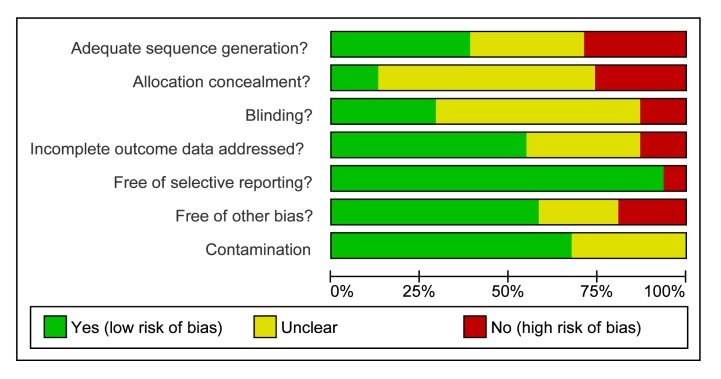
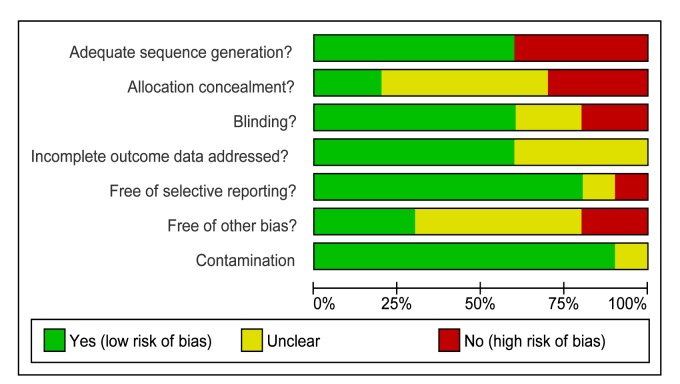
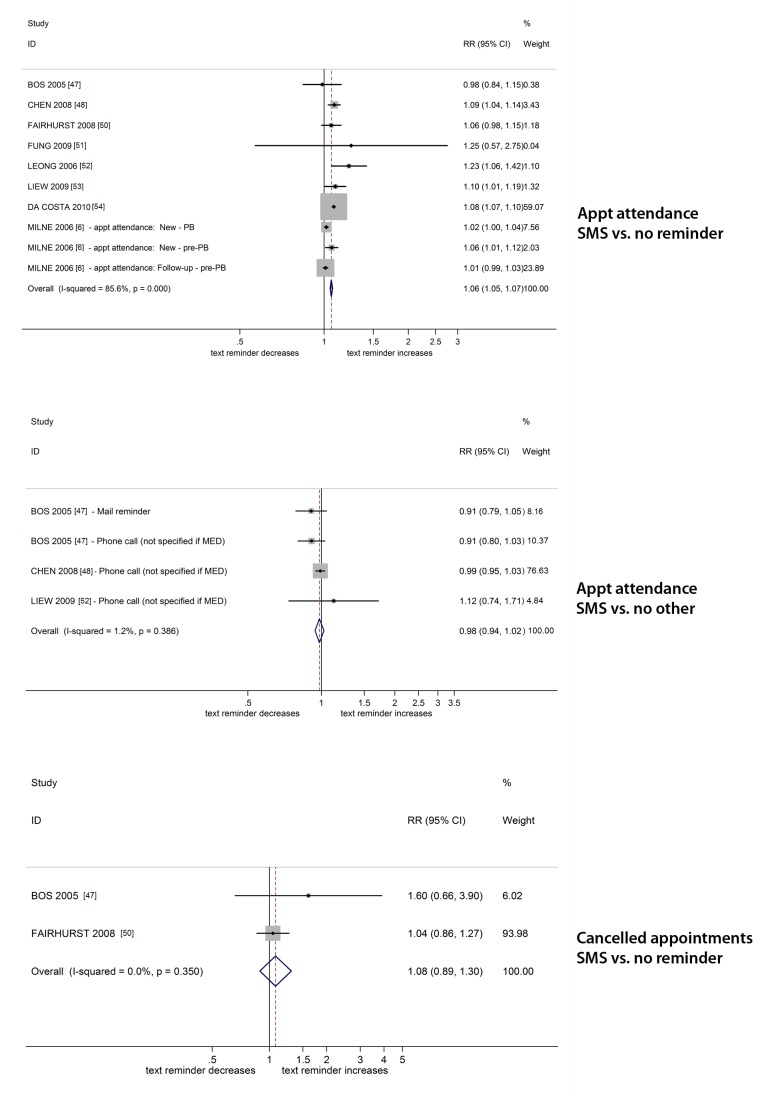
BACKGROUND: Mobile health interventions could have beneficial effects on health care delivery processes. We aimed to conduct a systematic review of controlled trials of mobile technology interventions to improve health care delivery processes. METHODS AND FINDINGS: We searched for all controlled trials of mobile technology based health interventions using MEDLINE, EMBASE, PsycINFO, Global Health, Web of Science, Cochrane Library, UK NHS HTA (Jan 1990-Sept 2010). Two authors independently extracted data on allocation concealment, allocation sequence, blinding, completeness of follow-up, and measures of effect. We calculated effect estimates and we used random effects meta-analysis to give pooled estimates. We identified 42 trials. None of the trials had low risk of bias. Seven trials of health care provider support reported 25 outcomes regarding appropriate disease management, of which 11 showed statistically significant benefits. One trial reported a statistically significant improvement in nurse/surgeon communication using mobile phones. Two trials reported statistically significant reductions in correct diagnoses using mobile technology photos compared to gold standard. The pooled effect on appointment attendance using text message (short message service or SMS) reminders versus no reminder was increased, with a relative risk (RR) of 1.06 (95% CI 1.05-1.07, I(2) = 6%). The pooled effects on the number of cancelled appointments was not significantly increased RR 1.08 (95% CI 0.89-1.30). There was no difference in attendance using SMS reminders versus other reminders (RR 0.98, 95% CI 0.94-1.02, respectively). To address the limitation of the older search, we also reviewed more recent literature. CONCLUSIONS: The results for health care provider support interventions on diagnosis and management outcomes are generally consistent with modest benefits. Trials using mobile technology-based photos reported reductions in correct diagnoses when compared to the gold standard. SMS appointment reminders have modest benefits and may be appropriate for implementation. High quality trials measuring clinical outcomes are needed. Please see later in the article for the Editors' Summary.
Overview
The claims and statistics of this paper haven’t been checked yet.
Free: it reads the open-access text and checks the first 5 claims that cite a source we can check. Create a free account to check every claim.
Integrity signals
Registry
Cites
Statistics
Figures
Verification
Claims the paper makes
The claims and statistics of this paper haven’t been checked yet.
Free: it reads the open-access text and checks the first 5 claims that cite a source we can check. Create a free account to check every claim.
Claims other papers make about this one
Each is checked against this paper’s own text: does it say what the citing paper says it does?
The source backs part of the claim, not all of it — or backs it for a different population, condition or comparison.
In the citing paper
“As per our knowledge, there has been no robust impact analysis of the m-health intervention from India [21].”
From Impact of m‐health application used by community health volunteers on improving utilisation of maternal, new‐born and child health care services in a rural area of Uttar Pradesh, India (2017) · cites this paper as [21]
Experimental — accuracy not yet measuredThe source backs part of the claim, not all of it — or backs it for a different population, condition or comparison.
In the citing paper
“Although low-cost mobile devices provide new and potentially transformative opportunities for all those working to improve health outcomes, nevertheless, to date, there is little evidence on mHealth interventions that have been implemented in LMICs and assessed in terms of specific outcomes.”
From Assessing the impact of mHealth interventions in low- and middle-income countries – what has been shown to work? (2014) · cites this paper as [7]
Experimental — accuracy not yet measuredIn the citing paper
“Another review, focused on the impact of SMS interventions, found that text messaging increased adherence to antiretroviral treatment with reductions in viral load and biochemically verified smoking cessation, yet these effects were “small and of borderline clinical importance” [9].”
From Impact of mHealth chronic disease management on treatment adherence and patient outcomes: a systematic review (2015) · cites this paper as [9]
In the citing paper
“The reported impact of mHealth interventions is mixed, with studies showing modest benefits for some clinical diagnosis and management support outcomes [9,10].”
From Impact of mHealth chronic disease management on treatment adherence and patient outcomes: a systematic review (2015) · cites this paper as [9]
In the citing paper
“One of the ways to generate demand is through quality counselling of pregnant women [21] and use of m-health with its associated audio visual support for improving the quality of counselling delivered through ASHAs.”
4 more claims about this paper
Create a free account to see every claim other papers make about this one.
Self-check
Percentages, sums and reported differences re-computed from the paper’s own numbers.
The self-check needs the paper’s full text.
Citations
Cites
Pharmacological interventions for somatoform disorders in adults
Kleinstäuber, M., Witthöft, M., Steffanowski, A., van Marwijk, H., Hiller, W., & Lambert, M. J. (2014) · Cochrane Database of Systematic Reviews · doi:10.1002/14651858.cd010628.pub2 · Cited by 11,335
Cochrane Handbook for Systematic Reviews of Interventions Version 5.0.1. The Cochrane Collaboration
Higgins, J. P. T., Green, S. R., & Higgins, J. P. T. (2008) · Cited by 7,259
Assessing the quality of controlled clinical trials
Jüni, P., Altman, D. G., & Egger, M. (2001) · BMJ · doi:10.1136/bmj.323.7303.42 · Cited by 3,309 · cited 1×
“Factors influencing heterogeneity of effect estimates include low trial quality, in particular inadequate allocation concealment [60], participant factors such as demographics or disease status, the setting (hospital, primary care), the intervention features (components, intensity, timing), the…”
Free, C., Phillips, G., Galli, L., Watson, L., Felix, L., Edwards, P., Patel, V., & Haines, A. (2013) · PLoS Medicine · doi:10.1371/journal.pmed.1001362 · Cited by 1,766 · cited 3×
“Other trials identified are reported elsewhere [13].”
InfluentialSelf-citationHealthcare via Cell Phones: A Systematic Review
Krishna, S., Boren, S. A., & Balas, E. A. (2009) · Telemedicine and e-Health · doi:10.1089/tmj.2008.0099 · Cited by 882 · cited 3×
“The review expands and updates the findings of earlier systematic reviews that focussed on specific devices, and/or specific functions, and/or specific health topics [8,11,58].”
Research Approaches to Mobile Use in the Developing World: A Review of the Literature
Donner, J. (2008) · The Information Society · doi:10.1080/01972240802019970 · Cited by 743 · cited 1×
“In low-income countries, mobile communication technology is the fastest growing sector of the communications industry and geographical coverage is high [4–7].”
Early Diagnosis of Cutaneous Melanoma: Revisiting the ABCD Criteria
Abbasi, N. R., Shaw, H. M., Rigel, D. S., Friedman, R. J., McCarthy, W. H., Osman, I., Kopf, A. W., & Polsky, D. (2004) · JAMA · doi:10.1001/jama.292.22.2771 · Cited by 668
Mobile phone messaging reminders for attendance at healthcare appointments
Gurol-Urganci, I., de Jongh, T., Vodopivec-Jamsek, V., Atun, R., & Car, J. (2013) · Cochrane Database of Systematic Reviews · doi:10.1002/14651858.cd007458.pub3 · Cited by 594 · cited 1×
“and Car that text messages can reduce missed appointments [8,59].”
Free, C., Phillips, G., Felix, L., Galli, L., Patel, V., & Edwards, P. (2010) · BMC Research Notes · doi:10.1186/1756-0500-3-250 · Cited by 539 · cited 1×
“We adhered to our published plan of investigation as outlined in the study protocol [12].”
Self-citationZurovac, D., Sudoi, R. K., Akhwale, W. S., Ndiritu, M., Hamer, D. H., Rowe, A. K., & Snow, R. W. (2011) · The Lancet · doi:10.1016/s0140-6736(11)60783-6 · Cited by 403 · cited 3×
“One high quality trial published since our literature search was completed shows benefits in adherence to malaria treatment guidelines [61].”
Influential
Research works printed but not linked: 4
- International Telecommunications Union (2010) The world in 2010: ICT facts and figures. International Telecommunication Union
- Ofcom (2009) The consumer experience: telecoms, internet and digital broadcasting 2009. Evaluation report
- McLeod TG, McNaughton DA, Hanson GJ, Borrud A (2006) Teaching geriatric functional assessment to internal medicine residents: A randomized trial of a personal digital assistant - Based tool. Journal of General Internal Medicine 21: 134– 135.16336621
- India adds 13.45 mn mobile users in Feb: TRAI. The Economic Times India
Cited by
Items 101–200 of 1,000
Shen, L., Xiong, B., Li, W., Lan, F., Evans, R. D., & Zhang, W. (2018) · JMIR mhealth and uhealth · doi:10.2196/mhealth.9581 · Cited by 110
“Other reviews have concentrated on the analysis of mobile health technologies [17] and mobile devices for assessment of physical activity [18].”
BackgroundGiordano, V., Koch, H. A., Mendes, C. H., Bergamin, A., de Souza, F. S., & do Amaral, N. P. (2014) · International Journal of Medical Informatics · doi:10.1016/j.ijmedinf.2014.11.002 · Cited by 112
“[1] C.”
BackgroundMethodInfluentialAntibody modified gold nano-mushroom arrays for rapid detection of alpha-fetoprotein
Li, W., Jiang, X., Xue, J., Zhou, Z., & Zhou, J. (2015) · Biosensors and Bioelectronics · doi:10.1016/j.bios.2015.01.033 · Cited by 96
Briggs, A. M., & de Carvalho, I. A. (2018) · PLoS ONE · doi:10.1371/journal.pone.0205533 · Cited by 109
“This geographic variance may indicate an increased awareness of the potential for remote monitoring, decision aids and communication offered by smart and mobile technologies [28, 29], on a background of widespread use of mobile phones in low- and middle-income settings offering opportunities at scale through mHealth t…”
BackgroundInformation technology in emergency management of COVID-19 outbreak
Asadzadeh, A., Pakkhoo, S., Saeidabad, M. M., Khezri, H., & Ferdousi, R. (2020) · Informatics in Medicine Unlocked · doi:10.1016/j.imu.2020.100475 · Cited by 117
eRegistries: Electronic registries for maternal and child health
Frøen, J. F., Myhre, S. L., Frost, M. J., Chou, D., Mehl, G., Say, L., Cheng, S., Fjeldheim, I., Friberg, I. K., French, S., et al. (2016) · BMC Pregnancy and Childbirth · doi:10.1186/s12884-016-0801-7 · Cited by 94
“One of the most established applications of mHealth in LMIC is messaging of reminders for appointments and treatments, to improve care utilization and efficiency [80].”
BackgroundKazi, A. M., Ali, M. T., Zubair, K., Kalimuddin, H., Kazi, A. N., Iqbal, S. P., Collet, J., & Ali, A. (2018) · JMIR Public Health and Surveillance · doi:10.2196/publichealth.7026 · Cited by 96
“In addition, the impact of two-way SMS-based models using text messages as better assignation compared with one-way SMS also needs to be assessed for RI program, given the cost difference due to the population size and technology constraints in low-income settings [14,38].”
MethodShet, A., Costa, A. D., Kumarasamy, N., Rodrigues, R., Rewari, B. B., Ashorn, P., Eriksson, B., Diwan, V., & and the HIVIND Study Team (2014) · BMJ · doi:10.1136/bmj.g5978 · Cited by 91
The Effectiveness of SMS Reminders on Appointment Attendance: a Meta-Analysis
Boksmati, N., Butler-Henderson, K. A., Anderson, K., & Sahama, T. R. (2016) · Journal of Medical Systems · doi:10.1007/s10916-016-0452-2 · Cited by 116
M-Health Solutions Using 5G Networks and M2M Communications
de Mattos, W. D., & Gondim, P. R. D. L. (2016) · IT Professional · doi:10.1109/mitp.2016.52 · Cited by 91
Shiferaw, S., Spigt, M., Tekie, M., Abdullah, M., Fantahun, M., & Dinant, G.-J. (2016) · PLOS ONE · doi:10.1371/journal.pone.0158600 · Cited by 90
Schorr, E. N., Gepner, A. D., Dolansky, M. A., Forman, D. E., Park, L. G., Petersen, K., Still, C. H., Wang, T. Y., & Wenger, N. K. (2021) · Circulation Cardiovascular Quality and Outcomes · doi:10.1161/hcq.0000000000000103 · Cited by 108
Akhu‐Zaheya, L., & Shiyab, W. (2016) · International Journal of Medical Informatics · doi:10.1016/j.ijmedinf.2016.12.003 · Cited by 112
Weerdmeester, J., van Rooij, M. M., Engels, R. C., & Granic, I. (2020) · Journal of Medical Internet Research · doi:10.2196/14958 · Cited by 84
McLean, S. M., Gee, M., Booth, A., Salway, S., Nancarrow, S., Cobb, M., & Bhanbhro, S. (2014) · Health Services and Delivery Research · doi:10.3310/hsdr02340 · Cited by 107
“Findings from effectiveness review (systematic reviews and randomised controlled trials) Free et al.(45) established that the pooled effect of using SMS text reminder compared with no reminder on the number of cancelled appointments was not significantly increased (RR 1.”
BackgroundResultInfluentialDigital health for the End TB Strategy: developing priority products and making them work
Falzon, D., Timimi, H., Kurosinski, P., Migliori, G. B., Gemert, W. V., Denkinger, C. M., Isaacs, C., Story, A., Garfein, R. S., Bastos, L. G. D. V., et al. (2016) · European Respiratory Journal · doi:10.1183/13993003.00424-2016 · Cited by 109
Poor overall quality of clinical practice guidelines for musculoskeletal pain: a systematic review
Lin, I., Wiles, L. K., Waller, R., Goucke, R., Nagree, Y., Gibberd, M., Straker, L., Maher, C. G., & O’Sullivan, P. P. B. (2018) · British Journal of Sports Medicine · doi:10.1136/bjsports-2017-098375 · Cited by 88
Spittle, A. J., Olsen, J. E., Kwong, A., Doyle, L. W., Marschik, P. B., Einspieler, C., & Cheong, J. L. Y. (2016) · BMJ Open · doi:10.1136/bmjopen-2016-013446 · Cited by 90
“is employed in the provision of remote healthcare advice and telemedicine.(18) The review, which included 42 studies, concluded that there may be modest benefits in outcomes regarding correct clinical diagnosis and management delivered via app software.”
MethodPrivacy and security issues in mobile health: Current research and future directions
Bhuyan, S. S., Kim, H., Isehunwa, O. O., Kumar, N., Bhatt, J., Wyant, D. K., Kedia, S., Chang, C. F., & Dasgupta, D. (2017) · Health Policy and Technology · doi:10.1016/j.hlpt.2017.01.004 · Cited by 106
Oliver-Williams, C., Brown, E., Devereux, S., Fairhead, C., & Holeman, I. (2017) · JMIR mHealth and uHealth · doi:10.2196/mhealth.7792 · Cited by 86
“Mobile technologies have been applied to a diverse range of initiatives outlined in recent reviews of mHealth interventions globally [2,3] and in low- and middle-income countries (LMIC) [4].”
BackgroundEllis, R. J., Zhu, B., Koenig, J., Thayer, J. F., & Wang, Y. (2015) · Physiological Measurement · doi:10.1088/0967-3334/36/9/1827 · Cited by 85
“…through the use of components (e.g. low-profile external sensors; Patel et al 2012) that interface directly with the smartphone already in a patient’s pocket (e.g. Boulos et al 2011, Kay 2011, Free et al 2013) comes important considerations about system resources (e.g. Tarkoma et al 2014).”
BackgroundDiez-Canseco, F., Toyama, M., Ipince, A., Perez-Leon, S., Cavero, V., Araya, R., & Miranda, J. J. (2018) · Journal of Medical Internet Research · doi:10.2196/jmir.9208 · Cited by 85
“…mobile health (mHealth) strategies have proven to be useful in improving the efficiency of health care delivery, including interventions provided via technological platforms for the management of physical conditions [23-25], mental disorders [26-28], and as clinical decision support tools [29-32].”
BackgroundGonzales, A. L., Ems, L., & Suri, V. R. (2016) · New Media & Society · doi:10.1177/1461444814558670 · Cited by 85
“The majority of these m-Health studies, however, come from high-income countries (Free et al., 2013).”
BackgroundDigital and social media opportunities for dietary behaviour change
McGloin, A. F., & Eslami, S. (2015) · Proceedings of the Nutrition Society · doi:10.1017/s0029665114001505 · Cited by 84
Artificial intelligence-enabled digital transformation in elderly healthcare field: Scoping review
Lee, C., Wang, C., Fan, X., Li, F., & Chen, C. (2023) · Advanced Engineering Informatics · doi:10.1016/j.aei.2023.101874 · Cited by 102
Use of handheld computers in clinical practice: a systematic review
Mickan, S. M., Atherton, H., Roberts, N. W., Heneghan, C., & Tilson, J. K. (2014) · BMC Medical Informatics and Decision Making · doi:10.1186/1472-6947-14-56 · Cited by 96
“The evidence for using mobile CDSSs to directly improve patient outcomes remains sparse [3].”
BackgroundInfluentialPfammatter, A., Spring, B., Saligram, N., Davé, R., Gowda, A., Blais, L., Arora, M., Ranjani, H., Ganda, O., Hedeker, D., et al. (2016) · Journal of Medical Internet Research · doi:10.2196/jmir.5712 · Cited by 84
“However, the vast majority of studies to date have been conducted in high-income countries and in a single language [7].”
Kitsiou, S., Vatani, H., Paré, G., Gerber, B. S., Buchholz, S. W., Kansal, M. M., Leigh, J. W., & Creber, R. M. (2021) · Canadian Journal of Cardiology · doi:10.1016/j.cjca.2021.02.015 · Cited by 98
Prinja, S., Nimesh, R., Gupta, A., Bahuguna, P., Gupta, M., & Thakur, J. S. (2017) · Tropical Medicine & International Health · doi:10.1111/tmi.12895 · Cited by 81
“One of the ways to generate demand is through quality counselling of pregnant women [21] and use of m-health with its associated audio visual support for improving the quality of counselling delivered through ASHAs.”
BackgroundInfluentialEvidence-based mHealth chronic disease mobile app intervention design: Development of a framework
Wilhide III, C. C., Peeples, M. M., & Anthony Kouyaté, R. C. (2016) · JMIR Research Protocols · doi:10.2196/resprot.4838 · Cited by 81
“However, evidence of their effectiveness has been inconclusive [3-5].”
BackgroundHuang, Z., Tao, H., Meng, Q., & Jing, L. (2015) · European Journal of Endocrinology · doi:10.1530/eje-14-0441 · Cited by 81
Burns, K., Keating, P., & Free, C. (2016) · BMC Public Health · doi:10.1186/s12889-016-3408-z · Cited by 92
“This study, in agreement with a previous systematic review, shows that interventions delivered by mobile technology may provide modest benefits in terms of increasing safer sex behaviours carried out by individuals such as increasing clinic attendance and STI testing [7, 8].”
BackgroundMethodResultInfluentialSelf-citationLawes-Wickwar, S., McBain, H., & Mulligan, K. (2018) · JMIR Mental Health · doi:10.2196/mental.8816 · Cited by 78
“adherence to medication use and attendance at health care appointments was consistent with a recent systematic review [58] of mobile phone-based technologies for supporting general health care and another review for the use of remote technology in SMI [58].”
Otu, A., Ebenso, B., Okuzu, O., & Osifo-Dawodu, E. (2016) · Human Resources for Health · doi:10.1186/s12960-016-0100-4 · Cited by 78
“Integral to the emergency plan were collaborations between national governments and mobile network providers to harness the high penetration of mobile phone subscription in Guinea (63/100 people), Liberia (60/100 people) and Sierra Leone (44/100 people) to provide low-cost, high-impact mobile health (mHealth) solution…”
BackgroundВолков, И. В., Radchenko, G., & Tchernykh, A. N. (2021) · Programming and Computer Software · doi:10.1134/s0361768821080284 · Cited by 98
“A wealth of studies on Mobile health (mHealth – Mobile Medicine [8]) focused on using mobile technology to monitor and influence the patient’s condition continuously.”
BackgroundLin, H., & Wu, X. (2014) · PLoS ONE · doi:10.1371/journal.pone.0104266 · Cited by 77
“[46] Considering the variability of usage, qualitative analysis was not performed in the present study [47].”
MethodAl-Shorbaji, N. (2022) · IntechOpen eBooks · doi:10.5772/intechopen.99607 · Cited by 116
“The top six areas of using mobile phones for health, according to the WHO global survey, include: tollfree emergency, health call centers, appointment reminders, community mobilization, information delivery, mobile telehealth and emergency management systems and mHealth applications [38].”
BackgroundLeFevre, A. E., Mohan, D., Hutchful, D., Jennings, L., Mehl, G., Labrique, A., Romano, K., & Moorthy, A. (2017) · BMC Medical Informatics and Decision Making · doi:10.1186/s12911-017-0421-9 · Cited by 76
Okorodudu, D. E., Bosworth, H. B., & Corsino, L. (2015) · Annals of Medicine · doi:10.3109/07853890.2014.931102 · Cited by 75
Anastasiadou, D., Folkvord, F., Serrano-Troncoso, E., & Lupiañez-Villanueva, F. (2019) · JMIR mHealth and uHealth · doi:10.2196/12920 · Cited by 75
“…healthy lifestyles, the self-management of chronic conditions, such as pain, psychological distress, fatigue, and sleep [5,6], and the improvement of the delivery of health care services by targeting health care providers or by easing communication between these providers and their patients [7,8].”
The uses of smartphones and tablet devices in surgery: A systematic review of the literature
Mobasheri, M. H., Johnston, M. J., Syed, U. M., King, D., & Darzi, A. W. (2015) · Surgery · doi:10.1016/j.surg.2015.03.029 · Cited by 80
Catalani, C., Green, E. P., Owiti, P., Keny, A., Diero, L. O., Yeung, A., Israelski, D. M., & Biondich, P. (2014) · PLoS ONE · doi:10.1371/journal.pone.0103205 · Cited by 92
Finocchario‐Kessler, S., Gautney, B. J., Khamadi, S. A., Okoth, V., Goggin, K., Spinler, J. K., Mwangi, A., Kimanga, D. O., Clark, K. F., Olungae, H. D., et al. (2014) · AIDS · doi:10.1097/qad.0000000000000332 · Cited by 87
Mobile Phone and Web 2.0 Technologies for Weight Management: A Systematic Scoping Review
Bardus, M., Smith, J. R., Samaha, L., & Abraham, C. (2015) · Journal of Medical Internet Research · doi:10.2196/jmir.5129 · Cited by 75
“These evaluate their impact on general health promotion [21], specifically including smoking [22], weight management [23], and diet and physical activity (PA) [24], or they assess effects on health care program delivery [25] and treatments (eg, HIV [26]).”
Bendixen, R. M., Fairman, A. D., Karavolis, M., Sullivan, C., & Parmanto, B. (2017) · JMIR mhealth and uhealth · doi:10.2196/mhealth.7136 · Cited by 81
“Recommendations from our participants focused on supporting personal health and wellness and included reminders for attending doctors’ appointments, taking medications, and ordering medical supplies, which is consistent with past research [13,15,17].”
Bernard, S., Boucher, S., McLean, L., & Moffet, H. (2019) · International Urogynecology Journal · doi:10.1007/s00192-019-04012-w · Cited by 84
Weck, M., & Afanassieva, M. (2022) · Telecommunications Policy · doi:10.1016/j.telpol.2022.102483 · Cited by 98
Hassan, M. K., Desouky, A. I. E., Elghamrawy, S. M., & Sarhan, A. M. (2018) · Future Generation Computer Systems · doi:10.1016/j.future.2018.10.021 · Cited by 78
Ginsburg, O. M., Chowdhury, M., Wu, W., Chowdhury, M. T. I., Pal, B. C., Hasan, R., Khan, Z. H., Dutta, D., Saeem, A. A., Al-Mansur, R., et al. (2014) · The Oncologist · doi:10.1634/theoncologist.2013-0314 · Cited by 71
Establishing Standards to Evaluate the Impact of Integrating Digital Health into Health Systems
Labrique, A. B., Vasudevan, L., Weiss, W. M., & Wilson, K. S. (2018) · Global Health Science and Practice · doi:10.9745/ghsp-d-18-00230 · Cited by 77
“Several systematic reviews of digital interventions have been published since, corroborating the increasing volume of high-quality evidence.(10,21,22)”
BackgroundTailored physical activity behavior change interventions: challenges and opportunities
Ma, J. K., Floegel, T. A., LI, L. C., Leese, J., Vera, M. A. D., Beauchamp, M. R., Taunton, J., Liu-Ambrose, T. Y. L., & Allen, K. D. (2021) · Translational Behavioral Medicine · doi:10.1093/tbm/ibab106 · Cited by 81
Constant, D., de Tolly, K., Harries, J., & Myer, L. (2014) · Contraception · doi:10.1016/j.contraception.2014.04.009 · Cited by 80
“The use of text messages on mobile phones to strengthen sexual and reproductive health services in low- and middleincome countries has shown promising results [12–16] and is considered feasible in settings where coverage and penetration of mobile phones is extensive or increasing [14].”
BackgroundMoving From Digitalization to Digitization in Cardiovascular Care
Steinhubl, S. R., & Topol, E. J. (2015) · Journal of the American College of Cardiology · doi:10.1016/j.jacc.2015.08.006 · Cited by 70
Mertens, A., Brandl, C., Miron-Shatz, T., Schlick, C., Neumann, T., Kribben, A., Meister, S., Diamantidis, C. J., Albrecht, U.-V., Horn, P., et al. (2016) · Medicine · doi:10.1097/md.0000000000004446 · Cited by 68
Investigation of physicians' awareness and use of mHealth apps: A mixed method study
Sezgın, E., Özkan, S., & Yıldırım, S. (2017) · Health Policy and Technology · doi:10.1016/j.hlpt.2017.07.007 · Cited by 81
Strengthening Delivery of Health Services Using Digital Devices
Orton, M., Agarwal, S., Muhoza, P., Vasudevan, L., & Vu, A. (2018) · Global Health Science and Practice · doi:10.9745/ghsp-d-18-00229 · Cited by 95
“A review conducted by Free et al.(51) identified 7 trials that providedmobile support in clinical diagnosis and management to providers across 25 outcomes.”
BackgroundMethodInfluentialDiez-Canseco, F., Zavala-Loayza, J. A., Beratarrechea, A., Kanter, R., Ramirez-Zea, M., Rubinstein, A., Martinez, H., & Miranda, J. J. (2015) · JMIR mHealth and uHealth · doi:10.2196/mhealth.3874 · Cited by 68
“In today’s global health context, mHealth has secured a place as a dynamic field with the potential to reduce health gaps and disparities by improving health behaviors and disease self-management, as well as facilitating health care delivery processes [33,34].”
Yang, Y., Chen, H., Qazi, H. A., & Morita, P. P. (2019) · JMIR mhealth and uhealth · doi:10.2196/15549 · Cited by 80
“Mobile technologies have changed the way individuals communicate and are also transforming the health ecosystem by providing patients and health care providers a wide range of supportive tools for monitoring and managing health information, thereby facilitating better delivery of health care services [1].”
BackgroundKraef, C., van der Meirschen, M., & Free, C. (2020) · BMJ Open · doi:10.1136/bmjopen-2020-036904 · Cited by 65
Self-citationAnzaldo-Campos, M. C., Contreras, S., Vargas-Ojeda, A., Menchaca-Díaz, R., Fortmann, A., & Philis-Tsimikas, A. (2016) · Diabetes Technology & Therapeutics · doi:10.1089/dia.2015.0283 · Cited by 68
“Free et al.(16,17) further explained that most controlled trials have been conducted in high-income countries where the standard of care available ‘‘may be very different to the standard care in low- or middle-income countries.”
BackgroundShin, J. Y., Kang, T. I., Noll, R. B., & Choi, S. W. (2018) · American Society of Clinical Oncology Educational Book · doi:10.1200/edbk_201397 · Cited by 70
Pedersen, D. H., Mansourvar, M., Sortsø, C., & Schmidt, T. (2019) · Journal of Medical Internet Research · doi:10.2196/13617 · Cited by 71
“such as weight loss [3] and behavior change [4], the evidence for long-term effectiveness, and especially how to retain patients in digital interventions, remains limited [5,6,7].”
BackgroundThe Emerging Global Health Crisis: Noncommunicable Diseases in Low- and Middle-Income CountriesPreprint
Daniels, M. E., Donilon, T. E., & Bollyky, T. J. (2016) · SSRN Electronic Journal · doi:10.2139/ssrn.2685111 · Cited by 70
Mixed-methods analysis of factors impacting use of a postoperative mHealth app
Scott, A. R., Alore, E. A., Naik, A. D., Berger, D. H., & Suliburk, J. W. (2017) · JMIR mhealth and uhealth · doi:10.2196/mhealth.6728 · Cited by 67
“Rapid advances in communication and computer technologies during the last few decades have allowed for the development of healthcare tools based on mobile computers and communication devices, which have the potential to influence many facets of healthcare [18].”
Evaluating Diabetes Mobile Applications for Health Literate Designs and Functionality, 2014
Caburnay, C. A., Graff, K., Harris, J. K., McQueen, A., Smith, M., Fairchild, M., & Kreuter, M. W. (2015) · Preventing Chronic Disease · doi:10.5888/pcd12.140433 · Cited by 66
“, ,"Evaluating diabetes mobile applications for health literate designs and functionality, 2014." Preventing Chronic Disease.12,5. E61. (2015). https://digitalcommons.”
Development and Validation of a Smartphone-Based Visual Acuity Test (Vision at Home)
Han, X., Scheetz, J., Keel, S., Liao, C., Liu, C., Jiang, Y., Müller, A., Meng, W., & He, M. (2019) · Translational Vision Science & Technology · doi:10.1167/tvst.8.4.27 · Cited by 75
“The development of mobile health has had a great impact on medical disciplines due to the wide availability of mobile devices and the internet globally.(17) Smart device technology has evolved rapidly in recent years and provides the potential to access health care without the infrastructure previously required.”
Seebregts, C., Dane, P., Parsons, A. N., Fogwill, T., Rogers, D., Bekker, M., Shaw, V., & Barron, P. (2018) · BMJ Global Health · doi:10.1136/bmjgh-2017-000563 · Cited by 65
Why do older people love and hate assistive technology? ‒ an emotional experience perspective
Chen, K. (2020) · Ergonomics · doi:10.1080/00140139.2020.1808714 · Cited by 73
Thapa, S., Nielsen, J. B., Aldahmash, A. M., Qadri, F. R., & Leppin, A. (2021) · JMIR Medical Education · doi:10.2196/18590 · Cited by 83
McGann, P. T., & Hoppe, C. C. (2017) · Blood Cells Molecules and Diseases · doi:10.1016/j.bcmd.2017.08.010 · Cited by 70
An account of the Ebola virus disease outbreak in Nigeria: implications and lessons learnt
Otu, A., Ameh, S., Osifo-Dawodu, E., Alade, E., Ekuri, S., & Idris, J. (2017) · BMC Public Health · doi:10.1186/s12889-017-4535-x · Cited by 75
Tarzia, L., Iyer, D., Thrower, E., & Hegarty, K. L. (2017) · Journal of Technology in Human Services · doi:10.1080/15228835.2017.1350616 · Cited by 72
“…the use of technology in IPV interventions is limited, online interventions have showed promise in the context of chronic disease self-management (Free et al., 2013; Murray, 2012; Murray, Burns, See Tai, Lai, & Nazareth, 2005), stigmatized mental health conditions (Berger, Wagner, & Baker,…”
BackgroundDonevant, S. B., Estrada, R. D., Culley, J. M., Habing, B., & Adams, S. A. (2018) · Journal of the American Medical Informatics Association · doi:10.1093/jamia/ocy104 · Cited by 64
Fadzil, N. H. M., Shahar, S., Rajikan, R., Singh, D. K. A., Ludin, A. F. M., Subramaniam, P., Ibrahim, N., Vanoh, D., Ali, N. M., & Noah, S. A. M. (2022) · International Journal of Environmental Research and Public Health · doi:10.3390/ijerph19074000 · Cited by 71
“Healthcare providers sending notifications through SMS or short message service was accepted and suitable to be utilized [84].”
MethodLee, E., Han, S., & Jo, S. H. (2016) · International Journal of Medical Informatics · doi:10.1016/j.ijmedinf.2016.10.016 · Cited by 70
Santo, K., Chow, C. K., Thiagalingam, A., Rogers, K., Chalmers, J., & Redfern, J. (2017) · BMJ Open · doi:10.1136/bmjopen-2017-017540 · Cited by 65
Self-Management Education Through mHealth: Review of Strategies and Structures
Bashi, N., Fatehi, F., Fallah, M., Walters, D., & Karunanithi, M. (2018) · JMIR mHealth and uHealth · doi:10.2196/10771 · Cited by 63
“A number of systematic reviews and meta-analyses have investigated the effect of smartphone apps on patients and consumers health outcomes [19-21].”
Skinner, R., Gonet, V., Currie, S., Hoddinott, P., & Dombrowski, S. U. (2020) · Obesity Reviews · doi:10.1111/obr.12999 · Cited by 63
The relevance of health literacy to mHealth
Kreps, G. L. (2017) · Information Services and Use · doi:10.3233/isu-170828 · Cited by 62
Mobile health and maternal care: A winning combination for healthcare in the developing world?
Dahdah, M. A., du Loû, A. D., & Méadel, C. (2015) · Health Policy and Technology · doi:10.1016/j.hlpt.2015.04.002 · Cited by 74
“These papers have focused on reviewing the local mHealth trials and their consequences on health care professionals and care practices on the one hand [25] and on patient beneficiaries on the other hand [27].”
BackgroundWillcox, M., Moorthy, A., Mohan, D., Romano, K., Hutchful, D., Mehl, G. L., Labrique, A. B., & LeFevre, A. E. (2018) · Journal of Medical Internet Research · doi:10.2196/11268 · Cited by 75
“Public health programs that aim to capitalize on mobile health (mHealth) technologies are emerging as potentially novel and effective strategies to address critical health system constraints [4-7].”
Physician attitudes towards—and adoption of—mobile health
Kong, T. Y., Scott, M. M., Li, Y., & Wichelman, C. (2020) · Digital Health · doi:10.1177/2055207620907187 · Cited by 75
Chen, M., Wu, T., Lv, M., Chen, C., Fang, Z., Zeng, Z., Qian, J., Jiang, S., Chen, W., & Zhang, J. (2021) · JMIR mhealth and uhealth · doi:10.2196/26095 · Cited by 67
Business concepts of systemic service innovations in e-Healthcare
Chen, S.-H., Wen, P.-C., & Yang, C.-K. (2014) · Technovation · doi:10.1016/j.technovation.2014.03.002 · Cited by 66
“From the medical field, much attention has been paid to the way and effectiveness of e-healthcare to improve the quality and wellbeing of the service recipient, patients in particular (for example, Hood and Friend, 2011; Free et al., 2013).”
BackgroundMcDermott, M. S., & While, A. E. (2013) · Patient Education and Counseling · doi:10.1016/j.pec.2013.02.014 · Cited by 60
“Information and communication technology (ICT) is changing the way that patients interact with the healthcare system, particularly with the development of mobile and web-based interventions [12, 13], but this technology also offers numerous opportunities to maximize the efficiency of the healthcare environment.”
BackgroundHerrett, E. L., Williamson, E., van Staa, T. P., Rañopa, M., Free, C., Chadborn, T., Goldacre, B. M., & Smeeth, L. L. (2016) · BMJ Open · doi:10.1136/bmjopen-2015-010069 · Cited by 60
“However, when compared against other reminder types, a systematic review showed no benefit of text messaging for appointment attendance.(28) Based on this evidence, we believe that text messages are likely to have some effect on vaccination uptake, but our ability to detect an effect was limited by nonadherence and th…”
BackgroundSelf-citationArcher, N., Keshavjee, K., Demers, C., & Lee, R. Y. (2014) · International Journal of Medical Informatics · doi:10.1016/j.ijmedinf.2014.01.005 · Cited by 72
“[25] C.”
BackgroundUnderstanding the perception towards using mHealth applications in practice: Physicians’ perspective
Sezgin, E., Özkan-Yildirim, S., & Yildirim, S. (2018) · Information Development · doi:10.1177/0266666916684180 · Cited by 58
“Furthermore, interventions to education and communications among physicians, management support and clinical diagnosis assistance would be useful for developing countries (Free et al., 2013).”
BackgroundThe Changing Paradigm of Health and Mobile Phones: An Innovation in the Health Care System
Nisha, N., Iqbal, M., & Rifat, A. (2019) · Journal of Global Information Management · doi:10.4018/jgim.2019010102 · Cited by 59
How Google’s ‘ten things we know to be true’could guide the development of mental health mobile apps
Jones, S. P., Patel, V., Saxena, S., Radcliffe, N., Ali Al-Marri, S., & Darzi, A. (2014) · Health Affairs · doi:10.1377/hlthaff.2014.0380 · Cited by 58
Self-citationRole of Digital Media in Promoting Oral Health: A Systematic Review
Sharma, S., Mohanty, V. R., Balappanavar, A. Y., Chahar, P., & Rijhwani, K. (2022) · Cureus · doi:10.7759/cureus.28893 · Cited by 85
“2015 [25] London/ Systematic Review Health Care Consumers Mobile App Face-to-Face Counseling More cases of self-reporting, improvement in disease management”
BackgroundMethodInfluentialCole-Lewis, H. J., Augustson, E. M., Sanders, A. E., Schwarz, M., Geng, Y., Coa, K. I., & Hunt, Y. M. (2016) · Tobacco Control · doi:10.1136/tobaccocontrol-2016-052945 · Cited by 58
van Dijk, M. R., Oostingh, E. C., Koster, M. P. H., Willemsen, S. P., Laven, J. S. E., & Steegers-Theunissen, R. P. M. (2017) · BMC Pregnancy and Childbirth · doi:10.1186/s12884-017-1228-5 · Cited by 58
“Previous studies have shown that women seek online information with regard to healthy nutrition and lifestyle which suggests that online interventions using mobile technology can be effective [22, 23].”
BackgroundBatchelor, W., Kandzari, D. E., Davis, S., Tami, L., Wang, J. C., Othman, I., Gigliotti, O. S., Haghighat, A., Singh, S., López, M., et al. (2017) · JAMA Cardiology · doi:10.1001/jamacardio.2017.3802 · Cited by 63
“Time from home to hospital where the index PCI was performed, m <30 763 (51) 519 (49) 430 (56)”
BackgroundA Reality Checkpoint for Mobile Health: Three Challenges to Overcome
Editors, T. P. M. (2013) · PLoS Medicine · doi:10.1371/journal.pmed.1001395 · Cited by 56
“In January 2013 PLOS Medicine published two systematic reviews of randomized trials in m-health addressing the use of such interventions to improve health behaviors, improve disease self-management, and facilitate health-care delivery processes [11,12].”
BackgroundDang, Y., Guo, S., Guo, X., Wang, M., & Xie, K. (2021) · JMIR mhealth and uhealth · doi:10.2196/19594 · Cited by 64
“Some prior studies have worked on these problems and pointed out the factors which may lead to the barriers [4], such as unreasonable IT design [5], insufficient incentive mechanism [6], and unreliable health advice [7].”
BackgroundNishimwe, A., Ibisomi, L., Nyssen, M., & Conco, D. N. (2021) · Human Resources for Health · doi:10.1186/s12960-021-00559-2 · Cited by 67
The Effect of the Conflict on Syria’s Health System and Human Resources for Health
Abbara, A., Blanchet, K., Sahloul, Z., Fouad, F., Coutts, A. P., & Maziak, W. (2015) · World health & population · doi:10.12927/whp.2015.24318 · Cited by 55
Kim, Y., Heo, E., Lee, H., Ji, S., Choi, J., Kim, J., Lee, J., & Yoo, S. (2017) · CHI Conference on Human Factors in Computing Systems · doi:10.1145/3025453.3025570 · Cited by 69
“Above all, it could enable clinicians to learn about and motivate their patients [38] and thus provide them with personalized treatment [22].”
BackgroundMobile health (mHealth) for headache disorders: A review of the evidence base
Mosadeghi-Nik, M., Askari, M. S., & Fatehi, F. (2016) · Journal of Telemedicine and Telecare · doi:10.1177/1357633x16673275 · Cited by 54
“Patients can take advantage of mobile apps to have a more active role in managing their own health.(8,9)”
Background
Metadata
- Authors
- Free, C., Phillips, G., Watson, L., Galli, L., Felix, L., Edwards, P., Patel, V., & Haines, A.
- Affiliations
- London School of Hygiene & Tropical Medicine (GB)
- University of Warwick (GB)
- Imperial College London (GB)
- Corresponding author
- Free, Caroline
- Venue
- PLoS Medicine
- Publisher
- Public Library of Science (PLoS)
- Published
- 2013-01-15
- Volume
- 10
- Issue
- 1
- Pages
- e1001363
- ISSN
- 1549-1277 (ISSN-L)
- 1549-1676
- PMC
- PMC3566926
- OpenAlex
- W1977977041
- Cited by
- 1,187
- References
- 70
- Citations by year
- 2026: 71 · 2025: 72 · 2024: 91 · 2023: 55 · 2022: 61 · 2021: 97 · 2020: 102 · 2019: 104 · 2018: 125 · 2017: 94 · 2016: 115 · 2015: 87 · 2014: 80 · 2013: 31
- FWCI
- 12.56
- Type
- journal article
- Language
- en
- Open access
- gold
- doi.org
- Locations
- PLoS Medicine (publishedVersion, cc-by)
- Europe PMC (PubMed Central) (publishedVersion, cc-by)
- PubMed Central (publishedVersion, cc-by)
- PubMed (publishedVersion)
- Research Explorer (The University of Manchester) (publishedVersion, other-oa)
- LSHTM Research Online (London School of Hygiene and Tropical Medicine) (acceptedVersion)
- DOAJ (DOAJ: Directory of Open Access Journals) (submittedVersion, cc-by-sa)
- Figshare (submittedVersion, cc-by)
- Funders
- Wellcome Trust (091834)
- National Institute for Health and Care Research
- Topics
- Health Sciences › Health Professions › General Health Professions › Mobile Health and mHealth Applications
- Health Sciences › Medicine › Public Health, Environmental and Occupational Health › Telemedicine and Telehealth Implementation
- Physical Sciences › Computer Science › Information Systems › Mobile Learning in Education
- Keywords
- mobile health, health care delivery, healthcare provider support, appointment attendance, appointment cancellation, diagnostic accuracy, disease management
- MeSH terms
- Clinical Trials as Topic, Communication, Health Personnel, Health Services, Humans, Bias, Treatment Outcome, Telemedicine, Disease Management, Biomedical Technology
About these checks
Registry, retraction, Cites and statistics results are computed, not judged, with one exception: a printed reference that no index lists is read once by a model before it counts as a citation error. Claims are extracted by a model and kept only when their quote appears verbatim in the text; each cited source is then checked, with a model’s help, for whether it says what the claim relies on. Those verdicts can be wrong — read the claim’s quote and the cited source before relying on one.
Statistics and arithmetic are recomputed, not judged.
Confidence bands are shown only for fields calibrated on our annotated test set. None is calibrated yet, so no band is shown.
What counts as a claim ›How we measure confidence ›How we check this ›
Are you an author, or do you see a problem with this page? Request a review
Data sources
Bibliographic data: Semantic Scholar, OpenAlex, Crossref.
Contains information from the Semantic Scholar Academic Graph Datasets, made available under the ODC Attribution License (ODC-BY 1.0).
Semantic Scholar’s data is described in: Kinney, R., et al. (2023). The Semantic Scholar Open Data Platform. arXiv:2301.10140.
