

The Effectiveness of Mobile-Health Technologies to Improve Health Care Service Delivery Processes: A Systematic Review and Meta-Analysis
Open accessThe DOI matches its Crossref record; 69 of the 70 references it cites were found in a registry or an index.
Abstract
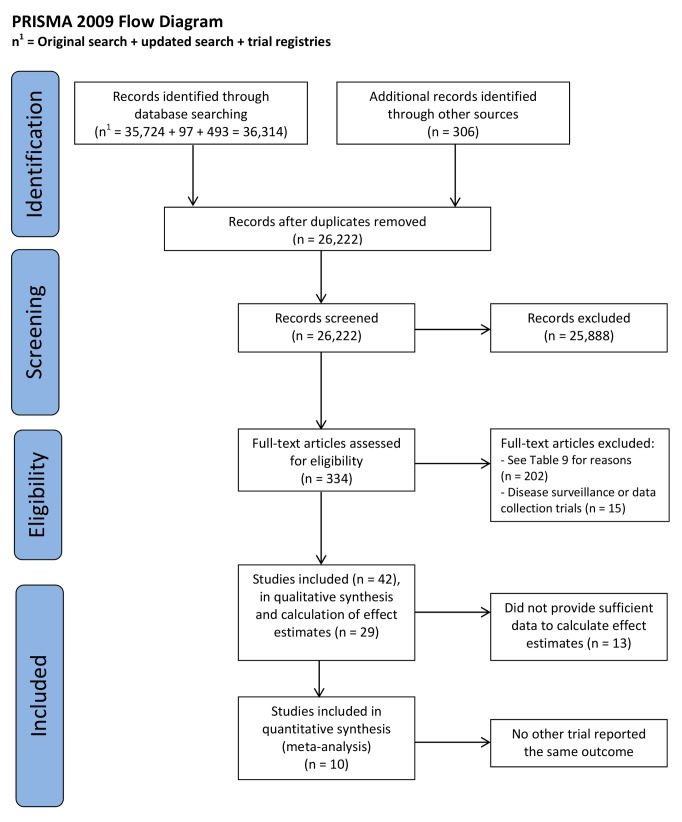
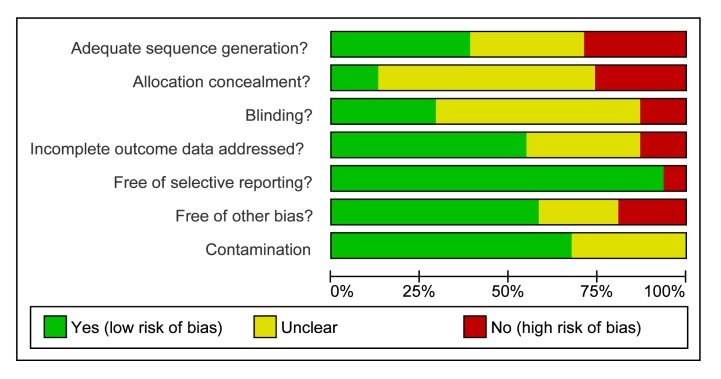
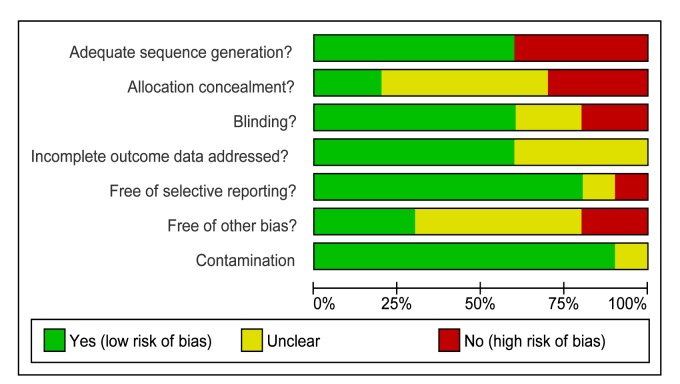
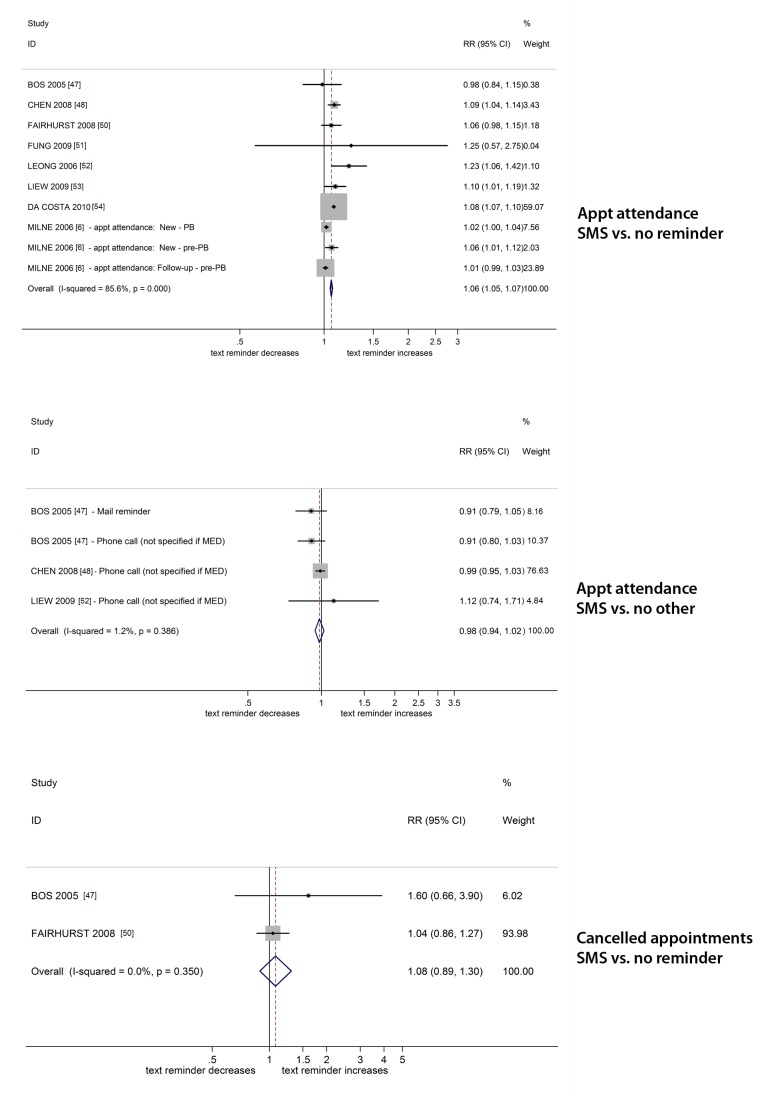
BACKGROUND: Mobile health interventions could have beneficial effects on health care delivery processes. We aimed to conduct a systematic review of controlled trials of mobile technology interventions to improve health care delivery processes. METHODS AND FINDINGS: We searched for all controlled trials of mobile technology based health interventions using MEDLINE, EMBASE, PsycINFO, Global Health, Web of Science, Cochrane Library, UK NHS HTA (Jan 1990-Sept 2010). Two authors independently extracted data on allocation concealment, allocation sequence, blinding, completeness of follow-up, and measures of effect. We calculated effect estimates and we used random effects meta-analysis to give pooled estimates. We identified 42 trials. None of the trials had low risk of bias. Seven trials of health care provider support reported 25 outcomes regarding appropriate disease management, of which 11 showed statistically significant benefits. One trial reported a statistically significant improvement in nurse/surgeon communication using mobile phones. Two trials reported statistically significant reductions in correct diagnoses using mobile technology photos compared to gold standard. The pooled effect on appointment attendance using text message (short message service or SMS) reminders versus no reminder was increased, with a relative risk (RR) of 1.06 (95% CI 1.05-1.07, I(2) = 6%). The pooled effects on the number of cancelled appointments was not significantly increased RR 1.08 (95% CI 0.89-1.30). There was no difference in attendance using SMS reminders versus other reminders (RR 0.98, 95% CI 0.94-1.02, respectively). To address the limitation of the older search, we also reviewed more recent literature. CONCLUSIONS: The results for health care provider support interventions on diagnosis and management outcomes are generally consistent with modest benefits. Trials using mobile technology-based photos reported reductions in correct diagnoses when compared to the gold standard. SMS appointment reminders have modest benefits and may be appropriate for implementation. High quality trials measuring clinical outcomes are needed. Please see later in the article for the Editors' Summary.
Overview
The claims and statistics of this paper haven’t been checked yet.
Free: it reads the open-access text and checks the first 5 claims that cite a source we can check. Create a free account to check every claim.
Integrity signals
Registry
Cites
Statistics
Figures
Verification
Claims the paper makes
The claims and statistics of this paper haven’t been checked yet.
Free: it reads the open-access text and checks the first 5 claims that cite a source we can check. Create a free account to check every claim.
Claims other papers make about this one
Each is checked against this paper’s own text: does it say what the citing paper says it does?
The source backs part of the claim, not all of it — or backs it for a different population, condition or comparison.
In the citing paper
“As per our knowledge, there has been no robust impact analysis of the m-health intervention from India [21].”
From Impact of m‐health application used by community health volunteers on improving utilisation of maternal, new‐born and child health care services in a rural area of Uttar Pradesh, India (2017) · cites this paper as [21]
Experimental — accuracy not yet measuredThe source backs part of the claim, not all of it — or backs it for a different population, condition or comparison.
In the citing paper
“Although low-cost mobile devices provide new and potentially transformative opportunities for all those working to improve health outcomes, nevertheless, to date, there is little evidence on mHealth interventions that have been implemented in LMICs and assessed in terms of specific outcomes.”
From Assessing the impact of mHealth interventions in low- and middle-income countries – what has been shown to work? (2014) · cites this paper as [7]
Experimental — accuracy not yet measuredIn the citing paper
“Another review, focused on the impact of SMS interventions, found that text messaging increased adherence to antiretroviral treatment with reductions in viral load and biochemically verified smoking cessation, yet these effects were “small and of borderline clinical importance” [9].”
From Impact of mHealth chronic disease management on treatment adherence and patient outcomes: a systematic review (2015) · cites this paper as [9]
In the citing paper
“The reported impact of mHealth interventions is mixed, with studies showing modest benefits for some clinical diagnosis and management support outcomes [9,10].”
From Impact of mHealth chronic disease management on treatment adherence and patient outcomes: a systematic review (2015) · cites this paper as [9]
In the citing paper
“One of the ways to generate demand is through quality counselling of pregnant women [21] and use of m-health with its associated audio visual support for improving the quality of counselling delivered through ASHAs.”
4 more claims about this paper
Create a free account to see every claim other papers make about this one.
Self-check
Percentages, sums and reported differences re-computed from the paper’s own numbers.
The self-check needs the paper’s full text.
Citations
Cites
Pharmacological interventions for somatoform disorders in adults
Kleinstäuber, M., Witthöft, M., Steffanowski, A., van Marwijk, H., Hiller, W., & Lambert, M. J. (2014) · Cochrane Database of Systematic Reviews · doi:10.1002/14651858.cd010628.pub2 · Cited by 11,335
Cochrane Handbook for Systematic Reviews of Interventions Version 5.0.1. The Cochrane Collaboration
Higgins, J. P. T., Green, S. R., & Higgins, J. P. T. (2008) · Cited by 7,259
Assessing the quality of controlled clinical trials
Jüni, P., Altman, D. G., & Egger, M. (2001) · BMJ · doi:10.1136/bmj.323.7303.42 · Cited by 3,309 · cited 1×
“Factors influencing heterogeneity of effect estimates include low trial quality, in particular inadequate allocation concealment [60], participant factors such as demographics or disease status, the setting (hospital, primary care), the intervention features (components, intensity, timing), the…”
Free, C., Phillips, G., Galli, L., Watson, L., Felix, L., Edwards, P., Patel, V., & Haines, A. (2013) · PLoS Medicine · doi:10.1371/journal.pmed.1001362 · Cited by 1,766 · cited 3×
“Other trials identified are reported elsewhere [13].”
InfluentialSelf-citationHealthcare via Cell Phones: A Systematic Review
Krishna, S., Boren, S. A., & Balas, E. A. (2009) · Telemedicine and e-Health · doi:10.1089/tmj.2008.0099 · Cited by 882 · cited 3×
“The review expands and updates the findings of earlier systematic reviews that focussed on specific devices, and/or specific functions, and/or specific health topics [8,11,58].”
Research Approaches to Mobile Use in the Developing World: A Review of the Literature
Donner, J. (2008) · The Information Society · doi:10.1080/01972240802019970 · Cited by 743 · cited 1×
“In low-income countries, mobile communication technology is the fastest growing sector of the communications industry and geographical coverage is high [4–7].”
Early Diagnosis of Cutaneous Melanoma: Revisiting the ABCD Criteria
Abbasi, N. R., Shaw, H. M., Rigel, D. S., Friedman, R. J., McCarthy, W. H., Osman, I., Kopf, A. W., & Polsky, D. (2004) · JAMA · doi:10.1001/jama.292.22.2771 · Cited by 668
Mobile phone messaging reminders for attendance at healthcare appointments
Gurol-Urganci, I., de Jongh, T., Vodopivec-Jamsek, V., Atun, R., & Car, J. (2013) · Cochrane Database of Systematic Reviews · doi:10.1002/14651858.cd007458.pub3 · Cited by 594 · cited 1×
“and Car that text messages can reduce missed appointments [8,59].”
Free, C., Phillips, G., Felix, L., Galli, L., Patel, V., & Edwards, P. (2010) · BMC Research Notes · doi:10.1186/1756-0500-3-250 · Cited by 539 · cited 1×
“We adhered to our published plan of investigation as outlined in the study protocol [12].”
Self-citationZurovac, D., Sudoi, R. K., Akhwale, W. S., Ndiritu, M., Hamer, D. H., Rowe, A. K., & Snow, R. W. (2011) · The Lancet · doi:10.1016/s0140-6736(11)60783-6 · Cited by 403 · cited 3×
“One high quality trial published since our literature search was completed shows benefits in adherence to malaria treatment guidelines [61].”
Influential
Research works printed but not linked: 4
- International Telecommunications Union (2010) The world in 2010: ICT facts and figures. International Telecommunication Union
- Ofcom (2009) The consumer experience: telecoms, internet and digital broadcasting 2009. Evaluation report
- McLeod TG, McNaughton DA, Hanson GJ, Borrud A (2006) Teaching geriatric functional assessment to internal medicine residents: A randomized trial of a personal digital assistant - Based tool. Journal of General Internal Medicine 21: 134– 135.16336621
- India adds 13.45 mn mobile users in Feb: TRAI. The Economic Times India
Cited by
Items 401–500 of 1,000
Lee, Y.-S., Jung, W.-M., Jang, H., Kim, S., Chung, S.-Y., & Chae, Y. (2017) · Neuropsychiatric Disease and Treatment · doi:10.2147/ndt.s120995 · Cited by 21
“Introduction Mobile health, which is the use of mobile communication and computing technologies for medicine and public health, is rapidly expanding.(1,2) A personal health record (PHR) is defined as a health record created using mobile computing technologies in which health information and personal health data are ma…”
Mental Health Care Support in Rural India: A Cluster Randomized Clinical Trial
Maulik, P. K., Daniel, M., Devarapalli, S., Kallakuri, S., Kaur, A., Ghosh, A., Billot, L., Mukherjee, A., Sagar, R., Kant, S., et al. (2024) · JAMA Psychiatry · doi:10.1001/jamapsychiatry.2024.2305 · Cited by 24
Maanaki, H., Bussiere, L., Smirnov, A. A., Du, X., Sun, Y., Arcury, T. A., Summers, P., Butler, L., Pope, C., Jensen, A., et al. (2025) · Analytical Chemistry · doi:10.1021/acs.analchem.4c06421 · Cited by 21
Kumar, R. R., Sporn, K., Paladugu, P., Khanna, A., Gowda, C., Ngo, A., Waisberg, E., Ong, J., Jagadeesan, R., & Tavakkoli, A. (2025) · Diagnostics · doi:10.3390/diagnostics15131648 · Cited by 32
Aida, A., Svensson, T., Svensson, A. K., Urushiyama, H., Okushin, K., Oguri, G., Kubota, N., Koike, K., Nangaku, M., Kadowaki, T., et al. (2020) · JMIR mhealth and uhealth · doi:10.2196/20982 · Cited by 23
“In recent years, information and communications technologies (ICTs) have advanced rapidly, and the number of mHealth apps has been increasing [13].”
BackgroundUsmanova, G., Gresh, A., Cohen, M. A., Kim, Y. M., Srivastava, A., Joshi, C. S., Bhatt, D. C., Haws, R. A., Wadhwa, R., Sridhar, P., et al. (2020) · International Journal of Environmental Research and Public Health · doi:10.3390/ijerph17228333 · Cited by 25
“Reviews support the promise of mHealth technologies supporting and sustaining quality improvement initiatives by increasing adherence to clinical guidelines [2], improving practitioner performance [6], strengthening peripartum care, and improving maternal and neonatal outcomes, particularly in resource-poor settings […”
BackgroundSteiner, J. F., Zeng, C. X., Comer, A. C., Barrow, J. C., Langer, J. N., Steffen, D. A., & Steiner, C. (2021) · JAMA Network Open · doi:10.1001/jamanetworkopen.2021.3479 · Cited by 21
Kwong, A., Eeles, A. L., Anderson, P. J., Badawi, N. A., Boyd, R. N., Cameron, K. L., Cheong, J. L. Y., Colditz, P. B., Koorts, P. J., Crowle, C., et al. (2024) · The Journal of Pediatrics · doi:10.1016/j.jpeds.2024.113949 · Cited by 21
Lee, Y., Shin, S.-Y., Kim, J.-Y., Kim, J. H., Seo, D., Joo, S., Park, J., Kim, W. S., Lee, J. H., & Bates, D. W. (2015) · Healthcare Informatics Research · doi:10.4258/hir.2015.21.4.299 · Cited by 25
“However, electronic health (e-health), a concept that is similar to u-health, which utilizes information systems by applying them to existing healthcare practices to improve the productivity of the work of the health service provider [1], has been growing in Europe and the United States even though issues regarding it…”
Background“Go Make Your Face Known”: Collaborative Working through the Lens of Personal Relationships
KING, N. M., Bravington, A., Brooks, J. M., Melvin, J., & Wilde, D. (2017) · International Journal of Integrated Care · doi:10.5334/ijic.2574 · Cited by 32
“As the use of technology to support remote electronic communication in health and social care increases [36] we need to consider why face-to-face interaction remains so important to professionals.”
BackgroundImplementation of a Smartphone application in medical education: a randomised trial (iSTART)
Martínez, F. T., Tobar, C., & Taramasco, C. (2017) · BMC Medical Education · doi:10.1186/s12909-017-1010-4 · Cited by 21
“As noted in the general public, these devices have shown significant growth in the international medical community [3], niche where they perform functions that range from undergraduate education to health resource management [4, 5].”
BackgroundGaspar, R., Yan, Z., & Domingos, S. (2019) · Technological Forecasting and Social Change · doi:10.1016/j.techfore.2019.04.029 · Cited by 21
Franzon, A. C. A., Oliveira-Ciabati, L., Bonifácio, L. P., Vieira, E. M., Andrade, M. S., Sanchez, J. A. C., Braga, G. C., Pileggi, V. N., Fernandes, M., & Souza, J. P. (2019) · Cadernos de Saúde Pública · doi:10.1590/0102-311x00111218 · Cited by 24
Haenssgen, M. J., Charoenboon, N., & Zanello, G. (2020) · World Development · doi:10.1016/j.worlddev.2020.105156 · Cited by 23
Bhardwaj, A., Subba, P., Rai, S., Bhat, C., Ghimire, R., Jordans, M. J. D., Green, E., Vasudevan, L., & Kohrt, B. A. (2020) · BMC Research Notes · doi:10.1186/s13104-020-05148-5 · Cited by 20
A framework for smartphone-enabled, patient-generated health data analysis
Gollamudi, S. S., Topol, E. J., & Wineinger, N. E. (2016) · PeerJ · doi:10.7717/peerj.2284 · Cited by 20
“…have shown that in some cases interventions using this technology alone can improve health outcomes, though this result is far from universal (see Free et al. (2013) for review) with the disparity likely due to numerous factors including poor adherence and fatigue (Shaw et al., 2016), and…”
BackgroundMonfort, G. M., Paluzié, G., Díaz-Gegúndez, M., & Chabrera, C. (2023) · Scientific Reports · doi:10.1038/s41598-023-29640-7 · Cited by 29
Improving Quality of Medical Service with Mobile Health Software
Pereira, A., Marins, F., Rodrigues, B. V. M., Portela, F., Santos, M. F., Machado, J. M., Rua, F., Silva, Á., & Abelha, A. (2015) · Procedia Computer Science · doi:10.1016/j.procs.2015.08.346 · Cited by 23
mHealth implementation in South Africa
Botha, A., & Booi, V. M. (2016) · IST-Africa Conference (IST-Africa) · doi:10.1109/istafrica.2016.7530667 · Cited by 27
“Mobile technologies have shown that it can be used to improve service delivery in multiple pilot implementations [11, 24] using a variety of mobile channels.”
BackgroundThe Confidence and Abilities to Assess a Simulated Patient Using Telemedicine
Winkelmann, Z. K., & Eberman, L. E. (2020) · Athletic Training Education Journal · doi:10.4085/1947-380x-62-19 · Cited by 22
Kruglova, K., O’Connell, S. B. L., Dawadi, S., Gelgoot, E. N., Miner, S. A., Robins, S., Schinazi, J., & Zelkowitz, P. (2021) · JMIR Formative Research · doi:10.2196/28136 · Cited by 29
Cost effectiveness of mobile health for antenatal care and facility births in Nigeria
Bowser, D. M., Shepard, D. S., Nandakumar, A., Okunogbe, A., Morrill, T., Halasa, Y., Jordan, M., Mushi, F., & Boyce, C. (2018) · Annals of Global Health · doi:10.29024/aogh.2364 · Cited by 19
Rana, R. H., Alam, K., & Gow, J. (2019) · Information Technology for Development · doi:10.1080/02681102.2019.1678455 · Cited by 21
“Moreover, past studies have also concluded that ICT use in the health sector of developed countries did not improve public health significantly (Free et al., 2013; Heeks, Mundy, & Salazar, 1999).”
BackgroundMeyer, J. P., Price, C. R., Ye, Y., Qin, Y., Tracey, D., Demidont, A. C., Melbourne, K. M., & Altice, F. L. (2022) · AIDS and Behavior · doi:10.1007/s10461-022-03709-2 · Cited by 21
Sun, M., & Jiang, L. C. (2022) · Information Processing & Management · doi:10.1016/j.ipm.2022.103096 · Cited by 22
Frimpong, S., Sunindijo, R. Y., Wang, C., Boadu, E. F., Dansoh, A., & Fagbenro, R. K. (2022) · Buildings · doi:10.3390/buildings13010022 · Cited by 26
Fu, Y., Wang, Y., Ye, X., Wu, W., & Wu, J. (2023) · Sustainability · doi:10.3390/su15021101 · Cited by 20
The future of digital health in transforming healthcare
Ramachander, A., Gowri, D. P., & Selvi, S. (2024) · Elsevier eBooks · doi:10.1016/b978-0-443-22270-2.00021-6 · Cited by 19
George, D., Amar–Singh, H. S. S., & Hassali, M. A. (2018) · Cureus · doi:10.7759/cureus.2746 · Cited by 20
E-tools for hospital management: An overview of smartphone applications for health professionals
Olivero, E., Bert, F., Thomas, R., Scarmozzino, A., Raciti, I. M., Gualano, M. R., & Siliquini, R. (2019) · International Journal of Medical Informatics · doi:10.1016/j.ijmedinf.2019.01.010 · Cited by 23
The reliability of use of WhatsApp in type 1 and type 2 pediatric supracondylar fractures
Kapıcıoğlu, M., Erden, T., Ağır, M., & Küçükdurmaz, F. (2019) · Joint Diseases and Related Surgery · doi:10.5606/ehc.2019.66166 · Cited by 21
“The smartphone and related technologies have almost become a mandatory part of communication in the today’s world.[12,13] The health-related applications of smartphones continue to improve and currently offer very important features which may facilitate patient care.”
BackgroundSekandi, J. N., Onuoha, N. A., Buregyeya, E., Zalwango, S. K., Kaggwa, P., Nakkonde, D., Kakaire, R., Atuyambe, L. M., Whalen, C. C., & Dobbin, K. K. (2021) · JMIR Research Protocols · doi:10.2196/18029 · Cited by 25
“Mounting evidence suggests increased utility and effectiveness of accessible mobile technologies in enhancing the monitoring of patients with chronic diseases [48-50].”
BackgroundApplication of mHealth to improve service delivery and health outcomes: Opportunities and challenges
Vesel, L., Hipgrave, D. B., Dowden, J., & Kariuki, W. (2015) · African Population Studies · doi:10.11564/29-1-718 · Cited by 26
“…from remote diagnosis support for community health workers (CHWs) to increasing patient treatment compliance and beyond. mHealth can target large populations at once due to its mobility and technological capacity (Free et al., 2013) and changes the way that information is accessed (WHO, 2011).”
BackgroundVives, N., Travier, N., Farré, A., Binefa, G., Vidal, C., Pérez-Lacasta, M. J., Ibáñez‐Sanz, G., de Guzmán, E. N., Panera, J. A., & García, M. (2024) · JMIR Public Health and Surveillance · doi:10.2196/57959 · Cited by 25
Development and Performance of Dengue Diagnostic Clinical Algorithms in Colombia
Caicedo-Borrero, D. M., Cuevas, J. R. T., Méndez, A. C., Parra, B., Bonelo, A., Celis, J., Villegas, L., Collazos, C., & Osório, L. (2020) · American Journal of Tropical Medicine and Hygiene · doi:10.4269/ajtmh.19-0722 · Cited by 19
“agnostic process in routine health care in resource-limited settings.(71) During the prospective validation stage, the clinical algorithms were implemented in an app designed to be used on mobile devices such as tablets or smartphones.”
MethodPushing Yourself Harder: The Effects of Mobile Touch Modes on Users’ Self-Regulation
Liu, Y., Jiang, Z. J., & Choi, B. C. F. (2022) · Information Systems Research · doi:10.1287/isre.2022.1155 · Cited by 35
Kopka, M., Slagman, A. C., Schorr, C., Krampe, H., Altendorf, M. B., Balzer, F., Bolanaki, M., Kuschick, D., Möckel, M., Napierala, H., et al. (2024) · Smart Health · doi:10.1016/j.smhl.2024.100517 · Cited by 23
Global Maternal, Newborn, and Child Health
Shetty, A. K. (2015) · Pediatric Clinics of North America · doi:10.1016/j.pcl.2015.08.001 · Cited by 24
Text Messaging Improves Participation in Laboratory Testing in Adolescent Liver Transplant Patients.
McKenzie, R., Berquist, W. E., Foley, M. A., Park, K. T., Windsheimer, J. E., & Litt, I. F. (2015) · PubMed · Cited by 23
TEMPORARY REMOVAL: Big Data analytics: Computational intelligence techniques and application areas
Iqbal, R., Doctor, F., More, B., Mahmud, S., & Yousuf, U. (2016) · International Journal of Information Management · doi:10.1016/j.ijinfomgt.2016.05.020 · Cited by 25
Attitudes Toward e-Health: The Otolaryngologists' Point of View
Holderried, M., Hoeper, A., Holderried, F., Blumenstock, G., Ernst, C., & Tropitzsch, A. S. (2017) · Telemedicine Journal and e-Health · doi:10.1089/tmj.2017.0158 · Cited by 18
(2017) · PubMed Central · Cited by 18
Improving the quality of care delivered to adolescents in Europe: a time to invest
Michaud, P., Weber, M. W., Namazova-Baranova, L. S., & Ambresin, A. (2018) · Archives of Disease in Childhood · doi:10.1136/archdischild-2017-314429 · Cited by 18
Assessing operating room turnover time via the use of mobile application
Uddin, M., Allen, R. W., Huynh, N. N., Vidal, J. M., Taaffe, K., Fredendall, L. D., & Greenstein, J. S. (2018) · mHealth · doi:10.21037/mhealth.2018.05.03 · Cited by 18
Health apps usage and preferences among Saudi patients with diabetes: A survey
Rafiullah, M., & David, S. K. (2019) · International Journal of Clinical Practice · doi:10.1111/ijcp.13345 · Cited by 20
Endehabtu, B. F., Endehabtu, B. F., Tadesse, Y., Gelagay, A. A., Tilahun, B. C., Mekonnen, Z. A., & Gashu, K. D. (2019) · Online Journal of Public Health Informatics · doi:10.5210/ojphi.v11i2.9468 · Cited by 18
“High penetration of mobile technologies has become an opportunity for resource-limited countries to improve access and quality of health care delivery [15-18].”
BackgroundHow mobile health affects primary healthcare? Questionnaire design and attitude assessment
Erfannia, L., Barman, M. P., Hussain, S., Barati, R., & Arji, G. (2020) · Digital Health · doi:10.1177/2055207620942357 · Cited by 19
Mobile Health Apps and Health Management Behaviors: Cost-Benefit Modeling Analysis
Mano, R. S. (2020) · JMIR Human Factors · doi:10.2196/21251 · Cited by 25
“Individuals’ health management includes several specific conditions that may affect the use of apps for health purposes: (1) chronic disease: previous studies have shown that those who report having a chronic illness are more likely to seek medical information and participate in online health-related forums [40,67]; (…”
BackgroundFriedman, W., Woodman, B., & Chatterji, M. (2015) · Health Policy and Planning · doi:10.1093/heapol/czu122 · Cited by 19
Mobile technology to increase parent engagement
Beecher, C. C., & Buzhardt, J. F. (2016) · Interaction design & architecture(s)/ID&A Interaction design & architecture(s) · doi:10.55612/s-5002-028-003 · Cited by 18
“Rodgers et al conducted a randomized trial (N=1705) of the effects of a text messaging intervention program on smoking cessation [43].”
BackgroundMobile Health Technology Evaluation: Innovativeness and Efficacy vs. Cost Effectiveness
Idrish, S., Rifat, A., Iqbal, M., & Nisha, N. (2017) · International Journal of Technology and Human Interaction · doi:10.4018/ijthi.2017040101 · Cited by 21
Robbins, R., Senathirajah, Y., Williams, N. J., Hutchinson, C., Rapoport, D. M., Allegrante, J. P., COHALL, A. T., Rogers, A., Ogedegbe, O., & Jean‐Louis, G. (2018) · Health Communication · doi:10.1080/10410236.2018.1423865 · Cited by 19
“Online and web-based tools, with their rich affordances and capability to deliver personalized information, thus hold the potential to improve population health (Free et al., 2013).”
BackgroundLouwagie, G. M., Morojele, N., Siddiqi, K., Mdege, N. D., Tumbo, J., Omole, O., Pitso, L., Bachmann, M. O., & Ayo-Yusuf, O. A. (2020) · Translational Behavioral Medicine · doi:10.1093/tbm/ibz100 · Cited by 17
“Mobile phone technology using SMS messages can also enhance ART adherence and smoking cessation interventions [28, 29] and potentially promote adherence to TB treatment [30].”
BackgroundHealth Applications for Corporate Health Management
Steigner, G., Doarn, C. R., Schütte, M., Matusiewicz, D., & Thielscher, C. (2017) · Telemedicine and e-Health · doi:10.1089/tmj.2016.0162 · Cited by 17
“This fits well to the lack of studies on apps.(7) Since earlier findings on Web-based corporate health management (CHM) tools yielded mixed results, it seems to be even more desirable to measure health app efficacy.”
Wu, S., Cao, W., Fu, S., Yao, B., Yang, Z., Yin, C., Mishra, V., Addison, D., Zhang, P., & Wang, D. (2025) · CHI Conference on Human Factors in Computing Systems · doi:10.1145/3706598.3714272 · Cited by 35
“AI-CDSS systems can greatly improve the efficiency of clinicians’ clinical workflow, where clinicians have to process a large amount of complicated electronic health records (EHRs) data to make informed clinical decisions [32, 34, 93, 94].”
Cohen, A. S. (2019) · Psychological Assessment · doi:10.1037/pas0000694 · Cited by 18
Laar, A. S., Harris, M. L., Shifti, D. M., & Loxton, D. J. (2022) · BMC Health Services Research · doi:10.1186/s12913-022-08512-2 · Cited by 20
Empower Psychotherapy with mHealth Apps: The Design of “Safer”, an Emotion Regulation Application
Diano, F., Sica, L. S., & Ponticorvo, M. (2023) · Information · doi:10.3390/info14060308 · Cited by 21
“We can also trace the evolution of mHealth apps alongside the progress in mobile and digital technologies [2,7–11].”
Velayutham, B., Thomas, B. E., Nair, D., Thiruvengadam, K., Prashant, S., Kittusami, S., Vijayakumar, H., Chidambaram, M., Shivakumar, S. V. B. Y., Jayabal, L., et al. (2015) · PLoS ONE · doi:10.1371/journal.pone.0138274 · Cited by 17
The MomConnect Nurses and Midwives Support Platform (NurseConnect): A Qualitative Process Evaluation
Fischer, A. E., Sebidi, J., Barron, P., & Lalla‐Edward, S. T. (2019) · JMIR mhealth and uhealth · doi:10.2196/11644 · Cited by 23
“Many studies have shown the positive effects of mHealth interventions on health care workers in low- and middle-income countries [13-15]; however, many of these platforms were pilot projects that failed to scale up successfully [16,17].”
Babbage, D. R., van Kessel, K., Terraschke, A., Drown, J., & Elder, H. (2020) · BMJ Open · doi:10.1136/bmjopen-2020-037892 · Cited by 21
Holst, C., Sukums, F. K., Ngowi, B. J., Diep, L. M., Kebede, T. A., Noll, J., & Winkler, A. S. (2021) · JMIR Research Protocols · doi:10.2196/25128 · Cited by 19
McDevitt, B., Moore, L. D., Akhtar, N., Connolly, J., Doherty, R., & Scott, W. (2021) · Sensors · doi:10.3390/s21062034 · Cited by 21
Hazel, C. A., Bull, S. S., Greenwell, E., Bunik, M. E., Puma, J. E., & Perraillon, M. C. (2021) · Digital Health · doi:10.1177/20552076211000559 · Cited by 18
“To date, few replication studies exist, and best strategies for effectiveness assessments and user engagement at scale are insufficient.(8,12,14,15) In part, institutional adoption is necessary to develop better evidence for program effectiveness, implementation and evaluation.”
BackgroundTeerawattananon, Y., McQueston, K., Glassman, A. L., Yothasamut, J., & Myint, C. Y. (2013) · Globalization and Health · doi:10.1186/1744-8603-9-35 · Cited by 19
Artificial intelligence in cardiology: applications, benefits and challenges
Constantinides, P., & Fitzmaurice, D. (2018) · British Journal of Cardiology · doi:10.5837/bjc.2018.024 · Cited by 18
Clarke, S., Wylie, G., & Zomer, H. (2013) · Information Technologies and International Development · Cited by 26
Müssener, U., Linderoth, C., & Bendtsen, M. (2018) · JMIR Human Factors · doi:10.2196/12139 · Cited by 16
“A growing body of evidence has accumulated in support of the efficacy of short message service (SMS) text messaging programs on mobile phones for health behavior change, including smoking cessation [3-6].”
BackgroundA scoping review of the information provided by fertility smartphone applications
Ford, E. A., Peters, A. E., Roman, S. D., McLaughlin, E. A., Beckett, E., & Sutherland, J. M. (2021) · Human Fertility · doi:10.1080/14647273.2021.1871784 · Cited by 18
Donovan, G., Hall, N. J., Ling, J., Smith, F. J., & Wilkes, S. (2022) · British Journal of Health Psychology · doi:10.1111/bjhp.12580 · Cited by 20
O’Reilly, P. M. R., Harney, O., Hogan, M., Mitchell, C., McGuire, B. E., & Slattery, B. W. (2022) · Digital Health · doi:10.1177/20552076221105484 · Cited by 17
“eHealth interventions are an important tool for healthcare practitioners to aid patients with the self-management of their condition.(3,60) The current study adds to previous research which highlights the lack of consideration of middle-aged and older adults in the designing of eHealth technologies for the self12 DIGI…”
MethodBakhshaie, J., Fishbein, N. S., Woodworth, E. C., Liyanage, N., Penn, T. M., Elwy, A. R., & Vranceanu, A. (2023) · Social Work in Health Care · doi:10.1080/00981389.2023.2205909 · Cited by 16
“Finally, providers reported lack of access to technology as a factor impacting care and orthopedic trauma outcomes (Chun, Zhang, Nguyen, Lee, et al., 2021; Free et al., 2013).”
BackgroundAdvancing spine care through AI and machine learning: overview and applications
Cina, A., & Galbusera, F. (2024) · EFORT Open Reviews · doi:10.1530/eor-24-0019 · Cited by 18
“Besides, the use of machine learning in health care has the potential to contribute to enhancing the efficiency of health-care systems ( 7, 8).”
BackgroundAbidi, S., Vallis, M., Raza Abidi, S. S., Piccinini-Vallis, H., & Imran, S. A. (2014) · Canadian Journal of Diabetes · doi:10.1016/j.jcjd.2014.03.006 · Cited by 16
Moyo, F., Mazanderani, A. H., Bhardwaj, S., Mhlongo, O., Kufa, T., Ng'oma, K., Smith, B. A., & Sherman, G. G. (2018) · South African Medical Journal · doi:10.7196/samj.2017.v108i4.12630 · Cited by 16
Willingness to Pay for Condoms among Men in Sub-Saharan Africa
Evans, W. D., Kadirov, K., Thior, I., Ganesan, R., Ulasevich, A., & Deperthes, B. (2018) · International Journal of Environmental Research and Public Health · doi:10.3390/ijerph16010034 · Cited by 17
“should test novel demand creation strategies, such as branding and use of digital technologies to reach consumers [30].”
BackgroundMustapha, A. Y. (2022) · International Journal of Multidisciplinary Research and Growth Evaluation · doi:10.54660/.ijmrge.2022.3.1.1020-1033 · Cited by 18
Aleo, C. L., Hark, L. A., Leiby, B. E., Dai, Y., Murchison, A. P., Martinez, P., & Haller, J. A. (2014) · Telemedicine Journal and e-Health · doi:10.1089/tmj.2013.0365 · Cited by 18
Health Information Technology Needs Help from Primary Care Researchers
Krist, A. H., Green, L. A., Phillips, R. L., Beasley, J. W., DeVoe, J. E., Klinkman, M. S., Hughes, J., Puro, J. E., Fox, C. H., Burdick, T. E., et al. (2015) · The Journal of the American Board of Family Medicine · doi:10.3122/jabfm.2015.03.140246 · Cited by 17
“Mobile health is showing promise in promoting communication and health behavior change.(17,18)”
BackgroundSmaldone, A. M., Stockwell, M. S., Osborne, J. C., Cortés, Y. I., Bekele, E., & Green, N. (2015) · Journal of Public Health Research · doi:10.4081/jphr.2015.376 · Cited by 19
Gelano, T. F., Assefa, N., Bacha, Y. D., Mahamed, A. A., Roba, K. T., & Hambisa, M. T. (2018) · Trials · doi:10.1186/s13063-018-2446-5 · Cited by 18
“adherence to treatment and appointments [3].”
Moriarty, A. S., Louwagie, G. M. C., Mdege, N. D., Morojele, N. K., Tumbo, J. M., Omole, O. B., Bachmann, M. O., Kanaan, M. N., Turner, A. C., Parrott, S., et al. (2019) · Trials · doi:10.1186/s13063-019-3551-9 · Cited by 18
“There is also evidence to suggest that adherence to ART [33] and possibly TB medication [34], as well as tobacco cessation can be enhanced with the use of short message service (SMS) text messages on mobile phone technology [35].”
BackgroundFotso, J. C., Bellhouse, L., Vesel, L., & Jezman, Z. (2015) · African Population Studies · doi:10.11564/29-1-717 · Cited by 16
“Major components of most MNCH mHealth interventions include stimulating demand and awareness for uptake of healthy behaviors through provision of information and services (Free et al 2013, mHealth Alliance 2012).”
BackgroundEconomic and Social Development along the Urban-Rural Continuum: New Opportunities to Inform Policy
Cattaneo, A., Adukia, A., Brown, D. L., Christiaensen, L., Evans, D. K., Haakenstad, A., McMenomy, T., Partridge, M. D., Vaz, S., & Weiss, D. J. (2021) · World Bank, Washington, DC eBooks · doi:10.1596/1813-9450-9756 · Cited by 24
“For example, mobile health clinics and temporary facilities can provide health-care for remote populations (Free et al., 2013).”
Background(2018) · doi:10.2196/medinform.8154 · Cited by 15
“Mobile technology can facilitate communication between health workers [15].”
BackgroundJiang, X., Yuan, X., Chen, J.-M., Yu, H., Chen, X., Chen, Y., Li, S., Wen, Y.-E., & Peng, J. (2025) · International Journal of Nursing Studies · doi:10.1016/j.ijnurstu.2025.105092 · Cited by 17
Satibi, S., Ghozali, M. T., & Forthwengel, G. (2023) · Journal of Medicine and Life · doi:10.25122/jml-2023-0153 · Cited by 23
Yeung, A. W. K., Litvinova, O., Bragazzi, N. L., Khader, Y. S., Rahman, M. M., Said, Z., Istepanian, R. S. H., Koulaouzidis, A., Aremu, A. O., Flanagan, J. M., et al. (2024) · Exploration of Digital Health Technologies · doi:10.37349/edht.2024.00013 · Cited by 18
Digital Health Revolution in India: Transforming Health and Medicine
Rana, R. K., Kapoor, N., Kumar, D., Verma, M., & Taneja, G. (2024) · Indian Journal of Community Medicine · doi:10.4103/ijcm.ijcm_803_24 · Cited by 23
Text Reminders in Colorectal Cancer Screening (TRICCS): Protocol for a randomised controlled trial
Hirst, Y., Kerrison, R., Kobayashi, L. C., Counsell, N., Djedovic, N. K., Ruwende, J., Stewart, M., & von Wagner, C. (2015) · BMC Public Health · doi:10.1186/s12889-016-2733-6 · Cited by 17
“health (m-health) technologies to promote adherence to healthcare appointments [12, 13].”
BackgroundBardus, M., Smith, J. R., Samaha, L., & Abraham, C. (2016) · European Journal of Public Health · doi:10.1093/eurpub/ckw090 · Cited by 18
Chen, S., Gong, E., Kazi, D. S., Gates, A. B., Karaye, K. M., Girerd, N., Bai, R., AlHabib, K. F., Li, C., Sun, K., et al. (2016) · Journal of Medical Engineering & Technology · doi:10.1080/03091902.2016.1213904 · Cited by 16
Kabanda, S. M., & Rother, H. (2019) · BMC Medical Informatics and Decision Making · doi:10.1186/s12911-019-0791-2 · Cited by 18
Lechat, L., Bonnet, E., Queuille, L., Traore, Z. I., Somé, P., & Ridde, V. (2019) · International Journal of Health Policy and Management · doi:10.15171/ijhpm.2019.13 · Cited by 17
Jain, Y. S., Garg, A., Jhamb, D. K., Jain, P., & Karar, A. (2019) · Cardiovascular & Hematological Agents in Medicinal Chemistry · doi:10.2174/1871525717666190912152938 · Cited by 19
Davoudi, M., Ghezeljeh, T. N., & Aghouee, F. V. (2020) · JMIR Nursing · doi:10.2196/20747 · Cited by 21
Park, M., Bui, L. K., Jeong, M., Choi, E. J., Lee, N., Kwak, M., Kim, J., Kim, J., Jung, J., Giap, T., et al. (2021) · International Journal of Medical Informatics · doi:10.1016/j.ijmedinf.2021.104590 · Cited by 20
PlanTEA: Supporting Planning and Anticipation for Children with ASD Attending Medical Appointments
Hernández, P., Molina, A. I., Lacave, C., Rusu, C., & Toledano-González, A. (2022) · Applied Sciences · doi:10.3390/app12105237 · Cited by 18
Ludwin, S. M., & Greysen, S. R. (2015) · Journal of Hospital Medicine · doi:10.1002/jhm.2365 · Cited by 15
Short message service (SMS) as an educational tool during pregnancy: A literature review
Lamont, K. T., Sliwa, K. S., Stewart, S., Carrington, M. J., Pretorius, S., Libhaber, E. N., Wiysonge, C. S., Adebayo, E. F., & Klipstein‐Grobusch, K. (2016) · Health Education Journal · doi:10.1177/0017896915607910 · Cited by 19
“Mobile technologies make people more contactable and as such offer a useful tool to deliver education and improve health-seeking behaviour or health-related lifestyle decisions (Free et al., 2013).”
Metadata
- Authors
- Free, C., Phillips, G., Watson, L., Galli, L., Felix, L., Edwards, P., Patel, V., & Haines, A.
- Affiliations
- London School of Hygiene & Tropical Medicine (GB)
- University of Warwick (GB)
- Imperial College London (GB)
- Corresponding author
- Free, Caroline
- Venue
- PLoS Medicine
- Publisher
- Public Library of Science (PLoS)
- Published
- 2013-01-15
- Volume
- 10
- Issue
- 1
- Pages
- e1001363
- ISSN
- 1549-1277 (ISSN-L)
- 1549-1676
- PMC
- PMC3566926
- OpenAlex
- W1977977041
- Cited by
- 1,187
- References
- 70
- Citations by year
- 2026: 71 · 2025: 72 · 2024: 91 · 2023: 55 · 2022: 61 · 2021: 97 · 2020: 102 · 2019: 104 · 2018: 125 · 2017: 94 · 2016: 115 · 2015: 87 · 2014: 80 · 2013: 31
- FWCI
- 12.56
- Type
- journal article
- Language
- en
- Open access
- gold
- doi.org
- Locations
- PLoS Medicine (publishedVersion, cc-by)
- Europe PMC (PubMed Central) (publishedVersion, cc-by)
- PubMed Central (publishedVersion, cc-by)
- PubMed (publishedVersion)
- Research Explorer (The University of Manchester) (publishedVersion, other-oa)
- LSHTM Research Online (London School of Hygiene and Tropical Medicine) (acceptedVersion)
- DOAJ (DOAJ: Directory of Open Access Journals) (submittedVersion, cc-by-sa)
- Figshare (submittedVersion, cc-by)
- Funders
- Wellcome Trust (091834)
- National Institute for Health and Care Research
- Topics
- Health Sciences › Health Professions › General Health Professions › Mobile Health and mHealth Applications
- Health Sciences › Medicine › Public Health, Environmental and Occupational Health › Telemedicine and Telehealth Implementation
- Physical Sciences › Computer Science › Information Systems › Mobile Learning in Education
- Keywords
- mobile health, health care delivery, healthcare provider support, appointment attendance, appointment cancellation, diagnostic accuracy, disease management
- MeSH terms
- Clinical Trials as Topic, Communication, Health Personnel, Health Services, Humans, Bias, Treatment Outcome, Telemedicine, Disease Management, Biomedical Technology
About these checks
Registry, retraction, Cites and statistics results are computed, not judged, with one exception: a printed reference that no index lists is read once by a model before it counts as a citation error. Claims are extracted by a model and kept only when their quote appears verbatim in the text; each cited source is then checked, with a model’s help, for whether it says what the claim relies on. Those verdicts can be wrong — read the claim’s quote and the cited source before relying on one.
Statistics and arithmetic are recomputed, not judged.
Confidence bands are shown only for fields calibrated on our annotated test set. None is calibrated yet, so no band is shown.
What counts as a claim ›How we measure confidence ›How we check this ›
Are you an author, or do you see a problem with this page? Request a review
Data sources
Bibliographic data: Semantic Scholar, OpenAlex, Crossref.
Contains information from the Semantic Scholar Academic Graph Datasets, made available under the ODC Attribution License (ODC-BY 1.0).
Semantic Scholar’s data is described in: Kinney, R., et al. (2023). The Semantic Scholar Open Data Platform. arXiv:2301.10140.
