

The Effectiveness of Mobile-Health Technologies to Improve Health Care Service Delivery Processes: A Systematic Review and Meta-Analysis
Open accessThe DOI matches its Crossref record; 69 of the 70 references it cites were found in a registry or an index.
Abstract
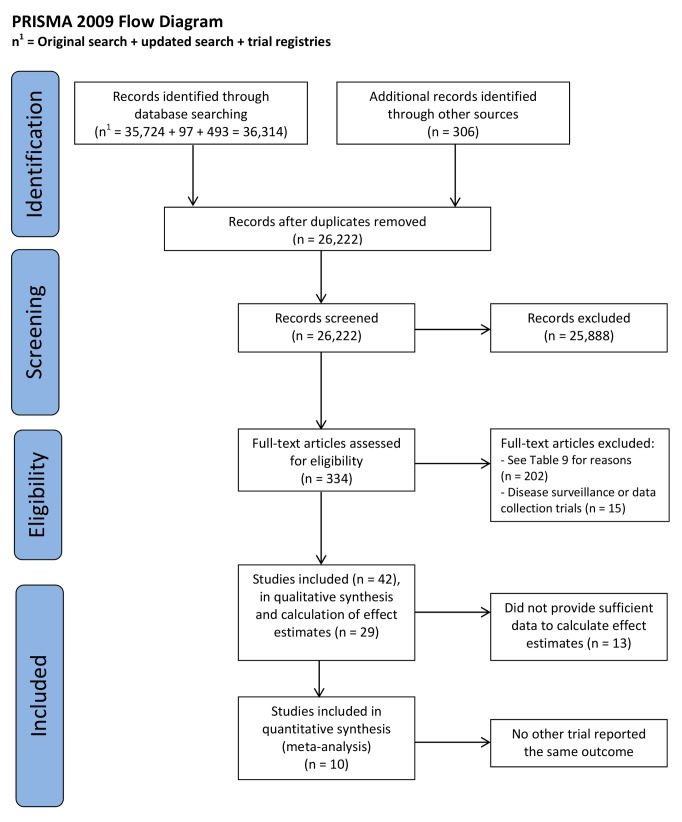
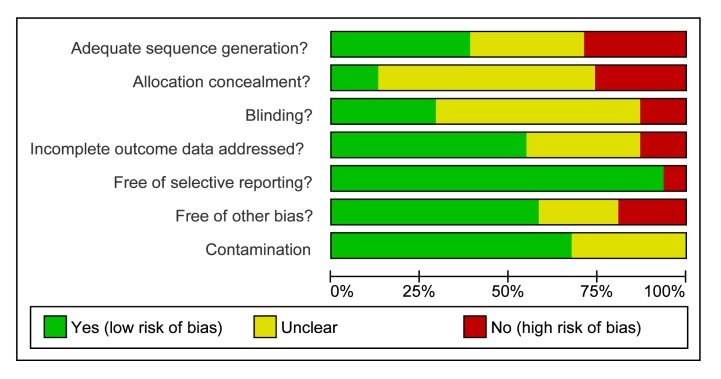
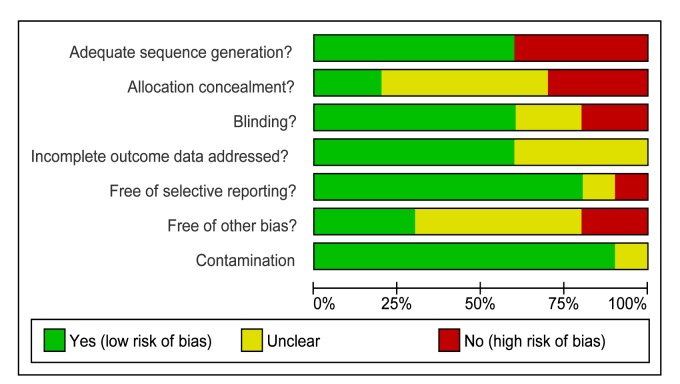
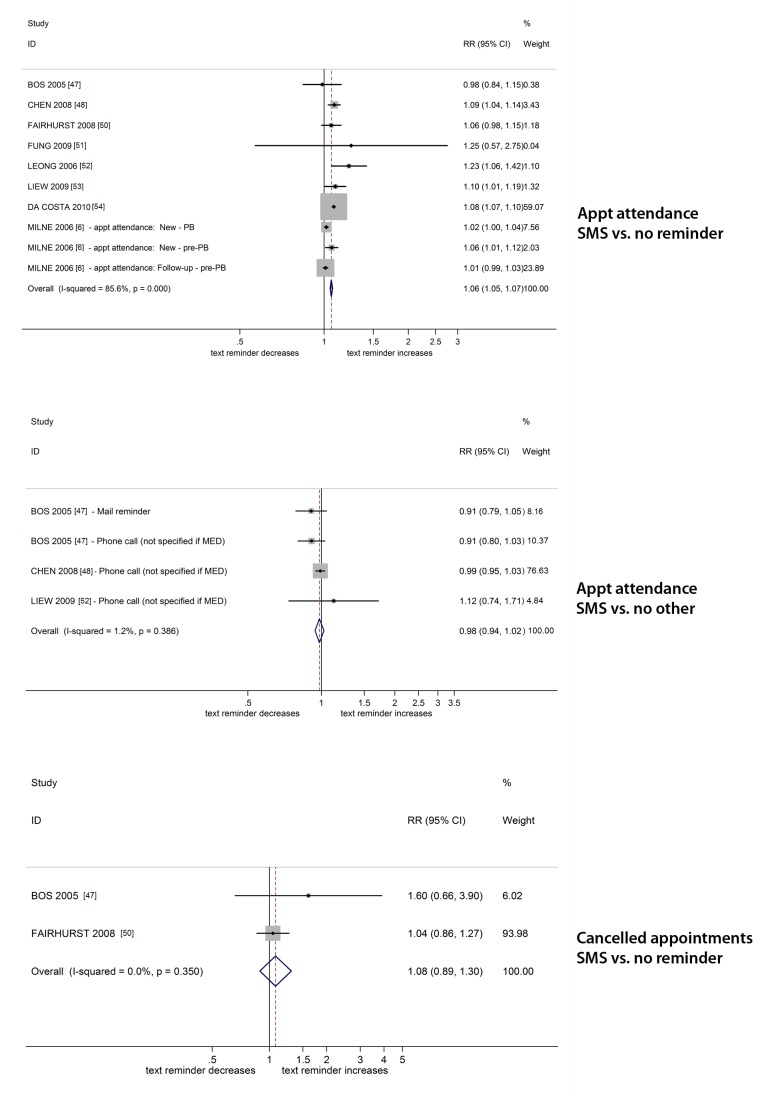
BACKGROUND: Mobile health interventions could have beneficial effects on health care delivery processes. We aimed to conduct a systematic review of controlled trials of mobile technology interventions to improve health care delivery processes. METHODS AND FINDINGS: We searched for all controlled trials of mobile technology based health interventions using MEDLINE, EMBASE, PsycINFO, Global Health, Web of Science, Cochrane Library, UK NHS HTA (Jan 1990-Sept 2010). Two authors independently extracted data on allocation concealment, allocation sequence, blinding, completeness of follow-up, and measures of effect. We calculated effect estimates and we used random effects meta-analysis to give pooled estimates. We identified 42 trials. None of the trials had low risk of bias. Seven trials of health care provider support reported 25 outcomes regarding appropriate disease management, of which 11 showed statistically significant benefits. One trial reported a statistically significant improvement in nurse/surgeon communication using mobile phones. Two trials reported statistically significant reductions in correct diagnoses using mobile technology photos compared to gold standard. The pooled effect on appointment attendance using text message (short message service or SMS) reminders versus no reminder was increased, with a relative risk (RR) of 1.06 (95% CI 1.05-1.07, I(2) = 6%). The pooled effects on the number of cancelled appointments was not significantly increased RR 1.08 (95% CI 0.89-1.30). There was no difference in attendance using SMS reminders versus other reminders (RR 0.98, 95% CI 0.94-1.02, respectively). To address the limitation of the older search, we also reviewed more recent literature. CONCLUSIONS: The results for health care provider support interventions on diagnosis and management outcomes are generally consistent with modest benefits. Trials using mobile technology-based photos reported reductions in correct diagnoses when compared to the gold standard. SMS appointment reminders have modest benefits and may be appropriate for implementation. High quality trials measuring clinical outcomes are needed. Please see later in the article for the Editors' Summary.
Overview
The claims and statistics of this paper haven’t been checked yet.
Free: it reads the open-access text and checks the first 5 claims that cite a source we can check. Create a free account to check every claim.
Integrity signals
Registry
Cites
Statistics
Figures
Verification
Claims the paper makes
The claims and statistics of this paper haven’t been checked yet.
Free: it reads the open-access text and checks the first 5 claims that cite a source we can check. Create a free account to check every claim.
Claims other papers make about this one
Each is checked against this paper’s own text: does it say what the citing paper says it does?
The source backs part of the claim, not all of it — or backs it for a different population, condition or comparison.
In the citing paper
“As per our knowledge, there has been no robust impact analysis of the m-health intervention from India [21].”
From Impact of m‐health application used by community health volunteers on improving utilisation of maternal, new‐born and child health care services in a rural area of Uttar Pradesh, India (2017) · cites this paper as [21]
Experimental — accuracy not yet measuredThe source backs part of the claim, not all of it — or backs it for a different population, condition or comparison.
In the citing paper
“Although low-cost mobile devices provide new and potentially transformative opportunities for all those working to improve health outcomes, nevertheless, to date, there is little evidence on mHealth interventions that have been implemented in LMICs and assessed in terms of specific outcomes.”
From Assessing the impact of mHealth interventions in low- and middle-income countries – what has been shown to work? (2014) · cites this paper as [7]
Experimental — accuracy not yet measuredIn the citing paper
“Another review, focused on the impact of SMS interventions, found that text messaging increased adherence to antiretroviral treatment with reductions in viral load and biochemically verified smoking cessation, yet these effects were “small and of borderline clinical importance” [9].”
From Impact of mHealth chronic disease management on treatment adherence and patient outcomes: a systematic review (2015) · cites this paper as [9]
In the citing paper
“The reported impact of mHealth interventions is mixed, with studies showing modest benefits for some clinical diagnosis and management support outcomes [9,10].”
From Impact of mHealth chronic disease management on treatment adherence and patient outcomes: a systematic review (2015) · cites this paper as [9]
In the citing paper
“One of the ways to generate demand is through quality counselling of pregnant women [21] and use of m-health with its associated audio visual support for improving the quality of counselling delivered through ASHAs.”
4 more claims about this paper
Create a free account to see every claim other papers make about this one.
Self-check
Percentages, sums and reported differences re-computed from the paper’s own numbers.
The self-check needs the paper’s full text.
Citations
Cites
Pharmacological interventions for somatoform disorders in adults
Kleinstäuber, M., Witthöft, M., Steffanowski, A., van Marwijk, H., Hiller, W., & Lambert, M. J. (2014) · Cochrane Database of Systematic Reviews · doi:10.1002/14651858.cd010628.pub2 · Cited by 11,335
Cochrane Handbook for Systematic Reviews of Interventions Version 5.0.1. The Cochrane Collaboration
Higgins, J. P. T., Green, S. R., & Higgins, J. P. T. (2008) · Cited by 7,259
Assessing the quality of controlled clinical trials
Jüni, P., Altman, D. G., & Egger, M. (2001) · BMJ · doi:10.1136/bmj.323.7303.42 · Cited by 3,309 · cited 1×
“Factors influencing heterogeneity of effect estimates include low trial quality, in particular inadequate allocation concealment [60], participant factors such as demographics or disease status, the setting (hospital, primary care), the intervention features (components, intensity, timing), the…”
Free, C., Phillips, G., Galli, L., Watson, L., Felix, L., Edwards, P., Patel, V., & Haines, A. (2013) · PLoS Medicine · doi:10.1371/journal.pmed.1001362 · Cited by 1,766 · cited 3×
“Other trials identified are reported elsewhere [13].”
InfluentialSelf-citationHealthcare via Cell Phones: A Systematic Review
Krishna, S., Boren, S. A., & Balas, E. A. (2009) · Telemedicine and e-Health · doi:10.1089/tmj.2008.0099 · Cited by 882 · cited 3×
“The review expands and updates the findings of earlier systematic reviews that focussed on specific devices, and/or specific functions, and/or specific health topics [8,11,58].”
Research Approaches to Mobile Use in the Developing World: A Review of the Literature
Donner, J. (2008) · The Information Society · doi:10.1080/01972240802019970 · Cited by 743 · cited 1×
“In low-income countries, mobile communication technology is the fastest growing sector of the communications industry and geographical coverage is high [4–7].”
Early Diagnosis of Cutaneous Melanoma: Revisiting the ABCD Criteria
Abbasi, N. R., Shaw, H. M., Rigel, D. S., Friedman, R. J., McCarthy, W. H., Osman, I., Kopf, A. W., & Polsky, D. (2004) · JAMA · doi:10.1001/jama.292.22.2771 · Cited by 668
Mobile phone messaging reminders for attendance at healthcare appointments
Gurol-Urganci, I., de Jongh, T., Vodopivec-Jamsek, V., Atun, R., & Car, J. (2013) · Cochrane Database of Systematic Reviews · doi:10.1002/14651858.cd007458.pub3 · Cited by 594 · cited 1×
“and Car that text messages can reduce missed appointments [8,59].”
Free, C., Phillips, G., Felix, L., Galli, L., Patel, V., & Edwards, P. (2010) · BMC Research Notes · doi:10.1186/1756-0500-3-250 · Cited by 539 · cited 1×
“We adhered to our published plan of investigation as outlined in the study protocol [12].”
Self-citationZurovac, D., Sudoi, R. K., Akhwale, W. S., Ndiritu, M., Hamer, D. H., Rowe, A. K., & Snow, R. W. (2011) · The Lancet · doi:10.1016/s0140-6736(11)60783-6 · Cited by 403 · cited 3×
“One high quality trial published since our literature search was completed shows benefits in adherence to malaria treatment guidelines [61].”
Influential
Research works printed but not linked: 4
- International Telecommunications Union (2010) The world in 2010: ICT facts and figures. International Telecommunication Union
- Ofcom (2009) The consumer experience: telecoms, internet and digital broadcasting 2009. Evaluation report
- McLeod TG, McNaughton DA, Hanson GJ, Borrud A (2006) Teaching geriatric functional assessment to internal medicine residents: A randomized trial of a personal digital assistant - Based tool. Journal of General Internal Medicine 21: 134– 135.16336621
- India adds 13.45 mn mobile users in Feb: TRAI. The Economic Times India
Cited by
Items 301–400 of 1,000
Zahiruddin, Q. S., Gaidhane, A. M., Sinha, A., Khatib, M. N., Simkhada, P. P., Behere, P. B., Saxena, D. B., Unnikrishnan, B., Khatib, M., & Ahmed, M. (2018) · Indian Journal of Community Medicine · doi:10.4103/ijcm.ijcm_143_18 · Cited by 33
“In precise, an electronic media intervention can be provided to a greater number of people at a low cost.[8,9]”
BackgroundWu, N., Gong, E., Wang, B., Gu, W., Nan, D., Zhang, Z., Chen, M., Yan, L. L., Oldenburg, B. F., & Xu, L.-Q. (2019) · JMIR mhealth and uhealth · doi:10.2196/13503 · Cited by 40
“There is an increasing body of evidence demonstrating that mHealth-based programs could improve health care service delivery and quality of care among people with chronic conditions [9-12].”
BackgroundBangerter, A., Manyakov, N. V., Lewin, D., Boice, M., Skalkin, A., Jagannatha, S., Chatterjee, M., Dawson, G., Goodwin, M. S., Hendren, R. L., et al. (2019) · JMIR Mental Health · doi:10.2196/11365 · Cited by 37
“Although the use of apps to monitor and track health data is expanding [45-47], adoption of e-tech into clinical trials has been slow [48].”
Use of mobile apps for controlling of the urinary incontinence: A systematic review
Nagib, A. B. L., Riccetto, C., Martinho, N., Pennisi, P. R. C., Blumenberg, C., Paranhos, L. R., & Botelho, S. (2020) · Neurourology and Urodynamics · doi:10.1002/nau.24335 · Cited by 38
Exploring the Role of Service Quality and Knowledge for Mobile Health Services
Nisha, N., Iqbal, M., Rifat, A., & Idrish, S. (2016) · International Journal of E-Business Research · doi:10.4018/ijebr.2016040104 · Cited by 36
Ampt, F. H., Mudogo, C. M., Gichangi, P., Lim, M. S. C., Manguro, G., Chersich, M., Jaoko, W. G., Temmerman, M., Laini, M., Comrie‐Thomson, L., et al. (2017) · BMJ Open · doi:10.1136/bmjopen-2017-017388 · Cited by 35
Ryan, S., Chasaide, N. N., Hanrahan, S. O., Corcoran, D., Caulfield, B., & Argent, R. (2022) · JMIR Rehabilitation and Assistive Technologies · doi:10.2196/34355 · Cited by 38
“The current capabilities and ubiquity of mobile devices make them a valuable tool for improving the delivery of health care services and providing scalable, low-cost interventions [15].”
BackgroundUsing Technology to Assess and Promote Adherence to Medical Regimens in Pediatric Chronic Illness
Wu, Y. P., & Hommel, K. A. (2013) · The Journal of Pediatrics · doi:10.1016/j.jpeds.2013.11.013 · Cited by 38
Using automated voice calls to improve adherence to iron supplements during pregnancy: a pilot study
Pai, N., Supe, P., Kore, S. J., Nandanwar, Y. S., Hegde, A., Cutrell, E. B., & Thies, W. (2013) · International Conference on Information and Communication Technologies and Development (ICTD) · doi:10.1145/2516604.2516608 · Cited by 46
“, who examine a total of 117 randomized controlled trials of mHealth projects [62, 63].”
BackgroundRusatira, J. C., Tomaszewski, B. M., Dusabejambo, V., Ndayiragije, V., Gonsalves, S., Sawant, A., Mumararungu, A., Gasana, G., Amendezo, E., Haake, A. R., et al. (2016) · JMIR Medical Education · doi:10.2196/mededu.5336 · Cited by 33
Next steps towards universal health coverage call for global leadership
Bloom, G., Katsuma, Y., Rao, K. D., Makimoto, S., Yin, J. D.-C., & Leung, G. M. (2019) · BMJ · doi:10.1136/bmj.l2107 · Cited by 40
Kabongo, E. M., Mukumbang, F. C., Delobelle, P., & Nicol, E. (2019) · BMJ Open · doi:10.1136/bmjopen-2019-029745 · Cited by 31
Floch, J., Vilarinho, T., Zettl, A., Ibáñez-Sánchez, G., Calvo‐Lerma, J., Stav, E., Haro, P. H., Aalberg, A. L., Fides-Valero, Á., & Bayo-Montón, J.-L. (2020) · JMIR mhealth and uhealth · doi:10.2196/15896 · Cited by 33
Holderried, M., Hoeper, A., Holderried, F., Heyne, N., Nadalin, S., Unger, O., Ernst, C., & Guthoff, M. (2021) · Scientific Reports · doi:10.1038/s41598-021-88447-6 · Cited by 37
Sanders, J. G., Spruijt, P., van Dijk, M., Elberse, J., Lambooij, M., Kroese, F. M., & de Bruin, M. (2021) · Eurosurveillance · doi:10.2807/1560-7917.es.2021.26.36.2100792 · Cited by 31
“This may be realised through use of localised or mobile vaccination sites [14,15] with walk-in or drive-through appointments [16,17], sending reminder messages or letters to get vaccinated (cue to action; consider timing, intensity and content of messages [20]), or by facilitating peer-to-peer social media sharing to…”
BackgroundStockwell, M. S., Reed, C., Vargas, C. Y., Camargo, S., Garretson, A. F., Alba, L. R., LaRussa, P. S., Finelli, L., Larson, E., & Saiman, L. M. (2014) · American Journal of Epidemiology · doi:10.1093/aje/kwu303 · Cited by 31
“2014;180(12):1196–1201 American Journal of Epidemiology”
MethodCombining personal diaries with territorial intelligence to empower diabetic patients
Sebillo, M., Tortora, G., Tucci, M., Vitiello, G., Ginige, A., & Giovanni, P. D. (2015) · Journal of Visual Languages & Computing · doi:10.1016/j.jvlc.2015.03.002 · Cited by 34
Kumar, P. A., Paton, C., & Kirigia, D. G. (2016) · Archives of Disease in Childhood · doi:10.1136/archdischild-2015-308556 · Cited by 41
E-health in low to middle income countries
Clifford, G. D. (2016) · Journal of Medical Engineering & Technology · doi:10.1080/03091902.2016.1256081 · Cited by 31
“[8] Key challenges for mHealth solutions in lower resource environments include not only cost, but also the socio-cultural context and the formal or informal healthcare systems in place.”
BackgroundAlshurafa, N. I., Jain, J., Alharbi, R., Iakovlev, G., Spring, B. J., & Pfammatter, A. F. (2018) · Proceedings of the ACM on Interactive Mobile Wearable and Ubiquitous Technologies · doi:10.1145/3287031 · Cited by 41
“The ease of access to information on mobile devices has increased the reach of health behavior change interventions and the potential for remote health monitoring [23, 38].”
Cartujano‐Barrera, F., Arana‐Chicas, E., Ramírez, M., Perales‐Puchalt, J., Cox, L. S., Ellerbeck, E. F., Catley, D., & Cupertino, A. P. (2019) · Patient Preference and Adherence · doi:10.2147/ppa.s209547 · Cited by 30
Huang, K., Lee, D., Nakigudde, J., Cheng, S., Gouley, K. K., Mann, D., Schoenthaler, A., Chokshi, S. K., Kisakye, E. N., Tusiime, C., et al. (2019) · Frontiers in Psychiatry · doi:10.3389/fpsyt.2019.00806 · Cited by 35
“…model (15, 18). eHealth has been recommended by the WHO as a health service-strengthening strategy, and shown to be effective in promoting individual patient health, enhancing family engagement, health knowledge, service access, team communication, and emergency support globally (19).”
BackgroundKurumop, S. F., Bullen, C., Whittaker, R., Betuela, I., Hetzel, M. W., & Pulford, J. (2013) · PLoS ONE · doi:10.1371/journal.pone.0076578 · Cited by 30
“These findings contribute to the emerging evidence-base indicating that simple interventions delivered via mobile communication technology can improve health care service delivery [19].”
BackgroundDigital analytics in professional work and learning
Edwards, R., & Fenwick, T. (2016) · Studies in Continuing Education · doi:10.1080/0158037x.2015.1074894 · Cited by 30
“In their systematic review of mobile technologies for medical diagnostics and other service delivery, Free et al. (2013) note that, while evidence does not support their efficacy to date (in fact, these technologies are more likely to have deleterious effects), health professionals as well as the public remain enthusi…”
BackgroundPal, J., Dasika, A., Hasan, A. F., Wolf, J., Reid, N., Kameswaran, V., Yardi, P., Mackay, A., Wagner, A. L., Mukherjee, B., et al. (2017) · International Conference on Information and Communication Technologies and Development (ICTD) · doi:10.1145/3136560.3136582 · Cited by 40
“In the field of health informatics, and particularly in industrialized nations with high-resource health facilities, the use of health technology and information systems has been studied closely [35].”
BackgroundPankomera, R., & van Greunen, D. (2018) · The Electronic Journal of Information Systems in Developing Countries · doi:10.1002/isd2.12019 · Cited by 38
“This is just one of the incidents where mHealth applications have revolutionised the way health providers and health consumers interact and exchange health information (Free et al., 2013; Steinhubl, Muse, & Topol, 2013).”
BackgroundFeasibility of a Smartphone-Based Tobacco Treatment for HIV-Infected Smokers
Shuter, J., Kim, R. S., An, L. C., & Abroms, L. C. (2018) · Nicotine & Tobacco Research · doi:10.1093/ntr/nty208 · Cited by 35
“5%) Most recent CD4+ count (range) ± SD 704 (4-1785) ± 329 660 (15–1882) ± 430 .”
Paneru, B., Paneru, B., Sapkota, S. C., & Poudyal, R. (2024) · Measurement Sensors · doi:10.1016/j.measen.2024.101305 · Cited by 38
Laing, S. S., Alsayid, M., Ocampo, C., & Baugh, S. (2018) · Journal of patient-centered research and reviews · doi:10.17294/2330-0698.1622 · Cited by 34
MacPherson, M., Cranston, K. D., Locke, S., Bourne, J. E., & Jung, M. E. (2021) · Translational Behavioral Medicine · doi:10.1093/tbm/ibab058 · Cited by 33
Shrestha, R., Maviglia, F., Altice, F. L., DiDomizio, E. E., Khati, A., Mistler, C. B., Azwa, I., Kamarulzaman, A., Halim, M. A. A., & Wickersham, J. A. (2022) · Journal of Medical Internet Research · doi:10.2196/36917 · Cited by 29
Piette, J. D., Krein, S. L., Striplin, D., Marinec, N. S., Kerns, R. D., Farris, K. B., Singh, S. P., An, L. C., & Heapy, A. A. (2016) · JMIR Research Protocols · doi:10.2196/resprot.4995 · Cited by 37
“The benefits of standard CBT diminish after patients discontinue therapy, and maintenance interventions delivered via IVR sustain those improvements in symptom and self-management skills [37,42].”
BackgroundComputer-assisted initial diagnosis of rare diseases
Alves, R., Piñol, M., Vilaplana, J., Teixidó, I., Corella, J. C., Comas, J., Vilaprinyó, E., Albert Sorribas, B., & Solsona, F. (2016) · PeerJ · doi:10.7717/peerj.2211 · Cited by 33
Müssener, U., Bendtsen, M., McCambridge, J., & Bendtsen, P. (2016) · BMC Public Health · doi:10.1186/s12889-016-3848-5 · Cited by 32
Mobile Based mhGAP-IG Depression Screening in Kenya
Musyimi, C. W., Mutiso, V., Haji, Z. R., Nandoya, E., & Ndetei, D. M. (2016) · Community Mental Health Journal · doi:10.1007/s10597-016-0072-9 · Cited by 37
Blanco‐Mavillard, I., Bennasar‐Veny, M., de Pedro‐Gómez, J. E., Moya‐Suárez, A. B., Parra-García, G., Rodríguez-Calero, M. Á., & Castro‐Sánchez, E. (2018) · Implementation Science · doi:10.1186/s13012-018-0792-z · Cited by 31
Stec, M. A., Arbour, M. W., & Hines, H. F. (2019) · Journal of Midwifery & Women s Health · doi:10.1111/jmwh.12941 · Cited by 38
Mobile phone-based interventions for improving contraception use
Smith, C., Gold, J., Ngo, T. D., Sumpter, C., & Free, C. (2014) · Cochrane Database of Systematic Reviews · doi:10.1002/14651858.cd011159 · Cited by 32
Self-citationBlood pressure measurement in special populations and circumstances
Stergiou, G. S., Dolan, E., Kollias, A., Poulter, N. R., Shennan, A., Staessen, J. A., Zhang, Z., & Weber, M. A. (2018) · The Journal of Clinical Hypertension · doi:10.1111/jch.13296 · Cited by 29
Mobile health architecture for obesity management using sensory and social data
Harous, S., El Menshawy, M., Serhani, M. A., & Benharref, A. (2018) · Informatics in Medicine Unlocked · doi:10.1016/j.imu.2017.12.005 · Cited by 28
Computer vision algorithms in healthcare: Recent advancements and future challenges
Kabir, M. M., Rahman, A., Hasan, M. N., & Mridha, M. F. (2024) · Computers in Biology and Medicine · doi:10.1016/j.compbiomed.2024.109531 · Cited by 35
mHealth and memory aids: levels of smartphone ownership in patients
Migo, E. M., Haynes, B. I., Harris, L., Friedner, K., Humphreys, K., & Kopelman, M. D. (2014) · Journal of Mental Health · doi:10.3109/09638237.2014.951479 · Cited by 32
Henry, S. B., Jia, H., Chen, E. S., Choi, J., John, R. M., Lee, N., Mendonça, E. A., Roberts, W. D., Vélez, O., & Currie, L. M. (2014) · The Journal for Nurse Practitioners · doi:10.1016/j.nurpra.2014.07.017 · Cited by 30
Bibault, J., Leroy, T., Blanchard, P., Biau, J., Cervellera, M., Diaz, O., Faivre, J.-C., Fumagalli, I., Lescut, N., Martin, V., et al. (2014) · International Journal of Radiation Oncology*Biology*Physics · doi:10.1016/j.ijrobp.2014.05.012 · Cited by 28
Defining a staged-based process for economic and financial evaluations of mHealth programs
LeFevre, A. E., Shillcutt, S. D., Broomhead, S. C., Labrique, A. B., & Jones, T. (2017) · Cost Effectiveness and Resource Allocation · doi:10.1186/s12962-017-0067-6 · Cited by 38
Analysis of Requirements for Developing an mHealth-Based Health Management Platform
Zhang, H., Zhang, H., Wang, X., Yang, Z., & Zhao, Y. (2017) · JMIR mhealth and uhealth · doi:10.2196/mhealth.5890 · Cited by 31
“We predict the future direction of mHealth is health management and health improvement, targeted at meeting the major requirements of general citizens, such as health management apps, health monitoring, and telemedicine [10,25].”
Adults living with irritable bowel syndrome (IBS): A qualitative systematic review
Shorey, S., Demutska, A., Chan, V., & Siah, K. T. H. (2020) · Journal of Psychosomatic Research · doi:10.1016/j.jpsychores.2020.110289 · Cited by 43
Tsai, Y., Hsiao, P.-N., Kuo, M., Wang, S., Chen, T.-H., Kung, L., Hsiao, S.-M., Lin, M., Hwang, S., Chen, H., et al. (2021) · Journal of Personalized Medicine · doi:10.3390/jpm11090845 · Cited by 36
“mHealth has been shown to improve communication between healthcare professionals and patients and to facilitate monitoring bio-information at home and health behavior management, and to further promote the early detection of a worsening health status [6].”
BackgroundOkello, G. O., Githinji, S., Jones, C. O. H., Snow, R. W., Talisuna, A. O., & Zurovac, D. (2014) · Malaria Journal · doi:10.1186/1475-2875-13-44 · Cited by 32
“They are however higher than in many African countries where the absence of a mobile signal may be the major impediment to effective mHealth interventions [23].”
BackgroundInfluentialExamining Use of Mobile Phones for Sleep Tracking Among a National Sample in the USA
Robbins, R., Krebs, P. M., Rapoport, D. M., Jean‐Louis, G., & Duncan, D. T. (2018) · Health Communication · doi:10.1080/10410236.2017.1422104 · Cited by 34
“Designers of mHealth often draw upon the social cognitive paradigm to understand why individuals track, monitor, or reflect on mobile devices (Free et al., 2013; Payne et al., 2015).”
BackgroundSpohr, S. A., Taxman, F. S., & Walters, S. T. (2015) · Addictive Behaviors · doi:10.1016/j.addbeh.2015.07.005 · Cited by 27
What’s Past is Prologue: A Scoping Review of Recent Public and Global Health Informatics Literature
Dixon, B. E., Pina, J., Kharrazi, H. H. K., Gharghabi, F., & Richards, J. (2015) · Online Journal of Public Health Informatics · doi:10.5210/ojphi.v7i2.5931 · Cited by 32
“The literature also described mobile applications used to improve specific clinical activities (e.g. waiting time, order entry) [74,83,89-93].”
BackgroundLim, H. M., Dunn, A. G., Ooi, S. M. F., Teo, C. H., Abdullah, A. B., Woo, W. J., & Ng, C. J. (2020) · Family Practice · doi:10.1093/fampra/cmaa103 · Cited by 30
Nishimwe, A., Ibisomi, L., Nyssen, M., & Conco, D. N. (2022) · BMC Pregnancy and Childbirth · doi:10.1186/s12884-022-04393-9 · Cited by 30
“Among the many interventions currently being implemented to support maternal and newborn healthcare services, mHealth applications have been widely used in low-resources settings [4, 7–9] as a potential solution to maximize health providers’ efficiency, health outcomes [9–11] and improve service utilization [2].”
BackgroundPatient preferences and access to text messaging for health care reminders in a safety-net setting
Zallman, L., Bearse, A. M., West, C., Bor, D. H., & McCormick, D. (2016) · Informatics for Health and Social Care · doi:10.3109/17538157.2015.1113177 · Cited by 29
The Mobile Phone Affinity Scale: Enhancement and Refinement
Bock, B. C., Lantini, R., Thind, H. K., Walaska, K., Rosen, R. K., Fava, J. L., Barnett, N. P., & Scott‐Sheldon, L. A. J. (2016) · JMIR mhealth and uhealth · doi:10.2196/mhealth.6705 · Cited by 34
“Mobile phones have shown promise as an effective delivery tool for health behavior change and disease management [1-6], and may be particularly well suited for interventions designed for young adults and adolescents.”
Jha, D., Gupta, P., Ajay, V. S., Jindal, D., Perel, P., Prieto‐Merino, D., Jacob, P., Nyong, J., Venugopal, V., Singh, K., et al. (2017) · BMJ Open · doi:10.1136/bmjopen-2016-014851 · Cited by 32
Self-citationD’Ambruoso, L., van der Merwe, M., Wariri, O., Byass, P., Goosen, G., Kahn, K., Masinga, S., Mokoena, V., Spies, B., Tollman, S. M., et al. (2019) · Health Policy and Planning · doi:10.1093/heapol/czz047 · Cited by 33
The Use of eHealth Applications in Hong Kong: Results of a Random-Digit Dialing Survey
Cheung, D. S. T., Or, C. K., So, M. K. P., Ho, K., & Tiwari, A. (2019) · Journal of Medical Systems · doi:10.1007/s10916-019-1422-2 · Cited by 32
The role of eHealth and mHealth in tuberculosis and tobacco control: a WHO/ERS consultation
Falzon, D., Raviglione, M. C., Bel, E. H., Gratziou, C., Bettcher, D. W., & Migliori, G. B. (2015) · European Respiratory Journal · doi:10.1183/09031936.00043315 · Cited by 27
Public-Private Partnerships and the Reduction of Undernutrition in Developing CountriesPreprint
Hoddinott, J. F., Gillespie, S., & Yosef, S. (2016) · SSRN Electronic Journal · doi:10.2139/ssrn.2741274 · Cited by 30
A System for the Measurement of the Subjective Visual Vertical using a Virtual Reality Device
Negrillo-Cárdenas, J., Rueda, A. J., Ogáyar, C. J., Lomas‐Vega, R., & Segura, R. J. (2018) · Journal of Medical Systems · doi:10.1007/s10916-018-0981-y · Cited by 26
“Other interesting mHealth interventions include medical education, communication to and between health care providers, appointment or medication reminder and clinical diagnosis [5].”
BackgroundOpipari‐Arrigan, L., Dykes, D. M. H., Saeed, S. A., Thakkar, S., Burns, L., Chini, B. A., McPhail, G. L., Eslick, I. S., Margolis, P. A., & Kaplan, H. C. (2020) · JMIR mhealth and uhealth · doi:10.2196/11968 · Cited by 26
Yatirajula, S. K., Kallakuri, S., Paslawar, S., Mukherjee, A., Bhattacharya, A., Chatterjee, S., Sagar, R., Kumar, A., Lempp, H. K., Raman, U., et al. (2022) · Trials · doi:10.1186/s13063-022-06539-8 · Cited by 29
“However, very few studies have been able to demonstrate improvements in clinical outcomes and most trials of such tools have resulted in improved processes of care only [31, 32].”
BackgroundMobile Technology in the Perioperative Arena: Rapid Evolution and Future Disruption
Rothman, B. S., Gupta, R. K., & McEvoy, M. D. (2017) · Anesthesia & Analgesia · doi:10.1213/ane.0000000000001858 · Cited by 30
Kiberd, J. A., Khan, U., Stockman, C., Radhakrishnan, A., Phillips, M., KIBERD, B. A., West, K. A., Soroka, S., Chan, C. T., & Tennankore, K. (2018) · Canadian Journal of Kidney Health and Disease · doi:10.1177/2054358118794415 · Cited by 30
Tieman, J., Morgan, D. D., Swetenham, K., To, T. H. M., & Currow, D. C. (2014) · JMIR Research Protocols · doi:10.2196/resprot.3266 · Cited by 27
“This in turn has driven the need for innovative approaches to facilitate care in community settings [1-3].”
Ggita, J. M., Ojok, C., Meyer, A. J., Farr, K., Shete, P. B., Ochom, E., Turimumahoro, P., Babirye, D., Mark, D., Dowdy, D. W., et al. (2018) · The International Journal of Tuberculosis and Lung Disease · doi:10.5588/ijtld.17.0521 · Cited by 26
Zeng, Z., Wu, T., Lv, M., Qian, J., Chen, M., Fang, Z., Jiang, S., & Zhang, J. (2021) · International Journal of Clinical Pharmacy · doi:10.1007/s11096-021-01351-x · Cited by 28
Obi‐Jeff, C., Garcia, C., Adewumi, F., Bamiduro, T., David, W., Labrique, A. B., & Wonodi, C. B. (2022) · BMC Public Health · doi:10.1186/s12889-022-14822-1 · Cited by 28
“In addition, mobile phones, including non-smartphones, are becoming widespread in LMICs given their low-cost nature [19], thus making them a convenient tool to improve health outcomes [19, 20].”
BackgroundRouholiman, D., Gamble, J. G., Dobrota, S. D., Encisco, E. M., Shah, A. G., Grajales, F. J., III, & Chu, L. F. (2018) · JMIR Research Protocols · doi:10.2196/resprot.7470 · Cited by 27
“Free et al [45] examined the literature and found 42 controlled trials of mobile technology–based systems aimed at improving health care service delivery [45].”
BackgroundMitchell, K. M., Holtz, B., & McCarroll, A. M. (2019) · Telemedicine Journal and e-Health · doi:10.1089/tmj.2018.0236 · Cited by 29
“One cost-effective method to help combat poor outcomes in these dimensions is through the use of information communication technologies (ICTs).(10)”
Aida, A., Svensson, T., Svensson, A. K., Chung, U., & Yamauchi, T. (2020) · JMIR mhealth and uhealth · doi:10.2196/18316 · Cited by 31
“Smartphones provide a range of functions, including telephone calls, text messages (SMS), photos, video, and web access [12,17].”
BackgroundInfluentialO’Donovan, J., & Maruthappu, M. (2014) · Medical Teacher · doi:10.3109/0142159x.2014.956063 · Cited by 27
“Mobile technology is the fastest growing sector of the communications industry in developing countries (Free et al. 2013).”
BackgroundPrinja, S., Nimesh, R., Gupta, A., Bahuguna, P., Thakur, J. S., Gupta, M., & Singh, T. (2016) · Global Health Action · doi:10.3402/gha.v9.31473 · Cited by 24
Meyers, D. J., Filkins, M., Harsha Bangura, A., Sharma, R., Baruwal, A., Pande, S., Halliday, S., Schwarz, D., Schwarz, R. K., & Maru, D. S. R. (2017) · BMJ Innovations · doi:10.1136/bmjinnov-2015-000102 · Cited by 24
Lippman, S. A., Shade, S. B., Sumitani, J., de Kadt, J., Gilvydis, J. M., Ratlhagana, M. J., Grignon, J. S., Tumbo, J. M., Gilmore, H. J., Agnew, E., et al. (2016) · Trials · doi:10.1186/s13063-016-1190-y · Cited by 25
“Systematic reviews and meta-analyses have demonstrated that the use of SMS for appointment reminders have improved clinic attendance [23–25].”
BackgroundWit, R. F., Lucassen, D. A., Beulen, Y. H., Faessen, J. P. M., Vos, M. B.-D., van Dongen, J. M., Feskens, E. J. M., Wagemakers, A., & Brouwer-Brolsma, E. M. (2021) · International Journal of Environmental Research and Public Health · doi:10.3390/ijerph18136733 · Cited by 26
“Despite these mixed findings with respect to dietary behaviour change among pregnant women, evidence on the potential benefit of mHealth apps as part of standard care is accumulating [21,23].”
ResultPedamallu, H., Ehrhardt, M. J., Maki, J., Carcone, A. I., Hudson, M. M., & Waters, E. A. (2022) · Journal of Medical Internet Research · doi:10.2196/35283 · Cited by 31
“mHealth technologies are widely accessible, popular across sociodemographic groups, and portable, and can facilitate timely interventions for patients [8,9].”
Steiner, J. F., Shainline, M. R., Bishop, M. C., & Xu, S. (2016) · Medical Care · doi:10.1097/mlr.0000000000000543 · Cited by 25
“The magnitude of benefit in both clinics was consistent with the effectiveness of missed appointment reminders provided by mail, personal telephone call, IVR call, e-mail, and text message in prior systematic reviews.(1,4) Clinical leaders in KPCO felt that the increase in completed appointments and the opportunity to…”
Enhancing emergency care in low-income countries using mobile technology-based training tools
Edgcombe, H., Paton, C., & English, M. (2016) · Archives of Disease in Childhood · doi:10.1136/archdischild-2016-310875 · Cited by 26
Contemporary Developments and Perspectives in International Health Security - Volume 1
Stawicki, S. P., Firstenberg, M. S., Galwankar, S. C., Izurieta, R., & Papadimos, T. (2020) · IntechOpen eBooks · doi:10.5772/intechopen.84766 · Cited by 28
Perspectives on the Use of eHealth in the Management of Patients With Schizophrenia
Treisman, G. J., Jayaram, G., Margolis, R. L., Pearlson, G. D., Schmidt, C. W., Mihelish, G. L., Kennedy, A., Howson, A., Rasulnia, M., & Misiuta, I. E. (2016) · Journal of Nervous & Mental Disease · doi:10.1097/nmd.0000000000000471 · Cited by 23
“…the context of a service delivery system that is moving toward value- and performancebased payment models represents opportunities for investment and a critical building block in the path to quality improvement, although clinical trials measuring outcomes continue to be needed (Free et al., 2013).”
BackgroundThe Acceptability and Effectiveness of Web-Based Developmental Surveillance Programs: Rapid Review
Baker, J. R., Kohlhoff, J. R., Onobrakpor, S.-I., Woolfenden, S. R., Smith, R., Knebel, C., & Eapen, V. (2020) · JMIR mhealth and uhealth · doi:10.2196/16085 · Cited by 30
“The increasing popularity and ownership of mobile technologies offer potential economies of scale, as it may be easier to perform surveillance for a larger number of people [21].”
BackgroundHealth information seeking of low socioeconomic status Hispanic adults using smartphones
Kim, H., & Zhang, Y. (2015) · Aslib Journal of Information Management · doi:10.1108/ajim-12-2014-0181 · Cited by 26
“Smartphones are another tool that show great potential to bridge the information access gap (Free et al., 2013).”
BackgroundQuality comparison of websites related to developmental disabilities
Reichow, B., Shefcyk, A., & Bruder, M. B. (2013) · Research in Developmental Disabilities · doi:10.1016/j.ridd.2013.06.013 · Cited by 23
Müssener, U., Bendtsen, M., Karlsson, N. E., White, I. R., McCambridge, J., & Bendtsen, P. (2015) · Trials · doi:10.1186/s13063-015-0640-2 · Cited by 25
“However, it remains unclear which particular theories result in the most effective interventions [13], and there is no clear evidence which components or techniques in previous smoking cessation interventions are the most essential to include [29-31].”
BackgroundAbidi, S., Vallis, M., Piccinini‐Vallis, H., Imran, S. A., & Abidi, S. S. R. (2018) · JMIR Medical Informatics · doi:10.2196/medinform.9629 · Cited by 27
“A key feature of our solution is the incorporation of semantic Web-based knowledge modeling and execution technologies [31,32] that are applied to translate diabetes CPG and behavior change knowledge resources in terms of point-of-care decision support and mobile self-management support resources…”
Cockcroft, A., Omer, K., Gidado, Y., Gamawa, A. I., & Andersson, N. (2018) · BMC Health Services Research · doi:10.1186/s12913-018-3319-z · Cited by 27
“The current literature is encouraging but sparse, particularly in countries with very high maternal mortality, such as Nigeria [17].”
BackgroundFuzzy optimization to improve mobile health and wellness recommendation systems
Mezei, J., & Nikou, S. (2017) · Knowledge-Based Systems · doi:10.1016/j.knosys.2017.11.030 · Cited by 23
A Review and Assessment Framework for Mobile-Based Emergency Intervention Apps
Yablowitz, M. G., & Schwartz, D. G. (2018) · ACM Computing Surveys · doi:10.1145/3145846 · Cited by 26
“Free et al. [32] claim that the communication of health providers and patients is a key parameter in sustaining an effective mHealth intervention strategy.”
BackgroundInfluentialFederated Offline Reinforcement Learning
Zhou, D., Zhang, Y., Sonabend-W, A., Wang, Z., Lu, J., & Cai, T. (2024) · Journal of the American Statistical Association · doi:10.1080/01621459.2024.2310287 · Cited by 43
“, 2021) due to the increasing popularity of mobile devices (Free et al., 2013; Steinhubl et al., 2013).”
Sevrage tabagique du fumeur atteint de bronchopneumopathie chronique obstructive
Underner, M., Perriot, J., & Peiffer, G. (2014) · Revue des Maladies Respiratoires · doi:10.1016/j.rmr.2014.07.001 · Cited by 32
Venkateswaran, M., Mørkrid, K., Ghanem, B., Abbas, E., Ward, I. A., Baniode, M., Norheim, O. F., & Frøen, J. F. (2018) · Trials · doi:10.1186/s13063-017-2386-5 · Cited by 23
“Most large RCTs for electronic health information systems, clinical decision support systems, and electronic registries have been conducted in high-income countries, with obviously different contextual considerations [19].”
BackgroundAn ultra‐low‐cost smartphone octochannel spectrometer for mobile health diagnostics
Wang, L., Naudé, N., Chang, Y., Crivaro, A., Kamoun, M., Wang, P., & Li, L. (2018) · Journal of Biophotonics · doi:10.1002/jbio.201700382 · Cited by 25
Bae, W. K., Kwon, J., Lee, H. W., Lee, S., Song, E., Shim, H., Ryu, K. H., Song, J.-M., Seo, S., Yang, Y., et al. (2018) · Supportive Care in Cancer · doi:10.1007/s00520-018-4232-z · Cited by 26
Mangueira, F. F. A., Smania‐Marques, R., Fernandes, I. D., Albino, V. A., de Olinda, R. A., Santos-Silva, T. A., Traxler, J. M., Matheson, D., & Santos, S. (2019) · Tropical Medicine & International Health · doi:10.1111/tmi.13316 · Cited by 24
“The use of these devices has also grown in the field of health (m-health), proving to be effective in providing health information services [19].”
BackgroundSocial Innovation in Public Health: Can Mobile Technology Make a Difference?
Currie, W. L., & Seddon, J. J. M. (2014) · Information Systems Management · doi:10.1080/10580530.2014.923263 · Cited by 23
“New products and services from large firms and start-ups are another driver, although flooding the health market with mobile apps is not an effective adoption and diffusion strategy as health organizations and consumers need to see the relevance and utility for transitioning to mHealth (Free et al., 2013).”
BackgroundPineros-Leano, M., Tabb, K., Sears, H., Meline, B. S., & Huang, H. (2014) · Family Practice · doi:10.1093/fampra/cmu083 · Cited by 24
“Despite these negative effects of mHealth delivery in clinics, this review also found positive benefits such as enhanced communication between providers and clients (29).”
BackgroundProtano, C., De Giorgi, A., Valeriani, F., Mazzeo, E., Zanni, S., Cofone, L., D’Ancona, G., Hasnaoui, A., Pindinello, I., Sabato, M., et al. (2024) · Healthcare · doi:10.3390/healthcare12060670 · Cited by 21
“Good use of mobile phones and related apps can be effective in the delivery of information and improve the impact of treatment and healthcare delivery processes [24].”
Background
Metadata
- Authors
- Free, C., Phillips, G., Watson, L., Galli, L., Felix, L., Edwards, P., Patel, V., & Haines, A.
- Affiliations
- London School of Hygiene & Tropical Medicine (GB)
- University of Warwick (GB)
- Imperial College London (GB)
- Corresponding author
- Free, Caroline
- Venue
- PLoS Medicine
- Publisher
- Public Library of Science (PLoS)
- Published
- 2013-01-15
- Volume
- 10
- Issue
- 1
- Pages
- e1001363
- ISSN
- 1549-1277 (ISSN-L)
- 1549-1676
- PMC
- PMC3566926
- OpenAlex
- W1977977041
- Cited by
- 1,187
- References
- 70
- Citations by year
- 2026: 71 · 2025: 72 · 2024: 91 · 2023: 55 · 2022: 61 · 2021: 97 · 2020: 102 · 2019: 104 · 2018: 125 · 2017: 94 · 2016: 115 · 2015: 87 · 2014: 80 · 2013: 31
- FWCI
- 12.56
- Type
- journal article
- Language
- en
- Open access
- gold
- doi.org
- Locations
- PLoS Medicine (publishedVersion, cc-by)
- Europe PMC (PubMed Central) (publishedVersion, cc-by)
- PubMed Central (publishedVersion, cc-by)
- PubMed (publishedVersion)
- Research Explorer (The University of Manchester) (publishedVersion, other-oa)
- LSHTM Research Online (London School of Hygiene and Tropical Medicine) (acceptedVersion)
- DOAJ (DOAJ: Directory of Open Access Journals) (submittedVersion, cc-by-sa)
- Figshare (submittedVersion, cc-by)
- Funders
- Wellcome Trust (091834)
- National Institute for Health and Care Research
- Topics
- Health Sciences › Health Professions › General Health Professions › Mobile Health and mHealth Applications
- Health Sciences › Medicine › Public Health, Environmental and Occupational Health › Telemedicine and Telehealth Implementation
- Physical Sciences › Computer Science › Information Systems › Mobile Learning in Education
- Keywords
- mobile health, health care delivery, healthcare provider support, appointment attendance, appointment cancellation, diagnostic accuracy, disease management
- MeSH terms
- Clinical Trials as Topic, Communication, Health Personnel, Health Services, Humans, Bias, Treatment Outcome, Telemedicine, Disease Management, Biomedical Technology
About these checks
Registry, retraction, Cites and statistics results are computed, not judged, with one exception: a printed reference that no index lists is read once by a model before it counts as a citation error. Claims are extracted by a model and kept only when their quote appears verbatim in the text; each cited source is then checked, with a model’s help, for whether it says what the claim relies on. Those verdicts can be wrong — read the claim’s quote and the cited source before relying on one.
Statistics and arithmetic are recomputed, not judged.
Confidence bands are shown only for fields calibrated on our annotated test set. None is calibrated yet, so no band is shown.
What counts as a claim ›How we measure confidence ›How we check this ›
Are you an author, or do you see a problem with this page? Request a review
Data sources
Bibliographic data: Semantic Scholar, OpenAlex, Crossref.
Contains information from the Semantic Scholar Academic Graph Datasets, made available under the ODC Attribution License (ODC-BY 1.0).
Semantic Scholar’s data is described in: Kinney, R., et al. (2023). The Semantic Scholar Open Data Platform. arXiv:2301.10140.
