

The Effectiveness of Mobile-Health Technologies to Improve Health Care Service Delivery Processes: A Systematic Review and Meta-Analysis
Open accessThe DOI matches its Crossref record; 69 of the 70 references it cites were found in a registry or an index.
Abstract
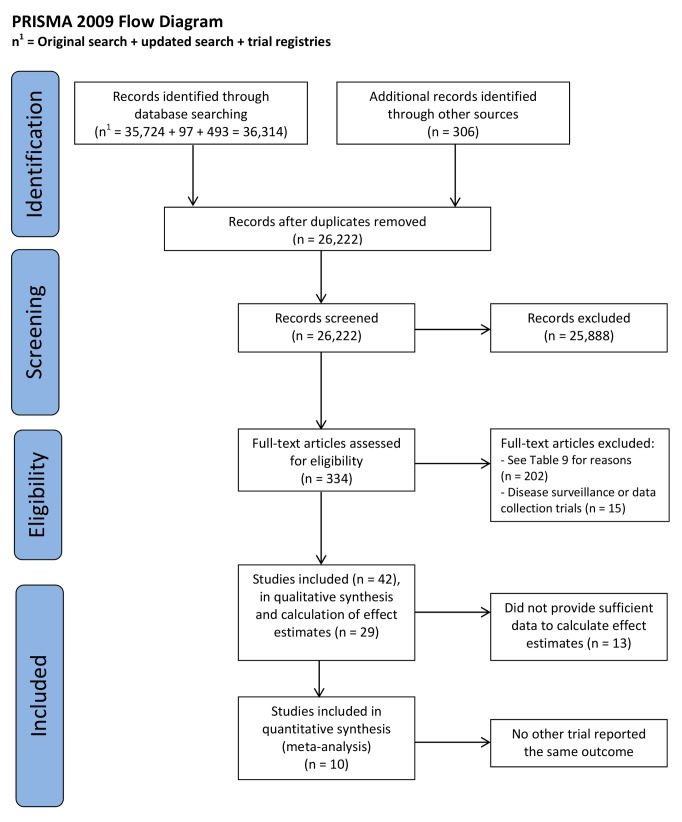
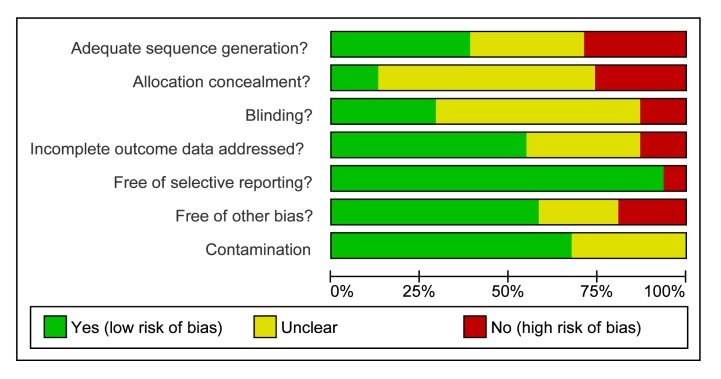
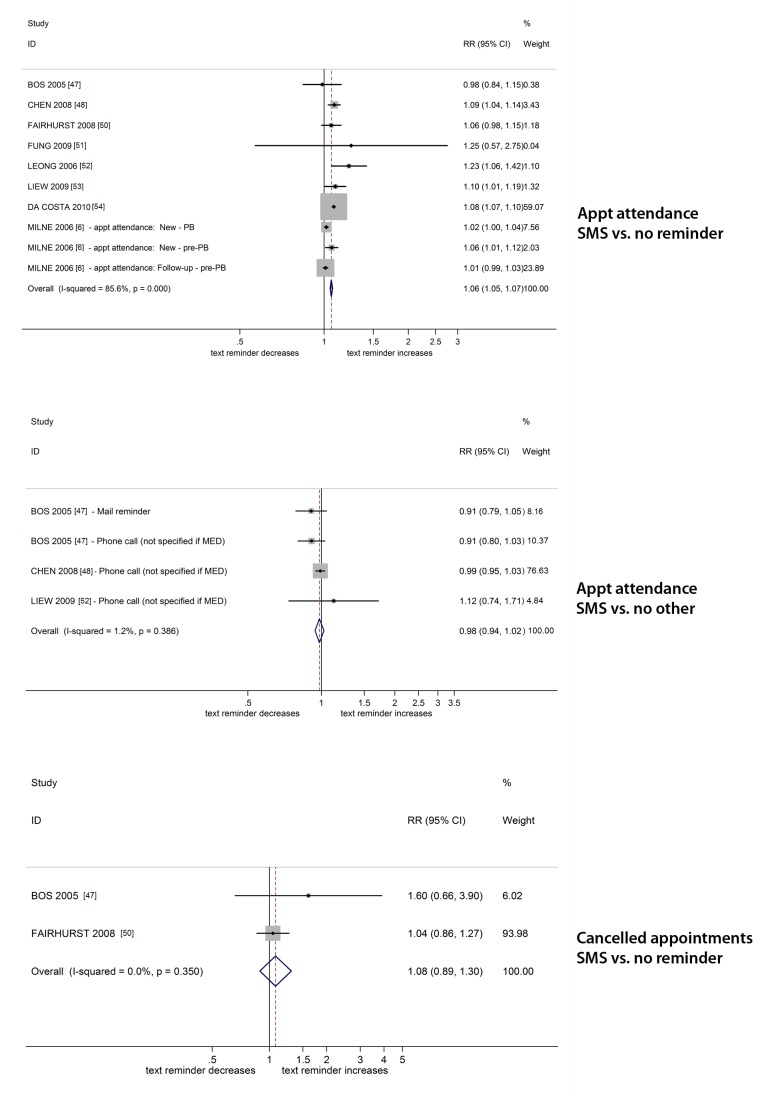
BACKGROUND: Mobile health interventions could have beneficial effects on health care delivery processes. We aimed to conduct a systematic review of controlled trials of mobile technology interventions to improve health care delivery processes. METHODS AND FINDINGS: We searched for all controlled trials of mobile technology based health interventions using MEDLINE, EMBASE, PsycINFO, Global Health, Web of Science, Cochrane Library, UK NHS HTA (Jan 1990-Sept 2010). Two authors independently extracted data on allocation concealment, allocation sequence, blinding, completeness of follow-up, and measures of effect. We calculated effect estimates and we used random effects meta-analysis to give pooled estimates. We identified 42 trials. None of the trials had low risk of bias. Seven trials of health care provider support reported 25 outcomes regarding appropriate disease management, of which 11 showed statistically significant benefits. One trial reported a statistically significant improvement in nurse/surgeon communication using mobile phones. Two trials reported statistically significant reductions in correct diagnoses using mobile technology photos compared to gold standard. The pooled effect on appointment attendance using text message (short message service or SMS) reminders versus no reminder was increased, with a relative risk (RR) of 1.06 (95% CI 1.05-1.07, I(2) = 6%). The pooled effects on the number of cancelled appointments was not significantly increased RR 1.08 (95% CI 0.89-1.30). There was no difference in attendance using SMS reminders versus other reminders (RR 0.98, 95% CI 0.94-1.02, respectively). To address the limitation of the older search, we also reviewed more recent literature. CONCLUSIONS: The results for health care provider support interventions on diagnosis and management outcomes are generally consistent with modest benefits. Trials using mobile technology-based photos reported reductions in correct diagnoses when compared to the gold standard. SMS appointment reminders have modest benefits and may be appropriate for implementation. High quality trials measuring clinical outcomes are needed. Please see later in the article for the Editors' Summary.
Overview
The claims and statistics of this paper haven’t been checked yet.
Free: it reads the open-access text and checks the first 5 claims that cite a source we can check. Create a free account to check every claim.
Integrity signals
Registry
Cites
Statistics
Figures
Verification
Claims the paper makes
The claims and statistics of this paper haven’t been checked yet.
Free: it reads the open-access text and checks the first 5 claims that cite a source we can check. Create a free account to check every claim.
Claims other papers make about this one
Each is checked against this paper’s own text: does it say what the citing paper says it does?
The source backs part of the claim, not all of it — or backs it for a different population, condition or comparison.
In the citing paper
“As per our knowledge, there has been no robust impact analysis of the m-health intervention from India [21].”
From Impact of m‐health application used by community health volunteers on improving utilisation of maternal, new‐born and child health care services in a rural area of Uttar Pradesh, India (2017) · cites this paper as [21]
Experimental — accuracy not yet measuredThe source backs part of the claim, not all of it — or backs it for a different population, condition or comparison.
In the citing paper
“Although low-cost mobile devices provide new and potentially transformative opportunities for all those working to improve health outcomes, nevertheless, to date, there is little evidence on mHealth interventions that have been implemented in LMICs and assessed in terms of specific outcomes.”
From Assessing the impact of mHealth interventions in low- and middle-income countries – what has been shown to work? (2014) · cites this paper as [7]
Experimental — accuracy not yet measuredIn the citing paper
“Another review, focused on the impact of SMS interventions, found that text messaging increased adherence to antiretroviral treatment with reductions in viral load and biochemically verified smoking cessation, yet these effects were “small and of borderline clinical importance” [9].”
From Impact of mHealth chronic disease management on treatment adherence and patient outcomes: a systematic review (2015) · cites this paper as [9]
In the citing paper
“The reported impact of mHealth interventions is mixed, with studies showing modest benefits for some clinical diagnosis and management support outcomes [9,10].”
From Impact of mHealth chronic disease management on treatment adherence and patient outcomes: a systematic review (2015) · cites this paper as [9]
In the citing paper
“One of the ways to generate demand is through quality counselling of pregnant women [21] and use of m-health with its associated audio visual support for improving the quality of counselling delivered through ASHAs.”
4 more claims about this paper
Create a free account to see every claim other papers make about this one.
Self-check
Percentages, sums and reported differences re-computed from the paper’s own numbers.
The self-check needs the paper’s full text.
Citations
Cites
Pharmacological interventions for somatoform disorders in adults
Kleinstäuber, M., Witthöft, M., Steffanowski, A., van Marwijk, H., Hiller, W., & Lambert, M. J. (2014) · Cochrane Database of Systematic Reviews · doi:10.1002/14651858.cd010628.pub2 · Cited by 11,335
Cochrane Handbook for Systematic Reviews of Interventions Version 5.0.1. The Cochrane Collaboration
Higgins, J. P. T., Green, S. R., & Higgins, J. P. T. (2008) · Cited by 7,259
Assessing the quality of controlled clinical trials
Jüni, P., Altman, D. G., & Egger, M. (2001) · BMJ · doi:10.1136/bmj.323.7303.42 · Cited by 3,309 · cited 1×
“Factors influencing heterogeneity of effect estimates include low trial quality, in particular inadequate allocation concealment [60], participant factors such as demographics or disease status, the setting (hospital, primary care), the intervention features (components, intensity, timing), the…”
Free, C., Phillips, G., Galli, L., Watson, L., Felix, L., Edwards, P., Patel, V., & Haines, A. (2013) · PLoS Medicine · doi:10.1371/journal.pmed.1001362 · Cited by 1,766 · cited 3×
“Other trials identified are reported elsewhere [13].”
InfluentialSelf-citationHealthcare via Cell Phones: A Systematic Review
Krishna, S., Boren, S. A., & Balas, E. A. (2009) · Telemedicine and e-Health · doi:10.1089/tmj.2008.0099 · Cited by 882 · cited 3×
“The review expands and updates the findings of earlier systematic reviews that focussed on specific devices, and/or specific functions, and/or specific health topics [8,11,58].”
Research Approaches to Mobile Use in the Developing World: A Review of the Literature
Donner, J. (2008) · The Information Society · doi:10.1080/01972240802019970 · Cited by 743 · cited 1×
“In low-income countries, mobile communication technology is the fastest growing sector of the communications industry and geographical coverage is high [4–7].”
Early Diagnosis of Cutaneous Melanoma: Revisiting the ABCD Criteria
Abbasi, N. R., Shaw, H. M., Rigel, D. S., Friedman, R. J., McCarthy, W. H., Osman, I., Kopf, A. W., & Polsky, D. (2004) · JAMA · doi:10.1001/jama.292.22.2771 · Cited by 668
Mobile phone messaging reminders for attendance at healthcare appointments
Gurol-Urganci, I., de Jongh, T., Vodopivec-Jamsek, V., Atun, R., & Car, J. (2013) · Cochrane Database of Systematic Reviews · doi:10.1002/14651858.cd007458.pub3 · Cited by 594 · cited 1×
“and Car that text messages can reduce missed appointments [8,59].”
Free, C., Phillips, G., Felix, L., Galli, L., Patel, V., & Edwards, P. (2010) · BMC Research Notes · doi:10.1186/1756-0500-3-250 · Cited by 539 · cited 1×
“We adhered to our published plan of investigation as outlined in the study protocol [12].”
Self-citationZurovac, D., Sudoi, R. K., Akhwale, W. S., Ndiritu, M., Hamer, D. H., Rowe, A. K., & Snow, R. W. (2011) · The Lancet · doi:10.1016/s0140-6736(11)60783-6 · Cited by 403 · cited 3×
“One high quality trial published since our literature search was completed shows benefits in adherence to malaria treatment guidelines [61].”
Influential
Research works printed but not linked: 4
- International Telecommunications Union (2010) The world in 2010: ICT facts and figures. International Telecommunication Union
- Ofcom (2009) The consumer experience: telecoms, internet and digital broadcasting 2009. Evaluation report
- McLeod TG, McNaughton DA, Hanson GJ, Borrud A (2006) Teaching geriatric functional assessment to internal medicine residents: A randomized trial of a personal digital assistant - Based tool. Journal of General Internal Medicine 21: 134– 135.16336621
- India adds 13.45 mn mobile users in Feb: TRAI. The Economic Times India
Cited by
Items 201–300 of 1,000
Use of electronic dietary assessment tools in primary care: an interdisciplinary perspective
Bonilla, C., Brauer, P. M., Royall, D., Keller, H., Hanning, R. M., & DiCenso, A. (2015) · BMC Medical Informatics and Decision Making · doi:10.1186/s12911-015-0138-6 · Cited by 65
“including telephone, Short Message Service (SMS), photos, music, video, and social media [42].”
BackgroundLima, I. F. P., Vieira, W. D. A., Bernardino, Í. D. M., Costa, P. A., Lima, A. P. B., Pithon, M. M., & Paranhos, L. R. (2018) · The Angle Orthodontist · doi:10.2319/111117-770.1 · Cited by 59
“Communication via text message has the potential to connect patients with information transmitted by health professionals, but the role of these applications is little known.(10) Scientific evidence has shown that reminder therapy has been an effective ally for improving the results of proposed treatment in different…”
BackgroundMethodCartujano‐Barrera, F., Cox, L. S., Arana‐Chicas, E., Ramírez, M., Perales‐Puchalt, J., Valera, P. A., Díaz, F. J., Catley, D., Ellerbeck, E. F., & Cupertino, A. P. (2020) · Frontiers in Public Health · doi:10.3389/fpubh.2020.00269 · Cited by 56
Portz, J. D., Moore, S. L., & Bull, S. S. (2024) · Journal of Medical Internet Research · doi:10.2196/62790 · Cited by 51
“This technology has the potential to revolutionize health care services by offering personalized care, improving access, reducing costs, and empowering patients in managing their health [2].”
Use of WhatsApp in Higher Education: What's Up With Assessing Peers Anonymously?
Güler, Ç. (2017) · Journal of Educational Computing Research · doi:10.1177/0735633116667359 · Cited by 49
“Almost all mobile phone (including smartphones) owners take their devices with them wherever they go and see them as a necessary part of their lives (Anglano, 2014; Free et al., 2013; Hardyman, Bullock, Brown, Carter-Ingram, & Stacey, 2013).”
BackgroundDonovan, E., Rodgers, R. F., Cousineau, T. M., McGowan, K. M., Luk, S., Yates, K., & Franko, D. L. (2016) · Journal of Adolescence · doi:10.1016/j.adolescence.2016.09.009 · Cited by 54
“Mobile interventions are effective at changing a range of health behaviors (Free et al., 2013).”
BackgroundJo, Y., Labrique, A. B., LeFevre, A. E., Mehl, G. L., Pfaff, T., Walker, N., & Friberg, I. K. (2014) · PLoS ONE · doi:10.1371/journal.pone.0102224 · Cited by 59
“[39] Wired Mothers, based on a clustered randomized controlled trial in Tanzania, recently demonstrated a positive effectiveness of mHealth in improving ANC attendance (odds ratio (OR), 2.”
BackgroundHenriquez-Camacho, C. A., Losa, J. E., Miranda, J. J., & Cheyne, N. (2014) · Emerging Themes in Epidemiology · doi:10.1186/s12982-014-0021-4 · Cited by 61
“helping patients quit smoking, improving Human Immunodeficiency Virus (HIV) medication adherence, and some aspects of clinical diagnosis and management) [53,54].”
BackgroundNoncommunicable Disease Risk Factors and Mobile Phones: A Proposed Research Agenda
Hyder, A. A., Wosu, A. C., Gibson, D. G., Labrique, A. B., Ali, J., & Pariyo, G. W. (2017) · Journal of Medical Internet Research · doi:10.2196/jmir.7246 · Cited by 52
“The evidence base around the efficacy and impact of mHealth programs is growing rapidly, with increasing numbers of projects being evaluated with methodological rigor [20,21].”
BackgroundMobile educational follow-up application for patients with peripheral arterial disease
Mendez, C. B., Salum, N. M. C., Junkes, C., Amante, L. N., & Mendez, C. M. L. (2019) · Revista Latino-Americana de Enfermagem · doi:10.1590/1518-8345.2693-3122 · Cited by 77
Sallis, A., Sherlock, J., Bonus, A., Saei, A., Gold, N., Vlaev, I., & Chadborn, T. (2019) · BMC Public Health · doi:10.1186/s12889-019-7476-8 · Cited by 59
Camacho, J., Zanoletti-Mannello, M., Landis-Lewis, Z., Kane-Gill, S. L., & Boyce, R. D. (2020) · Journal of Medical Internet Research · doi:10.2196/18388 · Cited by 51
“Although several literature reviews have shown improvements in process measures after the implementation of CDSSs [8,22-24], the evidence of their effectiveness on clinical outcomes is still mixed [22,25,26].”
BackgroundField, L. C., McEvoy, M. D., Smalley, J. C., Clark, C. A., McEvoy, M. B., Rieke, H., Nietert, P. J., & Furse, C. M. (2013) · Resuscitation · doi:10.1016/j.resuscitation.2013.09.013 · Cited by 55
RoboChain: A Secure Data-Sharing Framework for Human-Robot InteractionPreprint
Ferrer, E. C., Rudovic, O. O., T, T. H. M. I., & Pentland, A. (2018) · arXiv (Cornell University) · doi:10.48550/arxiv.1802.04480 · Cited by 75
“This is also true in the case of alternative mobile health technologies [8] (e.”
BackgroundGlobal status of diabetes prevention and prospects for action: A consensus statement
Ibrahim, M., Tuomilehto, J., Aschner, P., Beseler, L., Cahn, A., Eckel, R. H., Fischl, A. H., Guthrie, G., Hill, J. O., Kumwenda, M., et al. (2018) · Diabetes/Metabolism Research and Reviews · doi:10.1002/dmrr.3021 · Cited by 52
“Innovative mobile health strategies are currently being developed, and their impact on health outcomes and disease risk reduction, including diabetes prevention, looks promising.(41,42) While rigorous research remains needed, technology has great potential in DPPs to provide scalable, accessible, and maintainable reso…”
BackgroundLearning the ABCs of pregnancy and newborn care through mobile technology
Entsieh, A. A., Emmelin, M., & Pettersson, K. O. (2015) · Global Health Action · doi:10.3402/gha.v8.29340 · Cited by 51
“This lack of evidence for the efficacy of mHealth innovations presents decision makers with little help when prioritizing mHealth innovations (1, 3, 16, 18).”
BackgroundLevy, N., Moynihan, V., Nilo, A., Singer, K., Bernik, L. S., Etiebet, M.-A., Fang, Y., Cho, J., & Natarajan, S. (2015) · Journal of Medical Internet Research · doi:10.2196/jmir.4716 · Cited by 51
“Mobile phones are increasingly used to deliver health services [15].”
A Systematic Review of the Use of mHealth in Oral Health Education among Older Adults
Chau, R. C. W., Thu, K. M., Chaurasia, A., Hsung, R. T. C., & Lam, W. Y.-H. (2023) · Dentistry Journal · doi:10.3390/dj11080189 · Cited by 51
“The following study features were extracted: (i) method of delivery [37], (ii) content delivered [37], (iii) length per session of the intervention [38], (iv) clinical outcome(s) [37,38], (v) participant-reported outcome(s) [39], (vi) qualitative usability and acceptability [40], and (vii) oral health knowledge outcom…”
MethodResultMoise, I. K., Ivanova, N., Wilson, C. O., Wilson, S., Halwiindi, H., & Spika, V. (2023) · BMC Pregnancy and Childbirth · doi:10.1186/s12884-023-05454-3 · Cited by 68
“…access to health services and improvements in obstetric and gynecologic outcomes with digital health interventions [43, 55, 57–62] such as test result notification [63], patient management [64], and real-time access to patient information and communication at different points of care [65–67].”
BackgroundEden, K., Scariati, P. D., Klein, K. A., Watson, L., Remiker, M. W., Hribar, M. R., Forro, V. A., Michaels, L. C., & Nelson, H. D. (2015) · Journal of Women s Health · doi:10.1089/jwh.2015.5256 · Cited by 54
“14–16 Consumer interest in using mobile technology for health is demonstrated by increased use of smartphones to acquire health-related information (17% to 31% from 2010 to 2012).”
Self-citationRiaz, M. S., & Atreja, A. (2016) · Clinical Gastroenterology and Hepatology · doi:10.1016/j.cgh.2016.05.009 · Cited by 52
Floch, J., Zettl, A., Fricke, L., Weisser, T., Grut, L., Vilarinho, T., Stav, E., Ascolese, A., & Schauber, C. (2018) · JMIR mHealth and uHealth · doi:10.2196/mhealth.8236 · Cited by 51
“In fact, different reviews [3,4] have observed a positive effect of the use of information and communication technology (ICT) for facilitating self-management of chronic diseases.”
BackgroundOostingh, E. C., Koster, M. P. H., van Dijk, M. R., Willemsen, S. P., Broekmans, F. J. M., Hoek, A., Goddijn, M., Klijn, N. F., van Santbrink, E. J. P., Steegers, E. A. P., et al. (2020) · Fertility and Sterility · doi:10.1016/j.fertnstert.2020.04.051 · Cited by 50
Geramita, E. M., Dabbs, A. D., DiMartini, A. F., Pilewski, J. M., Switzer, G. E., Posluszny, D. M., Myaskovsky, L., & Dew, M. A. (2019) · Transplantation · doi:10.1097/tp.0000000000002872 · Cited by 55
Targeted client communication via mobile devices for improving sexual and reproductive health
Palmer, M. J., Henschke, N., Villanueva, G., Maayan, N., Bergman, H., Glenton, C., Lewin, S. A., Fønhus, M. S., Tamrat, T., Mehl, G. L., et al. (2020) · Cochrane Database of Systematic Reviews · doi:10.1002/14651858.cd013680 · Cited by 56
Self-citationLi, W., Qiu, Y., Zhang, L., Jiang, L., Zhou, Z., Chen, H., & Zhou, J. (2015) · Biosensors and Bioelectronics · doi:10.1016/j.bios.2015.12.038 · Cited by 51
“One of the most conspicuous applications empowered by such plasmonic resonance is biosensing, which is regarded as a crucial component for bio-interaction analysis, early diagnosis, and portable medical supervision in mobile healthcare (Free et al., 2013; Li et al., 2015).”
BackgroundUse of Smartphones in Hospitals
Thomairy, N. A., Mummaneni, M., Alsalamah, S., Moussa, N., & Coustasse, A. (2015) · The Health Care Manager · doi:10.1097/hcm.0000000000000080 · Cited by 55
“Furthermore, the studies should be undertaken in both limited resources and leading health care facilities.(57)”
BackgroundICTs and the challenge of health system transition in low and middle-income countries
Bloom, G., Berdou, E., Standing, H., Guo, Z., & Labrique, A. B. (2017) · Globalization and Health · doi:10.1186/s12992-017-0276-y · Cited by 59
LeFevre, A. E., Dane, P., Copley, C. J., Pienaar, C., Parsons, A. N., Engelhard, M., Woods, D., Bekker, M., Benjamin, P., Pillay, Y., et al. (2018) · BMJ Global Health · doi:10.1136/bmjgh-2017-000583 · Cited by 48
Waki, K., Aizawa, K., Kato, S., Fujita, H., Lee, H., Kobayashi, H., Ogawa, M., Mouri, K., Kadowaki, T., & Ohe, K. (2015) · Journal of Diabetes Science and Technology · doi:10.1177/1932296815579690 · Cited by 48
Outpatient services and primary care: scoping review, substudies and international comparisons
Winpenny, E., Miani, C., Pitchforth, E., Ball, S., Nolte, E., King, S., Greenhalgh, J., & Roland, M. (2016) · Health Services and Delivery Research · doi:10.3310/hsdr04150 · Cited by 47
Dev, R., Woods, N. F., Unger, J. A., Kinuthia, J., Matemo, D., Farid, S., Begnel, E. R., Kohler, P., & Drake, A. L. (2019) · Reproductive Health · doi:10.1186/s12978-019-0767-9 · Cited by 48
Tom-Aba, D., Silenou, B. C., Doerrbecker, J., Fourie, C., Leitner, C., Wahnschaffe, M., Strysewske, M., Arinze, C. C., & Krause, G. (2020) · JMIR Public Health and Surveillance · doi:10.2196/15860 · Cited by 57
“This lack of sustainability may be due to a variety of reasons, including the lack of integration in standard frameworks, lack of diverse and continuous donor support, lack of serving the objectives, and limited generalizability of its application among others [2-4].”
BackgroundGarrison‐Desany, H. M., Wilson, E., Munos, M. K., Sawadogo‐Lewis, T., Maïga, A., Ako, O., Mkuwa, S., Hobbs, A. J., & Morgan, R. (2021) · BMC Public Health · doi:10.1186/s12889-021-10972-w · Cited by 58
Adopting health apps, what's hindering doctors and patients?
Dehzad, F., Hilhorst, C., de Bie, C., & Claassen, E. (2014) · Health · doi:10.4236/health.2014.616256 · Cited by 46
“According to Free (2013) these have modest benefits and may be appropriate for implementation [27].”
BackgroundUse of mobile technology in a community mental health setting
Glick, G., Druss, B., Pina, J., Lally, C., & Conde, M. (2016) · Journal of Telemedicine and Telecare · doi:10.1177/1357633x15613236 · Cited by 46
“For poor and disadvantaged populations, these interventions hold the potential to help narrow the digital divide and reduce health disparities.(1) People with serious mental illness (SMI) may be a particularly important target of these interventions.”
BackgroundFrom Quantified Self to Quality of Life
Wac, K. (2018) · Health informatics · doi:10.1007/978-3-319-61446-5_7 · Cited by 52
Nath, A., Shalini, M., & Mathur, P. (2021) · The National Medical Journal of India · doi:10.4103/0970-258x.323661 · Cited by 57
Momberg, M., Botha, M. H., der Merwe, F. H. V., & Moodley, J. (2017) · BMJ Open · doi:10.1136/bmjopen-2016-013914 · Cited by 53
Motulsky, A., Wong, J., Cordeau, J.-P., Pomalaza, J., Barkun, J. S., & Tamblyn, R. M. (2016) · Journal of the American Medical Informatics Association · doi:10.1093/jamia/ocw107 · Cited by 51
Aamir, J., Ali, S. M., Boulos, M. N. K., Anjum, N., & Ishaq, M. (2017) · Health Policy and Technology · doi:10.1016/j.hlpt.2017.11.005 · Cited by 52
Examining consumer use of mobile health applications by the extended UTAUT model
Semiz, B. B., & Semiz, T. (2021) · Business And Management Studies An International Journal · doi:10.15295/bmij.v9i1.1773 · Cited by 58
Nurmatov, U. B., Lee, S. H., Nwaru, B. I., Mukherjee, M., Grant, L., & Pagliari, C. (2014) · Journal of Global Health · doi:10.7189/jogh.04.010407 · Cited by 46
Visualizing the Knowledge Domain in Health Education: A Scientometric Analysis Based on CiteSpace
Chen, B., Shin, S., Wu, M., & Liu, Z. (2022) · International Journal of Environmental Research and Public Health · doi:10.3390/ijerph19116440 · Cited by 52
Verhagen, L. M., Groot, R. D., Lawrence, C., Taljaard, J., Cotton, M. F., & Rabie, H. (2020) · International Journal of Infectious Diseases · doi:10.1016/j.ijid.2020.07.069 · Cited by 52
“Previous examples include mobile phone-based communication for HIV and tuberculosis diagnosis and management (Free et al., 2013; Sutcliffe et al., 2017; Alipanah et al., 2018; Gross et al., 2019).”
BackgroundTargeted client communication via mobile devices for improving maternal, neonatal, and child health
Palmer, M. J., Henschke, N., Bergman, H., Villanueva, G., Maayan, N., Tamrat, T., Mehl, G. L., Glenton, C., Lewin, S. A., Fønhus, M. S., et al. (2020) · Cochrane Database of Systematic Reviews · doi:10.1002/14651858.cd013679 · Cited by 57
Self-citationOlajubu, A. O., Fajemilehin, B. R., Olajubu, T. O., & Afolabi, B. S. (2020) · PLoS ONE · doi:10.1371/journal.pone.0238911 · Cited by 58
“Studies [38, 39] have also indicated several advantages of SMS over voice call which include but not limited to: availability of SMS on approximately 98% of mobile phones, cheaper in cost, minimal technical expertise is required for its use and its adaptability to multiple mHealth purposes.”
BackgroundEducating parents about the vaccination status of their children: A user-centered mobile application
Seeber, L., Conrad, T., Hoppe, C., Obermeier, P., Chen, X., Karsch, K., Muehlhans, S., Tief, F., Boettcher, S., Diedrich, S., et al. (2017) · Preventive Medicine Reports · doi:10.1016/j.pmedr.2017.01.002 · Cited by 52
“It also ensures Health Insurance Portability and Accountability Act (HIPPAA) compliance and data interoperability (Maurer et al., 2014; Free et al., 2013; Brown et al., 2014; Atkinson et al., 2015; Gates Foundation,2016).”
BackgroundNew antiviral drugs that target herpesvirus helicase primase enzymes.
Kleymann, G. (2003) · PubMed · Cited by 47
Amicizia, D., Domnich, A., Gasparini, R., Bragazzi, N. L., Lai, P. L., & Panatto, D. (2013) · Human Vaccines & Immunotherapeutics · doi:10.4161/hv.26010 · Cited by 52
mHealth Interventions in South Africa: A Review
Ojo, A. I. (2018) · SAGE Open · doi:10.1177/2158244018767223 · Cited by 50
Addressing common barriers in adult immunizations: a review of interventions
Bach, A. T., Kang, A. Y., Lewis, J., Xavioer, S., Portillo, I., & Goad, J. A. (2019) · Expert Review of Vaccines · doi:10.1080/14760584.2019.1698955 · Cited by 55
“It has been used for health appointment reminders and scheduling, preventive health, adherence, and management of chronic disease states [40,41].”
MethodUse of Mobile Apps for Self-care in People With Parkinson Disease: Systematic Review
Lee, J., Yeom, I., Chung, M. L., Kim, Y., Yoo, S., & Kim, E.-Y. (2022) · JMIR mhealth and uhealth · doi:10.2196/33944 · Cited by 53
“Over the past few decades, dramatic advances in computer and communication technologies have led to the development of mHealth and communication technologies in the medical environment [10].”
BackgroundThe Impact of Digital Technology on Healthcare Delivery and Patient Outcomes
Alawiye, T. R. (2024) · E-Health Telecommunication Systems and Networks · doi:10.4236/etsn.2024.132002 · Cited by 58
“For instance, diabetes management apps can track blood glucose levels, set medication reminders, and provide educational resources on diet and exercise [10].”
BackgroundInfluentialMaglalang, D. D., Yoo, G. J., Ursua, R. A., Villanueva, C., Chesla, C. A., & Bender, M. S. (2017) · Ethnicity & Disease · doi:10.18865/ed.27.2.143 · Cited by 46
Accuracy of daily fluid intake measurements using a “smart” water bottle
Borofsky, M. S., Dauw, C. A., York, N. E., Terry, C. L., & Lingeman, J. E. (2017) · Urolithiasis · doi:10.1007/s00240-017-1006-x · Cited by 44
“tion adherence, smoking cessation and glycemic control [9, 10] and is poised to play an increasingly common role in patient care as technology evolves.”
BackgroundBirhanu, M. Y., Leshargie, C. T., Alebel, A., Wagnew, F., Siferih, M., Gebre, T., & Kibret, G. D. (2020) · Tropical Medicine and Health · doi:10.1186/s41182-020-00266-z · Cited by 41
mHealth Interventions to Counter Noncommunicable Diseases in Developing Countries
Beratarrechea, A., Moyano, D., Irazola, V., & Rubinstein, A. (2017) · Cardiology Clinics · doi:10.1016/j.ccl.2016.08.009 · Cited by 40
Bendtsen, M., & Bendtsen, P. (2014) · JMIR mHealth and uHealth · doi:10.2196/mhealth.3233 · Cited by 40
Bayesian averaging over Decision Tree models for trauma severity scoring
Schetinin, V., Jakaite, L., & Krzanowski, W. J. (2017) · Artificial Intelligence in Medicine · doi:10.1016/j.artmed.2017.12.003 · Cited by 41
Purnomo, J., Coote, K., Mao, L., Fan, L., Gold, J., Ahmad, R., & Zhang, L. (2018) · BMC Infectious Diseases · doi:10.1186/s12879-018-2972-5 · Cited by 47
“While short message service (SMS) interventions are evidenced to be effective in enhancing ART adherence [11 – 14], eHealth overall is considered as the most promising approach to deliver cost-effective interventions along the HIV treatment and care cascade [15 – 19].”
BackgroundMena, L. J., Félix, V. G., Ochoa-Brust, A. M., Ostos, R., González, E., Aspuru, J., Velarde-Alvarado, P., & Maestre, G. E. (2018) · Computational and Mathematical Methods in Medicine · doi:10.1155/2018/9128054 · Cited by 44
Exploring mHealth monitoring service acceptance from a service characteristics perspective
Wang, L., Wu, T., Guo, X., Zhang, X., Li, Y., & Wang, W. (2018) · Electronic Commerce Research and Applications · doi:10.1016/j.elerap.2018.06.003 · Cited by 45
Technology Acceptance Model for Mobile Health Systems
El-Wajeeh, M., Galal‐Edeen, G. H., & Mokhtar, H. M. O. (2014) · IOSR Journal of Mobile Computing & Application · doi:10.9790/0050-0112133 · Cited by 40
Singh, N., Scott, K., George, A. S., LeFevre, A. E., & Ved, R. R. (2021) · BMJ Global Health · doi:10.1136/bmjgh-2021-005041 · Cited by 47
Sankaranarayanan, J., & Sallach, R. E. (2014) · Telemedicine and e-Health · doi:10.1089/tmj.2013.0150 · Cited by 39
“A recent systematic review and meta-analysis from the Clinical Trials Unit of the London School of Hygiene and Tropical Medicine reported that the short message service appointment reminders have modest benefits in improving the healthcare delivery processes and that implementation of such reminders would be appropria…”
Lok, U., & Gulacti, U. (2017) · Applied Clinical Informatics · doi:10.4338/aci-2017-04-ra-0064 · Cited by 39
Iteratively Developing an mHealth HIV Prevention Program for Sexual Minority Adolescent Men
Ybarra, M. L., Prescott, T. L., Philips, G. L., Bull, S. S., Parsons, J. T., & Mustanski, B. (2016) · AIDS and Behavior · doi:10.1007/s10461-015-1146-3 · Cited by 40
Azar, K. M., Koliwad, S., Poon, T., Xiao, L., Lv, N., Griggs, R., & Ma, J. (2016) · Journal of Medical Internet Research · doi:10.2196/jmir.5143 · Cited by 40
“Growing evidence [3-6] suggests that technology-assisted clinical tools and approaches can both increase access and decrease cost for clinic-based disease prevention and management programs that traditionally place a large burden on personnel and resources.”
Lillicrap, L., Hunter, C., & Goldswain, P. (2019) · Journal of Telemedicine and Telecare · doi:10.1177/1357633x19881588 · Cited by 39
Almeida, F. A., Michaud, T. L., Wilson, K. E., Schwab, R. J., Goessl, C., Porter, G. C., Brito, F. A., Evans, G., Dressler, E. V., Boggs, A. E., et al. (2020) · Contemporary Clinical Trials · doi:10.1016/j.cct.2019.105877 · Cited by 38
Tang, J., James, L. J., Howell, M., Tong, A., & Wong, G. (2020) · Transplantation · doi:10.1097/tp.0000000000003294 · Cited by 47
Ward, V. C., Raheel, H., Weng, Y., Mehta, K. M., Dutt, P., Mitra, R., Sastry, P., Godfrey, A., Shannon, M., Chamberlain, S., et al. (2020) · Journal of Global Health · doi:10.7189/jogh.10.0201005 · Cited by 50
Becker, S., Brandl, C., Meister, S., Nagel, E., Miron-Shatz, T., Mitchell, A., Kribben, A., Albrecht, U.-V., & Mertens, A. (2015) · PLOS ONE · doi:10.1371/journal.pone.0116980 · Cited by 39
Advances in Motivational Interviewing for Pediatric Obesity
Resnicow, K., Harris, D. L., Wasserman, R. C., Schwartz, R. P., Pérez‐Rosas, V., Mihalcea, R. F., & Snetselaar, L. (2016) · Pediatric Clinics of North America · doi:10.1016/j.pcl.2016.02.008 · Cited by 42
Can skin cancer prevention be improved through mobile technology interventions? A systematic review
Finch, L. P., Janda, M., Loescher, L. J., & Hacker, E. (2016) · Preventive Medicine · doi:10.1016/j.ypmed.2016.06.037 · Cited by 39
WhatsApp Mobile Health Platform to Support Fracture Management by Non-Specialists in South Africa
Jimmy Kauta, N., Groenewald, J., Arnolds, D., Blankson, B., Omar, A., Naidu, P., Naidoo, M., & Chu, K. M. (2020) · Journal of the American College of Surgeons · doi:10.1016/j.jamcollsurg.2019.09.008 · Cited by 39
Ajay, K., Azevedo, L. B., Haste, A., Morris, A. J., Giles, E. L., Gopu, B. P., Subramanian, M. K. P., & Zohoori, F. V. (2023) · Frontiers in Oral Health · doi:10.3389/froh.2023.1125070 · Cited by 53
Sielatycki, J. A., Park, P., Godil, S. S., McGirt, M. J., & Devin, C. J. (2015) · Spine · doi:10.1097/brs.0000000000001101 · Cited by 38
TigerAware: An Innovative Mobile Survey and Sensor Data Collection and Analytics System
Morrison, W., Guerdan, L., Kanugo, J., Trull, T. J., & Shang, Y. (2018) · IEEE International Conference on Data Science in Cyberspace · doi:10.1109/dsc.2018.00025 · Cited by 40
“Examples include ecological momentary assessment (EMA) for psychological studies [10], [18], [20], clinical assessment and self-management [7], and remote monitoring [13].”
BackgroundAfable, A., & Karingula, N. S. (2016) · World Journal of Diabetes · doi:10.4239/wjd.v7.i10.209 · Cited by 44
Effectiveness of a Mobile Short-Message-Service–Based Disease Outbreak Alert System in Kenya
Toda, M., Njeru, I., Zurovac, D., Tipo, S. O., Kareko, D., Mwau, M., & Morita, K. (2016) · Emerging Infectious Diseases · doi:10.3201/eid2204.151459 · Cited by 36
Odeny, T. A., Bailey, R. C., Bukusi, E. A., Simoni, J. M., Tapia, K. A., Yuhas, K., Holmes, K. K., & McClelland, R. S. (2014) · JAIDS Journal of Acquired Immune Deficiency Syndromes · doi:10.1097/qai.0b013e3182a0a050 · Cited by 35
van Beukering, M., Velu, A., van den Berg, L., Kok, M., Mol, B. W., Frings-Dresen, M., de Leeuw, R., van der Post, J., & Peute, L. (2019) · JMIR mHealth and uHealth · doi:10.2196/11442 · Cited by 35
“Prior studies provide little information as to how best to design them [20-24].”
BackgroundArrossi, S., Paolino, M., Orellana, L., Thouyaret, L., Kohler, R. E., & Viswanath, K. (2019) · Trials · doi:10.1186/s13063-019-3229-3 · Cited by 41
WhatsApp messaging improves communication in an oral and maxillofacial surgery team
Koparal, M., Ünsal, H. Y., Alan, H., Üçkardeş, F., & Gülsün, B. (2019) · International Journal of Medical Informatics · doi:10.1016/j.ijmedinf.2019.103987 · Cited by 38
Müssener, U., Linderoth, C., Thomas, K., & Bendtsen, M. (2020) · PLoS ONE · doi:10.1371/journal.pone.0229411 · Cited by 40
Sun, Y., Feng, Y., Shen, X., & Guo, X. (2022) · Information Technology and People · doi:10.1108/itp-07-2021-0519 · Cited by 40
The Performance of mHealth in Cancer Supportive Care: A Research Agenda
Nasi, G., Cucciniello, M., & Guerrazzi-Young, C. (2015) · Journal of Medical Internet Research · doi:10.2196/jmir.3764 · Cited by 41
“Most papers focused on better quality information with respect to efficiency [4,54].”
Maulik, P. K., Devarapalli, S., Kallakuri, S., Praveen, D., Jha, V., & Patel, A. (2015) · Global Mental Health · doi:10.1017/gmh.2015.11 · Cited by 34
“In a recent systematic review on use of mobile technology in healthcare, modest benefits on process outcomes were observed, but the effects on clinical outcomes had not been established (Free et al. 2013).”
BackgroundNichol, A. J., Hall, E. T., Vickery, W., & Hayes, P. R. (2019) · International Sport Coaching Journal · doi:10.1123/iscj.2017-0105 · Cited by 45
Ballantyne, M., Liscumb, L., Brandon, E., Jaffar, J., Macdonald, A., & Beaune, L. (2019) · Global Qualitative Nursing Research · doi:10.1177/2333393619868979 · Cited by 48
“Health services become more accessible and remotely available using mobile computing and communication health technologies (Free et al., 2013; Hasvold & Wootton, 2011) and telemedicine monitoring for children with complex needs (Nkoy et al., 2019).”
BackgroundUse of mobile health technologies for postoperative care in paediatric surgery: A systematic review
Nguyen, N., Léveillé, E., Guadagno, E., Kalisya, L. M., & Poenaru, D. (2020) · Journal of Telemedicine and Telecare · doi:10.1177/1357633x20934682 · Cited by 35
The Adoption of Mobile Health Applications Among University Students in Health Colleges
Jabour, A. M., Rehman, W., Idrees, S., Thanganadar, H., Hira, K., & Alarifi, M. (2021) · Journal of Multidisciplinary Healthcare · doi:10.2147/jmdh.s310539 · Cited by 45
“Introduction There is an increasing interest in using mobile health application to advance the delivery of care.(1,2) With the increasing use of mobile devices and internet availability, mobile health applications have become more accessible.”
BackgroundShrestha, R., Fisher, C. B., Wickersham, J. A., Khati, A., Kim, R. S., Azwa, I., Mistler, C. B., & Goldsamt, L. A. (2021) · JMIR Formative Research · doi:10.2196/28311 · Cited by 34
“Doing so reduces barriers to accessing health care for marginalized populations, such as MSM [60-64], who would have otherwise not opted to seek care.”
BackgroundManole, A., Cârciumaru, R., Brînzaș, R., & Manole, F. (2024) · Information · doi:10.3390/info16010011 · Cited by 44
Improving the Routine HMIS in Nigeria through Mobile Technology for Community Data Collection
Asangansi, I., MacLeod, B., Meremikwu, M. M., Arikpo, I. I., Roberge, D., Hartsock, B., & Mboto, I. (2013) · Journal of health informatics in developing countries · Cited by 34
Examining the infusion of mobile technology by healthcare practitioners in a hospital setting
O’Connor, Y., & O’Reilly, P. (2016) · Information Systems Frontiers · doi:10.1007/s10796-016-9728-9 · Cited by 40
“…there remains few reference implementations of mHealth initiatives in a hospital setting (i.e. secondary/tertiary care) (Labrique et al. 2013; Sundin et al. 2016) thus, resulting in little empirical evidence surrounding the implied benefits of mHealth (Free et al. 2013) within a hospital context.”
BackgroundRono, H. K., Bastawrous, A., Macleod, D., Wanjala, E., Gichuhi, S., & Burton, M. J. (2019) · Trials · doi:10.1186/s13063-019-3615-x · Cited by 38
Daniel, M., Maulik, P. K., Kallakuri, S., Kaur, A., Devarapalli, S., Mukherjee, A., Bhattacharya, A., Billot, L., Thornicroft, G., Praveen, D., et al. (2021) · Trials · doi:10.1186/s13063-021-05136-5 · Cited by 40
“However, trials of such tools have mainly resulted in improved processes of care, with relatively fewer studies demonstrating improvements in clinical outcomes [21].”
Metadata
- Authors
- Free, C., Phillips, G., Watson, L., Galli, L., Felix, L., Edwards, P., Patel, V., & Haines, A.
- Affiliations
- London School of Hygiene & Tropical Medicine (GB)
- University of Warwick (GB)
- Imperial College London (GB)
- Corresponding author
- Free, Caroline
- Venue
- PLoS Medicine
- Publisher
- Public Library of Science (PLoS)
- Published
- 2013-01-15
- Volume
- 10
- Issue
- 1
- Pages
- e1001363
- ISSN
- 1549-1277 (ISSN-L)
- 1549-1676
- PMC
- PMC3566926
- OpenAlex
- W1977977041
- Cited by
- 1,187
- References
- 70
- Citations by year
- 2026: 71 · 2025: 72 · 2024: 91 · 2023: 55 · 2022: 61 · 2021: 97 · 2020: 102 · 2019: 104 · 2018: 125 · 2017: 94 · 2016: 115 · 2015: 87 · 2014: 80 · 2013: 31
- FWCI
- 12.56
- Type
- journal article
- Language
- en
- Open access
- gold
- doi.org
- Locations
- PLoS Medicine (publishedVersion, cc-by)
- Europe PMC (PubMed Central) (publishedVersion, cc-by)
- PubMed Central (publishedVersion, cc-by)
- PubMed (publishedVersion)
- Research Explorer (The University of Manchester) (publishedVersion, other-oa)
- LSHTM Research Online (London School of Hygiene and Tropical Medicine) (acceptedVersion)
- DOAJ (DOAJ: Directory of Open Access Journals) (submittedVersion, cc-by-sa)
- Figshare (submittedVersion, cc-by)
- Funders
- Wellcome Trust (091834)
- National Institute for Health and Care Research
- Topics
- Health Sciences › Health Professions › General Health Professions › Mobile Health and mHealth Applications
- Health Sciences › Medicine › Public Health, Environmental and Occupational Health › Telemedicine and Telehealth Implementation
- Physical Sciences › Computer Science › Information Systems › Mobile Learning in Education
- Keywords
- mobile health, health care delivery, healthcare provider support, appointment attendance, appointment cancellation, diagnostic accuracy, disease management
- MeSH terms
- Clinical Trials as Topic, Communication, Health Personnel, Health Services, Humans, Bias, Treatment Outcome, Telemedicine, Disease Management, Biomedical Technology
About these checks
Registry, retraction, Cites and statistics results are computed, not judged, with one exception: a printed reference that no index lists is read once by a model before it counts as a citation error. Claims are extracted by a model and kept only when their quote appears verbatim in the text; each cited source is then checked, with a model’s help, for whether it says what the claim relies on. Those verdicts can be wrong — read the claim’s quote and the cited source before relying on one.
Statistics and arithmetic are recomputed, not judged.
Confidence bands are shown only for fields calibrated on our annotated test set. None is calibrated yet, so no band is shown.
What counts as a claim ›How we measure confidence ›How we check this ›
Are you an author, or do you see a problem with this page? Request a review
Data sources
Bibliographic data: Semantic Scholar, OpenAlex, Crossref.
Contains information from the Semantic Scholar Academic Graph Datasets, made available under the ODC Attribution License (ODC-BY 1.0).
Semantic Scholar’s data is described in: Kinney, R., et al. (2023). The Semantic Scholar Open Data Platform. arXiv:2301.10140.
