

The Effectiveness of Mobile-Health Technologies to Improve Health Care Service Delivery Processes: A Systematic Review and Meta-Analysis
Open accessThe DOI matches its Crossref record; 69 of the 70 references it cites were found in a registry or an index.
Abstract
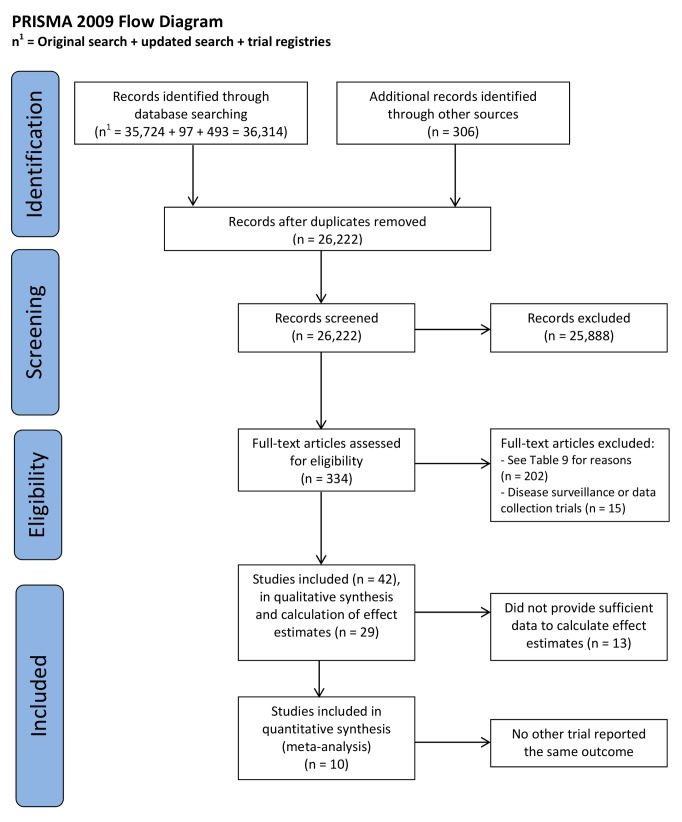
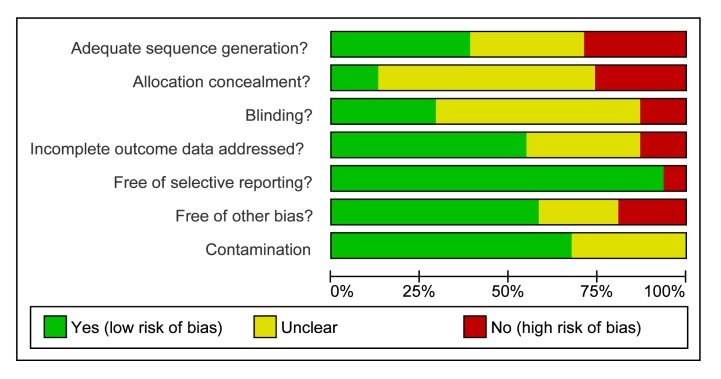
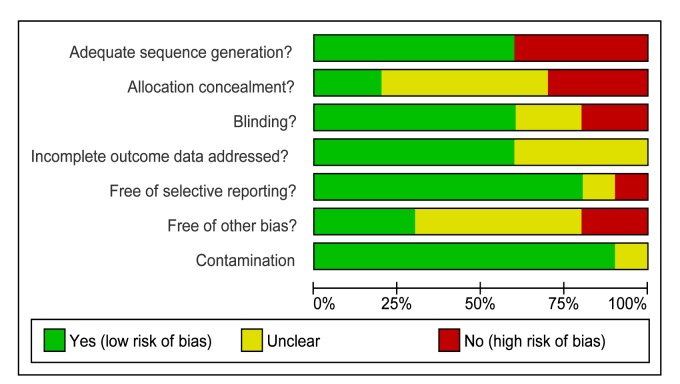
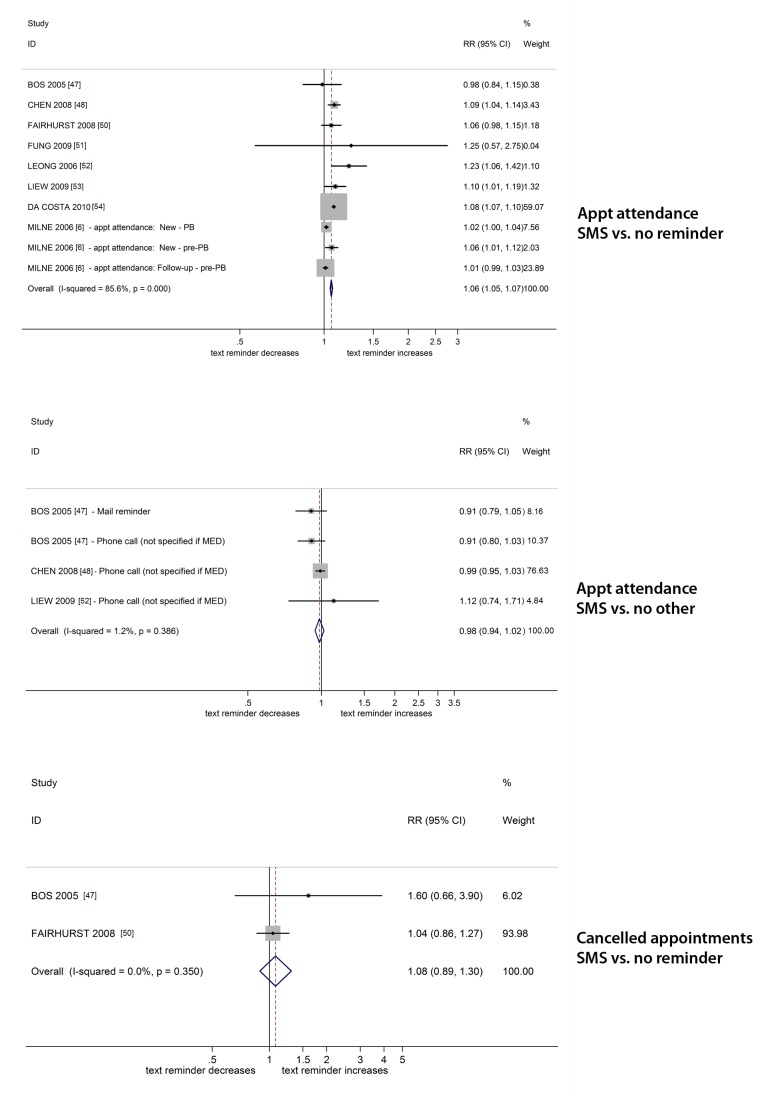
BACKGROUND: Mobile health interventions could have beneficial effects on health care delivery processes. We aimed to conduct a systematic review of controlled trials of mobile technology interventions to improve health care delivery processes. METHODS AND FINDINGS: We searched for all controlled trials of mobile technology based health interventions using MEDLINE, EMBASE, PsycINFO, Global Health, Web of Science, Cochrane Library, UK NHS HTA (Jan 1990-Sept 2010). Two authors independently extracted data on allocation concealment, allocation sequence, blinding, completeness of follow-up, and measures of effect. We calculated effect estimates and we used random effects meta-analysis to give pooled estimates. We identified 42 trials. None of the trials had low risk of bias. Seven trials of health care provider support reported 25 outcomes regarding appropriate disease management, of which 11 showed statistically significant benefits. One trial reported a statistically significant improvement in nurse/surgeon communication using mobile phones. Two trials reported statistically significant reductions in correct diagnoses using mobile technology photos compared to gold standard. The pooled effect on appointment attendance using text message (short message service or SMS) reminders versus no reminder was increased, with a relative risk (RR) of 1.06 (95% CI 1.05-1.07, I(2) = 6%). The pooled effects on the number of cancelled appointments was not significantly increased RR 1.08 (95% CI 0.89-1.30). There was no difference in attendance using SMS reminders versus other reminders (RR 0.98, 95% CI 0.94-1.02, respectively). To address the limitation of the older search, we also reviewed more recent literature. CONCLUSIONS: The results for health care provider support interventions on diagnosis and management outcomes are generally consistent with modest benefits. Trials using mobile technology-based photos reported reductions in correct diagnoses when compared to the gold standard. SMS appointment reminders have modest benefits and may be appropriate for implementation. High quality trials measuring clinical outcomes are needed. Please see later in the article for the Editors' Summary.
Overview
The claims and statistics of this paper haven’t been checked yet.
Free: it reads the open-access text and checks the first 5 claims that cite a source we can check. Create a free account to check every claim.
Integrity signals
Registry
Cites
Statistics
Figures
Verification
Claims the paper makes
The claims and statistics of this paper haven’t been checked yet.
Free: it reads the open-access text and checks the first 5 claims that cite a source we can check. Create a free account to check every claim.
Claims other papers make about this one
Each is checked against this paper’s own text: does it say what the citing paper says it does?
The source backs part of the claim, not all of it — or backs it for a different population, condition or comparison.
In the citing paper
“As per our knowledge, there has been no robust impact analysis of the m-health intervention from India [21].”
From Impact of m‐health application used by community health volunteers on improving utilisation of maternal, new‐born and child health care services in a rural area of Uttar Pradesh, India (2017) · cites this paper as [21]
Experimental — accuracy not yet measuredThe source backs part of the claim, not all of it — or backs it for a different population, condition or comparison.
In the citing paper
“Although low-cost mobile devices provide new and potentially transformative opportunities for all those working to improve health outcomes, nevertheless, to date, there is little evidence on mHealth interventions that have been implemented in LMICs and assessed in terms of specific outcomes.”
From Assessing the impact of mHealth interventions in low- and middle-income countries – what has been shown to work? (2014) · cites this paper as [7]
Experimental — accuracy not yet measuredIn the citing paper
“Another review, focused on the impact of SMS interventions, found that text messaging increased adherence to antiretroviral treatment with reductions in viral load and biochemically verified smoking cessation, yet these effects were “small and of borderline clinical importance” [9].”
From Impact of mHealth chronic disease management on treatment adherence and patient outcomes: a systematic review (2015) · cites this paper as [9]
In the citing paper
“The reported impact of mHealth interventions is mixed, with studies showing modest benefits for some clinical diagnosis and management support outcomes [9,10].”
From Impact of mHealth chronic disease management on treatment adherence and patient outcomes: a systematic review (2015) · cites this paper as [9]
In the citing paper
“One of the ways to generate demand is through quality counselling of pregnant women [21] and use of m-health with its associated audio visual support for improving the quality of counselling delivered through ASHAs.”
4 more claims about this paper
Create a free account to see every claim other papers make about this one.
Self-check
Percentages, sums and reported differences re-computed from the paper’s own numbers.
The self-check needs the paper’s full text.
Citations
Cites
Pharmacological interventions for somatoform disorders in adults
Kleinstäuber, M., Witthöft, M., Steffanowski, A., van Marwijk, H., Hiller, W., & Lambert, M. J. (2014) · Cochrane Database of Systematic Reviews · doi:10.1002/14651858.cd010628.pub2 · Cited by 11,335
Cochrane Handbook for Systematic Reviews of Interventions Version 5.0.1. The Cochrane Collaboration
Higgins, J. P. T., Green, S. R., & Higgins, J. P. T. (2008) · Cited by 7,259
Assessing the quality of controlled clinical trials
Jüni, P., Altman, D. G., & Egger, M. (2001) · BMJ · doi:10.1136/bmj.323.7303.42 · Cited by 3,309 · cited 1×
“Factors influencing heterogeneity of effect estimates include low trial quality, in particular inadequate allocation concealment [60], participant factors such as demographics or disease status, the setting (hospital, primary care), the intervention features (components, intensity, timing), the…”
Free, C., Phillips, G., Galli, L., Watson, L., Felix, L., Edwards, P., Patel, V., & Haines, A. (2013) · PLoS Medicine · doi:10.1371/journal.pmed.1001362 · Cited by 1,766 · cited 3×
“Other trials identified are reported elsewhere [13].”
InfluentialSelf-citationHealthcare via Cell Phones: A Systematic Review
Krishna, S., Boren, S. A., & Balas, E. A. (2009) · Telemedicine and e-Health · doi:10.1089/tmj.2008.0099 · Cited by 882 · cited 3×
“The review expands and updates the findings of earlier systematic reviews that focussed on specific devices, and/or specific functions, and/or specific health topics [8,11,58].”
Research Approaches to Mobile Use in the Developing World: A Review of the Literature
Donner, J. (2008) · The Information Society · doi:10.1080/01972240802019970 · Cited by 743 · cited 1×
“In low-income countries, mobile communication technology is the fastest growing sector of the communications industry and geographical coverage is high [4–7].”
Early Diagnosis of Cutaneous Melanoma: Revisiting the ABCD Criteria
Abbasi, N. R., Shaw, H. M., Rigel, D. S., Friedman, R. J., McCarthy, W. H., Osman, I., Kopf, A. W., & Polsky, D. (2004) · JAMA · doi:10.1001/jama.292.22.2771 · Cited by 668
Mobile phone messaging reminders for attendance at healthcare appointments
Gurol-Urganci, I., de Jongh, T., Vodopivec-Jamsek, V., Atun, R., & Car, J. (2013) · Cochrane Database of Systematic Reviews · doi:10.1002/14651858.cd007458.pub3 · Cited by 594 · cited 1×
“and Car that text messages can reduce missed appointments [8,59].”
Free, C., Phillips, G., Felix, L., Galli, L., Patel, V., & Edwards, P. (2010) · BMC Research Notes · doi:10.1186/1756-0500-3-250 · Cited by 539 · cited 1×
“We adhered to our published plan of investigation as outlined in the study protocol [12].”
Self-citationZurovac, D., Sudoi, R. K., Akhwale, W. S., Ndiritu, M., Hamer, D. H., Rowe, A. K., & Snow, R. W. (2011) · The Lancet · doi:10.1016/s0140-6736(11)60783-6 · Cited by 403 · cited 3×
“One high quality trial published since our literature search was completed shows benefits in adherence to malaria treatment guidelines [61].”
Influential
Research works printed but not linked: 4
- International Telecommunications Union (2010) The world in 2010: ICT facts and figures. International Telecommunication Union
- Ofcom (2009) The consumer experience: telecoms, internet and digital broadcasting 2009. Evaluation report
- McLeod TG, McNaughton DA, Hanson GJ, Borrud A (2006) Teaching geriatric functional assessment to internal medicine residents: A randomized trial of a personal digital assistant - Based tool. Journal of General Internal Medicine 21: 134– 135.16336621
- India adds 13.45 mn mobile users in Feb: TRAI. The Economic Times India
Cited by
Items 701–800 of 1,000
Application of Audio Education in Respiratory Medicine Wards
Zhao, Y., Liu, M., Fan, Z., Li, J., Shi, L., Zhang, Y., Gong, Y., & Yang, W. (2019) · Clinical Nursing Research · doi:10.1177/1054773819829622 · Cited by 6
“…written material, audiovisual sources, verbal recall, demonstration, role-playing, and other methods have become available (Bobian et al., 2017; Free et al., 2013; Frentsos, 2015; Friedman, Cosby, Boyko, Hatton-Bauer, & Turnbull, 2011; Gulati, Nawaz, & Pyrsopoulos, 2016; Joseph et al., 2016;…”
Brown, A., Tornberg, Å. B., & Hallström, I. (2024) · Annals of Medicine · doi:10.1080/07853890.2024.2309606 · Cited by 9
“Free et al. 2013 [13] demonstrated that mobile technology interventions, such as mobile applications, improved healthcare delivery and had an advantage over other communications technologies. a broader use of home-based video recording to be objectively analyzed and processed by newly developed…”
BackgroundDesigning for Health Behavior Change: HCI Research Alone Is Not Enough
Stawarz, K., & Cox, A. L. (2015) · UCL Discovery (University College London) · Cited by 12
Mwangi, C., & Mudogo, C. M. (2017) · Journal of Pharmaceutical Care & Health Systems · doi:10.4172/2376-0419.1000179 · Cited by 6
“Whereas this is a limitation beyond this paper, it is a calling for longitudinal studies and long term programmatic efforts that would provide more detailed evidence [40-52].”
BackgroundAn evaluation of tick and Lyme disease information on health unit websites in Ontario
Irving, K., & Galway, L. P. (2019) · Environmental Health Review · doi:10.5864/d2019-006 · Cited by 6
Desiere, F., Kowalik, K., Fassbind, C., Assaad, R. S., Füzéry, A. K., Gruson, D., Heydlauf, M., Kotani, K., Nichols, J. H., Uygun, Z. O., et al. (2021) · The Journal of Applied Laboratory Medicine · doi:10.1093/jalm/jfab026 · Cited by 8
“Advances in digital technologies can improve the speed, flexibility, quality assurance, and transparency of laboratory processes; they have the potential to increase healthcare delivery efficiency, to facilitate medical education, and to improve patient experiences and outcomes (4, 5).”
BackgroundMezela, I., Pachterbeke, C. V., Jani, J. C., & Badr, D. A. (2021) · European Journal of Obstetrics & Gynecology and Reproductive Biology · doi:10.1016/j.ejogrb.2021.10.035 · Cited by 6
“this study could not choose between hospital and home medical abortion [1,7-25].”
BackgroundBénéfices et risques des objets connectés en télémédecine et santé mobile
Simon, P. (2017) · European Research in Telemedicine / La Recherche Européenne en Télémédecine · doi:10.1016/j.eurtel.2017.05.002 · Cited by 6
Causal Effect Estimation and Optimal Dose Suggestions in Mobile HealthPreprint
Zhu, L., Lu, W., & Song, R. (2020) · arXiv (Cornell University) · doi:10.48550/arxiv.2007.09812 · Cited by 15
“Studies have shown that mobile health interventions could be beneficial for the healthcare delivery process by improving disease management, enhancing communication with the healthcare provider and providing more precise and individualized medication (Free et al., 2013).”
BackgroundMertens, A., Becker, S., Theis, S., Rasche, P., Wille, M., Bröhl, C., Finken, L., & Schlick, C. (2017) · Advances in Intelligent Systems and Computing · doi:10.1007/978-3-319-41652-6_28 · Cited by 5
Kruithof, K., Ruehle, R. C., Dörenberg, V., van Etten‐Jamaludin, F. S., & Frederiks, B. J. M. (2025) · SSM - Qualitative Research in Health · doi:10.1016/j.ssmqr.2025.100584 · Cited by 7
Damar, M., Kop, O., Şaylan, Ö. F., Özen, A., Çakmak, Ü. E., & Erenay, F. S. (2024) · Journal of Emerging Computer Technologies · doi:10.57020/ject.1514154 · Cited by 7
Salathé, C. R., Elfering, A., Tuschel, A., Ogon, M., Mayer, H. M., & Boos, N. (2017) · Global Spine Journal · doi:10.1177/2192568217694006 · Cited by 6
Using connected objects in clinical research
Dhainaut, J.-F., Huot, L., Pomar, V. B., Dubray, C., Augé, P., Barthélémy, P., Belghiti, J., Bureau, S., Cassagnes, J., Deblois, S., et al. (2018) · Therapies · doi:10.1016/j.therap.2017.11.005 · Cited by 8
“[4] Free C, Phillips G, Watson L, Galli L, Felix L, Edwards P, et al.”
BackgroundKohli, M., Pasipanodya, E. C., Montoya, J. L., Marquine, M. J., Hoenigl, M., Serrano, V. B., Cushman, C., Garcia, R., Kua, J., Gant, V., et al. (2020) · JMIR Research Protocols · doi:10.2196/21592 · Cited by 8
“Mobile health-related technologies have the potential to improve access to health care and promote health care management among a broad range of patients, including individuals from racial/ethnic minority groups [16].”
BackgroundEfecto de una Intervención Educativa vía WhatsApp en la Higiene Oral de Pacientes con Ortodoncia
Puyén-Goicochea, C., Armas-Pérez, J., & Ortiz-Pizarro, M. (2020) · International journal of odontostomatology · doi:10.4067/s0718-381x2020000400575 · Cited by 6
Sürmeli, A., Narla, N. P., Shields, A. J., & Atun, R. A. (2020) · Journal of Global Health Reports · doi:10.29392/001c.17892 · Cited by 6
Macharet, D. V. D. L., Mendes, L. N., de Oliveira, W. C. S., Pereira, G. M. V., & Monteiro, M. V. D. C. (2022) · Revista Brasileira Ginecologia e Obstetrícia · doi:10.1055/s-0042-1748971 · Cited by 5
Leightley, D., & Murphy, D. (2022) · BMJ Military Health · doi:10.1136/military-2022-002279 · Cited by 8
Nakano, A. R., de Oliveira, D. C. C., Gomes, M. L., Nicida, L. R. D. A., Torres, J. A., Coutinho, A. D. T. D., Cravo, B. D. S. S. D. S., Dantas, J. G., Oliveira, T. B., & Domingues, R. M. S. M. (2023) · Reproductive Health · doi:10.1186/s12978-022-01539-y · Cited by 5
“Some studies have pointed out the use of cell phones as a positive tool for disseminating information during the pregnancypuerperal cycle [29, 30].”
BackgroundKhan, H., Waqas, S., Golani, S., Kadir, M. M., & Ashraf, M. (2023) · Cureus · doi:10.7759/cureus.41682 · Cited by 5
“Several studies have been conducted to evaluate the impact of mobile learning on knowledge, skills, attitude, and satisfaction, but these findings have not been rigorously scrutinized, and there is currently a lack of quantifiable evidence on the effectiveness of mobile learning interventions [2].”
BackgroundHolderried, T. A. W., Stasik, I., Schmitz, M., Schmitz, F., Meyer, T. K., Stauß, L., Kirschner, M., Skowasch, D., Landsberg, J., Schmid, M. C., et al. (2024) · Frontiers in Digital Health · doi:10.3389/fdgth.2024.1414442 · Cited by 7
SMS Medicine: Revolutionizing Healthcare Delivery through Mobile Technology
Rahman, M. A., & Bhuiyan, M. S. A. (2024) · Annals of Innovation in Medicine · doi:10.59652/aim.v2i4.368 · Cited by 5
Quality and safety between ward and board: a biography of artefacts study
Keen, J., Nicklin, E., Long, A., Randell, R., Wickramasekera, N., Gates, C., Ginn, C., McGinnis, E., Willis, S., & Whittle, J. (2018) · Health Services and Delivery Research · doi:10.3310/hsdr06220 · Cited by 5
“There is also a growing literature on the use of mobile devices, including laptops and tablets, on wards.(21) This study contributes to the literatures on whiteboards and mobile devices on acute wards.”
BackgroundManagement of mobile health projects in developing countries: An empirical study
Zalzala, A. M. S., & Roy, A. (2017) · IEEE International Forum on Research and Technology for Society and Industry (RTSI) · doi:10.1109/rtsi.2017.8065882 · Cited by 5
“A combination of diagnosis technologies and mobile computing enable medical expertise to reach anyone, anywhere at any time [2].”
BackgroundGershoni, T., Ritholz, M. D., Horwitz, D. L., Manejwala, O., Donaldson-Pitter, T., & Fundoiano-Hershcovitz, . (2022) · Applied Sciences · doi:10.3390/app13010431 · Cited by 8
Lavoie, P., Clarke, S. P., Clausen, C., Purden, M., Emed, J. D., Mailhot, T., & Frunchak, V. (2018) · Pilot and Feasibility Studies · doi:10.1186/s40814-018-0353-x · Cited by 7
Alizadeh, I., Gorouhi, M. A., Afshar, A. A., Hyati, R., & Mirr, I. (2019) · Research Information System of Ardabil University of Medical Sciences (Ardabil University of Medical Sciences) · Cited by 5
Mobile Health Monitoring of Cardiac Status
Christle, J. W., Hershman, S. G., Soto, J. T., & Ashley, E. A. (2020) · Annual Review of Biomedical Data Science · doi:10.1146/annurev-biodatasci-030220-105124 · Cited by 5
Contribution of an Intelligent Virtual Assistant to Healthy Ageing in Adults With Type 2 Diabetes
Guerreiro, M. P., Félix, I. B., Balsa, J., Carmo, M. B., Henriques, M. A., Cavaco, A. M. D. N., & Cláudio, A. P. (2020) · Advances in medical technologies and clinical practice book series · doi:10.4018/978-1-7998-1937-0.ch012 · Cited by 5
A Framework for Adoption and Diffusion of Mobile Applications in Africa
Okonkwo, C. W., Huisman, M., & Taylor, E. (2020) · Advances in Science Technology and Engineering Systems Journal · doi:10.25046/aj0506189 · Cited by 5
“There are several types of mobile apps that offer unique services to their users, including: Mobile Learning [40], Mobile Commerce [41], Mobile Health [42], Mobile Agriculture [43], Mobile Banking [44], and Mobile Governance [45] used to offer different online services respectively.”
BackgroundВолков, И. В., & Radchenko, G. (2021) · Ural Symposium on Biomedical Engineering, Radioelectronics and Information Technology (USBEREIT) · doi:10.1109/usbereit51232.2021.9455081 · Cited by 5
“…technology, it will be possible to eliminate the need for lengthy analysis of a patient's body reaction to the treatment applied to him, since the system will be able to select drugs, dosages and treatment plan almost immediately, focusing on many factors associated with a particular patient [11].”
BackgroundVasudevan, L., Zeller, K., & Labrique, A. B. (2018) · Health informatics · doi:10.1007/978-3-319-61446-5_2 · Cited by 6
Wearable Technologies for Personalized Mobile Healthcare Monitoring and Management
Vashist, S. K., & Luong, J. H. T. (2018) · Elsevier eBooks · doi:10.1016/b978-0-12-811810-8.00012-9 · Cited by 11
Enhancing Non-Profit Efficiency to Address Homelessness Through Advanced TechnologyPreprint
Nyombi, A., Nagalila, W., Sekinobe, M., Happy, B., & Ampe, J. (2025) · SSRN Electronic Journal · doi:10.2139/ssrn.5186065 · Cited by 5
Özcan, H., Burger, N. B., Derksen, M. E., Peute, L., Huirne, J. A. F., & de Leeuw, R. A. (2024) · International Journal of Medical Informatics · doi:10.1016/j.ijmedinf.2024.105382 · Cited by 5
Feng, H., Niwa, M., Cao, J., Kurata, K., Zhang, S., Lim, Y., Kim, T., Guo, X., Kageyama, I., & Kodama, K. (2024) · Drug Discovery Today · doi:10.1016/j.drudis.2024.104136 · Cited by 4
Liu, M., Wu, X., Li, Z., Tan, D., & Huang, C. (2024) · JMIR mhealth and uhealth · doi:10.2196/53805 · Cited by 5
“With their robust functionality, mobile apps have become a valuable tool for improving health care delivery and providing low-cost interventions [12,13].”
BackgroundNgowi, N., Kissoka, G., & Pastory, P. (2026) · The Electronic Journal of Information Systems in Developing Countries · doi:10.1002/isd2.70060 · Cited by 4
“Various online healthcare technologies, including SMS, are used to deliver health-related education, empowering patients with the knowledge to manage their health (Free et al. 2013; Haluza and Jungwirth 2015, 2018).”
Buddrus, U., Kutza, J.-O., Thye, J., Esdar, M., Hübner, U. H., & Liebe, J.-D. (2026) · Frontiers in Digital Health · doi:10.3389/fdgth.2026.1755598 · Cited by 7
“As a result, we categorized some “mHealth” studies as telehealth, telemedicine and/or telerehabilitation (29, 106, 122, 130, 175, 176).”
Stakeholder Management in a Community mHealth Initiative in Malawi
Nyemba-Mudenda, M., & Chigona, W. (2013) · Journal of Health Informatics · doi:10.12856/jhia-2013-v1-i1-66 · Cited by 4
“With the rapid growth in number of mobile phone subscribers, mHealth is considered as an antidote to some of the challenges for health care services delivery in resource constrained areas such as developing countries [7][15].”
BackgroundHASTANE MOBİL UYGULAMALARINDA KULLANICI YORUMLARININ İNCELENMESİ
Akbolat, M., Yıldırım, Y., & Amarat, M. (2019) · Süleyman Demirel Üniversitesi Vizyoner Dergisi · doi:10.21076/vizyoner.567454 · Cited by 5
eHealth and mHealth: Adherence to treatment in chronic diseases
Gaviria‐Mendoza, A., Emura-Vélez, M. H., García-Ospina, D. A., Machado‐Duque, M. E., & Machado‐Alba, J. E. (2021) · Revista de la Facultad de Medicina · doi:10.15446/revfacmed.v69n3.78766 · Cited by 6
Sigmon, S. C., Peck, K. R., Batchelder, S. R., Badger, G. J., Heil, S. H., & Higgins, S. T. (2023) · JAMA Network Open · doi:10.1001/jamanetworkopen.2023.31910 · Cited by 5
Optimal investment and pricing strategies of online–offline model for mobile health provider
Chen, W., & Tang, Y. (2023) · Electronic Commerce Research · doi:10.1007/s10660-023-09766-6 · Cited by 4
“The Global Observatory for eHealth of the World Health Organization defines it as medical and public health practices supported by mobile devices, such as mobile phones, patient monitoring devices, personal digital assistants, and other wireless devices [3].”
Sánchez-Rola, I., & García-Zapirain, B. (2014) · BMC Medical Education · doi:10.1186/1472-6920-14-148 · Cited by 4
“They have shown that the use of mobile devices could have beneficial effects on service provision processes and on the care offered [4].”
BackgroundUsing online social media platforms for ubiquitous, personal health monitoring
Khorakhun, C., & Bhatti, S. N. (2014) · IEEE International Conference on e-Health Networking, Applications and Services (Healthcom) · doi:10.1109/healthcom.2014.7001856 · Cited by 5
“A study by Free et al [7] shows a lack of evidence on the effectiveness of mHealth but suggest this may be due to inadequate evaluation studies of mHealth applications.”
BackgroundMobile Health and Telemedicine: Awareness, Adoption and Importance of Health Study
Etim, A. S., Etim, D. N., & Scott, J. (2019) · International Journal of Healthcare Information Systems and Informatics · doi:10.4018/ijhisi.2020010105 · Cited by 4
Ye, L., & Dykes, P. C. (2021) · mHealth · doi:10.21037/mhealth-20-31 · Cited by 4
“Interventions using mobile health (mHealth) technologies, which improve timely communication, heighten patient involvement, and offer individual tailoring, hold great promise to address these key issues of sleep promotion (10,11).”
BackgroundProdhan, U. K., Kanti, T., Shaharin, R., Ahmed, T., & Zahidur, M. (2020) · International Journal of Advanced Computer Science and Applications · doi:10.14569/ijacsa.2020.0111118 · Cited by 5
“Currently noninvasive technologies [1, 2-3] are combined with disease management process to provide more patient information, with a view to improve healthcare decision-making.”
BackgroundUse of mobile devices for medical services in resource-limited settings: Case study in Rwanda
Brown, S., & Rudahinduka, K. (2014) · Appropriate Healthcare Technologies for Low Resource Settings (AHT) · doi:10.1049/cp.2014.0766 · Cited by 4
Exploring emotions for technology and service design in health care setting waiting rooms
Keirnan, A., Murphy, A. W., Pedell, S., & Marcello, F. (2016) · Australian Conference on Computer-Human Interaction (OzCHI) · doi:10.1145/3010915.3010990 · Cited by 4
Exploring the needs of certified hand therapists regarding electronic applications
Short, N., LaRowe, J., Treherne, T., Francis, O., Garau, C., Schutt, M., & Wei, C. Y. (2017) · Journal of Hand Therapy · doi:10.1016/j.jht.2016.11.010 · Cited by 4
Taking the long-view in a personalised approach to HIV care
Lazarus, J. V., Barton, S. E., & Bernardino, J. I. (2017) · The Lancet HIV · doi:10.1016/s2352-3018(17)30182-0 · Cited by 4
Elamin, W., Hannis, D., Nnyanzi, L. A., & Ells, L. J. (2018) · Clinical eHealth · doi:10.1016/j.ceh.2018.08.001 · Cited by 4
“mHealth interventions are mobile and popular, providing novel long-term disease management solutions for patients.(7,8) However, they are not without their challenges.”
BackgroundKhadija, Z., & Omar, A. (2019) · Global Journal of Health Science · doi:10.5539/gjhs.v11n2p123 · Cited by 3
“Incorporating the advancement of information and communication technology within the professional arena has had a substantial influence on human resources, and together this has impacted sectors of the economy (Free et al., 2013).”
BackgroundResultInfluentialCinnamon, J., & Ronquillo, C. (2018) · Routledge eBooks · doi:10.4324/9781315104584-40 · Cited by 5
Bachmann, K. F., Vetter, C., Wenzel, L., Konrad, C. J., & Vogt, A. P. (2019) · Journal of Medical Internet Research · doi:10.2196/14482 · Cited by 4
“Our Web-based system and most of the apps available fall in the category of patient management [28-30].”
BackgroundMethodZiegler, M., Wack, M., Ingutia, N., Muiruri, I., Njogu, N., Muriithi, K., Njoroge, W., Long, J. E., & Heimerl, K. (2020) · ACM SIGCAS Conference on Computing and Sustainable Societies (COMPASS) · doi:10.1145/3378393.3402279 · Cited by 7
Pratiwi, R. D., Fitriani, D. C., & Betty, B. (2021) · HOLISTIK JURNAL KESEHATAN · doi:10.33024/hjk.v14i4.3512 · Cited by 4
AN INQUIRY INTO EFL LEARNERS’ PERCEPTIONS OF WHATSAPP FOR ORAL PEER ASSESSMENT
Wulandari, I., Purwati, O., Setiawan, S., & Anam, S. (2021) · Academic Journal Perspective Education Language and Literature · doi:10.33603/perspective.v9i1.4502 · Cited by 5
“Recently, almost all people take along their mobile phones where ever they go and perceive them as compulsory things in their lives (Anglano, 2014; Free et al., 2013; Hardyman, Bullock, Brown, Carter-Ingram, & Stacey, 2013).”
BackgroundOlofintuyi, A., Roberson, K. B., Ilesanmi, A., Dearman, C., Carr, L. T. B., Onsomu, E. O., Duren‐Winfield, V., & Price, A. A. (2018) · PubMed · Cited by 6
Mwangi, C., Mberia, H., Kimalu, P. K., Ngugi, C. N., Simiyu, R., Okomo, G. O., & Mudogo, C. M. (2021) · International Journal of Communication and Public Relation · doi:10.47604/ijcpr.1286 · Cited by 4
“According to Free et al. (2013), existing systematic reviews of M-health interventions focus on the application of specific devices (e.g., mobile phones), specific mobile technology functions (e.g., text messaging), or individual diseases or types of illness (e.g., diabetes care or chronic disease…”
BackgroundTuitui, R. L., Bhatt, A., Pradhan, S. G., Hutchinson, G., Gowland, S., Saha, S., & Rajbhandari, B. (2022) · Journal of Global Health Economics and Policy · doi:10.52872/001c.36187 · Cited by 9
Backman, C., Papp, S., Harley, A., Houle, S., Skidmore, B., Poitras, S., Green, M., Shah, S., Berdusco, R., Beaulé, P. E., et al. (2022) · BMJ Open · doi:10.1136/bmjopen-2022-064988 · Cited by 5
Mwangi, C., Mudogo, C. M., & Maghanga, C. (2022) · Journal of intellectual property and information technology law · doi:10.52907/jipit.v2i1.209 · Cited by 4
Schoech, D. J., & Bolton, K. W. (2015) · Journal of Technology in Human Services · doi:10.1080/15228835.2014.998575 · Cited by 5
“Thus, research on using the latest web and phone technology to support the care management process is recommended, since high quality trials, especially those focused on clinical outcomes, are lacking (Free et al., 2013).”
BackgroundInternational Dimensions of Clinical Decision Support
Fraser, H., & Wyatt, J. C. (2014) · Elsevier eBooks · doi:10.1016/b978-0-12-398476-0.00008-7 · Cited by 4
Fuzzy optimization to improve mobile wellness applications for young-elderly
Mezei, J., & Nikou, S. (2015) · Åbo Akademi University Research Portal · Cited by 4
Mobile applications: effective tools against HIV in Africa
Linguissi, L. S. G., Ouattara, A. K., Kamangu, E. N., Mbalawa, C. G., & Nkenfou, C. N. (2017) · Health and Technology · doi:10.1007/s12553-017-0200-8 · Cited by 5
“Free and easy to use, mobile applications have been an important tool to provide services and educate the public on how to stay healthy [10].”
BackgroundMethodStephenson, N., Todd, K. E., Indelicato, D. J., & Arce, S. H. (2018) · Design for Health · doi:10.1080/24735132.2018.1448618 · Cited by 5
“Mobile technology can improve service delivery and facilitate communication between patients and health care providers (Free et al. 2013).”
BackgroundGoldhill, J., & Roodt, S. (2018) · International Conference on Intelligent and Innovative Computing Applications · doi:10.1109/iconic.2018.8601206 · Cited by 4
“…by electronic means (Liu, Zhu, Holroyd, & 978-1-5386-6477-3/18/$31.00 ©2018 IEEE Seng, 2011)[13]. m-Health (or mobile health) is a subset of ehealth that makes specific use of mobile technologies, such as smartphones, tablets, the Internet, etc. (Free et al., 2013; Liu et al., 2011)[13][14].”
BackgroundInfluentialMarzán‐Rodríguez, M., Rodríguez-Díaz, C. E., & Mustanski, B. S. (2020) · Sexuality Research and Social Policy · doi:10.1007/s13178-020-00494-2 · Cited by 4
Mobile Health Technology Evaluation: Innovativeness and Efficacy vs. Cost Effectiveness
Idrish, S., Rifat, A., Iqbal, M., & Nisha, N. (2017) · IGI Global eBooks · doi:10.4018/978-1-5225-3168-5.ch002 · Cited by 5
Dorgeat, E., Adeleye, A., Lifford, K., & Edwards, A. (2021) · Patient Education and Counseling · doi:10.1016/j.pec.2021.09.033 · Cited by 4
mHealth Technologies in Pre-Diabetes and Diabetes Care
Brooke, M. J., & Rege, A. (2014) · Elsevier eBooks · doi:10.1016/b978-0-12-800093-9.00016-8 · Cited by 4
Sezgın, E., Özkan, S., & Yıldırım, S. (2018) · Springer eBooks · doi:10.1007/978-3-319-73135-3_10 · Cited by 5
Atención psicológica y Tecnologías: oportunidades y conflictos
Soto‐Pérez, F., & Franco, M. (2019) · Revista Iberoamericana de Psicología · doi:10.33881/2027-1786.rip.11310 · Cited by 8
Suggs, L. S., Rangelov, N., Schmeil, A., Occa, A., Bardus, M., Radchuk, O., & Dianat, S. (2014) · Wiley eBooks · doi:10.1002/9781118767771.wbiedcs080 · Cited by 5
Gashu, K. D., Gelaye, K. A., & Tilahun, B. C. (2021) · Research Square · doi:10.21203/rs.3.rs-229284/v1 · Cited by 4
“As part of the solution, digital health technologies were found helpful for resource-limited countries to overcome barriers against access and quality of health care delivery [12-15].”
BackgroundMobile Health Application to Strengthen Postnatal Care: A Case of Tanzania
Kullian, N. C., Ally, J. S., & Magemo, A. (2023) · East African Journal of Information Technology · doi:10.37284/eajit.6.1.1121 · Cited by 3
Adamu, N. L., Merzah, M. A., Iminza, D., Tano, K. F., Abaate, T. J., & Thapa, P. (2025) · AJPM Focus · doi:10.1016/j.focus.2025.100416 · Cited by 8
“30 This review included only RCTs, which may have excluded relevant evidence from nonrandomized studies that could offer additional insight into real-world effectiveness.”
Soto‐Ruiz, N., Parra, G. A. P., Escalada‐Hernández, P., & García‐Vivar, C. (2025) · JMIR Cancer · doi:10.2196/76719 · Cited by 5
“Within the field of eHealth, mobile health—which refers to the use of mobile devices, such as smartphones, tablets, smartwatches, and other wireless devices, to support medical and public health practices—is notable [15].”
Zhang, Q., Wong, A. K. C., & Hui, V. C. C. (2025) · Systematic Reviews · doi:10.1186/s13643-025-02996-9 · Cited by 4
“These mobile health platforms usually enable access whenever and wherever needed, particularly when they are worn or carried [47, 48].”
Masoi, T. J., Kibusi, S. M., Mselle, L. T., & Sirili, N. S. (2026) · Frontiers in Global Women s Health · doi:10.3389/fgwh.2025.1685292 · Cited by 3
“Similar findings have been reported by the World Health Organization and other studies, that mobile phone usage can potentially be a valuable tool for health education and information access hence health behavior change ( 32, 33).”
Mobile Apps to Improve Health Parameters in Healthy Adults: Systematic Review
Leuzzi, G., Job, M., Cosentino, C., Testa, R., Scafoglieri, A., & Testa, M. (2026) · JMIR mhealth and uhealth · doi:10.2196/66881 · Cited by 4
“Consistent with our findings, other works reported the need for more studies with clearer designs to test the effectiveness of mHealth technology in different settings [92-95].”
Hashish, M. A., Bronstein, S., & Ye, J. (2026) · International Journal for Equity in Health · doi:10.1186/s12939-026-02758-6 · Cited by 6
“This assisted participants with tinnitus and health-conscious individuals to steer clear of locations with harmful sounds [39] mHealth utilizes mobile computing and communication technologies in healthcare and public health, is rapidly growing within the realm of digital health [41, 42].”
Abtahi, H., Shahmoradi, L., Amini, S., & Gholamzadeh, M. (2023) · BMC Medical Informatics and Decision Making · doi:10.1186/s12911-023-02249-6 · Cited by 4
“In fact, the literature suggests that physicians demonstrate a positive interest in using mobile health applications for decision support [18].”
BackgroundFacial Landmark Analysis for Detecting Visual Impairment in Mobile LogMAR Test
Kapsecker, M., Mille, E., Schweizer, F., Klinker, J., Yu, J. X. Z., Leube, A., & Jonas, S. (2025) · IEEE Journal of Biomedical and Health Informatics · doi:10.1109/jbhi.2025.3529288 · Cited by 3
“Applications like Peek Vision 1 have demonstrated potential to enhance healthcare access by offering services like telemedicine, diagnostic tools, and health monitoring [25].”
Hayes, L. D., Sanal‐Hayes, N. E. M., Ellam, M., Mclaughlin, M., Swainson, M. G., & Sculthorpe, N. F. (2025) · Physiological Reports · doi:10.14814/phy2.70314 · Cited by 3
“Thus, mobile health (mHealth) has several advantages over traditional methods of measurement (Free et al., 2013; Mair et al., 2022, 2023). mHealth can improve health care access, permit self-monitoring of vital signs, provide automated no-tifications of specific biometric values, and increase scale…”
Silva, A. R. E., de Carvalho, M. C. R., Ferreira, N. L., Toral, N., Duarte, C. K., & Lopes, A. C. S. (2025) · International Journal of Environmental Research and Public Health · doi:10.3390/ijerph22071093 · Cited by 5
“…the use and assessment of information and communication technologies (ICTs) in obesity management have also been incipient despite their potential to increase adherence to lifestyle interventions [9,18,19] and provide access to information and communication across geographical boundaries.”
Holzinger, A., Sommerauer, B., Spitzer, P., Jurič, S., Žalik, B., Debevc, M., Lidynia, C., Valdez, A. S. C., Roecker, C., & Ziefle, M. (2014) · Lecture notes in computer science · doi:10.1007/978-3-319-10975-6_8 · Cited by 3
“Overview of mobile health applications worldwide in regard to type of service [5] Based on previous work and based on the success story of a previous project [7] the primary goal of our project was to provide the benefits of such portable devices into the specific environment of emergency medicine:…”
BackgroundDigitale Gesundheit – Unterstützung der Adipositastherapie durch digitale Technologien
Becker, S., Simson, U., & Meister, S. (2016) · Adipositas - Ursachen Folgeerkrankungen Therapie · doi:10.1055/s-0037-1617695 · Cited by 4
Zamina, B. Y. G., Tiembré, I., Konan, N., Attoh-Touré, H., Tétchi, S. M., & Benié, B. V. J. (2018) · Santé Publique · doi:10.3917/spub.185.0545 · Cited by 6
Шевченко, Я. О. (2021) · EUREKA Health Sciences · doi:10.21303/2504-5679.2021.001976 · Cited by 3
“At the same time, taking a decision to clarify the diagnosis put forward a number of new requirements for decision-making logic, new risks associated with the evaluation of information from remote e-health devices, especially if you have to deal with chronic diseases [3].”
BackgroundJulianne Keane M. Pascual, M., Loreche, A. M., Mesa, R. Y. H. D., Fabian, N. M. C., Sanchez, J. T., Panganiban, J. M. S., Rey, M. P., Tan‐Lim, C. S. C., Javelosa, M. A. U., Paterno, R. P. P., et al. (2024) · Acta Medica Philippina · doi:10.47895/amp.vi0.8869 · Cited by 3
Meyer, J. P., Brunson, S., Price, C. R., Mulrain, M., Nguyen, J. K., Altice, F. L., Kyriakides, T. C., Cropsey, K. L., & Eaton, E. (2025) · Addiction Science & Clinical Practice · doi:10.1186/s13722-024-00534-x · Cited by 3
Application of CRNN Based OCR in Health Records System
Zhao, L., & Jia, K. (2018) · International Conference on Multimedia Systems and Signal Processing (ICMSSP) · doi:10.1145/3220162.3220172 · Cited by 3
Hsiao, Y.-H., Lee, I., Lin, T., Liao, C.-H., Lee, C., Ku, W.-W., Huang, S.-S., Yu, C., Liu, Z., Chiu, Y.-C., et al. (2019) · AIDS Care · doi:10.1080/09540121.2019.1668524 · Cited by 3
Mobile Application of Electronic Prescribing for Supporting E-Health Services
Amin, M., Sutrisman, A., Stiawan, D., & Ermatita, E. (2019) · E3S Web of Conferences · doi:10.1051/e3sconf/201912525004 · Cited by 3
“Many efforts have been made to realize services in the health sector including presenting Personal Health Record (PHR) data [3], Treatment and appointment, clinical data, and financial, which is commonly known as Mobile Health[4, 5, 6, 7], although some of these systems are not connected to each other [8].”
Background
Metadata
- Authors
- Free, C., Phillips, G., Watson, L., Galli, L., Felix, L., Edwards, P., Patel, V., & Haines, A.
- Affiliations
- London School of Hygiene & Tropical Medicine (GB)
- University of Warwick (GB)
- Imperial College London (GB)
- Corresponding author
- Free, Caroline
- Venue
- PLoS Medicine
- Publisher
- Public Library of Science (PLoS)
- Published
- 2013-01-15
- Volume
- 10
- Issue
- 1
- Pages
- e1001363
- ISSN
- 1549-1277 (ISSN-L)
- 1549-1676
- PMC
- PMC3566926
- OpenAlex
- W1977977041
- Cited by
- 1,187
- References
- 70
- Citations by year
- 2026: 71 · 2025: 72 · 2024: 91 · 2023: 55 · 2022: 61 · 2021: 97 · 2020: 102 · 2019: 104 · 2018: 125 · 2017: 94 · 2016: 115 · 2015: 87 · 2014: 80 · 2013: 31
- FWCI
- 12.56
- Type
- journal article
- Language
- en
- Open access
- gold
- doi.org
- Locations
- PLoS Medicine (publishedVersion, cc-by)
- Europe PMC (PubMed Central) (publishedVersion, cc-by)
- PubMed Central (publishedVersion, cc-by)
- PubMed (publishedVersion)
- Research Explorer (The University of Manchester) (publishedVersion, other-oa)
- LSHTM Research Online (London School of Hygiene and Tropical Medicine) (acceptedVersion)
- DOAJ (DOAJ: Directory of Open Access Journals) (submittedVersion, cc-by-sa)
- Figshare (submittedVersion, cc-by)
- Funders
- Wellcome Trust (091834)
- National Institute for Health and Care Research
- Topics
- Health Sciences › Health Professions › General Health Professions › Mobile Health and mHealth Applications
- Health Sciences › Medicine › Public Health, Environmental and Occupational Health › Telemedicine and Telehealth Implementation
- Physical Sciences › Computer Science › Information Systems › Mobile Learning in Education
- Keywords
- mobile health, health care delivery, healthcare provider support, appointment attendance, appointment cancellation, diagnostic accuracy, disease management
- MeSH terms
- Clinical Trials as Topic, Communication, Health Personnel, Health Services, Humans, Bias, Treatment Outcome, Telemedicine, Disease Management, Biomedical Technology
About these checks
Registry, retraction, Cites and statistics results are computed, not judged, with one exception: a printed reference that no index lists is read once by a model before it counts as a citation error. Claims are extracted by a model and kept only when their quote appears verbatim in the text; each cited source is then checked, with a model’s help, for whether it says what the claim relies on. Those verdicts can be wrong — read the claim’s quote and the cited source before relying on one.
Statistics and arithmetic are recomputed, not judged.
Confidence bands are shown only for fields calibrated on our annotated test set. None is calibrated yet, so no band is shown.
What counts as a claim ›How we measure confidence ›How we check this ›
Are you an author, or do you see a problem with this page? Request a review
Data sources
Bibliographic data: Semantic Scholar, OpenAlex, Crossref.
Contains information from the Semantic Scholar Academic Graph Datasets, made available under the ODC Attribution License (ODC-BY 1.0).
Semantic Scholar’s data is described in: Kinney, R., et al. (2023). The Semantic Scholar Open Data Platform. arXiv:2301.10140.
