

Potentially modifiable lifestyle factors, cognitive reserve, and cognitive function in later life: A cross-sectional study
Open accessThe DOI matches its Crossref record; 39 of the 39 references it cites were found in a registry or an index.
Abstract
BACKGROUND: Potentially modifiable lifestyle factors may influence cognitive health in later life and offer potential to reduce the risk of cognitive decline and dementia. The concept of cognitive reserve has been proposed as a mechanism to explain individual differences in rates of cognitive decline, but its potential role as a mediating pathway has seldom been explored using data from large epidemiological studies. We explored the mediating effect of cognitive reserve on the cross-sectional association between lifestyle factors and cognitive function in later life using data from a population-based cohort of healthy older people. METHODS AND FINDINGS: We analysed data from 2,315 cognitively healthy participants aged 65 y and over in the Cognitive Function and Ageing Study Wales (CFAS-Wales) cohort collected in 2011-2013. Linear regression modelling was used to investigate the overall associations between five lifestyle factors-cognitive and social activity, physical activity, diet, alcohol consumption, and smoking-and cognition, adjusting for demographic factors and chronic conditions. Mediation analysis tested for indirect effects of the lifestyle factors on cognition via cognitive reserve. After controlling for age, gender, and the presence of chronic conditions, cognitive and social activity, physical activity, healthy diet, and light-to-moderate alcohol consumption were positively associated with cognitive function, together accounting for 20% (95% CI 17%-23%) of variance in cognitive test scores. Cognitive reserve was an important mediator of this association, with indirect effects via cognitive reserve contributing 21% (95% CI 15%-27%) of the overall effect on cognition. The main limitations of the study derive from the cross-sectional nature of the data and the challenges of accurately measuring the latent construct of cognitive reserve. CONCLUSIONS: Cross-sectional associations support the view that enhancing cognitive reserve may benefit cognition, and maintenance of cognitive health may be supported by a healthy and active lifestyle, in later life.
Overview
The claims and statistics of this paper haven’t been checked yet.
Free: it reads the open-access text and checks the first 5 claims that cite a source we can check. Create a free account to check every claim.
Integrity signals
Registry
Cites
Statistics
Figures
Verification
Claims the paper makes
The claims and statistics of this paper haven’t been checked yet.
Free: it reads the open-access text and checks the first 5 claims that cite a source we can check. Create a free account to check every claim.
Claims other papers make about this one
Each is checked against this paper’s own text: does it say what the citing paper says it does?
The cited source says what the claim attributes to it.
In the citing paper
“The small effect size is unsurprising given the range of factors that contribute to maintaining healthy cognitive function [119, 120].”
From Social Isolation and Cognitive Function in Later Life: A Systematic Review and Meta-Analysis (2019) · cites this paper as [120]
The cited source says what the claim attributes to it.
In the citing paper
“and that other lifestyle factors may contribute to the maintenance of cognitive health [119, 120]”
From Social Isolation and Cognitive Function in Later Life: A Systematic Review and Meta-Analysis (2019) · cites this paper as [120]
Self-check
Percentages, sums and reported differences re-computed from the paper’s own numbers.
The self-check needs the paper’s full text.
Citations
Cites
Folstein, M. F., Folstein, S. E., & McHugh, P. R. (1975) · Journal of Psychiatric Research · doi:10.1016/0022-3956(75)90026-6 · Cited by 88,282
SPSS and SAS procedures for estimating indirect effects in simple mediation models
Preacher, K. J., & Hayes, A. F. (2004) · Behavior Research Methods, Instruments, & Computers · doi:10.3758/bf03206553 · Cited by 17,383
Reconsidering Baron and Kenny: myths and truths about mediation analysis
Zhao, X., Lynch, J. G., & Chen, Q. (2010) · Journal of Consumer Research · doi:10.1086/651257 · Cited by 12,583 · cited 1×
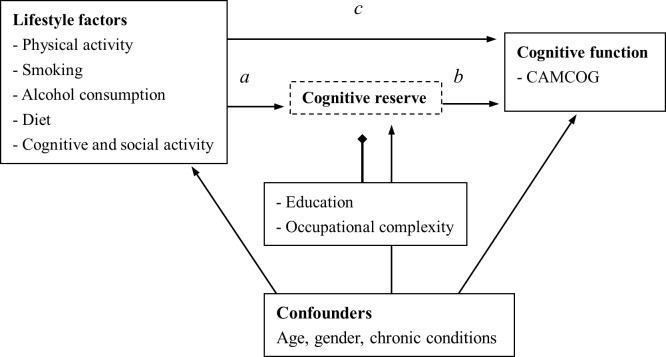
“To investigate the potential 270 mediating effect of cognitive reserve on the association between lifestyle factors and 271 cognitive function, three pathways (a, b, c) were estimated using linear regression modelling 272 and adjusting for age, gender and chronic conditions (Fig 1) [24].”
MethodWhat is cognitive reserve? Theory and research application of the reserve concept
STERN, Y. (2002) · Journal of the International Neuropsychological Society · doi:10.1017/s1355617702813248 · Cited by 3,951 · cited 2×
“trajectories of cognitive health and rates of cognitive decline [10].”
BackgroundPotential for primary prevention of Alzheimer's disease: an analysis of population-based data
Norton, S., Matthews, F. E., Barnes, D. E., Yaffe, K., & Brayne, C. (2014) · The Lancet Neurology · doi:10.1016/s1474-4422(14)70136-x · Cited by 2,466 · cited 2×
“relationships between exposures and outcomes and examine additional variables 265 hypothesised to be on the causal pathway [22, 23].”
BackgroundResultSelf-citationAn active and socially integrated lifestyle in late life might protect against dementia
Fratiglioni, L., Paillard-Borg, S., & Winblad, B. (2004) · The Lancet Neurology · doi:10.1016/s1474-4422(04)00767-7 · Cited by 2,135
Hertzog, C., Kramer, A. F., Wilson, R. S., & Lindenberger, U. (2008) · Psychological Science in the Public Interest · doi:10.1111/j.1539-6053.2009.01034.x · Cited by 1,495
Brain foods: The effects of nutrients on brain function.
Gómez-Pinilla, F. (2008) · Nature Reviews Neuroscience · doi:10.1038/nrn2421 · Cited by 1,372 · cited 1×
“networks and hence enhancing cognitive reserve, resulting in greater resilience against the 126 effects of developing neuropathology [13,14].”
BackgroundLeisure-time physical activity at midlife and the risk of dementia and Alzheimer's disease
Rovio, S., Kåreholt, I., Helkala, E.-L., Viitanen, M., Winblad, B., Tuomilehto, J., Soininen, H., Nissinen, A., & Kivipelto, M. (2005) · The Lancet Neurology · doi:10.1016/s1474-4422(05)70198-8 · Cited by 1,054 · cited 1×
“Targeting 104 potentially-modifiable lifestyle factors could have positive benefits for cognitive health in 105 later life and serve as a counterweight to elevated genetic risk [8].”
BackgroundBrain reserve and dementia: a systematic review
VALENZUELA, M. J., & SACHDEV, P. (2006) · Psychological Medicine · doi:10.1017/s0033291705006264 · Cited by 932 · cited 2×
“that place complex demands, is a key determinant of level of cognitive reserve [11,12].”
Background
Cited by
Items 101–200 of 325
Cognition and brain health among older adults in Iceland: the AGES-Reykjavik study
Valsdóttir, V., Magnúsdóttir, B. B., Chang, M., Sigurdsson, S. O., Gudnason, V. G., Launer, L. J., & Jónsdóttir, M. K. (2022) · GeroScience · doi:10.1007/s11357-022-00642-z · Cited by 15
Hong, C., Liu, Z., Liu, Y., Jin, Y., & Luo, Y. (2023) · The Journals of Gerontology Series A · doi:10.1093/gerona/glad232 · Cited by 22
Geroscience and Alzheimer's Disease Drug Development
Cummings, J. L., Osse, A. M. L., & Kinney, J. (2023) · The Journal of Prevention of Alzheimer s Disease · doi:10.14283/jpad.2023.103 · Cited by 16
“Contributors to resilience include lifestyle factors such as cognitive and social activity, physical activity, healthy diet, moderate alcohol consumption, and abstinence from smoking (57, 58).”
BackgroundLiang, C., Subramaniam, P., Goh, N. S. M. R., Tay, K. W., & Moustafa, A. A. (2023) · Healthcare · doi:10.3390/healthcare11212822 · Cited by 19
McManus, D. T. (2024) · Religions · doi:10.3390/rel15040478 · Cited by 33
“The lifestyle stability observed in nuns and monks is correlated with better cognitive performance, emphasizing the importance of adhering to various lifestyle factors in later life (Clare et al. 2017).”
BackgroundLinking cognitive and behavioral reserve: Evidence from the CAN‐PROTECT study
Guan, D. X., Mortby, M. E., Pike, G. B., Ballard, C. G., Creese, B., Corbett, A., Pickering, E., Hampshire, A., Roach, P., Smith, E. E., et al. (2024) · Alzheimer s & Dementia Translational Research & Clinical Interventions · doi:10.1002/trc2.12497 · Cited by 19
“48 These lifestyle factors have been suggested as other potential cognitive reserve proxies, 49 although their effect on cognition and behavior may be challenging to isolate from their effect on vascular risk factors and inflammation, both known to influence cognition, NPS,anddementiarisk.”
Zeng, J., Zou, X., Li, S., Tang, Y., Teng, S., Li, H., Wang, C., Wu, Y., Zhang, L., Zhong, Y., et al. (2024) · Journal of Medical Internet Research · doi:10.2196/51095 · Cited by 17
Self-citationYuan, S., Zhao, Y. W., Gao, W., Zhao, S., Liu, R., Ahmad, B., Li, H., Shi, Y., Wang, L., & Han, C. (2024) · BMC Public Health · doi:10.1186/s12889-024-21107-2 · Cited by 14
Camprodon‐Boadas, P., Rosa-Justícia, M., Sugranyes, G., Moreno, D. M., Baeza, I., Ilzarbe, D., Díaz‐Caneja, C. M., Ayora, M., Merchán‐Naranjo, J., Martín, N., et al. (2022) · European Child & Adolescent Psychiatry · doi:10.1007/s00787-022-01957-0 · Cited by 16
Shen, S., Cheng, J., Li, J., Xie, Y., Wang, L., Zhou, X., Zhou, W., Zhu, L., Wang, T., Tu, J., et al. (2022) · BMC Psychiatry · doi:10.1186/s12888-022-04159-9 · Cited by 18
“One study related to cognitive function suggests that education is an important protective factor for cognitive decline in later life [44].”
Memory and aging across cultures
Gutchess, A. H., & Cho, I. (2023) · Current Opinion in Psychology · doi:10.1016/j.copsyc.2023.101728 · Cited by 12
“Lifestyle factors contribute to older adults’ cognitive profiles, as well as risk for disorders such as Alzheimer’s disease [9,10].”
Dysregulation of Immune Mediators and Synaptic Plasticity in Central Nervous System Disorders
Imbriani, P., D’Ambra, C., Mori, R. D., Ionta, M., Renna, A., & Bonsi, P. (2026) · Cells · doi:10.3390/cells15020201 · Cited by 16
MacLeod, C. A., Bu, F., Rutherford, A., Phillips, J. E., & Woods, B. T. (2020) · SSM - Population Health · doi:10.1016/j.ssmph.2020.100720 · Cited by 14
“For further details about sampling, study design, and response rates see Matthews et al. (2013) and Clare et al. (2017).”
BackgroundSelf-citationJi, K., Sun, M., Li, L., Ye, H., Yang, S., & Wu, Y. (2024) · Scientific Reports · doi:10.1038/s41598-024-72949-0 · Cited by 17
“The test scores (the cut-off for the three scores was 15.625, 12, and 33).”
BackgroundInfluentialSelf-citationWang, H., Wang, J., Zeng, Y., Yang, H., Chen, W., Shen, Q., & Song, H. (2024) · Alzheimer s Research & Therapy · doi:10.1186/s13195-024-01592-8 · Cited by 14
“Other modifiable risk factors, such as sleep deprivation [50], have also been reported for dementia.”
BackgroundSex Matters in the Association between Physical Activity and Fitness with Cognition
Castells-Sánchez, A., Roig-Coll, F., Lamonja-Vicente, N., Torán‐Monserrat, P., Pera, G., Montero, P., Dacosta‐Aguayo, R., Bermudo-Gallaguet, A., Bherer, L., Erickson, K. I., et al. (2020) · Medicine & Science in Sports & Exercise · doi:10.1249/mss.0000000000002570 · Cited by 19
“essential factor of an active lifestyle for brain health (3).”
BackgroundChertkow, H. M. (2018) · The Journal of Prevention of Alzheimer s Disease · doi:10.14283/jpad.2018.27 · Cited by 17
“These should establish, for key lifestages, the balance in those populations of positive and negative features for brain health (42, 43).”
Physical activity, brain tissue microstructure, and cognition in older adults
Dawe, R. J., Yu, L., Leurgans, S. E., James, B. D., Poole, V. N., Arfanakis, K., Schneider, J. A., Bennett, D. A., & Buchman, A. S. (2021) · PLoS ONE · doi:10.1371/journal.pone.0253484 · Cited by 13
“Notably, many observational studies have reported associations between habitual physical activity level and cognitive levels [3,4] and trajectories [5,6] among older adults.”
Background‘We're happy as we are’: the experience of living with possible undiagnosed dementia
Henley, J., Hillman, A., Jones, I. R., Woods, B. T., MacLeod, C. A., Pentecost, C., & Clare, L. (2021) · Ageing and Society · doi:10.1017/s0144686x21001495 · Cited by 16
“Individuals living with suspected undiagnosed dementia can be detected in population-based epidemiological studies of older people, such as the Cognitive Function and Ageing Studies (CFAS: Matthews et al., 2013 and CFAS-Wales: Clare et al., 2017).”
BackgroundSelf-citationAssociation Between Social Participation and Cognitive Function in Community-Dwelling Adults
Park, S., Downer, B. G., Nam, S., Bae, S., & Hong, I. (2022) · OTJR Occupational Therapy Journal of Research · doi:10.1177/15394492221113506 · Cited by 17
“Active participation in such activities is cognitively stimulating (Clare et al., 2017), can increase physical activity (Liu & Lachman, 2020), and improves mental health (Mackenzie & Abdulrazaq, 2021).”
BackgroundLitkouhi, P. N., Numbers, K. T., Valenzuela, M., Crawford, J. D., Lam, B. C. P., Litkouhi, P. N., Sachdev, P. S., Kochan, N. A., & Brodaty, H. (2023) · Aging Neuropsychology and Cognition · doi:10.1080/13825585.2023.2181941 · Cited by 15
“…and physical activities are the main cognitive-reserve-building activities that have been identified and investigated (Arenaza-Urquijo et al., 2015; Clare et al., 2017), with strong support for their protective benefits on late life cognitive functioning (Baumgart et al., 2015; Kuiper et al.,…”
BackgroundMontoliu, T., Zapater‐Fajarí, M., Hidalgo, V., & Salvador, A. (2023) · Neuropsychologia · doi:10.1016/j.neuropsychologia.2023.108655 · Cited by 17
Karsazi, H., Rezapour, T., Ghamsari, A. S. M., Kormi‐Nouri, R., & Hatami, J. (2024) · Psychological Research · doi:10.1007/s00426-024-01926-z · Cited by 14
“Among the lifetime experiences, intellectual activities (IA) have been reported to protect older people against cognitive impairments, particularly by delaying the onset of cognitive decline and dementia (Clare et al., 2017; Reed et al., 2010).”
Montejo, L., Solé, B., Verdolini, N., Martínez‐Arán, A., Bonnín, C. D. M., Raduà, J., Martín‐Villalba, I., Williams, E., García‐Rizo, C., Mezquida, G., et al. (2021) · European Neuropsychopharmacology · doi:10.1016/j.euroneuro.2021.07.006 · Cited by 15
Wu, W., Zhao, Q., Xiao, Z., Liang, X., Luo, J., & Ding, D. (2020) · International Journal of Geriatric Psychiatry · doi:10.1002/gps.5403 · Cited by 14
“Clare and Najar reported that CA and PA were both independently associated with better cognitive function and lower risk of developing dementia.(38,39) In two independent samples of non-demented older adults, Casaletto et al and his colleagues found higher CA, but not PA was related to better global cognition.”
BackgroundHardy‐Léger, I., Charles, C., Lange, M., Joly, F., Roux, P., Capel, A., Petrucci, J., Rigal, O., Fel, J. L., Vanlemmens, L., et al. (2020) · Psycho-Oncology · doi:10.1002/pon.5572 · Cited by 15
Vascular cognitive impairment: at the heart of the matter
Schievink (2018) · Research Publications (Maastricht University) · doi:10.26481/dis.20181005ss · Cited by 16
Two-year neurocognitive responses to first occupational lead exposure
Yu, Y., Thijs, L., Saenen, N. D., Melgarejo, J. D., Wei, D., Yang, W., Yu, C., Roels, H. A., Nawrot, T. S., Maestre, G. E., et al. (2020) · Scandinavian Journal of Work Environment & Health · doi:10.5271/sjweh.3940 · Cited by 12
“…important drivers of cognitive impairment, in particular low educational attainment, socio-economic deprivation, abuse of alcohol and recreational drugs, discriminating based on ethnicity, and not providing opportunities for immigrants to assimilate the skills necessary for social integration (29).”
Li, H., Zheng, Y., Li, Q., & Wang, M. (2024) · Nutrients · doi:10.3390/nu16091297 · Cited by 12
“Previous studies also showed that smoking, alcohol consumption, regular exercise, and BMI played vital roles in cognitive function [12,54,55].”
Backgroundde Oliveira, R. T., Lino, T. B., Scarmagnan, G. S., Barbosa, S. R. M., Pegorare, A. B. G. D. S., & Christofoletti, G. (2024) · Brain Sciences · doi:10.3390/brainsci14070703 · Cited by 12
Li, C., Bai, C., Wang, L., Zhang, M., Zhou, M., Chen, J., Zhao, D., Chen, B., Wang, Q. M., Li, Y., et al. (2025) · Alzheimer s & Dementia · doi:10.1002/alz.70021 · Cited by 14
Does cognitive aging follow an orchid and dandelion phenomenon?
Rodrigues, E. A., Christie, G. J., Farzan, F., & Moreno, S. (2022) · Frontiers in Aging Neuroscience · doi:10.3389/fnagi.2022.986262 · Cited by 12
“Despite these benefits being inconsistently observed, the contribution of modifiable lifestyle factors to cognitive health means that there may be potential to stabilize or improve declining trajectories of cognitive function (Clare et al., 2017).”
BackgroundPhysical fitness mediates the association between age and cognition in healthy adults
Orland, Y., Beeri, M. S., Levy, S., Israel, A., Ravona‐Springer, R., Segev, S., & Elkana, O. (2020) · Aging Clinical and Experimental Research · doi:10.1007/s40520-020-01621-0 · Cited by 16
Impact of Sociodemographic Features and Lifestyle on Cognitive Performance of Peruvian Adults
Vilca, B. N. C., Zegarra-Valdivia, J. A., de Frutos‐Lucas, J., Paredes-Manrique, C., & Custodio, N. (2022) · Journal of Alzheimer s Disease · doi:10.3233/jad-220428 · Cited by 11
Mindset matters: contributions from grit and growth mindsets to successful aging
Fleck, J. I., Patel, P., Riley, E., & Ferri, C. V. (2023) · Aging & Mental Health · doi:10.1080/13607863.2023.2280626 · Cited by 12
“Behavioral factors such as exercise, cognitive stimulation, and social engagement are known contributors to successful aging (Clare et al., 2017; Collado-Mateo et al., 2021; Fleck et al., 2019), yet, psychological factors, such as grit and growth mind-set have been largely unstudied (cf., Rhodes &…”
BackgroundWang, B., Yang, L., Ma, T., He, S., Li, J., & Sun, X. (2025) · Scientific Reports · doi:10.1038/s41598-024-83607-w · Cited by 12
The impact of lifestyle factors on trajectories of cognitive subtypes in the older adult population
Rodrigues, E. A., Mahamadou, A. J. D., & Moreno, S. (2025) · Scientific Reports · doi:10.1038/s41598-025-91171-0 · Cited by 13
“Further, while a range of lifestyle and environmental factors have been linked to improved cognitive aging 52,53 , most studies focus on their relationship with baseline cognitive performance, assuming that cognitive aging is a uniform process (e.g., 54,55 ).”
Cheng, F., Ju, Y., Chen, X., & Jia, H. (2023) · International Journal of Geriatric Psychiatry · doi:10.1002/gps.5877 · Cited by 12
Amanzio, M., Cipriani, G. E., Bartoli, M., Canessa, N., Borghesi, F., Chirico, A., & Cipresso, P. (2023) · Scientific Reports · doi:10.1038/s41598-023-33513-4 · Cited by 13
Adachi, Y., Shimodaira, Y., Nakamura, H., Imaizumi, A., Mori, M., Kageyama, Y., Noguchi, Y., Seki, A., Okabe, Y., Miyake, Y., et al. (2017) · BMC Geriatrics · doi:10.1186/s12877-017-0639-5 · Cited by 10
“Although the underlying mechanism is still unclear, olfactory dysfunction may interfere with life style factors such as dietary patterns and thus affect cognitive reserve [26, 28], which may in turn explain how olfactory dysfunction predicts neurodegenerative diseases and mortality [11–14].”
BackgroundChuang, S., CHENG, H.-M., Ko, Y.-T., Liao, C., Pan, W., Liu, W., Hung, C.-Y., & Chen, C. (2022) · Frontiers in Cardiovascular Medicine · doi:10.3389/fcvm.2022.844396 · Cited by 12
“Cognitive reserve can be measured by proxy indicators, such as years of full-time education and occupational complexity (23).”
BackgroundBernini, S., Ballante, E., Fassio, F., Panzarasa, S., Quaglini, S., Riccietti, C., Costa, A. C., Cappa, S. F., Tassorelli, C., Vecchi, T., et al. (2023) · Frontiers in Psychology · doi:10.3389/fpsyg.2023.1266314 · Cited by 11
Soldevila‐Domenech, N., Fagundo, A. B., Cuenca‐Royo, A., Forcano, L., Gomis‐González, M., Boronat, A., Pastor, A., Castañer, O., Zomeño, M. D., Goday, A., et al. (2024) · Nutrition Journal · doi:10.1186/s12937-024-00966-w · Cited by 13
“These results are consistent with previous studies that showed that cognitive reserve is an important mediator of the association between lifestyle factors and cognition [84].”
ResultWu, X., Zhang, N., Chao, J., Liu, Y., & Zhang, B. (2024) · Archives of Psychiatric Nursing · doi:10.1016/j.apnu.2024.07.012 · Cited by 9
Qi, Q., Deng, F., Sammon, R., Ritchie, K. A., Terrera, G. M., Koychev, I. G., Malhotra, P., Hutchinson, S., Robinson, D., O'Brien, J. T., et al. (2024) · Alzheimer s Research & Therapy · doi:10.1186/s13195-024-01610-9 · Cited by 13
D’Ermo, A., Libero, T. D., Langiano, E., Tosti, B., Corrado, S., Diotaiuti, P., Fattorini, L., & Rodio, A. (2024) · Journal of Gerontology and Geriatrics · doi:10.36150/2499-6564-n753 · Cited by 9
Mechanisms and Impact of Cognitive Reserve in Normal Aging and Alzheimer’s Disease
Simfukwe, C., An, S. S. A., & Youn, Y. C. (2025) · Diagnostics · doi:10.3390/diagnostics15233068 · Cited by 14
Yang, J., Zhou, C., & Li, H. (2023) · PsyCh Journal · doi:10.1002/pchj.712 · Cited by 10
“Lifestyle changes, including increased leisure activities, social activities, physical exercise and dietary diversity, and reduced smoking or alcohol consumption, can reduce or delay the risk of cognitive impairment (Clare et al., 2017; Liu et al., 2020).”
BackgroundValsdóttir, V., Jónsdóttir, M. K., Magnúsdóttir, B. B., Chang, M., Hu, Y., Gudnason, V. G., Launer, L. J., & Stefánsson, H. (2023) · GeroScience · doi:10.1007/s11357-023-01040-9 · Cited by 9
Degree of multilingual engagement modulates resting state oscillatory activity across the lifespan
Voits, T., DeLuca, V., Hao, J., Elin, K., Abutalebi, J., Duñabeitia, J. A., Berglund, G., Gabrielsen, A., Rook, J., Thomsen, H., et al. (2024) · Neurobiology of Aging · doi:10.1016/j.neurobiolaging.2024.04.009 · Cited by 12
“…has shown that lifestyle enrichment factors such as high educational and occupational attainment (Darwish et al., 2018), healthy dietary patterns (Clare et al., 2017), sustained physical exercise (Eckstrom et al., 2020), and good social health (i.e., participation in an active social life)…”
BackgroundNutrition, sarcopenia and frailty: An Asian perspective
Woo, J., Ong, S., Chan, R., Li, L., Sun, J., Chan, Y. M., Wee, S. L., Thu, N. N., Thang, P., Setiati, S., et al. (2019) · Translational Medicine of Aging · doi:10.1016/j.tma.2019.11.001 · Cited by 9
Stožická, Z., Korenova, M., Uhrinova, I., Cubinkova, V., Cente, M., Kováčech, B., Babindakova, N., Matyasova, K., Vargová, G., Novák, M., et al. (2020) · Journal of Alzheimer s Disease · doi:10.3233/jad-191112 · Cited by 11
Schnermann, M. E., Schulz, C., Ludwig, C., Alexy, U., & Nöthlings, U. (2022) · European Journal of Nutrition · doi:10.1007/s00394-022-02921-z · Cited by 11
“Some studies in adults have already shown a positive association between the lifestyle factors diet, physical activity, social or intercultural activities with cognitive function in later life [5–7], which might be mediated by cognitive reserve [5].”
BackgroundGenoRisk: A polygenic risk score for Alzheimer's disease
Dickson, S. P., Hendrix, S. B., Brown, B. L., Ridge, P. G., Nicodemus‐Johnson, J., Hardy, M. L., McKeany, A. M., Booth, S. B., Fortna, R. R., Kauwe, J. S. K., et al. (2021) · Alzheimer s & Dementia Translational Research & Clinical Interventions · doi:10.1002/trc2.12211 · Cited by 12
A design for life: Predicting cognitive performance from lifestyle choices
Nichols, E. S., Nelson, G., Wild, C. J., & Owen, A. M. (2024) · PLoS ONE · doi:10.1371/journal.pone.0298899 · Cited by 15
Dalecká, A., Ksinan, A. J., Szabo, D., Čapková, N., Pikhart, H., & Bobák, M. (2025) · International Journal of Hygiene and Environmental Health · doi:10.1016/j.ijheh.2025.114521 · Cited by 8
“Cognitive health is among the major factors underlying good quality of life of older people, as it enables them to maintain a sense of purpose and the ability to live independently (Przedborski et al., 2003; Clare et al., 2017).”
Jardim, N. Y. V., Bento-Torres, N. V. O., Tomás, A. M., da Costa, V. O., Bento‐Torres, J., & Diniz, C. W. P. (2023) · Archives of Gerontology and Geriatrics · doi:10.1016/j.archger.2023.105206 · Cited by 9
A predictive model of cognitive impairment risk in older adults with hypertension
Zuo, W., & Yang, X. (2025) · Journal of Clinical Neuroscience · doi:10.1016/j.jocn.2025.111032 · Cited by 8
Association of Cardiovascular Health and Cognition
Kulshreshtha, A., Saini, J., German, T., & Alonso, Á. (2019) · Current Epidemiology Reports · doi:10.1007/s40471-019-00210-8 · Cited by 8
The future of the ageing workforce in engineering: relics or resources?
Oppert, M. L., & O’Keeffe, V. (2019) · Australian Journal of Multi-Disciplinary Engineering · doi:10.1080/14488388.2019.1666621 · Cited by 8
“One area worthy of attention is assessing the impact of fluid intelligence on problem solving with other measures or phenomena like cognitive reserve theory (see Clare et al. 2017; Kaplan et al. 2009; Opdebeeck, Martyr, and Clare 2016).”
BackgroundEffects of incidental physical activity on morphosyntactic processing in aging
Alatorre-Cruz, G. C., Sánchez-López, J., Silva‐Pereyra, J., & Fernández, T. (2020) · PLoS ONE · doi:10.1371/journal.pone.0239727 · Cited by 9
“Several studies have suggested that lifestyle also affects cognition in aging (see [14] for a systematic review and [15, 16] for two of the most recent studies).”
BackgroundGreater lifestyle engagement is associated with better cognitive resiliencePreprint
Borgeest, G. S., Henson, R. N., Shafto, M. A., Samu, D., Cam‐CAN, & Kievit, R. (2018) · PsyArXiv (OSF Preprints) · doi:10.31234/osf.io/6pzve · Cited by 8
Association of Tai Chi and Square Dance with Cognitive Function in Chinese Older Adults
Zhao, X., Liu, D., & Wang, J. (2024) · Healthcare · doi:10.3390/healthcare12181878 · Cited by 7
Bernini, S., Valcarenghi, A., Ballante, E., Fassio, F., Picascia, M., Cavallini, E., Ramusino, M. C., da Costa, A. R., Vecchi, T., Tassorelli, C., et al. (2025) · Scientific Reports · doi:10.1038/s41598-025-88340-6 · Cited by 11
XiuCen, W., GuiHua, C., Li, Q., Tang, H., & HuaPeng, S. (2025) · Brain and Behavior · doi:10.1002/brb3.70594 · Cited by 8
“…and maintenance of multidimensional cognitive structures that enable older adults to maintain social connectedness, a sustained sense of purpose, and the ability to function independently, recover function from illness or injury, and cope with residual functional deficits (Clare et al. 2017).”
Nicotinamide and Demographic and Disease transitions: Moderation is Best
Williams, A. C., & Hill, L. J. (2019) · International Journal of Tryptophan Research · doi:10.1177/1178646919855940 · Cited by 7
Mendoza-Holgado, C., García, J. M. L., López‐Espuela, F., Roncero‐Martín, R., Canal-Macías, M. L., Vera, V., Aliaga, I. J., Rey‐Sánchez, P., Pedrera‐Zamorano, J. D., & Morán, J. M. (2021) · Healthcare · doi:10.3390/healthcare9101266 · Cited by 10
Psychometric properties of the Cognitive Reserve Questionnaire for Adolescents (CoRe-A)
Camprodon‐Boadas, P., de la Serna, E., Baeza, I., Ilzarbe, D., Puig, O., Andrés-Perpiñá, S., Sugranyes, G., & Castro‐Fornieles, J. (2022) · Revista de Psiquiatría y Salud Mental · doi:10.1016/j.rpsm.2022.02.003 · Cited by 11
Nexus between cognitive reserve and modifiable risk factors of dementia
Wang, H. (2020) · International Psychogeriatrics · doi:10.1017/s1041610220000320 · Cited by 7
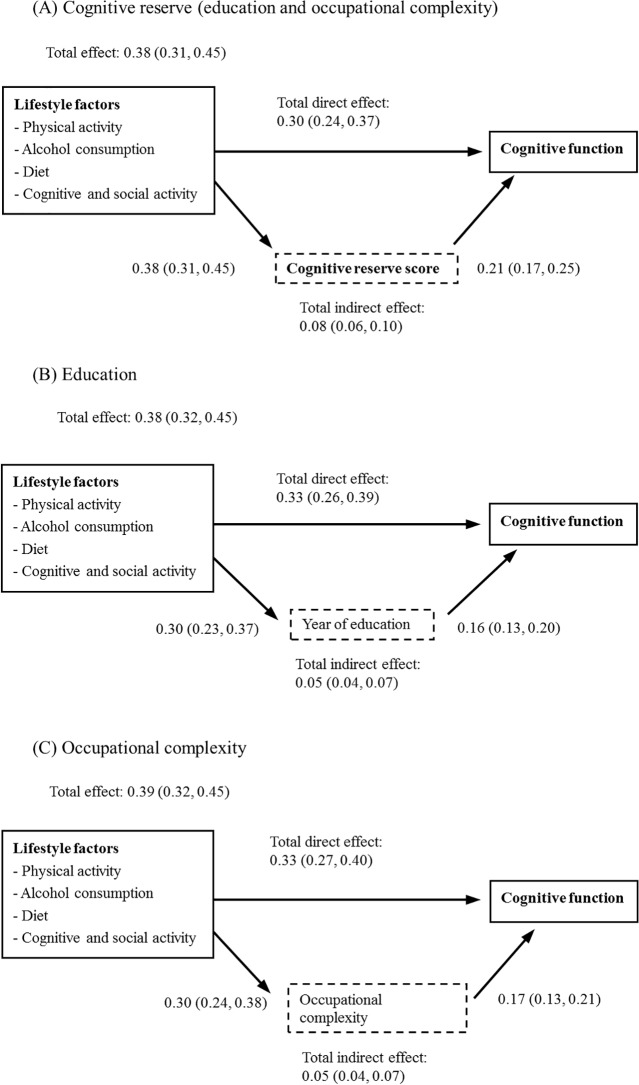
“The study found that cognitive reserve, indexed by education and occupational complexity, was an essential mediator of the association between the four lifestyle factors (cognitive and social activity, physical activity, diet, alcohol consumption) and cognition (Clare et al., 2017).”
BackgroundResultYan, Z., Zou, X., & Hou, X. (2020) · Frontiers in Psychology · doi:10.3389/fpsyg.2020.02217 · Cited by 8
Lee, J., Lee, J., Hwang, S., Chung, M.-K., Park, J. Y., Shin, T., Lee, K.-J., Lim, H.-S., Urtnasan, E., & Kim, M. (2024) · Depression and Anxiety · doi:10.1155/2024/6462853 · Cited by 9
Lü, Y., Yue, X., Zhao, H., Wang, K., & Chu, Z. (2025) · Journal of Global Health · doi:10.7189/jogh.15.04060 · Cited by 8
“According to previous research, age, body mass index (BMI), waist circumference [ 32 ], gender, education level [ 33 ], smoking status, drinking status [ 34 , 35 ], chronic diseases [ 36 – 38 ], and missing teeth as covariates in the analysis.”
Cognitive reserve and aging: Impacts on theory of mind and executive functions
Şandor, S., Hıdıroğlu, C., & Yıldırım, E. (2025) · Applied Neuropsychology Adult · doi:10.1080/23279095.2025.2480710 · Cited by 6
The Association of Life Stress with Subsequent Brain and Cognitive Reserve in Middle-Aged Women
Schuurmans, I. K., Hoepel, S. J. W., Cecil, C. A. M., Hillegers, M. H. J., Ikram, M. A., & Luik, A. I. (2023) · Journal of Alzheimer s Disease · doi:10.3233/jad-220923 · Cited by 10
Chen, K., Li, Y., Yue, R., Zhao, J., Cui, S., Zhang, X., Zhu, D., & Li, Q. (2024) · Frontiers in Aging Neuroscience · doi:10.3389/fnagi.2024.1458274 · Cited by 6
Wang, Q., Lv, D., Wen, J., Zhou, H., Jia, M., Li, J., Du, H., & Shuang, W. (2025) · BMC Cancer · doi:10.1186/s12885-025-13774-0 · Cited by 7
“Studies have shown that strong cognitive abilities are closely associated with social engagement, physical activity, and a healthy diet, all of which collectively enhance health literacy [79].”
A Phenomenological Study of the Lived Experience of Roman Catholic Sisters and Successful Aging
McManus, D. T. (2020) · Journal of Holistic Nursing · doi:10.1177/0898010120913174 · Cited by 7
“A significant amount of studies has shown that there is an association between cognitive performance and lifestyle practices such as religion and spirituality in older adults (Clare et al., 2017).”
Szcześniak, D. M., Lenart‐Bugla, M., Misiak, B., Zimny, A., Sąsiadek, M. J., Połtyn–Zaradna, K., Zatońska, K., Zatoński, T., Szuba, A., Smith, E. E., et al. (2022) · International Journal of Environmental Research and Public Health · doi:10.3390/ijerph191912228 · Cited by 8
“An example of such a mechanism is a person who maintains function or does not show any clinical expression despite dementia-related pathology [14].”
BackgroundAssociation of Perceived Neighborhood Environments With Cognitive Function in Older Adults
Kim, B., Rosenberg, D. E., Dobra, A., Barrington, W. E., Hurvitz, P. M., & Belza, B. L. (2023) · Journal of Gerontological Nursing · doi:10.3928/00989134-20230707-04 · Cited by 7
“Social and physical neighborhood environments with qualities of being traversable, compact, safe, and attractive can contribute to better cognitive function by promoting physical activity, social connections, and cognitive activities (Forsyth, 2015; Lee & Waite, 2018; Wu et al., 2017).”
BackgroundDementia Research: Populations, Progress, Problems, and Predictions
Hunter, S., Smailagic, N., & Brayne, C. (2018) · Journal of Alzheimer s Disease · doi:10.3233/jad-179927 · Cited by 7
Self-citationSkalski‐Bednarz, S. B., Pochwatko, G., & Balas, R. (2021) · Infant and Child Development · doi:10.1002/icd.2242 · Cited by 12
Lin, J., Xiao, J., Li, Q., & Cao, L. (2023) · BMC Geriatrics · doi:10.1186/s12877-023-04231-3 · Cited by 7
“Past studies have shown that delayed cognitive decline is due to cognitive reserve about health knowledge instead of education [36].”
BackgroundDing, F., Jia, S., Xin, X., Li, S., Liu, C., Guo, Z., Liu, Q., Ma, X., Chen, W., & Wang, X. (2025) · Journal of NeuroEngineering and Rehabilitation · doi:10.1186/s12984-025-01803-9 · Cited by 6
Adolescent neighborhood disadvantage and memory performance in young adulthood
Noppert, G. A., Martin, C. L., Zivich, P. N., Aiello, A. E., Harris, K. M., & O’Rand, A. M. (2022) · Health & Place · doi:10.1016/j.healthplace.2022.102793 · Cited by 5
Hua, J., Zhou, Y., Chen, L., Tang, X., Diao, S., & Fang, Q. (2022) · Frontiers in Neurology · doi:10.3389/fneur.2022.917295 · Cited by 6
Yang, B. T., Miao, R., Tian, Z., Wang, T., Zhu, F., Li, T., Li, W., & Wu, J. (2024) · Heliyon · doi:10.1016/j.heliyon.2024.e36736 · Cited by 6
“Cognitive function is a crucial factor for ensuring the quality of life and maintaining independence, especially in adults and the elderly adults, and it is closely linked to the structure and function of multiple brain regions [23].”
BackgroundBeveridge, J., Sheth, P., Thakkar, S., Silverglate, B., & Grossberg, G. T. (2024) · Expert Review of Neurotherapeutics · doi:10.1080/14737175.2024.2445015 · Cited by 8
Chen, S., Ling, Y., Zhou, F., Qiao, X., & Reinhardt, J. D. (2024) · PLoS ONE · doi:10.1371/journal.pone.0299316 · Cited by 8
Moderate-intensity exercise training improves long-term memory in fructose-fed rats
Rebelo, M. A., Padovan, C. M., Pereira, A., & de Moraes, C. (2020) · Motriz Revista de Educação Física · doi:10.1590/s1980-65742020000400081 · Cited by 5
Li, Y., Yang, Y., Zhao, P., Wang, J., Mi, B., Zhao, Y., Pei, L., Yan, H., & Chen, F. (2023) · Journal of Affective Disorders · doi:10.1016/j.jad.2023.03.039 · Cited by 6
Pacifico, D., Sabatini, S., Fiordelli, M., Annoni, A. M., Frei, A. L., Puhan, M. A., Graf, G., & Albanese, E. (2023) · BMC Geriatrics · doi:10.1186/s12877-023-04311-4 · Cited by 6
“Cognitive reserve is the result of people’s engagement in cognitively stimulating activities throughout their lives including education, intellectually demanding jobs, and complex leisure activities [9–14].”
BackgroundLifestyle Composite and Resilience to Alzheimer's Disease Pathology in Down Syndrome
Schworer, E., Zammit, M., Handen, B., Piro-Gambetti, B., Jenkins, M. R., Brothers, C. E., Okonkwo, O., Hom, C., Ances, B., Christian, B., et al. (2025) · Journal of Applied Research in Intellectual Disabilities · doi:10.1111/jar.70109 · Cited by 4
“Outside of DS, several lifestyle factors have been shown to build resilience to AD, such as leisure, employment, and physical activity (Clare et al. 2017; Song et al. 2022); however, little research has examined the combined benefit of these lifestyle factors for building resilience to DSAD.”
Miladitiya, A., Juniarto, A. Z., Nugrohowati, A. K., & Winarni, T. I. (2023) · Journal of Nutrition in Gerontology and Geriatrics · doi:10.1080/21551197.2023.2249835 · Cited by 5
“27 Additionally, Kimura et al. conducted a study in Japanese older adults, which revealed that appropriate durations of sleep and social activity, especially conversation time were important for cognitive function.”
BackgroundReimagining neuroscientific and andragogical principles for dementia care education
Kassie, S. A., & Astell, A. J. (2024) · Gerontology & Geriatrics Education · doi:10.1080/02701960.2024.2346741 · Cited by 6
Machine learning for the early prediction of long-term cognitive outcome in autoimmune encephalitis
Zhang, Y., Shi, X., Fan, Z., Tu, E., Wu, D., Leng, X., Wan, T., Wang, X., Wang, X., Lu, W., et al. (2025) · Journal of Psychosomatic Research · doi:10.1016/j.jpsychores.2025.112051 · Cited by 5
Lǚ, Z., Hu, T., Kang, S., Fan, K., Liu, L., & Zhou, Y. (2025) · Journal of Affective Disorders · doi:10.1016/j.jad.2025.03.035 · Cited by 4
Zhu, X., Ni, Z., Zhu, X., Yang, Y., Xie, S., Wang, X., & Yang, X. (2025) · Frontiers in Psychiatry · doi:10.3389/fpsyt.2025.1569022 · Cited by 7
Liu, Y., Wang, Y., Yao, N., Sun, M., Guo, R., Wang, F., Wu, Z., Dong, Y., Wang, S., & Li, B. (2023) · Journal of Functional Foods · doi:10.1016/j.jff.2023.105945 · Cited by 6
Zarringhadam, M., Hasanvand, S., Birjandi, M., & Beiranvand, A. (2024) · BMC Research Notes · doi:10.1186/s13104-024-06766-z · Cited by 5
“Thus, cognitive health is maintained with a healthy and active lifestyle [13].”
BackgroundThe Association of Reproductive Aging with Cognitive Function in Sub-Saharan African Women
Jaff, N. G., & Crowther, N. J. (2021) · Methods in molecular biology · doi:10.1007/978-1-0716-1558-4_5 · Cited by 8
Metadata
- Authors
- Clare, L., Wu, Y.-T., Teale, J. C., MacLeod, C., Matthews, F., Brayne, C., Woods, B., & CFAS-Wales study team
- Affiliations
- Australian National University (AU)
- University of Exeter (GB)
- Bangor University (GB)
- University of Cambridge (GB)
- Corresponding author
- Clare, Linda
- Venue
- PLOS Medicine
- Publisher
- Public Library of Science (PLoS)
- Published
- 2017-03-21
- Volume
- 14
- Issue
- 3
- Pages
- e1002259
- ISSN
- 1549-1277 (ISSN-L)
- 1549-1676
- PMC
- PMC5360216
- OpenAlex
- W2584171552
- Cited by
- 325
- References
- 39
- Citations by year
- 2026: 27 · 2025: 52 · 2024: 51 · 2023: 45 · 2022: 33 · 2021: 36 · 2020: 37 · 2019: 25 · 2018: 15 · 2017: 4
- FWCI
- 18.20
- Type
- journal article
- Language
- en
- Open access
- gold
- doi.org
- Licence
- Locations
- PLoS Medicine (publishedVersion, cc-by)
- PubMed Central (publishedVersion, cc-by)
- PubMed (publishedVersion)
- Edinburgh Research Explorer (University of Edinburgh) (submittedVersion, cc-by)
- DOAJ (DOAJ: Directory of Open Access Journals) (submittedVersion, cc-by-sa)
- Figshare (submittedVersion)
- Figshare (submittedVersion, cc-by)
- Repository@Hull (Worktribe) (University of Hull) (submittedVersion, cc-by)
- Open Research Exeter (University of Exeter) (submittedVersion, cc-by)
- Bangor University Research Portal (Bangor University) (submittedVersion, other-oa)
- Apollo (University of Cambridge) (submittedVersion, cc-by)
- Apollo (cc-by)
- Funders
- Economic and Social Research Council (RES-060-25-0060)
- Medical Research Council (U105292687)
- Topics
- Health Sciences › Medicine › Psychiatry and Mental health › Dementia and Cognitive Impairment Research
- Health Sciences › Medicine › Public Health, Environmental and Occupational Health › Aging, Health, and Disability
- Social Sciences › Psychology › Developmental and Educational Psychology › Aging and Gerontology Research
- Keywords
- cognitive reserve, lifestyle factors, cognitive function, older adults, mediation analysis, cognitive activity, social activity, physical activity, diet, alcohol consumption, smoking, dementia risk, cognitive decline
- MeSH terms
- Aged, Aged, 80 and over, Cognition, Cross-Sectional Studies, Educational Status, Female, Humans, Life Style, Male, Occupations, Wales, Cognitive Reserve
About these checks
Registry, retraction, Cites and statistics results are computed, not judged, with one exception: a printed reference that no index lists is read once by a model before it counts as a citation error. Claims are extracted by a model and kept only when their quote appears verbatim in the text; each cited source is then checked, with a model’s help, for whether it says what the claim relies on. Those verdicts can be wrong — read the claim’s quote and the cited source before relying on one.
Statistics and arithmetic are recomputed, not judged.
Confidence bands are shown only for fields calibrated on our annotated test set. None is calibrated yet, so no band is shown.
What counts as a claim ›How we measure confidence ›How we check this ›
Are you an author, or do you see a problem with this page? Request a review
Data sources
Bibliographic data: Semantic Scholar, OpenAlex, Crossref.
Contains information from the Semantic Scholar Academic Graph Datasets, made available under the ODC Attribution License (ODC-BY 1.0).
Semantic Scholar’s data is described in: Kinney, R., et al. (2023). The Semantic Scholar Open Data Platform. arXiv:2301.10140.
