

The DOI matches its Crossref record; 53 of the 53 references it cites were found in a registry or an index.
Convergent Processing of Both Positive and Negative Motivational Signals by the VTA Dopamine Neuronal Populations
Open accessAbstract
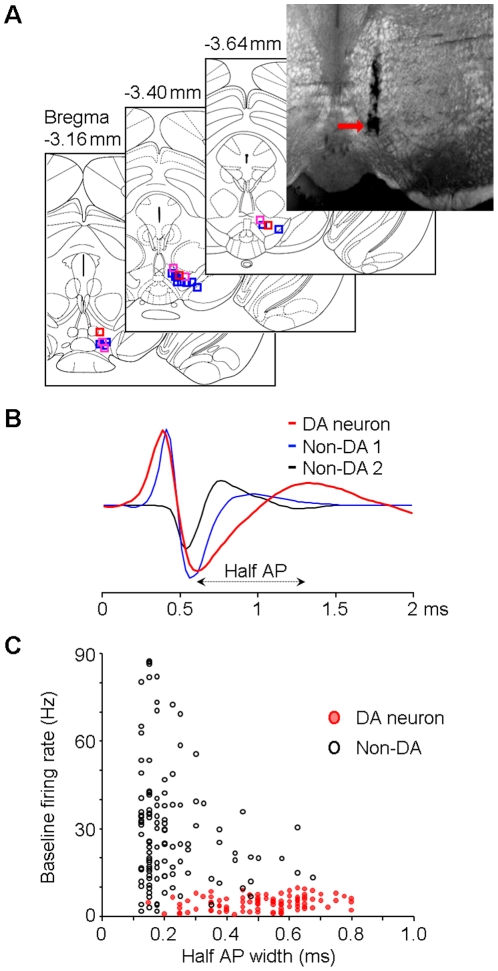
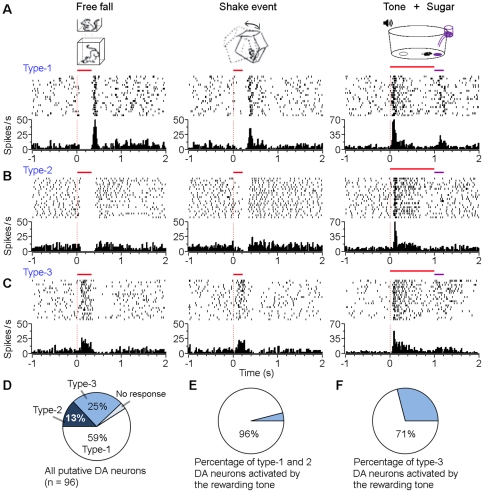
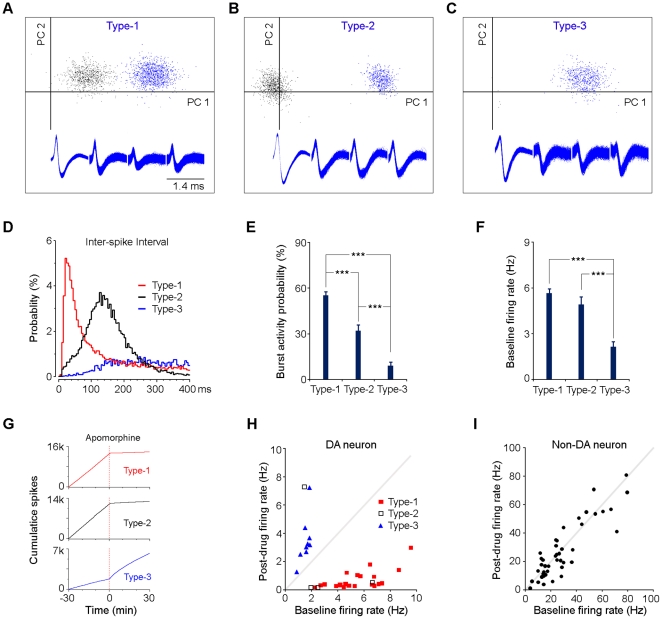
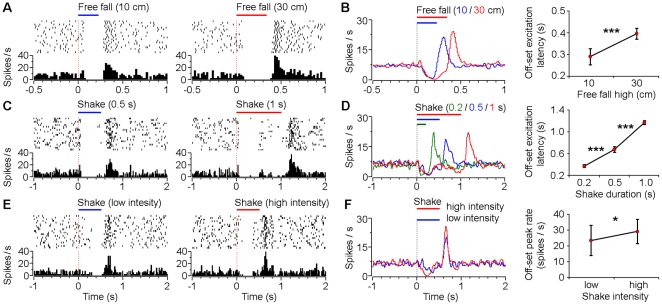
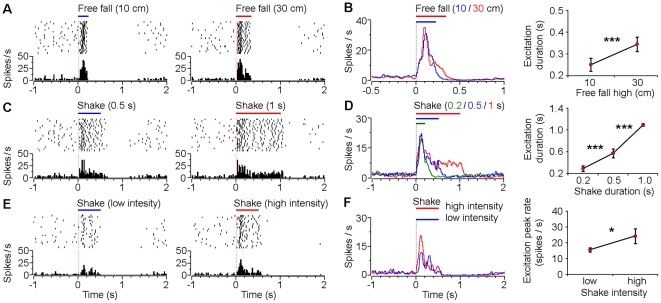
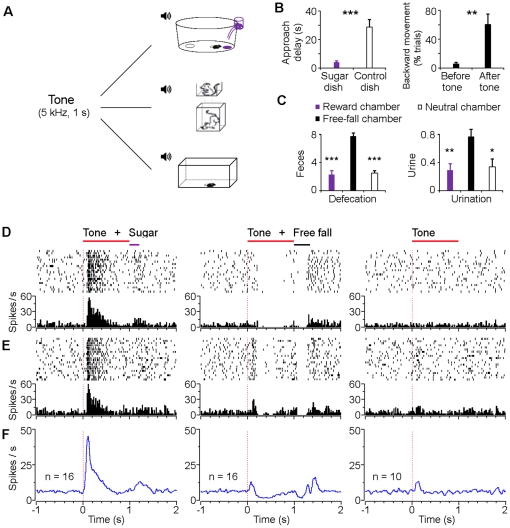
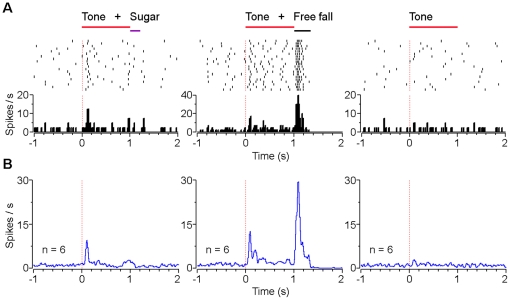
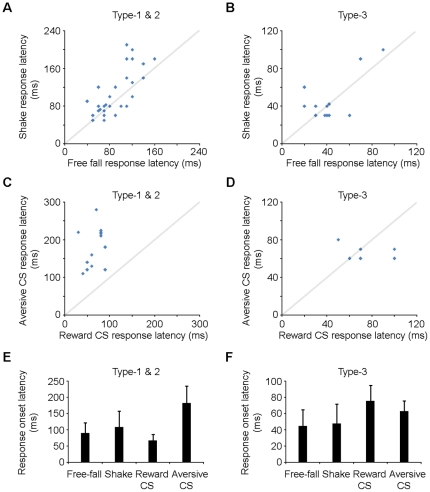
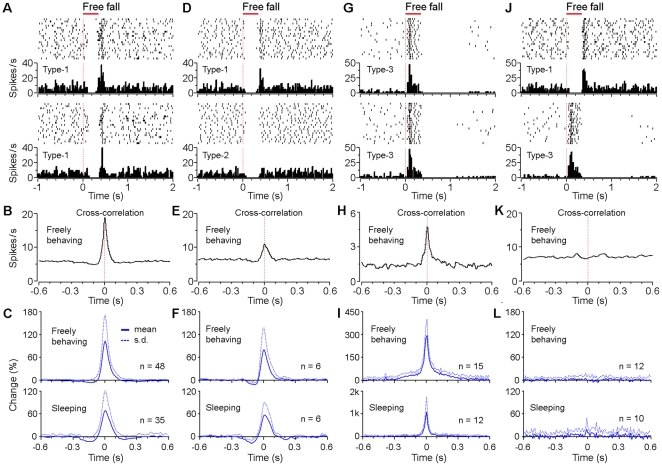
Dopamine neurons in the ventral tegmental area (VTA) have been traditionally studied for their roles in reward-related motivation or drug addiction. Here we study how the VTA dopamine neuron population may process fearful and negative experiences as well as reward information in freely behaving mice. Using multi-tetrode recording, we find that up to 89% of the putative dopamine neurons in the VTA exhibit significant activation in response to the conditioned tone that predict food reward, while the same dopamine neuron population also respond to the fearful experiences such as free fall and shake events. The majority of these VTA putative dopamine neurons exhibit suppression and offset-rebound excitation, whereas ∼25% of the recorded putative dopamine neurons show excitation by the fearful events. Importantly, VTA putative dopamine neurons exhibit parametric encoding properties: their firing change durations are proportional to the fearful event durations. In addition, we demonstrate that the contextual information is crucial for these neurons to respectively elicit positive or negative motivational responses by the same conditioned tone. Taken together, our findings suggest that VTA dopamine neurons may employ the convergent encoding strategy for processing both positive and negative experiences, intimately integrating with cues and environmental context.
Overview
The claims and statistics of this paper haven’t been checked yet.
Run the check — free, no account needed. It reads the open-access text and checks the sources it cites.
Integrity signals
Registry
Cites
Statistics
Figures
Verification
Claims the paper makes
The claims and statistics of this paper haven’t been checked yet.
Run the check — free, no account needed. It reads the open-access text and checks the sources it cites.
Claims other papers make about this one
Each is checked against this paper’s own text: does it say what the citing paper says it does?
In the citing paper
“Recent experiments also show that acute stressors are encoded by DA-releasing neurons in the VTA, cause DA sensitization in the NAC, and facilitate drug taking; demonstrating that mesolimbic DA release also encodes negative motivational states and stress responses (Miczek et al 2011; Wang and Tsien 2011).”
From The behavioral, anatomical and pharmacological parallels between social attachment, love and addiction (2012) · cites this paper as Wang and Tsien 2011
In the citing paper
“Some of the stress-related effects of CRF in the NAC shell may be DA-dependent; recall that DA is also modulated by acute and chronic stressors (Miczek et al 2011; Wang and Tsien 2011; Chen et al 2012b).”
From The behavioral, anatomical and pharmacological parallels between social attachment, love and addiction (2012) · cites this paper as Wang and Tsien 2011
In the citing paper
“Thus, although 89% of VTA dopaminergic neurons respond with activation to a conditioned reward, they also respond to fearful events, with the majority of the neurons showing suppression. Interestingly, 25% respond with excitation to both positive and fearful events [101].”
From A neoHebbian framework for episodic memory; role of dopamine-dependent late LTP (2011) · cites this paper as [101]
Self-check
Percentages, sums and reported differences re-computed from the paper’s own numbers.
The self-check needs the paper’s full text.
Citations
Cites
The Mouse Brain in Stereotaxic Coordinates
Paxinos, G. (2001) · Cited by 12,859
Di Chiara, G., & Imperato, A. (1988) · Proceedings of the National Academy of Sciences · doi:10.1073/pnas.85.14.5274 · Cited by 4,733
What is the role of dopamine in reward: hedonic impact, reward learning, or incentive salience?
Berridge, K. C., & Robinson, T. E. (1998) · Brain Research Reviews · doi:10.1016/s0165-0173(98)00019-8 · Cited by 4,127
Neural systems of reinforcement for drug addiction: from actions to habits to compulsion
Everitt, B. J., & Robbins, T. W. (2005) · Nature Neuroscience · doi:10.1038/nn1579 · Cited by 3,785
Dopamine, learning and motivation.
Wise, R. A. (2004) · Nature Reviews Neuroscience · doi:10.1038/nrn1406 · Cited by 3,379
NEURAL MECHANISMS OF ADDICTION: The Role of Reward-Related Learning and Memory
Hyman, S. E., Malenka, R. C., & Nestler, E. J. (2006) · Annual Review of Neuroscience · doi:10.1146/annurev.neuro.29.051605.113009 · Cited by 2,647
The debate over dopamine’s role in reward: the case for incentive salience
Berridge, K. C. (2007) · Psychopharmacology · doi:10.1007/s00213-006-0578-x · Cited by 2,347
The hippocampal-VTA loop: controlling the entry of information into long-term memory
Lisman, J. E., & Grace, A. A. (2005) · Neuron · doi:10.1016/j.neuron.2005.05.002 · Cited by 1,983
An opponent-process theory of motivation. I. Temporal dynamics of affect
Solomon, R. L., & Corbit, J. D. (1974) · Psychological Review · doi:10.1037/h0036128 · Cited by 1,704
Ikemoto, S., & Panksepp, J. (1999) · Brain Research Reviews · doi:10.1016/s0165-0173(99)00023-5 · Cited by 1,450
Cited by
Sorted by citations
Updating dopamine reward signals
Schultz, W. (2013) · Current Opinion in Neurobiology · doi:10.1016/j.conb.2012.11.012 · Cited by 651
A neoHebbian framework for episodic memory; role of dopamine-dependent late LTP
Lisman, J., Grace, A. A., & Duzel, E. (2011) · Trends in Neurosciences · doi:10.1016/j.tins.2011.07.006 · Cited by 465
Are you or aren’t you? Challenges associated with physiologically identifying dopamine neurons
Ungless, M. A., & Grace, A. A. (2012) · Trends in Neurosciences · doi:10.1016/j.tins.2012.02.003 · Cited by 450
Burkett, J. P., & Young, L. J. (2012) · Psychopharmacology · doi:10.1007/s00213-012-2794-x · Cited by 307
“experiments also show that acute stressors are encoded by DA-releasing neurons in the ventral tegmental area (VTA), cause DA sensitization in the NAC, and facilitate drug taking, demonstrating that mesolimbic DA release also encodes negative motivational states and stress responses (Miczek et al. 2011; Wang and Tsien…”
InfluentialNeuronal circuits underlying acute morphine action on dopamine neurons
Jalabert, M., Bourdy, R., Courtin, J., Veinante, P., Manzoni, O. J., Barrot, M., & Georges, F. E. (2011) · Proceedings of the National Academy of Sciences · doi:10.1073/pnas.1105418108 · Cited by 302
Badrinarayan, A., Wescott, S. A., Vander Weele, C. M., Saunders, B. T., Couturier, B. E., Maren, S., & Aragona, B. J. (2012) · The Journal of Neuroscience · doi:10.1523/jneurosci.3557-12.2012 · Cited by 225
A VTA GABAergic Neural Circuit Mediates Visually Evoked Innate Defensive Responses
Zhou, Z., Liu, X., Chen, S., Zhang, Z., Liu, Y., Montardy, Q., Tang, Y., Wei, P., Liu, N., Li, L., et al. (2019) · Neuron · doi:10.1016/j.neuron.2019.05.027 · Cited by 221
Two Dimensions of Value: Dopamine Neurons Represent Reward But Not Aversiveness
Fiorillo, C. D. (2013) · Science · doi:10.1126/science.1238699 · Cited by 203
The control of sleep and wakefulness by mesolimbic dopamine systems
Oishi, Y., & Lazarus, M. (2017) · Neuroscience Research · doi:10.1016/j.neures.2017.04.008 · Cited by 164
Aversive stimulus differentially triggers subsecond dopamine release in reward regions
Budygin, E. A., Park, J., Bass, C. E., Grinevich, V. P., Bonin, K. D., & Wightman, R. M. (2012) · Neuroscience · doi:10.1016/j.neuroscience.2011.10.056 · Cited by 152
Encoding of Aversion by Dopamine and the Nucleus Accumbens
McCutcheon, J. E., Ebner, S. R., Loriaux, A. L., & Roitman, M. F. (2012) · Frontiers in Neuroscience · doi:10.3389/fnins.2012.00137 · Cited by 151
Behavioural and dopaminergic signatures of resilience
Willmore, L., Cameron, C., Yang, J., Witten, I. B., & Falkner, A. L. (2022) · Nature · doi:10.1038/s41586-022-05328-2 · Cited by 149
Heterogeneity of dopamine neuron activity across traits and states
Marinelli, M., & McCutcheon, J. E. (2014) · Neuroscience · doi:10.1016/j.neuroscience.2014.07.034 · Cited by 152
Stress responses and the mesolimbic dopamine system: Social contexts and sex differences
Trainor, B. C. (2011) · Hormones and Behavior · doi:10.1016/j.yhbeh.2011.08.013 · Cited by 138
Beyond reward prediction errors: the role of dopamine in movement kinematics
Barter, J. W., Li, S., Lu, D., Bartholomew, R. A., Rossi, M. A., Shoemaker, C. T., Salas-Meza, D., Gaidis, E., & Yin, H. H. (2015) · Frontiers in Integrative Neuroscience · doi:10.3389/fnint.2015.00039 · Cited by 146
Wenzel, J. M., Rauscher, N. A., Cheer, J. F., & Oleson, E. B. (2015) · ACS Chemical Neuroscience · doi:10.1021/cn500255p · Cited by 131
Role of nicotinic acetylcholine receptors in regulating dopamine neuron activity
Faure, P., Tolu, S., Valverde, S., & Naudé, J. (2014) · Neuroscience · doi:10.1016/j.neuroscience.2014.05.040 · Cited by 125
NMDA Receptors in Dopaminergic Neurons Are Crucial for Habit Learning
Wang, L. P., Li, F. R., Wang, D., Xie, K., Wang, D., Shen, X., & Tsien, J. Z. (2011) · Neuron · doi:10.1016/j.neuron.2011.10.019 · Cited by 122
Self-citationFunctional Dissection of Basal Ganglia Inhibitory Inputs onto Substantia Nigra Dopaminergic Neurons
Evans, R. C., Twedell, E. L., Zhu, M., Ascencio, J., Zhang, R., & Khaliq, Z. M. (2020) · Cell Reports · doi:10.1016/j.celrep.2020.108156 · Cited by 110
Dopamine Neurons Reflect the Uncertainty in Fear Generalization
Jo, Y. S., Heymann, G., & Zweifel, L. S. (2018) · Neuron · doi:10.1016/j.neuron.2018.09.028 · Cited by 108
Cai, L. X., Pizano, K., Gundersen, G. W., Hayes, C. L., Fleming, W., Holt, S., Cox, J., & Witten, I. B. (2020) · eLife · doi:10.7554/elife.54936 · Cited by 108
Diversity and Homogeneity in Responses of Midbrain Dopamine Neurons
Fiorillo, C. D., Yun, S. R., & Song, M. R. (2013) · The Journal of Neuroscience · doi:10.1523/jneurosci.3886-12.2013 · Cited by 99
Fiorillo, C. D., Song, M. R., & Yun, S. R. (2013) · The Journal of Neuroscience · doi:10.1523/jneurosci.3883-12.2013 · Cited by 98
A comparison of neural responses to appetitive and aversive stimuli in humans and other mammals
Hayes, D. J., Duncan, N. W., Xu, J., & Northoff, G. (2014) · Neuroscience & Biobehavioral Reviews · doi:10.1016/j.neubiorev.2014.06.018 · Cited by 102
Melis, M., Scheggi, S., Carta, G., Madeddu, C., Lecca, S., Luchicchi, A., Cadeddu, F., Frau, R., Fattore, L., Fadda, P., et al. (2013) · Journal of Neuroscience · doi:10.1523/jneurosci.4647-12.2013 · Cited by 97
Tsetsenis, T., Badyna, J. K., Wilson, J., Zhang, X., Krizman, E. N., Subramaniyan, M., Yang, K., THOMAS, S. A., & Dani, J. A. (2021) · Proceedings of the National Academy of Sciences · doi:10.1073/pnas.2111069118 · Cited by 84
Brown, P. L., & Shepard, P. D. (2016) · Journal of Neurophysiology · doi:10.1152/jn.00305.2016 · Cited by 76
Habit learning and memory in mammals: Behavioral and neural characteristics
Gasbarri, A., Pompili, A., Packard, M. G., & Tomaz, C. A. B. (2014) · Neurobiology of Learning and Memory · doi:10.1016/j.nlm.2014.06.010 · Cited by 79
Prefrontal/accumbal catecholamine system processes high motivational salience
Puglisi‐Allegra, S., & Ventura, R. (2012) · Frontiers in Behavioral Neuroscience · doi:10.3389/fnbeh.2012.00031 · Cited by 71
Onset and offset of aversive events establish distinct memories requiring fear and reward networksPreprint
Andreatta, M., Fendt, M., Mühlberger, A., Wieser, M. J., Imobersteg, S., Yarali, A., Gerber, B., & Pauli, P. (2012) · Learning & Memory · doi:10.1101/lm.026864.112 · Cited by 76
The Role of Dopamine in Associative Learning in Drosophila: An Updated Unified Model
Adel, M., & Griffith, L. C. (2021) · Neuroscience Bulletin · doi:10.1007/s12264-021-00665-0 · Cited by 64
Dopamine Regulation of Amygdala Inhibitory Circuits for Expression of Learned Fear
Kwon, O.-B., Lee, J. H., Kim, H. J., Lee, S., Lee, S., Jeong, M.-J., Kim, S.-J., Jo, H.-J., Ko, B., Chang, S., et al. (2015) · Neuron · doi:10.1016/j.neuron.2015.09.001 · Cited by 67
Amygdala Circuits for Fear Memory: A Key Role for Dopamine Regulation
Lee, J. H., Lee, S. H., & Kim, J. (2016) · The Neuroscientist · doi:10.1177/1073858416679936 · Cited by 63
Involvement of the Ventral Tegmental Area in a Rodent Model of Post-Traumatic Stress Disorder
Corral-Frías, N. S., Lahood, R. P., Edelman-Vogelsang, K. E., French, E. D., & Fellous, J. (2012) · Neuropsychopharmacology · doi:10.1038/npp.2012.189 · Cited by 58
Seeking motivation and reward: Roles of dopamine, hippocampus, and supramammillo-septal pathway
Kesner, A. J., Calva, C. B., & Ikemoto, S. (2022) · Progress in Neurobiology · doi:10.1016/j.pneurobio.2022.102252 · Cited by 61
van Roekel, E., Vrijen, C., Heininga, V. E., Masselink, M., Bos, E. H., & Oldehinkel, A. J. (2016) · Behavior Therapy · doi:10.1016/j.beth.2016.09.009 · Cited by 52
Ilango, A., Shumake, J., Wetzel, W., Scheich, H., & Ohl, F. W. (2012) · Frontiers in Neuroscience · doi:10.3389/fnins.2012.00132 · Cited by 52
Ilango, A., Kesner, A. J., Broker, C. J., Wang, D. V., & Ikemoto, S. (2014) · Frontiers in Behavioral Neuroscience · doi:10.3389/fnbeh.2014.00155 · Cited by 52
Self-citationGreenberg, G. D., Steinman, M. Q., Doig, I. E., Hao, R., & Trainor, B. C. (2015) · European Journal of Neuroscience · doi:10.1111/ejn.13099 · Cited by 49
Tarfa, R. A., Evans, R. C., & Khaliq, Z. M. (2017) · Journal of Neuroscience · doi:10.1523/jneurosci.2969-16.2017 · Cited by 50
Brown, P. L., & Shepard, P. D. (2013) · PLoS ONE · doi:10.1371/journal.pone.0060678 · Cited by 49
Vega‐Quiroga, I., Yarur, H. E., & Gysling, K. (2017) · Neuropharmacology · doi:10.1016/j.neuropharm.2017.09.034 · Cited by 49
Approach–withdrawal and the role of the striatum in the temperament of behavioral inhibition.
Helfinstein, S. M., Fox, N. A., & Pine, D. S. (2011) · Developmental Psychology · doi:10.1037/a0026402 · Cited by 45
Liu, J., Wei, W., Kuang, H., Tsien, J. Z., & Zhao, F. (2014) · PLoS ONE · doi:10.1371/journal.pone.0093270 · Cited by 40
Self-citationPark, J., Bucher, E. S., Budygin, E. A., & Wightman, R. M. (2015) · Pain · doi:10.1097/01.j.pain.0000460312.79195.ed · Cited by 42
Wang, D. V., Viereckel, T., Zell, V., Konradsson‐Geuken, Å., Broker, C. J., Talishinsky, A., Yoo, J. H., Galinato, M. H., Arvidsson, E., Kesner, A. J., et al. (2017) · Cell Reports · doi:10.1016/j.celrep.2017.02.062 · Cited by 44
Self-citationDopamine Rebound-Excitation Theory: Putting Brakes on PTSD
Lee, J. C., Wang, L. P., & Tsien, J. Z. (2016) · Frontiers in Psychiatry · doi:10.3389/fpsyt.2016.00163 · Cited by 42
Self-citationDombrowski, P. A., Maia, T. V., Boschen, S. L., Bortolanza, M., Wendler, E., Schwarting, R. K. W., Brandão, M. L., Winn, P., Blaha, C. D., & Cunha, C. D. (2012) · Behavioural Brain Research · doi:10.1016/j.bbr.2012.06.031 · Cited by 40
Reinforcement signaling of punishment versus relief in fruit fliesPreprint
König, C., Khalili, A., Ganesan, M., Nishu, A. P., Garza, A. P., Niewalda, T., Gerber, B., Aso, Y., & Yarali, A. (2018) · Learning & Memory · doi:10.1101/lm.047308.118 · Cited by 40
Visualization of plasticity in fear-evoked calcium signals in midbrain dopamine neuronsPreprint
Gore, B. B., Soden, M. E., & Zweifel, L. S. (2014) · Learning & Memory · doi:10.1101/lm.036079.114 · Cited by 41
Xie, K., Kuang, H., & Tsien, J. Z. (2013) · PLoS ONE · doi:10.1371/journal.pone.0064907 · Cited by 35
Self-citationFaget, L. C., Oriol, L., Lee, W.-C., Zell, V., Sargent, C., Flores, A. J., Hollon, N. G., Ramanathan, D., & Hnasko, T. S. (2024) · Nature Communications · doi:10.1038/s41467-024-48340-y · Cited by 37
Bauch, E. M., Rausch, V. H., & Bunzeck, N. (2014) · Human Brain Mapping · doi:10.1002/hbm.22497 · Cited by 36
Vashchinkina, E., Panhelainen, A. E., Aitta‐aho, T., & Korpi, E. R. (2014) · Frontiers in Pharmacology · doi:10.3389/fphar.2014.00256 · Cited by 38
Optogenetic and chemogenetic insights into the food addiction hypothesis
Krashes, M. J., & Kravitz, A. V. (2014) · Frontiers in Behavioral Neuroscience · doi:10.3389/fnbeh.2014.00057 · Cited by 34
Kourosh‐Arami, M., Komaki, A., & Zarrindast, M. (2022) · CNS & Neurological Disorders - Drug Targets · doi:10.2174/1871527321666220418115503 · Cited by 35
Brain Computation Is Organized via Power-of-Two-Based Permutation Logic
Xie, K., Fox, G. E., Liu, J., Lyu, C., Lee, J. C., Kuang, H., Jacobs, S., Li, M., Liu, T., Song, S., et al. (2016) · Frontiers in Systems Neuroscience · doi:10.3389/fnsys.2016.00095 · Cited by 30
Self-citationRole of dopamine D2 receptors in optimizing choice strategy in a dynamic and uncertain environment
Kwak, S., Huh, N., Seo, J.-S., Lee, J.-E., Han, P., & Jung, M. W. (2014) · Frontiers in Behavioral Neuroscience · doi:10.3389/fnbeh.2014.00368 · Cited by 28
On initial Brain Activity Mapping of episodic and semantic memory code in the hippocampus
Tsien, J. Z., Li, M., Osan, R. M., Chen, G., Lin, L., Wang, P. L., Frey, S., Frey, J. U., Zhu, D., Liu, T., et al. (2013) · Neurobiology of Learning and Memory · doi:10.1016/j.nlm.2013.06.019 · Cited by 26
Self-citationQuattrocchi, G., Monaco, J., Ho, A., Irmen, F., Strube, W., Ruge, D., Bestmann, S., & Galea, J. M. (2018) · eNeuro · doi:10.1523/eneuro.0453-17.2018 · Cited by 29
Optical suppression of drug-evoked phasic dopamine release
McCutcheon, J. E., Cone, J. J., Sinon, C. G., Fortin, S. M., Kantak, P. A., Witten, I. B., Deisseroth, K. A., Stuber, G. D., & Roitman, M. F. (2014) · Frontiers in Neural Circuits · doi:10.3389/fncir.2014.00114 · Cited by 27
Almela, P., Zaragoza, J. N., García-Carmona, J. A., Mora, L., Hidalgo, J. M., Milanés, M. V., & Laorden, M. L. (2012) · PLoS ONE · doi:10.1371/journal.pone.0047089 · Cited by 28
Goedhoop, J., Arbab, T., & Willuhn, I. (2023) · The Journal of Neuroscience · doi:10.1523/jneurosci.1527-22.2023 · Cited by 24
Principles of Intelligence: On Evolutionary Logic of the Brain
Tsien, J. Z. (2016) · Frontiers in Systems Neuroscience · doi:10.3389/fnsys.2015.00186 · Cited by 24
Self-citationViral vector-based tools advance knowledge of basal ganglia anatomy and physiology
Sizemore, R. J., Seeger-Armbruster, S., Hughes, S. M., & Parr‐Brownlie, L. C. (2016) · Journal of Neurophysiology · doi:10.1152/jn.01131.2015 · Cited by 24
Ilango, A., Shumake, J., Wetzel, W., Scheich, H., & Ohl, F. W. (2013) · PLoS ONE · doi:10.1371/journal.pone.0065684 · Cited by 19
Computational Classification Approach to Profile Neuron Subtypes from Brain Activity Mapping Data
Li, M., Zhao, F., Lee, J., Wang, D., Kuang, H., & Tsien, J. Z. (2015) · Scientific Reports · doi:10.1038/srep12474 · Cited by 19
Self-citationPadulo, C., Pizzi, S. D., Bonanni, L., Edden, R. A. E., Ferretti, A., Marzoli, D., Franciotti, R., Manippa, V., ONOFRJ, M. C., Sepede, G., et al. (2016) · Neuroscience · doi:10.1016/j.neuroscience.2016.07.010 · Cited by 18
Evans, R. C. (2022) · Neurobiology of Disease · doi:10.1016/j.nbd.2022.105815 · Cited by 16
Sampaio, T. B., de Souza, B. S., Roversi, K., Schuh, T., Poli, A., Takahashi, R. N., & Prediger, R. D. (2019) · Neuropharmacology · doi:10.1016/j.neuropharm.2019.04.006 · Cited by 15
Pleasure: The missing link in the regulation of sleep
Rial, R. V., Cañellas, F., Gamundí, A., Akaârir, M., & Nicolau, M. C. (2018) · Neuroscience & Biobehavioral Reviews · doi:10.1016/j.neubiorev.2018.03.012 · Cited by 13
Pan-Vazquez, A., Araujo, Y. S., McMannon, B., Louka, M., Bandi, A., Haetzel, L. M., Faulkner, M., Pillow, J. W., Daw, N. D., & Witten, I. B. (2024) · Current Biology · doi:10.1016/j.cub.2024.09.045 · Cited by 11
Muscarinic Receptor Activation Preferentially Inhibits Rebound in Vulnerable Dopaminergic Neurons
Beaver, M. L., & Evans, R. C. (2025) · Journal of Neuroscience · doi:10.1523/jneurosci.1443-24.2025 · Cited by 11
Enrico, P., Sirca, D., Mereu, M., Peana, A. T., Mercante, B., & Diana, M. (2012) · Drug and Alcohol Dependence · doi:10.1016/j.drugalcdep.2012.06.006 · Cited by 12
Real-Time Accumbal Dopamine Response to Negative Stimuli: Effects of Ethanol
Mikhailova, M. A., Deal, A. L., Grinevich, V. P., Bonin, K., Gainetdinov, R. R., & Budygin, E. A. (2018) · ACS Chemical Neuroscience · doi:10.1021/acschemneuro.8b00272 · Cited by 11
Gerber, B., König, C., Fendt, M., Andreatta, M., Romanos, M., Pauli, P., & Yarali, A. (2019) · Current Opinion in Behavioral Sciences · doi:10.1016/j.cobeha.2018.12.001 · Cited by 11
Fischer, C., Thomas, D., Gurke, R., & Tegeder, I. (2024) · Pflügers Archiv - European Journal of Physiology · doi:10.1007/s00424-024-03012-0 · Cited by 9
Li, M., Xie, K., Kuang, H., Liu, J., Wang, D., Fox, G. E., Wei, W., Li, X., Li, Y., Fang, Z., et al. (2017) · bioRxiv (Cold Spring Harbor Laboratory) · doi:10.1101/145813 · Cited by 9
Self-citationUnexpected downshifts in reward magnitude induce variation in human behavior
Jensen, G., Stokes, P. D., Paterniti, A., & Balsam, P. D. (2013) · Psychonomic Bulletin & Review · doi:10.3758/s13423-013-0490-4 · Cited by 8
Do Green Building Standards Meet the Biophilic Design Strategies?
Güngör, B. Ş. (2020) · Journal of Design Studio · doi:10.46474/jds.739849 · Cited by 7
Dopamine, uncertainty, and fear generalization
Zweifel, L. S. (2019) · Current Opinion in Behavioral Sciences · doi:10.1016/j.cobeha.2019.01.003 · Cited by 8
Stojanovic, S., Knowlton, C. J., Egger-Mackrodt, R., Mankel, J., Shin, J., Lammel, S., Canavier, C. C., & Roeper, J. (2025) · Journal of Neuroscience · doi:10.1523/jneurosci.0361-25.2025 · Cited by 6
Hadjas, L. C., Kollman, G. J., Linderhof, L., Xia, M., Mansur, S., Saint‐Pierre, M., Lim, B. K., Lee, E. B., Cicchetti, F., Awatramani, R. B., et al. (2025) · bioRxiv (Cold Spring Harbor Laboratory) · doi:10.1101/2025.06.03.657460 · Cited by 6
Karaman, G. D., & Selçuk, S. A. (2021) · DergiPark (Istanbul University) · Cited by 5
Dopaminergic Prediction Errors Persevere in the Nucleus Accumbens Core during Negative Reinforcement
Hollon, N. G., Soden, M. E., & Wanat, M. J. (2013) · Journal of Neuroscience · doi:10.1523/jneurosci.5762-12.2013 · Cited by 5
Anterior cingulate cortex monitors action state and action content in complex associative learning
Huang, W., Hall, A. F., Kawalec, N., Opalka, A. N., Liu, J., & Wang, D. V. (2025) · eLife · doi:10.7554/elife.105774 · Cited by 6
Self-citationLaLumiere, R. T. (2014) · Elsevier eBooks · doi:10.1016/b978-0-12-408139-0.00005-5 · Cited by 4
Piri, M., Nasehi, M., Mafi, F., Shahin, M.-S., & Zarrindast, M. R. (2012) · The Journal of Qazvin University of Medical Sciences · Cited by 4
The Influence of Personality Trait on Effective Leadership: The Role of Dopamine
Kurtulmuş, B. E., Katrinli, Ş., & Katrinli, A. E. (2019) · Dokuz Eylül Üniversitesi İşletme Fakültesi Dergisi · doi:10.24889/ifede.433230 · Cited by 5
Tsien, J. Z., Li, M., Osan, R. M., Chen, G., Lin, L., Wang, P. L., Frey, S., Frey, J. U., Zhu, D., Liu, T., et al. (2013) · Science China Life Sciences · doi:10.1007/s11427-013-4521-1 · Cited by 4
Self-citationLimbrick‐Oldfield, E. H., Leech, R., Wise, R. G., & Ungless, M. A. (2018) · European Journal of Neuroscience · doi:10.1111/ejn.14288 · Cited by 4
Neural circuits mediating aversive olfactory conditioning in Drosophila
Galili, D. S. (2014) · Elektronische Hochschulschriften der LMU München (Ludwig-Maximilians-Universität München) · doi:10.5282/edoc.17542 · Cited by 3
Rogers, A. D., Castro, E. M., Lotfipour, S., & Leslie, F. M. (2025) · Neuropharmacology · doi:10.1016/j.neuropharm.2025.110350 · Cited by 2
Cultivating Calm: Applications of Biophilic Design for Reducing ICU Nurse Burnout and Stress
Bazaid, R. H., Hamilton, E. M., & Parkinson, S. F. (2025) · Journal of Interior Design · doi:10.1177/10717641251381800 · Cited by 2
Ivlieva, N. Y., Timofeeva, N. O., & Ivliev, D. A. (2014) · The Journal of Cognitive Science · Cited by 2
STUDY OF BIOPHILIC CONCEPT IN PONDOK INDAH BINTARO HOSPITAL
Rahman, I. F., & Lissimia, F. (2024) · BORDER · doi:10.33005/border.v4i1.91 · Cited by 1
Broccoli, L., Bernardi, R. E., Giannone, F., Hoppe, A., Jüngling, K., Borroto‐Escuela, D. O., Rimondini, R., de la Mora, M. P., Halbach, O. V. B. U., Fuxé, K., et al. (2025) · Frontiers in Pharmacology · doi:10.3389/fphar.2025.1677510 · Cited by 1
Multidimensional decision making
Mills‐Finnerty, C. (2015) · doi:10.7282/t3b27x9r · Cited by 1
Drug-induced synaptic plasticity in addiction : the mesolimbic dopamine pathway and benzodiazepines
Panhelainen, A. E. (2012) · Työväentutkimus Vuosikirja
Structural plasticity of the mesolimbic system associated with female sexual reward.
Michael, N. A. (2012) · University of Minnesota Digital Conservancy (University of Minnesota)
Metadata
- Authors
- Wang, D. V., & Tsien, J. Z.
- Affiliations
- East China Normal University (CN)
- Corresponding author
- Tsien, Joe Z.
- ORCID
- Wang, Dong V.
- Venue
- PLoS ONE
- Publisher
- Public Library of Science (PLoS)
- Published
- 2011-02-15
- Volume
- 6
- Issue
- 2
- Pages
- e17047
- ISSN
- 1932-6203 (ISSN-L)
- PMC
- PMC3039659
- OpenAlex
- W2083000736
- Cited by
- 116
- References
- 53
- Citations by year
- 2026: 2 · 2025: 8 · 2024: 5 · 2023: 1 · 2022: 4 · 2021: 4 · 2020: 6 · 2019: 6 · 2018: 6 · 2017: 5 · 2016: 8 · 2015: 7 · 2014: 17 · 2013: 13 · 2012: 17
- FWCI
- 7.15
- Type
- journal article
- Language
- en
- Open access
- gold
- doi.org
- Locations
- PLoS ONE (publishedVersion, cc-by)
- PubMed Central (publishedVersion, cc-by)
- PubMed (publishedVersion)
- DOAJ (DOAJ: Directory of Open Access Journals) (submittedVersion, cc-by-sa)
- Figshare (submittedVersion, cc-by)
- Funders
- Georgia Research Alliance
- National Institute on Aging (AG025918, R01AG034663, AG024022, R01AG025918, AG034663, R01AG024022)
- National Institute of Mental Health (MH060236, R01MH060236)
- Topics
- Life Sciences › Neuroscience › Cellular and Molecular Neuroscience › Neurotransmitter Receptor Influence on Behavior
- Life Sciences › Neuroscience › Cognitive Neuroscience › Memory and Neural Mechanisms
- Life Sciences › Neuroscience › Cognitive Neuroscience › Neural and Behavioral Psychology Studies
- Keywords
- ventral tegmental area, dopaminergic neurons, fear, reward, contextual modulation, free fall, mice
- MeSH terms
- Animals, Fear, Male, Mice, Inbred C57BL, Motivation, Time Factors, Ventral Tegmental Area, Mice, Dopaminergic Neurons
About these checks
Registry, retraction, Cites and statistics results are computed, not judged, with one exception: a printed reference that no index lists is read once by a model before it counts as a citation error. Claims are extracted by a model and kept only when their quote appears verbatim in the text; each cited source is then checked, with a model’s help, for whether it says what the claim relies on. Those verdicts can be wrong — read the claim’s quote and the cited source before relying on one.
Statistics and arithmetic are recomputed, not judged.
Confidence bands are shown only for fields calibrated on our annotated test set. None is calibrated yet, so no band is shown.
What counts as a claim ›How we measure confidence ›How we check this ›
Are you an author, or do you see a problem with this page? Request a review
