

Subcellular Localization of Hexokinases I and II Directs the Metabolic Fate of Glucose
Open accessThe DOI matches its Crossref record; 30 of the 30 references it cites were found in a registry or an index.
Abstract
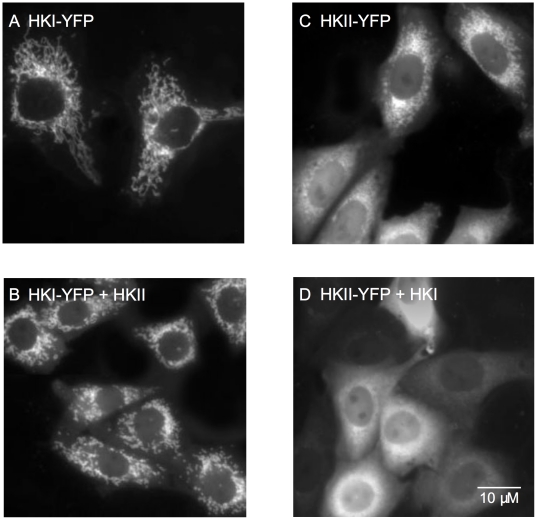
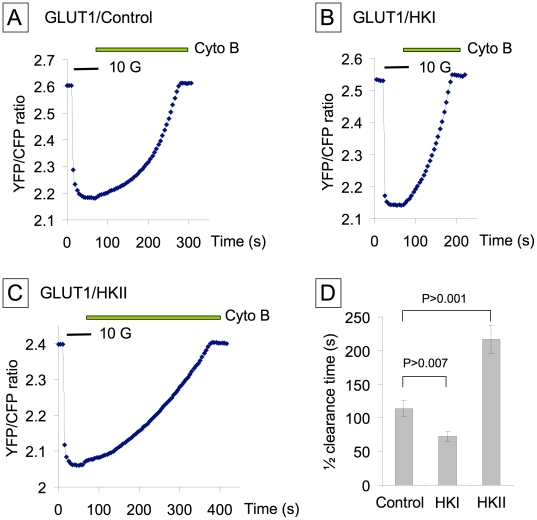
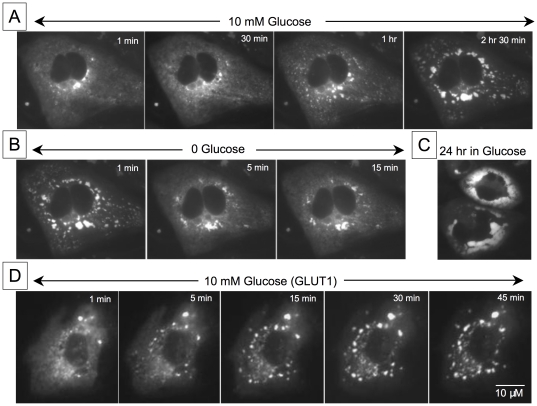
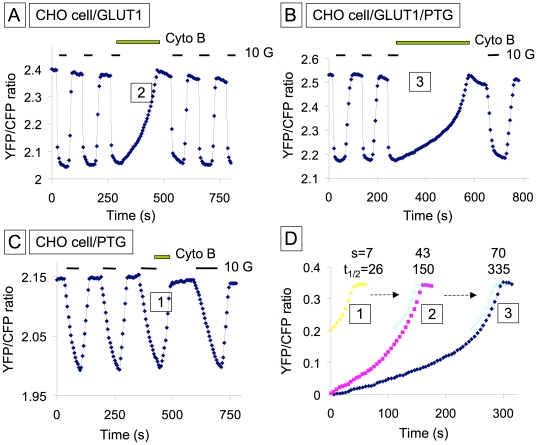
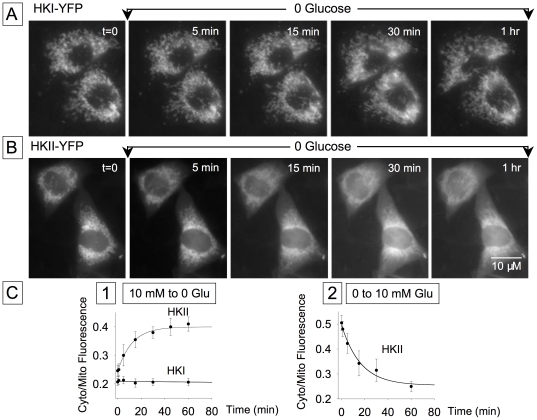
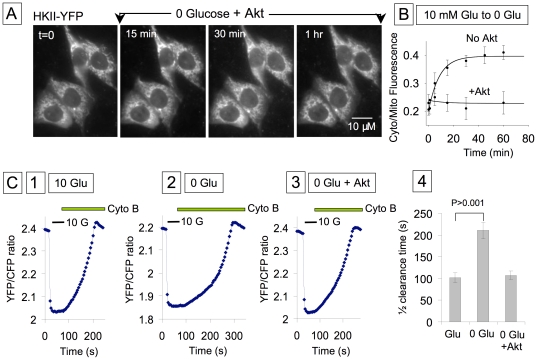
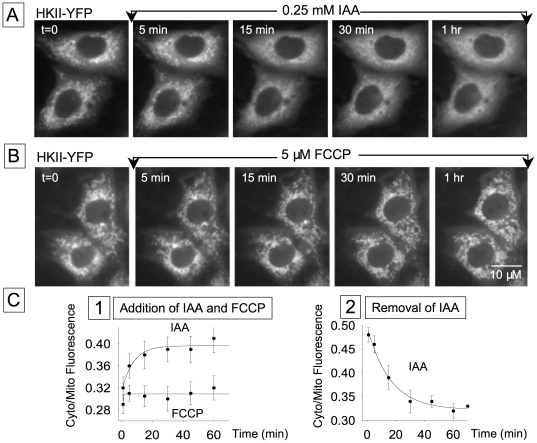
BACKGROUND: The first step in glucose metabolism is conversion of glucose to glucose 6-phosphate (G-6-P) by hexokinases (HKs), a family with 4 isoforms. The two most common isoforms, HKI and HKII, have overlapping tissue expression, but different subcellular distributions, with HKI associated mainly with mitochondria and HKII associated with both mitochondrial and cytoplasmic compartments. Here we tested the hypothesis that these different subcellular distributions are associated with different metabolic roles, with mitochondrially-bound HK's channeling G-6-P towards glycolysis (catabolic use), and cytoplasmic HKII regulating glycogen formation (anabolic use). METHODOLOGY/PRINCIPAL FINDINGS: To study subcellular translocation of HKs in living cells, we expressed HKI and HKII linked to YFP in CHO cells. We concomitantly recorded the effects on glucose handling using the FRET based intracellular glucose biosensor, FLIPglu-600 mM, and glycogen formation using a glycogen-associated protein, PTG, tagged with GFP. Our results demonstrate that HKI remains strongly bound to mitochondria, whereas HKII translocates between mitochondria and the cytosol in response to glucose, G-6-P and Akt, but not ATP. Metabolic measurements suggest that HKI exclusively promotes glycolysis, whereas HKII has a more complex role, promoting glycolysis when bound to mitochondria and glycogen synthesis when located in the cytosol. Glycogen breakdown upon glucose removal leads to HKII inhibition and dissociation from mitochondria, probably mediated by increases in glycogen-derived G-6-P. CONCLUSIONS/SIGNIFICANCE: These findings show that the catabolic versus anabolic fate of glucose is dynamically regulated by extracellular glucose via signaling molecules such as intracellular glucose, G-6-P and Akt through regulation and subcellular translocation of HKII. In contrast, HKI, which activity and regulation is much less sensitive to these factors, is mainly committed to glycolysis. This may be an important mechanism by which HK's allow cells to adapt to changing metabolic conditions to maintain energy balance and avoid injury.
Overview
The claims and statistics of this paper haven’t been checked yet.
Free: it reads the open-access text and checks the first 5 claims that cite a source we can check. Create a free account to check every claim.
Integrity signals
Registry
Cites
Statistics
Figures
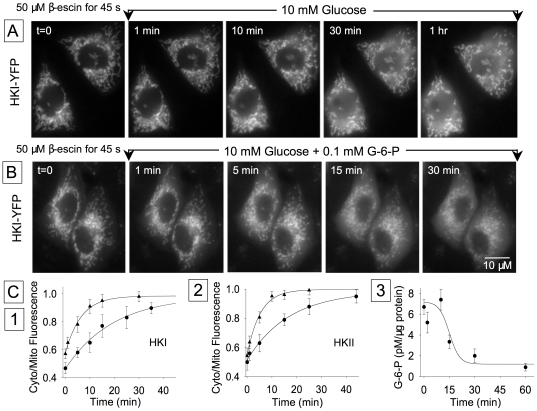
Verification
Claims the paper makes
The claims and statistics of this paper haven’t been checked yet.
Free: it reads the open-access text and checks the first 5 claims that cite a source we can check. Create a free account to check every claim.
Claims other papers make about this one
Each is checked against this paper’s own text: does it say what the citing paper says it does?
The source backs part of the claim, not all of it — or backs it for a different population, condition or comparison.
In the citing paper
“hexokinases I and II can translocate to the mitochondrial outer membrane where their catalytic activities are less sensitive to product inhibition (Azoulay-Zohar et al., 2004; Hashimoto and Wilson, 2002; John et al., 2011).”
From Lipid-Induced Mitochondrial Stress and Insulin Action in Muscle (2012) · cites this paper as John et al., 2011
Experimental — accuracy not yet measuredThe cited source says what the claim attributes to it.
In the citing paper
“Additionally, it has been proposed that HK1 remains associated with mitochondria to promote glycolysis whereas HK2 dynamically translocates between cytosol and mitochondria where it directs the metabolic fate of glucose between anabolic (glycogen synthesis and pentose phosphate shunt) and catabolic (glycolysis) metabolism (Wilson, 2003;John et al., 2011).”
From Human ApoE Isoforms Differentially Modulate Brain Glucose and Ketone Body Metabolism: Implications for Alzheimer's Disease Risk Reduction and Early Intervention (2018) · cites this paper as John et al., 2011
Self-check
Percentages, sums and reported differences re-computed from the paper’s own numbers.
The self-check needs the paper’s full text.
Citations
Cites
Isozymes of mammalian hexokinase: structure, subcellular localization and metabolic function
Wilson, J. E. (2003) · Journal of Experimental Biology · doi:10.1242/jeb.00241 · Cited by 1,085 · cited 6×
“The idea that differing subcellular locations of HKI and HKII are important was postulated by Wilson when he stated that ‘‘the Type I isozyme bound to actively phosphorylating mitochondria facilitates introduction of glucose into glycolysis, with the final stages of glucose metabolism occurring in the mitochondria.”
BackgroundInfluentialGottlob, K., Majewski, N., Kennedy, S., Kandel, E., Robey, R. B., & Hay, N. (2001) · Genes & Development · doi:10.1101/gad.889901 · Cited by 961 · cited 2×
“Since then, Wilson and others [10,11,12,13,14,15,16,17,18] have shown that the interaction of HKs with mitochondria is not static, but is regulated by factors such as glucose, G-6-P and kinases such as Akt and GSK-3.”
BackgroundThe Relationships between Substrates and Enzymes of Glycolysis in Brain
Lowry, O. H., & Passonneau, J. V. (1964) · Journal of Biological Chemistry · doi:10.1016/s0021-9258(18)51741-5 · Cited by 552 · cited 2×
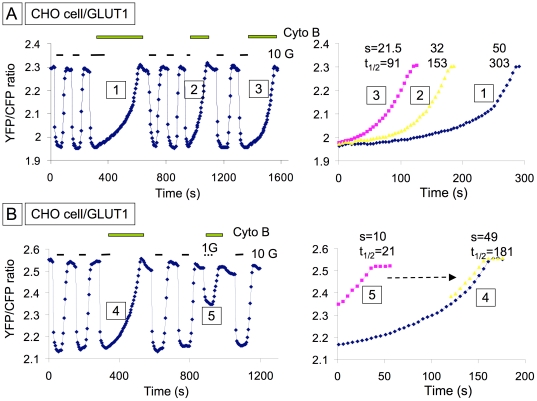
“3A [1]), to allow more time for glycogen synthesis, glucose clearance by metabolism was delayed, occurring very slow initially, followed by rapid clearance similar to that after the short exposure to glucose.”
BackgroundDepre, C., Vanoverschelde, J.-L. J., & Taegtmeyer, H. (1999) · Circulation · doi:10.1161/01.cir.99.4.578 · Cited by 425 · cited 1×
“In adult muscle, fatty acids as well as glucose and glycogen are available as substrates to support oxidative metabolism [5].”
BackgroundAZOULAY-ZOHAR, H., ISRAELSON, A., ABU-HAMAD, S., & SHOSHAN-BARMATZ, V. (2004) · Biochemical Journal · doi:10.1042/bj20031465 · Cited by 408
Pastorino, J. G., Hoek, J. B., & Shulga, N. (2005) · Cancer Research · doi:10.1158/0008-5472.can-05-1925 · Cited by 398 · cited 1×
“Since then, Wilson and others [10,11,12,13,14,15,16,17,18] have shown that the interaction of HKs with mitochondria is not static, but is regulated by factors such as glucose, G-6-P and kinases such as Akt and GSK-3.”
BackgroundRose, I. A., & Warms, J. V. B. (1967) · Journal of Biological Chemistry · doi:10.1016/s0021-9258(18)96139-9 · Cited by 397
Miyamoto, S., Murphy, A. N., & Brown, J. H. (2008) · Cell Death & Differentiation · doi:10.1038/sj.cdd.4402285 · Cited by 339 · cited 3×
“Phosphorylation of residue T473 by Akt in the linker region between the N and C terminal domain of HKII may facilitate its interaction with mitochondria [14].”
BackgroundImaging of the Dynamics of Glucose Uptake in the Cytosol of COS-7 Cells by Fluorescent Nanosensors
Fehr, M., Lalonde, S., Lager, I., Wolff, M. W., & Frommer, W. B. (2003) · Journal of Biological Chemistry · doi:10.1074/jbc.m301333200 · Cited by 295 · cited 1×
“Concomitantly, we measured changes in intracellular glucose using a genetically-encoded intracellular glucose biosensor, FLIPglu-600 mM, which undergoes changes in FRET upon binding glucose [25] and assessed glycogen formation, also in live cells, using a glycogen targeting protein, PTG, tagged with GFP.”
MethodMajewski, N., Nogueira, V., Robey, R. B., & Hay, N. (2004) · Molecular and Cellular Biology · doi:10.1128/mcb.24.2.730-740.2004 · Cited by 289 · cited 2×
“Since then, Wilson and others [10,11,12,13,14,15,16,17,18] have shown that the interaction of HKs with mitochondria is not static, but is regulated by factors such as glucose, G-6-P and kinases such as Akt and GSK-3.”
Background
Cited by
Metabolic Regulation of T Lymphocytes
MacIver, N. J., Michalek, R. D., & Rathmell, J. C. (2013) · Annual Review of Immunology · doi:10.1146/annurev-immunol-032712-095956 · Cited by 1,244
“For example, hexokinase II (HKII) can be phosphorylated by Akt to promote HKII localization to the mitochondria and increased enzymatic activity (62, 63).”
BackgroundT cell metabolism drives immunity
Buck, M. D., O’Sullivan, D., & Pearce, E. L. (2015) · Journal of Experimental Medicine · doi:10.1084/jem.20151159 · Cited by 1,179
Everts, B., Amiel, E., Huang, S. C.-C., Smith, A. M., Chang, C.-H., Lam, W. Y., Redmann, V., Freitas, T. C., Blagih, J., van der Windt, G. J. W., et al. (2014) · Nature Immunology · doi:10.1038/ni.2833 · Cited by 1,064
Redox regulation of the immune response
Morris, G., Gevezova, M., Sarafian, V., & Maes, M. (2022) · Cellular & Molecular Immunology · doi:10.1038/s41423-022-00902-0 · Cited by 575
Hexokinase Is an Innate Immune Receptor for the Detection of Bacterial Peptidoglycan
Wolf, A. J., Reyes, C. N., Liang, W., Becker, C., Shimada, K., Wheeler, M. L., Cho, H. C., Popescu, N. I., Coggeshall, K. M., Arditi, M., et al. (2016) · Cell · doi:10.1016/j.cell.2016.05.076 · Cited by 558
Roberts, D. J., & Miyamoto, S. (2015) · Cell Death & Differentiation · doi:10.1038/cdd.2014.173 · Cited by 504
“This is in sharp contrast to HK-I, which is unregulated by Akt.(20,49,179,180) HK-I more tightly binds to”
BackgroundResultInfluentialExercise-stimulated glucose uptake — regulation and implications for glycaemic control
Sylow, L., Kleinert, M., Richter, E. A., & Jensen, T. E. (2017) · Nature Reviews Endocrinology · doi:10.1038/nrendo.2016.162 · Cited by 498
Pearce, E. J., & Everts, B. (2015) · Nature Reviews Immunology · doi:10.1038/nri3771 · Cited by 483
Aerobic glycolysis promotes tumor immune evasion by hexokinase2-mediated phosphorylation of IκBα
Guo, D., Tong, Y., Jiang, X., Meng, Y., Jiang, H., Du, L., Wu, Q., Li, S., Luo, S., Li, M., et al. (2022) · Cell Metabolism · doi:10.1016/j.cmet.2022.08.002 · Cited by 423
The ERK and JNK pathways in the regulation of metabolic reprogramming
Papa, S., Choy, P. M., & Bubici, C. (2019) · Oncogene · doi:10.1038/s41388-018-0582-8 · Cited by 381
“only facilitates the increase in glucose uptake but also enables glucose progression through the glycolytic pathway [17, 18, 31, 34].”
BackgroundLipid-Induced Mitochondrial Stress and Insulin Action in Muscle
Muoio, D. M., & Neufer, P. D. (2012) · Cell Metabolism · doi:10.1016/j.cmet.2012.04.010 · Cited by 343
“For example, hexokinases I and II can translocate to the mitochondrial outer membrane where their catalytic activities are less sensitive to product inhibition (AzoulayZohar et al., 2004; Hashimoto and Wilson, 2002; John et al., 2011).”
BackgroundHexokinase-II Positively Regulates Glucose Starvation-Induced Autophagy through TORC1 Inhibition
Roberts, D. J., Tan-Sah, V. P., Ding, E. Y., Smith, J. M., & Miyamoto, S. (2014) · Molecular Cell · doi:10.1016/j.molcel.2013.12.019 · Cited by 330
“The cellular distribution of HK-II changes in response to metabolic conditions, and it has been well established that G-6P or 2-DG-6P dissociates HK-II from mitochondria, increasing the amount in the cytosol (John et al., 2011; Kabir and Wilson, 1993).”
BackgroundMicrosporidian genome analysis reveals evolutionary strategies for obligate intracellular growth
Cuomo, C. A., Desjardins, C. A., Bakowski, M. A., Goldberg, J., Ma, A. T., Becnel, J. J., Didier, E. S., Fan, L., Heiman, D. I., Levin, J. Z., et al. (2012) · Genome Research · doi:10.1101/gr.142802.112 · Cited by 275
“For Microsporidia, this step may have been the conversion of an amino-terminal hydrophobic domain found in hexokinase (John et al. 2011) into an amino-terminal hydrophobic secretion signal, which would intertwine the metabolisms of host and microbe.”
BackgroundMitochondrial localization of TIGAR under hypoxia stimulates HK2 and lowers ROS and cell death
Cheung, E. C., Ludwig, R. L., & Vousden, K. H. (2012) · Proceedings of the National Academy of Sciences · doi:10.1073/pnas.1206530109 · Cited by 244
“The subcellular localization of some glycolytic enzymes has also been shown to play an important role in regulating their functions (2, 3).”
BackgroundInfluentialRoberts, D. J., Tan-Sah, V. P., Smith, J. M., & Miyamoto, S. (2013) · Journal of Biological Chemistry · doi:10.1074/jbc.m113.482026 · Cited by 243
Memory T cell–driven differentiation of naive cells impairs adoptive immunotherapy
Klebanoff, C. A., Scott, C. D., Leonardi, A. J., Yamamoto, T. N., Cruz, A. C., Ouyang, C., Ramaswamy, M., Roychoudhuri, R., Ji, Y., Eil, R. L., et al. (2015) · Journal of Clinical Investigation · doi:10.1172/jci81217 · Cited by 243
Cardiac metabolism as a driver and therapeutic target of myocardial infarction
Zuurbier, C. J., Bertrand, L., Beauloye, C. R., Andreadou, I., Ruiz‐Meana, M., Jespersen, N. R., Kula‐Alwar, D., Prag, H. A., Eric Botker, H., Dambrova, M., et al. (2020) · Journal of Cellular and Molecular Medicine · doi:10.1111/jcmm.15180 · Cited by 236
Metabolic Reprogramming by the PI3K-Akt-mTOR Pathway in Cancer
Lien, E. C., Lyssiotis, C. A., & Cantley, L. C. (2016) · Recent Results in Cancer Research · doi:10.1007/978-3-319-42118-6_3 · Cited by 212
Tocmo, R., Pena‐Fronteras, J., Calumba, K. F., Mendoza, M., & Johnson, J. J. (2020) · Comprehensive Reviews in Food Science and Food Safety · doi:10.1111/1541-4337.12561 · Cited by 208
KRAS4A directly regulates hexokinase 1
Amendola, C. R., Mahaffey, J. P., Parker, S. J., Ahearn, I. M., Chen, W.-C., Zhou, M., Court, H., Shi, J., Mendoza, S. L., Morten, M. J., et al. (2019) · Nature · doi:10.1038/s41586-019-1832-9 · Cited by 203
Wu, L., Zhang, X., & Zhao, L. (2018) · The Journal of Neuroscience · doi:10.1523/jneurosci.2262-17.2018 · Cited by 185
“Additionally, it has been proposed that HK1 remains associated with mitochondria to promote glycolysis whereas HK2 dynamically translocates between cytosol and mitochondria where it directs the metabolic fate of glucose between anabolic (glycogen synthesis and pentose phosphate shunt) and catabolic (glycolysis) metabo…”
BackgroundAhl, P. J., Hopkins, R. A., Xiang, W. W., Au, B., Kaliaperumal, N., Fairhurst, A.-M., & Connolly, J. E. (2020) · Communications Biology · doi:10.1038/s42003-020-1027-9 · Cited by 170
Baik, S. H., Ramanujan, V. K., Becker, C., Fett, S., Underhill, D. M., & Wolf, A. J. (2023) · Science Immunology · doi:10.1126/sciimmunol.ade7652 · Cited by 167
Glycolysis and the significance of lactate in traumatic brain injury
Carpenter, K. L. H., Jalloh, I., & Hutchinson, P. J. (2015) · Frontiers in Neuroscience · doi:10.3389/fnins.2015.00112 · Cited by 161
Marini, C., Salani, B., Massollo, M., Amaro, A., Esposito, A. I., Maria Orengo, A., Capitanio, S., Emionite, L., Riondato, M., Bottoni, G., et al. (2013) · Cell Cycle · doi:10.4161/cc.26461 · Cited by 146
“However, this link is at least partially dependent on G6P for HK II.(27) Metformin displaced this isoform away from mitochondrial membrane to the cytosol, limiting its preferential access to ATP for glucose phosphorylation and, thus, hampering a major mechanism of cancer growth and immortality(28,34,35) as documented…”
BackgroundInfluentialLee, H., Li, C., Ruan, D., He, J., Montal, E. D., Lorenz, S., Girnun, G. D., & Chan, C. (2019) · Nature Communications · doi:10.1038/s41467-019-10374-y · Cited by 147
c-Src phosphorylation and activation of hexokinase promotes tumorigenesis and metastasis
Zhang, J., Wang, S., Jiang, B., Huang, L., Ji, Z., Li, X., Zhou, H., Han, A., Chen, A., Wu, Y., et al. (2017) · Nature Communications · doi:10.1038/ncomms13732 · Cited by 142
Chen, S., Zou, Y., Song, C., Cao, K., Cai, K., Wu, Y., Zhang, Z., Geng, D., Sun, W., Ouyang, N., et al. (2023) · Basic Research in Cardiology · doi:10.1007/s00395-023-01018-w · Cited by 133
“An increase in glucose oxidation occurs during this process, leading to an abnormal accumulation of glycolytic intermediates that drive mitochondrial dysfunction and increased reactive oxygen species (ROS) formation [17, 20].”
BackgroundSalani, B., Marini, C., Rio, A. D., Ravera, S., Massollo, M., Orengo, A. M., Amaro, A., Passalacqua, M., Maffioli, S., Pfeffer, U., et al. (2013) · Scientific Reports · doi:10.1038/srep02070 · Cited by 123
Hexokinase-2 Glycolytic Overload in Diabetes and Ischemia–Reperfusion Injury
Rabbani, N., & Thornalley, P. J. (2019) · Trends in Endocrinology and Metabolism · doi:10.1016/j.tem.2019.04.011 · Cited by 130
A Tumor Agnostic Therapeutic Strategy for Hexokinase 1–Null/Hexokinase 2–Positive Cancers
Xu, S., & Herschman, H. R. (2019) · Cancer Research · doi:10.1158/0008-5472.can-19-1789 · Cited by 125
“While HK1 has a strong binding affinity for VDAC1, HK2 binds less avidly to VDAC1 and alternates between cytoplasmic and mitochondrial-bound states (24).”
BackgroundIntegrated landscape of cardiac metabolism in end-stage human nonischemic dilated cardiomyopathy
Flam, E. L., Jang, C., Murashige, D., Yang, Y., Morley, M. P., Jung, S., Kantner, D. S., Pepper, H. L., Bedi, K. C., Brandimarto, J., et al. (2022) · Nature Cardiovascular Research · doi:10.1038/s44161-022-00117-6 · Cited by 124
Kumar, V. (2018) · European Journal of Cell Biology · doi:10.1016/j.ejcb.2018.05.001 · Cited by 123
Nederlof, R., Eerbeek, O., Hollmann, M. W., Southworth, R., & Zuurbier, C. J. (2014) · British Journal of Pharmacology · doi:10.1111/bph.12363 · Cited by 122
“It is suggested (Wilson, 1995; John et al., 2011) that HKI principally performs a catabolic function, channelling glucose into glycolysis for ATP production.”
BackgroundMethyl Jasmonate: Putative Mechanisms of Action on Cancer Cells Cycle, Metabolism, and Apoptosis
Cesari, I. M., Carvalho, É., Rodrigues, M. F., Mendonça, B. D. S., Amoêdo, N. D., & Rumjanek, F. D. (2014) · International Journal of Cell Biology · doi:10.1155/2014/572097 · Cited by 113
“HK1 and HK2 have overlapping tissue expression, but different subcellular distributions, with HK1 associated mainly with mitochondria and HK2 associatedwith bothmitochondrial and cytoplasmic compartments [141].”
BackgroundInfluentialIrshad, Z., Xue, M., Ashour, A. A., Larkin, J. R., Thornalley, P. J., & Rabbani, N. (2019) · Scientific Reports · doi:10.1038/s41598-019-44358-1 · Cited by 113
GLUT and HK: Two primary and essential key players in tumor glycolysis
Yadav, D., Yadav, A., Bhattacharya, S., Dagar, A., Kumar, V., & Rani, R. (2024) · Seminars in Cancer Biology · doi:10.1016/j.semcancer.2024.03.001 · Cited by 114
Wu, B., Luo, H., Zhou, X., Cheng, C., Lin, L., Liu, B., Liu, K., Li, P., & Yang, H. Q. (2017) · Biochimica et Biophysica Acta (BBA) - Molecular Basis of Disease · doi:10.1016/j.bbadis.2017.06.011 · Cited by 110
Rossi, A., Rigotto, G., Valente, G., Giorgio, V., Basso, E., Filadi, R., & Pizzo, P. (2020) · Cell Reports · doi:10.1016/j.celrep.2020.01.060 · Cited by 109
“To generate FL-HK1 and DN-HK1 fused with dtTomato, the sequence encoding rat-HK1 (John et al., 2011) was amplified by PCR with the following primers:”
MethodHexokinases in cancer and other pathologies
Guo, D. S., Meng, Y., Jiang, X., & Lu, Z. (2023) · Cell Insight · doi:10.1016/j.cellin.2023.100077 · Cited by 99
“of glucose metabolism, whereas HK2 binds less avidly to VDAC1 and alternates between cytoplasmic and mitochondrial-bound states in response to environmental and metabolic stress (John et al., 2011; Xu & Herschman, 2019).”
BackgroundCell size control – a mechanism for maintaining fitness and function
Miettinen, T. P., Caldez, M. J., Kaldis, P., & Björklund, M. (2017) · BioEssays · doi:10.1002/bies.201700058 · Cited by 89
“The first metabolic enzyme in glycolysis, hexokinase (HK), is typically bound to mitochondria [91].”
BackgroundMetabolism and Innate Immunity Meet at the Mitochondria
Bahat, A., MacVicar, T., & Langer, T. (2021) · Frontiers in Cell and Developmental Biology · doi:10.3389/fcell.2021.720490 · Cited by 90
MicroRNAs in Tumor Cell Metabolism: Roles and Therapeutic Opportunities
Pedroza‐Torres, A., Romero-Cordoba, S. L., Justo-Garrido, M., Salido-Guadarrama, I., Rodríguez‐Bautista, R., Montaño, S., Muñiz-Mendoza, R., Arriaga-Canon, C., Fragoso‐Ontiveros, V., Álvarez-Gómez, R. M., et al. (2019) · Frontiers in Oncology · doi:10.3389/fonc.2019.01404 · Cited by 99
Wang, J., Shao, F., Yang, Y., Wang, W., Yang, X., Li, R., Cheng, H. B., Sun, S., Feng, X., Gao, Y., et al. (2022) · 癌症:英文版 · doi:10.1002/cac2.12351 · Cited by 95
“Mitochondrial outermembrane-localizedHK2 catalyzes glycolysis [45, 46].”
Roberts, D. J., & Miyamoto, S. (2015) · Cell Death and Differentiation · doi:10.1038/cdd.2014.208 · Cited by 93
Mergenthaler, P., Kahl, A., Kamitz, A., van Laak, V., Stohlmann, K., Thomsen, S., Klawitter, H., Przesdzing, I., Neeb, L., Freyer, D., et al. (2012) · Proceedings of the National Academy of Sciences · doi:10.1073/pnas.1108225109 · Cited by 73
“These data are consistent with the detrimental effect of GD on HKII-transfected neurons, suggesting that dissociation of HKII from mitochondria under GD (24) induces cell death alongside a disturbed interaction of HKII and PEA15.”
BackgroundResultRegulators of Glucose Metabolism in CD4+ and CD8+ T Cells
Palmer, C. S., Hussain, T., Duette, G., Weller, T. J., Ostrowski, M., Sada‐Ovalle, I., & Crowe, S. M. (2015) · International Reviews of Immunology · doi:10.3109/08830185.2015.1082178 · Cited by 88
“In addition, phosphorylation of hexokinase also plays a significant role in coupling mitochondrial functions to glycolysis [23,24].”
BackgroundNawaz, M. H., Ferreira, J. C., Nedyalkova, L., Zhu, H., Carrasco‐López, C., Kırmızıaltın, S., & Rabeh, W. M. (2018) · Bioscience Reports · doi:10.1042/bsr20171666 · Cited by 87
Woldetsadik, A. D., Vogel, M. C., Rabeh, W. M., & Magzoub, M. M. (2017) · The FASEB Journal · doi:10.1096/fj.201601173r · Cited by 86
York, E. M., Zhang, J., Choi, H. B., & MacVicar, B. A. (2021) · Glia · doi:10.1002/glia.23913 · Cited by 78
Hexokinases and cardioprotection
Calmettes, G., Ribalet, B., John, S., Kôrge, P., Ping, P., & Weiss, J. N. (2014) · Journal of Molecular and Cellular Cardiology · doi:10.1016/j.yjmcc.2014.09.020 · Cited by 81
“In contrast, HKI, due to its strongmitochondrial binding, primarily facilitates glycolysis [30,31], although under some non-physiological conditions it may also contribute to glycogen synthesis [33].”
BackgroundSelf-citationPant, M., Sopariwala, D. H., Bal, N. C., Lowe, J., Delfín, D. A., Rafael‐Fortney, J. A., & Periasamy, M. (2015) · PLoS ONE · doi:10.1371/journal.pone.0123875 · Cited by 77
“The glucose phosphorylated by HK 1 is usually driven towards glycolysis, while that by HK 2 is directed towards glycogen synthesis [33].”
BackgroundLKB1 inhibits HPV-associated cancer progression by targeting cellular metabolism
Zeng, Q., Chen, J., Li, Y., Werle, K. D., Zhao, R.-X., Quan, C.-S., Wang, Y.-S., Zhai, Y.-X., Jw, W., Youssef, M., et al. (2016) · Oncogene · doi:10.1038/onc.2016.290 · Cited by 74
1-Deoxynojirimycin Alleviates Liver Injury and Improves Hepatic Glucose Metabolism in db/db Mice
Liu, Q., Li, X., Li, C., Zheng, Y., Wang, F., Li, H., & Peng, G. (2016) · Molecules · doi:10.3390/molecules21030279 · Cited by 72
Rabbani, N., Xue, M., & Thornalley, P. J. (2022) · International Journal of Molecular Sciences · doi:10.3390/ijms23042165 · Cited by 67
“HK2 is normally localized mostly to the external surface of mitochondria [3] and is found in the particulate extracts of tissues [4].”
BackgroundGlycolytic enzyme HK2 promotes PD-L1 expression and breast cancer cell immune evasion
Lin, J., Fang, W., Xiang, Z., Wang, Q., Cheng, H., Chen, S., Fang, J., Liu, J., Wang, Q., Lu, Z., et al. (2023) · Frontiers in Immunology · doi:10.3389/fimmu.2023.1189953 · Cited by 67
“HK2 binds to mitochondrial outer membrane voltage-dependent anion channel 1 (VDAC1) protein (20, 21), which enables HK2 to utilize ATP produced by mitochondria for glycolysis.”
BackgroundLittlejohns, B., Pasdois, P., Duggan, S. M. J., Bond, A., Heesom, K. J., Jackson, C. L., Angelini, G. D., Halestrap, A. P., & Suleiman, M. S. (2014) · PLoS ONE · doi:10.1371/journal.pone.0100579 · Cited by 66
“Hexokinase II is a metabolic sensor and therefore altering the diet would change the substrate supply which could alter the localization of hexokinase II [77].”
BackgroundLi, H., Lu, S., Chen, Y., Zheng, L., Chen, L., Ding, H., Ding, J., Lou, D., Liu, F., & Zheng, B. (2019) · Cellular Signalling · doi:10.1016/j.cellsig.2019.03.011 · Cited by 62
Glucose metabolism: A link between traumatic brain injury and Alzheimer’s disease
Xu, X., Yang, M.-S., Zhang, B., Niu, F., Dong, J., & Liu, B. (2020) · Chinese Journal of Traumatology · doi:10.1016/j.cjtee.2020.10.001 · Cited by 62
Single-cell imaging tools for brain energy metabolism: a review
Martín, A. S., Sotelo-Hitschfeld, T., Lerchundi, R., Fernández‐Moncada, I., Ceballo, S., Valdebenito, R., Baeza‐Lehnert, F., Alegría, K., Contreras‐Baeza, Y., Garrido-Gerter, P., et al. (2014) · Neurophotonics · doi:10.1117/1.nph.1.1.011004 · Cited by 60
Role of Hexokinase-1 in the survival of HIV-1-infected macrophages
Sen, S., Kaminski, R., Deshmane, S. L., Langford, D., Khalili, K., Amini, S., & Datta, P. K. (2015) · Cell Cycle · doi:10.1080/15384101.2015.1006971 · Cited by 57
“Furthermore, displacement of HK from VDAC by a peptide corresponding to its N terminus(15) and dissociation of HK from mitochondria under glucose deprivation also increase apoptosis.(47) Our studies also demonstrate the role of Vpr in modulation of HK-1 translocation to mitochondria.”
BackgroundKalezic, A., Udicki, M., Srdić, B., Aleksic, M., Korać, A., Janković, A., & Korać, B. (2021) · Cancers · doi:10.3390/cancers13112731 · Cited by 56
“Additionally, association with mitochondrial VDAC releases HK 2 from inhibition by glucose 6-phosphate and provides direct access to ATP, increasing HK 2 activity and promoting prolonged glycolysis [14,15].”
BackgroundCalmettes, G., John, S., Weiss, J. N., & Ribalet, B. (2013) · The Journal of General Physiology · doi:10.1085/jgp.201310968 · Cited by 56
“…that overexpression of constitutively active Akt in CHO cells prevented HKII translocation from mitochondria to cytoplasm in response to glucose removal (John et al., 2011), we speculated that the higher affinity of HKII to mitochondria in NRVM could be caused by high endog enous Akt activity.”
BackgroundMethodResultInfluentialSelf-citationCHEN, L.-N., LYU, J., YANG, X.-F., JI, W.-J., YUAN, B.-X., CHEN, M.-X., MA, X., & WANG, B. (2013) · International Journal of Molecular Medicine · doi:10.3892/ijmm.2013.1453 · Cited by 50
“Activated HK promotes glycogen synthesis and glycolysis (24,25).”
Hariton, F., Xue, M., Rabbani, N., Fowler, M. I., & Thornalley, P. J. (2018) · Oxidative Medicine and Cellular Longevity · doi:10.1155/2018/5642148 · Cited by 53
Dissociation of mitochondrial HK-II elicits mitophagy and confers cardioprotection against ischemia
Tan, V. P., Smith, J. M., Tu, M., Yu, J. D., Ding, E., & Miyamoto, S. (2019) · Cell Death and Disease · doi:10.1038/s41419-019-1965-7 · Cited by 53
Insulin, Muscle Glucose Uptake, and Hexokinase: Revisiting the Road Not Taken
Wasserman, D. H. (2021) · Physiology · doi:10.1152/physiol.00034.2021 · Cited by 55
Yao, J., Liu, J., & Zhao, W. (2018) · OncoTargets and Therapy · doi:10.2147/ott.s165220 · Cited by 52
“Beyond that, the phosphorylation of HK-2 also impaired the sensitivity to G-6P, which is the product of glucose phosphorylation, and induced HK-2 to dissociate from mitochondria.(34) After limonin treatment, the phosphorylation of HK-2 was decreased in a dose-dependent manner (Figure 3C), and we thought it was respons…”
BackgroundMorris, G., Walder, K. R., Berk, M., Marx, W., Walker, A. J., Maes, M. H. J., & Puri, B. K. (2020) · Molecular Biology Reports · doi:10.1007/s11033-020-05590-5 · Cited by 50
Emerging Roles of SIRT3 in Cardiac Metabolism
Murugasamy, K., Munjal, A., & Sundaresan, N. R. (2022) · Frontiers in Cardiovascular Medicine · doi:10.3389/fcvm.2022.850340 · Cited by 49
“While localization of HKII in the outer membrane of mitochondria favors glucose catabolism, cytosolic localization results in glucose anabolism (125).”
BackgroundThe Role of Thyroid Hormone in Neuronal Protection
Liu, Y., & Brent, G. A. (2021) · Comprehensive physiology · doi:10.1002/cphy.c200019 · Cited by 48
Aiding Cancer’s “Sweet Tooth”: Role of Hexokinases in Metabolic Reprogramming
Farooq, Z., Ismail, H., Bhat, S. A., Layden, B. T., & Khan, M. W. (2023) · Life · doi:10.3390/life13040946 · Cited by 45
Wu, Z., Han, X., Tan, G., Zhu, Q., Chen, H., Xia, Y., Gong, J., Wang, Z., Wang, Y., & Yan, J. (2020) · OncoTargets and Therapy · doi:10.2147/ott.s224062 · Cited by 45
“By positioning itself on the outer membrane of mitochondria, hexokinase-2 not only can avoid the inhibitory effect of its own product, but also get easier access to newly generated ATP and increase tumor glycolysis.(11) Except the role in glycolysis regulation, hexokinase-2 has been demonstrated to be also involved in…”
BackgroundCell-to-cell lactate shuttle operates in heart and is important in age-related heart failure
Gizak, A., McCubrey, J. A., & Rakus, D. (2020) · Aging · doi:10.18632/aging.102818 · Cited by 45
“It has been shown that dissociation of HK2 from mitochondria promotes G6P channeling to glycogen synthesis and PPP, instead of using it as a fuel to mitochondrial metabolism [36].”
BackgroundRabbani, N., & Thornalley, P. J. (2024) · Frontiers in Endocrinology · doi:10.3389/fendo.2023.1268308 · Cited by 44
“Ineffectiveness of antioxidant therapy is envisaged in the HK-linked glycolytic overload and unscheduled glycolysis hypothesis as increased formation of ROS is only one of multiple effector pathways downstream of initiation by HK-gated increase in glucose metabolism.”
BackgroundInfluentialЕвгеньевна, М. Н., Budikhina, A. S., Dagil, Y. A., Maximchik, P. V., Balyasova, L. S., Murugin, V. V., Melnikov, M., Sharova, V., Nikolaeva, A., Chkadua, G. Z., et al. (2020) · Journal of Biological Chemistry · doi:10.1074/jbc.ra119.010589 · Cited by 44
“In LPS-activated mouse DCs, a similarly fast elevation of ECAR was explained by redistribution of HK-II from cytosol to the outermitochondrial membrane (5), whereHK-II becomes fully active (29).”
BackgroundQattan, A. T., Radulović, M., Crawford, M., & Godovac‐Zimmermann, J. (2012) · Journal of Proteome Research · doi:10.1021/pr300736v · Cited by 45
Tetrandrine cardioprotection in ischemia–reperfusion (I/R) injury via JAK3/STAT3/Hexokinase II
Zhang, T., Guo, R.-X., Li, X., Wang, Y., & Li, Y. (2017) · European Journal of Pharmacology · doi:10.1016/j.ejphar.2017.08.019 · Cited by 43
Hexokinase 1 forms rings that regulate mitochondrial fission during energy stress
Pilic, J., Gottschalk, B., Bourgeois, B. M. R., Habisch, H., Koshenov, Z., Oflaz, F. E., Erdogan, Y. C., Miri, S. M., Yiğit, E. N., Aydın, M. Ş., et al. (2024) · Molecular Cell · doi:10.1016/j.molcel.2024.06.009 · Cited by 42
Mathematical models of cancer metabolism
Markert, E. K., & Vázquez, A. (2015) · Cancer & Metabolism · doi:10.1186/s40170-015-0140-6 · Cited by 42
“Finally, different hexokinase isoenzymes localize to the cytosol or the mitochondrial membrane in a context-dependent manner [77].”
BackgroundMenendez, M. T., Teygong, C., Wade, K. R., Florimond, C., & Blader, I. J. (2015) · mBio · doi:10.1128/mbio.00462-15 · Cited by 42
“HK1/2 association with VDAC promotes catabolic glucose metabolism and protects cells from apoptosis by limiting cytochrome c release from the mitochondria (10, 11).”
BackgroundMann, J. K., Githaka, J. M., Buckland, T. W., Yang, N., Montpetit, R., Patel, N., Li, L., Baksh, S., Godbout, R., Lemieux, H., et al. (2019) · Oncogene · doi:10.1038/s41388-018-0673-6 · Cited by 40
Huang, Q., Lou, T., Lü, J., Wang, M., Chen, X., Xue, L., Tang, X., Qi, W., Zhang, Z., Su, H., et al. (2022) · Journal of Ginseng Research · doi:10.1016/j.jgr.2022.02.002 · Cited by 39
“Glucose 6-phosphate is an essential metabolite in the first step of glucose metabolism, which is converted from glucose by hexokinases [42].”
BackgroundMitochondrial and postmitochondrial survival signaling in cancer
Yadav, N., & Chandra, D. (2013) · Mitochondrion · doi:10.1016/j.mito.2013.11.005 · Cited by 39
“transport chain to generate energy (Gottlob et al., 2001; John et al., 2011; Plas et al., 2001; Rathmell et al., 2003).”
Theodosakis, N., Held, M. A., Marzuka-Alcalá, A., Meeth, K. M., Micevic, G., Long, G. V., Scolyer, R. A., Stern, D. F., & Bosenberg, M. (2015) · Molecular Cancer Therapeutics · doi:10.1158/1535-7163.mct-15-0080 · Cited by 39
“Interestingly, high levels of HKII have been observed in a variety of actively proliferating cancer cells (21, 23).”
BackgroundMethodRezinciuc, S., Bezavada, L., Bahadoran, A., Duan, S., Wang, R., López‐Ferrer, D., Zink, E. E., Finklestein, D., Green, D. R., Paša‐Tolić, L., et al. (2020) · PLoS Pathogens · doi:10.1371/journal.ppat.1008957 · Cited by 37
MicroRNAs as Regulators of Cancer Cell Energy Metabolism
Natarajaseenivasan, S. M., Velusamy, P., Mercy, C. S. A., Langford, D., Natarajaseenivasan, K., & Shanmughapriya, S. (2022) · Journal of Personalized Medicine · doi:10.3390/jpm12081329 · Cited by 37
Chen, M., Chen, Y., Zhu, W., Yan, X., Jing, X., Zhang, P., Liu, P., & Li, P. (2023) · Biomedicine & Pharmacotherapy · doi:10.1016/j.biopha.2023.115088 · Cited by 37
He, K., Tao, F., Lu, Y., Fang, M., Huang, H., & Zhou, Y. (2025) · International Journal of Medical Sciences · doi:10.7150/ijms.105553 · Cited by 36
“…the binding of HK2 to VDAC1 could inhibit the binding of Bcl-2-associated X-protein (BAX) to VDAC1, hinder the translocation of BAX from the cytoplasm to the mitochondria, and obstruct BAX's release of cytochrome C, all of which could prevent apoptosis and mitochondrial malfunction [8, 20, 75, 76].”
InfluentialCatalán, Ú., Rubió, L., Hazas, M. L. D. L., Herrero, P., Nadal, P., Canela-Canela, N., Pedret, A., Motilva, M., & Solà, R. (2016) · Molecular Nutrition & Food Research · doi:10.1002/mnfr.201600052 · Cited by 36
Rapid glycolytic activation accompanying innate immune responses: mechanisms and function
Namgaladze, D., & Brüne, B. (2023) · Frontiers in Immunology · doi:10.3389/fimmu.2023.1180488 · Cited by 35
“HK1 is constitutively associated with mitochondria (21), where it is postulated to promote glycolysis, while a more labile HK2 was suggested to force glycogen synthesis and PPP in cytosol.”
BackgroundDoes the voltage dependent anion channel modulate cardiac ischemia–reperfusion injury?
Das, S., Steenbergen, C., & Murphy, E. (2011) · Biochimica et Biophysica Acta (BBA) - Biomembranes · doi:10.1016/j.bbamem.2011.11.008 · Cited by 34
“It is suggested that cytosolic HK enhances glycogen synthesis whereas mitochondrial targeted HK promotes glycolysis [16].”
BackgroundSheikh, T., Gupta, P., Gowda, P., Patrick, S., & Sen, E. (2018) · Journal of Biological Chemistry · doi:10.1074/jbc.m117.816785 · Cited by 34
“The subcellular localization of HK2 is sensitive to extracellular glucose with the distribution of HK2 between cytoplasm and mitochondria dynamically being regulated by glucose availability (4).”
BackgroundRevving the engine: PKB/AKT as a key regulator of cellular glucose metabolism
Li, X., Hu, S., Cai, Y., Liu, X., Luo, J., & Wu, T. (2024) · Frontiers in Physiology · doi:10.3389/fphys.2023.1320964 · Cited by 34
Advancements in Glucose Monitoring: From Traditional Methods to Wearable Sensors
Dey, K., Santra, T. S., & Tseng, F. (2025) · Applied Sciences · doi:10.3390/app15052523 · Cited by 33
Chen, Y., Yang, H., Chen, S., Lu, Z., Li, B., Jiang, T., Xuan, M., Ye, R., Liang, H., Liu, X., et al. (2022) · Ecotoxicology and Environmental Safety · doi:10.1016/j.ecoenv.2022.113757 · Cited by 33
Catalano, G., Zaza, A., Banella, C., Pelosi, E., Castelli, G., de Marinis, E., Smigliani, A., Travaglini, S., Ottone, T., Divona, M., et al. (2023) · Leukemia · doi:10.1038/s41375-023-01946-5 · Cited by 31
“Interestingly, the association between HK2 and VDAC on the OMM has been reported in cancer cells [21, 47, 48].”
BackgroundInfluentialOptimization of collective enzyme activity via spatial localization
Büchner, A., Tostevin, F., Hinzpeter, F., & Gerland, U. (2013) · The Journal of Chemical Physics · doi:10.1063/1.4823504 · Cited by 32
Moriyama, T., Tanaka, S., Nakayama, Y., Fukumoto, M., Tsujimura, K., Yamada, K., Bamba, T., Yoneda, Y., Fukusaki, E., & Oka, M. (2016) · Scientific Reports · doi:10.1038/srep34648 · Cited by 32
Edhager, A. V., Povlsen, J. A., Løfgren, B., Bøtker, H. E., & Palmfeldt, J. (2018) · Journal of Proteome Research · doi:10.1021/acs.jproteome.8b00276 · Cited by 32
Metadata
- Authors
- John, S., Weiss, J. N., & Ribalet, B.
- Affiliations
- University of California, Los Angeles (US)
- Corresponding author
- Ribalet, Bernard
- Venue
- PLoS ONE
- Publisher
- Public Library of Science (PLoS)
- Published
- 2011-03-09
- Volume
- 6
- Issue
- 3
- Pages
- e17674
- ISSN
- 1932-6203 (ISSN-L)
- PMC
- PMC3052386
- OpenAlex
- W2064263174
- Cited by
- 239
- References
- 30
- Citations by year
- 2026: 11 · 2025: 22 · 2024: 16 · 2023: 18 · 2022: 24 · 2021: 20 · 2020: 21 · 2019: 16 · 2018: 16 · 2017: 14 · 2016: 9 · 2015: 16 · 2014: 11 · 2013: 15 · 2012: 8
- FWCI
- 4.54
- Type
- journal article
- Language
- en
- Open access
- gold
- doi.org
- Locations
- PLoS ONE (publishedVersion, cc-by)
- PubMed Central (publishedVersion, cc-by)
- PubMed (publishedVersion)
- DOAJ (DOAJ: Directory of Open Access Journals) (submittedVersion, cc-by-sa)
- eScholarship (California Digital Library) (submittedVersion)
- eScholarship (California Digital Library) (submittedVersion, cc-by)
- Figshare (submittedVersion, cc-by)
- Funders
- National Institutes of Health
- National Heart, Lung, and Blood Institute (R37 HL60025, P01 HL071870, R37HL060025, R01HL071870)
- Topics
- Life Sciences › Biochemistry, Genetics and Molecular Biology › Molecular Biology › Metabolism, Diabetes, and Cancer
- Life Sciences › Biochemistry, Genetics and Molecular Biology › Biochemistry › Glycogen Storage Diseases and Myoclonus
- Life Sciences › Biochemistry, Genetics and Molecular Biology › Cancer Research › Cancer, Hypoxia, and Metabolism
- Keywords
- hexokinase 1, hexokinase 2, subcellular localization, glucose metabolism, glucose-6-phosphate, glycolysis, glycogen synthesis, glycogenolysis, mitochondrial translocation, Akt signaling, glucose biosensor, CHO cells, energy homeostasis
- MeSH terms
- Animals, Carbonyl Cyanide p-Trifluoromethoxyphenylhydrazone, Cell Membrane Permeability, Cricetulus, Cytosol, Glucose, Glycogen, Cricetinae, Hexokinase, Mitochondria, Protein Binding, Subcellular Fractions, Time Factors, Transfection, CHO Cells, Glucose-6-Phosphate, Protein Transport, Proto-Oncogene Proteins c-akt, Glucose Transporter Type 1, Rats
About these checks
Registry, retraction, Cites and statistics results are computed, not judged, with one exception: a printed reference that no index lists is read once by a model before it counts as a citation error. Claims are extracted by a model and kept only when their quote appears verbatim in the text; each cited source is then checked, with a model’s help, for whether it says what the claim relies on. Those verdicts can be wrong — read the claim’s quote and the cited source before relying on one.
Statistics and arithmetic are recomputed, not judged.
Confidence bands are shown only for fields calibrated on our annotated test set. None is calibrated yet, so no band is shown.
What counts as a claim ›How we measure confidence ›How we check this ›
Are you an author, or do you see a problem with this page? Request a review
Data sources
Bibliographic data: Semantic Scholar, OpenAlex, Crossref.
Contains information from the Semantic Scholar Academic Graph Datasets, made available under the ODC Attribution License (ODC-BY 1.0).
Semantic Scholar’s data is described in: Kinney, R., et al. (2023). The Semantic Scholar Open Data Platform. arXiv:2301.10140.
