

A Systematic Review of Comparative Efficacy of Treatments and Controls for Depression
Open accessThe DOI matches its Crossref record; 41 of the 41 references it cites were found in a registry or an index.
Abstract
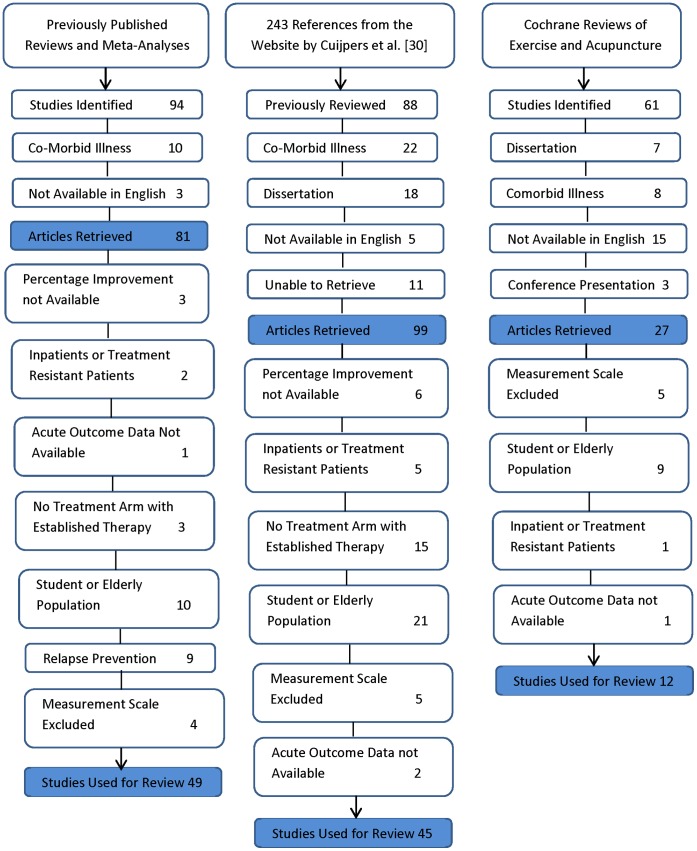
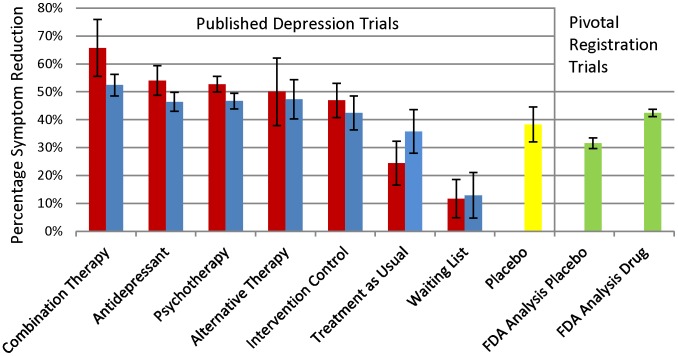
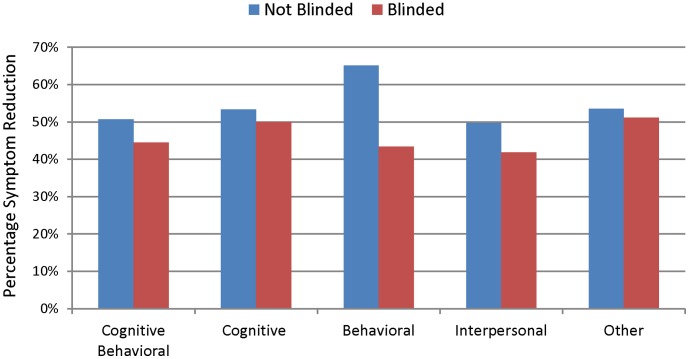
BACKGROUND: Although previous meta-analyses have examined effects of antidepressants, psychotherapy, and alternative therapies for depression, the efficacy of these treatments alone and in combination has not been systematically compared. We hypothesized that the differences between approved depression treatments and controls would be small. METHODS AND FINDINGS: The authors first reviewed data from Food and Drug Administration Summary Basis of Approval reports of 62 pivotal antidepressant trials consisting of data from 13,802 depressed patients. This was followed by a systematic review of data from 115 published trials evaluating efficacy of psychotherapies and alternative therapies for depression. The published depression trials consisted of 10,310 depressed patients. We assessed the percentage symptom reduction experienced by the patients based on treatment assignment. Overall, antidepressants led to greater symptom reduction compared to placebo among both unpublished FDA data and published trials (F = 38.5, df = 239, p<0.001). In the published trials we noted that the magnitude of symptom reduction with active depression treatments compared to controls was significantly larger when raters evaluating treatment effects were un-blinded compared to the trials with blinded raters (F = 2.17, df = 313, p<0.05). In the blinded trials, the combination of antidepressants and psychotherapy provided a slight advantage over antidepressants (p = 0.027) and psychotherapy (p = 0.022) alone. The magnitude of symptom reduction was greater with psychotherapies compared to placebo (p = 0.019), treatment-as-usual (p = 0.012) and waiting-list (p<0.001). Differences were not seen with psychotherapy compared to antidepressants, alternative therapies or active intervention controls. CONCLUSIONS: In conclusion, the combination of psychotherapy and antidepressants for depression may provide a slight advantage whereas antidepressants alone and psychotherapy alone are not significantly different from alternative therapies or active intervention controls. These data suggest that type of treatment offered is less important than getting depressed patients involved in an active therapeutic program. Future research should consider whether certain patient profiles might justify a specific treatment modality.
Overview
The claims and statistics of this paper haven’t been checked yet.
Free: it reads the open-access text and checks the first 5 claims that cite a source we can check. Create a free account to check every claim.
Integrity signals
Registry
Cites
Statistics
Figures
Verification
Claims the paper makes
The claims and statistics of this paper haven’t been checked yet.
Free: it reads the open-access text and checks the first 5 claims that cite a source we can check. Create a free account to check every claim.
Claims other papers make about this one
Each is checked against this paper’s own text: does it say what the citing paper says it does?
The cited source says what the claim attributes to it.
In the citing paper
“There are well-established treatments for primary depression and anxiety in the general population, which include psychological therapies, and, in particular, targeted cognitive behavioral therapy (CBT) (51–53), as well as antidepressant medication (52), the latter with some recent controversy regarding strength of efficacy (54–56).”
From The 2023 Impact of Inflammatory Bowel Disease in Canada: Mental Health and Inflammatory Bowel Disease (2023) · cites this paper as [52]
Self-check
Percentages, sums and reported differences re-computed from the paper’s own numbers.
The self-check needs the paper’s full text.
Citations
Cites
Diagnostic and Statistical Manual of Mental Disorders
Williams, J. B. W., & First, M. (2013) · Encyclopedia of Social Work · doi:10.1093/acrefore/9780199975839.013.104 · Cited by 109,519
Research Diagnostic Criteria: Rationale and Reliability
Spitzer, R. L. (1978) · Archives of General Psychiatry · doi:10.1001/archpsyc.1978.01770300115013 · Cited by 6,951 · cited 2×
“We specifically evaluated if the precursors of DSM-III, notably Research Diagnostic Criteria (RDC) [24] or Feighner Criteria [25] were used during diagnosis.”
MethodDiagnostic Criteria for Use in Psychiatric Research
Feighner, J. P. (1972) · Archives of General Psychiatry · doi:10.1001/archpsyc.1972.01750190059011 · Cited by 5,715 · cited 1×
“We specifically evaluated if the precursors of DSM-III, notably Research Diagnostic Criteria (RDC) [24] or Feighner Criteria [25] were used during diagnosis.”
MethodDiagnostic and Statistical Manual of Mental Disorders
Siegel, L. J., & Fletcher‐Janzen, E. (2014) · Encyclopedia of Special Education · doi:10.1002/9781118660584.ese0728 · Cited by 3,423
Selective publication of antidepressant trials and its influence on apparent efficacy
Turner, E. H., Matthews, A. M., Linardatos, E., Tell, R. A., & Rosenthal, R. (2008) · New England Journal of Medicine · doi:10.1056/nejmsa065779 · Cited by 2,435 · cited 1×
“to submit information on all of the trials they conducted, these data should be free of publication and author bias [3].”
BackgroundAntidepressant Drug Effects and Depression Severity: A Patient-Level Meta-analysis
Fournier, J. C., DeRubeis, R. J., Hollon, S. D., Dimidjian, S., Amsterdam, J. D., Shelton, R. C., & Fawcett, J. (2010) · JAMA · doi:10.1001/jama.2009.1943 · Cited by 2,009
Cooney, G. M., Dwan, K., Greig, C. A., Lawlor, D. A., Rimer, J., Waugh, F. R., McMurdo, M., & Mead, G. E. (2013) · Cochrane Database of Systematic Reviews · doi:10.1002/14651858.cd004366.pub6 · Cited by 1,834
Persuasion and Healing: A Comparative Study of Psychotherapy
Frank, J. D. (1961) · Cited by 1,391
Psychotherapy for depression in adults: A meta-analysis of comparative outcome studies.
Cuijpers, P., van Straten, A., Andersson, G., & van Oppen, P. (2008) · Journal of Consulting and Clinical Psychology · doi:10.1037/a0013075 · Cited by 1,050 · cited 1×
“We began by reviewing several meta-analyses designed to evaluate efficacy outcomes between psychotherapy and other treatments and controls for depression including other psychotherapies, alternative therapies, combination therapies, antidepressants, and placebos or active intervention controls [8,16,,26,27,28,29].”
MethodSome implicit common factors in diverse methods of psychotherapy.
Rosenzweig, S. (1936) · American Journal of Orthopsychiatry · doi:10.1111/j.1939-0025.1936.tb05248.x · Cited by 1,042 · cited 1×
“Although such non-specific effects have been noted with comparisons of different psychotherapies for over 70 years [35,36], our study is the first to note such outcome similarities across such a diverse group of treatments and controls for depression.”
Result
Research works printed but not linked: 2
- [13]National Collaborating Centre for Mental Health, The Royal College of Psychiatrists (2010) Depression: The NICE Guideline on the Treatment and Management of Depression in Adults. Updated edition. London: The British Psychological Society & The Royal College of Psychiatrists. 705 p.
- [21]American Psychiatric Assocation (1968) Diagnostic and Statistical Manual of Mental Disorders (2nd ed.). Washington, DC.
Cited by
Hu, Y., Li, C.-Y., Wang, X.-M., Yang, Y.-H., & Zhu, H.-L. (2014) · Chemical Reviews · doi:10.1021/cr400131u · Cited by 607
Josephine, K., Josefine, L., Philipp, D., David, E., & Harald, B. (2017) · Journal of Affective Disorders · doi:10.1016/j.jad.2017.07.021 · Cited by 341
García-Gutiérrez, M. S., Navarrete, F., Gasparyan, A., Austrich-Olivares, A., Sala, F., & Manzanares, J. (2020) · Biomolecules · doi:10.3390/biom10111575 · Cited by 306
Antidepressants versus placebo in major depression: an overview
Khan, A., & Brown, W. A. (2015) · World Psychiatry · doi:10.1002/wps.20241 · Cited by 235
“In this analysis, we evaluated the magnitude of symptom reduction with all of the acknowledged depression treatments as well as their active or passive controls, including placebo (13).”
MethodSelf-citationPlacebo effect in the treatment of depression and anxiety
Kirsch, I. (2019) · Frontiers in Psychiatry · doi:10.3389/fpsyt.2019.00407 · Cited by 205
Self-citationBrain Mechanisms of the Placebo Effect: An Affective Appraisal Account
Ashar, Y. K., Chang, L. J., & Wager, T. D. (2017) · Annual Review of Clinical Psychology · doi:10.1146/annurev-clinpsy-021815-093015 · Cited by 191
Karyotaki, E., Smit, Y., Holdt Henningsen, K., Huibers, M. J. H., Robays, J., de Beurs, D., & Cuijpers, P. (2016) · Journal of Affective Disorders · doi:10.1016/j.jad.2016.01.036 · Cited by 189
“The results of the present meta-analysis are in line with previous research, which compared the effects of combined therapy against antidepressants in patients with depression and anxiety disorders in the short term (Cuijpers and Dekker, 2005; Cuijpers et al., 2009, 2014, 2012; Khan et al., 2012; Pampallona et al., 20…”
BackgroundResultLogan, A. C., & Jacka, F. N. (2014) · Journal of Physiological Anthropology · doi:10.1186/1880-6805-33-22 · Cited by 168
“Notwithstanding the debates concerning the placebo effect vs antidepressant efficacy [44,45] and their potential adverse effects [46] (as well as publication biases concerning cognitive– behavioral therapy [47-49]), treatment resistance, relapse and nonresponse remain a reality [50,51].”
BackgroundAntidepressants and the placebo effect
Kirsch, I. (2014) · Zeitschrift für Psychologie · doi:10.1027/2151-2604/a000176 · Cited by 164
Self-citationShould antidepressants be used for major depressive disorder?
Jakobsen, J. C., Gluud, C., & Kirsch, I. (2020) · BMJ Evidence-Based Medicine · doi:10.1136/bmjebm-2019-111238 · Cited by 162
Self-citationTreatment of Borderline Personality Disorder: Is Supply Adequate to Meet Public Health Needs?
Iliakis, E. A., Sonley, A. K. I., Ilagan, G. S., & Choi-Kain, L. W. (2019) · Psychiatric Services · doi:10.1176/appi.ps.201900073 · Cited by 161
Morrell, C. J., Sutcliffe, P., Booth, A., Stevens, J., Scope, A., Stevenson, M., Harvey, R., Bessey, A., Cantrell, A., Dennis, C.-L., et al. (2016) · Health Technology Assessment · doi:10.3310/hta20370 · Cited by 155
“A review of 101 randomised controlled trials (RCTs) on the treatment of major depression concluded that IPT, CBT and behaviour therapy are effective, while brief dynamic therapy and emotion-focused therapy are possibly effective.(72) A different body of literature suggests relatively small differences between the outc…”
BackgroundMoncrieff, J., & Kirsch, I. (2015) · Contemporary Clinical Trials · doi:10.1016/j.cct.2015.05.005 · Cited by 142
“This leaves the problem of how to treat depressed patients, given data indicating little if any difference in clinically relevant effects between one treatment and another [33].”
BackgroundSelf-citationSztein, D. M., Koransky, C. E., Fegan, L., & Himelhoch, S. (2018) · Journal of Telemedicine and Telecare · doi:10.1177/1357633x17717402 · Cited by 135
Craighead, W. E., & Dunlop, B. W. (2014) · Annual Review of Psychology · doi:10.1146/annurev.psych.121208.131653 · Cited by 128
Stone, M. B., Yaseen, Z. S., Miller, B. J., Richardville, K., Kalaria, S. N., & Kirsch, I. (2022) · BMJ · doi:10.1136/bmj-2021-067606 · Cited by 156
Self-citationNatural products, micronutrients, and nutraceuticals for the treatment of depression: A short review
Nabavi, S. M., Daglia, M., Braidy, N., & Nabavi, S. F. (2017) · Nutritional Neuroscience · doi:10.1080/1028415x.2015.1103461 · Cited by 120
Kessler, R. C. (2018) · Current Opinion in Psychiatry · doi:10.1097/yco.0000000000000377 · Cited by 103
Currier, D., Lindner, R., Spittal, M. J., Cvetkovski, S., Pirkis, J., & English, D. R. (2020) · Journal of Affective Disorders · doi:10.1016/j.jad.2019.09.061 · Cited by 95
Lorenzo‐Luaces, L., DeRubeis, R. J., van Straten, A., & Tiemens, B. G. (2017) · Journal of Affective Disorders · doi:10.1016/j.jad.2017.02.010 · Cited by 110
Hengartner, M. P., & Plöderl, M. (2018) · Frontiers in Psychiatry · doi:10.3389/fpsyt.2018.00517 · Cited by 93
Rolle, C. E., Fonzo, G. A., Wu, W., Toll, R. T., Jha, M. K., Cooper, C. M., Fatt, C. C., Pizzagalli, D. A., Trombello, J. M., Deckersbach, T., et al. (2020) · JAMA Psychiatry · doi:10.1001/jamapsychiatry.2019.3867 · Cited by 99
Mineur, Y. S., Fote, G. M., Blakeman, S., Cahuzac, E. L. M., Newbold, S. A., & Picciotto, M. R. (2016) · Neuropsychopharmacology · doi:10.1038/npp.2015.316 · Cited by 90
“Although there are available treatments, there is still a large proportion of patients that do not respond satisfactorily to traditional antidepressant therapies (Khan et al, 2012).”
BackgroundTan, G. T. H., Shahwan, S., Goh, C. M. J., Ong, W. J., Wei, K., Verma, S. K., Chong, S. A., & Subramaniam, M. (2020) · BMC Psychiatry · doi:10.1186/s12888-020-02823-6 · Cited by 100
“However, despite robust evidence showing the efficacy of treatment and psychological therapies for common mental disorders such as depression and anxiety [2, 3], there still exists a wide treatment gap [4].”
BackgroundLeuchter, A. F., Hunter, A. M., Tartter, M., & Cook, I. A. (2014) · British Journal of Psychiatry · doi:10.1192/bjp.bp.113.140343 · Cited by 86
Prevalence of depressive symptoms and predictors of treatment among U.S. adults from 2005 to 2010
Wittayanukorn, S., Qian, J., & Hansen, R. A. (2014) · General Hospital Psychiatry · doi:10.1016/j.genhosppsych.2013.12.009 · Cited by 86
Schafer, S. M., Geuter, S., & Wager, T. D. (2017) · Progress in Neurobiology · doi:10.1016/j.pneurobio.2017.10.008 · Cited by 88
“In some cases, the effect of treatment context may be as great or greater than the simple drug effect (Khan et al., 2012; Kirsch and Sapirstein, 1998; Tuttle et al., 2015).”
Dysbiotic drift: mental health, environmental grey space, and microbiota
Logan, A. C. (2015) · Journal of Physiological Anthropology · doi:10.1186/s40101-015-0061-7 · Cited by 79
“Given that medication and psychotherapy interventions provide only modest benefit, and estimated value may be over-inflated by publication bias [327-333], a new frontier of therapeutic hope, one that might act in synergy with first-line interventions, is most welcome.”
BackgroundCastro, A., Gili, M., Ricci-Cabello, I., Roca, M., Gilbody, S., Perez-Ara, M. Á., Seguí, A., & McMillan, D. (2020) · Journal of Affective Disorders · doi:10.1016/j.jad.2019.09.023 · Cited by 78
Marques, A., Gómez‐Baya, D., Peralta, M., Frasquilho, D., Santos, T., Martins, J., Ferrari, G., & de Matos, M. G. (2020) · International Journal of Environmental Research and Public Health · doi:10.3390/ijerph17165674 · Cited by 86
“It is usually treated using pharmacotherapy and psychotherapy [2,3], but both treatment options are expensive and increase the health costs for health care systems [4].”
BackgroundGraham, A., Hasking, P., Brooker, J., Clarke, D., & Meadows, G. (2017) · Journal of Affective Disorders · doi:10.1016/j.jad.2016.08.074 · Cited by 70
Mice Genetically Depleted of Brain Serotonin Do Not Display a Depression-like Behavioral Phenotype
Angoa‐Pérez, M., Kane, M. J., Briggs, D. I., Herrera‐Mundo, N., Sykes, C. E., Francescutti, D. M., & Kuhn, D. M. (2014) · ACS Chemical Neuroscience · doi:10.1021/cn500096g · Cited by 77
A Review of the Conceptualisation and Risk Factors Associated with Treatment-Resistant Depression
Murphy, J. A., Sarris, J., & Byrne, G. J. (2017) · Depression Research and Treatment · doi:10.1155/2017/4176825 · Cited by 67
“An analysis of unsuccessful and unpublished clinical trial data from the US FDA reports a symptom reduction rate of 42% for antidepressant trials, indicating that antidepressants may not be as effective as reported in medical scientific literature [6].”
The effects of maternal depression on child outcomes during the first years of formal schooling
Claessens, A., Engel, M., & Curran, F. C. (2015) · Early Childhood Research Quarterly · doi:10.1016/j.ecresq.2015.02.003 · Cited by 78
Evaluating the economic impact of screening and treatment for depression in the workplace
Evans-Lacko, S. E., Koeser, L., Knapp, M. R. J., Longhitano, C., Zohar, J., & Kuhn, K. (2016) · European Neuropsychopharmacology · doi:10.1016/j.euroneuro.2016.03.005 · Cited by 76
“Other reviews suggest that getting individuals with depression to participate in some type of therapy with demonstrated effectiveness may be more important than type of treatment and this may depend heavily on what is readily accessible in the individual’s context (Khan et al., 2012).”
The Implementation of Internet Interventions for Depression: A Scoping Review
Drozd, F., Vaskinn, L., Bergsund, H. B., Haga, S. M., Slinning, K., & Bjørkli, C. A. (2016) · Journal of Medical Internet Research · doi:10.2196/jmir.5670 · Cited by 61
Sugarman, M. A., Loree, A. M., Baltes, B. B., Grekin, E. R., & Kirsch, I. (2014) · PLoS ONE · doi:10.1371/journal.pone.0106337 · Cited by 55
“Thus, in terms of treatment, the specific type of intervention may be less important than simply getting patients involved in some sort of active therapy program [53].”
BackgroundSelf-citationScott, S. M., Wallander, J. L., & Cameron, L. D. (2015) · Clinical Child and Family Psychology Review · doi:10.1007/s10567-015-0188-4 · Cited by 62
“The importance of prevention is underscored by evidence that, although antidepressants, cognitive behavioral interventions, and interpersonal psychotherapy are often helpful to treat depression (Khan et al. 2012), they are effective for only 50–60 % of cases (March et al.”
BackgroundCircuit-Based Biomarkers for Mood and Anxiety Disorders
Xia, F., & Kheirbek, M. A. (2020) · Trends in Neurosciences · doi:10.1016/j.tins.2020.08.004 · Cited by 60
“However, most existing treatments are not effective [2,3]; largely due to a lack of clear understanding of disease etiology.”
BackgroundThe Emperor’s New Drugs: Medication and Placebo in the Treatment of Depression
Kirsch, I. (2014) · Handbook of experimental pharmacology · doi:10.1007/978-3-662-44519-8_16 · Cited by 63
Self-citationRichter, T., Fishbain, B., Richter-Levin, G., & Okon-Singer, H. (2021) · Journal of Personalized Medicine · doi:10.3390/jpm11100957 · Cited by 52
“, major depression disorder (MDD) and dysthymia) [2] and the moderate efficacy rates of treatments [4,5] indicate that our understanding of these disorders is limited.”
BackgroundHengartner, M. P. (2018) · Frontiers in Psychology · doi:10.3389/fpsyg.2018.00256 · Cited by 60
“Khan et al. (2012) as well as Hróbjartsson et al. (2013) showed that unblinded trial assessors systematically overestimate the efficacy of the experimental intervention, and compared to pharmacotherapy trials, psychotherapy trials use significantly less blinded outcome assessors (Huhn et al., 2014).”
BackgroundResultSugarman, M. A., Kirsch, I., & Huppert, J. D. (2017) · Journal of Affective Disorders · doi:10.1016/j.jad.2017.04.068 · Cited by 57
Self-citationHengartner, M. P. (2017) · Frontiers in Psychiatry · doi:10.3389/fpsyt.2017.00275 · Cited by 52
“org December 2017 | Volume 8 | Article 275 unblinded outcome assessors systematically overestimate the efficacy of experimental interventions (48, 49).”
BackgroundNeuropsychiatric Symptoms and the Diagnostic Stability of Mild Cognitive Impairment
Sugarman, M. A., Alosco, M. L., Tripodis, Y., Steinberg, E. G., & Stern, R. A. (2018) · Journal of Alzheimer s Disease · doi:10.3233/jad-170527 · Cited by 57
“In any case, combination therapy including pharmacotherapy and psychotherapy has been demonstrated to be superior to pharmacotherapy alone [43,44].”
Meister, R., Abbas, M., Antel, J., Peters, T., Pan, Y., Bingel, U., Nestoriuc, Y., & Hebebrand, J. (2018) · European Child & Adolescent Psychiatry · doi:10.1007/s00787-018-1244-7 · Cited by 55
Intestinal Permeability and Depression in Patients with Inflammatory Bowel Disease
Iordache, M. M., Tocia, C., Aşchie, M., Dumitru, A., Manea, M., Cozaru, G. C., Petcu, L. C., Vlad, S. E., Dumitru, E., & Chisoi, A. (2022) · Journal of Clinical Medicine · doi:10.3390/jcm11175121 · Cited by 58
“However, access to specialists, a correct diagnosis and an effective cure are limited [4].”
BackgroundKnott, C. S., Panter, J., Foley, L. S., & Ogilvie, D. (2018) · Preventive Medicine · doi:10.1016/j.ypmed.2018.03.018 · Cited by 58
Active Commuting and Depression Symptoms in Adults: A Systematic Review
Marques, A., Peralta, M., Henriques‐Neto, D., Frasquilho, D., Gouveia, É. R., & Gómez‐Baya, D. (2020) · International Journal of Environmental Research and Public Health · doi:10.3390/ijerph17031041 · Cited by 50
“Most cases of depression are treated using pharmacotherapy and psychotherapy [6,7].”
BackgroundVásquez, C. E., Riener, R. M., Reynolds, E., & Britton, G. B. (2014) · Neurochemistry International · doi:10.1016/j.neuint.2014.09.007 · Cited by 52
Fuhr, K., Meisner, C., Broch, A., Cyrny, B., Hinkel, J., Jaberg, J., Petrasch, M., Schweizer, C., Stiegler, A., Zeep, C., et al. (2021) · Journal of Affective Disorders · doi:10.1016/j.jad.2021.02.069 · Cited by 53
The moral case for the clinical placebo
Gold, A., & Lichtenberg, P. (2013) · Journal of Medical Ethics · doi:10.1136/medethics-2012-101314 · Cited by 54
Self-citationA longitudinal study on depressive symptoms and physical activity during the Spanish lockdown
Estrada, J. A. C., Carriedo, A., Fernández‐Río, J., Mendez‐Giménez, A., de Mesa, C. G. G., Sánchez-Martínez, B., & Saiz-González, P. (2020) · International Journal of Clinical and Health Psychology · doi:10.1016/j.ijchp.2020.09.001 · Cited by 56
“However, it should be noted that these interventions require a significant investment of time and money for individuals and for the health system, and have offered very diverse outcomes (Khan et al., 2012).”
BackgroundCristea, I. A. (2019) · Epidemiology and Psychiatric Sciences · doi:10.1017/s2045796018000665 · Cited by 47
“, 2013), as well as from another meta-analysis (Khan et al., 2012), both showing diminished response on depressive symptoms for WL participants, as well as significant inferiority to other control conditions, such as treatment as usual (TAU) or placebo.”
BackgroundSerotonin, psychedelics and psychiatry
Carhart‐Harris, R. L. (2018) · World Psychiatry · doi:10.1002/wps.20555 · Cited by 46
Hoge, A., Tabar, V., Donneau, A., Dardenne, N., Degée, S., Timmermans, M., Nisolle, M., Guillaume, M., & Castronovo, V. (2019) · Nutrients · doi:10.3390/nu11040876 · Cited by 53
Strategy Training During Inpatient Rehabilitation May Prevent Apathy Symptoms After Acute Stroke
Skidmore, E. R., Whyte, E. M., Butters, M. A., Terhorst, L. A., & Reynolds, C. F. (2015) · PM&R · doi:10.1016/j.pmrj.2014.12.010 · Cited by 53
Brouwer, A., van Raalte, D. H., Nguyen, H.-T., Rutters, F., van de Ven, P. M., Elders, P. J. M., Moll, A. C., Van Someren, E. J. W., Snoek, F. J., Beekman, A. T. F., et al. (2019) · Diabetes Care · doi:10.2337/dc18-1732 · Cited by 42
“regarding depressive symptoms is probably attributable to general study-related factors, which is suggested by the magnitude of the placebo effect being comparable to that found in previous studies of light therapy and oral antidepressant drugs (21,39).”
ResultModulation of Endocannabinoid System Components in Depression: Pre-Clinical and Clinical Evidence
Bright, U., & Akirav, I. (2022) · International Journal of Molecular Sciences · doi:10.3390/ijms23105526 · Cited by 52
“Selective serotonin reuptake inhibitors (SSRIs) and cognitive-behavioral therapy (CBT) are the two first-line treatments for depression [6].”
BackgroundInfluentialWilkening, J., Witteler, F., & Goya‐Maldonado, R. (2022) · Acta Psychiatrica Scandinavica · doi:10.1111/acps.13502 · Cited by 45
“Conventional treatment modalities to alleviate depressive symptoms in MDD include antidepressant medication and psychotherapy, with variable response rates between one-half and two-thirds of treated individuals.(10,21) Part of clinical improvement may reflect a reduction of suicidal thoughts and attempts, even though…”
BackgroundAifred Health, a Deep Learning Powered Clinical Decision Support System for Mental Health
Benrimoh, D. A., Fratila, R., Israel, S. A., Perlman, K., Mirchi, N., Desai, S., Rosenfeld, A., Knappe, S., Behrmann, J., Rollins, C. P. E., et al. (2018) · The Springer series on challenges in machine learning · doi:10.1007/978-3-319-94042-7_13 · Cited by 46
Acupuncture Therapy in a Group Setting for Chronic Pain
Kligler, B., Nielsen, A., Kohrherr, C., Schmid, T., Waltermaurer, E., Perez, E., & Merrell, W. C. (2017) · Pain Medicine · doi:10.1093/pm/pnx134 · Cited by 47
Psychological Aspects of Heart Failure
Moser, D. K., Arslanian‐Engoren, C., Biddle, M., Chung, M. L., Dekker, R. L., Hammash, M., Mudd‐Martin, G., Alhurani, A. S., & Lennie, T. A. (2016) · Current Cardiology Reports · doi:10.1007/s11886-016-0799-5 · Cited by 46
Ahlberg, R., Skårberg, K., Brus, O., & Kjellin, L. (2016) · Substance Abuse Treatment Prevention and Policy · doi:10.1186/s13011-016-0068-z · Cited by 53
“Our findings are consistent with research showing that non-specific treatment factors and the simple provision of support have positive effects on psychiatric symptoms [36, 37].”
ResultNitzan, U., Carmeli, G., Chalamish, Y., Braw, Y., Kirsch, I., Shefet, D., Krieger, I., Mendlovic, S., Bloch, Y., & Lichtenberg, P. (2020) · Journal of Affective Disorders · doi:10.1016/j.jad.2020.07.077 · Cited by 38
Self-citationCatarino, A., Harper, S., Malcolm, R., Stainthorpe, A., Warren, G., Margoum, M., Hooper, J., Blackwell, A. D., & Welchman, A. E. (2023) · Nature Mental Health · doi:10.1038/s44220-023-00106-z · Cited by 36
Farrand, S., Evans, A. H., Mangelsdorf, S., Loi, S. M., Mocellin, R., Borham, A., Bevilacqua, J., Blair‐West, S., Walterfang, M., Bittar, R. G., et al. (2017) · Australian & New Zealand Journal of Psychiatry · doi:10.1177/0004867417731819 · Cited by 45
“The contribution of regular psychiatric review and therapeutic rapport to improved symptoms and functioning must be considered, as has been shown in other psychiatric conditions such as major depressive disorder (Khan et al., 2012).”
BackgroundLan, X.-J., Yang, X.-H., Qin, Z.-J., Cai, D.-B., Liu, Q.-M., Mai, J.-X., Deng, C.-J., Huang, X., & Zheng, W. (2023) · Frontiers in Psychiatry · doi:10.3389/fpsyt.2023.1244289 · Cited by 38
Positive antidepressant effects of generic yoga in depressive out-patients: A comparative study
Gangadhar, B., Naveen, G., Rao, M., Thirthalli, J., & Varambally, S. (2013) · Indian Journal of Psychiatry · doi:10.4103/0019-5545.116312 · Cited by 35
“Antidepressant drugs have remained as standard and effective agents in the treatment.[2] Yet, a sizeable proportion fails to obtain remission.”
Marques, A., Ihle, A., Souza, A., Peralta, M., & de Matos, M. G. (2022) · Journal of Affective Disorders · doi:10.1016/j.jad.2022.04.126 · Cited by 43
Drewniany, E., Han, J., Hancock, C., Jones, R. L., Lim, J., Gorgani, N. N., Sperry, J., Yu, H. J., & Raffa, R. B. (2014) · Journal of Clinical Pharmacy and Therapeutics · doi:10.1111/jcpt.12238 · Cited by 34
Graff, L. A., Geist, R., Kuenzig, M. E., Benchimol, E. I., Kaplan, G. G., Windsor, J. W., Bitton, A., Coward, S., Jones, J. L., Lee, K., et al. (2023) · Journal of the Canadian Association of Gastroenterology · doi:10.1093/jcag/gwad012 · Cited by 30
“There are well-established treatments for primary depression and anxiety in the general population, which include psychological therapies, and, in particular, targeted cognitive behavioral therapy (CBT) (51–53), as well as antidepressant medication (52), the latter with some recent controversy regarding strength of ef…”
BackgroundSuggestion in the Treatment of Depression
Kirsch, I., & Low, C. B. (2013) · American Journal of Clinical Hypnosis · doi:10.1080/00029157.2012.738613 · Cited by 30
Self-citationGayathri, D., & Rashmi, B. S. (2017) · Mental Health & Prevention · doi:10.1016/j.mhp.2017.01.003 · Cited by 34
Robitschek, C., Yang, A., Villalba, R., & Shigemoto, Y. (2018) · Journal of Affective Disorders · doi:10.1016/j.jad.2018.12.121 · Cited by 34
Change in agitation in Alzheimer's disease in the placebo arm of a nine-week controlled trial
Rosenberg, P. B., Drye, L. T., Porsteinsson, A. P., Pollock, B. G., Devanand, D. P., Frangakis, C., Ismail, Z., Marano, C., Meinert, C. L., Mintzer, J. E., et al. (2015) · International Psychogeriatrics · doi:10.1017/s1041610215001106 · Cited by 28
“To compare agitation in AD with another diagnosis, placebo responses in trials of major depressive episode are substantial and in the range of 40%–50% (Khan et al., 2012).”
Castro, A., Roca, M., Ricci‐Cabello, I., García-Toro, M., Serra, P. R., Coronado-Simsic, V., Pérez-Ara, M. Á., & Gili, M. (2021) · International Journal of Environmental Research and Public Health · doi:10.3390/ijerph182413268 · Cited by 32
Coutts, J. J., Al‐Kire, R. L., & Weidler, D. J. (2023) · PLoS ONE · doi:10.1371/journal.pone.0286992 · Cited by 46
“Depression can be alleviated through biological treatments, therapy, or alternative practices such as mindfulness [13, 14].”
BackgroundTully, P. J., Wittert, G., Selkow, T., & Baumeister, H. (2014) · PLoS ONE · doi:10.1371/journal.pone.0085928 · Cited by 35
“A number of effective treatments for depression have been reported [68] though effects on suicidality are less clear [69].”
Backgroundde Souza, A. G., Lopes, I. S., Filho, A. J. M. C., Cavalcante, T. M. B., Oliveira, J. V. S., de Carvalho, M. A. J., de Lima, K. A., Jucá, P. M., Mendonça, S. S., Mottin, M., et al. (2022) · Naunyn-Schmiedeberg s Archives of Pharmacology · doi:10.1007/s00210-022-02247-x · Cited by 30
The effect of causal attributions for depression on help-seeking and treatment preferences
Nolan, A., & O’Connor, C. (2019) · Journal of Affective Disorders · doi:10.1016/j.jad.2019.07.017 · Cited by 31
Wu, G., Wang, X., & Baeken, C. (2019) · Human Brain Mapping · doi:10.1002/hbm.24828 · Cited by 28
A meta-analysis of cranial electrotherapy stimulation in the treatment of depression
Price, L. R., Briley, J., Haltiwanger, S., & Hitching, R. (2020) · Journal of Psychiatric Research · doi:10.1016/j.jpsychires.2020.12.043 · Cited by 31
“Suggesting that psychotherapy is no more effective than any other treatment or no treatment (Barth et al., 2013; Khan et al., 2012).”
BackgroundNikolaidis, A., Lancelotta, R., Gukasyan, N., Griffiths, R. R., Barrett, F. S., & Davis, A. K. (2022) · Journal of Affective Disorders · doi:10.1016/j.jad.2022.12.042 · Cited by 28
Licht, C. M. M., Naarding, P., Penninx, B. W. J. H., van der Mast, R. C., de Geus, E. J. C., & Comijs, H. C. (2015) · Psychosomatic Medicine · doi:10.1097/psy.0000000000000165 · Cited by 27
Depression subtypes and their response to cognitive behavioral therapy: A latent transition analysis
Simmonds‐Buckley, M., Catarino, A., & Delgadillo, J. (2021) · Depression and Anxiety · doi:10.1002/da.23161 · Cited by 34
“Despite a range of recommended, evidence‐based treatment options including pharmacotherapy and various forms of psychotherapy (National Institute for Health and Care Excellence, 2009), only half of patients recover (Holtzheimer & Nemeroff, 2006; Khan et al., 2012).”
BackgroundIs Exercise an Efficacious Treatment for Depression? A Comment upon Recent Negative Findings
Schuch, F. B., & Fleck, M. P. D. A. (2013) · Frontiers in Psychiatry · doi:10.3389/fpsyt.2013.00020 · Cited by 36
Keeler, L. A., Skidmore, B. L., Leenstra, T. R., MacDonald, J. R., & Stewart, D. W. (2019) · Journal of College Student Psychotherapy · doi:10.1080/87568225.2019.1660293 · Cited by 30
“Structured exercise is one supported alternative treatment for (Khan et al., 2012) or adjunct to traditional treatment for depression (Gourgouvelis, Yielder, Clarke, Behbahani, & Murphy, 2018; Hoffman, 2011).”
BackgroundConsistently Modest Antidepressant Effects in Clinical Trials: the Role of Regulatory Requirements
Khan, A., Mar, K. F., & Brown, W. A. (2025) · Psychopharmacology Bulletin · doi:10.64719/pb.4412 · Cited by 26
Self-citationAskari, M. S., Mauro, P. M., Kaur, N., & Keyes, K. M. (2022) · Community Mental Health Journal · doi:10.1007/s10597-022-01044-3 · Cited by 29
Pedersen, E. R., Rubenstein, L. V., Kandrack, R., Danz, M., Belsher, B. E., Motala, A., Booth, M. J., Larkin, J., & Hempel, S. (2018) · Implementation Science · doi:10.1186/s13012-018-0788-8 · Cited by 28
Increase value and reduce waste in research on psychological therapies
Cristea, I. A., & Naudet, F. (2019) · Behaviour Research and Therapy · doi:10.1016/j.brat.2019.103479 · Cited by 22
Antonelli, M., & Donelli, D. (2018) · Health & Social Care in the Community · doi:10.1111/hsc.12681 · Cited by 26
Drug Approval and Drug Effectiveness
Spielmans, G. I., & Kirsch, I. (2013) · Annual Review of Clinical Psychology · doi:10.1146/annurev-clinpsy-050212-185533 · Cited by 23
“Comparisons of antidepressants with nondrug treatments also indicate comparable short-term benefits (Khan et al. 2012, Spielmans et al. 2011), so here, too, potential harm might provide a sound basis for treatment choice.”
BackgroundSelf-citationUnderstanding the non‐pharmacological correlates of self‐reported efficacy of antidepressants
Read, J., Gibson, K., Cartwright, C., Shiels, C., Dowrick, C., & Gabbay, M. (2015) · Acta Psychiatrica Scandinavica · doi:10.1111/acps.12390 · Cited by 20
Human Motives: Hedonism, Altruism, and the Science of Affect
Carruthers, P. (2024) · doi:10.1093/oso/9780198906131.001.0001 · Cited by 29
Drug elucidation: invertebrate genetics sheds new light on the molecular targets of CNS drugs
Dwyer, D. S., Aamodt, E. J., Cohen, B. M., & Buttner, E. A. (2014) · Frontiers in Pharmacology · doi:10.3389/fphar.2014.00177 · Cited by 21
“While recent blinded studies indicate that antidepressants or psychotherapies alone are only modestly better at symptom reduction than active intervention controls (Khan et al., 2012), the benefits of ADs to those with more severe symptoms are better established.”
BackgroundCatarino, A., Fawcett, J. M., Ewbank, M., Bateup, S., Cummins, R., Tablan, V., & Blackwell, A. D. (2020) · Psychological Medicine · doi:10.1017/s0033291720002032 · Cited by 25
“…whilst there is evidence that pharmacological approaches combined with psychotherapy comprise one of the most effective treatments for depressive disorders to date (Khan, Faucett, Lichtenberg, Kirsch, & Brown, 2012), only half of patients undergoing treatment recover (Holtzheimer & Nemeroff, 2006).”
Transcranial focused ultrasound targeting the default mode network for the treatment of depression
Schachtner, J. N., Dahill-Fuchel, J. F., Ehrmann, K., Bawiec, C. R., Hollender, P. J., Ornellas, S. B., Konecky, S. D., Achrol, A. S., & Allen, J. J. B. (2025) · Frontiers in Psychiatry · doi:10.3389/fpsyt.2025.1451828 · Cited by 23
The say ‘yes’ to life (SYTL) program: A positive psychology group intervention for depression
Carr, A., & Finnegan, L. (2015) · Journal of Contemporary Psychotherapy · doi:10.1007/s10879-014-9269-9 · Cited by 18
“respond to brief interventions, antidepressant medication be combined with structured psychological interventions (notably CBT), since the combination of these two treatment modalities leads to a lower relapse rate than either alone (Khan et al. 2012).”
Background
Metadata
- Authors
- Khan, A., Faucett, J., Lichtenberg, P., Kirsch, I., & Brown, W. A.
- Affiliations
- Duke University (US)
- Northwest Clinical Research Center (US)
- Hebrew University of Jerusalem (IL)
- Beth Israel Deaconess Medical Center (US)
- Tufts University (US)
- Corresponding author
- Khan, Arif
- Venue
- PLoS ONE
- Publisher
- Public Library of Science (PLoS)
- Published
- 2012-07-30
- Volume
- 7
- Issue
- 7
- Pages
- e41778
- ISSN
- 1932-6203 (ISSN-L)
- PMC
- PMC3408478
- OpenAlex
- W2146409144
- Cited by
- 288
- References
- 41
- Citations by year
- 2026: 8 · 2025: 11 · 2024: 20 · 2023: 23 · 2022: 19 · 2021: 25 · 2020: 22 · 2019: 24 · 2018: 21 · 2017: 26 · 2016: 23 · 2015: 23 · 2014: 27 · 2013: 13 · 2012: 2
- FWCI
- 2.38
- Type
- journal article
- Language
- en
- Open access
- gold
- doi.org
- Locations
- PLoS ONE (publishedVersion, cc-by)
- Europe PMC (PubMed Central) (publishedVersion, cc-by)
- PubMed Central (publishedVersion, cc-by)
- PubMed (publishedVersion)
- Digital Access to Scholarship at Harvard (DASH) (Harvard University) (submittedVersion, cc-by)
- DOAJ (DOAJ: Directory of Open Access Journals) (submittedVersion, cc-by-sa)
- Figshare (submittedVersion, cc-by)
- Topics
- Health Sciences › Medicine › Pharmacology (medical) › Treatment of Major Depression
- Social Sciences › Psychology › Clinical Psychology › Psychotherapy Techniques and Applications
- Health Sciences › Medicine › Psychiatry and Mental health › Mental Health Treatment and Access
- Keywords
- depression, antidepressants, psychotherapy, combination therapy, complementary and alternative medicine, treatment efficacy, blinding, symptom relief
- MeSH terms
- Complementary Therapies, Antidepressive Agents, Combined Modality Therapy, Depression, Double-Blind Method, Humans, Psychotherapy, Randomized Controlled Trials as Topic, Treatment Outcome
About these checks
Registry, retraction, Cites and statistics results are computed, not judged, with one exception: a printed reference that no index lists is read once by a model before it counts as a citation error. Claims are extracted by a model and kept only when their quote appears verbatim in the text; each cited source is then checked, with a model’s help, for whether it says what the claim relies on. Those verdicts can be wrong — read the claim’s quote and the cited source before relying on one.
Statistics and arithmetic are recomputed, not judged.
Confidence bands are shown only for fields calibrated on our annotated test set. None is calibrated yet, so no band is shown.
What counts as a claim ›How we measure confidence ›How we check this ›
Are you an author, or do you see a problem with this page? Request a review
Data sources
Bibliographic data: Semantic Scholar, OpenAlex, Crossref.
Contains information from the Semantic Scholar Academic Graph Datasets, made available under the ODC Attribution License (ODC-BY 1.0).
Semantic Scholar’s data is described in: Kinney, R., et al. (2023). The Semantic Scholar Open Data Platform. arXiv:2301.10140.
