

Auditory Processing in High-Functioning Adolescents with Autism Spectrum Disorder
Open accessThe DOI matches its Crossref record; 148 of the 148 references it cites were found in a registry or an index.
Abstract
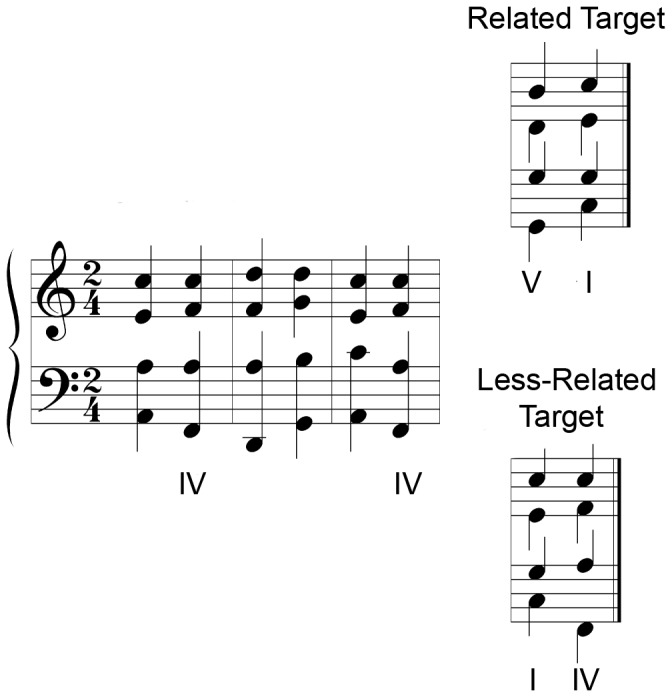
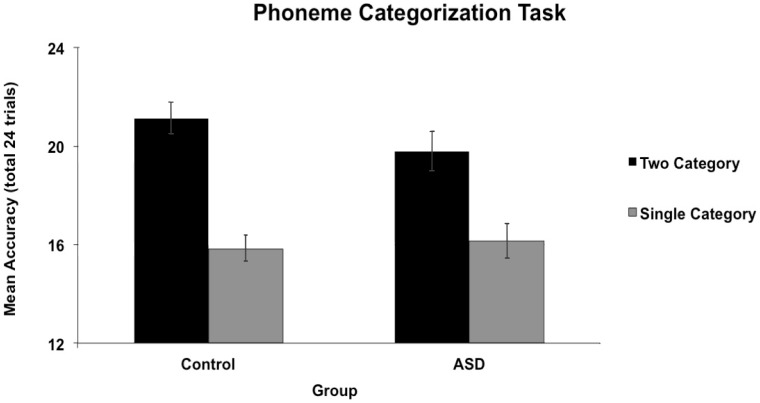
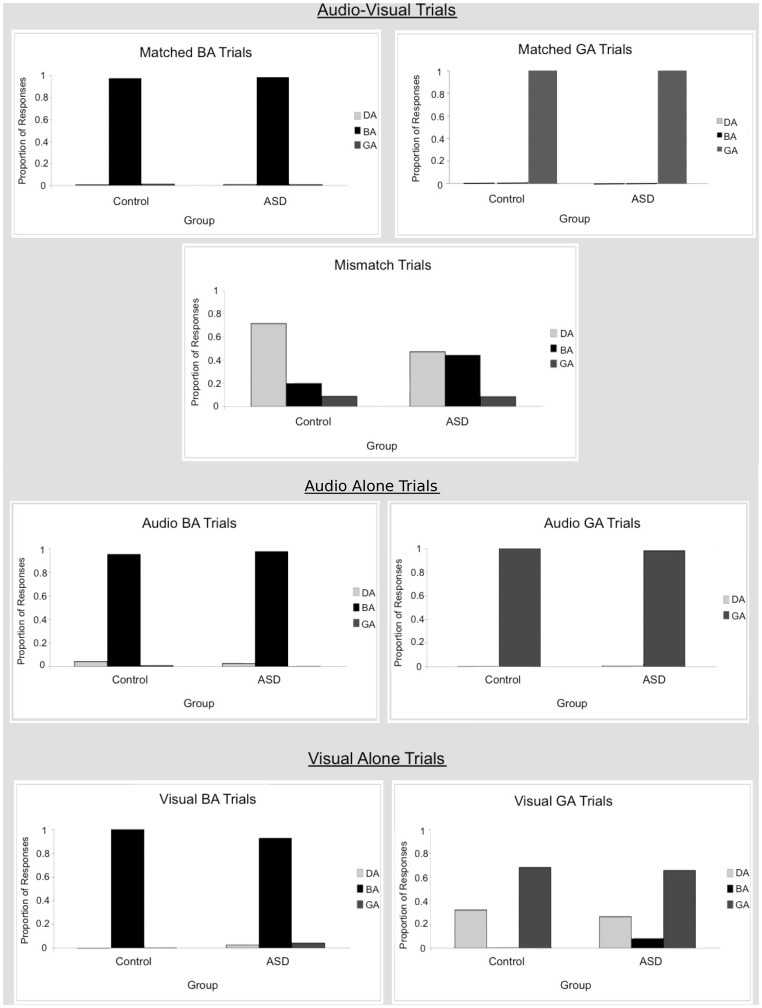
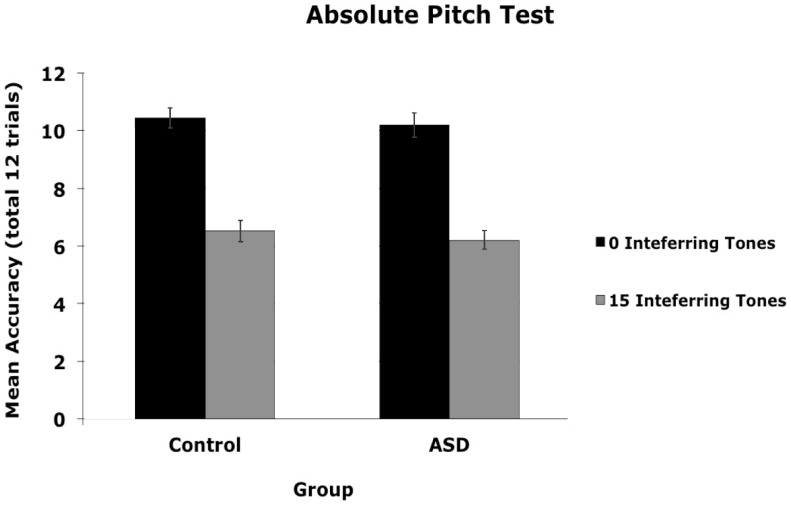
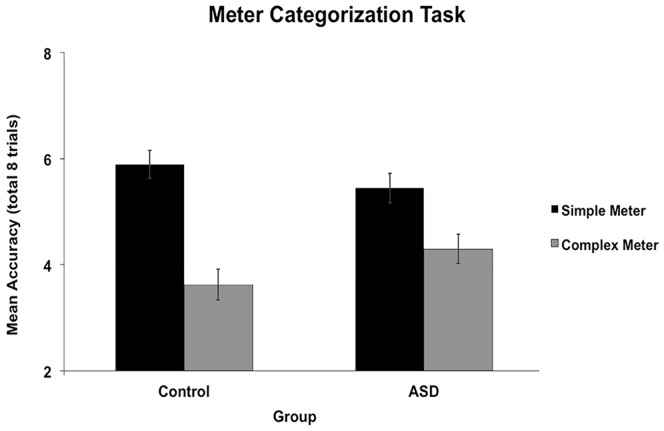
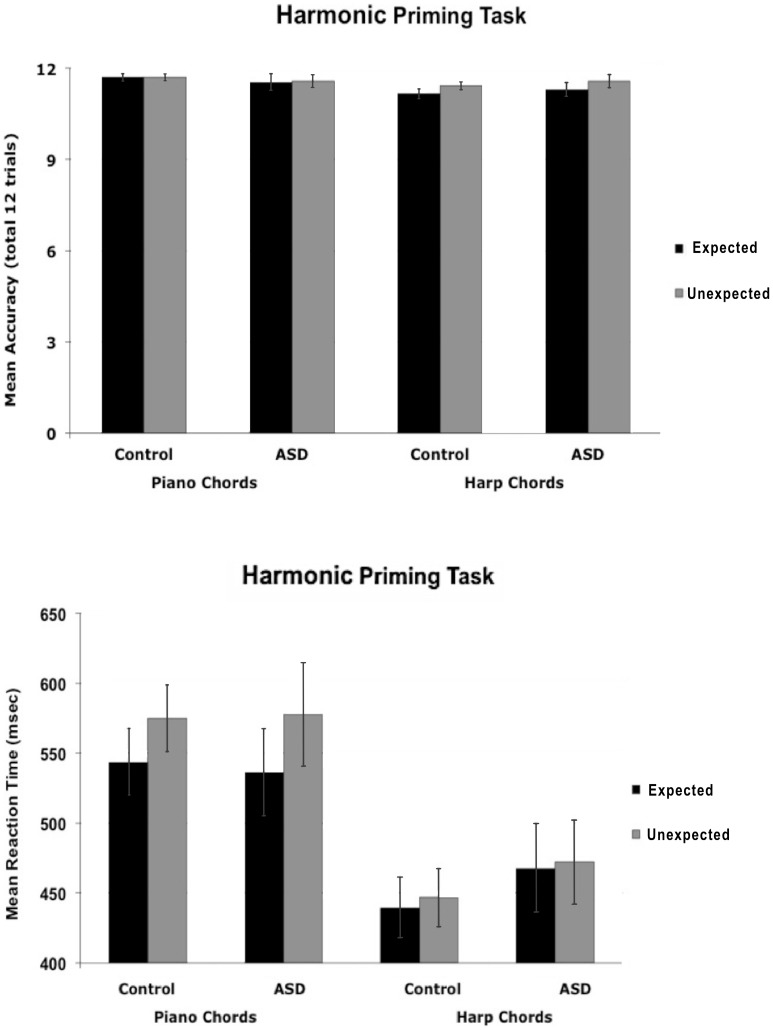
Autism Spectrum Disorder (ASD) is a pervasive developmental disorder including abnormalities in perceptual processing. We measure perception in a battery of tests across speech (filtering, phoneme categorization, multisensory integration) and music (pitch memory, meter categorization, harmonic priming). We found that compared to controls, the ASD group showed poorer filtering, less audio-visual integration, less specialization for native phonemic and metrical categories, and a higher instance of absolute pitch. No group differences were found in harmonic priming. Our results are discussed in a developmental framework where culture-specific knowledge acquired early compared to late in development is most impaired, perhaps because of early-accelerated brain growth in ASD. These results suggest that early auditory remediation is needed for good communication and social functioning.
Overview
The claims and statistics of this paper haven’t been checked yet.
Free: it reads the open-access text and checks the first 5 claims that cite a source we can check. Create a free account to check every claim.
Integrity signals
Registry
Cites
Statistics
Figures


Verification
Claims the paper makes
The claims and statistics of this paper haven’t been checked yet.
Free: it reads the open-access text and checks the first 5 claims that cite a source we can check. Create a free account to check every claim.
Claims other papers make about this one
Each is checked against this paper’s own text: does it say what the citing paper says it does?
In the citing paper
“These hypersensitivities cannot be explained as outcomes of abnormally enhanced sensation (29 -31).”
From Autism as a disorder of prediction (2014) · cites this paper as [29]
Self-check
Percentages, sums and reported differences re-computed from the paper’s own numbers.
The self-check needs the paper’s full text.
Citations
Cites
Proceedings of the National Academy of Sciences of the United States of America
Dowling, J. E., & Wald, G. (2009) · Nutrition Reviews · doi:10.1111/j.1753-4887.1981.tb06752.x · Cited by 17,893
The Proceedings of the National Academy of Sciences
Richards, J. W. (1915) · Science · doi:10.1126/science.42.1074.161 · Cited by 13,983
Lord, C., Rutter, M., & Le Couteur, A. (1994) · Journal of Autism and Developmental Disorders · doi:10.1007/bf02172145 · Cited by 9,065 · cited 1×
“Among the ASD group, 16 participants had diagnoses (ADOS and ADI) [88,89] that were completed at the Offord Centre in Hamilton and 11 confirmed through a letter from their family doctor (diagnosis outside of Hamilton) because ADOS and ADI scores were not available.”
MethodHearing lips and seeing voices
MCGURK, H., & MACDONALD, J. (1976) · Nature · doi:10.1038/264746a0 · Cited by 6,183 · cited 2×
“For example, when presented with a visual ‘‘ga’’ and an audio ‘‘ba’’, people report hearing a third percept ‘‘da’’ which represents a fusion between what they see and what they hear [58].”
THE JOURNAL OF THE AMERICAN MEDICAL ASSOCIATION
(1911) · Journal of the American Medical Association · doi:10.1001/jama.1911.04260070032017 · Cited by 3,361
American Journal of Mental Retardation
Staff (2008) · Encyclopedia of Special Education · doi:10.1002/9780470373699.speced0106 · Cited by 2,972
The weak coherence account: detail-focused cognitive style in autism spectrum disorders
Happé, F., & Frith, U. (2006) · Journal of Autism and Developmental Disorders · doi:10.1007/s10803-005-0039-0 · Cited by 2,884
Philosophical Transactions of the Royal Society B: biological sciences
(2026) · Philosophical Transactions of the Royal Society B Biological Sciences · doi:10.1098/rstb · Cited by 2,876
(1989) · UCL Discovery (University College London) · Cited by 2,724
Quest: A Bayesian adaptive psychometric method
Watson, A. B., & Pelli, D. G. (1983) · Perception & Psychophysics · doi:10.3758/bf03202828 · Cited by 2,410 · cited 1×
“A Bayesian adaptive psychometric procedure [99] was used such that the test ended when the standard deviation of the signal threshold estimate reached 1.”
Method
Cited by
Autism Spectrum Disorder: Classification, diagnosis and therapy
Sharma, S. R., Gonda, X., & Tarazi, F. I. (2018) · Pharmacology & Therapeutics · doi:10.1016/j.pharmthera.2018.05.007 · Cited by 673
Autism as a disorder of prediction
Sinha, P., Kjelgaard, M. M., Gandhi, T. K., Tsourides, K., Cardinaux, A. L., Pantazis, D., Diamond, S. P., & Held, R. M. (2014) · Proceedings of the National Academy of Sciences · doi:10.1073/pnas.1416797111 · Cited by 563
Foxe, J. J., Molholm, S., Del Bene, V. A., Frey, H.-P., Russo, N. N., Blanco, D., Saint-Amour, D., & Ross, L. A. (2015) · Cerebral Cortex · doi:10.1093/cercor/bht213 · Cited by 263
“In a similar vein, DePape et al. (2012) asked ASD adolescents (n = 27) to repeat sentences presented to one ear while they tried to ignore competing sentences presented to the other ear.”
BackgroundVeridical mapping in the development of exceptional autistic abilities
Mottron, L., Bouvet, L., Bonnel, A., Samson, F., Burack, J. A., Dawson, M., & Heaton, P. (2013) · Neuroscience & Biobehavioral Reviews · doi:10.1016/j.neubiorev.2012.11.016 · Cited by 234
DePape, A.-M., & Lindsay, S. (2016) · Focus on Autism and Other Developmental Disabilities · doi:10.1177/1088357615587504 · Cited by 153
“These problems are documented in other research reporting sensory and perceptual problems among those with ASD (DePape, Hall, Tillmann, & Trainor, 2012; Kern et al., 2006).”
BackgroundSelf-citationIs synaesthesia more common in autism?
Baron-Cohen, S., Johnson, D., Asher, J., Wheelwright, S., Fisher, S. E., Gregersen, P. K., & Allison, C. (2013) · Molecular Autism · doi:10.1186/2040-2392-4-40 · Cited by 143
“Interestingly, a recent study has revealed a significant phenotypic and genetic overlap between synaesthesia and absolute pitch [38], a trait that has also been reported to occur at increased frequency in people with autism [39,40].”
BackgroundMostert-Kerckhoffs, M. A. L., Staal, W. G., Houben, R. H., & de Jonge, M. V. (2015) · Journal of Autism and Developmental Disorders · doi:10.1007/s10803-015-2473-y · Cited by 105
“This may be highly relevant since visual information processing may be a preferred cognitive style in some ASD patients (Depape et al. 2012), while at the same time audio-visual integration seems to be impaired in ASD (Kunda and Goel 2011).”
The integrity of lexical acquisition mechanisms in autism spectrum disorders: A research review
Arunachalam, S., & Luyster, R. J. (2016) · Autism Research · doi:10.1002/aur.1590 · Cited by 97
Automated computerized analysis of speech in psychiatric disorders
Cohen, A. S., & Elvevåg, B. (2014) · Current Opinion in Psychiatry · doi:10.1097/yco.0000000000000056 · Cited by 93
“Looking globally at the psychiatry literature, there is evidence that speech production and speech variability is abnormal in adults with autism spectrum disorders [31], though the nature of this relationship appears to be influenced by functioning level such that high functioning autism is associated with greater int…”
BackgroundSeery, A. M., Vogel-Farley, V., Tager-Flusberg, H., & Nelson, C. A. (2013) · Developmental Cognitive Neuroscience · doi:10.1016/j.dcn.2012.11.007 · Cited by 84
“…is mixed evidence for whether older children with ASD show the appropriate 'lack' of ability to distinguish non-native phonemic contrasts (Constantino et al., 2007; but see DePape et al., 2012), and the developmental trajectory of perceptual narrowing in infants at risk for ASD remains unknown.”
Lense, M., & Camarata, S. (2020) · Music & Science · doi:10.1177/2059204320933080 · Cited by 82
“…Wiens & Gordon, 2018), dyslexia (Leong & Goswami, 2014), aphasia (Schlaug et al., 2010)), there are few studies of rhythm perception or production in children or adults with ASD at either a behavioral or neural level (see DePape et al., 2012 for example of meter perception in individuals with ASD).”
BackgroundMusic-Evoked Reward and Emotion: Relative Strengths and Response to Intervention of People With ASD
Quintin, E. (2019) · Frontiers in Neural Circuits · doi:10.3389/fncir.2019.00049 · Cited by 83
“, 2009), perceive meter in western music (DePape et al., 2012), and are able to create and replicate musical melodies with coherent musical structure in a similar amount of time as typically developing peers (Quintin et al.”
BackgroundAbsolute pitch exhibits phenotypic and genetic overlap with synesthesia
Gregersen, P. K., Kowalsky, E., Lee, A., Baron‐Cohen, S., Fisher, S. E., Asher, J. E., Ballard, D., Freudenberg, J., & Li, W. (2013) · Human Molecular Genetics · doi:10.1093/hmg/ddt059 · Cited by 78
“Finally, it is intriguing that AP may occur with increased frequency in subjects with autistic spectrum disorder (26), and a recent report suggests normal subjects with AP exhibit a spectrum of traits that have been related to autism, although this does not reach the level of autistic spectrum disorder per se in these…”
BackgroundPrepulse Inhibition of the Acoustic Startle Reflex in High Functioning Autism
Kohl, S., Wolters, C., Gruendler, T. O. J., Vogeley, K., Klosterkötter, J., & Kuhn, J. (2014) · PLoS ONE · doi:10.1371/journal.pone.0092372 · Cited by 68
Sturrock, A., Chilton, H., Foy, K., Freed, J., & Adams, C. (2021) · Autism · doi:10.1177/13623613211002047 · Cited by 75
“, 2008; Seung, 2007) and listening against background noise (DePape et al., 2012; O’Connor, 2012).”
BackgroundFeasibility Testing of a Wearable Behavioral Aid for Social Learning in Children with Autism
Daniels, J., Haber, N., Voss, C., Schwartz, J. N., Tamura, S., Fazel, A., Kline, A., Washington, P. Y., Phillips, J. M., Winograd, T. A., et al. (2018) · Applied Clinical Informatics · doi:10.1055/s-0038-1626727 · Cited by 72
Reduced Sensory Habituation in Autism and Its Correlation with Behavioral Measures
Jamal, W., Cardinaux, A., Haskins, A. J., Kjelgaard, M., & Sinha, P. (2021) · Journal of Autism and Developmental Disorders · doi:10.1007/s10803-020-04780-1 · Cited by 69
Veridical mapping in savant abilities, absolute pitch, and synesthesia: an autism case study
Bouvet, L., Donnadieu, S., Valdois, S., Caron, C., Dawson, M., & Mottron, L. (2014) · Frontiers in Psychology · doi:10.3389/fpsyg.2014.00106 · Cited by 66
“ORIGINAL RESEARCH ARTICLE published: 18 February 2014 doi: 10.3389/fpsyg.2014.00106 Veridical mapping in savant abilities, absolute pitch, and synesthesia: an autism case study”
BackgroundInfluentialMamashli, F., Khan, S., Bharadwaj, H., Michmizos, K. P., Ganesan, S., Garel, K.-L. A., Hashmi, J. A., Herbert, M. R., Hämäläinen, M., & Kenet, T. (2016) · Autism Research · doi:10.1002/aur.1714 · Cited by 67
Impaired Timing and Frequency Discrimination in High-functioning Autism Spectrum Disorders
Bhatara, A. K., Babikian, T., Laugeson, E. A., Tachdjian, R., & Sininger, Y. S. (2013) · Journal of Autism and Developmental Disorders · doi:10.1007/s10803-013-1778-y · Cited by 68
“than in the normal population (DePape et al. 2012) and/or”
BackgroundResultInfluentialApplewhite, B., Cankaya, Z., Heiderscheit, A., & Himmerich, H. (2022) · International Journal of Environmental Research and Public Health · doi:10.3390/ijerph19095150 · Cited by 59
“They were reported to have a strong preference for music over verbal material [31], superior pitch memory, recognition of changes of the pitch [34,42,45,48], and to enjoy dissonant music more than controls with typical development (TD) [53].”
BackgroundInfluentialZhang, J., Meng, Y., He, J., Xiang, Y., Wu, C., Wang, S., & Yuan, Z. (2018) · Journal of Autism and Developmental Disorders · doi:10.1007/s10803-018-3680-0 · Cited by 54
Demopoulos, C., Yu, N., Tripp, J., Mota, N., Brandes-Aitken, A. N., Desai, S. S., Hill, S. S., Antovich, A. D., Harris, J., Honma, S. M., et al. (2017) · Frontiers in Human Neuroscience · doi:10.3389/fnhum.2017.00259 · Cited by 53
“, 2010; Demopoulos and Lewine, 2016), including auditory filtering deficits (Alcántara et al., 2004; DePape et al., 2012; Tomchek et al., 2014) as well as both impaired (Kargas et al.”
BackgroundIs Synaesthesia More Prevalent in Autism Spectrum Conditions? Only Where There Is Prodigious Talent
Hughes, J. E., Simner, J., Baron‐Cohen, S., Treffert, D. A., & Ward, J. (2017) · Multisensory Research · doi:10.1163/22134808-00002558 · Cited by 52
Auditory Discrimination in Autism Spectrum Disorder
Rotschafer, S. E. (2021) · Frontiers in Neuroscience · doi:10.3389/fnins.2021.651209 · Cited by 49
Zhou, Z., Zhao, X., Yang, Q., Zhou, T., Feng, Y., Chen, Y., Chen, Z., & Deng, C. (2025) · Research in Developmental Disabilities · doi:10.1016/j.ridd.2025.104942 · Cited by 48
Medical Therapies for Children With Autism Spectrum Disorder—An Update
Edwin Williamson, M. D., Sathe, N. A., & Andrews, J. C. (2017) · doi:10.23970/ahrqepccer189 · Cited by 50
A systematic review on speech-in-noise perception in autism
Callejo, D. R., & Boets, B. (2023) · Neuroscience & Biobehavioral Reviews · doi:10.1016/j.neubiorev.2023.105406 · Cited by 44
Auditory Pitch Perception in Autism Spectrum Disorder: A Systematic Review and Meta-Analysis
Chen, Y., Tang, E., Ding, H., & Zhang, Y. (2022) · Journal of Speech Language and Hearing Research · doi:10.1044/2022_jslhr-22-00254 · Cited by 41
“Previous research showed that there is a greater incidence of AP privilege in ASD (DePape et al., 2012).”
Evidence for intact melodic and rhythmic perception in children with Autism Spectrum Disorder
Jamey, K., Foster, N. E. V., Sharda, M., Tuerk, C., Nadig, A., & Hyde, K. L. (2019) · Research in Autism · doi:10.1016/j.rasd.2018.11.013 · Cited by 41
Bouvet, L., Mottron, L., Valdois, S., & Donnadieu, S. (2013) · Journal of Autism and Developmental Disorders · doi:10.1007/s10803-013-2003-8 · Cited by 39
“2004), or perceive a monosyllabic word or a sentence in a noisy background (Bhatara et al. 2013; DePape et al. 2012).”
BackgroundRhythmic Relating: Bidirectional Support for Social Timing in Autism Therapies
Daniel, S. W., Wimpory, D. C., Delafield‐Butt, J. T., Malloch, S. N., Holck, U., Geretsegger, M., Tortora, S., Osborne, N., Schögler, B., Koch, S. C., et al. (2022) · Frontiers in Psychology · doi:10.3389/fpsyg.2022.793258 · Cited by 39
“Across simple and complex meter conditions, pre-SMA, basal ganglia, and cerebellar dysfunction in autism appears to be functionally specific, leaving beatperception largely intact (DePape et al., 2012).”
BackgroundPerceptual category learning in autism spectrum disorder: Truth and consequences
Mercado, E., Chow, K., Church, B. A., & Lopata, C. J. (2020) · Neuroscience & Biobehavioral Reviews · doi:10.1016/j.neubiorev.2020.08.016 · Cited by 37
Kissine, M., & Geelhand, P. (2019) · Journal of Autism and Developmental Disorders · doi:10.1007/s10803-019-03905-5 · Cited by 36
Johnston, D., Egermann, H., & Kearney, G. (2018) · Cogent Psychology · doi:10.1080/23311908.2018.1554773 · Cited by 35
Järvinen, A. M., Ng, R., Crivelli, D., Neumann, D., Arnold, A. J., Woo‐VonHoogenstyn, N., Lai, P. T., Trauner, D. A., & Bellugi, U. (2015) · Developmental Psychobiology · doi:10.1002/dev.21335 · Cited by 34
Auditory Pitch Perception in Autism Spectrum Disorder Is Associated With Nonverbal Abilities
Chowdhury, R., Sharda, M., Foster, N. E. V., Germain, E., Tryfon, A., Doyle-Thomas, K., Anagnostou, E., & Hyde, K. L. (2017) · Perception · doi:10.1177/0301006617718715 · Cited by 33
Demopoulos, C., Brandes-Aitken, A. N., Desai, S. S., Hill, S. S., Antovich, A. D., Harris, J., & Marco, E. J. (2015) · Journal of the International Neuropsychological Society · doi:10.1017/s1355617715000387 · Cited by 31
Wenhart, T., Bethlehem, R. A. I., Baron‐Cohen, S., & ALTENMÜLLER, E. O. (2019) · Molecular Autism · doi:10.1186/s13229-019-0272-6 · Cited by 32
Auditory symptoms and psychological characteristics in adults with auditory processing disorders
Obuchi, C., Ogane, S., Sato, Y., & Kaga, K. (2017) · Journal of Otology · doi:10.1016/j.joto.2017.05.001 · Cited by 30
“Moreover, some studies argued that compared with controls, ASD subjects showed poorer scores on some auditory processing tests (DePape et al., 2012; Mamashli et al., 2016).”
ResultBehavioral Auditory Processing in Children and Young Adults with Autism Spectrum Disorder
Schafer, E. C., Mathews, L., Gopal, K. V., Canale, E., Creech, A., Manning, J., & Kaiser, K. (2020) · Journal of the American Academy of Audiology · doi:10.1055/s-0040-1717138 · Cited by 29
Speech features in autism spectrum disorders
Mamokhina, U. A. (2017) · Autism and Developmental Disorders · doi:10.17759/autdd.2017150304 · Cited by 28
van der Kruk, Y., Wilson, W. J., Perrykkad, K., Downing, C., Harper‐Hill, K., & Ashburner, J. K. (2017) · Review Journal of Autism and Developmental Disorders · doi:10.1007/s40489-017-0111-7 · Cited by 27
“Increased abilities have been reported for absolute or perfect pitch—the rare auditory ability to identify or produce a musical note without a reference tone (Bonnel et al. 2003; DePape et al. 2012).”
BackgroundInfluentialOn the nature of the speech perception deficits in children with autism spectrum disorders
You, R. S., Serniclaes, W., Rider, D., & Chabane, N. (2017) · Research in Developmental Disabilities · doi:10.1016/j.ridd.2016.12.009 · Cited by 26
Burgmeier, R. J., Desai, R. U., Farner, K. C., Tiano, B. N., Lacey, R., Volpe, N. J., & Mets, M. B. (2014) · JAMA Ophthalmology · doi:10.1001/jamaophthalmol.2014.3307 · Cited by 25
Autonomic and Electrophysiological Evidence for Reduced Auditory Habituation in Autism
Gandhi, T. K., Tsourides, K., Singhal, N., Cardinaux, A. L., Jamal, W., Pantazis, D., Kjelgaard, M., & Sinha, P. (2020) · Journal of Autism and Developmental Disorders · doi:10.1007/s10803-020-04636-8 · Cited by 24
Boets, B., Verhoeven, J. S., Wouters, J. M., & Steyaert, J. G. (2014) · Journal of Autism and Developmental Disorders · doi:10.1007/s10803-014-2341-1 · Cited by 23
“Likewise, DePape et al. (2012) found that group differences in pitch memory disappeared as soon when the few ASD subjects with absolute pitch (N = 3) were removed from the sample.”
BackgroundCategorical Speech Perception in Adults with Autism Spectrum Conditions
Stewart, M. E., Petrou, A. M., & Ota, M. (2017) · Journal of Autism and Developmental Disorders · doi:10.1007/s10803-017-3284-0 · Cited by 23
Parent coaching of music interventions for children with ASD: A conceptual framework
Ruiz, E. H. (2019) · Nordic Journal of Music Therapy · doi:10.1080/08098131.2019.1647447 · Cited by 23
The effect of music interventions in autism spectrum disorder: a systematic review and meta-analysis
Navarro, L., Mallah, N. E. Z., Nowak, W., Pardo-Seco, J., Gómez‐Carballa, A., Pischedda, S., Martinón‐Torres, F., & Salas, A. (2025) · Frontiers in Integrative Neuroscience · doi:10.3389/fnint.2025.1673618 · Cited by 21
Hyper-Sensitivity to Pitch and Poorer Prosody Processing in Adults With Autism: An ERP Study
Haigh, S. M., Brosseau, P., Eack, S. M., Leitman, D. I., Salisbury, D. F., & Behrmann, M. (2022) · Frontiers in Psychiatry · doi:10.3389/fpsyt.2022.844830 · Cited by 21
Leung, J., Purdy, S. C., & Corballis, P. M. (2021) · Brain Sciences · doi:10.3390/brainsci11040469 · Cited by 20
“Auditory processing challenges become more salient in individuals with ASD when the input is more complex, such as with tasks involving sentences and intonation [25], speech recognition in the presence of background noise [26,27], auditory filtering [28], competing speech streams [29,30], and when prosody-based cues a…”
BackgroundLyons-Warren, A. M., Wangler, M. F., & Wan, Y. (2022) · International Journal of Molecular Sciences · doi:10.3390/ijms232113030 · Cited by 20
Aberrant auditory system and its developmental implications for autism
Yu, L., & Wang, S. (2021) · Science China Life Sciences · doi:10.1007/s11427-020-1863-6 · Cited by 19
Neuroimaging Studies on Familiarity of Music in Children with Autism Spectrum Disorder
Freitas, C., & Patricia, C. (2020) · TSpace (University of Toronto) · Cited by 19
Reduced multisensory facilitation exists at different periods of development in autism
Ainsworth, K., Ostrolenk, A., Irion, C., & Bertone, A. (2021) · Cortex · doi:10.1016/j.cortex.2020.09.031 · Cited by 18
Musical Beat Perception Skills of Autistic and Neurotypical Children
Dahary, H., Rimmer, C., & Quintin, E. (2023) · Journal of Autism and Developmental Disorders · doi:10.1007/s10803-022-05864-w · Cited by 19
“In the current study, however, this pattern was only clearly observed among autistic children, potentially indicating less sensitivity to beat misalignments among autistic children, which supports the finding of less specialization for simple metric structures (DePape et al., 2012).”
InfluentialNewman, R. S., Kirby, L. A., Von Holzen, K., & Redcay, E. (2021) · Journal of Neurodevelopmental Disorders · doi:10.1186/s11689-020-09348-9 · Cited by 17
Demopoulos, C., Kopald, B. E., Bangera, N. B., Paulson, K. M., & Lewine, J. D. (2023) · Brain and Language · doi:10.1016/j.bandl.2023.105229 · Cited by 17
“Studies have reported deficits in auditory filtering, (Alcántara et al., 2004; DePape et al., 2012; Tomchek et al., 2014) aberrant pitch perception (Bonnel et al., 2003; Heaton, 2003, 2005; Kargas et al., 2015; Mayer et al., 2014; O’Riordan & Passetti, 2006; Stewart et al., 2015), and abnormal…”
BackgroundMcGowan, J. J., & Mcgregor, I. P. (2023) · International ACM SIGACCESS Conference on Computers and Accessibility (ASSETS) · doi:10.1145/3597638.3608392 · Cited by 17
Stefano, N. D., & Spence, C. J. (2024) · Cognition · doi:10.1016/j.cognition.2024.105805 · Cited by 18
“A number of studies have revealed a heightened pitch discrimination and identification ability in those with ASD as compared to controls (Bonnel et al., 2003; DePape, Hall, Tillmann, & Trainor, 2012; Heaton, 2003; Heaton et al., 1998; Meilleur et al., 2015).”
ResultTrontel, H. G., Duffield, T. C., Bigler, E. D., Abildskov, T. J., Froehlich, A. L., Prigge, M. B. D., Travers, B. G., Anderson, J. S., Zielinski, B. A., Alexander, A. L., et al. (2015) · Journal of Clinical and Experimental Neuropsychology · doi:10.1080/13803395.2014.997677 · Cited by 17
Specificity of Phonological Representations for Children with Autism Spectrum Disorder
Pomper, R., Weismer, S. E., Saffran, J. R., & Edwards, J. (2019) · Journal of Autism and Developmental Disorders · doi:10.1007/s10803-019-04054-5 · Cited by 17
“In the auditory domain, children with ASD are better at discriminating changes in phonological features that are not part of their native language compared to TD peers who are matched in age (DePape et al. 2012; You et al. 2017).”
BackgroundSpeech‐in‐noise perception in autistic adolescents with and without early language delay
Callejo, D. R., Wouters, J. M., & Boets, B. (2023) · Autism Research · doi:10.1002/aur.2966 · Cited by 15
Jertberg, R., Wienicke, F. J., Andruszkiewicz, K., Begeer, S., Chakrabarti, B., Geurts, H. M., de Vries, R., & der Burg, E. V. (2024) · Neuroscience & Biobehavioral Reviews · doi:10.1016/j.neubiorev.2024.105787 · Cited by 14
Heaton, P. F., Tsang, W. F., Jakubowski, K., Müllensiefen, D., & Allen, R. (2018) · Research in Developmental Disabilities · doi:10.1016/j.ridd.2018.06.001 · Cited by 14
“Although ASD is characterised by reduced attention to social stimuli (Jones & Klin, 2013) children with autism display a strong interest in music (Blackstock, 1978; Kolko, Anderson, & Campbell, 1980; Thaut, 1987) and experimental studies (e.g. Heaton et al., 2007; DePape et al., 2012) suggest that the structure of the…”
Can common strengths be identified in autistic young people? A systematic review and meta-analysis
Devenish, B. D., Mantilla, A., Bowe, S. J., Grundy, E. A. C., & Rinehart, N. (2022) · Research in Autism · doi:10.1016/j.rasd.2022.102025 · Cited by 14
A late-emerging auditory deficit in autism.
Erviti, M., Semal, C., Wright, B. A., Amestoy, A., Bouvard, M. P., & Demany, L. (2015) · Neuropsychology · doi:10.1037/neu0000162 · Cited by 13
Psychological and Neural Differences of Music Processing in Autistic Individuals: A Scoping Review
Ruiz, E. H., Qi, R., Welsh, E., Wampler, M., & Bradshaw, L. (2022) · Journal of Music Therapy · doi:10.1093/jmt/thab020 · Cited by 13
Demopoulos, C., Skiba, S. A., Kopald, B. E., Bangera, N. B., Paulson, K. M., & Lewine, J. D. (2023) · Frontiers in Psychology · doi:10.3389/fpsyg.2023.1223250 · Cited by 11
“Abnormalities in auditory processing are a well-documented finding in studies of Autism Spectrum Disorder (ASD), and present at both the cortical and subcortical level (Klin, 1993; Bonnel et al., 2003; Alcántara et al., 2004; Oram Cardy et al., 2004; Heaton, 2005; O’Riordan and Passetti, 2006; Tas et al., 2007; Russo…”
BackgroundDarnal, S., Panda, S., Namrata, N., & Chettri, A. (2023) · International Journal of Developmental Disabilities · doi:10.1080/20473869.2023.2277601 · Cited by 11
Perceiving Music Through the Lens of Synaesthesia and Absolute Pitch
Glasser, S. (2021) · Perception · doi:10.1177/03010066211034439 · Cited by 11
How do autistic adults use syntactic and prosodic cues to manage spoken discourse?
Geelhand, P., Papastamou, F., & Kissine, M. (2021) · Clinical Linguistics & Phonetics · doi:10.1080/02699206.2021.1878278 · Cited by 11
“Indeed, atypical prosody is very common in autistic individuals (McCann & Peppé, 2003), and tends to persist well into adulthood (DePape et al., 2012; Fusaroli et al., 2017; Kissine & Geelhand, 2019; Kissine et al., 2021; Shriberg, 2001).”
BackgroundSpeech-in-Noise and Dichotic Auditory Training Students With Autism Spectrum Disorder
Mathews, L., Schafer, E. C., Gopal, K. V., Lam, B. P. W., & Miller, S. E. (2024) · Language Speech and Hearing Services in Schools · doi:10.1044/2024_lshss-23-00168 · Cited by 10
Links between musical beat perception and phonological skills for autistic children
Rimmer, C., Dahary, H., & Quintin, E. (2023) · Child Neuropsychology · doi:10.1080/09297049.2023.2202902 · Cited by 10
“…al., 2010), producing and replicating coherent musical melodies (Quintin et al., 2013), recognizing music-evoked emotions (Quintin et al., 2011; Stephenson et al., 2016), showing intact rhythm perception abilities (Jamey et al., 2019), and simple and complex meter perception (DePape et al., 2012).”
BackgroundPreservation of categorical perception for speech in autism with and without speech onset delay
Chiodo, L., Mottron, L., & Majerus, S. (2019) · Autism Research · doi:10.1002/aur.2134 · Cited by 10
Chen, S., Zhang, Y., Zhou, F., Chan, A., Li, B., Li, B., Tang, T. P. Y., Chun, E., & Chen, Z. (2024) · PLoS ONE · doi:10.1371/journal.pone.0306272 · Cited by 9
Multisensory Processing Differences in Individuals with Autism Spectrum Disorder
Miller, S. H. B., & Wallace, M. T. (2019) · Springer handbook of auditory research · doi:10.1007/978-3-030-10461-0_12 · Cited by 9
Intact Utilization of Contextual Information in Speech Categorization in Autism
Gabay, Y., Reinisch, E., Even, D., Binur, N., & Hadad, B. (2023) · Journal of Autism and Developmental Disorders · doi:10.1007/s10803-023-06106-3 · Cited by 9
“Furthermore, based on previous studies on listeners with ASD (Chiodo et al., 2019; DePape et al., 2012; You et al., 2017), a reduced ability to use temporal speech cues is likely to result in reduced perceptual sensitivity during the speech categorization task.”
Fadeev, K. A., Reyes, I. V. R., Goiaeva, D. E., Obukhova, T. S., Ovsiannikova, T. M., Prokofyev, A. O., Rytikova, A. M., Novikov, A. Y., Kozunov, V. V., Stroganova, T. A., et al. (2024) · Journal of Neurodevelopmental Disorders · doi:10.1186/s11689-024-09585-2 · Cited by 9
RETRACTED: Auditory perceptual learning in autistic adults
Alispahic, S., Pellicano, E., Cutler, A., & Antoniou, M. (2022) · Autism Research · doi:10.1002/aur.2778 · Cited by 9
“…patterns (Boucher & Anns, 2018) resulting in altered neural plasticity and, in consequence, reduction of phonetic flexibility (Kissine et al., 2021), of categorical precision (You et al., 2017) and of specialization for native speech sound categories (DePape et al., 2012; Stewart et al., 2018).”
BackgroundRetractedThe impact of synaesthesia and absolute pitch on musical development
Glasser, S. (2018) · Minerva Access (University of Melbourne) · Cited by 9
Auditory and Semantic Processing of Speech‐in‐Noise in Autism: A Behavioral and EEG Study
Li, J., Sujawal, M., Bernotaite, Z., Cunnings, I., & Liu, F. (2025) · Autism Research · doi:10.1002/aur.70097 · Cited by 9
“For example, temporal processing difficulties have been found to correlate more closely with language ability than with autism diagnosis per se (DePape et al. 2012; Bhatara et al. 2013).”
Bullen, J. C., Lerro, L., Hesse, T. L., Zajic, M. C., McIntyre, N. S., & Mundy, P. (2025) · Journal of Autism and Developmental Disorders · doi:10.1007/s10803-025-07185-0 · Cited by 8
“Auditory processing problems, especially processing filtering, audio-visual integrations and processing speech in complex sound fields can be difficult for some autistic individuals (Alcantara et al., 2004; Ashburner et al., 2008; DePape et al., 2012; Groen et al., 2009).”
Xu, S., Fan, J., Zhang, H., Zhang, M., Zhao, H., Jiang, X., Ding, H., & Zhang, Y. (2023) · Journal of Speech Language and Hearing Research · doi:10.1044/2023_jslhr-22-00589 · Cited by 8
Predictive processing of music and language in autism: Evidence from Mandarin and English speakers
Zhao, C., Ong, J. H., Veić, A., Patel, A. D., Jiang, C., Fogel, A. R., Wang, L., Hou, Q., Das, D., Crasto, C., et al. (2024) · Autism Research · doi:10.1002/aur.3133 · Cited by 8
“Most importantly, our findings are consistent with research suggesting intact enculturation to the pitch structure of Western music (DePape et al., 2012) and utilizing prediction during music listening in autism (Venter et al., 2023).”
BackgroundResultInfluentialEnhanced sensitivity to pitch perception and its possible relation to language acquisition in autism
Hisaizumi, M., & Tantam, D. (2024) · Autism & Developmental Language Impairments · doi:10.1177/23969415241248618 · Cited by 9
“Whereas the consequence of this quality is not always detrimental, it may shed some light on the fi ltering dif fi culties that remained unexplained in the study by DePape et al. (2012).”
BackgroundInfluentialMultiple talker processing in autistic adult listeners
Alispahic, S., Pellicano, E., Cutler, A., & Antoniou, M. (2024) · Scientific Reports · doi:10.1038/s41598-024-62429-w · Cited by 8
“Such differences may affect higher-level language processing, resulting in superior perceptual processing of fine-grained voice information 36,37 , but atypical speech sound specialisation or categorisation involving more complex voice stimuli, such as syllables 38–40 .”
BackgroundA handbook for Rhythmic Relating in autism: supporting social timing in play, learning and therapy
Daniel, S. W., Laurie, M., & Delafield‐Butt, J. T. (2024) · Frontiers in Psychology · doi:10.3389/fpsyg.2024.1384068 · Cited by 7
“Across simple and complex meter conditions, pre-SMA, basal ganglia, and cerebellar dysfunction in autism appears to be functionally specific, leaving beat-perception largely intact (Rinehart et al., 2006; Qiu et al., 2010; DePape et al., 2012).”
BackgroundThe Strengths of Speech Divergence in Autistic People: Implications for Assessment and Support
Kapp, S. K., & Gudknecht, J. (2025) · Infant and Child Development · doi:10.1002/icd.70017 · Cited by 7
Social Justice and Autism: Links to Personality and Advocacy
Kapp, S. K. (2016) · eScholarship (California Digital Library) · Cited by 8
Key, A. P. F., Thompson, E. C., Benítez-Barrera, C. R., Feldman, J. I., Woynaroski, T. G., Picou, E. M., & Tharpe, A. M. (2024) · Ear and Hearing · doi:10.1097/aud.0000000000001465 · Cited by 6
“…processing (Mottron et al. 2006), reduced attention to social stimuli (Chevallier et al. 2012), or prioritizing immediate sensory inputs over the broader context and previous experiences (Haker et al. 2016), which could lead to reduced specialization for native phonemes (DePape et al. 2012).”
BackgroundAcoustic and Semantic Processing of Auditory Scenes in Children with Autism Spectrum Disorders
Yerkes, B. D., der Nederlanden, C. M. V. B., Beasley, J. F., Hannon, E. E., & Snyder, J. S. (2023) · Journal of Autism and Developmental Disorders · doi:10.1007/s10803-023-05924-9 · Cited by 5
“Even though some individuals with ASD show enhanced pitch processing, they nevertheless can have difficulty perceiving speech in noisy environments (Alcantara et al., 2004, 2012; Bhatara et al., 2009; DePape et al., 2012; Groen et al., 2009).”
BackgroundHughes, L., Kargas, N., Wilhelm, M., Meyerhoff, H. S., & Föcker, J. (2023) · Perceptual and Motor Skills · doi:10.1177/00315125231187984 · Cited by 5
“…autism have been found to be less susceptible to this illusion, indicating that, relative to children without autism, they have weaker audio-visual integration during phonemic-level inputs (Bebko et al., 2014; DePape et al., 2012; Irwin et al., 2011; Mongillo et al., 2008; Stevenson et al., 2014).”
Lau, B. K., Emmons, K. A., Maddox, R. K., Estes, A. M., Dager, S. R., Hemingway, S. J. A., & Lee, A. K. C. (2025) · PLoS ONE · doi:10.1371/journal.pone.0329581 · Cited by 5
“These results are consistent with prior studies showing worse speech perception in autistic adults and children [29,30,32].”
Auditory perception in people with autism spectrum disorders
Đoković, S. T., Gligorović, M., & Ostojić-Zeljković, S. (2022) · Specijalna edukacija i rehabilitacija · doi:10.5937/specedreh21-34559 · Cited by 5
Jacob, J. P. U. S. (2023) · Journal for ReAttach Therapy and Developmental Diversities · Cited by 5
Measuring Children’s Harmonic Knowledge with Implicit and Explicit Tests
Corrigall, K. A., Tillmann, B., & Schellenberg, E. G. (2022) · Music Perception An Interdisciplinary Journal · doi:10.1525/mp.2022.39.4.361 · Cited by 5
Self-citationStone, B. G. (2018) · QUT ePrints (Queensland University of Technology) · doi:10.26199/5cb7ac2648283 · Cited by 5
Impact of an Auditory Processing Training Program on Individuals With Autism Spectrum Disorder
Schafer, E. C., Gopal, K. V., Mathews, L., Miller, S. E., & Lam, B. P. W. (2024) · American Journal of Audiology · doi:10.1044/2024_aja-24-00134 · Cited by 4
Metadata
- Authors
- DePape, A.-M. R., Hall, G. B. C., Tillmann, B., & Trainor, L. J.
- Affiliations
- McMaster University (CA)
- Lyon 1 Université (FR)
- Baycrest Hospital (CA)
- Corresponding author
- Trainor, Laurel J.
- Venue
- PLoS ONE
- Publisher
- Public Library of Science (PLoS)
- Published
- 2012-09-12
- Volume
- 7
- Issue
- 9
- Pages
- e44084
- ISSN
- 1932-6203 (ISSN-L)
- PMC
- PMC3440400
- OpenAlex
- W2050650787
- Cited by
- 139
- References
- 148
- Citations by year
- 2026: 5 · 2025: 13 · 2024: 18 · 2023: 13 · 2022: 14 · 2021: 10 · 2020: 9 · 2019: 14 · 2018: 7 · 2017: 8 · 2016: 1 · 2015: 7 · 2014: 11 · 2013: 6 · 2012: 2
- FWCI
- 4.25
- Type
- journal article
- Language
- en
- Open access
- gold
- doi.org
- Locations
- PLoS ONE (publishedVersion, cc-by)
- Europe PMC (PubMed Central) (publishedVersion, cc-by)
- PubMed Central (publishedVersion, cc-by)
- PubMed (publishedVersion)
- DOAJ (DOAJ: Directory of Open Access Journals) (submittedVersion, cc-by-sa)
- Funders
- Natural Sciences and Engineering Research Council of Canada
- Social Sciences and Humanities Research Council of Canada
- Topics
- Life Sciences › Neuroscience › Cognitive Neuroscience › Autism Spectrum Disorder Research
- Life Sciences › Neuroscience › Cognitive Neuroscience › Neuroscience and Music Perception
- Social Sciences › Psychology › Experimental and Cognitive Psychology › Multisensory perception and integration
- Keywords
- autism spectrum disorder, auditory processing, adolescents, auditory filtering, phoneme categorization, multisensory integration, audiovisual integration, pitch memory, absolute pitch, developmental framework
- MeSH terms
- Acoustic Stimulation, Adolescent, Auditory Perception, Child, Child Development Disorders, Pervasive, Demography, Humans, Male, Music, Phonetics, Speech Perception, Task Performance and Analysis, Signal-To-Noise Ratio
About these checks
Registry, retraction, Cites and statistics results are computed, not judged, with one exception: a printed reference that no index lists is read once by a model before it counts as a citation error. Claims are extracted by a model and kept only when their quote appears verbatim in the text; each cited source is then checked, with a model’s help, for whether it says what the claim relies on. Those verdicts can be wrong — read the claim’s quote and the cited source before relying on one.
Statistics and arithmetic are recomputed, not judged.
Confidence bands are shown only for fields calibrated on our annotated test set. None is calibrated yet, so no band is shown.
What counts as a claim ›How we measure confidence ›How we check this ›
Are you an author, or do you see a problem with this page? Request a review
Data sources
Bibliographic data: Semantic Scholar, OpenAlex, Crossref.
Contains information from the Semantic Scholar Academic Graph Datasets, made available under the ODC Attribution License (ODC-BY 1.0).
Semantic Scholar’s data is described in: Kinney, R., et al. (2023). The Semantic Scholar Open Data Platform. arXiv:2301.10140.
