

Biofilm-Grown Burkholderia cepacia Complex Cells Survive Antibiotic Treatment by Avoiding Production of Reactive Oxygen Species
Open accessThe DOI matches its Crossref record; 35 of the 35 references it cites were found in a registry or an index.
Abstract
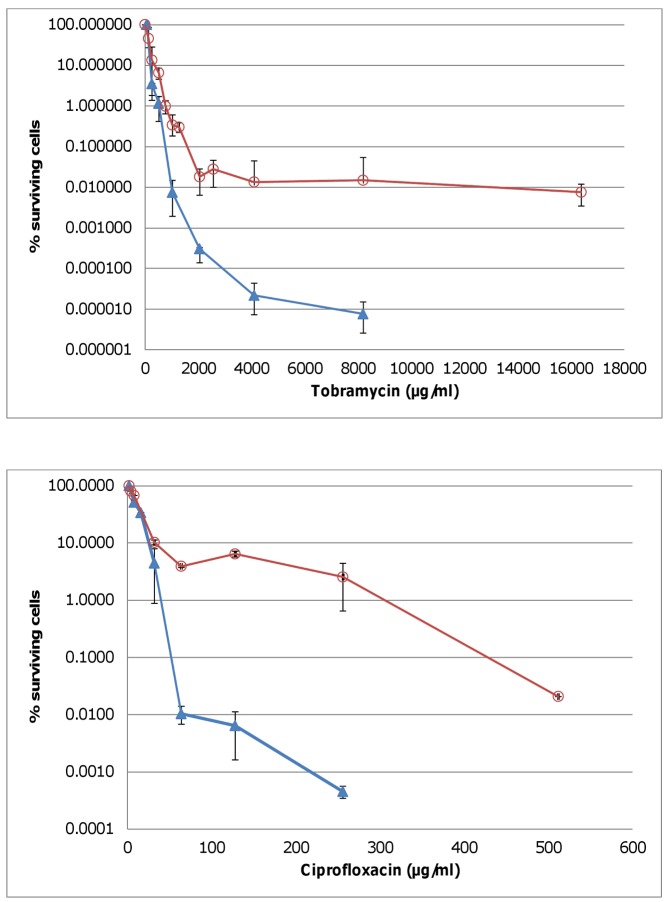
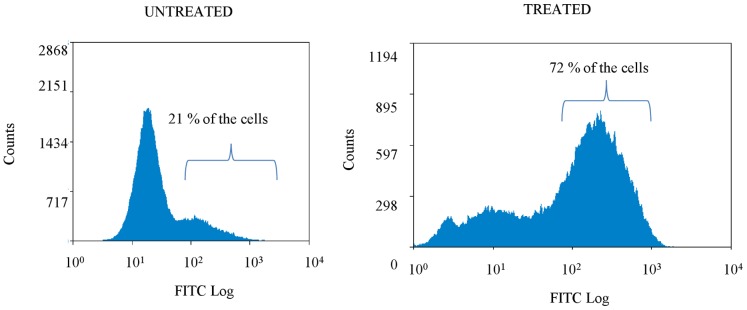
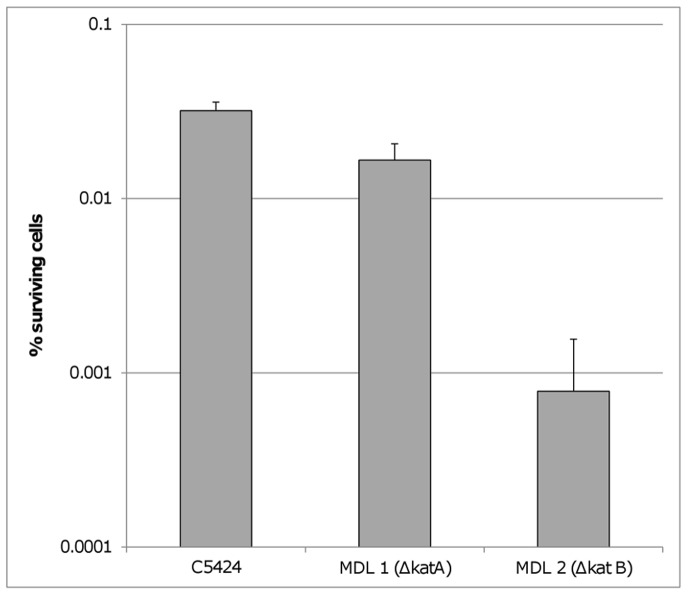
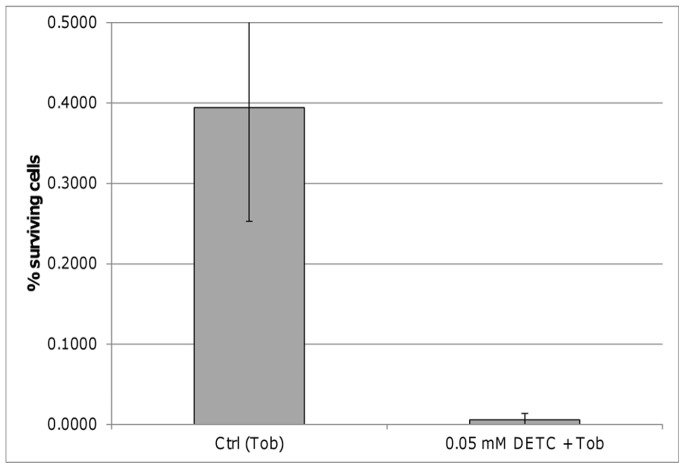
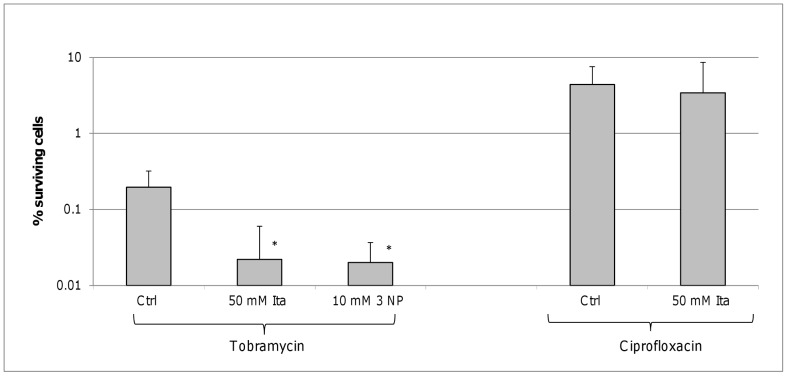
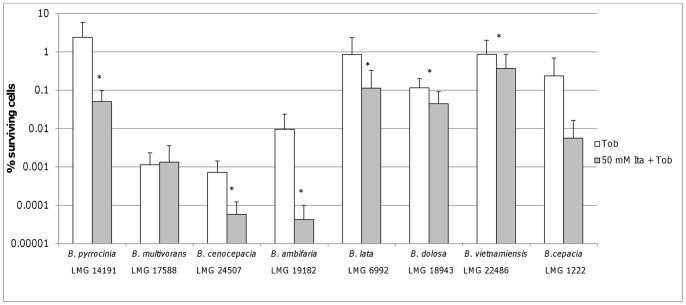
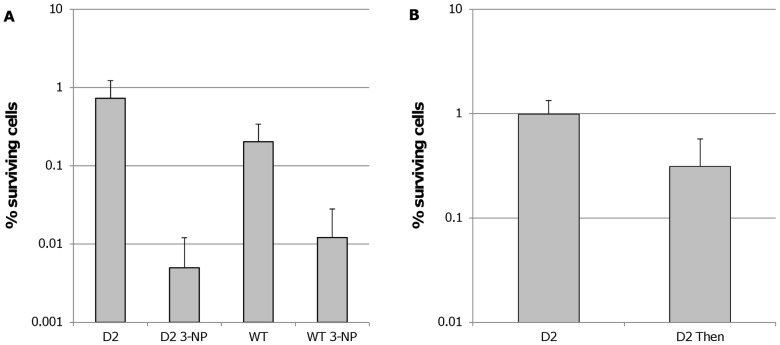
The presence of persister cells has been proposed as a factor in biofilm resilience. In the present study we investigated whether persister cells are present in Burkholderia cepacia complex (Bcc) biofilms, what the molecular basis of antimicrobial tolerance in Bcc persisters is, and how persisters can be eradicated from Bcc biofilms. After treatment of Bcc biofilms with high concentrations of various antibiotics often a small subpopulation survived. To investigate the molecular mechanism of tolerance in this subpopulation, Burkholderia cenocepacia biofilms were treated with 1024 µg/ml of tobramycin. Using ROS-specific staining and flow cytometry, we showed that tobramycin increased ROS production in treated sessile cells. However, approximately 0.1% of all sessile cells survived the treatment. A transcriptome analysis showed that several genes from the tricarboxylic acid cycle and genes involved in the electron transport chain were downregulated. In contrast, genes from the glyoxylate shunt were upregulated. These data indicate that protection against ROS is important for the survival of persisters. To confirm this, we determined the number of persisters in biofilms formed by catalase mutants. The persister fraction in ΔkatA and ΔkatB biofilms was significantly reduced, confirming the role of ROS detoxification in persister survival. Pretreatment of B. cenocepacia biofilms with itaconate, an inhibitor of isocitrate lyase (ICL), the first enzyme in the glyoxylate shunt, reduced the persister fraction approx. 10-fold when the biofilms were subsequently treated with tobramycin. In conclusion, most Bcc biofilms contain a significant fraction of persisters that survive treatment with high doses of tobramycin. The surviving persister cells downregulate the TCA cycle to avoid production of ROS and at the same time activate an alternative pathway, the glyoxylate shunt. This pathway may present a novel target for combination therapy.
Overview
The claims and statistics of this paper haven’t been checked yet.
Free: it reads the open-access text and checks the first 5 claims that cite a source we can check. Create a free account to check every claim.
Integrity signals
Registry
Cites
Statistics
Figures
Verification
Claims the paper makes
The claims and statistics of this paper haven’t been checked yet.
Free: it reads the open-access text and checks the first 5 claims that cite a source we can check. Create a free account to check every claim.
Claims other papers make about this one
Each is checked against this paper’s own text: does it say what the citing paper says it does?
The cited source says what the claim attributes to it.
In the citing paper
“A similar observation was previously made in tobramycin-treated biofilms of the Gram-negative bacterium Burkholderia cenocepacia60.”
From Stimulation of superoxide production increases fungicidal action of miconazole against Candida albicans biofilms (2016) · cites this paper as [60]
Self-check
Percentages, sums and reported differences re-computed from the paper’s own numbers.
The self-check needs the paper’s full text.
Citations
Cites
Molecular Cloning: A Laboratory Manual
Sambrook, J., Fritsch, E., & Maniatis, T. (1989) · UCLA - Biblioteca de Ciencias de la Salud · Cited by 133,589
Vandesompele, J., De Preter, K., Pattyn, F., Poppe, B., Van Roy, N., De Paepe, A., & Speleman, F. (2002) · Genome Biology · doi:10.1186/gb-2002-3-7-research0034 · Cited by 20,038 · cited 1×
“To allow accurate normalization of our data, we also included three reference genes (BCAL2694, BCAS0175, BCAM2784) for which we confirmed expression stability using GeNorm [21] prior to the actual analyses (Figure S1).”
MethodBiofilms: Survival Mechanisms of Clinically Relevant Microorganisms
Donlan, R. M., & Costerton, J. W. (2002) · Clinical Microbiology Reviews · doi:10.1128/cmr.15.2.167-193.2002 · Cited by 6,644 · cited 1×
“Mechanisms of resistance include changes in lipopolysaccharide structure, the presence of several multidrug efflux pumps, inducible chromosomal b-lactamases and altered penicillin-binding proteins [6].”
BackgroundMechanisms of biofilm resistance to antimicrobial agents
Mah, T.-F. C., & O'Toole, G. A. (2001) · Trends in Microbiology · doi:10.1016/s0966-842x(00)01913-2 · Cited by 3,921 · cited 1×
“In addition, biofilm-associated cells are often more tolerant to antimicrobials than planktonic cells [7] due to reduced drug penetration in the biofilm, the lower growth rate of sessile cells and/or the expression of specific resistance genes [8,9].”
BackgroundFigurski, D. H., & Helinski, D. R. (1979) · Proceedings of the National Academy of Sciences · doi:10.1073/pnas.76.4.1648 · Cited by 3,263
A Common Mechanism of Cellular Death Induced by Bactericidal Antibiotics
Kohanski, M. A., Dwyer, D. J., Hayete, B., Lawrence, C. A., & Collins, J. J. (2007) · Cell · doi:10.1016/j.cell.2007.06.049 · Cited by 2,982 · cited 2×
“Induction of ROS by Tobramycin Recently, it was shown that bactericidal antibiotics induce the production of reactive oxygen species (ROS) [13].”
BackgroundCohen, S. N., Chang, A. C. Y., & Hsu, L. (1972) · Proceedings of the National Academy of Sciences · doi:10.1073/pnas.69.8.2110 · Cited by 2,699 · cited 1×
“coli DH5a were carried out by the calcium chloride method [25].”
MethodLewis, K. (2001) · Antimicrobial Agents and Chemotherapy · doi:10.1128/aac.45.4.999-1007.2001 · Cited by 1,980 · cited 2×
“In addition, biofilm-associated cells are often more tolerant to antimicrobials than planktonic cells [7] due to reduced drug penetration in the biofilm, the lower growth rate of sessile cells and/or the expression of specific resistance genes [8,9].”
BackgroundLewis, K. (2010) · Annual Review of Microbiology · doi:10.1146/annurev.micro.112408.134306 · Cited by 1,858 · cited 6×
“The phenomenon of persister formation in exponentially growing planktonic cultures has been demonstrated for several micro-organisms (including Escherichia coli, Pseudomonas aeruginosa, Staphylococcus aureus and Mycobacterium tuberculosis) [11], but has so far not been investigated in the Bcc.”
BackgroundInfluentialStillman, B. (1995) · Molecular Medicine · doi:10.1007/bf03401885 · Cited by 1,025
Cited by
Molecular mechanisms of biofilm-based antibiotic resistance and tolerance in pathogenic bacteria
Hall, C. W., & Mah, T.-F. (2017) · FEMS Microbiology Reviews · doi:10.1093/femsre/fux010 · Cited by 2,031
Antibiotics induce redox-related physiological alterations as part of their lethality
Dwyer, D. J., Belenky, P. A., Yang, J. H., MacDonald, I. C., Martell, J. D., Takahashi, N., Chan, C. T. Y., Lobritz, M. A., Braff, D., Schwarz, E. G., et al. (2014) · Proceedings of the National Academy of Sciences · doi:10.1073/pnas.1401876111 · Cited by 948
Ciofu, O., & Tolker-Nielsen, T. (2019) · Frontiers in Microbiology · doi:10.3389/fmicb.2019.00913 · Cited by 842
The Role of Reactive Oxygen Species in Antibiotic-Mediated Killing of Bacteria
Van Acker, H., & Coenye, T. (2017) · Trends in Microbiology · doi:10.1016/j.tim.2016.12.008 · Cited by 619
Self-citationMolecular mechanisms of antimicrobial tolerance and resistance in bacterial and fungal biofilms
Van Acker, H., Van Dijck, P., & Coenye, T. (2014) · Trends in Microbiology · doi:10.1016/j.tim.2014.02.001 · Cited by 520
Self-citationMicrobial Persistence and the Road to Drug Resistance
Cohen, N. R., Lobritz, M. A., & Collins, J. J. (2013) · Cell Host & Microbe · doi:10.1016/j.chom.2013.05.009 · Cited by 460
“For example, activation of catalase and superoxide dismutase, antioxidant enzymes, promotes stressinduced drug persistence and biofilm-associated persistence in bacteria and fungi (Belenky and Collins, 2011; Nguyen et al., 2011; Shatalin et al., 2011; Van Acker et al., 2013).”
BackgroundFormation, physiology, ecology, evolution and clinical importance of bacterial persisters
Van den Bergh, B., Fauvart, M., & Michiels, J. (2017) · FEMS Microbiology Reviews · doi:10.1093/femsre/fux001 · Cited by 381
Ciofu, O., Tolker-Nielsen, T., Jensen, P. Ø., Wang, H., & Høiby, N. (2015) · Advanced Drug Delivery Reviews · doi:10.1016/j.addr.2014.11.017 · Cited by 306
Antimicrobial Tolerance and Metabolic Adaptations in Microbial Biofilms
Crabbé, A., Jensen, P. Ø., Bjarnsholt, T., & Coenye, T. (2019) · Trends in Microbiology · doi:10.1016/j.tim.2019.05.003 · Cited by 276
Self-citationLi, H., Zhou, X., Huang, Y., Liao, B., Cheng, L., & Ren, B. (2021) · Frontiers in Microbiology · doi:10.3389/fmicb.2020.622534 · Cited by 284
“In B. cepacia, GS genes were upregulated in cells surviving aminoglycoside treatment (Van Acker et al., 2013).”
BackgroundScoffone, V. C., Chiarelli, L. R., Trespidi, G., Mentasti, M., Riccardi, G., & Buroni, S. (2017) · Frontiers in Microbiology · doi:10.3389/fmicb.2017.01592 · Cited by 183
“Van Acker et al. (2013) demonstrated that B. cenocepacia biofilms contain tolerant persister cells after tobramycin treatment.”
Self-citationTrastoy, R., Manso, T., Fernández-García, L., Blasco, L., Ambroa, A., Pérez del Molino, M. L., Bou, G., García-Contreras, R., Wood, T. K., & Tomás, M. (2018) · Clinical Microbiology Reviews · doi:10.1128/cmr.00023-18 · Cited by 177
Metabolic defence against oxidative stress: the road less travelled so far
Lemire, J., Alhasawi, A., Appanna, V. P., Tharmalingam, S., & Appanna, V. D. (2017) · Journal of Applied Microbiology · doi:10.1111/jam.13509 · Cited by 147
“Staphylococcus aureus does not have a functional glyoxylate shunt (Somerville and Proctor 2009); however, B. cenocepacia does and employs it in a similar fashion as P. fluorescens to avoid using the TCA cycle during oxidative stress (Van Acker et al. 2013).”
BackgroundBurkholderia cepacia complex infections: More complex than the bacterium name suggest
Sfeir, M. M. (2018) · Journal of Infection · doi:10.1016/j.jinf.2018.07.006 · Cited by 133
Peleg, A. Y., & Abbott, I. J. (2015) · Seminars in Respiratory and Critical Care Medicine · doi:10.1055/s-0034-1396929 · Cited by 141
Metabolic aspects of bacterial persisters
Prax, M., & Bertram, R. (2014) · Frontiers in Cellular and Infection Microbiology · doi:10.3389/fcimb.2014.00148 · Cited by 121
“Genes involved in TCA cycle and energy production were downregulated in tobramycin challenged and biofilm embedded Burkholderia cenocepacia persisters (Van Acker et al., 2013).”
BackgroundThe Role of Efflux and Physiological Adaptation in Biofilm Tolerance and Resistance
Acker, H. V., & Coenye, T. (2016) · Journal of Biological Chemistry · doi:10.1074/jbc.r115.707257 · Cited by 116
“cenocepacia biofilms, a metabolic shift bypassing the TCA cycle was observed in persister cells (52).”
BackgroundSelf-citationVan Acker, H., Gielis, J., Acke, M., Cools, F., Cos, P., & Coenye, T. (2016) · PLOS ONE · doi:10.1371/journal.pone.0159837 · Cited by 104
“Moreover results from our group indicate that most Bcc biofilms contain a significant fraction of persister cells that can survive treatment with high doses of antibiotics [19].”
BackgroundMethodInfluentialSelf-citationCheah, H.-L., Lim, V., & Sandai, D. (2014) · PLoS ONE · doi:10.1371/journal.pone.0095951 · Cited by 102
Michiels, J. E., den Bergh, B. V., Verstraeten, N., Fauvart, M., & Michiels, J. J. (2016) · Antimicrobial Agents and Chemotherapy · doi:10.1128/aac.00757-16 · Cited by 108
“However, no selection for increased persistence in Burkholderia species was seen during prolonged treatment of infected lungs (54).”
BackgroundLi, P., Seneviratne, C. J., Alpi, E., Vizcaino, J. A., & Jin, L. (2015) · Antimicrobial Agents and Chemotherapy · doi:10.1128/aac.00543-15 · Cited by 95
“The use of the ICL inhibitor itaconate reduces the fraction of Burkholderia cenocepacia biofilm persisters, corroborating the importance of the glyoxylate cycle in the survival of persisters (48).”
BackgroundLi, H., Zhou, X., Huang, Y., Liao, B., Cheng, L., & Ren, B. (2021) · Frontiers in Microbiology · doi:10.3389/fmicb.2021.685133 · Cited by 100
Jensen, P. Ø., Briales, A., Brochmann, R. P., Wang, H., Kragh, K. N., Kolpen, M., Hempel, C., Bjarnsholt, T., Høiby, N., & Ciofu, O. (2014) · Pathogens and Disease · doi:10.1111/2049-632x.12120 · Cited by 86
“Evidence for the involvement of ROS in the tolerance of biofilms to antibiotics has been also shown in Burkholderia cenocepacia (Van Acker et al., 2013).”
Proteomic Profile of Cryptococcus neoformans Biofilm Reveals Changes in Metabolic Processes
Santi, L., Beys‐da‐Silva, W. O., Berger, M., Calzolari, D., Guimarães, J. A., Moresco, J. J., & Yates, J. R. (2014) · Journal of Proteome Research · doi:10.1021/pr401075f · Cited by 83
Curcumin alleviates persistence of Acinetobacter baumannii against colistin
Kaur, A., Sharma, P., & Capalash, N. (2018) · Scientific Reports · doi:10.1038/s41598-018-29291-z · Cited by 83
Jensen, P. Ø., Kolpen, M., Kragh, K. N., & Kühl, M. (2017) · APMIS · doi:10.1111/apm.12668 · Cited by 71
Maybin, J., Thompson, T. P., Flynn, P. B., Skvortsov, T., Hickok, N. J., Freeman, T. A., & Gilmore, B. (2023) · Biofilm · doi:10.1016/j.bioflm.2023.100122 · Cited by 64
“Surviving persister cells downregulate the TCA and activate the glyoxylate shunt [55].”
BackgroundBiofilm antimicrobial susceptibility through an experimental evolutionary lens
Coenye, T., Bové, M., & Bjarnsholt, T. (2022) · npj Biofilms and Microbiomes · doi:10.1038/s41522-022-00346-4 · Cited by 62
Self-citationProspects of Inhaled Phage Therapy for Combatting Pulmonary Infections
Wang, X., Xie, Z., Zhao, J., Zhu, Z., Yang, C. X., & Liu, Y. (2021) · Frontiers in Cellular and Infection Microbiology · doi:10.3389/fcimb.2021.758392 · Cited by 62
Buroni, S., Matthijs, N., Spadaro, F., Van Acker, H., Scoffone, V. C., Pasca, M. R., Riccardi, G., & Coenye, T. (2014) · Antimicrobial Agents and Chemotherapy · doi:10.1128/aac.03800-14 · Cited by 55
“The RT-qPCR experiments were performed using the Perfecta SYBR green FastMix (Quanta Biosciences) on a Bio-Rad CFX96 real-time system C1000 thermal cycler, as described previously (18, 19).”
BackgroundMethodSelf-citationScoffone, V. C., Chiarelli, L. R., Makarov, V., Brackman, G., Israyilova, A., Azzalin, A., Forneris, F., Riabova, O., Savina, S., Coenye, T., et al. (2016) · Scientific Reports · doi:10.1038/srep32487 · Cited by 63
Self-citationSuriyanarayanan, T., Lin, Q., Kwang, L. T., Mun, L. Y., Truong, T., & Seneviratne, C. J. (2018) · Molecular & Cellular Proteomics · doi:10.1074/mcp.ra117.000461 · Cited by 57
Involvement of toxin-antitoxin modules in Burkholderia cenocepacia biofilm persistence.
Acker, H. V., Sass, A., Dhondt, I., Nelis, H., & Coenye, T. (2014) · Pathogens and Disease · doi:10.1111/2049-632x.12177 · Cited by 55
“Construction of toxin overexpression mutants To study the role of the different toxins, overexpression mutants were constructed as described previously (Van Acker et al., 2013).”
BackgroundMethodInfluentialSelf-citationHyperbaric Oxygen Sensitizes Anoxic Pseudomonas aeruginosa Biofilm to Ciprofloxacin
Kolpen, M., Lerche, C. J., Kragh, K. N., Sams, T., Koren, K., Jensen, A. S., Line, L., Bjarnsholt, T., Ciofu, O., Moser, C., et al. (2017) · Antimicrobial Agents and Chemotherapy · doi:10.1128/aac.01024-17 · Cited by 51
“8 bar) than after anoxia (median diameter (range) (μm)): 37 μm (9-193) vs 23 (7-66); p < 118 0.”
BackgroundResponse of Burkholderia cenocepacia H111 to Micro-Oxia
Pessi, G., Braunwalder, R., Grunau, A., Omasits, U., Ahrens, C. H., & Eberl, L. (2013) · PLoS ONE · doi:10.1371/journal.pone.0072939 · Cited by 56
Antibiotic Tolerance in Biofilm and Stationary-Phase Planktonic Cells of Staphylococcus aureus
Kamble, E., & Pardesi, K. (2021) · Microbial Drug Resistance · doi:10.1089/mdr.2019.0425 · Cited by 49
Kolpen, M., Appeldorff, C. F., Brandt, S., Mousavi, N., Kragh, K. N., Aydogan, S., Uppal, H. A., Bjarnsholt, T., Ciofu, O., Høiby, N., et al. (2016) · Pathogens and Disease · doi:10.1093/femspd/ftv086 · Cited by 46
“This is opposed to the contribution of OH˙formation to the bactericidal activity of ciprofloxacin on P. aeruginosa biofilm (Jensen et al. 2014) and to the bactericidal activity ofmajor types of antibiotics in biofilms and planktonic cultures of several species (Kohanski et al. 2007; Van Acker et al. 2013; Dwyer et al.…”
BackgroundInfluentialThe art of persistence—the secrets toBurkholderiachronic infections
Lewis, E. R. G., & Torres, A. G. (2016) · Pathogens and Disease · doi:10.1093/femspd/ftw070 · Cited by 47
“Isocitrate lyase has also by guest on July 26, 2016 http://fem spd.oxfordjournals.org/ D ow nloaded from been shown to be important for the fraction of Bcc-persistent cells present within a biofilm (Van Acker et al., 2013).”
BackgroundInfluence of Reactive Oxygen Species onDe NovoAcquisition of Resistance to Bactericidal Antibiotics
Hoeksema, M., Brul, S., & ter Kuile, B. H. (2018) · Antimicrobial Agents and Chemotherapy · doi:10.1128/aac.02354-17 · Cited by 53
“189 coli (35), Pseudomonas aeruginosa (36) and Burkholderia cenocepacia (16).”
Stepanyan, K., Wenseleers, T., Duéñez‐Guzmán, E. A., Muratori, F. B., den Bergh, B. V., Verstraeten, N., Meester, L. D., Verstrepen, K. J., Fauvart, M., & Michiels, J. J. (2015) · Molecular Ecology · doi:10.1111/mec.13127 · Cited by 54
Assani, K. D., Shrestha, C. L., Robledo-Avila, F. H., Rajaram, M. V. S., Partida‐Sánchez, S., Schlesinger, L. S., & Kopp, B. T. (2017) · The Journal of Immunology · doi:10.4049/jimmunol.1502609 · Cited by 42
“cenocepacia to downregulate the tricarboxylic acid cycle when grown in a biofilm (59), both of which may provide future areas to target.”
BackgroundLichtenberg, M., Jakobsen, T. H., Kühl, M., Kolpen, M., Jensen, P. Ø., & Bjarnsholt, T. (2022) · FEMS Microbiology Reviews · doi:10.1093/femsre/fuac018 · Cited by 38
“Besides attaining an increased tolerance toward antibiotics and host immune evasion, we know that: (i) bacteria gather in small colonies, or biofilms (Rudkjøbing et al. 2012, Bjarnsholt et al. 2013, Bay et al. 2018); (ii) the bacteria display much slower growth rates within the patients than subsequent in vitro growth…”
InfluentialNew concepts in antimicrobial resistance in cystic fibrosis respiratory infections
Dřevínek, P., Cantón, R., Johansen, H. K., Hoffman, L. R., Coenye, T., Burgel, P., & Davies, J. C. (2022) · Journal of Cystic Fibrosis · doi:10.1016/j.jcf.2022.10.005 · Cited by 46
“[71] Van Acker H, Sass A, Bazzini S, De Roy K, Udine C, Messiaen T, et al.”
BackgroundSelf-citationA Microplate-Based System as In Vitro Model of Biofilm Growth and Quantification
Vandecandelaere, I., Acker, H. V., & Coenye, T. (2015) · Methods in molecular biology · doi:10.1007/978-1-4939-2854-5_5 · Cited by 44
Self-citationPersisters: Methods for Isolation and Identifying Contributing Factors—A Review
Rowe, S. E., Conlon, B. P., Keren, I., & Lewis, K. (2015) · Methods in molecular biology · doi:10.1007/978-1-4939-2854-5_2 · Cited by 41
De Cremer, K., De Brucker, K., Staes, I., Peeters, A., Van den Driessche, F., Coenye, T., Cammue, B. P. A., & Thevissen, K. (2016) · Scientific Reports · doi:10.1038/srep27463 · Cited by 34
Self-citationObando, M. C., & Serra, D. O. (2024) · Current Opinion in Microbiology · doi:10.1016/j.mib.2024.102450 · Cited by 36
Stress responses linked to antimicrobial resistance in Acinetobacter species
Shin, B., Park, C., & Park, W. (2020) · Applied Microbiology and Biotechnology · doi:10.1007/s00253-019-10317-z · Cited by 39
Genome-wide transcription start site profiling in biofilm-grown Burkholderia cenocepacia J2315
Sass, A. M., Acker, H. V., Förstner, K. U., Nieuwerburgh, F. V., Deforce, D. L. D., Vogel, J., & Coenye, T. (2015) · BMC Genomics · doi:10.1186/s12864-015-1993-3 · Cited by 39
Self-citationTavernier, S., Sass, A. M., Bruyne, M. D., Baeke, F., Rycke, R. M. D., Crabbé, A., Vandecandelaere, I., Nieuwerburgh, F. V., & Coenye, T. (2018) · Journal of Antimicrobial Chemotherapy · doi:10.1093/jac/dky216 · Cited by 36
Self-citationKashyap, S., Kaur, S., Sharma, P., & Capalash, N. (2021) · Microbes and Infection · doi:10.1016/j.micinf.2021.104795 · Cited by 34
Cui, B., Wen, M., Cai, Z., Si, Y., Liu, F., Zheng, Y., Zhang, C., & Jia, Z. (2025) · Advanced Functional Materials · doi:10.1002/adfm.202418092 · Cited by 31
Molecular mechanism and application of emerging technologies in study of bacterial persisters
Yuan, S., Shen, Y., Quan, Y., Gao, S., Zuo, J., Jin, W., Li, R., Yi, L., Wang, Y., & Wang, Y. (2024) · BMC Microbiology · doi:10.1186/s12866-024-03628-3 · Cited by 35
“Different research groups have detected the enrichment of persisters under a variety of common bacterial bio-films [4, 135–137].”
Multicellularity in Bacteria: From Division of Labor to Biofilm Formation
Aguilar, C., Eichwald, C., & Eberl, L. (2015) · Advances in marine genomics · doi:10.1007/978-94-017-9642-2_4 · Cited by 30
Clinical andin vitroevidence for the antimicrobial therapy inBurkholderia cepaciacomplex infections
Gautam, V., Shafiq, N., Singh, M., Ray, P., Singhal, L., Jaiswal, N., Prasad, A., Singh, S., & Agarwal, A. K. (2015) · Expert Review of Anti-infective Therapy · doi:10.1586/14787210.2015.1025056 · Cited by 34
“observed that most Bcc biofilms contained a significant fraction of persisters, as compared to the planktonic cultures that survived treatment with high doses of tobramycin [150].”
BackgroundSchulte, M., Olschewski, K., & Hensel, M. (2021) · Communications Biology · doi:10.1038/s42003-021-02049-6 · Cited by 29
Slachmuylders, L., Acker, H. V., Brackman, G., Sass, A. M., Nieuwerburgh, F. V., & Coenye, T. (2018) · PLoS ONE · doi:10.1371/journal.pone.0190533 · Cited by 27
Self-citationMicrobial Community Pathways for the Production of Volatile Fatty Acids From CO2 and Electricity
Wenzel, J., Fiset, E., Batlle‐Vilanova, P., Cabezas, A., Etchebehere, C., Balaguer, M. D., Colprim, J., & Puig, S. (2018) · Frontiers in Energy Research · doi:10.3389/fenrg.2018.00015 · Cited by 25
Ahmed, M. N., Porse, A., Abdelsamad, A., Sommer, M. O. A., Høiby, N., & Ciofu, O. (2019) · Antimicrobial Agents and Chemotherapy · doi:10.1128/aac.00766-19 · Cited by 28
“aeruginosa (8) and Proteus mirabilis (9) and for aminoglycosides in Burkholderia cepacia 85 complex (10).”
BackgroundWang, C., Cheng, T., Li, X., & Jin, L. (2020) · Antimicrobial Agents and Chemotherapy · doi:10.1128/aac.02529-19 · Cited by 27
Li, P., Fung, Y. M. E., Yin, X., Seneviratne, C. J., Che, C., & Jin, L. (2018) · Journal Of Clinical Periodontology · doi:10.1111/jcpe.13002 · Cited by 27
Diaz, A. M., Dixit, A. R., Khodadad, C. L. M., Hummerick, M. E., Justiniano, Y.-A. V., Li, W., & O’Rourke, A. E. (2023) · Biofilm · doi:10.1016/j.bioflm.2023.100110 · Cited by 22
“Persister cells are a hallmark of the biofilm resistance response in Burkholderia species [27] further suggesting an increased antimicrobial resistance potential for this species under low nutrient simulated microgravity conditions.”
BackgroundMartínez-García, S., Peralta, H., Cabrera, G. B., Chávez‐Galán, L., Rodríguez–Martínez, S., Cancino-Diaz, M. E., & Cancino‐Díaz, J. C. (2021) · Research in Microbiology · doi:10.1016/j.resmic.2020.103796 · Cited by 24
Rhee, C., Baker, M. A., Tucker, R. P., Vaidya, V., Holtzman, M., Seethala, R. R., Bentain-Melanson, M., Lenox, J., Smith, A. R., Boyer, J., et al. (2022) · Clinical Infectious Diseases · doi:10.1093/cid/ciac200 · Cited by 21
Understanding plasma biofilm interactions for controlling infection and virulence
Flynn, P. B., & Gilmore, B. (2018) · Journal of Physics D Applied Physics · doi:10.1088/1361-6463/aac475 · Cited by 22
Sass, A. M., Slachmuylders, L., Acker, H. V., Vandenbussche, I., Ostyn, L., Bové, M., Crabbé, A., Chiarelli, L. R., Buroni, S., Nieuwerburgh, F. V., et al. (2019) · Antimicrobial Agents and Chemotherapy · doi:10.1128/aac.02092-18 · Cited by 26
“Biofilms were grown in 96-well microtiter plates as described previously (50) and exposed for 24 h to TOB in a concentration of 4 the MIC (1,024 g/ml) (40).”
BackgroundMethodSelf-citationPan-Genome Analysis Reveals Host-Specific Functional Divergences in Burkholderia gladioli
Lee, H., Park, J., Jung, H., & Seo, Y. (2021) · Microorganisms · doi:10.3390/microorganisms9061123 · Cited by 24
“gladioli to withstand several host-defense measures [108].”
Biofilm and Antimicrobial Resistance
Lahiri, D., Nag, M., Ghosh, A., Das, D., Dey, A., Mukherjee, D., Garai, S., & Ray, R. R. (2021) · Springer eBooks · doi:10.1007/978-981-16-0745-5_8 · Cited by 23
Dittmann, K. K., Porsby, C. H., Gonçalves, P., Mateiu, R. V., Sonnenschein, E. C., Bentzon‐Tilia, M., Egan, S., & Gram, L. (2019) · Environmental Microbiology Reports · doi:10.1111/1758-2229.12771 · Cited by 19
“This mode of action has been confirmed for other species (Thomas et al., 2013; Van Acker et al., 2013), and it might explain why components of the ROS stress-response are triggered by TDA.”
BackgroundNarayanaswamy, V. P., Duncan, A. P., LiPuma, J. J., Wiesmann, W. P., Baker, S., & Townsend, S. M. (2019) · Antimicrobial Agents and Chemotherapy · doi:10.1128/aac.00498-19 · Cited by 22
Bao, X., Bové, M., & Coenye, T. (2021) · Antimicrobial Agents and Chemotherapy · doi:10.1128/aac.01875-21 · Cited by 19
“Similarly, SDH inhibition decreased the antimicrobial activity of the combination of January 2022 Volume 66 Issue 1 e01875-21 aac.asm.org 3 ceftazidime and sodium acetate (P = 0.001) as well.”
BackgroundMethodSelf-citationPrinz, J., Wink, M., Neuhaus, S., Grob, M. C., Walt, H., Bosshard, P. P., & Achermann, Y. (2023) · Antibiotics · doi:10.3390/antibiotics12010118 · Cited by 22
“This is not unlike antibiotics, where up to 1000 times higher concentrations are required for biofilms [37,38] in order to kill commonly present bacteria tolerant to antibiotics [39,40].”
Backgroundde Lapena, S. A. B., Garcia, M. T., Ward, R. A. D. C., Rossoni, R. D., Melo, V. M. M., & Junqueira, J. C. (2022) · Photodiagnosis and Photodynamic Therapy · doi:10.1016/j.pdpdt.2022.102837 · Cited by 18
Cheng, J., Zou, S., Ma, J., & Sun, D. (2023) · Critical Reviews in Food Science and Nutrition · doi:10.1080/10408398.2023.2169245 · Cited by 17
Silva‐Santana, G., Sales, F., Aguiar, A. P., & Brandão, M. L. L. (2025) · Processes · doi:10.3390/pr13051270 · Cited by 19
The IclR-Family Regulator BapR Controls Biofilm Formation in B. cenocepacia H111
Aguilar, C., Schmid, N., Lardi, M., Pessi, G., & Eberl, L. (2014) · PLoS ONE · doi:10.1371/journal.pone.0092920 · Cited by 16
The Small RNA ncS35 Regulates Growth in Burkholderia cenocepacia J2315
Kiekens, S., Sass, A. M., Nieuwerburgh, F. V., Deforce, D. L. D., & Coenye, T. (2018) · mSphere · doi:10.1128/msphere.00579-17 · Cited by 18
“Additionally, the use of a non-protontranslocating NADH dehydrogenase and the glyoxylate shunt can reduce the production of reactive oxygen species during aerobic growth and thus protect the cell from damage (31, 32).”
BackgroundSelf-citationKennedy, S., Beaudoin, T., Yau, Y. C. W., Caraher, E. M., Zlosnik, J. E. A., Speert, D. P., LiPuma, J. J., Tullis, E. D., & Waters, V. J. (2015) · Antimicrobial Agents and Chemotherapy · doi:10.1128/aac.02068-15 · Cited by 19
“cenocepacia biofilms, giving rise to new infections (22).”
BackgroundDefraine, V., Verstraete, L., Bambeke, F. V., Anantharajah, A., Townsend, E. R., Ramage, G., Corbau, R., Marchand, A., Chaltin, P., Fauvart, M., et al. (2017) · Frontiers in Microbiology · doi:10.3389/fmicb.2017.02585 · Cited by 15
Temporal proteomic profiling reveals changes that support Burkholderia biofilms
Khan, M. M., Chattagul, S., Tran, B. Q., Freiberg, J. A., Nita‐Lazar, A., Shirtliff, M. E., Sermswan, R. W., Ernst, R. K., & Goodlett, D. R. (2019) · Pathogens and Disease · doi:10.1093/femspd/ftz005 · Cited by 20
Aljuwayd, M., Malli, I. A., Olson, E. G., Ricke, S. C., Rothrock, M. J., & Kwon, Y. M. (2025) · One Health · doi:10.1016/j.onehlt.2025.100989 · Cited by 16
Microbial persisters and host: recent advances and future perspectives
Wang, C., & Jin, L. (2022) · Critical Reviews in Microbiology · doi:10.1080/1040841x.2022.2125286 · Cited by 15
“Since persisters are extremely tolerant towards antimicrobials, various types of pathogens have been claimed for their presence in biofilms involved in common infectious diseases (Spoering and Lewis 2001; Mulcahy et al. 2010; Van Acker et al. 2013; Amato and Brynildsen 2014; Conlon 2014).”
BackgroundMicrobes Living Together: Exploiting the Art for Making Biosurfactants and Biofilms
Quadriya, H., Ali, S. A. M., Parameshwar, J., Manasa, M., Khan, M., & Hameeda, B. (2018) · Springer eBooks · doi:10.1007/978-981-13-2429-1_10 · Cited by 14
Substrate usage determines carbon flux via the citrate cycle in Helicobacter pylori
Steiner, T. M., Lettl, C., Schindele, F., Goebel, W., Haas, R., Fischer, W. H., & Eisenreich, W. (2021) · Molecular Microbiology · doi:10.1111/mmi.14775 · Cited by 14
Burkholderia cepacia Complex Infections Among Cystic Fibrosis Patients: Perspectives and Challenges
Leitão, J. H., Feliciano, J. R., Sousa, S. A., Pita, T., & Guerreiro, S. I. (2017) · InTech eBooks · doi:10.5772/67712 · Cited by 15
Sass, A. M., Everaert, A., Acker, H. V., den Driessche, F. V., & Coenye, T. (2018) · Antimicrobial Agents and Chemotherapy · doi:10.1128/aac.02607-17 · Cited by 13
“All PCR data were normalized to the mean expression value of three reference genes (BCAS0175, BCAM2784, and BCAL2694) that were stably expressed under all conditions (33).”
MethodSelf-citationOlajuyigbe, A. A., Olajuyigbe, O. O., & Coopoosamy, R. M. (2020) · Journal of Tropical Medicine · doi:10.1155/2020/4087394 · Cited by 11
Acker, H. V., Canck, E. D., Nieuwerburgh, F. V., Sass, A. M., Deforce, D. L. D., Nelis, H. J. C. F., & Coenye, T. (2014) · Future Microbiology · doi:10.2217/fmb.14.54 · Cited by 11
Self-citationGhosh, D., Seth, M., Mondal, P., & Mukhopadhyay, S. K. (2023) · Archives of Microbiology · doi:10.1007/s00203-023-03712-8 · Cited by 10
“The persister cells within B. cepacia biofilms have shown to overcome antibiotic treatment bypassing the synthesis of reactive oxygen species (Van Acker et al. 2013).”
BackgroundInfective endocarditis due to Burkholderia cepacia in a neonate: a case report
Yonas, E., Damay, V. A., Pranata, R., & Nusarintowati, N. (2018) · Journal of Medical Case Reports · doi:10.1186/s13256-018-1633-z · Cited by 10
Seixas, A. M. M., Sousa, S. A., Feliciano, J. R., Gomes, S. C., Ferreira, M. R., Moreira, L. M., & Leitão, J. H. (2021) · Biomedicines · doi:10.3390/biomedicines9121788 · Cited by 10
“When growing in biofilms, bacteria tend to exhibit higher tolerance to antibiotics [11], some evolve to persister cells capable of surviving higher antibiotic concentrations [68] and the whole biofilm community is protected from professional cells of the immune system, like macrophages [69].”
BackgroundExperimental Evolution of Escherichia coli Persister Levels Using Cyclic Antibiotic Treatments
den Bergh, B. V., Michiels, J. E., & Michiels, J. J. (2015) · Methods in molecular biology · doi:10.1007/978-1-4939-2854-5_12 · Cited by 13
AldB controls persister formation in Escherichia coli depending on environmental stress
Kawai, Y., Matsumoto, S., Ling, Y., Okuda, S., & Tsuneda, S. (2018) · Microbiology and Immunology · doi:10.1111/1348-0421.12587 · Cited by 11
“Low level activation of the electron transfer chain and tricarboxylic acid cycle stimulates superoxide production, thereby reducing persisters in bacterial or fungal biofilms (62, 63).”
BackgroundItaconate: an antimicrobial metabolite of macrophages
Duncan, D., & Auclair, K. (2021) · Canadian Journal of Chemistry · doi:10.1139/cjc-2021-0117 · Cited by 11
The Functional Resistance of Biofilms
Manavathu, E. K., & Vázquez, J. A. (2017) · Springer eBooks · doi:10.1007/978-3-319-46718-4_11 · Cited by 9
Levels of Persisters Influenced by Aeration in Acinetobacter Calcoaceticus – Baumannii
Donamore, B. K., Gallo, S. W., Ferreira, P. M. A., Ferreira, C. A. S., & de Oliveira, S. D. (2018) · Future Microbiology · doi:10.2217/fmb-2017-0153 · Cited by 8
Acker, H. V., Crabbé, A., Jurėnas, D., Ostyn, L., Sass, A. M., Daled, S., Dhaenens, M., Deforce, D. L. D., Teirlinck, E., Keersmaecker, H. D., et al. (2019) · Biofilm · doi:10.1016/j.bioflm.2019.100001 · Cited by 9
“Infections are often difficult to treat due to resistance, biofilm formation and persistence [3].”
BackgroundMethodSelf-citationBosso, A., Gaglione, R., Girolamo, R. D., Veldhuizen, E. J. A., García-Vello, P., Fusco, S., Cafaro, V., Monticelli, M., Culurciello, R., Notomista, E., et al. (2022) · Pharmaceuticals · doi:10.3390/ph15020260 · Cited by 8
“In addition, biofilm-associated cells increase tolerance to antimicrobials by reduction of drug penetration, a lower growth rate of sessile cells, the expression of specific resistance genes, and the presence of persister cells typically considered as “dormants” [38].”
BackgroundPospíšilová, Š., Malík, I., Bezouskova, K., Kauerová, T., Kollár, P., Csöllei, J., Oravec, M., Čížek, A., & Jampílek, J. (2020) · Antibiotics · doi:10.3390/antibiotics9020064 · Cited by 9
“the activity of antibiotics [51]; iii) persistent cells [44]; iv) nutritional limitations [52]; and stress responses [53].”
Trognon, J., Rima, M., Lajoie, B., Roques, C. G., & Garah, F. E. (2023) · Biofilm · doi:10.1016/j.bioflm.2023.100153 · Cited by 7
Metadata
- Authors
- Van Acker, H., Sass, A., Bazzini, S., De Roy, K., Udine, C., Messiaen, T., Riccardi, G., Boon, N., Nelis, H. J., Mahenthiralingam, E., & Coenye, T.
- Affiliations
- Ghent University (BE)
- University of Pavia (IT)
- Cardiff University (GB)
- Corresponding author
- Coenye, Tom
- Venue
- PLoS ONE
- Publisher
- Public Library of Science (PLoS)
- Published
- 2013-03-13
- Volume
- 8
- Issue
- 3
- Pages
- e58943
- ISSN
- 1932-6203 (ISSN-L)
- PMC
- PMC3596321
- OpenAlex
- W1970911761
- Cited by
- 135
- References
- 35
- Citations by year
- 2026: 1 · 2025: 8 · 2024: 5 · 2023: 7 · 2022: 15 · 2021: 14 · 2020: 7 · 2019: 12 · 2018: 18 · 2017: 13 · 2016: 8 · 2015: 12 · 2014: 12 · 2013: 3
- FWCI
- 5.22
- Type
- journal article
- Language
- en
- Open access
- gold
- doi.org
- Locations
- PLoS ONE (publishedVersion, cc-by)
- Europe PMC (PubMed Central) (publishedVersion, cc-by)
- PubMed Central (publishedVersion, cc-by)
- PubMed (publishedVersion)
- ORCA Online Research @Cardiff (Cardiff University) (acceptedVersion)
- Ghent University Academic Bibliography (Ghent University) (submittedVersion, other-oa)
- DOAJ (DOAJ: Directory of Open Access Journals) (submittedVersion, cc-by-sa)
- Figshare (submittedVersion, cc-by)
- Funders
- Cystic Fibrosis Foundation Therapeutics
- European Cooperation in Science and Technology (BM1003)
- Belgian Federal Science Policy Office
- Fonds Wetenschappelijk Onderzoek
- Universiteit Gent
- Vlaamse regering
- Bijzonder Onderzoeksfonds UGent
- Topics
- Life Sciences › Biochemistry, Genetics and Molecular Biology › Molecular Biology › Bacterial biofilms and quorum sensing
- Health Sciences › Medicine › Epidemiology › Burkholderia infections and melioidosis
- Life Sciences › Biochemistry, Genetics and Molecular Biology › Genetics › Bacterial Genetics and Biotechnology
- Keywords
- Burkholderia cepacia complex, biofilm, persister cells, antibiotic tolerance, reactive oxygen species, tobramycin, glyoxylate cycle, TCA cycle, electron transport chain, itaconate, combination therapy
- MeSH terms
- Anti-Bacterial Agents, Dose-Response Relationship, Drug, Microbial Sensitivity Tests, Tobramycin, Burkholderia cepacia, Reactive Oxygen Species, Biofilms, Drug Resistance, Bacterial
About these checks
Registry, retraction, Cites and statistics results are computed, not judged, with one exception: a printed reference that no index lists is read once by a model before it counts as a citation error. Claims are extracted by a model and kept only when their quote appears verbatim in the text; each cited source is then checked, with a model’s help, for whether it says what the claim relies on. Those verdicts can be wrong — read the claim’s quote and the cited source before relying on one.
Statistics and arithmetic are recomputed, not judged.
Confidence bands are shown only for fields calibrated on our annotated test set. None is calibrated yet, so no band is shown.
What counts as a claim ›How we measure confidence ›How we check this ›
Are you an author, or do you see a problem with this page? Request a review
Data sources
Bibliographic data: Semantic Scholar, OpenAlex, Crossref.
Contains information from the Semantic Scholar Academic Graph Datasets, made available under the ODC Attribution License (ODC-BY 1.0).
Semantic Scholar’s data is described in: Kinney, R., et al. (2023). The Semantic Scholar Open Data Platform. arXiv:2301.10140.
