

The DOI matches its Crossref record; 109 of the 109 references it cites were found in a registry or an index.
Neurochemical Changes in the Mouse Hippocampus Underlying the Antidepressant Effect of Genetic Deletion of P2X7 Receptors
Open accessAbstract
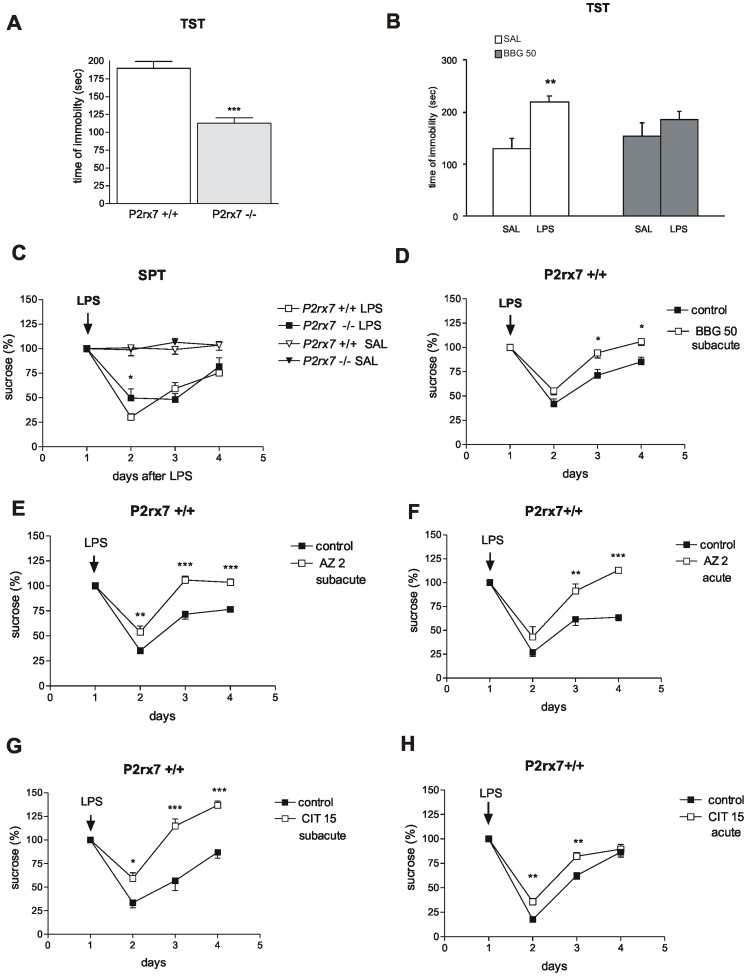
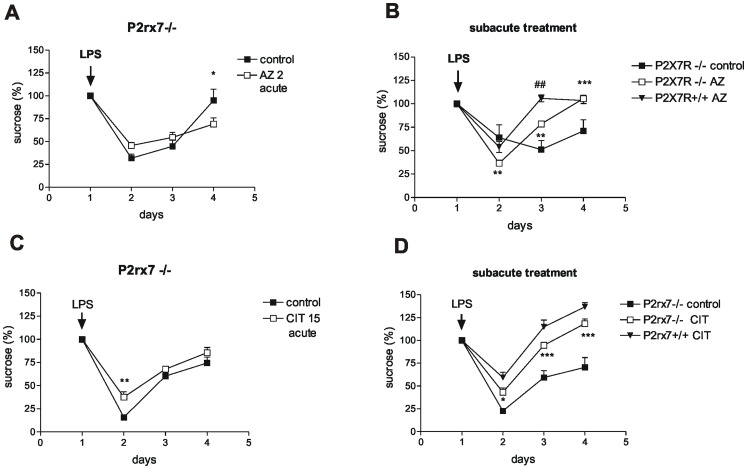
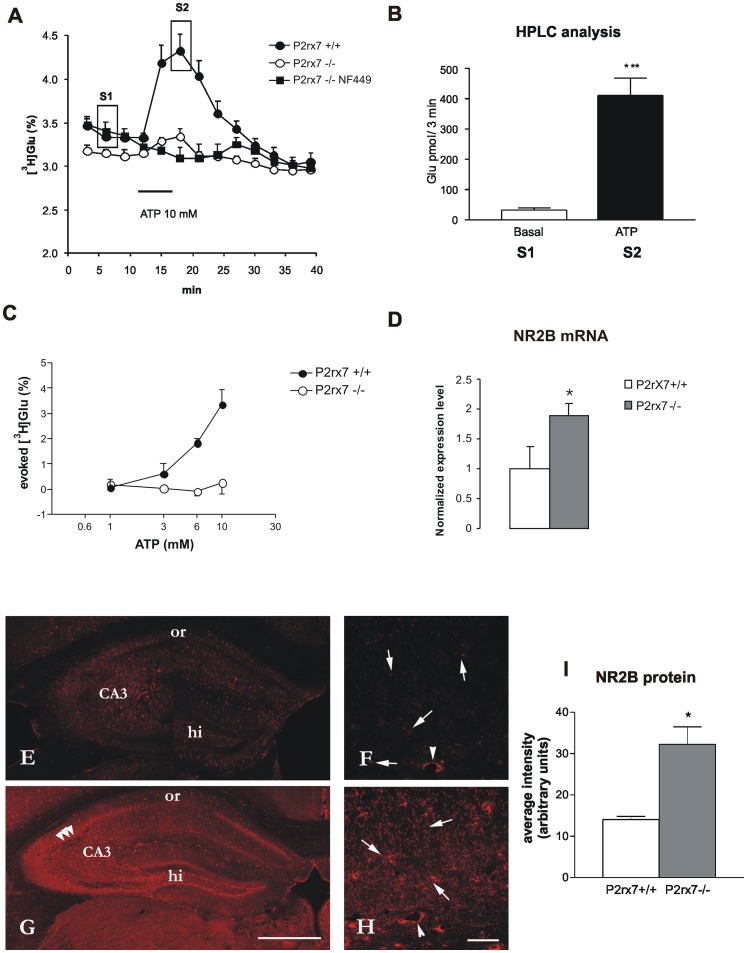
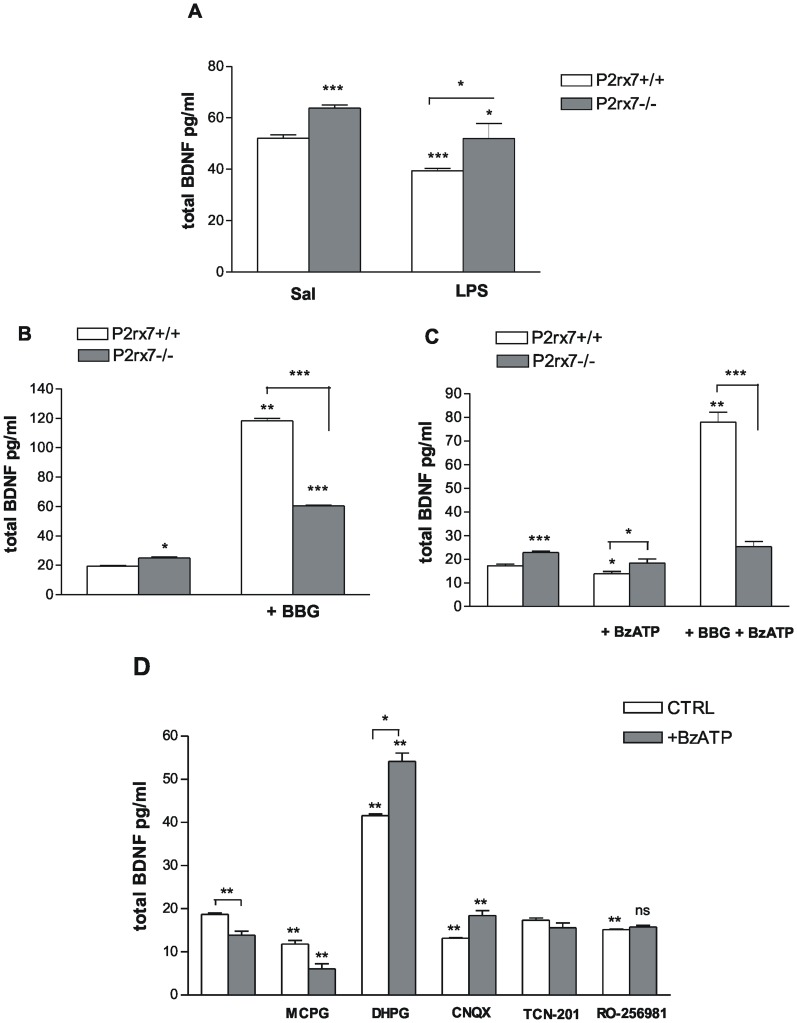
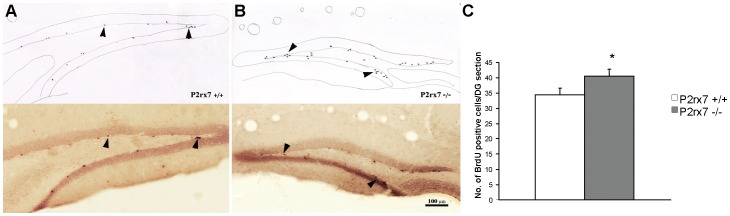
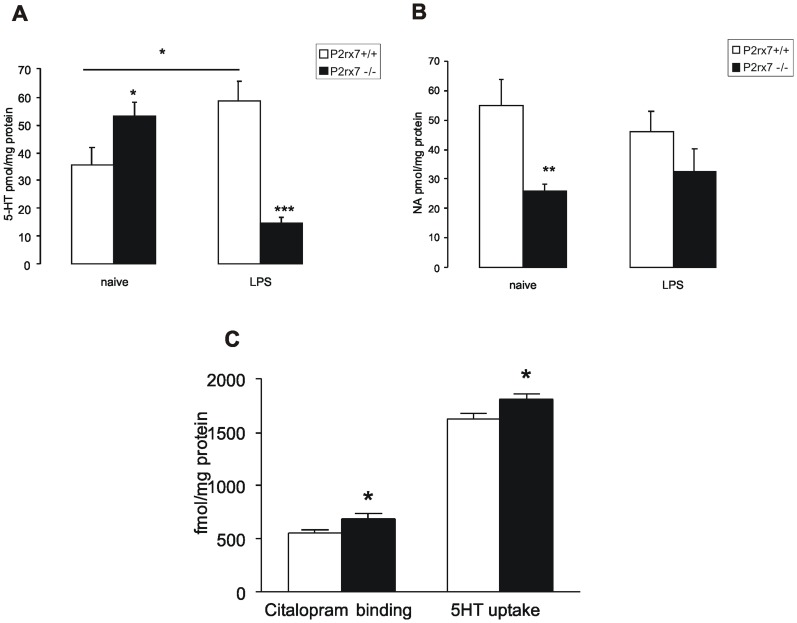
Recent investigations have revealed that the genetic deletion of P2X7 receptors (P2rx7) results in an antidepressant phenotype in mice. However, the link between the deficiency of P2rx7 and changes in behavior has not yet been explored. In the present study, we studied the effect of genetic deletion of P2rx7 on neurochemical changes in the hippocampus that might underlie the antidepressant phenotype. P2X7 receptor deficient mice (P2rx7-/-) displayed decreased immobility in the tail suspension test (TST) and an attenuated anhedonia response in the sucrose preference test (SPT) following bacterial endotoxin (LPS) challenge. The attenuated anhedonia was reproduced through systemic treatments with P2rx7 antagonists. The activation of P2rx7 resulted in the concentration-dependent release of [(3)H]glutamate in P2rx7+/+ but not P2rx7-/- mice, and the NR2B subunit mRNA and protein was upregulated in the hippocampus of P2rx7-/- mice. The brain-derived neurotrophic factor (BDNF) expression was higher in saline but not LPS-treated P2rx7-/- mice; the P2rx7 antagonist Brilliant blue G elevated and the P2rx7 agonist benzoylbenzoyl ATP (BzATP) reduced BDNF level. This effect was dependent on the activation of NMDA and non-NMDA receptors but not on Group I metabotropic glutamate receptors (mGluR1,5). An increased 5-bromo-2-deoxyuridine (BrdU) incorporation was also observed in the dentate gyrus derived from P2rx7-/- mice. Basal level of 5-HT was increased, whereas the 5HIAA/5-HT ratio was lower in the hippocampus of P2rx7-/- mice, which accompanied the increased uptake of [(3)H]5-HT and an elevated number of [(3)H]citalopram binding sites. The LPS-induced elevation of 5-HT level was absent in P2rx7-/- mice. In conclusion there are several potential mechanisms for the antidepressant phenotype of P2rx7-/- mice, such as the absence of P2rx7-mediated glutamate release, elevated basal BDNF production, enhanced neurogenesis and increased 5-HT bioavailability in the hippocampus.
Overview
The claims and statistics of this paper haven’t been checked yet.
Run the check — free, no account needed. It reads the open-access text and checks the sources it cites.
Integrity signals
Registry
Cites
Statistics
Figures
Verification
Claims the paper makes
The claims and statistics of this paper haven’t been checked yet.
Run the check — free, no account needed. It reads the open-access text and checks the sources it cites.
Claims other papers make about this one
Each is checked against this paper’s own text: does it say what the citing paper says it does?
In the citing paper
“Initial evidence from Csolle et al. showed that treatment with Brilliant Blue G (BBG), a P2X7R antagonist, attenuated the anhedonia induced by lipopolysaccharide (LPS) [20] and decreased the immobility time of mice exposed to TST [85].”
From P2X7 Receptor Signaling in Stress and Depression (2019) · cites this paper as [20]
In the citing paper
“Evidence from pharmacological studies have further corroborated this hypothesis, since treatment with P2X7R antagonists induce antidepressant-like effects in various animal models.”
From P2X7 Receptor Signaling in Stress and Depression (2019) · cites this paper as [20]
In the citing paper
“Based on these findings, P2X7R-mediated increase in 5-HT levels might be an important mechanism involved in behavioral adaptation to stress.”
From P2X7 Receptor Signaling in Stress and Depression (2019) · cites this paper as [20]
In the citing paper
“suggesting that this response was mediated by P2X7R [20].”
From P2X7 Receptor Signaling in Stress and Depression (2019) · cites this paper as [20]
In the citing paper
“These suggestions are supported by results showing that P2X7R KO mice presents enhanced neurogenesis [20].”
From P2X7 Receptor Signaling in Stress and Depression (2019) · cites this paper as [20]
Self-check
Percentages, sums and reported differences re-computed from the paper’s own numbers.
The self-check needs the paper’s full text.
Citations
Cites
PROTEIN MEASUREMENT WITH THE FOLIN PHENOL REAGENT
Lowry, O. H., Rosebrough, N., Farr, A. L., & Randall, R. (1951) · Journal of Biological Chemistry · doi:10.1016/s0021-9258(19)52451-6 · Cited by 316,394
A new mathematical model for relative quantification in real-time RT-PCR
Pfaffl, M. W. (2001) · Nucleic Acids Research · doi:10.1093/nar/29.9.e45 · Cited by 34,610
From inflammation to sickness and depression: when the immune system subjugates the brain
Dantzer, R., O'Connor, J. C., Freund, G. G., Johnson, R. W., & Kelley, K. W. (2008) · Nature Reviews Neuroscience · doi:10.1038/nrn2297 · Cited by 7,395
Requirement of hippocampal neurogenesis for the behavioral effects of antidepressants
Santarelli, L., Saxe, M., Gross, C., Surget, A., Battaglia, F., Dulawa, S., Weisstaub, N., Lee, J., Duman, R., Arancio, O., et al. (2003) · Science · doi:10.1126/science.1083328 · Cited by 4,321
Essential role of BDNF in the mesolimbic dopamine pathway in social defeat stress
Berton, O., McClung, C. A., DiLeone, R. J., Krishnan, V., Renthal, W., Russo, S. J., Graham, D., Tsankova, N. M., Bolanos, C. A., Rios, M., et al. (2006) · Science · doi:10.1126/science.1120972 · Cited by 2,129
Animal models of neuropsychiatric disorders
Nestler, E. J., & Hyman, S. E. (2010) · Nature Neuroscience · doi:10.1038/nn.2647 · Cited by 2,023
Extrasynaptic NMDARs oppose synaptic NMDARs by triggering CREB shut-off and cell death pathways
Hardingham, G. E., Fukunaga, Y., & Bading, H. (2002) · Nature Neuroscience · doi:10.1038/nn835 · Cited by 1,686
Cryan, J. F., Mombereau, C., & Vassout, A. (2005) · Neuroscience & Biobehavioral Reviews · doi:10.1016/j.neubiorev.2005.03.009 · Cited by 1,674
Brain-derived neurotrophic factor produces antidepressant effects in behavioral models of depression
Shirayama, Y., Chen, A. C.-H., Nakagawa, S., Russell, D. S., & Duman, R. S. (2002) · The Journal of Neuroscience · doi:10.1523/jneurosci.22-08-03251.2002 · Cited by 1,654
Hasin, D. S., Goodwin, R. D., Stinson, F. S., & Grant, B. F. (2005) · Archives of General Psychiatry · doi:10.1001/archpsyc.62.10.1097 · Cited by 1,645
Assessing antidepressant activity in rodents: recent developments and future needs
Cryan, J. F., Markou, A., & Lucki, I. (2002) · Trends in Pharmacological Sciences · doi:10.1016/s0165-6147(02)02017-5 · Cited by 1,551 · cited 1×
“In addition to TST, which examines active coping with behavioral stress, we also employed the sucrose preference test (SPT) to assess anhedonia, which is another core symptom of depression [53].”
MethodDecreased serum brain-derived neurotrophic factor levels in major depressed patients
Karege, F., Perret, G., Bondolfi, G., Schwald, M., Bertschy, G., & Aubry, J.-M. (2002) · Psychiatry Research · doi:10.1016/s0165-1781(02)00005-7 · Cited by 1,232
Shimizu, E., Hashimoto, K., Okamura, N., Koike, K., Komatsu, N., Kumakiri, C., Nakazato, M., Watanabe, H., Shinoda, N., Okada, S.-I., et al. (2003) · Biological Psychiatry · doi:10.1016/s0006-3223(03)00181-1 · Cited by 1,151
Altered Cytokine Production in Mice Lacking P2X7Receptors
Solle, M., Labasi, J. M., Perregaux, D. G., Stam, E. J., Petrushova, N., Koller, B. H., Griffiths, R., & Gabel, C. A. (2001) · Journal of Biological Chemistry · doi:10.1074/jbc.m006781200 · Cited by 924
Targeting the glutamatergic system to develop novel, improved therapeutics for mood disorders
Sanacora, G., Zarate, C. A., Krystal, J. H., & Manji, H. K. (2008) · Nature Reviews Drug Discovery · doi:10.1038/nrd2462 · Cited by 894
Dwivedi, Y., Rizavi, H. S., Conley, R. R., Roberts, R. C., Tamminga, C. A., & Pandey, G. N. (2003) · Archives of General Psychiatry · doi:10.1001/archpsyc.60.8.804 · Cited by 875
Interaction between BDNF and Serotonin: Role in Mood Disorders
Martinowich, K., & Lu, B. (2008) · Neuropsychopharmacology · doi:10.1038/sj.npp.1301571 · Cited by 793
Hippocampal neurogenesis: opposing effects of stress and antidepressant treatment
Warner‐Schmidt, J. L., & Duman, R. S. (2006) · Hippocampus · doi:10.1002/hipo.20156 · Cited by 787
Tovar, K. R., & Westbrook, G. L. (1999) · Journal of Neuroscience · doi:10.1523/jneurosci.19-10-04180.1999 · Cited by 777
Development of β-adrenergic receptor subsensitivity by antidepressants
Banerjee, S. P., Kung, L. S., Riggi, S. J., & Chanda, S. K. (1977) · Nature · doi:10.1038/268455a0 · Cited by 722
Essential role of brain-derived neurotrophic factor in adult hippocampal function
Monteggia, L. M., Barrot, M., Powell, C. M., Berton, O., Galanis, V., Gemelli, T., Meuth, S., Nagy, A., Greene, R. W., & Nestler, E. J. (2004) · Proceedings of the National Academy of Sciences · doi:10.1073/pnas.0402141101 · Cited by 685
Increased Levels of Glutamate in Brains from Patients with Mood Disorders
Hashimoto, K., Sawa, A., & Iyo, M. (2007) · Biological Psychiatry · doi:10.1016/j.biopsych.2007.03.017 · Cited by 631
Castrén, E. (2005) · Nature Reviews Neuroscience · doi:10.1038/nrn1629 · Cited by 563
Zigova, T., Pencea, V., Wiegand, S. J., & Luskin, M. B. (1998) · Molecular and Cellular Neuroscience · doi:10.1006/mcne.1998.0684 · Cited by 525
P2X 7 Receptor-Mediated Release of Excitatory Amino Acids from Astrocytes
Duan, S., Anderson, C. M., Keung, E. C., Chen, Y., Chen, Y., & Swanson, R. A. (2003) · The Journal of Neuroscience · doi:10.1523/jneurosci.23-04-01320.2003 · Cited by 489
Frenois, F., Moreau, M., O’Connor, J., Lawson, M., Micon, C., Lestage, J., Kelley, K. W., Dantzer, R., & Castanon, N. (2007) · Psychoneuroendocrinology · doi:10.1016/j.psyneuen.2007.03.005 · Cited by 438
Peng, W., Cotrina, M. L., Han, X., Yu, H., Bekar, L. K., Blum, L., Takano, T., Tian, G.-F., Goldman, S. A., & Nedergaard, M. (2009) · Proceedings of the National Academy of Sciences · doi:10.1073/pnas.0902531106 · Cited by 425
Is it time to reassess the BDNF hypothesis of depression?
Groves, J. O. (2007) · Molecular Psychiatry · doi:10.1038/sj.mp.4002075 · Cited by 412
P2X7 receptors in the nervous system
Sperlágh, B., Vizi, E. S., Wirkner, K., & Illés, P. (2006) · Progress in Neurobiology · doi:10.1016/j.pneurobio.2006.03.007 · Cited by 383
Self-citationSkolnick, P., Layer, R. T., Popik, P., Nowak, G., Paul, I. A., & Trullás, R. (1996) · Pharmacopsychiatry · doi:10.1055/s-2007-979537 · Cited by 344
Synaptic and Extrasynaptic NMDA Receptor NR2 Subunits in Cultured Hippocampal Neurons
Thomas, C. G., Miller, A., & Westbrook, G. L. (2005) · Journal of Neurophysiology · doi:10.1152/jn.00771.2005 · Cited by 286
Alterations of neuroplasticity in depression: the hippocampus and beyond
Fuchs, E., Czéh, B., Kole, M. H. P., Michaelis, T., & Lucassen, P. J. (2004) · European Neuropsychopharmacology · doi:10.1016/j.euroneuro.2004.09.002 · Cited by 276
Involvement of P2X7 receptors in the regulation of neurotransmitter release in the rat hippocampus
Sperlágh, B., Köfalvi, A., Deuchars, J., Atkinson, L., J. Milligan, C., Buckley, N. J., & Vizi, E. S. (2002) · Journal of Neurochemistry · doi:10.1046/j.1471-4159.2002.00920.x · Cited by 264
Self-citationLucae, S., Salyakina, D., Barden, N., Harvey, M., Gagné, B., Labbé, M., Binder, E. B., Uhr, M., Paez-Pereda, M., Sillaber, I., et al. (2006) · Human Molecular Genetics · doi:10.1093/hmg/ddl166 · Cited by 261
Binder, M. D., Hirokawa, N., & Windhorst, U. (2008) · Springer eBooks · doi:10.1007/978-3-540-29678-2_3942 · Cited by 245
Attenuation of sucrose consumption in mice by chronic mild stress and its restoration by imipramine
Monleón, S., Parra, A., SIMON, V. M., Brain, P. F., D’Aquila, P. S., & Willner, P. (1995) · Psychopharmacology · doi:10.1007/bf02246218 · Cited by 242
Basso, A. M., Bratcher, N. A., Harris, R. R., Jarvis, M. F., Decker, M. W., & Rueter, L. E. (2009) · Behavioural Brain Research · doi:10.1016/j.bbr.2008.10.018 · Cited by 224
Implications of adult hippocampal neurogenesis in antidepressant action
Malberg, J. E. (2004) · Journal of Psychiatry and Neuroscience · doi:10.1139/jpn.0422 · Cited by 217
Rodrigues, R. J., Almeida, T., Richardson, P. J., Oliveira, C. R., & Cunha, R. A. (2005) · Journal of Neuroscience · doi:10.1523/jneurosci.0628-05.2005 · Cited by 214
Boyce‐Rustay, J. M., & Holmes, A. (2006) · Neuropsychopharmacology · doi:10.1038/sj.npp.1301039 · Cited by 212
Kozisek, M. E., Middlemas, D. S., & Bylund, D. B. (2007) · Pharmacology & Therapeutics · doi:10.1016/j.pharmthera.2007.07.001 · Cited by 211
Vanhoutte, P., & Bading, H. (2003) · Current Opinion in Neurobiology · doi:10.1016/s0959-4388(03)00073-4 · Cited by 208
Emerging challenges of assigning P2X7 receptor function and immunoreactivity in neurons
Anderson, C. M., & Nedergaard, M. (2006) · Trends in Neurosciences · doi:10.1016/j.tins.2006.03.003 · Cited by 207
Barden, N., Harvey, M., Gagné, B., Shink, É., Tremblay, M., Raymond, C., Labbé, M., Villeneuve, A., Rochette, D., Bordeleau, L., et al. (2006) · American Journal of Medical Genetics Part B Neuropsychiatric Genetics · doi:10.1002/ajmg.b.30303 · Cited by 203
A new chapter in the field of memory: adult hippocampal neurogenesis
Koehl, M., & Abrous, D. N. (2011) · European Journal of Neuroscience · doi:10.1111/j.1460-9568.2011.07609.x · Cited by 198
NR2B-Containing Receptors Mediate Cross Talk among Hippocampal Synapses
Scimemi, A., Fine, A., Kullmann, D. M., & Rusakov, D. A. (2004) · Journal of Neuroscience · doi:10.1523/jneurosci.0364-04.2004 · Cited by 198
Balu, D. T., Hoshaw, B. A., Malberg, J. E., Rosenzweig-Lipson, S., Schechter, L. E., & Lucki, I. (2008) · Brain Research · doi:10.1016/j.brainres.2008.03.023 · Cited by 194
Bocchio‐Chiavetto, L., Zanardini, R., Bortolomasi, M., Abate, M., Segala, M., Giacopuzzi, M., Riva, M. A., Marchina, E., Pasqualetti, P., Pérez, J., et al. (2006) · European Neuropsychopharmacology · doi:10.1016/j.euroneuro.2006.04.010 · Cited by 189
Molecular and Cellular Actions of Chronic Electroconvulsive Seizures
Duman, R. S., & Vaidya, V. A. (1998) · Journal of Ect · doi:10.1097/00124509-199809000-00004 · Cited by 187
Molecular and cellular actions of chronic electroconvulsive seizures.
Duman, R. S., & Vaidya, V. A. (1998) · PubMed · Cited by 176
Stokes, L., Fuller, S. J., Sluyter, R., Skarratt, K. K., Gu, B. J., & Wiley, J. S. (2010) · The FASEB Journal · doi:10.1096/fj.09-150862 · Cited by 174
Neuroplasticity: from MRI to depressive symptoms
Fossati, P., Radtchenko, A., & Boyer, P. (2004) · European Neuropsychopharmacology · doi:10.1016/j.euroneuro.2004.09.001 · Cited by 160
Wager‐Smith, K., & Markou, A. (2010) · Neuroscience & Biobehavioral Reviews · doi:10.1016/j.neubiorev.2010.09.010 · Cited by 153
Toro, C. T., & Deakin, J. F. W. (2005) · Schizophrenia Research · doi:10.1016/j.schres.2005.07.003 · Cited by 153
Deltheil, T., Guiard, B. P., Cerdan, J., David, D. J., Tanaka, K. F., Repérant, C., Guilloux, J.-P., Coudoré, F., Hen, R., & Gardier, A. M. (2008) · Neuropharmacology · doi:10.1016/j.neuropharm.2008.08.001 · Cited by 153
Szapacs, M. E., Mathews, T. A., Tessarollo, L., Lyons, W. E., Mamounas, L. A., & Andrews, A. M. (2004) · Journal of Neuroscience Methods · doi:10.1016/j.jneumeth.2004.03.026 · Cited by 147
Barbaccia, M. L., Gandolfi, O., Chuang, D. M., & Costa, E. (1983) · Proceedings of the National Academy of Sciences · doi:10.1073/pnas.80.16.5134 · Cited by 143
Lavebratt, C., Åberg, E., Sjöholm, L. K., & Forsell, Y. (2010) · Journal of Affective Disorders · doi:10.1016/j.jad.2010.02.113 · Cited by 142
P2X7 receptor‐stimulation causes fever via PGE2 and IL‐1β release
Barberà‐Cremades, M., Baroja‐Mazo, A., Gomez, A. I., Machado, F., Di Virgilio, F., & Pelegrín, P. (2012) · The FASEB Journal · doi:10.1096/fj.12-205765 · Cited by 142
Law, A. J., Weickert, C. S., Webster, M. J., Herman, M. M., Kleinman, J. E., & Harrison, P. J. (2003) · European Journal of Neuroscience · doi:10.1046/j.1460-9568.2003.02850.x · Cited by 141
Acute and chronic restraint stress alter the incidence of social conflict in male rats
Wood, G. E., Young, L. T., Reagan, L. P., & McEwen, B. S. (2003) · Hormones and Behavior · doi:10.1016/s0018-506x(02)00026-0 · Cited by 141
Dı́az-Hernández, M., del Puerto, A., Díaz‐Hernandéz, J. I., Diez-Zaera, M., Lucas, J. J., Garrido, J. J., & Miras‐Portugal, M. T. (2008) · Journal of Cell Science · doi:10.1242/jcs.034082 · Cited by 136
ATP induces the release of IL-1 from LPS-primed cells in vivo.
Griffiths, R., Stam, E. J., Downs, J. T., & Otterness, I. G. (1995) · The Journal of Immunology · doi:10.4049/jimmunol.154.6.2821 · Cited by 128
Labrousse, V. F., Costes, L., Aubert, A., Darnaudéry, M., Ferreira, G., Amédée, T., & Layé, S. (2009) · PLoS ONE · doi:10.1371/journal.pone.0006006 · Cited by 121
McQuillin, A., Bass, N. J., Choudhury, K., Puri, V., Kosmin, M., Lawrence, J., Curtis, D., & Gurling, H. (2008) · Molecular Psychiatry · doi:10.1038/mp.2008.6 · Cited by 117
Masin, M., Young, C., Lim, K., Barnes, S. J., Xu, X., Marschall, V., Brutkowski, W., Mooney, E. R., Górecki, D. C., & Murrell‐Lagnado, R. D. (2011) · British Journal of Pharmacology · doi:10.1111/j.1476-5381.2011.01624.x · Cited by 112
Schnydrig, S., Korner, L., Landweer, S., Ernst, B., Walker, G., Otten, U., & Kunz, D. (2007) · Neuroscience Letters · doi:10.1016/j.neulet.2007.09.067 · Cited by 109
Boucher, A. A., Arnold, J. C., Hunt, G. E., Spiro, A., Spencer, J., Brown, C., McGregor, I. S., Bennett, M. R., & Kassiou, M. (2011) · Neuroscience · doi:10.1016/j.neuroscience.2011.05.049 · Cited by 108
Csölle, C., Andó, R. D., Kittel, Á., Gölöncsér, F., Baranyi, M., Soproni, K., Zelena, D., Haller, J., Németh, T., Mócsai, A., et al. (2013) · International Journal of Neuropsychopharmacology · doi:10.1017/s1461145711001933 · Cited by 108 · cited 9×
“Under basal conditions, we detected a dysregulation of monoaminergic transmission, and these results are consistent with our previous findings in the amygdala [25].”
BackgroundResultInfluentialSelf-citationBDNF and trkB mRNA expression in the hippocampal formation of aging rats
Lapchak, P. A., Araujo, D. M., Beck, K. D., Finch, C. E., Johnson, S. A., & Hefti, F. F. (1993) · Neurobiology of Aging · doi:10.1016/0197-4580(93)90087-r · Cited by 105
Mundo, E., Tharmalingham, S., Neves-Pereira, M., Dalton, E. J., Macciardi, F. M., Parikh, S. V., Bolonna, A. A., Kerwin, R. W., Arranz, M. J., MAKOFF, A. J., et al. (2003) · Molecular Psychiatry · doi:10.1038/sj.mp.4001218 · Cited by 105
Lack of ATP-evoked GABA and glutamate release in the hippocampus of P2X7 receptor-/- mice
Papp, L., Vizi, E. S., & Sperlágh, B. (2004) · Neuroreport · doi:10.1097/00001756-200410250-00017 · Cited by 102
Self-citationAdult Neurogenesis and Hippocampal Memory Function: New Cells, More Plasticity, New Memories?
Kitabatake, Y., Sailor, K. A., Ming, G., & Song, H. (2007) · Neurosurgery Clinics of North America · doi:10.1016/j.nec.2006.10.008 · Cited by 101
Association between depression and the Gln460Arg polymorphism of P2RX7 gene: A dimensional approach
Hejjas, K., Szekely, A., Domotor, E., Halmai, Z., Balogh, G., Schilling, B., Sarosi, A., Faludi, G., Sasvari‐Szekely, M., & Nemoda, Z. (2009) · American Journal of Medical Genetics Part B Neuropsychiatric Genetics · doi:10.1002/ajmg.b.30799 · Cited by 100
P2X7 Receptors in Rat Brain: Presence in Synaptic Terminals and Granule Cells
Miras‐Portugal, M. T., Dı́az-Hernández, M., Giráldez, L., Hervás, C., Gómez‐Villafuertes, R., Pérez‐Sen, R., Gualix, J., & Pintor, J. J. (2003) · Neurochemical Research · doi:10.1023/a:1025690913206 · Cited by 98
Shukla, V., Zimmermann, H., Wang, L., Kettenmann, H., Raab, S., Hammer, K., Sévigny, J., Robson, S. C., & Braun, N. (2005) · Journal of Neuroscience Research · doi:10.1002/jnr.20508 · Cited by 94
Soronen, P., Mantere, O., Melartin, T. K., Suominen, K. H., Vuorilehto, M. S., Rytsälä, H. J., Arvilommi, P., Holma, I. A. K., Holma, M., Jylhä, P. J., et al. (2011) · American Journal of Medical Genetics Part B Neuropsychiatric Genetics · doi:10.1002/ajmg.b.31179 · Cited by 92
Neural progenitor cell death is induced by extracellular ATP via ligation of P2X7 receptor
Delarasse, C., Gonnord, P., Galante, M., Auger, R., Daniel, H., Motta, I., & Kanellopoulos, J. (2009) · Journal of Neurochemistry · doi:10.1111/j.1471-4159.2009.06008.x · Cited by 89
ATP and the purine type 2 X7 receptor affect sleep
Krueger, J. M., Taishi, P., De, A., Davis, C. J., Winters, B. D., Clinton, J. M., Szentirmai, É., & Zielinski, M. R. (2010) · Journal of Applied Physiology · doi:10.1152/japplphysiol.00586.2010 · Cited by 88
Abnormal Kainate Receptor Expression in Prefrontal Cortex in Schizophrenia
Meador‐Woodruff, J. H. (2001) · Neuropsychopharmacology · doi:10.1016/s0893-133x(00)00189-5 · Cited by 80
Purinergic receptor regulation of LPS-induced signaling and pathophysiology
Guerra, A. N., Fisette, P. L., Pfeiffer, Z. A., Quinchia-Rios, B. H., Prabhu, U., Aga, M., Denlinger, L. C., Guadarrama, A. G., Abozeid, S. H., Sommer, J. A., et al. (2003) · Journal of Endotoxin Research · doi:10.1177/09680519030090040701 · Cited by 74
Deltheil, T., Guiard, B. P., Guilloux, J., Nicolas, L., Deloménie, C., Repérant, C., Maître, E. L., Leroux‐Nicollet, I., Benmansour, S., Coudoré, F., et al. (2007) · Pharmacology Biochemistry and Behavior · doi:10.1016/j.pbb.2007.09.018 · Cited by 72
Negative and positive allosteric modulators of the P2X 7 receptor
Michel, A. D., Chambers, L. J., & WALTER, D. S. (2007) · British Journal of Pharmacology · doi:10.1038/sj.bjp.0707625 · Cited by 69
P2RX7: A bipolar and unipolar disorder candidate susceptibility gene?
Green, E., Grozeva, D., Raybould, R., Elvidge, G. P., MacGregor, S., Craig, I., FARMER, A. E., McGuffin, P., Forty, L., Jones, L. A., et al. (2009) · American Journal of Medical Genetics Part B Neuropsychiatric Genetics · doi:10.1002/ajmg.b.30931 · Cited by 66
Functional maturation of isolated neural progenitor cells from the adult rat hippocampus
Hogg, R. C., Chipperfield, H., Whyte, K. A., Stafford, M. R., Hansen, M. A., Cool, S. M., Nurcombe, V., & Adams, D. J. (2004) · European Journal of Neuroscience · doi:10.1111/j.0953-816x.2004.03346.x · Cited by 66
Williams, S. N., & Undieh, A. S. (2009) · Journal of Pharmacology and Experimental Therapeutics · doi:10.1124/jpet.109.158535 · Cited by 66
Brain-derived neurotrophic factor-deficient mice exhibit a hippocampal hyperserotonergic phenotype
Guiard, B. P., David, D. J. P., Deltheil, T., Chenu, F., Maître, E. L., Renoir, T., Leroux‐Nicollet, I., Sokoloff, P., Lanfumey, L., Hamon, M., et al. (2007) · The International Journal of Neuropsychopharmacology · doi:10.1017/s1461145707007857 · Cited by 65
Nowak, G., Legutko, B., Skolnick, P., & Popik, P. (1998) · European Journal of Pharmacology · doi:10.1016/s0014-2999(97)01589-6 · Cited by 61
cDNA gene expression profile of rat hippocampus after chronic treatment with antidepressant drugs
Driguès, N., Poltyrev, T., Bejar, C., Weinstock, M., & Youdim, M. B. H. (2003) · Journal of Neural Transmission · doi:10.1007/s00702-003-0077-8 · Cited by 60
P11 (S100A10) as a potential biomarker of psychiatric patients at risk of suicide
Zhang, L., Su, T., Choi, K. H., Maree, W., Li, C., Chung, M., Chen, Y.-S., Bai, Y., Chou, Y.-H., Barker, J. L., et al. (2010) · Journal of Psychiatric Research · doi:10.1016/j.jpsychires.2010.08.012 · Cited by 57
Functional evidence for presynaptic P2X7 receptors in adult rat cerebrocortical nerve terminals
Alloisio, S., Cervetto, C., Passalacqua, M., Barbieri, R., Maura, G., Nobile, M., & Marcoli, M. (2008) · FEBS Letters · doi:10.1016/j.febslet.2008.10.041 · Cited by 56
P2 receptor-mediated modulation of neurotransmitter release—an update
Sperlágh, B., Heinrich, A., & Csölle, C. (2007) · Purinergic Signalling · doi:10.1007/s11302-007-9080-0 · Cited by 56
Self-citationGrigoroiu‐Serbânescu, M., Herms, S., Mühleisen, T. W., Georgi, A., Diaconu, C. C., Strohmaier, J., Czerski, P. M., Hauser, J., Leszczyńska-Rodziewicz, A., Jamra, R. A., et al. (2009) · American Journal of Medical Genetics Part B Neuropsychiatric Genetics · doi:10.1002/ajmg.b.30952 · Cited by 55
Chromatographic analysis of dopamine metabolism in a Parkinsonian model
Baranyi, M., Milusheva, E., Vizi, E. S., & Sperlágh, B. (2006) · Journal of Chromatography A · doi:10.1016/j.chroma.2006.03.018 · Cited by 51
Self-citationHracskó, Z., Baranyi, M., Csölle, C., Gölöncsér, F., Madarász, E., Kittel, Á., & Sperlágh, B. (2011) · Molecular Neurodegeneration · doi:10.1186/1750-1326-6-28 · Cited by 51
Self-citationCognitive manic symptoms associated with the P2RX7 gene in bipolar disorder
Backlund, L., Nikamo, P., Hukic, D. S., Ek, I. R., Träskman‐Bendz, L., Landén, M., Edman, G., Schalling, M., Frisén, L., & Ösby, U. (2011) · Bipolar Disorders · doi:10.1111/j.1399-5618.2011.00952.x · Cited by 49
P2 receptor blockade attenuates fever and cytokine responses induced by lipopolysaccharide in rats
Gourine, A. V., Poputnikov, D. M., Zhernosek, N., Melenchuk, E. V., Gerstberger, R., Spyer, K. M., & Gourine, V. N. (2005) · British Journal of Pharmacology · doi:10.1038/sj.bjp.0706287 · Cited by 48
Kozisek, M. E., Middlemas, D. S., & Bylund, D. B. (2007) · Neuropharmacology · doi:10.1016/j.neuropharm.2007.08.001 · Cited by 48
P2RX7 Gln460Arg polymorphism is associated with depression among diabetic patients
Nagy, G., Rónai, Z., Somogyi, A., Sasvári‐Székely, M., Rahman, O. A., Máté, A., Varga, T., & Nemoda, Z. (2008) · Progress in Neuro-Psychopharmacology and Biological Psychiatry · doi:10.1016/j.pnpbp.2008.08.021 · Cited by 47
Patti, L., Raiteri, L., Grilli, M., Parodi, M., Raiteri, M., & Marchi, M. (2006) · Neuropharmacology · doi:10.1016/j.neuropharm.2005.11.016 · Cited by 46
Brautigam, V. M., Frasier, C., Nikodémová, M., & Watters, J. J. (2005) · Journal of Neuroimmunology · doi:10.1016/j.jneuroim.2005.05.012 · Cited by 46
Sanacora, G. (2010) · Biological Psychiatry · doi:10.1016/j.biopsych.2010.01.003 · Cited by 45
Papp, L., Balázsa, T., Köfalvi, A., Erdélyi, F., Szabó, G., Vizi, E. S., & Sperlágh, B. (2004) · The Journal of Pharmacology and Experimental Therapeutics · doi:10.1124/jpet.104.066712 · Cited by 41
Self-citationVerderio, C., Bianco, F., Blanchard, M. P., Bergami, M., Canossa, M., Scarfone, E., & Matteoli, M. (2007) · Journal of Neurocytology · doi:10.1007/s11068-007-9011-6 · Cited by 40
Balázsa, T., Bíró, J., Gullai, N., Ledent, C. A., & Sperlágh, B. (2007) · Neurochemistry International · doi:10.1016/j.neuint.2007.07.008 · Cited by 33
Self-citationViwatpinyo, K., & Chongthammakun, S. (2009) · Neuroscience Letters · doi:10.1016/j.neulet.2009.10.020 · Cited by 30
Pain and the Brain: Diabetic Neuropathic Pain
Jain, R. K. (2008) · The Journal of Clinical Psychiatry · doi:10.4088/jcp.0808e22 · Cited by 27
Barnholtz‐Sloan, J. S., de Andrade, M., Page, G. P., King, T. M., Peterson, L. E., & Amos, C. I. (1999) · Genetic Epidemiology · doi:10.1002/gepi.1370170709 · Cited by 14
Reviewing Medications for Bipolar Disorder
Sanacora, G. (2009) · The Journal of Clinical Psychiatry · doi:10.4088/jcp.7128br6c.e02 · Cited by 4
Research works printed but not linked: 1
- G Sanacora, 2008, New understanding of mechanisms of action of bipolar medications, J Clin Psychiatry, 69, 22
Cited by
Sorted by citations
Neuroinflammation and depression: A review
Troubat, R., Barone, P., Leman, S., Desmidt, T., Cressant, A., Atanasova, B., Brizard, B., El Hage, W., Surget, A., Belzung, C., et al. (2021) · European Journal of Neuroscience · doi:10.1111/ejn.14720 · Cited by 1,107
The P2X7 Receptor Channel: Recent Developments and the Use of P2X7 Antagonists in Models of Disease
Bartlett, R., Stokes, L., & Sluyter, R. (2014) · Pharmacological Reviews · doi:10.1124/pr.113.008003 · Cited by 409
P2X7 receptor: an emerging target in central nervous system diseases
Sperlágh, B., & Illes, P. (2014) · Trends in Pharmacological Sciences · doi:10.1016/j.tips.2014.08.002 · Cited by 390
Self-citationYue, N., Huang, H., Zhu, X., Han, Q., Wang, Y., Li, B., Liu, Q., Wu, G., Zhang, Y., & Yu, J. (2017) · Journal of Neuroinflammation · doi:10.1186/s12974-017-0865-y · Cited by 334
Neuroinflammation, memory, and depression: new approaches to hippocampal neurogenesis
Wu, A., & Zhang, J. (2023) · Journal of Neuroinflammation · doi:10.1186/s12974-023-02964-x · Cited by 354
Metadata
- Authors
- Csölle, C., Baranyi, M., Zsilla, G., Kittel, Á., Gölöncsér, F., Illes, P., Papp, E., Vizi, E. S., & Sperlágh, B.
- Affiliations
- HUN-REN Institute of Experimental Medicine (HU)
- Semmelweis University (HU)
- Corresponding author
- Sperlágh, Beáta
- Venue
- PLoS ONE
- Publisher
- Public Library of Science (PLoS)
- Published
- 2013-06-21
- Volume
- 8
- Issue
- 6
- Pages
- e66547
- ISSN
- 1932-6203 (ISSN-L)
- PMC
- PMC3689833
- OpenAlex
- W2089887997
- Cited by
- 128
- References
- 109
- Citations by year
- 2026: 6 · 2025: 6 · 2024: 10 · 2023: 10 · 2022: 19 · 2021: 7 · 2020: 8 · 2019: 13 · 2018: 12 · 2017: 11 · 2016: 9 · 2015: 8 · 2014: 7 · 2013: 1
- FWCI
- 6.92
- Type
- journal article
- Language
- en
- Open access
- gold
- doi.org
- Locations
- PLoS ONE (publishedVersion, cc-by)
- Europe PMC (PubMed Central) (publishedVersion, other-oa)
- PubMed Central (publishedVersion, cc-by)
- PubMed (publishedVersion)
- Repository of the Academy's Library (Library of the Hungarian Academy of Sciences) (acceptedVersion)
- DOAJ (DOAJ: Directory of Open Access Journals) (submittedVersion, cc-by-sa)
- Semmelweis University Repository (Semmelweis University) (submittedVersion)
- Funders
- Egészségügyi Tudományos Tanács
- Gedeon Richter
- National Institutes of Health
- Directorate for Biological Sciences
- University of California, Davis (95616, CA 95616)
- Medical Research Council
- National Cancer Institute (P01CA095616)
- National Institute of Neurological Disorders and Stroke (U24NS050606)
- Topics
- Life Sciences › Biochemistry, Genetics and Molecular Biology › Physiology › Adenosine and Purinergic Signaling
- Health Sciences › Medicine › Pharmacology (medical) › Treatment of Major Depression
- Life Sciences › Neuroscience › Cellular and Molecular Neuroscience › Neuroscience and Neuropharmacology Research
- Keywords
- P2X7 receptor, gene deletion, hippocampus, brain-derived neurotrophic factor, glutamate release, NR2B subunit, anhedonia, endotoxin, serotonin, neurogenesis, dentate gyrus, NMDA receptor, non-NMDA receptors
- MeSH terms
- Adenosine Triphosphate, Animals, Lipopolysaccharides, Serotonin, Gene Deletion, Mice, Knockout, Glutamic Acid, Dentate Gyrus, Brain-Derived Neurotrophic Factor, Mice, Neurogenesis, Receptors, Purinergic P2X7, Anhedonia
About these checks
Registry, retraction, Cites and statistics results are computed, not judged, with one exception: a printed reference that no index lists is read once by a model before it counts as a citation error. Claims are extracted by a model and kept only when their quote appears verbatim in the text; each cited source is then checked, with a model’s help, for whether it says what the claim relies on. Those verdicts can be wrong — read the claim’s quote and the cited source before relying on one.
Statistics and arithmetic are recomputed, not judged.
Confidence bands are shown only for fields calibrated on our annotated test set. None is calibrated yet, so no band is shown.
What counts as a claim ›How we measure confidence ›How we check this ›
Are you an author, or do you see a problem with this page? Request a review
