

The DOI matches its Crossref record; 111 of the 111 references it cites were found in a registry or an index.
Circadian Adaptation to Night Shift Work Influences Sleep, Performance, Mood and the Autonomic Modulation of the Heart
Open accessAbstract
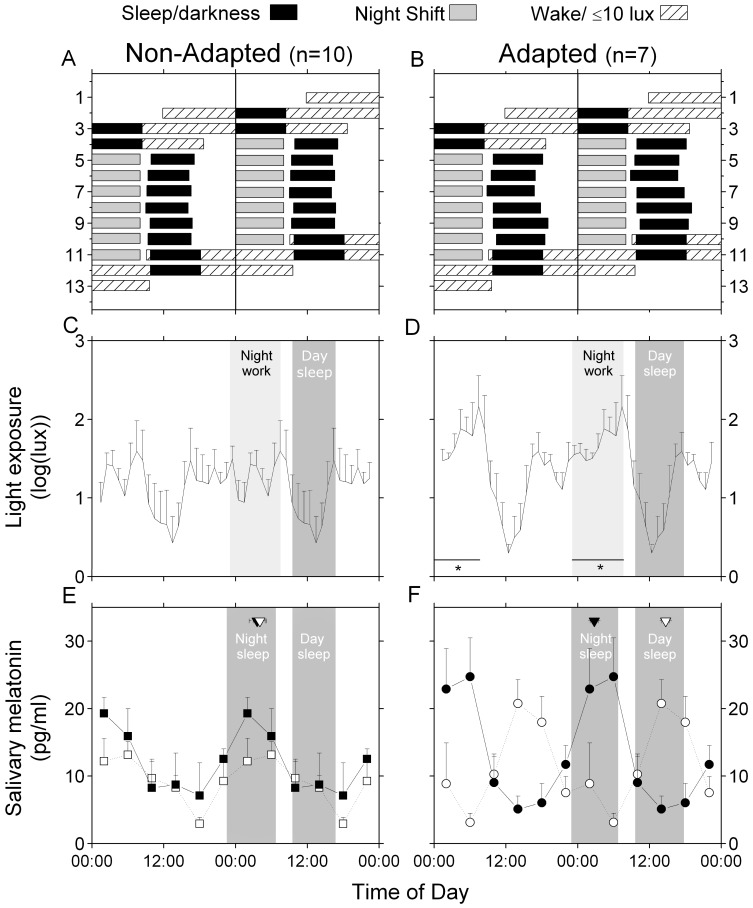
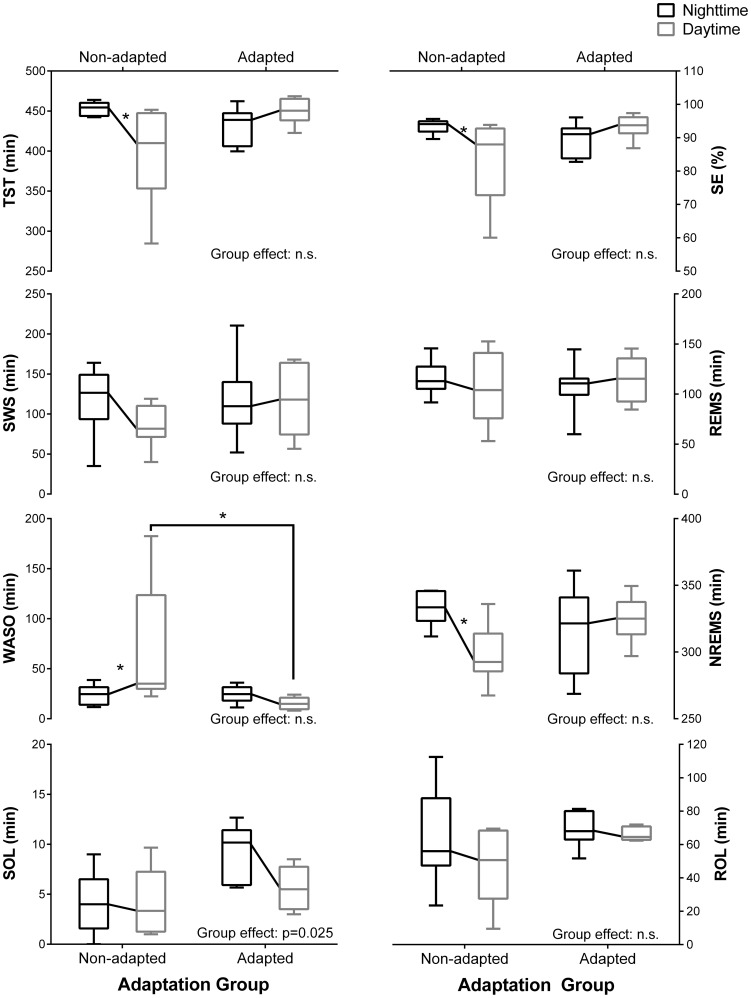
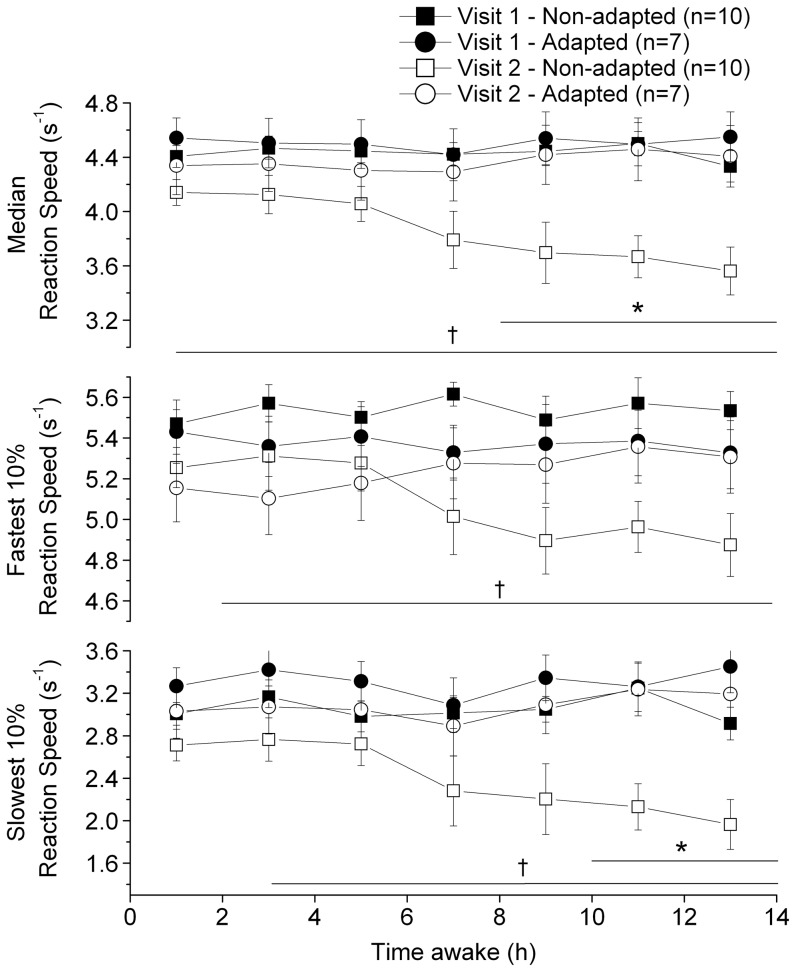
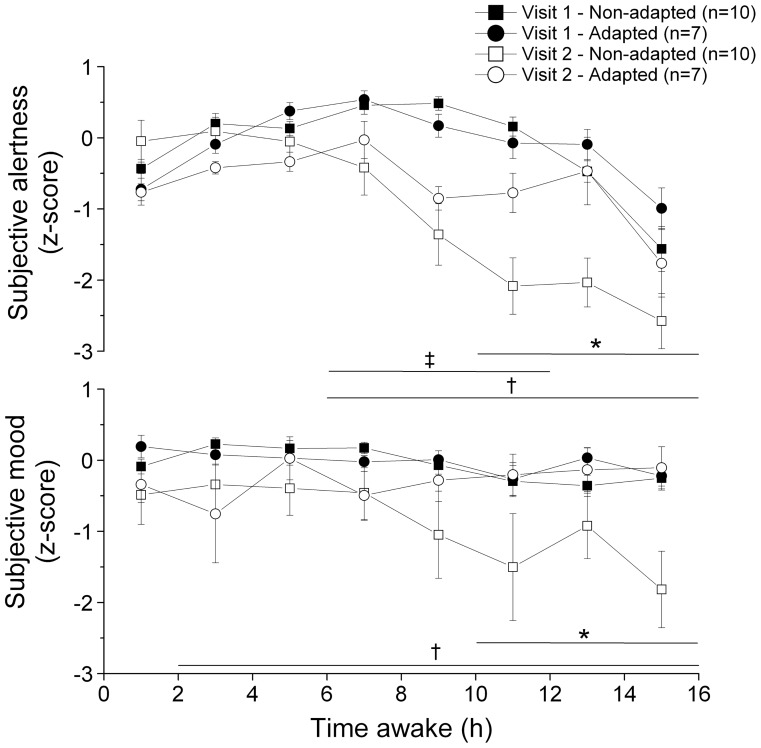
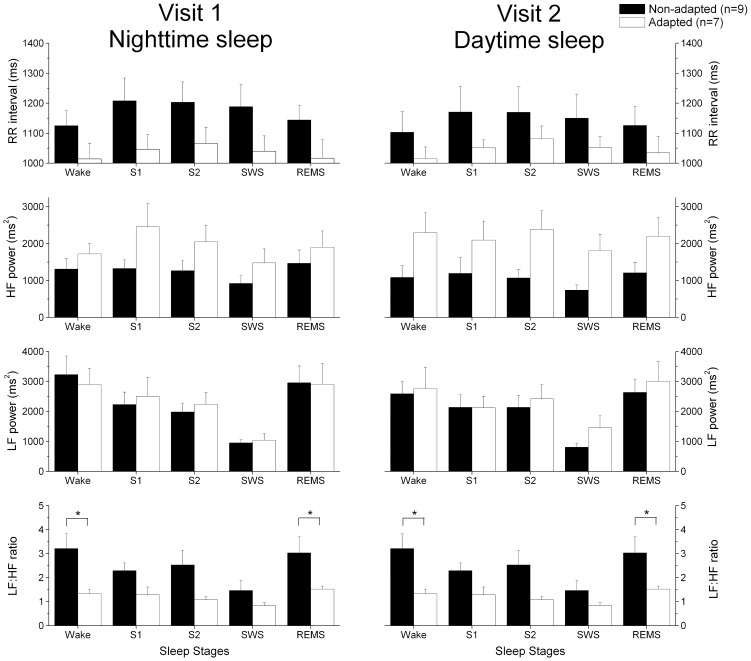
Our aim was to investigate how circadian adaptation to night shift work affects psychomotor performance, sleep, subjective alertness and mood, melatonin levels, and heart rate variability (HRV). Fifteen healthy police officers on patrol working rotating shifts participated to a bright light intervention study with 2 participants studied under two conditions. The participants entered the laboratory for 48 h before and after a series of 7 consecutive night shifts in the field. The nighttime and daytime sleep periods were scheduled during the first and second laboratory visit, respectively. The subjects were considered "adapted" to night shifts if their peak salivary melatonin occurred during their daytime sleep period during the second visit. The sleep duration and quality were comparable between laboratory visits in the adapted group, whereas they were reduced during visit 2 in the non-adapted group. Reaction speed was higher at the end of the waking period during the second laboratory visit in the adapted compared to the non-adapted group. Sleep onset latency (SOL) and subjective mood levels were significantly reduced and the LF∶HF ratio during daytime sleep was significantly increased in the non-adapted group compared to the adapted group. Circadian adaptation to night shift work led to better performance, alertness and mood levels, longer daytime sleep, and lower sympathetic dominance during daytime sleep. These results suggest that the degree of circadian adaptation to night shift work is associated to different health indices. Longitudinal studies are required to investigate long-term clinical implications of circadian misalignment to atypical work schedules.
Overview
The claims and statistics of this paper haven’t been checked yet.
Run the check — free, no account needed. It reads the open-access text and checks the sources it cites.
Integrity signals
Registry
Cites
Statistics
Figures
Verification
Claims the paper makes
The claims and statistics of this paper haven’t been checked yet.
Run the check — free, no account needed. It reads the open-access text and checks the sources it cites.
Claims other papers make about this one
Each is checked against this paper’s own text: does it say what the citing paper says it does?
In the citing paper
“Sympathovagal balance is then disrupted [72], as indicated by changes in heart rate variability that are believed to reflect increased risk of cardiovascular disease (CVD) [73].”
From Shift Work: Disrupted Circadian Rhythms and Sleep—Implications for Health and Well-being (2017) · cites this paper as [73]
In the citing paper
“Boudreau and colleagues found that circadian adaptation to night work resulted in improved sleep, improved performance, and improved heart rate variability (Boudreau et al., 2013).”
From Addressing sleep disturbances: an opportunity to prevent cardiometabolic disease? (2014) · cites this paper as Boudreau et al., 2013
Self-check
Percentages, sums and reported differences re-computed from the paper’s own numbers.
The self-check needs the paper’s full text.
Citations
Cites
Heart Rate Variability: Standards of Measurement, Physiological Interpretation, and Clinical Use
Electrophysiology, T. F. O. T. E. S. O. C. T. N. A. (1996) · Circulation · doi:10.1161/01.cir.93.5.1043 · Cited by 17,159
Heart rate variability: Standards of measurement, physiological interpretation, and clinical use
Malik, M., Bigger, J. T., Camm, A. J., Kleiger, R. E., Malliani, A., Moss, A. J., & Schwartz, P. J. (1996) · European Heart Journal · doi:10.1093/oxfordjournals.eurheartj.a014868 · Cited by 15,289
Rechtschaffen, A. (1968) · Medical Entomology and Zoology · Cited by 11,772
(2007) · Cited by 6,530
A self-assessment questionnaire to determine morningness- eveningness in human circadian rhythms
Home, J. K. (1976) · Medical Entomology and Zoology · Cited by 4,783
(1976) · PubMed · Cited by 3,979
Impact of sleep debt on metabolic and endocrine function
Spiegel, K., Leproult, R., & Van Cauter, E. (1999) · The Lancet · doi:10.1016/s0140-6736(99)01376-8 · Cited by 3,668
Van Dongen, H. P. A., Maislin, G., Mullington, J. M., & Dinges, D. F. (2003) · Sleep · doi:10.1093/sleep/26.2.117 · Cited by 3,173
Dinges, D. F., Pack, F. M., Williams, K., Gillen, K. A., Powell, J. W., Ott, G. E., Trasande, C. A., & Pack, A. I. (1997) · SLEEP · doi:10.1093/sleep/20.4.267 · Cited by 2,018 · cited 3×
“Sleep restriction can also contribute to impaired mood, as a week of sleep restriction to 4–5 hours/night can lead to increased sleepiness and reduced subjective mood levels [11].”
BackgroundResultAction Spectrum for Melatonin Regulation in Humans: Evidence for a Novel Circadian Photoreceptor
Brainard, G. C., Hanifin, J. P., Greeson, J. M., Byrne, B., Glickman, G., Gerner, E., & Rollag, M. D. (2001) · The Journal of Neuroscience · doi:10.1523/jneurosci.21-16-06405.2001 · Cited by 1,930 · cited 1×
“When we correct for the known spectral sensitivity of the human circadian system to light [41], we estimate that these goggles block approximately 96.”
BackgroundImpact of Reduced Heart Rate Variability on Risk for Cardiac Events: The Framingham Heart Study
Tsuji, H., Larson, M. G., Venditti, F. J., Manders, E. S., Evans, J. C., Feldman, C. L., & Levy, D. (1996) · Circulation · doi:10.1161/01.cir.94.11.2850 · Cited by 1,762
Guidelines for the Multiple Sleep Latency Test (MSLT): A Standard Measure of Sleepiness
Carskadon, M. A. (1986) · SLEEP · doi:10.1093/sleep/9.4.519 · Cited by 1,607 · cited 1×
“This situation is consistent with severe and persistent sleepiness (SOL of ,5) based on multiple sleep latency test criteria [62] and is similar to what has been observed in patients suffering from shift work disorder [35].”
Belenky, G., Wesensten, N. J., Thorne, D. R., Thomas, M. L., Sing, H. C., Redmond, D. P., Russo, M. B., & Balkin, T. J. (2003) · Journal of Sleep Research · doi:10.1046/j.1365-2869.2003.00337.x · Cited by 1,436 · cited 2×
“6% reduction in psychomotor performance after compared to that resulting from 9 h of daily sleep opportunity [60].”
ResultCarcinogenicity of shift-work, painting, and fire-fighting
Straif, K., Baan, R., Grosse, Y., Secretan, B., Ghissassi, F. E., Bouvard, V., Altieri, A., Benbrahim-Tallaa, L., & Cogliano, V. (2007) · The Lancet Oncology · doi:10.1016/s1470-2045(07)70373-x · Cited by 1,082 · cited 1×
“This state of chronic circadian misalignment can lead to sleep and performance complaints but also contributes to the association between night work and adverse health outcomes, such as elevated risk of cardiovascular diseases [28,29], metabolic syndrome [29], diabetes [29], autoimmune hypothyroidism [30], and specifi…”
BackgroundExtended Work Shifts and the Risk of Motor Vehicle Crashes among Interns
Barger, L. K., Cade, B. E., Ayas, N. T., Cronin, J. W., Rosner, B., Speizer, F. E., & Czeisler, C. A. (2005) · New England Journal of Medicine · doi:10.1056/nejmoa041401 · Cited by 928
Dekker, J. M., Crow, R. S., Folsom, A. R., Hannan, P. J., Liao, D., Swenne, C. A., & Schouten, E. G. (2000) · Circulation · doi:10.1161/01.cir.102.11.1239 · Cited by 876
Shift Work Sleep Disorder: Prevalence and Consequences Beyond that of Symptomatic Day Workers
Drake, C. L., Roehrs, T., Richardson, G., Walsh, J. K., & Roth, T. (2004) · Sleep · doi:10.1093/sleep/27.8.1453 · Cited by 860
Spectral Distribution of Typical Daylight as a Function of Correlated Color Temperature
Judd, D. B., MacAdam, D. L., Wyszecki, G., Budde, H., Condit, H. R., Henderson, S. T., & Simonds, J. L. (1964) · Journal of the Optical Society of America · doi:10.1364/josa.54.001031 · Cited by 842 · cited 1×
“Because our assessment of light exposure did not quantify the spectral composition of the environmental light (irradiance) but measured illuminance (in lux), we propose this transmission estimate by considering 1) an estimated outdoor light spectrum (light color temperature of 5000 K, Figure S2, [38]), 2) the transmis…”
BackgroundShift work and chronic disease: the epidemiological evidence
Wang, X.-S., Armstrong, M. E. G., Cairns, B. J., Key, T. J., & Travis, R. C. (2011) · Occupational Medicine · doi:10.1093/occmed/kqr001 · Cited by 670 · cited 2×
“Shift work has been associated with a number of medical conditions, including cardiovascular diseases, metabolic syndrome, diabetes, and cancer [28,29,97].”
BackgroundSleeping and waking disorders : indications and techniques
Guilleminault, C. (1982) · Medical Entomology and Zoology · Cited by 591
WaveLab and Reproducible Research
Buckheit, J. B., & Donoho, D. L. (1995) · Lecture notes in statistics · doi:10.1007/978-1-4612-2544-7_5 · Cited by 551 · cited 1×
“4, MathWorks, Natick, MA, USA) and the Wavelab toolbox [45] (see [33] for the detailed DWT analysis).”
Zhong, X., Hilton, H. J., Gates, G. J., Jelic, S., Stern, Y., Bartels, M. N., DeMeersman, R. E., & Basner, R. C. (2005) · Journal of Applied Physiology · doi:10.1152/japplphysiol.00620.2004 · Cited by 468
Psychobiological allostasis: resistance, resilience and vulnerability
Karatsoreos, I. N., & McEwen, B. S. (2011) · Trends in Cognitive Sciences · doi:10.1016/j.tics.2011.10.005 · Cited by 458 · cited 1×
“, wear and tear leading to pathophysiology) that resulted from circadian misalignment and sleep deprivation [105].”
BackgroundSleep disorders, health, and safety in police officers
Rajaratnam, S. M. W., Barger, L. K., Lockley, S. W., Shea, S. A., Wang, W., Landrigan, C. P., O’Brien, C. S., Qadri, S., Sullivan, J. P., Cade, B. E., et al. (2011) · JAMA · doi:10.1001/jama.2011.1851 · Cited by 405
Complex Interaction of the Sleep-Wake Cycle and Circadian Phase Modulates Mood in Healthy Subjects
Boivin, D. B. (1997) · Archives of General Psychiatry · doi:10.1001/archpsyc.1997.01830140055010 · Cited by 378 · cited 1×
“Subjective mood levels have been shown to follow a circadian variation, with lower levels in the early morning and to be reduced with the amount of time awake [73], consistent with our observations.”
ResultSelf-citationShift and night work and long working hours – a systematic review of safety implications
Wagstaff, A. S., & Sigstad Lie, J.-A. (2011) · Scandinavian Journal of Work, Environment & Health · doi:10.5271/sjweh.3146 · Cited by 367 · cited 1×
“A meta-analysis of 14 studies revealed that working on a night shift or rotating shift schedule was is associated with a 50–100% increase in accident rate [106].”
Lo, J. C., Groeger, J. A., Santhi, N., Arbon, E. L., Lazar, A. S., Hasan, S., von Schantz, M., Archer, S. N., & Dijk, D.-J. (2012) · PLoS ONE · doi:10.1371/journal.pone.0045987 · Cited by 342 · cited 1×
“These results are consistent with studies examining the impact of night shift work [14–18] and sleep restriction [10,11,60,63] on performance [66].”
ResultFolkard, S. (2008) · Chronobiology International · doi:10.1080/07420520802106835 · Cited by 335 · cited 1×
“7% combined ‘‘complete’’ and ‘‘substantial’’ spontaneous circadian adaptation to night work that was estimated by Folkard, based on the results of 6 prior studies [53].”
ResultImpact of the human circadian system, exercise, and their interaction on cardiovascular function
Scheer, F. A. J. L., Hu, K., Evoniuk, H., Kelly, E. E., Malhotra, A., Hilton, M. F., & Shea, S. A. (2010) · Proceedings of the National Academy of Sciences · doi:10.1073/pnas.1006749107 · Cited by 332
Impaired alertness and performance driving home from the night shift: a driving simulator study
Åkerstedt, T., Peters, B., Anund, A., & Kecklund, G. (2005) · Journal of Sleep Research · doi:10.1111/j.1365-2869.2004.00437.x · Cited by 298 · cited 1×
“Increased sleepiness after night shifts or extended work shifts has also been associated with an elevated risk of accidents during the commute home period [12,108,109], and should not be forgotten as an important public safety issue.”
BackgroundPeriodic movements in sleep (nocturnal myoclonus) and restless legs syndrome
Coleman, R. (1982) · Medical Entomology and Zoology · Cited by 287
Effect of acute sleep deprivation on vascular function in healthy subjects
Sauvet, F., Leftheriotis, G., Gomez-Merino, D., Langrume, C., Drogou, C., Van Beers, P., Bourrilhon, C., Florence, G., & Chennaoui, M. (2010) · Journal of Applied Physiology · doi:10.1152/japplphysiol.00851.2009 · Cited by 268
Alterman, T., Luckhaupt, S. E., Dahlhamer, J. M., Ward, B. W., & Calvert, G. M. (2012) · American Journal of Industrial Medicine · doi:10.1002/ajim.22108 · Cited by 264 · cited 1×
“According to recent American and European surveys, between 15 and 30% of the adult population is involved in some type of shift work, with 19% of the European population reportedly working at least 2 h between 22:00 h and 05:00 h [1,2].”
BackgroundCardiovascular effects of partial sleep deprivation in healthy volunteers
Dettoni, J. L., Consolim-Colombo, F. M., Drager, L. F., Rubira, M. C., Cavasin de Souza, S. B. P., Irigoyen, M. C., Mostarda, C., Borile, S., Krieger, E. M., Moreno, H., et al. (2012) · Journal of Applied Physiology · doi:10.1152/japplphysiol.01604.2011 · Cited by 245
Frost, P., Kolstad, H. A., & Bonde, J. P. (2009) · Scandinavian Journal of Work Environment & Health · doi:10.5271/sjweh.1319 · Cited by 245
Shanahan, T. L., & Czeisler, C. A. (1991) · The Journal of Clinical Endocrinology & Metabolism · doi:10.1210/jcem-73-2-227 · Cited by 217 · cited 1×
“The salivary melatonin acrophase of each subject was calculated using a triple harmonic regression [47].”
MethodGronfier, C., Wright, K. P., Kronauer, R. E., Jewett, M. E., & Czeisler, C. A. (2004) · American Journal of Physiology-Endocrinology and Metabolism · doi:10.1152/ajpendo.00385.2003 · Cited by 212
Circadian Adaptation to Night-Shift Work by Judicious Light and Darkness Exposure
Boivin, D. B., & James, F. O. (2002) · Journal of Biological Rhythms · doi:10.1177/0748730402238238 · Cited by 205 · cited 1×
“We previously reported that bright light therapy can be used to help nurses [3,26] and healthy participants [25] to entrain to night work.”
BackgroundSelf-citationAdvancing Human Circadian Rhythms with Afternoon Melatonin and Morning Intermittent Bright Light
Revell, V. L., Burgess, H. J., Gazda, C. J., Smith, M. R., Fogg, L., & Eastman, C. I. (2006) · The Journal of Clinical Endocrinology & Metabolism · doi:10.1210/jc.2005-1009 · Cited by 195
Shift Work in Nurses: Contribution of Phenotypes and Genotypes to Adaptation
Gamble, K. L., Motsinger‐Reif, A. A., Hida, A., Borsetti, H., Servick, S. V., Ciarleglio, C. M., Robbins, S., Hicks, J., Carver, K., Hamilton, N. M., et al. (2011) · PLoS ONE · doi:10.1371/journal.pone.0018395 · Cited by 194 · cited 1×
“Other studies also found that eveningness can contribute to perceived adaptation to night shift work [57,58].”
BackgroundEastman, C. I., & Smith (2012) · Nature and Science of Sleep · doi:10.2147/nss.s10372 · Cited by 181 · cited 2×
“Shift work has been associated with a number of medical conditions, including cardiovascular diseases, metabolic syndrome, diabetes, and cancer [28,29,97].”
BackgroundFrey, D. J., Badia, P., & Wright, K. P. (2004) · Journal of Sleep Research · doi:10.1111/j.1365-2869.2004.00429.x · Cited by 175 · cited 1×
“Recent studies have shown that there is great inter-individual variability in the performance and sleepiness response to sleep restriction [63,64] and shift work [65].”
BackgroundShift Work and Inter‐Individual Differences in Sleep and Sleepiness
Dongen, H. P. A. V. (2006) · Chronobiology International · doi:10.1080/07420520601100971 · Cited by 175 · cited 1×
“Recent studies have shown that there is great inter-individual variability in the performance and sleepiness response to sleep restriction [63,64] and shift work [65].”
BackgroundChua, E. C.-P., Tan, W. Q., Yeo, S. C., Lau, P., Lee, I., Mien, I. H., Puvanendran, K., & Gooley, J. J. (2012) · SLEEP · doi:10.5665/sleep.1688 · Cited by 173
Vandewalle, G., Middleton, B., Rajaratnam, S. M. W., Stone, B. M., THORLEIFSDOTTIR, B., Arendt, J., & Dijk, D. (2007) · Journal of Sleep Research · doi:10.1111/j.1365-2869.2007.00581.x · Cited by 169
Profile of 24-h Light Exposure and Circadian Phase of Melatonin Secretion in Night Workers
Dumont, M., Benhaberou-Brun, D., & Paquet, J. (2001) · Journal of Biological Rhythms · doi:10.1177/074873001129002178 · Cited by 162 · cited 1×
“[48] showed higher light exposure between 04:00 h to 06:00 h in night shift workers who had significant delayed urinary 6-sulphatoxymelatonin rhythm compared to those who did not.”
Niu, S., Chung, M., Chen, C.-H., Hegney, D. G., O’Brien, A. P., & Chou, K. (2011) · Journal of Nursing Research · doi:10.1097/jnr.0b013e31820c1879 · Cited by 155 · cited 1×
“The results observed in the non-adapted officers are consistent with the reduced TST observed in prior studies reporting subjective [7] and objective [4,5,8,14,59] measures of sleep in shift workers.”
ResultModifications of Cardiac Autonomic Profile Associated With a Shift Schedule of Work
Furlan, R., Barbic, F., Piazza, S., Tinelli, M., Seghizzi, P., & Malliani, A. (2000) · Circulation · doi:10.1161/01.cir.102.16.1912 · Cited by 154
Santhi, N., Horowitz, T. S., Duffy, J. F., & Czeisler, C. A. (2007) · PLoS ONE · doi:10.1371/journal.pone.0001233 · Cited by 152
Dynamic resetting of the human circadian pacemaker by intermittent bright light
Rimmer, D. W., Boivin, D. B., Shanahan, T. L., Kronauer, R. E., Duffy, J. F., & Czeisler, C. A. (2000) · American Journal of Physiology-Regulatory, Integrative and Comparative Physiology · doi:10.1152/ajpregu.2000.279.5.r1574 · Cited by 139
Self-citationAssociation of Sleep Duration and Hypertension Among US Adults Varies by Age and Sex
Fang, J., Wheaton, A. G., Keenan, N. L., Greenlund, K. J., Perry, G., & Croft, J. B. (2011) · American Journal of Hypertension · doi:10.1038/ajh.2011.201 · Cited by 136 · cited 1×
“9% of the North American population reports sleeping for 7 h or less per night [61].”
BackgroundJames, F. O., Cermakian, N., & Boivin, D. B. (2007) · Sleep · doi:10.1093/sleep/30.11.1427 · Cited by 135
Self-citationHorowitz, T. S., Cade, B. E., Wolfe, J. M., & Czeisler, C. A. (2001) · American Journal of Physiology-Endocrinology and Metabolism · doi:10.1152/ajpendo.2001.281.2.e384 · Cited by 133 · cited 1×
“48 h), as measured by dim light melatonin onset [54].”
BackgroundAxelsson, J., Kecklund, G., Åkerstedt, T., D’Onofrio, P., Lekander, M., & Ingre, M. (2008) · Chronobiology International · doi:10.1080/07420520802107031 · Cited by 126 · cited 1×
“These results are consistent with studies examining the impact of night shift work [14–18] and sleep restriction [10,11,60,63] on performance [66].”
ResultDEPRESSED MOOD IN THE WORKING POPULATION: ASSOCIATIONS WITH WORK SCHEDULES AND WORKING HOURS
Driesen, K., Jansen, N., Kant, I., Mohren, D. C. L., & van Amelsvoort, L. G. P. M. (2010) · Chronobiology International · doi:10.3109/07420528.2010.489877 · Cited by 123 · cited 1×
“05) on a rotating shift schedule compared to day workers [75].”
BackgroundBoudreau, P., Yeh, W. H., Dumont, G. A., & Boivin, D. B. (2012) · Chronobiology International · doi:10.3109/07420528.2012.674592 · Cited by 122 · cited 6×
“The peak-to-through changes reported across circadian phases during sleep periods was ,23% and 37% for the LF:HF ratio and HF power, respectively [33].”
BackgroundMethodResultInfluentialSelf-citationCrowley, S. J., Lee, C., Tseng, C. Y., Fogg, L., & Eastman, C. I. (2004) · SLEEP · doi:10.1093/sleep/27.6.1077 · Cited by 122
Circadian Variation of Sleep During the Follicular and Luteal Phases of the Menstrual Cycle
Shechter, A., Varin, F., & Boivin, D. B. (2010) · Sleep · doi:10.1093/sleep/33.5.647 · Cited by 119 · cited 1×
“91 h per 24-h day using a similar procedure in women [91].”
MethodSelf-citationShift work trends and risk of work injury among Canadian workers
Wong, I. S., McLeod, C. B., & Demers, P. A. (2011) · Scandinavian Journal of Work, Environment & Health · doi:10.5271/sjweh.3124 · Cited by 118 · cited 3×
“7 million injury compensation claims awarded in Canada in 2006 could be attributed to shift work [24].”
BackgroundThe effect of working serial night shifts on the cognitive functioning of emergency physicians
Dula, D. J., Dula, N. L., Hamrick, C., & Wood, G. C. (2001) · Annals of Emergency Medicine · doi:10.1067/mem.2001.116024 · Cited by 116
Practical Interventions to Promote Circadian Adaptation to Permanent Night Shift Work: Study 4
Smith, M. R., Fogg, L., & Eastman, C. I. (2009) · Journal of Biological Rhythms · doi:10.1177/0748730409332068 · Cited by 115
Zhou, X., Ferguson, S. A., Matthews, R. W., Sargent, C., Darwent, D., Kennaway, D. J., & Roach, G. D. (2011) · Journal of Sleep Research · doi:10.1111/j.1365-2869.2011.00924.x · Cited by 111
Gumenyuk, V., Roth, T. G., & Drake, C. L. (2012) · Chronobiology International · doi:10.3109/07420528.2012.699356 · Cited by 111 · cited 2×
“This situation is consistent with severe and persistent sleepiness (SOL of ,5) based on multiple sleep latency test criteria [62] and is similar to what has been observed in patients suffering from shift work disorder [35].”
BackgroundResultInfluentialDecreased nighttime heart rate variability is associated with increased stroke risk
Binici, Z., Mouridsen, M. R., Køber, L., & Sajadieh, A. (2011) · Stroke · doi:10.1161/strokeaha.110.607697 · Cited by 110 · cited 1×
“This is clinically relevant as alterations in HRV have been associated with elevated risk of stroke [102], coronary heart diseases [103], and cardiac events [104] in prospective studies of healthy populations.”
BackgroundIntermittent bright light and exercise to entrain human circadian rhythms to night work
Baehr, E. K., Fogg, L., & Eastman, C. I. (1999) · American Journal of Physiology-Regulatory, Integrative and Comparative Physiology · doi:10.1152/ajpregu.1999.277.6.r1598 · Cited by 110
Smith, M. R., Fogg, L., & Eastman, C. I. (2009) · SLEEP · doi:10.1093/sleep/32.11.1481 · Cited by 108 · cited 4×
“Prior studies in simulated night shift work have shown a significant correlation between mood and alertness ratings and circadian phase delays, such that mood and alertness levels increase with greater circadian phase delays [14,18,74].”
BackgroundResultInfluentialBjorvatn, B., Stangenes, K. M., Øyane, N., Forberg, K., Löwden, A., Holsten, F., & Åkerstedt, T. (2006) · SLEEP · doi:10.1093/sleep/29.6.821 · Cited by 108 · cited 1×
“Spontaneous circadian entrainment to night work has been shown in different populations, including offshore fleet workers [20], oil rig workers [21] and in simulated night shift experiments [19].”
BackgroundWork at night and breast cancer – report on evidence-based options for preventive actions
Bonde, J. P., Hansen, J., Kolstad, H. A., Mikkelsen, S., Olsen, J. H., Blask, D. E., Härmä, M., Kjuus, H., de Koning, H. J., Olsen, J., et al. (2012) · Scandinavian Journal of Work Environment & Health · doi:10.5271/sjweh.3282 · Cited by 107 · cited 1×
“This state of chronic circadian misalignment can lead to sleep and performance complaints but also contributes to the association between night work and adverse health outcomes, such as elevated risk of cardiovascular diseases [28,29], metabolic syndrome [29], diabetes [29], autoimmune hypothyroidism [30], and specifi…”
BackgroundThe impact of a week of simulated night work on sleep, circadian phase, and performance
Lamond, N., Dorrian, J., Roach, G. D., McCulloch, K. M., Holmes, A. L., Burgess, H. J., Fletcher, A., & Dawson, D. E. (2003) · Occupational and Environmental Medicine · doi:10.1136/oem.60.11.e13 · Cited by 101 · cited 3×
“[19,67], a phase shift that is approximately between those that we observed in our adaptation groups.”
BackgroundHorwitz, I. B., & McCall, B. P. (2004) · Occupational Medicine · doi:10.1093/occmed/kqh093 · Cited by 101 · cited 1×
“[107] calculated the cost of these additional injuries in hospital employees, and reported a 58.”
BackgroundThe Ability to Self-Monitor Performance During a Week of Simulated Night Shifts
Dorrian, J., Lamond, N., Holmes, A. L., Burgess, H. J., Roach, G. D., Fletcher, A., & Dawson, D. E. (2003) · SLEEP · doi:10.1093/sleep/26.7.871 · Cited by 96
Age‐related changes in cardiac autonomic control during sleep
BRANDENBERGER, G., Viola, A., Ehrhart, J., Charloux, A., Gény, B., Piquard, F., & Simon, C. (2003) · Journal of Sleep Research · doi:10.1046/j.1365-2869.2003.00353.x · Cited by 95 · cited 1×
“HRV measured during wakefulness [93,94] and sleep [95] decreases with age, and it could be argued that age differences between the adapted and non-adapted groups could explain our HRV differences.”
BackgroundPhotic Resetting in Night-Shift Work: Impact on Nurses' Sleep
Boivin, D. B., Boudreau, P., James, F. O., & Kin, N. M. K. N. Y. (2012) · Chronobiology International · doi:10.3109/07420528.2012.675257 · Cited by 95
Self-citationWehrens, S. M. T., Hampton, S. M., & Skene, D. J. (2011) · Scandinavian Journal of Work Environment & Health · doi:10.5271/sjweh.3197 · Cited by 93 · cited 2×
“7 years) and age-matched non-shift workers during baseline sleep, sleep deprivation, and recovery sleep [98].”
BackgroundShift work and the incidence of injury among police officers.
Violanti, J., Fekedulegn, D., Andrew, M., Charles, L., Hartley, T., Vila, B., & Burchfiel, C. (2012) · American Journal of Industrial Medicine · doi:10.1002/ajim.22007 · Cited by 85 · cited 1×
“During night shifts, police officers have a 72% increased risk of injury compared to day shifts [23], thus leading to inflated injury-compensation claims in the shift work population [24].”
BackgroundChung, M., Kuo, T. B. J., Hsu, N., Chu, H., Chou, K., & Yang, C. C. H. (2009) · Scandinavian Journal of Work Environment & Health · doi:10.5271/sjweh.1324 · Cited by 85 · cited 1×
“The same group also reported greater sympathetic dominance during sleep in permanent night workers compared to day workers [76].”
Effects of an afternoon nap on nighttime alertness and performance in long-haul drivers
Macchi, M. M., Boulos, Z., Ranney, T. A., Simmons, L. A., & Campbell, S. S. (2002) · Accident Analysis & Prevention · doi:10.1016/s0001-4575(01)00089-6 · Cited by 84 · cited 1×
“This result is consistent with the drop in alertness levels in the early morning reported in long haul drivers [68], night nurses [69] and during simulated night shift work [14,18].”
ResultLight Treatment and Circadian Adaptation to Shift Work
Boivin, D. B., & James, F. O. (2005) · Industrial Health · doi:10.2486/indhealth.43.34 · Cited by 82 · cited 1×
“The circadian adaptation of these individuals and our police officers was most likely a result of their optimal exposure to environmental synchronizers, such as a favorable light/darkness exposure and the maintenance of a fixed daytime sleep/wake schedule for 7 consecutive days [55].”
BackgroundSelf-citationShort-term heart rate variability in healthy young adults
Koskinen, T., Kähönen, M. A. P., Jula, A., Laitinen, T. P., Keltikangas‐Järvinen, L., Viikari, J. S. A., Välimäki, I. A. T., & Raitakari, O. T. (2008) · Autonomic Neuroscience · doi:10.1016/j.autneu.2008.10.011 · Cited by 82 · cited 2×
“75- to 5-fold higher than the predicted HRV variation due to age [93].”
BackgroundSleep restriction for the duration of a work week impairs multitasking performance
Haavisto, M., Porkka‐Heiskanen, T., Hublin, C., Härmä, M., Mutanen, P., Müller, K., Virkkala, J., & Sallinen, M. (2010) · Journal of Sleep Research · doi:10.1111/j.1365-2869.2010.00823.x · Cited by 76 · cited 2×
“Recent studies have shown that there is great inter-individual variability in the performance and sleepiness response to sleep restriction [63,64] and shift work [65].”
BackgroundResultShift work modifies the circadian patterns of heart rate variability in nurses
Ito, H., Nozaki, M., Maruyama, T., Kaji, Y., & Tsuda, Y. (2001) · International Journal of Cardiology · doi:10.1016/s0167-5273(01)00439-9 · Cited by 74
Garde, A. H., Hansen, Å. M., & Hansen, J. (2009) · International Archives of Occupational and Environmental Health · doi:10.1007/s00420-009-0419-4 · Cited by 72
PER3polymorphism and cardiac autonomic control: effects of sleep debt and circadian phase
Viola, A., James, L. M., Archer, S. N., & Dijk, D. (2008) · American Journal of Physiology-Heart and Circulatory Physiology · doi:10.1152/ajpheart.00662.2008 · Cited by 70 · cited 1×
“[92], who reported that individuals with the longer allele of the circadian clock gene PER3 polymorphism have greater sympathetic cardiac dominance during NREM sleep compared to individuals with the shorter allele.”
BackgroundSleep Processes Exert a Predominant Influence on the 24-h Profile of Heart Rate Variability
Viola, A., Simon, C., Ehrhart, J., Gény, B., Piquard, F., Muzet, A. G., & BRANDENBERGER, G. (2002) · Journal of Biological Rhythms · doi:10.1177/0748730402238236 · Cited by 69
The effects of different roster schedules on sleep in miners
Paech, G. M., Jay, S. M., Lamond, N., Roach, G. D., & Ferguson, S. A. (2010) · Applied Ergonomics · doi:10.1016/j.apergo.2009.12.017 · Cited by 69 · cited 1×
“The results observed in the non-adapted officers are consistent with the reduced TST observed in prior studies reporting subjective [7] and objective [4,5,8,14,59] measures of sleep in shift workers.”
ResultJames, F. O., Walker, C. D., & Boivin, D. B. (2004) · Chronobiology International · doi:10.1081/cbi-200035944 · Cited by 67
Self-citationAdaptation of performance during a week of simulated night work
Lamond, N., Dorrian, J., Burgess, H. J., Holmes, A. L., Roach, G. D., McCulloch, K. M., Fletcher, A., & Dawson, D. E. (2004) · Ergonomics · doi:10.1080/00140130310001617930 · Cited by 66
Cardiac autonomic control and the effects of age, race, and sex: The CARDIA study
Sloan, R. P., Huang, M.-H., McCreath, H., Sidney, S., Liu, K., Dale Williams, O., & Seeman, T. (2008) · Autonomic Neuroscience · doi:10.1016/j.autneu.2008.01.006 · Cited by 65 · cited 1×
“HRV measured during wakefulness [93,94] and sleep [95] decreases with age, and it could be argued that age differences between the adapted and non-adapted groups could explain our HRV differences.”
BackgroundShift work and autoimmune thyroid disorders.
Magrini, A., Pietroiusti, A., Coppeta, L., Babbucci, A., Barnaba, E., Papadia, C., Iannaccone, U., BOSCOLO, P., Bergamaschi, E., & Bergamaschi, A. (2006) · PubMed · Cited by 64
Lombardi, D. A., Wirtz, A., Willetts, J. L., & Folkard, S. (2012) · Chronobiology International · doi:10.3109/07420528.2012.675253 · Cited by 64 · cited 1×
“According to the 2010 National Health Interview Survey, less than 6 h of sleep per night is associated with an 86% increased risk in work-related injury compared to 7–8 h of sleep [22].”
Smith, M. R., & Eastman, C. I. (2008) · SLEEP · doi:10.1093/sleep/31.12.1639 · Cited by 64
Takahashi, M., Tanigawa, T., Tachibana, N., MUTOU, K., Yoshiko, K. A. G. E., Smith, L., & Iso, H. (2005) · Industrial Health · doi:10.2486/indhealth.43.171 · Cited by 60 · cited 1×
“Other studies also found that eveningness can contribute to perceived adaptation to night shift work [57,58].”
BackgroundPhototherapy and Orange-Tinted Goggles for Night-Shift Adaptation of Police Officers on Patrol
Boivin, D. B., Boudreau, P., & Tremblay, G. (2012) · Chronobiology International · doi:10.3109/07420528.2012.675252 · Cited by 57 · cited 9×
“The police officers in the intervention group also had to wear orange-tinted goggles from sunrise to bedtime or if they woke up during or before the end of their daytime sleep period [13].”
BackgroundMethodResultInfluentialSelf-citationSasseville, A., Benhaberou-Brun, D., Fontaine, C., Charron, M.-C., & Hébert, M. (2009) · Chronobiology International · doi:10.1080/07420520903044398 · Cited by 53 · cited 1×
“Because our assessment of light exposure did not quantify the spectral composition of the environmental light (irradiance) but measured illuminance (in lux), we propose this transmission estimate by considering 1) an estimated outdoor light spectrum (light color temperature of 5000 K, Figure S2, [38]), 2) the transmis…”
BackgroundCircadian heart rate variability rhythm in shift workers
Freitas, J. P., Lago, P. J. A., Puig, J., de Carvalho, M. L., Costa, O., & de Freitas, A. F. (1997) · Journal of Electrocardiology · doi:10.1016/s0022-0736(97)80033-7 · Cited by 52
Sleep and recovery in physicians on night call: a longitudinal field study
Malmberg, B., Kecklund, G., Karlson, B., Persson, R., Flisberg, P., & Ørbaek, P. (2010) · BMC Health Services Research · doi:10.1186/1472-6963-10-239 · Cited by 52
Cardiac autonomic imbalance in female nurses with shift work
Ishii, N. K., Dakeishi, M., Sasaki, M., Iwata, T., & Murata, K. (2005) · Autonomic Neuroscience · doi:10.1016/j.autneu.2005.08.010 · Cited by 50 · cited 1×
“During wakefulness, some studies have reported a shift towards sympathetic dominance during night work compared to day work [77,78], whereas others found no difference [79–82].”
ResultFerguson, S., Baker, A., Lamond, N., Kennaway, D., & Dawson, D. (2010) · Applied Ergonomics · doi:10.1016/j.apergo.2010.05.001 · Cited by 45 · cited 1×
“The results observed in the non-adapted officers are consistent with the reduced TST observed in prior studies reporting subjective [7] and objective [4,5,8,14,59] measures of sleep in shift workers.”
ResultEffects of shift work on QTc interval and blood pressure in relation to heart rate variability
Murata, K., Yano, E., Hashimoto, H., Karita, K., & Dakeishi, M. (2005) · International Archives of Occupational and Environmental Health · doi:10.1007/s00420-004-0592-4 · Cited by 39
Inhibition of Heart Rate Variability during Sleep in Humans by 6700 K Pre-sleep Light Exposure
Ishibashi, K., Kitamura, S., Kozaki, T., & Yasukouchi, A. (2007) · Journal of PHYSIOLOGICAL ANTHROPOLOGY · doi:10.2114/jpa2.26.39 · Cited by 32 · cited 7×
“This contrasts with similar amount of S2 sleep and SWS during daytime and nighttime sleep periods in the adapted officers.”
BackgroundInfluentialRecovery after three-shift work: relation to sleep-related cardiac neuronal regulation in nurses
CHUNG, M.-H., KUO, T. B. J., HSU, N., CHU, H., CHOU, K.-R., & YANG, C. C. H. (2012) · Industrial Health · doi:10.2486/indhealth.ms1305 · Cited by 32 · cited 3×
“showed a reduced RR interval, HF power, and LF power as well as an increased LF:HF ratio during NREM and REM sleep during daytime sleep compared to nighttime sleep in nurses working rotating shifts [59].”
BackgroundResultSleepiness, Long Distance Commuting and Night Work as Predictors of Driving Performance
Milia, L. V. D., Rogers, N. L., & Åkerstedt, T. (2012) · PLoS ONE · doi:10.1371/journal.pone.0045856 · Cited by 30 · cited 1×
“Increased sleepiness after night shifts or extended work shifts has also been associated with an elevated risk of accidents during the commute home period [12,108,109], and should not be forgotten as an important public safety issue.”
BackgroundEffects of partial circadian adjustments on sleep and vigilance quality during simulated night work
CHAPDELAINE, S., Paquet, J., & Dumont, M. (2012) · Journal of Sleep Research · doi:10.1111/j.1365-2869.2012.00998.x · Cited by 29 · cited 1×
“Prior studies in simulated night shift work have shown a significant correlation between mood and alertness ratings and circadian phase delays, such that mood and alertness levels increase with greater circadian phase delays [14,18,74].”
BackgroundHansen, J. H., Geving, I. H., & Reinertsen, R. E. (2010) · International Archives of Occupational and Environmental Health · doi:10.1007/s00420-010-0547-x · Cited by 29 · cited 1×
“Spontaneous circadian entrainment to night work has been shown in different populations, including offshore fleet workers [20], oil rig workers [21] and in simulated night shift experiments [19].”
BackgroundMitani, S., Fujita, M., & Shirakawa, T. (2005) · International Archives of Occupational and Environmental Health · doi:10.1007/s00420-005-0026-y · Cited by 27
Sleep and psychomotor vigilance in female shiftworkers
Ruggiero, J. S., Redeker, N. S., Fiedler, N., Avi-Itzhak, T., & Fischetti, N. (2012) · Biological Research For Nursing · doi:10.1177/1099800411408413 · Cited by 26 · cited 1×
“This result is consistent with the drop in alertness levels in the early morning reported in long haul drivers [68], night nurses [69] and during simulated night shift work [14,18].”
ResultDaytime cardiac autonomic activity during one week of continuous night shift.
Holmes, A. L., Burgess, H. J., McCulloch, K., Lamond, N., Fletcher, A., Dorrian, J., Roach, G. D., & Dawson, D. E. (2001) · PubMed · doi:10.11183/jhe1972.30.223 · Cited by 24 · cited 1×
“During wakefulness, some studies have reported a shift towards sympathetic dominance during night work compared to day work [77,78], whereas others found no difference [79–82].”
ResultHEART-RATE VARIABILITY IN WOMEN DURING 40-HOUR PROLONGED WAKEFULNESS
Anders, D., Vollenweider, S., Cann, J., Hofstetter, M., Flammer, J., Orgül, S., & Kräuchi, K. (2010) · Chronobiology International · doi:10.3109/07420528.2010.504317 · Cited by 24
Blood pressure and heart rate variability in workers of 8-hour shifts.
Ha, M., Kim, J., Jungsun, P. A. R. K., & Chung, H. K. (2001) · PubMed · Cited by 17
Sleep-wake and circadian-dependent variation of cardiorespiratory coherence
Boudreau, P., Brouse, C. J., Dumont, G. A., & Boivin, D. B. (2012) · Annual International Conference of the IEEE Engineering in Medicine and Biology Society (EMBC) · doi:10.1109/embc.2012.6346799 · Cited by 7 · cited 2×
“We recently showed that sleep and circadian processes interact to modulate the HRV and that sleeping at adverse circadian phases could lead to acute HRV changes [33,34].”
BackgroundSelf-citation
Research works printed but not linked: 1
- Wyszecki G, Stiles WS (2000) Color Science: Concepts and Methods, Quantitative Data and Formulae (2nd eds.): John Wiley & Sons.
Cited by
Sorted by citations
Health consequences of shift work and insufficient sleep
Kecklund, G., & Axelsson, J. (2016) · BMJ · doi:10.1136/bmj.i5210 · Cited by 1,195
Impacts of shift work on sleep and circadian rhythms
Boivin, D. B., & Boudreau, P. (2014) · Pathologie Biologie · doi:10.1016/j.patbio.2014.08.001 · Cited by 639
Self-citationShift Work: Disrupted Circadian Rhythms and Sleep—Implications for Health and Well-being
James, S. M., Honn, K. A., Gaddameedhi, S., & Van Dongen, H. P. A. (2017) · Current Sleep Medicine Reports · doi:10.1007/s40675-017-0071-6 · Cited by 517
Disturbance of the Circadian System in Shift Work and Its Health Impact
Boivin, D. B., Boudreau, P., & Kosmadopoulos, A. (2021) · Journal of Biological Rhythms · doi:10.1177/07487304211064218 · Cited by 580
“These changes result in circadian misalignment, which describes a state of desynchronization between circadian clocks and the environment (Boivin and James, 2002a; Boudreau et al., 2013a; Skene et al., 2018; Kervezee et al., 2019a).”
BackgroundSelf-citationRole of the circadian system in cardiovascular disease
Thosar, S. S., Butler, M. P., & Shea, S. A. (2018) · Journal of Clinical Investigation · doi:10.1172/jci80590 · Cited by 443
“org Volume 128 Number 6 June 2018 bright light during night shifts and reducing light exposure following the end of night shifts (148–150) helps shift the circadian pacemaker and does improve performance, mood, and reduces sympathetic activity in night-shift workers who sleep during the daytime (151).”
Metadata
- Authors
- Boudreau, P., Dumont, G. A., & Boivin, D. B.
- Affiliations
- Douglas Mental Health University Institute (CA)
- University of British Columbia (CA)
- Corresponding author
- Boivin, Diane B.
- Venue
- PLoS ONE
- Publisher
- Public Library of Science (PLoS)
- Published
- 2013-07-26
- Volume
- 8
- Issue
- 7
- Pages
- e70813
- ISSN
- 1932-6203 (ISSN-L)
- PMC
- PMC3724779
- OpenAlex
- W2094064988
- Cited by
- 128
- References
- 111
- Citations by year
- 2026: 5 · 2025: 10 · 2024: 9 · 2023: 12 · 2022: 13 · 2021: 13 · 2020: 8 · 2019: 17 · 2018: 15 · 2017: 6 · 2016: 9 · 2015: 6 · 2014: 5
- FWCI
- 9.01
- Type
- journal article
- Language
- en
- Open access
- gold
- doi.org
- Locations
- PLoS ONE (publishedVersion, cc-by)
- Europe PMC (PubMed Central) (publishedVersion, cc-by)
- PubMed Central (publishedVersion, cc-by)
- PubMed (publishedVersion)
- DOAJ (DOAJ: Directory of Open Access Journals) (submittedVersion)
- Figshare (submittedVersion, cc-by)
- PhareSST (submittedVersion)
- Funders
- Servier
- Topics
- Social Sciences › Psychology › Experimental and Cognitive Psychology › Sleep and Work-Related Fatigue
- Life Sciences › Neuroscience › Endocrine and Autonomic Systems › Circadian rhythm and melatonin
- Social Sciences › Psychology › Experimental and Cognitive Psychology › Sleep and related disorders
- Keywords
- circadian adaptation, night shift work, rotating shifts, melatonin, heart rate variability, sleep quality, sleep latency, psychomotor performance, subjective alertness, mood, sympathetic dominance, circadian misalignment, police officers
- MeSH terms
- Adaptation, Physiological, Adult, Affect, Circadian Rhythm, Darkness, Female, Heart Rate, Humans, Male, Melatonin, Psychomotor Performance, Sleep, Wakefulness, Work Schedule Tolerance
About these checks
Registry, retraction, Cites and statistics results are computed, not judged, with one exception: a printed reference that no index lists is read once by a model before it counts as a citation error. Claims are extracted by a model and kept only when their quote appears verbatim in the text; each cited source is then checked, with a model’s help, for whether it says what the claim relies on. Those verdicts can be wrong — read the claim’s quote and the cited source before relying on one.
Statistics and arithmetic are recomputed, not judged.
Confidence bands are shown only for fields calibrated on our annotated test set. None is calibrated yet, so no band is shown.
What counts as a claim ›How we measure confidence ›How we check this ›
Are you an author, or do you see a problem with this page? Request a review
