

The DOI matches its Crossref record; 69 of the 70 references it cites were found in a registry or an index.
Targeting the Intrinsically Disordered Structural Ensemble of α-Synuclein by Small Molecules as a Potential Therapeutic Strategy for Parkinson’s Disease
Open accessAbstract
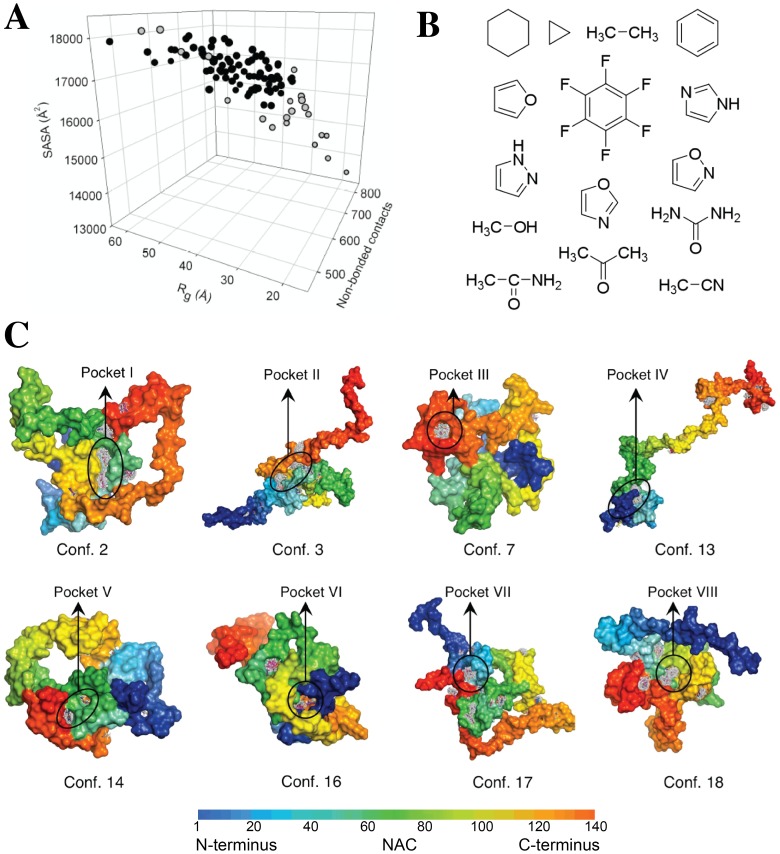
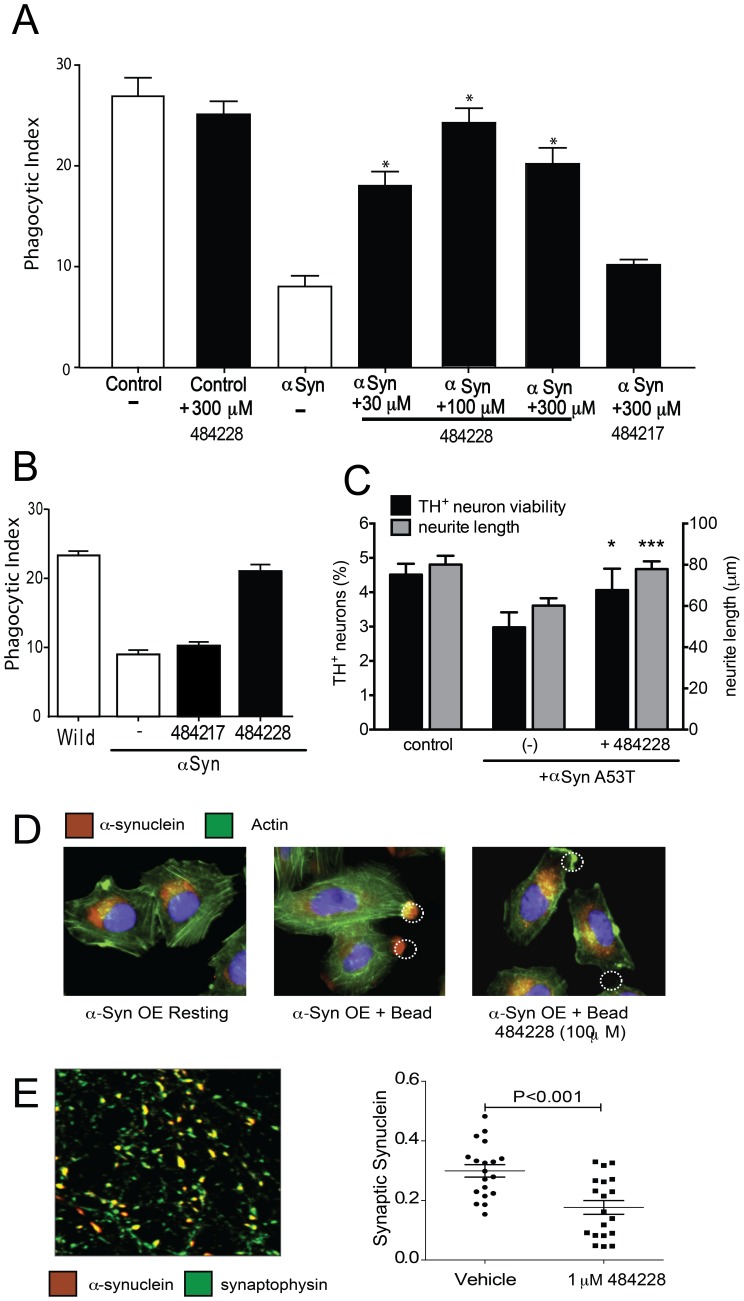
The misfolding of intrinsically disordered proteins such as α-synuclein, tau and the Aβ peptide has been associated with many highly debilitating neurodegenerative syndromes including Parkinson's and Alzheimer's diseases. Therapeutic targeting of the monomeric state of such intrinsically disordered proteins by small molecules has, however, been a major challenge because of their heterogeneous conformational properties. We show here that a combination of computational and experimental techniques has led to the identification of a drug-like phenyl-sulfonamide compound (ELN484228), that targets α-synuclein, a key protein in Parkinson's disease. We found that this compound has substantial biological activity in cellular models of α-synuclein-mediated dysfunction, including rescue of α-synuclein-induced disruption of vesicle trafficking and dopaminergic neuronal loss and neurite retraction most likely by reducing the amount of α-synuclein targeted to sites of vesicle mobilization such as the synapse in neurons or the site of bead engulfment in microglial cells. These results indicate that targeting α-synuclein by small molecules represents a promising approach to the development of therapeutic treatments of Parkinson's disease and related conditions.
Overview
The claims and statistics of this paper haven’t been checked yet.
Run the check — free, no account needed. It reads the open-access text and checks the sources it cites.
Integrity signals
Registry
Cites
Statistics
Figures
Verification
Claims the paper makes
The claims and statistics of this paper haven’t been checked yet.
Run the check — free, no account needed. It reads the open-access text and checks the sources it cites.
Claims other papers make about this one
Each is checked against this paper’s own text: does it say what the citing paper says it does?
In the citing paper
“Targeting the intrinsically disordered structural ensemble of α-synuclein by small molecules as a potential therapeutic strategy for Parkinson’s disease has been shown to be promising.429”
From Protein Ensembles: How Does Nature Harness Thermodynamic Fluctuations for Life? The Diverse Functional Roles of Conformational Ensembles in the Cell (2016) · cites this paper as [429]
Self-check
Percentages, sums and reported differences re-computed from the paper’s own numbers.
The self-check needs the paper’s full text.
Citations
Cites
Spillantini, M. G., Schmidt, M. L., Lee, V. M.-Y., Trojanowski, J. Q., Jakes, R., & Goedert, M. (1997) · Nature · doi:10.1038/42166 · Cited by 8,382
Mutation in the α-Synuclein Gene Identified in Families with Parkinson's Disease
Polymeropoulos, M. H., Lavedan, C., Leroy, E., Ide, S. E., Dehejia, A., Dutra, A., Pike, B., Root, H., Rubenstein, J., Boyer, R., et al. (1997) · Science · doi:10.1126/science.276.5321.2045 · Cited by 8,240
Protein Misfolding, Functional Amyloid, and Human Disease
Chiti, F., & Dobson, C. M. (2006) · Annual Review of Biochemistry · doi:10.1146/annurev.biochem.75.101304.123901 · Cited by 6,497
Self-citationProtein folding and misfolding
Dobson, C. M. (2003) · Nature · doi:10.1038/nature02261 · Cited by 4,791
Self-citationCox’s regression model for counting processes: A large sample study
Andersen, P. K., & Gill, R. D. (1982) · The Annals of Statistics · doi:10.1214/aos/1176345976 · Cited by 4,419
α-Synuclein Locus Triplication Causes Parkinson's Disease
Singleton, A. B., Farrer, M., Johnson, J., Singleton, A., Hague, S., Kachergus, J., Hulihan, M., Peuralinna, T., Dutra, A., Nussbaum, R., et al. (2003) · Science · doi:10.1126/science.1090278 · Cited by 4,383
Intrinsically unstructured proteins and their functions
Dyson, H. J., & Wright, P. E. (2005) · Nature Reviews Molecular Cell Biology · doi:10.1038/nrm1589 · Cited by 3,871
DrugBank: a knowledgebase for drugs, drug actions and drug targets
Wishart, D. S., Knox, C., Guo, A. C., Cheng, D., Shrivastava, S., Tzur, D., Gautam, B., & Hassanali, M. (2007) · Nucleic Acids Research · doi:10.1093/nar/gkm958 · Cited by 2,896
The new mutation, E46K, of α‐synuclein causes parkinson and Lewy body dementia
Zarranz, J. J., Alegre, J., Gómez‐Esteban, J. C., Lezcano, E., Ros, R., Ampuero, I., Vidal, L., Hoenicka, J., Rodriguez, O., Atarés, B., et al. (2004) · Annals of Neurology · doi:10.1002/ana.10795 · Cited by 2,737
A Hot Spot of Binding Energy in a Hormone-Receptor Interface
Clackson, T., & Wells, J. A. (1995) · Science · doi:10.1126/science.7529940 · Cited by 1,987
Cited by
Sorted by citations
The amyloid state and its association with protein misfolding diseases.
Knowles, T. P. J., Vendruscolo, M., & Dobson, C. M. (2014) · Nature Reviews Molecular Cell Biology · doi:10.1038/nrm3810 · Cited by 2,382
Self-citationSavelieff, M. G., Nam, G., Kang, J., Lee, H. J., Lee, M., & Lim, M. H. (2018) · Chemical Reviews · doi:10.1021/acs.chemrev.8b00138 · Cited by 612
Wei, G., Xi, W., Nussinov, R., & Ma, B. (2016) · Chemical Reviews · doi:10.1021/acs.chemrev.5b00562 · Cited by 436
Historical Perspective: Models of Parkinson’s Disease
Chia, S. J., Tan, E., & Chao, Y. (2020) · International Journal of Molecular Sciences · doi:10.3390/ijms21072464 · Cited by 438
Alpha-synuclein biology in Lewy body diseases
Kim, W. S., Kågedal, K., & Halliday, G. M. (2014) · Alzheimer s Research & Therapy · doi:10.1186/s13195-014-0073-2 · Cited by 397
A natural product inhibits the initiation of α-synuclein aggregation and suppresses its toxicity
Perni, M., Galvagnion, C., Maltsev, A. S., Meisl, G., Müller, M. B. D., Challa, P. K., Kirkegaard, J. B., Flagmeier, P., Cohen, S. I. A., Cascella, R., et al. (2017) · Proceedings of the National Academy of Sciences · doi:10.1073/pnas.1610586114 · Cited by 300
Self-citationThe ongoing pursuit of neuroprotective therapies in Parkinson disease
Athauda, D. S., & Foltynie, T. (2014) · Nature Reviews Neurology · doi:10.1038/nrneurol.2014.226 · Cited by 280
Review: Parkinson's disease: from synaptic loss to connectome dysfunction
Bellucci, A., Mercuri, N. B., Venneri, A., Faustini, G., Longhena, F., Pizzi, M., Missale, C., & Spano, P. (2015) · Neuropathology and Applied Neurobiology · doi:10.1111/nan.12297 · Cited by 208
Is β-Catenin a Druggable Target for Cancer Therapy?
Cui, C., Zhou, X., Zhang, W., Qu, Y., & Ke, X. (2018) · Trends in Biochemical Sciences · doi:10.1016/j.tibs.2018.06.003 · Cited by 168
A de novo compound targeting α-synuclein improves deficits in models of Parkinson's disease
Wrasidlo, W., Tsigelny, I. F., Price, D. L., Dutta, G., Rockenstein, E. M., Schwarz, T. C., Ledolter, K., Bonhaus, D. W., Paulino, A., Eleuteri, S., et al. (2016) · Brain · doi:10.1093/brain/aww238 · Cited by 153
Kouroupi, G., Taoufik, E., Vlachos, I. S., Tsioras, K., Antoniou, N., Papastefanaki, F., Chroni-Tzartou, D., Wrasidlo, W., Bohl, D., Stellas, D., et al. (2017) · Proceedings of the National Academy of Sciences · doi:10.1073/pnas.1617259114 · Cited by 147
Molecular Basis of Small-Molecule Binding to α-Synuclein
Robustelli, P., de Opakua, A. I., Campbell-Bezat, C. K., Giordanetto, F., Becker, S., Zweckstetter, M., Pan, A. C., & Shaw, D. E. (2022) · Journal of the American Chemical Society · doi:10.1021/jacs.1c07591 · Cited by 131
Neira, J. L., Bintz, J., Arruebo, M. P., Rizzuti, B., Bonacci, T., Vega, S., Lanas, Á., Velázquez‐Campoy, A., Iovanna, J., & Abián, O. (2017) · Scientific Reports · doi:10.1038/srep39732 · Cited by 133
Targeting intrinsically disordered proteins at the edge of chaos
Ruan, H., Sun, Q., Zhang, W., Liu, Y., & Lai, L. (2019) · Drug Discovery Today · doi:10.1016/j.drudis.2018.09.017 · Cited by 133
Finding Our Way in the Dark Proteome
Bhowmick, A., Brookes, D. H., Yost, S. R., Dyson, H. J., Forman-Kay, J. D., Gunter, D., Head-Gordon, M., Hura, G. L., Pande, V. S., Wemmer, D. E., et al. (2016) · Journal of the American Chemical Society · doi:10.1021/jacs.6b06543 · Cited by 128
Intrinsically disordered proteins and biomolecular condensates as drug targets
Biesaga, M., Frigolé-Vivas, M., & Salvatella, X. (2021) · Current Opinion in Chemical Biology · doi:10.1016/j.cbpa.2021.02.009 · Cited by 115
Uversky, V. N. (2021) · Annual Review of Biophysics · doi:10.1146/annurev-biophys-062920-063704 · Cited by 118
Structure-based Inhibitor Design for the Intrinsically Disordered Protein c-Myc
Chen, Y., Niu, X., Jin, F., Liu, Z., Jin, C., & Lai, L. (2016) · Scientific Reports · doi:10.1038/srep22298 · Cited by 117
Multistep Inhibition of α-Synuclein Aggregation and Toxicity in Vitro and in Vivo by Trodusquemine
Perni, M., Flagmeier, P., Limbocker, R., Cascella, R., Aprile, F. A., Galvagnion, C., Heller, G. T., Meisl, G., Chen, S. W., Kumita, J. R., et al. (2018) · ACS Chemical Biology · doi:10.1021/acschembio.8b00466 · Cited by 114
Self-citationHigh-performance virtual screening by targeting a high-resolution RNA dynamic ensemble
Ganser, L. R., Lee, J. H., Rangadurai, A., Merriman, D. K., Kelly, M. L., Kansal, A. D., Sathyamoorthy, B., & Al‐Hashimi, H. M. (2018) · Nature Structural & Molecular Biology · doi:10.1038/s41594-018-0062-4 · Cited by 112
Targeting disordered proteins with small molecules using entropy
Heller, G. T., Sormanni, P., & Vendruscolo, M. (2015) · Trends in Biochemical Sciences · doi:10.1016/j.tibs.2015.07.004 · Cited by 107
Self-citationTargeting intrinsically disordered proteins in rational drug discovery
Ambadipudi, S., & Zweckstetter, M. (2015) · Expert Opinion on Drug Discovery · doi:10.1517/17460441.2016.1107041 · Cited by 101
Desai, M., Webb, H., Sinanan, L. M., Scarsdale, J. N., Walavalkar, N. M., Ginder, G. D., & Williams, D. C. (2015) · Nucleic Acids Research · doi:10.1093/nar/gkv168 · Cited by 97
Discovery of Small Molecules that Inhibit the Disordered Protein, p27Kip1
Iconaru, L. I., Ban, D., Bharatham, K., Ramanathan, A., Zhang, W., Shelat, A. A., Zuo, J., & Kriwacki, R. W. (2015) · Scientific Reports · doi:10.1038/srep15686 · Cited by 93
Druggability of Intrinsically Disordered Proteins
Joshi, P., & Vendruscolo, M. (2015) · Advances in experimental medicine and biology · doi:10.1007/978-3-319-20164-1_13 · Cited by 85
Self-citationKurnik, M., Sahin, C., Andersen, C. B., Lorenzen, N., Giehm, L., Mohammad‐Beigi, H., Jessen, C. M., Pedersen, J. S., Christiansen, G., Petersen, S. V., et al. (2018) · Cell chemical biology · doi:10.1016/j.chembiol.2018.08.005 · Cited by 78
Foldamer-mediated manipulation of a pre-amyloid toxin
Kumar, S., Birol, M., Schlamadinger, D. E., Wojcik, S. P., Rhoades, E. R., & Miranker, A. D. (2016) · Nature Communications · doi:10.1038/ncomms11412 · Cited by 80
Gautam, S., Karmakar, S., Batra, R., Sharma, P. V., Pradhan, P. C., Singh, J., Kundu, B., & Chowdhury, P. K. (2017) · Biochimica et Biophysica Acta (BBA) - Proteins and Proteomics · doi:10.1016/j.bbapap.2017.02.014 · Cited by 77
Cornelius, C., Koverech, G., Crupi, R., Paola, R. D., Koverech, A., Lodato, F., Scuto, M. C., Salinaro, A. T., Cuzzocrea, S., Calabrese, E. J., et al. (2014) · Frontiers in Pharmacology · doi:10.3389/fphar.2014.00120 · Cited by 72
Agerschou, E. D., Saridaki, T., Flagmeier, P., Galvagnion, C., Komnig, D., Nagpal, A., Gasterich, N., Heid, L. F., Prasad, V., Shaykhalishahi, H., et al. (2019) · eLife · doi:10.7554/elife.46112 · Cited by 70
Self-citationComputer-Aided Drug Discovery for Undruggable Targets
Sun, Q., Wang, H., Xie, J., Wang, L., Mu, J., Li, J., Ren, Y., & Lai, L. (2025) · Chemical Reviews · doi:10.1021/acs.chemrev.4c00969 · Cited by 72
Allison, J. R., Rivers, R. C., Christodoulou, J., Vendruscolo, M., & Dobson, C. M. (2014) · Biochemistry · doi:10.1021/bi5009326 · Cited by 63
Self-citationSequence Specificity in the Entropy-Driven Binding of a Small Molecule and a Disordered Peptide
Heller, G. T., Aprile, F. A., Bonomi, M., Camilloni, C., Simone, A. D., & Vendruscolo, M. (2017) · Journal of Molecular Biology · doi:10.1016/j.jmb.2017.07.016 · Cited by 65
Self-citationMethods of probing the interactions between small molecules and disordered proteins
Heller, G. T., Aprile, F. A., & Vendruscolo, M. (2017) · Cellular and Molecular Life Sciences · doi:10.1007/s00018-017-2563-4 · Cited by 64
Self-citationInsights into protein misfolding and aggregation enabled by solid-state NMR spectroscopy
van der Wel, P. C. A. (2017) · Solid State Nuclear Magnetic Resonance · doi:10.1016/j.ssnmr.2017.10.001 · Cited by 64
Pickhardt, M., Neumann, T., Schwizer, D., Callaway, K., Vendruscolo, M., Schenk, D., George‐Hyslop, P. S., Mandelkow, E., Dobson, C. M., McConlogue, L., et al. (2015) · Current Alzheimer Research · doi:10.2174/156720501209151019104951 · Cited by 64
Self-citationStructural Ensemble Modulation upon Small-Molecule Binding to Disordered Proteins
Heller, G. T., Bonomi, M., & Vendruscolo, M. (2018) · Journal of Molecular Biology · doi:10.1016/j.jmb.2018.03.015 · Cited by 61
Self-citationHsp70 chaperone blocks α-synuclein oligomer formation via a novel engagement mechanism
Tao, J., Berthet, A., Citron, Y. R., Tsiolaki, P. L., Stanley, R. F., Gestwicki, J. E., Agard, D. A., & McConlogue, L. (2021) · Journal of Biological Chemistry · doi:10.1016/j.jbc.2021.100613 · Cited by 58
Self-citationAlpha-synuclein, Proteotoxicity and Parkinson's Disease: Search for Neuroprotective Therapy
Ganguly, U., Chakrabarti, S. S., Kaur, U., Mukherjee, A., & Chakrabarti, S. (2018) · Current Neuropharmacology · doi:10.2174/1570159x15666171129100944 · Cited by 58
Ruan, H., Chen, Y., Niu, X., Zhang, W., Liu, H., Chen, L., Xiong, R., Sun, Q., Jin, C., Liu, Y., et al. (2020) · Chemical Science · doi:10.1039/d0sc04670a · Cited by 57
Ban, D., Iconaru, L. I., Ramanathan, A., Zuo, J., & Kriwacki, R. W. (2017) · Journal of the American Chemical Society · doi:10.1021/jacs.7b01380 · Cited by 55
Targeting Intrinsically Disordered Proteins through Dynamic Interactions
Chen, J., Liu, X., & Chen, J. (2020) · Biomolecules · doi:10.3390/biom10050743 · Cited by 56
A Small Molecule Stabilizes the Disordered Native State of the Alzheimer’s Aβ Peptide
Löhr, T., Kohlhoff, K. J., Heller, G. T., Camilloni, C., & Vendruscolo, M. (2022) · ACS Chemical Neuroscience · doi:10.1021/acschemneuro.2c00116 · Cited by 50
Self-citationParkinson’s Disease: Exploring Different Animal Model Systems
Khan, E., Hasan, I., & Haque, M. E. (2023) · International Journal of Molecular Sciences · doi:10.3390/ijms24109088 · Cited by 57
Binding cavities and druggability of intrinsically disordered proteins
Zhang, Y., Cao, H., & Liu, Z. (2015) · Protein Science · doi:10.1002/pro.2641 · Cited by 51
Moree, B., Yin, G., Lázaro, D. F., Munari, F., Strohäker, T., Giller, K., Becker, S., Outeiro, T. F., Zweckstetter, M., & Salafsky, J. (2015) · Journal of Biological Chemistry · doi:10.1074/jbc.m114.636027 · Cited by 49
Transient disorder along pathways to amyloid
Morgan, G. J. (2021) · Biophysical Chemistry · doi:10.1016/j.bpc.2021.106711 · Cited by 45
Combating neurodegenerative disease with chemical probes and model systems
Narayan, P. S., Ehsani, S., & Lindquist, S. L. (2014) · Nature Chemical Biology · doi:10.1038/nchembio.1663 · Cited by 47
Development and Application of a Sensitive Peptide Reporter to Discover 20S Proteasome Stimulators
Coleman, R. A., & Trader, D. J. (2018) · ACS Combinatorial Science · doi:10.1021/acscombsci.7b00193 · Cited by 45
Sternke‐Hoffmann, R., Peduzzo, A., Bolakhrif, N., Haas, R. R., & Buell, A. K. (2020) · International Journal of Molecular Sciences · doi:10.3390/ijms21061995 · Cited by 50
Self-citationMensch, C., Barron, L. D., & Johannessen, C. (2016) · Physical Chemistry Chemical Physics · doi:10.1039/c6cp05862k · Cited by 44
Joshi, P., Chia, S., Habchi, J., Knowles, T. P. J., Dobson, C. M., & Vendruscolo, M. (2016) · ACS Combinatorial Science · doi:10.1021/acscombsci.5b00129 · Cited by 43
Self-citationCollier, T. J., Srivastava, K. R., Justman, C. J., Grammatopoulous, T., Hutter‐Paier, B., Prokesch, M., Havas, D., Rochet, J., Liu, F., Jock, K., et al. (2017) · Neurobiology of Disease · doi:10.1016/j.nbd.2017.07.007 · Cited by 41
Self-citationDynamic conformational flexibility and molecular interactions of intrinsically disordered proteins
Bhattarai, A., & Emerson, I. A. (2020) · Journal of Biosciences · doi:10.1007/s12038-020-0010-4 · Cited by 40
Targeting protein disorder: the next hurdle in drug discovery
Lázár, T., Connor, A., DeLisle, C. F., Burger, V., & Tompa, P. (2025) · Nature Reviews Drug Discovery · doi:10.1038/s41573-025-01220-6 · Cited by 45
Mensch, C., Konijnenberg, A., Elzen, R. V., Lambeir, A., Sobott, F., & Johannessen, C. (2017) · Journal of Raman Spectroscopy · doi:10.1002/jrs.5149 · Cited by 39
Rational drug design targeting intrinsically disordered proteins
Wang, H., Xiong, R., & Lai, L. (2023) · Wiley Interdisciplinary Reviews Computational Molecular Science · doi:10.1002/wcms.1685 · Cited by 40
iPS cells in the study of PD molecular pathogenesis
Cobb, M. M., Ravisankar, A., Skibinski, G., & Finkbeiner, S. M. (2017) · Cell and Tissue Research · doi:10.1007/s00441-017-2749-y · Cited by 35
Self-citationp27Kip1, an Intrinsically Unstructured Protein with Scaffold Properties
Bencivenga, D., Stampone, E., Roberti, D., Ragione, F. D., & Borriello, A. (2021) · Cells · doi:10.3390/cells10092254 · Cited by 37
Structural Basis of Small Molecule Targetability of Monomeric Tau Protein
Kiss, R., Csizmadia, G., Solti, K., Keresztes, A., Zhu, M., Pickhardt, M., Mandelkow�, E., & Tóth, G. (2018) · ACS Chemical Neuroscience · doi:10.1021/acschemneuro.8b00182 · Cited by 35
Self-citationSantofimia‐Castaño, P., Rizzuti, B., Abián, O., Velázquez‐Campoy, A., Iovanna, J., & Neira, J. L. (2018) · Biochimica et Biophysica Acta (BBA) - General Subjects · doi:10.1016/j.bbagen.2018.03.009 · Cited by 33
The Rational Discovery of a Tau Aggregation Inhibitor
Baggett, D. W., & Nath, A. (2018) · Biochemistry · doi:10.1021/acs.biochem.8b00581 · Cited by 34
Intrinsically Disordered Proteins
Uversky, V. N. (2020) · Wiley eBooks · doi:10.1002/9781118681121.ch25 · Cited by 33
Wichapong, K., Silvestre-Roig, C., Braster, Q., Schumski, A., Soehnlein, O., & Nicolaes, G. A. F. (2021) · Computational and Structural Biotechnology Journal · doi:10.1016/j.csbj.2021.01.026 · Cited by 32
Resolving the Atomistic Modes of Anle138b Inhibitory Action on Peptide Oligomer Formation
Matthes, D., Gapsys, V., Griesinger, C., & de Groot, B. L. (2017) · ACS Chemical Neuroscience · doi:10.1021/acschemneuro.7b00325 · Cited by 33
Iconaru, L. I., Das, S., Nourse, A., Shelat, A. A., Zuo, J., & Kriwacki, R. W. (2021) · Journal of Molecular Biology · doi:10.1016/j.jmb.2021.167120 · Cited by 30
Antibodies against the C-terminus of α-synuclein modulate its fibrillation
Sahin, C., Lorenzen, N., Lemminger, L., Christiansen, G., Møller, I. M., Vesterager, L. B., Pedersen, L. Ø., Fog, K., Kallunki, P., & Otzen, D. E. (2016) · Biophysical Chemistry · doi:10.1016/j.bpc.2016.11.002 · Cited by 30
Structural Effects of Two Camelid Nanobodies Directed to Distinct C-Terminal Epitopes on α-Synuclein
El-Turk, F., Newby, F. N., Genst, E. D., Guilliams, T., Sprules, T. J., Mittermaier, A., Dobson, C. M., & Vendruscolo, M. (2016) · Biochemistry · doi:10.1021/acs.biochem.6b00149 · Cited by 29
Self-citationKouroupi, G., Antoniou, N., Prodromidou, K., Taoufik, E., & Matsas, R. (2020) · International Journal of Molecular Sciences · doi:10.3390/ijms21197113 · Cited by 30
Intracellular Alpha-Synuclein and Immune Cell Function
Grozdanov, V., & Danzer, K. M. (2020) · Frontiers in Cell and Developmental Biology · doi:10.3389/fcell.2020.562692 · Cited by 27
Multi-Pronged Interactions Underlie Inhibition of α-Synuclein Aggregation by β-Synuclein
Williams, J. K., Yang, X., Atieh, T. B., Olson, M. P., Khare, S. D., & Baum, J. (2018) · Journal of Molecular Biology · doi:10.1016/j.jmb.2018.05.024 · Cited by 27
Huang, L., Deng, M., He, Y., Lu, S. Y., Liu, S., & Fang, Y. (2016) · Behavioural Brain Research · doi:10.1016/j.bbr.2016.07.028 · Cited by 27
Interactions between the Intrinsically Disordered Proteins β‐Synuclein and α‐Synuclein
Williams, J. K., Yang, X., & Baum, J. (2018) · PROTEOMICS · doi:10.1002/pmic.201800109 · Cited by 26
Perni, M., van der Goot, A., Limbocker, R., van Ham, T. J., Aprile, F. A., Xu, C. K., Flagmeier, P., Thijssen, K. L., Sormanni, P., Fusco, G., et al. (2021) · Frontiers in Cell and Developmental Biology · doi:10.3389/fcell.2021.552549 · Cited by 30
Self-citationPeacock, H., Luo, J., Yamashita, T., Luccarelli, J., Thompson, S., & Hamilton, A. D. (2016) · Chemical Science · doi:10.1039/c6sc00756b · Cited by 26
Szénási, T., Oláh, J., Szabó, A., Szunyogh, S., Láng, A., Perczel, A., Lehotzky, A., Uversky, V. N., & Ovádi, J. (2016) · Biochimica et Biophysica Acta (BBA) - Molecular Basis of Disease · doi:10.1016/j.bbadis.2016.09.017 · Cited by 26
Tóth, G., Neumann, T., Berthet, A., Masliah, E., Spencer, B. J., Tao, J., Jobling, M. F., Gardai, S. J., Bertoncini, C. W., Cremades, N., et al. (2019) · Scientific Reports · doi:10.1038/s41598-019-52598-4 · Cited by 26
Self-citationInteractions between Microtubule-Associated Protein Tau (MAPT) and Small MoleculesPreprint
Rauch, J. N., Olson, S. H., & Gestwicki, J. E. (2016) · Cold Spring Harbor Perspectives in Medicine · doi:10.1101/cshperspect.a024034 · Cited by 22
Emerging preclinical pharmacological targets for Parkinson's disease
More, S. V., & Choi, D. (2016) · Oncotarget · doi:10.18632/oncotarget.8104 · Cited by 24
Kuznetsov, I. A., & Kuznetsov, A. V. (2016) · Mathematical Biosciences · doi:10.1016/j.mbs.2016.05.002 · Cited by 21
Oláh, J., Bertrand, P., & Ovádi, J. (2017) · Expert Review of Proteomics · doi:10.1080/14789450.2017.1304216 · Cited by 20
A RaPID Macrocyclic Peptide That Inhibits the Formation of α‐Synuclein Amyloid Fibrils
Ikenoue, T., Oono, M., So, M., Yamakado, H., Arata, T., Takahashi, R., Kawata, Y., & Suga, H. (2023) · ChemBioChem · doi:10.1002/cbic.202300320 · Cited by 21
Targeting α-synuclein as a therapeutic strategy for Parkinson’s disease
Lawand, N., Saadé, N. E., El‐Agnaf, O. M. A., & Safieh‐Garabedian, B. (2015) · Expert Opinion on Therapeutic Targets · doi:10.1517/14728222.2015.1062877 · Cited by 19
13C APSY-NMR for sequential assignment of intrinsically disordered proteins
Murrali, M. G., Schiavina, M., Sainati, V., Bermel, W., Pierattelli, R., & Felli, I. C. (2018) · Journal of Biomolecular NMR · doi:10.1007/s10858-018-0167-4 · Cited by 19
The Role of Astrocytes and Alpha-Synuclein in Parkinson’s Disease: A Review
Brash-Arias, D., García, L. I., Pérez-Estudillo, C. A., Rojas-Durán, F., Aranda-Abreu, G. E., Herrera‐Covarrubias, D., & Chi-Castañeda, D. (2024) · NeuroSci · doi:10.3390/neurosci5010005 · Cited by 20
α‐Synuclein Oligomers: A Study in Diversity
van Diggelen, F., Tepper, A. W. J. W., Apetri, M. M., & Otzen, D. E. (2016) · Israel Journal of Chemistry · doi:10.1002/ijch.201600116 · Cited by 18
Perspectives on evolutionary and functional importance of intrinsically disordered proteins
Handa, T., Kundu, D., & Dubey, V. K. (2022) · International Journal of Biological Macromolecules · doi:10.1016/j.ijbiomac.2022.10.120 · Cited by 18
How to drug a cloud? Targeting intrinsically disordered proteins
Uversky, V. N. (2024) · Pharmacological Reviews · doi:10.1124/pharmrev.124.001113 · Cited by 22
Targeting the Intrinsically Disordered Proteome Using Small-Molecule Ligands
Wojcik, S. P., Birol, M., Rhoades, E. R., Miranker, A. D., & Levine, Z. A. (2018) · Methods in enzymology on CD-ROM/Methods in enzymology · doi:10.1016/bs.mie.2018.09.036 · Cited by 17
Thermodynamic and kinetic approaches for drug discovery to target protein misfolding and aggregation
Vendruscolo, M. (2023) · Expert Opinion on Drug Discovery · doi:10.1080/17460441.2023.2221024 · Cited by 15
Self-citationConformational Disorder and Dynamics of Proteins Sensed by Raman Optical Activity
Mensch, C., Bultinck, P., & Johannessen, C. (2018) · ACS Omega · doi:10.1021/acsomega.8b01955 · Cited by 15
Oláh, J., & Ovádi, J. (2019) · FEBS Letters · doi:10.1002/1873-3468.13464 · Cited by 14
Characterization of the Binding of Small Molecules to Intrinsically Disordered Proteins
Dobrev, V. S., Fred, L. M., Gerhart, K. P., & Metallo, S. J. (2018) · Methods in enzymology on CD-ROM/Methods in enzymology · doi:10.1016/bs.mie.2018.09.033 · Cited by 16
Barriers to Small Molecule Drug Discovery for Systemic Amyloidosis
Morgan, G. (2021) · Molecules · doi:10.3390/molecules26123571 · Cited by 11
Hitting on the move: targeting intrinsically disordered protein states of the MDM2-p53 interaction
Neochoritis, C. G., Atmaj, J., Twarda-Clapa, A., Surmiak, E., Skalniak, L., Köhler, L.-M., Muszak, D., Kurpiewska, K., Kalinowska-Tłuścik, J., Beck, B., et al. (2019) · European Journal of Medicinal Chemistry · doi:10.1016/j.ejmech.2019.111588 · Cited by 12
Gunasinghe, K. K. J., Rahman, T., & Wezen, X. C. (2023) · ACS Omega · doi:10.1021/acsomega.3c05822 · Cited by 11
Nath, A., Schlamadinger, D. E., Rhoades, E. R., & Miranker, A. D. (2015) · Biochemistry · doi:10.1021/acs.biochem.5b00052 · Cited by 11
An update on potential therapeutic strategies for Parkinson’s disease based on pathogenic mechanisms
Shen, T., Pu, J., Si, X., Ye, R., & Zhang, B. (2016) · Expert Review of Neurotherapeutics · doi:10.1080/14737175.2016.1179112 · Cited by 11
Perspectives on drug discovery strategies based on IDPs
Fuertes, G., Nevola, L., & Esteban-Martín, S. (2019) · Elsevier eBooks · doi:10.1016/b978-0-12-816348-1.00009-0 · Cited by 11
Chemical tools for study and modulation of biomolecular phase transitions
Berkeley, R. F., & Debelouchina, G. T. (2022) · Chemical Science · doi:10.1039/d2sc04907d · Cited by 11
Metadata
- Authors
- Tóth, G., Gardai, S. J., Zago, W., Bertoncini, C. W., Cremades, N., Roy, S. L., Tambe, M. A., Rochet, J.-C., Galvagnion, C., Skibinski, G., Finkbeiner, S., Bova, M., Regnstrom, K., Chiou, S.-S., Johnston, J., Callaway, K., Anderson, J. P., Jobling, M. F., Buell, A. K., Yednock, T. A., Knowles, T. P. J., Vendruscolo, M., Christodoulou, J., Dobson, C. M., Schenk, D., & McConlogue, L.
- Affiliations
- University of Cambridge (GB)
- Elan Pharmaceuticals, Inc. (Ireland) (IE)
- Purdue University West Lafayette (US)
- Gladstone Institutes (US)
- University College London (GB)
- Corresponding author
- Tóth, Gergely
- Vendruscolo, Michele
- Dobson, Christopher M.
- Schenk, Dale
- McConlogue, Lisa
- ORCID
- Venue
- PLoS ONE
- Publisher
- Public Library of Science (PLoS)
- Published
- 2014-02-14
- Volume
- 9
- Issue
- 2
- Pages
- e87133
- ISSN
- 1932-6203 (ISSN-L)
- PMC
- PMC3925190
- OpenAlex
- W2145653859
- Cited by
- 151
- References
- 70
- Citations by year
- 2026: 5 · 2025: 9 · 2024: 7 · 2023: 11 · 2022: 9 · 2021: 12 · 2020: 16 · 2019: 7 · 2018: 19 · 2017: 16 · 2016: 18 · 2015: 12 · 2014: 10
- FWCI
- 12.10
- Type
- journal article
- Language
- en
- Update notices
- correction (2014-05-27)
- Open access
- gold
- doi.org
- Locations
- PLoS ONE (publishedVersion, cc-by)
- Europe PMC (PubMed Central) (publishedVersion, other-oa)
- PubMed Central (publishedVersion, cc-by)
- PubMed (publishedVersion)
- LA Referencia (Red Federada de Repositorios Institucionales de Publicaciones Científicas) (publishedVersion, other-oa)
- Americanae (AECID Library) (submittedVersion, cc-by-nc-sa)
- DOAJ (DOAJ: Directory of Open Access Journals) (submittedVersion)
- eScholarship (California Digital Library) (submittedVersion)
- Figshare (submittedVersion, cc-by)
- Greater South Information System
- Funders
- Wellcome Trust (097806)
- University of Cambridge
- Ministerio de Ciencia e Innovación
- National Institutes of Health
- Medical Research Council (MC_G1000734)
- Biotechnology and Biological Sciences Research Council (BB/H003843/1)
- National Institute of Neurological Disorders and Stroke (R01NS039074, R01NS083390)
- Topics
- Health Sciences › Medicine › Clinical Neurology › Parkinson's Disease Mechanisms and Treatments
- Life Sciences › Neuroscience › Cellular and Molecular Neuroscience › Alzheimer's disease research and treatments
- Life Sciences › Biochemistry, Genetics and Molecular Biology › Molecular Biology › Protein Structure and Dynamics
- Keywords
- alpha-synuclein, Parkinson's disease, intrinsically disordered proteins, small molecule drug candidates, protein misfolding, vesicle trafficking, dopaminergic neurons, neurite retraction, microglia, synapses, drug repurposing
- MeSH terms
- Animals, Binding Sites, Humans, Models, Biological, Models, Molecular, Nerve Degeneration, Parkinson Disease, Phagocytes, Synapses, Mice, alpha-Synuclein, Small Molecule Libraries, Molecular Targeted Therapy, Dopaminergic Neurons, Intrinsically Disordered Proteins
About these checks
Registry, retraction, Cites and statistics results are computed, not judged, with one exception: a printed reference that no index lists is read once by a model before it counts as a citation error. Claims are extracted by a model and kept only when their quote appears verbatim in the text; each cited source is then checked, with a model’s help, for whether it says what the claim relies on. Those verdicts can be wrong — read the claim’s quote and the cited source before relying on one.
Statistics and arithmetic are recomputed, not judged.
Confidence bands are shown only for fields calibrated on our annotated test set. None is calibrated yet, so no band is shown.
What counts as a claim ›How we measure confidence ›How we check this ›
Are you an author, or do you see a problem with this page? Request a review
