

Probiotics Protect Mice from Ovariectomy-Induced Cortical Bone Loss
Open accessThe DOI matches its Crossref record; 44 of the 44 references it cites were found in a registry or an index.
Abstract
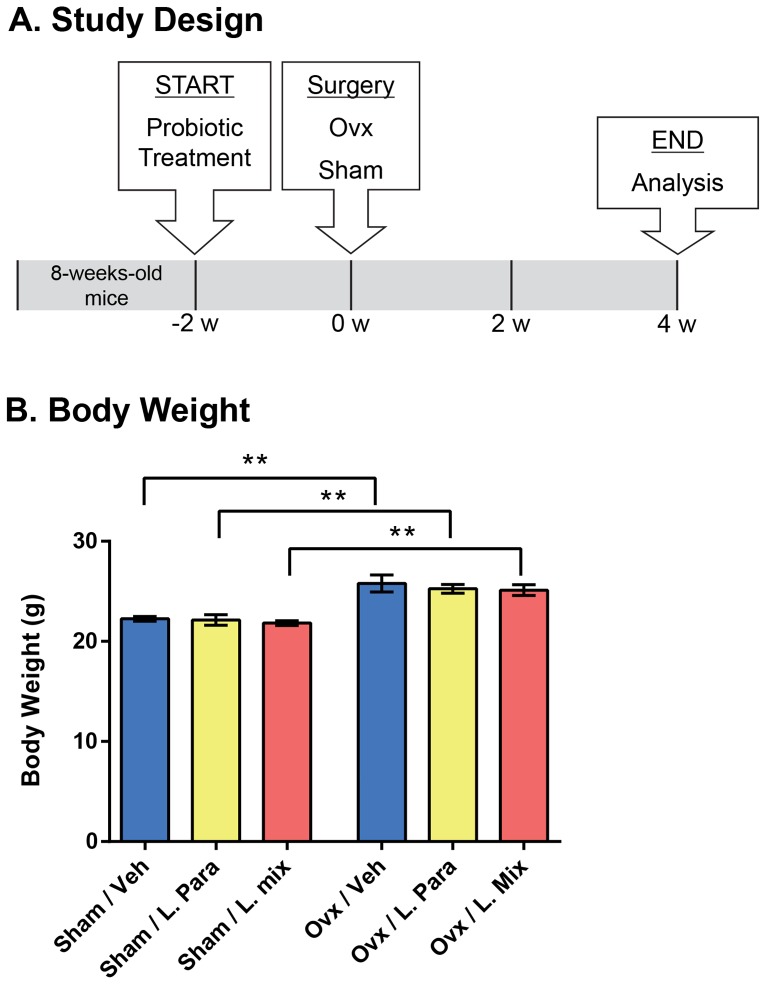
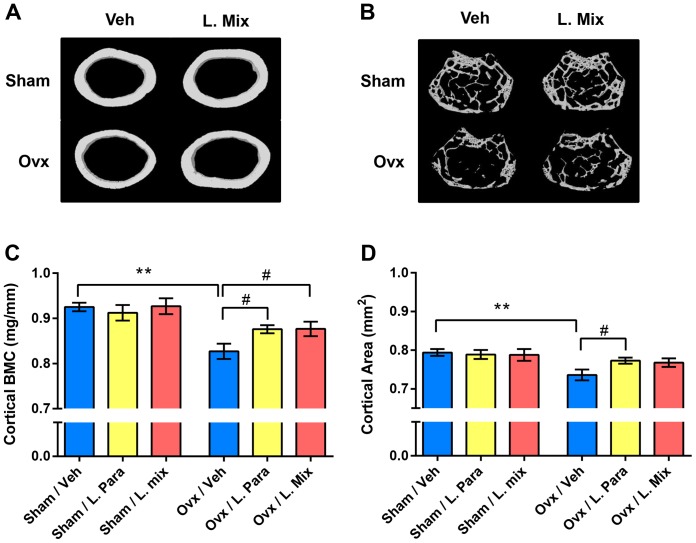
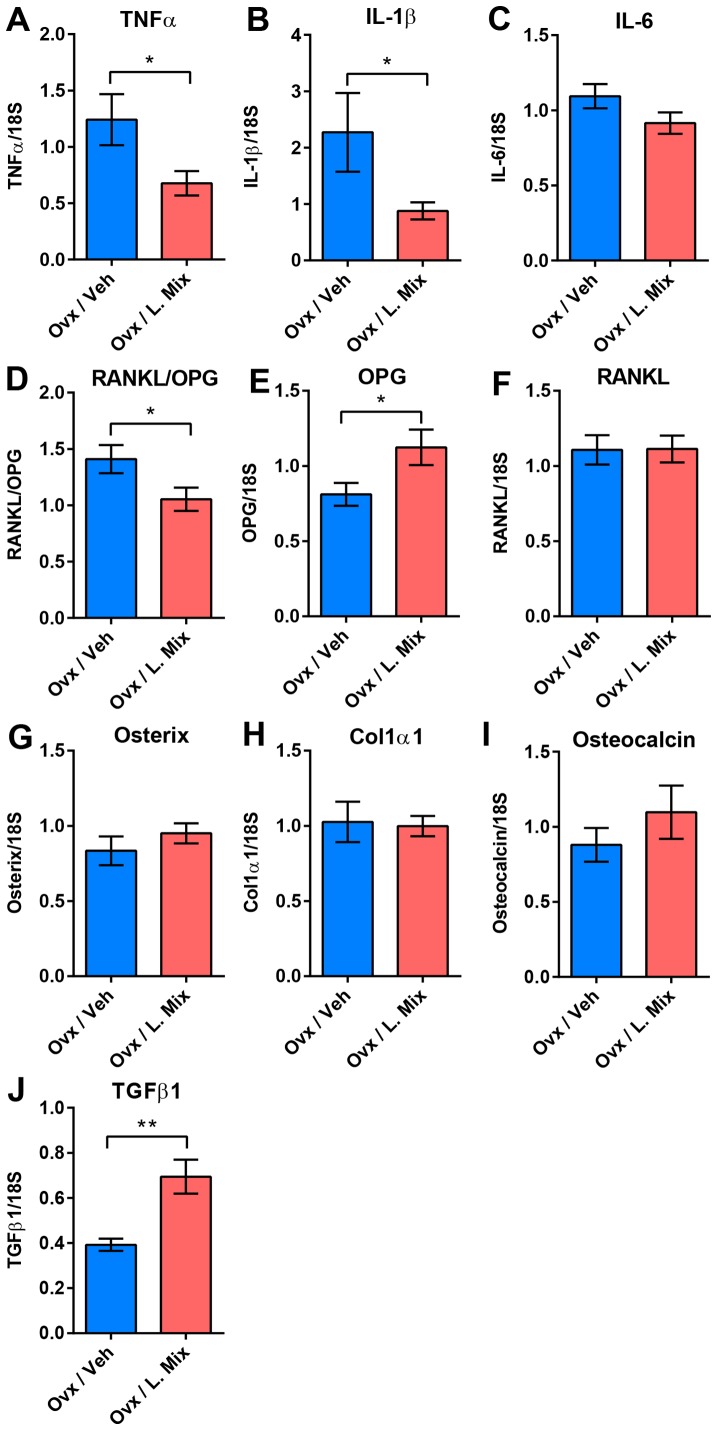
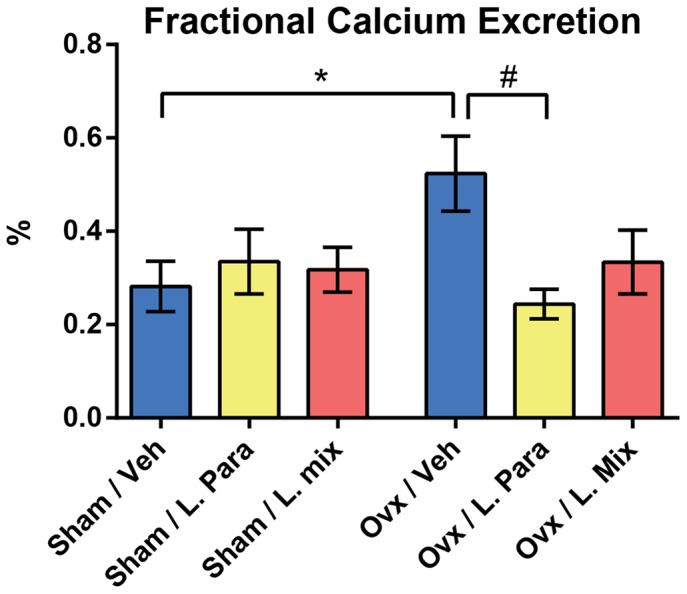
The gut microbiota (GM) modulates the hosts metabolism and immune system. Probiotic bacteria are defined as live microorganisms which when administered in adequate amounts confer a health benefit on the host and can alter the composition of the GM. Germ-free mice have increased bone mass associated with reduced bone resorption indicating that the GM also regulates bone mass. Ovariectomy (ovx) results in bone loss associated with altered immune status. The purpose of this study was to determine if probiotic treatment protects mice from ovx-induced bone loss. Mice were treated with either a single Lactobacillus (L) strain, L. paracasei DSM13434 (L. para) or a mixture of three strains, L. paracasei DSM13434, L. plantarum DSM 15312 and DSM 15313 (L. mix) given in the drinking water during 6 weeks, starting two weeks before ovx. Both the L. para and the L. mix treatment protected mice from ovx-induced cortical bone loss and bone resorption. Cortical bone mineral content was higher in both L. para and L. mix treated ovx mice compared to vehicle (veh) treated ovx mice. Serum levels of the resorption marker C-terminal telopeptides and the urinary fractional excretion of calcium were increased by ovx in the veh treated but not in the L. para or the L. mix treated mice. Probiotic treatment reduced the expression of the two inflammatory cytokines, TNFα and IL-1β, and increased the expression of OPG, a potent inhibitor of osteoclastogenesis, in cortical bone of ovx mice. In addition, ovx decreased the frequency of regulatory T cells in bone marrow of veh treated but not probiotic treated mice. In conclusion, treatment with L. para or the L. mix prevents ovx-induced cortical bone loss. Our findings indicate that these probiotic treatments alter the immune status in bone resulting in attenuated bone resorption in ovx mice.
Overview
The claims and statistics of this paper haven’t been checked yet.
Free: it reads the open-access text and checks the first 5 claims that cite a source we can check. Create a free account to check every claim.
Integrity signals
Registry
Cites
Statistics
Figures
Verification
Claims the paper makes
The claims and statistics of this paper haven’t been checked yet.
Free: it reads the open-access text and checks the first 5 claims that cite a source we can check. Create a free account to check every claim.
Claims other papers make about this one
Each is checked against this paper’s own text: does it say what the citing paper says it does?
The cited source says what the claim attributes to it.
In the citing paper
“select probiotics blunt the bone loss that normally ensues following ovariectomy (ovx) (13)(14)(15).”
From Sex steroid deficiency-associated bone loss is microbiota dependent and prevented by probiotics (2016) · cites this paper as [14]
The cited source says what the claim attributes to it.
In the citing paper
“lactobacilli can prevent the loss of cortical but not trabecular bone”
From Sex steroid deficiency-associated bone loss is microbiota dependent and prevented by probiotics (2016) · cites this paper as [14]
The cited source says what the claim attributes to it.
In the citing paper
“reverses the decrease in Tregs induced by ovx (14)”
From Sex steroid deficiency-associated bone loss is microbiota dependent and prevented by probiotics (2016) · cites this paper as [14]
Self-check
Percentages, sums and reported differences re-computed from the paper’s own numbers.
The self-check needs the paper’s full text.
Citations
Cites
A human gut microbial gene catalogue established by metagenomic sequencing
MetaHIT Consortium, Qin, J., Li, R., Raes, J., Arumugam, M., Burgdorf, K. S., Manichanh, C., Nielsen, T., Pons, N., Levenez, F., et al. (2010) · Nature · doi:10.1038/nature08821 · Cited by 11,624 · cited 1×
“It is acquired at birth and, although a distinct entity, it has clearly coevolved with the human genome and can be considered a multicellular organ that communicates with and affects its host in numerous ways [12].”
BackgroundOsteoclast differentiation and activation
Boyle, W. J., Simonet, W. S., & Lacey, D. L. (2003) · Nature · doi:10.1038/nature01658 · Cited by 6,670 · cited 9×
“TNFa promotes osteoclastogenesis indirectly by stimulating RANKL expression by marrow stromal cells and osteoblasts and by direct stimulation of OCL precursors exposed to permissive levels of RANKL [32–34].”
BackgroundInfluentialOsteoprotegerin: a novel secreted protein involved in the regulation of bone density.
Simonet, W. S., Lacey, D. L., Dunstan, C. R., Kelley, M., Chang, M.-S., Lüthy, R., Nguyen, H. Q., Wooden, S., Bennett, L., Boone, T., et al. (1997) · Cell · doi:10.1016/s0092-8674(00)80209-3 · Cited by 5,130
Functional interactions between the gut microbiota and host metabolism
Tremaroli, V., & Bäckhed, F. (2012) · Nature · doi:10.1038/nature11552 · Cited by 4,387 · cited 1×
“Perturbed microbial composition has been postulated to be involved in a range of inflammatory conditions, within and outside the gut including Crohn’s disease, ulcerative colitis, rheumatoid arthritis, multiple sclerosis, diabetes, food allergies, eczema and asthma as well as obesity and the metabolic syndrome [13,14].”
BackgroundKong, Y.-Y., Feige, U., Sarosi, I., Bolon, B., Tafuri, A., Morony, S., Capparelli, C., Li, J., Elliott, R., McCabe, S., et al. (1999) · Nature · doi:10.1038/46303 · Cited by 1,856
Antibiotics in early life alter the murine colonic microbiome and adiposity
Cho, I., Yamanishi, S., Cox, L., Methé, B. A., Zavadil, J., Li, K., Gao, Z., Mahana, D., Raju, K., Teitler, I., et al. (2012) · Nature · doi:10.1038/nature11400 · Cited by 1,613 · cited 1×
“A role of the GM for bone mass is supported by a recent study demonstrating that subtherapeutic antibiotic treatment in early life increases bone mass in young mice [16].”
ResultReciprocal interactions of the intestinal microbiota and immune system
Maynard, C. L., Elson, C. O., Hatton, R. D., & Weaver, C. T. (2012) · Nature · doi:10.1038/nature11551 · Cited by 1,598 · cited 2×
“Perturbed microbial composition has been postulated to be involved in a range of inflammatory conditions, within and outside the gut including Crohn’s disease, ulcerative colitis, rheumatoid arthritis, multiple sclerosis, diabetes, food allergies, eczema and asthma as well as obesity and the metabolic syndrome [13,14].”
BackgroundLam, J., Takeshita, S., Barker, J. E., Kanagawa, O., Ross, F. P., & Teitelbaum, S. L. (2000) · Journal of Clinical Investigation · doi:10.1172/jci11176 · Cited by 1,440
Perspective how many women have osteoporosis?
Dr. Melton, L. J., Chrischilles, E. A., Cooper, C., Lane, A. W., & Riggs, B. L. (1992) · Journal of Bone and Mineral Research · doi:10.1002/jbmr.5650070902 · Cited by 1,400 · cited 1×
“In USA, the risk has been reported to be 40% and 13% in white women and men, respectively and fractures are associated with significant mortality and morbidity [2].”
BackgroundLong-Term Risk of Osteoporotic Fracture in Malmö
Kanis, J. A., Johnell, O., Oden, A., Sernbo, I., Redlund-Johnell, I., Dawson, A., De Laet, C., & Jonsson, B. (2000) · Osteoporosis International · doi:10.1007/s001980070064 · Cited by 1,027 · cited 1×
“In Sweden, the lifetime risk of any osteoporotic fracture is 47% and 24% in women and men, respectively [1].”
Background
Cited by
Sex steroid deficiency-associated bone loss is microbiota dependent and prevented by probiotics
Li, J.-Y., Chassaing, B., Tyagi, A. M., Vaccaro, C., Luo, T., Adams, J., Darby, T. M., Weitzmann, M. N., Mulle, J. G., Gewirtz, A. T., et al. (2016) · Journal of Clinical Investigation · doi:10.1172/jci86062 · Cited by 643
“Others have reported on the phenomenology that probiotics prevented trabecular bone loss as effectively as the bisphosphonate alendronate (13) and that lactobacilli can prevent the loss of cortical but not trabecular bone and reverses the decrease in Tregs induced by ovx (14).”
Tyagi, A. M., Yu, M., Darby, T. M., Vaccaro, C., Li, J.-Y., Owens, J. A., Hsu, E., Adams, J., Weitzmann, M. N., Jones, R. M., et al. (2018) · Immunity · doi:10.1016/j.immuni.2018.10.013 · Cited by 564
Gut Microbiota: An Integral Moderator in Health and Disease
Feng, Q., Chen, W.-D., & Wang, Y.-D. (2018) · Frontiers in Microbiology · doi:10.3389/fmicb.2018.00151 · Cited by 407
“Lactobacillus may reduce the expression of two inflammatory cytokines, TNF-α and IL-1β, increase the expression of osteoprotegerin (OPG), a potent inhibitor of osteoclastogenesis, and secrete beneficial immunomodulatory factors on ovariectomy-induced bone loss (Ohlsson et al., 2014).”
BackgroundThe gut-bone axis: How bacterial metabolites bridge the distance
Zaiss, M. M., Jones, R. M., Schett, G., & Pacifici, R. (2019) · Journal of Clinical Investigation · doi:10.1172/jci128521 · Cited by 403
Ling, Z., Liu, X., Cheng, Y., Yan, X., & Wu, S. (2022) · Critical Reviews in Food Science and Nutrition · doi:10.1080/10408398.2020.1867054 · Cited by 352
“bone marrow and/or intestine due to estrogen deficiency (Britton et al. 2014; Ohlsson et al. 2014; Li et al. 2016).”
BackgroundRastogi, S., & Singh, A. (2022) · Frontiers in Pharmacology · doi:10.3389/fphar.2022.1042189 · Cited by 326
Gut Microbiota, Immune System, and Bone
D’Amelio, P., & Sassi, F. (2018) · Calcified Tissue International · doi:10.1007/s00223-017-0331-y · Cited by 315
“The majority of experimental data produced in mice demonstrated that modulation of GM by the use of probiotics is able to increase bone mass and to reduce sex steroid associated bone loss [74, 94-96].”
Vemuri, R., Sylvia, K. E., Klein, S. L., Forster, S. C., Plebanski, M., Eri, R., & Flanagan, K. L. (2019) · Seminars in Immunopathology · doi:10.1007/s00281-018-0716-7 · Cited by 265
Osteoporosis: Pathophysiology and therapeutic options
Föger‐Samwald, U., Dovjak, P., Azizi-Semrad, U., Kerschan‐Schindl, K., & Pietschmann, P. (2020) · EXCLI journal · doi:10.17179/excli2020-2591 · Cited by 257
Physiological and pathophysiological bone turnover — role of the immune system
Weitzmann, M. N., & Ofotokun, I. (2016) · Nature Reviews Endocrinology · doi:10.1038/nrendo.2016.91 · Cited by 240
Diversity analysis of gut microbiota in osteoporosis and osteopenia patients
Wang, J., Wang, Y., Gao, W., Wang, B., Zhao, H., Zeng, Y., Ji, Y., & Hao, D. (2017) · PeerJ · doi:10.7717/peerj.3450 · Cited by 238
Effects of the gut microbiota on bone mass
Ohlsson, C., & Sjögren, K. (2015) · Trends in Endocrinology & Metabolism · doi:10.1016/j.tem.2014.11.004 · Cited by 233
Self-citationT-Cell Mediated Inflammation in Postmenopausal Osteoporosis
Wu, D., Cline-Smith, A., Shashkova, E., Perla, A., Katyal, A., & Aurora, R. (2021) · Frontiers in Immunology · doi:10.3389/fimmu.2021.687551 · Cited by 227
“association between GBM and bone health in both animal models (60, 61) and in humans (13).”
BackgroundPrebiotic and Probiotic Regulation of Bone Health: Role of the Intestine and its Microbiome
McCabe, L., Britton, R. A., & Parameswaran, N. (2015) · Current Osteoporosis Reports · doi:10.1007/s11914-015-0292-x · Cited by 227
Parvaneh, K., Ebrahimi, M., Sabran, M. R., Karimi, G., Hwei, A. N. M., Abdul-Majeed, S., Ahmad, Z., Ibrahim, Z., & Jamaluddin, R. (2015) · BioMed Research International · doi:10.1155/2015/897639 · Cited by 226
“The bone remodeling process is one system modulated by probiotics [12].”
BackgroundModulation of bone remodeling by the gut microbiota: A new therapy for osteoporosis
Lyu, Z., Hu, Y., Guo, Y., & Liu, D. (2023) · Bone Research · doi:10.1038/s41413-023-00264-x · Cited by 207
Links between the microbiome and bone
Hernandez, C. J., Guss, J. D., Luna, M., & Goldring, S. R. (2016) · Journal of Bone and Mineral Research · doi:10.1002/jbmr.2887 · Cited by 200
“Similarly, there are two reports that probiotic treatment prevented ovariectomyinduced bone loss in mice.((70,71)) Two studies in rats suggest that treatment with antibiotics can ameliorate ovariectomyinduced bone loss.”
BackgroundInvolvement of the gut microbiota and barrier function in glucocorticoid-induced osteoporosis
Schepper, J. D., Collins, F., Rios-Arce, N. D., Kang, H. J., Schaefer, L., Gardinier, J. D., Raghuvanshi, R., Quinn, R. A., Britton, R., Parameswaran, N., et al. (2020) · Journal of Bone and Mineral Research · doi:10.1002/jbmr.3947 · Cited by 199
“In contrast, treatment with beneficial bacteria (probiotics) alters gut microbiota composition and enhances bone density in healthy male mice,((53)) post–antibiotic treated male mice,((68)) ovariectomized mice,((50,54,55)) inflamed intact female mice,((75)) and type 1 diabetic male mice.”
BackgroundIntestinal microbiota: a potential target for the treatment of postmenopausal osteoporosis
Xu, X., Jia, X., Mo, L., Liu, C., Zheng, L., Yuan, Q., & Zhou, X. (2017) · Bone Research · doi:10.1038/boneres.2017.46 · Cited by 199
Dar, H. Y., Shukla, P., Mishra, P. K., Anupam, R., Mondal, R. K., Tomar, G. B., Sharma, V., & Srivastava, R. K. (2018) · Bone Reports · doi:10.1016/j.bonr.2018.02.001 · Cited by 194
“Ovx+ LA group received daily oral dose of 200 μl (of 10(9) cfu/ml Lactobacillus acidophilus suspension) constituted in drinking water for a period of 6 weeks post-ovariectomy as per standardized protocols (Ohlsson et al., 2014; Britton et al., 2014), while control mice received normal water.”
BackgroundMethodInfluentialLi, C., Huang, Q., Yang, R., Dai, Y., Zeng, Y., Tao, L., Li, X., Zeng, J., & Wang, Q. (2019) · Osteoporosis International · doi:10.1007/s00198-019-04855-5 · Cited by 185
The Potential of Probiotics as a Therapy for Osteoporosis
Collins, F. L., Rios-Arce, N. D., Schepper, J. D., Parameswaran, N., & McCabe, L. R. (2017) · Microbiology Spectrum · doi:10.1128/microbiolspec.bad-0015-2016 · Cited by 184
“In an analogous study by Ohlsson et al. (68), mice were treated with either a single L. paracasei strain (DSM 13434) or a mixture of three strains ( L. paracasei DSM 13434 and L. plantarum DSM 15312 and DSM 1531) in their drinking water for 2 weeks prior and for 4 weeks after OVX surgery.”
BackgroundSchepper, J. D., Collins, F. L., Rios-Arce, N. D., Raehtz, S., Schaefer, L., Gardinier, J. D., Britton, R. A., Parameswaran, N., & McCabe, L. R. (2019) · Journal of Bone and Mineral Research · doi:10.1002/jbmr.3635 · Cited by 182
Association between the gut microbiota and mineral metabolism
Skrypnik, K., & Suliburska, J. (2018) · Journal of the Science of Food and Agriculture · doi:10.1002/jsfa.8724 · Cited by 182
Weitzmann, M. N. (2017) · Toxicologic Pathology · doi:10.1177/0192623317735316 · Cited by 177
“Other studies have shown that treatment with probiotics can prevent ovariectomy-induced bone loss (Britton et al. 2014; Ohlsson et al. 2014).”
BackgroundJansson, P.-A., Curiac, D., Lazou Ahrén, I., Hansson, F., Martinsson Niskanen, T., Sjögren, K., & Ohlsson, C. (2019) · The Lancet Rheumatology · doi:10.1016/s2665-9913(19)30068-2 · Cited by 156
Self-citationTAKIMOTO, T., HATANAKA, M., HOSHINO, T., TAKARA, T., TANAKA, K., SHIMIZU, A., MORITA, H., & NAKAMURA, T. (2018) · Bioscience of Microbiota, Food and Health · doi:10.12938/bmfh.18-006 · Cited by 148
Association between gut microbiota and bone health: Potential mechanisms and prospective
Chen, Y.-C., Greenbaum, J., Shen, H., & Deng, H.-W. (2017) · The Journal of Clinical Endocrinology & Metabolism · doi:10.1210/jc.2017-00513 · Cited by 165
Zhang, Y., Wu, Y. Q., Liu, X.-F., Chen, X., & Su, J. (2024) · Ageing Research Reviews · doi:10.1016/j.arr.2024.102196 · Cited by 165
Zhang, J., Motyl, K. J., Irwin, R., MacDougald, O. A., Britton, R. A., & McCabe, L. R. (2015) · Endocrinology · doi:10.1210/en.2015-1308 · Cited by 153
The role of gut microbiota in bone homeostasis
Behera, J., Ison, J., Tyagi, S. C., & Tyagi, N. (2020) · Bone · doi:10.1016/j.bone.2020.115317 · Cited by 162
Jafarnejad, S., Djafarian, K., Fazeli, M. R., Yekaninejad, M. S., Rostamian, A., & Keshavarz, S. A. (2017) · Journal of the American College of Nutrition · doi:10.1080/07315724.2017.1318724 · Cited by 161
“mainly caused by increased OPG expression [42].”
BackgroundOsteoimmunology: Inflammatory osteolysis and regeneration of the alveolar bone
Gruber, R. (2019) · Journal of Clinical Periodontology · doi:10.1111/jcpe.13056 · Cited by 159
The microbiota-gut-bone axis and bone health
Tu, Y., Yang, R., Xu, X., & Zhou, X. (2021) · Journal of Leukocyte Biology · doi:10.1002/jlb.3mr0321-755r · Cited by 160
Alessandro de, S. I. R. E., de Sire, R., Curci, C., Castiglione, F., & Wahli, W. (2022) · Cells · doi:10.3390/cells11040743 · Cited by 159
Virk, M. S., Virk, M. A., He, Y., Tufail, T., Gul, M., Qayum, A., Rehman, A., Rashid, A., Ekumah, J., Han, X., et al. (2024) · Nutrients · doi:10.3390/nu16040546 · Cited by 158
Hard Surface Biocontrol in Hospitals Using Microbial-Based Cleaning Products
Vandini, A., Temmerman, R., Frabetti, A., Caselli, E., Antonioli, P., Balboni, P. G., Platano, D., Branchini, A., & Mazzacane, S. (2014) · PLoS ONE · doi:10.1371/journal.pone.0108598 · Cited by 132
“Evidences on the efficacy of probiotics for the prevention and treatment of infections have been observed both in vitro and in vivo [41–43].”
BackgroundInfluence of Oral and Gut Microbiota in the Health of Menopausal Women
Vieira, A. T., Castelo, P. M., Ribeiro, D. A., & Ferreira, C. M. (2017) · Frontiers in Microbiology · doi:10.3389/fmicb.2017.01884 · Cited by 129
“…study that investigated probiotic treatment for cortical bone loss found reduced expression of two inflammatory cytokines, TNF-α and IL-1β, and increased expression of osteoprotegerin, a potent inhibitor of osteoclastogenesis, in the cortical bone of ovariectomized mice (Ohlsson et al., 2014).”
BackgroundVilla, C. R., Ward, W. E., & Comelli, E. M. (2017) · Critical Reviews in Food Science and Nutrition · doi:10.1080/10408398.2015.1010034 · Cited by 129
“Abbreviations: BMC: bone mineral content; BMD: bone mineral density; BV/TV%: bone volume as a percentage of total volume; CONV-D: conventionalized; CONV-R: conventionally-raised; CD: Crohn’s disease; DXA: Dual-energy X-ray Absorptiometry; GF: germ-free; GIT: gastrointestinal tract; GM: gut microbiota; 5-HT: 5-hydroxyt…”
InfluentialGut microbiota and bone metabolism
Lu, L., Chen, X., Liu, Y., & Yu, X. (2021) · The FASEB Journal · doi:10.1096/fj.202100451r · Cited by 115
Gut Microbiome and Osteoporosis
Ding, K., Hua, F., & Ding, W. (2020) · Aging and disease · doi:10.14336/ad.2019.0523 · Cited by 134
“Various subtypes of Lactobacillus and Bifidobacteria have antiinflammatory effects, and they can enhance vitamin D absorption and reduce osteoclast differentiation, thereby preventing bone loss caused by ovariectomy in mice [52, 53, 108].”
BackgroundInfluentialSteves, C. J., Bird, S., Williams, F. M., & Spector, T. D. (2016) · Journal of Bone and Mineral Research · doi:10.1002/jbmr.2765 · Cited by 119
“In another study, mice fed with Lactobacillus strains then ovarectomized were protected against ovarectomy-stimulated bone loss and showed greater bone mineral content and reduced expression of inflammatory cytokines, TNFa and IL-1b, with increased expression of osteoprotegerin (OPG), a potent inhibitor of osteogenesi…”
BackgroundThe Interplay between Immune System and Microbiota in Osteoporosis
Locantore, P., Gatto, V. D., Gelli, S., Paragliola, R. M., & Pontecorvi, A. (2020) · Mediators of Inflammation · doi:10.1155/2020/3686749 · Cited by 130
“Similar effects have been observed in case of oral supplementation of Lactobacillus paracasei and helveticus that affect osteoclastogenesis decreasing the production of IL1β and TNFα in ovariectomized murine models [68].”
BackgroundBio-functional properties of probiotic Lactobacillus: current applications and research perspectives
Minj, J., Chandra, P., Paul, C., & Sharma, R. K. (2020) · Critical Reviews in Food Science and Nutrition · doi:10.1080/10408398.2020.1774496 · Cited by 129
Benefits of Bifidobacterium animalis subsp. lactis Probiotic in Experimental Periodontitis
de Oliveira, L. F. F., Salvador, S. L. D. S., Silva, P. H. F., Furlaneto, F. A. C., Figueiredo, L. C., Casarin, R. C. V., Ervolino, E., Palioto, D. B., de Souza, S. L. S., Taba, M., et al. (2016) · Journal of Periodontology · doi:10.1902/jop.2016.160217 · Cited by 128
Terkawi, M. A., Ebata, T., Yokota, S., Takahashi, D., Endo, T., Matsumae, G., Shimizu, T., Kadoya, K., & Iwasaki, N. (2022) · Biomedicines · doi:10.3390/biomedicines10051109 · Cited by 127
Are Probiotics the New Calcium and Vitamin D for Bone Health?
Rizzoli, R., & Biver, E. (2020) · Current Osteoporosis Reports · doi:10.1007/s11914-020-00591-6 · Cited by 126
Novince, C. M., Whittow, C. R., Aartun, J. D., Hathaway, J. D., Poulides, N., Chavez, M. B., Steinkamp, H. M., Kirkwood, K. A., Huang, E., Westwater, C., et al. (2017) · Scientific Reports · doi:10.1038/s41598-017-06126-x · Cited by 121
Ejtahed, H., Soroush, A. R., Angoorani, P., Larijani, B. A., & Hasani‐Ranjbar, S. (2016) · Hormone and Metabolic Research · doi:10.1055/s-0042-107792 · Cited by 120
Zhang, Y., Cao, M., Li, Y., Dai, G.-C., Lu, P., Zhang, M., Bai, L., Chen, X.-X., Zhang, C., Shi, L., et al. (2022) · Critical Reviews in Food Science and Nutrition · doi:10.1080/10408398.2022.2047005 · Cited by 119
Collins, F. L., Irwin, R., Bierhalter, H., Schepper, J., Britton, R. A., Parameswaran, N., & McCabe, L. R. (2016) · PLOS ONE · doi:10.1371/journal.pone.0153180 · Cited by 109
“Recent studies have revealed a positive effect of probiotic supplementation on bone health in intact male mice and in estrogen-deficient female mice [23,24,26].”
BackgroundGut permeability, inflammation, and bone density across the menopause transition
Shieh, A., Epeldegui, M., Karlamangla, A. S., & Greendale, G. A. (2020) · JCI Insight · doi:10.1172/jci.insight.134092 · Cited by 113
“inflammation (13-15) can decrease bone resorption (12-15) and prevent bone loss (12, 15).”
BackgroundNutritional and Health Potential of Probiotics: A Review
Ranjha, M. M. A. N., Shafique, B., Batool, M., Kowalczewski, P. Ł., Shehzad, Q., Usman, M. A., Manzoor, M. F., Zahra, S. M., Yaqub, S., & Aadil, R. M. (2021) · Applied Sciences · doi:10.3390/app112311204 · Cited by 117
“B. longum changed the structure of the femur [116].”
BackgroundDar, H. Y., Pal, S., Shukla, P., Mishra, P. K., Tomar, G. B., Chattopadhyay, N., & Srivastava, R. K. (2018) · Nutrition · doi:10.1016/j.nut.2018.02.013 · Cited by 108
Wang, Z., Chen, K., Wu, C., Chen, J., Pan, H., Liu, Y., Wu, P., Yuan, J., Huang, F., Lang, J., et al. (2021) · American Journal of Clinical Nutrition · doi:10.1093/ajcn/nqab194 · Cited by 111
Gut microbiome and bone: To build, destroy, or both?
Yan, J., & Charles, J. F. (2017) · Current Osteoporosis Reports · doi:10.1007/s11914-017-0382-z · Cited by 108
Scholz-Ahrens, K. E., Adolphi, B., Rochat, F., Barclay, D. V., de Vrese, M., Açil, Y., & Schrezenmeir, J. (2016) · NFS Journal · doi:10.1016/j.nfs.2016.03.001 · Cited by 100
From osteoimmunology to osteomicrobiology: How the microbiota and the immune system regulate bone
Hsu, E., & Pacifici, R. (2018) · Calcified Tissue International · doi:10.1007/s00223-017-0321-0 · Cited by 106
“However, the idea that microbiota manipulation directly impacted the inflammatory response and bone phenotype was not widely accepted until several groups in Europe and in the United States independently demonstrated that probiotics could prevent the loss of bone mass induced by ovariectomy by reducing inflammatory cy…”
Ibáñez, L., Rouleau, M., Wakkach, A., & Blin-Wakkach, C. (2019) · Joint Bone Spine · doi:10.1016/j.jbspin.2018.02.008 · Cited by 103
Bone Remodeling and the Microbiome
Pacifici, R. (2018) · Cold Spring Harbor Perspectives in Medicine · doi:10.1101/cshperspect.a031203 · Cited by 101
“Surprisingly, the same investigation showed no protection against ovx-induced trabecular bone loss (Ohlsson et al. 2014).”
BackgroundSupportive Role of Probiotic Strains in Protecting Rats from Ovariectomy-Induced Cortical Bone Loss
Montazeri‐Najafabady, N., Ghasemi, Y., Dabbaghmanesh, M. H., Talezadeh, P., Koohpeyma, F., & Gholami, A. (2018) · Probiotics and Antimicrobial Proteins · doi:10.1007/s12602-018-9443-6 · Cited by 98
Gut Microbiota and Bone Diseases: A Growing Partnership
Chen, Y., Wang, X., Zhang, C., Liu, Z., Li, C., & Ren, Z. (2022) · Frontiers in Microbiology · doi:10.3389/fmicb.2022.877776 · Cited by 96
Effect of Bifidobacterium on osteoclasts: TNF-α/NF-κB inflammatory signal pathway-mediated mechanism
Wu, Y., Yang, Y., Wang, L., Chen, Y., Han, X., Sun, L., Chen, H., & Chen, Q. (2023) · Frontiers in Endocrinology · doi:10.3389/fendo.2023.1109296 · Cited by 96
“Current research suggests that probiotics regulate bone metabolism through different mechanisms, including intestinal barrier permeability (91), metabolite production (92), the immune response (93), and inflammation (94).”
BackgroundRegulation of bone mass by the gut microbiota is dependent on NOD1 and NOD2 signaling
Ohlsson, C., Nigro, G., Boneca, I. G., Bäckhed, F., Sansonetti, P., & Sjögren, K. (2017) · Cellular Immunology · doi:10.1016/j.cellimm.2017.05.003 · Cited by 89
Self-citationProbiotics and bone disorders: the role of RANKL/RANK/OPG pathway
Amin, N., Boccardi, V., Taghizadeh, M., & Jafarnejad, S. (2019) · Aging Clinical and Experimental Research · doi:10.1007/s40520-019-01223-5 · Cited by 95
Liu, J., Yue, T., Luo, Z., Cao, J., Yan, Z., Jin, L., Wan, T., Shuai, C., Wang, Z., Zhou, Y., et al. (2020) · Disease Models & Mechanisms · doi:10.1242/dmm.043620 · Cited by 93
“Several probiotics have shown their bone-sparing effects, such as anti-osteoporosis and enhancing bone mass (Li et al., 2016b; Ohlsson et al., 2014).”
BackgroundInchingolo, A. M., Patano, A., Pede, C. D., Inchingolo, A. D., Palmieri, G., de Ruvo, E., Campanelli, M., Buongiorno, S., Carpentiere, V., Piras, F., et al. (2023) · Journal of Functional Biomaterials · doi:10.3390/jfb14030132 · Cited by 94
“According to research, gut microbiota and some probiotics may control IGF-1, TNF-, and IL-1, altering bone development and formation [56,152].”
BackgroundSaxami, G., Karapetsas, A., Lamprianidou, E., Kotsianidis, I., Chlichlia, A., Tassou, C., Zoumpourlis, V., & Galanis, A. (2016) · Journal of Functional Foods · doi:10.1016/j.jff.2016.04.036 · Cited by 91
Collins, F. L., Rios‐Arce, N. D., Atkinson, S., Bierhalter, H., Schoenherr, D. T., Bazil, J. N., McCabe, L. R., & Parameswaran, N. (2017) · Physiological Reports · doi:10.14814/phy2.13263 · Cited by 91
Probiotics in Extraintestinal Diseases: Current Trends and New Directions
Kiousi, D. E., Karapetsas, A., Karolidou, K., Panayiotidis, M. I., Pappa, A., & Galanis, A. (2019) · Nutrients · doi:10.3390/nu11040788 · Cited by 66
“factor-α (TNF-α) and interleukin-1β (IL-1β), whilst increasing the production of osteoprotegerin, an important regulator of osteoclast development and function [20].”
BackgroundEffects of Fermented Milk Products on Bone
Rizzoli, R., & Biver, E. (2018) · Calcified Tissue International · doi:10.1007/s00223-017-0317-9 · Cited by 80
Advances in Probiotic Regulation of Bone and Mineral Metabolism
McCabe, L. R., & Parameswaran, N. (2018) · Calcified Tissue International · doi:10.1007/s00223-018-0403-7 · Cited by 89
Nutritional influence on bone: role of gut microbiota
Rizzoli, R. (2019) · Aging Clinical and Experimental Research · doi:10.1007/s40520-019-01131-8 · Cited by 72
Probiotics ameliorate alveolar bone loss by regulating gut microbiota
Jia, L., Tu, Y., Jia, X., Du, Q., Zheng, X. M., Yuan, Q., Zheng, L., Zhou, X., & Xu, X. (2021) · Cell Proliferation · doi:10.1111/cpr.13075 · Cited by 88
Association of dietary patterns with the gut microbiota in older, community-dwelling men
Shikany, J. M., Demmer, R. T., Johnson, A. J., Fino, N. F., Meyer, K., Ensrud, K. E., Lane, N. E., Orwoll, E. S., Kado, D. M., Zmuda, J. M., et al. (2019) · The American Journal of Clinical Nutrition · doi:10.1093/ajcn/nqz174 · Cited by 83
“In older adults, there is evidence that the gut microbiome may be related to bone density, structure, and loss (7, 8); body composition, sarcopenia, and frailty (9, 10); cognition (11); and aging, mortality, and longevity (12–14).”
BackgroundWen, K., Tao, L., Tao, Z., Meng, Y., Zhou, S., Chen, J., Yang, K., Da, W., & Zhu, Y. (2020) · Frontiers in Cellular and Infection Microbiology · doi:10.3389/fcimb.2020.535310 · Cited by 76
Engineered bacterial extracellular vesicles for osteoporosis therapy
Liu, H., Li, M., Zhang, T., Liu, X., Zhang, H., Geng, Z., & Su, J. (2022) · Chemical Engineering Journal · doi:10.1016/j.cej.2022.138309 · Cited by 82
Osteomicrobiology: The influence of gut microbiota on bone in health and disease
Jones, R. M., Mullé, J. G., & Pacifici, R. (2017) · Bone · doi:10.1016/j.bone.2017.04.009 · Cited by 82
Probiotics in Gut-Bone Signaling
Schepper, J. D., Irwin, R., Kang, J., Dagenais, K., Lemon, T., Shinouskis, A., Parameswaran, N., & McCabe, L. R. (2017) · Advances in Experimental Medicine and Biology · doi:10.1007/978-3-319-66653-2_11 · Cited by 68
“Recent studies, including some from our lab, indicate that in addition to mineral absorption, the intestinal microbiota can be a critical player in regulating bone physiology [7, 8, 52, 56, 57].”
The Microbiome and Sustainable Healthcare
Dietert, R. R., & Dietert, J. M. (2015) · Healthcare · doi:10.3390/healthcare3010100 · Cited by 82
Osteomicrobiology: A New Cross-Disciplinary Research Field
Ohlsson, C., & Sjögren, K. (2017) · Calcified Tissue International · doi:10.1007/s00223-017-0336-6 · Cited by 79
“were very recently all shown to protect mice from ovxinduced osteoporosis in three independent animal studies [29, 41, 42].”
BackgroundSelf-citationLee, C. S., & Kim, S. H. (2020) · Probiotics and Antimicrobial Proteins · doi:10.1007/s12602-019-09577-y · Cited by 76
Ong, A. M., Kang, K., Weiler, H., & Morin, S. (2019) · Advances in Nutrition · doi:10.1093/advances/nmz108 · Cited by 52
“Given that FMPs are predominant sources of different strains of probiotics in the diet, investigation into the effect FMP on a wider panel of proinflammatory cytokines including TNF-α, IL-6, IL-1β , and RANKL may provide a better understanding of the mechanism of action of FMP on skeletal health in postmenopausal wome…”
BackgroundThe role of gut microbiota in bone homeostasis: a systematic review of preclinical animal studies
Li, J., Ho, W. T., Liu, C., Chow, S. K., Ip, M., Yu, J. Q., Wong, H. S., Cheung, W., Sung, J. J. �., & Wong, R. M. Y. (2021) · Bone and Joint Research · doi:10.1302/2046-3758.101.bjr-2020-0273.r1 · Cited by 76
Yang, L.-C., Lin, S.-W., Li, I.-C., Chen, Y., Tzu, S.-Y., Chou, W., Chen, C.-C., Lin, W., Chen, Y., & Lin, W. (2020) · Nutrients · doi:10.3390/nu12071914 · Cited by 73
“However, while cortical bone characteristics such as bone mineral content (BMC) and cross-sectional bone area were protected, trabecular bone parameters were not [35].”
BackgroundThe impact of the intestinal microbiome on bone health
Zhang, J., Lu, Y., Wang, Y., Ren, X., & Han, J. (2018) · Intractable & Rare Diseases Research · doi:10.5582/irdr.2018.01055 · Cited by 72
“In addition, many studies have recently revealed the close relationship between intestinal microflora and regulatory T cells (Tregs) and helper T cells (Th cells) (31,47-49).”
BackgroundFactors Affecting Gut Microbiome in Daily Diet
Su, Q., & Liu, Q. (2021) · Frontiers in Nutrition · doi:10.3389/fnut.2021.644138 · Cited by 68
Role of the Microbiome in Regulating Bone Metabolism and Susceptibility to Osteoporosis
Cronin, O., Lanham-New, S. A., Corfe, B. M., Gregson, C. L., Darling, A. L., Ahmadi, K. R., Gibson, P. S., Tobias, J. H., Ward, K. A., Τράκα, Μ., et al. (2021) · Calcified Tissue International · doi:10.1007/s00223-021-00924-2 · Cited by 68
“This trial built on evidence in ovariectomized mice, where supplementation with the same mix of three Lactobacillus strains protected against bone loss associated with oestrogen deficiency [54].”
BackgroundSelf-citationGut microbiota and calcium balance
Wang, J., Wu, S., Zhang, Y., Jiao, Y., & Hu, Z. (2022) · Frontiers in Microbiology · doi:10.3389/fmicb.2022.1033933 · Cited by 68
The Role of Intestinal Flora in the Regulation of Bone Homeostasis
Li, C., Pi, G., & Li, F. (2021) · Frontiers in Cellular and Infection Microbiology · doi:10.3389/fcimb.2021.579323 · Cited by 66
Bone remodeling markers and bone metastases: From cancer research to clinical implications
Ferreira, A. R., Alho, I., Casimiro, S., & Costa, L. (2015) · BoneKEy Reports · doi:10.1038/bonekey.2015.35 · Cited by 62
Nath, A., Molnár, M. A., Csighy, A., Kőszegi, K., Galambos, I., Pásztor‐Huszár, K., Koris, A. K., & Vatai, G. N. (2018) · Medicina · doi:10.3390/medicina54060098 · Cited by 60
“Furthermore, Lactobacillus reuteri treatment has been shown to maintain bone health under low estrogen or estrogen-depleted conditions [102,103].”
BackgroundExploring the bone sparing effects of postbiotics in the post-menopausal rat model
Montazeri‐Najafabady, N., Ghasemi, Y., Dabbaghmanesh, M. H., Ashoori, Y., Talezadeh, P., Koohpeyma, F., Abootalebi, S. N., & Gholami, A. (2021) · BMC Complementary Medicine and Therapies · doi:10.1186/s12906-021-03327-w · Cited by 60
Targeting gut microbiota in osteoporosis: impact of the microbial based functional food ingredients
Duffuler, P., Bhullar, K. S., & Wu, J. (2023) · Food Science and Human Wellness · doi:10.26599/fshw.2022.9250001 · Cited by 59
Indrio, F., & Salatto, A. (2025) · Annals of Nutrition and Metabolism · doi:10.1159/000541999 · Cited by 59
Microbiota metabolites in bone: Shaping health and Confronting disease
Han, D., Wang, W., Gong, J., Ma, Y., & Li, Y. (2024) · Heliyon · doi:10.1016/j.heliyon.2024.e28435 · Cited by 56
“Studies have demonstrated that the administration of Lactobacillus acidophilus to mice with ovarian cancer or estrogen insufficiency resulted in a decrease in indicators of bone resorption and an improvement in bone growth [30].”
BackgroundBone‐protective effects of Lactobacillus plantarum B719‐fermented milk product
Lee, C. S., Lee, S. H., & Kim, S. H. (2020) · International Journal of Dairy Technology · doi:10.1111/1471-0307.12701 · Cited by 56
Xia, G., Zhao, Y., Yu, Z. S., Tian, Y., Wang, Y., Wang, S., Wang, J., & Xue, C. (2015) · Journal of Agricultural and Food Chemistry · doi:10.1021/acs.jafc.5b04263 · Cited by 56
Commensal Microbiota Enhance Both Osteoclast and Osteoblast Activities
Uchida, Y., Irie, K., Fukuhara, D., Kataoka, K., Hattori, T., Ono, M., Ekuni, D., Kubota, S., & Morita, M. (2018) · Molecules · doi:10.3390/molecules23071517 · Cited by 55
Parvaneh, M., Karimi, G., Jamaluddin, R., NG, A. M. H., Ibrahim, Z., & Muhammad, S. I. (2018) · Clinical Interventions in Aging · doi:10.2147/cia.s169223 · Cited by 47
Metadata
- Authors
- Ohlsson, C., Engdahl, C., Fåk, F., Andersson, A., Windahl, S. H., Farman, H. H., Movérare-Skrtic, S., Islander, U., & Sjögren, K.
- Affiliations
- University of Gothenburg (SE)
- Lund University (SE)
- Corresponding author
- Sjögren, Klara
- Venue
- PLoS ONE
- Publisher
- Public Library of Science (PLoS)
- Published
- 2014-03-17
- Volume
- 9
- Issue
- 3
- Pages
- e92368
- ISSN
- 1932-6203 (ISSN-L)
- PMC
- PMC3956931
- OpenAlex
- W2088517855
- Cited by
- 339
- References
- 44
- Citations by year
- 2026: 20 · 2025: 27 · 2024: 33 · 2023: 32 · 2022: 28 · 2021: 36 · 2020: 28 · 2019: 29 · 2018: 32 · 2017: 37 · 2016: 20 · 2015: 14 · 2014: 3
- FWCI
- 35.31
- Type
- journal article
- Language
- en
- Open access
- gold
- doi.org
- Locations
- PLoS ONE (publishedVersion, cc-by)
- Europe PMC (PubMed Central) (publishedVersion, cc-by)
- PubMed Central (publishedVersion, cc-by)
- PubMed (publishedVersion)
- DOAJ (DOAJ: Directory of Open Access Journals) (submittedVersion, cc-by-sa)
- Lund University Publications (Lund University) (submittedVersion)
- Funders
- Stiftelsen för Strategisk Forskning
- Novo Nordisk
- Vetenskapsrådet (15312)
- Magnus Bergvalls Stiftelse
- Novo Nordisk Fonden (NNF14OC0010513, NNF13OC0005785)
- Topics
- Life Sciences › Agricultural and Biological Sciences › Food Science › Probiotics and Fermented Foods
- Life Sciences › Biochemistry, Genetics and Molecular Biology › Molecular Biology › Bone Metabolism and Diseases
- Health Sciences › Medicine › Orthopedics and Sports Medicine › Bone health and osteoporosis research
- Keywords
- probiotics, ovariectomy, cortical bone loss, bone resorption, gut microbiota, Lactobacillus paracasei, Lactobacillus plantarum, postmenopausal osteoporosis, bone mineral content, C-terminal telopeptide, urinary calcium excretion, TNF-α, IL-1β, osteoprotegerin, regulatory T cells, bone marrow, osteoclastogenesis, germ-free mice
- MeSH terms
- Animals, Body Weight, Bone and Bones, Bone Marrow, Bone Resorption, Female, Lactobacillus, Mice, Inbred C57BL, Minerals, Organ Size, Ovariectomy, Biomarkers, Cytokines, Transforming Growth Factor beta, Inflammation Mediators, Probiotics, T-Lymphocytes, Regulatory, Mice, Osteoprotegerin, RANK Ligand
About these checks
Registry, retraction, Cites and statistics results are computed, not judged, with one exception: a printed reference that no index lists is read once by a model before it counts as a citation error. Claims are extracted by a model and kept only when their quote appears verbatim in the text; each cited source is then checked, with a model’s help, for whether it says what the claim relies on. Those verdicts can be wrong — read the claim’s quote and the cited source before relying on one.
Statistics and arithmetic are recomputed, not judged.
Confidence bands are shown only for fields calibrated on our annotated test set. None is calibrated yet, so no band is shown.
What counts as a claim ›How we measure confidence ›How we check this ›
Are you an author, or do you see a problem with this page? Request a review
Data sources
Bibliographic data: Semantic Scholar, OpenAlex, Crossref.
Contains information from the Semantic Scholar Academic Graph Datasets, made available under the ODC Attribution License (ODC-BY 1.0).
Semantic Scholar’s data is described in: Kinney, R., et al. (2023). The Semantic Scholar Open Data Platform. arXiv:2301.10140.
