

Fucoidan Extracts Ameliorate Acute Colitis
Open accessThe DOI matches its Crossref record; 57 of the 58 references it cites were found in a registry or an index.
Abstract
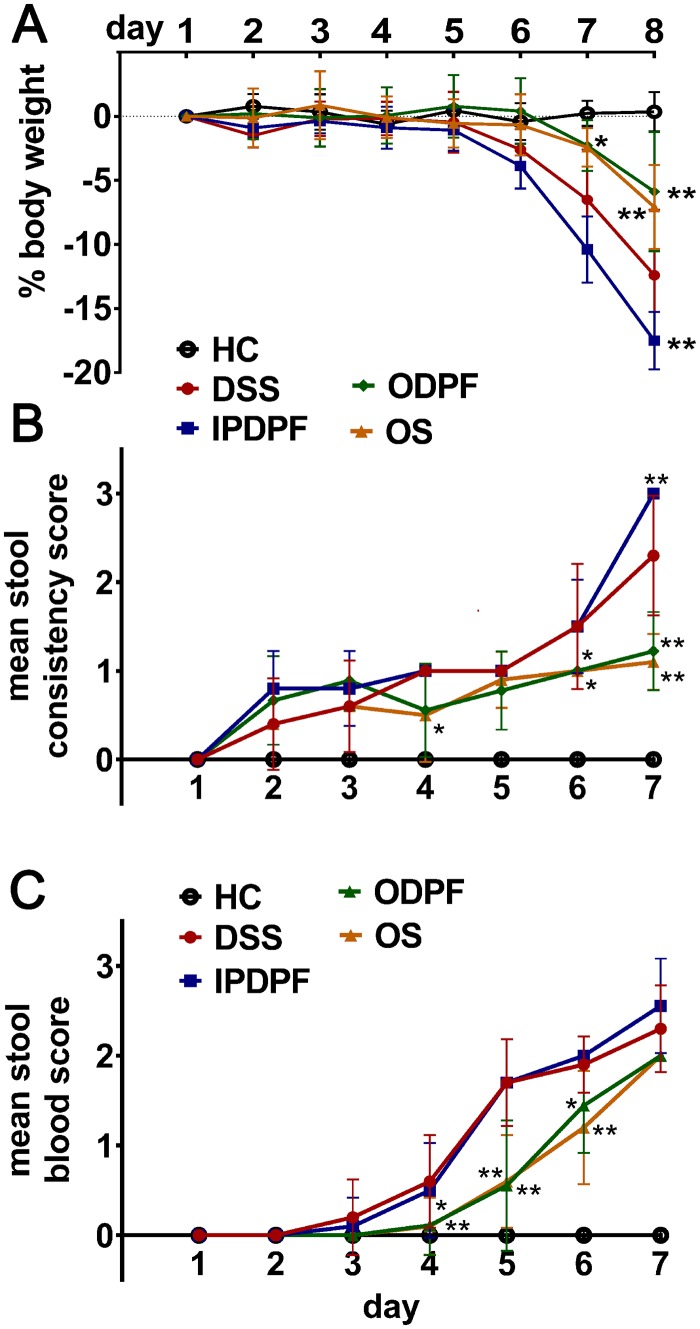
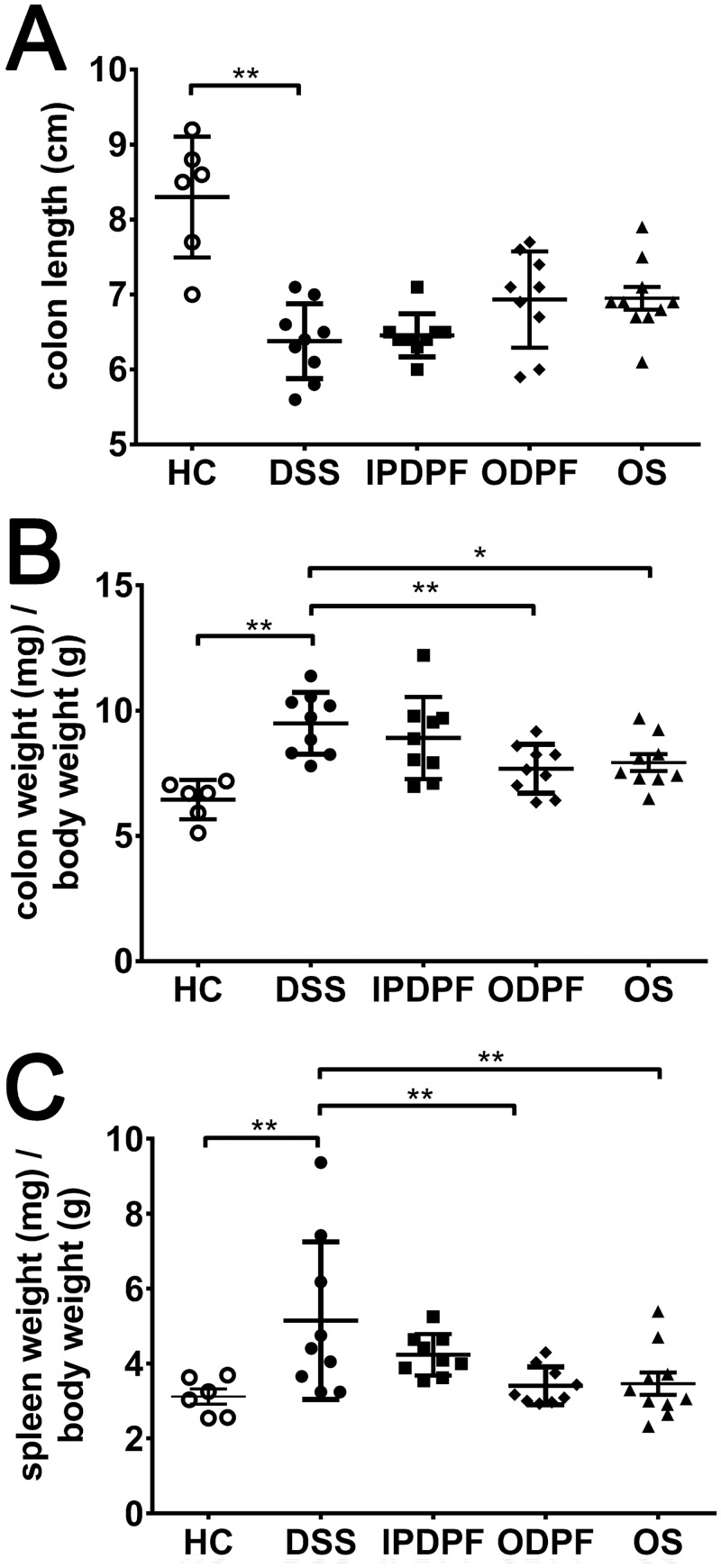
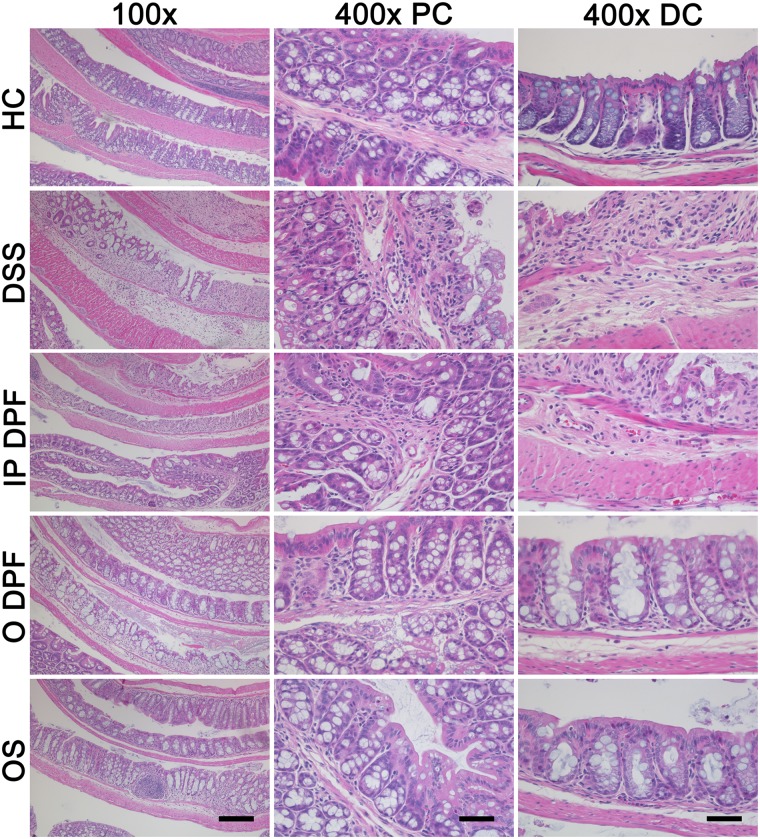
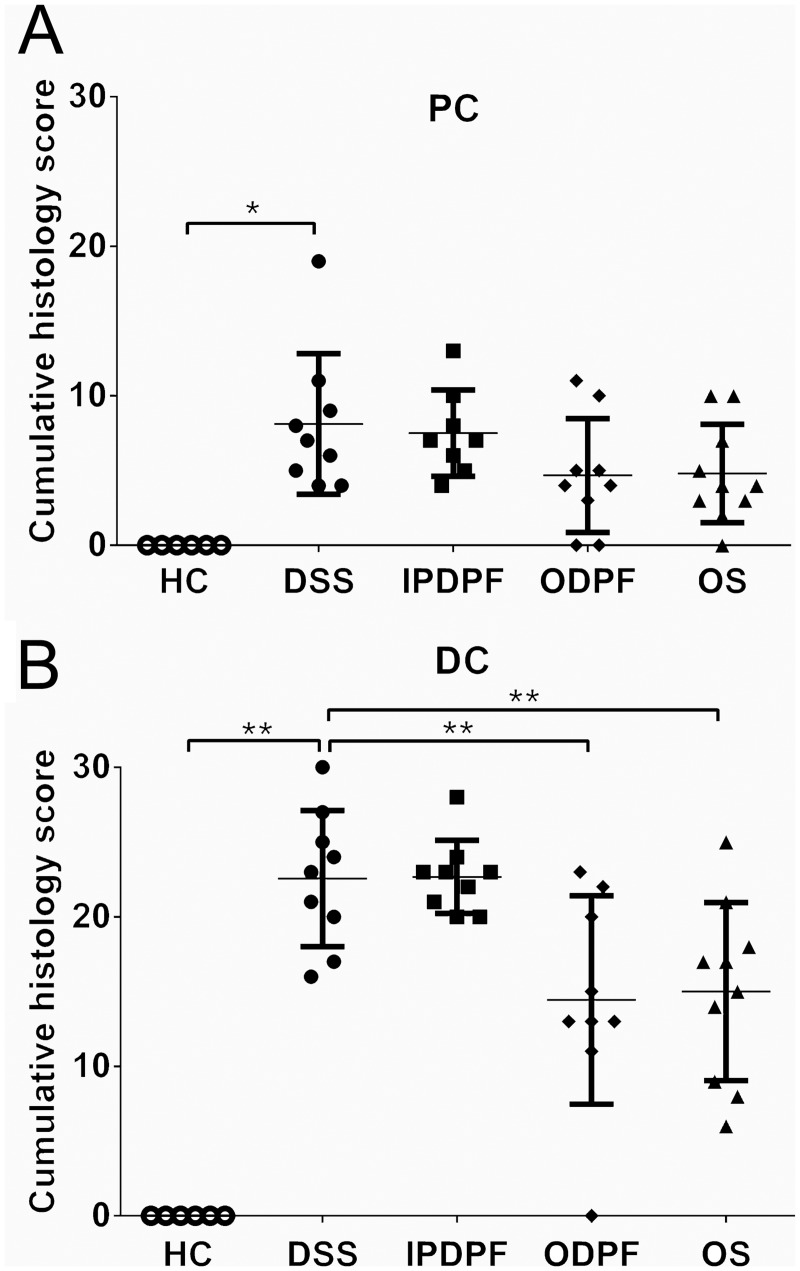
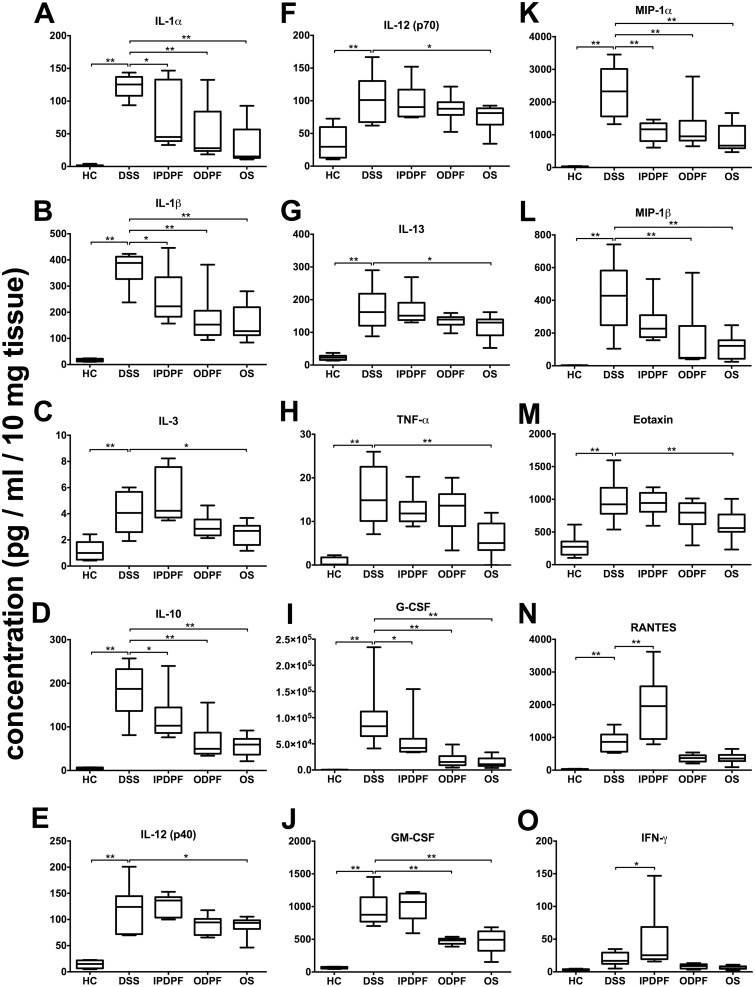
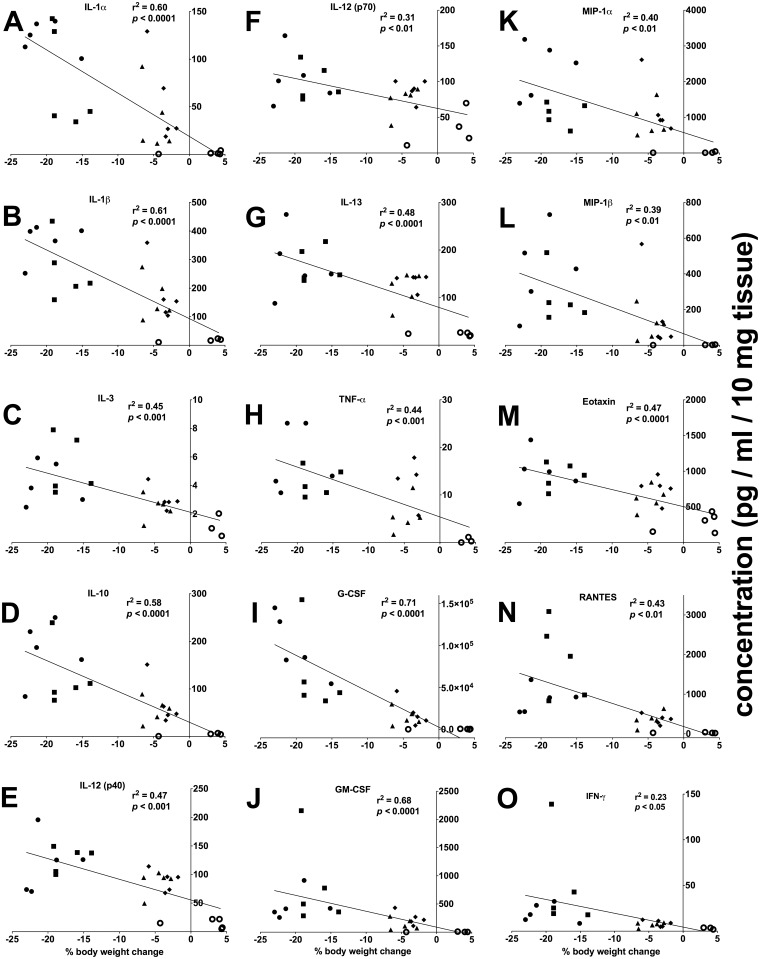
Inflammatory bowel diseases (IBD), such as ulcerative colitis and Crohn's disease, are an important cause of morbidity and impact significantly on quality of life. Overall, current treatments do not sustain a long-term clinical remission and are associated with adverse effects, which highlight the need for new treatment options. Fucoidans are complex sulphated, fucose-rich polysaccharides, found in edible brown algae and are described as having multiple bioactivities including potent anti-inflammatory effects. Therefore, the therapeutic potential of two different fucoidan preparations, fucoidan-polyphenol complex (Maritech Synergy) and depyrogenated fucoidan (DPF) was evaluated in the dextran sulphate sodium (DSS) mouse model of acute colitis. Mice were treated once daily over 7 days with fucoidans via oral (Synergy or DPF) or intraperitoneal administration (DPF). Signs and severity of colitis were monitored daily before colons and spleens were collected for macroscopic evaluation, cytokine measurements and histology. Orally administered Synergy and DPF, but not intraperitoneal DPF treatment, significantly ameliorated symptoms of colitis based on retention of body weight, as well as reduced diarrhoea and faecal blood loss, compared to the untreated colitis group. Colon and spleen weight in mice treated with oral fucoidan was also significantly lower, indicating reduced inflammation and oedema. Histological examination of untreated colitis mice confirmed a massive loss of crypt architecture and goblet cells, infiltration of immune cells and oedema, while all aspects of this pathology were alleviated by oral fucoidan. Importantly, in this model, the macroscopic changes induced by oral fucoidan correlated significantly with substantially decreased production of at least 15 pro-inflammatory cytokines by the colon tissue. Overall, oral fucoidan preparations significantly reduce the inflammatory pathology associated with DSS-induced colitis and could therefore represent a novel nutraceutical option for the management of IBD.
Overview
The claims and statistics of this paper haven’t been checked yet.
Free: it reads the open-access text and checks the first 5 claims that cite a source we can check. Create a free account to check every claim.
Integrity signals
Registry
Cites
Statistics
Figures
Verification
Claims the paper makes
The claims and statistics of this paper haven’t been checked yet.
Free: it reads the open-access text and checks the first 5 claims that cite a source we can check. Create a free account to check every claim.
Claims other papers make about this one
Each is checked against this paper’s own text: does it say what the citing paper says it does?
The cited source says what the claim attributes to it.
In the citing paper
“However, another study reported that fucoidan from F. vesiculosus had a significant downregulatory effect on IL-10, IL-1β, and IL-1α in a dextran sulfate sodium-induced mouse model of acute colitis [85].”
From A Review on Fucoidan Structure, Extraction Techniques, and Its Role as an Immunomodulatory Agent (2022) · cites this paper as [85]
Self-check
Percentages, sums and reported differences re-computed from the paper’s own numbers.
The self-check needs the paper’s full text.
Citations
Cites
Ford Alexander, C., Paul, M., Hanauer Steven, B., 谭蓓, & Dong, W. Z. (2001) · Cited by 3,021
Cytokines in inflammatory bowel disease
Neurath, M. F. (2014) · Nature Reviews Immunology · doi:10.1038/nri3661 · Cited by 2,706 · cited 2×
“They form a complex network that regulates mucosal inflammation and affects the integrity of epithelium [38].”
BackgroundOkayasu, I., Hatakeyama, S., Yamada, M., Ohkusa, T., Inagaki, Y., & Nakaya, R. (1990) · Gastroenterology · doi:10.1016/0016-5085(90)90290-h · Cited by 2,401
Epidemiology and Natural History of Inflammatory Bowel Diseases
Cosnes, J., Gower–Rousseau, C., Seksik, P., & Cortot, A. (2011) · Gastroenterology · doi:10.1053/j.gastro.2011.01.055 · Cited by 2,211 · cited 1×
“Inflammatory bowel disease (IBD) is a known medical burden in most developed countries and a significant cause of morbidity [1].”
BackgroundBaumgart, D. C., & Sandborn, W. J. (2012) · The Lancet · doi:10.1016/s0140-6736(12)60026-9 · Cited by 2,154
Dextran Sulfate Sodium (DSS)‐Induced Colitis in Mice
Chassaing, B., Aitken, J. D., Malleshappa, M., & Vijay‐Kumar, M. (2014) · Current Protocols in Immunology · doi:10.1002/0471142735.im1525s104 · Cited by 2,090 · cited 2×
“DSS-induced colitis in mice is the most commonly used model; it is associated with severe epithelial damage and a robust inflammatory response in the colon [12, 13].”
BackgroundOrdás, I., Eckmann, L., Talamini, M., Baumgart, D. C., & Sandborn, W. J. (2012) · The Lancet · doi:10.1016/s0140-6736(12)60150-0 · Cited by 2,078
Chemically induced mouse models of intestinal inflammation
Wirtz, S., Neufert, C., Weigmann, B., & Neurath, M. F. (2007) · Nature Protocols · doi:10.1038/nprot.2007.41 · Cited by 1,567 · cited 2×
“Mice were weighed and observed daily for stool consistency and the presence of blood in the stool and sign of gross bleeding on the anus site [11].”
BackgroundCumashi, A., Ushakova, N. A., Preobrazhenskaya, M. E., D'Incecco, A., Piccoli, A., Totani, L., Tinari, N., Morozevich, G. E., Berman, A. E., Bilan, M. I., et al. (2007) · Glycobiology · doi:10.1093/glycob/cwm014 · Cited by 1,026 · cited 1×
“In line with this route of administration and results from in vivomicroscopy, the authors convincingly argued that the beneficial effects were most likely explained by the well-known inhibition of selectins by fucoidans [18, 48], which can prevent lymphocyte adhesion.”
ResultDextran Sodium Sulphate Colitis Mouse Model: Traps and Tricks
Perše, M., & Cerar, A. (2012) · Journal of Biomedicine and Biotechnology · doi:10.1155/2012/718617 · Cited by 881 · cited 4×
“Macroscopic and histological examination reveals shortening of the intestine, submucosal ulceration and loss of globlet cell and crypt structure, as well as infiltration of large numbers of inflammatory cells into the colonic mucosa [12, 14, 15].”
BackgroundMethodInfluentialAle, M. T., Mikkelsen, J. D., & Meyer, A. S. (2011) · Marine Drugs · doi:10.3390/md9102106 · Cited by 779
Distinct Cytokine Patterns Identified from Multiplex Profiles of Murine DSS and TNBS-Induced Colitis
Alex, P., Zachos, N. C., Nguyen, T., Gonzales, L., Chen, T.-E., Conklin, L. S., Centola, M., & Li, X. (2009) · Inflammatory Bowel Diseases · doi:10.1002/ibd.20753 · Cited by 750 · cited 1×
“These macroscopic and histopathological changes are associated with the excessive production of pro-inflammatory cytokines [16, 17].”
BackgroundWlodarska, M., Thaiss, C. A., Nowarski, R., Henao-Mejia, J., Zhang, J.-P., Brown, E. M., Frankel, G., Levy, M., Katz, M. N., Philbrick, W. M., et al. (2014) · Cell · doi:10.1016/j.cell.2014.01.026 · Cited by 708
Ben-Horin, S., & Chowers, Y. (2011) · Alimentary Pharmacology & Therapeutics · doi:10.1111/j.1365-2036.2011.04612.x · Cited by 620
Immunopathology of inflammatory bowel disease
Wallace, K. L. (2014) · World Journal of Gastroenterology · doi:10.3748/wjg.v20.i1.6 · Cited by 579
Peyrin–Biroulet, L., Deltenre, P., de Suray, N., Branche, J., Sandborn, W. J., & Colombel, J. (2008) · Clinical Gastroenterology and Hepatology · doi:10.1016/j.cgh.2008.03.014 · Cited by 577
Therapies from Fucoidan; Multifunctional Marine Polymers
Fitton, J. H. (2011) · Marine Drugs · doi:10.3390/md9101731 · Cited by 392 · cited 4×
“In line with this route of administration and results from in vivomicroscopy, the authors convincingly argued that the beneficial effects were most likely explained by the well-known inhibition of selectins by fucoidans [18, 48], which can prevent lymphocyte adhesion.”
BackgroundResultSelf-citationBanks, C., Bateman, A., Payne, R., Johnson, P., & Sheron, N. (2003) · The Journal of Pathology · doi:10.1002/path.1245 · Cited by 344 · cited 1×
“Since pro-inflammatory cytokines from patient samples correlate with disease activity [39, 40], treatments that modulate these mediators are likely to be of therapeutic use.”
BackgroundCurrent and emerging drugs for the treatment of inflammatory bowel disease
Triantafillidis, J. (2011) · Drug Design, Development and Therapy · doi:10.2147/dddt.s11290 · Cited by 289 · cited 1×
“Drugs such as corticosteroids, aminosalicylates and immune-suppressants, which aim to decrease inflammation, show limited effectiveness for long term remission and are associated with significant side effects [4].”
BackgroundAnimal models of ulcerative colitis and their application in drug research
Mizoguchi, E., Nguyen, D., & Low, D. (2013) · Drug Design, Development and Therapy · doi:10.2147/dddt.s40107 · Cited by 235 · cited 1×
“Animal models have become a useful tool to study the pathophysiology of IBD and to test the in vivo efficacy of potential therapeutic agents [10].”
MethodLong-term outcome after infliximab for refractory ulcerative colitis
Ferrante, M., Vermeire, S., Fidder, H., Schnitzler, F., Noman, M., Van Assche, G., De Hertogh, G., Hoffman, I., D'Hoore, A., Van Steen, K., et al. (2008) · Journal of Crohn's and Colitis · doi:10.1016/j.crohns.2008.03.004 · Cited by 223
Melgar, S., Karlsson, L., Rehnström, E., Karlsson, A., Utkovic, H., Jansson, L., & Michaëlsson, E. (2008) · International Immunopharmacology · doi:10.1016/j.intimp.2008.01.036 · Cited by 195 · cited 2×
“Importantly, despite its shortcomings, this model has been validated through the use of several clinically used therapeutic agents against IBD [17].”
BackgroundMethodAnti-inflammatory effect of fucoidan extracted from Ecklonia cava in zebrafish model
Lee, S.-H., Ko, C.-I., Jee, Y., Jeong, Y., Kim, M., Kim, J.-S., & Jeon, Y.-J. (2013) · Carbohydrate Polymers · doi:10.1016/j.carbpol.2012.09.066 · Cited by 184
Ishiguro, Y. (1999) · Journal of Gastroenterology · doi:10.1007/s005350050218 · Cited by 175 · cited 1×
“Since pro-inflammatory cytokines from patient samples correlate with disease activity [39, 40], treatments that modulate these mediators are likely to be of therapeutic use.”
BackgroundZhu, W., Yu, J., Nie, Y., Shi, X., Liu, Y., Li, F., & Zhang, X.-L. (2014) · Immunological Investigations · doi:10.3109/08820139.2014.909456 · Cited by 171
In vitro model to estimate gut inflammation using co-cultured Caco-2 and RAW264.7 cells
Tanoue, T., Nishitani, Y., Kanazawa, K., Hashimoto, T., & Mizuno, M. (2008) · Biochemical and Biophysical Research Communications · doi:10.1016/j.bbrc.2008.07.063 · Cited by 163
Senni, K., Gueniche, F., Foucault-Bertaud, A., Igondjo-Tchen, S., Fioretti, F., Colliec-Jouault, S., Durand, P., Guezennec, J., Godeau, G., & Letourneur, D. (2006) · Archives of Biochemistry and Biophysics · doi:10.1016/j.abb.2005.11.001 · Cited by 163 · cited 1×
“In addition, fucoidans have also been reported to inhibit the next stage of lymphocyte tissue infiltration, the invasion, by directly inhibiting the expression [49] and activity of matrix metalloproteases (MMPs) [18, 50].”
BackgroundLee, S.-H., Ko, C.-I., Ahn, G., You, S., Kim, J.-S., Heu, M. S., Kim, J., Jee, Y., & Jeon, Y.-J. (2012) · Carbohydrate Polymers · doi:10.1016/j.carbpol.2012.03.056 · Cited by 161 · cited 1×
“These signalling pathways are essential for macrophages to become a major source of other pro-inflammatory cytokines and consistent with this previously described in vitro activity of fucoidans [46], we observed a marked reduction of most measured cytokines that originate from inflamed colon tissues.”
BackgroundJin, J.-O., Zhang, W., Du, J.-Y., Wong, K.-W., Oda, T., & Yu, Q. (2014) · PLoS ONE · doi:10.1371/journal.pone.0099396 · Cited by 160 · cited 2×
“In contrast to the study by Jin et al [51], especially oral Synergy reduced the production of IL-12 and TNF-α, and likely also of IL-6, by cells of the intestinal tissue.”
ResultPark, K. T., & Bass, D. (2011) · Inflammatory Bowel Diseases · doi:10.1002/ibd.21488 · Cited by 132 · cited 1×
“Monoclonal antibodies that inhibit tumour necrosis factor (TNF-α) such as infliximab have shown clinical usefulness but at a relatively high cost [5, 6].”
BackgroundLi, C., Gao, Y., Xing, Y., Zhu, H., Shen, J., & Tian, J. (2011) · Food and Chemical Toxicology · doi:10.1016/j.fct.2011.05.022 · Cited by 117 · cited 1×
“On the other hand, fucoidans were reported to influence pro-inflammatory signalling molecules and pathways in macrophages, such as p38, Erk, JNK [34], HMGB1 and NF-κB [45].”
BackgroundEffect of fucoidan on aspirin-induced stomach ulceration in rats
Choi, J., Raghavendran, H. R. B., Sung, N., Kim, J. H., Chun, B. S., Ahn, D. H., Choi, H.-S., Kang, K. W., & Lee, J.-W. (2009) · Chemico-Biological Interactions · doi:10.1016/j.cbi.2009.09.015 · Cited by 113 · cited 1×
“Fucoidan is also known to protect against aspirin-induced gastric ulcers in a rat model [23] and is known from pre-clinical and clinical investigations to inhibit gastric pathogens [24–26].”
BackgroundMATSUMOTO, S., NAGAOKA, M., HARA, T., KIMURA-TAKAGI, I., MISTUYAMA, K., & UEYAMA, S. (2004) · Clinical and Experimental Immunology · doi:10.1111/j.1365-2249.2004.02462.x · Cited by 113 · cited 4×
“Although our measurements for IL-6 under conditions of acute colitis exceeded the range of the assay, our data nevertheless suggest that both oral fucoidan extracts also reduce IL-6 levels (S1 Fig), which would be consistent with previous observations [21].”
BackgroundResultInfluentialHeitz, F. D., Erb, M., Anklin, C., Robay, D., Pernet, V., & Gueven, N. (2012) · PLoS ONE · doi:10.1371/journal.pone.0045182 · Cited by 106 · cited 2×
“Fucoidan-containing food mash was prepared as described previously [27].”
MethodSelf-citationThe role of macrophages in inflammatory bowel diseases
Heinsbroek, S. E. M., & Gordon, S. (2009) · Expert Reviews in Molecular Medicine · doi:10.1017/s1462399409001069 · Cited by 98 · cited 1×
“During intestinal inflammation, monocytes are recruited and differentiated into macrophages within the lamina propria [42] and it is believed that the initial exposure of interstitial macrophages to bacterial antigens is responsible for the activation of macrophages and that at least in the DSS model these activated m…”
BackgroundCui, Y., Jia, Y., Zhang, T., Zhang, Q., & Wang, X. (2012) · CNS Neuroscience & Therapeutics · doi:10.1111/j.1755-5949.2012.00372.x · Cited by 91
Kim, K.-J., Lee, O.-H., Lee, H.-H., & Lee, B.-Y. (2010) · Toxicology · doi:10.1016/j.tox.2009.11.007 · Cited by 83 · cited 1×
“In line with several reports, our results do not provide any evidence for toxicity by oral fucoidan extracts [18, 52, 53].”
ResultKim, K., Yoon, K.-Y., & Lee, B.-Y. (2012) · Fitoterapia · doi:10.1016/j.fitote.2012.09.014 · Cited by 81
Zheng, B., van Bergenhenegouwen, J., Overbeek, S., van de Kant, H. J. G., Garssen, J., Folkerts, G., Vos, P., Morgan, M. E., & Kraneveld, A. D. (2014) · PLoS ONE · doi:10.1371/journal.pone.0095441 · Cited by 78
Toxicological evaluation of fucoidan from Undaria pinnatifidain vitro and in vivo
Chung, H., Jeun, J., Houng, S., Jun, H., Kweon, D., & Lee, S. (2010) · Phytotherapy Research · doi:10.1002/ptr.3138 · Cited by 77 · cited 1×
“In line with several reports, our results do not provide any evidence for toxicity by oral fucoidan extracts [18, 52, 53].”
ResultEri, R., McGuckin, M. A., & Wadley, R. (2012) · Methods in Molecular Biology · doi:10.1007/978-1-61779-527-5_19 · Cited by 73
Self-citationMultifunctional role of dextran sulfate sodium for in vivo modeling of intestinal diseases
Rose, W., Sakamoto, K., & Leifer, C. A. (2012) · BMC Immunology · doi:10.1186/1471-2172-13-41 · Cited by 67 · cited 1×
“Macroscopic and histological examination reveals shortening of the intestine, submucosal ulceration and loss of globlet cell and crypt structure, as well as infiltration of large numbers of inflammatory cells into the colonic mucosa [12, 14, 15].”
BackgroundX. W. Zhang, Q. L. (2001) · Scandinavian Journal of Gastroenterology · doi:10.1080/00365520120261 · Cited by 64
Hlawaty, H., Suffee, N., Sutton, A., Oudar, O., Haddad, O., Ollivier, V., Laguillier-Morizot, C., Gattegno, L., Letourneur, D., & Charnaux, N. (2011) · Biochemical Pharmacology · doi:10.1016/j.bcp.2010.09.021 · Cited by 62
Mizuno, M., Nishitani, Y., Hashimoto, T., & Kanazawa, K. (2009) · Bioscience Biotechnology and Biochemistry · doi:10.1271/bbb.90326 · Cited by 47 · cited 1×
“Consistent with this hypothesis, macrophage-derived TNF-α production was reportedly blocked by fucoidan treatment in an in vitro co-culture model of gut inflammation [35, 47].”
BackgroundProtective Effects of Fucoidan, a P- and L-Selectin Inhibitor, in Murine Acute Pancreatitis
Carvalho, A. C. S., Sousa, R. B., Franco, Á. X., Costa, J. V. G., Neves, L. M., Ribeiro, R. A., Sutton, R., Criddle, D. N., Soares, P. M. G., & de Souza, M. H. L. P. (2014) · Pancreas · doi:10.1097/mpa.0b013e3182a63b9d · Cited by 47
Lutay, N., Nilsson, I. M. S., Wadström, T., & Ljungh, Å. (2010) · Applied Biochemistry and Biotechnology · doi:10.1007/s12010-010-9109-7 · Cited by 40
Plant-Derived Polysaccharide Supplements Inhibit Dextran Sulfate Sodium-Induced Colitis in the Rat
Koetzner, L., Grover, G., Boulet, J., & Jacoby, H. I. (2010) · Digestive Diseases and Sciences · doi:10.1007/s10620-009-0848-7 · Cited by 37 · cited 1×
“Similarly, in a rat model of acute colitis, an orally delivered polysaccharide food supplement containing fucoidan reduced monocyte numbers and improved clinical markers of colitis [22].”
BackgroundKuznetsova, T., Besednova, N., Somova, L., & Plekhova, N. (2014) · Marine Drugs · doi:10.3390/md12020886 · Cited by 36
Shintani, N., Nakajima, T., SUGIURA, M., Murakami, K., Nakamura, N., Kagitani, Y., & Mayumi, T. (1997) · Scandinavian Journal of Immunology · doi:10.1046/j.1365-3083.1997.d01-169.x · Cited by 26 · cited 1×
“During intestinal inflammation, monocytes are recruited and differentiated into macrophages within the lamina propria [42] and it is believed that the initial exposure of interstitial macrophages to bacterial antigens is responsible for the activation of macrophages and that at least in the DSS model these activated m…”
BackgroundTumor Necrosis Factor-Alpha Antagonists Twenty Years Later
Akobeng, A. K., Sandborn, W. J., Bickston, S. J., Chande, N., Shackelton, L. M., Nelson, S., & Feagan, B. G. (2014) · Inflammatory Bowel Diseases · doi:10.1097/mib.0000000000000218 · Cited by 18
Cytokines and Chemokines in Mucosal Homeostasis
Maillard, M. H., & Snapper, S. B. (2010) · Wiley eBooks · doi:10.1002/9781444318418.ch10 · Cited by 16 · cited 1×
“Many different cytokines are involved in the pathogenesis IBD [37].”
BackgroundInflammatory Bowel Disease: Food and Nutrient Approaches
Munsell, M. A., & Mullin, G. E. (2009) · CRC Press eBooks · doi:10.1201/9781420067637.ch14 · Cited by 15
Cai, J., Kim, T.-S., Jang, J. Y., Kim, J., Shin, K., Lee, S.-P., Choi, E., Kim, S.-H., Park, M., Kim, Y.-B., et al. (2014) · Laboratory Animal Research · doi:10.5625/lar.2014.30.1.28 · Cited by 14
The Efficacy of Fucoidan on Gastric Ulcer
Juffrie, M., Rosalina, I., Damayanti, W., Djumhana, A., Ariani, A., & Ahmad, H. (2015) · Indonesian Journal of Biotechnology · doi:10.22146/ijbiotech.7565 · Cited by 12
Cai, J., Kim, T.-S., Jang, J. Y., Kim, J., Shin, K., Lee, S.-P., Choi, E.-K., Kim, S.-H., Park, M., Kim, J. B., et al. (2015) · Laboratory Animal Research · doi:10.5625/lar.2015.31.2.99 · Cited by 9
Zheng, B., van Bergenhenegouwen, J., van de Kant, H., Garssen, J., Folkerts, G., Vos, P., Morgan, M. E., & Kraneveld, A. D. (2012) · Gastroenterology · doi:10.1016/s0016-5085(12)63530-6 · Cited by 7
Cited by
Therapies from Fucoidan: An Update
Fitton, J., Stringer, D., & Karpiniec, S. (2015) · Marine Drugs · doi:10.3390/md13095920 · Cited by 418
“showing that oral fucoidan (Fucus vesiculosus) was effective in reducing inflammation in a colitis model [61].”
BackgroundSelf-citationImmunomodulatory and Anti-Inflammatory Effects of Fucoidan: A Review
Apostolova, E., Lukova, P., Baldzhieva, A., Katsarov, P., Nikolova, M., Iliev, I., Peychev, L., Trica, B., Oancea, F., Delattre, C., et al. (2020) · Polymers · doi:10.3390/polym12102338 · Cited by 345
“Moreover, the infiltration of the colon tissues with inflammatory cells and the submucosal edema were also reduced [58].”
BackgroundMethodInfluentialFucoidan Structure and Activity in Relation to Anti-Cancer Mechanisms
Van Weelden, G., Bobiński, M., Okła, K., Van Weelden, W. J., Romano, A., & Pijnenborg, J. M. A. (2019) · Marine Drugs · doi:10.3390/md17010032 · Cited by 330
Polysaccharides: bowel health and gut microbiota
Ho Do, M., Seo, Y. S., & Park, H.-Y. (2021) · Critical Reviews in Food Science and Nutrition · doi:10.1080/10408398.2020.1755949 · Cited by 223
Potential Use of Marine Seaweeds as Prebiotics: A Review
Lopez-Santamarina, A., Miranda, J. M., Mondragon, A. D. C., Lamas, A., Cardelle-Cobas, A., Franco, C. M., & Cepeda, A. (2020) · Molecules · doi:10.3390/molecules25041004 · Cited by 161
“In this table it were included results about the prebiotic effect of brown seaweed species from genus Ecklonia [7,85], Sargassum [86–88], Laminaria [82,89–92], Ascophyllum [93–95], Fucus [23,63], Undaria [90], Saccorhiza [96] or Porphyra [97].”
BackgroundInfluential
Metadata
- Authors
- Lean, Q. Y., Eri, R. D., Fitton, J. H., Patel, R. P., & Gueven, N.
- Affiliations
- University of Tasmania (AU)
- Corresponding author
- Gueven, Nuri
- Venue
- PLOS ONE
- Publisher
- Public Library of Science (PLoS)
- Published
- 2015-06-17
- Volume
- 10
- Issue
- 6
- Pages
- e0128453
- ISSN
- 1932-6203 (ISSN-L)
- PMC
- PMC4471193
- OpenAlex
- W572429040
- Semantic Scholar
- 62402a852968c60c92642ca06c189870c34bf521
- Cited by
- 142
- References
- 58
- Citations by year
- 2026: 12 · 2025: 16 · 2024: 15 · 2023: 14 · 2022: 18 · 2021: 14 · 2020: 16 · 2019: 10 · 2018: 7 · 2017: 11 · 2016: 5 · 2015: 4
- FWCI
- 14.02
- Type
- journal article
- Language
- en
- Open access
- gold
- doi.org
- Licence
- Locations
- PLoS ONE (publishedVersion, cc-by)
- Europe PMC (PubMed Central) (publishedVersion, cc-by)
- PubMed Central (publishedVersion, cc-by)
- PubMed (publishedVersion)
- Figshare (submittedVersion, cc-by)
- eCite Digital Repository (University of Tasmania) (submittedVersion, cc-by)
- DOAJ (DOAJ: Directory of Open Access Journals) (submittedVersion, cc-by-sa)
- Topics
- Life Sciences › Agricultural and Biological Sciences › Aquatic Science › Seaweed-derived Bioactive Compounds
- Health Sciences › Medicine › Gastroenterology › Inflammatory Bowel Disease
- Life Sciences › Biochemistry, Genetics and Molecular Biology › Molecular Biology › Gut microbiota and health
- Keywords
- fucoidan, acute colitis, inflammatory bowel disease, ulcerative colitis, Crohn's disease, dextran sulphate sodium colitis, polysaccharides, brown algae, anti-inflammatory activity, inflammatory cytokines, oral administration, nutraceuticals, goblet cells
- MeSH terms
- Acute Disease, Administration, Oral, Animals, Body Weight, Colitis, Colon, Disease Models, Animal, Male, Mice, Inbred C57BL, Plant Extracts, Polysaccharides, Spleen, Cytokines, Dextran Sulfate, Neutrophil Infiltration, Fucus, Mice, Polyphenols
About these checks
Registry, retraction, Cites and statistics results are computed, not judged, with one exception: a printed reference that no index lists is read once by a model before it counts as a citation error. Claims are extracted by a model and kept only when their quote appears verbatim in the text; each cited source is then checked, with a model’s help, for whether it says what the claim relies on. Those verdicts can be wrong — read the claim’s quote and the cited source before relying on one.
Statistics and arithmetic are recomputed, not judged.
Confidence bands are shown only for fields calibrated on our annotated test set. None is calibrated yet, so no band is shown.
What counts as a claim ›How we measure confidence ›How we check this ›
Are you an author, or do you see a problem with this page? Request a review
Data sources
Bibliographic data: Semantic Scholar, OpenAlex, Crossref.
Contains information from the Semantic Scholar Academic Graph Datasets, made available under the ODC Attribution License (ODC-BY 1.0).
Semantic Scholar’s data is described in: Kinney, R., et al. (2023). The Semantic Scholar Open Data Platform. arXiv:2301.10140.
