

The DOI matches its Crossref record; 41 of the 41 references it cites were found in a registry or an index.
Dysbiosis in the Gut Microbiota of Patients with Multiple Sclerosis, with a Striking Depletion of Species Belonging to Clostridia XIVa and IV Clusters
Open accessAbstract
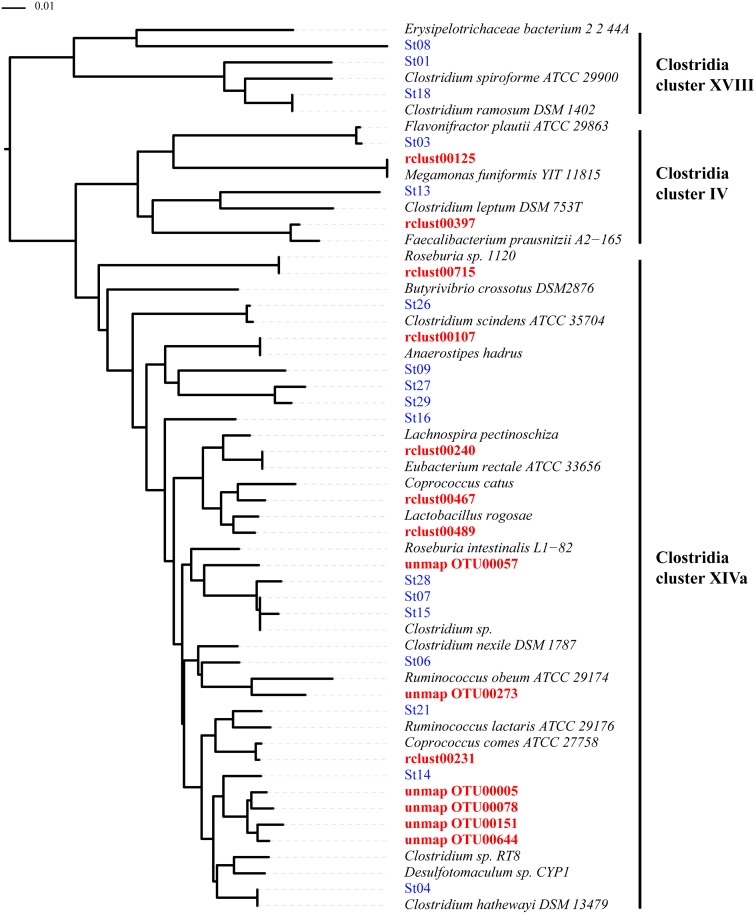
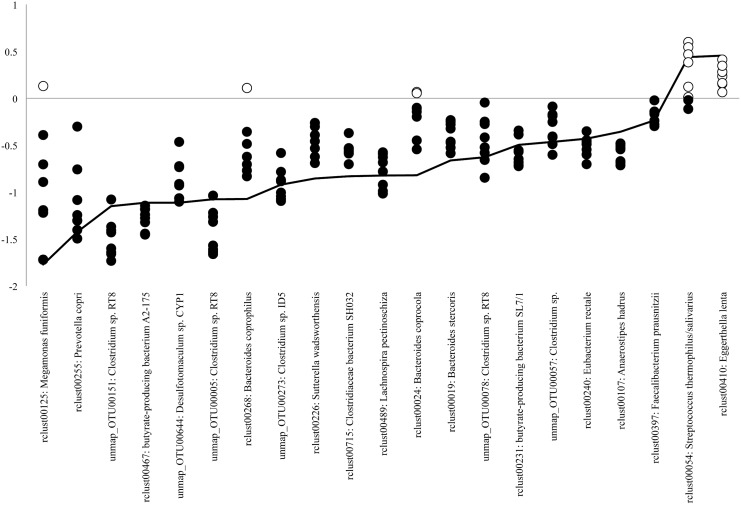
The pathogenesis of multiple sclerosis (MS), an autoimmune disease affecting the brain and spinal cord, remains poorly understood. Patients with MS typically present with recurrent episodes of neurological dysfunctions such as blindness, paresis, and sensory disturbances. Studies on experimental autoimmune encephalomyelitis (EAE) animal models have led to a number of testable hypotheses including a hypothetical role of altered gut microbiota in the development of MS. To investigate whether gut microbiota in patients with MS is altered, we compared the gut microbiota of 20 Japanese patients with relapsing-remitting (RR) MS (MS20) with that of 40 healthy Japanese subjects (HC40) and an additional 18 healthy subjects (HC18). All the HC18 subjects repeatedly provided fecal samples over the course of months (158 samples in total). Analysis of the bacterial 16S ribosomal RNA (rRNA) gene by using a high-throughput culture-independent pyrosequencing method provided evidence of a moderate dysbiosis in the structure of gut microbiota in patients with MS. Furthermore, we found 21 species that showed significant differences in relative abundance between the MS20 and HC40 samples. On comparing MS samples to the 158 longitudinal HC18 samples, the differences were found to be reproducibly significant for most of the species. These taxa comprised primarily of clostridial species belonging to Clostridia clusters XIVa and IV and Bacteroidetes. The phylogenetic tree analysis revealed that none of the clostridial species that were significantly reduced in the gut microbiota of patients with MS overlapped with other spore-forming clostridial species capable of inducing colonic regulatory T cells (Treg), which prevent autoimmunity and allergies; this suggests that many of the clostridial species associated with MS might be distinct from those broadly associated with autoimmune conditions. Correcting the dysbiosis and altered gut microbiota might deserve consideration as a potential strategy for the prevention and treatment of MS.
Overview
The claims and statistics of this paper haven’t been checked yet.
Run the check — free, no account needed. It reads the open-access text and checks the sources it cites.
Integrity signals
Registry
Cites
Statistics
Figures
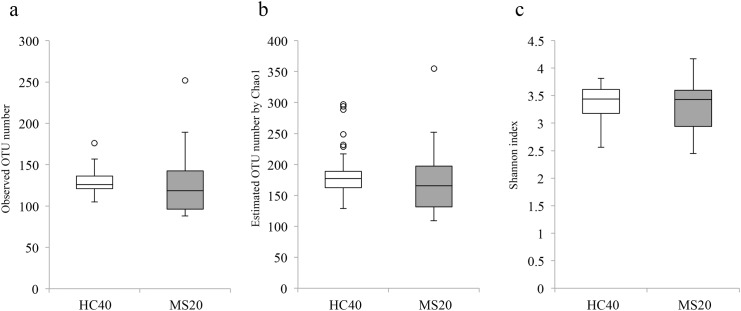
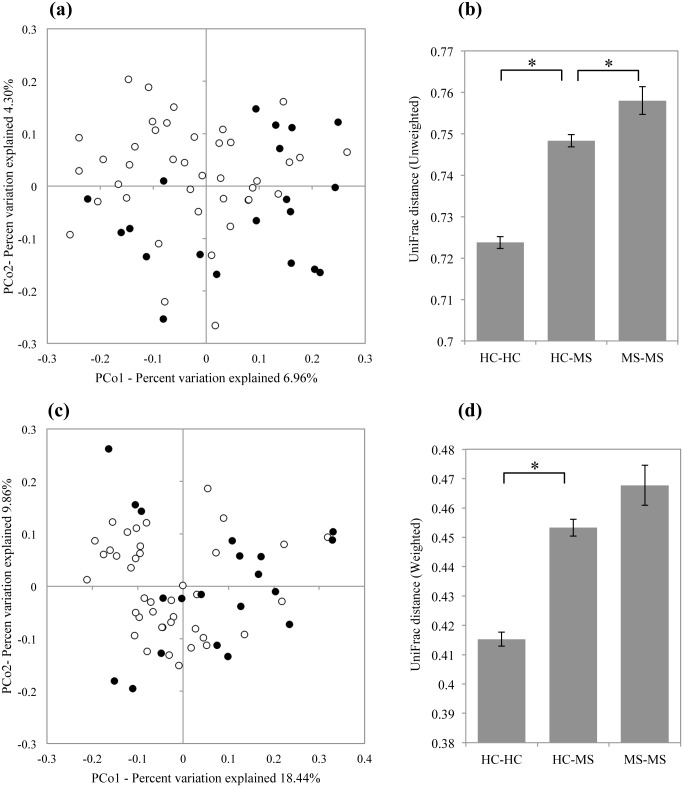
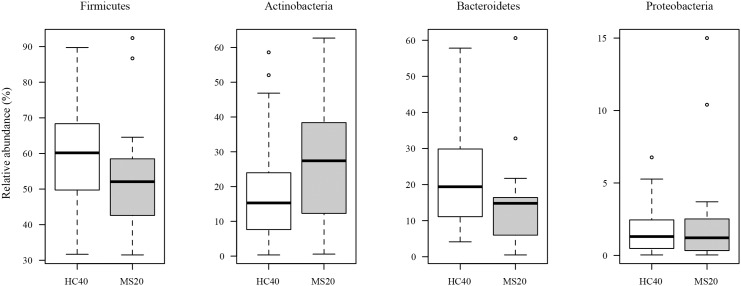
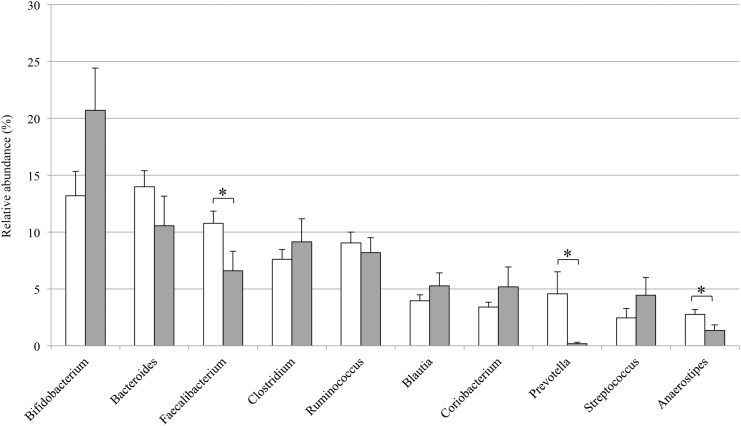
Verification
Claims the paper makes
The claims and statistics of this paper haven’t been checked yet.
Run the check — free, no account needed. It reads the open-access text and checks the sources it cites.
Claims other papers make about this one
Each is checked against this paper’s own text: does it say what the citing paper says it does?
In the citing paper
“Bacteria belonging to the Clostridia family contribute to the suppression of pathological autoimmunity (134, 139–143).”
From The gut-brain axis: how microbiota and host inflammasome influence brain physiology and pathology (2020) · cites this paper as [134]
In the citing paper
“Interestingly, even MS patients with active disease have an altered microbiota compared to patients in the remission phase, which in turn have a microbiota more similar to healthy controls (25, 134–138).”
From The gut-brain axis: how microbiota and host inflammasome influence brain physiology and pathology (2020) · cites this paper as [134]
Self-check
Percentages, sums and reported differences re-computed from the paper’s own numbers.
The self-check needs the paper’s full text.
Citations
Cites
A human gut microbial gene catalogue established by metagenomic sequencing
MetaHIT Consortium, Qin, J., Li, R., Raes, J., Arumugam, M., Burgdorf, K. S., Manichanh, C., Nielsen, T., Pons, N., Levenez, F., et al. (2010) · Nature · doi:10.1038/nature08821 · Cited by 11,624
McDonald, W. I., Compston, A., Edan, G., Goodkin, D., Hartung, H., Lublin, F. D., McFarland, H. F., Paty, D. W., Polman, C. H., Reingold, S. C., et al. (2001) · Annals of Neurology · doi:10.1002/ana.1032 · Cited by 6,969
Commensal microbe-derived butyrate induces the differentiation of colonic regulatory T cells
Furusawa, Y., Obata, Y., Fukuda, S., Endo, T. A., Nakato, G., Takahashi, D., Nakanishi, Y., Uetake, C., Kato, K., Kato, T., et al. (2013) · Nature · doi:10.1038/nature12721 · Cited by 5,549
The Microbial Metabolites, Short-Chain Fatty Acids, Regulate Colonic T reg Cell Homeostasis
Smith, P. M., Howitt, M. R., Panikov, N., Michaud, M., Gallini, C. A., Bohlooly-Y, M., Glickman, J. N., & Garrett, W. S. (2013) · Science · doi:10.1126/science.1241165 · Cited by 5,413
Role of the microbiota in immunity and inflammation.
Belkaid, Y., & Hand, T. W. (2014) · Cell · doi:10.1016/j.cell.2014.03.011 · Cited by 5,385
Metabolites produced by commensal bacteria promote peripheral regulatory T-cell generation
Arpaia, N., Campbell, C., Fan, X., Dikiy, S., van der Veeken, J., deRoos, P., Liu, H., Cross, J. R., Pfeffer, K., Coffer, P. J., et al. (2013) · Nature · doi:10.1038/nature12726 · Cited by 4,838
Richness of human gut microbiome correlates with metabolic markers
Le Chatelier, E., Nielsen, T., Qin, J., Prifti, E., Hildebrand, F., Falony, G., Almeida, M., Arumugam, M., Batto, J.-M., Kennedy, S., et al. (2013) · Nature · doi:10.1038/nature12506 · Cited by 4,662
Frank, D. N., St. Amand, A. L., Feldman, R. A., Boedeker, E. C., Harpaz, N., & Pace, N. R. (2007) · Proceedings of the National Academy of Sciences · doi:10.1073/pnas.0706625104 · Cited by 4,611
Sokol, H., Pigneur, B., Watterlot, L., Lakhdari, O., Bermúdez-Humarán, L. G., Gratadoux, J.-J., Blugeon, S., Bridonneau, C., Furet, J.-P., Corthier, G., et al. (2008) · Proceedings of the National Academy of Sciences · doi:10.1073/pnas.0804812105 · Cited by 4,413
Induction of Colonic Regulatory T Cells by Indigenous Clostridium Species
Atarashi, K., Tanoue, T., Shima, T., Imaoka, A., Kuwahara, T., Momose, Y., Cheng, G., Yamasaki, S., Saito, T., Ohba, Y., et al. (2011) · Science · doi:10.1126/science.1198469 · Cited by 3,752
Cited by
Sorted by citations
Items 401–500 of 810
New therapeutic avenues in multiple sclerosis: Is there a place for gut microbiota-based treatments?
Campagnoli, L. I. M., Marchesi, N., Varesi, A., Morozzi, M., Mascione, L., Ricevuti, G., Esposito, C., Galeotti, N., & Pascale, A. (2024) · Pharmacological Research · doi:10.1016/j.phrs.2024.107456 · Cited by 23
Nature, nurture, and microbes: The development of multiple sclerosis
Wekerle, H. (2017) · Acta Neurologica Scandinavica · doi:10.1111/ane.12843 · Cited by 20
The Emerging Role of the Gut Microbiome in Adult Patients With Multiple Sclerosis
Newland, P., Heitkemper, M. M., & Zhou, Y. (2016) · Journal of Neuroscience Nursing · doi:10.1097/jnn.0000000000000252 · Cited by 20
A Gut Feeling: The Importance of the Intestinal Microbiota in Psychiatric Disorders
Ochoa‐Repáraz, J., Ramelow, C. C., & Kasper, L. H. (2020) · Frontiers in Immunology · doi:10.3389/fimmu.2020.510113 · Cited by 21
Microbial Metabolites in Multiple Sclerosis: Implications for Pathogenesis and Treatment
Duarte-Silva, E. P., Meuth, S. G., & Peixoto, C. A. (2022) · Frontiers in Neuroscience · doi:10.3389/fnins.2022.885031 · Cited by 21
Hoffman, K. R., Brownell, Z., Doyle, W. J., & Ochoa‐Repáraz, J. (2022) · Journal of Autoimmunity · doi:10.1016/j.jaut.2022.102957 · Cited by 20
Islam, M. Z., Tran, M. A., Xu, T., Tierney, B. T., Patel, C. J., & Kostic, A. D. (2022) · Microbiome · doi:10.1186/s40168-022-01373-1 · Cited by 23
The role of the gut microbiota and fecal microbiota transplantation in neuroimmune diseases
Wu, N., Li, X., Ma, H., Zhang, X., Liu, B., Yuan, W., Zheng, Q., & Fan, X. (2023) · Frontiers in Neurology · doi:10.3389/fneur.2023.1108738 · Cited by 22
Wang, J., He, L., Wang, S., Zhao, H., Chen, J., Dong, Y., Yasen, S., Wang, L., & Zou, H. (2023) · Journal of Ethnopharmacology · doi:10.1016/j.jep.2023.116681 · Cited by 21
Mechanism of gut microbiota and Axl/SOCS3 in experimental autoimmune encephalomyelitis
Li, X., Zhang, B., Sun, M., Bao, C.-C., Yuan, B., Xie, Q., Wang, L.-J., & Wang, M.-X. (2019) · Bioscience Reports · doi:10.1042/bsr20190228 · Cited by 23
Oshiro, A., Zaitsu, T., Ueno, M., & Kawaguchi, Y. (2020) · Acta Odontologica Scandinavica · doi:10.1080/00016357.2020.1754459 · Cited by 20
The Gut Microbiome: Human Health and Inflammatory Skin Diseases
Mann, E. A., Bae, E., Kostyuchek, D., Chung, H. J., & McGee, J. S. (2020) · Annals of Dermatology · doi:10.5021/ad.2020.32.4.265 · Cited by 22
Using data science for medical decision making case: role of gut microbiome in multiple sclerosis
Telalović, J. H., & Musić, A. (2020) · BMC Medical Informatics and Decision Making · doi:10.1186/s12911-020-01263-2 · Cited by 19
Ma, X., Ma, L., Wang, Z., Liu, Y., Long, L., Ma, X., Chen, H., Chen, Z., Lin, X., Si, L., et al. (2020) · Frontiers in Neurology · doi:10.3389/fneur.2020.585977 · Cited by 19
Etiopathogenesis and Diagnostic Strategies in Autoimmune Hepatitis
Domerecka, W., Kowalska-Kępczyńska, A., Michalak, A., Homa‐Mlak, I., Mlak, R., Cichoż‐Lach, H., & Malecka-Massalska, T. J. (2021) · Diagnostics · doi:10.3390/diagnostics11081418 · Cited by 19
Psychobiotic Properties of Lactiplantibacillus plantarum in Neurodegenerative Diseases
Chiano, M. D., Sallustio, F., Fiocco, D., Rocchetti, M. T., Spano, G., Pontrelli, P., Moschetta, A., Gesualdo, L., Gadaleta, R. M., & Gallone, A. (2024) · International Journal of Molecular Sciences · doi:10.3390/ijms25179489 · Cited by 22
Nemati, M. H., Yazdanpanah, E., Kazemi, R., Orooji, N., Dadfar, S., Oksenych, V., & Haghmorad, D. (2025) · Biology · doi:10.3390/biology14040435 · Cited by 21
Davoody, S., Halimi, H., Zali, A., Houri, H., & Brand, S. (2025) · Neurobiology of Disease · doi:10.1016/j.nbd.2025.107032 · Cited by 23
Microbial orchestration of neuroimmune crosstalk: from homeostasis to disease
Ouyang, H., Yang, Y., Zhang, X., Cui, Y., & Zhang, Y. (2025) · Frontiers in Immunology · doi:10.3389/fimmu.2025.1679286 · Cited by 21
Gut human microbiota and multiple sclerosis
Kozhieva, M. K., Melnikov, M., Rogovskii, V., Oleskin, A. V., Kabilov, M. R., & Boyko, A. N. (2017) · S S Korsakov Journal of Neurology and Psychiatry · doi:10.17116/jnevro201711710211-19 · Cited by 18
Fettig, N. M., Robinson, H. G., Allanach, J. R., Davis, K. M., Simister, R. L., Wang, E. J., Sharon, A. J., Ye, J., Popple, S., Seo, J. H., et al. (2022) · Cell Reports · doi:10.1016/j.celrep.2022.111328 · Cited by 19
Disease-modifying therapy for multiple sclerosis: Implications for gut microbiota
Pilotto, S., Żołędziewska, M., Fenu, G., Cocco, E. E., & Lorefice, L. (2023) · Multiple Sclerosis and Related Disorders · doi:10.1016/j.msard.2023.104671 · Cited by 20
Nitzan, Z., Staun-Ram, E., Volkowich, A., & Miller, A. (2023) · International Journal of Molecular Sciences · doi:10.3390/ijms241915024 · Cited by 24
Singh, A. K., Novakova, L., Axelsson, M., Malmeström, C., Zetterberg, H., Lycke, J., & Cardell, S. (2017) · Frontiers in Immunology · doi:10.3389/fimmu.2017.00260 · Cited by 19
The Gut Microbiota and Pediatric Multiple Sclerosis: Recent Findings
Tremlett, H. L., & Waubant, E. L. (2017) · Neurotherapeutics · doi:10.1007/s13311-017-0574-3 · Cited by 18
Gut-brain communication in demyelinating disorders
Sauma, S., & Casaccia, P. (2020) · Current Opinion in Neurobiology · doi:10.1016/j.conb.2020.01.005 · Cited by 19
Microbiota, IgA and Multiple Sclerosis
Boussamet, L., Rajoka, M. S. R., & Berthelot, L. (2022) · Microorganisms · doi:10.3390/microorganisms10030617 · Cited by 20
Gut microbiota and acute graft-versus-host disease
Yoshioka, K., Kakihana, K., Doki, N., & Ohashi, K. (2017) · Pharmacological Research · doi:10.1016/j.phrs.2017.05.028 · Cited by 18
Lifestyle alters GUT-bacteria function: Linking immune response and host
Jazayeri, O., Daghighi, S. M., & Rezaee, F. (2017) · Best Practice & Research Clinical Gastroenterology · doi:10.1016/j.bpg.2017.09.009 · Cited by 19
The Gut Microbiome and Metabolome in Multiple Sclerosis
Giri, S., & Mangalam, A. K. (2019) · Elsevier eBooks · doi:10.1016/b978-0-12-815249-2.00034-8 · Cited by 15
Miranda-Ribera, A., Serena, G., Liu, J., Fasano, A., Kingsbury, M. A., & Fiorentino, M. R. (2021) · Tissue Barriers · doi:10.1080/21688370.2021.2000299 · Cited by 18
Liu, Z., Sun, M., Jin, C., Sun, X., Feng, F., Niu, X., Wang, B., Zhang, Y., & Wang, J. (2023) · The Journal of Nutritional Biochemistry · doi:10.1016/j.jnutbio.2023.109448 · Cited by 17
Polyphenolic Compounds: Orchestrating Intestinal Microbiota Harmony during Aging
Pereira, Q. C., Fortunato, I. M., Oliveira, F. D. S., Alvarez, M. C., dos Santos, T. W., & Ribeiro, M. L. (2024) · Nutrients · doi:10.3390/nu16071066 · Cited by 19
Seida, I., Shawaf, M. A., & Mahroum, N. (2024) · Autoimmunity Reviews · doi:10.1016/j.autrev.2024.103541 · Cited by 17
A review on gut microbiota and miRNA crosstalk: implications for Alzheimer’s disease
Ayyanar, M. P., & Vijayan, M. (2024) · GeroScience · doi:10.1007/s11357-024-01432-5 · Cited by 22
Ali, A. Y., Zahran, S. A., Eissa, M., Kashef, M. T., & Ali, A. E. (2025) · Gut Pathogens · doi:10.1186/s13099-025-00683-7 · Cited by 19
Faber, W., Stolwijk-Swüste, J. M., van Ginkel, F., Nachtegaal, J., Zoetendal, E. G., Winkels, R. M., & Witteman, B. J. M. (2021) · Journal of Clinical Medicine · doi:10.3390/jcm10081598 · Cited by 18
Taneja, V. (2017) · Principles of Gender-Specific Medicine · doi:10.1016/b978-0-12-803506-1.00027-9 · Cited by 18
Enteric Nervous System and Its Relationship with Neurological Diseases
Bartolomé, M. J. L., López-Marco, L., Monzón, M., & Santander, S. (2024) · Journal of Clinical Medicine · doi:10.3390/jcm13185579 · Cited by 19
The Gut Microbiome in Autoimmune Diseases
de Oliveira, G. L. V. (2019) · Elsevier eBooks · doi:10.1016/b978-0-12-815249-2.00033-6 · Cited by 15
Normal gut microbiome in NMDA receptor encephalitis
Herken, J., Bang, C., Rühlemann, M. C., Finke, C., Klag, J., Franke, A., & Prüß, H. (2019) · Neurology Neuroimmunology & Neuroinflammation · doi:10.1212/nxi.0000000000000632 · Cited by 16
Similar birth-cohort patterns in Crohn’s disease and multiple sclerosis
Sonnenberg, A., & Ajdacic‐Gross, V. (2017) · Multiple Sclerosis Journal · doi:10.1177/1352458517691620 · Cited by 16
Abdurasulova, I. N., Тарасова, Е. А., Nikiforova, I. G., Ilves, A. G., Ивашкова, Е. В., Matsulevich, A. V., Tatarinov, A. E., Shangina, L. V., Ермоленко, Е. И., Клименко, В. М., et al. (2018) · S S Korsakov Journal of Neurology and Psychiatry · doi:10.17116/jnevro201811808262 · Cited by 16
Patients with Infections of The Central Nervous System Have Lowered Gut Microbiota Alpha Diversity
Grochowska, M., Laskus, T., Paciorek, M., Pollak, A., Lechowicz, U., Makowiecki, M., Horban, A., Radkowski, M., & Perlejewski, K. (2022) · Current Issues in Molecular Biology · doi:10.3390/cimb44070200 · Cited by 15
Singh, S., & Koo, O. K. (2024) · Pathogens · doi:10.3390/pathogens13080642 · Cited by 15
The role of the gut microbiota in neurodegenerative diseases targeting metabolism
Fu, Y., Gu, Z., Cao, H., Zuo, C., Huang, Y., Song, Y., Jiang, Y., & Wang, F. (2024) · Frontiers in Neuroscience · doi:10.3389/fnins.2024.1432659 · Cited by 17
Deng, X., Gong, X., Zhou, D., & Hong, Z. (2025) · Frontiers in Immunology · doi:10.3389/fimmu.2025.1513599 · Cited by 16
Zhang, Y., Liu, G., Duan, Y., Han, X., Dong, H., & Geng, J. (2016) · Journal of Neuroimmunology · doi:10.1016/j.jneuroim.2016.11.004 · Cited by 15
Multiple sclerosis: Possibility of a gut environment-induced disease
Sato, W., & Yamamura, T. (2019) · Neurochemistry International · doi:10.1016/j.neuint.2019.104475 · Cited by 16
The Core of Gut Life: Firmicutes Profile in Patients with Relapsing-Remitting Multiple Sclerosis
Kozhieva, M. K., Naumova, N., Alikina, T. Y., Boyко, A., Vlassov, V. V., & Kabilov, M. R. (2021) · Life · doi:10.3390/life11010055 · Cited by 16
Gut Microbiota in Health and Disease
Ishiguro, E. E., Haskey, N., & Campbell, K. (2018) · Elsevier eBooks · doi:10.1016/b978-0-12-810541-2.00004-x · Cited by 17
Schroeter, C. B., Huntemann, N., Böck, S., Nelke, C., Kremer, D., Pfeffer, K., Meuth, S. G., & Ruck, T. (2021) · Frontiers in Immunology · doi:10.3389/fimmu.2021.747143 · Cited by 16
Méndez-López, L. F., de León, D. S., Lomelí, M. L.-C., González-Martínez, B. E., & Vázquez-Rodríguez, J. A. (2022) · Frontiers in Nutrition · doi:10.3389/fnut.2022.790440 · Cited by 15
Song, Y., Bai, Y., Liu, C., Zhai, X., & Zhang, L. (2024) · Frontiers in Cellular and Infection Microbiology · doi:10.3389/fcimb.2024.1361660 · Cited by 16
Matsui, K., Tani, R., Yamasaki, S., Ito, N., Hamada, A., Shintani, T., Otomo, T., Tokumaru, K., Yanamoto, S., & Okamoto, T. (2024) · International Journal of Molecular Sciences · doi:10.3390/ijms25116077 · Cited by 16
Tang, W., Wang, Q., Sun, M., Liu, C., Huang, Y., Zhou, M., Zhang, X., Meng, Z., & Zhang, J. (2024) · Life Sciences · doi:10.1016/j.lfs.2024.122952 · Cited by 14
Ferroptosis: A New Pathway in the Interaction between Gut Microbiota and Multiple Sclerosis
Jian, J., & Wei, J. (2025) · Frontiers in Bioscience-Landmark · doi:10.31083/fbl26265 · Cited by 14
Correlating the Gut Microbiome to Health and Disease
Marques, T. M., Holster, S., Wall, R., König, J., Brummer, R. J., & de Vos, W. M. (2016) · Elsevier eBooks · doi:10.1016/b978-0-12-802304-4.00012-8 · Cited by 13
Czaja, A. J. (2018) · Digestive Diseases and Sciences · doi:10.1007/s10620-018-5072-x · Cited by 14
Identifying the culprits in neurological autoimmune diseases
Acosta‐Ampudia, Y., Monsalve, D. M., & Ramı́rez-Santana, C. (2019) · Journal of Translational Autoimmunity · doi:10.1016/j.jtauto.2019.100015 · Cited by 15
Mekky, J. F., Wani, R., Said, S. M., Ashry, M. H., Ibrahim, A. E., & Ahmed, S. M. (2021) · Multiple Sclerosis and Related Disorders · doi:10.1016/j.msard.2021.103354 · Cited by 14
Alnawaiseh, M., Zumhagen, L., Rosentreter, A., & Eter, N. (2017) · Journal of Ophthalmology · doi:10.1155/2017/4068963 · Cited by 14
Cui, C., Ruan, Y., & Qiu, W. (2020) · Journal of Clinical Neuroscience · doi:10.1016/j.jocn.2020.11.011 · Cited by 14
The Role of Intestinal Microbiota and Immune System Interactions in Autoimmune Diseases
Yurtseven, B., Aydemir, E., & Ayaz, F. (2025) · ImmunoTargets and Therapy · doi:10.2147/itt.s569016 · Cited by 19
Altered gut microbiota and metabolites in untreated myasthenia gravis patients
Ding, X., Li, H.-Y., Wang, H., Zhang, X.-H., Song, M. K., Jiang, X., Zhang, X., Yue, Y.-X., & Li, X. (2023) · Frontiers in Neurology · doi:10.3389/fneur.2023.1248336 · Cited by 14
Intestinal Barrier Function and Neurodegenerative Disease
Wu, S., Yang, L., Fu, Y., Liao, Z., Cai, D., & Liu, Z. (2023) · CNS & Neurological Disorders - Drug Targets · doi:10.2174/0118715273264097231116103948 · Cited by 13
Microbiome Regulation of Autoimmune, Gut and Liver Associated Diseases
Singh, B., Qin, N., & Reid, G. (2016) · Inflammation & Allergy - Drug Targets · doi:10.2174/1871528114666160128150747 · Cited by 13
Boullerne, A. I., Adami, G. R., SCHWARTZ, J. L., Skias, D. D., Maienschein‐Cline, M., Green, S. J., & Feinstein, D. L. (2020) · Journal of Neuroimmunology · doi:10.1016/j.jneuroim.2020.577237 · Cited by 15
Gut microbiota in forty cases of Egyptian relapsing remitting multiple sclerosis
Elgendy, S., Abd-Elhameed, R., Daef, E., Mohammed, S. M., Hassan, H. M., El‐Mokhtar, M. A., Nasreldein, A., & Khedr, E. M. (2021) · Iranian Journal of Microbiology · doi:10.18502/ijm.v13i5.7428 · Cited by 13
Ebrahimi, S., Khatami, S., & Mesdaghi, M. (2021) · International Archives of Allergy and Immunology · doi:10.1159/000520510 · Cited by 12
Multiple sclerosis and the microbiota
Engelenburg, H. J., Lucassen, P. J., Sarafian, J. T., Parker, W., & Laman, J. D. (2022) · Evolution Medicine and Public Health · doi:10.1093/emph/eoac009 · Cited by 13
Hinshaw, D. C., Swain, C. A., Chen, D., Hanna, A., Molina, P. A., Maynard, C. L., Lee, G., McFarland, B. C., Samant, R. S., & Shevde, L. A. (2022) · Laboratory Investigation · doi:10.1038/s41374-022-00828-1 · Cited by 15
Montassier, E., Berthelot, L., & Soulillou, J. (2017) · Molecular Immunology · doi:10.1016/j.molimm.2017.09.016 · Cited by 13
An introduction to the microbiome and MS
Trott, S., & King, I. L. (2018) · Multiple Sclerosis Journal · doi:10.1177/1352458517737391 · Cited by 13
The Autoantigen Repertoire and the Microbial RNP World
Williams, S. G., & Wolin, S. L. (2021) · Trends in Molecular Medicine · doi:10.1016/j.molmed.2021.02.003 · Cited by 12
Torres‐Chávez, M., Torres-Carrillo, N. M., Moreal‐Lugo, A., Rancurello, S. G., Murugesan, S., Gutiérrez-Hurtado, I. A., Beltran-Ramirez, J. R., Sandoval‐Pinto, E., & Torres‐Carrillo, N. (2023) · Biomedical Reports · doi:10.3892/br.2023.1675 · Cited by 13
Boschetti, E., Neri, I., Follo, M. Y., GIORGIO, R. D., Cocco, L., Manzoli, L., & Ratti, S. (2022) · Mini-Reviews in Medicinal Chemistry · doi:10.2174/1389557522666220622111501 · Cited by 13
Method for estimating disease risk from microbiome data using structural equation modeling
Tokuno, H., Itoga, T., Kasuga, J., Okuma, K., Hasuko, K., Masuyama, H., & Benno, Y. (2023) · Frontiers in Microbiology · doi:10.3389/fmicb.2023.1035002 · Cited by 12
Microbiota, diet, and the gut–brain axis in multiple sclerosis and stroke
Díaz-Marugán, L., Kantsjö, J. B., Rutsch, A., & Ronchi, F. (2023) · European Journal of Immunology · doi:10.1002/eji.202250229 · Cited by 13
Neuroimmunogastroenterology: At the Interface of Neuroimmunology and Gastroenterology
Sanchez, J. M. S., McNally, J. S., Cortez, M. M., Hemp, J., Pace, L., & Clardy, S. L. (2020) · Frontiers in Neurology · doi:10.3389/fneur.2020.00787 · Cited by 13
Microbiome and motor neuron diseases
Chatterjee, K., & Banerjee, S. (2020) · Progress in molecular biology and translational science · doi:10.1016/bs.pmbts.2020.08.010 · Cited by 12
Banerjee, A., Pradhan, L. K., Sahoo, P. K., Jena, K. K., Chauhan, N. R., Chauhan, S., & Das, S. K. (2021) · Archives of Microbiology · doi:10.1007/s00203-021-02276-9 · Cited by 13
Pérez-Muñoz, M. E., Sugden, S., Harmsen, H. J. M., Hart, B. A. ‘., Laman, J. D., & Walter, J. (2021) · iScience · doi:10.1016/j.isci.2021.102709 · Cited by 12
Peipert, D., Montgomery, T. L., Toppen, L. C., Lee, M. F. J., Scarborough, M., & Krementsov, D. N. (2025) · Frontiers in Immunology · doi:10.3389/fimmu.2025.1655428 · Cited by 11
The Microbiome–Neurodegeneration Interface: Mechanisms, Evidence, and Future Directions
Böckels, L., Alexa, D., Antal, D. C., Gațcan, C., Alecu, C., Kacani, K., Cretu, R. A., Piseru, E.-A., Bîlcu, R. V., & Cuciureanu, D. I. (2026) · Cells · doi:10.3390/cells15020135 · Cited by 13
Overview of the Gut Microbiome
Blackmer‐Raynolds, L., & Sampson, T. R. (2023) · Seminars in Neurology · doi:10.1055/s-0043-1771463 · Cited by 11
Dübüş, E. N., Lamminpää, I., Nannini, G., & Niccolai, E. (2023) · Frontiers in Bioscience-Landmark · doi:10.31083/j.fbl2808178 · Cited by 12
Genetic risk score in multiple sclerosis is associated with unique gut microbiome
Elsayed, N. S., Valenzuela, R. K., Kitchner, T., Le, T. N., Mayer, J. G., Tang, Z.-Z., Bayanagari, V. R., Lu, Q., Aston, P., Anantharaman, K., et al. (2023) · Scientific Reports · doi:10.1038/s41598-023-43217-4 · Cited by 12
Lacasa, M., Alegre, J., Sentañes, R. S., Varela-Sende, L., Jurek, J. M., & Castro‐Marrero, J. (2023) · Nutrients · doi:10.3390/nu15214504 · Cited by 13
The role of the “gut microbiota-mitochondria” crosstalk in the pathogenesis of multiple sclerosis
Tian, H., Huang, D., Wang, J., Li, H., Gao, J., Zhong, Y., Xia, L., Zhang, A., Lin, Z., & Ke, X. (2024) · Frontiers in Microbiology · doi:10.3389/fmicb.2024.1404995 · Cited by 12
Intersection of the microbiome and immune metabolism in lupus
Garcia, A. C., Six, N., Ma, L., & Morel, L. M. (2024) · Immunological Reviews · doi:10.1111/imr.13360 · Cited by 12
Ouyang, Q., Yu, H., Xu, L., Yu, M., & Zhang, Y. (2024) · Frontiers in Immunology · doi:10.3389/fimmu.2024.1451742 · Cited by 13
Merchak, A. R., Bolen, M. L., Tansey, M. G., & Menees, K. B. (2024) · Neurotherapeutics · doi:10.1016/j.neurot.2024.e00476 · Cited by 12
Mindur, J. E., Yadav, S. K., Ito, N., Senoh, M., Kato, H., Dhib-Jalbut, S. S., & Ito, K. (2020) · Microorganisms · doi:10.3390/microorganisms9010034 · Cited by 11
Altered Blood Levels of Anti-Gal Antibodies in Alzheimer’s Disease: A New Clue to Pathogenesis?
Angiolillo, A., Gandaglia, A., Arcaro, A., Carpi, A., Gentile, F., Naso, F., & Costanzo, A. D. (2021) · Life · doi:10.3390/life11060538 · Cited by 12
Mucosal biopsy shows immunologic changes of the colon in patients with early MS
Moser, A. M., Spindelboeck, W., Strohmaier, H. M., Enzinger, C., Gattringer, T., Fuchs, S., Fazekas, F., Gorkiewicz, G., Wurm, P., Högenauer, C., et al. (2017) · Neurology Neuroimmunology & Neuroinflammation · doi:10.1212/nxi.0000000000000362 · Cited by 11
Gendo, Y., Matsumoto, T., Kamiyama, N., Saechue, B., Fukuda, C., Dewayani, A., Hidano, S., Noguchi, K., Sonoda, A., Ozaki, T., et al. (2018) · Inflammatory Intestinal Diseases · doi:10.1159/000495462 · Cited by 11
Valburg, C., Sonti, A. N., Stern, J. N. H., Najjar, S., & Harel, A. (2020) · Multiple Sclerosis Journal · doi:10.1177/1352458520923955 · Cited by 11
Eckman, E., Laman, J. D., Fischer, K. F., Lopansri, B. K., Martins, T., Hill, H. R., & Kriesel, J. D. (2021) · Journal of Molecular Medicine · doi:10.1007/s00109-021-02085-z · Cited by 11
The gut microbiome–helminth–immune axis in autoimmune diseases
Shimokawa, C. (2024) · Parasitology International · doi:10.1016/j.parint.2024.102985 · Cited by 12
Metadata
- Authors
- Miyake, S., Kim, S., Suda, W., Oshima, K., Nakamura, M., Matsuoka, T., Chihara, N., Tomita, A., Sato, W., Kim, S.-W., Morita, H., Hattori, M., & Yamamura, T.
- Affiliations
- Juntendo University (JP)
- RIKEN Center for Integrative Medical Sciences (JP)
- The University of Tokyo (JP)
- National Institute of Neuroscience (JP)
- Azabu University (JP)
- Corresponding author
- Hattori, Masahira
- Yamamura, Takashi
- ORCID
- Venue
- PLoS ONE
- Publisher
- Public Library of Science (PLoS)
- Published
- 2015-09-14
- Volume
- 10
- Issue
- 9
- Pages
- e0137429
- ISSN
- 1932-6203 (ISSN-L)
- PMC
- PMC4569432
- OpenAlex
- W2200372542
- Cited by
- 809
- References
- 41
- Citations by year
- 2026: 49 · 2025: 61 · 2024: 83 · 2023: 68 · 2022: 91 · 2021: 89 · 2020: 89 · 2019: 76 · 2018: 85 · 2017: 76 · 2016: 38 · 2015: 2
- FWCI
- 29.08
- Type
- journal article
- Language
- en
- Open access
- gold
- doi.org
- Licence
- Locations
- PLoS ONE (publishedVersion, cc-by)
- PubMed Central (publishedVersion, cc-by)
- PubMed (publishedVersion)
- DOAJ (DOAJ: Directory of Open Access Journals) (submittedVersion, cc-by-sa)
- Figshare (submittedVersion, cc-by)
- Funders
- Ministry of Health, Labour and Welfare
- University of Tokyo
- Japan Society for the Promotion of Science (24229006, 26293234)
- Topics
- Life Sciences › Biochemistry, Genetics and Molecular Biology › Molecular Biology › Gut microbiota and health
- Health Sciences › Medicine › Clinical Neurology › Multiple Sclerosis Research Studies
- Health Sciences › Medicine › Gastroenterology › Inflammatory Bowel Disease
- Keywords
- multiple sclerosis, gut microbiota, dysbiosis, Clostridium XIVa, Bacteroidetes, relapsing-remitting multiple sclerosis, experimental autoimmune encephalomyelitis, regulatory T cells, autoimmunity, 16S rRNA gene sequencing, fecal microbiota
- MeSH terms
- Gastrointestinal Microbiome, Adult, Clostridium, Female, Humans, Japan, Male, Multiple Sclerosis, RNA, Bacterial, RNA, Ribosomal, 16S, Sequence Analysis, RNA, Bacteroidetes, High-Throughput Nucleotide Sequencing, Dysbiosis
About these checks
Registry, retraction, Cites and statistics results are computed, not judged, with one exception: a printed reference that no index lists is read once by a model before it counts as a citation error. Claims are extracted by a model and kept only when their quote appears verbatim in the text; each cited source is then checked, with a model’s help, for whether it says what the claim relies on. Those verdicts can be wrong — read the claim’s quote and the cited source before relying on one.
Statistics and arithmetic are recomputed, not judged.
Confidence bands are shown only for fields calibrated on our annotated test set. None is calibrated yet, so no band is shown.
What counts as a claim ›How we measure confidence ›How we check this ›
Are you an author, or do you see a problem with this page? Request a review
