

The DOI matches its Crossref record; 41 of the 41 references it cites were found in a registry or an index.
Dysbiosis in the Gut Microbiota of Patients with Multiple Sclerosis, with a Striking Depletion of Species Belonging to Clostridia XIVa and IV Clusters
Open accessAbstract
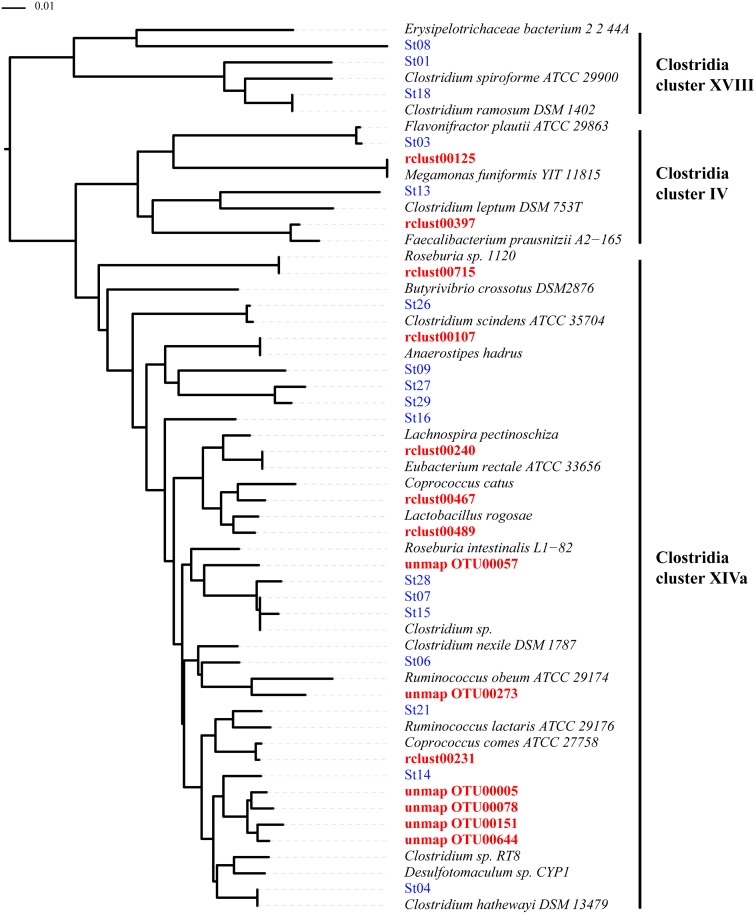
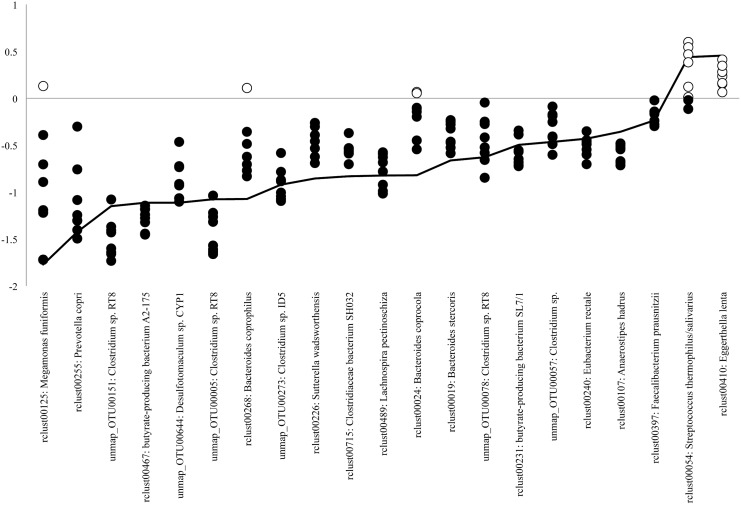
The pathogenesis of multiple sclerosis (MS), an autoimmune disease affecting the brain and spinal cord, remains poorly understood. Patients with MS typically present with recurrent episodes of neurological dysfunctions such as blindness, paresis, and sensory disturbances. Studies on experimental autoimmune encephalomyelitis (EAE) animal models have led to a number of testable hypotheses including a hypothetical role of altered gut microbiota in the development of MS. To investigate whether gut microbiota in patients with MS is altered, we compared the gut microbiota of 20 Japanese patients with relapsing-remitting (RR) MS (MS20) with that of 40 healthy Japanese subjects (HC40) and an additional 18 healthy subjects (HC18). All the HC18 subjects repeatedly provided fecal samples over the course of months (158 samples in total). Analysis of the bacterial 16S ribosomal RNA (rRNA) gene by using a high-throughput culture-independent pyrosequencing method provided evidence of a moderate dysbiosis in the structure of gut microbiota in patients with MS. Furthermore, we found 21 species that showed significant differences in relative abundance between the MS20 and HC40 samples. On comparing MS samples to the 158 longitudinal HC18 samples, the differences were found to be reproducibly significant for most of the species. These taxa comprised primarily of clostridial species belonging to Clostridia clusters XIVa and IV and Bacteroidetes. The phylogenetic tree analysis revealed that none of the clostridial species that were significantly reduced in the gut microbiota of patients with MS overlapped with other spore-forming clostridial species capable of inducing colonic regulatory T cells (Treg), which prevent autoimmunity and allergies; this suggests that many of the clostridial species associated with MS might be distinct from those broadly associated with autoimmune conditions. Correcting the dysbiosis and altered gut microbiota might deserve consideration as a potential strategy for the prevention and treatment of MS.
Overview
The claims and statistics of this paper haven’t been checked yet.
Run the check — free, no account needed. It reads the open-access text and checks the sources it cites.
Integrity signals
Registry
Cites
Statistics
Figures
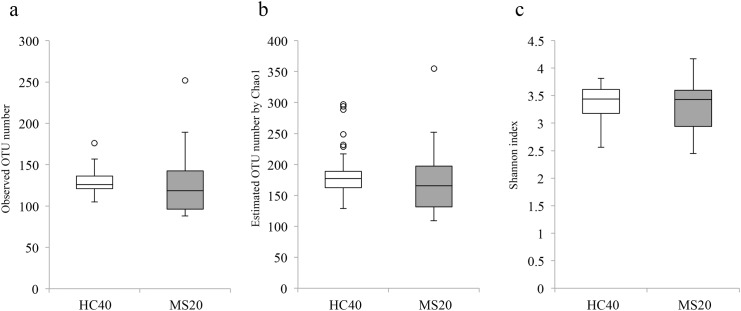
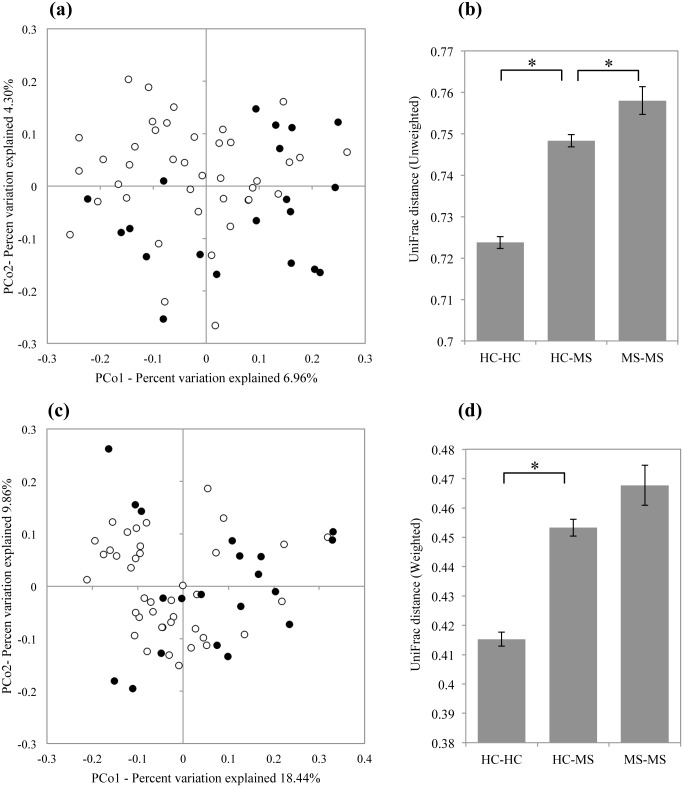
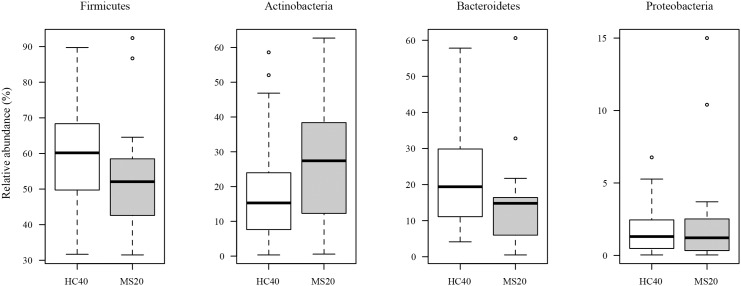
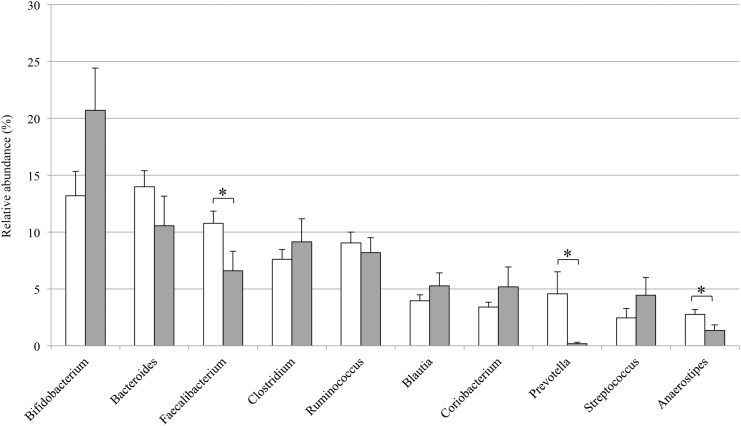
Verification
Claims the paper makes
The claims and statistics of this paper haven’t been checked yet.
Run the check — free, no account needed. It reads the open-access text and checks the sources it cites.
Claims other papers make about this one
Each is checked against this paper’s own text: does it say what the citing paper says it does?
In the citing paper
“Bacteria belonging to the Clostridia family contribute to the suppression of pathological autoimmunity (134, 139–143).”
From The gut-brain axis: how microbiota and host inflammasome influence brain physiology and pathology (2020) · cites this paper as [134]
In the citing paper
“Interestingly, even MS patients with active disease have an altered microbiota compared to patients in the remission phase, which in turn have a microbiota more similar to healthy controls (25, 134–138).”
From The gut-brain axis: how microbiota and host inflammasome influence brain physiology and pathology (2020) · cites this paper as [134]
Self-check
Percentages, sums and reported differences re-computed from the paper’s own numbers.
The self-check needs the paper’s full text.
Citations
Cites
A human gut microbial gene catalogue established by metagenomic sequencing
MetaHIT Consortium, Qin, J., Li, R., Raes, J., Arumugam, M., Burgdorf, K. S., Manichanh, C., Nielsen, T., Pons, N., Levenez, F., et al. (2010) · Nature · doi:10.1038/nature08821 · Cited by 11,624
McDonald, W. I., Compston, A., Edan, G., Goodkin, D., Hartung, H., Lublin, F. D., McFarland, H. F., Paty, D. W., Polman, C. H., Reingold, S. C., et al. (2001) · Annals of Neurology · doi:10.1002/ana.1032 · Cited by 6,969
Commensal microbe-derived butyrate induces the differentiation of colonic regulatory T cells
Furusawa, Y., Obata, Y., Fukuda, S., Endo, T. A., Nakato, G., Takahashi, D., Nakanishi, Y., Uetake, C., Kato, K., Kato, T., et al. (2013) · Nature · doi:10.1038/nature12721 · Cited by 5,549
The Microbial Metabolites, Short-Chain Fatty Acids, Regulate Colonic T reg Cell Homeostasis
Smith, P. M., Howitt, M. R., Panikov, N., Michaud, M., Gallini, C. A., Bohlooly-Y, M., Glickman, J. N., & Garrett, W. S. (2013) · Science · doi:10.1126/science.1241165 · Cited by 5,413
Role of the microbiota in immunity and inflammation.
Belkaid, Y., & Hand, T. W. (2014) · Cell · doi:10.1016/j.cell.2014.03.011 · Cited by 5,385
Metabolites produced by commensal bacteria promote peripheral regulatory T-cell generation
Arpaia, N., Campbell, C., Fan, X., Dikiy, S., van der Veeken, J., deRoos, P., Liu, H., Cross, J. R., Pfeffer, K., Coffer, P. J., et al. (2013) · Nature · doi:10.1038/nature12726 · Cited by 4,838
Richness of human gut microbiome correlates with metabolic markers
Le Chatelier, E., Nielsen, T., Qin, J., Prifti, E., Hildebrand, F., Falony, G., Almeida, M., Arumugam, M., Batto, J.-M., Kennedy, S., et al. (2013) · Nature · doi:10.1038/nature12506 · Cited by 4,662
Frank, D. N., St. Amand, A. L., Feldman, R. A., Boedeker, E. C., Harpaz, N., & Pace, N. R. (2007) · Proceedings of the National Academy of Sciences · doi:10.1073/pnas.0706625104 · Cited by 4,611
Sokol, H., Pigneur, B., Watterlot, L., Lakhdari, O., Bermúdez-Humarán, L. G., Gratadoux, J.-J., Blugeon, S., Bridonneau, C., Furet, J.-P., Corthier, G., et al. (2008) · Proceedings of the National Academy of Sciences · doi:10.1073/pnas.0804812105 · Cited by 4,413
Induction of Colonic Regulatory T Cells by Indigenous Clostridium Species
Atarashi, K., Tanoue, T., Shima, T., Imaoka, A., Kuwahara, T., Momose, Y., Cheng, G., Yamasaki, S., Saito, T., Ohba, Y., et al. (2011) · Science · doi:10.1126/science.1198469 · Cited by 3,752
Cited by
Sorted by citations
Interactions between the microbiota, immune and nervous systems in health and disease
Fung, T. C., Olson, C. A., & Hsiao, E. Y. (2017) · Nature Neuroscience · doi:10.1038/nn.4476 · Cited by 1,900
SCFA: mechanisms and functional importance in the gut
Martin‐Gallausiaux, C., Marinelli, L., Blottière, H. M., Larraufie, P., & Lapaque, N. (2020) · Proceedings of The Nutrition Society · doi:10.1017/s0029665120006916 · Cited by 1,585
The gut microbiome in neurological disorders
Cryan, J. F., O'Riordan, K. J., Sandhu, K., Peterson, V., & Dinan, T. G. (2020) · The Lancet Neurology · doi:10.1016/s1474-4422(19)30356-4 · Cited by 1,336
Alterations of the human gut microbiome in multiple sclerosis
Jangi, S., Gandhi, R., Cox, L. M., Li, N., von Glehn, F., Yan, R., Patel, B., Mazzola, M. A., Liu, S., Glanz, B. L., et al. (2016) · Nature Communications · doi:10.1038/ncomms12015 · Cited by 1,307
Cekanaviciute, E., Yoo, B. B., Runia, T. F., Debelius, J. W., Singh, S., Nelson, C., Kanner, R., Bencosme, Y., Lee, Y. K., Hauser, S. L., et al. (2017) · Proceedings of the National Academy of Sciences · doi:10.1073/pnas.1711235114 · Cited by 1,040
Multiple sclerosis patients have a distinct gut microbiota compared to healthy controls
Chen, J., Chia, N., Kalari, K. R., Yao, J. Z., Novotna, M., Paz Soldan, M. M., Luckey, D. H., Marietta, E. V., Jeraldo, P. R., Chen, X., et al. (2016) · Scientific Reports · doi:10.1038/srep28484 · Cited by 933
Berer, K., Gerdes, L. A., Cekanaviciute, E., Jia, X., Xiao, L., Xia, Z., Liu, C., Klotz, L., Stauffer, U., Baranzini, S. E., et al. (2017) · Proceedings of the National Academy of Sciences · doi:10.1073/pnas.1711233114 · Cited by 933
Multiple Sclerosis: Mechanisms and Immunotherapy
Baecher-Allan, C., Kaskow, B. J., & Weiner, H. L. (2018) · Neuron · doi:10.1016/j.neuron.2018.01.021 · Cited by 938
The Gut Microbiota and Alzheimer’s Disease
Jiang, C., Li, G., Huang, P., Liu, Z., & Zhao, B. (2017) · Journal of Alzheimer's Disease · doi:10.3233/jad-161141 · Cited by 852
The gut-brain axis: how microbiota and host inflammasome influence brain physiology and pathology
Rutsch, A., Kantsjö, J. B., & Ronchi, F. (2020) · Frontiers in Immunology · doi:10.3389/fimmu.2020.604179 · Cited by 821
Bedarf, J. R., Hildebrand, F., Coelho, L. P., Sunagawa, S., Bahram, M., Goeser, F., Bork, P., & Wüllner, U. (2017) · Genome Medicine · doi:10.1186/s13073-017-0428-y · Cited by 642
Intermittent Fasting Confers Protection in CNS Autoimmunity by Altering the Gut Microbiota
Cignarella, F., Cantoni, C., Ghezzi, L., Salter, A., Dorsett, Y., Chen, L., Phillips, D., Weinstock, G. M., Fontana, L., Cross, A. H., et al. (2018) · Cell Metabolism · doi:10.1016/j.cmet.2018.05.006 · Cited by 568
Development and maintenance of intestinal regulatory T cells
Tanoue, T., Atarashi, K., & Honda, K. (2016) · Nature Reviews Immunology · doi:10.1038/nri.2016.36 · Cited by 553
The pathogenicity of Th17 cells in autoimmune diseases
Yasuda, K., Takeuchi, Y., & Hirota, K. (2019) · Seminars in Immunopathology · doi:10.1007/s00281-019-00733-8 · Cited by 586
The gut microbiome in human neurological disease: A review
Tremlett, H., Bauer, K. C., Appel‐Cresswell, S., Finlay, B. B., & Waubant, E. (2017) · Annals of Neurology · doi:10.1002/ana.24901 · Cited by 535
The microbiome in autoimmune diseases
De Luca, F., & Shoenfeld, Y. (2018) · Clinical and Experimental Immunology · doi:10.1111/cei.13158 · Cited by 510
The hygiene hypothesis in autoimmunity: the role of pathogens and commensals
Bach, J. (2017) · Nature reviews. Immunology · doi:10.1038/nri.2017.111 · Cited by 522
Microbiome–microglia connections via the gut–brain axis
Abdel-Haq, R., Schlachetzki, J. C. M., Glass, C. K., & Mazmanian, S. K. (2019) · Journal of Experimental Medicine · doi:10.1084/jem.20180794 · Cited by 471
Forbes, J. D., Chen, C., Knox, N., Marrie, R. A., El-Gabalawy, H. S., de Kievit, T. R., Alfa, M. J., Bernstein, C. N., & Domselaar, G. V. (2018) · Microbiome · doi:10.1186/s40168-018-0603-4 · Cited by 461
Fecal Microbiota Transplantation in Neurological Disorders
Vendrik, K. E. W., Ooijevaar, R. E., de Jong, P. R. C., Laman, J. D., van Oosten, B. W., van Hilten, J. J., Ducarmon, Q. R., Keller, J. J., Kuijper, E. J., & Contarino, M. F. (2020) · Frontiers in Cellular and Infection Microbiology · doi:10.3389/fcimb.2020.00098 · Cited by 413
Alterations in the gut microbiota can elicit hypertension in rats
Adnan, S., Nelson, J. W., Ajami, N. J., Venna, V. R., Petrosino, J. F., Bryan, R. M., & Durgan, D. J. (2016) · Physiological Genomics · doi:10.1152/physiolgenomics.00081.2016 · Cited by 386
The impact of the gut microbiome on extra-intestinal autoimmune diseases
Miyauchi, E., Shimokawa, C., Steimle, A., Desai, M. S., & Ohno, H. (2022) · Nature reviews. Immunology · doi:10.1038/s41577-022-00727-y · Cited by 384
Gut microbiota in early pediatric multiple sclerosis: a case−control study
Tremlett, H. L., Fadrosh, D. W., Faruqi, A. A., Zhu, F., Hart, J., Roalstad, S., Graves, J., Lynch, S. V., & Waubant, E. L. (2016) · European Journal of Neurology · doi:10.1111/ene.13026 · Cited by 357
Cosorich, I., Dalla-Costa, G., Sorini, C., Ferrarese, R., Messina, M. J., Dolpady, J., Radice, E., Mariani, A., Testoni, P. A., Canducci, F., et al. (2017) · Science Advances · doi:10.1126/sciadv.1700492 · Cited by 338
Connecting the immune system, systemic chronic inflammation and the gut microbiome: the role of sex
Rizzetto, L., Fava, F., Tuohy, K. M., & Selmi, C. (2018) · Journal of Autoimmunity · doi:10.1016/j.jaut.2018.05.008 · Cited by 331
The mutual interplay of gut microbiota, diet and human disease
Illiano, P., Brambilla, R., & Parolini, C. (2020) · FEBS Journal · doi:10.1111/febs.15217 · Cited by 338
Intestinal dysbiosis and probiotic applications in autoimmune diseases
de Oliveira, G. L. V., Leite, A. Z., Higuchi, B. S., Gonzaga, M. I., & Mariano, V. S. (2017) · Immunology · doi:10.1111/imm.12765 · Cited by 324
Gut microbiota in neurodegenerative disorders
Sarkar, S. R., & Banerjee, S. (2019) · Journal of Neuroimmunology · doi:10.1016/j.jneuroim.2019.01.004 · Cited by 325
Smoking and microbiome in oral, airway, gut and some systemic diseases
Huang, C., & Shi, G. (2019) · Journal of Translational Medicine · doi:10.1186/s12967-019-1971-7 · Cited by 288
Gut Microbiota Regulation of T Cells During Inflammation and Autoimmunity
Brown, E., Kenny, D. J., & Xavier, R. J. (2019) · Annual Review of Immunology · doi:10.1146/annurev-immunol-042718-041841 · Cited by 318
Microglia, Lifestyle Stress, and Neurodegeneration
Madore, C., Yin, Z., Leibowitz, J. A., & Butovsky, O. (2020) · Immunity · doi:10.1016/j.immuni.2019.12.003 · Cited by 313
Changes of colonic bacterial composition in Parkinson's disease and other neurodegenerative diseases
Gerhardt, S., & Mohajeri, M. H. (2018) · Nutrients · doi:10.3390/nu10060708 · Cited by 298
Recent developments in understanding the role of the gut microbiota in brain health and disease
Sherwin, E., Dinan, T. G., & Cryan, J. F. (2018) · Annals of the New York Academy of Sciences · doi:10.1111/nyas.13416 · Cited by 338
Gut Microbiome in Progressive Multiple Sclerosis
Cox, L. M., Maghzi, A. H., Liu, S., Tankou, S. K., Dhang, F. H., Willocq, V., Song, A., Wasén, C., Tauhid, S., Chu, R., et al. (2021) · Annals of Neurology · doi:10.1002/ana.26084 · Cited by 292
D’Amato, A., Di Cesare Mannelli, L., Lucarini, E., Man, A. L., Le Gall, G., Branca, J. J. V., Ghelardini, C., Amedei, A., Bertelli, E., Regoli, M., et al. (2020) · Microbiome · doi:10.1186/s40168-020-00914-w · Cited by 269
Pellegrini, C., Antonioli, L., Colucci, R., Blandizzi, C., & Fornai, M. (2018) · Acta Neuropathologica · doi:10.1007/s00401-018-1856-5 · Cited by 270
Human Gut-Derived Commensal Bacteria Suppress CNS Inflammatory and Demyelinating Disease
Mangalam, A., Shahi, S. K., Luckey, D., Karau, M., Marietta, E., Luo, N., Choung, R. S., Ju, J., Sompallae, R., Gibson-Corley, K., et al. (2017) · Cell Reports · doi:10.1016/j.celrep.2017.07.031 · Cited by 266
Gut microorganisms act together to exacerbate inflammation in spinal cords
Miyauchi, E., Kim, S.-W., Suda, W., Kawasumi, M., Onawa, S., Taguchi-Atarashi, N., Morita, H., Taylor, T. D., Hattori, M., & Ohno, H. (2020) · Nature · doi:10.1038/s41586-020-2634-9 · Cited by 268
Microbiota in the Gastrointestinal Tract
Dieterich, W., Schink, M., & Zopf, Y. (2018) · Medical Sciences · doi:10.3390/medsci6040116 · Cited by 292
A probiotic modulates the microbiome and immunity in multiple sclerosis
Tankou, S. K., Regev, K., Healy, B. C., Tjon, E. C., Laghi, L., Cox, L. M., Kivisäkk, P., Pierre, I. V., Hrishikesh, L., Gandhi, R., et al. (2018) · Annals of Neurology · doi:10.1002/ana.25244 · Cited by 263
Yuille, S., Reichardt, N., Panda, S., Dunbar, H., & Mulder, I. E. (2018) · PLOS ONE · doi:10.1371/journal.pone.0201073 · Cited by 257
Wu, M., Li, P., An, Y., Ren, J., Yan, D., Cui, J., Li, D., Li, M., Wang, M., & Zhong, G. (2019) · Pharmacological Research · doi:10.1016/j.phrs.2019.104489 · Cited by 259
Relationships Between Vitamin D, Gut Microbiome, and Systemic Autoimmunity
Yamamoto, E. A., & Jørgensen, T. N. (2020) · Frontiers in Immunology · doi:10.3389/fimmu.2019.03141 · Cited by 271
Impacts of microbiome metabolites on immune regulation and autoimmunity
Haase, S., Haghikia, A., Wilck, N., Müller, D. N., & Linker, R. A. (2018) · Immunology · doi:10.1111/imm.12933 · Cited by 239
Mitrea, L., Nemeș, S. A., Szabo, K., Teleky, B., & Vodnar, D. C. (2022) · Frontiers in Medicine · doi:10.3389/fmed.2022.813204 · Cited by 253
The dual role of short fatty acid chains in the pathogenesis of autoimmune disease models
Mizuno, M., Noto, D., Kaga, N., Chiba, A., & Miyake, S. (2017) · PLoS ONE · doi:10.1371/journal.pone.0173032 · Cited by 230
Self-citationThe critical role of Faecalibacterium prausnitzii in human health: An overview
Leylabadlo, H. E., Ghotaslou, R., Feizabadi, M. M., Farajnia, S., Moaddab, S. Y., Ganbarov, K., Khodadadi, E., Tanomand, A., Sheykhsaran, E., Yousefi, B., et al. (2020) · Microbial Pathogenesis · doi:10.1016/j.micpath.2020.104344 · Cited by 245
Duan, H., Wang, L., Huangfu, M., & Li, H. (2023) · Biomedicine & Pharmacotherapy · doi:10.1016/j.biopha.2023.115276 · Cited by 252
Butyrate suppresses demyelination and enhances remyelination
Chen, T., Noto, D., Hoshino, Y., Mizuno, M., & Miyake, S. (2019) · Journal of Neuroinflammation · doi:10.1186/s12974-019-1552-y · Cited by 229
Self-citationGut microbiota–specific IgA + B cells traffic to the CNS in active multiple sclerosis
Pröbstel, A., Zhou, X., Baumann, R., Wischnewski, S., Kutza, M., Rojas, O. L., Sellrie, K., Bischof, A., Kim, K., Ramesh, A., et al. (2020) · Science Immunology · doi:10.1126/sciimmunol.abc7191 · Cited by 240
Circulating exosomes suppress the induction of regulatory T cells via let-7i in multiple sclerosis
Kimura, K., Hohjoh, H., Fukuoka, M., Sato, W., Oki, S., Tomi, C., Yamaguchi, H., Kondo, T., Takahashi, R., & Yamamura, T. (2017) · Nature Communications · doi:10.1038/s41467-017-02406-2 · Cited by 223
Gut microbiome in multiple sclerosis: The players involved and the roles they play
Shahi, S. K., Freedman, S. N., & Mangalam, A. K. (2017) · Gut Microbes · doi:10.1080/19490976.2017.1349041 · Cited by 230
Role of Gut Microbiota in Rheumatoid Arthritis
Maeda, Y., & Takeda, K. (2017) · Journal of Clinical Medicine · doi:10.3390/jcm6060060 · Cited by 222
Aging, Frailty, and the Microbiome—How Dysbiosis Influences Human Aging and Disease
Haran, J. P., & McCormick, B. A. (2020) · Gastroenterology · doi:10.1053/j.gastro.2020.09.060 · Cited by 225
Microbiota Signaling Pathways that Influence Neurologic Disease
Cox, L. M., & Weiner, H. L. (2018) · Neurotherapeutics · doi:10.1007/s13311-017-0598-8 · Cited by 210
Chidambaram, S. B., Essa, M. M., Rathipriya, A. G., Bishir, M., Ray, B., Mahalakshmi, A. M., Tousif, A. H., Sakharkar, M. K., Kashyap, R. S., Friedland, R. P., et al. (2022) · Pharmacology & Therapeutics · doi:10.1016/j.pharmthera.2021.107988 · Cited by 204
The role of the gut microbiota in multiple sclerosis
Correale, J., Hohlfeld, R., & Baranzini, S. E. (2022) · Nature Reviews Neurology · doi:10.1038/s41582-022-00697-8 · Cited by 207
Lactobacillus reuteri tryptophan metabolism promotes host susceptibility to CNS autoimmunity
Montgomery, T. L., Eckstrom, K. M., Lile, K. H., Caldwell, S. K., Heney, E. R., Lahue, K. G., D’Alessandro, A., Wargo, M. J., & Krementsov, D. N. (2022) · Microbiome · doi:10.1186/s40168-022-01408-7 · Cited by 208
Hazan, S. (2020) · Journal of International Medical Research · doi:10.1177/0300060520925930 · Cited by 200
Saresella, M., Marventano, I., Barone, M., Rosa, F. L., Piancone, F., Mendozzi, L., d’Arma, A., Rossi, V., Pugnetti, L., Roda, G., et al. (2020) · Frontiers in Immunology · doi:10.3389/fimmu.2020.01390 · Cited by 206
Park, J., Wang, Q., Wu, Q., Mao‐Draayer, Y., & Kim, C. H. (2019) · Scientific Reports · doi:10.1038/s41598-019-45311-y · Cited by 199
Swidsinski, A., Dörffel, Y., Loening-Baucke, V., Gille, C., Göktas, Ö., Reißhauer, A., Neuhaus, J., Weylandt, K.-H., Guschin, A., & Bock, M. (2017) · Frontiers in Microbiology · doi:10.3389/fmicb.2017.01141 · Cited by 196
Takewaki, D., Suda, W., Sato, W., Takayasu, L., Kumar, N., Kimura, K., Kaga, N., Mizuno, T., Miyake, S., Hattori, M., et al. (2020) · Proceedings of the National Academy of Sciences · doi:10.1073/pnas.2011703117 · Cited by 194
The Gut Microbiota in Multiple Sclerosis: An Overview of Clinical Trials
Schepici, G., Silvestro, S., Bramanti, P., & Mazzon, E. (2019) · Cell Transplantation · doi:10.1177/0963689719873890 · Cited by 196
The intestinal barrier in multiple sclerosis: implications for pathophysiology and therapeutics
Camara-Lemarroy, C. R., Metz, L. M., Meddings, J. B., Sharkey, K. A., & Yong, V. W. (2018) · Brain · doi:10.1093/brain/awy131 · Cited by 188
Ashique, S., Mohanto, S., Ahmed, M. G., Mishra, N., Garg, A., Chellappan, D. K., Omara, T., Iqbal, S., & Kahwa, I. (2024) · Heliyon · doi:10.1016/j.heliyon.2024.e34092 · Cited by 205
RetractedThe interplay between host immune cells and gut microbiota in chronic inflammatory diseases
Kim, D.-H., Zeng, M. Y., & Núñez, G. (2017) · Experimental & Molecular Medicine · doi:10.1038/emm.2017.24 · Cited by 191
Intestinal Microbiota Influences Non-intestinal Related Autoimmune Diseases
Opazo, M. C., Ortega-Rocha, E. M., Coronado-Arrázola, I., Bonifaz, L. C., Boudin, H., Neunlist, M., Bueno, S. M., Kalergis, A. M., & Riedel, C. A. (2018) · Frontiers in Microbiology · doi:10.3389/fmicb.2018.00432 · Cited by 179
Microbiota-gut brain axis involvement in neuropsychiatric disorders
Iannone, L. F., Preda, A., Blottière, H. M., Clarke, G., Albani, D., Belcastro, V., Carotenuto, M., Cattaneo, A., Citraro, R., Ferraris, C., et al. (2019) · Expert Review of Neurotherapeutics · doi:10.1080/14737175.2019.1638763 · Cited by 177
Gut microbiota composition and relapse risk in pediatric MS: A pilot study
Tremlett, H. L., Fadrosh, D. W., Faruqi, A. A., Hart, J., Roalstad, S., Graves, J. S., Lynch, S. V., Waubant, E. L., Aaen, G. S., Belman, A. L., et al. (2016) · Journal of the Neurological Sciences · doi:10.1016/j.jns.2016.02.042 · Cited by 175
The Role of Diet in Multiple Sclerosis: Mechanistic Connections and Current Evidence
Sand, I. K. (2018) · Current Nutrition Reports · doi:10.1007/s13668-018-0236-z · Cited by 181
The "Gut Feeling": Breaking Down the Role of Gut Microbiome in Multiple Sclerosis
Freedman, S. N., Shahi, S. K., & Mangalam, A. K. (2018) · Neurotherapeutics · doi:10.1007/s13311-017-0588-x · Cited by 168
Fatty acid metabolism in the progression and resolution of CNS disorders
Bogie, J. F. J., Haidar, M., Kooij, G., & Hendriks, J. J. A. (2020) · Advanced Drug Delivery Reviews · doi:10.1016/j.addr.2020.01.004 · Cited by 167
The Impact of Gut Microbiota Disorders on the Blood–Brain Barrier
Wei, T., Zhu, H., Feng, Y., Guo, R., & Wan, D. (2020) · Infection and Drug Resistance · doi:10.2147/idr.s254403 · Cited by 171
Kandpal, M., Indari, O., Baral, B., Jakhmola, S., Tiwari, D., Bhandari, V., Pandey, R. K., Bala, K., Sonawane, A., & Jha, H. C. (2022) · Metabolites · doi:10.3390/metabo12111064 · Cited by 177
Saresella, M., Mendozzi, L., Rossi, V., Mazzali, F., Piancone, F., LaRosa, F., Marventano, I., Caputo, D., Felis, G. E., & Clerici, M. (2017) · Frontiers in Immunology · doi:10.3389/fimmu.2017.01391 · Cited by 162
Current and Future Biomarkers in Multiple Sclerosis
Yang, J., Hamade, M., Wu, Q., Wang, Q., Axtell, R. C., Giri, S., & Mao‐Draayer, Y. (2022) · International Journal of Molecular Sciences · doi:10.3390/ijms23115877 · Cited by 190
Chu, F., Shi, M., Lang, Y., Shen, D., Jin, T., Zhu, J., & Cui, L. (2018) · Mediators of Inflammation · doi:10.1155/2018/8168717 · Cited by 164
Zeng, Q., Gong, J., Liu, X., Chen, C., Sun, X., Li, H., Zhou, Y., Cui, C., Wang, Y., Yang, Y., et al. (2019) · Neurochemistry International · doi:10.1016/j.neuint.2019.104468 · Cited by 159
Investigation of probiotics in multiple sclerosis
Tankou, S. K., Regev, K., Healy, B. C., Cox, L. M., Tjon, E., Kivisakk, P., Vanande, I. P., Cook, S., Gandhi, R., Glanz, B., et al. (2018) · Multiple Sclerosis Journal · doi:10.1177/1352458517737390 · Cited by 156
Gut microbiome analysis in neuromyelitis optica reveals overabundance of Clostridium perfringens
Cree, B., Spencer, C. M., Varrin‐Doyer, M., Baranzini, S. E., & Zamvil, S. S. (2016) · Annals of Neurology · doi:10.1002/ana.24718 · Cited by 157
Diet, Gut Microbiota, and Vitamins D + A in Multiple Sclerosis
Riccio, P., & Rossano, R. (2017) · Neurotherapeutics · doi:10.1007/s13311-017-0581-4 · Cited by 164
The multiple sclerosis gut microbiota: A systematic review
Mirza, A., Forbes, J. D., Zhu, F., Bernstein, C. N., Domselaar, G. V., Graham, M., Waubant, E. L., & Tremlett, H. L. (2019) · Multiple Sclerosis and Related Disorders · doi:10.1016/j.msard.2019.101427 · Cited by 159
Doroszkiewicz, J., Groblewska, M., & Mroczko, B. (2021) · International Journal of Molecular Sciences · doi:10.3390/ijms221810028 · Cited by 166
Implications of Gut Microbiota in Neurodegenerative Diseases
Zhang, H., Chen, Y., Wang, Z., Xie, G., Liu, M., Yuan, B., Chai, H., Wang, W., & Cheng, P. (2022) · Frontiers in Immunology · doi:10.3389/fimmu.2022.785644 · Cited by 161
Urban-associated diseases: Candidate diseases, environmental risk factors, and a path forward
Flies, E. J., Mavoa, S., Zosky, G. R., Mantzioris, E., Williams, C. R., Eri, R. D., Brook, B. W., & Buettel, J. C. (2019) · Environment International · doi:10.1016/j.envint.2019.105187 · Cited by 162
Alterations of host-gut microbiome interactions in multiple sclerosis
Cantoni, C., Lin, Q., Dorsett, Y., Ghezzi, L., Liu, Z., Pan, Y., Chen, K., Han, Y., Li, Z., Xiao, H., et al. (2022) · EBioMedicine · doi:10.1016/j.ebiom.2021.103798 · Cited by 155
Environmental factors in autoimmune diseases and their role in multiple sclerosis
Haase, S., Grohme, D. A., Erzler, M., Binsfeld, M., Haghikia, A., Müller, D. N., Linker, R. A., & Kleinewietfeld, M. (2016) · Cellular and Molecular Life Sciences · doi:10.1007/s00018-016-2311-1 · Cited by 156
Diet, gut microbiota and cognition
Proctor, C., Thiennimitr, P., Chattipakorn, N., & Chattipakorn, S. C. (2017) · Metabolic Brain Disease · doi:10.1007/s11011-016-9917-8 · Cited by 144
A clinical update on the significance of the gut microbiota in systemic autoimmunity
Rosser, E. C., & Mauri, C. (2016) · Journal of Autoimmunity · doi:10.1016/j.jaut.2016.06.009 · Cited by 142
The Gut Microbiome and Multiple SclerosisPreprint
Ochoa‐Repáraz, J., Kirby, T. O., & Kasper, L. H. (2018) · Cold Spring Harbor Perspectives in Medicine · doi:10.1101/cshperspect.a029017 · Cited by 143
Huang, C., Yi, P., Zhu, M., Zhou, W., Zhang, B., Yi, X., Long, H., Zhang, G., Wu, H., Tsokos, G. C., et al. (2022) · Journal of Autoimmunity · doi:10.1016/j.jaut.2022.102844 · Cited by 139
The role of gut microbiota in T cell immunity and immune mediated disorders
Shim, J. A., Ryu, J. H., Jo, Y., & Hong, C. (2023) · International Journal of Biological Sciences · doi:10.7150/ijbs.79430 · Cited by 140
Spichak, S., Bastiaanssen, T. F. S., Berding, K., Vlckova, K., Clarke, G., Dinan, T. G., & Cryan, J. F. (2021) · Neuroscience & Biobehavioral Reviews · doi:10.1016/j.neubiorev.2021.02.044 · Cited by 127
Shahi, S. K., Freedman, S. N., Murra, A. C., Zarei, K., Sompallae, R. R., Gibson-Corley, K. N., Karandikar, N. J., Murray, J. A., & Mangalam, A. K. (2019) · Frontiers in Immunology · doi:10.3389/fimmu.2019.00462 · Cited by 127
The Gut-Brain Axis in Inflammatory Bowel Disease—Current and Future Perspectives
Günther, C., Rothhammer, V., Karow, M., Neurath, M., & Winner, B. (2021) · International Journal of Molecular Sciences · doi:10.3390/ijms22168870 · Cited by 123
Balakrishnan, B., Luckey, D. H., Bodkhe, R., Chen, J., Marietta, E. V., Jeraldo, P., Murray, J. A., & Taneja, V. (2021) · Frontiers in Immunology · doi:10.3389/fimmu.2021.609644 · Cited by 125
Gut Microbiome and Metabolites in Systemic Lupus Erythematosus: Link, Mechanisms and Intervention
Zhang, L., Qing, P., Yang, H., Wu, Y., Liu, Y., & Luo, Y. (2021) · Frontiers in Immunology · doi:10.3389/fimmu.2021.686501 · Cited by 132
Bicknell, B. T., Liebert, A. D., Borody, T. J., Herkes, G., McLachlan, C. S., & Kiat, H. (2023) · International Journal of Molecular Sciences · doi:10.3390/ijms24119577 · Cited by 135
Short-chain fatty acids and gut microbiota in multiple sclerosis
Melbye, P., Olsson, A., Hansen, T. H., Søndergaard, H. B., & Oturai, A. B. (2018) · Acta Neurologica Scandinavica · doi:10.1111/ane.13045 · Cited by 125
Metadata
- Authors
- Miyake, S., Kim, S., Suda, W., Oshima, K., Nakamura, M., Matsuoka, T., Chihara, N., Tomita, A., Sato, W., Kim, S.-W., Morita, H., Hattori, M., & Yamamura, T.
- Affiliations
- Juntendo University (JP)
- RIKEN Center for Integrative Medical Sciences (JP)
- The University of Tokyo (JP)
- National Institute of Neuroscience (JP)
- Azabu University (JP)
- Corresponding author
- Hattori, Masahira
- Yamamura, Takashi
- ORCID
- Venue
- PLoS ONE
- Publisher
- Public Library of Science (PLoS)
- Published
- 2015-09-14
- Volume
- 10
- Issue
- 9
- Pages
- e0137429
- ISSN
- 1932-6203 (ISSN-L)
- PMC
- PMC4569432
- OpenAlex
- W2200372542
- Cited by
- 809
- References
- 41
- Citations by year
- 2026: 49 · 2025: 61 · 2024: 83 · 2023: 68 · 2022: 91 · 2021: 89 · 2020: 89 · 2019: 76 · 2018: 85 · 2017: 76 · 2016: 38 · 2015: 2
- FWCI
- 29.08
- Type
- journal article
- Language
- en
- Open access
- gold
- doi.org
- Licence
- Locations
- PLoS ONE (publishedVersion, cc-by)
- PubMed Central (publishedVersion, cc-by)
- PubMed (publishedVersion)
- DOAJ (DOAJ: Directory of Open Access Journals) (submittedVersion, cc-by-sa)
- Figshare (submittedVersion, cc-by)
- Funders
- Ministry of Health, Labour and Welfare
- University of Tokyo
- Japan Society for the Promotion of Science (24229006, 26293234)
- Topics
- Life Sciences › Biochemistry, Genetics and Molecular Biology › Molecular Biology › Gut microbiota and health
- Health Sciences › Medicine › Clinical Neurology › Multiple Sclerosis Research Studies
- Health Sciences › Medicine › Gastroenterology › Inflammatory Bowel Disease
- Keywords
- multiple sclerosis, gut microbiota, dysbiosis, Clostridium XIVa, Bacteroidetes, relapsing-remitting multiple sclerosis, experimental autoimmune encephalomyelitis, regulatory T cells, autoimmunity, 16S rRNA gene sequencing, fecal microbiota
- MeSH terms
- Gastrointestinal Microbiome, Adult, Clostridium, Female, Humans, Japan, Male, Multiple Sclerosis, RNA, Bacterial, RNA, Ribosomal, 16S, Sequence Analysis, RNA, Bacteroidetes, High-Throughput Nucleotide Sequencing, Dysbiosis
About these checks
Registry, retraction, Cites and statistics results are computed, not judged, with one exception: a printed reference that no index lists is read once by a model before it counts as a citation error. Claims are extracted by a model and kept only when their quote appears verbatim in the text; each cited source is then checked, with a model’s help, for whether it says what the claim relies on. Those verdicts can be wrong — read the claim’s quote and the cited source before relying on one.
Statistics and arithmetic are recomputed, not judged.
Confidence bands are shown only for fields calibrated on our annotated test set. None is calibrated yet, so no band is shown.
What counts as a claim ›How we measure confidence ›How we check this ›
Are you an author, or do you see a problem with this page? Request a review
