

The DOI matches its Crossref record; 41 of the 41 references it cites were found in a registry or an index.
Dysbiosis in the Gut Microbiota of Patients with Multiple Sclerosis, with a Striking Depletion of Species Belonging to Clostridia XIVa and IV Clusters
Open accessAbstract
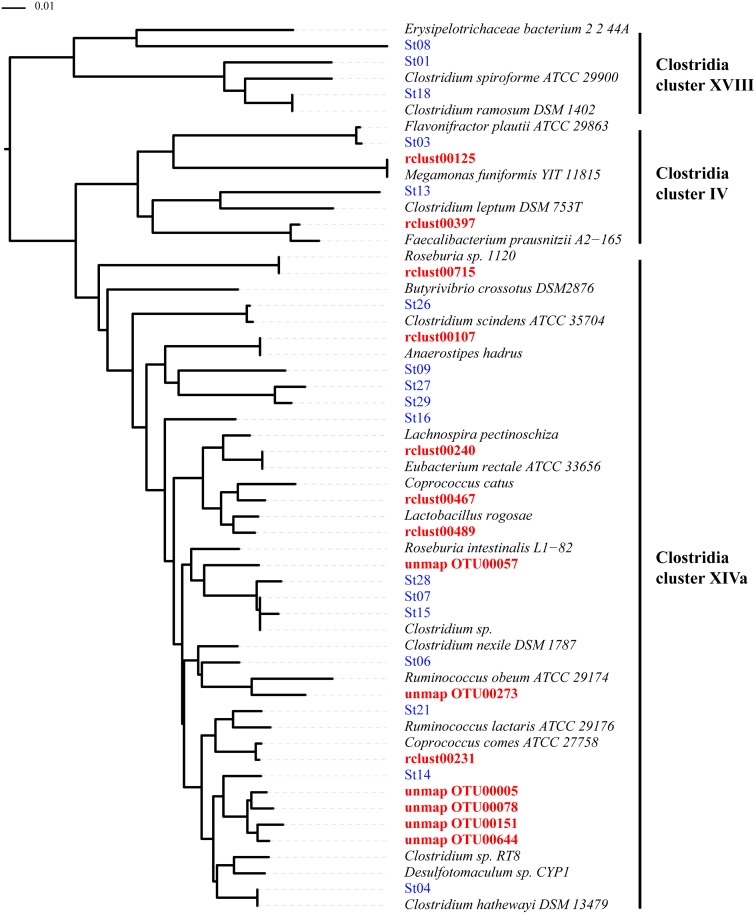
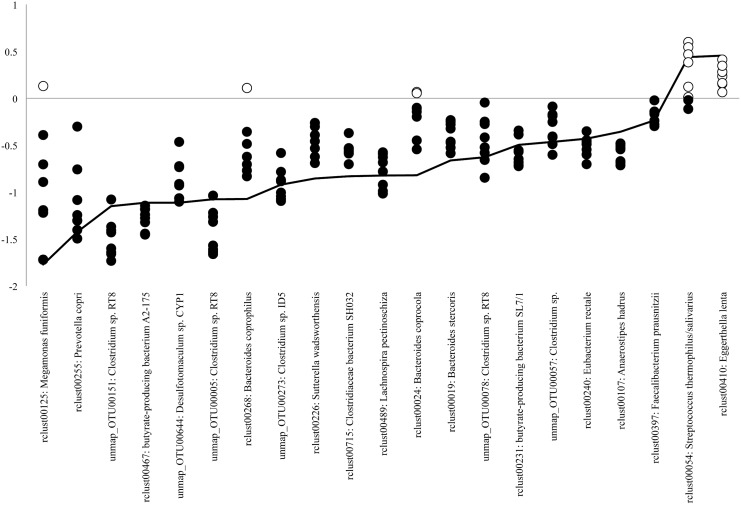
The pathogenesis of multiple sclerosis (MS), an autoimmune disease affecting the brain and spinal cord, remains poorly understood. Patients with MS typically present with recurrent episodes of neurological dysfunctions such as blindness, paresis, and sensory disturbances. Studies on experimental autoimmune encephalomyelitis (EAE) animal models have led to a number of testable hypotheses including a hypothetical role of altered gut microbiota in the development of MS. To investigate whether gut microbiota in patients with MS is altered, we compared the gut microbiota of 20 Japanese patients with relapsing-remitting (RR) MS (MS20) with that of 40 healthy Japanese subjects (HC40) and an additional 18 healthy subjects (HC18). All the HC18 subjects repeatedly provided fecal samples over the course of months (158 samples in total). Analysis of the bacterial 16S ribosomal RNA (rRNA) gene by using a high-throughput culture-independent pyrosequencing method provided evidence of a moderate dysbiosis in the structure of gut microbiota in patients with MS. Furthermore, we found 21 species that showed significant differences in relative abundance between the MS20 and HC40 samples. On comparing MS samples to the 158 longitudinal HC18 samples, the differences were found to be reproducibly significant for most of the species. These taxa comprised primarily of clostridial species belonging to Clostridia clusters XIVa and IV and Bacteroidetes. The phylogenetic tree analysis revealed that none of the clostridial species that were significantly reduced in the gut microbiota of patients with MS overlapped with other spore-forming clostridial species capable of inducing colonic regulatory T cells (Treg), which prevent autoimmunity and allergies; this suggests that many of the clostridial species associated with MS might be distinct from those broadly associated with autoimmune conditions. Correcting the dysbiosis and altered gut microbiota might deserve consideration as a potential strategy for the prevention and treatment of MS.
Overview
The claims and statistics of this paper haven’t been checked yet.
Run the check — free, no account needed. It reads the open-access text and checks the sources it cites.
Integrity signals
Registry
Cites
Statistics
Figures
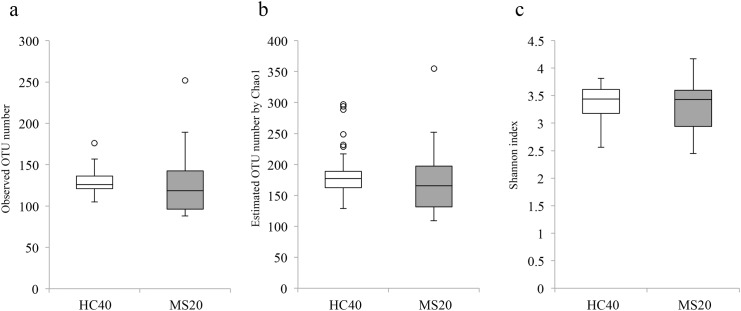
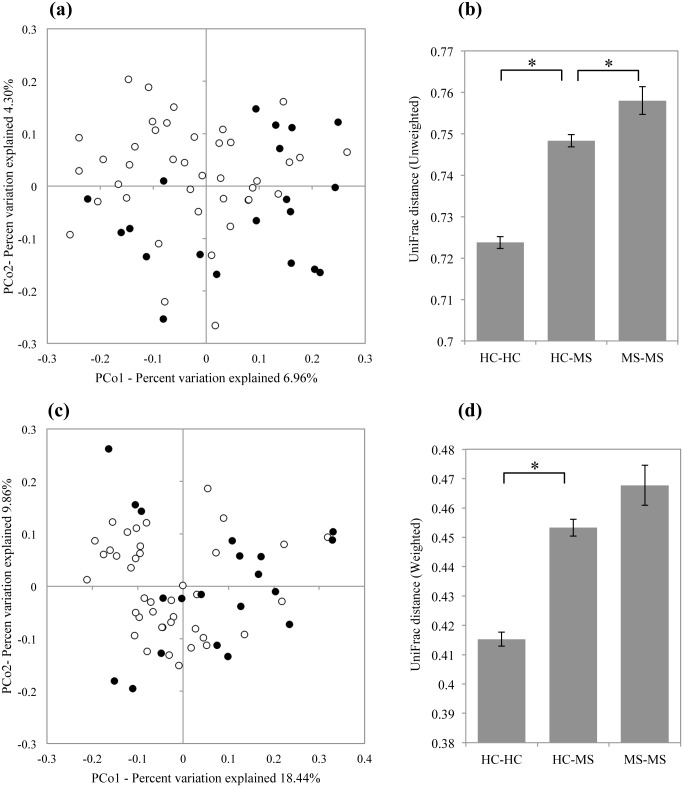
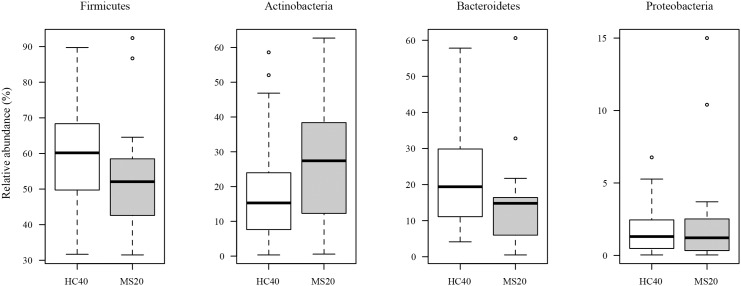
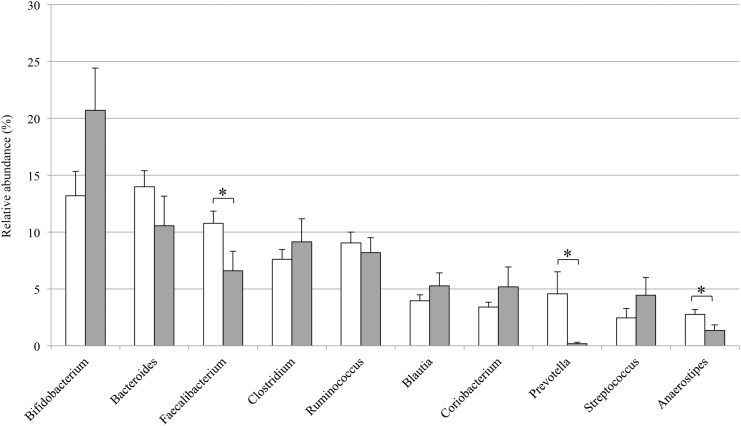
Verification
Claims the paper makes
The claims and statistics of this paper haven’t been checked yet.
Run the check — free, no account needed. It reads the open-access text and checks the sources it cites.
Claims other papers make about this one
Each is checked against this paper’s own text: does it say what the citing paper says it does?
In the citing paper
“Bacteria belonging to the Clostridia family contribute to the suppression of pathological autoimmunity (134, 139–143).”
From The gut-brain axis: how microbiota and host inflammasome influence brain physiology and pathology (2020) · cites this paper as [134]
In the citing paper
“Interestingly, even MS patients with active disease have an altered microbiota compared to patients in the remission phase, which in turn have a microbiota more similar to healthy controls (25, 134–138).”
From The gut-brain axis: how microbiota and host inflammasome influence brain physiology and pathology (2020) · cites this paper as [134]
Self-check
Percentages, sums and reported differences re-computed from the paper’s own numbers.
The self-check needs the paper’s full text.
Citations
Cites
A human gut microbial gene catalogue established by metagenomic sequencing
MetaHIT Consortium, Qin, J., Li, R., Raes, J., Arumugam, M., Burgdorf, K. S., Manichanh, C., Nielsen, T., Pons, N., Levenez, F., et al. (2010) · Nature · doi:10.1038/nature08821 · Cited by 11,624
McDonald, W. I., Compston, A., Edan, G., Goodkin, D., Hartung, H., Lublin, F. D., McFarland, H. F., Paty, D. W., Polman, C. H., Reingold, S. C., et al. (2001) · Annals of Neurology · doi:10.1002/ana.1032 · Cited by 6,969
Commensal microbe-derived butyrate induces the differentiation of colonic regulatory T cells
Furusawa, Y., Obata, Y., Fukuda, S., Endo, T. A., Nakato, G., Takahashi, D., Nakanishi, Y., Uetake, C., Kato, K., Kato, T., et al. (2013) · Nature · doi:10.1038/nature12721 · Cited by 5,549
The Microbial Metabolites, Short-Chain Fatty Acids, Regulate Colonic T reg Cell Homeostasis
Smith, P. M., Howitt, M. R., Panikov, N., Michaud, M., Gallini, C. A., Bohlooly-Y, M., Glickman, J. N., & Garrett, W. S. (2013) · Science · doi:10.1126/science.1241165 · Cited by 5,413
Role of the microbiota in immunity and inflammation.
Belkaid, Y., & Hand, T. W. (2014) · Cell · doi:10.1016/j.cell.2014.03.011 · Cited by 5,385
Metabolites produced by commensal bacteria promote peripheral regulatory T-cell generation
Arpaia, N., Campbell, C., Fan, X., Dikiy, S., van der Veeken, J., deRoos, P., Liu, H., Cross, J. R., Pfeffer, K., Coffer, P. J., et al. (2013) · Nature · doi:10.1038/nature12726 · Cited by 4,838
Richness of human gut microbiome correlates with metabolic markers
Le Chatelier, E., Nielsen, T., Qin, J., Prifti, E., Hildebrand, F., Falony, G., Almeida, M., Arumugam, M., Batto, J.-M., Kennedy, S., et al. (2013) · Nature · doi:10.1038/nature12506 · Cited by 4,662
Frank, D. N., St. Amand, A. L., Feldman, R. A., Boedeker, E. C., Harpaz, N., & Pace, N. R. (2007) · Proceedings of the National Academy of Sciences · doi:10.1073/pnas.0706625104 · Cited by 4,611
Sokol, H., Pigneur, B., Watterlot, L., Lakhdari, O., Bermúdez-Humarán, L. G., Gratadoux, J.-J., Blugeon, S., Bridonneau, C., Furet, J.-P., Corthier, G., et al. (2008) · Proceedings of the National Academy of Sciences · doi:10.1073/pnas.0804812105 · Cited by 4,413
Induction of Colonic Regulatory T Cells by Indigenous Clostridium Species
Atarashi, K., Tanoue, T., Shima, T., Imaoka, A., Kuwahara, T., Momose, Y., Cheng, G., Yamasaki, S., Saito, T., Ohba, Y., et al. (2011) · Science · doi:10.1126/science.1198469 · Cited by 3,752
Cited by
Sorted by citations
Items 501–600 of 810
Unveiling the Important Role of Gut Microbiota and Diet in Multiple Sclerosis
Džidić-Krivić, A., Begagić, E., Hadžić, S., Bećirović, A., Bečirović, E., Hibić, H., Lihić, L. T., Vukas, S. K., Bečulić, H., Kasapović, T., et al. (2025) · Brain Sciences · doi:10.3390/brainsci15030253 · Cited by 15
Neuroglia and the microbiota-gut-brain axis
Blair, H., Morales, L., Cryan, J. F., & Aburto, M. R. (2025) · Handbook of clinical neurology · doi:10.1016/b978-0-443-19104-6.00001-2 · Cited by 12
Microbiome Methods in Experimental Autoimmune Encephalomyelitis
Daberkow, D. P., Hoffman, K. R., Kohl, H. M., Long, T., Kirby, T. O., & Ochoa‐Repáraz, J. (2021) · Current Protocols · doi:10.1002/cpz1.314 · Cited by 10
Gut microbiota dysbiosis associated with different types of demyelinating optic neuritis in patients
Liu, Y., Fan, H., Shao, Y., Zhang, J., Zuo, Z., Wang, J., Zhao, F., & Jiang, L. (2023) · Multiple Sclerosis and Related Disorders · doi:10.1016/j.msard.2023.104619 · Cited by 10
Obesity, gut microbiota, and multiple sclerosis: Unraveling the connection
Samara, A., Cantoni, C., Piccio, L. M., Cross, A. H., & Chahin, S. (2023) · Multiple Sclerosis and Related Disorders · doi:10.1016/j.msard.2023.104768 · Cited by 10
Abdurasulova, I. N., Ермоленко, Е. И., Matsulevich, A. V., Abdurasulova, K. O., Тарасова, Е. А., Kudryavtsev, I. V., Бисага, Г. Н., Suvorov, A. N., & Клименко, В. М. (2017) · Neuroscience and Behavioral Physiology · doi:10.1007/s11055-017-0484-1 · Cited by 10
CD 4+ T cells from multiple sclerosis patients respond to a commensal‐derived antigen
Burgess, J. N., Pant, A. B., Kasper, L. H., & Colpitts, S. L. (2017) · Annals of Clinical and Translational Neurology · doi:10.1002/acn3.465 · Cited by 10
Multiple sclerosis and faecal microbiome transplantation: are you going to eat that?
Wing, A. C., & Kremenchutzky, M. (2018) · Beneficial Microbes · doi:10.3920/bm2018.0029 · Cited by 10
The Impact of IgA and the Microbiota on CNS Disease
Pu, A., Lee, D. S. W., Isho, B., Naouar, I., & Gommerman, J. L. (2021) · Frontiers in Immunology · doi:10.3389/fimmu.2021.742173 · Cited by 10
Possible role of the gut microbiota in the pathogenesis of anorexia nervosa
Sudo, N. (2021) · BioPsychoSocial Medicine · doi:10.1186/s13030-021-00228-9 · Cited by 12
Gut microbiome in multiple sclerosis-related cognitive impairment
Ghadiri, F., Ebadi, Z., Asadollahzadeh, E., & Moghadasi, A. N. (2022) · Multiple Sclerosis and Related Disorders · doi:10.1016/j.msard.2022.104165 · Cited by 10
Barak, N., Fadeev, E., Brekhman, V., Aharonovich, D., Lotan, T., & Sher, D. (2023) · Microorganisms · doi:10.3390/microorganisms11040955 · Cited by 10
Jank, L., Singh, S. S., Lee, J. J., Dhukhwa, A., Siavoshi, F., Joshi, D., Minney, V., Gupta, K., Ghimire, S., Deme, P., et al. (2024) · bioRxiv (Cold Spring Harbor Laboratory) · doi:10.1101/2024.10.27.620437 · Cited by 8
van Pamelen, J., van Olst, L., Budding, A. E., BIA Study Group, de Vries, H. E., & Visser, L. H. (2020) · JMIR Research Protocols · doi:10.2196/16162 · Cited by 9
Is Clostridium perfringens epsilon toxin associated with multiple sclerosis?
Titball, R. W., Lewis, N., & Nicholas, R. S. (2023) · Multiple Sclerosis Journal · doi:10.1177/13524585231186899 · Cited by 9
Zhang, X., Wei, Z., Liu, Z., Yang, W., & Huai, Y. (2024) · Journal of Integrative Neuroscience · doi:10.31083/j.jin2307127 · Cited by 8
Ahmadi, S., Hasani, A., Khabbaz, A., Poortahmasebi, V., Hosseini, S., Yasdchi, M., Mehdizadehfar, E., Mousavi, Z. B., Hasani, R., Nabizadeh, E., et al. (2024) · Biogerontology · doi:10.1007/s10522-024-10136-4 · Cited by 9
Takewaki, D., Kiguchi, Y., Masuoka, H., Manu, M. S., Raveney, B. J. E., Narushima, S., Kurokawa, R., Ogata, Y., Hattori, M., Kimura, Y., et al. (2024) · Cell Reports · doi:10.1016/j.celrep.2024.114785 · Cited by 11
Domínguez‐Mozo, M. I., López‐Mecández, D., Villar, L. M., Costa‐Frossard, L., Villarrubia, N., Aladro, Y., Pilo, B., Montalbán, X., Comabella, M., Peño, I. C., et al. (2025) · Annals of Clinical and Translational Neurology · doi:10.1002/acn3.52259 · Cited by 11
From prevention to management: Exploring the impact of diet on multiple sclerosis
Koukach, D., Aljumaily, M., Al-Attiyah, N., Al-Amer, R., Attia, Y., & Tayyem, R. (2025) · Translational Neuroscience · doi:10.1515/tnsci-2025-0371 · Cited by 9
Fasano, A., & Flaherty, S. (2021) · The MIT Press eBooks · doi:10.7551/mitpress/11291.001.0001 · Cited by 14
Mihori, S., Nichols, F. C., Provatas, A. A., Matz, A., Zhou, B., Blesso, C. N., Panier, H. A., Daddi, L., Zhou, Y., & Clark, R. B. (2024) · Frontiers in Immunology · doi:10.3389/fimmu.2024.1415565 · Cited by 8
Cen, Q., Cui, Y., Jin, J., Feng, J., Xin, Y., Zhang, Z., Li, J., Wang, J., & Zhang, A. (2025) · Gut Microbes · doi:10.1080/19490976.2025.2576657 · Cited by 8
Bruijstens, A. L., Molenaar, S., Wong, Y. Y. M., Kraaij, R., & Neuteboom, R. F. (2022) · European Journal of Neurology · doi:10.1111/ene.15594 · Cited by 8
Relationship Between Multiple Sclerosis, Gut Dysbiosis, and Inflammation
Jank, L., & Bhargava, P. (2023) · Neurologic Clinics · doi:10.1016/j.ncl.2023.07.005 · Cited by 8
Lehman, P., Ghimire, S., Price, J. D., Ramer‐Tait, A. E., & Mangalam, A. K. (2023) · European Journal of Immunology · doi:10.1002/eji.202250236 · Cited by 8
Immune-microbiome interplay and its implications in neurodegenerative disorders
Uniyal, A., Tiwari, V., Rani, M., & Tiwari, V. (2021) · Metabolic Brain Disease · doi:10.1007/s11011-021-00807-3 · Cited by 9
Parente, I. A., Xavier, M., Roupar, D., Amado, I. R., Berni, P. R. D. A., Botelho, C., Teixeira, J. A., Pastrana, L. M., Nobre, C., & Gonçalves, C. (2022) · Journal of Functional Foods · doi:10.1016/j.jff.2022.105200 · Cited by 9
Immunoregulation of multiple sclerosis by gut environmental factors
Croxford, J. L., & Miyake, S. (2015) · Clinical and Experimental Neuroimmunology · doi:10.1111/cen3.12252 · Cited by 8
The microbiome requires a genetically susceptible host to induce central nervous system autoimmunity
Cox, L. M., & Weiner, H. L. (2020) · Proceedings of the National Academy of Sciences · doi:10.1073/pnas.2020106117 · Cited by 7
The Role of Gut-derived Short-Chain Fatty Acids in Multiple Sclerosis
Saadh, M. J., Ahmed, H. M., Alani, Z. K., Zuhairi, R. A. H. A., Almarhoon, Z. M., Ahmad, H., Ubaid, M., & Alwan, N. H. (2024) · NeuroMolecular Medicine · doi:10.1007/s12017-024-08783-4 · Cited by 8
Akkermansia mono-colonization modulates microglia and astrocytes in a strain specific manner
Schwerdtfeger, L., Lanser, T. B., Montini, F., Moreira, T. G., LeServe, D. S., Cox, L. M., & Weiner, H. L. (2025) · Journal of Neuroinflammation · doi:10.1186/s12974-025-03417-3 · Cited by 7
Microbiota-Derived SCFAs in Multiple Sclerosis: From Immune Priming to Neurodegeneration
Sharma, V. (2025) · Molecular Neurobiology · doi:10.1007/s12035-025-05348-9 · Cited by 7
Llewellyn-Waters, K., & Abdullah, M. M. H. (2021) · Nutrition and Healthy Aging · doi:10.3233/nha-200098 · Cited by 7
Role of the gut microbiome in multiple sclerosis: From etiology to therapeutics
Shahi, S. K., Yadav, M., Ghimire, S., & Mangalam, A. K. (2022) · International review of neurobiology · doi:10.1016/bs.irn.2022.06.001 · Cited by 8
Adamová, L. M., Slezáková, D., Hric, I., Nechalová, L., Berisha, G., Olej, P., Chren, M., Chlapcová, A., Penesová, A., Minár, M., et al. (2024) · European Journal of Sport Science · doi:10.1002/ejsc.12166 · Cited by 10
El‐Sehrawy, A. A. M. A., Ayoub, I. I., Uthirapathy, S., Ballal, S., Gabble, B. C., Singh, A., Kavitha, V., Panigrahi, R., Kamali, M., & Khosravi, M. (2025) · European Journal of Translational Myology · doi:10.4081/ejtm.2025.13690 · Cited by 8
El holobionte enfermo, el ejemplo de la esclerosis múltiple
Castillo-Álvarez, F., & Marzo-Sola, M. E. (2018) · Medicina Clínica · doi:10.1016/j.medcli.2018.08.019 · Cited by 7
Differences in microbiota between acute and chronic perianal eczema
Ma, M., Lu, H., Yang, Z., Chen, L., Li, Y., & Xiu, Z. (2021) · Medicine · doi:10.1097/md.0000000000025623 · Cited by 7
Th1 ‐ CD11c + B Cell Axis Associated with Response to Plasmapheresis in Multiple Sclerosis
Kimura, K., Lin, Y., Yamaguchi, H., Sato, W., Takewaki, D., Minote, M., Doi, Y., Okamoto, T., Takahashi, R., Kondo, T., et al. (2021) · Annals of Neurology · doi:10.1002/ana.26202 · Cited by 7
Li, L., & Kang, Y. (2023) · Molecular Nutrition & Food Research · doi:10.1002/mnfr.202300043 · Cited by 7
Multiple sclerosis and the intestine: Chasing the microbial offender
Peters, A., Gerdes, L. A., & Wekerle, H. (2024) · Immunological Reviews · doi:10.1111/imr.13357 · Cited by 7
ROLE OF MICROBIOTA IN MAINTAINING THE HOMEOSTASIS IN THE HUMAN BODY
Góralska, K., & Dzikowiec, M. (2018) · Postępy Mikrobiologii - Advancements of Microbiology · doi:10.21307/pm-2018.57.1.005 · Cited by 7
Takayasu, L., Suda, W., Watanabe, E., Fukuda, S., Takanashi, K., Ohno, H., Takayasu, M., Hideki Takayasu, C., & Hattori, M. (2017) · PLoS ONE · doi:10.1371/journal.pone.0180863 · Cited by 7
Abdurasulova, I. N., Тарасова, Е. А., Kudryavtsev, I. V., Negoreeva, I. G., Ilves, A. G., Серебрякова, М. К., Ермоленко, Е. И., Ивашкова, Е. В., Matsulevich, A. V., Tatarinov, A. E., et al. (2019) · Russian Journal of Infection and Immunity · doi:10.15789/2220-7619-2019-3-4-504-522 · Cited by 7
Skonieczna‐Żydecka, K., Łoniewski, I., Maciejewska, D., & Marlicz, W. M. (2017) · Aktualności Neurologiczne · doi:10.15557/an.2017.0020 · Cited by 7
Hosseini, S. A., Nematollahi, S., Husain, D., Banaei-Jahromi, N., Majdinasab, N., & Rahimlou, M. (2021) · Research Square · doi:10.21203/rs.3.rs-501036/v1 · Cited by 7
Alterations of the nasal and oral microbiota in multiple sclerosis
Li, S., Montini, F., Song, A., Willocq, V., Chan, E., Shamah, R., Weiner, M., Glanz, B. I., Weiner, H. L., & Cox, L. M. (2025) · EBioMedicine · doi:10.1016/j.ebiom.2025.105959 · Cited by 6
Fitzjerrells, R. L., Meza, L. A., Yadav, M., Olalde, H. M., Hoang, J., Paullus, M., Cherwin, C. H., Cho, T. A., Brown, G., Ganesan, S. M., et al. (2025) · npj Biofilms and Microbiomes · doi:10.1038/s41522-025-00787-7 · Cited by 7
Age-driven dysbiosis: gut microbiota in the pathogenesis and treatment of aging disorders
Kopalli, S. R., Wankhede, N. L., Rahangdale, S. R., Sammeta, S. S., Aglawe, M. M., Koppula, S., Taksande, B. G., Upaganlawar, A., Umekar, M. J., & Kale, M. B. (2026) · Biogerontology · doi:10.1007/s10522-026-10389-1 · Cited by 6
Lymphocytes T Helper 17 in Multiple Sclerosis: Regulation by Intestinal Microbiota
Moreira, B. B. D. S., Franzoi, A. E. D. A., Gonçalves, M. V. M., Nascimento, O. J. M., & Peron, J. P. S. (2019) · Journal of Neurology and Experimental Neuroscience · doi:10.17756/jnen.2019-051 · Cited by 7
Fitzjerrells, R. L., Ollberding, N. J., & Mangalam, A. K. (2024) · Gut Microbes Reports · doi:10.1080/29933935.2024.2378067 · Cited by 8
Kahraman, T. A., Yılmaz, M., Aslan, K., Canatan, H., Kara, A., Nalbantoğlu, Ö. U., Gündoğdu, A., & Eken, A. (2025) · Journal of Neuroimmune Pharmacology · doi:10.1007/s11481-025-10212-7 · Cited by 6
Kerdidani, D., Papaioannou, N. E., Nakou, E., & Alissafi, T. (2022) · Biomedicines · doi:10.3390/biomedicines10092140 · Cited by 7
Prajjwal, P., Inban, P., Natarajan, B., Gadam, S., Marsool, M. D. M., Tariq, H., Paras, P., Vora, N., Al-Aish, S. T., Marsool, A. D. M., et al. (2023) · Annals of Medicine and Surgery · doi:10.1097/ms9.0000000000001127 · Cited by 6
Hamad, I., Broeckhoven, J. V., Cardilli, A., Hellings, N., Strowig, T., Lemmens, S., Hendrix, S., & Kleinewietfeld, M. (2023) · Nutrients · doi:10.3390/nu15194184 · Cited by 7
Host–gut microbiota crosstalk predicts neuroinflammation
Polonio, C. M., & Quintana, F. J. (2024) · Nature Microbiology · doi:10.1038/s41564-024-01790-y · Cited by 6
Yazawa, A., Kamitani, S., & Togawa, N. (2019) · Journal of Microbiological Methods · doi:10.1016/j.mimet.2019.105718 · Cited by 6
Immunologic Effects of the Microbiota in Organ Transplantation
Rey, K., & Choy, J. C. (2018) · Clinics in Laboratory Medicine · doi:10.1016/j.cll.2018.10.010 · Cited by 6
Libbey, J. E., Sanchez, J. M. S., Fleming, B. A., Doty, D. J., DePaula-Silva, A. B., Mulvey, M. A., & Fujinami, R. S. (2020) · Beneficial Microbes · doi:10.3920/bm2020.0012 · Cited by 6
Chen, Y., Wang, D., Liao, Y., Zuo, G., & Lu, X. (2024) · Discover Medicine · doi:10.1007/s44337-024-00135-2 · Cited by 5
Gudi, C. R., Wannemuehler, M. J., & Mansell, T. J. (2025) · Advanced Drug Delivery Reviews · doi:10.1016/j.addr.2025.115650 · Cited by 5
Kaur, G., Kumari, P., Devi, P., Swaminathan, A., Kumar, A., Dutta, U., Khanna, P., Sharma, D., Ray, P., Darra, A., et al. (2025) · Journal of Neuroimmunology · doi:10.1016/j.jneuroim.2025.578696 · Cited by 5
Murayama, R., Liu, G., Zhao, M., Xu, D., Zhu, T., Cai, Y., Yue, Y., Nakamura, H., & Hashimoto, K. (2024) · Pharmacology Biochemistry and Behavior · doi:10.1016/j.pbb.2024.173946 · Cited by 6
Neklesova, M. V., Sogomonyan, K. S., Golovkin, I. A., Shirokiy, N. I., Vershinina, S. O., Tsvetikova, S. A., Korzhova, J. E., Zakharova, M. N., & Gnedovskaya, E. V. (2025) · Biomedicines · doi:10.3390/biomedicines13081806 · Cited by 6
Mikrobiota und Multiple Sklerose
Gerdes, L. A., Yoon, H., & Peters, A. (2020) · Der Nervenarzt · doi:10.1007/s00115-020-01012-w · Cited by 4
Evaluation of gut dysbiosis using serum and fecal bile acid profiles
Monma, T., Iwamoto, J., Ueda, H., Tamamushi, M., Kakizaki, F., Konishi, N., Yara, S., Miyazaki, T., Hirayama, T. T., Ikegami, T., et al. (2022) · World Journal of Clinical Cases · doi:10.12998/wjcc.v10.i34.12484 · Cited by 5
The Role of the Intestinal Microbiome in Multiple Sclerosis—Lessons to Be Learned from Hippocrates
El-Sayed, M. M., Mohak, S., Gala, D., Fabian, R., Péterfi, Z., & Fábián, Z. (2023) · Biology · doi:10.3390/biology12121463 · Cited by 5
Role of diet, gut microbiota, and metabolism in multiple sclerosis and neuromyelitis optica
Okuno, T., Kinoshita, M., Ishikura, T., & Mochizuki, H. (2019) · Clinical and Experimental Neuroimmunology · doi:10.1111/cen3.12499 · Cited by 5
Gut microbiome dysbiosis shapes disease course in the different stages of multiple sclerosis
Takewaki, D., & Yamamura, T. (2021) · Clinical and Experimental Neuroimmunology · doi:10.1111/cen3.12631 · Cited by 5
The association between intestinal microbiome and autoimmune uveitis
Kalogeropoulos, D., Barry, R. J., & Kalogeropoulos, C. D. (2022) · Archivos de la Sociedad Española de Oftalmología (English Edition) · doi:10.1016/j.oftale.2021.01.012 · Cited by 4
Szablewski, L. (2021) · Elsevier eBooks · doi:10.1016/b978-0-12-819265-8.00065-6 · Cited by 5
Consequences of Gut Dysbiosis on the Human Brain
Hickman, R. A., Hussein, M. A., & Pei, Z. (2016) · InTech eBooks · doi:10.5772/64690 · Cited by 5
Gut microbiome-based prediction of autoimmune neuroinflammationPreprint
Steimle, A., Neumann, M., Grant, E. T., Willième, S., Sciscio, A. D., Parrish, A., Ollert, M. W., Miyauchi, E., Soga, T., Fukuda, S., et al. (2023) · bioRxiv (Cold Spring Harbor Laboratory) · doi:10.1101/2023.04.14.536901 · Cited by 5
Álvarez‐López, A. I., Ponce‐España, E., Cruz‐Chamorro, I., Santos‐Sánchez, G., Bejarano, I., Álvarez‐Sánchez, N., Lardone, P. J., & Carrillo‐Vico, A. (2025) · MedComm · doi:10.1002/mco2.70228 · Cited by 4
Relapsing–Remitting Multiple Sclerosis Is Associated With a Dysbiotic Oral Microbiome
Ganesan, S. M., Yadav, M., Ghimire, S., Lehman, P., Patel, A. J., Woods, S. R., Olalde, H. M., Hoang, J., Paullus, M., Cherwin, C. H., et al. (2025) · Annals of Clinical and Translational Neurology · doi:10.1002/acn3.70212 · Cited by 4
Role of the intestinal microbiota in sepsis-associated encephalopathy
Zhang, M. M., Xiao, D., He, T., Guo, L., & Yang, X. (2025) · Burns & Trauma · doi:10.1093/burnst/tkaf070 · Cited by 4
Gut microbiota modulates CNS barrier function in murine model for multiple sclerosis
Xie, J., Burgelman, M., Dujardin, P., Castelein, J., Imschoot, G. V., Wonterghem, E. V., Lernout, H., Schetters, S. T. T., Vandendriessche, C., Hoecke, L. V., et al. (2025) · Fluids and Barriers of the CNS · doi:10.1186/s12987-025-00724-y · Cited by 4
Iizuka-Koga, M., Ito, M., Yumoto, N., Mise‐Omata, S., Hayakawa, T., Komai, K., Chikuma, S., Takahashi, S., Matsumoto, I., Sumida, T., et al. (2024) · Clinical Immunology · doi:10.1016/j.clim.2024.110258 · Cited by 4
Peter, B., Rebeaud, J., Vigne, S., Bressoud, V., Phillips, N., Ruiz, F., Petrova, T. V., Bernier‐Latmani, J., & Pot, C. (2024) · Journal of Autoimmunity · doi:10.1016/j.jaut.2024.103292 · Cited by 5
Cottrill, R., Ekanayake, A., Grove, C., Peiris, S., Corbett, N., Ahmed, B., Jens, W., Brearly, T. W., Kanekar, S. G., Eslinger, P. J., et al. (2025) · Journal of Alzheimer s Disease Reports · doi:10.1177/25424823251316134 · Cited by 4
van Pamelen, J., Rodriguez-Mogeda, C., van Olst, L., van der Pol, S. M. A., Boon, M. L., de Beukelaar, J., Gerlach, O. H. H., Budding, A. E., Killestein, J., de Vries, H. E., et al. (2025) · Frontiers in Immunology · doi:10.3389/fimmu.2025.1514762 · Cited by 4
Staun-Ram, E., Volkowich, A., & Miller, A. (2025) · Therapeutic Advances in Neurological Disorders · doi:10.1177/17562864241306565 · Cited by 5
Gut microbiota in patients with relapsing-remitting multiple sclerosis
Tardov, M. V., Talapbek, S., Стуров, Н. В., Popova, E. V., Boldin, A. V., Ивановна, Р. Е., & Suvorova, N. N. (2023) · S S Korsakov Journal of Neurology and Psychiatry · doi:10.17116/jnevro20231230118 · Cited by 4
Nezamzadeh, F., Masroor, A., Esmailkhani, A., & Bialvaei, A. Z. (2025) · Neuroscience · doi:10.1016/j.neuroscience.2025.07.024 · Cited by 4
A gut feeling about multiple sclerosis
Quintana, F. J., & Prinz, M. (2017) · Proceedings of the National Academy of Sciences · doi:10.1073/pnas.1714260114 · Cited by 4
Gastrointestinal influences in multiple sclerosis: Focus on the role of the microbiome
Francis, A. G., & Constantinescu, C. S. (2018) · Clinical and Experimental Neuroimmunology · doi:10.1111/cen3.12432 · Cited by 4
Тарасова, Е. А., Lioudyno, V. I., Matsulevich, A. V., Negoreeva, I. G., Ilves, A. G., Ивашкова, Е. В., Shkilnyuk, G. G., & Abdurasulova, I. N. (2021) · Medical academic journal · doi:10.17816/maj88595 · Cited by 4
Sadekov, T. S., Boyko, A. N., Omarova, М. А., Rogovskii, V., Zhilenkova, O. G., Затевалов, А. М., & Mironov, A. Y. (2022) · Russian Clinical Laboratory Diagnostics · doi:10.51620/0869-2084-2022-67-10-600-606 · Cited by 4
Abdurasulova, I. N. (2022) · Medical academic journal · doi:10.17816/maj108241 · Cited by 5
Group B Vitamins: From Homeostasis to Pathogenesis and Treatment of Multiple Sclerosis
Abdurasulova, I. N., & Dmitriev, A. V. (2023) · Успехи физиологических наук · doi:10.31857/s0301179823010034 · Cited by 4
Wahls, T. L. (2017) · Journal of Evolution and Health An Ancestral Health Society Publication · doi:10.15310/2334-3591.1055 · Cited by 4
Lami, K. F., de Oliveira, V. F., & Batista, K. Z. S. (2021) · Research Society and Development · doi:10.33448/rsd-v10i4.14185 · Cited by 4
Mangalam, A. K. (2018) · Neurology Neuroimmunology & Neuroinflammation · doi:10.1212/nxi.0000000000000524 · Cited by 4
Abdurasulova, I. N., Chernyavskaya, E. A., Ivanov, A. B., Nikitina, V., Lioudyno, V. I., Nartova, A. A., Matsulevich, A. V., Skripchenko, E. Y., Бисага, Г. Н., Игоревич, У. В., et al. (2024) · Journal of Evolutionary Biochemistry and Physiology · doi:10.1134/s0022093024010095 · Cited by 3
The mechanism of disease progression by aging and age-related gut dysbiosis in multiple sclerosis
Yadav, S. K., Chen, C., Dhib-Jalbut, S. S., & Ito, K. (2025) · Neurobiology of Disease · doi:10.1016/j.nbd.2025.106956 · Cited by 4
Engineering the Microbiome: a Novel Approach to Managing Autoimmune Diseases
Omar, T. M., Alfarttoosi, K. H., Sanghvi, G. V., Roopashree, R., Kashyap, A., Krithiga, T., Taher, W. M., Alwan, M., Jawad, M. J., & Al-Nuaimi, A. M. A. (2025) · NeuroMolecular Medicine · doi:10.1007/s12017-025-08879-5 · Cited by 3
Roy, S., Chattopadhyay, D., Choudhury, L., Ghosh, S., & Mahajan, A. A. (2025) · Discover Neuroscience · doi:10.1186/s13064-025-00221-w · Cited by 5
Human Microbiota-Associated Pig Models for Translational Microbiome Research: A Scoping Review
Wang, S.-J., Nian, H., Chen, Z., & Cui, L. (2026) · International Journal of Molecular Sciences · doi:10.3390/ijms27041987 · Cited by 3
Ahmadi, S., Sedaghat, F. R., Mohammadzadeh-Asl, Y., Khabbaz, A., Hosseinzadeh, N., Poortahmasebi, V., Hasani, R., Hosseini, S., Yazdchi, M., Mehdizadehfar, E., et al. (2026) · Antonie van Leeuwenhoek · doi:10.1007/s10482-026-02304-y · Cited by 3
Metadata
- Authors
- Miyake, S., Kim, S., Suda, W., Oshima, K., Nakamura, M., Matsuoka, T., Chihara, N., Tomita, A., Sato, W., Kim, S.-W., Morita, H., Hattori, M., & Yamamura, T.
- Affiliations
- Juntendo University (JP)
- RIKEN Center for Integrative Medical Sciences (JP)
- The University of Tokyo (JP)
- National Institute of Neuroscience (JP)
- Azabu University (JP)
- Corresponding author
- Hattori, Masahira
- Yamamura, Takashi
- ORCID
- Venue
- PLoS ONE
- Publisher
- Public Library of Science (PLoS)
- Published
- 2015-09-14
- Volume
- 10
- Issue
- 9
- Pages
- e0137429
- ISSN
- 1932-6203 (ISSN-L)
- PMC
- PMC4569432
- OpenAlex
- W2200372542
- Cited by
- 809
- References
- 41
- Citations by year
- 2026: 49 · 2025: 61 · 2024: 83 · 2023: 68 · 2022: 91 · 2021: 89 · 2020: 89 · 2019: 76 · 2018: 85 · 2017: 76 · 2016: 38 · 2015: 2
- FWCI
- 29.08
- Type
- journal article
- Language
- en
- Open access
- gold
- doi.org
- Licence
- Locations
- PLoS ONE (publishedVersion, cc-by)
- PubMed Central (publishedVersion, cc-by)
- PubMed (publishedVersion)
- DOAJ (DOAJ: Directory of Open Access Journals) (submittedVersion, cc-by-sa)
- Figshare (submittedVersion, cc-by)
- Funders
- Ministry of Health, Labour and Welfare
- University of Tokyo
- Japan Society for the Promotion of Science (24229006, 26293234)
- Topics
- Life Sciences › Biochemistry, Genetics and Molecular Biology › Molecular Biology › Gut microbiota and health
- Health Sciences › Medicine › Clinical Neurology › Multiple Sclerosis Research Studies
- Health Sciences › Medicine › Gastroenterology › Inflammatory Bowel Disease
- Keywords
- multiple sclerosis, gut microbiota, dysbiosis, Clostridium XIVa, Bacteroidetes, relapsing-remitting multiple sclerosis, experimental autoimmune encephalomyelitis, regulatory T cells, autoimmunity, 16S rRNA gene sequencing, fecal microbiota
- MeSH terms
- Gastrointestinal Microbiome, Adult, Clostridium, Female, Humans, Japan, Male, Multiple Sclerosis, RNA, Bacterial, RNA, Ribosomal, 16S, Sequence Analysis, RNA, Bacteroidetes, High-Throughput Nucleotide Sequencing, Dysbiosis
About these checks
Registry, retraction, Cites and statistics results are computed, not judged, with one exception: a printed reference that no index lists is read once by a model before it counts as a citation error. Claims are extracted by a model and kept only when their quote appears verbatim in the text; each cited source is then checked, with a model’s help, for whether it says what the claim relies on. Those verdicts can be wrong — read the claim’s quote and the cited source before relying on one.
Statistics and arithmetic are recomputed, not judged.
Confidence bands are shown only for fields calibrated on our annotated test set. None is calibrated yet, so no band is shown.
What counts as a claim ›How we measure confidence ›How we check this ›
Are you an author, or do you see a problem with this page? Request a review
