

The DOI matches its Crossref record; 60 of the 60 references it cites were found in a registry or an index.
The Effect of Diet and Exercise on Intestinal Integrity and Microbial Diversity in Mice
Open accessAbstract
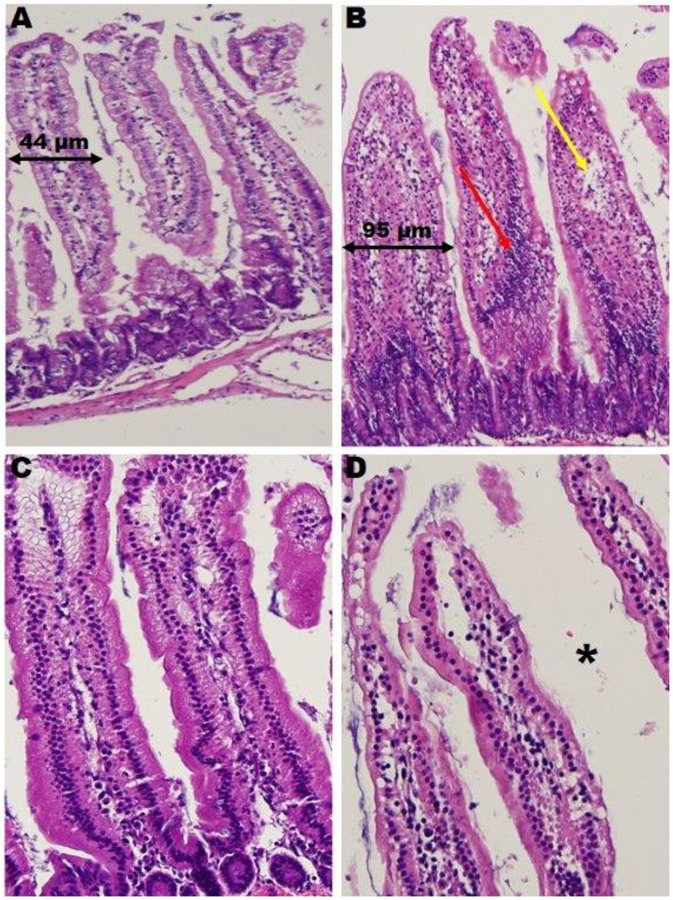
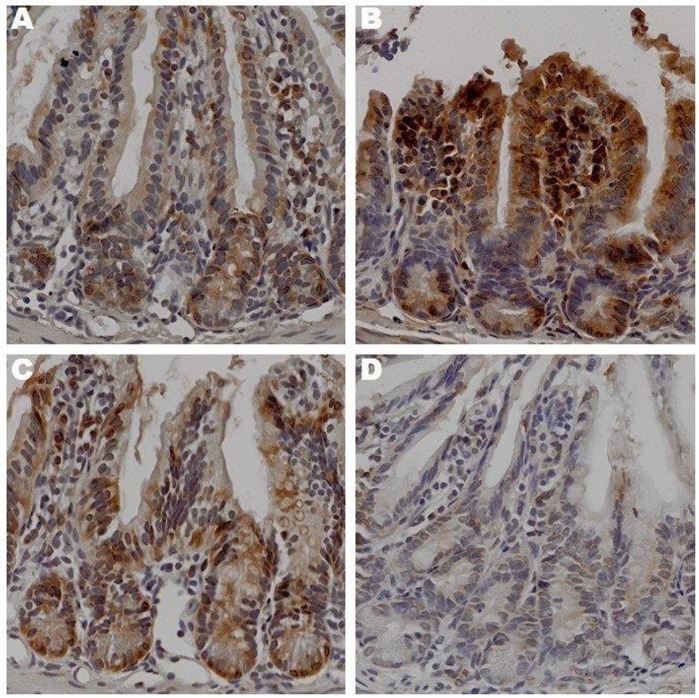
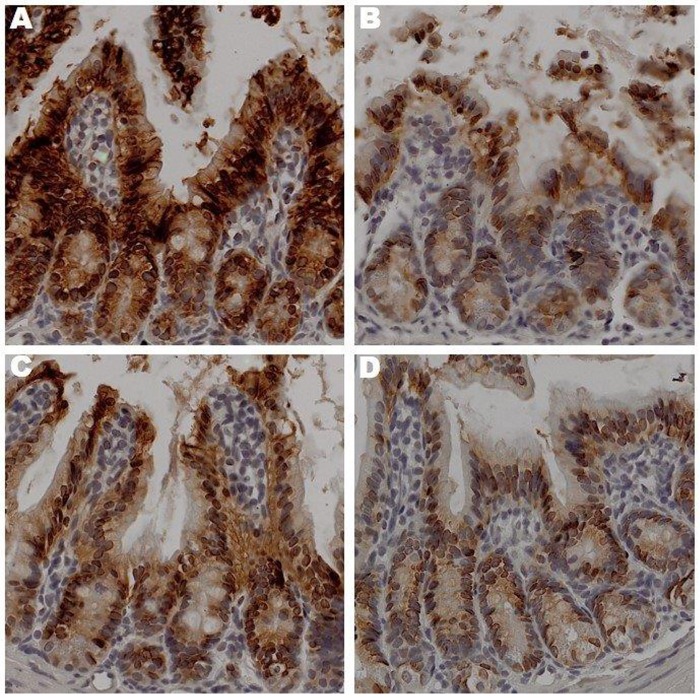
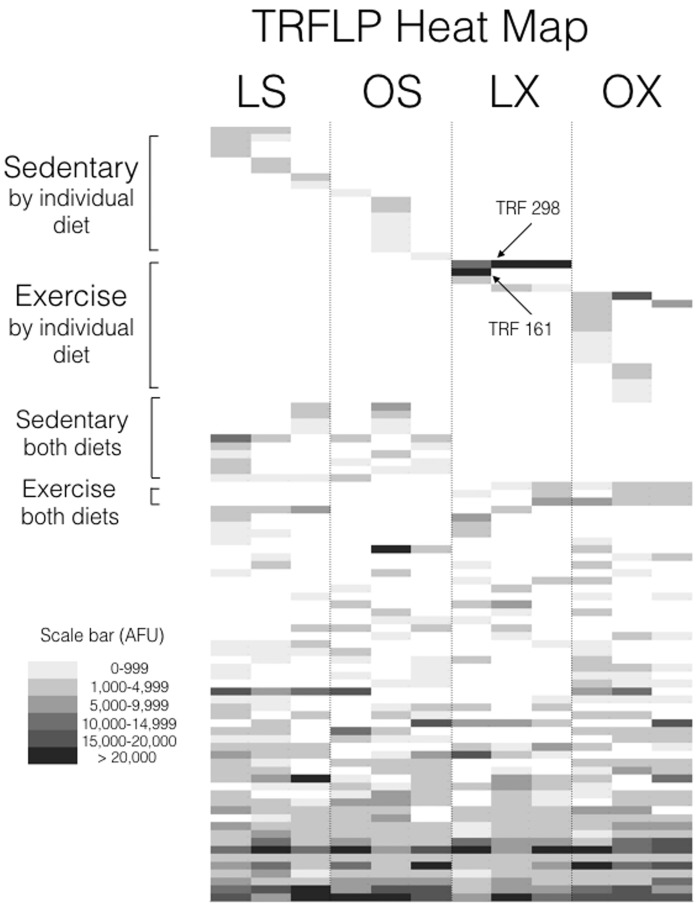
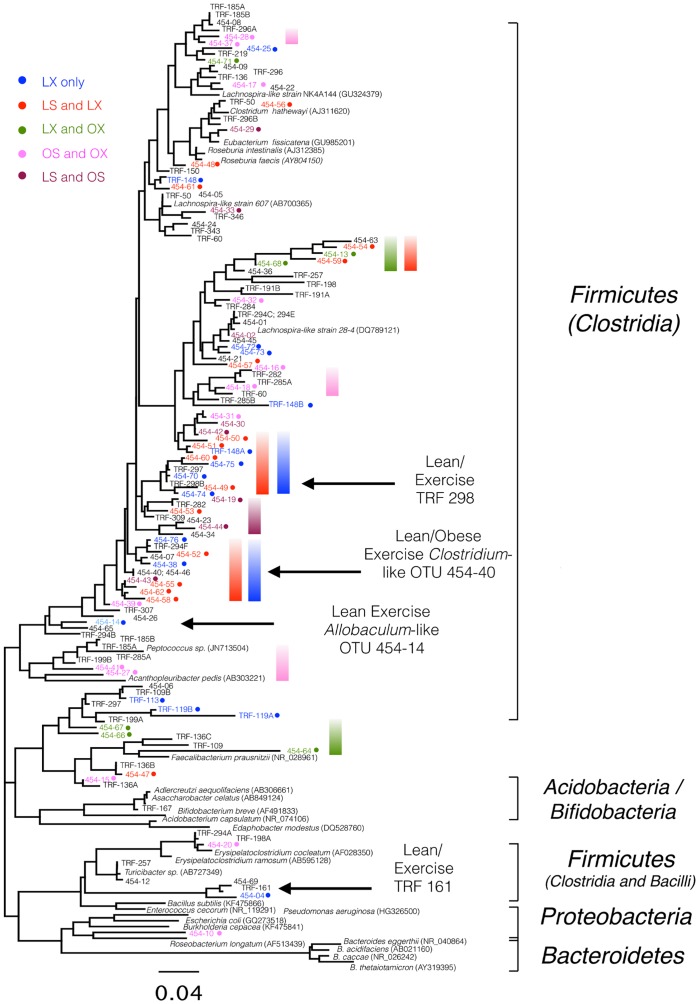
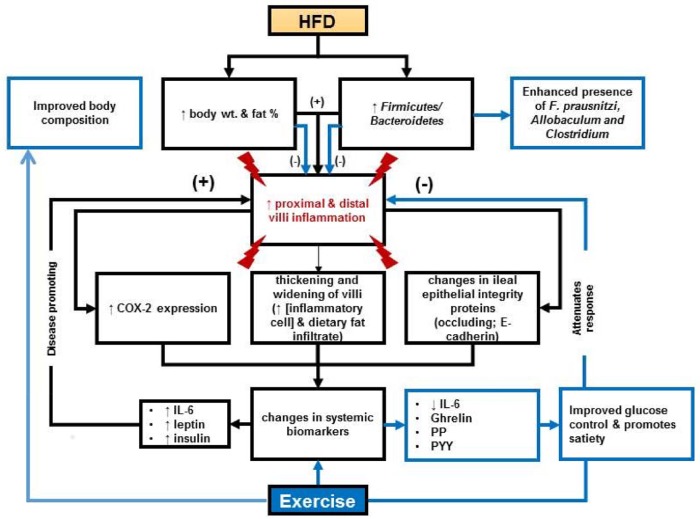
BACKGROUND: The gut microbiota is now known to play an important role contributing to inflammatory-based chronic diseases. This study examined intestinal integrity/inflammation and the gut microbial communities in sedentary and exercising mice presented with a normal or high-fat diet. METHODS: Thirty-six, 6-week old C57BL/6NTac male mice were fed a normal or high-fat diet for 12-weeks and randomly assigned to exercise or sedentary groups. After 12 weeks animals were sacrificed and duodenum/ileum tissues were fixed for immunohistochemistry for occludin, E-cadherin, and cyclooxygenase-2 (COX-2). The bacterial communities were assayed in fecal samples using terminal restriction fragment length polymorphism (TRFLP) analysis and pyrosequencing of 16S rRNA gene amplicons. RESULTS: Lean sedentary (LS) mice presented normal histologic villi while obese sedentary (OS) mice had similar villi height with more than twice the width of the LS animals. Both lean (LX) and obese exercise (OX) mice duodenum and ileum were histologically normal. COX-2 expression was the greatest in the OS group, followed by LS, LX and OX. The TRFLP and pyrosequencing indicated that members of the Clostridiales order were predominant in all diet groups. Specific phylotypes were observed with exercise, including Faecalibacterium prausnitzi, Clostridium spp., and Allobaculum spp. CONCLUSION: These data suggest that exercise has a strong influence on gut integrity and host microbiome which points to the necessity for more mechanistic studies of the interactions between specific bacteria in the gut and its host.
Overview
The claims and statistics of this paper haven’t been checked yet.
Run the check — free, no account needed. It reads the open-access text and checks the sources it cites.
Integrity signals
Registry
Cites
Statistics
Figures
Verification
Claims the paper makes
The claims and statistics of this paper haven’t been checked yet.
Run the check — free, no account needed. It reads the open-access text and checks the sources it cites.
Claims other papers make about this one
Each is checked against this paper’s own text: does it say what the citing paper says it does?
In the citing paper
“In accordance, animal studies by us and others have reported that high-intensity endurance training modified the gut microbiota (Campbell et al., 2016; Denou et al., 2016)”
From Six-Week Endurance Exercise Alters Gut Metagenome That Is not Reflected in Systemic Metabolism in Over-weight Women (2018) · cites this paper as Campbell et al., 2016
In the citing paper
“Campbell et al. [88] asserted that exercised mice have bacteria related to Faecalibacterium prausnitzii which may protect the digestive tract by producing butyrate and lowering the oxygen tension in the lumen by a flavin/thiol electron shuttle.”
From The athletic gut microbiota (2020) · cites this paper as [88]
Self-check
Percentages, sums and reported differences re-computed from the paper’s own numbers.
The self-check needs the paper’s full text.
Citations
Cites
An obesity-associated gut microbiome with increased capacity for energy harvest
Turnbaugh, P. J., Ley, R. E., Mahowald, M. A., Magrini, V., Mardis, E. R., & Gordon, J. I. (2006) · Nature · doi:10.1038/nature05414 · Cited by 12,444
Human gut microbes associated with obesity
Ley, R. E., Turnbaugh, P. J., Klein, S., & Gordon, J. I. (2006) · Nature · doi:10.1038/4441022a · Cited by 8,785
Obesity alters gut microbial ecology
Ley, R. E., Bäckhed, F., Turnbaugh, P., Lozupone, C. A., Knight, R. D., & Gordon, J. I. (2005) · Proceedings of the National Academy of Sciences · doi:10.1073/pnas.0504978102 · Cited by 6,176
Cani, P. D., Bibiloni, R., Knauf, C., Waget, A., Neyrinck, A. M., Delzenne, N. M., & Burcelin, R. (2008) · Diabetes · doi:10.2337/db07-1403 · Cited by 4,819
Cross-talk between Akkermansia muciniphila and intestinal epithelium controls diet-induced obesity
Everard, A., Belzer, C., Geurts, L., Ouwerkerk, J. P., Druart, C., Bindels, L. B., Guiot, Y., Derrien, M., Muccioli, G. G., Delzenne, N. M., et al. (2013) · Proceedings of the National Academy of Sciences · doi:10.1073/pnas.1219451110 · Cited by 4,511
Sokol, H., Pigneur, B., Watterlot, L., Lakhdari, O., Bermúdez-Humarán, L. G., Gratadoux, J.-J., Blugeon, S., Bridonneau, C., Furet, J.-P., Corthier, G., et al. (2008) · Proceedings of the National Academy of Sciences · doi:10.1073/pnas.0804812105 · Cited by 4,413
Inflammatory Mechanisms in Obesity
Gregor, M. F., & Hotamisligil, G. S. (2011) · Annual Review of Immunology · doi:10.1146/annurev-immunol-031210-101322 · Cited by 3,754
Mechanisms underlying the resistance to diet-induced obesity in germ-free mice
Bäckhed, F., Manchester, J. K., Semenkovich, C. F., & Gordon, J. I. (2007) · Proceedings of the National Academy of Sciences · doi:10.1073/pnas.0605374104 · Cited by 2,615
The gut microbiota and host health: a new clinical frontier
Marchesi, J. R., Adams, D. H., Fava, F., Hermes, G. D. A., Hirschfield, G. M., Hold, G., Quraishi, M. N., Kinross, J., Smidt, H., Tuohy, K. M., et al. (2016) · Gut · doi:10.1136/gutjnl-2015-309990 · Cited by 2,302 · cited 1×
“Microbiome dysbiosis has proven to be a major contributor to chronic gut inflammatory diseases, like Irritable Bowel Syndrome (IBS) and ulcerative colitis [1].”
BackgroundMetabolic Syndrome and Altered Gut Microbiota in Mice Lacking Toll-Like Receptor 5
Vijay-Kumar, M., Aitken, J. D., Carvalho, F. A., Cullender, T. C., Mwangi, S., Srinivasan, S., Sitaraman, S. V., Knight, R., Ley, R. E., & Gewirtz, A. T. (2010) · Science · doi:10.1126/science.1179721 · Cited by 2,068
Research works printed but not linked: 1
- WH Martin, 1993, Effect of endurance training on plasma FFA turnover and oxidation during exercise, Am. J. Physiol, 265, E708
Cited by
Sorted by citations
Exercise alters gut microbiota composition and function in lean and obese humans
ALLEN, J. M., MAILING, L. J., NIEMIRO, G. M., MOORE, R., COOK, M. D., WHITE, B. A., HOLSCHER, H. D., & WOODS, J. A. (2018) · Medicine & Science in Sports & Exercise · doi:10.1249/mss.0000000000001495 · Cited by 820
Exercise Modifies the Gut Microbiota with Positive Health Effects
Monda, V., Villano, I., Messina, A., Valenzano, A., Esposito, T., Moscatelli, F., Viggiano, A., Cibelli, G., Chieffi, S., Monda, M., et al. (2017) · Oxidative Medicine and Cellular Longevity · doi:10.1155/2017/3831972 · Cited by 654
Microbiome–host systems interactions: protective effects of propionate upon the blood–brain barrier
Hoyles, L., Snelling, T., Umlai, U.-K., Nicholson, J. K., Carding, S. R., Glen, R. C., & McArthur, S. (2018) · Microbiome · doi:10.1186/s40168-018-0439-y · Cited by 591
Anxiety, depression, and the microbiome: A role for gut peptides
Lach, G., Schellekens, H., Dinan, T. G., & Cryan, J. F. (2018) · Neurotherapeutics · doi:10.1007/s13311-017-0585-0 · Cited by 573
Effects of Psychological, Environmental and Physical Stressors on the Gut Microbiota
Karl, J. P., Hatch‐McChesney, A., Arcidiacono, S. M., Pearce, S., Pantoja-Feliciano, I. G., Doherty, L. A., & Soares, J. W. (2018) · Frontiers in Microbiology · doi:10.3389/fmicb.2018.02013 · Cited by 563
Mailing, L. J., Allen, J. M., Buford, T. W., Fields, C. J., & Woods, J. A. (2019) · Exercise and Sport Sciences Reviews · doi:10.1249/jes.0000000000000183 · Cited by 521
Cuevas-Sierra, A., Ramos-Lopez, O., Riezu-Boj, J. I., Milagro, F. I., & Martinez, J. A. (2019) · Advances in Nutrition · doi:10.1093/advances/nmy078 · Cited by 523
(Dis)Trust your gut: the gut microbiome in age-related inflammation, health, and disease
Buford, T. W. (2017) · Microbiome · doi:10.1186/s40168-017-0296-0 · Cited by 409
Ticinesi, A., Lauretani, F., Milani, C., Nouvenne, A., Tana, C., Del Rio, D., Maggio, M., Ventura, M., & Meschi, T. (2017) · Nutrients · doi:10.3390/nu9121303 · Cited by 401
Mohr, A. E., Jäger, R., Carpenter, K. C., Kerksick, C. M., Purpura, M., Townsend, J. R., West, N. P., Black, K., Gleeson, M., Pyne, D. B., et al. (2020) · Journal of the International Society of Sports Nutrition · doi:10.1186/s12970-020-00353-w · Cited by 378
“[88] asserted that exercised mice have bacteria related to Faecalibacterium prausnitzii which may protect the digestive tract by producing butyrate and lowering the oxygen tension in the lumen by a flavin/thiol electron shuttle.”
BackgroundGubert, C., Kong, G., Renoir, T., & Hannan, A. J. (2019) · Neurobiology of Disease · doi:10.1016/j.nbd.2019.104621 · Cited by 387
The Role of Gut Microbiota in Intestinal Inflammation with Respect to Diet and Extrinsic Stressors
Lobionda, S., Sittipo, P., Kwon, H. Y., & Lee, Y. K. (2019) · Microorganisms · doi:10.3390/microorganisms7080271 · Cited by 326
International Society of Sports Nutrition Position Stand: Probiotics
Jäger, R., Mohr, A. E., Carpenter, K. C., Kerksick, C. M., Purpura, M., Moussa, A., Townsend, J. R., Lamprecht, M., West, N. P., Black, K., et al. (2019) · Journal of the International Society of Sports Nutrition · doi:10.1186/s12970-019-0329-0 · Cited by 277
Araújo, J. R., Tomas, J., Brenner, C., & Sansonetti, P. J. (2017) · Biochimie · doi:10.1016/j.biochi.2017.05.019 · Cited by 271
Benedé-Ubieto, R., Cubero, F. J., & Nevzorova, Y. A. (2024) · Gut Microbes · doi:10.1080/19490976.2024.2331460 · Cited by 242
Munukka, E., Ahtiainen, J. P., Puigbó, P., Jalkanen, S., Pahkala, K., Keskitalo, A., Kujala, U. M., Pietilä, S., Hollmén, M., Elo, L., et al. (2018) · Frontiers in Microbiology · doi:10.3389/fmicb.2018.02323 · Cited by 237
The gut microbiota and gastrointestinal surgery
Guyton, K. L., & Alverdy, J. C. (2016) · Nature Reviews Gastroenterology & Hepatology · doi:10.1038/nrgastro.2016.139 · Cited by 230
Martinez, J. E., Kahana, D. D., Ghuman, S., Wilson, H. P., Wilson, J. B., Kim, S. C. J., Lagishetty, V., Jacobs, J. P., Sinha‐Hikim, A. P., & Friedman, T. C. (2021) · Frontiers in Endocrinology · doi:10.3389/fendo.2021.667066 · Cited by 243
Quiroga, R., Nistal, E., Estébanez, B., Porras, D., Juárez‐Fernández, M., Martínez‐Flórez, S., García‐Mediavilla, M. V., Fernández, J. A. D. P., González‐Gallego, J., Sánchez‐Campos, S., et al. (2020) · Experimental & Molecular Medicine · doi:10.1038/s12276-020-0459-0 · Cited by 216
Park, J. C., & Im, S. (2020) · Experimental & Molecular Medicine · doi:10.1038/s12276-020-0473-2 · Cited by 232
Lai, Z.-L., Tseng, C.-H., Ho, H. J., Cheung, C., Lin, J.-Y., Chen, Y., Cheng, F.-C., Hsu, Y., Lin, J., El-Omar, E. M., et al. (2018) · Scientific Reports · doi:10.1038/s41598-018-33893-y · Cited by 192
Ageing of the gut microbiome: Potential influences on immune senescence and inflammageing
Conway, J., & Duggal, N. A. (2021) · Ageing Research Reviews · doi:10.1016/j.arr.2021.101323 · Cited by 202
Kabir, M. T., Rahman, M. H., Shah, M., Jamiruddin, M. R., Basak, D., Al‐Harrasi, A., Bhatia, S., Ashraf, G. M., Najda, A., El-kott, A. F., et al. (2022) · Biomedicine & Pharmacotherapy · doi:10.1016/j.biopha.2021.112610 · Cited by 191
The gut microbiota as a novel regulator of cardiovascular function and disease
Battson, M. L., Lee, D. M., Weir, T. L., & Gentile, C. L. (2017) · The Journal of Nutritional Biochemistry · doi:10.1016/j.jnutbio.2017.12.010 · Cited by 191
Relationship between gut microbiota, probiotics, and type 2 diabetes mellitus
Salgaço, M. K., Oliveira, L. G. S., Costa, G. N., Bianchi, F., & Sivieri, K. (2019) · Applied Microbiology and Biotechnology · doi:10.1007/s00253-019-10156-y · Cited by 191
Carbajo‐Pescador, S., Porras, D., García‐Mediavilla, M. V., Martínez‐Flórez, S., Juárez‐Fernández, M., Cuevas, M. J., Mauriz, J. L., González‐Gallego, J., Nistal, E., & Sánchez‐Campos, S. (2019) · Disease Models & Mechanisms · doi:10.1242/dmm.039206 · Cited by 179
How Diet and Physical Activity Modulate Gut Microbiota: Evidence, and Perspectives
Campaniello, D., Corbo, M. R., Sinigaglia, M., Speranza, B., Racioppo, A., Altieri, C., & Bevilacqua, A. (2022) · Nutrients · doi:10.3390/nu14122456 · Cited by 178
Codella, R., Luzi, L., & Terruzzi, I. (2018) · Digestive and Liver Disease · doi:10.1016/j.dld.2017.11.016 · Cited by 158
Varghese, S., Rao, S., Khattak, A., Zamir, F., & Chaari, A. (2024) · Nutrients · doi:10.3390/nu16213663 · Cited by 152
Exercise mimetics: harnessing the therapeutic effects of physical activity
Gubert, C., & Hannan, A. J. (2021) · Nature Reviews Drug Discovery · doi:10.1038/s41573-021-00217-1 · Cited by 157
Kern, T., Blond, M. B., Hansen, T. H., Rosenkilde, M., Quist, J. S., Gram, A. S., Ekstrøm, C. T., Hansen, T., & Stallknecht, B. (2020) · International Journal of Obesity · doi:10.1038/s41366-019-0440-y · Cited by 130
A Review of the Role of the Gut Microbiome in Personalized Sports Nutrition
Hughes, R. (2020) · Frontiers in Nutrition · doi:10.3389/fnut.2019.00191 · Cited by 143
Sohail, M. U., Yassine, H. M., Sohail, A., & Thani, A. A. A. (2019) · Review of Diabetic Studies · doi:10.1900/rds.2019.15.35 · Cited by 128
Mutual Interactions among Exercise, Sport Supplements and Microbiota
Zeppa, S. D., Agostini, D., Gervasi, M., Annibalini, G., Amatori, S., Ferrini, F., Sisti, D., Piccoli, G., Barbieri, E., Sestili, P., et al. (2019) · Nutrients · doi:10.3390/nu12010017 · Cited by 128
Exercise and intestinal permeability: another form of exercise-induced hormesis?
Keirns, B. H., Koemel, N. A., Sciarrillo, C. M., Anderson, K. L., & Emerson, S. R. (2020) · American Journal of Physiology-Gastrointestinal and Liver Physiology · doi:10.1152/ajpgi.00232.2020 · Cited by 121
Turroni, S., Magnani, M., Pukar, K. C., Lesnik, P., Vidal, H., & Heer, M. A. (2020) · Frontiers in Physiology · doi:10.3389/fphys.2020.553929 · Cited by 132
Does Exercise Alter Gut Microbial Composition? A Systematic Review
Mitchell, C. M., Davy, B. M., Hulver, M. W., Neilson, A. P., Bennett, B. J., & Davy, K. P. (2018) · Medicine & Science in Sports & Exercise · doi:10.1249/mss.0000000000001760 · Cited by 120
Lü, Y., Bu, F., Wang, F., Liu, L., Zhang, S., Wang, G., & Hu, X. (2023) · Translational Neurodegeneration · doi:10.1186/s40035-023-00341-5 · Cited by 128
Alessandro de, S. I. R. E., de Sire, R., Petito, V., Masi, L., Cisari, C., Gasbarrini, A., Scaldaferri, F., & Invernizzi, M. (2020) · Nutrients · doi:10.3390/nu12020574 · Cited by 111
Tabone, M., Bressa, C., García-Merino, J. A., Moreno‐Pérez, D., Chu‐Van, E., Castelli, F. A., Fenaille, F., & Larrosa, M. (2021) · Scientific Reports · doi:10.1038/s41598-021-82947-1 · Cited by 107
Intestinal Microbiota Modulation in Obesity-Related Non-alcoholic Fatty Liver Disease
Porras, D., Nistal, E., Martínez‐Flórez, S., González‐Gallego, J., García‐Mediavilla, M. V., & Sánchez‐Campos, S. (2018) · Frontiers in Physiology · doi:10.3389/fphys.2018.01813 · Cited by 97
Physical Activity: A Missing Link in Asthma Care
Panagiotou, M., Koulouris, N. G., & Rovina, N. (2020) · Journal of Clinical Medicine · doi:10.3390/jcm9030706 · Cited by 102
Exercise is a Novel Promoter of Intestinal Health and Microbial Diversity
Campbell, S. C., & Wisniewski, P. J. (2016) · Exercise and Sport Sciences Reviews · doi:10.1249/jes.0000000000000096 · Cited by 93
Self-citationNyenhuis, S. M., Dixon, A. E., & Ma, J. (2017) · The Journal of Allergy and Clinical Immunology In Practice · doi:10.1016/j.jaip.2017.10.026 · Cited by 95
Oxidative Stress in Non-Alcoholic Fatty Liver Disease
Smirne, C., Croce, E., Benedetto, D. D., Cantaluppi, V., Comi, C., Sainaghi, P. P., Minisini, R., Grossini, E., & Pirisi, M. (2022) · Livers · doi:10.3390/livers2010003 · Cited by 100
Huang, W.-C., Chen, Y., Chuang, H.-L., Chiu, C.-C., & Huang, C. (2019) · Frontiers in Microbiology · doi:10.3389/fmicb.2019.01906 · Cited by 73
Sampsell, K., Hao, D., & Reimer, R. A. (2020) · International Journal of Molecular Sciences · doi:10.3390/ijms21239239 · Cited by 74
Impacts of Diet and Exercise on Maternal Gut Microbiota Are Transferred to Offspring
Srinivasan, S. P. B., Raipuria, M., Bahari, H., Kaakoush, N. O., & Morris, M. J. (2018) · Frontiers in Endocrinology · doi:10.3389/fendo.2018.00716 · Cited by 69
Wei, Z., Li, F., & Pi, G. (2022) · Frontiers in Cellular and Infection Microbiology · doi:10.3389/fcimb.2022.812596 · Cited by 80
The Gut Microbiome as a Therapeutic Target for Cognitive Impairment
Sun, Y., Baptista, L. C. P., Roberts, L. M., Jumbo-Lucioni, P., McMahon, L. L., Buford, T. W., & Carter, C. S. (2019) · The Journals of Gerontology Series A · doi:10.1093/gerona/glz281 · Cited by 73
The Association between Gut Microbiota and Osteoarthritis: Does the Disease Begin in the Gut?
Ramires, L. C., Santos, G. S., Ramires, R. P., da Fonseca, L. F., Jeyaraman, M., Muthu, S., Lana, A. V. S. D., Azzini, G. O. M., Smith, C. S., & Lana, J. F. (2022) · International Journal of Molecular Sciences · doi:10.3390/ijms23031494 · Cited by 74
Liu, F., Zhang, N., Li, Z., Wang, X., Shi, H., Xue, C., Li, R. W., & Tang, Q. (2017) · Scientific Reports · doi:10.1038/s41598-017-05860-6 · Cited by 70
Cataldi, S., Bonavolontà, V., Poli, L., Clemente, F. M., De Candia, M., Carvutto, R., Silva, A. F., Badicu, G., Greco, G., & Fischetti, F. (2022) · Biology · doi:10.3390/biology11030479 · Cited by 68
Interactions between gut microbiota and skeletal muscle
Gizard, F., Fernandez, A., & Vadder, F. D. (2020) · Nutrition and Metabolic Insights · doi:10.1177/1178638820980490 · Cited by 70
Gut microbiome approaches to treat obesity in humans
Bianchi, F., Duque, A. L. R. F., Saad, S. M. I., & Sivieri, K. (2019) · Applied Microbiology and Biotechnology · doi:10.1007/s00253-018-9570-8 · Cited by 63
Role of Dietary Lipids in Modulating Inflammation through the Gut Microbiota
Wisniewski, P. J., Dowden, R. A., & Campbell, S. C. (2019) · Nutrients · doi:10.3390/nu11010117 · Cited by 66
Self-citationExercise tolls the bell for key mediators of low-grade inflammation in dysmetabolic conditions
Guardia, L. D., & Codella, R. (2021) · Cytokine & Growth Factor Reviews · doi:10.1016/j.cytogfr.2021.09.003 · Cited by 68
Hua, Y., Guo, S., Hong, X., Zhu, K. Y., Yan, H., Tao, W., Shang, E., Qian, D., & Duan, J. (2021) · Frontiers in Pharmacology · doi:10.3389/fphar.2021.653767 · Cited by 63
Major Depressive Disorder and Gut Microbiota: Role of Physical Exercise
de Souza, P. B., Borba, L. A., de Jesus, L. C., Valverde, A. P., Gil‐Mohapel, J., & Rodrigues, A. L. S. (2023) · International Journal of Molecular Sciences · doi:10.3390/ijms242316870 · Cited by 68
Juárez‐Fernández, M., Porras, D., García‐Mediavilla, M. V., Román-Sagüillo, S., González‐Gallego, J., Nistal, E., & Sánchez‐Campos, S. (2020) · Nutrients · doi:10.3390/nu13010016 · Cited by 59
Feng, X., Uchida, Y., Koch, L. G., Britton, S. L., Hu, J., Lutrin, D., & Maze, M. (2017) · Frontiers in Immunology · doi:10.3389/fimmu.2017.01768 · Cited by 57
Takahashi, H., Kotani, K., Tanaka, K., Egucih, Y., & Anzai, K. (2018) · Frontiers in Endocrinology · doi:10.3389/fendo.2018.00588 · Cited by 55
Langsetmo, L., Johnson, A. J., Demmer, R. T., Fino, N. F., ORWOLL, E. S., Ensrud, K. E., Hoffman, A. R., Cauley, J. A., Shmagel, A., Meyer, K. A., et al. (2019) · The journal of nutrition health & aging · doi:10.1007/s12603-019-1194-x · Cited by 57
Bighorn sheep gut microbiomes associate with genetic and spatial structure across a metapopulation
Couch, C. E., Arnold, H. K., Crowhurst, R. S., Jolles, A. E., Sharpton, T. J., Witczak, M. F., Epps, C. W., & Beechler, B. R. (2020) · Scientific Reports · doi:10.1038/s41598-020-63401-0 · Cited by 53
Zhang, L., Liu, Y., Sun, Y., & Zhang, X. (2022) · Nutrients · doi:10.3390/nu14224774 · Cited by 60
Cutuli, D., Decandia, D., Giacovazzo, G., & Coccurello, R. (2023) · International Journal of Molecular Sciences · doi:10.3390/ijms241914686 · Cited by 61
Jarett, J. K., Carlson, A., Serao, M. C. R., Strickland, J., Serfilippi, L. M., & Ganz, H. H. (2019) · PeerJ · doi:10.7717/peerj.7661 · Cited by 53
The intestinal microbiome associated with lipid metabolism and obesity in humans and animals
Jian, Z., Zeng, L., Xu, T., Sun, S., Yan, S., Zhao, S., Su, Z., Ge, C., Zhang, Y., Jia, J., et al. (2022) · Journal of Applied Microbiology · doi:10.1111/jam.15740 · Cited by 55
Rodriguez, J., Neyrinck, A. M., Kerckhoven, M. V., Gianfrancesco, M. A., Renguet, E., Bertrand, L., Cani, P. D., Lanthier, N., Cnop, M., Paquot, N., et al. (2022) · BMC Medicine · doi:10.1186/s12916-022-02299-z · Cited by 55
The Interplay between Immune System and Microbiota in Diabetes
Moffa, S., Mezza, T., CEFALO, C. M. A., Cinti, F., Impronta, F., Sorice, G. P., Santoro, A., Giuseppe, G. D., Pontecorvi, A., & Giaccari, A. (2019) · Mediators of Inflammation · doi:10.1155/2019/9367404 · Cited by 53
Dysbiosis of the gut microbiome impairs mouse skeletal muscle adaptation to exercise
Valentino, T. R., Vechetti, I. J., Mobley, C. B., Dungan, C. M., Golden, L. R., Goh, J. Z., & McCarthy, J. J. (2021) · The Journal of Physiology · doi:10.1113/jp281788 · Cited by 54
Cataldi, S., Poli, L., Şahin, F. N., Patti, A., Santacroce, L., Bianco, A., Greco, G., Ghinassi, B., Baldassarre, A. D., & Fischetti, F. (2022) · Nutrients · doi:10.3390/nu14163293 · Cited by 58
Pepsin egg white hydrolysate modulates gut microbiota in Zucker obese rats
Requena, T., Miguel, M., Garcés‐Rimón, M., Martínez‐Cuesta, M. C., López‐Fandiño, R., & Peláez, C. (2017) · Food & Function · doi:10.1039/c6fo01571a · Cited by 51
Shukla, S. K., Ye, Z., Sandberg, S., Reyes, I., Fritsche, T. R., & Keifer, M. (2017) · PLoS ONE · doi:10.1371/journal.pone.0183898 · Cited by 53
Targeting the human microbiome and its metabolite TMAO in cardiovascular prevention and therapy
Dannenberg, L., Zikeli, D., Benkhoff, M., Ahlbrecht, S., Kelm, M., Levkau, B., & Polzin, A. (2020) · Pharmacology & Therapeutics · doi:10.1016/j.pharmthera.2020.107584 · Cited by 47
Cella, V., Bimonte, V. M., Sabato, C., Paoli, A., Baldari, C., Campanella, M., Lenzi, A., Ferretti, E., & Migliaccio, S. (2021) · Foods · doi:10.3390/foods10123075 · Cited by 49
Human microbiome restoration and safety
Daliri, E. B., Tango, C. N., Lee, B. H., & Oh, D. (2018) · International Journal of Medical Microbiology · doi:10.1016/j.ijmm.2018.05.002 · Cited by 50
Manghi, P., Blanco‐Míguez, A., Manara, S., Nabinejad, A., Cumbo, F., Beghini, F., Armanini, F., Golzato, D., Huang, K. D., Thomas, A. M., et al. (2023) · Cell Reports · doi:10.1016/j.celrep.2023.112464 · Cited by 50
The Gut–Heart Axis: Molecular Perspectives and Implications for Myocardial Infarction
Rivera, K., González, L., Bravo, L., Manjarres, L., & Andía, M. E. (2024) · International Journal of Molecular Sciences · doi:10.3390/ijms252212465 · Cited by 51
Comparative Analysis of Gut Microbiota Following Changes in Training Volume Among Swimmers
Hampton‐Marcell, J., Eshoo-Anton, T. W., Cook, M. D., Gilbert, J. A., Horswill, C. A., & Poretsky, R. S. (2020) · International Journal of Sports Medicine · doi:10.1055/a-1079-5450 · Cited by 48
Hashim, H. M., & Makpol, S. (2022) · Frontiers in Cellular Neuroscience · doi:10.3389/fncel.2022.1007166 · Cited by 47
Rojas‐Valverde, D., Bonilla, D. A., Gómez-Miranda, L. M., Calleja-Núñez, J. J., Arias, N., & Martínez‐Guardado, I. (2023) · Biomedicines · doi:10.3390/biomedicines11082267 · Cited by 48
Exercise and gut microbiota: clinical implications for the feasibility of Tai Chi
Hamasaki, H. (2017) · Journal of Chinese Integrative Medicine · doi:10.1016/s2095-4964(17)60342-x · Cited by 44
Gubert, C., Love, C. J., Kodikara, S., Mei Liew, J. J., Renoir, T., Lê Cao, K.-A., & Hannan, A. J. (2022) · iScience · doi:10.1016/j.isci.2021.103687 · Cited by 41
Onishi, J. C., Campbell, S. C., Moreau, M., Patel, F. B., Brooks, A. I., Zhou, Y. X., Häggblom, M. M., & Storch, J. (2017) · Microbiology · doi:10.1099/mic.0.000496 · Cited by 41
Self-citationGut microbiota and physical exercise in obesity and diabetes – A systematic review
da Silva, J. S. C., Seguro, C. S., & Naves, M. M. V. (2022) · Nutrition Metabolism and Cardiovascular Diseases · doi:10.1016/j.numecd.2022.01.023 · Cited by 45
Effects of microbiome changes on endocrine ghrelin signaling – A systematic review
Schalla, M. A., & Stengel, A. (2020) · Peptides · doi:10.1016/j.peptides.2020.170388 · Cited by 41
Fernández, J., Fernández‐Sanjurjo, M., Iglesias‐Gutiérrez, E., Martínez‐Camblor, P., Villar, C. J., Tomás‐Zapico, C., Fernández‐Garcia, B., & Lombó, F. (2021) · Frontiers in Physiology · doi:10.3389/fphys.2021.748854 · Cited by 40
Shabani, M., Ghoshehy, A., Mottaghi, A. M., Chegini, Z., Kerami, A., Shariati, A., & Moghadam, M. T. (2025) · Frontiers in Cellular and Infection Microbiology · doi:10.3389/fcimb.2025.1516010 · Cited by 48
Evidence for the Contribution of Gut Microbiota to Age-Related Anabolic Resistance
Watson, M. D., Cross, B. L., & Grosicki, G. J. (2021) · Nutrients · doi:10.3390/nu13020706 · Cited by 41
Impact of Age-Related Mitochondrial Dysfunction and Exercise on Intestinal Microbiota Composition
Houghton, D., Stewart, C. J., Stamp, C., Nelson, A., ami, N. J. A., Petrosino, J. F., Wipat, A., Trenell, M. I., Turnbull, D. M., & Greaves, L. C. (2017) · The Journals of Gerontology Series A · doi:10.1093/gerona/glx197 · Cited by 39
Gubert, C., Kong, G., Uzungil, V., Zeleznikow-Johnston, A., Burrows, E. L., Renoir, T., & Hannan, A. J. (2020) · Frontiers in Cell and Developmental Biology · doi:10.3389/fcell.2020.582320 · Cited by 38
Yacoub, R., Jacob, A., Wlaschin, J. J., McGregor, M. M., Quigg, R. J., & Alexander, J. J. (2017) · Immunobiology · doi:10.1016/j.imbio.2017.11.004 · Cited by 37
Metabolic networks of the human gut microbiota
Selber‐Hnatiw, S., Sultana, T., Tse, W., Abdollahi, N., Abdullah, S., Rahbani, J. A., Alazar, D., Alrumhein, N. J., Aprikian, S., Arshad, R., et al. (2019) · Microbiology · doi:10.1099/mic.0.000853 · Cited by 38
Microbiome and NAFLD: potential influence of aerobic fitness and lifestyle modification
Panasevich, M. R., Peppler, W. T., Oerther, D. B., Wright, D. C., & Rector, R. S. (2017) · Physiological Genomics · doi:10.1152/physiolgenomics.00012.2017 · Cited by 35
Mohr, A. E., Mach, N., Pugh, J. N., Grosicki, G. J., Allen, J. M., Karl, J. P., & Whisner, C. M. (2025) · FEMS Microbiology Reviews · doi:10.1093/femsre/fuaf037 · Cited by 37
Mignini, I., Galasso, L., Piccirilli, G., Calvez, V., Termite, F., Esposto, G., Borriello, R., Miele, L., Ainora, M. E., Gasbarrini, A., et al. (2024) · Antioxidants · doi:10.3390/antiox13121532 · Cited by 39
The intestinal microbiome and surgical disease
Krezalek, M. A., Skowron, K. B., Guyton, K. L., Shakhsheer, B. A., Hyoju, S. K., & Alverdy, J. C. (2016) · Current Problems in Surgery · doi:10.1067/j.cpsurg.2016.06.001 · Cited by 35
Pretorius, L., Kell, D. B., & Pretorius, E. (2018) · Frontiers in Neuroscience · doi:10.3389/fnins.2018.00851 · Cited by 36
Milano, W., Carizzone, F., Foia, M. G., Marchese, M., Milano, M. F., Saetta, B., & Capasso, A. (2022) · Diseases · doi:10.3390/diseases11010007 · Cited by 36
Metadata
- Authors
- Campbell, S. C., Wisniewski, P. J., Noji, M., McGuinness, L. R., Häggblom, M. M., Lightfoot, S. A., Joseph, L. B., & Kerkhof, L. J.
- Affiliations
- Rutgers, The State University of New Jersey (US)
- Corresponding author
- Campbell, Sara C.
- Venue
- PLOS ONE
- Publisher
- Public Library of Science (PLoS)
- Published
- 2016-03-08
- Volume
- 11
- Issue
- 3
- Pages
- e0150502
- ISSN
- 1932-6203 (ISSN-L)
- PMC
- PMC4783017
- OpenAlex
- W2295140408
- Cited by
- 268
- References
- 60
- Citations by year
- 2026: 18 · 2025: 18 · 2024: 33 · 2023: 24 · 2022: 33 · 2021: 34 · 2020: 33 · 2019: 25 · 2018: 16 · 2017: 26 · 2016: 8
- FWCI
- 12.99
- Type
- journal article
- Language
- en
- Open access
- gold
- doi.org
- Licence
- Locations
- PLoS ONE (publishedVersion, cc-by)
- Europe PMC (PubMed Central) (publishedVersion, cc-by)
- PubMed Central (publishedVersion, cc-by)
- PubMed (publishedVersion)
- Rutgers University Community Repository (Rutgers University) (submittedVersion)
- DOAJ (DOAJ: Directory of Open Access Journals) (submittedVersion)
- Figshare (submittedVersion, cc-by)
- Funders
- National Institutes of Health
- National Institute of Arthritis and Musculoskeletal and Skin Diseases (U54AR055073)
- Topics
- Life Sciences › Biochemistry, Genetics and Molecular Biology › Molecular Biology › Gut microbiota and health
- Health Sciences › Medicine › Gastroenterology › Gastrointestinal motility and disorders
- Life Sciences › Agricultural and Biological Sciences › Food Science › Probiotics and Fermented Foods
- Keywords
- gut microbiota, high-fat diet, physical activity, intestinal integrity, intestinal inflammation, cyclooxygenase-2, occludin, E-cadherin, villus morphology, Clostridiales, Faecalibacterium prausnitzii, Clostridium, Allobaculum, obesity, sedentary behavior, host-microbe interactions
- MeSH terms
- Animals, Animal Feed, Bacteria, Body Weight, Feces, Intestines, Male, Phylogeny, Physical Conditioning, Animal, RNA, Ribosomal, 16S, Biomarkers, Cadherins, Biodiversity, Mice, Metagenome, Occludin, Microbiota
About these checks
Registry, retraction, Cites and statistics results are computed, not judged, with one exception: a printed reference that no index lists is read once by a model before it counts as a citation error. Claims are extracted by a model and kept only when their quote appears verbatim in the text; each cited source is then checked, with a model’s help, for whether it says what the claim relies on. Those verdicts can be wrong — read the claim’s quote and the cited source before relying on one.
Statistics and arithmetic are recomputed, not judged.
Confidence bands are shown only for fields calibrated on our annotated test set. None is calibrated yet, so no band is shown.
What counts as a claim ›How we measure confidence ›How we check this ›
Are you an author, or do you see a problem with this page? Request a review
