

Diffusion Modelling Reveals the Decision Making Processes Underlying Negative Judgement Bias in Rats
Open accessThe DOI matches its Crossref record; 77 of the 78 references it cites were found in a registry or an index.
Abstract
Human decision making is modified by emotional state. Rodents exhibit similar biases during interpretation of ambiguous cues that can be altered by affective state manipulations. In this study, the impact of negative affective state on judgement bias in rats was measured using an ambiguous-cue interpretation task. Acute treatment with an anxiogenic drug (FG7142), and chronic restraint stress and social isolation both induced a bias towards more negative interpretation of the ambiguous cue. The diffusion model was fit to behavioural data to allow further analysis of the underlying decision making processes. To uncover the way in which parameters vary together in relation to affective state manipulations, independent component analysis was conducted on rate of information accumulation and distances to decision threshold parameters for control data. Results from this analysis were applied to parameters from negative affective state manipulations. These projected components were compared to control components to reveal the changes in decision making processes that are due to affective state manipulations. Negative affective bias in rodents induced by either FG7142 or chronic stress is due to a combination of more negative interpretation of the ambiguous cue, reduced anticipation of the high reward and increased anticipation of the low reward.
Overview
The claims and statistics of this paper haven’t been checked yet.
Free: it reads the open-access text and checks the first 5 claims that cite a source we can check. Create a free account to check every claim.
Integrity signals
Registry
Cites
Statistics
Figures
Verification
Claims the paper makes
The claims and statistics of this paper haven’t been checked yet.
Free: it reads the open-access text and checks the first 5 claims that cite a source we can check. Create a free account to check every claim.
Claims other papers make about this one
Each is checked against this paper’s own text: does it say what the citing paper says it does?
The cited source doesn’t support the claim as written.
In the citing paper
“one study employing acute restraint stress to induce a negative bias revealed that the effectiveness of systemic ketamine to reduce such a bias in the ambiguous cue test was dependent upon the mPFC [45]”
From Prefrontal cortex and depression (2022) · cites this paper as [45]
Checked by a reasoning model — may be wrong.
Experimental — accuracy not yet measuredThe check wasn’t confident either way, so it gives no verdict — never disputed.
In the citing paper
“similar bias reductions followed ketamine infusions directly into the mPFC (although PLc or ILc were not distinguished).”
From Prefrontal cortex and depression (2022) · cites this paper as [45]
Experimental — accuracy not yet measured
Self-check
Percentages, sums and reported differences re-computed from the paper’s own numbers.
The self-check needs the paper’s full text.
Citations
Cites
A Simplex Method for Function Minimization
Nelder, J. A., & Mead, R. (1965) · The Computer Journal · doi:10.1093/comjnl/7.4.308 · Cited by 28,905 · cited 1×
“Parameters are optimised by using an implementation of the Nelder-Mead method [42].”
MethodIndependent component analysis: algorithms and applications
Hyvärinen, A., & Oja, E. (2000) · Neural Networks · doi:10.1016/s0893-6080(00)00026-5 · Cited by 8,705 · cited 1×
“a+, a- and normalised v were then input into the FastICA package [43, 44] in Matlab R2014a (8.”
MethodEffects of stress throughout the lifespan on the brain, behaviour and cognition
Lupien, S. J., McEwen, B. S., Gunnar, M. R., & Heim, C. (2009) · Nature Reviews Neuroscience · doi:10.1038/nrn2639 · Cited by 6,256
Fast and robust fixed-point algorithms for independent component analysis
Hyvarinen, A. (1999) · IEEE Transactions on Neural Networks · doi:10.1109/72.761722 · Cited by 6,246 · cited 1×
“a+, a- and normalised v were then input into the FastICA package [43, 44] in Matlab R2014a (8.”
MethodRatcliff, R. (1978) · Psychological Review · doi:10.1037/0033-295x.85.2.59 · Cited by 4,513 · cited 2×
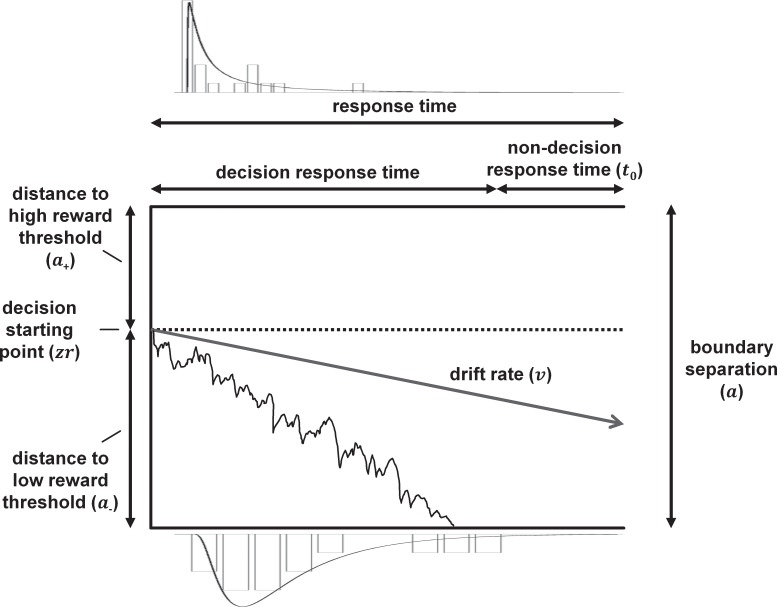
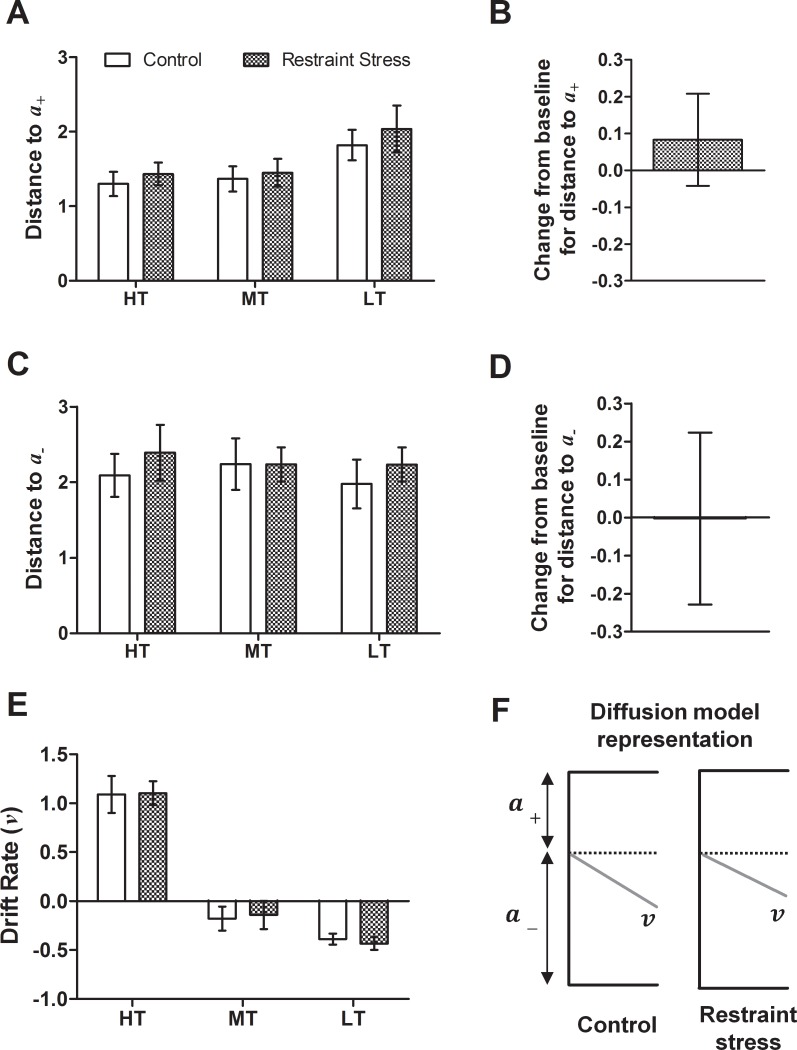
“The diffusion model [27, 28] (Fig 1) breaks down the decision making process into components which include the decision starting point, decision criteria (thresholds), quality of incoming information and the time taken for non-decision processes.”
BackgroundMethodCognition and Depression: Current Status and Future Directions
Gotlib, I. H., & Joormann, J. (2010) · Annual Review of Clinical Psychology · doi:10.1146/annurev.clinpsy.121208.131305 · Cited by 2,420 · cited 1×
“Patients with mood disorders show abnormal processing of rewarding [7, 71] and aversive [72] stimuli.”
BackgroundCognitive vulnerability to emotional disorders
Mathews, A., & MacLeod, C. (2005) · Annual Review of Clinical Psychology · doi:10.1146/annurev.clinpsy.1.102803.143916 · Cited by 2,100 · cited 1×
“This also links to the many studies showing that there are different patterns of alterations of processing of positive versus negative stimuli and information in patients with anxiety compared to those with depression, and that this may be due dysfunction in different neural circuits (see [4, 5, 70] for detailed revie…”
ResultMechanisms of attentional biases towards threat in anxiety disorders: An integrative review
Cisler, J. M., & Koster, E. H. W. (2010) · Clinical Psychology Review · doi:10.1016/j.cpr.2009.11.003 · Cited by 1,753
A cognitive-motivational analysis of anxiety.
Mogg, K., & Bradley, B. P. (1998) · Behaviour Research and Therapy · doi:10.1016/s0005-7967(98)00063-1 · Cited by 1,642
The Evolution of the Cognitive Model of Depression and Its Neurobiological Correlates
Beck, A. T. (2008) · American Journal of Psychiatry · doi:10.1176/appi.ajp.2008.08050721 · Cited by 1,537
Modeling Response Times for Two-Choice Decisions
Ratcliff, R., & Rouder, J. N. (1998) · Psychological Science · doi:10.1111/1467-9280.00067 · Cited by 1,478
Cognitive Approaches to Emotion and Emotional Disorders
Mathews, A., & MacLeod, C. (1994) · Annual Review of Psychology · doi:10.1146/annurev.ps.45.020194.000325 · Cited by 1,023 · cited 1×
“This also links to the many studies showing that there are different patterns of alterations of processing of positive versus negative stimuli and information in patients with anxiety compared to those with depression, and that this may be due dysfunction in different neural circuits (see [4, 5, 70] for detailed revie…”
ResultAn integrative and functional framework for the study of animal emotion and mood
Mendl, M., Burman, O. H. P., & Paul, E. S. (2010) · Proceedings of the Royal Society B: Biological Sciences · doi:10.1098/rspb.2010.0303 · Cited by 944 · cited 1×
“These behavioural readouts may provide a method to assess animal emotion, providing a framework for investigating the links between affective state and cognition in a rodent model [26].”
MethodCognitive bias and affective state
Harding, E. J., Paul, E. S., & Mendl, M. (2004) · Nature · doi:10.1038/427312a · Cited by 835 · cited 2×
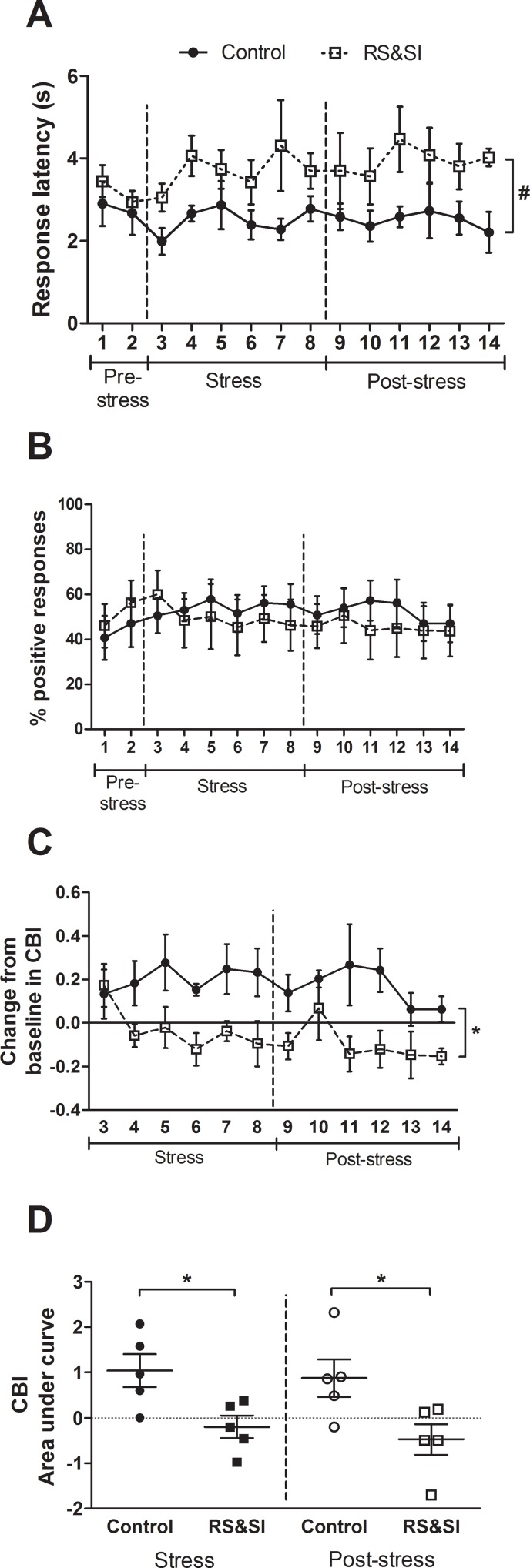
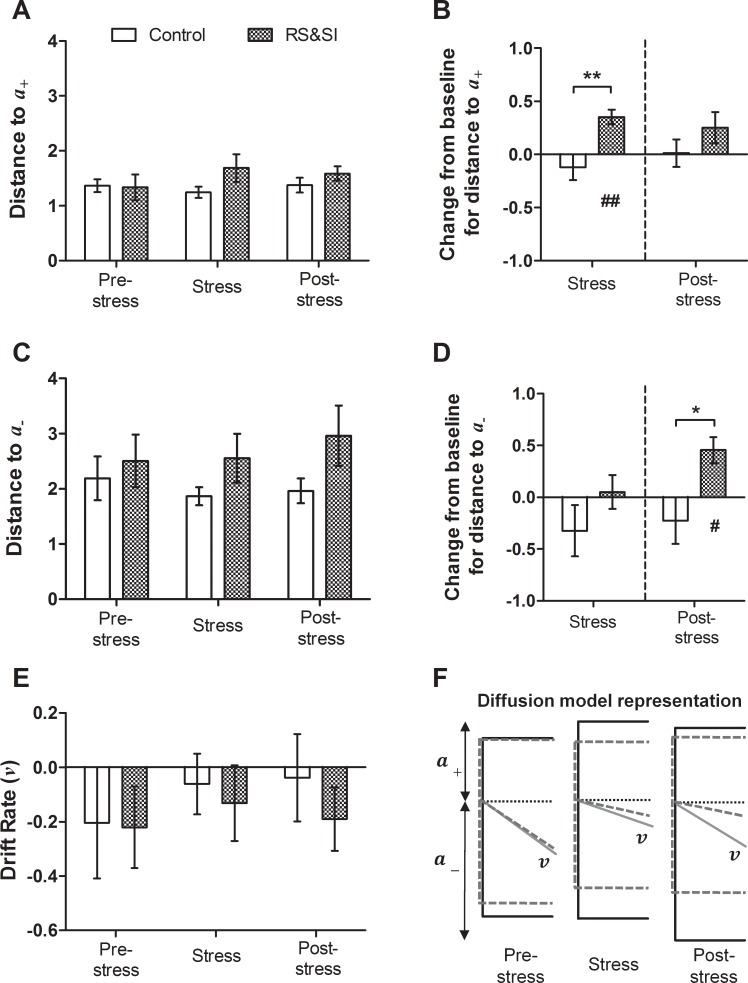
“Induction of a negative affective state through RS&SI in Experiment 2 (Fig 3) replicates findings on R-P tasks where chronic mild stress [20], chronic restraint stress [25], and chronic psychosocial stress [24] caused negative judgement biases.”
BackgroundCognitive vulnerability to persistent depression
Teasdale, J. D. (1988) · Cognition & Emotion · doi:10.1080/02699938808410927 · Cited by 798
Mendl, M., Burman, O. H. P., Parker, R. M. A., & Paul, E. S. (2009) · Applied Animal Behaviour Science · doi:10.1016/j.applanim.2009.02.023 · Cited by 755 · cited 2×
“Different affective states have been shown to be associated with positive and negative judgement biases in many different species of animals (see [14, 15] for recent reviews) and in humans [16–19].”
BackgroundEmotional bias and inhibitory control processes in mania and depression
MURPHY, F. C., SAHAKIAN, B. J., RUBINSZTEIN, J. S., MICHAEL, A., ROGERS, R. D., ROBBINS, T. W., & PAYKEL, E. S. (1999) · Psychological Medicine · doi:10.1017/s0033291799001233 · Cited by 659
Induced processing biases have causal effects on anxiety
Mathews, A., & MacLeod, C. (2002) · Cognition & Emotion · doi:10.1080/02699930143000518 · Cited by 622
SEVERE ANXIETY INDUCED BY FG 7142, A β-CARBOLINE LIGAND FOR BENZODIAZEPINE RECEPTORS
Dorow, R., Horowski, R., Paschelke, G., Amin, M., & Braestrup, C. (1983) · The Lancet · doi:10.1016/s0140-6736(83)90076-4 · Cited by 579 · cited 1×
“In rodents chronic stress induces anxiety-like behaviour [54– 57], and FG7142 is an anxiogenic drug [58, 59].”
BackgroundReward and Punishment Processing in Depression
Eshel, N., & Roiser, J. P. (2010) · Biological Psychiatry · doi:10.1016/j.biopsych.2010.01.027 · Cited by 575 · cited 1×
“This also links to the many studies showing that there are different patterns of alterations of processing of positive versus negative stimuli and information in patients with anxiety compared to those with depression, and that this may be due dysfunction in different neural circuits (see [4, 5, 70] for detailed revie…”
ResultStressors and Child and Adolescent Psychopathology: Measurement Issues and Prospective Effects
Grant, K. E., Compas, B. E., Thurm, A. E., McMahon, S. D., & Gipson, P. Y. (2004) · Journal of Clinical Child & Adolescent Psychology · doi:10.1207/s15374424jccp3302_23 · Cited by 561
Harmer, C. J., Shelley, N. C., Cowen, P. J., & Goodwin, G. M. (2004) · American Journal of Psychiatry · doi:10.1176/appi.ajp.161.7.1256 · Cited by 554
Behavioral activation and inhibition systems and the severity and course of depression.
Kasch, K. L., Rottenberg, J., Arnow, B. A., & Gotlib, I. H. (2002) · Journal of Abnormal Psychology · doi:10.1037/0021-843x.111.4.589 · Cited by 551 · cited 1×
“Patients with mood disorders show abnormal processing of rewarding [7, 71] and aversive [72] stimuli.”
BackgroundHarmer, C. J., Goodwin, G. M., & Cowen, P. J. (2009) · British Journal of Psychiatry · doi:10.1192/bjp.bp.108.051193 · Cited by 542
Negative thinking in depression: cause, effect, or reciprocal relationship?
Teasdale, J. D. (1983) · Advances in Behaviour Research and Therapy · doi:10.1016/0146-6402(83)90013-9 · Cited by 541
Cognitive Mechanisms of Treatment in Depression
Roiser, J. P., Elliott, R., & Sahakian, B. J. (2012) · Neuropsychopharmacology · doi:10.1038/npp.2011.183 · Cited by 535
Bias in interpretation of ambiguous sentences related to threat in anxiety
Eysenck, M. W., Mogg, K., May, J., Richards, A., & Mathews, A. (1991) · Journal of Abnormal Psychology · doi:10.1037/0021-843x.100.2.144 · Cited by 516 · cited 1×
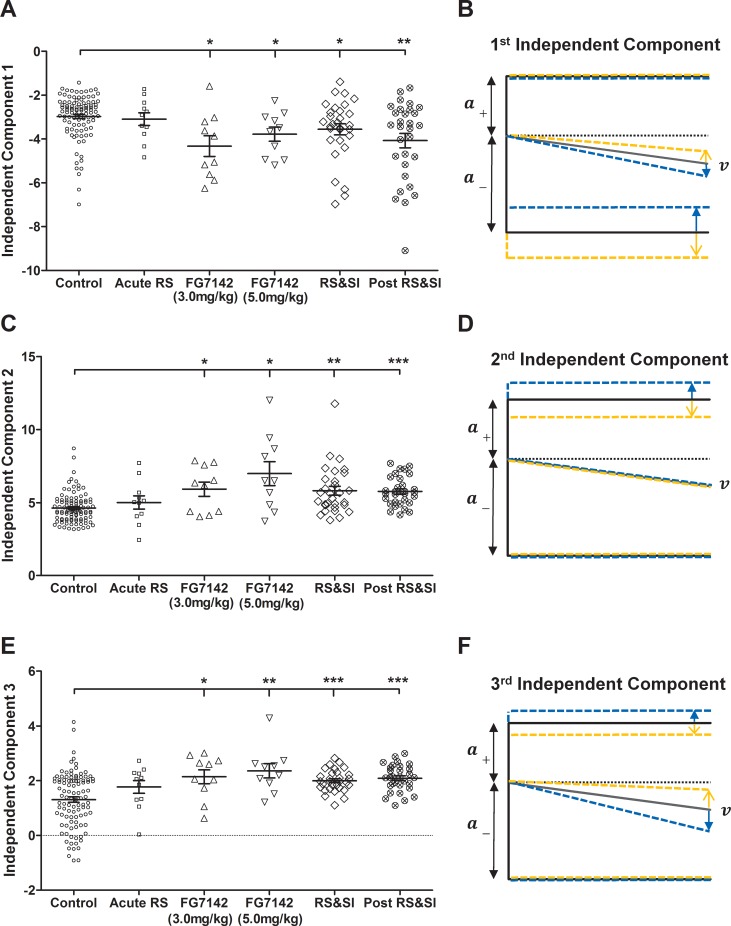
“Altogether, ICA suggests that negative judgement bias can be explained overall by more pessimistic decision making, which matches human behavioural data that has shown people with anxiety and depression exhibit more pessimistic interpretation of ambiguous information [66, 67].”
ResultRestraint stress in biobehavioral research: Recent developments
Buynitsky, T., & Mostofsky, D. I. (2009) · Neuroscience & Biobehavioral Reviews · doi:10.1016/j.neubiorev.2009.05.004 · Cited by 426 · cited 1×
“Restraint stress has been widely used as a rodent model of psychological stress (reviewed by [45]) and is therefore expected to cause temporary negative affect.”
MethodDiffusion Models in Experimental Psychology: A Practical Introduction
Voss, A., Nagler, M., & Lerche, V. (2013) · Experimental Psychology · doi:10.1027/1618-3169/a000218 · Cited by 406 · cited 1×
“The diffusion model has not previously been applied to data from rodent behavioural tasks, having been used extensively with human two-choice RT tasks (reviewed in [61]), and more recently with non-human primate behavioural tasks [62–64].”
MethodBondi, C. O., Rodriguez, G., Gould, G. G., Frazer, A., & Morilak, D. A. (2008) · Neuropsychopharmacology · doi:10.1038/sj.npp.1301410 · Cited by 398
Fast-dm: A free program for efficient diffusion model analysis
Voss, A., & Voss, J. (2007) · Behavior Research Methods · doi:10.3758/bf03192967 · Cited by 384
Ratcliff, R., Cherian, A., & Segraves, M. (2003) · Journal of Neurophysiology · doi:10.1152/jn.01049.2002 · Cited by 376
Hot and cold cognition in depression
Roiser, J. P., & Sahakian, B. J. (2013) · CNS Spectrums · doi:10.1017/s1092852913000072 · Cited by 354
Murray, F., Smith, D. W., & Hutson, P. H. (2008) · European Journal of Pharmacology · doi:10.1016/j.ejphar.2008.01.014 · Cited by 332
Learned helplessness and animal models of depression
Maier, S. (1984) · Progress in Neuro-Psychopharmacology and Biological Psychiatry · doi:10.1016/0278-5846(84)90120-9 · Cited by 309 · cited 1×
“The R-R task avoids the use of aversive training methods, and reduces potential confounds linked to animals being exposed to repeated aversive (albeit escapable) foot shock [49].”
Cognitive vulnerability to anxiety: A review and an integrative model
Ouimet, A. J., Gawronski, B., & Dozois, D. J. A. (2009) · Clinical Psychology Review · doi:10.1016/j.cpr.2009.05.004 · Cited by 283
MCCORMICK, C., SMITH, C., & MATHEWS, I. (2008) · Behavioural Brain Research · doi:10.1016/j.bbr.2007.09.005 · Cited by 278
Lillington, A. W., & Ross, M. S. (1976) · The Lancet · doi:10.1016/s0140-6736(76)92316-3 · Cited by 260
Cognitive aspects of depression
Kircanski, K., Joormann, J., & Gotlib, I. H. (2012) · WIREs Cognitive Science · doi:10.1002/wcs.1177 · Cited by 257
Ratcliff, R., Hasegawa, Y. T., Hasegawa, R. P., Smith, P. L., & Segraves, M. A. (2007) · Journal of Neurophysiology · doi:10.1152/jn.00393.2006 · Cited by 236
Assessing cognitive processes with diffusion model analyses: a tutorial based on fast-dm-30
Voss, A., Voss, J., & Lerche, V. (2015) · Frontiers in Psychology · doi:10.3389/fpsyg.2015.00336 · Cited by 234
Stochastic models of decisions about motion direction: Behavior and physiology
Ditterich, J. (2006) · Neural Networks · doi:10.1016/j.neunet.2006.05.042 · Cited by 233
Ambiguous-Cue Interpretation is Biased Under Stress- and Depression-Like States in Rats
Enkel, T., Gholizadeh, D., von Bohlen und Halbach, O., Sanchis-Segura, C., Hurlemann, R., Spanagel, R., Gass, P., & Vollmayr, B. (2010) · Neuropsychopharmacology · doi:10.1038/npp.2009.204 · Cited by 224 · cited 3×
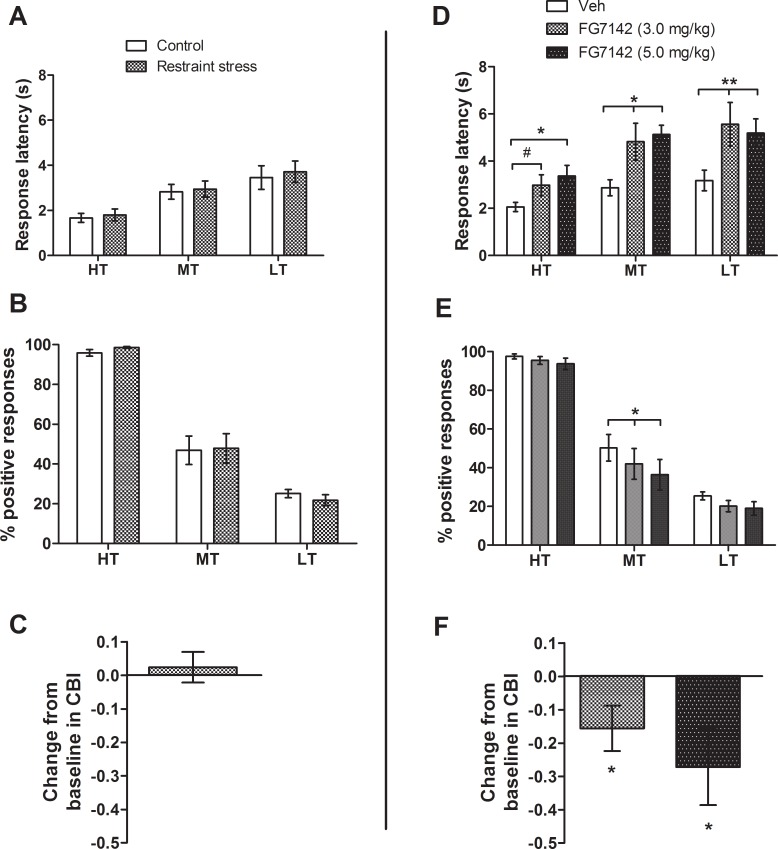
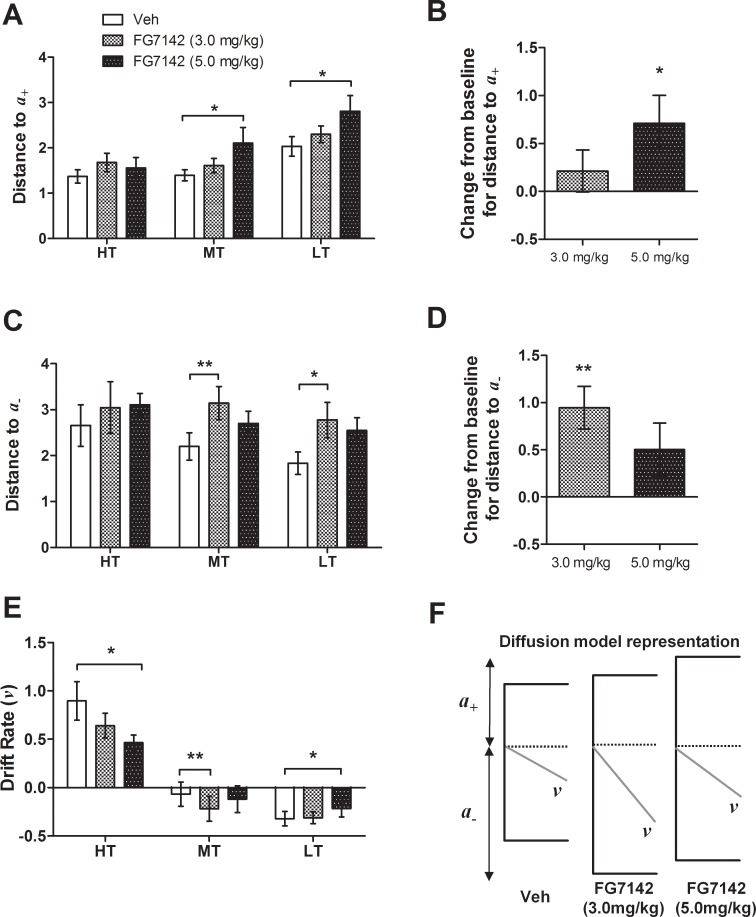
“Acute pharmacological induction of negative affective state on judgement bias has not specifically been tested, although acute treatments with noradrenergic drugs have induced negative biases [21, 22, 46], similar to the effect seen with FG7142 in Experiment 1 (Fig 2D–2F).”
BackgroundResultReward fails to alter response bias in depression.
Henriques, J. B., Glowacki, J. M., & Davidson, R. J. (1994) · Journal of Abnormal Psychology · doi:10.1037//0021-843x.103.3.460 · Cited by 213 · cited 1×
“Patients with mood disorders show abnormal processing of rewarding [7, 71] and aversive [72] stimuli.”
BackgroundUsing diffusion models to understand clinical disorders
White, C. N., Ratcliff, R., Vasey, M. W., & McKoon, G. (2010) · Journal of Mathematical Psychology · doi:10.1016/j.jmp.2010.01.004 · Cited by 208
Stressful life events and the onset of a generalized anxiety syndrome
(1987) · American Journal of Psychiatry · doi:10.1176/ajp.144.9.1178 · Cited by 203
A fast numerical algorithm for the estimation of diffusion model parameters
Voß, A., & Voß, J. (2007) · Journal of Mathematical Psychology · doi:10.1016/j.jmp.2007.09.005 · Cited by 192
Interpretation of ambiguous information in clinical depression
Mogg, K., Bradbury, K. E., & Bradley, B. P. (2006) · Behaviour Research and Therapy · doi:10.1016/j.brat.2005.10.008 · Cited by 174 · cited 1×
“Altogether, ICA suggests that negative judgement bias can be explained overall by more pessimistic decision making, which matches human behavioural data that has shown people with anxiety and depression exhibit more pessimistic interpretation of ambiguous information [66, 67].”
ResultInterpreting ambiguous stimuli: Separating perceptual and judgmental biases
Voß, A., Rothermund, K., & Brandtstädter, J. (2007) · Journal of Experimental Social Psychology · doi:10.1016/j.jesp.2007.10.009 · Cited by 152
Trait Pessimism Predicts Vulnerability to Stress-Induced Anhedonia in Rats
Ryguła, R., Hinchcliffe, J. K., & Popik, P. (2013) · Neuropsychopharmacology · doi:10.1038/npp.2013.116 · Cited by 140 · cited 3×
“[25] found that the more negative CBI seen during chronic restraint stress was reversed one week post-stress.”
BackgroundInfluentialStereotyping starlings are more ‘pessimistic’
Brilot, B., Asher, L., & Melissa Bateson, B. (2010) · Animal Cognition · doi:10.1007/s10071-010-0323-z · Cited by 138 · cited 1×
“This means that over the repeated test sessions used in this study, rats would learn there is no outcome associated with the ambiguous tone if it was unrewarded, as has previously been shown in a similar rewardbased judgement bias task in starlings that experienced multiple testing sessions [34].”
ResultModulation of Different States of Anxiety-Like Behavior by Chronic Stress.
Vyas, A., & Chattarji, S. (2004) · Behavioral Neuroscience · doi:10.1037/0735-7044.118.6.1450 · Cited by 136
Modelling cognitive affective biases in major depressive disorder using rodents
Hales, C. A., Stuart, S. A., Anderson, M. H., & Robinson, E. S. J. (2014) · British Journal of Pharmacology · doi:10.1111/bph.12603 · Cited by 122 · cited 1×
“Different affective states have been shown to be associated with positive and negative judgement biases in many different species of animals (see [14, 15] for recent reviews) and in humans [16–19].”
BackgroundSelf-citationRobinson, O. J., Letkiewicz, A. M., Overstreet, C., Ernst, M., & Grillon, C. (2011) · Cognitive, Affective, & Behavioral Neuroscience · doi:10.3758/s13415-011-0030-5 · Cited by 114
Reducing the stress of drug administration: implications for the 3Rs
Stuart, S. A., & Robinson, E. S. J. (2015) · Scientific Reports · doi:10.1038/srep14288 · Cited by 112 · cited 1×
“0 mg/kg, purchased from Sigma-Aldrich, UK) or vehicle (10% dimethyl sulfoxide, 20% cremophor, 70% saline) was given via intraperitoneal injection using a low-stress, non-restrained technique [35] 30 min prior to testing with a dose volume of 1 ml/kg.”
MethodSelf-citationWhite, C. N., Ratcliff, R., Vasey, M. W., & McKoon, G. (2010) · Emotion · doi:10.1037/a0019474 · Cited by 108
A Translational Rodent Assay of Affective Biases in Depression and Antidepressant Therapy
Stuart, S. A., Butler, P., Munafò, M. R., Nutt, D. J., & Robinson, E. S. (2013) · Neuropsychopharmacology · doi:10.1038/npp.2013.69 · Cited by 103 · cited 2×
“Drug doses were selected based on previous affective bias studies [36].”
MethodSelf-citationPapciak, J., Popik, P., Fuchs, E., & Rygula, R. (2013) · Behavioural Brain Research · doi:10.1016/j.bbr.2013.08.036 · Cited by 101 · cited 2×
“Induction of a negative affective state through RS&SI in Experiment 2 (Fig 3) replicates findings on R-P tasks where chronic mild stress [20], chronic restraint stress [25], and chronic psychosocial stress [24] caused negative judgement biases.”
BackgroundInfluentialPe, M. L., Vandekerckhove, J., & Kuppens, P. (2013) · Emotion · doi:10.1037/a0031628 · Cited by 92
Anderson, M. H., Munafo, M. R., & Robinson, E. S. J. (2012) · Psychopharmacology · doi:10.1007/s00213-012-2932-5 · Cited by 85
Self-citationBrydges, N. M., Hall, L., Nicolson, R., Holmes, M. C., & Hall, J. (2012) · PLoS ONE · doi:10.1371/journal.pone.0048143 · Cited by 82
Dysphoria and memory for emotional material: A diffusion-model analysis
White, C., Ratcliff, R., Vasey, M., & McKoon, G. (2009) · Cognition and Emotion · doi:10.1080/02699930801976770 · Cited by 81 · cited 1×
“Diffusion modelling has not been used with behavioural data from clinically anxious patients, although in a lexical decision task the boundary separation parameter was increased (although not significantly) in dysphoric compared to non-dysphoric participants [29].”
ResultChaby, L. E., Cavigelli, S. A., White, A., Wang, K., & Braithwaite, V. A. (2013) · Frontiers in Human Neuroscience · doi:10.3389/fnhum.2013.00328 · Cited by 75 · cited 1×
“Previous studies have shown that chronic stress experienced during adolescence [47] or the juvenile period [48] causes long-term changes in judgement bias measured in adult rats.”
BackgroundStuart, S. A., Butler, P., Munafò, M. R., Nutt, D. J., & Robinson, E. S. (2015) · Neuropsychopharmacology · doi:10.1038/npp.2015.59 · Cited by 71 · cited 1×
“This procedure has previously been shown in our laboratory to reliably induce negative affective state [36, 37].”
MethodSelf-citationEvaluation of a novel translational task for assessing emotional biases in different species
Anderson, M. H., Hardcastle, C., Munafo, M. R., & Robinson, E. S. J. (2011) · Cognitive Affective & Behavioral Neuroscience · doi:10.3758/s13415-011-0076-4 · Cited by 61
Self-citationTaghzouti, K., Lamarque, S., Kharouby, M., & Simon, H. (1999) · Biological Psychiatry · doi:10.1016/s0006-3223(98)00156-5 · Cited by 60 · cited 1×
“Animal behaviour can be highly variable, meaning subtle changes can be difficult to detect (see [65] for an example).”
BackgroundRygula, R., Papciak, J., & Popik, P. (2014) · European Neuropsychopharmacology · doi:10.1016/j.euroneuro.2014.01.012 · Cited by 58 · cited 1×
“Acute pharmacological induction of negative affective state on judgement bias has not specifically been tested, although acute treatments with noradrenergic drugs have induced negative biases [21, 22, 46], similar to the effect seen with FG7142 in Experiment 1 (Fig 2D–2F).”
ResultEmotional Processing and Antidepressant Action
Harmer, C. J. (2012) · Current topics in behavioral neurosciences · doi:10.1007/7854_2012_210 · Cited by 52
Voss, A., Voss, J., & Klauer, K. C. (2010) · British Journal of Mathematical and Statistical Psychology · doi:10.1348/000711009x477581 · Cited by 47
Parker, R. M. A., Paul, E. S., Burman, O. H. P., Browne, W. J., & Mendl, M. (2014) · Behavioural Brain Research · doi:10.1016/j.bbr.2014.07.048 · Cited by 44 · cited 1×
“[50]), as rats will learn to press a lever to obtain food reward within a few days, however experience much more difficulty in acquiring an active avoidance response [50, 51].”
BackgroundMood and the speed of decisions about anticipated resources and hazards
Paul, E. S., Cuthill, I. C., Kuroso, G., Norton, V., Woodgate, J., & Mendl, M. (2010) · Evolution and Human Behavior · doi:10.1016/j.evolhumbehav.2010.07.005 · Cited by 43
Schick, A., Wessa, M., Vollmayr, B., Kuehner, C., & Kanske, P. (2013) · Frontiers in Human Neuroscience · doi:10.3389/fnhum.2013.00272 · Cited by 42
FG 7142 and its anxiety-inducing effects in humans.
Dorow, R. (1987) · PubMed · Cited by 33
Ryguła, R., Szczech, E., Hinchcliffe, J. K., Nikiforuk, A., & Popik, P. (2014) · Behavioural Brain Research · doi:10.1016/j.bbr.2014.05.026 · Cited by 32
Neural correlates of valence generalization in an affective conditioning paradigm
Schick, A., Adam, R., Vollmayr, B., Kuehner, C., Kanske, P., & Wessa, M. (2015) · Behavioural Brain Research · doi:10.1016/j.bbr.2015.06.009 · Cited by 11
The avoidance barpress problem: Effects of enhanced reinforcement and an SSDR-congruent lever
Modaresi, H. A. (1990) · Learning and Motivation · doi:10.1016/0023-9690(90)90020-o · Cited by 2 · cited 1×
“[50]), as rats will learn to press a lever to obtain food reward within a few days, however experience much more difficulty in acquiring an active avoidance response [50, 51].”
Background
Cited by
Prefrontal cortex and depression
Pizzagalli, D. A., & Roberts, A. C. (2022) · Neuropsychopharmacology · doi:10.1038/s41386-021-01101-7 · Cited by 667
“In ambiguous cue tests reward and punishment [43, 44] or different amounts of reward [45, 46] are associated with two different sensory cues lying along a continuum, e.”
BackgroundAnimal affect and decision-making
Mendl, M., & Paul, E. S. (2020) · Neuroscience & Biobehavioral Reviews · doi:10.1016/j.neubiorev.2020.01.025 · Cited by 185
Optimism, pessimism and judgement bias in animals: A systematic review and meta-analysis
Lagisz, M., Zidar, J., Nakagawa, S., Neville, V., Sorato, E., Paul, E. S., Melissa Bateson, B., Mendl, M., & Løvlie, H. (2020) · Neuroscience & Biobehavioral Reviews · doi:10.1016/j.neubiorev.2020.07.012 · Cited by 185
Identifying Transdiagnostic Mechanisms in Mental Health Using Computational Factor Modeling
Wise, T., Robinson, O. J., & Gillan, C. M. (2023) · Biological Psychiatry · doi:10.1016/j.biopsych.2022.09.034 · Cited by 108
“…in depression (53) was adapted from a task used in rodents, providing additional potential for neurobiological investigations; speci fi cally, administration of a GABA A inverse agonist induces a negative bias and lower drift rate (50), suggesting that GABA may play a role in this symptom dimension.”
Robinson, E. S. J. (2018) · Philosophical Transactions of the Royal Society B Biological Sciences · doi:10.1098/rstb.2017.0036 · Cited by 69
Self-citation
Metadata
- Authors
- Hales, C. A., Robinson, E. S. J., & Houghton, C. J.
- Affiliations
- University of Bristol (GB)
- Corresponding author
- Houghton, Conor J.
- Venue
- PLOS ONE
- Publisher
- Public Library of Science (PLoS)
- Published
- 2016-03-29
- Volume
- 11
- Issue
- 3
- Pages
- e0152592
- ISSN
- 1932-6203 (ISSN-L)
- PMC
- PMC4811525
- OpenAlex
- W2335145190
- Cited by
- 49
- References
- 78
- Citations by year
- 2026: 3 · 2025: 3 · 2024: 2 · 2023: 1 · 2022: 10 · 2021: 7 · 2020: 8 · 2019: 5 · 2018: 5 · 2017: 4
- FWCI
- 2.97
- Type
- journal article
- Language
- en
- Open access
- gold
- doi.org
- Licence
- Locations
- PLoS ONE (publishedVersion, cc-by)
- PubMed Central (publishedVersion, cc-by)
- PubMed (publishedVersion)
- RePEc: Research Papers in Economics (submittedVersion, cc-by)
- DOAJ (DOAJ: Directory of Open Access Journals) (submittedVersion, cc-by-sa)
- Figshare (submittedVersion, cc-by)
- Explore Bristol Research (submittedVersion, cc-by)
- Bristol Research (University of Bristol) (submittedVersion, cc-by)
- Funders
- James S. McDonnell Foundation (JSMF #220020239, 220020239)
- Eli Lilly and Company
- Pfizer
- Wellcome Trust (099699/Z/12/Z, 097822/Z/11/ZR, 097822, 099699)
- International Seafood Sustainability Foundation
- Cancer Research UK
- British Pharmacological Society
- Research Councils UK
- University of Bristol
- Medical Research Council
- Biotechnology and Biological Sciences Research Council
- Topics
- Life Sciences › Neuroscience › Cognitive Neuroscience › Neural and Behavioral Psychology Studies
- Social Sciences › Decision Sciences › General Decision Sciences › Decision-Making and Behavioral Economics
- Life Sciences › Neuroscience › Cognitive Neuroscience › Memory and Neural Mechanisms
- Keywords
- judgment bias, negative emotions, decision-making, diffusion models, FG 7142, anxiogenic drugs, chronic restraint stress, social isolation, decision threshold, reward anticipation, rats
- MeSH terms
- Animals, Behavior, Animal, Decision Making, Diffusion, Judgment, Male, Models, Theoretical, Task Performance and Analysis, Reproducibility of Results, Bias, Principal Component Analysis, Rats
About these checks
Registry, retraction, Cites and statistics results are computed, not judged, with one exception: a printed reference that no index lists is read once by a model before it counts as a citation error. Claims are extracted by a model and kept only when their quote appears verbatim in the text; each cited source is then checked, with a model’s help, for whether it says what the claim relies on. Those verdicts can be wrong — read the claim’s quote and the cited source before relying on one.
Statistics and arithmetic are recomputed, not judged.
Confidence bands are shown only for fields calibrated on our annotated test set. None is calibrated yet, so no band is shown.
What counts as a claim ›How we measure confidence ›How we check this ›
Are you an author, or do you see a problem with this page? Request a review
Data sources
Bibliographic data: Semantic Scholar, OpenAlex, Crossref.
Contains information from the Semantic Scholar Academic Graph Datasets, made available under the ODC Attribution License (ODC-BY 1.0).
Semantic Scholar’s data is described in: Kinney, R., et al. (2023). The Semantic Scholar Open Data Platform. arXiv:2301.10140.
