

Molecular responses of genetically modified maize to abiotic stresses as determined through proteomic and metabolomic analyses
Open accessThe DOI matches its Crossref record; 99 of the 99 references it cites were found in a registry or an index.
Abstract
Some genetically modified (GM) plants have transgenes that confer tolerance to abiotic stressors. Meanwhile, other transgenes may interact with abiotic stressors, causing pleiotropic effects that will affect the plant physiology. Thus, physiological alteration might have an impact on the product safety. However, routine risk assessment (RA) analyses do not evaluate the response of GM plants exposed to different environmental conditions. Therefore, we here present a proteome profile of herbicide-tolerant maize, including the levels of phytohormones and related compounds, compared to its near-isogenic non-GM variety under drought and herbicide stresses. Twenty differentially abundant proteins were detected between GM and non-GM hybrids under different water deficiency conditions and herbicide sprays. Pathway enrichment analysis showed that most of these proteins are assigned to energetic/carbohydrate metabolic processes. Among phytohormones and related compounds, different levels of ABA, CA, JA, MeJA and SA were detected in the maize varieties and stress conditions analysed. In pathway and proteome analyses, environment was found to be the major source of variation followed by the genetic transformation factor. Nonetheless, differences were detected in the levels of JA, MeJA and CA and in the abundance of 11 proteins when comparing the GM plant and its non-GM near-isogenic variety under the same environmental conditions. Thus, these findings do support molecular studies in GM plants Risk Assessment analyses.
Overview
The claims and statistics of this paper haven’t been checked yet.
Free: it reads the open-access text and checks the first 5 claims that cite a source we can check. Create a free account to check every claim.
Integrity signals
Registry
Cites
Statistics
Figures
Verification
Claims the paper makes
The claims and statistics of this paper haven’t been checked yet.
Free: it reads the open-access text and checks the first 5 claims that cite a source we can check. Create a free account to check every claim.
Claims other papers make about this one
Each is checked against this paper’s own text: does it say what the citing paper says it does?
The cited source says what the claim attributes to it.
In the citing paper
“Plant growth and yield are greatly influenced by abiotic stresses.”
From Impact of Climate Change on Crops Adaptation and Strategies to Tackle Its Outcome: A Review (2019) · cites this paper as [8]
In the citing paper
“Under natural climate conditions, plants often experience numerous stresses like waterlogging, drought, heat, cold, and salinity [7,8].”
From Impact of Climate Change on Crops Adaptation and Strategies to Tackle Its Outcome: A Review (2019) · cites this paper as [8]
Self-check
Percentages, sums and reported differences re-computed from the paper’s own numbers.
The self-check needs the paper’s full text.
Citations
Cites
Mass Spectrometric Sequencing of Proteins from Silver-Stained Polyacrylamide Gels
Shevchenko, A., Wilm, M., Vorm, O., & Mann, M. (1996) · Analytical Chemistry · doi:10.1021/ac950914h · Cited by 8,995 · cited 2×
“They were subjected to in-gel reduction, alkylation, and tryptic digestion using 2–10 ng/μl trypsin (V511A; Promega) [34].”
MethodGrime, J. P. (1977) · The American Naturalist · doi:10.1086/283244 · Cited by 5,754 · cited 1×
“Stress is defined as any external abiotic or biotic constraint that reduces a plant’s ability to convert energy into biomass [18].”
BackgroundPhotosynthesis under drought and salt stress: regulation mechanisms from whole plant to cell.
Chaves, M. M., Flexas, J., & Pinheiro, C. (2009) · Annals of Botany · doi:10.1093/aob/mcn125 · Cited by 4,181 · cited 2×
“During the past few years, several reviews have discussed how drought constrains photosynthesis [52,53].”
BackgroundPlant drought stress: effects, mechanisms and management
Farooq, M., Wahid, A., Kobayashi, N., Fujita, D., & Basra, S. M. A. (2009) · Agronomy for Sustainable Development · doi:10.1051/agro:2008021 · Cited by 4,098
Correlation between Protein and mRNA Abundance in Yeast
Gygi, S. P., Rochon, Y., Franza, B. R., & Aebersold, R. (1999) · Molecular and Cellular Biology · doi:10.1128/mcb.19.3.1720 · Cited by 3,819 · cited 1×
“Changes at transcript level are not necessarily reflected by corresponding changes in plant proteome [28,29].”
BackgroundYamaguchi-Shinozaki, K., & Shinozaki, K. (2006) · Annual Review of Plant Biology · doi:10.1146/annurev.arplant.57.032905.105444 · Cited by 2,950 · cited 1×
“In addition, ABA synthesis is one of the fastest responses of plants to drought stress, which triggers ABA-inducible gene expression [61], causing stomatal closure, thereby reducing water loss via transpiration [62] Fig 2.”
BackgroundGene networks involved in drought stress response and tolerance
Shinozaki, K., & Yamaguchi-Shinozaki, K. (2006) · Journal of Experimental Botany · doi:10.1093/jxb/erl164 · Cited by 2,632
Role of plant hormones in plant defence responses
Bari, R., & Jones, J. D. G. (2009) · Plant Molecular Biology · doi:10.1007/s11103-008-9435-0 · Cited by 2,565
agriGO: a GO analysis toolkit for the agricultural community
Du, Z., Zhou, X., Ling, Y., Zhang, Z., & Su, Z. (2010) · Nucleic Acids Research · doi:10.1093/nar/gkq310 · Cited by 2,396 · cited 1×
“2 [35], using the Single Enrichment Analysis (SEA) category, with the following parameters: 1) Selected species: Zea mays ssp; 2) Statistical test method: Hypergeometric; 3) Multi-test adjustment method: Hochberg (FDR); 4) Significance level of 0.”
MethodMicroarray data normalization and transformation
Quackenbush, J. (2002) · Nature Genetics · doi:10.1038/ng1032 · Cited by 1,975 · cited 1×
“Log2FC is the most widely used alternative transformation of the ratio since it has the advantage of producing a continuous spectrum of values and representing up- and downregulated compound values in a similar and reader friendly fashion [37].”
Diffusive and Metabolic Limitations to Photosynthesis under Drought and Salinity in C 3 Plants
Flexas, J., Bota, J., Loreto, F., Cornic, G., & Sharkey, T. D. (2004) · Plant Biology · doi:10.1055/s-2004-820867 · Cited by 1,467 · cited 1×
“Although some controversy on the subject remains, decreased CO2 diffusion from the atmosphere to the site of carboxylation is generally considered the main cause for decreased photosynthesis under mild to moderate water limitation [52,54,55].”
BackgroundHormone balance and abiotic stress tolerance in crop plants
Peleg, Z., & Blumwald, E. (2011) · Current Opinion in Plant Biology · doi:10.1016/j.pbi.2011.02.001 · Cited by 1,359
Roles of enzymatic and nonenzymatic antioxidants in plants during abiotic stress
Ahmad, P., Jaleel, C. A., Salem, M. A., Nabi, G., & Sharma, S. (2010) · Critical Reviews in Biotechnology · doi:10.3109/07388550903524243 · Cited by 1,217
Pan, X., Welti, R., & Wang, X. (2010) · Nature Protocols · doi:10.1038/nprot.2010.37 · Cited by 1,121 · cited 1×
“Quantification was determined using reverse-phase liquid chromatography-tandem mass spectrometry with multiple reaction monitoring [36].”
MethodRecent advances and emerging trends in plant hormone signalling
Santner, A., & Estelle, M. (2009) · Nature · doi:10.1038/nature08122 · Cited by 960 · cited 2×
“Phytohormones can also rapidly alter gene expression by inducing or preventing the degradation of transcriptional regulators via the ubiquitin-proteasome system [31].”
BackgroundWater stress inhibits plant photosynthesis by decreasing coupling factor and ATP.
Tezara, W., Mitchell, V. J., Driscoll, S. D., & Lawlor, D. W. (1999) · Nature · doi:10.1038/44842 · Cited by 941 · cited 1×
“[57] found impaired ATP production and, thus, ribulose bisphosphate regeneration.”
BackgroundLawlor, D. W., & Tezara, W. (2009) · Annals of Botany · doi:10.1093/aob/mcn244 · Cited by 852 · cited 4×
“During the past few years, several reviews have discussed how drought constrains photosynthesis [52,53].”
BackgroundResultInfluentialKosová, K., Vítámvás, P., Prášil, I. T., & Renaut, J. (2011) · Journal of Proteomics · doi:10.1016/j.jprot.2011.02.006 · Cited by 852 · cited 1×
“By definition, herbicides are chemicals that impair plant development and, therefore, are used to eliminate many different weeds [14].”
BackgroundGRASSI, G., & MAGNANI, F. (2005) · Plant, Cell & Environment · doi:10.1111/j.1365-3040.2005.01333.x · Cited by 820
Losada, J. M., & Herrero, M. (2014) · BMC Plant Biology · doi:10.1186/1471-2229-14-1 · Cited by 767
Understanding the complex impacts of drought: A key to enhancing drought mitigation and preparedness
Wilhite, D. A., Svoboda, M. D., & Hayes, M. J. (2007) · Water Resources Management · doi:10.1007/s11269-006-9076-5 · Cited by 766 · cited 1×
“Drought is a common recurring phenomenon and its effects are extremely complex [22, 23].”
BackgroundDrought, ozone, ABA and ethylene: new insights from cell to plant to community
WILKINSON, S., & DAVIES, W. J. (2010) · Plant, Cell & Environment · doi:10.1111/j.1365-3040.2009.02052.x · Cited by 730 · cited 1×
“In addition, ABA synthesis is one of the fastest responses of plants to drought stress, which triggers ABA-inducible gene expression [61], causing stomatal closure, thereby reducing water loss via transpiration [62] Fig 2.”
BackgroundGlyphosate: A Unique Global Herbicide
Franz, J. E., Mao, M. K. T., & Sikorski, J. A. (1997) · Medical Entomology and Zoology · Cited by 724
Zhang, G., Chen, M., Li, L., Xu, Z., Chen, X., Guo, J., & Ma, Y. (2009) · Journal of Experimental Botany · doi:10.1093/jxb/erp214 · Cited by 596
Methyl jasmonate as a vital substance in plants
Cheong, J.-J., & Choi, Y. D. (2003) · Trends in Genetics · doi:10.1016/s0168-9525(03)00138-0 · Cited by 553 · cited 1×
“Moreover, these compounds play important roles together to activate plant defense mechanisms in response to biotic and abiotic stresses, such as drought, low temperature, and salinity [79].”
BackgroundSurvival of the flexible: hormonal growth control and adaptation in plant development
Wolters, H., & Jürgens, G. (2009) · Nature Reviews Genetics · doi:10.1038/nrg2558 · Cited by 533
Grover, W. H., Skelley, A. M., Liu, C. N., Lagally, E. T., & Mathies, R. A. (2003) · Sensors and Actuators B: Chemical · doi:10.1016/s0925-4005(02)00468-9 · Cited by 517
Huang, D., Wu, W., Abrams, S. R., & Cutler, A. J. (2008) · Journal of Experimental Botany · doi:10.1093/jxb/ern155 · Cited by 506
Hormone interactions in stomatal function
Acharya, B. R., & Assmann, S. M. (2009) · Plant Molecular Biology · doi:10.1007/s11103-008-9427-0 · Cited by 500 · cited 3×
“A wide range of cellular biochemical events has also been associated with the regulation of stomatal guard cells, such as the activation of G-proteins, the production of reactive oxygen species (ROS) (ABAstimulated), protein phosphorylation/dephosphorylation, and reorganization of the cytoskeleton [66].”
BackgroundInfluentialHirayama, T., & Shinozaki, K. (2007) · Trends in Plant Science · doi:10.1016/j.tplants.2007.06.013 · Cited by 494 · cited 1×
“ABA, which is synthesized either in leaves or in roots, plays a major role in commanding stomatal closure and, therefore, photosynthetic carbon uptake under conditions of water deficit [59,60].”
BackgroundDélye, C. (2013) · Pest Management Science · doi:10.1002/ps.3318 · Cited by 475
Osmond, C. B., & Grace, S. C. (1995) · Journal of Experimental Botany · doi:10.1093/jxb/46.special_issue.1351 · Cited by 460 · cited 1×
“Previous proteomic studies have reported similar results, showing that drought stress leads to an overall reduction of the photosynthetic transport chain [50], which consequently induces oxidative stress [51].”
ResultFragments of ATP synthase mediate plant perception of insect attack
Schmelz, E. A., Carroll, M. J., LeClere, S., Phipps, S. M., Meredith, J., Chourey, P. S., Alborn, H. T., & Teal, P. E. A. (2006) · Proceedings of the National Academy of Sciences · doi:10.1073/pnas.0602328103 · Cited by 416 · cited 1×
“This protein mediates plant perception in stress through the induction of volatile, phenylpropanoid and protease inhibitor defenses, such as JA and SA [86].”
BackgroundImpacts of genetically engineered crops on pesticide use in the U.S. -- the first sixteen years
Benbrook, C. M. (2012) · Environmental Sciences Europe · doi:10.1186/2190-4715-24-24 · Cited by 415 · cited 1×
“Herbicide use has been steadily increasing, particularly after the release of herbicide-tolerant GM crops [12] which encompass approximately 80% of GM crops, and are able to accumulate residues without dying in order to facilitate weed management [13].”
BackgroundBogeat-Triboulot, M.-B., Brosché, M., Renaut, J., Jouve, L., Le Thiec, D., Fayyaz, P., Vinocur, B., Witters, E., Laukens, K., Teichmann, T., et al. (2007) · Plant Physiology · doi:10.1104/pp.106.088708 · Cited by 394 · cited 1×
“Changes at transcript level are not necessarily reflected by corresponding changes in plant proteome [28,29].”
BackgroundMetabolomic and proteomic changes in the xylem sap of maize under drought
ALVAREZ, S., MARSH, E. L., SCHROEDER, S. G., & SCHACHTMAN, D. P. (2008) · Plant, Cell & Environment · doi:10.1111/j.1365-3040.2007.01770.x · Cited by 389 · cited 3×
“Studies on plant response to water deprivation report a significant decrease in leaf conductance from the seventh or eighth day of water stress, indicating that the stress is being perceived by the plant [32, 33].”
BackgroundMethodMolecular basis for the herbicide resistance of Roundup Ready crops
Funke, T., Han, H., Healy-Fried, M. L., Fischer, M., & Schönbrunn, E. (2006) · Proceedings of the National Academy of Sciences · doi:10.1073/pnas.0603638103 · Cited by 383 · cited 1×
“Reduced amounts of EPSPS caused by the glyphosate-based herbicide led to reductions in aromatic amino acids and indole-3-acetic acid (IAA), which is an important signaling hormone for plant growth and development, ultimately causing the plant to weaken and die [88].”
BackgroundGuerrero, F. D., Jones, J. T., & Mullet, J. E. (1990) · Plant Molecular Biology · doi:10.1007/bf00017720 · Cited by 370
Sasaki‐Sekimoto, Y., Taki, N., Obayashi, T., Aono, M., Matsumoto, F., Sakurai, N., Suzuki, H., Hirai, M. Y., Noji, M., Saito, K., et al. (2005) · The Plant Journal · doi:10.1111/j.1365-313x.2005.02560.x · Cited by 362 · cited 1×
“[80] reported that the Arabidopsis gene encoding IGPS of Tryptophan biosynthesis is regulated by JA.”
BackgroundA multivariate approach to the integration of multi-omics datasets
Meng, C., Kuster, B., Culhane, A. C., & Gholami, A. M. (2014) · BMC Bioinformatics · doi:10.1186/1471-2105-15-162 · Cited by 324 · cited 2×
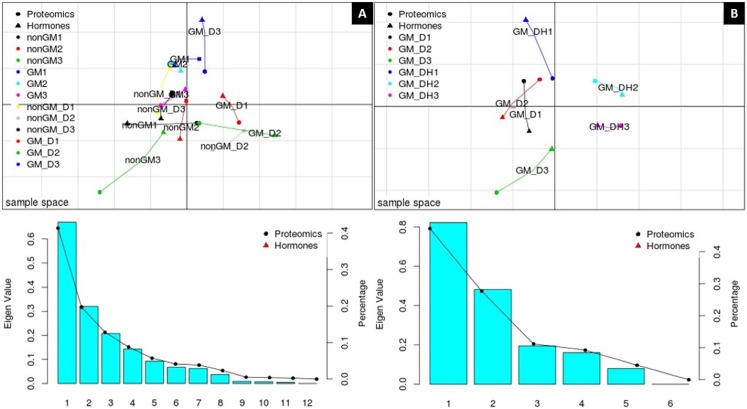
“It is noteworthy that one component of MCIA can be used to highlight the absence or presence of costructure between the datasets, thereby permitting the choice of the strongest elements for the following analysis [38], and based on these merits, MCIA was applied to this exploratory analysis of proteomic and metabolic…”
MethodBøhn, T., Cuhra, M., Traavik, T., Sanden, M., Fagan, J., & Primicerio, R. (2014) · Food Chemistry · doi:10.1016/j.foodchem.2013.12.054 · Cited by 290 · cited 2×
“[9] reported that herbicide-tolerant GM soy may have high residue levels Fig 4.”
BackgroundBalancing the central roles of the thylakoid proton gradient
Kramer, D. M., Cruz, J. A., & Kanazawa, A. (2003) · Trends in Plant Science · doi:10.1016/s1360-1385(02)00010-9 · Cited by 283
dbDEMC: a database of differentially expressed miRNAs in human cancers
Yang, Z., Ren, F., Liu, C., He, S., Sun, G., Gao, Q., Yao, L., Zhang, Y., Miao, R., Cao, Y., et al. (2010) · BMC Genomics · doi:10.1186/1471-2164-11-s4-s5 · Cited by 266
Toxins in transgenic crop byproducts may affect headwater stream ecosystems
Rosi-Marshall, E. J., Tank, J. L., Royer, T. V., Whiles, M. R., Evans-White, M., Chambers, C., Griffiths, N. A., Pokelsek, J., & Stephen, M. L. (2007) · Proceedings of the National Academy of Sciences · doi:10.1073/pnas.0707177104 · Cited by 254
Ishitani, M., Nakamura, T., Han, S. Y., & Takabe, T. (1995) · Plant Molecular Biology · doi:10.1007/bf00020185 · Cited by 254
Hormonal Interactions and Stomatal Responses
Dodd, I. C. (2003) · Journal of Plant Growth Regulation · doi:10.1007/s00344-003-0023-x · Cited by 241 · cited 1×
“ABA, which is synthesized either in leaves or in roots, plays a major role in commanding stomatal closure and, therefore, photosynthetic carbon uptake under conditions of water deficit [59,60].”
BackgroundBarros, E., Lezar, S., Anttonen, M. J., van Dijk, J. P., Röhlig, R. M., Kok, E. J., & Engel, K.-H. (2010) · Plant Biotechnology Journal · doi:10.1111/j.1467-7652.2009.00487.x · Cited by 235
Vincent, D., Lapierre, C., Pollet, B., Cornic, G., Negroni, L., & Zivy, M. (2005) · Plant Physiology · doi:10.1104/pp.104.050815 · Cited by 232
Ahmad, P. (2012) · AFRICAN JOURNAL OF BIOTECHNOLOGY · doi:10.5897/ajb11.3203 · Cited by 223
Séralini, G.-E., Cellier, D., & de Vendomois, J. S. (2007) · Archives of Environmental Contamination and Toxicology · doi:10.1007/s00244-006-0149-5 · Cited by 222
Pfannschmidt, T., Bräutigam, K., Wagner, R., Dietzel, L., Schröter, Y., Steiner, S., & Nykytenko, A. (2009) · Annals of Botany · doi:10.1093/aob/mcn081 · Cited by 213 · cited 1×
“our findings, other studies also recognize energetic metabolism as a key component of cellular function under limited supply of CO2 as a consequence of drought stress [53,56].”
ResultGlyphosate-induced oxidative stress in rice leaves revealed by proteomic approach
Ahsan, N., Lee, D.-G., Lee, K.-W., Alam, I., Lee, S.-H., Bahk, J. D., & Lee, B.-H. (2008) · Plant Physiology and Biochemistry · doi:10.1016/j.plaphy.2008.07.002 · Cited by 190 · cited 1×
“Therefore, the authors suggest that glyphosate-based herbicides might induce oxidative stress in plants [13, 83].”
BackgroundZablotowicz, R. M., & Reddy, K. N. (2004) · Journal of Environmental Quality · doi:10.2134/jeq2004.0825 · Cited by 176
The long‐term responses of the photosynthetic proton circuit to drought
KOHZUMA, K., CRUZ, J. A., AKASHI, K., HOSHIYASU, S., MUNEKAGE, Y. N., YOKOTA, A., & KRAMER, D. M. (2009) · Plant, Cell & Environment · doi:10.1111/j.1365-3040.2008.01912.x · Cited by 158 · cited 2×
“Later, the same authors reported the downregulation of ATP synthase as a natural response of plants to drought stress [46].”
BackgroundBudak, H., Akpınar, B. A., Ünver, T., & Türktaş, M. (2013) · Plant Molecular Biology · doi:10.1007/s11103-013-0024-5 · Cited by 148 · cited 1×
“In contrast, a decrease in FerredoxinNADP reductase was reported in Populus cathayana and wheat in response to drought stress [49], which seems to be the same case for the non-GM hybrid under drought stress.”
Nilo‐Poyanco, R., Saffie, C., Lilley, K. S., Baeza-Yates, R. A., Cambiazo, V., Campos‐Vargas, R., González, M., Meisel, L. A., Retamales, J., Silva, H., et al. (2010) · BMC Genomics · doi:10.1186/1471-2164-11-43 · Cited by 143
Zolla, L., Rinalducci, S., Antonioli, P., & Righetti, P. G. (2008) · Journal of Proteome Research · doi:10.1021/pr0705082 · Cited by 143 · cited 2×
“Unlike the genome, which is expected to be constant for an organism, the proteome is highly dependent on environmental influences, such as abiotic stresses [4].”
BackgroundResultAhsan, N., Lee, D., Kim, K., Alam, I., Lee, S., Lee, K., Lee, H., & Lee, B. (2009) · Chemosphere · doi:10.1016/j.chemosphere.2009.11.004 · Cited by 139
Comparative safety assessment of plant-derived foods
Kok, E. J., Keijer, J., Kleter, G. A., & Kuiper, H. A. (2007) · Regulatory Toxicology and Pharmacology · doi:10.1016/j.yrtph.2007.09.007 · Cited by 129
A role for “omics” technologies in food safety assessment
Davies, H. V. (2009) · Food Control · doi:10.1016/j.foodcont.2009.03.002 · Cited by 119 · cited 1×
“It is anticipated that the present work will pave the way for collaborative studies for the development of gene, protein, and metabolite databases of important crops grown across a range of environmentally variable conditions, thus providing an important and useful benchmark for safety assessment [92].”
BackgroundLehtimäki, N., Lintala, M., Allahverdiyeva, Y., Aro, E., & Mulo, P. (2010) · Journal of Plant Physiology · doi:10.1016/j.jplph.2010.02.006 · Cited by 114 · cited 1×
“[48] reported that the total expression level of the Ferredoxin-NADP+-oxidoreductase genes increased upon drought stress in Arabidopsis thaliana.”
BackgroundAumaitre, A., Aulrich, K., Chesson, A., Flachowsky, G., & Piva, G. (2002) · Livestock Production Science · doi:10.1016/s0301-6226(02)00016-7 · Cited by 112
Goodger, J. Q. D., Sharp, R. E., Marsh, E. L., & Schachtman, D. P. (2005) · Journal of Experimental Botany · doi:10.1093/jxb/eri231 · Cited by 111 · cited 1×
“Studies on plant response to water deprivation report a significant decrease in leaf conductance from the seventh or eighth day of water stress, indicating that the stress is being perceived by the plant [32, 33].”
BackgroundProteomic analysis of grapevine (Vitis vinifera L.) tissues subjected to herbicide stress
Castro, A. J., Carapito, C., Zorn, N., Magné, C., Leize‐Wagner, E., DORSSELAER, A. V., & Clément, C. (2005) · Journal of Experimental Botany · doi:10.1093/jxb/eri271 · Cited by 105
HLA-VBSeq: accurate HLA typing at full resolution from whole-genome sequencing data
Nariai, N., Kojima, K., Saito, S., Mimori, T., Sato, Y., Kawai, Y., Yamaguchi-Kabata, Y., Yasuda, J., & Nagasaki, M. (2015) · BMC Genomics · doi:10.1186/1471-2164-16-s2-s7 · Cited by 100
Self-incompatibility in Papaver targets soluble inorganic pyrophosphatases in pollen
de Graaf, B. H. J., Rudd, J. J., Wheeler, M. J., Perry, R. M., Bell, E. M., Osman, K., Franklin, F. C. H., & Franklin‐Tong, V. E. (2006) · Nature · doi:10.1038/nature05311 · Cited by 93 · cited 1×
“On the other hand, inorganic pyrophosphatases are important enzymes that generate the thermodynamic driving force for some cellular biosynthetic reactions by catalysing the hydrolysis of inorganic pyrophosphate (PPi) to inorganic orthophosphate (Pi) [69].”
BackgroundFukuda, A., & Tanaka, Y. (2006) · Plant Physiology and Biochemistry · doi:10.1016/j.plaphy.2006.06.012 · Cited by 90 · cited 2×
“Similar to our results, Fukuda and Tanaka [72] showed that ABA mediates the expression of genes responsible for regulating pyrophosphatases in response to osmotic stresses resulting from environmental changes, e.”
ResultRuebelt, M. C., Lipp, M., Reynolds, T. L., Schmuke, J. J., Astwood, J. D., DellaPenna, D., Engel, K. H., & Jany, K. (2006) · Journal of Agricultural and Food Chemistry · doi:10.1021/jf052358q · Cited by 89
Ruebelt, M. C., Leimgruber, N. K., Lipp, M., Reynolds, T. L., Nemeth, M. A., Astwood, J. D., Engel, K., & Jany, K. (2006) · Journal of Agricultural and Food Chemistry · doi:10.1021/jf0523566 · Cited by 86
Duhoux, A., & Délye, C. (2013) · PLoS ONE · doi:10.1371/journal.pone.0063576 · Cited by 85
Mesnage, R., Agapito-Tenfen, S. Z., Vilperte, V., Renney, G., Ward, M. A., Séralini, G., Nodari, R. O., & Antoniou, M. N. (2016) · Scientific Reports · doi:10.1038/srep37855 · Cited by 82 · cited 4×
“Therefore, the authors suggest that glyphosate-based herbicides might induce oxidative stress in plants [13, 83].”
BackgroundMethodInfluentialSelf-citationCuhra, M. (2015) · Environmental Sciences Europe · doi:10.1186/s12302-015-0052-7 · Cited by 77 · cited 1×
“Nonetheless, the identification of such pesticide residues is overlooked in compositional analyses [10].”
BackgroundSagstad, A., Sanden, M., Haugland, Ø., Hansen, A., Olsvik, P. A., & HEMRE, G.-I. (2007) · Journal of Fish Diseases · doi:10.1111/j.1365-2761.2007.00808.x · Cited by 75
George, G. M., van der Merwe, M. J., Nunes‐Nesi, A., Bauer, R., Fernie, A. R., Koßmann, J., & Lloyd, J. R. (2010) · PLANT PHYSIOLOGY · doi:10.1104/pp.110.157776 · Cited by 74
Coll, A., Nadal, A., Collado, R., Capellades, G., Kubista, M., Messeguer, J., & Pla, M. (2010) · Plant Molecular Biology · doi:10.1007/s11103-010-9624-5 · Cited by 74
Borsani, O., Dı́az, P., Agius, M. F., Valpuesta, V., & Monza, J. (2001) · Plant Science · doi:10.1016/s0168-9452(01)00467-8 · Cited by 67 · cited 1×
“Previous proteomic studies have reported similar results, showing that drought stress leads to an overall reduction of the photosynthetic transport chain [50], which consequently induces oxidative stress [51].”
ResultProteomic analysis of MON810 and comparable non-GM maize varieties grown in agricultural fields
Coll, A., Nadal, A., Rossignol, M., Puigdomènech, P., & Pla, M. (2010) · Transgenic Research · doi:10.1007/s11248-010-9453-y · Cited by 63
Agapito-Tenfen, S. Z., Vilperte, V., Benevenuto, R. F., Rover, C. M., Traavik, T. I., & Nodari, R. O. (2014) · BMC Plant Biology · doi:10.1186/s12870-014-0346-8 · Cited by 63 · cited 1×
“Even though studies have assessed unintended effects of GM plants derived from genetic modification based on “omics” approaches, most of them still evaluate these plants under controlled or invariable growth conditions [1,73,95].”
BackgroundSelf-citationRuebelt, M. C., Lipp, M., Reynolds, T. L., Astwood, J. D., Engel, K., & Jany, K. (2006) · Journal of Agricultural and Food Chemistry · doi:10.1021/jf052357y · Cited by 63
Coll, A., Nadal, A., Palaudelmàs, M., Messeguer, J., Melé, E., Puigdomènech, P., & Pla, M. (2008) · Plant Molecular Biology · doi:10.1007/s11103-008-9355-z · Cited by 61
Molecular profiling — a tool for addressing emerging gaps in the comparative risk assessment of GMOs
Heinemann, J. A., Kurenbach, B., & Quist, D. (2011) · Environment International · doi:10.1016/j.envint.2011.05.006 · Cited by 59 · cited 1×
“In addition, with the emergence of new GMO types, broader use of molecular profiling tools are required for reliable pre-market RA [30].”
BackgroundRegulation of Photosynthetic GAPDH Dissected by Mutants
Sparla, F., Zaffagnini, M., Wedel, N., Scheibe, R., Pupillo, P., & Trost, P. (2005) · PLANT PHYSIOLOGY · doi:10.1104/pp.105.062117 · Cited by 56 · cited 1×
“This protein is also located at the thylakoid membranes that participate in the ferredoxin reductase pathway responsible for NADPH production, which, in turn, is primarily used in the Calvin cycle [47].”
BackgroundAgapito-Tenfen, S. Z., Guerra, M. P., Wikmark, O.-G., & Nodari, R. O. (2013) · Proteome Science · doi:10.1186/1477-5956-11-46 · Cited by 52 · cited 2×
“[2], we performed preparative gels for each plant variety in order to extract relevant spots.”
MethodResultSelf-citationSWAP-Assembler: scalable and efficient genome assembly towards thousands of cores
Meng, J., Wang, B., Wei, Y., Feng, S., & Balaji, P. (2014) · BMC Bioinformatics · doi:10.1186/1471-2105-15-s9-s2 · Cited by 50
Signals and targets of the self-incompatibility response in pollen of Papaver rhoeas
Rudd, J. J., & Franklin‐Tong, V. E. (2003) · Journal of Experimental Botany · doi:10.1093/jxb/erg001 · Cited by 47 · cited 1×
“Pyrophosphatases not only play a crucial role in ATP production, but are also important for biopolymer synthesis in the construction of new cell walls and membranes [70,71].”
BackgroundDoğramacı, M., Foley, M. E., Horvath, D. P., Hernández, Á. G., Khetani, R. S., Fields, C. J., Keating, K. M., Mikel, M. A., & Anderson, J. V. (2015) · BMC Genomics · doi:10.1186/s12864-015-1627-9 · Cited by 44 · cited 1×
“[87] studied the impact of glyphosate-based herbicide on the vegetative growth of Leafy spurge (Euphorbia esula), and although abundance of jasmonic acid (JA) was not quantified, significant increase of transcripts homologous to Arabidopsis genes involved in biosynthesis of JA was also observed in plants treated with…”
BackgroundEffect of water stress on yield and agronomic characters of peanut (Arachis hypogaea L.)
Vorasoot, N., & Songsri, P. (2003) · Cited by 40
Balsamo, G. M., Cangahuala-Inocente, G. C., Bertoldo, J. B., Terenzi, H. F., & Arisi, A. C. M. (2011) · Journal of Agricultural and Food Chemistry · doi:10.1021/jf202635r · Cited by 40 · cited 1×
“Even though studies have assessed unintended effects of GM plants derived from genetic modification based on “omics” approaches, most of them still evaluate these plants under controlled or invariable growth conditions [1,73,95].”
BackgroundGurian-Sherman, D. (2012) · Cited by 39
Vera‐Estrella, R., Barkla, B. J., & Pantoja, O. (2014) · Journal of Proteomics · doi:10.1016/j.jprot.2014.05.018 · Cited by 30
Effect of water stress on yield and agronomic characters of peanut (Arachis hypogaea L.)
Patanothai, A., Jogloy, S., Akkasaeng, C., Songsri, P., & Vorasoot, N. (2003) · DOAJ (DOAJ: Directory of Open Access Journals) · Cited by 30
Gene expression profiling for food safety assessment: Examples in potato and maize
Dijk, J. P. V., Leifert, C., Barros, E., & Kok, E. J. (2010) · Regulatory Toxicology and Pharmacology · doi:10.1016/j.yrtph.2010.06.012 · Cited by 23
Muñoz‐Mayor, A., Pineda, B., García‐Abellán, J. O., García‐Sogo, B., Moyano, E., Atarés, A., Vicente‐Agulló, F., Serrano, R., Moreno, V., & Bolarín, M. C. (2008) · Physiologia Plantarum · doi:10.1111/j.1399-3054.2008.01060.x · Cited by 22 · cited 1×
“, CaMV-35S, used for genetic modification could lead to this high energetic cost in transgenic plants [77,78].”
BackgroundFang, Y.-Z., Lu, H., Chen, S., Zhu, K. Y., Song, H., & Qian, H. (2015) · Pesticide Biochemistry and Physiology · doi:10.1016/j.pestbp.2015.06.003 · Cited by 20
Marasco, E. K., & Schmidt‐Dannert, C. (2007) · Springer eBooks · doi:10.1007/978-1-4020-6031-1_1 · Cited by 18 · cited 1×
“CA is also a key intermediate in the shikimate pathway, and it is formed through deamination of L-phenylalanine, which is one of the primary aromatic amino acid products of the shikimate pathway [81].”
BackgroundGenetic and Environmental Influence on Maize Kernel Proteome
Anttonen, M. J., Lehesranta, S. J., Auriola, S. O. K., Röhlig, R. M., Engel, K., & Kärenlampi, S. O. (2010) · Journal of Proteome Research · doi:10.1021/pr100251p · Cited by 16 · cited 1×
“As expected for different growing conditions, these results agree with those of previous studies [2,4,39,40].”
ResultCastan, M., Ali, S.-E. B., Hochegger, R., Ruppitsch, W., Haslberger, A. G., & Brandes, C. (2016) · European Food Research and Technology · doi:10.1007/s00217-016-2749-2 · Cited by 16 · cited 1×
“[90] recently reported a study in which the NK603 construct was sequenced, with the aim of examining its genetic stability.”
BackgroundPhosSA: Fast and accurate phosphorylation site assignment algorithm for mass spectrometry data
Saeed, F., Pisitkun, T., Hoffert, J. D., Rashidian, S., Wang, G., Guček, M., & Knepper, M. A. (2013) · Proteome Science · doi:10.1186/1477-5956-11-s1-s14 · Cited by 10
Aumaitre, L. (2002) · INRAE Productions Animales · doi:10.20870/productions-animales.2002.15.2.3690 · Cited by 6
Research works printed but not linked: 2
- Aumaitre LA. New feeds from genetically modified plants: substantial equivalence, nutritional equivalence and safety for animals and animal products. Productions Animales. 2002 5 1; 15: 97– 108.
- Kohzuma K, Akashi K, Munekage Y, Sanda S, Hisabori T, Yokota A. A novel behavior of e-subunit of chloroplast ATP synthase. Proceedings of the 14th International Congress of Photosynthesis, Fundamental Aspects to Global Perspectives. 2005 1, 8– 9.
Cited by
Impact of Climate Change on Crops Adaptation and Strategies to Tackle Its Outcome: A Review
Raza, A., Razzaq, A., Mehmood, S. S., Zou, X., Zhang, X., Lv, Y., & Xu, J. (2019) · Plants · doi:10.3390/plants8020034 · Cited by 1,762
“Under natural climate conditions, plants often experience numerous stresses like waterlogging, drought, heat, cold, and salinity [7,8].”
BackgroundPlant metabolomics in biotic and abiotic stress: a critical overview
Anzano, A., Bonanomi, G., Mazzoleni, S., & Lanzotti, V. (2022) · Phytochemistry Reviews · doi:10.1007/s11101-021-09786-w · Cited by 167
Food safety, food security and genetically modified organisms in Africa: a current perspective
Gbashi, S., Adebo, O. A., Adebiyi, J. A., Targuma, S., Tebele, S. M., Areo, O. M., Olopade, B. K., Odukoya, J. O., & Njobeh, P. B. (2021) · Biotechnology and Genetic Engineering Reviews · doi:10.1080/02648725.2021.1940735 · Cited by 109
“For example, a study in South Africa by Benevenuto et al. (2017) examined the molecular responses of genetically modified maize to abiotic (water) stresses.”
BackgroundThirunavukkarasu, N., Kaul, J., Mukri, G., & Mittal, S. (2018) · Frontiers in Plant Science · doi:10.3389/fpls.2018.00361 · Cited by 75
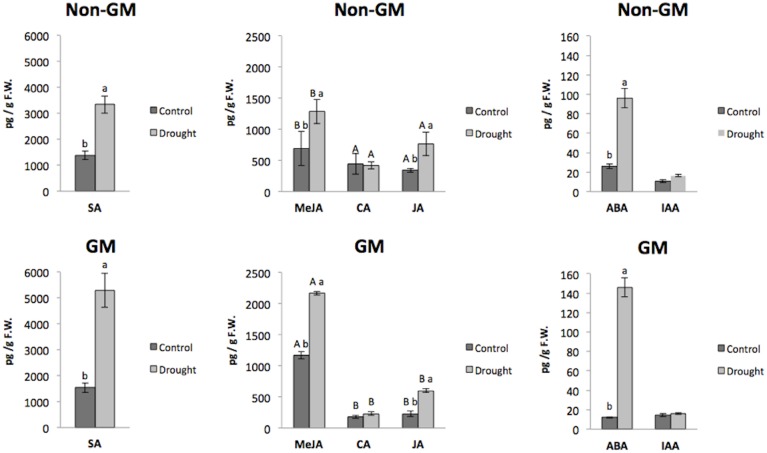
“A mass spectrometer analysis detected different levels of abscisic acid, jasmonate, salicylic acid, and other hormones in herbicide tolerant maize varieties under control and droughtstress conditions (Benevenuto et al., 2017).”
BackgroundXiong, Q., Shen, T., Shen, T., Zhong, L., Zhu, C., Peng, X., He, X., 傅军如, 欧阳林娟, Bian, J., et al. (2019) · Physiologia Plantarum · doi:10.1111/ppl.12901 · Cited by 80
Metadata
- Authors
- Benevenuto, R. F., Agapito-Tenfen, S. Z., Vilperte, V., Wikmark, O.-G., van Rensburg, P. J., & Nodari, R. O.
- Affiliations
- Western Norway University of Applied Sciences (NO)
- GenØk (NO)
- Universidade Federal de Santa Catarina (BR)
- North-West University (ZA)
- Corresponding author
- Benevenuto, Rafael Fonseca
- ORCID
- Venue
- PLOS ONE
- Publisher
- Public Library of Science (PLoS)
- Published
- 2017-02-28
- Volume
- 12
- Issue
- 2
- Pages
- e0173069
- ISSN
- 1932-6203 (ISSN-L)
- PMC
- PMC5330488
- OpenAlex
- W2592654916
- Cited by
- 72
- References
- 99
- Citations by year
- 2026: 2 · 2025: 3 · 2024: 18 · 2023: 7 · 2022: 8 · 2021: 8 · 2020: 11 · 2019: 7 · 2018: 7 · 2017: 1
- FWCI
- 7.54
- Type
- journal article
- Language
- en
- Open access
- gold
- doi.org
- Licence
- Locations
- PLoS ONE (publishedVersion, cc-by)
- PubMed Central (publishedVersion, cc-by)
- PubMed (publishedVersion)
- Institutional Repository of Leibniz Universität Hannover (Leibniz Universität Hannover) (submittedVersion, cc-by-nc-nd)
- DOAJ (DOAJ: Directory of Open Access Journals) (submittedVersion, cc-by-sa)
- Figshare (submittedVersion, cc-by)
- NORA - Norwegian Open Research Archives (submittedVersion, cc-by)
- Leibniz Universität Hannover (cc-by)
- Funders
- GenØk – Senter for Biosikkerhet
- Coordenação de Aperfeiçoamento de Pessoal de Nível Superior (077/2012)
- Conselho Nacional de Desenvolvimento Científico e Tecnológico
- North-West University
- Universidade Federal de Santa Catarina
- Direktoratet for Utviklingssamarbeid (FAPEU 077/2012)
- Topics
- Life Sciences › Agricultural and Biological Sciences › Plant Science › Genetically Modified Organisms Research
- Life Sciences › Agricultural and Biological Sciences › Plant Science › Plant Stress Responses and Tolerance
- Life Sciences › Agricultural and Biological Sciences › Plant Science › Plant Molecular Biology Research
- Keywords
- transgenic maize, herbicide tolerance, drought stress, abiotic stress, plant hormones, jasmonic acid, methyl jasmonic acid, abscisic acid, carotenoids, salicylic acid, differentially abundant proteins, carbohydrate metabolism, product safety
- MeSH terms
- Chromatography, Liquid, Zea mays, Plants, Genetically Modified, Proteomics, Tandem Mass Spectrometry, Metabolomics, Droughts
About these checks
Registry, retraction, Cites and statistics results are computed, not judged, with one exception: a printed reference that no index lists is read once by a model before it counts as a citation error. Claims are extracted by a model and kept only when their quote appears verbatim in the text; each cited source is then checked, with a model’s help, for whether it says what the claim relies on. Those verdicts can be wrong — read the claim’s quote and the cited source before relying on one.
Statistics and arithmetic are recomputed, not judged.
Confidence bands are shown only for fields calibrated on our annotated test set. None is calibrated yet, so no band is shown.
What counts as a claim ›How we measure confidence ›How we check this ›
Are you an author, or do you see a problem with this page? Request a review
Data sources
Bibliographic data: Semantic Scholar, OpenAlex, Crossref.
Contains information from the Semantic Scholar Academic Graph Datasets, made available under the ODC Attribution License (ODC-BY 1.0).
Semantic Scholar’s data is described in: Kinney, R., et al. (2023). The Semantic Scholar Open Data Platform. arXiv:2301.10140.
