

An Extensive Circuitry for Cell Wall Regulation in Candida albicans
Open accessThe DOI matches its Crossref record; 63 of the 63 references it cites were found in a registry or an index.
Abstract
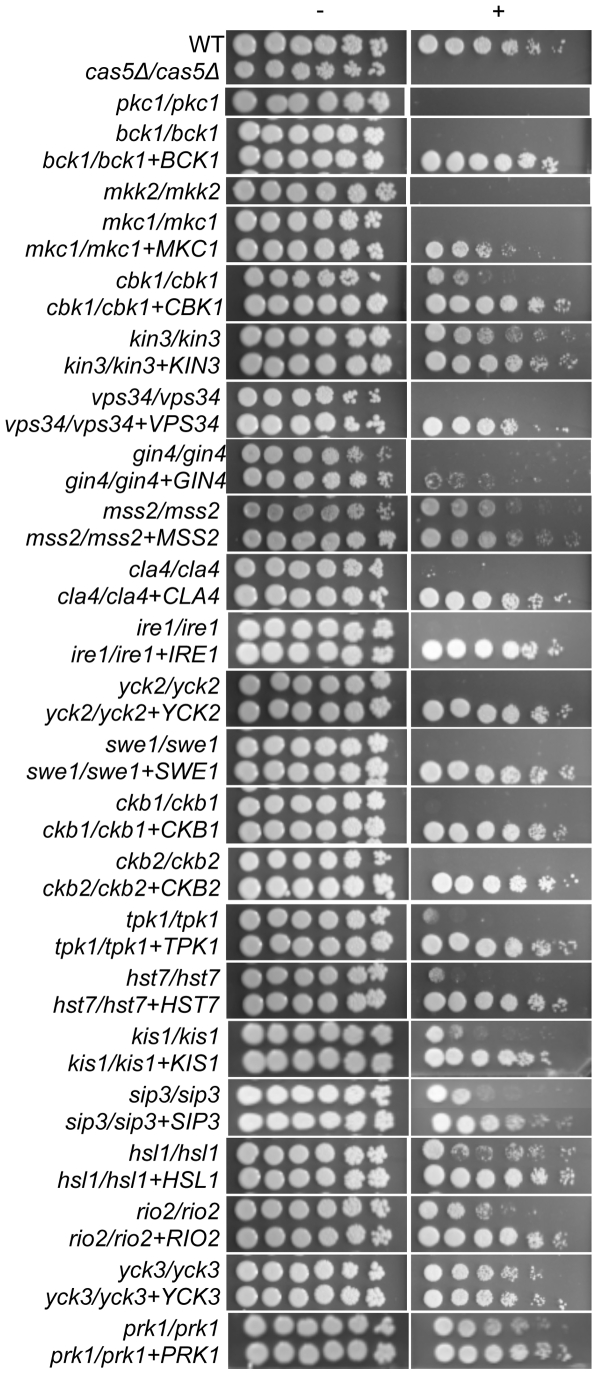
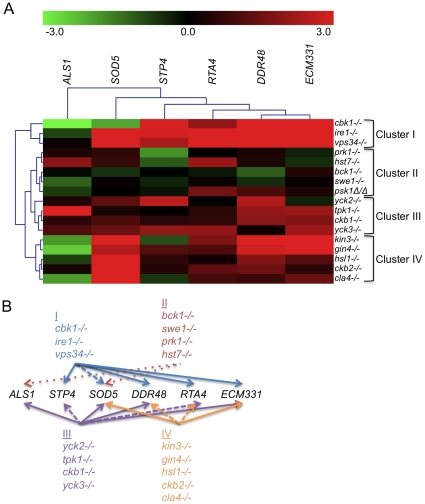
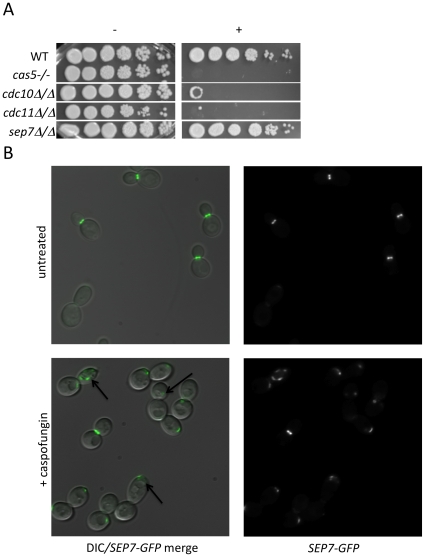
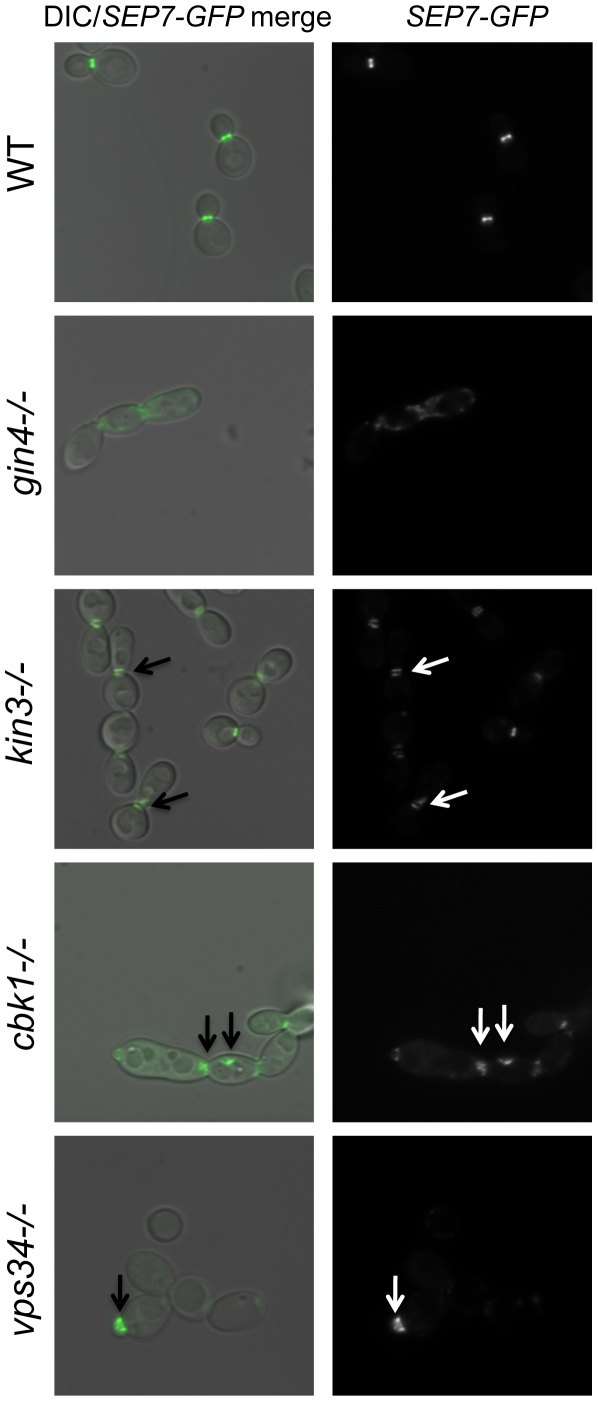
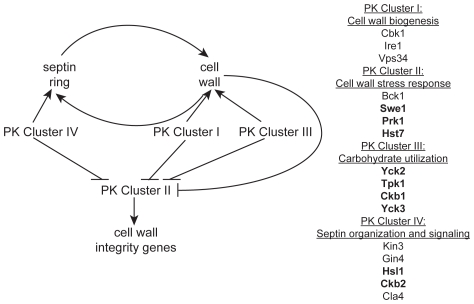
Protein kinases play key roles in signaling and response to changes in the external environment. The ability of Candida albicans to quickly sense and respond to changes in its environment is key to its survival in the human host. Our guiding hypothesis was that creating and screening a set of protein kinase mutant strains would reveal signaling pathways that mediate stress response in C. albicans. A library of protein kinase mutant strains was created and screened for sensitivity to a variety of stresses. For the majority of stresses tested, stress response was largely conserved between C. albicans, Saccharomyces cerevisiae, and Schizosaccharomyces pombe. However, we identified eight protein kinases whose roles in cell wall regulation (CWR) were not expected from functions of their orthologs in the model fungi Saccharomyces cerevisiae and Schizosaccharomyces pombe. Analysis of the conserved roles of these protein kinases indicates that establishment of cell polarity is critical for CWR. In addition, we found that septins, crucial to budding, are both important for surviving and are mislocalized by cell wall stress. Our study shows an expanded role for protein kinase signaling in C. albicans cell wall integrity. Our studies suggest that in some cases, this expansion represents a greater importance for certain pathways in cell wall biogenesis. In other cases, it appears that signaling pathways have been rewired for a cell wall integrity response.
Overview
The claims and statistics of this paper haven’t been checked yet.
Free: it reads the open-access text and checks the first 5 claims that cite a source we can check. Create a free account to check every claim.
Integrity signals
Registry
Cites
Statistics
Figures
Verification
Claims the paper makes
The claims and statistics of this paper haven’t been checked yet.
Free: it reads the open-access text and checks the first 5 claims that cite a source we can check. Create a free account to check every claim.
Self-check
Percentages, sums and reported differences re-computed from the paper’s own numbers.
The self-check needs the paper’s full text.
Citations
Cites
Functional profiling of the Saccharomyces cerevisiae genome
Giaever, G., Chu, A. M., Ni, L., Connelly, C., Riles, L., Véronneau, S., Dow, S., Lucau-Danila, A., Anderson, K., André, B., et al. (2002) · Nature · doi:10.1038/nature00935 · Cited by 4,316 · cited 1×
“cerevisiae mutant library [61] were also assayed for sensitivity in a similar manner.”
MethodSherman, F. (2002) · Methods in Enzymology · doi:10.1016/s0076-6879(02)50954-x · Cited by 4,121 · cited 1×
“Strains were grown on yeast extract-peptone-dextrose (YPD) rich medium, defined synthetic dextrose medium, prepared as previously described [55], spider medium (10 g D-mannitol (Sigma), 10 g nutrient broth (BD Difco), 2 g K2HPO4 (Sigma) in 1 l of H2O), and M199 cell culture medium (Roche) buffered with 150 mM Hepes (G…”
Method[1] Getting started with yeast
Sherman, F. (1991) · Methods in Enzymology · doi:10.1016/0076-6879(91)94004-v · Cited by 4,067
Global Mapping of the Yeast Genetic Interaction Network
Tong, A. H. Y., Lesage, G., Bader, G. D., Ding, H., Xu, H., Xin, X., Young, J., Berriz, G. F., Brost, R. L., Chang, M., et al. (2004) · Science · doi:10.1126/science.1091317 · Cited by 2,095 · cited 1×
“cerevisiae snf1 mutant shows synthetic lethality with the b-1,3-glucan synthase FKS1 [52] we propose that this PK has a more prominent role in CWR in C.”
Cell Wall Integrity Signaling in Saccharomyces cerevisiae
Levin, D. E. (2005) · Microbiology and Molecular Biology Reviews · doi:10.1128/mmbr.69.2.262-291.2005 · Cited by 1,136 · cited 1×
“Much of what we know about fungal cell wall integrity and cell wall biogenesis (herein collectively called cell wall regulation, CWR) comes from studies of the model yeast Saccharomyces cerevisiae, where the protein kinase C-MAPK (PKC-MAPK) pathway, largely responsible for the transcriptional response to cell wall dis…”
BackgroundCalderone, R. (2012) · ASM Press eBooks · Cited by 912
Patil, C., & Walter, P. (2001) · Current Opinion in Cell Biology · doi:10.1016/s0955-0674(00)00219-2 · Cited by 780 · cited 1×
“In all organisms where it has been studied, Ire1 is a component of the conserved unfolded protein response (UPR), which is activated by accumulation of unfolded proteins in the ER [38].”
BackgroundRapid Hypothesis Testing with Candida albicans through Gene Disruption with Short Homology Regions
Wilson, R. B., Davis, D., & Mitchell, A. P. (1999) · Journal of Bacteriology · doi:10.1128/jb.181.6.1868-1874.1999 · Cited by 762 · cited 1×
“All PK mutants tested were made in the BWP17 [56] background.”
BackgroundSelf-citationCell Wall and Secreted Proteins of Candida albicans: Identification, Function, and Expression
Chaffin, W. L., López-Ribot, J. L., Casanova, M., Gozalbo, D., & Martínez, J. P. (1998) · Microbiology and Molecular Biology Reviews · doi:10.1128/mmbr.62.1.130-180.1998 · Cited by 726 · cited 1×
“albicans biological process, including growth, morphogenesis, mating, and pathogenicity [7].”
Plasmid construction by homologous recombination in yeast
Ma, H., Kunes, S., Schatz, P. J., & Botstein, D. (1987) · Gene · doi:10.1016/0378-1119(87)90376-3 · Cited by 560 · cited 1×
“A 40mer sequence (upstream primer-TTCACACAGGAAACAGCTATGACCATGATTACGCCAAGCT, downstream primer TCGACCATATGGGAGAGCTCCCAACGCGTTGGATGCATAG) was tacked onto the 59 end of each primer sequence to guide in vivo recombination into the pDDB78 plasmid [58].”
Method
Cited by
Items 101–200 of 201
Kim, S. W., Joo, Y. J., & Kim, J. (2010) · The Journal of Microbiology · doi:10.1007/s12275-010-0422-1 · Cited by 25
“In a recent study, protein kinases were found to have crucial roles for cell wall regulation and localization of septin in C. albicans ( Blankenship et al., 2010 ).”
BackgroundBadrane, H., Nguyen, M. H., & Clancy, C. J. (2016) · Antimicrobial Agents and Chemotherapy · doi:10.1128/aac.02711-15 · Cited by 22
Koch, B., Tucey, T. M., Lo, T. L., Novakovic, S., Boag, P., & Traven, A. (2017) · Frontiers in Microbiology · doi:10.3389/fmicb.2017.02555 · Cited by 21
“…et al., 2010 YCAT489 mkc1 ura31::λimm434/ura31::λimm434 arg41::hisG/arg41::hisG his11::hisG/his11::hisG mkc1::Tn7UAU1/mkc1::Tn7-URA3 Blankenship et al., 2010 YCAT330 cek11/1 ura31::λ imm434/ura31::λ imm434 arg41::hisG/arg41::hisG his11::hisG/his1::hisG::pHIS1…”
Transcriptional regulation of the caspofungin-induced cell wall damage response in Candida albicans
Heredia, M. Y., Gunasekaran, D., Ikeh, M. A. C., Nobile, C. J., & Rauceo, J. M. (2020) · Current Genetics · doi:10.1007/s00294-020-01105-8 · Cited by 23
Overexpression approaches to advance understanding of Candida albicans
Rai, L. S., van Wijlick, L., Chauvel, M., d’Enfert, C., Legrand, M., & Bachellier‐Bassi, S. (2021) · Molecular Microbiology · doi:10.1111/mmi.14818 · Cited by 20
Transcriptional Control of Hypoxic Hyphal Growth in the Fungal Pathogen Candida albicans
Henry, M., Burgain, A., Tebbji, F., & Sellam, A. (2022) · Frontiers in Cellular and Infection Microbiology · doi:10.3389/fcimb.2021.770478 · Cited by 29
“A growth score was given for each mutant (Table S1).”
BackgroundInfluentialLee, Y., Hossain, S., MacAlpine, J., Robbins, N., & Cowen, L. E. (2023) · iScience · doi:10.1016/j.isci.2023.106145 · Cited by 20
Xie, J. L., O’Meara, T. R., Polvi, E. J., Robbins, N., & Cowen, L. E. (2017) · mSphere · doi:10.1128/msphere.00056-17 · Cited by 23
“albicans homozygous transposon insertion mutants that are enriched for protein kinases to identify strains that are unable to filament in response to this cue (36).”
BackgroundMethodInfluentialBishop, A. C., Sun, T., Johnson, M. E., Bruno, V. M., & Patton, J. L. (2011) · Eukaryotic Cell · doi:10.1128/ec.05160-11 · Cited by 21
Min, K., Jannace, T. F., Si, H., Veeramah, K. R., Haley, J. D., & Konopka, J. B. (2021) · PLoS Pathogens · doi:10.1371/journal.ppat.1009861 · Cited by 24
Thomas, E., Sircaik, S., Román, E., Brunel, J. M., Johri, A. K., Plá, J., & Panwar, S. L. (2015) · FEMS Yeast Research · doi:10.1093/femsyr/fov095 · Cited by 20
van Wijlick, L., Swidergall, M., Brandt, P., & Ernst, J. F. (2016) · Molecular Microbiology · doi:10.1111/mmi.13494 · Cited by 19
“…this work CLvW197 as CK43B-16L, but LEU2/LEU2::pBI-1 (empty vector) this work hst7 as BWP17, but hst7D::UAU1/hst7D::URA3 Blankenship et al., 2010 CLvW198 as hst7, but LEU2/LEU2::pPCKp-ACE2-SAT1(PCK1p-ACE2-SAT1) this work CLvW199 as hst7, but LEU2/LEU2::pBI-SAT1 (empty…”
BackgroundLee, Y., Liston, S. D., Lee, D., Robbins, N., & Cowen, L. E. (2022) · iScience · doi:10.1016/j.isci.2022.104432 · Cited by 18
“For the fluconazole susceptibility screen, these included the stress-activated MAPK HOG1 and the RAM signaling regulator CBK1 (Blankenship et al., 2010; Chauhan et al., 2007; Song et al., 2008).”
BackgroundMethodInfluentialWakade, R. S., Ristow, L. C., Stamnes, M. A., Kumar, A., & Krysan, D. J. (2020) · mBio · doi:10.1128/mbio.01900-20 · Cited by 20
“tants are unable to form hyphae (14, 19, 20); thus, we did not perform expression analysis under hypha-inducing conditions.”
Genome-wide functional analysis inCandida albicans
Motaung, T. E., Ells, R., Pohl, C. H., Albertyn, J., & Tsilo, T. J. (2017) · Virulence · doi:10.1080/21505594.2017.1292198 · Cited by 19
“The insertion libraries of Blankenship et al.(19) and Finkel et al.”
Co-occurence of filamentation defects and impaired biofilms inCandida albicansprotein kinase mutants
Konstantinidou, N., & Morrissey, J. P. (2015) · FEMS Yeast Research · doi:10.1093/femsyr/fov092 · Cited by 21
Genome-Wide Transposon Mutagenesis in Saccharomyces cerevisiae and Candida albicans
Xu, T., Bharucha, N., & Kumar, A. (2011) · Methods in molecular biology · doi:10.1007/978-1-61779-197-0_13 · Cited by 21
“In Candida albicans, transposon mutagenesis has served as a powerful method for the generation of large sets of gene disruption mutants, as targeted PCR-based approaches (23) can be challenging to implement in C.”
MethodMottola, A., Ramírez-Zavala, B., Hünniger, K., Kurzai, O., & Morschhäuser, J. (2021) · Molecular Microbiology · doi:10.1111/mmi.14727 · Cited by 17
“…protein kinases and transcription factors, regulate cell wall architecture and remodeling in response to environmental signals (Alonso- Monge et al., 1999, Ballou et al., 2016, Blankenship et al., 2010, Bruno et al., 2006, Eisman et al., 2006, Navarro- Garcia et al., 1998, Pradhan et al., 2018).”
BackgroundResultPuumala, E., Nandakumar, M., Yiu, B., Stogios, P. J., Strickland, B. G., Żarnowski, R., Wang, X., Williams, N. S., Savchenko, A. V., Andes, D. R., et al. (2025) · Nature Communications · doi:10.1038/s41467-025-57346-z · Cited by 21
“While no kinase inhibitors are currently approved to treat fungal infection, their potential use as either single agents or potentiators of existing antifungals has been proposed 12 – 15 .”
InfluentialLee, Y., Fang, Y., Sun, Y., Hsu, H., Weng, S., Tseng, T., Lin, T., & Shieh, J. (2018) · International Journal of Molecular Medicine · doi:10.3892/ijmm.2018.3930 · Cited by 17
“…known that C. albicans GCN4 , which is dependent on TOR1 control (53), negatively regulates filamentous growth (86) and positively regulates biofilm formation (87), and that C. albicans high osmolarity glycerol ( HOG1 ) suppresses filamentous development (88) and requires stress resistance (89,90).”
Guirao-Abad, J. P., Weichert, M., Albee, A., Deck, K., & Askew, D. S. (2020) · mSphere · doi:10.1128/msphere.00879-20 · Cited by 18
Xiong, J., Wang, L., Feng, Y., Zhen, C., Hang, S., Yu, J., Lu, H., & Jiang, Y. (2024) · Life Sciences · doi:10.1016/j.lfs.2024.122699 · Cited by 15
Kramara, J., Kim, M.-J., Ollinger, T. L., Ristow, L. C., Wakade, R. S., Żarnowski, R., Wellington, M. A., Andes, D. R., Mitchell, A. P., & Krysan, D. J. (2024) · mBio · doi:10.1128/mbio.01249-24 · Cited by 17
“The initial collection was a transposon-derived library in the BWP17 background which has been specifically interrogated for mutants affecting cell wall processes as well as biofilm formation and filamentation (18).”
BackgroundMethodSelf-citationSeptins coordinate cell wall integrity and lipid metabolism in a sphingolipid-dependent process
Mela, A. P., & Momany, M. (2021) · Journal of Cell Science · doi:10.1242/jcs.258336 · Cited by 17
Hayles, A., Bright, R., Wood, J., Palms, D., Zilm, P. S., Brown, T. D., Barker, D., & Vasilev, K. A. (2022) · Advanced Materials Interfaces · doi:10.1002/admi.202102353 · Cited by 15
Application of the systematic “DAmP” approach to create a partially defective C. albicans mutant
Finkel, J. S., Yudanin, N. A., Nett, J. E., Andes, D. R., & Mitchell, A. P. (2011) · Fungal Genetics and Biology · doi:10.1016/j.fgb.2011.07.005 · Cited by 16
Self-citationWang, L.-I., Lin, Y., Liu, K.-H., Jong, A., & Shen, W.-C. (2011) · PLoS ONE · doi:10.1371/journal.pone.0019162 · Cited by 14
Kim, J., Park, S., Kwon, S., Lee, E.-J., & Lee, J.-S. (2021) · Virulence · doi:10.1080/21505594.2021.1980988 · Cited by 13
A Candida parapsilosis Overexpression Collection Reveals Genes Required for Pathogenesis
Pál, S. E., Tóth, R., Nosanchuk, J. D., Vágvölgyi, C., Németh, T., & Gácser, A. (2021) · Journal of Fungi · doi:10.3390/jof7020097 · Cited by 15
Candida albicans Cdc15 is essential for mitotic exit and cytokinesis
Bates, S. (2018) · Scientific Reports · doi:10.1038/s41598-018-27157-y · Cited by 12
Mechanisms of Drug Resistance in Fungi and Their Significance in Biofilms
Prasad, R., Shah, A. H., & Dhamgaye, S. (2014) · Springer series on biofilms · doi:10.1007/978-3-642-53833-9_4 · Cited by 14
Das, S., Bhuyan, R., Goswami, A. M., & Saha, T. (2021) · Gene · doi:10.1016/j.gene.2021.145530 · Cited by 18
Blankenship, J. R., Cheng, S., Woolford, C. A., Xu, W., Johnson, T. M., Rogers, P. D., Fanning, S., Nguyen, M. H., Clancy, C. J., & Mitchell, A. P. (2014) · Eukaryotic Cell · doi:10.1128/ec.00127-14 · Cited by 13
“The protein kinase mutations were homozygous insertion mutations, and these mutant strains, like the septin mutant strains, were also hypersensitive to caspofungin (9).”
Self-citationLinking Sfl1 Regulation of Hyphal Development to Stress Response Kinases in Candida albicans
Unoje, O., Yang, M., Lü, Y., Su, C., & Liu, H. (2020) · mSphere · doi:10.1128/msphere.00672-19 · Cited by 17
“(47) and the transcription regulator mutant collection generated by Homann et al.”
BackgroundBudding off: bringing functional genomics to Candida albicans
Anderson, M. Z., & Bennett, R. J. (2016) · Briefings in Functional Genomics · doi:10.1093/bfgp/elv035 · Cited by 11
“(2010) [139] UAU method (transposon) 2000 380 Both No”
MethodDegani, G., Ragni, E., Botias, P., Ravasio, D., Calderon, J., Pianezzola, E., Rodriguez-Peña, J. M., Vanoni, M. A., Arroyo, J., Fonzi, W. A., et al. (2016) · BMC Genomics · doi:10.1186/s12864-016-2853-5 · Cited by 10
“For quantification, the abundance of each transcript during induction conditions was determined relative to the standard TDH3 transcript, as indicated in other reports [79, 80].”
MethodChao, W., Qiu, L., Gao, L., Feng, J., Liu, Y., Yan, L., Jiang, Y., & Lv, Q. (2024) · ACS Infectious Diseases · doi:10.1021/acsinfecdis.4c00069 · Cited by 9
Alternative sulphur metabolism in the fungal pathogen Candida parapsilosis
Lombardi, L., Salzberg, L. I., Cinnéide, E. Ó., O’Brien, C. E., Morio, F., Turner, S. A., Byrne, K. P., & Butler, G. (2024) · Nature Communications · doi:10.1038/s41467-024-53442-8 · Cited by 11
Sahoo, B., Goyal, R., Dutta, S., Joshi, P., & Sanyal, K. (2025) · ACS Infectious Diseases · doi:10.1021/acsinfecdis.5c00079 · Cited by 15
Chaillot, J., Tebbji, F., Mallick, J., & Sellam, A. (2018) · Genetics · doi:10.1534/genetics.118.301872 · Cited by 12
Jabes, D. L., Oliveira, A. C. D. F., Alencar, V. C., Menegídio, F. B., Renó, D. L., Santos, D. S., Barbosa, D. A., Boas, R. O. V., Cunha, R. L. O. R., Rodrigues, T., et al. (2016) · Molecular Genetics and Genomics · doi:10.1007/s00438-016-1184-1 · Cited by 10
Caspofungin exposure alters the core septin AspB interactome of Aspergillus fumigatus
Vargas-Muñiz, J. M., Renshaw, H., Waitt, G. M., Soderblom, E. J., Moseley, M. A., Palmer, J. M., Juvvadi, P. R., Keller, N. P., & Steinbach, W. J. (2017) · Biochemical and Biophysical Research Communications · doi:10.1016/j.bbrc.2017.02.116 · Cited by 11
“fumigatus, the core-septin mutants exhibit increased susceptibility to caspofungin [17,18,38].”
Prasad, P., Joshi, A., & Ghosh, S. (2022) · Microbial Pathogenesis · doi:10.1016/j.micpath.2022.105515 · Cited by 10
Raman, S. B., Nguyen, M. H., Cheng, S., Badrane, H., Iczkowski, K. A., Wegener, M., Gaffen, S. L., Mitchell, A. P., & Clancy, C. J. (2013) · Infection and Immunity · doi:10.1128/iai.00743-12 · Cited by 12
Self-citationIchikawa, Y., Bruno, V. M., Woolford, C. A., Kim, H., Do, E., Brewer, G. C., & Mitchell, A. P. (2021) · Genetics · doi:10.1093/genetics/iyab075 · Cited by 9
Self-citationA data library of Candida albicans functional genomic screens
Gervais, N. C., Halder, V., & Shapiro, R. S. (2021) · FEMS Yeast Research · doi:10.1093/femsyr/foab060 · Cited by 10
Das, S., Goswami, A. M., & Saha, T. (2022) · Microbial Pathogenesis · doi:10.1016/j.micpath.2022.105418 · Cited by 9
Vargas-Muñiz, J. M., Juvvadi, P. R., & Steinbach, W. J. (2016) · Microbiology · doi:10.1099/mic.0.000359 · Cited by 10
Application of the Mutant Libraries for Candida albicans Functional Genomics
Wang, R., Liu, J., Liu, Y., Lv, Q., & Yan, L. (2022) · International Journal of Molecular Sciences · doi:10.3390/ijms232012307 · Cited by 11
“albicans to generate a database of genetic mutant strains [6,7,11,22], which provides a new resource for fungal genetics research.”
BackgroundMundodi, V., Choudhary, S., Smith, A. D., & Kadosh, D. (2025) · Microbiology Spectrum · doi:10.1128/spectrum.02195-24 · Cited by 8
“Both surface contact-dependent kinase mutants, such as mkc1 Δ/Δ, as well as cell wall-defective kinase mutants, such as cbk1 Δ/Δ, are defective for biofilm formation (29–31).”
A study of genomic complexity underlying multidrug resistance in Candida auris strains in Thailand
Opassathian, K., Boonmee, N., Swangkaew, S., Jenjaroenpun, P., Wongsurawat, T., Kruasuwan, W., Ngamskulrungroj, P., & Mitrpant, C. (2025) · Scientific Reports · doi:10.1038/s41598-025-25386-6 · Cited by 9
“CDC10 protein is also important in cell wall integrity by regulating chitin deposition 91,92 .”
Genome-Wide Synthetic Genetic Screening by Transposon Mutagenesis in Candida albicans
Horton, B. N., & Kumar, A. (2015) · Methods in molecular biology · doi:10.1007/978-1-4939-2398-4_8 · Cited by 6
Neonatal fungal infections: new strategies in diagnosis
Dessì, A. (2014) · Journal of pediatric and neonatal individualized medicine · doi:10.7363/030222 · Cited by 6
“In most cases Candida infections are paucisymptomatic and only rarely lead to invasive candidosis [4].”
BackgroundBedekovic, T., Agnew, E., & Brand, A. (2020) · mBio · doi:10.1128/mbio.01666-20 · Cited by 6
“As Rsr1 focuses the delivery of exocytic vesicles containing cell wall biosynthesis machinery and structural components to the hyphal tip, which are strongly associated with septin organization, the diffuse dispersal of these elements may compromise cell wall assembly (32, 65, 66).”
BackgroundMottola, A., & Morschhäuser, J. (2019) · mSphere · doi:10.1128/msphere.00352-19 · Cited by 6
Druseikis, M. E., Mottola, A., & Berman, J. G. (2023) · Current Clinical Microbiology Reports · doi:10.1007/s40588-023-00189-3 · Cited by 6
Humbert, A., Bovier, E., Sellem, C. H., & Sainsard‐Chanet, A. (2015) · Fungal Genetics and Biology · doi:10.1016/j.fgb.2015.07.010 · Cited by 7
The duality ofAspergillus terreus: Differential immune responses to distinct conidia
Vyas, J. M. (2011) · Virulence · doi:10.4161/viru.2.3.16613 · Cited by 5
Sah, S. K., Yadav, A., Kruppa, M., & Rustchenko, E. P. (2023) · Microbiology Spectrum · doi:10.1128/spectrum.03295-23 · Cited by 5
“Importantly, deletion of CKB2 renders hypersensitivity to ECNs in pathogenic C. albicans but not in the model yeasts S. cerevisiae and Schizosaccharomyces pombe (16).”
BackgroundBarrera, S. M., Hatchell, E., Byrum, S. D., Mackintosh, S. G., & Kozubowski, L. (2024) · PLoS ONE · doi:10.1371/journal.pone.0313444 · Cited by 4
“In C . albicans , septin proteins have been found to scaffold cell-wall proteins via the cell wall integrity (CWI) MAPK pathway [12, 14, 105, 106].”
Ramírez-Zavala, B., Krüger, I., Wollner, A., Schwanfelder, S., & Morschhäuser, J. (2023) · PLoS Genetics · doi:10.1371/journal.pgen.1010890 · Cited by 5
Soll, D. R. (2012) · Springer eBooks · doi:10.1007/978-94-007-4264-2_6 · Cited by 4
Integrating Cdk Signaling in Candida albicans Environmental Sensing Networks
de Aldana, C. R. V., & Correa‐Bordes, J. (2011) · Topics in current genetics · doi:10.1007/978-3-642-22916-9_5 · Cited by 4
“Several studies have shown the existence of rewiring in C. albicans transcriptional regulatory pathways (Li and Johnson 2010) and protein kinases (Blankenship et al. 2010).”
BackgroundInfluentialBiofilm Formation in Candida albicans
Finkel, J. S., & Mitchell, A. P. (2014) · ASM Press eBooks · doi:10.1128/9781555817176.ch19 · Cited by 5
Self-citationCryptococcus neoformans mutant screening: a genome-scale's worth of function discovery
Motaung, T. E. (2018) · Fungal Biology Reviews · doi:10.1016/j.fbr.2018.01.001 · Cited by 3
Mode of action studies of defensin peptides from native South African Brassicaceae species
Barkhuizen, H. (2013) · SUNScholar (Stellenbosch University) · Cited by 4
Sellam, A., Chaillot, J., Mallick, J., Tebbji, F., Albert, J. R., Cook, M. A., & Tyers, M. (2016) · bioRxiv (Cold Spring Harbor Laboratory) · doi:10.1101/094144 · Cited by 3
“The 524 kinase (40), the TF (41) and generalist (45) mutant collections used for cell size screens were 525 acquired from the genetic stock center (http://www.”
BackgroundInfluentialGoich, D., Bloom, A. L. M., Duffy, S. R., Ventura, M. N., & Panepinto, J. C. (2024) · mBio · doi:10.1128/mbio.01762-24 · Cited by 7
Zhang, Q., Li, G., Wang, Y., Yang, C., Bai, W., Li, Q., Zhang, J., & Zhang, P. (2025) · Microorganisms · doi:10.3390/microorganisms13030683 · Cited by 2
“Cas5, a transcriptional regulator of cell wall integrity, is activated to promote C. albicans cell wall remodeling in the event of cell wall damage through dynamic changes in cell wall components [16,22].”
Fungal Morphogenesis: In Hot Pursuit
Xu, W., & Mitchell, A. P. (2012) · Current Biology · doi:10.1016/j.cub.2012.02.037 · Cited by 2
Self-citationNew Spins on Old Drugs: Enhancing Activity of Antifungals
Alspaugh, J. A. (2020) · Cell chemical biology · doi:10.1016/j.chembiol.2020.03.001 · Cited by 2
Novel determinants of cell size homeostasis in the opportunistic yeast Candida albicans
Chaillot, J., Cook, M. A., & Sellam, A. (2022) · Current Genetics · doi:10.1007/s00294-022-01260-0 · Cited by 1
Ramírez-Zavala, B., Krüger, I., Schwanfelder, S., Lackner, J., Krüger, T., Kniemeyer, O., & Morschhäuser, J. (2026) · PLoS Genetics · doi:10.1371/journal.pgen.1012118 · Cited by 2
Stack-Couture, S., Marsiglio-Librais, G. N., Lung, B., Genereaux, J. L., Halder, V., Dumeaux, V., Shapiro, R. S., & Lajoie, P. (2026) · Journal of Cell Science · doi:10.1242/jcs.264610 · Cited by 2
“Morphogenesis in C. albicans requires the kinase inositol-requiring enzyme 1 (Ire1) (Blankenship et al., 2010; Sircaik et al., 2021; Zhao et al., 2025), a transmembrane protein responsible for activating the unfolded protein response (UPR) in yeast (Bashir et al., 2021; Cox et al., 1993; Mori et…”
InfluentialMöslinger, A., Weiner, A., Schäuble, S., Ramírez-Zavala, B., Jablonowski, N., Cseresnyés, Z., Schille, T. B., Figge, M. T., Panagiotou, G., Morschhäuser, J., et al. (2026) · mBio · doi:10.1128/mbio.01764-26 · Cited by 1
Anderson, T. M., Shammami, M. A., Taddei, S. M., & Finkel, J. S. (2026) · PubMed · doi:10.14288/ujemi.v2i.193711 · Cited by 1
The MAP Kinase Network As the Nervous System of Fungi
Correia, I., Prieto, D., Alonso‐Monge, R., Plá, J., & Román, E. (2016) · Elsevier eBooks · doi:10.1016/b978-0-12-809633-8.12094-1 · Cited by 1
In the Crossroad Between Drug Resistance and Virulence in Fungal Pathogens
Cavalheiro, M., & Teixeira, M. C. (2018) · Springer eBooks · doi:10.1007/978-3-030-00683-9_7 · Cited by 1
Functional Genomic and Chemical Biology Analysis of Echinocandin Resistance in Candida albicans
Caplan, T. (2018) · TSpace (University of Toronto) · Cited by 2
Lorenz, M. C. (2024) · mBio · doi:10.1128/mbio.01698-24 · Cited by 2
“Two earlier efforts to construct and screen protein kinase libraries should be mentioned, one from the Mitchell lab that included 80 mutants used to identify cell wall regulators (12) and another from Morschhauser et al. initially screened for metabolic regulators (13).”
MethodPhospho-regulation of Lrg1 controls polarised growth in the human fungal pathogen Candida albicans
Watton, S. P. (2015) · UPT. Syiah Kuala University Library (Syiah Kuala University)
Rutas de glicosilación en Candida albicans: circuitos reguladores y efectos sobre virulencia
Cantero, M. D. P. D. (2010) · Gredos (University of Salamanca) · doi:10.14201/gredos.76428
Nickerson, K. W., Atkin, A. L., Marta, E., Blankenship, J. R., Langford, M. L., & Hargarten, J. C. (2014)
Self-citationFunctional Genomics of Candida albicans
Huang, G. (2015) · Fungal Genomics & Biology · doi:10.4172/2165-8056.1000e111
“albicans mutants of transcription factors, cell wall proteins and kinases [19,20].”
BackgroundSilva, P. A. (2017) · Digital Library of Theses and Dissertations (Universidade de São Paulo) · doi:10.11606/d.17.2017.tde-27012017-144118
mSphere of Influence: a Systematic Approach To Dissect Virulence Traits in Candida albicans
Pérez, J. C. (2019) · mSphere · doi:10.1128/msphere.00258-19
“was one of a handful (4, 5) that epitomized how some interesting and unexpected biological insights could be gained by having a wide”
BackgroundWoolford, C. A., & Mitchell, A. P. (2021) · Methods in molecular biology · doi:10.1007/978-1-0716-1182-1_1
Self-citationGermination of a Field: Women in Candida albicans Research
Anderson, F. M., Polvi, E. J., Veri, A. O., & O’Meara, T. R. (2021) · Current Clinical Microbiology Reports · doi:10.1007/s40588-021-00169-5
Regulación por NDR kinasas durante el crecimiento polarizado en C. albicans
Almeida, A. S. (2021) · Gredos (University of Salamanca) · doi:10.14201/gredos.148417
Hube, B., & Wilson, D. (2013) · Faculty Opinions – Post-Publication Peer Review of the Biomedical Literature · doi:10.3410/f.718174276.793486789
The MAP Kinase Network As the Nervous System of Fungi
Correia, I., Prieto, D., Alonso‐Monge, R., Plá, J., & Román, E. (2017) · Elsevier eBooks · doi:10.1016/b978-0-12-819990-9.12094-3 · Cited by 1
(2010) · Yeast · doi:10.1002/yea.1720
Rao, K. H., Roy, K., & Ghosh, S. (2022) · Biochimica et Biophysica Acta (BBA) - General Subjects · doi:10.1016/j.bbagen.2022.130164
Pál, S. E. (2022) · SZTE Repository of Dissertations (University of Szeged) · doi:10.14232/phd.11334
Busch, R. J., Doty, C., Mills, C. A., Latifi, F., Herring, L. E., Konjufca, V. H., Carvallo, F., Boluarte, T., & Vargas-Muñiz, J. M. (2025) · bioRxiv (Cold Spring Harbor Laboratory) · doi:10.1101/2025.02.25.640155
Distinct Ire1-driven transcriptional responses control morphogenesis in Candida albicansPreprint
Stack-Couture, S., Marsiglio-Librais, G. N., Lung, B., Genereaux, J. L., Halder, V., Dumeaux, V., Shapiro, R. S., & Lajoie, P. (2025) · bioRxiv (Cold Spring Harbor Laboratory) · doi:10.1101/2025.11.13.688365
Montedonico, A. E. (2012) · Cited by 1
Modern trends in the development of antifungal agents
Avtonomova, A. V., Валерьевна, К. О., Zagainova, A. V., & Makarov, V. V. (2025) · Экология человека · doi:10.17816/humeco695458
Joshi, A., Brahmandam, G., Kannan, H., Roy, S. C., Subramanian, S., Sanyal, A., & Ghosh, S. K. (2026) · mSphere · doi:10.1128/msphere.00084-26
“S1B) (88), this can be a possible explanation for the observed defect in cytokinesis.”
Fonctions et biosynthèse des β-1,6-glucanes de la paroi cellulaire chez Candida albicans
Bekirian, C. (2024) · theses.fr (ABES) · doi:10.70675/b1028289z0c26z4acaz8f96z18e5c0c94464
Metadata
- Authors
- Blankenship, J. R., Fanning, S., Hamaker, J. J., & Mitchell, A. P.
- Affiliations
- Carnegie Mellon University (US)
- University College Cork (IE)
- Columbia University (US)
- Corresponding author
- Mitchell, Aaron P.
- Venue
- PLoS Pathogens
- Publisher
- Public Library of Science (PLoS)
- Published
- 2010-02-05
- Volume
- 6
- Issue
- 2
- Pages
- e1000752
- ISSN
- 1553-7366 (ISSN-L)
- 1553-7374
- PMC
- PMC2816693
- OpenAlex
- W2006754735
- Cited by
- 201
- References
- 61
- Citations by year
- 2026: 6 · 2025: 8 · 2024: 9 · 2023: 4 · 2022: 12 · 2021: 16 · 2020: 12 · 2019: 8 · 2018: 9 · 2017: 12 · 2016: 16 · 2015: 11 · 2014: 14 · 2013: 14 · 2012: 23
- FWCI
- 8.33
- Type
- journal article
- Language
- en
- Open access
- gold
- doi.org
- Locations
- PLoS Pathogens (publishedVersion, cc-by)
- PubMed Central (publishedVersion, cc-by)
- PubMed (publishedVersion)
- DOAJ (DOAJ: Directory of Open Access Journals) (submittedVersion, cc-by-sa)
- Figshare (submittedVersion, cc-by)
- KiltHub Repository (cc-by)
- Funders
- National University of Ireland
- National Institutes of Health
- National Institute of Allergy and Infectious Diseases (R01AI067703, R01AI057804, F32AI071439)
- Topics
- Life Sciences › Biochemistry, Genetics and Molecular Biology › Molecular Biology › Fungal and yeast genetics research
- Health Sciences › Medicine › Infectious Diseases › Antifungal resistance and susceptibility
- Life Sciences › Biochemistry, Genetics and Molecular Biology › Genetics › Bacterial Genetics and Biotechnology
- Keywords
- Candida albicans, cell wall integrity, protein kinases, stress response, cell polarity, septins, cell wall biosynthesis, fungal pathogenesis
- MeSH terms
- Base Sequence, Candida albicans, Cell Wall, Fungal Proteins, Genes, Fungal, Molecular Sequence Data, Protein Kinases, Sequence Homology, Nucleic Acid, Stress, Physiological, Signal Transduction, Cell Polarity, Reverse Transcriptase Polymerase Chain Reaction
About these checks
Registry, retraction, Cites and statistics results are computed, not judged, with one exception: a printed reference that no index lists is read once by a model before it counts as a citation error. Claims are extracted by a model and kept only when their quote appears verbatim in the text; each cited source is then checked, with a model’s help, for whether it says what the claim relies on. Those verdicts can be wrong — read the claim’s quote and the cited source before relying on one.
Statistics and arithmetic are recomputed, not judged.
Confidence bands are shown only for fields calibrated on our annotated test set. None is calibrated yet, so no band is shown.
What counts as a claim ›How we measure confidence ›How we check this ›
Are you an author, or do you see a problem with this page? Request a review
Data sources
Bibliographic data: Semantic Scholar, OpenAlex, Crossref.
Contains information from the Semantic Scholar Academic Graph Datasets, made available under the ODC Attribution License (ODC-BY 1.0).
Semantic Scholar’s data is described in: Kinney, R., et al. (2023). The Semantic Scholar Open Data Platform. arXiv:2301.10140.
